Jacu Bird Coffee Escapes Trump’s Tariffs as Brazil’s Specialty Exports Collapse

São Paulo – Qahwa World

While Brazil’s premium coffee exports are reeling under heavy U.S. tariffs, one unusual specialty brew has managed to stay untouched: coffee produced from beans eaten and excreted by the Jacu bird.

In early August, U.S. President Donald Trump imposed a 50% tariff on Brazilian goods amid a political dispute with President Luiz Inácio Lula da Silva. The move has slashed U.S. imports of Brazilian specialty coffee by nearly 70% in August alone, according to the Brazilian Specialty Coffee Association. The damage has been especially severe for premium brands, long favored by American consumers.

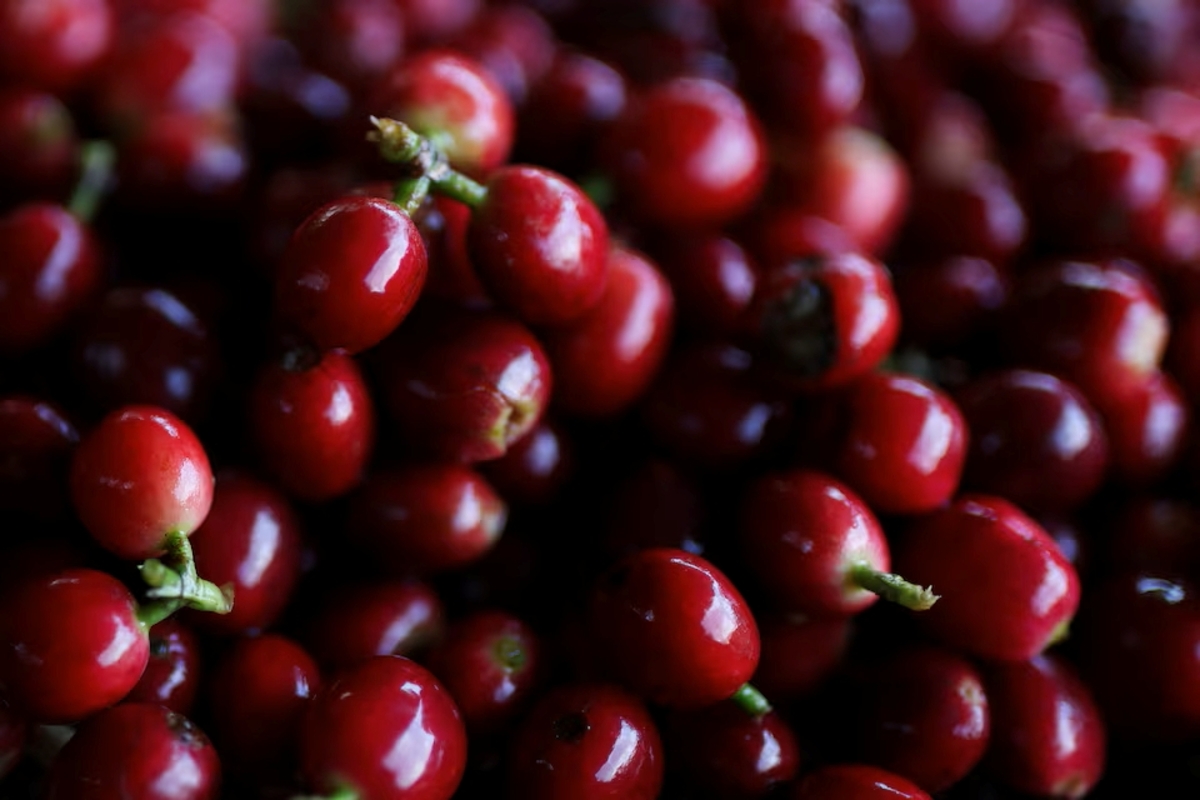
Yet Jacu Bird coffee — a rare Arabica harvested at Fazenda Camocim in Brazil’s Atlantic Forest — has emerged unscathed. The beans are naturally processed through the digestive tract of the Jacu, a fruit-eating bird of the Penelope species, giving the coffee a distinctive floral aroma and balanced acidity.

“Americans don’t have the same vision as the Japanese, Asians, Saudis, or Europeans in seeking out this type of quality,” said Henrique Sloper, producer and CEO of Fazenda Camocim. “For us, the tariffs don’t affect this product.”

Jacu Bird coffee, which can fetch up to £960 ($1,300) per kilo, has gained strong followings in Japan, Europe, and parts of the Middle East. Its production was inspired by Indonesia’s famous Kopi Luwak, made from beans digested by civets.

Rogerio Lemke, agriculture supervisor at Fazenda Camocim, explained that the bird’s varied diet enhances the beans’ profile: “The Jacu eats fruit as well as coffee. Inside its craw, the coffee absorbs the fruit’s characteristics, adding complexity to the cup.”

While this niche product thrives, the broader sector is suffering. Brazil’s coffee exporters group Cecafe confirmed that specialty beans have been hardest hit by the tariffs, driving a “ruinous” decline in shipments to the U.S.

Sloper admitted the farm’s other coffees, which form the bulk of production, are facing losses: “America is the largest coffee market in the world, and we’re shut out. In the short term, it’s very bad. But in the medium and long term, it may push us to open other markets.”

For now, the Jacu Bird — once seen as a nuisance in coffee groves — has unexpectedly become a symbol of resilience in Brazil’s struggling specialty coffee industry.

Bain Capital Submits Bid to Acquire Costa Coffee from Coca-Cola

Dubai – Qahwa World

US private equity firm Bain Capital has made an initial bid to acquire Costa Coffee from beverage giant The Coca-Cola Company, according to sources familiar with the matter.

The bid was submitted through Bain Capital’s Special Situations unit, which has invested more than $17bn since its launch in 2018 and currently manages over $21.6bn in assets. The investment group already counts boutique bakery-café chain Gail’s and restaurant brand PizzaExpress among its portfolio.

The development follows less than two weeks after Apollo Global Management, once considered the frontrunner, withdrew its interest in the UK-based coffee chain. Reports indicate that Coca-Cola has received fewer offers than expected for Costa, which operates more than 4,100 outlets worldwide. London-based TDR Capital, which has stakes in UK supermarket Asda and QSR brand Popeyes, also submitted a preliminary bid last month.

Coca-Cola has been exploring a sale of Costa since August 2025, nearly seven years after acquiring the company from Whitbread in January 2019 for $4.9bn. Speaking after Coca-Cola’s second-quarter earnings release earlier this year, CEO James Quincey admitted that the group’s investment in Costa Coffee “is not where we wanted it to be.”

A sale would likely see Coca-Cola incur losses of several billion dollars compared to its original purchase price. However, the company is expected to retain ownership of Costa’s ready-to-drink (RTD) beverage portfolio.

Founded in 1971, Costa Coffee is the UK’s largest coffee chain, with its home market accounting for around two-thirds of its global footprint. The brand reported 9% year-on-year sales growth in the 12 months ending 31 December 2023, reaching £1.2bn ($1.6bn), with the UK contributing 96% of total sales.

Worth $58.5 Billion: US Coffee Market Slows Under Cost Pressures

Dubai Qahwa World

The US branded coffee shop industry, one of the largest in the world, is showing signs of strain as growth slows amid rising costs and a tough economic climate. According to new industry research, the market is now worth around $58.5 billion, achieving 6.6% annual sales growth a dip from last year’s 7%.

Despite the cooling pace, the market continues to expand in size and scale. Net outlet growth reached 4.2% in 2025, bringing the total to more than 45,200 stores across 588 brands, although this marks a slowdown from the 5.1% growth recorded in 2024.

Expansion Meets Resistance

Big players are still adding stores. Starbucks, Dunkin’, Dutch Bros, and 7 Brew each expanded by more than 100 outlets over the past year. Yet, broader growth has been curbed by record-high green coffee costs, persistent inflation, and a 50% tariff on Brazilian imports, which together create unprecedented pressure on operators.

Drive-thru coffee chains are leading the charge. Dutch Bros surpassed 1,000 locations, while Arkansas-based 7 Brew posted the fastest expansion rate in the sector. Black Rock Coffee Bar, following its $294 million IPO in September 2025, is also preparing for nationwide growth.

Adding to the competitive landscape, China’s Luckin Coffee and Cotti Coffee have entered the US market. At the same time, more than 50 independent café businesses grew to five or more outlets, officially stepping into the branded chain category.

Consumers Pay More, Confidence Drops

Sales figures were propped up by higher menu prices. Over the last year, the average cost of a 16oz latte, cappuccino, or filter coffee rose by 3%, while iced coffee went up by nearly 5%.

Although more than half of US industry leaders reported positive sales, fewer than a third described overall trading conditions as favorable down sharply from 2024. Just 20% of executives expect conditions to improve in the coming year, and more than one-third now predict that coffee shop sales will lag behind US GDP growth.

Non-Dairy Options Go Mainstream

One of the most notable shifts in consumer trends has been the removal of surcharges for plant-based milks. Eighteen of the 20 largest coffee chains including Starbucks, Dunkin’, and Dutch Bros now serve oat, almond, and other dairy alternatives without extra charges.

Still, nearly two-thirds of industry leaders believe that surcharges remain justified due to higher costs, and more than half of customers indicated they would pay extra for their preferred alternative milk. Almond milk continues to dominate demand.

Outlook to 2030: Resilience and Adaptation

Even with mounting headwinds, the sector shows long-term resilience. Market forecasts project that the US branded coffee shop industry will exceed $63 billion within a year and reach $82.4 billion by 2030, supported by outlet growth to more than 57,700 stores nationwide.

Industry experts say growth will increasingly depend on portfolio adjustments and new strategies to meet evolving customer expectations in a challenging economy.

CQI Marks International Coffee Day with New Chapter in Coffee Quality Journey

Dubai – Qahwa World

On International Coffee Day 2025, the Coffee Quality Institute (CQI) announced a historic transition: the conclusion of its Quality Evaluation Program after more than two decades and the launch of a new chapter focused on advancing coffee quality and sustainability.

Michael Sheridan, Chief Executive Officer of CQI, emphasized the milestone: “As we turn the page, I want to honor the nearly 20,000 people who have earned Q Grader Certification since the inception of the program: you are the vanguard in a global movement for coffee quality. And I want to specially recognize the Q Instructors who have trained and certified all those Q Graders: you are pioneers who have held a light to the darkness, and your work helped to catalyze a revolution in coffee quality in the span of a single generation.”

A Fresh Look for a New Era

To mark this transition, CQI unveiled a refreshed logo and website, designed to evoke coffee’s origins. The institute underlined that while its visual identity has evolved, its mission remains constant: improving the quality of coffee and the lives of the people who produce it.

Focus on Post-Harvest Processing

Sheridan highlighted the growing importance of CQI’s Post-Harvest Processing (PHP) Program. In September alone, CQI welcomed 14 new instructors for the PHP Generalist Course, expanded its training pool, and set a course for releasing an all-new PHP Professional Course by the end of 2025. Preparations are also underway for the PHP Expert Course in 2026, with students, instructors, mentors, and guest lecturers already engaged.

“Innovation in post-harvest processing has never been more important in the coffee market,” Sheridan noted. “Our PHP Program is helping reduce risk and expand opportunity for everyone in coffee supply streams.”

Global Partnerships and Impact

CQI also announced new partnerships to expand its global reach. In collaboration with Peet’s Coffee in the U.S., CQI will deliver post-harvest processing education to suppliers, while a partnership with Sinar in the U.K. will enhance access to advanced processing technology.

Additionally, the CQI Global Coffee Fund has awarded support for several initiatives:

Let’s Talk Coffee in Peru

Scholarships for participants in the Women-Powered Coffee Summit (WPCS) in Mexico

Staffing for the Taste of Harvest in Burundi

Engaging the Coffee Community

As CQI transitions beyond the Q program, Sheridan underscored the importance of dialogue with the global coffee community. CQI will convene producer-focused discussions at major events, including the WPCS in Mexico and Sintercafé in Costa Rica, and will launch a global survey in October to gather input from stakeholders worldwide.

“I hope you will take time to respond and make your voice heard,” Sheridan said. “Coffee needs your leadership.”

With this transition, CQI signals a future shaped by collaboration, innovation, and a continued commitment to quality at every stage of the coffee value chain.

JDE Peet’s Calls on Coffee Industry to Embrace Regenerative Agriculture Roadmap

Amsterdam – Qahwa World

On International Coffee Day, JDE Peet’s (EURONEXT: JDEP) marked the tenth anniversary of its Common Grounds farmer programmes with a strong call for the global coffee industry to implement the Regenerative Agriculture Coffee Roadmap. The company stressed that urgent action is needed to secure the future of coffee as climate change continues to disrupt production through unseasonal weather, rising temperatures, and shifting rainfall patterns.

Laurent Sagarra, Vice President of Engagement at JDE Peet’s, said that resilient supply chains benefit everyone, from consumers and companies to farmers themselves. He noted that the company has already reached nearly one million farmers over the past decade, but warned that the scale of climate risk demands faster, collective action. “We cannot wait another century to support the millions of farmers who still need help,” he said. “The time to act is now.”

JDE Peet’s farmer programmes, launched in 2015 as part of the company’s Common Grounds sustainability strategy, aim to strengthen coffee-growing communities by promoting regenerative agriculture, improving farmer livelihoods, and fostering thriving coffee regions. Using a data-driven approach verified by independent assessments, the programmes have already made measurable progress. More than 835,000 farmers in 29 countries have benefited, half of the farms involved have adopted regenerative practices such as soil management and water conservation, and 83.2 percent of the company’s green coffee is now responsibly sourced worldwide, including 100 percent in Europe.

The roadmap JDE Peet’s is urging the industry to adopt outlines proven regenerative practices that can reduce greenhouse gas emissions, restore ecosystems, and boost coffee production. Studies suggest that supporting farmers to transition could increase global coffee exports by 30 percent, improve the incomes of more than three million smallholder farmers, and cut emissions by 3.5 million tons of CO₂e annually.

With 12.5 million coffee farmers worldwide, many managing less than one hectare of land, the company underlined that the challenges cannot be met by one player alone. As it celebrates ten years of engagement with farmers, JDE Peet’s is pressing the entire industry to join forces in ensuring that coffee has a sustainable and resilient future.

Golden Ticket Offers New Chance for Direct Entry to UAE AeroPress Championship 2025 Finals

Dubai – Qahwa World

In a first-of-its-kind initiative, and following yesterday’s call for anticipation, the organising committee of the UAE AeroPress Championship 2025 announced the launch of the Golden Ticket Competition, which will grant three participants direct qualification to the finals scheduled for November 6 – 8, 2025, at the DMCC Coffee Centre in Dubai.

How to Participate

Entrants are required to produce a creative video showcasing the AeroPress in a way that reflects UAE culture, incorporating elements of heritage, landmarks, colors, and traditions.
The video must be posted on Instagram as a Reel, tagging the official account and using the hashtag #2025GoldenTicketChallenge, in addition to uploading it through the official registration link available in the championship’s Instagram highlights.

Key Dates and Conditions

Submissions are open from September 30 to October 25, 2025.

Entries received after this deadline will not be accepted.

Only one entry is allowed per participant.

Judging

The championship team will review all entries and select the three best videos. Winners will each be awarded a Golden Ticket, granting them direct access to the finals without participating in the preliminary rounds.

The committee emphasized that the initiative is designed to foster creativity, expand participation, and provide coffee enthusiasts with an additional opportunity to take part in one of the country’s most prominent coffee competitions.

Kim Thompson Reveals to Qahwa World the Vision Behind RAW’s New Barista Training Centre

Dubai – Ali Al Zakary

Dubai marked a new milestone in its speciality coffee journey on September 25, 2025, when RAW Coffee Company, in collaboration with MILKLAB, inaugurated the RAW × MILKLAB Barista Training Centre at its roastery and café in Al Quoz. Described as the first of its kind in the UAE, the initiative brought together RAW’s deep-rooted expertise in specialty coffee with MILKLAB’s innovative portfolio of barista-grade plant-based milks.

The centre aims to raise barista skills, respond to the growing demand for plant-based alternatives, and strengthen ties within the local and regional coffee community. Yet beyond the launch itself lies a wider story—one of vision, change, and the future of coffee education.

In an exclusive conversation with Qahwa World, Kim Thompson, Co-Founder and Director of Culture & Brand at RAW Coffee Company, explained the motivations behind the project. “There’s nothing more certain than change and our industry is experiencing plenty of it. The way people consume coffee is evolving, with new trends in flavor preference, preparation, and lifestyle. We felt it was the right time to re-examine how customers enjoy their coffee and to help the next generation of baristas adapt and excel. At RAW, we’re passionate about supporting this evolution through education. We were impressed by MilkLab’s commitment to quality and sustainability, particularly in how their range of plant-based milks is developed in collaboration with baristas and produced using responsible farming practices. Their products align perfectly with our values and the standards we uphold in specialty coffee.”

For Thompson, the collaboration with MILKLAB was not a coincidence but the result of shared values. “We love meaningful collaborations especially those rooted in shared values of quality and authenticity. Murad Janakat from JAR Premium Foods introduced us to the MilkLab range, and we were immediately impressed by both the taste and texture of their milks and their versatility across our coffee menu. What makes this partnership unique is that it brings together two brands that genuinely care about improving the barista and customer experience—MilkLab through innovation in product, and RAW through education, quality, and community. Together, we’re bridging the gap between product and practice.”

Kim Thompson

The new training centre, she emphasized, was created with one core goal: to raise quality standards across the industry by empowering baristas. “We believe that every coffee served should represent the care, knowledge, and passion behind it. By equipping baristas with a deeper understanding of the ingredients they use daily, we’re supporting both consistency and creativity in cafés throughout the region.”

Importantly, the programs are not reserved solely for industry professionals. Thompson stressed that the centre was designed to cater to a wide audience. “The training programs will cater to a broad audience, from professionals working in busy cafés to individuals passionate about improving their home coffee skills. Sessions will be practical, hands-on, and tailored to real-life scenarios in the café environment. Each course explores the science and art behind milk texturing, highlighting how different fat and protein levels influence performance and flavor. It’s about creating confidence, whether you’re a barista steaming milk for 200 coffees a day or a coffee lover perfecting your morning ritual.”

As Dubai’s coffee scene grows increasingly vibrant and competitive, Thompson sees consistency and education as the biggest challenges. “Dubai’s coffee scene is vibrant, diverse, and increasingly sophisticated. But as the market expands, consistency and education remain key challenges. RAW has always believed that real progress comes from collaboration and knowledge-sharing rather than competition. This new centre extends our long-standing training program, which already includes SCA-certified courses in barista skills, brewing, and sensory development. By adding a dedicated plant-based milk training series, we’re providing operators and baristas with an additional layer of expertise that will translate directly to better customer experiences.”

Choosing plant-based milk as a central theme, she explained, was not just a trend but a reflection of consumer behavior. “Consumer behavior has shifted dramatically. We’ve seen a growing movement toward plant-based choices and a preference for cold, convenient, and on-the-go beverages. Our aim is to help baristas stay ahead of these trends and serve these drinks with the same care and consistency as dairy-based beverages. Each MilkLab milk has its own characteristics, from almond to oat to coconut, and learning how to bring out the best in each creates a more balanced, enjoyable cup. It’s about understanding the ingredient, respecting it, and ensuring the final experience in the cup is exceptional.”

In closing, Thompson highlighted that empowering baristas is the most effective way to elevate consumer awareness and appreciation of specialty coffee. “Empowering baristas is one of the most powerful ways to elevate consumer understanding. When baristas are confident, knowledgeable, and passionate, that energy translates to the customer, through every interaction and every cup. Education creates connection. And connection builds loyalty. By investing in the skills of the people behind the bar, we’re not only improving quality standards but also deepening the relationship between consumers and specialty coffee itself.”

With this vision, the RAW × MILKLAB Barista Training Centre emerges not just as an educational facility but as a shared space for practice, dialogue, and community. And as Kim Thompson underscored in her conversation with Qahwa World, it is also a sign of Dubai’s growing role as a global hub where innovation, sustainability, and specialty coffee culture intersect.

Tomorrow Could Be Your Lucky Day: UAE AeroPress Championship Announces Competitors

Dubai – Qahwa World

Tomorrow could be your lucky day! For everyone who didn’t make it onto the competitor list for the UAE AeroPress Championship 2025, which will be held from November 6–8, 2025, don’t lose hope… the organizers have promised a surprise announcement tomorrow that could change everything. No one knows what it will be, but everyone is invited to stay tuned.

The organizers of the UAE AeroPress Championship 2025, which will take place at the DMCC Coffee Centre in Dubai, have announced the full list of competitors from across the Emirates.
Check the list to see if your name is among them!

Abu Dhabi

Adriane Tigatoola – Siglo Cafe
Ahmed Mahmoud Mohamed Hasanin – Rain Cafe
Alyazia Ahmad Abdulla Alameri – Opulent
Anahita Ghasemi – Meraki Cafe And Roastery
Archie Cadiz – Independent
Awadh Abdalla Abdulrahman – The Qc Cafe
Bibek Tamang – Radio Roastery
Carlos Pesons Manulat – Emirates Hospitality Restaurant Management
Chris David Paquera – Royal Simplicity Coffee Trading LLC
Christopher Lance Masacayan – Roastrip
Dikdik Ahmady – Meraki Cafe And Roastery
Filip Tesani – Things Specialty Cafe
Hue William Gorit – Seed Coffee Roasters
Jea Ann Malanum – Laura Coffee
Jerick Sarmiento – Ast Green Coffee
John Philip Bautista – Brewlab Roastery
Johnmica Pelayo – Independent
Khalid Nsubuga – Link Lounge Cafe
La Crista Usal – Daily Press
Ma. Mirasol Go – The Echo Machine
Mark Edwin Dela Vega – Ten11
Monther – Independent
Neil Golez – Form Roastery
Paul John B. Suba – The Brew Crew
Pradeep Rai – Refill Reserve
Raju Tamang – 125 Specialty Coffee
Rema Charlon – The Qc Roastery And Academy
Rey Laud – Shot Speciality Cafe
Richard Carullo – Elmatador Roastery
Rohit Ashok Salunke – Irdk Cafe LLC
Rovic Geronimo – Risen
Siyeyondji Djoumbissie Ezekiel Maurel – Grandmother Coffee Roastery
Su Sandar Zaw – The Optimist Cafe
Tariq Almazrouei – Independent
Usama Hasnain – Coffee Zero Three
Yaneth Martínez – The Coffee Birds

Dubai

Aaron Jeremaiah A. Dela Rosa – The Soul Specialty Coffee
Abdul Kader – Wawé Specialty Coffee
Ali Tahmasebi Azad – The Espresso Lab
Ammar – Independent
Amna Almansoori – Independent
Anderson Dante – Harvester
Andre Raka Dewa – White Mantis Roastery
Aung Ko Oo – Caffeine Connoisseurs Academy
Benedick Cera Beredo – Dory Cafe
Bernadeth Marie Salazar – Nomads Roastery
Bishesh Thapa – The Barn Coffee Roaster Berlin
Cecilia Njeri Munjeru – Costa Coffee UAE
Daudi Kubona – Ror Coffee Solution
Hnin Kha Nady – Slick Brew
Jason Rey Galinea – Ubec Coffee Roasters
Jayson Ocampo – Rstd Roasters
Jhonald Romanes – Monza LLC
Jimuel Merjilla – Syteo International
Joel Subba – Dunes Specialty Coffee
John Patrick Anar – Forma
Khalid Ahmed Hafez – Cartel Coffee Roasters
Komal Magar – Scorestore
Krizzia Mae L. Tan – Ror Coffee Solutions
Moises Mayorca – Cascara Coffee Trading LLC
Nelson Allado – Costa Coffee UAE
Nickolson Factura – Laura Coffee
Nicolás Montero Solorzano – Independent
Nour Al Baash – Independent
Prabin Rai – Column Specialty Coffee
Pradip Basnet – Gerbou
Raihan Setia Permana – Orto Cafe
Renato Jr Sunga – Halfcup
Richa Shrestha – Okpasa Coffee Trading Co. L.L.C
Romario Syahri Yunior – Independent
Umesh Maduwathna – Royal Simplicity Coffee
Usman – Ethr Cafe

Sharjah

Abdallah Alobaidly – Independent
Abubakarr Koroma – Batter & Butter Café
Arjun Tamang – Gnad Cafe
Arvin Joseph Bien – Dunes Cafe
Ashim Gurung – The Hut
Carlitos B. Candido Jr. – Heirloom Cafe
Christopher Joseph Rasay – Espressi Coffee Shop LLC
Danlen Figueroa Basilio – Retro7 Cafe
Dorah Naluyima – Laura Coffee
Efryl Mabalot Tampoli – Drowsycafe
Elton Echavez Gono – South Roastery
Haseeb Ahmad – Massimos
Ibrahim Alketbi – Ibk
Jeffrey Charies M. Bañez – Scale Food LLC (Drowsy Cafe)
Jose Manrico Mendoza – Abc Coffee Roasters
Joseff Rioveros – The Basement
Kabindra Pun – Black Coffee House
Karen Grace Gatmaitan – Project Coffee Roaster
Ken Villar – Fyn Specialty Coffee
Kevin Jay Bayudan – Born Bakery And Bistro
Kisha Charmane Cruz – Sdd
Maria Juvirose Reyes – Fltr
Masood Khan – Good Neighbor Coffee
Maybelle Sopena – Kaf Cafe LLC
Michael Angelo – Pawdy Neighbors
Mohammed Adnan Alhuwaidi – Musaeed Cafe
Neil Aldrin Lacson – Toga Coffee House
Rollen Bacani – Heirloom Cafe
Runday Boyonas – Saraya Roastery
Rupa Gurung – South Coffee And Rostery
Saah Caleb Che – Devmark Group Real Estate
Samson Kibunja – Baitna Cafe
Sara Rai – Grandmother Roastery
Sarriel Cruz – Toga Coffeehouse
Wenson Orzame – Sharjah Rulers Office
Yancy Kim D. Perona – Not A Space

Fujairah

Ali Mohammed Almazroui – Independent
Arck Anjel R Corpin – Windmill Roastery
Arjun Rai – Cupital Cafe
Beveraly Castrodes – Blackout Specialty Coffee
Bidhan – Saraya Roastery
Bilal Hassan – Grid Cafe
Birendra Tamang – Raw Coffee Company
Cathleen Kyle Recera – Heirloom Cafe
Cindy Reign Joaquin – The Warehouse Ae
Damilare Samson Alabo – Oatly
Fahrul Rachman – Laura Coffee
Fernan Murillo – Archers Coffee
Gene Carlo Arias – Vibrant Cafe And Roastery
Gerypaul Ramillano – Hayyy Cafw
Hsu Yin Mon Aung – Coffee Architecture
Illia Habibu Abdul – Retro 7 Cafe
Ismail Arinda Ramadhan – Grateful Roastery
Jeffrey Jade Fule – Craftsman
Kerwin Alcoriza – Caffeinection
Khaled Rashed Hassan Bin Zayed – Independent
Kirk Aqaid Moises – Blackout Coffee
Leah – Sabaku
Lorie Jean Juanson – Drowsy Cafe
Maitha Al Ali – Independent
Mark Henry Compendio – Sadu Cafe
Mohammed Rafik – Blackcoin Cafe & Roastery
Muhammad Mustakim – Gerfa Caffe
Muhammad Nadeem – North Cafe
Ricky Mendoza Arquero – Emirati Coffee Co.
Rijeo O Castrodes – Sla Cafe
Shang Delota – Llama Cafe
Singgih Erianta Wibawa – Ororo Experience Green Beans Trading
Sui Ndzemoben Haruna – Limited Roaster
Wendy Gian Indra Yawan – Hygge Cafe
Yacub Dwihartono – Thiago & Co
Yakub Lepcha – Qc Roastery

Ras Al Khaimah

Aldrin Lumaban – Ark Roastery
Arjay Ivan Gesmundo Ubalde – Section Coffee Roaster
Asmita Gaire – Caffeine & Culture
Audie D. Sales Jr. – The Qc Roastery And Academy
Bibek Pandey – Sweven Cafe
Bishal Gurung – Friends Avenue Cafe
Christian Charls Obregon – Glug Coffee House
Deepak Ale – Coterra Coffee Roasters
Dominic John Resurrecion – The Lua Cafe
Faisal Abdulla Almansoori – Independent
Faisal Alawani – E18 Coffee Shop
Felister Mwangi – Drip And Whisk Specialty Coffee
Gervin Dagle – Moonlit Cafe
Gian Parado – Craftsman
Hemraj Bhatta – Wawé Specialty Coffee
Ian Smith Mwassah – Foret Cafe Dubai
James Mark Cularte – Architecture Coffee
Jasem Alsuwaidi – Crew Cafe
Jayson Mendoza Nacpil – Noor Alain
Jeza Mae Magallanes Panangit – Happy Box
Johair H. Rasol – E18 Specialty Coffee
John Patrick Elazegui – Therapie Cafe
Jomarie Licas – Hoof Cafe
Katherine Joy – Glug
Khaiesla Romantico – Splt Cafe
Mazhar Qureshi – Trees Cafe
Muhammad Fadli Bagaskara – Saraya Cafe
Prakash Basnet – 21 Grams
Rajat Thapa – ROR
Sarah Jane Sebastian – Rain Cafe
Semaganda Nicholas – Laura Coffee
Shamma Alsharhan – Doctor Caffeine Specialty Coffee
Sultan Abdullah Alawani – The Perk Cafe
Suraj Jirel – Trio
Win Min Htike – Jebena Coffee Roaster
Zeeshan Haider – Spill the Bean

What’s Next?

All competitors will receive official confirmation via email on October 6, 2025. Confirmed participants must pay the AED 150 nonrefundable registration fee in cash and collect their practice coffees between October 8–10, 2025, at Mokha 1450, Palm Jumeirah, Dubai, UAE.

Big thanks to Mokha1450 for organizing and to the DMCC Coffee Centre for hosting this event.

Stay tuned. Tomorrow could truly be your lucky day!

Sumseron Coffee Emerging as a Sensational Kenyan Coffee Brand With Global Reach

Nairobi, Kenya – Qahwa World

Sumseron Coffee, a Kenyan specialty coffee company, is rapidly gaining international recognition as it positions itself among Africa’s most promising coffee brands. With deep roots in Kenya’s coffee-growing heritage, the company is combining quality, sustainability, and innovation to bring premium Kenyan coffee to the world.

Founded by John Seroney, Sumseron Coffee has built its identity around farmer empowerment, environmental responsibility, and transparency across the supply chain. Each bean, sourced from Kenya’s lush highlands, carries not only flavor but also a story of culture and community.

“Our vision is to put Kenyan coffee on the global stage in a way that truly benefits farmers and captivates consumers,” said John Seroney, CEO of Sumseron Coffee. “We are not just exporting coffee; we are exporting a legacy, a culture, and a promise of excellence.”

Expanding Locally and Globally

At home in Kenya, Sumseron Coffee has become a trusted brand for medium and dark roast drinkers, while also supplying premium beans to cafés and roasters. Beyond Kenya, the company has established export networks across Europe, Asia, and North America, helping farmers tap into premium international markets.

Its growth strategy balances B2C engagement, through platforms like TikTok and Instagram to connect with younger coffee drinkers, and B2B partnerships with roasters, cafés, and distributors, offering both green and roasted coffee as well as consolidation services.

Sustainability at the Core

A defining feature of Sumseron Coffee is its sustainability agenda. The company ensures fair compensation for farmers, actively supports women in coffee, and prioritizes eco-friendly practices. Through partnerships and innovation, it is contributing to a circular coffee economy that aligns with global climate and sustainability goals.

Looking Ahead

With global demand for Kenyan coffee on the rise, Sumseron Coffee aims to scale its operations and compete with the world’s most iconic coffee brands. The company is currently seeking new partnerships and investments to accelerate its international expansion and strengthen its impact on farmers and communities.

About Sumseron Coffee

Sumseron Coffee is a purpose-driven Kenyan specialty coffee company dedicated to producing, processing, and marketing world-class coffee. Built on values of sustainability, transparency, and farmer empowerment, the brand continues to deliver the finest Kenyan coffee to markets worldwide — from Kenya to the World.

Coffee Prices Surge as ICE Inventories Hit Multi-Year Lows

Dubi – Qahwa World

Coffee futures rallied sharply on Friday as shrinking exchange inventories and trade tensions tightened supply.

December arabica coffee (KCZ25) closed higher by +6.70 cents (+1.80%), while November robusta coffee (RMX25) gained +107 points (+2.61%). The spike followed reports of declining ICE-certified inventories. Arabica stocks fell to a 1.5-year low of 576,753 bags, while robusta inventories dropped to a 1.75-month low of 6,464 lots.

The pressure stems largely from the 50% U.S. tariffs on Brazilian coffee imports, which have curbed new contracts and reduced flows into the U.S. market. Brazil typically supplies about one-third of America’s unroasted coffee, making the tariffs a key bullish driver.

Weather and Crop Developments
Earlier last week, arabica fell to a one-month low after rains eased dryness in Minas Gerais, Brazil’s largest arabica-growing region. Somar Meteorologia reported that rainfall would persist through the week, though conditions remain below seasonal norms.

September is critical for coffee tree flowering, and earlier dryness had lifted futures to multi-month highs. Somar noted Minas Gerais received only 10.5 mm of rain in mid-September, about 73% of the historical average. Meanwhile, NOAA raised the likelihood of a La Niña system to 71% for October–December, a development that could intensify dryness and threaten Brazil’s 2026/27 crop.

Adding to supply concerns, Brazil’s crop forecasting agency Conab cut its 2025 arabica estimate by 4.9% to 35.2 million bags and lowered its total coffee output forecast to 55.2 million bags, down from 55.7 million in May.

Export Trends
Tightness in global supply is evident. The International Coffee Organization (ICO) reported July exports fell 1.6% year-over-year to 11.6 million bags, while cumulative exports for October–July were down 0.3% to 115.6 million bags.

Brazil’s shipments have slowed dramatically. The Trade Ministry said July unroasted exports fell 20.4% y/y to 161,000 MT, while exporter group Cecafe reported green coffee exports dropped 28% to 2.4 million bags. Arabica exports slid 21%, robusta plunged 49%, and cumulative January–July exports were down 21% to 22.2 million bags.

Vietnam’s Contrast
On the bearish side, Vietnam is expecting a bumper harvest. The world’s largest robusta producer forecasts a 6% increase in 2025/26 output to 1.76 MMT (29.4 million bags), a four-year high. Its coffee exports for January–August rose 7.8% y/y to 1.14 MMT, adding pressure to robusta prices.

Brazil’s harvest is nearly complete, with Cooxupe, the nation’s largest coffee co-op, reporting 98.9% finished as of mid-September. Meanwhile, the USDA’s Foreign Agriculture Service (FAS) projects world coffee production in 2025/26 will rise 2.5% to a record 178.7 million bags. That includes a 1.7% drop in arabica but a 7.9% increase in robusta output. Ending stocks are expected to climb 4.9% to 22.8 million bags.

Still, trader Volcafe forecasts a widening arabica deficit of -8.5 million bags for 2025/26, compared to -5.5 million this year—marking the fifth straight year of supply shortfalls.

92% of Germans Drink Coffee — But Habits Are Changing

Berlin – Qahwa World

Coffee continues to dominate German daily life, making it the country’s favorite beverage. Yet recent surveys reveal that while consumption remains remarkably high, habits are shifting under the influence of age, inflation, and changing social values.

A 2025 survey by Ipsos Observer for Aral found that 92% of Germans drink coffee, with 68% consuming it daily. Despite these impressive figures, the share of daily coffee drinkers has fallen steadily over the past decade — from 76% in 2016 to 72% in 2018, and now 68% in 2025.

The same survey shed light on consumption patterns:

35% drink two cups a day,

27% three cups,

18% four cups,

9% just one cup.

When it comes to preparation, filtered coffee leads with 44%, followed by cappuccino (37.8%), café crema (33.9%), latte (29.7%), latte macchiato (26.4%), and espresso (22.2%). Milk preferences also show diversity: 37.8% prefer whole milk, 26.3% skimmed milk, 15.1% plant-based alternatives, and 13.5% condensed milk, while 25.2% drink it black. A majority — 60.1% — prefer no sugar.

Motivations reflect both necessity and pleasure. About 80% of Germans say caffeine is essential, with 42.2% admitting they find it hard to wake up without coffee, and 24.8% unable to start the morning without it. Yet for many, coffee is also a moment of enjoyment — 54.8% drink it for pleasure, 45.2% for relaxation, and 35.5% to fill breaks or enjoy personal time.

Inflation and shifting attitudes

A separate study by SINUS-Institut and OPINION, conducted in 2022 to mark World Coffee Day, emphasized the role of inflation and broader social changes. It showed that while 92% of Germans consume coffee, 15% reduced their intake due to rising prices. Younger Germans (under 40) and East Germans were particularly likely to cut back.

At the same time, many remain loyal to quality: 37% are still willing to pay more for good coffee, especially those with higher education. Sustainability is also a growing priority — about 30% prefer ethically sourced coffee, with support strongest among the so-called “Post-Materialist” milieu, who see coffee choices as part of their responsibility toward climate and society.

Consumption varies by age: Germans under 30 drink about seven cups a week, while those aged 60–69 drink more than 16 cups. A third of the population is open to trying new coffee types, with the most adventurous group being people in their thirties. About 20% describe coffee as a hobby, and nearly 19% place importance on having a state-of-the-art coffee machine.

In a comparative survey in Austria, drip coffee was far less popular (15%) than in Germany (34%), reflecting Austria’s stronger espresso culture. Inflation also had an impact there, with 18% reducing consumption, slightly more than in Germany.

Together, these studies show how coffee remains Germany’s most beloved drink, consumed by nearly the entire population. Yet economic pressures, generational differences, and evolving values are gradually reshaping how — and why — Germans enjoy their daily coffee.

Registration Opens for the 2025 UAE National Cup Tasters Championship

Abu Dhabi – Qahwa World

The Specialty Coffee Association – UAE Chapter has announced the opening of competitor registration for the 2025 UAE National Cup Tasters Championship, which will take place during Global Food Week in Abu Dhabi from 21 to 23 October 2025.

This championship is one of the most important coffee competitions in the country, giving professionals and enthusiasts the opportunity to showcase their sensory skills in distinguishing coffee flavors and profiles under globally recognized standards.

Registration Requirements for Competitors

Residency in the UAE for at least two years with a valid residence visa.

Individual membership with the Specialty Coffee Association.

Registration fee: AED 1000.

For UAE Nationals:

Copy of passport.

Proof of SCA membership.

For Expats:

Copy of passport.

Copy of residence visa (both old and new, as proof of two years residency).

Proof of SCA membership.

Registration fee for expats: AED 1250.

Community Participation

The association is also inviting the UAE coffee community to take part by:

Volunteering to support the event.

Offering sponsorships.

Registration and Inquiries

Interested competitors must complete the registration form and upload the required documents via the link shared on the official account of the association.

For inquiries: [email protected]