Neil Golez: From Al Ain to the National Stage — The Journey of the UAE AeroPress Champion 2025

Dubai – Ali Alzakary

Out of 250 of the UAE’s most skilled baristas, who competed passionately over three days, Neil Golez from Form Roastery in Al Ain emerged victorious, claiming the title of UAE AeroPress Champion 2025.

After three consecutive seasons — winning gold, then silver, then gold again — Neil’s story embodies perseverance, precision, and humility before every brew. His triumph reflects the growing spirit of the UAE’s coffee community, where dedication and creativity blend into a vibrant culture of excellence.

In his first interview after being crowned champion, Neil speaks with Qahwa World about his early beginnings, his philosophy in brewing, the secrets behind his winning recipe, and his preparation to represent the UAE on the world stage in Seoul.

Neil, congratulations on your victory! How did your journey in coffee begin, and what inspired you to become a barista?
Thank you! It all started during my college days when I first tasted an Ethiopian washed coffee. The flavors amazed me and completely changed how I viewed coffee. That moment ignited my passion to learn, grow, and eventually become a barista.

You’ve competed three times now, collecting gold, silver, and gold again. How have those experiences shaped you?
Each competition has taught me something new. Whether I won or not, I always walked away grateful. I see my mistakes, learn from them, and improve. For me, the learning itself is already a victory.

What does this new title mean to you personally and professionally as a barista representing Al Ain and the UAE?
It means so much — especially because of the incredible support from the Al Ain coffee community. This title represents our collective effort, our passion, and our belief in what coffee can be. It’s more than an individual win; it’s a shared success for everyone who has been part of this journey.

Can you describe the moment your name was announced as the winner?
It still feels surreal. The moment my name was called, I couldn’t believe it. The competition was intense yet full of joy, and I’m just truly grateful for the entire experience and everyone who made it possible.

You mentioned that the beans for the finals were quite tricky. What made them challenging, and how did you approach them?
The coffee itself was really nice but not easy to handle. I decided to use a lower PPM to balance and highlight its strong, vibrant flavors. It turned into a great learning opportunity that pushed me to refine my approach even further.

How did you fine-tune your recipe to bring out the best in those beans?
I worked on reducing acidity using potassium minerals, lowered my coffee dose slightly, and used water with a lower PPM. That balance created a clean, structured cup that really allowed the coffee to shine naturally.

What makes the AeroPress so special to you compared to other brewing methods?
The AeroPress stands out because of its flexibility. It allows endless experimentation — you can adjust every variable and discover new flavor possibilities every time. That’s what makes it both fun and deeply rewarding.

In your winning recipe, you emphasized simplicity. Do you believe simplicity is the key to great coffee?
Yes, simplicity helps achieve consistency and clarity in flavor. But I also think complexity can sometimes pay off when it’s intentional and balanced. For me, it’s about brewing with purpose — understanding what you want to express in each cup.

You credited your colleagues for helping you perfect your recipe. How important was that teamwork in your success?
It was crucial. I deal with acid reflux, so tasting large amounts of coffee can be difficult. My colleagues helped me by tasting, giving feedback, and brainstorming together. Their support made all the difference, and I’m really grateful for that.

Tell us about your experience at Form Roastery. How has it shaped your growth as a barista?
Working at Form Roastery has been incredible. Even though my main role is as a roaster, tasting coffees daily during quality control has helped me understand flavor deeply. It’s like continuous training — every day is a new lesson.

You’ll soon represent the UAE at the World AeroPress Championship in Seoul. How are you preparing for the global stage?
Right now, I’m focused on finishing all my paperwork and travel requirements. Once that’s settled, we’ll begin refining the recipe and preparation strategy for the world stage. Representing the UAE is a huge honor, and I want to make everyone proud.

What do you think makes the UAE’s coffee community unique on the international scene?
The UAE’s coffee community is beautifully diverse. It brings together people from all over the world — each with their own traditions, ideas, and methods. That mix creates an incredible energy where collaboration and creativity thrive.

What message would you like to share with baristas in the Emirates who dream of competing next year?
Stay curious and never stop learning. Every competition, whether you win or not, is an opportunity to grow. Be patient, practice consistently, and always enjoy the process. Passion is the best motivation you can have.

This year’s championship theme celebrated the UAE’s coffee culture. How do you connect traditional Arabic coffee with modern brewing styles like AeroPress?
I see a beautiful connection between them. Both are built on passion, respect, and storytelling. Whether it’s Arabic coffee or AeroPress, both honor the bean, the craft, and the people behind every cup.

Japanese Innovation Transforms Coffee Cherries into a Sustainable Ingredient Enhancing Flavor and Quality

Tokyo – Qahwa World

In a major step toward sustainable beverage innovation, Kirin Holdings Co., Ltd. has announced the development of a fermented ingredient made from coffee cherries, transforming what was once agricultural waste into a high-value product that enhances both body and aroma in beverages.

The breakthrough, created by the company’s Institute for Future Beverage, aims to support coffee farm sustainability, reduce environmental impact, and improve the experience of non-alcoholic and low-alcohol drinks, addressing broader social concerns around alcohol consumption.

From Waste to Resource

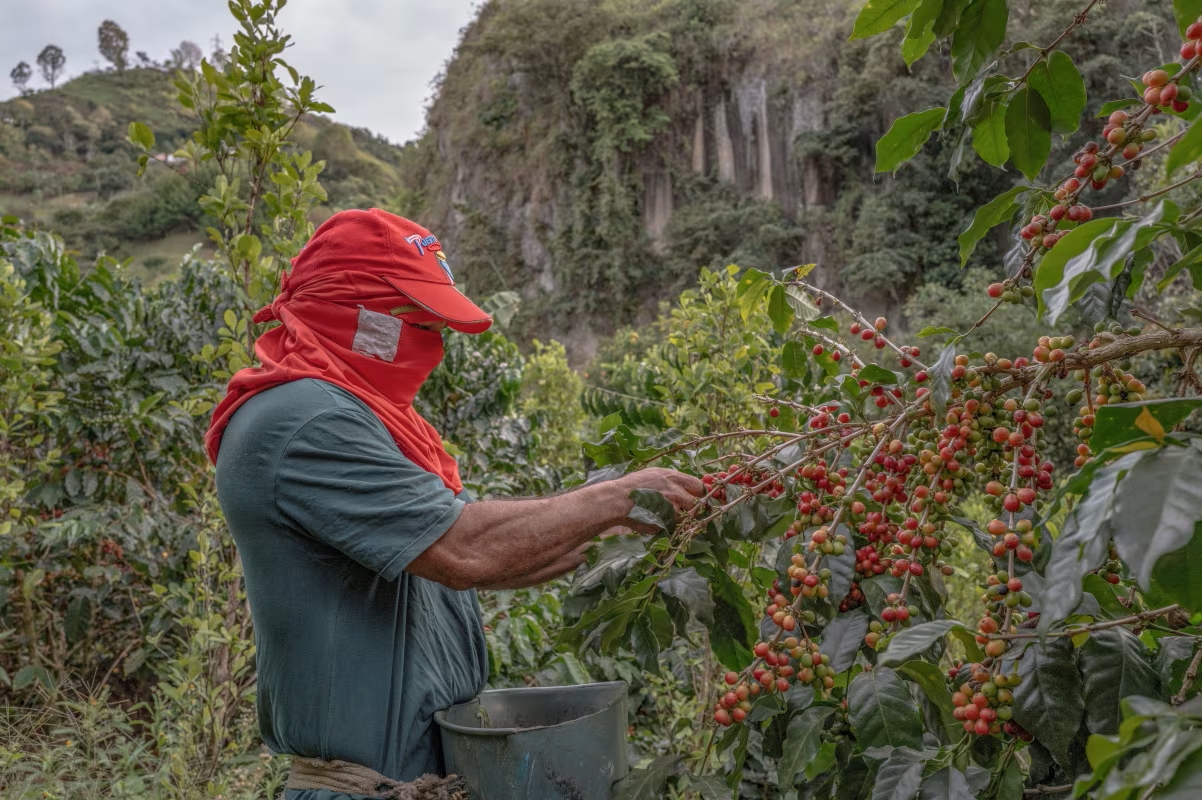
Each year, millions of tons of coffee cherry pulp and peel are discarded after bean extraction. These by-products, rich in caffeine and polyphenols, pose environmental risks when left untreated. Kirin researchers applied their proprietary wine aroma enhancement technology to ferment concentrated coffee cherry juice with lactic acid bacteria and yeast, creating an ingredient that adds richness, warmth, and fruity depth to a wide range of beverages.

Supporting Coffee Farmers

The innovation not only reduces waste but also helps increase farmers’ income in producing countries. In Colombia, for instance, where disposal of coffee cherries incurs environmental taxes, the new approach offers a sustainable solution with both economic and ecological benefits.

Kirin’s Beverage Future Research Center has been studying ways to utilize coffee cherries since 2018, focusing on turning underused coffee by-products into sustainable resources.

Commercial Use and Sensory Benefits

Tests revealed that beverages using this fermented ingredient scored higher in satisfaction, flavor quality, and premium perception. The company has incorporated it into its “Kirin Tokusei” line of ready-to-drink (RTD) beverages — starting with the Melon Soda Sour launched in May 2025, followed by the Mikan Cider Sour, set for release on November 25, 2025.

Further studies on non-alcoholic drinks also confirmed enhanced mouthfeel and richer flavor, suggesting strong potential in the expanding low- and no-alcohol market.

Looking Ahead

Kirin plans to expand the use of this fermented ingredient across its beverage portfolio, positioning it as a key component of its sustainability strategy.

“By transforming discarded coffee cherries into something valuable, we’re not only reducing waste but also creating a positive impact for farmers and the environment,” said Sayaka Tsuji, researcher at Kirin’s Institute for Future Beverage.

This initiative supports the company’s Kirin Group Vision 2027, which seeks to make Kirin a global leader in Creating Shared Value (CSV) — combining innovation, sustainability, and community benefit.

Coffee May Protect Against Irregular Heartbeat, New Study Finds

Dubai – Qahwa World

A new study by researchers at the University of California, San Francisco (UCSF) and the University of Adelaide has challenged long-standing medical advice discouraging people with atrial fibrillation (A-Fib) from consuming coffee.

The study, published on November 9 in JAMA, found that drinking at least one cup of caffeinated coffee or an espresso a day reduced the risk of A-Fib recurrence by 39%. Traditionally, patients with heart rhythm disorders were advised to avoid caffeine, fearing it could trigger rapid or irregular heartbeats.

Dr. Gregory M. Marcus, electrophysiologist at UCSF Health and senior author of the study, explained that coffee may have multiple benefits: “Coffee increases physical activity, which helps reduce atrial fibrillation. Caffeine is also a mild diuretic that can lower blood pressure, while several coffee compounds have anti-inflammatory effects.”

The research team, in a trial aptly named DECAF (Does Eliminating Coffee Avoid Fibrillation?), enrolled 200 coffee-drinking patients diagnosed with persistent A-Fib or atrial flutter. Participants scheduled for electrical cardioversiona procedure that restores normal heart rhythmwere randomly divided into two groups: one consumed caffeinated coffee daily for six months, while the other abstained completely from caffeine.

Results showed a significant drop in A-Fib recurrence among coffee drinkers. Researchers believe that in addition to its biological effects, coffee consumption might reduce reliance on less healthy drinks.

Lead author Christopher X. Wong, Ph.D., from UCSF and the University of Adelaide, summarized the findings: “Doctors have always advised patients with A-Fib to limit coffee, but this trial suggests that coffee is not only safeit may actually be protective.”

A-Fib currently affects over 10 million adults in the United States, and with an aging population, it could impact up to one in three people. This study opens a new perspective on how moderate coffee consumption might play a beneficial role in cardiovascular health.

Nutritionist: Genes Determine How Coffee Affects the Body

Dubai – Qahwa World

Coffee has become an essential part of the morning routine for millions of people around the world, yet its effects on the body are not the same for everyone. According to nutritionist and specialist in natural health methods Janna Tikhanycheva, the way coffee influences the body depends largely on genetic factors, lifestyle, and consumption levels.

The expert explained that the body’s ability to absorb and process caffeine is linked to a gene known as CYP1A2. Some people carry versions of this gene that slow down caffeine metabolism, making them more sensitive to its effects. As a result, even a single cup can cause anxiety, insomnia, or an increased heart rate. For these individuals, Tikhanycheva recommends consuming coffee in moderation and remembering that caffeine is also present in tea, chocolate, and certain medications.

Coffee beans contain hundreds of compounds some beneficial, such as antioxidants, and others that may negatively impact the body. Moderate coffee consumption has been associated with a lower risk of neurodegenerative diseases and depression, as well as improved insulin sensitivity, which can help reduce the likelihood of developing type 2 diabetes.

However, excessive intake can have the opposite effect. Caffeine blocks adenosine receptors in the brain, disrupting sleep quality, particularly when consumed in the afternoon or evening. It also stimulates the release of cortisol, the stress hormone, which over time can lead to fatigue and weakened adrenal function.

Tikhanycheva cautioned against drinking coffee on an empty stomach, as it can irritate the stomach lining and cause heartburn. She also noted that certain compounds in coffee reduce the absorption of iron, calcium, and magnesium.

“It’s important to remember that caffeine is not found only in coffee but also in black and green tea, cocoa, chocolate, and some medicines,” she emphasized, adding that monitoring total daily caffeine intake is essential.

Doctors have previously warned that coffee may be harmful to children and adolescents, as it can trigger anxiety attacks, suppress appetite, and cause stomach discomfort such as pain or acid reflux. Regular consumption may also increase the frequency of urination.

Chinese Coffee Chain Faces Backlash Over “People’s Cafe” Name, Issues Public Apology

Beijing – Qahwa World

A Chinese coffee chain has ignited a nationwide debate after state media accused it of crossing a sensitive boundary by naming its outlets “People’s Cafe,” a term deeply tied to the country’s political and social identity.

The café brand, operated by Yao Chao (Shanghai) Cultural Communication Co., became known for its bright red interiors, star-shaped decorations, and signage styled after the handwriting of Mao Zedong, China’s first communist leader. What began as a bold design choice quickly turned controversial when major outlets such as People’s Daily and China Daily criticized the use of the word “People” — or “Renmin” in Mandarin — for commercial purposes.

In China, the term holds powerful symbolic value. It appears in the country’s official name, the People’s Republic of China, and in many state institutions including the People’s Liberation Army and the People’s Bank of China. People’s Daily described the word as representing collective values and national sentiment, warning that it “must not be profaned or reduced to a marketing gimmick.”

The café had promoted slogans such as “Tell China’s Story with Coffee” and offered drinks sprinkled with the word “China” on top. Images of its branches quickly spread across social platforms, attracting both curiosity and criticism. Some admired its patriotic aesthetic, while others accused it of exploiting national symbols for profit.

After days of public scrutiny, the company issued a formal apology on social media. “We extend our sincerest apologies to every customer who felt uncomfortable,” the statement read. “After careful reflection, we have decided to restore the original full name — Yao Chao People’s Cafe — for all mainland stores.” The brand confirmed that the change would apply to its nearly 30 outlets across 18 provinces, while branches in Hong Kong, Macao, and overseas would continue to operate under the original name People’s Cafe.

Reaction among internet users was mixed. On Weibo, one commenter wrote, “It’s just a café, but it touched a very sensitive word.” Another asked whether using politically charged terms in brand names might violate regulations.

The incident unfolds amid an increasingly competitive coffee market in China, where domestic players like Luckin Coffee and Cotti Coffee are expanding rapidly, challenging foreign giants such as Starbucks. As the market grows, brands are experimenting with identity and storytelling to attract younger consumers. The People’s Cafe case has now become a cautionary example of how creativity in branding can collide with cultural and political sensitivities in China’s fast-evolving coffee scene.

“Marketing can be innovative,” wrote People’s Daily, “but it must not overstep the bottom line.”

Filli Café from Dubai Opens Its First U.S. Branch, Bringing Saffron Chai to Long Island

Long Island – Qahwa World

A touch of Dubai has reached New York as Filli Café, the UAE-born tea brand, opened its first U.S. branch in Hicksville, Long Island, offering tea lovers a warm and aromatic experience that blends tradition with modern flair.

From the moment guests step inside, they’re greeted by the distinctive aroma of Zafran (saffron) chai, the signature drink that defines the Filli brand. The idea for the new location came from franchise owner Sagar Khanna, who discovered Filli Café during a business trip to Dubai. Moved by the scent and flavor of its tea, he decided to bring the concept home. “We’re a chai shop, not a coffee shop,” Khanna said. “There’s nothing like this in Long Island.”

The café officially opened on October 4 at the newly developed Soni Center, attracting large crowds on its first day, with lines stretching outside and wait times exceeding an hour. Weeks later, the place remains packed every weekend as customers return for another taste of the fragrant saffron tea that has made Filli a global name.

The menu adds to the charm, combining Middle Eastern and South Asian influences with a creative twist — from Pakistani-style flatbreads and a reimagined smashburger, to multi-layered club sandwiches that customers say are unlike anything else in New York. Among the favorites is a spicy pasta dish called Foodles, which Khanna personally recommends.

Founded over two decades ago in Dubai by Rafih Filli, the brand has grown from a small neighborhood café into a global chain with more than 110 branches across the Middle East, the United Kingdom, Canada, and now the United States. Khanna describes the aroma of the saffron tea as “a beautiful addiction” that keeps people coming back for more.

Filli Café Hicksville Opening Hours:

Monday–Thursday: 4:00 p.m. – 12:00 a.m.

Friday–Saturday: 2:00 p.m. – 1:00 a.m.

Sunday: 2:00 p.m. – 12:00 a.m.

Neil Golez Crowned Champion of the UAE AeroPress Championship 2025

Dubai – Qahwa World

Neil Golez from Form Roastery in Al Ain has been crowned the Champion of the UAE AeroPress Championship 2025, following three days of intense competition among 250 of the UAE’s most skilled baristas.
Shang Delota from Llama Café claimed second place, while Romario Junior from Modern Coffee by WatchHouse took third.

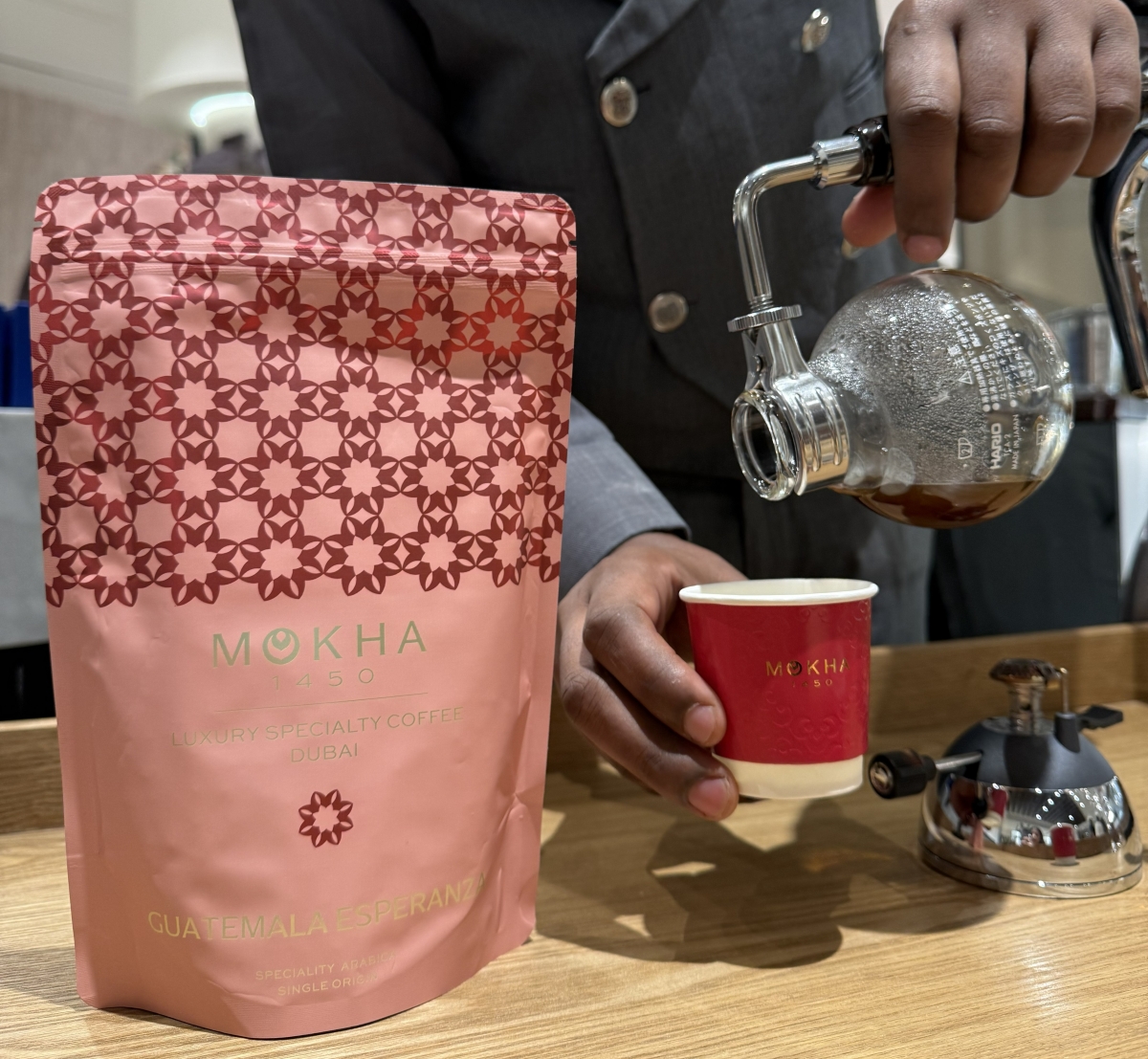
The championship concluded at Almas Tower, Dubai Multi Commodities Centre (DMCC), where Ahmed Bin Sulayem, Executive Chairman and CEO of DMCC, crowned the winners in the presence of Garfield Kerr, President of the Specialty Coffee Association and CEO of Mokha 1450, and Khalid Al Mulla, President of the Specialty Coffee Association UAE Chapter and Founder of the Coffee Museum in Dubai.

In his first statement after being crowned champion, Neil Golez told Qahwa World:
“This is actually my third season competing. I already have a gold, a silver, and now this gold again. Honestly, I just wanted to win bronze to complete the set — I didn’t expect to take home the gold!

The coffee itself was quite tricky, especially the beans we were given for the finals. I’m really thankful to my colleagues who helped me perfect my recipes; without them, I couldn’t have achieved the water composition I used.

As for my recipe, I kept it simple — focusing on balancing minerals to reduce acidity and enhance the coffee’s body and sweetness. I’m really happy with the result.”

Neil Golez will represent the United Arab Emirates at the World AeroPress Championship 2025, taking place on December 5–6 in Seoul, South Korea.

This year’s event was held under the theme “Celebrating Coffee Culture”, honoring the UAE’s deep-rooted coffee heritage — from the traditional Arabic coffee prepared in the dallah to the rise of specialty coffee and modern brewing methods such as the AeroPress. The event showcased how these traditions come together to form one of the most vibrant and innovative coffee cultures in the world.

The UAE AeroPress Championship is more than just a competition — it’s a celebration of community, craftsmanship, and culture. This open and inclusive event welcomes everyone: professional baristas, hobbyists, café owners, coffee brands, and casual visitors. Guests enjoyed a lively atmosphere filled with activities, specialty coffee tasting, AeroPress giveaways, and interactive community programs — the perfect setting to discover the latest coffee trends, connect with local roasters, and witness coffee excellence at its finest.

The World AeroPress Championship is one of the most accessible and widely celebrated coffee competitions, with over 175 events across 60+ countries and more than 5,000 participants annually. Its simple, fast-paced, and enjoyable format creates a relaxed environment that allows creativity and skill to shine. All competitors use the same AeroPress device and coffee provided by the official sponsor, ensuring a fair contest that truly tests brewing skill and innovation.

Researchers Warn of Hidden Microplastic Threat in Coffee Pods

Dubai – Qahwa World

As awareness of microplastic pollution continues to rise, new research is drawing attention to an unexpected source—coffee pods. Despite efforts to reduce plastic waste through reusable cups and eco-friendly alternatives, experts warn that the daily coffee ritual may be exposing millions to microscopic contaminants.

A Hidden Risk in Convenience

Coffee pod machines, used by roughly one-third of American coffee drinkers, offer undeniable convenience—just insert a pod, press a button, and brew. But researchers say that convenience comes with a cost.

A recent TIME Magazine report posed a critical question: What happens to the plastic in single-serve coffee pods? The concern lies in microplastics, particles less than five millimeters in size that are shed as plastic breaks down or when it is exposed to heat.

Evidence from Hot Beverages

In a study published in Science of the Total Environment, British environmental chemist Professor Mohamed Abdallah and his team found that every hot beverage sample tested contained microplastics, with higher levels in hot drinks compared to cold ones. While coffee pods weren’t specifically tested, the findings suggest that heat exposure during brewing may accelerate plastic particle release.

“Our understanding of the toxicity of microplastics remains in its infancy,” Abdallah said, noting that these particles have only been studied since 2004.

Inside the Human Body

Microplastics have been found nearly everywhere — from the deepest ocean trenches to human blood, lungs, and even the brain. Their small size allows them to travel through the environment and the human body unnoticed.

Environmental engineer Justin Boucher from the Food Packaging Forum added: “We already have evidence that many plastics and related microplastics contain hazardous chemicals that can cause harm.”

According to TIME, even the water in coffee machines can contain microplastics — and the brewed coffee may have nearly two-thirds more contaminants than the water used to make it.

What Can Be Done

Despite growing evidence, no specific government regulations currently address microplastic exposure. Researcher Tracey Woodruff from the University of California told TIME that meaningful change depends on both policymakers and industry leaders.

Still, experts advise individuals to reduce plastic use where possible, opt for metal or glass alternatives, and avoid single-use plastics when practical. “Don’t aim for perfection,” Woodruff said. “Every small step matters, and the bigger shift will come from collective action.”

How AI and Cloud Are Powering Malaysia’s Café Revolution

Dubai – Qahwa World

As Malaysia’s café culture thrives, technology is reshaping how iconic brands operate. Among the pioneers of this shift is Secret Recipe, one of the country’s largest and most loved café chains. With hundreds of outlets across Malaysia, the brand has embarked on a data-driven journey to transform how it understands performance, customers, and growth.

From Manual Reporting to Instant Insight

For years, compiling business reports across more than 360 branches was a demanding process. Teams spent weeks collecting spreadsheets before managers could access the insights they needed — often too late to act. Decision-making depended on instinct and experience rather than real-time data, limiting how quickly the business could respond to market changes.

That changed when Secret Recipe partnered with SRKK Group, a leading Malaysian technology integrator and long-time Microsoft Cloud partner. Together, they introduced advanced analytics and automation tools that gave the café chain full visibility into its operations.

Data That Moves at the Speed of Coffee

Using Power BI, the company now pulls outlet performance data in seconds. Managers can view sales by product, monitor foot traffic, track campaign effectiveness, and even identify customer habits — such as popular dessert-and-drink pairings — that guide promotions and menu updates.

Dashboards are customized for each department:

Marketing teams measure campaign conversions and loyalty growth.

Operations track efficiency and product movement.

Customer service monitors satisfaction trends and feedback.

This real-time clarity has streamlined communication and reduced decision-making delays. Teams now align around the same data instead of debating opinions.

One small insight even led to a big win: identifying slower cake sales mid-week inspired a Thursday-only promotion that boosted both sales and new member registrations.

The Human Side of Data

More than a technological upgrade, this change has altered how employees collaborate. Instead of relying on personal judgment, teams now rely on shared data to guide actions. The result is a stronger culture of accountability and teamwork — with everyone united by measurable goals and transparent performance indicators.

Next on the Menu: Generative AI

Building on its analytics success, Secret Recipe is exploring Generative AI and Microsoft Fabric to connect all business data — from sales to customer engagement — into one intelligent platform. The vision is to move beyond static dashboards toward conversational analytics, where staff could simply ask:

“Show me last month’s beverage trends and suggest a new combo.”

This next phase will allow AI to interpret data, recommend actions, and even learn from past campaigns. By embracing this innovation, Secret Recipe aims not just to improve efficiency but to redefine what digital leadership looks like in Southeast Asia’s fast-growing F&B sector.

Leading the Future of Café Innovation

Secret Recipe’s digital evolution signals a broader transformation across Malaysia’s hospitality industry — where cloud computing, AI, and automation are becoming the new ingredients of success. With partners like SRKK Group and Microsoft Malaysia, the brand continues to bake technology into its operations, creating a smarter, faster, and more connected future for café culture.

Global Coffee Market Finds Balance as Prices Stabilize and Trade Shifts Eastward

October 2025 ICO Report Reveals Steady Prices, Regional Export Rebalancing, and Signs of Market Surplus

Dubai – Qahwa World

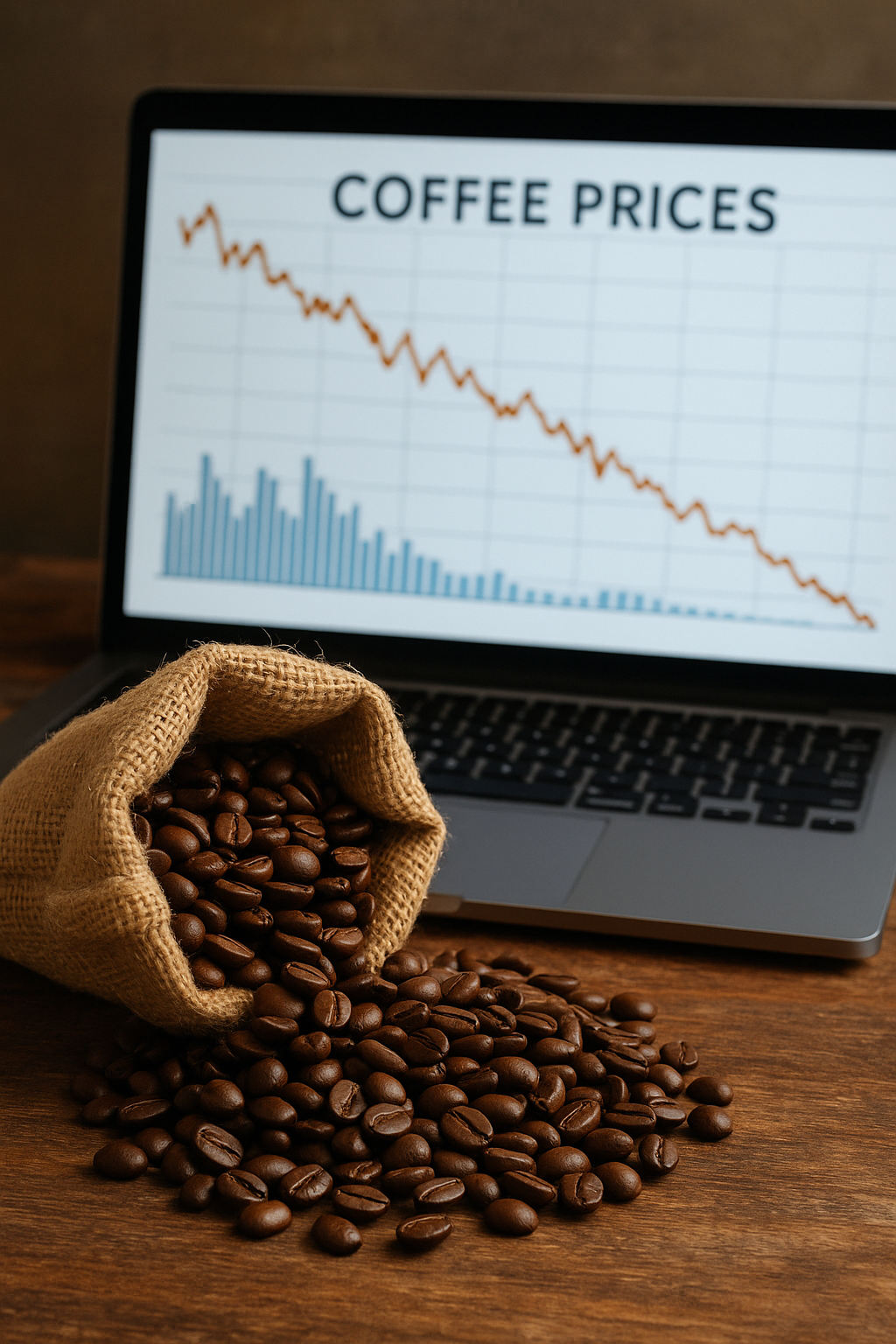
After months of price turbulence driven by weather extremes, logistics disruptions, and policy shifts, the global coffee market entered October 2025 in a rare state of equilibrium. According to the latest Coffee Market Report issued by the International Coffee Organization (ICO), the ICO Composite Indicator Price (I-CIP) averaged 326.38 US cents per pound, a modest 0.5% increase over September—marking a month of sideways stability in an otherwise volatile year.

The data reflects a market adjusting to both rising production in key origins and softening consumption growth across major economies. Yet behind this stability lies a quiet reshaping of global trade flows, as Asia and Africa consolidate export strength while South America experiences cyclical slowdown.

A Month of Stability Amid Global Uncertainty

The October 2025 I-CIP fluctuated between 314.68 and 344.77 US cents/lb, posting a median of 325.52 US cents/lb. Although stable, prices remain 30% higher than a year earlier, underscoring the persistent cost pressures that continue to define the post-pandemic coffee economy.

Price movements among coffee groups showed a clear divide. Colombian Milds slipped marginally (−0.1%) to 403.25 US cents/lb, while Other Milds gained 0.9% to 403.79 US cents/lb. Brazilian Naturals fell slightly to 373.47 US cents/lb, and Robustas, in contrast, expanded 2.0% to 215.06 US cents/lb — a sign of ongoing resilience in lower-grade coffee demand, especially for soluble and instant formats.

The differential between Colombian Milds and Other Milds narrowed into negative territory (−0.54 US cents/lb), highlighting how recent weather disruptions in Central America temporarily compressed quality spreads. Meanwhile, arbitrage between London and New York futures markets contracted by 2.9% to 163.84 US cents/lb, signaling closer alignment between Arabica and Robusta futures.

Market volatility, however, crept upward. Intra-day volatility of the I-CIP averaged 15.9%, up by more than two percentage points month-on-month — an indication that traders remain reactive to climate events and logistics developments, such as Suez Canal restrictions and persistent container shortages delaying deliveries.

Weather, Tariffs, and Consumption Trends: Forces in Counterbalance

The ICO attributes October’s price stability to a balance between bullish and bearish factors.

On the bullish side, Hurricane Melissa and low rainfall in key Brazilian coffee zones constrained supply, while Typhoon Kalmaegi caused significant crop losses in Vietnam, the Philippines, and Cambodia. The continuation of structural backwardation in futures markets — where near-term contracts are priced higher than future ones — further indicates tight supply for immediate delivery.

At the same time, several bearish influences tempered the market. Among them, signs of slowing consumption in the United States, where rising living costs have eroded discretionary spending. Vehicle repossessions, up 12% year-on-year, highlight a broader financial strain that extends to premium beverage categories. Additionally, a potential reduction in U.S. tariffs on Brazilian coffee — hinted at by Presidents Donald Trump and Luiz Inacio Lula da Silva — has fueled expectations of eased trade tension and lower costs for importers.

The result: prices moved horizontally through the month, neither rallying nor collapsing — a rare moment of equilibrium in a market accustomed to extremes.

Export Flows Reveal a Shifting Coffee Geography

While prices stabilized, trade patterns told a story of transformation. Global green coffee exports reached 9.94 million 60-kg bags in September 2025, down 0.2% year-on-year, marking the sixth consecutive month of negative growth in the 2024/25 coffee year. Total exports across all coffee forms fell by 2.8% to 11.00 million bags.

The Arabica segment showed divergence.

  • Colombian Milds rose by 7.0%, driven by Colombia’s robust output of 14.87 million bags — up 16.5% from the previous year.

  • Other Milds gained 6.1%, with Ethiopia, Mexico, and Nicaragua performing strongly.

  • Brazilian Naturals, however, plunged 21.9% as Brazil entered its “off-year” in the biennial Arabica cycle and faced logistics delays at the port of Santos.

  • Robustas grew 23.0% to 3.67 million bags, powered by Vietnam and Indonesia, whose improved harvests sharply reversed last year’s declines.

These mixed results left the Arabica share of global exports at 63.4%, a marginal drop from 63.7% the previous year — consistent with the long-term average since 2016.

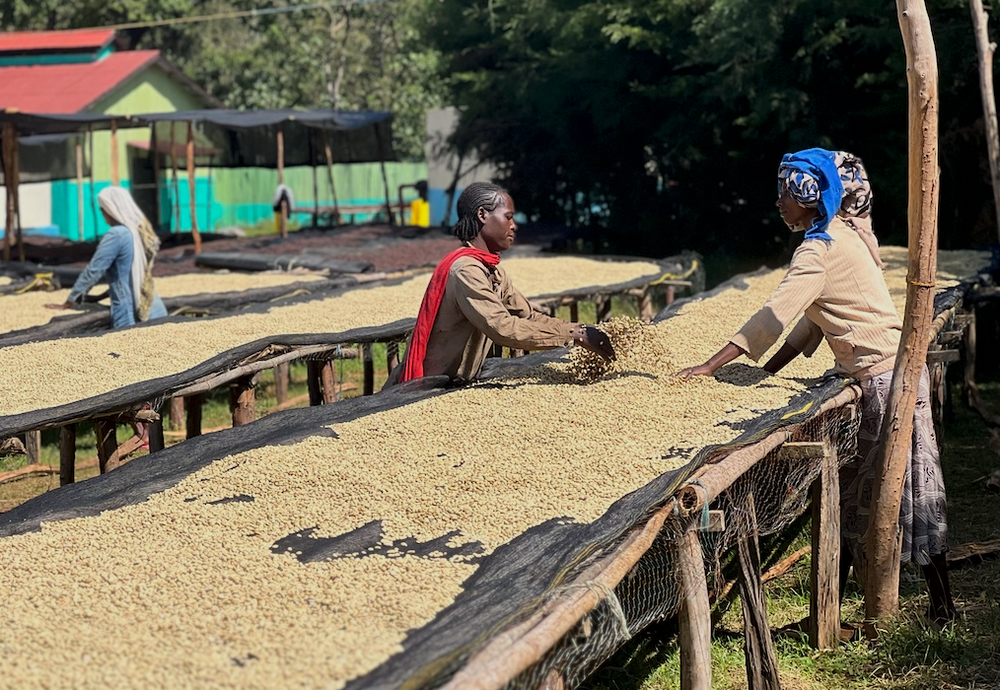
Ethiopia, notably, emerged as a bright spot, expanding exports by 24.4% to 4.91 million bags on the back of an 11% rise in local production and strategic release of stored stocks responding to high international prices.

Regional Divergence: East Rises as South America Contracts

Regional analysis underscores a structural eastward shift in coffee trade:

  • Asia & Oceania: Up 29.3% year-on-year in September and 9.1% for the full coffee year, reaching 44.45 million bags. The surge was led by Vietnam (+7.1%) and Indonesia (+46%), both benefiting from favorable weather and restored yields.

  • Africa: Rose 3.2% in September and 18.6% annually to 19.69 million bags, driven by strong harvests and higher export releases from Ethiopia and Uganda.

  • South America: Fell 13.9% in September and 12.3% across the coffee year to 58.94 million bags, largely due to Brazil’s cyclical downturn and port congestion.

  • Mexico & Central America: Declined 14.6% in September but expanded 7.7% annually to 15.58 million bags, with Mexico and Nicaragua showing resilience.

As a result, South America’s share of global coffee exports slid from 48.4% to 42.5%, while Asia & Oceania’s share climbed to 32.1%, its highest level on record.

This redistribution confirms what many analysts have observed through 2025: a geographic rebalancing of coffee supply chains, with the global center of gravity shifting steadily toward Asia and Africa.

Soluble Coffee Gains Ground

Trade data by form reinforces this transformation. Exports of soluble coffee declined 21.0% in September but rose 5.0% over the full year to 16.72 million bags. This steady annual growth signals a continuing pivot toward value-added coffee formats catering to urban markets and middle-income consumers in producing countries.

By contrast, roasted coffee exports dropped 22.9% year-on-year to 0.68 million bags, reflecting weaker demand for ready-to-drink products in mature economies. Green coffee still dominates global shipments, accounting for 87.5% of total exports.

Global Balance Returns to Surplus

The ICO estimates world production at 177.5 million bags in 2024/25, up 5.2% year-on-year, outpacing consumption, which grew just 1.4% to 175.1 million bags. This modest gap yields a surplus of 2.4 million bags, marking the first positive balance since 2021/22.

The surplus reflects stronger harvests in Asia and Africa, coupled with a stabilization of consumption after the pandemic-era surge. Europe and North America both registered declines in coffee intake (−1.2% and −3.3%, respectively), while consumption in Asia & Oceania rose 7.4%, highlighting a shift in demand patterns alongside production.

A Market at the Crossroads

The October 2025 ICO report captures a market in transition. Prices have steadied, but volatility remains elevated; production is up, yet distribution challenges persist. The eastward drift of coffee trade — reinforced by Indonesia, Vietnam, Ethiopia, and Uganda — may reshape the traditional dominance of Latin American origins in the years ahead.

For producers, this stability offers breathing room after years of disruption. For traders and roasters, it demands agility — balancing sourcing strategies across continents amid ongoing climate and logistical uncertainty.

In short, the coffee world has entered a new phase: from crisis to cautious equilibrium, where resilience and regional diversification define the next chapter of global coffee commerce.

Dutch Bros Surges After Strong Q3 Earnings and Upgraded Outlook

Dubai – Qahwa World

Dutch Bros (NASDAQ: BROS) reported impressive third-quarter results, surpassing Wall Street expectations for both earnings and revenue. The drive-thru coffee chain posted adjusted earnings of $0.19 per share, topping forecasts of $0.17, on revenue of $423.6 million versus the expected $413.6 million.

Revenue jumped 25.2 percent year-on-year, rising from $338.2 million in Q3 2024, while net income more than doubled to $27.3 million from $12.6 million. Same-store sales advanced 7.4 percent at company-operated shops and 5.7 percent system-wide. Dutch Bros also opened 38 new locations across 17 states, expanding its total footprint to 1,081 stores.

Chief Executive Officer Christine Barone highlighted the company’s resilience, stating that strong momentum through October prompted management to raise full-year guidance for both total revenue and same-store sales growth.

Despite the surge in sales, gross profit fell 8.5 percent year-over-year to $82.4 million, signaling higher costs for labor, commodities, or logistics. Nonetheless, operating income grew 27.6 percent to $41.5 million, and adjusted EBITDA rose 22.3 percent to $78 million, suggesting that scale and operational efficiency continue to buffer inflationary headwinds.

Key Financial Highlights

Revenue: $423.6 M (+25.2 % YoY)

Adjusted EPS: $0.19 (+11.8 % YoY)

Net Income: $27.3 M (+115.8 % YoY)

Operating Income: $41.5 M (+27.6 % YoY)

Adjusted EBITDA: $78 M (+22.3 % YoY)

Company-operated same-store sales: +7.4 %

System-wide same-store sales: +5.7 %

The raised guidance underscores management’s confidence in the brand’s growth trajectory. However, investors will closely watch gross-margin trends and the sustainability of same-store sales as Dutch Bros continues its aggressive expansion. Persistent cost pressures may require future pricing or operational adjustments, but the company’s accelerating profitability suggests its strategy is gaining traction.

Typhoon Kalmaegi Hits Vietnam, Disrupting the Global Coffee Market

Dubai – Qahwa World

The global coffee industry faces a new challenge as tropical typhoon Kalmaegi struck the Philippine archipelago earlier this week and is now moving toward Vietnam, threatening one of the world’s most important coffee-producing regions. According to a report by Bloomberg, the storm could disrupt global coffee supply chains and trigger potential price increases in the coming weeks.

Nguyen Ngoc Khai, a meteorologist at the Dak Lak Weather Center—the heart of Vietnam’s coffee-growing region—warned that “strong winds may uproot coffee trees, while heavy rains could knock the cherries off the branches before they ripen.” He added that the scale of the damage could widen if the severe weather persists.

Darren Stetzel, Senior Vice President for Agricultural Affairs in Asia at New York–based StoneX, noted that “even minor production disruptions can raise market concerns about supply stability and push coffee futures prices higher.” He also cautioned that “intense rainfall poses a threat not only to plantations but also to the quality of coffee beans harvested during the 2025/2026 season.”

Vietnam, the world’s second-largest coffee exporter after Brazil, has already achieved its full-year export target in the first half of 2025, reaching USD 5.5 billion in coffee exports, according to the Ministry of Agriculture.

The National Center for Meteorological Forecasting reported that Kalmaegi is the 13th typhoon to enter the South China Sea this year and is expected to bring heavy rainfall across Vietnam’s central regions. In the Philippines, where the storm previously made landfall, more than 140 people have died and over 400,000 residents were evacuated.

Experts warn that this natural disaster could further strain coffee shipments to global markets—including Russia and Europe—at a time when global coffee prices remain volatile amid ongoing climate and logistical challenges.