Registration Open for the 2026 UAE National Barista, Latte Art & Roasting Championships

Dubai Qahwa World

The Specialty Coffee Association UAE (SCA UAE) has announced the opening of registration for the 2026 UAE National Barista, Latte Art & Roasting Championships, which will be held as part of the World of Coffee Dubai 2026 exhibition at Za’abeel Halls, Dubai World Trade Centre, from January 18 to 20, 2026.

SCA UAE confirmed that the championships will be conducted according to the standards of the World Coffee Championships (WCC), with registration open until December 10, 2026.

Eligibility requirements are as follows:

For UAE Nationals:

Copy of passport

Active membership with SCA UAE

For Residents:

Copy of passport

Copy of UAE residency visa (both old and new as proof of two years residency)

Active membership with SCA UAE

All applicants must complete the online registration form and upload the required documents. A specialized committee will review submissions and select participants based on the completeness and validity of their documents. Confirmed participants will receive an official confirmation email.

Participation Fee: AED 1,500 per championship.

Official Competition Equipment:

Victoria Arduino Espresso Machine, Eagle One model, equipped with two espresso heads, 58mm filter baskets, and Mythos MY 75 grinder.

IRM Coffee Roasting Machine.

SCA UAE also invites volunteers and sponsors to support the championships and contribute to the success of the event.

For registration and further information, contact: [email protected]

Mexican Coffee to Make History in Dubai 2026

Coatepec, Veracruz – Qahwa World

Mexican coffee is set to leave a historic mark at one of the Middle East’s premier coffee events. Casa Tostadora Briones has announced its participation in the upcoming exhibition from January 18 to 20, 2026, at the Dubai World Trade Centre, representing all coffee-producing regions of Mexico in a first-of-its-kind national initiative.

“This is an unprecedented moment,” said José Manuel Hernández García, CEO of Casa Tostadora Briones. “For the first time, all producing states, institutions, and growers are moving forward together. In Dubai, we will present not only our coffee but the story of every hand and every mountain that shapes our harvests.”

The initiative brings together multiple official and civil partners, including: Veracruz Secretariat of Economic Development

  • Chiapas Ministry of Economy and Labor and the Coffee Institute of Chiapas

  • Guerrero Secretariat of Economic Development

  • Mexican Ministry of Tourism

  • Asociación Civil Ayuda Productores Veracruzanos

In addition to promoting Mexican coffee internationally, the project highlights the cultural, natural, and touristic richness of Mexico’s coffee-growing regions and aims to encourage origin-based tourism, showcasing the deep connections between coffee, history, and local communities.

Casa Tostadora Briones has also pioneered new export routes from Mexico to the Middle East, ensuring that every batch maintains its origin identity and high-quality standards.

The company is inviting coffee producers, cooperatives, and associations from across Mexico to join this historic national representation.

The Dubai exhibition will take place January 18–20, 2026, at the Dubai World Trade Centre, Main Halls, bringing together leading figures in the global coffee industry.

CNN: Coffee Prices in the US Are Unlikely to Fall Anytime Soon

New York — Qahwa World

CNN reports that hopes for lower coffee prices in the United States remain slim, despite the Trump administration’s recent signals about reducing tariffs on goods not grown domestically, including coffee.

According to the network, Treasury Secretary Scott Bessent told Fox News that “substantial announcements” are expected in the coming days regarding potential tariff cuts on imports such as coffee, bananas, and other fruits. CNN notes that his comments amount to an implicit acknowledgment that the tariffs previously imposed have raised costs for American consumers a point the administration had long disputed.

However, CNN emphasizes that even a full rollback of coffee tariffs would be unlikely to bring significant price relief. Retail coffee prices have risen about 20% year-over-year due to two major factors:

Highly volatile weather that has disrupted harvests of a crop that is already labor-intensive and difficult to grow.

Tariffs imposed by the Trump administration on the world’s largest coffee exporters Brazil (50%), Colombia (10%), and Vietnam (20%).

The network adds that coffee production is limited to specific regions of the world, making domestic expansion impossible.

Despite rising costs, CNN, citing data from the National Coffee Association, notes that American coffee consumption has not declined. Coffee is viewed as both essential and a small luxury consumers are unwilling to give up. As long as demand remains strong, businesses from major chains like Starbucks to local cafés continue to maintain higher prices.

Alex Susskind, a professor at Cornell University, told CNN that in business, “once you take price increases, you tend not to give them back,” suggesting that cafés are unlikely to lower prices even if tariffs disappear. Some modest relief may appear in grocery stores, where mass-market brands face more price-sensitive buyers.

CNN concludes that lowering tariffs on coffee will not meaningfully shift public sentiment. Larger economic pressures such as housing, energy, and healthcare costs are the real drivers of Americans’ concerns, far more than the price of a daily cup of coffee.

What’s New in the Dubai Coffee Auction 2026

Dubai Qahwa World

The Dubai Coffee Auction returns this year as part of World of Coffee Dubai 2026, promising a bigger and more exciting experience than ever. The three-day event, taking place from 18 to 20 January 2026, offers roasters, café owners, and coffee enthusiasts the opportunity to explore and purchase some of the world’s finest coffees and innovative equipment.

Auction Event Schedule:

18 January Coffee Equipment Showcase: Exhibitors will present a curated auction of specialized, high-end, and custom coffee equipment, providing attendees with an exclusive chance to explore the tools shaping modern coffee craftsmanship.

19 January Premium Coffee Auction: Participants can bid on rare and specialty coffee lots, both in person and online through cupping bidding sessions, offering a more interactive experience for buyers worldwide.

20 January Green Coffee Auction: A curated selection of pre-screened, top-tier green coffees will be showcased to buyers through in-person cupping sessions, emphasizing quality and exclusivity.

Organisers confirmed that this year’s auction introduces new experiences designed to connect buyers with rare microlots, specialty coffee, and advanced equipment, reinforcing Dubai’s position as a global hub for coffee lovers and the coffee industry.

The auction first launched last year during World of Coffee Dubai 2025, marking the region’s first-ever rare coffee auction, featuring around 20 collections of specialty and rare coffee beans.

The auction is the result of a strategic partnership between World of Coffee and the Coffee Centre of DMCC, aiming to strengthen Dubai’s role as a global coffee hub. Attendees can participate in person, while remote participants can join through a sophisticated digital platform.

In its inaugural edition, the Dubai Coffee Auction achieved record prices, with 16 collections of some of the rarest and finest beans offered by 11 producers from nine countries, including 11 collections of Geisha coffee, covering six different varieties, making the auction a global showcase of the world’s top coffee producers.

The highest-priced coffee in the auction was natural Geisha from the “Finca Sofia” farm in Panama, sold at $10,020 per kilogram, while another variety from the same farm reached $8,614 per kilogram, and a selection from “Finca La Mula” sold for $2,620 per kilogram. Meanwhile, Oma Natural coffee from Ethiopia reached $1,100 per kilogram, setting a new record for Ethiopian coffee.

The “Kona SL 34” variety from Hawaii also achieved a new U.S. coffee record at $950 per kilogram, an eightfold increase over the previous highest price paid for Kona coffee.

Geisha coffee is considered one of the rarest and most expensive coffees globally, known for its unique floral and citrus notes such as jasmine, and a smooth texture. Its origins trace back to Ethiopia, specifically the village of Geisha, and it was transplanted to Panama in the 1960s, where it thrives in high-altitude farms.

Additionally, “La Yamafrom producerLos Rodriguezbecame the most expensive Bolivian coffee ever sold, fetching $350 per kilogram.

Specialty coffee, in general, is classified as coffee scoring 80 points or higher on a 100-point scale used in the Specialty Coffee Association’s cupping form. All lots presented in the auction scored 92 points or higher, reflecting their high quality.

Auction prices are driven by three main factors: superior quality, which typically scores above 90 points in cupping tests; rarity, as limited production increases demand; and the producer’s reputation and story, which add value and attract buyers seeking consistency and excellence.

Sucafina Releases Key Update on Ethiopia’s 2025/26 Coffee Harvest

Addis Ababa Qahwa World

Sucafina Ethiopia has released its latest update on the 2025/26 coffee harvest, with Kirubel Girma, Trading & Operations Manager, outlining harvest timing, regional variations, price movements, and expanded sustainability initiatives across the country.

According to the update, the harvest is beginning later than usual this season, with a delay of around 1520 days due to shifting weather patterns. Ripening continues to vary significantly by altitude, shaping different production trends across Ethiopia’s coffee-growing regions.

In southern Ethiopiaparticularly Yirgacheffe, Gedeb, and Gujifarmers expect a moderate decline of 5% to 7% after last year’s exceptionally high crop. Meanwhile, western and south-western regions are entering a strong on-cycle year, anticipating notably higher yields compared to the 2024/25 season.

Harvest timing varies by altitude as follows:

Lowlands:

Southern Ethiopia: mid-October to December

Western Ethiopia: late October to January

Mid-altitude regions:

Late October to mid-January

High-altitude regions:

Starting in November through the first half of February

Overall production is expected to be similar to last season, with shifts between regions balancing out total output. Consistent rainfall throughout the season has supported healthy cherry development and stable growing conditions.

On the market side, cherry prices have increased sharply this year. The season opened at 120 ETB/kg and has already climbed to 145 ETB/kg, a significant jump from last year’s starting point of 3540 ETB/kg. This rise is attributed to the devaluation of the Ethiopian birr, higher NY “C” prices, and increased competition among local buyers. The sector is also facing challenges in managing cherry price volatility amid a growing number of active market players.

Sucafina highlighted several sustainability developments, particularly in the Sidamo region, where the Lalisaa Project has expanded through a dedicated full-time field officer supporting farmers directly. This closer engagement has enhanced traceability and helped connect producers with markets offering better price incentives.

Additionally, in collaboration with destination teams and clients, Sucafina has begun returning GrainPro bags to Ethiopia. These bags are redistributed to farmers to improve on-farm storage conditions and protect quality, especially in areas lacking proper warehouse facilities.

Looking ahead, stable weather patterns, strong western yields, and improved price motivation for farmers point to a solid overall season for Ethiopia’s 2025/26 harvest. Sucafina encourages industry partners interested in sourcing Ethiopian coffee to contact their traders for current offers and origin updates.

Coffee Prices Slide as U.S. Hints at Possible Tariff Reductions

Dubai – Qahwa World

Coffee markets recorded a sharp downturn on November 12 after fresh signals from Washington suggested that import tariffs on coffee could soon be eased, triggering immediate reactions across arabica and robusta futures. December arabica contracts declined by 3.62%, while January robusta fell by 5.09%, reaching a two-week low. The drop intensified after comments by President Donald Trump indicating plans to reduce tariffs on coffee, followed by remarks from Treasury Secretary Bessent about upcoming announcements affecting products not grown in the United States, coffee among them.

The market also reacted to the first outlook from StoneX for the 2026/27 season, which projects Brazil’s total coffee harvest at 70.7 million bags, including 47.2 million bags of arabica — a significant 29% increase compared to the previous year. Consistent rains in Brazil added further pressure, with Somar Meteorologia reporting that Minas Gerais, the country’s primary arabica-producing region, received 72.1 mm of rain during the week ending November 7, equal to 160% of its historical average. Improved moisture levels reduced earlier concerns about dryness and contributed to the bearish sentiment.

Additional downward pressure came from Vietnam, where the National Statistics Office confirmed that coffee exports for January to October 2025 rose by 13.4% year-on-year to 1.31 million metric tons. Production for 2025/26 is expected to increase by 6% to 1.76 million metric tons, marking the country’s highest output in four years. Industry officials noted that, with favorable weather, the harvest could potentially surpass last year’s by 10%. Vietnam remains the world’s largest producer of robusta coffee, and higher supply expectations have weighed heavily on prices.

Despite these developments, some indicators are providing support to the market. The International Coffee Organization reported a slight decline of 0.3% in global coffee exports for the current marketing year, reaching 138.658 million bags. At the same time, ICE inventories have tightened noticeably as U.S. buyers reduce purchases from Brazil since the introduction of 50% tariffs on Brazilian coffee imports. ICE-monitored arabica inventories fell to a 1.75-year low of 406,129 bags, while robusta stocks dropped to 5,873 lots, the lowest level in nearly four months. With about one-third of U.S. unroasted coffee typically sourced from Brazil, reduced contracting has led to a visible drawdown in domestic supplies.

Longer-term climate risks also continue to influence sentiment. In mid-September, the U.S. National Oceanic and Atmospheric Administration raised the probability of a La Niña event to 71% for the October–December period. Such conditions can bring excessively dry weather to Brazil and potentially disrupt the 2026/27 crop. Brazil’s crop agency Conab has already revised its 2025 arabica forecast downward by 4.9%, estimating 35.2 million bags, while also trimming overall coffee production to 55.2 million bags.

On a global scale, the USDA Foreign Agricultural Service expects 2025/26 world coffee production to reach a record 178.68 million bags, reflecting a 2.5% increase. The outlook includes a slight decline of 1.7% in arabica production to 97.022 million bags, offset by a robust 7.9% rise in robusta output to 81.658 million bags. Brazil’s production is forecast to grow modestly by 0.5% to 65 million bags, while Vietnam’s output is projected to rise by 6.9% to 31 million bags, the highest level in four years. Global ending stocks are estimated to climb by 4.9% to 22.819 million bags.

Mokha 1450 and Primavera Gerrein Coffee Unite to Launch “Guatemala Esperanza” in Dubai

Dubai – Qahwa World

With its signature elegance and commitment to innovation, Mokha 1450 unveiled its latest creation — Guatemala Esperanza Mokha 1450, a single-origin coffee that embodies craftsmanship, authenticity, and sustainability.

This new offering marks a promising partnership with Primavera Gerrein Coffee from Guatemala, led by Ms. Nadine Rasch, the company’s Director and Second Vice President of the Specialty Coffee Association (SCA). Nadine Rasch comes from a family with four generations of coffee growers in Guatemala and founded Primavera to honor that legacy. From the beginning, her mission has been to deliver exceptional coffees efficiently and transparently to roasters worldwide while ensuring that sustainability remains at the heart of every stage of production.

Primavera started as Third Wave Coffee Source, an importer of Guatemalan coffees in the UK, before expanding into Europe and North America. In 2018, its sister company La Central de Café opened in Guatemala City to strengthen ties with producers and improve efficiency in the value chain. In 2019, the brand unified under the name Primavera Green Coffee, and by 2023, it expanded to include new origins, continuing to represent its core values of sustainability, transparency, and uncompromising quality.

The elegant launch event took place at Mokha 1450’s new branch inside the Modora luxury furniture gallery in Dubai’s Umm Suqeim district. The event gathered a select audience of coffee professionals, enthusiasts, and industry figures who celebrated the union of two brands known for their integrity, innovation, and passion for coffee excellence. The evening reflected a shared commitment to bridging cultures and connecting coffee lovers with the people and places that make every cup extraordinary.

Founded in the United Arab Emirates, Mokha 1450 is an innovative luxury specialty coffee brand deeply rooted in the origins and ethics of coffee culture. The company’s philosophy is built on direct trade and social responsibility, sourcing rare and exceptional coffees directly from producers while supporting women-owned and operated farms across the world. Mokha 1450 is guided by a belief that true luxury lies not only in quality but also in purpose — in fostering long-term relationships that empower farming communities and preserve the authenticity of coffee’s story.

The launch of Guatemala Esperanza Mokha 1450 represents more than the debut of a new coffee; it symbolizes a collaboration built on trust, expertise, and shared values. Together, Mokha 1450 and Primavera Gerrein Coffee reaffirm their dedication to a global coffee movement where sustainability, transparency, and craftsmanship remain the defining ingredients in every brew.

Luckin Coffee Eyes Fresh U.S. Listing Five Years After Accounting Scandal

The Chinese coffee giant moves to regain investor confidence and global credibility following a dramatic turnaround that made it China’s largest coffee chain.

Dubai – Qahwa World

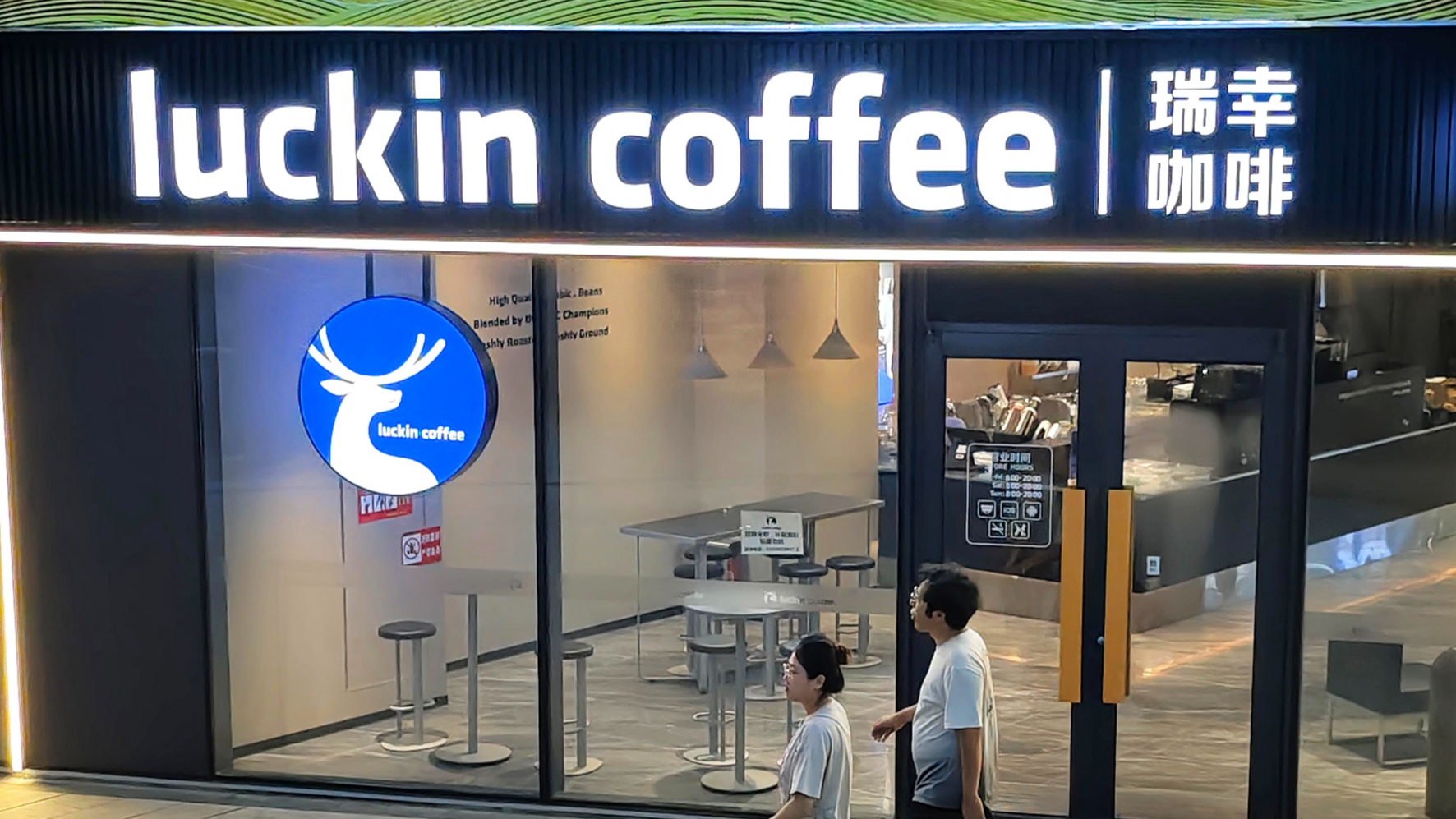
China’s Luckin Coffee is reportedly preparing to return to Wall Street, five years after its dramatic delisting from the Nasdaq amid one of the country’s most notorious corporate accounting scandals.

Speaking at a government-hosted event in Xiamen on 2 November 2025, CEO Jinyi Guo said the company was “actively pushing the process of relisting on a U.S. main board,” though he declined to specify a timeline. Market observers believe the relisting could take place either on the New York Stock Exchange or Nasdaq, marking a significant milestone in the company’s comeback story.

Founded in Beijing in 2017, Luckin first listed in the United States in May 2019, raising $561 million to fund its breakneck expansion to 4,500 stores across China. But by April 2020, revelations emerged that the company had fabricated roughly $340 million in sales, triggering a collapse in its stock price, the dismissal of its senior management, bankruptcy filings in the U.S., and a $180 million fine by the U.S. Securities and Exchange Commission.

Under new ownership by Beijing-based private-equity firm Centurium Capital, Luckin launched a sweeping turnaround plan focused on profitable growth, tech-driven operations, and stricter financial oversight. The strategy began paying off in 2022, when the company reported its first quarterly net profit and emerged from bankruptcy shortly thereafter — a milestone that paved the way for its first annual operating profit later that year.

By 2023, Luckin Coffee had overtaken Starbucks in China’s fiercely competitive coffee market, fueled by rapid franchise expansion and affordable pricing. As of mid-2025, the brand operates over 26,000 stores across China and continues to extend its international presence with outlets in Singapore, Malaysia, and its first U.S. location.

A potential U.S. relisting, analysts say, could provide Luckin with fresh access to capital markets, boost brand visibility, and restore investor confidence still clouded by its past misconduct. Yet the move will not be simple: any overseas listing by a Chinese firm now requires filing with the China Securities Regulatory Commission (CSRC), part of Beijing’s tightened oversight of foreign capital operations.

As of March 2025, 286 Chinese companies were listed on U.S. exchanges with a combined market capitalization of around $1.1 trillion, according to the U.S.–China Economic and Security Review Commission. Luckin’s move, therefore, would mark one of the most high-profile returns of a Chinese consumer brand to U.S. markets since the scandal-scarred delistings of 2020.

Earlier this year, Chinese tea brand Chagee raised $411 million in its Nasdaq IPO — a sign that global appetite for Chinese beverage players may be returning. Whether Luckin Coffee can brew up a similar success story on Wall Street remains one of the most closely watched comebacks in the coffee industry.

TIME Opens the File on the Complex Relationship Between the Brain and Coffee

Dubai – Qahwa World 

TIME Magazine has launched an in-depth investigation exploring the complex relationship between the brain and coffee and why that morning cup can sometimes calm, or just as easily, unsettle the mind.

While coffee remains a beloved ritual that energizes millions each day, the report examines why caffeine may trigger anxiety, restlessness, or a racing heart in some people. Drawing on insights from cardiologists, neuroscientists, and functional medicine experts, TIME unpacks how caffeine interacts with the nervous system and why individual responses differ so widely.

Within 1545 minutes of consumption, caffeine enters the bloodstream and reaches the brain. There, it blocks adenosine receptors the neural “brakes” that promote calmness and drowsiness. This triggers a rise in dopamine and norepinephrine, which boost alertness but, in higher doses, can raise blood pressure and activate brain regions responsible for threat perception the same system involved in the stress response.

According to Dr. Amin Yehya, cardiologist at Sentara Health, “Caffeine stimulates the same hormonal pathways that activate during stress.” Dr. John Higgins from UTHealth Houston adds that the physical sensations of alertness can easily be confused with anxiety.

A 2023 study in Clinical Autonomic Research found that caffeine-induced arousal closely mirrors the physiological symptoms of anxiety, blurring the line between “focused” and “uneasy.”

Why Sensitivity Differs

Genetic variations explain much of this difference. Some people metabolize caffeine slowly due to specific gene variants, allowing its stimulating effects to last longer. “The same cup of coffee can feel completely different from one person to another,” says Dr. Higgins.

How Much Coffee Is Too Much?

The U.S. Food and Drug Administration recommends up to 400 mg per day around two to three cups for most healthy adults. But Dr. Ajay Pillai of VCU Health warns that even smaller amounts can raise heart rate and blood pressure, especially among people under stress. “Be moderate and know the caffeine content in your favorite drinks,” advises Dr. Mohanakrishnan Sathyamoorthy of Texas Christian University.

Sleep, Stress, and Hormones

Sleep deprivation, chronic stress, and hormonal fluctuations amplify caffeine’s impact. Dr. Sogol Ash notes that when the body is already stressed, caffeine intensifies that reaction. Women who are pregnant or using hormonal contraceptives metabolize caffeine more slowly, extending its effects.

How to Enjoy Coffee Without Anxiety

Experts agree that there’s no need to give up coffee moderation is key. Two to three cups a day are generally safe. Avoid drinking on an empty stomach, pair coffee with breakfast or milk, and steer clear of late-afternoon caffeine to protect sleep quality.

Dr. Higgins clarifies that cold brew isn’t stronger than hot brew once diluted properly. Kevin Woods of Brain.fm adds that the best time to drink coffee is mid-morning, when cortisol levels naturally dip.

When to Cut Back or See a Doctor

If moderate coffee intake still causes anxiety, palpitations, or insomnia, it may be time to reconsider your caffeine habits. Persistent symptoms might indicate underlying issues such as arrhythmia, thyroid imbalance, or an anxiety disorder.

As TIME’s report concludes: Caffeine isn’t the enemy the key lies in understanding your body.

Luckin Coffee’s Major Investor Weighs Acquisition of Costa Coffee

Beijing — Qahwa World

The majority stakeholder of Luckin Coffee, Centurium Capital, is reportedly considering a bid to acquire Costa Coffee from The Coca-Cola Company, in what could become one of the most significant international coffee transactions in recent years.

According to sources familiar with the matter, the Beijing-based private equity firm is evaluating whether to proceed with an offer for the British coffee chain. The discussions come as Coca-Cola continues to review its investment in Costa Coffee, which it purchased from Whitbread in 2019 for $4.9 billion.

Coca-Cola Reassesses Its Coffee Strategy

Coca-Cola began exploring potential buyers for Costa in August 2025, signaling a possible retreat from its café business. Speaking to investors, CEO James Quincey admitted that Costa’s financial performance “is not where we wanted it to be,” adding that the company was “reflecting on the right way forward” for the brand.

Reports indicate that Coca-Cola has received fewer bids than anticipated, with Costa’s current valuation estimated at less than $2 billion less than half of what the beverage giant originally paid.

Centurium Capital’s Expanding Coffee Footprint

Centurium Capital has been a major force behind Luckin Coffee’s resurgence. The Chinese private equity firm first invested in Luckin during its early funding rounds and became instrumental in stabilizing the company following its 2020 accounting scandal. In 2021, Centurium led a $260 million private placement that helped Luckin restructure debt and resolve issues with the U.S. Securities and Exchange Commission (SEC).

By January 2022, Centurium had become Luckin’s controlling shareholder, holding over 50% of the company’s voting rights. Under its direction, Luckin has grown rapidly, operating more than 26,000 stores across China, surpassing Starbucks in store count and establishing itself as the country’s leading coffee brand.

Industry analysts suggest that acquiring Costa could give Centurium a strong international platform, combining Luckin’s digital strength and value-based strategy in Asia with Costa’s established brand presence in Europe and the Middle East.

Costa Coffee’s Global Operations

Founded in London in 1971, Costa Coffee today operates around 4,100 coffee shops across 38 countries and manages nearly 17,000 self-service machines under the Costa Express brand. The company has also expanded into the ready-to-drink (RTD) sector, with products distributed through supermarkets and vending platforms worldwide.

However, under Coca-Cola’s ownership, Costa has struggled to achieve consistent profitability and adapt to evolving market dynamics. Analysts say that its integration within a soft-drink-focused corporation limited the brand’s agility in competing with fast-growing specialty coffee chains.

Other Interested Bidders

Besides Centurium Capital, Bain Capital, investor in Gail’s Bakery and Pizza Express, and TDR Capital, owner of Asda supermarkets, have also shown interest in acquiring Costa, according to Bloomberg.

If Centurium proceeds, the deal would mark a rare case of a Chinese investment group acquiring a major Western coffee brand, highlighting China’s growing influence in the global coffee market and reinforcing the country’s ambition to shape the next chapter of the café industry.

U.S. Senate Bid to Fast-Track “No Coffee Tax Act” Denied

Dubai – Qahwa World

As U.S. coffee prices continue to climb, an effort in the U.S. Senate to fast-track the bipartisan “No Coffee Tax Act” stalled on Wednesday after a single Republican senator objected.

On the Senate floor, Sen. Catherine Cortez Masto (D-Nev.) requested unanimous consenta procedure allowing noncontroversial bills to pass without a roll-call voteto advance the bill she co-authored with Sen. Rand Paul (R-Ky.).

Video footage of the session shows Sen. Mike Crapo (R-Idaho), chair of the Senate Finance Committee, raising an objection. His move sends the measure back to the committee for further review.

The proposed legislation is part of a broader effort by lawmakers and coffee industry groups to exempt coffee from President Donald Trump’s “reciprocal tariffs”—import fees applied to a wide range of goods. Current tariffs on imports from nearly all coffee-producing nations range from 10% to 50%, with the 50% tariff on Brazil having a particularly strong impact on U.S. coffee prices.

Meanwhile, the cost of coffee for consumers continues to surge. In September, the average grocery price for a pound of roasted, ground coffee reached $9.14, an increase of 41% from a year earlier. According to the Bureau of Labor Statistics, the coffee index rose 18.9% year-over-year, far outpacing overall food and beverage inflation.

The No Coffee Tax Act seeks to exempt coffee from such tariffs, emphasizing that the United States cannot produce coffee at a scale sufficient to meet domestic demand. Combined coffee production from Hawaii and Puerto Rico accounts for less than 1% of total U.S. green coffee consumption.

“I know that responsible, targeted tariffs on our adversaries can be good for American workers and our national security,” said Cortez Masto. “There’s a smart way to do thisbut taxing our coffee and raising prices for Americans isn’t it.”

In response, Crapo argued that the Senate should not make “one-off exceptions” for individual goods “in isolation of a larger negotiating strategy and broader stakeholder concerns.”

He also noted that coffee already benefits from tariff exemptions through recent trade agreements with Cambodia and Malaysiathough those two nations together account for less than 0.1% of global coffee production, according to USDA data.

Coffee Study Challenges Long-Held Medical Advice on Heart Condition

New clinical evidence suggests coffee may protect against atrial fibrillation, overturning decades of cautionary advice

Dubai – Qahwa World

For years, patients diagnosed with irregular heart rhythms have heard the same warning from doctors: avoid coffee. The reasoning seemed simple — caffeine increases heart rate and alertness, so it must worsen conditions such as atrial fibrillation.

Now, a groundbreaking international study published in JAMA on November 9, 2025, has challenged that long-standing belief. The DECAF trial — short for Does Eliminating Coffee Avoid Fibrillation? — found that moderate coffee consumption actually lowered the risk of atrial fibrillation recurrence by 39 percent compared with total abstinence.Coffee Study Challenges Long-Held Medical Advice on Heart Condition

New clinical evidence suggests coffee may protect against atrial fibrillation, overturning decades of cautionary advice

For years, patients diagnosed with irregular heart rhythms have heard the same warning from doctors: avoid coffee. The reasoning seemed simple — caffeine increases heart rate and alertness, so it must worsen conditions such as atrial fibrillation.

Now, a groundbreaking international study published in JAMA on November 9, 2025, has challenged that long-standing belief. The DECAF trial — short for Does Eliminating Coffee Avoid Fibrillation? — found that moderate coffee consumption actually lowered the risk of atrial fibrillation recurrence by 39 percent compared with total abstinence.

The finding could reshape global medical advice for millions living with the world’s most common heart rhythm disorder and reignite conversations about coffee’s misunderstood role in cardiovascular health.

From Myth to Medicine

Atrial fibrillation (AF) affects more than 60 million people worldwide and is linked to serious complications including stroke, heart failure, and early mortality. Because caffeine is known to stimulate the nervous system, many clinicians have historically told AF patients to stay away from coffee altogether.

But coffee is not a simple stimulant. It is a complex natural beverage containing hundreds of bioactive compounds — antioxidants, polyphenols, and natural anti-inflammatory agents — that may benefit the cardiovascular system.

To investigate whether this complexity might hold a hidden benefit, a team of researchers led by Dr. Christopher Wong of the University of Adelaide and Dr. Gregory Marcus of the University of California, San Francisco, designed the first randomized clinical trial to directly test coffee’s effect on atrial fibrillation recurrence.

Inside the DECAF Trial

Between 2021 and 2024, 200 men and women with persistent atrial fibrillation were recruited from five major hospitals in the United States, Canada, and Australia. All participants were habitual or recent coffee drinkers who were scheduled to undergo electrical cardioversion, a procedure used to reset an irregular heartbeat to normal rhythm.

After successful cardioversion, the participants were divided into two groups:

The coffee group, encouraged to drink at least one cup of caffeinated coffee daily for six months.

The abstinence group, instructed to avoid all forms of coffee and caffeine, including decaffeinated varieties.

Both groups began with similar average coffee intake — about seven cups per week — before the experiment began. Over six months, researchers tracked all recurrences of atrial fibrillation or atrial flutter lasting 30 seconds or longer, using clinical electrocardiograms, wearable heart monitors, and implantable devices.

At the end of the study, the results were striking:

Only 47 percent of coffee drinkers experienced a recurrence of atrial fibrillation.

In contrast, 64 percent of those who abstained suffered another episode.

That difference translates to a hazard ratio of 0.61, meaning the coffee drinkers had a 39 percent lower risk of recurrence.

Just as significant, the coffee group did not show higher rates of hospitalization, stroke, or heart failure. No serious side effects were observed, suggesting that moderate coffee consumption is not only safe but potentially beneficial for patients recovering from AF.

“Astounding” Results Defy Conventional Wisdom

“In contrast to conventional wisdom, we found that coffee drinkers experienced a significant reduction in AF compared to those who avoided caffeine,”

— Dr. Christopher Wong, University of Adelaide

The study’s senior author, Dr. Gregory Marcus, added that the results provide a foundation for a more flexible approach to dietary guidance: “It is reasonable for health-care professionals to let their patients with AF consider experimenting with naturally caffeinated substances they enjoy, such as tea and coffee. However, some individuals may still find that caffeine worsens their symptoms.”

This nuance matters. The researchers emphasize that their trial involved typical coffee consumption — around one cup daily — not energy drinks or high-dose caffeine supplements. The potential benefits appear tied to natural coffee’s balanced composition, not extreme stimulation.

How Coffee Might Help the Heart

The DECAF investigators explored several physiological explanations for their unexpected finding.

Adenosine Receptor Blockade

Caffeine blocks A1 and A2A adenosine receptors, which play a role in triggering AF episodes. By preventing adenosine from shortening the heart’s electrical recovery time, caffeine may act as a mild anti-arrhythmic agent.

Anti-Inflammatory Effects

Coffee’s chlorogenic acid and polyphenols reduce systemic inflammation — an established risk factor for atrial fibrillation and many other heart diseases.

Improved Circulation and Fluid Balance

Coffee’s gentle diuretic effect can help lower blood pressure and decrease cardiac strain, indirectly reducing AF risk.

Behavioral Factors

In previous studies, habitual coffee drinkers were found to take more daily steps and maintain higher levels of physical activity, both protective against AF recurrence.

The team also noted that coffee drinkers in the trial did not replace coffee with sugary sodas or high-calorie beverages, which might have otherwise increased cardiovascular risk.

Taken together, these effects may explain why moderate coffee consumption — far from being dangerous — may actually stabilize the heart’s rhythm.

A Trial That May Rewrite Clinical Advice

The implications of this work extend beyond cardiology. Coffee is the most widely consumed caffeinated beverage on Earth, and medical advice around it influences millions of daily routines.

For decades, doctors issued cautionary statements largely based on anecdotal observations and small, uncontrolled studies. The DECAF trial provides the first causal evidence — through randomized assignment — that regular caffeinated coffee consumption is unlikely to provoke atrial fibrillation and may even reduce its recurrence.

“Among patients with atrial fibrillation, consuming about one cup of caffeinated coffee per day was linked to fewer recurrences — not more. It’s time we rethink the old advice that coffee should be avoided,” said Dr. Wong.

While the study’s participants were already accustomed to coffee, researchers believe similar results might hold for moderate new drinkers, though further trials are needed.

Limitations and Cautions

As with any clinical study, the authors acknowledge several limitations.

The trial was open-label, meaning participants knew which group they were in.

It lasted only six months and involved a modest 200 participants.

Only 69 percent of abstainers fully adhered to caffeine avoidance, possibly diluting the true benefit of coffee.

Because the cohort consisted of previous coffee drinkers, results may not apply to lifelong abstainers or to people with caffeine sensitivity.

Nevertheless, the findings remained statistically robust even after adjustments for age, medication use, and co-existing conditions. No evidence suggested harm from coffee, and adverse events were comparable between groups.

A New Understanding of Coffee and the Heart

The DECAF trial arrives amid a growing body of evidence that moderate coffee drinking supports overall heart health. Previous large-scale studies have already linked coffee to lower risks of stroke, diabetes, and all-cause mortality.

What makes DECAF unique is its focus on arrhythmia, an area long clouded by uncertainty and fear. The message emerging from this work is one of moderation and balance rather than prohibition.

A single, freshly brewed cup — perhaps the ritual that begins each morning for billions — might not just awaken the senses but gently protect the heart as well.

About the Study

The DECAF trial was conducted by the University of Adelaide, the University of Toronto, and the University of California, San Francisco, with support from the National Heart Foundation of Australia and the U.S. National Institutes of Health. Results were presented at the American Heart Association Scientific Sessions 2025 in New Orleans.

For Coffee Drinkers and Clinicians Alike

As global coffee culture continues to evolve — from third-wave cafés to specialty roasters and home-brewing enthusiasts — science is gradually catching up with what coffee lovers have long sensed: this beverage, when enjoyed responsibly, can be part of a healthy lifestyle.

The DECAF study doesn’t suggest that everyone should drink more coffee. But it does invite a thoughtful reevaluation of how we understand it — not as a vice to be limited, but as a natural, potentially protective companion to heart health.

Source: Caffeinated Coffee Consumption or Abstinence to Reduce Atrial Fibrillation: The DECAF Randomized Clinical Trial, JAMA (2025), DOI 10.1001/jama.2025.21056.