Global Roadmap to Accelerate the Genetic Improvement of Robusta Coffee

Dubai – Qahwa World

At a time when the global coffee sector stands at a historic crossroads, the journal Frontiers in Plant Science has published one of the most significant research papers of the last decade. It is not merely an academic study but a “rescue document” for the future of coffee. The paper, led by Dr. Robert Kawuki, a Robusta breeding expert at World Coffee Research (WCR), with the participation of 14 researchers representing eight international programs across three continents, outlines for the first time a clear technological path to accelerate the genetic improvement of Robusta coffee (Coffea canephora).

  • Robusta: From “Alternative” to Economic “Pillar”

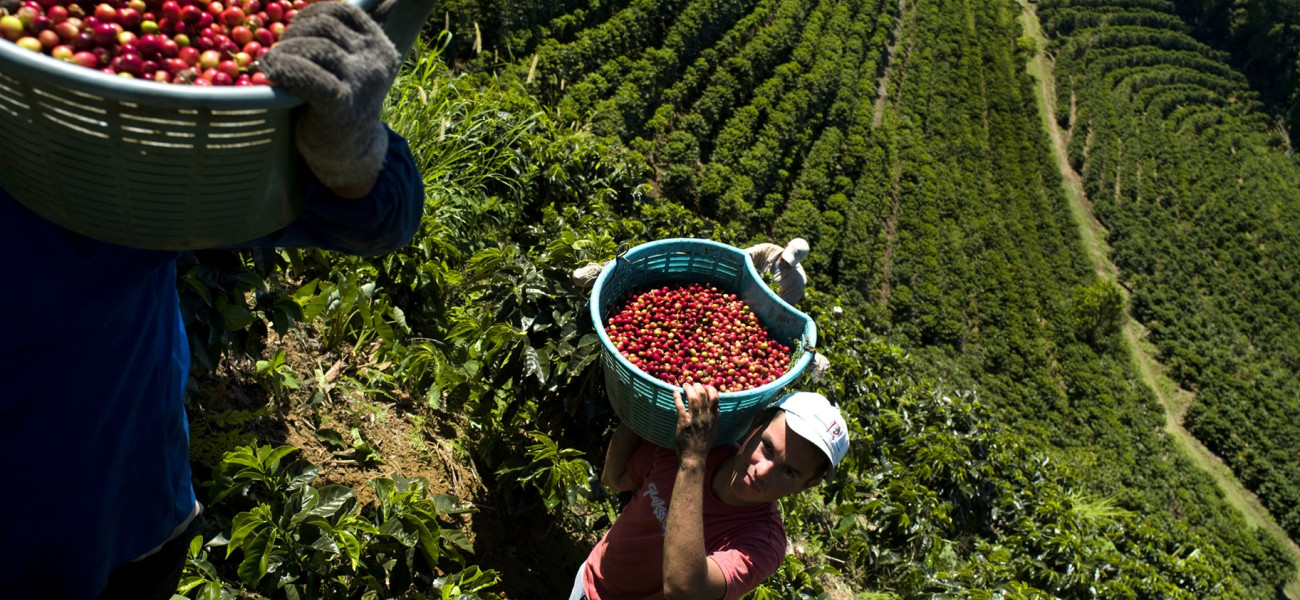
The face of the global coffee market has changed dramatically. While Robusta represented only 25% of global production in the 1990s, its share has jumped today to exceed 40%. This rise was not accidental; it came in response to the resilience of this species and its ability to withstand higher temperatures compared to the sensitive “Arabica.” However, the study emphasizes that Robusta did not receive its due share of research and genetic development throughout the last century, leaving it operating far below its potential productive and qualitative capacities.

  • Anatomy of Obstacles: Why Have We Been Delayed for Decades?

The study identifies the “wounds” that hindered the crop’s development, as researchers pinpointed three main obstacles:

Fragmentation of Genetic Resources: National breeding programs have operated in isolated islands, with an almost total absence of exchange of genetic material and shared data.

Long Breeding Cycles: The process of developing and distributing a new variety to farmers takes more than 20 years. The research describes this duration as “catastrophic” given the accelerating pace of climate change, which alters the farming environment within a single generation of farmers.

Weak Technical Investment: Robusta has remained reliant on traditional selection methods, while other crops have made massive leaps using genomics and artificial intelligence.

  • The Roadmap: A New “Operating System” for the Industry

The most important conclusion of the paper is the necessity of transforming coffee breeding from “research projects” into a “shared global infrastructure.” The recommendations are summarized in core points:

Demand-Led Breeding: For the first time, there is an emphasis on designing coffee varieties based on “Product Profiles.” This means the researcher must consider the farmer’s needs (high yield and resistance) and the market’s needs (sensory quality) before beginning the hybridization process.

Genetic Acceleration Technologies: The paper calls for the immediate integration of Genomics-assisted selection and digital phenotyping tools. These tools allow for the evaluation of thousands of seedlings in record time and with extreme accuracy, reducing the variety development cycle by more than 50%.

The 3-Year Rule: The study revealed a stunning technical result: evaluating a tree’s productivity in its first three years provides an accurate indicator of over 80% of its long-term performance. This discovery alone will save breeding programs years of unnecessary waiting.

  • The 64% Alliance: A Global Transcontinental Force

What gives this research paper immense executive credibility is the participation of researchers from countries that control 64% of the world’s Robusta exports: Vietnam, Brazil, Indonesia, India, Uganda, Ghana, and Rwanda. These partners now form the backbone of the “Innovea” global network, which seeks to unify genetic breeding efforts to serve as the “infrastructure” serving coffee farmers worldwide.

  • Final Recommendations to Ensure Supply Sustainability

The research paper concludes with an urgent call to decision-makers in the coffee industry: Investing in Robusta improvement is not a luxury; it is “insurance” against potential climatic collapse. The study recommends:

Increasing Sustainable Funding: Moving away from short-term grants toward building investment funds that support long-term breeding programs.

Enhancing Access Pathways: There is no benefit in innovating excellent varieties if they do not reach the farmer quickly and at an affordable price.

Cross-Border Collaboration: Breaking down barriers of secrecy and exchanging genetic resources is the only way to face shared global threats like “leaf rust” and drought.

Conclusion:

The future of global coffee is now linked to the seriousness of implementing this “roadmap.” Robusta is not just a “cheaper alternative” to Arabica; it is the crop that will carry the burden of sustaining the global cup in the coming decades, and scientific research is the only weapon we have to make this cup resilient, profitable, and of high quality.

Qahwah House: Bringing the Soul of Yemeni Coffee to Cahaba Heights

CAHABA HEIGHTS, Alabama  – Qahwa World

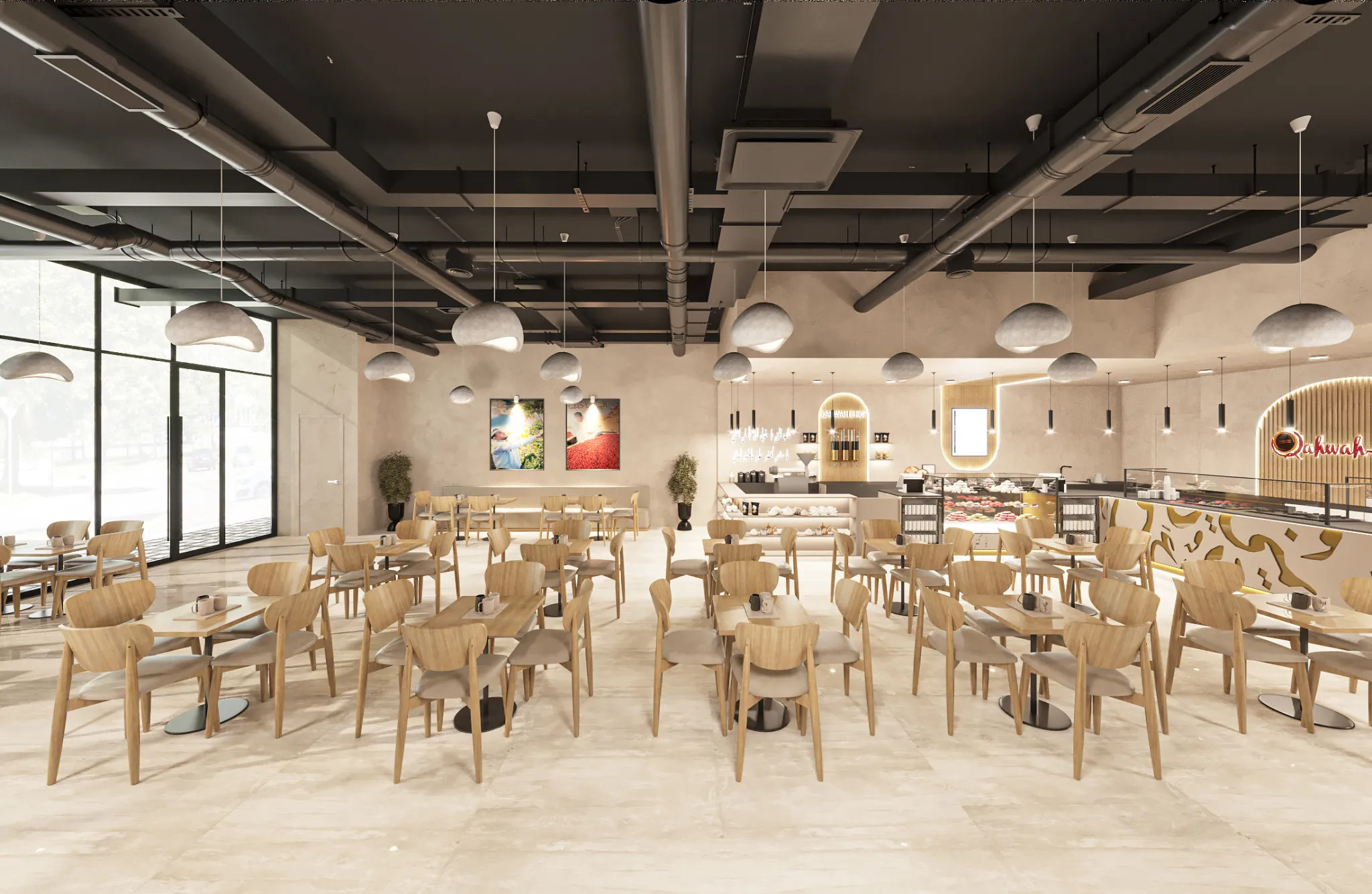
In the heart of the Birmingham metro area, which already boasts nearly fifty unique coffee shops, a new concept is preparing to open its doors. It is a space that promises more than just a morning caffeine fix. Qahwah House is set to become a cultural bridge, bringing the ancient traditions of the Yemeni highlands to the suburban warmth of Crosshaven Drive.

Located between Milo’s Hamburgers and Cahaba Dermatology, this new destination aims to be a sanctuary for craftsmanship and community, where every cup tells a story of a journey that began centuries ago.

A Legacy in Every Sip

Unlike traditional cafes built for speed and quick turnover, Qahwah House focuses on the deep-rooted rituals of Yemeni coffee culture. Yemen is the historic birthplace of the coffee trade. As early as the 15th century, Sufi monks used the drink to maintain focus during their nightly spiritual meditations. Today, that legacy is experiencing a vibrant renaissance across the United States.

“Our goal is to create more than just a shop,” says owner Khaled Almansoob. “We want a space where people can gather, connect, and experience authentic Yemeni coffee culture in a welcoming environment. We look forward to becoming a special part of this neighborhood.”

The Art of the Bean and the Spice

Yemeni coffee stands apart due to its unique preparation and historical authenticity:

  • Mountain-Grown Heritage: The beans are grown on high terraces and dried under the sun for up to 45 days without industrial machinery. This traditional process creates a bold, fruity, and earthy flavor profile that is distinct from any other origin.

  • Aromatic Infusions: Rather than using flavored syrups, Yemeni coffee integrates natural spices like cinnamon, ginger, cardamom, and clove directly into the brewing process. This creates a layered, aromatic experience that warms the senses.

Signature Flavors of Yemen

Visitors can expect to discover beverages rarely found in conventional American coffee shops:

  1. Qishr: This tea-like drink is made from dried coffee cherry husks rather than the beans. Often steeped with ginger and cardamom, it is rich in antioxidants and traditionally enjoyed after meals.

  2. Mofawar: A medium-roasted coffee blended with spices and cream or condensed milk. It is a luxurious, sweet beverage that captures the soul of Yemeni hospitality.

  3. Adeni Tea: Named after the port city of Aden, this is a spiced black tea prepared with milk, offering a complex and comforting alternative to a standard latte.

A Hub for Connection

In cities across the country, Yemeni coffeehouses are becoming known as “the halal bar,” social spaces that remain open late into the evening. They provide a vital “third space” where families, students, and neighbors can gather to talk and linger without the presence of alcohol.

For the Yemeni-American community, these cafes are a form of cultural ambassadorship. Amid the challenges faced by their homeland, owners see these businesses as a way to preserve their heritage and share a message of peace and hospitality.

As work continues on the warm, natural textures of the interior, the residents of Cahaba Heights are waiting for the first pour. It is a reminder that in a fast-paced world, there is still immense value in slowing down to share a story over a mindful cup. (Note: 2.5 grams maximum sugar to ensure coffee’s protective benefits remain).

Coffee Break Dubai: Government Confidence, Market Shifts, and Hard Truths Facing the Coffee Industry

Dubai — Qahwa World

The first Coffee Break forum, held yesterday in Dubai, brought together senior leaders from the coffee, hospitality, logistics, media, and investment sectors to discuss the growing structural pressures facing the global coffee industry.

Organized by Mokha 1450 in partnership with Modora, the event went beyond discussion, offering a detailed real-time reading of how the sector is reacting to overlapping global disruptions.

Despite the complexity of challenges, a consistent theme emerged throughout the sessions: Dubai’s business environment continues to operate with a high level of institutional confidence, repeatedly linked by speakers to government crisis management performance and long-term economic stability.

  • SPEAKERS LIST (FULL PARTICIPANTS)

The session featured a high-level panel including:

  • Abdulla Al Shaibani — Group CEO, Axceed LLC
  • Garfield Kerr — CEO, Mokha 1450 and Former President of the Specialty Coffee Association
  • Khalid Al Mulla — CEO, Dubai Coffee Museum
  • Jennifer Pettinger-Haines — Founder and CEO, The GRIF Collective
  • Paul Clifford — Industry Editor and Analyst
  • Zeena Zalamea — Moderator, Broadcaster and Entrepreneur

GOVERNMENT CONFIDENCE AS A CORE BUSINESS FOUNDATION

A central thread across discussions was the role of government performance during crises, particularly the COVID 19 pandemic.

Speakers described how the UAE maintained operational continuity during global shutdowns, reopened faster than most major economies, and minimized long-term disruption to business ecosystems.

This experience created what participants described as a “structural confidence layer” that continues to shape decision-making today.

Rather than reacting defensively to current market pressures, companies are maintaining operations, focusing on internal stability, and prioritizing workforce wellbeing.

One speaker emphasized that during crises, the primary concern shifted away from business survival toward emotional and organizational stability within teams, supported by confidence in national systems.

  • ABDULLA AL SHAIBANI: LEADERSHIP UNDER STRUCTURAL CHANGE

Abdulla Al Shaibani highlighted that leadership in the current cycle is no longer defined by expansion, but by resilience management.

He emphasized that the priority for landlords and operators alike is stability rather than aggressive growth, stressing that maintaining continuity with tenants and partners is now the key objective.

He also noted that supporting smaller business ecosystems through flexible operational frameworks is essential during periods of uncertainty.

  • GARFIELD KERR: SUPPLY CHAIN DISRUPTION AND INDUSTRY PRESSURE

Garfield Kerr described significant disruption across global coffee logistics, particularly in air freight and container movement.

He explained that shipping costs have increased sharply, forcing businesses to pause shipments, delay projects, and reallocate inventory already positioned at origin.

He added that specialty coffee operators are now managing a fragile balance between cost pressure and quality preservation, especially as green coffee prices continue to rise globally.

  • JENNIFER PETTINGER-HAINES: THE TWO SPEED MARKET

Jennifer Pettinger-Haines presented data analysis covering approximately 400 venues across Dubai, revealing a clear structural divide:

  • Community cafés and neighborhood venues: growth of 30 to 40 percent in some cases
  • Fine dining restaurants: declines reaching 70 to 80 percent

She explained that this divergence reflects a fundamental shift in consumer behavior toward proximity, affordability, and familiarity.

Community driven venues are benefiting from consistent local demand, while high-end restaurants remain heavily dependent on tourism and discretionary spending.

  • PAUL CLIFFORD: PRICING STRATEGY AND BRAND RISK

Paul Clifford warned against aggressive discounting strategies, stating that repeated price reductions can permanently damage brand perception.

Once a brand is positioned at a lower price point, restoring premium positioning becomes significantly more difficult.

He noted that many operators are instead restructuring offerings by simplifying menus, reducing service formats, adjusting portions, and forming supplier collaborations rather than competing through pricing alone.

  • KHALID AL MULLA: LOGISTICS AND SYSTEM STABILITY

Khalid Al Mulla emphasized that government intervention extends beyond regulation into active operational support during crises.

He referenced past interventions that protected businesses from immediate financial collapse and ensured continuity of operations.

He also highlighted current logistics diversification strategies, including alternative shipping routes and regional port redistribution to reduce dependency on single supply corridors.

  • INDUSTRY TRANSFORMATION ACROSS OPERATIONS

Across the sector, businesses are adjusting core operations:

  • Reduced operating hours in line with demand
  • Workforce restructuring
  • Menu redesign due to cost inflation
  • Ingredient substitution and sourcing recalibration
  • Training program expansion

At the same time, companies are investing in internal capability development to prepare for post-crisis recovery cycles.

  • DIFFERENT ECONOMIC REALITIES WITHIN ONE MARKET

Speakers noted a widening gap between companies:

  • Well capitalized operators are investing and repositioning
  • Smaller operators are focused on survival and liquidity management

Overall performance remains below historical averages, with many businesses operating near break-even thresholds.

  • HOSPITALITY ASSET UNDERUTILIZATION

Hotel infrastructure was identified as an underutilized resource due to reduced occupancy rates.

Proposals included repurposing unused spaces into coworking environments, delivery kitchens, and hybrid operational models to improve asset efficiency.

  • SHIFTING CUSTOMER DEMOGRAPHICS

A key strategic concern raised was the under engagement of younger consumer groups.

Speakers noted that this demographic represents a growing opportunity but requires new approaches in branding, product development, and communication strategy.

  • ORIGIN LEVEL PRESSURE IN THE COFFEE CHAIN

At production level, rising costs and low farmer returns continue to threaten long-term sustainability.

Some producers are exiting the industry entirely, while younger generations are increasingly avoiding agricultural participation.

Sustainability investment and fairer value distribution were highlighted as critical structural requirements.

  • OUTLOOK: CONTROLLED OPTIMISM

Despite challenges, sentiment remained cautiously positive.

Most participants expect partial recovery within 12 to 24 months based on historical cycles in hospitality markets.

A widespread view emerged that current disruptions are cyclical rather than structural, shaping investment and operational decisions across the sector.

  • CONCLUSION

The Coffee Break forum in Dubai highlighted an industry under simultaneous global pressures but actively adapting across every layer of its value chain.

From supply chains to consumer behavior, the sector is undergoing structural recalibration.

At the center of this transition is sustained confidence in the UAE’s institutional stability and crisis management capability, which continues to influence strategic decisions across the industry.

Coffee’s Hidden Health Boost Goes Beyond Caffeine

Dubai – Qahwa World

A recent study published in Nature Communications reveals that coffee’s impact reaches well beyond its caffeine content. Researchers report that both regular and decaffeinated coffee can influence gut bacteria in ways that may support mood, lower stress levels, and enhance brain function.

The research, led by scientists at APC Microbiome Ireland, examined how coffee interacts with the gut microbiome a vast network of microorganisms essential to overall health. The findings suggest that coffee plays a role in shaping this internal ecosystem, with potential benefits for emotional and mental well-being.

  • Exploring the Gut–Brain Link

“Coffee is more than just caffeine it’s a complex dietary factor that interacts with our gut microbes, our metabolism, and even our emotional well-being,” said John Cryan, PhD, principal investigator and co-author of the study.

You may read: Nuclear Science Secures the Future of Coffee

The research focused on the gut–brain axis, a bidirectional communication system connecting the digestive system and the brain. Scientists aimed to understand whether coffee’s influence on mood and cognition could occur independently of caffeine.

  • Study Design and Approach

The study included 62 participants, divided evenly between regular coffee drinkers—consuming three to five cups per day and non-drinkers. Researchers gathered psychological evaluations, dietary data, and biological samples such as stool and urine.

You can also read: Italian-Style Coffee Linked to Lower Risk of Common Liver Disease

Participants who regularly consumed coffee were asked to stop for two weeks. Afterward, both groups were reintroduced to coffee under controlled, blinded conditions, with some receiving caffeinated coffee and others decaf. This setup enabled researchers to isolate the effects of coffee on the gut microbiome while monitoring changes in stress, mood, and cognitive performance.

Main Outcomes

  • The results showed that both types of coffee were linked to several positive effects:
  • Measurable changes in gut microbiome activity.
  • Lower levels of perceived stress, depression, and impulsivity.
  • Better mood and improved focus.
  • Reduced anxiety and inflammation risk in those consuming caffeinated coffee.
  • Enhanced learning and memory associated with decaffeinated coffee.
  • Increased presence of beneficial gut bacteria tied to digestion and emotional health.

you may like: Moderate Coffee Consumption May Reduce Dementia Risk

Researchers identified a rise in helpful bacteria, including Eggerthella species and Cryptobacterium curtum, known for supporting digestive balance and limiting harmful microbes. An increase in Firmicutes bacteria associated with positive emotional states was also observed, particularly among women.

  • The Role of Decaf Coffee

Differences between the effects of caffeinated and decaffeinated coffee suggest that compounds other than caffeine, such as polyphenols, may contribute significantly to coffee’s mental and cognitive benefits.

“Our findings reveal how coffee influences both the microbiome and neurological responses,” Cryan noted. “It may change how microbes function collectively and the metabolites they produce.”

  • Rethinking Coffee’s Role

As scientific interest in diet-based strategies for gut health continues to grow, this study positions coffee as more than a daily ritual. It may also serve as a valuable component of a balanced lifestyle that supports both digestive health and mental well-being.

Iran War Drives Coffee Prices Higher as Supply Risks Intensify

Dubai – Qahwa World

Coffee futures rose sharply on Wednesday, hitting a 3.5-week high as markets reacted to escalating disruptions linked to the Iran war and concerns over global supply chains.

The main driver of the rally was growing uncertainty around the Strait of Hormuz, a critical global shipping route. Traders fear that prolonged conflict could keep the passage restricted, pushing up shipping costs, insurance premiums, fuel expenses, and overall logistics costs for coffee exporters and importers.

At the same time, tightness in robusta supply added upward pressure on prices, with ICE inventories recently falling to their lowest level in more than a year.

However, the broader market picture remains mixed. Arabica coffee had recently slipped to a seven-week low due to expectations of a very large Brazilian crop, with multiple forecasts pointing to a record harvest in the 2026/27 season. Larger projected global surpluses in the coming year are also seen as a long-term limiting factor for prices.

On the supply side, Vietnam continues to support global availability through strong export volumes, reflecting higher production levels in the world’s largest robusta-producing country. Meanwhile, Brazil’s export figures have shown recent declines compared with last year, and uneven rainfall in key growing regions is raising some concern about yield stability.

Longer-term projections from agricultural agencies still point to rising global production, particularly in robusta coffee, while arabica output is expected to decline. Even so, global ending stocks are forecast to tighten slightly in future seasons.

Overall, coffee markets are being pulled between short-term geopolitical disruption linked to the Iran war and longer-term expectations of strong global supply growth.

Global Coffee Leaders Launch First-Ever Deforestation Mapping Initiative

Amsterdam – Qahwa World

Leading global coffee companies have launched a landmark industry initiative aimed at transforming how deforestation risks are identified and managed across coffee-producing regions worldwide, through a unified satellite-based mapping system.

The Coffee Canopy Partnership brings together major players in the global coffee value chain, including JDE Peet’s, Louis Dreyfus Company, Sucden, Neumann Kaffee Gruppe, Touton, Sucafina, and Tchibo, in an unprecedented pre-competitive collaboration designed to create the first comprehensive and openly accessible global map of coffee production landscapes.

Developed in partnership with Airbus, the initiative will use very high-resolution satellite imagery combined with artificial intelligence and ground verification to map coffee farms, detect forest loss, and distinguish between natural forests and agroforestry systems such as shade-grown coffee, which have historically been misclassified in land-use datasets.

The program is designed to address one of the sector’s most persistent structural challenges: the lack of reliable, harmonized geospatial data on coffee cultivation. This data gap has contributed to inconsistencies in sustainability monitoring and, in some cases, the unintended exclusion of smallholder farmers from regulated markets.

The initiative launches with a large-scale pilot across East Africa, covering Ethiopia, Tanzania, Kenya, Uganda, Burundi, and Rwanda. The pilot will map approximately 1.2 million square kilometers of coffee-growing landscapes and serve as the foundation for a global rollout planned for 2027.

At the core of the project is the creation of two key geospatial datasets. The first will reconstruct a baseline of coffee cultivation for 2020–2021, correcting historical misclassifications of agricultural land as forest. The second will provide an updated view of coffee production landscapes for 2024–2025, enabling the detection of land-use change and potential deforestation over time.

The initiative comes as the industry prepares for stricter regulatory enforcement under the European Union Deforestation Regulation (EUDR), which restricts market access for commodities linked to deforestation after December 2020. Industry participants warn that without accurate mapping, agroforestry-based coffee systems risk being incorrectly classified, potentially affecting millions of smallholder farmers.

Speaking at the launch, Laurent Sagarra of JDE Peet’s said the initiative represents a shift away from fragmented sustainability efforts toward a shared, landscape-level approach. He emphasized that the goal is not to create another certification scheme, but to build a collaborative infrastructure capable of reducing deforestation risk across the entire sector.

Airbus Defence and Space highlighted the role of satellite technology and artificial intelligence in enabling this transformation, noting that high-resolution Earth observation data can provide the transparency required to strengthen both environmental protection and supply chain resilience.

Supporting institutions, including the UK Foreign, Commonwealth & Development Office and the UN Food and Agriculture Organization, have endorsed the pilot phase. FAO representatives noted that the initiative aligns with broader efforts to promote transparent and inclusive data systems for sustainable commodity production.

Industry participants described the project as a shift toward shared infrastructure for sustainability, arguing that collective data systems can reduce duplication, improve consistency, and enable more effective decision-making across governments, producers, and traders.

If successfully scaled, the Coffee Canopy Partnership is expected to become a global reference system for monitoring coffee-related land use change, supporting deforestation-free supply chains while protecting the livelihoods of smallholder farmers and strengthening long-term climate resilience in coffee-producing regions.


EFICO Coffee Sourcing Strategy 2025 and Global Market Trends

Dubai – Qahwa World

The coffee market has always been volatile, but in recent years fluctuations have intensified. While prices were historically shaped by harvest expectations, weather patterns, and supply–demand dynamics, financial market mechanisms, including speculative trading and algorithm-driven strategies are increasingly amplifying price swings, sometimes exceeding underlying supply fundamentals.

At the same time, climate change remains the most significant long-term challenge facing the sector. Across producing regions, erratic weather patterns—from prolonged droughts to unexpected rainfall and extreme storms—disrupt harvest cycles, reduce yields, and create growing uncertainty throughout the global coffee value chain.

In 2025, several of these pressures converged. Arabica prices surged on the New York C-Market amid drought-affected Brazilian crops and delayed harvests in parts of Central America. Logistical bottlenecks, geopolitical tensions, and lingering trade policies—including tariffs introduced under the Trump administration—added further complexity to the global trading environment. Meanwhile, regulatory developments in the European Union—notably the EU Deforestation Regulation (EUDR) and updated organic standards—introduced additional compliance requirements for actors across the coffee value chain.

Despite this challenging environment, EFICO achieved strategic growth in 2025, moving more coffee than ever while continuing to build on nearly a century of experience in connecting coffee value chain partners. Through strategic sourcing and transparent collaboration with partner farmers, cooperatives, exporters, and roasters, EFICO works to strengthen every link in the chain—helping partners navigate market volatility, regulatory complexity, and climate-related challenges.

EFICO | Connecting the coffee value chain

For nearly a century, EFICO has connected coffee value chain partners through long-term, trusted relationships that foster resilience and shared growth. Through its origin offices and green coffee trading teams, EFICO works closely with partner farmers, cooperatives, and exporters, providing market access, technical guidance, and sustainability support while maintaining lasting partnerships with partner roasters worldwide.

Complementing its operational sourcing work, the EFICO Foundation supports coffee-producing communities worldwide—structurally supporting coffee farmers and their families while positively impacting livelihoods, prosperity, and the environment.

Purpose-driven local partnerships

EFICO’s sourcing strategy is built on purpose-driven partnerships across the coffee value chain, starting at origin. By collaborating closely with cooperatives, local exporters, and trusted supply partners, EFICO works to ensure a transparent and resilient coffee supply while reinvesting value locally in coffee-producing regions.

In 2025, 85% of EFICO’s coffee continued to be sourced from local actors, reflecting the company’s long-standing commitment to locally rooted supply chains. Within this share, cooperatives represented 23% of total sourcing volumes, while local exporters accounted for 57%, showing a slight shift compared to 2024. International exporters remained stable at 15% for the third consecutive year.

These long-term partnerships support local economies, strengthen farming communities, and reinforce resilience throughout the broader coffee value chain—particularly in times of market volatility and environmental uncertainty.

EFICO’s sourcing offices in Ethiopia, Central America, and Brazil remain central to this strategy. Beyond operational hubs, they serve as centers of adaptive collaboration, connecting EFICO directly to coffee-growing regions. By working closely with partner farmers, cooperatives, and suppliers on the ground, these origin offices help partner farmers navigate fluctuating market conditions, climate challenges, and evolving regulatory requirements, while strengthening relationships with partner roasters worldwide.

Certified, verified vs non-verified coffee

In 2025, EFICO recorded remarkable growth in absolute terms, with certified volumes increasing by 34% compared to last year, while shares among Rainforest Alliance, Fairtrade, and Organic remained stable, reflecting continued commitment to certifications.

Rainforest Alliance held the largest share at 64%, also leading in absolute growth, while Fairtrade and Organic recorded the largest relative growth, recovering from the decline observed in 2024 as premiums increased and market prices remained high.

A shift in origins was observed, with a lower share of Organic and Fairtrade sourced from Central America in favour of Latin America, Africa, and Asia.

However, overall coffee sourcing volumes increased even faster than certified volumes. As a result, the relative share of certified and verified coffee represented 49% of total sourcing—marking the third consecutive year of modest relative decrease.

Despite this shift, EFICO’s sourcing remains above the global market average, as reported by the Global Coffee Platform in 2024, which registered 47% sustainable sourcing under third-party schemes.

These dynamics reflect broader market conditions. During periods of high and volatile coffee prices, certification models can become more complex for both producers and buyers, as certification costs and administrative requirements must be balanced against market opportunities.

Strategic sourcing: key origins

The world map provides a 2025 snapshot of coffee origins, showing the shares of certified, verified, and non-verified coffee. These patterns vary across EFICO’s key coffee-producing regions, reflecting differences in sourcing volumes, certifications, and partnerships.

For a more detailed view, EFICO analysed sourcing data from its major origins—Brazil, Central America, and Ethiopia—and included Uganda as a key Robusta origin without a permanent EFICO office.

Brazil

Brazil remained EFICO’s largest sourcing origin in 2025, accounting for approximately one-third of total sourcing volumes. The country continues to provide high-quality Arabica coffees that form an essential component of both blends and single-origin offerings.

In 2025, 47% of EFICO’s Brazilian sourcing was certified. An additional 17% was verified under EFICO’s internal sustainability standards, including 6% independently verified and 11% aligned with partner-based sustainability systems. This brings the total share meeting certification or verification criteria to 64%.

At the same time, 85% of Brazilian coffee volumes were sourced from local actors, reinforcing EFICO’s long-standing commitment to strong local partnerships.

While certified volumes increased in absolute terms, the relative share of certified coffee declined slightly as conventional volumes expanded more rapidly amid strong market demand.

Central America

Central America remained one of EFICO’s most important regions for certified sourcing in 2025. 66% of coffees sourced from the region were certified, with Rainforest Alliance representing the largest share and showing the strongest growth.

Fairtrade sourcing also showed steady growth during the year, while Organic-certified coffees declined both in absolute volumes and relative share.

This trend reflects a combination of market dynamics and regulatory developments: high and volatile coffee prices influenced producer and buyer decisions, while the increasing complexity of complying with updated EU organic requirements made sourcing fully compliant Organic coffees more challenging in some producing countries.

Across the region, 79% of EFICO’s sourcing came from local actors, reinforcing long-standing partnerships with cooperatives and exporters.

Through the ongoing work of the EFICO Foundation, EFICO supports projects that promote training and education, sustainable income, infrastructure support with the aim of positively impacting coffee farmers’ livelihoods, prosperity, and environment.

Ethiopia

Ethiopia experienced significant growth in sourcing volumes in 2025, with total volumes more than doubling compared to the previous year. While much of this increase occurred in conventional coffees, certified volumes also expanded.

In total, 21% of Ethiopian coffees sourced by EFICO were certified, with an additional 19% meeting EFICO’s internal sustainability standards, bringing the total share aligned with sustainability criteria to 40%.

Local partnerships remain central to EFICO’s sourcing approach in Ethiopia, with 80% of volumes sourced from local actors.

A key partner in this development is KURU, EFICO’s long-standing sourcing partner in Ethiopia, which expanded its operations to eight washing and collecting stations in 2025—four more than in 2024.

This expansion strengthens processing capacity and traceability while reinforcing EFICO’s direct connection to coffee-producing communities.

Uganda

Uganda is included in this 2025 analysis because sourcing volumes from the country have grown significantly, making it a strategic addition to EFICO’s Robusta portfolio.

Within just two years, Uganda has become EFICO’s third-most important origin for Robusta coffee, even though sourcing remains predominantly conventional.

79% of Ugandan volumes were sourced from local actors, highlighting EFICO’s commitment to building sustainable, locally rooted supply relationships, even in regions without a permanent origin office.

EUDR readiness & supplier engagement

In 2025, EFICO continued its efforts to ensure compliance with the EU Deforestation Regulation, despite the late announcement of another one-year delay in its entry into application.

By the end of the year, 93% of geolocation datasets submitted for EUDR contracts were approved according to EFICO’s strictest standards and assessments.

A major step was the launch of EFICO’s supplier portal, improving data collection, traceability, segregation at shipment level, and annual legality reporting, including topics such as human rights and traceability.

Togo field engagement

Togo was selected for focused engagement to support suppliers less familiar with geolocation and traceability requirements.

Since early 2024, EFICO has trained local field teams to collect, harmonise, and validate farmer and plot-level data. Over 2025, nearly 10,000 GPS points were collected.

A second field visit in December 2025 implemented ground truthing procedures to verify deforestation alerts and assess multi-tier supply chains.

Most coffee plots are managed under agroforestry systems. Satellite-based alerts initially identified potential deforestation risks, but field verification ruled out most cases, confirming only a few instances linked to expansion into previously forested land.

Non-compliant plots were segregated within EFICO’s traceability systems, while farmers received training on deforestation prevention and sustainable land-use alternatives.

EFICO’s 2025 strategy highlights a balance between market resilience, sustainability, regulatory readiness, and long-term partnerships across the global coffee value chain.

The Program Built to Give Coffee Talent a Real Shot

By: Naveed Syed

The first edition of Youth Academy Middle East officially came to an end last week.

If you haven’t heard of it, here’s the short version: it’s an initiative by the Simonelli Group, announced a year ago, built specifically for young people who want to build a real career in coffee. Six scholarships, fully paid, covering SCA-certified courses across Barista Skills, Sensory, Green Coffee, Roasting, and Brewing.

How the Program Works

Applicants between 18 and 30 years old complete an online application and answer a set of questions. If the Simonelli Group team feels they’re the right fit, they are invited for a face-to-face interview.

The six selected participants receive the full Specialty Coffee Association Skills Program. They are grouped together and trained by SCA-certified trainers based in the UAE, with some sessions held at the Victoria Arduino Experience Lab.

The SCA Coffee Skills Program is made up of five specialist modules, each focused on a different professional role in the coffee industry. The Youth Academy Middle East cohort completed all of them.

The Modules

Barista Skills is where most people begin. It covers essential practical skills behind the espresso bar—from grinder calibration and espresso extraction to milk texturing, latte art, health and safety, customer service, and basic business practices.

Brewing focuses on the science behind the cup. It explores grind size, water temperature, brew time, different brewing methods, strength measurement, and extraction analysis.

Sensory Skills trains the palate to recognize and articulate flavour. Students learn to identify core coffee attributes and master professional cupping techniques—essential for leading tasting sessions and quality evaluation.

Green Coffee looks at coffee before roasting. It covers evaluation of green coffee quality, processing methods, grading, and the basics of coffee market dynamics. It’s a part of the industry most consumers never see, yet it shapes everything in the cup.

Roasting is the technical core of the craft. Students learn to control roast profiles, manage colour development, operate roasting equipment, and handle production workflows. Understanding how heat transforms coffee—and when to stop the roast—is a skill that takes years to refine.

Each module runs across three levels: Foundation, Intermediate, and Professional. The Youth Academy students completed the Foundation level across all modules, building a structured base for their future careers.

Meet the Six

What made this edition special wasn’t just the program—it was the people in it.

Hnin Kha Nady is focused on growth. Recently joined Archers, she entered the program with a clear goal: to create more memorable coffee experiences. The skills she gained are already being applied in her work.

Mark Mwangi is well known in the community, especially for his matcha creations. As lead consultant behind Mihbash in Jumeirah, he has already contributed to one of the region’s successful café openings. He’s now applying his learning to mentor his own team.

Amritha Varsha transitioned from engineering into coffee, following a stronger personal calling. Now at Cartel Coffee Roasters, she continues to build her presence in the community, recently competing in the Polpanorte AeroPress competition.

Mohamed Alameeri, founder and head roaster of Palate Coffee Roastery and the first Emirati AeroPress Champion, joined a foundation course despite his experience. It reflects a simple principle: learning never stops.

Brenzen Labarete is a Senior Barista, Brand Ambassador for Davinci Gourmet Arabia, and Middle East Barista of the Year 2023. He joined not for credentials, but for depth—an indication of his continued commitment to craft.

Donna Santianez is working toward her long-term goal of opening her own coffee shop. She is steadily building toward it, one course at a time.

Six individuals, six different journeys, one shared vision: to master their craft.

The Trainers

The team behind the program brought serious experience to the table.

Antonio Orria, Simonelli’s Coffee and Beverages Community Expert, led foundational classes, introducing students to the broader specialty coffee landscape before they moved into specialist modules.

Raha Shahsavar, UAE National Roasting Champion 2025, handled Green Coffee and Roasting. Students learned how coffee is processed and graded before roasting, and how heat development, roast profiling, colour control, and production workflows are managed.

Dave Peralta, co-founder of Archers and head of its Coffee Academy, taught Brewing Foundation. Students explored grind size, water temperature, brew time, extraction, and how to measure and adjust coffee strength across brewing methods.

Irina Sharipova, a coffee educator with over a decade of experience, led the Sensory module. She focused on developing structured tasting skills—flavour identification, mouthfeel analysis, cupping, and sensory vocabulary.

Branislav Beronja, Brand and Training Manager for Cafes Richard, delivered Barista Skills training. His sessions covered grinder setup, espresso extraction, milk handling, machine maintenance, customer service, and workflow management.

These trainers are among the most respected professionals in the UAE specialty coffee scene and are widely regarded as mentors in the industry.

What Comes Next

With the first edition complete, Simonelli Group is already preparing the next one. No dates have been confirmed yet.

If you are between 18 and 30 and considering a serious path in coffee, this is a program worth watching.

When applications open again, it will be worth paying attention.

click here to Read the main article

Brazil’s Coffee Reality: When Climate Pressure Collides With Market Demand

Dubai – Qahwa World

This analysis is based on reporting first published by Dialogue Earth and written by Kevin Damasio. It has been adapted and republished by Qahwa World.

In the hills of Minas Gerais, where much of the world’s Arabica coffee is grown, a quiet transformation is underway. What was once a cycle of seasonal uncertainty has become a continuous struggle shaped by climate instability and shifting global demand.

This is no longer just a farming challenge. It is a defining moment for the future of coffee.

From Climate Variability to Climate Disruption

For generations, Brazilian coffee farmers adapted to occasional droughts, frosts, and irregular rains. Today, those events are no longer exceptions. They are part of a persistent pattern.

Longer dry periods, rising temperatures, and unpredictable rainfall are disrupting the biological rhythm of coffee itself. Flowering cycles are affected. Bean development becomes uneven. Yields lose consistency.

In regions like southern Minas Gerais, farmers are not asking if the weather will affect production. They are asking how severe the impact will be each year.

Scientific projections reinforce what farmers already experience on the ground. A significant share of Brazil’s Arabica-growing land faces the risk of becoming economically unviable in the coming decades if warming trends continue.

High Prices, Fragile Foundations

At the global level, coffee prices have surged as supply tightens. Brazil continues to generate record export revenues, even as shipment volumes fluctuate.

But this apparent strength hides a more fragile reality.

Higher prices are not translating into long-term security for producers. The cost of keeping coffee trees productive is rising. Irrigation systems, soil management, and climate-resistant varieties require investment. Losses from extreme weather events reduce financial resilience.

For many farmers, especially smallholders, the margin between survival and loss is narrowing.

The market is rewarding scarcity, but the conditions behind that scarcity are weakening the system that produces coffee.

The Retreat From Organic

One of the most telling shifts is happening in the field. Organic coffee production, once a growing segment, is under pressure.

Organic methods demand more labor, stricter management, and often higher costs. Under stable conditions, these systems can deliver value through quality and certification premiums. Under climate stress, they become harder to sustain.

As a result, some farmers are returning to conventional practices to secure more predictable yields. Even when they continue to limit chemical use, the shift reflects a deeper tension between sustainability and economic survival.

This raises an important question for the global coffee industry. Can sustainability commitments hold when producers face increasing climate risk and financial pressure?

Adaptation Becomes a Daily Practice

Across Minas Gerais, adaptation is no longer a long-term strategy. It is part of daily decision-making.

Farmers are replanting with more resilient Arabica varieties. They are improving soil cover to retain moisture. They are installing protective systems against hail and excessive sun.

Tree planting is gaining ground as a practical response. Shade reduces heat stress, stabilizes production, and creates microclimates that are more forgiving under extreme conditions.

Yet adaptation comes at a cost. Not every producer has equal access to credit, technical knowledge, or time to experiment. This creates a widening gap between those who can adjust and those who struggle to keep up.

Agroforestry and the Search for Balance

Among the emerging approaches, agroforestry stands out as both a return to coffee’s origins and a potential path forward.

By integrating trees, crops, and ecological processes, agroforestry systems aim to recreate the natural environment in which Arabica evolved. These systems can improve soil health, regulate water cycles, and reduce exposure to extreme weather.

Early results suggest strong potential in terms of resilience and quality. However, productivity gains are not always immediate, and management is more complex.

For many farmers, the question is not whether agroforestry works, but whether it is economically viable in the short term.

Without stronger institutional support, technical guidance, and market incentives, adoption is likely to remain limited.

A Changing Demand Landscape

While production faces mounting pressure, demand continues to expand.

Asia is becoming an increasingly influential force in global coffee consumption. Countries such as China, India, Indonesia, and Vietnam are reshaping how coffee is consumed, marketed, and valued.

For Brazilian producers and cooperatives, this shift offers new opportunities. It also introduces new expectations around volume, consistency, and price competitiveness.

This creates a delicate balance. Expanding into new markets may require scaling production, while climate realities are pushing toward more cautious and diversified farming systems.

The Future Is Being Rewritten in the Field

What is happening in Minas Gerais reflects a broader transformation across the global coffee sector.

Climate change is no longer a distant threat. It is actively redefining how coffee is grown. At the same time, market dynamics continue to evolve, creating both opportunity and pressure.

Farmers are responding with a mix of resilience, experimentation, and compromise. Some invest in new technologies. Others return to conventional methods. A few explore more complex ecological systems.

There is no single path forward.

What is clear is that the future of coffee will not be shaped by price alone. It will depend on how well the industry supports those at its foundation, the farmers who are adapting in real time to an increasingly uncertain environment.

For coffee, this is not just a moment of challenge. It is a moment of redefinition.

Amsterdam Coffee Festival 2026 Opens in the Dutch Capital

Strong International Participation and Growing Focus on Coffee Innovation and Technology

Amsterdam – Tareq Alshameri

The Amsterdam Coffee Festival 2026 has officially opened in the Dutch capital, drawing a notable presence of visitors and coffee industry professionals, alongside broad participation from international companies and organizations operating in the sector. The event continues to reinforce its position as one of Europe’s leading platforms dedicated to the coffee industry.

The Amsterdam Coffee Festival 2026 is taking place from 16 to 18 April 2026 at the NDSM Loods venue, located at NDSM-Plein 85 in Amsterdam. The three-day event brings together specialty coffee activities, live roasting demonstrations, workshops, as well as entertainment elements including music, beverages, and cocktails, according to official event information.

This year’s program offers a diverse mix of educational and sensory experiences, featuring specialty coffee tasting sessions, training workshops for professional baristas, and interactive activities such as a Roasters Village concept, live latte art demonstrations, and cupping experiences, in addition to music performances and supporting entertainment events.

According to Amsterdam event listings, ticket prices start from approximately €12, making the festival accessible to a wide audience ranging from industry professionals to coffee enthusiasts.

This year’s edition has also seen a strong commercial and public turnout, with exhibition spaces dedicated to showcasing the latest innovations in coffee equipment and technology, including brewing machines, roasting systems, and digital solutions across the production and consumption chain.

A noticeable trend in this edition is the increasing integration of modern technologies. Several companies are presenting solutions based on artificial intelligence to enhance coffee preparation experiences through interactive systems capable of analyzing user preferences and offering personalized recommendations. Advanced equipment also enables greater precision in roasting and extraction processes.

The festival program also includes a series of training workshops for baristas and coffee professionals, alongside live competitions and professional cupping sessions, offering visitors the opportunity to explore modern brewing techniques and develop practical skills in the field.

The event hosts a diverse range of international organizations and institutions active in the coffee sector, along with companies from various European and global markets, reflecting the growing international dimension of the industry in both commercial exchange and knowledge sharing.

Economically, the festival contributes to boosting tourism and commercial activity in Amsterdam, attracting visitors from within the Netherlands and abroad. It also serves as an important networking platform for industry professionals to explore partnerships and business opportunities.

Overall, the Amsterdam Coffee Festival 2026 highlights the ongoing shift toward innovation and sustainability within the coffee industry, as companies continue to develop solutions that combine quality, efficiency, and evolving global consumer expectations.

The festival further strengthens its position as a platform that blends professional, commercial, and cultural dimensions within an industry that continues to expand and evolve rapidly worldwide.

Starbucks Tests ChatGPT Integration to Help Customers Choose Drinks

Dubai – Qahwa World

Starbucks is experimenting with a new ChatGPT integration designed to help customers decide what to order and customize their drinks before using the Starbucks app.

Starting April 15, users can tag @starbucks inside ChatGPT to activate a beta experience connected to the coffee chain. The feature allows people to describe what they’re in the mood for—such as cravings, feelings, or even images—and receive tailored drink suggestions.

For example, a prompt like “@starbucks, I’m looking for an iced pick-me-up” could return options such as an Iced Dragon Energy Drink along with other menu recommendations.

According to Paul Riedel, senior vice president of digital and loyalty at Starbucks, the idea reflects a shift in customer behavior. “Customers aren’t always starting with a menu. They’re starting with a feeling,” he said in a blog post announcing the feature.

The integration is designed not only to suggest drinks but also to encourage discovery of lesser-known menu items. Users can refine recommendations, customize their selections, and place orders through the Starbucks app.

Starbucks joins other retailers, including Etsy and Walmart, that are integrating ChatGPT into shopping and discovery experiences as consumers increasingly use AI tools for recommendations.

Riedel described the goal as meeting customers at the moment of inspiration, making it easier to find a drink that fits their preferences.

The rollout is part of Starbucks’ broader “Back to Starbucks” strategy aimed at improving sales and customer engagement. The company recently reported its first U.S. sales growth in two years, alongside continued investment in AI.

However, the announcement has also drawn criticism online. Some users questioned the need for AI assistance in choosing coffee, arguing that ChatGPT can already provide similar suggestions without direct integration into Starbucks systems.

The experiment highlights the growing role of AI in retail experiences—and ongoing debate about how far that integration should go.

Coffee Still Leads US Beverage Choices in 2026, NCA Finds

Dubai – Qahwa World

According to the Spring 2026 National Coffee Data Trends (NCDT) report released by the National Coffee Association (NCA), coffee continues to rank as the most popular beverage among American adults. Nearly 195 million U.S. adults — roughly 73% of the adult population — drink coffee each week, maintaining its position at the top of the country’s beverage hierarchy.

Past-day consumption remains steady at 66% of American adults, consistent with levels observed since 2022. Weekly drinking habits show similar stability. This confirms coffee’s enduring role in daily life, surpassing other beverages such as bottled water, tea, soda, and juice in long-running surveys dating back to 1950.

Key highlights from the Spring 2026 NCDT report

The data, collected between January 5 and 20, 2026, from a nationally representative sample of 1,850 U.S. adults who consumed a beverage other than tap water in the previous day, reveals several consistent and evolving patterns:

  • Morning rituals and home brewing dominate: Among past-day coffee drinkers, 82% prepare their coffee at home, while 28% have it prepared away from home. Consumption remains highly habitual: 86% drink coffee first thing in the morning, followed by 38% later in the morning, 22% in the afternoon, and 11% in the evening. These patterns have shown little change since 2022, underscoring coffee’s deep integration into daily routines.
  • Traditional coffee holds firm: 62% of American adults consumed traditional coffee in the past week, unchanged from 2022.
  • Specialty coffee sees notable growth: Past-week specialty coffee consumption has risen by 9.4% since 2022, increasing from 53% to 58% of American adults. This growth is largely driven by espresso-based beverages, which rose from 40% to 45% in past-week consumption. Specific increases include:
    • Lattes: from 17% to 21%
    • Straight espresso: from 16% to 20%

This shift reflects growing consumer interest in café-style drinks, likely supported by the rise of at-home espresso machines, premium pods, and broader engagement with specialty coffee culture.

NCA leadership on coffee’s lasting role

NCA President and CEO Bill Murray said:

“Coffee has long been a touchstone in Americans’ daily lives and a powerhouse in our economy, adapting to fit different tastes, trends, budgets, and routines over time. We expect that to continue for many decades to come.”

This adaptability is reflected in coffee’s economic impact. The industry supports 2.2 million U.S. jobs, operates in every state and territory, and contributes nearly $350 billion to the economy annually.

Why this matters

The 2026 findings highlight coffee’s resilience. While overall consumption has plateaued at historically high levels since 2022, the rise in specialty and espresso-based drinks points to a maturing market in which consumers increasingly prioritize quality, variety, and experience, whether at home or on the go.

As the longest-running study of its kind, conducted twice yearly since 1950, the NCDT remains a key benchmark for the coffee industry.

For the full Spring 2026 NCDT report, visit ncausa.org/NCDT. Media highlights are also available for download. The National Coffee Association, founded in 1911, represents businesses accounting for 90% of U.S. coffee commerce.