Sumseron Coffee Emerging as a Sensational Kenyan Coffee Brand With Global Reach

Nairobi, Kenya – Qahwa World

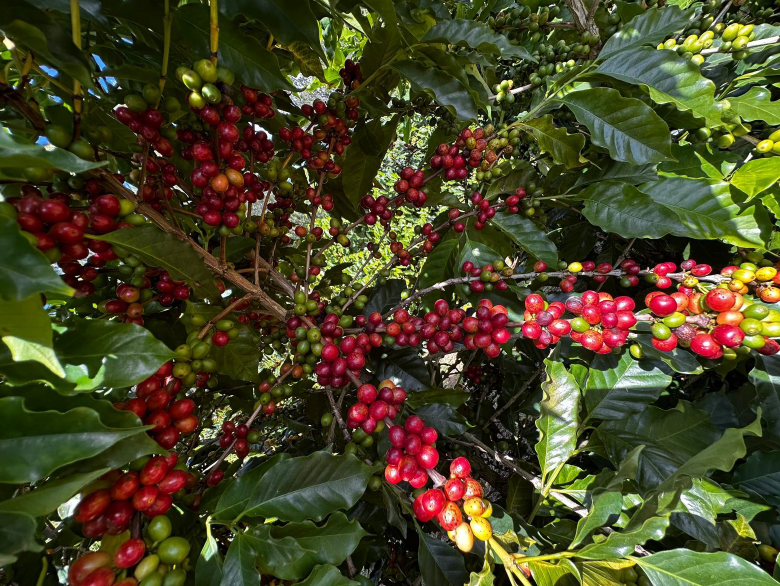
Sumseron Coffee, a Kenyan specialty coffee company, is rapidly gaining international recognition as it positions itself among Africa’s most promising coffee brands. With deep roots in Kenya’s coffee-growing heritage, the company is combining quality, sustainability, and innovation to bring premium Kenyan coffee to the world.

Founded by John Seroney, Sumseron Coffee has built its identity around farmer empowerment, environmental responsibility, and transparency across the supply chain. Each bean, sourced from Kenya’s lush highlands, carries not only flavor but also a story of culture and community.

“Our vision is to put Kenyan coffee on the global stage in a way that truly benefits farmers and captivates consumers,” said John Seroney, CEO of Sumseron Coffee. “We are not just exporting coffee; we are exporting a legacy, a culture, and a promise of excellence.”

Expanding Locally and Globally

At home in Kenya, Sumseron Coffee has become a trusted brand for medium and dark roast drinkers, while also supplying premium beans to cafés and roasters. Beyond Kenya, the company has established export networks across Europe, Asia, and North America, helping farmers tap into premium international markets.

Its growth strategy balances B2C engagement, through platforms like TikTok and Instagram to connect with younger coffee drinkers, and B2B partnerships with roasters, cafés, and distributors, offering both green and roasted coffee as well as consolidation services.

Sustainability at the Core

A defining feature of Sumseron Coffee is its sustainability agenda. The company ensures fair compensation for farmers, actively supports women in coffee, and prioritizes eco-friendly practices. Through partnerships and innovation, it is contributing to a circular coffee economy that aligns with global climate and sustainability goals.

Looking Ahead

With global demand for Kenyan coffee on the rise, Sumseron Coffee aims to scale its operations and compete with the world’s most iconic coffee brands. The company is currently seeking new partnerships and investments to accelerate its international expansion and strengthen its impact on farmers and communities.

About Sumseron Coffee

Sumseron Coffee is a purpose-driven Kenyan specialty coffee company dedicated to producing, processing, and marketing world-class coffee. Built on values of sustainability, transparency, and farmer empowerment, the brand continues to deliver the finest Kenyan coffee to markets worldwide — from Kenya to the World.

Yemeni Coffee Achieves Record Heights at the Best of Yemen 2025 Auction

Dubai – September 2025 (Qahwa World) – The Best of Yemen 2025 auction, organized by Qahwa Al Qimma (Qima Coffee), has come to a historic close after two days of global bidding that stretched across 12 intense hours. The event not only broke price records but also highlighted the resilience of Yemeni farmers and the global demand for their unique coffees.

The auction witnessed unprecedented participation, with servers overwhelmed after 11 hours of bidding and forced into a temporary pause. When resumed the following day, just one more hour of spirited competition was enough to crown this year’s winners.

The Top Lots

1st Place: Yahya Al Faqeeh, offering the rare Yemenia variety processed naturally, achieved the highest price of the auction at $851.50 per pound for 37 lbs. The winning buyer was Black Sip Coffee Roasters, securing one of the most expensive Yemeni coffees in history.

2nd Place: Maghrib Ans XV (Kent, Alchemy process), 110 lbs, sold for $320.50/lb to Sulalat.

3rd Place: Hejrat Al Ain Women Farmers XV (Yemenia, Alchemy process), 88 lbs, reached $327.50/lb, purchased by Albhaa Roastery and Out of Line.

4th Place: Bait Yaseen XI (Yemenia, Alchemy process), 110 lbs, sold for $196.50/lb to Entro Coffee Egypt and ESS’s Roasters Saudi Arabia.

Women Farmers in the Spotlight

Women-led lots stole the spotlight this year. Coffees from Hejrat Al Ain, Hayma Dakhiliya, Bait Al Yaziji, and Al Mezab all ranked among the top positions, underscoring the growing role of Yemeni women in shaping the country’s specialty coffee renaissance.

Global Buyers

Bidders came from across the Middle East, Asia, Europe, and North America. Notable names included George Howell Coffee Company (USA), Slope Roastery (Saudi Arabia), Andes Coffee Roaster (Latin America), and several specialty roasters from China and Europe. The diversity of buyers confirmed Yemen’s status as a global benchmark for rare and exclusive coffees.

Auction Figures

Total lots: 33

Total weight: 2,857 lbs

Total value: $391,632

Average price (weighted): $137.08/lb

Median price: $109/lb

Highest price: $851.50/lb

Lowest price: $50.50/lb

Lots over $100/lb: 21

In its closing statement, the organizer said: “This milestone is not only about record prices—it is about the resilience of Yemeni coffee and the farming communities behind it. The unwavering commitment of our buyers and partners makes these moments possible year after year.”

The Best of Yemen 2025 auction was more than a commercial success; it was a cultural milestone. It brought together farmers cultivating coffee in the mountains of Yemen with roasters across the globe, uniting two ends of a shared story: those who grow coffee at its birthplace and those who bring it to the world’s cups.

Coffee Prices Plunge on Rain Forecasts for Brazil

Dubai, September 18, 2025 – (Qahwa World) – Global coffee markets faced a sharp downturn on Wednesday as prices tumbled amid forecasts of long-awaited rainfall in Brazil, the world’s largest coffee producer. December arabica futures (KCZ25) closed down -33.70 cents, a steep -8.23%, marking a one-week low. November ICE robusta futures (RMX25) also plunged by -331 points, or -6.92%.

The sudden reversal came just a day after arabica reached a contract high and robusta hit a three-week peak, driven by drought conditions. Forecasts now indicate showers in Brazil’s key coffee-growing regions beginning next week, triggering heavy long liquidation in the market.

Brazil’s Cooxupe cooperative, the largest in the country, announced that the harvest among its members was 98.9% complete as of September 12, adding further bearish pressure. The completion of the harvest, coupled with improved weather outlooks, weighed heavily on investor sentiment.

Yet underlying fundamentals remain tense. Earlier this month, Brazil’s crop forecasting agency Conab revised its 2025 arabica production estimate down by -4.9% to 35.2 million bags, while total coffee output was trimmed to 55.2 million bags. Global supply challenges also persist: the International Coffee Organization (ICO) reported that July exports fell -1.6% year-on-year, while cumulative exports from October to July slipped -0.3%.

On the demand side, U.S. buyers continue to face supply strain due to 50% tariffs on Brazilian coffee, effectively tightening the American market, where one-third of unroasted coffee imports come from Brazil. Meanwhile, ICE-monitored inventories continue to dwindle, with arabica stocks dropping to a 16.5-month low of 659,949 bags and robusta inventories falling to a 1.5-month low of 6,551 lots.

Vietnam, the world’s second-largest coffee producer, is also under scrutiny. Severe drought reduced the 2023/24 crop by -20% year-on-year to 1.472 million metric tons, the smallest harvest in four years. Exports in 2024 declined -17.1%, though shipments from January to August 2025 were up +7.8% year-on-year, showing signs of recovery.

Looking ahead, the USDA’s Foreign Agriculture Service projects global coffee production in 2025/26 will reach a record 178.68 million bags, up +2.5% year-on-year, supported by strong robusta output. However, research firm Volcafe warns that arabica will face a deficit of -8.5 million bags in 2025/26, the fifth consecutive year of shortage.

For now, rain forecasts in Brazil have calmed fears of immediate supply disruption, but the broader picture of tightening inventories, tariffs, and shifting climate risks ensures that volatility will remain a defining feature of the global coffee market.

Dubai Coffee Centre Expands to Keep Pace with the Future of Global Coffee Trade

Dubai, 17 September 2025 (Qahwa World) – The Dubai Multi Commodities Centre (DMCC), the world’s leading free zone and a key driver of global trade flows through Dubai, has officially launched the new mezzanine floor at its Dubai Coffee Centre. The 500-square-meter space has been designed to provide members and stakeholders in the coffee sector with greater access to international markets, foster innovation, and accelerate business growth.

The new facility includes 16 private offices available for lease, flexible co-working spaces, and an exclusive espresso bar for members, offering them the opportunity to host guests and showcase their products with ease. This expansion comes at a pivotal moment for the coffee industry, where the demand for flexible and integrated infrastructure to support origin producers, specialty roasters, and SMEs is more pressing than ever.

Coinciding with the expansion, DMCC released the latest edition of its Future of Trade report, this time focusing on the coffee sector. The report highlights the shifting dynamics of a global industry valued at over $200 billion, with international coffee trade alone exceeding $26 billion. With more than two billion cups consumed daily, coffee remains one of the most traded commodities in the world, yet climate threats, evolving consumer tastes, and shifting power dynamics across the value chain are reshaping the global coffee map.

Ahmed Bin Sulayem, Executive Chairman and CEO of DMCC, said:
“Coffee is not just a commodity; it is deeply woven into our identity in the Arab world and serves as a cornerstone of the global economy. With a consumer market exceeding $200 billion and nearly two billion cups consumed daily, coffee has shaped traditions of hospitality and trade since its journey from Yemen’s terraced farms and the port of Mokha to Europe, where coffeehouses became incubators for modern finance and ideas that fueled the Enlightenment and early industrial revolution. Today, more than 25 million farmers, most of them smallholders, rely on coffee for their livelihoods. The sector stands at a turning point, with direct-to-consumer pathways, climate-smart agriculture, and digital tools—from AI-powered traceability to tokenization of real assets—reshaping the industry. Dubai’s role now goes beyond redistribution; it has become a global platform for specialty coffee. The World of Coffee Dubai 2025 exhibition attracted more than 17,000 visitors and set record auction prices for rare varieties, underscoring the depth of the market in the Middle East and North Africa, expected to reach $11.5 billion. With this ecosystem, complemented by our Tradeflow digital commodities platform, Dubai is writing the next chapter in coffee’s story—where heritage meets innovation and inclusive growth becomes a reality.”

Mike Butler, Associate Director – Coffee at DMCC, added:
“This report paints a picture of a future that is complex but full of opportunities. Our role is to support members of the Dubai Coffee Centre by providing storage, logistics, roasting services, and facilitating trade between members. The new mezzanine floor, equipped with state-of-the-art facilities, is a tangible demonstration of this commitment and part of our broader strategy to solidify Dubai’s position as a global coffee hub.”

The Future of Trade report outlines several trends likely to shape the coffee industry in the coming years, including the rise of new direct-to-consumer trade routes driven by emerging markets such as China and Asia-Pacific, greater value retention in producing countries through local roasting and brand building, digital trade and blockchain-enabled traceability, climate-smart farming practices with drought-resistant varieties and agroforestry, and shifting consumer dynamics led by younger generations, particularly Gen Z, who are driving demand for sustainable specialty coffee and premium experiences.

The report also recommends scaling up investment in climate-smart agriculture, improving price transparency, empowering producers through supply chain digitization, expanding direct-to-consumer models, and developing trade infrastructure in strategic hubs like Dubai to streamline logistics, cut emissions, and strengthen traceability.

The latest edition continues the Future of Trade series, which has become one of the most widely read and trusted resources on global trade dynamics. With more than 2.5 million cumulative downloads and views, the series continues to shape global trade dialogue at a time when economic fragmentation and supply chain transformations are redrawing the map of global commerce.

DMCC Coffee Centre: Specialty Coffee Redefines the Global Market

DUBAI, 16 September 2025 (Qahwa -World) – Coffee is no longer just a daily beverage. It has become a cultural experience, a marker of taste, and a symbol of identity. Around the world, the specialty coffee sector is witnessing unprecedented growth, transforming the industry and reshaping global trade patterns. In its latest Future of Trade Agri Series report, the DMCC Coffee Centre emphasizes that this boom in specialty coffee is creating new opportunities but also deep challenges for producers, roasters, and supply chains.

From a simple drink to a global culture

Over the past decade, consumer behavior has shifted dramatically. Younger generations, particularly millennials and Gen Z, are no longer satisfied with a standard cup of coffee. They are seeking quality, transparency, and stories behind their brew. Today’s consumers want to know where their beans come from, how they were cultivated, and the social and environmental impact of the farms that produced them. This demand for authenticity and excellence has fueled explosive growth in the specialty coffee sector, which is expanding at a pace far faster than the commercial coffee market.

According to the report, demand for specialty coffee in Asia alone has surged by 30% over the past five years. Cities such as Shanghai, Tokyo, and Seoul have become leading destinations for coffee culture, rivaling long-established centers in Europe and North America. In the Middle East, Dubai has emerged as a hub for specialty coffee, where entrepreneurs, importers, and consumers converge in a market that views coffee as more than a drink—it is a lifestyle, a cultural statement, and a shared experience.

Yet behind this expansion lies a paradox. While specialty coffee commands premium prices in consumer markets, smallholder farmers—who account for about 80% of global production—struggle to secure a fair share of that value. The DMCC Coffee Centre report highlights the growing disconnect between international futures market pricing and the specialty coffee segment. Futures contracts may indicate falling prices, but specialty beans often continue to rise, placing roasters and consumers under pressure and leaving farmers in a vulnerable position.

Garfield Kerr, President of the Specialty Coffee Association and founder of Dubai’s “Mokha 1450,” describes the situation: “The gap between traditional pricing mechanisms and the real specialty market is destabilizing. We need systems that reward quality fairly and ensure that farmers share in the added value created by specialty coffee.”

Garfield Kerr, President of the Specialty Coffee Association (SCA) and founder of Mokha1450

The report also underscores the role of technology in supporting this sector. Tools such as blockchain and artificial intelligence are becoming essential for verifying sustainability claims and ensuring traceability from farm to cup. These innovations build consumer trust while giving farmers a platform to demonstrate the authenticity of their practices. With regulatory frameworks such as the European Union’s anti-deforestation law, transparency is no longer optional but a requirement for accessing major markets.

Meanwhile, emerging regions like the Gulf are helping shape new patterns of demand. In cities like Dubai, Riyadh, and Doha, specialty coffee has become integral to modern lifestyle and self-expression, placing the Middle East firmly on the global coffee map as both a consumer base and a trade hub.

Dubai’s role is especially significant. The DMCC Coffee Centre not only provides world-class infrastructure for storage, roasting, and packaging but also offers pay-as-you-go services that lower barriers for small producers in Africa and Latin America. By connecting them directly to international buyers, Dubai positions itself as a stabilizing force in a rapidly shifting specialty coffee economy.

Looking ahead, the future of specialty coffee appears both bright and complex. Growth projections estimate annual expansion of over 7% in the coming decade, signaling strong demand. Yet challenges remain. Farmers must invest in training, innovation, and resilience to maintain quality, while roasters and traders must navigate volatile pricing and rising logistics costs.

The DMCC Coffee Centre’s report concludes that the specialty coffee boom is not simply a trend but a structural transformation of the global coffee market. Success will depend on the industry’s ability to balance demand with sustainability, fairness, and transparency. If achieved, specialty coffee will not only be a product of distinction but also an economic and cultural cornerstone capable of redefining global trade—and reinforcing Dubai’s role as a hub at the heart of this transformation.

Coffee Prices Surpass $4 per Pound Amid Global Supply Strains and Trade Tensions

Dubai, September 16, 2025 (Qahwa World) – The global coffee market has once again taken center stage as New York arabica futures surged above $4 per pound for the first time since April. This sharp rally reflects a confluence of factors—from severe drought in Brazil and dwindling inventories to U.S. import tariffs and weaker global exports—raising new concerns about supply stability.

A Sharp Rally in Prices

On Monday, arabica futures jumped 3.6%, bringing total gains since early August to nearly 47%. In New York, arabica rose 3.1% to $4.0905 per pound, while robusta in London climbed 3.6%. The steep rise has fueled market anxiety, with momentum indicators signaling overbought conditions: the 14-day relative strength index crossed above 70, pointing to unusually rapid gains.

Brazil at the Epicenter

Brazil, the world’s top coffee producer, remains at the heart of the current price surge. According to meteorological firm Somar Meteorologia, the key producing states of Minas Gerais and São Paulo face abnormal heat and drought, while Espírito Santo is also expected to receive below-average rainfall. Such conditions threaten the upcoming flowering stage—a critical period for setting the next harvest due in mid-2026.

Brazil’s crop forecasting agency Conab lowered its 2025 arabica output estimate by 4.9% on September 4, cutting projections to 35.2 million bags from 37 million in May. Overall coffee production was revised to 55.2 million bags from 55.7 million previously.

Currency movements are amplifying the pressure: the Brazilian real rallied to a 15-month high against the U.S. dollar, discouraging export sales and lending further bullish support to global coffee prices.

U.S. Tariffs Tighten Supply

Trade tensions are another driving force. The U.S. imposed a 50% tariff on Brazilian coffee imports, prompting American buyers to cancel new contracts. This shift is tightening domestic supplies, particularly significant given that nearly one-third of U.S. unroasted coffee imports come from Brazil. Analysts warn this could amplify short-term volatility.

Shrinking Inventories

The decline in exchange-monitored stockpiles underscores the strain on global supply. ICE-monitored arabica inventories fell Monday to a 16-month low of 666,337 bags. Robusta inventories also slipped to a two-week low of 6,556 lots, hovering just above the seven-week low reached in late August.

Reduced reserves highlight how vulnerable the market is to further disruptions, with less buffer available to absorb shocks.

Export Slowdowns Worldwide

Export data confirms these tightening conditions. The International Coffee Organization (ICO) reported on September 3 that global exports fell 1.6% year-on-year in July to 11.6 million bags. Cumulative shipments from October through July declined 0.3% to 115.6 million bags.

Brazilian exports have been particularly weak. The Trade Ministry reported a 20.4% year-on-year drop in July shipments of unroasted coffee to 161,000 metric tons. Exporter group Cecafe said July green coffee exports fell 28% to 2.4 million bags, with arabica shipments down 21% and robusta plunging 49%. Overall, Brazil’s exports in July totaled 2.7 million bags, while January–July shipments fell 21% to 22.2 million bags.

Vietnam Adds to the Strain

Vietnam, the world’s second-largest producer, is also struggling. Production in the 2023/24 crop year fell 20% to 1.47 million metric tons, the smallest crop in four years, while exports for 2024 dropped 17.1% to 1.35 million tons. The Vietnam Coffee and Cocoa Association in March lowered its 2024/25 production estimate to 26.5 million bags from 28 million.

Yet more recent figures show some rebound: Vietnam’s National Statistics Office reported January–August 2025 exports up 7.8% year-on-year to 1.14 million tons, highlighting mixed signals from the world’s robusta powerhouse.

Mixed Forecasts and Outlook

The outlook remains divided. The USDA’s Foreign Agriculture Service (FAS) projects global coffee production in 2025/26 will rise 2.5% year-on-year to a record 178.7 million bags. Arabica production is forecast to fall 1.7% to 97 million bags, while robusta is expected to jump nearly 8% to 81.7 million bags. Ending stocks are seen climbing 4.9% to 22.8 million bags.

By contrast, commodity trader Volcafe projects a global arabica deficit of 8.5 million bags in 2025/26, widening from a 5.5 million bag shortfall this season. This would mark the fifth consecutive year of supply deficits for arabica, underscoring persistent structural imbalances.

Harvest Progress in Brazil

One counterweight to bullish factors is Brazil’s rapid harvest progress, which typically exerts downward pressure on prices. On September 5, cooperative Cooxupé reported that its members had harvested 97% of their crops. Separately, Safras & Mercado said Brazil’s 2025/26 harvest was 99% complete as of August 20, compared with 98% at the same time last year. Robusta harvesting was complete, and arabica was 98% finished.

Still, despite the near-completion of the harvest, broader supply-side issues—including weather stress and declining exports—continue to outweigh the potential bearish impact of fresh beans entering the market.

The Bigger Picture

The coffee market now finds itself caught between conflicting forces. On one side are bullish drivers: drought in Brazil, U.S. tariffs, shrinking inventories, weaker exports, and long-term arabica deficits. On the other side are bearish signals, including harvest completion and USDA’s optimistic production outlook.

For now, the bullish momentum dominates. The symbolic $4-per-pound threshold has been breached, highlighting the fragility of coffee supply chains. With climate uncertainty, trade disputes, and tightening stockpiles all in play, volatility looks set to remain a defining feature of the global coffee market in the months ahead.

One Year Into Change: What’s Happening at Starbucks?

DUBAI, September 10, 2025 (Qahwa World) – One year after taking over as CEO of Starbucks, Brian Niccol says the global coffee chain is “ahead of schedule” in its ambitious turnaround efforts. The company is moving faster than anticipated in reshaping its business through aggressive store redesigns, a revamped rewards program, and the introduction of new food and beverage options, as it works to recover from declining traffic and financial pressures seen in recent years.

Niccol, who became the third CEO of the company in just two years, inherited a business under pressure from unionization drives and falling store visits. He stressed that his first task was to focus on strengthening the fundamentals before building new layers of innovation. He added that Starbucks is now well positioned to move forward with changes to its menu, improvements to the digital rewards program, and investments in technology to enhance the customer experience.

In remarks reported by Fox News, Niccol explained that the redesign efforts are not limited to aesthetics but also intended to enable the company to open more locations with greater efficiency and lower costs. Starbucks has already begun rolling out its “Green Apron Service” model, which uses tools such as the Smart Queue system to sequence orders across mobile pickup, drive-thru, and cafés, reducing wait times and ensuring a smoother flow of service.

According to Niccol, 80% of beverages are now being prepared in under four minutes, compared with just 60% before the changes were introduced, while mobile orders are surpassing a 95% completion rate within the same time benchmark. The company is also set to launch a new protein-focused menu at the end of September, alongside additional food choices designed around snacking, gluten-free products, and protein-forward options.

Niccol emphasized that the company’s plan to redesign thousands of U.S. stores by 2026—out of more than 17,000 nationwide—is central to its transformation. By 2027, he hopes the pace will accelerate further to avoid falling behind on updates. The refreshed look will feature oversized chairs, couches, high-tops, and regular tables, designed to provide “a seat for every occasion.” He also noted that the goal is not to limit how long customers stay but rather to create an environment that encourages them to spend more time in the stores, reflecting the essence of the coffeehouse culture.

He added that the company is reassessing store sizes and equipment needs to bring down operating costs. In the past, Starbucks had invested in larger buildings and unnecessary equipment, but Niccol argued that what truly matters is having “a great coffeehouse with good seats, the right staffing levels, and partners in the right place at the right time to serve customers.”

Despite ongoing economic headwinds that have made consumers more cautious in their spending, Niccol insisted that Starbucks’ value lies in its distinctive mix of high-quality coffee and unique store atmosphere. He highlighted the company’s access to top beans, its advanced Clover Vertica brewing system that ensures freshly ground and brewed coffee for every cup, and the personal connections between baristas and customers.

A new version of the company’s loyalty rewards program is also planned for early 2026. Still under development, the revamped program is expected to strengthen the value proposition for customers and become another driver of growth. Niccol concluded by expressing confidence that Starbucks would finish the current fiscal year on solid footing and enter 2026 “from a position of strength,” closing the first year of change on an optimistic note for one of the world’s most recognized coffee brands.

Why Have Coffee Prices Surged Again Globally?

Dubai, September 9, 2025 (Qahwa World) – Coffee prices are once again on the rise, pushing global markets into a renewed bullish phase after months of volatility and decline. Analysts point to a mix of climate pressures, trade barriers, falling inventories, and speculative buying as the key forces driving the market upward.

Arabica coffee futures on the Intercontinental Exchange (ICE) climbed above $3.70 per pound in early September 2025, nearing record levels last seen at the beginning of the year. This rebound followed a sharp downturn during the first half of 2025, when prices fell by 19.22% in the second quarter and dropped 4.07% overall in the first six months, closing June at $3.0675 per pound.

On July 8, 2025, the December Arabica contract reached its lowest point of the year at $2.72 per pound. From there, the market staged a dramatic recovery, rallying nearly 43.9% to $3.9130 by August 28. The turnaround signaled a renewed long-term bullish momentum for coffee.

Climate Concerns Put Pressure on Supply

Brazil, the world’s largest coffee producer, is facing challenging weather conditions, including drought in some regions and unusually cold temperatures in others. These climate issues have heightened concerns about reduced crop yields in the upcoming harvest.

At the same time, ICE data shows that open interest in coffee futures rose 11.5% between August 12 and August 28, climbing from 146,352 to 163,170 contracts, highlighting increased speculative activity. Meanwhile, ICE coffee inventories fell to multi-year lows, further tightening global supply.

Tariffs Fuel the Rally

Adding to the pressure, the United States has imposed additional tariffs on coffee imports from Brazil and Vietnam, the two largest exporters. These trade barriers have raised costs for roasters, while well-capitalized Brazilian farmers have held back sales, using the tight market to strengthen their negotiating position. The result has been an acceleration of the rally in coffee prices.

Starbucks Feels the Impact

Rising green coffee costs are weighing directly on Starbucks, one of the world’s biggest buyers. While U.S. equity markets reached new highs in August, Starbucks shares underperformed. From March 3 to September 5, 2025, the stock fell 27.5% from $117.46 to $85.06, before closing at $85.32—6.4% below the year-end 2024 level. Analysts point to rising input costs, particularly coffee, as a major factor behind the decline.

Lack of Investment Vehicles

Since the iPath Coffee Subindex ETF ceased trading in June 2023, investors seeking direct exposure to coffee have had to rely exclusively on futures and options listed on ICE. Each futures contract represents 37,500 pounds of green coffee. At $3.7365 per pound on September 5, the December contract was valued at approximately $140,118.75. With an initial margin requirement of $10,659, traders can control the contract with just 7.6% upfront, though they must meet maintenance margin calls if equity falls below $9,690.

Outlook: Volatility Ahead

Looking forward, analysts expect heightened volatility in the coffee market over the coming weeks and months. Climate challenges in Brazil, tariff-driven trade distortions, and dwindling inventories will continue to keep upward pressure on prices. While the long-term trend remains bullish, sharp fluctuations are likely to remain a defining feature of the global coffee trade.

Brazil Dryness Ahead of Flowering Period Boosts Coffee Prices

Dubai, September 8, 2025 (Qahwa World) – Coffee prices surged today, with December arabica futures rising by +9.65 cents per pound (+2.58%) and November robusta contracts climbing +$119 per ton (+2.76%). The rally comes as severe dryness in Brazil’s coffee-growing regions raises concerns about yields ahead of the critical flowering period. Meteorology agency Somar reported that Minas Gerais, Brazil’s largest arabica-producing state, received no rainfall during the week ending September 6.

Additional support came from Brazil’s crop forecasting agency Conab, which cut its 2025 arabica crop estimate by -4.9% to 35.2 million bags, down from 37 million bags projected in May. Conab also lowered its total coffee production forecast for 2025 by -0.9% to 55.2 million bags.

Meanwhile, the International Coffee Organization (ICO) reported that global coffee exports in July fell -1.6% year-on-year to 11.6 million bags, while cumulative exports for October through July were down -0.3% at 115.6 million bags.

Tighter stocks at the ICE exchange are also supporting prices. ICE-monitored arabica inventories dropped to a 1.25-year low of 686,863 bags last week before slightly rebounding to 692,766 bags. Robusta inventories remain close to a 1.5-month low at 6,552 lots.

U.S. supplies are under additional pressure from trade measures. American buyers have begun canceling contracts for Brazilian beans following the imposition of 50% tariffs on imports, tightening supply as about one-third of U.S. unroasted coffee comes from Brazil.

Harvest progress in Brazil is also influencing prices. Cooxupé, the country’s largest coffee cooperative, reported that its members’ harvest was 94.9% complete by August 29. Separately, Safras & Mercado estimated the national 2025/26 crop at 99% complete by August 20, with robusta fully harvested and arabica 98% complete.

Export data shows a sharp decline. Brazil’s Trade Ministry reported that unroasted coffee exports in July fell -20.4% year-on-year to 161,000 tons. Exporter group Cecafe said green coffee exports were down -28% to 2.4 million bags, with arabica shipments falling -21% and robusta plunging -49%. Total shipments from January through July dropped -21% to 22.2 million bags.

Vietnam, the world’s second-largest coffee producer, also faces challenges. Its 2023/24 crop fell -20% to 1.472 million tons, the smallest in four years, while 2024 exports dropped -17.1% to 1.35 million tons. However, January–August 2025 exports rose +7.8% year-on-year to 1.141 million tons. The Vietnam Coffee and Cocoa Association reduced its 2024/25 output estimate to 26.5 million bags, down from 28 million bags.

Looking ahead, the U.S. Department of Agriculture (USDA) projects global coffee production for 2025/26 to rise +2.5% to a record 178.7 million bags. Arabica output is expected to fall -1.7% to 97 million bags, while robusta production is forecast to grow +7.9% to 81.6 million bags. Ending stocks are projected to climb +4.9% to 22.8 million bags. However, trading group Volcafe warns of an -8.5 million bag global arabica deficit in 2025/26, compared with a -5.5 million bag deficit in 2024/25—marking the fifth consecutive year of shortages.

Why Coffee Prices Are Rising — And What It Means for Consumers?

Dubai, September 4, 2025 (Qahwa World) – Coffee drinkers around the world are paying more than ever for their daily brew. In the United States, the price of ground roast coffee reached $8.41 per pound in July, a record high and a 33% jump from last year, according to the U.S. Bureau of Labor Statistics.

Prices for all types of coffee, including instant and roasted, were also up 14.5% year-on-year in July. That made coffee the second-fastest rising item in the consumer price index, just behind eggs.

This sharp increase is the result of three main factors: extreme weather in producing countries, falling inventories, and new trade tariffs on Brazil, the world’s largest coffee exporter.

Weather shocks

Coffee is highly sensitive to climate conditions. Even small changes in weather can damage the crop and reduce yields.

Brazil, which produces about 40% of the world’s coffee, has faced a mix of severe drought and heavy rains in recent seasons. Experts call this pattern “precipitation whiplash.” The plants first suffer from lack of water, then get too much, leaving beans of lower quality and lower quantity.

Vietnam, the second-largest producer, had a similar problem. Its coffee production dropped by 20% in 2024 due to drought. Later, heavy rains caused further damage to the harvest.

“Coffee plants are very sensitive to their environment,” said Mike Hoffmann, professor emeritus at Cornell University. “Drought weakens the plants, then excess water comes in and harms the quality and the yield.”

Trade tariffs

On top of weather problems, trade policy is adding more pressure. The Trump administration imposed 50% tariffs on Brazilian coffee, which could keep prices high in the U.S. and other markets.

A report by the International Coffee Organization (ICO) warned in August that these tariffs would place “upward pressure” on global prices, especially since the U.S. imports about 32% of its coffee from Brazil.

Still, analysts believe big chains can manage the cost better than small buyers. For example, Starbucks might only need to raise prices by 0.5% or less to cover the tariff cost, thanks to its large size and strong purchasing power.

Low inventories

For the past few years, many coffee companies chose to run down their existing stockpiles instead of buying beans at higher market prices. As a result, global inventories are now at very low levels compared with history.

According to a Bernstein research report, when inventories are low, the market is more exposed to sudden shocks. If demand rises or if another supply problem hits, prices can spike very quickly.

Prices and consumption

The way consumers feel the price increase depends on how they buy their coffee.

At grocery stores, coffee prices usually follow commodity prices more closely. When wholesale prices go up, supermarkets often raise prices quickly. When prices fall, they may use discounts and promotions to attract shoppers.

In coffee shops and restaurants, prices are less volatile. Chains like Starbucks or Dunkin’ may take longer to pass higher costs on to customers, since they can spread out the impact across many products and markets.

Short-term and long-term outlook

Some relief could come in the short term. Better weather and new investment in farming productivity may help bring prices down slightly. Sustainable farming methods and technology could also improve efficiency and stabilize supply.

But the long-term picture is more worrying. Climate change is expected to bring more frequent droughts, floods, and extreme weather events. These patterns will continue to hurt production in major coffee regions.

“The prices will continue to go up, in my mind,” Hoffmann said. “Climate change isn’t going away. The severity of droughts, flooding — all of that will get worse. And it’s not just coffee. It’s the whole food supply.”

What it means for the future

The global coffee market is heading toward more uncertainty. Consumption is still growing worldwide, but production is struggling to keep up due to climate, economic, and political challenges.

This means consumers should expect coffee prices to stay higher than average in the coming years, with possible spikes whenever new disruptions occur. For farmers and producers, the situation may bring both risks and opportunities. Those who adopt technology, invest in climate-resilient farming, and improve supply chains may be able to thrive in a difficult environment.

For everyday coffee drinkers, the “morning cup” may remain affordable at big chains for now, but at-home brewers are likely to keep seeing bigger swings in grocery store prices.

Roasted and Soluble Coffee Exports Decline in July 2025

Dubai, September 6, 2025 (Qahwa World) – The International Coffee Organization’s (ICO) August 2025 report has revealed a significant decline in exports of both roasted and soluble coffee in July, underscoring new challenges facing the global coffee sector as it navigates volatile prices, shifting demand, and rising production costs. The data highlights not only pressure on green coffee but also on finished products that reach consumers directly, raising concerns about structural changes in the industry.

According to the report, roasted coffee exports fell by a dramatic 63%, reaching only 30,000 bags compared to 81,000 bags in July 2024. This steep contraction marks one of the sharpest drops in recent years for a category that reflects direct consumer demand for value-added coffee products. Soluble coffee exports also registered a decline, albeit more modest, down 5% to 1.08 million bags from 1.13 million bags a year earlier. While less severe, the slowdown in soluble exports is significant because this category has long been considered one of the most resilient and widely consumed segments in global markets, particularly in emerging economies.

Analysts attribute the decline in roasted coffee exports to several interlinked factors. The most immediate is the surge in global coffee prices, with the ICO Composite Indicator Price (I-CIP) climbing by 14.6% in August to 297.05 US cents per pound, its highest level since 2024. Such historic price levels have curbed demand for high-cost roasted products, especially in advanced markets such as Europe and North America, where consumers are already grappling with inflation and higher living expenses. At the same time, exporters face mounting challenges from rising production and shipping costs. Energy, labor, and logistics expenses have all increased in recent months, eroding margins and forcing some companies to scale back international shipments in favor of local markets where conditions are more stable.

For soluble coffee, the 5% drop highlights a different dynamic. Traditionally, this segment has thrived in developing and price-sensitive markets due to its affordability and convenience. Yet even here, demand appears to be shifting. In mature markets, growth has slowed as consumers gravitate toward specialty coffee and fresh roasted options, reflecting a broader trend toward quality and experience rather than convenience alone. In competitive producing countries such as Vietnam and India, rising production capacity has intensified rivalry, putting pressure on exporters to maintain prices and market share. Younger generations in many countries are also seeking more diverse coffee experiences, leading to gradual erosion in the dominance of instant coffee.

The decline in both roasted and soluble exports has broader economic implications. It signals that pressure in the coffee sector is not limited to green coffee or raw supply but extends throughout the value chain. Combined with the ICO’s data showing global coffee stocks at their lowest level since April 2024, the contraction in finished product exports adds another layer of vulnerability to a market already characterized by price volatility and supply uncertainty. Experts warn that if these trends persist, the industry could face an extended period of turbulence, with higher prices for consumers and tighter margins for producers.

Still, opportunities remain in certain regions. Demand for soluble coffee continues to expand in parts of Africa and Asia, albeit at a slower pace, offering some relief for exporters. However, regulatory challenges such as the upcoming EU Deforestation Regulation (EUDR), set to take effect at the end of 2025, are expected to add new hurdles for suppliers attempting to maintain access to key European markets. For roasted coffee, niche segments such as specialty blends and locally branded products may offer pathways to sustain growth, but producers will need to adapt quickly to changing consumer preferences.

The ICO emphasized that roasted and soluble coffee exports should be monitored closely as indicators of global consumption trends. If the declines seen in July extend over the coming months, it could mark the beginning of a deeper shift in how coffee is traded and consumed worldwide. In that scenario, volume alone would no longer be the main metric of success; value-added innovation, consumer engagement, and adaptability to regulatory and market changes would become critical to survival. For now, the combined 63% plunge in roasted coffee exports and the 5% drop in soluble shipments serve as a stark reminder that the challenges facing the coffee sector go beyond farms and warehouses and reach all the way to the consumer’s cup.

Coffee Prices Continue to Rise as Global Supplies Decline

Dubai, 4 September 2025 (Qahwa World) – Coffee prices closed higher on Wednesday amid tightening global supplies, with both arabica and robusta contracts gaining momentum. December arabica futures (KCZ25) rose by +3.30 cents (+0.89%), while November robusta (RMX25) advanced by +55 USD (+1.25%), bouncing back from a recent 1.5-week low.

The International Coffee Organization (ICO) reported that global coffee exports in July dropped -1.6% year-on-year to 11.6 million bags, while cumulative exports for October to July slipped -0.3% to 115.6 million bags. This contraction, combined with falling exchange-monitored inventories, supported the market. ICE-monitored robusta inventories fell to a 1-month low of 6,552 lots, while arabica stocks declined to a 1.25-year low of 686,863 bags.

Concerns about tighter U.S. coffee supplies also added support, as American buyers canceled contracts for Brazilian coffee following the 50% tariffs imposed on Brazilian exports to the U.S. Since Brazil supplies about a third of unroasted coffee to the American market, the move is further tightening availability.

In Brazil, above-average rainfall has eased crop concerns ahead of the crucial flowering period. Somar Meteorologia reported that Minas Gerais, the country’s largest arabica-growing area, received 163% of the historical average rainfall during the last week of August. Meanwhile, the harvest is nearly complete, with Cooxupé, Brazil’s largest cooperative, announcing that 94.9% of its members’ harvest was done by August 29, while Safras & Mercado estimated the national harvest at 99% complete as of August 20. Despite this, export data reflects a slowdown, with Brazil’s Ministry of Trade reporting that July unroasted coffee exports plunged -20.4% y/y to 161,000 MT, and exporter group Cecafé noting that green coffee shipments fell -28% y/y to 2.4 million bags, including a -49% drop in robusta exports.

Vietnam, the world’s leading robusta producer, continues to face drought-related challenges. Production for the 2023/24 crop fell -20% y/y to 1.47 MMT, the smallest in four years, while 2024 exports declined -17.1% y/y to 1.35 MMT. The Vietnam Coffee and Cocoa Association has revised its 2024/25 production outlook downward to 26.5 million bags, though the National Statistics Office reported a +6.9% y/y increase in January–July 2025 exports, reaching 1.05 MMT.

Looking ahead, the USDA’s Foreign Agriculture Service projects that world coffee production in 2025/26 will climb +2.5% y/y to a record 178.7 million bags. This includes a -1.7% decline in arabica output to 97 million bags and a +7.9% increase in robusta to 81.6 million bags, with ending stocks expected to rise +4.9% to 22.8 million bags. However, trader Volcafé forecasts a global arabica deficit of -8.5 million bags for 2025/26, deeper than the -5.5 million bag deficit recorded in 2024/25, marking the fifth consecutive year of arabica shortfalls despite stronger robusta production.