Bridging the Gap: An Exclusive Dialogue with Vanusia Nogueira on the Global Coffee Crisis and the Path to 2026

From regulatory hurdles like the EUDR to the volatile C-Market and climate resilience, the Director General of the International Coffee Organization (ICO) outlines a strategic roadmap for a fairer global coffee value chain.

Dubai – Ali Alzakary

The International Coffee Organization (ICO) is the primary intergovernmental body dedicated to fostering a sustainable coffee sector. At its helm stands Mrs. Vanusia Nogueira, a visionary leader whose tenure has been defined by a relentless pursuit of equity for smallholder farmers.

This exclusive interview marks a historic moment—the first dialogue granted by the Director General to an Arabic media outlet. We are profoundly grateful to Mrs. Nogueira for graciously accepting our invitation. Beyond her professional stature, her humility and the sincerity with which she approached this conversation were truly remarkable. In an industry often characterized by formal diplomacy, her transparency and candor provided a clear and honest look at the challenges facing our sector. We are deeply indebted to her for her time, her precision, and the kindness she showed throughout this significant exchange.

  • Now that we are well into 2026, how do you personally see the ICO’s role in helping smallholder farmers cope with regulations like the EUDR and other environmental requirements?

The ICO acts as a vital bridge between producing and consuming nations. With 75% to 80% of global coffee producers being smallholders, our role is to make policymakers understand the ground-level challenges. There is often a lot of good intentions behind regulations, but policymakers and consumers are often unaware of how difficult it is to comply in the field. We educate these stakeholders and bring together partners—governments, development agencies, and the industry—to provide the technical and financial support that vulnerable communities need to make these transitions feasible and viable.

  • Traceability and data systems are becoming unavoidable. How can we ensure these costs don’t end up being paid mainly by small farmers?

We are building partnerships with the consuming side—the industry and governments—to support the infrastructure needed, from geolocations to databases. In many countries, the key issue is internal infrastructure, such as internet access. We are working with partners like the German, UK, and Italian governments to implement these systems. Furthermore, we need to educate consumers on why it is fair to pay a little more. Transparency is essential; we must show that these margins are necessary for producers to survive and thrive.

  • Looking back at 2025, has the industry made progress toward a “living income,” or are we still stuck with the C-Market logic?

Vanusia Nogueira: The sector learned in the past two years that a living income is not just about price. It is about closing gaps in productivity, yield, and infrastructure like healthcare and education. While producers in some regions reached a comfortable level last year due to higher prices, others are still struggling. A key solution is for small producers to stop working in isolation; they must organize into cooperatives or associations to access new markets and technical assistance together.

  • Regarding the climate impact on specific origins—in Yemen, for example, the harvest has become fragmented into multiple stages and quantities are dropping. How do you view this?

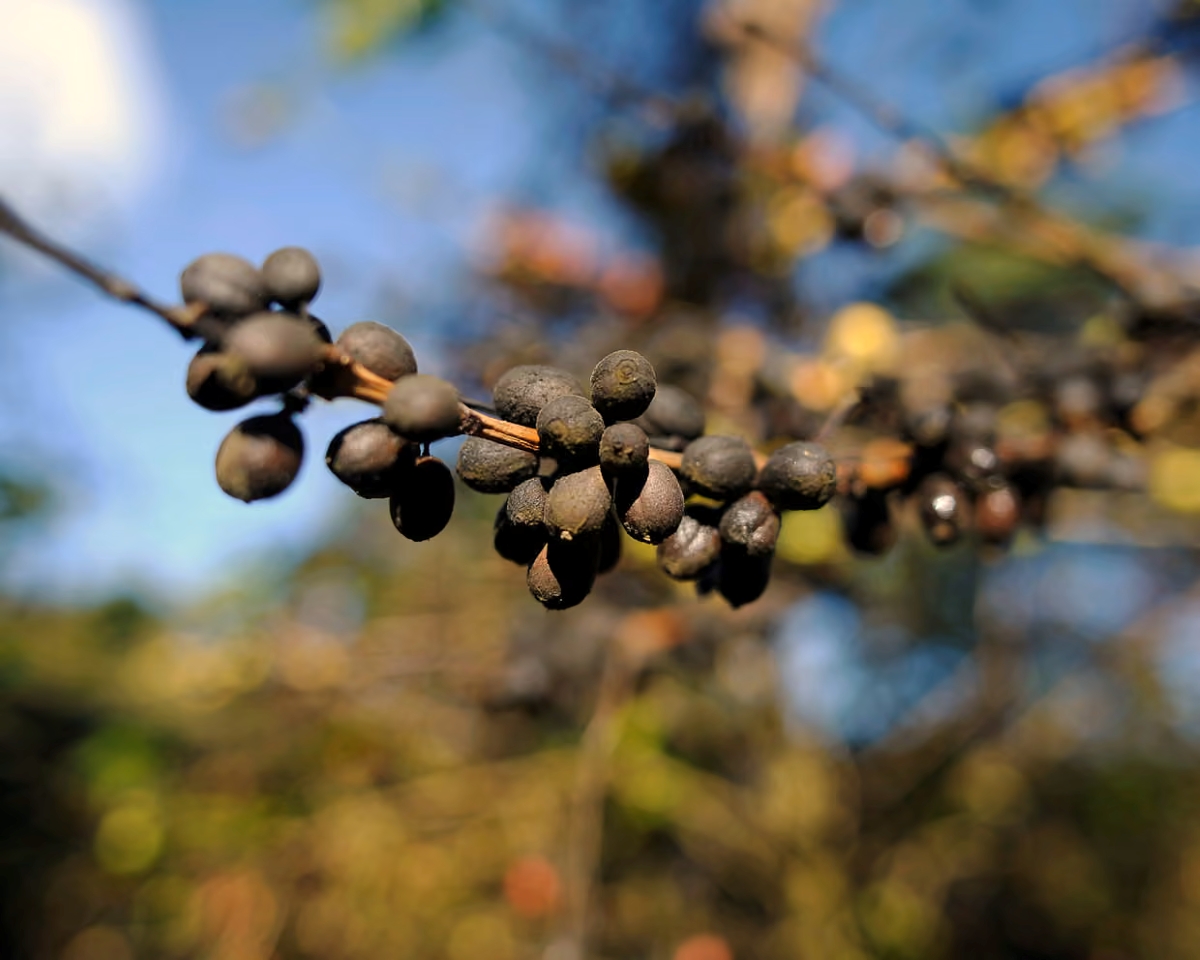
The situation in Yemen—where you have three or four harvests from the same tree instead of one—is a clear symptom of climate change that we must analyze deeply. We have seen similar shifts in Brazil. We need to understand if the traditional varieties in Yemen—which is one of the original homes of Arabica—are still suitable for this new climate or if we need to renovate the plantations with more resilient strains. Yemen’s heritage is a global priority, and scientists must work to find solutions that protect its unique productivity.

  • There is a growing debate about responsibility. Are large roasters and traders doing enough today?

I see major roasters and traders working very closely with producing countries on “pre-competitive” actions to address these challenges. I am in constant contact with global industry leaders, and I am confident they are totally open to new solutions and are supporting the initiatives needed to stabilize the sector.

  • How should the sector approach lab-grown and alternative coffee products without losing the value of natural coffee?

Vanusia Nogueira: Communication and clarity are paramount. It must be clear to everyone what is “real coffee” and what is a substitute. Natural coffee has scientifically proven health benefits, whereas the impact of chemical or artificial alternatives is often unmentioned. In countries like Brazil and Vietnam, regulations already exist to ensure that packaging for substitutes cannot claim to be “coffee.” We must continue to express why natural coffee remains superior for health and culture.

  • Price swings have been extreme. What is actually driving this volatility?

It is a matter of a “short blanket”—supply and demand. Severe weather events since 2021—frosts in Brazil, droughts in Vietnam and Africa, and typhoons—have lowered production while consumption is surging, particularly in the Middle East and Asia. We are currently working with AI experts to create models that can better predict these events to help us protect production in the short and long term.

  • Markets like the Middle East are now shaping their own identities. How does the ICO plan to engage with them?

The Middle East is a driver of the industry. Saudi Arabia became an official member of the ICO six months ago, and I visited Riyadh recently to touch base with the situation there. I also heard incredible things about the “World of Coffee Dubai” event two weeks ago—people told me it was a truly “crazy” and amazing event. We need to be present in these markets, working as partners to improve communication and support these maturing consumer bases.

  • What role can consumer regions—including the Arab world—play in supporting producers beyond certifications?

The Arab world can play a strategic role as a “catalytic investor.” Beyond labels, their impact lies in investment, partnership, and system-building. They can help de-risk innovation and climate adaptation at the origin. By supporting logistics, research, and digital agriculture, they can help reshape how value and responsibility are shared across the sector.

  • If you could speak directly to the global sector in 2026, what would you say needs to change most urgently?

Vanusia Nogueira: What needs to change most urgently is how risk and value are distributed. Today, smallholders absorb most of the impact of price volatility and climate change. Coffee must be treated not just as a commodity, but as a global public good. If producers earn a prosperous income, the entire sector becomes resilient. That change cannot wait.

  • Editorial Highlights

“Coffee must be treated not just as a commodity, but as a global public good that supports livelihoods, ecosystems, and cultures.”

“Yemen is the cradle of Arabica; we must ensure that its historic coffee heritage survives the challenges of a changing climate.”

“The ‘World of Coffee Dubai’ was an amazing, high-energy event that proved the Arab world is now a central driver of the global coffee industry.”

“A living income is not just about prices—it is about productivity, healthcare, and education. Doubling prices is not enough if the foundation is missing.”

“We must be clear with consumers: natural coffee has scientifically proven health benefits that chemical substitutes simply cannot match.”

“The Arab world has the power to be a ‘catalytic investor,’ moving beyond labels to truly de-risk innovation at the origin.”


UAE Researchers Turn Coffee and Plastic Waste Into a Powerful Carbon Capture Material

Sharjah – Qahwa World

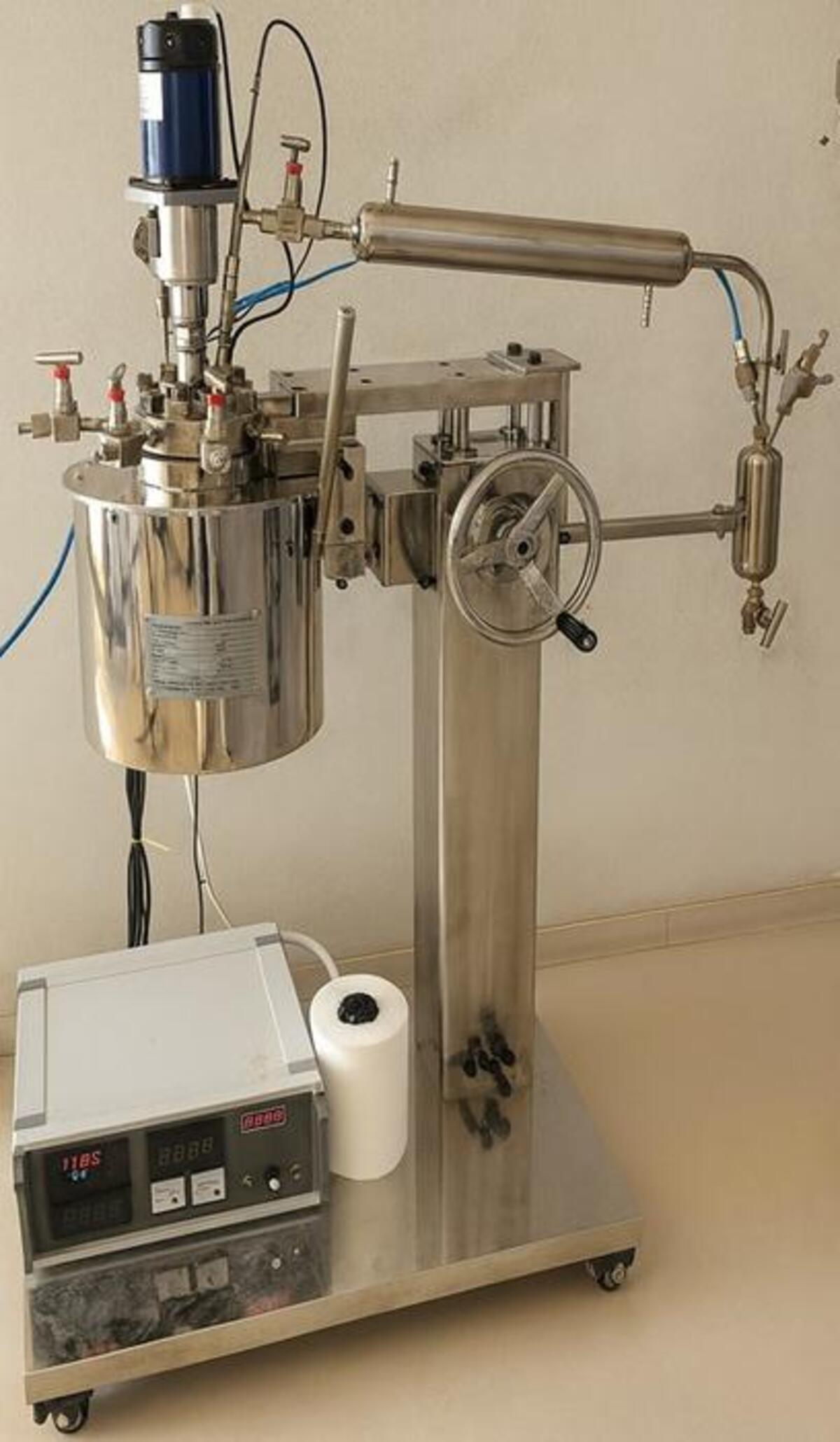
In a groundbreaking achievement, researchers at the University of Sharjah have developed and patented an innovative carbon capture technology that transforms used coffee grounds and plastic waste into a highly efficient material capable of absorbing carbon dioxide (CO₂) from industrial emissions before they reach the atmosphere.

The patent, filed in March 2025 and published in August, represents a major step forward in the UAE’s scientific contribution to climate innovation, tackling both carbon pollution and solid waste through a single, sustainable solution.

From Coffee Cup to Carbon Capture

The new method combines spent coffee grounds (SCG), polyethylene terephthalate (PET) — a widely used plastic in bottles and packaging — and potassium hydroxide (KOH) as a chemical activator.
Through co-pyrolysis at an eco-friendly activation temperature of 600 °C, the process yields activated carbon with an exceptionally high surface area and fine pore structure, making it highly effective in trapping CO₂ molecules.

“What begins with a Starbucks coffee cup and a discarded plastic water bottle can become a powerful tool in the fight against climate change through the production of activated carbon,”
said Dr. Haif Aljomard, lead inventor of the technology.

Dr. Aljomard emphasized that the process supports both waste valorization and climate change mitigation, turning two abundant waste streams into a high-performance carbon adsorbent that can reduce industrial emissions.

Circular and Cost-Effective

The researchers highlighted that the production cost of this material is remarkably low, thanks to the availability and affordability of its raw ingredients — coffee waste and post-consumer plastic.

Professor Chaouki Ghenai, co-inventor and expert in Sustainable and Renewable Energy at the University of Sharjah, said the invention exemplifies circular economy principles by giving waste a new life.

“Transforming spent coffee grounds and plastic waste into high-quality activated carbon delivers economic, social, and environmental benefits,” he said.
“This innovation not only prevents harmful waste from ending up in landfills but also provides a sustainable resource for carbon reduction technologies.”

Broad Industrial Applications

The patented activated carbon has diverse industrial uses, extending far beyond CO₂ capture. It can be applied in:

Water and air purification

Groundwater and wastewater treatment

Gas and solvent purification

Natural gas processing and emission control

Flue gas cleaning at waste incineration plants

Process and exhaust air filtration systems

According to the inventors, these wide-ranging applications make the material suitable for industries such as energy, steel, cement, petrochemicals, and environmental engineering, all of which are seeking cost-effective carbon reduction technologies.

Toward a Sustainable Future

The patent underscores the urgent need for sustainable carbon capture solutions, noting that CO₂ is one of the main greenhouse gases driving global warming and posing serious risks to both the planet and human health.

“There is an urgent need for effective and sustainable technologies to capture and reduce CO₂ emissions from fossil fuel combustion, industrial processes, and power generation,” the patent states.

By turning two global waste streams — coffee and plastic — into a practical, affordable carbon-capture solution, the University of Sharjah has shown that scientific innovation can transform even a humble coffee cup into a weapon against climate change.


Brazil Set to Overtake Vietnam as the World’s Largest Robusta Coffee Producer

Dubai – Qahwa World

Brazil is on track to surpass Vietnam as the world’s leading producer of robusta coffee, according to a new report by Dutch bank Rabobank. The report highlights Brazil’s growing advantage due to robusta’s resilience to heat, drought, and disease key traits as climate change increasingly threatens arabica production.

Rabobank estimates Brazil’s robusta output will reach 24.7 million 60-kg bags in 2025, up from 19 million bags in 2020. Meanwhile, Vietnam is projected to produce around 30 million bags in 2025/26, according to the U.S. Department of Agriculture.

Unlike arabica, which offers a milder flavor and is favored by premium brands such as Starbucks and Nespresso, robusta has a stronger taste and higher caffeine content. It is mainly used in instant coffee, espresso blends, and iced beverages.

Over the past five decades, temperatures in Brazil’s key coffee regions have risen by 1.3 to 1.6°C, while rainfall has decreased by up to 211 millimeters. To adapt, Brazilian farmers have increasingly relied on irrigation — now covering 71% of robusta farms — with this figure projected to reach 363,800 hectares by 2040.

Although the initial investment in robusta plantations is high (around $15,700 per hectare), its productivity is 170% higher per hectare than arabica, enabling cost recovery in about four years, Rabobank said.

The report also noted that Brazil has about 28 million hectares of degraded pastureland suitable for deforestation-free agricultural expansion, creating significant room for robusta growth.

Additionally, the EU’s exemption of instant coffee from deforestation regulations could boost global demand for robusta-based products, further accelerating Brazil’s rise in production.

August Export and Market Update

In August 2025, Brazil exported 3.1 million bags (60kg) of coffee — down 17.5% year-on-year (YOY) but up 14.3% compared to July, according to data from Cecafé. Despite the monthly recovery, exporters continue to face difficulties due to adverse weather conditions affecting the arabica harvest and the 50% U.S. tariff introduced in August. Moreover, even with a good harvest pace, coffee has been taking longer to reach exporters this year.

Exports to the United States dropped 46% YOY and 26% from July, totaling 301,000 bags. Despite the sharp decline, the U.S. remained Brazil’s second-largest destination, behind Germany, and continues to be the world’s top coffee importer in 2025.

The barter ratio — the amount of coffee needed to purchase one metric ton of fertilizer — improved significantly in August. Only 1.2 bags (60kg) were required to buy one ton of fertilizer (blend 20-05-20), down 29% from August 2024 (1.7 bags) and 26% from July (1.6 bags). The improvement was driven by rising coffee prices and falling fertilizer prices, particularly for urea, boosting producer profitability.

After several months of decline, coffee prices rebounded sharply in August, with arabica up 31% and conilon (robusta) up 32%. The price rally was fueled by slower Brazilian exports and low global inventories, while the new U.S. tariffs added further volatility. The move has prompted U.S. roasters to seek alternative supply sources. In the short term, the U.S. industry is expected to rely on existing inventories while awaiting potential tariff renegotiations. One immediate workaround has been the use of bonded warehouses, which allow coffee storage without immediate tariff payments. Since the tariff announcement on July 9, certified stocks in New York have fallen by 157,000 bags.

The EU Deforestation Regulation (EUDR) has also influenced trade flows. Anticipating compliance challenges, European buyers increased imports early in 2024, and a similar pattern is expected in the second half of 2025. Data shows that European coffee inventories have been building in recent months.

Weather conditions in August were seasonally dry, which supported the near-complete harvest. However, frost affected some arabica-producing regions, particularly in Cerrado Mineiro, where local cooperatives estimate potential losses of around 412,000 bags for the 2026 crop. While this raises concerns for the next harvest, analysts say the 2026/27 arabica and conilon cycle remains positive overall. In the coming weeks, market attention will turn to rainfall and flowering, as any threat to crop potential could further support coffee price gains.

JDE Peet’s Calls on Coffee Industry to Embrace Regenerative Agriculture Roadmap

Amsterdam – Qahwa World

On International Coffee Day, JDE Peet’s (EURONEXT: JDEP) marked the tenth anniversary of its Common Grounds farmer programmes with a strong call for the global coffee industry to implement the Regenerative Agriculture Coffee Roadmap. The company stressed that urgent action is needed to secure the future of coffee as climate change continues to disrupt production through unseasonal weather, rising temperatures, and shifting rainfall patterns.

Laurent Sagarra, Vice President of Engagement at JDE Peet’s, said that resilient supply chains benefit everyone, from consumers and companies to farmers themselves. He noted that the company has already reached nearly one million farmers over the past decade, but warned that the scale of climate risk demands faster, collective action. “We cannot wait another century to support the millions of farmers who still need help,” he said. “The time to act is now.”

JDE Peet’s farmer programmes, launched in 2015 as part of the company’s Common Grounds sustainability strategy, aim to strengthen coffee-growing communities by promoting regenerative agriculture, improving farmer livelihoods, and fostering thriving coffee regions. Using a data-driven approach verified by independent assessments, the programmes have already made measurable progress. More than 835,000 farmers in 29 countries have benefited, half of the farms involved have adopted regenerative practices such as soil management and water conservation, and 83.2 percent of the company’s green coffee is now responsibly sourced worldwide, including 100 percent in Europe.

The roadmap JDE Peet’s is urging the industry to adopt outlines proven regenerative practices that can reduce greenhouse gas emissions, restore ecosystems, and boost coffee production. Studies suggest that supporting farmers to transition could increase global coffee exports by 30 percent, improve the incomes of more than three million smallholder farmers, and cut emissions by 3.5 million tons of CO₂e annually.

With 12.5 million coffee farmers worldwide, many managing less than one hectare of land, the company underlined that the challenges cannot be met by one player alone. As it celebrates ten years of engagement with farmers, JDE Peet’s is pressing the entire industry to join forces in ensuring that coffee has a sustainable and resilient future.

Ethiopian Coffee Farmers Face Heavy Burden from New EU Regulations

Saddama, Ethiopia – Qahwa World

Al Jazeera has broadcast a filmed report highlighting the impact of the European Union’s anti-deforestation regulations, which are set to come into force on December 30, 2025, after several delays in implementation.

According to the report, the new EU rules are leaving a bitter taste among Ethiopian coffee farmers, who fear losing one of their most important export markets. Roughly one-third of Ethiopia’s coffee production is shipped to the European Union, but the regulations now require proof of origin for every single consignment.

Smallholder Farmers at Risk

For smallholder farmers—the backbone of Ethiopia’s coffee sector—compliance represents a costly and exhausting burden. One producer commented: “Denying us access to the European market is like a punishment, like sanctions. While China financially supports its companies to buy African coffee, the EU does nothing—worse, it increases the burden on us.”

In response, some farmers have started planting shade trees and adopting more sustainable practices. “We no longer cut down trees; we use them sustainably to protect our environment and our crops,” one farmer explained. Training programs have been introduced to help farmers adjust, but challenges remain. A French government study revealed that EU coffee consumption is responsible for nearly half of coffee-related deforestation worldwide, making traceability an urgent priority for European policymakers.

What Are the New EU Rules?

The regulations, known as the EU Deforestation Regulation (EUDR), were approved by the European Parliament in 2023 and will be phased in between 2025 and 2026. They apply to key commodities including coffee, cocoa, soy, palm oil, and timber. The goal is to ensure that no product entering the EU market contributes to deforestation or ecosystem degradation.

Under the rules, importers and exporters must provide detailed information on the origin of products through a dedicated traceability and digital system, using geographic coordinates and satellite mapping of farms. Companies and farmers are required to submit “due diligence statements” to guarantee transparency throughout the supply chain.

Ethiopia’s Challenges

In Ethiopia, where more than four million small-scale farmers cultivate coffee, meeting these requirements appears nearly impossible without broad support. Land surveys and mapping are already underway. One certification officer noted: “At first, some farmers didn’t understand why this was necessary. But so far, we’ve completed 75% of the mapping, and our goal is to register 5,000 farms by the end of the year.” Yet this is only a fraction of the total sector.

The European Commission has pledged to provide assistance but stressed that cooperatives and local governments must also play their part in financing and supporting the transition. Starting January 1, 2026, larger producers will be required to comply immediately, while smallholders have until July 2026. Despite repeated calls for an extension, the EU has made clear it does not intend to delay the deadlines further.

Global Implications

Observers see the move as a double-edged sword. On one hand, it could foster sustainability and help curb deforestation in producing countries. On the other hand, it risks pricing small farmers out of the market, pushing them toward less demanding destinations such as China or Middle Eastern countries.

Ethiopia—the birthplace of coffee and Africa’s largest exporter—now faces a decisive challenge: adapt to the costly EU rules, or risk losing access to its most lucrative market in Europe.

DMCC Coffee Centre Warns: Climate Volatility Threatens the Future of Global Coffee

DUBAI – September 2025 – Qahwa World – Coffee is more than a beverage. It is a lifeline for over 25 million smallholder farmers, a $200 billion industry, and a cultural anchor with more than two billion cups consumed daily. Yet today, the global coffee sector faces one of the greatest challenges in its long history, according to the DMCC Coffee Centre, part of the Dubai Multi Commodities Centre (DMCC).

In its latest report, released under the Future of Trade Agri Commodities Series, the DMCC Coffee Centre published a special edition on coffee, warning that lands where coffee has thrived for centuries may no longer be suitable for cultivation in the coming decades.

According to the report, coffee’s vulnerability to climate change is stark. Unlike many other crops, coffee can only be cultivated in limited geographical zones, often at specific altitudes and within narrow temperature ranges. Any disruption in this balance — whether through droughts, frosts, or fungal diseases such as coffee leaf rust — can devastate entire harvests. Recent years have offered a preview of this future. In Vietnam, prolonged drought cut production by 20% and exports by 10% in the 2023/24 season. In Brazil, the world’s largest producer, one of the worst droughts in history pushed Arabica prices up by more than 80% in 2024. These are not isolated events but warning signals of a changing climate destabilizing a vital crop.

Research cited in the report projects that by 2050, half of today’s coffee-growing land may become unsuitable. Arabica, which accounts for 60–70% of global production and is prized for its quality, is the most at risk. Dependent on cooler climates with clearly defined wet and dry seasons, Arabica is highly sensitive to even modest increases in temperature. Robusta, known for its greater heat tolerance, may also face challenges under worsening climate conditions.

“The reality is that producers often have customers who have pre-booked volumes months in advance,” said Mike Butler, Associate Director of Coffee at DMCC. “If crops fail, they cannot deliver. This puts enormous pressure on farmers and traders, making climate volatility the new normal.”

Mike Butler, Associate Director of Coffee at DMCC

These pressures are already reshaping market dynamics. When Arabica prices surge, major brands increasingly turn to Robusta to fill the gap, often blending higher proportions into espresso and instant products. But as Garfield Kerr, President of the Specialty Coffee Association (SCA) and founder of Mokha1450 in Dubai, explains: “Specialty coffee consumers will notice the difference. While efforts are underway to develop specialty-grade Robusta, its flavor profile remains distinct.” This divergence could redefine what consumers drink, as well as where and how coffee is cultivated in the decades ahead.

Garfield Kerr, President of the Specialty Coffee Association (SCA) and founder of Mokha1450

The effects of climate change extend beyond farms to disrupt the global trade system. Shortages in Brazil or Vietnam ripple across supply chains, triggering price spikes and reshaping import decisions worldwide. Exchange-based pricing, once a reliable benchmark for roasters, is increasingly disconnected from the realities of specialty markets. Butler notes: “We are in a complex situation. Exchange pricing has become speculative and detached from the actual market, especially in premium segments.”

For smallholder farmers — who produce 80% of the world’s coffee — volatility is a fight for survival. Most lack the resources to withstand failed harvests or price shocks. When yields collapse, so too does income, jeopardizing education, healthcare, and food security for millions of families. The DMCC Coffee Centre report stresses the urgent need for investment in climate adaptation strategies that enable farmers to continue producing under increasingly hostile conditions.

Among the most promising solutions is agroforestry, where coffee is cultivated alongside trees and diverse crops to shield plants from heat, improve soil fertility, conserve water, and diversify incomes. Developing drought-resistant coffee varieties is another frontier. Kerr highlights Yemen as a potential leader, where farmers have for centuries produced resilient coffees in arid, high-temperature conditions. “I expect Yemen to become an industry leader in producing drought-resistant coffees,” he says, “because its farmers and agronomists already grow coffee in hotter climates with less water.”

The urgency of innovation extends beyond agriculture. International institutions and trade hubs must foster collaboration, data-sharing, and investment to support producers. The International Coffee Organization, in partnership with the International Trade Centre, has launched a Coffee Sustainability Support Database cataloguing more than 400 climate and sustainability initiatives worldwide. From training farmers in composting techniques to supporting cooperative-led climate projects, such efforts highlight the collective action required to build resilience.

Still, adaptation alone may not suffice without broader systemic change. Consumers increasingly demand proof that their coffee is produced sustainably and ethically, and regulators are responding with measures such as the European Union Deforestation Regulation. Compliance requires end-to-end traceability, raising costs but also creating opportunities for new technologies like blockchain and AI-powered monitoring to ensure that sustainability commitments are verifiable.

The DMCC Coffee Centre concludes that the global coffee sector stands at a crossroads. Climate change is already disrupting production, and risks are intensifying. While forecasts suggest that production could reach a record 178.7 million 60-kg bags in 2025/26, long-term threats loom over both supply and the livelihoods of millions of farmers. At the same time, solutions — from agroforestry to resilient varieties, from digital transparency to circular economy models — are emerging. The question is not whether the industry will change, but whether it can adapt quickly enough to safeguard coffee’s future.

For an industry that spans continents and cultures, the message is clear: without urgent action, climate volatility could reshape the coffee world beyond recognition. But through innovation, cooperation, and resilience, coffee can remain what it has always been — not just a drink, but a global connector, an economic pillar, and a cultural force.

Shade-Grown Coffee Farms Store More Carbon Than Tree-Planting Projects, Study Finds

Dubai, August 19, 2025 – (Qahwa World) – A landmark study has revealed that carbon markets are overlooking the most effective climate solution in coffee farming: protecting mature shade-grown coffee systems.

The research, led by the Smithsonian’s National Zoo and Conservation Biology Institute (NZCBI) and Smithsonian Tropical Research Institute (STRI), and published in Communications Earth & Environment, concludes that current carbon-payment schemes undervalue shade-grown farms. While farmers are rewarded for planting new trees, they receive no compensation for conserving existing shade trees, even though these trees store more than twice the carbon of new plantings.

Globally, coffee farms cover more than 10 million hectares. Systems range from intensive monocultures in full sun to agroforestry farms where coffee grows under canopies of diverse native trees. These shade trees regulate climate, provide habitat for wildlife, and store vast amounts of carbon. But under current carbon markets, only new tree-planting projects generate tradable credits. Farmers who maintain mature shade systems receive nothing, creating an incentive to cut old trees to plant new ones that qualify for payments.

“There is a lot of money behind planting trees on degraded coffee farms, yet there are basically no financial incentives—outside of Bird Friendly® certification—to protect standing shade trees,” said Dr. Ruth Bennett, ecologist at NZCBI and senior author of the study.

Shade Trees vs. Tree Planting

The team analyzed 67 field-based studies across Latin America, Africa and Asia, then modeled carbon storage across global coffee landscapes. They estimated that coffee farms currently store 481.6 million metric tons of carbon above ground.

Two contrasting scenarios were tested. If all sun-grown farms added shade trees, they would capture 82–87 million additional metric tons of carbon. But if existing shade-grown systems were converted into monocultures, the world could lose 174–221 million metric tons—more than double the potential gains from planting.

This imbalance exposes a fundamental flaw in current climate strategies. Shade-grown systems, which evolved over centuries, already represent vast stores of carbon. Removing them in pursuit of “new” tree-planting credits risks releasing far more carbon than could ever be recaptured.

Shade systems are also vital for biodiversity. Prior studies have shown that shade-grown coffee farms host up to four times more bird species than monocultures. Yet biodiversity outcomes don’t always align with carbon goals. Tree density improves carbon storage, while tree diversity supports wildlife. Carbon-focused projects often emphasize density, planting fast-growing monocultures that fail to deliver ecological benefits.

“If we don’t prioritize biodiversity in carbon projects, it won’t happen by accident,” said Dr. Emily Pappo, lead author and postdoctoral climate fellow at the Smithsonian. “Coffee companies must plant the right mix of trees—not just the most carbon-hungry species.”

Climate and Market Implications

Farmers are caught between climate pressures and market demands. Many remove shade trees in hopes of boosting yields, even though shade has been shown to stabilize production by regulating temperature and soil moisture. Meanwhile, large coffee companies invest heavily in tree-planting projects to meet corporate climate targets. Without incentives to conserve existing shade systems, these investments risk undermining their own objectives.

The economic stakes are significant. Coffee contributes an estimated $200 billion annually to the global economy. With the European Union’s Deforestation Regulation (EUDR) coming into force, companies face new requirements to prove that their supply chains are deforestation-free. Shade-grown systems that conserve habitat and store carbon could become critical to compliance as well as climate resilience.

The study’s authors argue for urgent policy change. They call for carbon markets to evolve by creating “protection credits” that reward conserving existing shade systems, not only planting new trees. They also recommend tree-planting initiatives that emphasize diversity rather than density, ensuring that biodiversity and carbon storage go hand in hand.

To support farmers, the Smithsonian team is developing a “Shade Catalog”, a resource to guide the selection of tree species that balance productivity, biodiversity, and carbon storage. Combined with certification schemes such as Bird Friendly®, these tools can help farmers access premium markets while conserving ecosystems.

Ultimately, the research reframes climate-smart coffee strategies. Planting trees remains a positive step, especially in degraded monoculture regions, but it cannot replace what is lost when mature shade systems are destroyed. Protecting existing forests delivers greater and more immediate benefits for both the planet and the coffee sector.

As Dr. Bennett concluded: “Tree planting has value, but our findings show it cannot make up for what you lose when mature shade trees are removed.”

New Research Warns of Peril to Coffee Industry Amid Climate Change

The coffee sector faces a growing menace, as per a recent investigation. This threat emanates from the consequences of climate change and the loss of pollinators, compounding the vulnerabilities of coffee growers and putting international trade in jeopardy.

Conducted by a team of scholars from the University College London (UCL), the study, featured in the latest edition of Science Advances, delves into the worldwide decline in the biodiversity of insect pollinators. It simultaneously scrutinizes its links to shifts in agricultural land use, particularly deforestation, climate change, food production, and the global trade network.

According to Tim Newbold, the lead author and a prominent figure in the UCL Biosciences department, “Our findings emphasize the immediate necessity for taking collective action on a global scale to mitigate climate change. We must also prioritize the preservation of natural habitats and curb land use changes to prevent any detrimental effects on insect pollinators.”

The study, supervised by UCL’s Ph.D. researcher Joe Millard, who is presently affiliated with the Natural History Museum in London, hinged on a dataset encompassing over 2,600 locations and 3,080 distinct pollinator species. The results of the research suggest that regions in the tropics face the highest threats to crop production stemming from the loss of pollinators due to climate change and changes in agricultural land use.

The authors of the study articulated, “Localized risk is most pronounced and poised to surge rapidly in areas of sub-Saharan Africa, northern South America, and Southeast Asia. Climate change and the shifts in land use present a potential peril to human well-being through pollinator loss alone.”

The research paper probes the repercussions of pollinator diminishment on several significant crops that serve as staples and economic cornerstones. Among them, coffee and cocoa have been singled out due to their susceptibility in agriculture and their pivotal role in the global economy.

The study points out that coffee, in particular, confronts a precarious combination of high production risks and considerable economic value. This scenario hints at possible economic hardships in regions where coffee is cultivated unless the pollination service can be replaced economically. Similar to cocoa, coffee cultivation is the backbone of income for millions of small-scale farmers and their families in tropical regions. Thus, the escalating production risk arising from pollinator loss may lead to heightened financial insecurity for some of the world’s most vulnerable populations.

Cultivating Change: Empowering Indonesian Coffee Farmers with Komasti Varieties

In recent years, Indonesia, a global coffee powerhouse, has grappled with the challenges of climate change and an increase in pests and diseases affecting coffee production. For the 2023/24 season, the United States Department of Agriculture (USDA) Foreign Agriculture Service (FAS) has forecasted a 32% drop in Indonesian coffee exports due to supply shortages caused by heavy rainfall disrupting the production process and diminishing yields.

Addressing these challenges head-on, the Indonesian Coffee and Cocoa Research Institute (ICCRI) has embarked on agricultural research endeavors. One significant breakthrough is Komasti, an arabica variety celebrated for its robust disease resistance and high yield potential. While officially introduced in 2013, Komasti has struggled to gain traction among farmers due to limited awareness, testing, and accessibility.

In 2022, ICCRI joined forces with World Coffee Research (WCR) to initiate a demonstration plot program in West Java, aiming to showcase Komasti’s exceptional performance to local farmers.

“We envision building a thriving coffee community around these demonstration plots—this program could set the gold standard for arabica coffee cultivation in Indonesia,” says one enthusiastic proponent.

In its initial phase, WCR, with support from industry partners Frinsa Agrolestari and PT Sucafina Indonesia, established the demonstration plots and oversaw their first year. As the program advances into 2023, these partners will assume local management and continue monitoring the project’s development.

While the inaugural harvest is anticipated between May and July of 2025, Nuzul Qudri, WCR’s Regional Project Manager in Asia, notes that farmers in the vicinity of the demo plots have already shown interest in Komasti. They’ve observed its vigor during the early growth stages, surpassing existing local varieties.

ICCRI is confident that the demonstration plots will effectively convey to farmers that Komasti can deliver higher yields than the currently prevalent varieties in Indonesia. This is a crucial factor in enabling farmers to adapt to the ongoing challenges posed by climate change.

Furthermore, ICCRI intends to expand the demo plot program into other arabica and robusta growing regions, ensuring the efficient distribution of their innovative varieties.

Dini Astika Sari, Director of ICCRI, underscores the importance of disseminating these new varieties: “The dissemination of our new variety is a pivotal step towards sustainable coffee production in Indonesia. By introducing farmers and coffee stakeholders to our superior variety through this program, we aim to provide growers with better planting materials, boost their income, and foster a resilient coffee community around the demonstration plots. This program could very well become a beacon for exceptional arabica coffee cultivation in Indonesia.”