Central America Crop Progression Update 2025/26

Dubai – Qahwa World

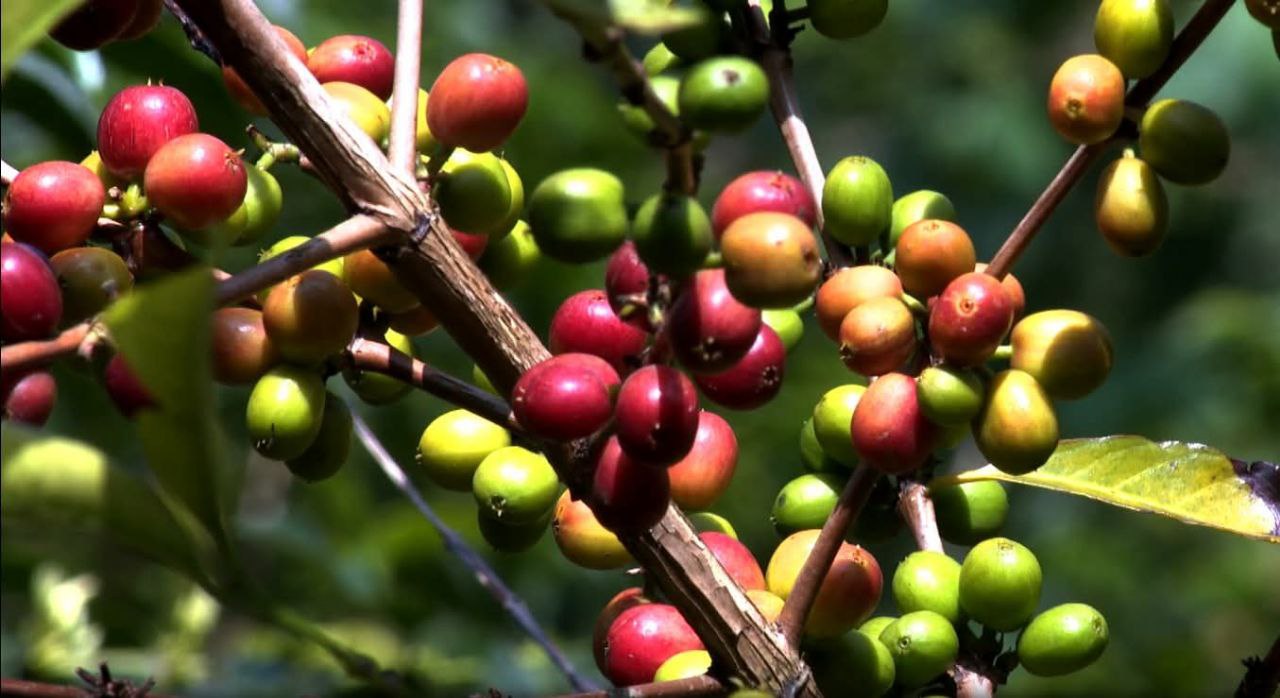
Sucafina has published its Central America Crop Progression Update 2025/26, outlining steady progress and a positive outlook for the current coffee cycle across Central America and Mexico. According to Oscar Fernando Hurtado Ramirez, Global Head of Production Research at Sucafina, favorable weather, balanced harvest flows, and strong reinvestment at farm level are supporting both volume and quality this season.

  • Harvest progress and pace

Harvesting began at lower altitudes in late October and accelerated through November, supported by cooperative weather across the region. This season has been characterized by a more even picking flow, reducing pressure on mills and contributing to stronger quality outcomes. Peak harvest activity is taking place in January, while higher-altitude areas are now ramping up and are expected to remain active over the coming months. Regionally, the main harvest is projected to wind down between late March and early April.

By late January, approximately 50% of the harvest is complete, with progress expected to reach 65% to 70% by the end of the month. Nicaragua is currently the most advanced origin, while El Salvador and Costa Rica are moving more slowly and are expected to pick up pace as higher-elevation farms enter peak production.

  • Volume and quality outlook

Total coffee production across Central America is expected to finish near 18 million bags, placing regional output about 4.5% above the 2024/25 season. Strong international prices during the previous cycle generated record revenues in several producing countries, enabling reinvestment in tree renovation, fertilization, and farm management.

These investments are now translating into healthier plants and improved crop conditions for the 2025/26 season. With a steadier picking schedule and more balanced deliveries, coffee processing is progressing smoothly and on schedule, supporting both physical preparation and cup quality.

  • Market context

Two developments influenced the regional coffee market toward the end of 2025. Mexico briefly benefited from zero U.S. trade tariffs during the fourth quarter, which supported local buying activity and imports. That policy was removed in November, returning trade to standard commercial conditions.

Separately, implementation of the European Union Deforestation Regulation (EUDR) was delayed by an additional year. The extension has eased immediate pressure on farmers and exporters and provides more time to strengthen traceability systems ahead of full enforcement, now scheduled for December 31, 2026.

  • Chaak: creating opportunity through coffee in Guatemala

Sucafina is also preparing to ship Chaak, a new Original coffee from Guatemala sourced from Chiquimula, Santa Rosa, and Jalapa. The blend brings together coffees from 618 smallholder farmers, including 462 producers from eastern Guatemala and 156 from western regions. Shipments are expected between March and May.

Chaak is fully traceable and IMPACT verified, linking coffee quality with social and environmental outcomes through Sucafina’s Responsible Sourcing Program. Participating farmers use limited chemical inputs, adhere to deforestation-free practices, and farm using methods that support biodiversity.

Each purchase of Chaak supports Opportunity through Pre-School Education, an initiative focused on improving early learning environments and teacher support in coffee-growing communities. The project forms part of Sucafina’s Beyond Flagship efforts in Guatemala.

Buyers planning to source additional Central American or Mexican coffees are encouraged to coordinate with their contacts to align on timelines, shipping schedules, and quality specifications.

SAMBAZON Brings Organic Açaí to Dubai, Elevating Wellness Culture

Dubai – Qahwa World

Dubai’s coffee and hospitality scene is embracing the açaí trend, and SAMBAZON is leading the charge. As pioneers of certified organic açaí, the brand is helping cafés, restaurants, and wellness-focused operators elevate their menus while staying committed to sustainability and Fair Trade principles.

On the sidelines of World of Coffee Dubai 2026, Mr. Valter Vale, Director of Marketing – International at SAMBAZON, shared his insights on the brand’s expansion in the Middle East and its vision for the coming years.

“Dubai’s coffee and hospitality community is highly sophisticated and values quality, provenance, and transparency,” Vale told Qahwa World. “Being certified organic and Fair Trade immediately resonates with operators who want to offer something premium and credible. Many partners see SAMBAZON not just as an ingredient, but as a brand that elevates their menu and aligns with the region’s growing focus on wellness and sustainability.”

SAMBAZON’s signature “palm of the tree to the palm of your hand” approach emphasizes long-term partnerships with thousands of small family farmers in the Amazon, ensuring full traceability while reinvesting in the communities that produce the fruit. Vale emphasized that growing demand in the Middle East will never compromise the company’s Fair Trade commitments.

The brand’s presence at World of Coffee Dubai 2026 has opened new conversations around franchising and licensing Açaí Bowl concepts in the region. “We are actively engaged in discussions around franchising SAMBAZON bowl shops in the Middle East,” Vale explained. “While we see long-term potential in non-traditional locations such as airports and universities, our focus is on building the brand thoughtfully and sustainably, anchored by high-quality, permanent stores.”

Beyond business growth, SAMBAZON continues to maintain a strong social mission. Its Fair Trade certification has funded schools, healthcare centers, and community initiatives in the Amazon. Vale noted that as the brand grows in the Middle East, similar local initiatives may be explored, particularly around community wellness and sustainability, with an emphasis on authenticity and collaboration.

Looking ahead, SAMBAZON aims to establish itself as the most trusted açaí and functional superfruit brand in the Middle East over the next five years. Vale outlined the vision: “We want to grow across retail and food service with the right partners, build strong brand equity, and become part of everyday wellness culture in the region, all while staying true to our mission of protecting the Amazon and supporting the communities that make our products possible.”

Founded in 2000, SAMBAZON®—an acronym for Sustainable Management of the Brazilian Amazon—was the first company to introduce certified açaí to the world. The brand supplies organic and Fair Trade-certified açaí products, including smoothie packs and ready-to-eat Açaí Bowls, pioneering transparency from “palm of the tree to the palm of your hand.” Its Fair Trade initiatives have positively impacted thousands of local growers, donating over $1 million to build or renovate schools, healthcare centers, and community facilities.

For more on SAMBAZON in the Middle East, visit sambazon.ae.

Cappuccino Tops the List of Favorite Coffee Drinks in Moscow

Dubai – Qahwa World

Cappuccino is the most popular coffee choice among residents of Moscow, according to economist and global economy expert Khadzhimurad Belkharoiev.

Belkharoiev noted that after cappuccino, the most consumed coffee drinks are Americano and various types of latte. Overall, Muscovites consume coffee significantly more than residents of other major Russian cities—around 50% more than in St. Petersburg. Seasonal changes also affect beverage preferences: in winter, coffee and tea consumption rises, while in summer people tend to choose mineral water and soft drinks.

The economist added that the coffee market continues to grow, fueled by changing consumer habits and even medical advice recommending moderate coffee consumption to support vascular health.

Reflecting on history, Belkharoiev pointed out that tea was the dominant drink during the Soviet era due to trade ties with India, while high-quality coffee was scarce and considered a luxury.

Today, the situation is very different. Global coffee production reaches tens of millions of tons each year, with a large share exported internationally. The worldwide market is valued in the hundreds of billions of dollars, and billions of cups of coffee are consumed annually outside the home. Since the early 2020s, global coffee prices have steadily risen, a trend that is also reflected in Russia, where consumption is gradually shifting from tea to coffee.

Belkharoiev attributes this change to generational and market factors. Younger consumers tend to choose coffee when visiting cafes and restaurants, and the coffee sector remains highly profitable. The growing availability of home coffee machines has also boosted domestic coffee consumption.

Regarding prices, retail coffee costs have increased over the past year, and cafe prices have risen as well. However, expected increases in Robusta production globally could help stabilize prices. Nevertheless, according to Belkharoiev, the era of cheap coffee is effectively over.

Coffee Prices Jump as Brazilian Real Strengthens

Dubai – Qahwa World

Coffee futures moved sharply higher on Tuesday, supported by a strong Brazilian real that reduced export incentives from the world’s largest coffee-producing country.

March arabica coffee futures climbed more than 3 percent, reaching their highest level in two weeks, while March robusta contracts also posted solid gains. Market participants pointed to currency movements and tightening export flows from Brazil as key drivers behind the rally.

  • Brazilian Real Boosts Coffee Markets

The Brazilian real strengthened to its highest level in roughly 20 months against the U.S. dollar, making coffee exports less attractive for Brazilian producers. As a result, exporters slowed sales, reducing supply availability on global markets and lifting futures prices.

Brazil remains the dominant supplier of arabica coffee, and shifts in its currency often have an immediate impact on international prices.

  • Exports Decline in Brazil

Recent export data added further support to prices. Brazil’s coffee exporters reported a sharp drop in green coffee shipments in December, with total exports falling more than 18 percent compared with the same period last year.

Arabica exports declined by double digits, while robusta shipments saw an even steeper year-over-year drop, signaling tighter short-term supply from Brazil.

  • Weather Concerns Add Support

Below-average rainfall in Brazil’s key growing regions also helped underpin prices. Minas Gerais, the country’s largest arabica-producing state, received significantly less rainfall than normal during mid-January, raising concerns about crop development during a critical period.

  • Inventory Recovery Caps Gains

Despite the bullish momentum, rising exchange-monitored inventories limited upside potential. Arabica stockpiles tracked by the exchange have rebounded from multi-year lows seen in November, while robusta inventories have also increased from recent lows.

The recovery in inventories suggests that near-term supply conditions may be less constrained than previously feared.

  • Global Supply Outlook Remains Mixed

Looking ahead, expectations of ample global production continue to weigh on longer-term price prospects. Brazil’s crop agency recently raised its forecast for the country’s 2025 coffee harvest, while Vietnam reported strong export growth and rising production estimates.

Vietnam, the world’s leading producer of robusta coffee, is projected to increase output further in the upcoming season, assuming favorable weather conditions persist.

At the same time, international data points to signs of tightening global availability. Worldwide coffee exports have edged lower during the current marketing year, and global ending stocks are forecast to decline despite record production levels.

  • Market Balance Still Fragile

Analysts note that coffee markets remain highly sensitive to currency movements, weather developments, and export flows. While supply projections appear comfortable on paper, any disruption in Brazil or Vietnam could quickly reignite volatility.

For now, strength in the Brazilian real and slowing exports have given coffee prices fresh upward momentum.


Keurig McCafé Decaf Pods Recalled Over Possible Caffeine Presence

Dubai – Qahwa World

Keurig Dr Pepper has issued a voluntary recall of certain McCafé Premium Roast Decaf Coffee K-Cup pods after the Food and Drug Administration (FDA) reported that the pods, labeled as decaf, may contain caffeine.

The recall affects products sold in California, Indiana, and Nevada. The FDA classified the recall as Class II, indicating that consumption could cause temporary or reversible health effects.

Details of the Recalled Products

Product: McCafé Premium Roast Decaf Coffee K-Cup pods (84-count cartons)

Best-by Date: 17 NOV 2026

Batch Number: 5101564894

Material Number: 5000358463

Quantity Affected: 960 cartons

Company Statement
Keurig Dr Pepper stated that the recall was initiated in cooperation with the FDA to ensure product safety. Consumers who purchased the affected products were contacted by the retailer and provided instructions for replacement. Remaining stock at retailers has been returned to the company.

Consumers are advised not to use the recalled products and to follow the retailer’s guidance for replacements.

Brazilian Coffee Ends 2025 with Record Revenues Exceeding $15.6 Billion

São Paulo – Qahwa World

In a detailed economic report reflecting major shifts in global commodity markets, the Brazilian Coffee Exporters Council (Cecafé) announced the conclusion of 2025 with an unprecedented financial performance. Despite ongoing supply chain disruptions and geopolitical volatility, Brazil achieved a historic record in coffee export revenues, reinforcing its position as a leading force in the global agricultural economy.

  • Cecafé: The Reference Authority for Data and Policy

The Brazilian Coffee Exporters Council (Cecafé) is the official body representing coffee exporters in Brazil and is responsible for monitoring coffee trade flows to more than 120 countries worldwide. According to Cecafé’s December 2025 report, these exceptional financial results demonstrate the sector’s ability to adapt to global price fluctuations, supported by strategic investments in quality enhancement and value creation for Brazilian coffee in international markets.

  • Financial Performance Analysis: Value Growth Amid Lower Volumes

Based on data analyzed by Cecafé, Brazil’s coffee export revenues reached $15.586 billion in 2025, marking a 24.1% increase compared with the previous year. This figure represents the highest export revenue level in Brazil’s coffee trade history.

Notably, this record revenue was achieved despite a 20.8% decline in shipment volumes. Brazil exported 40.049 million 60-kg bags in 2025, down from more than 50 million bags in 2024. The increase in revenues was driven by a sharp rise in the average export price, which reached $389.17 per bag, up 56.4% year on year. This pricing dynamic allowed exporters to generate higher returns with lower volumes, supporting crop sustainability and helping preserve domestic stocks affected by adverse climatic conditions.

  • A Reshaped Trade Map: Germany Takes the Lead

The year 2025 marked a significant shift in Brazil’s coffee export destinations. According to Cecafé, the United States fell to second place among Brazil’s largest coffee importers, while Germany emerged as the leading destination.

Germany imported 5.409 million bags, representing a 6.1% increase, while U.S. imports declined sharply by 33.9%, totaling 5.381 million bags. Cecafé attributes this contraction in the U.S. market primarily to the imposition of 50% import tariffs on Brazilian coffee during parts of the year, which reduced the product’s competitiveness and redirected volumes toward European and Asian markets.

In parallel, Japan recorded growth of 19.4%, while China posted a 19.5% increase, highlighting the success of Cecafé’s market diversification strategy and its focus on emerging economic powers in Asia.

  • Differentiated Coffees: Driving Qualitative Growth

Cecafé’s report also highlights the strong performance of the “Differentiated Coffees” segment, which includes coffees certified for high quality standards or sustainable production practices. This segment generated $3.525 billion in revenue, accounting for 22.6% of total export earnings.

Although shipment volumes in this category declined by 15.1%, their total value increased by 39.1%. Márcio Ferreira, President of Cecafé, noted that global consumers are increasingly willing to pay premium prices for coffees that ensure environmental and social sustainability—an area in which Brazil has strengthened its position through advanced agricultural technologies.

  • Logistics Challenges: The Cost of Success

Despite the strong financial results, 2025 was not without challenges. Cecafé reported severe logistical constraints at Brazilian ports, particularly at the Port of Santos. According to the report, 55% of vessels experienced schedule delays, disrupting the shipment of thousands of containers each month.

These delays resulted in operational losses amounting to millions of Brazilian reais, driven by demurrage charges and additional storage costs. Cecafé emphasized that improving port infrastructure and ensuring a steady supply of containers are essential to sustaining record export performance in the coming years.

  • Outlook for 2026: Sustainability and Innovation

Cecafé’s December 2025 report concludes with an optimistic outlook led by Marcos Matos, CEO of the Brazilian Coffee Exporters Council. He stated that the “Cafés do Brasil” brand has become a global benchmark, successfully combining large-scale production with environmental responsibility.

According to the report, Brazil—through Cecafé—not only supplies approximately one-third of global coffee demand, but also leads efforts in agricultural digitalization, labor rights protection, and forest conservation, positioning Brazilian coffee as a reliable and sustainable choice for the future.

  • Conclusion

Generating more than $15.6 billion in export revenues in a single year is not merely a statistical milestone, but a clear indicator of the strength and global standing of Brazilian coffee. It also underscores the central role played by the Brazilian Coffee Exporters Council (Cecafé) in guiding the sector toward new levels of financial and professional achievement.

Coffee Prices in Russia Keep Climbing: How Much Does a Cup Cost Now?

Prices in retail and cafés continue to climb as the market braces for further increases in 2026

Moscow – Qahwa World

Russia’s coffee market experienced a sharp rise in prices throughout 2025, a trend that has become clearly visible to consumers both in retail stores and in cafés. As 2026 begins, prices for instant coffee and coffee beans remain at elevated levels, reinforcing concerns that a daily cup of coffee is becoming an increasingly expensive habit.

  • Sustained Growth Over Three Years

Over the past three years, coffee prices in Russia have followed a steady upward trajectory. According to data from Rosstat, the average price of one kilogram of instant coffee stood at 2,638 rubles in January 2022. By the end of that year, the price had risen by approximately 25%. Although a brief decline was recorded in 2023, it proved short-lived.

From January 2024 onward, prices resumed their upward movement, reaching 3,500 rubles per kilogram by December. In November 2025, instant coffee hit a new record high of 4,152 rubles per kilogram. Overall, instant coffee prices increased by nearly 60% over three years.

Coffee beans followed a more gradual but largely uninterrupted upward path. In January 2022, one kilogram cost 1,136 rubles, rising to 1,490 rubles by the end of that year. Prices remained relatively stable throughout 2023 before entering a new growth phase in 2024. By November 2025, the price of coffee beans reached 2,061 rubles per kilogram—an increase of roughly 80% over three years.

Industry experts note that official statistics reflect average market dynamics, which may underestimate the real financial impact felt by consumers in day-to-day purchases.

  • Key Drivers Behind the Price Increase

At the beginning of 2025, market forecasts suggested coffee prices could rise by 30–40%. In practice, price increases in several segments exceeded those expectations.

Market participants report that over the past two to three years, prices for many popular brands of ground and whole-bean coffee in retail stores have risen by 50–100% compared to 2021 levels.

The primary drivers of this trend include Russia’s near-total reliance on imported coffee, elevated global prices for coffee raw materials, and fluctuations in the ruble exchange rate. Additional pressure has come from higher costs associated with international payments, logistics, and packaging materials, all of which increase production costs before roasting even begins.

  • Impact on Cafés

Rising raw material costs have also affected the foodservice sector. During 2025, prices for coffee-based beverages increased by an average of 15–30% year-on-year. In certain formats—particularly 100% arabica and specialty coffee—the increase reached 35–45%.

In many cases, cafés implemented price increases gradually, introducing several small adjustments over the course of the year rather than a single sharp hike.

At the same time, industry representatives emphasize that profit margins remain limited. The cost of coffee itself accounts for only a small portion of the final price of a cup, while operating expenses—such as rent, wages, and taxes—make up the bulk of costs.

  • Price Outlook for 2026

Forecasting coffee prices for 2026 remains challenging due to multiple external variables, including weather conditions in producing countries, exchange rate movements, and the stability of global supply chains. Potential changes in tax policy could also add further pressure.

Current expectations point to continued price growth, though at a more moderate pace. Under a baseline scenario, prices could rise by 8–15% over the year if currency and logistics conditions remain relatively stable. In the event of renewed volatility, increases could be higher, particularly in higher-quality coffee segments.

Despite rising prices, demand for coffee in Russia remains resilient. Strong consumer attachment to the product has allowed the market to adapt to higher price levels without a significant decline in consumption.

  • A New Phase for the Coffee Market

Experts broadly agree that Russia’s coffee market is entering a new phase. While the period of sharp and sudden price shocks may be easing, a return to previously low price levels appears unlikely in the near term.

Instead, the market is expected to settle into a phase of relative price stabilization at higher levels, with future pricing shaped by currency dynamics, competition, and consumers’ ability to adjust to the evolving market environment.

South Korea’s Coffee Import Bill Hits Record $1.38 Billion in 2025

SEOUL – Qahwa World

South Korea’s coffee import bill reached a record high in 2025, driven by rising global coffee prices and a weakened local currency, according to data released on Sunday.

According to Yonhap News Agency, South Korea imported more than 2 trillion won (US$1.38 billion) worth of coffee in 2025, marking the first time in the country’s history that coffee imports have surpassed the 2-trillion-won threshold.

Data from the Korea Agro-Fisheries & Food Trade Corporation showed that the total value of coffee imports climbed to 2.65 trillion won, representing a 41% increase compared to 2024. In U.S. dollar terms, coffee imports rose 35% year on year to US$1.86 billion, up from US$1.38 billion the previous year.

The sharp increase was largely attributed to a surge in global coffee prices, which reached a record high of more than US$4 per pound in February 2025 before easing to around US$3.5 per pound. The impact of higher prices was compounded by the weakness of the Korean won, which traded near multi-year lows for much of the year, pushing up import costs when calculated in local currency.

Despite the rise in import value, coffee import volumes declined slightly. Total coffee imports fell by 46 tons from the previous year to 215,792 tons in 2025, indicating that higher prices and currency effects—rather than increased volumes—were the primary drivers behind the record import bill.

South Korea remains one of Asia’s most active coffee markets, with sustained consumer demand continuing to support imports amid ongoing volatility in global coffee prices.

Dubai to Host the 2026 UAE National Brewers Cup Championship

Dubai – Qahwa World

Dubai will host the 2026 UAE National Brewers Cup Championship from 13 to 15 February 2026 at Karam Coffee in the Al Quoz area, bringing together some of the country’s top competitors in specialty coffee.

The Specialty Coffee Association–UAE Chapter, the event organizer, has set participation requirements for residents: competitors must have lived in the UAE for at least two years, hold a valid UAE residence visa, be a member of the association, and pay a registration fee of AED 1,000.

The association also invited the UAE coffee community to get involved through volunteering or sponsorship. Three sponsorship tiers are available:

Gold: AED 15,000

Silver: AED 10,000

Bronze: AED 5,000

Through this championship, the association aims to strengthen the specialty coffee sector in the UAE and support related educational and research initiatives.

Top Coffee-Producing Countries in 2025

A Full Analytical Reading of the Global Production Landscape in Early 2026

Dubai – Qahwa Word

As January 2026 begins, the global coffee sector is closely monitoring the completion of data for the 2025/2026 season, amid an increasingly complex interaction between climate variability, logistical disruptions, and new environmental regulations. Estimates available at this stage suggest that global coffee production is trending toward approximately 178.8 million 60-kg bags.

These figures do not represent final season results, but rather an early analytical snapshot based on field assessments and reports from international organizations as of early 2026. The focus extends beyond volume alone, highlighting deeper structural shifts that are reshaping global coffee production, trade flows, and varietal balance.

1. Top Ten Coffee-Producing Countries

(Estimates as of January 2026)

Available data confirm the continued dominance of Brazil and Vietnam in global coffee supply, while several African and Latin American origins show notable developments in both volume and crop structure.

Rank Country Production (million bags) Dominant variety Production status – Jan 2026
1 Brazil 64.2 – 65.0 Arabica / Robusta Peak export phase; strong Conilon growth amid Arabica volatility
2 Vietnam 30.8 – 31.0 Robusta Production recovery supported by improved irrigation practices
3 Colombia 14.8 Arabica Stable washed coffee output due to regular rainfall
4 Ethiopia 11.6 Arabica Strong crop supported by long-term tree-renewal programs
5 Indonesia 11.2 Robusta / Arabica Visible recovery restoring competitive positioning
6 Uganda 6.9 Robusta Continued rise as Africa’s leading Robusta supplier
7 India 6.2 Robusta / Arabica Stable production serving both export and domestic markets
8 Honduras 5.5 Arabica Gradual recovery despite rising production and labor costs
9 Peru 4.2 Arabica Expansion in planted area and growing organic orientation
10 Mexico 3.9 Arabica Relative stability aimed at meeting regional demand

2. Land Efficiency and Yield Performance

Early 2026 data highlight a clear divergence in production efficiency among leading coffee origins:

  • Vietnam and Brazil continue to record the highest yields globally, with Vietnam reaching an estimated 2.5–3 tons per hectare, driven by intensive farming models, improved plant material, and higher input use.

  • By contrast, Ethiopia and Colombia, despite their premium quality profiles, maintain lower average yields due to mountainous terrain, fragmented landholdings, and reliance on traditional farming systems. This has become a focal point for research discussions around productivity gains without compromising origin identity or biodiversity.

3. Arabica–Robusta Balance: A Structural Shift

Indicators from January 2026 suggest that Robusta now accounts for nearly 42% of global coffee production, reflecting a structural realignment shaped by multiple converging forces:

  1. Climate resilience: Robusta has demonstrated stronger tolerance to rising temperatures and irregular rainfall compared to climate-sensitive Arabica.

  2. Premium Robusta development: An increasing number of roasters are incorporating higher-quality Robusta into blends to manage costs while preserving cup structure.

  3. Price divergence: Persistently elevated Arabica prices continue to accelerate the market’s gradual rebalancing toward Robusta, particularly in commercial segments.

4. Logistics and Shipping Constraints

At the start of 2026, coffee supply chains remain under pressure from logistical disruptions:

  • Rising freight costs, linked to instability in key maritime corridors, have reduced the competitiveness of Asian-origin coffee in European spot markets.

  • Low global inventories, relative to recent multi-year averages, leave prices highly sensitive to weather events, geopolitical developments, and supply-side news.

5. Regulatory Pressure and Environmental Compliance (EUDR)

With the effective implementation of the European Union Deforestation Regulation (EUDR) in 2026, environmental compliance has become a defining factor in global coffee trade:

  • European buyers increasingly require digital traceability systems and precise geospatial coordinates to demonstrate deforestation-free supply chains.

  • Brazil and Vietnam appear comparatively well positioned in terms of technical readiness, while origins dominated by smallholder farming face significant challenges in meeting traceability requirements—potentially redirecting exports toward non-European markets.

Conclusion

The global coffee production landscape in early 2026 reflects a period of transition and anticipation. Competitive advantage is no longer defined solely by production volume, but increasingly by environmental compliance, climate adaptability, and logistical efficiency. As the 2025/2026 harvest reaches completion in the coming months, clearer signals will emerge from a season likely to play a pivotal role in reshaping the global coffee market.

Robots and Coffee: A Real-World Readiness Test

Dubai – Qahwa World

Humanoid robots may be able to perform martial arts routines, navigate obstacle courses, and impress audiences with highly choreographed demonstrations. But according to robotics experts, the true measure of progress lies not in spectacle, but in the ability to handle simple, everyday tasks—such as preparing a cup of coffee.

This perspective was at the center of a panel discussion among robotics leaders during the World Economic Forum in Davos, where speakers argued that the industry must move beyond polished demonstrations and focus on real-world usefulness if humanoid robots are to achieve meaningful adoption.

Jake Loosararian, Chief Executive Officer of an infrastructure-focused robotics company, emphasized that deployment—not design—is currently the sector’s biggest challenge. He noted that while public attention has fueled rapid innovation, many humanoid robots remain confined to controlled environments, far from the unpredictable conditions of daily life.

According to Loosararian, the lack of reliable, real-world data limits the ability of robots to operate effectively outside the lab. Building and testing robots as close as possible to their intended working environments is essential, he said, as this provides insights that cannot be replicated through simulations or online datasets. Tasks such as making coffee expose robots to variables like changing surfaces, lighting conditions, liquid handling, and human interaction—details that are critical yet often underestimated.

Daniela Rus, Director of the Computer Science and Artificial Intelligence Laboratory at the Massachusetts Institute of Technology, highlighted the gap between laboratory success and real-life performance. While robots can be programmed to fold laundry or load dishwashers, she explained, achieving this reliably in real environments remains extremely complex and costly. Bridging this gap will require advances in perception, sensor technology, and artificial intelligence models capable of adapting to unfamiliar situations.

From an industrial perspective, Shao Tianlan, Chief Executive Officer of a China-based artificial intelligence and robotics firm, pointed to learning as a key obstacle. He argued that for humanoid robots to function effectively in factories and service environments, they must be able to learn directly from humans—through demonstration and observation—much like people teach one another. This approach, he said, is more intuitive and practical than relying solely on pre-programmed instructions.

Despite ambitious predictions from technology companies preparing to scale humanoid robot production, most robots today are still showcased in tightly controlled settings. Some demonstrations even rely on remote human operators rather than full autonomy, underscoring how far the technology still has to go.

In this context, coffee becomes more than a beverage—it becomes a benchmark. Preparing coffee requires precision, coordination, adaptability, and an understanding of tools and materials. It is a deceptively simple task that reveals whether robots are ready to move from staged performances into real kitchens, cafés, and workplaces.

As the industry continues to evolve, the question remains open: can humanoid robots transition from impressive demonstrations to genuine daily assistance?
For now, a cup of coffee may be the most honest test of all.

Coffee Prices Rise as Dollar Weakens

Dubai – Qahwa World

Coffee futures ended higher on Friday, with robusta reaching a 1.5-month high, as the U.S. dollar fell to its lowest level in three and a half months. March arabica (KCH26) increased by 0.92%, while March robusta (RMH26) gained 2.88%. The weaker dollar prompted short-covering across commodities, including coffee.

Brazilian coffee exports have declined, supporting prices. Cecafe reported that December’s total green coffee exports fell 18.4% year-on-year to 2.86 million bags. Arabica shipments dropped 10% to 2.6 million bags, while robusta exports plunged 61% to 222,147 bags. Below-average rainfall in Minas Gerais, Brazil’s largest arabica-growing region, also added upward pressure, with Somar Meteorologia reporting only 33.9 mm of rain for the week ending January 16, just 53% of the historical average.

At the same time, inventories monitored by ICE have rebounded, putting some pressure on prices. Arabica stocks rose to a 2.5-month high of 461,829 bags, after reaching a 1.75-year low in November. Robusta inventories recovered to a 1.75-month high of 4,609 lots, following a 1-year low in December.

Global supply trends remain mixed. Brazil’s crop agency Conab raised its estimate for 2025 coffee production by 2.4% to 56.54 million bags. Vietnam, the world’s largest robusta producer, reported a 17.5% year-on-year increase in coffee exports for 2025, reaching 1.58 million metric tons. Its coffee output is projected to rise 6% to 29.4 million bags, marking a four-year high.

Overall, global coffee production is expected to grow, with USDA forecasts projecting a 2% increase in 2025/26 to a record 178.85 million bags. Arabica output is anticipated to fall 4.7% to 95.52 million bags, while robusta production is expected to climb 10.9% to 83.33 million bags. Brazil’s output is forecasted to decline 3.1% to 63 million bags, while Vietnam’s is projected to rise 6.2% to 30.8 million bags. Ending stocks are expected to drop 5.4% to 20.15 million bags.

The coffee market is navigating a mix of forces: a weaker dollar and tight Brazilian exports support prices, while recovering inventories and record Vietnamese production weigh on the market. Traders and industry observers will continue watching weather conditions, export flows, and inventory levels closely as the year progresses.