Author: Qahwa World |
Date: June 8, 2026
Italian Coffee Giant Lavazza Launches Single-Serve Espresso Tablets in the U.S. to Challenge Keurig
Key Takeaways:
- Lavazza is launching its new “Tablì” system in the U.S., using 100% coffee tablets with no coating or binder.
- The system required five years of development, over 15 patents, and a new production facility in Italy.
- Lavazza’s North American revenue jumped 26.9% in 2025.
- The CEO says sustainability remains a top priority for coffee drinkers.
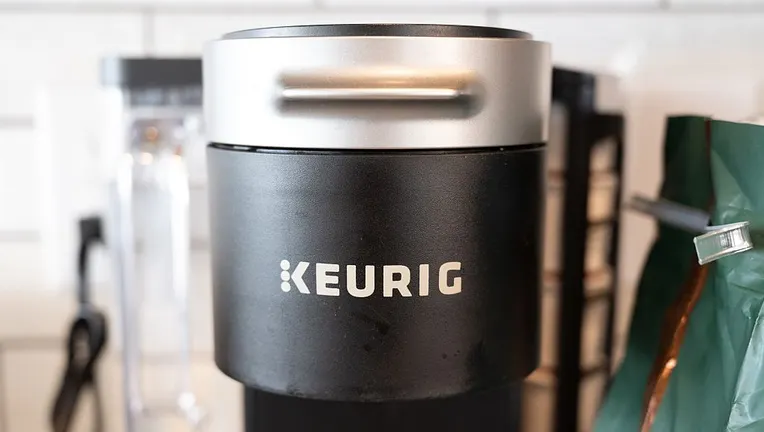
- Keurig holds about 50% of the U.S. fresh ground coffee pod market; Nespresso has roughly 7%.
- A $99.99 bundle including the machine, 60 tabs, and a milk frother is available for pre-order.
- Keurig plans to launch plastic- and aluminum-free “K-Rounds” this fall.
Lavazza, the Italian coffee giant, is bringing its new brewing system, Tablì, to the United States. The system uses 100% coffee tablets and aims to challenge Keurig Dr Pepper’s dominance in the single-serve coffee category.
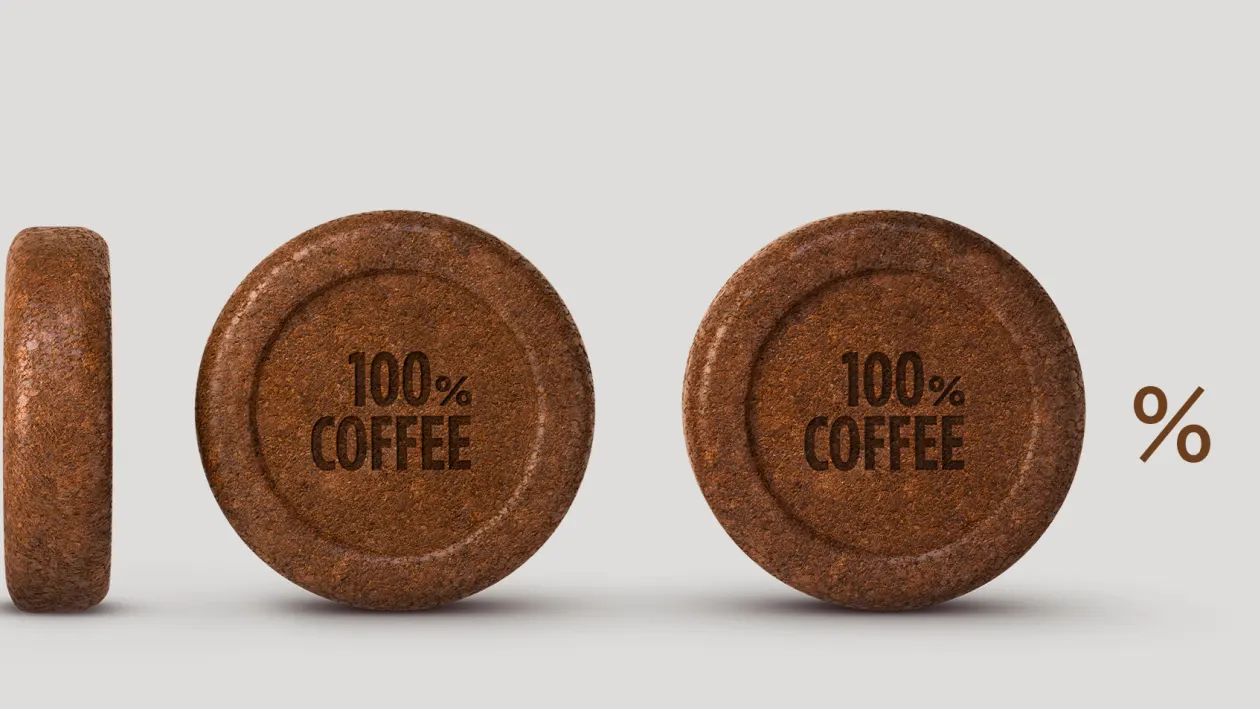
Lavazza unveiled Tablì last year and launched it first in Italy. The tablets are made of compressed ground coffee without any coating, binder, or gelatin. They can only be used with a Tablì coffee machine made by Lavazza. Each tablet is marked with the words “100% coffee.” At launch, the tabs come in five varieties: espresso, double espresso, decaf espresso, super crema, and lungo (brewed with more water).
Tablì System: Five Years of Development, Over 15 Patents
Antonio Baravalle, CEO of Lavazza, told CNBC: “The result that we’ve been able to achieve was through a very complicated industrial process in order to be able to have the coffee tablet very compact, to be able to deliver it without destroying it, to have it able to work in a coffee machine.” Tablì is the result of Lavazza’s acquisition of Italian startup Caffemotive in 2020. The new system took five years of development, more than 15 patents, and a new production facility in Gattinara, Italy, to bring it to market.
| Item | Details |
|---|---|
| System Name | Tablì |
| Product Type | 100% coffee tablets, no coating or binder |
| Available Varieties | Espresso, double espresso, decaf, super crema, lungo |
| Promotional Bundle Price | $99.99 (machine + 60 tabs + milk frother) |
| Official Launch Date | August 2026 |
US Market: A Strategic Priority for Lavazza
The launch of Tablì in the U.S. comes as the country becomes an increasingly important part of Lavazza’s business. In 2025, the company’s North American revenue jumped 26.9%. Baravalle said, “We are strongly investing in the USA because we think it is an important space for us.” He added that Lavazza aims to eventually have a €1 billion ($1.15 billion) business in the U.S. “The brand is growing, in terms of equity, extremely well. We’ve spent a lot of money, for us, in the last two years, and we’re going to do that for the next five years.”
More than 130 years after its founding, the Lavazza family still privately owns the Italian company. In 2025, it reported net profit of €92 million on net revenues of €3.9 billion. In the U.S., Lavazza generates more than $100 million in annual dollar sales through retailers like Target and Walmart. For context, Keurig reported annual net sales of $3.99 billion for its U.S. coffee segment in 2025.
Fierce Competition in the Single-Serve Coffee Market
Keurig has dominated the single-serve coffee market in the U.S. for more than a decade. According to data from Euromonitor International, Keurig holds about half of the total U.S. market share for fresh ground coffee pods. Nespresso holds roughly a 7% share. Of course, Lavazza already sells K-cup pods in the U.S. through a partnership with Keurig. Baravalle said he does not expect to beat Keurig or Nespresso. “For us, it’s important to find our own space, but we are talking about two giants, and one of them, we have an important contract with that we are very happy with,” he said.
Sustainability: Lavazza’s Winning Card
Lavazza is betting that sustainability remains a top consideration for many coffee drinkers. Baravalle noted that this can differ across countries. For years, Keurig’s pods have been criticized for waste, leaving an opening for a competitor with a more environmentally friendly product. Keurig previously claimed that 100% of its K-cups have been recyclable since the end of 2020. In 2024, the Securities and Exchange Commission charged Keurig with making misleading statements over the recyclability of its pods. Keurig agreed to pay $1.5 million in penalties. Its website now reads, “Check locally, not recycled in many communities.” Nespresso’s aluminum pods are more easily recycled through the brand’s free mail-back service.
As Lavazza launches a potential competitor, Keurig has its own plans for plastic- and aluminum-free coffee pods. This fall, Keurig plans to launch “K-Rounds,” which uses a plant-based coating to preserve the ground coffee inside the puck-shaped pod. The innovation comes from a multi-year partnership with Delica Switzerland, maker of the CoffeeB system, which uses plastic-free coffee balls that have gained traction in parts of Europe.
Pricing and Availability: $99.99 Promotional Bundle
Lavazza will officially launch Tablì in the U.S. in August. A $99.99 bundle that includes the machine, a 60-count variety pack of tabs, and a milk frother is available now for pre-order on the company’s website. In May, Baravalle said the company was still determining its pricing strategy as it conducted consumer research to understand how much coffee drinkers were willing to pay. “We are also waiting to see how some big, huge competitors will move in the industry, trying to offer something similar,” Baravalle said. “But, for sure, Lavazza has premium positioning, and we’re not going to do something different from that.”
Frequently Asked Questions About Lavazza’s Tablì Launch in the U.S.
Q: What is Lavazza’s Tablì system?
A: A new brewing system that uses 100% compressed coffee tablets with no coating or binder, compatible only with Lavazza’s Tablì machine.
Q: How much does the promotional bundle cost?
A: $99.99, including the machine, 60 tabs, and a milk frother, available for pre-order.
Q: What is Keurig’s market share in U.S. coffee pods?
A: About 50%. Nespresso holds roughly 7%.
Q: Does Lavazza already sell pods for Keurig machines?
A: Yes, through a partnership with Keurig, Lavazza sells K-cup pods in the U.S.
Q: What is Keurig’s plan to compete on sustainability?
A: Keurig plans to launch “K-Rounds” this fall – plastic- and aluminum-free pods with a plant-based coating.
Lavazza is entering the U.S. single-serve coffee market with its Tablì system, focusing on sustainability and quality. Competition with Keurig and Nespresso intensifies, and with Keurig’s upcoming eco-friendly pods, the next battle in the American coffee market will be won by whoever delivers the best for consumers and the environment alike.
Prepared and edited by: Coffee World – Based on a CNBC report by Amelia Lucas (adapted).
All rights reserved. Republication with attribution permitted.
Publication date: June 8, 2026