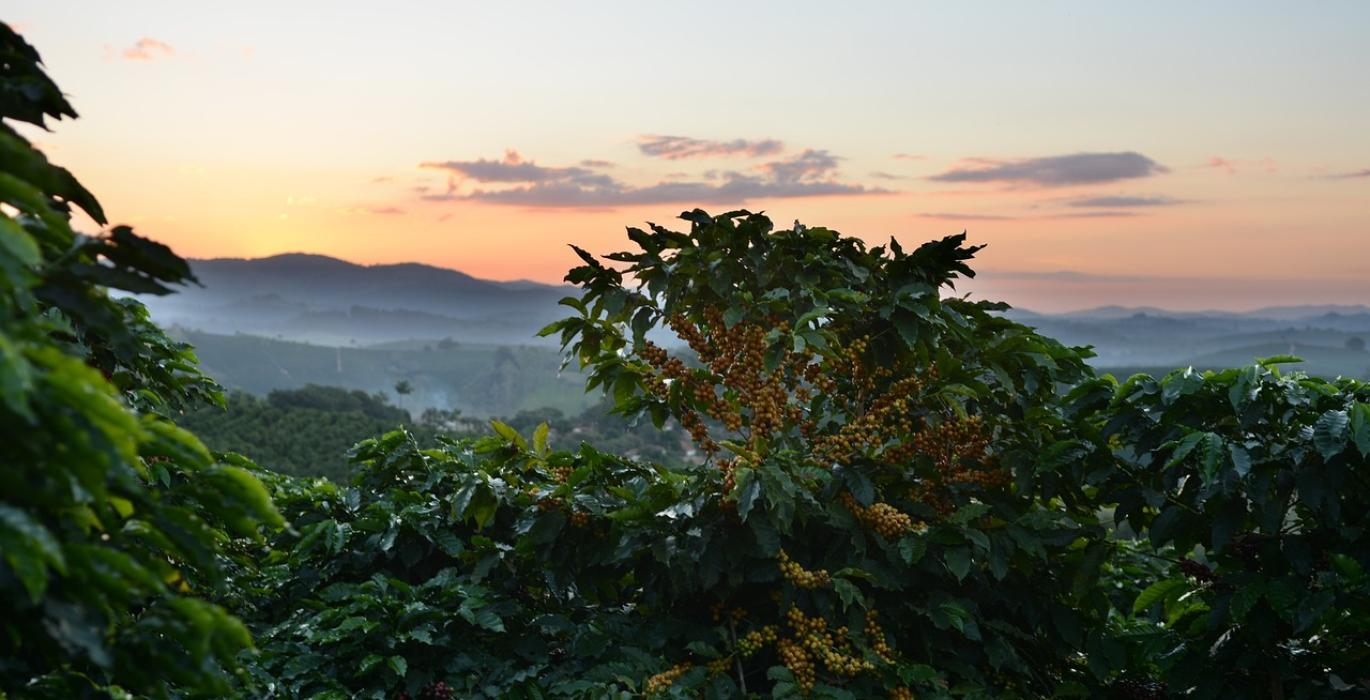
Regenerative Agriculture Boosts Vietnamese Coffee Farmers’ Income by 150%

Dubai – Qahwa World

Vietnamese coffee farmers have achieved a remarkable 150% increase in income by shifting to regenerative agriculture, an innovative approach that promotes environmental sustainability while improving crop quality and productivity.

According to a report by Nestlé Vietnam, the adoption of regenerative practices under the NESCAFÉ Plan has enabled farmers to save 40%–60% of irrigation water, reduce chemical fertilizers and pesticides by 20%, and significantly increase yields and income.

The initiative was highlighted during a seminar titled “The Role of Farmers in Regenerative Agriculture”, held on October 31 at the Nestlé Trị An factory in Dong Nai province, where more than 60 outstanding farmers and agricultural sustainability experts gathered to celebrate success stories from the program.

Binu Jacob, Managing Director of Nestlé Vietnam, stated during the event: “At Nestlé, people are at the heart of our sustainability journey. The NESCAFÉ Plan represents a long-term commitment to support farmers in implementing regenerative agriculture to enhance their income and quality of life.”

Jacob added that close cooperation with farmers is vital to building a more sustainable future for Vietnam’s coffee industry, reflecting Nestlé’s dedication to both environmental and social responsibility.

Truong Hoang Phuong, Director of Nestlé Trị An Factory, emphasized that farmers are the starting point of coffee quality, saying: “The quality of coffee begins in the field. Farmers are the foundation of success, while the factory amplifies their efforts by bringing this value to global markets.”

The event also featured a tour of the factory’s modern coffee processing facilities, where farmers learned about production technologies and the journey of Vietnamese coffee beans now exported to over 40 international markets, including Europe, Japan, South Korea, and the United States.

Farmers shared their experiences in adopting regenerative agriculture and digital farm management to improve soil health and productivity. Dao Duy Quynh, a farmer from Gia Lai province, said:

“The program completely changed how we work. We learned to farm in ways that protect the environment while increasing our income.”

Since its launch in 2011, the NESCAFÉ Plan has delivered more than 467,000 training sessions on sustainable coffee farming, provided improved seedlings to around 21,000 farmers annually, and distributed over 86 million high-yield, pest- and drought-resistant plants, helping rejuvenate over 86,000 hectares of aging coffee farms.

This transformation marks a significant milestone in promoting sustainable coffee production in Vietnam, supporting a greener and more responsible coffee economy, and reinforcing the country’s position as one of the world’s leading coffee producers and exporters.


Russians Drink Over 10 Million Liters of Coffee in Cafés Every Month

Moscow – Qahwa World

Russians consume around 10.3 million litres of coffee in cafés every month—the equivalent of 696,000 cups per day. According to RBC, citing a study by Platforma OFD, this amounts to about 0.45 cups per adult urban resident per month.

In September–October 2025, the average café receipt reached 463 rubles, up 17% from the previous year. The average price of a cup of coffee rose by 15% to 213 rubles, while the average number of items per order increased to 3.1.

Beverages dominate café sales, accounting for 70.4% of all receipts, with customers often adding sandwiches, cakes, or pastries to their orders. Russians tend to prefer the so-called “white cup” — milk-based drinks such as cappuccino and latte, which make up 80.1% of total sales. In contrast, “black cup” drinks like espresso and americano account for 19.9%, though their average price is higher at 229 rubles per cup.

Cafés are most actively expanding in the Central, Northwestern, and Southern federal districts. According to Dmitry Batyushenkov, CEO of Platforma OFD, market growth potential lies in regions with “white spots” — residential areas still lacking sufficient coffee shops.

Meanwhile, SberAnalytics reports that in the first half of 2025, the average check at cafés, bars, and restaurants across Russia increased by 10%, reaching 580 rubles. The most expensive dinner on record was in a Moscow restaurant, totaling 4.8 million rubles, followed by meals in Krasnodar (3.9 million rubles) and Moscow Oblast (3.6 million rubles).

Residents of Moscow and St. Petersburg spend the most on dining out — about 16,000 and 13,000 rubles per person annually, respectively, compared to the national average of 9,400 rubles. More than 57% of all restaurant and café spending is concentrated in the top 10 regions, including Moscow, St. Petersburg, Krasnodar Krai, Sverdlovsk Oblast, and Tatarstan.

Experts note that the growing popularity of cafés and restaurants reflects structural changes in Russia’s urban lifestyle, where coffee is increasingly becoming a symbol of daily culture and social connection, rather than just a beverage.

One Cup Can Prolong Life: Morning Coffee as a Key to Longevity

Dubai – Qahwa World

Coffee is one of the most beloved beverages in the world, and millions of people can’t imagine starting their day without it. But according to a new study by Tulane University and the U.S. National Heart, Lung, and Blood Institute, the health benefits of coffee depend not only on how much you drink — but also on when you drink it. The researchers found that a morning cup of coffee may actually extend your lifespan, while drinking coffee throughout the day could reduce its positive effects.

Coffee and Longevity

The study followed more than 40,000 participants for nearly a decade. Those who drank coffee only in the morning had a 16% lower risk of cardiovascular disease and a 31% lower overall mortality rate compared to people who drank coffee at different times of the day. This benefit remained consistent even after adjusting for factors like diet, exercise, and sleep habits.

Why Morning Coffee Works Best

The secret lies in the body’s biological rhythms. Caffeine affects melatonin — the hormone responsible for sleep. When consumed late in the day, caffeine can disrupt circadian rhythms, cause poor sleep, raise blood pressure, and increase stress.
In contrast, morning coffee works in harmony with the body’s natural rhythm, stimulating the nervous system, boosting metabolism, and improving focus right when the body naturally prepares for activity.

Morning vs. Evening Coffee

  • Morning coffee — boosts alertness, speeds up metabolism, lowers cardiovascular risk.

  • Evening coffee — may disrupt sleep, increase blood pressure, and trigger inflammation.

Chronic sleep deprivation caused by late caffeine intake is one of the leading contributors to premature aging, making timing a key factor in coffee’s health impact.

How to Drink Coffee for Maximum Benefit

  • Have your first cup 30–60 minutes after waking up, when cortisol levels naturally drop.

  • Avoid coffee after 2:00 p.m., especially if you’re prone to insomnia or caffeine sensitivity.

  • Choose medium-roast Arabica, which is smoother and less acidic.

  • Limit sugar and cream — they reduce coffee’s health benefits.

  • Drink a glass of water with each cup to stay hydrated.

Common Mistakes and Healthy Alternatives

  • Mistake: Drinking coffee all day for energy.
    Result: Anxiety and nervous fatigue.
    Alternative: Replace your second cup with herbal tea or lemon water.

  • Mistake: Drinking coffee on an empty stomach.
    Result: Stomach irritation and acidity.
    Alternative: Eat a light breakfast — oatmeal, yogurt, or a banana — before coffee.

  • Mistake: Drinking very strong espresso.
    Result: Blood pressure spikes and rapid heartbeat.
    Alternative: Switch to filter coffee or Americano for a gentler caffeine dose.

Should You Quit Coffee Altogether?

Participants who completely avoided coffee didn’t show better health outcomes. In fact, moderate caffeine consumption enhances the body’s antioxidant defenses. However, if coffee triggers anxiety, heartburn, or insomnia, it’s better to switch to chicory, matcha, or green tea, which gently energize without side effects.

Pros and Cons of Coffee

Pros:

  • Improves focus and alertness.

  • Reduces risk of type II diabetes.

  • Enhances mood and physical performance.

  • Rich in antioxidants that slow cellular aging.

Cons:

  • May disrupt sleep and circadian rhythm.

  • Raises blood pressure with overconsumption.

  • Causes dependence and withdrawal symptoms.

  • Irritates the stomach when consumed on an empty stomach.

FAQs

When is the best time to drink coffee?
Between 9:00 a.m. and 11:00 a.m., when cortisol levels naturally decline.

How many cups per day are safe?
Two to three cups daily (up to 300 mg of caffeine), avoiding consumption after noon.

Coffee with milk or without?
If you tolerate lactose, milk can be added — it softens caffeine’s effect. Avoid sugary syrups and heavy cream.

Myths and Facts

  • Myth: Coffee dehydrates the body.
    Fact: In moderate amounts, coffee doesn’t cause dehydration.

  • Myth: Coffee is bad for the heart.
    Fact: Morning coffee can actually lower the risk of heart disease when consumed moderately.

  • Myth: Coffee prevents weight loss.
    Fact: Caffeine boosts metabolism and helps control appetite.

Fascinating Coffee Facts

  • Coffee is the second most consumed beverage in the world after water.

  • Arabica contains almost half the caffeine of Robusta, but is prized for its smooth flavor.

  • The first coffeehouses appeared in Mecca in the 15th century, and coffee became fashionable in Europe in the 17th century.

Modern science now confirms what coffee lovers have always felt instinctively:
A morning cup of coffee isn’t just a habit — it’s a companion to health and longevity when enjoyed wisely and in tune with your body’s rhythm.

Bahrain Coffee Festival 2025 Opens Registration for Exhibitors

Manama – Qahwa World

Following the official announcement of Bahrain’s first-ever coffee festival earlier this year, organizers have now opened registration for coffee shops, roasters, and equipment suppliers to participate as exhibitors in the upcoming Bahrain Coffee Festival 2025, taking place from December 9 to 13 at Exhibition World Bahrain.

The festival, organized by DXB Live in collaboration with Bahrain Chamber and Bahrain Tourism and Exhibitions Authority, marks a historic step in the Kingdom’s growing coffee scene. The open call invites local and international coffee professionals to join under the theme “Be an Exhibitor”, showcasing their products, innovations, and expertise to an eager Bahraini audience.

Organizers describe the festival as “a celebration of coffee, culture, and creativity,” designed to highlight the journey from bean to cup through interactive workshops, live brewing sessions, product showcases, and sensory experiences.

The event aims to position Bahrain as a regional hub for coffee appreciation, reflecting the growing enthusiasm for specialty coffee across the GCC. It will also provide valuable networking opportunities between café owners, suppliers, and global industry leaders.

Participants are encouraged to register early to secure their exhibition spaces, as interest from across the region continues to grow rapidly.

Dubai Outdoes Dubai and Serves the World’s Most Expensive Cup of Coffee Once Again

Dubai – Qahwa World

Dubai has done it again—setting a new record for the world’s most expensive cup of coffee and, remarkably, outdoing its own achievement. During an exclusive Panama Night event hosted by Julith Café, the city witnessed the official launch of Nido 7 Geisha, a legendary brew now served to the public at an unprecedented price of AED 3,600 (around USD 1,000) per cup.

Just six weeks after Dubai entered the Guinness World Records in mid-September, when Roasters Café served a cup priced at AED 2,500, Julith has taken the crown with an even higher price tag — proving once more that in Dubai, even records don’t stand still for long.

The rare Nido 7 Geisha beans were acquired by Julith in August at the Best of Panama 2025 auction, following a tense bidding war that drew 549 bids from elite roasters and collectors worldwide. The Dubai café purchased just 20 kilograms of the beans for AED 2,218,785 (USD 604,080)—the highest price ever paid for coffee.

Grown near Panama’s Baru Volcano, Nido 7 Geisha is cultivated in unique microclimates that produce its distinctive floral and fruity profile. It earned an exceptional 98 points at the Best of Panama competition, with six of the 22 judges awarding a perfect 100 points, setting a new global benchmark for coffee excellence.

world’s most expensive coffee Dubai

Serkan Sagsoz, Julith’s Head Roaster and Turkey’s Barista Champion, commented: “We’re not chasing publicity; we’re crafting an experience. This coffee captures the essence of patience, artistry, and nature. Every cup is a story — not just a drink.”

Sagsoz added that a portion of the beans has been reserved for His Highness Sheikh Mohammed bin Rashid Al Maktoum, Vice President and Prime Minister of the UAE, and Ruler of Dubai, in appreciation of his vision and leadership, and in recognition of Dubai’s growing role as a capital of global coffee culture.

The Geisha Panama Experience now available at Julith offers an intimate sensory journey for up to four guests, guided by expert baristas who share the story of the beans from Panama’s misty highlands to Julith’s meticulous roasting in Dubai. Guests describe the brew as a harmony of jasmine, citrus, apricot, and peach, with a honey-like sweetness that lingers.

Founded in August 2025, Julith Café merges a roastery, café, boutique store, and social space under one roof. Its name derives from Just Like This, reflecting a philosophy of elegance in simplicity. The café sources its beans from Hacienda La Esmeralda, the renowned Peterson family estate that first introduced Geisha coffee to the world and continues to set the gold standard for specialty coffee cultivation.

With this new record, Dubai once again proves that it doesn’t just follow global trends — it creates them, cup after cup.

Shanghai: The New Global Capital of Coffee

Shanghai – Qahwa World

Shanghai is no longer just a financial giant or a global trade hub — it has become the beating heart of Asia’s coffee revolution. In this city, coffee is not merely a beverage but a cultural experience, a sensory journey, and a form of art that mirrors the city’s energy and sophistication.

According to Dao Insights, Shanghai had over 9,115 cafés in 2024 — more than any other city in the world. Meanwhile, coffee consumption in China has surged by 150% over the past decade, reaching 6.3 million 60-kg bags, as reported by the U.S. Department of Agriculture. This exponential growth has positioned Shanghai at the center of China’s rapidly evolving coffee landscape.

A New Coffee Culture

In Shanghai, cafés are not just places to sit; they are creative spaces where art, science, and culture meet. Each café tells a story — some focus on visual aesthetics, pouring coffee in delicate, layered forms, while others emphasize scientific precision, measuring temperature to show how heat transforms flavor.

The city has become a living laboratory for coffee innovation, where craftsmanship and curiosity coexist.

Boundless Imagination

Shanghai’s coffee scene is defined by its fearlessness. Here, one can find orange-infused Americanos, latte served in green bell peppers, or espresso blended with durian. What might seem eccentric elsewhere has become a signature of the city’s inventive spirit.

Local chains have embraced fruit-based coffee drinks, offering seasonal flavors like apricot, pineapple, and watermelon. This trend reflects Shanghai’s creative confidence — redefining coffee on its own cultural and sensory terms.

The Afternoon Ritual

Unlike Western cities that start their mornings with coffee, Shanghai comes alive in the afternoon. Between 3:00 p.m. and 5:00 p.m., cafés are filled with professionals, students, and artists seeking focus or inspiration.

Most cafés open around nine in the morning and stay active late into the evening, reflecting the city’s dynamic rhythm. Coffee here is not a wake-up drink — it’s a pause, a conversation, and a source of renewal.

From Cup to Knowledge

High-end cafés like Coffee Spot and Spot Table offer an “All-in-One” experience — one coffee served three ways: black, with milk, and as a signature creation. Inspired by World Brewers Cup competitions, this concept invites guests to discover coffee as both science and art.

Each serving comes with an information card detailing origin, processing, and temperature, turning a simple tasting into an educational experience.

Coffee as Visual and Emotional Art

Shanghai’s cafés are built around design as much as taste. From concrete walls and soft lighting to carefully placed cups and textures, every detail adds to the experience. Coffee is not a commodity here; it is culture itself.

Some cafés accompany drinks with flavor charts and temperature notes, while others treat every cup as a moment of meditation — a meeting point between beauty, aroma, and emotion.

The Festival of Coffee and Creativity

Every year, the Shanghai Coffee Culture Festival takes place in Jing’an District, attracting over 50,000 visitors from across China and abroad. The event showcases daring creations such as coffee infused with aged vinegar from Shanxi Province or brews inspired by traditional Chinese medicine, featuring dandelion, licorice, and Sichuan pepper.

The festival has become a true reflection of Shanghai’s identity — a blend of tradition and innovation, experimentation and respect for flavor.

A City Connected by Coffee

Coffee has woven itself into the fabric of Shanghai’s society. In small alleys and glass towers alike, cafés have become meeting points for designers, entrepreneurs, and students. Independent micro-roasters sit beside luxury lounges, together shaping a vibrant community built on creativity.

Among the most influential names are Yunnan Dehong Dehome, which promotes locally grown Chinese coffee from Yunnan Province — once overlooked, now celebrated for its delicate sweetness and cocoa-like finish.

From a Cup to a Culture

Coffee in Shanghai is more than a drink — it is a reflection of the city’s soul: its speed, precision, and openness to the world. From street kiosks to coffee palaces spanning 9,000 square meters, the city lives and breathes coffee every day.

No longer a borrowed tradition, coffee has become a distinctly Chinese expression — a symbol of modern life, creativity, and identity. And at the heart of it all stands Shanghai, the new global capital of coffee, where every cup tells a story of progress, passion, and imagination.

New Study Reveals Shocking Findings on How Hot and Cold Coffee Affect the Body and Mind

Dubai – Qahwa World

A groundbreaking study published in the British Journal of Nutrition has uncovered a surprising link between the temperature of beverages—particularly coffee—and human physical and mental health. The research suggests that the difference between a steaming cup of coffee and an iced drink goes far beyond taste, extending to real effects on mood, digestion, and sleep.

Conducted by researchers from San Diego State University, the University of California San Diego, and Wake Forest University under the direction of Professor Tianying Wu, the study involved more than 400 healthy adults of Asian and White backgrounds between the ages of 18 and 65. The goal was to determine how the temperature of foods and drinks affects emotional and physical well-being. Participants reported how often they consumed cold and hot drinks such as water, coffee, tea, milk, and juice, as well as hot and cold meals during summer and winter. They also recorded symptoms related to anxiety, depression, insomnia, and digestive issues such as gas and abdominal fullness.

The results were striking. Among Asian participants, frequent consumption of cold beverages and foods—especially during the summer—was associated with higher levels of anxiety, sleep disturbance, and digestive discomfort. Those who reported having cold hands, an indicator of poor blood circulation, experienced these negative effects more strongly. The findings suggest that cold consumption in warm months may intensify anxiety and insomnia, while no significant benefit was found from hot consumption within this group.

In contrast, White participants showed the opposite trend. Those who preferred hot drinks, particularly during winter, reported fewer symptoms of depression, insomnia, and gastrointestinal discomfort. Regular consumption of hot coffee or tea during colder months was linked to better mood, improved sleep, and reduced bloating or gas. Meanwhile, higher intake of cold drinks and foods corresponded with higher anxiety and poorer sleep, particularly among those with low body warmth or poor circulation.

The researchers note that these findings align with ancient perspectives in traditional Chinese and Ayurvedic medicine, which warn against consuming cold foods and beverages during winter and emphasize the health benefits of warmth. While Western medicine rarely considers temperature as a health factor, this study offers scientific evidence that thermal effects can influence human physiology.

According to the authors, cold drinks can lower core body temperature, slow gut activity, and disrupt the balance of gut microbiota, all of which may impair digestion and mood. Exposure to cold also constricts blood vessels and reduces oxygen flow to the brain, potentially heightening anxiety and disturbing neurotransmitter balance. Conversely, warm drinks stimulate blood circulation, support healthy digestion, and activate the parasympathetic nervous system—responsible for relaxation—thus improving mood stability and sleep quality.

While the study is observational and does not establish causation, the patterns are consistent enough to warrant attention. The researchers emphasize that individual factors—such as poor circulation or cold extremities—can make some people more vulnerable to the negative effects of cold consumption.

Interestingly, even within the Asian group, the differences were notable. Chinese participants, who reported the lowest intake of cold foods and beverages, also showed the fewest symptoms of anxiety, depression, and digestive issues. Indian participants, on the other hand, displayed stronger associations between cold consumption and adverse health outcomes. The study further observed that Asian immigrants who had lived longer in the United States were more likely to adopt Western dietary habits, including higher consumption of cold drinks.

The authors conclude that the temperature of what we eat and drink is not merely a matter of taste—it may influence our physical and mental balance more than we realize. The findings suggest that warm foods and beverages could promote mental and digestive well-being, particularly during colder months or among individuals sensitive to cold. As Professor Tianying Wu stated, “The temperature of what we consume may matter far more than we think—it can subtly influence our mood and health in unexpected ways.”

Keurig Dr Pepper’s Coffee Gamble Turns into Private-Equity Opportunity

Dubai – Qahwa World

Keurig Dr Pepper Inc. (KDP) has turned investor discontent into renewed optimism after securing a $7 billion investment from Apollo Global Management and KKR & Co. to support its €15.7 billion (about $18 billion) acquisition of Dutch coffee group JDE Peet’s. The capital injection eased market fears over KDP’s rising debt and transformed what was initially seen as a controversial coffee gamble into a strategic success backed by private equity.

When KDP first announced its plan in August 2025 to acquire JDE Peet’s from JAB Holding Group, shares fell by roughly 30 percent, wiping about $10 billion from its market value. Investors feared the deal would triple KDP’s exposure to coffee and overburden its balance sheet, while hedge fund Starboard Value publicly criticised the move, calling for a reduction rather than expansion in coffee assets.

The situation shifted when Apollo and KKR stepped in with a hybrid financing package that helped restore confidence and pushed KDP’s stock up by around 10 percent after the announcement. Their combined $7 billion support came in two parts: $4 billion directed toward a joint venture known as Global Coffee Co., which merges KDP’s coffee-pod business with JDE Peet’s, and $3 billion in preferred stock carrying a dividend below 5 percent and convertible into ordinary shares at roughly the pre-deal price.

This arrangement reduced KDP’s effective leverage to about 4.5 times EBITDA, compared with the 5.5 times analysts had feared when the deal was first disclosed. The structure blends elements of equity and debt, costing just above 7 percent annually, and serves as a vote of confidence in KDP’s financial resilience and in JAB Holding’s broader beverage strategy.

According to Bloomberg Opinion, the investment underscores how private-equity firms are shifting away from their old reputation as “barbarians at the gate.” Rather than launching full buyouts, groups such as Apollo and KKR now deploy hybrid capital — part loan, part equity — that offers reliable yield with potential upside. Both firms are holding their KDP positions through their insurance subsidiaries, which seek long-term, credit-like assets to back liabilities. For KDP, the infusion provides near-equity financing without diluting control, while giving investors comfort over leverage.

The turnaround was further strengthened by KDP’s third-quarter results. The company reported $4.31 billion in net revenue, an increase of nearly 11 percent and well above forecasts. Growth was driven by stronger volume, pricing, and acquisitions. U.S. Refreshment Beverages revenue rose 14.4 percent year on year, International 10.5 percent, and U.S. Coffee 1.5 percent. Adjusted earnings grew 6 percent, maintaining a dividend yield above 3.25 percent.

Market analysts now project a recovery toward the $35 share-price range, estimating an upside of about 25 percent from October levels. Institutional investors have continued to accumulate KDP stock at roughly two shares bought for every one sold throughout 2025, giving the company a solid base of long-term holders.

Beyond financial performance, the transaction carries strategic weight for the global coffee industry. The integration of KDP and JDE Peet’s would create one of the largest coffee enterprises worldwide, combining brands such as Peet’s, L’OR, Senseo, and Green Mountain under a single umbrella. Analysts believe the merger could reshape competition in both single-serve and roasted-coffee markets, expand distribution networks across North America, Europe, and the Middle East, and increase procurement influence in coffee-producing countries.

The deal also marks a turning point in how major beverage and coffee companies fund growth. What began as an unpopular, debt-heavy acquisition has become a model of financial engineering, illustrating the growing role of private capital in global coffee. For investors and industry watchers alike, Keurig Dr Pepper’s transformation of a “loathed” coffee deal into a structured, profitable partnership with private equity may signal a new era in how coffee giants balance ambition with financial discipline.

Mokha 1450 Opens Its New Boutique in Dubai Inside Modora’s Luxury Showroom

Dubai – Qahwa World

In an exceptional evening that brought together coffee, art, and beauty, Mokha 1450, Dubai’s pioneer of specialty coffee, inaugurated its new boutique in the city. — located within the newly opened Modora showroom in Al Barsha 2.
The showroom was launched by GMG, a global well-being company, as a distinguished brand for premium furniture and home décor, expanding its home division and reinforcing its presence in the luxury lifestyle and retail sectors across the UAE.

The opening ceremony was attended by Garfield Kerr, President of the Specialty Coffee Association and Founder of Mokha 1450; Rob Canning, General Manager of Modora; Khalid Al Mulla, President of the Specialty Coffee Association – UAE Chapter; and Federico Ortile, General Manager of the Simonelli Foundation in the Middle East, along with prominent business leaders and coffee enthusiasts from across Dubai.

During his speech, Rob Canning described the new venue as “a space that merges the serenity of nature with refined elegance,” emphasizing the goal of creating “an environment where everyone can feel at home — where calm, design, and a five-star experience coexist.”

He noted that the café within the showroom offers “a wonderful space to relax, enjoy a cup of coffee, and meet clients in comfort,” adding that Modora was designed “not as a traditional furniture store, but as a place that expresses emotion, style, and cultural diversity — reflecting the spirit of the UAE and its people.”

His words echoed the essence of Mokha 1450’s philosophy, where craftsmanship, creativity, and sensory experience come together to elevate every space it touches. With its meticulous attention to detail and devotion to innovation, Mokha 1450 continues to transform each location into a destination of refined taste — one that embodies Dubai’s timeless appreciation for excellence and the art of coffee.

From a business perspective, Mohammad A. Baker, Vice Chairman and CEO of GMG, noted that “the launch of Modora marks a major step in GMG’s growth journey, tapping into a home and furniture design market valued at around USD 3.7 million, projected to surpass USD 5.7 million by 2033.”

He added that Modora “strengthens GMG’s presence in the premium furniture segment while supporting local talent, suppliers, and innovation across the retail value chain.”

The UAE’s luxury home and furniture sector continues to expand, driven by booming residential and hospitality markets and a growing interest in sustainable design. Industry data shows that the market reached USD 2.19 billion in 2024, with strong growth expected in the coming years.

Dubai’s real estate momentum underscores this trend — property sales surged 40% in the first half of 2025, reaching AED 326.6 billion compared to AED 233 billion during the same period in 2024. This surge in upscale residential projects is fueling demand for high-end interiors and elegant living concepts.

Developed to meet this rising demand, Modora introduces a design philosophy rooted in craftsmanship and aesthetic distinction, offering collections that span bedrooms, dining rooms, living spaces, tables, rugs, glassware, and accessories — all tailored to contemporary living in the UAE.

The presence of Mokha 1450 within Modora’s refined space is more than a visual complement — it represents a synergy of design and sensory experience, where aroma meets artistry, and where the language of coffee becomes part of Dubai’s ever-evolving narrative of luxury and innovation.

The Kona Coffee Fraud: When Geochemistry Exposed the Truth and Restored Authenticity

Dubai – Qahwa World

In early October 2025, U.S. federal authorities uncovered one of the largest coffee fraud cases in recent history. Prosecutors charged 66-year-old businesswoman Patricia Johnson, from Kona, Hawaii, for her alleged involvement in selling massive quantities of counterfeit coffee marketed as “100% Kona.”

According to court documents published by Hawaii News Now on October 2, 2025, Johnson imported approximately 88 metric tons (about 194,000 pounds) of low-cost coffee from South America over more than a decade, repackaging and selling it in the United States as genuine “Kona Coffee.” The operation generated millions of dollars in illegal profits, deceiving consumers and damaging the reputation of authentic Kona growers.

Kona coffee is among the most distinguished varieties in the world, cultivated on the fertile slopes of Mauna Loa in Hawaii, where young volcanic soils and a tropical microclimate produce a rich, balanced, and subtly fruity cup. Its exclusivity and premium prices have long made it a target for counterfeiters seeking to capitalize on its global prestige. Over the years, the market saw a growing influx of products labeled as “Kona” being sold at unusually low prices, prompting suspicion and triggering a scientific investigation unlike any the coffee world had seen before.

Back in 2020, researchers from the University of Utah, led by Bitter and colleagues, published a groundbreaking study in Food Chemistry 320 demonstrating that roasted coffee beans retain a stable mineral fingerprint that reflects the geochemical makeup of the soil where they were grown. Using Inductively Coupled Plasma Mass Spectrometry (ICP-MS), the team measured 44 trace elements in roasted Arabica coffees from 21 countries, focusing not on absolute concentrations—which roasting can alter—but on elemental ratios such as Rb/Ni, Mn/Sr, and Ce/Yb. These ratios remain consistent even after roasting, serving as precise geochemical markers for verifying a coffee’s origin.

When U.S. investigators applied this scientific method to samples from the suspected Kona coffee, the results were conclusive: the mineral profile did not match the known geochemical signature of Kona’s young basaltic soils. Instead, it matched that of continental South American soils, confirming that the coffee was falsely labeled. The findings became the forensic cornerstone of the case, offering irrefutable proof that “the soil never lies.”

This case went far beyond a simple commercial dispute — it became a defining moment in how agricultural authenticity is protected worldwide. Experts say the integration of geochemical fingerprinting in food forensics represents a turning point for both science and trade. It not only exposed a decade-long fraud but also reinforced the principle of traceability through science, ensuring that terroir and truth can once again align in every cup.

The Kona scandal also highlighted how cutting-edge analytical chemistry can serve as a guardian of transparency and fairness. For producers, it protects geographical indications and guarantees fair recognition for genuine coffee growers. For scientists, it validates the power of multi-element and isotopic analysis in authenticating food origins. And for consumers, it restores confidence that when they buy coffee labeled as Kona, Yirgacheffe, or Tarrazú, they are tasting the true essence of that land.

The Kona Coffee Fraud proved that while marketing can deceive, the soil cannot. Through science, justice, and data, geochemistry has given authenticity its voice back — one that speaks, quite literally, from the ground beneath the roots.

Café Granja La Esperanza Sets New Record for Colombia’s Most Expensive Green Coffee

Dubai – Qahwa World

The 2025 Cumbres de Colombia Specialty Coffee Auction, hosted by Café Granja La Esperanza (CGLE) on the V-Auction platform, has made history with a new national record for the highest price ever paid for a Colombian coffee.

The lot “Mavicure Hills – Laurina Natural” sold for an unprecedented $2,194.1 per kilogram, totaling $13,137.30, making it the most expensive Colombian coffee ever auctioned. The exclusive 13.2-lb vacuum-sealed lot achieved an exceptional cup score of 94.25, noted for its rosehip, banana, green apple, and blackberry jam flavor profile.

Purchased by Brew92 (Saudi Arabia), this sale marks a historic milestone not only for Colombia but also for the global specialty coffee industry, highlighting the rising international appreciation for rare micro-lots.

Unlike previous record-holders—often Panamanian Geishas—this record was achieved with the Laurina variety, a rare and delicate cultivar that underscores Colombia’s ability to rival and redefine the world’s top coffee origins.

“This achievement reflects years of dedication from every hand involved – from the pickers in the fields to our fermentation specialists and cupping lab,” said Rigoberto Herrera, Director of Café Granja La Esperanza. “Each lot tells a story of passion, discipline, and love for coffee that has grown within our family since 1945.”

Now in its fifth edition, the Cumbres de Colombia Auction featured 25 micro-lots from Colombia’s diverse coffee-growing ecosystems, particularly in the high mountains of Valle del Cauca. Each lot was handpicked at peak ripeness and processed using Café Granja La Esperanza’s innovative fermentation and drying techniques that have earned the farm global recognition.

Held on October 22, 2025, the auction attracted elite roasters and buyers from around the world in search of the rarest and most distinctive coffees. The Mavicure Hills Laurina, grown in Trujillo, Valle del Cauca, captivated bidders with its exceptional balance, clarity, and character—setting a new benchmark for Colombian specialty coffee.

Top Lot Details

  • Winning Buyer: Brew92 (Saudi Arabia)
  • Lot Name: Mavicure Hills – Laurina (Natural)
  • Origin: Trujillo, Valle del Cauca, Colombia
  • Cup Score: 94.25
  • Lot Size: 13.2 lb
  • Final Price: $2,194.1/kg (Total $13,137.30 FOB Cali, Colombia)
  • Auction Platform: V-Auction
  • Auction Date: October 22, 2025

This record-breaking sale reaffirms Colombia’s leadership in specialty coffee innovation, proving that extraordinary coffees can transcend variety expectations. Achieving over $2,000 per kilogram with a non-Geisha Laurina marks a pivotal moment for Colombian coffee, showcasing its strength on the world’s most demanding stages.

“This moment belongs to all the families who dedicate their lives to cultivating these extraordinary coffees,” the CGLE team said. “We are proud to represent Colombia and share its stories, aromas, and flavors with the world.”

Café Granja La Esperanza expressed gratitude to the international coffee community, buyers, and partners who continue to make the Cumbres de Colombia Auction a true celebration of Colombian craftsmanship and excellence.

US Roasters Tear Through Coffee Stocks Waiting for Brazil Trade Deal

New York – Qahwa World

Coffee roasters in the United States are depleting their stockpiles while waiting for the outcome of ongoing U.S.–Brazil trade negotiations — talks that could determine whether they must continue paying higher prices for alternative coffee sources.

Brazil, which supplies about one-third of the beans consumed by the world’s largest coffee market, has been effectively priced out of the U.S. since August, when President Donald Trump’s administration imposed a 50% import tariff on Brazilian coffee — a move widely viewed as politically motivated.

The tariff was seen as retaliation against Brazil’s left-wing President Luiz Inacio Lula da Silva, following tensions with the U.S. over his predecessor Jair Bolsonaro. The measure has disrupted the $340-billion U.S. coffee industry, leaving importers with stranded shipments, roasters cancelling deliveries, and consumers paying up to 40% more for coffee.

Industry estimates suggest U.S. coffee stockpiles will reach minimal levels by December. Some importers were forced to pay the 50% duty on cargoes booked before the tariff, while others redirected shipments to avoid it.

Steven Walter Thomas, owner of U.S. importer Lucatelli Coffee, said the tariff is “punitive, political, and personal — between Trump and Lula.” His company stored $720,000 worth of Brazilian coffee in a bonded warehouse in Florida to delay import taxes, while diverting some shipments to Canada to avoid the tariff, despite higher transport costs.

The cost surge has also squeezed major players such as Starbucks, whose CEO Cathy Smith said high coffee prices will remain a “headwind” through at least mid-2026.

Smaller roasters are feeling the pressure too. Downeast Coffee Roasters in Rhode Island said it managed to cancel some Brazilian orders but still faces rising costs for alternatives. Cancellation fees reached $20–$25 per 60-kg bag, on cargoes worth about $250,000 per container.

With Brazil largely off the U.S. market, prices for substitutes from Colombia, Mexico, and Central America have risen around 10%, while Brazilian prices have fallen about 5%.

Retail coffee prices in the U.S. climbed 41% year-on-year in September, reaching an average of $9.14 per pound, according to the Bureau of Labor Statistics — a key driver of food inflation. Tight supply and record-high Arabica futures on the ICE exchange continue to fuel the trend.

“I’m not looking too much into brands anymore — I’m going for the deals,” said Sherryl Legyin, a cashier from New Jersey.
“It used to be $6 or $7, now it’s $11,” added travel agent Yasmin Vazquez.

Traders estimate U.S. stocks at about 4 million 60-kg bags, likely to drop to 2.5–3 million by December — close to minimum operational levels. The U.S. typically consumes 25 million bags per year, with 8 million coming from Brazil.

President Lula said he remains optimistic that a trade deal with Washington could come “faster than anyone thinks.”
Trump responded cautiously: “I don’t know if anything’s going to happen, but we’ll see.”

Until then, the price of an American cup of coffee is expected to stay high.