Decaf Coffee Effect Between Myth and Truth

DUBAI – QAHWA WORLD

About half of all American adults started their day with a cup of coffee today, but new insights from health experts suggest that the resulting energy boost might not be coming entirely from the caffeine. Research indicates that for many habitual drinkers, the ritual of the morning cup may be just as powerful as the stimulant itself through what is known as the placebo effect.

  • The Power of the Ritual

According to experts, the simple act of brewing coffee at home or visiting a local coffee shop can activate a placebo response. Maura Fowler, a pediatric and adult dietitian based in Florida, points to a 2025 study suggesting that the energy boost associated with coffee is often tied to the sensory experience—the smell, the taste, and the expectation of alertness.

This is backed by a 2023 study which utilized brain imaging to show that coffee drinkers exhibit increased connectivity in brain regions responsible for vision and problem-solving. Interestingly, this effect was not as pronounced in individuals who took caffeine supplements, leading researchers to conclude that the habit and belief system surrounding the coffee routine significantly influence how the mind and body respond.

  • Physiological Realities vs. Psychological Effects

While the mind may be susceptible to the placebo effect, the body maintains a distinct reaction to caffeine. Dr. Gregory Marcus, a cardiologist at the University of California San Francisco, conducted a randomized trial involving habitual coffee drinkers to monitor heart health. His findings revealed that participants assigned to drink caffeinated coffee experienced more premature ventricular contractions (PVCs)—abnormal heartbeats from the lower chambers of the heart—compared to those drinking decaf.

YOU MAE LIKE THIS: Coffee in Ramadan: Between Traditional Flavor and Healthy Balance

Fowler notes that while many switch to decaf to manage anxiety, insomnia, or gastrointestinal issues, even decaf contains small amounts of caffeine—typically between 2 and 15mg per serving—which can still affect those with extreme sensitivity.

  • Individual Differences in Caffeine Metabolism

The report further explains why caffeine affects people differently. Habitual consumption can lead to an increase in adenosine receptors, a substance that promotes relaxation. When these receptors increase, caffeine becomes less effective, often leading users to consume more to achieve the same result.

Genetic factors also play a vital role. In clinical trials, Dr. Marcus found that “fast metabolizers” experienced no impact on their sleep, while “slow metabolizers” (based on DNA samples) suffered from significantly reduced sleep quality on days they consumed caffeinated coffee.

  • Testing the Placebo Effect

For those curious to see if they can maintain alertness without caffeine, Dr. Marcus recommends a structured experiment rather than a sudden change. He suggests a week-by-week rotation between regular and decaf coffee to avoid the immediate “noise” of withdrawal symptoms, such as headaches, low mood, or difficulty concentrating. Research suggests that approximately 8% of adults suffer from “caffeine use disorder,” making the transition more difficult due to symptoms like nausea or insomnia.

The evidence suggests that while caffeine provides tangible nutrients like Vitamin B2, B3, potassium, and magnesium—and is linked to a lower risk of dementia—the placebo effect is powerful enough for many to maintain their routine with decaf without noticing a significant drop in productivity. Experts emphasize that while it is not dangerous to quit caffeine, understanding the psychological connection to the ritual can help individuals better manage their daily consumption.

Which Coffee Is Actually the Healthiest? Scientists Share an Unexpected Answer

Dubai – Qahwa World

For many people, mornings begin with coffee—and a familiar dilemma: espresso, cappuccino, or Americano. Yet research suggests that the most health-friendly option is often overlooked and far less trendy.

  • Brewing Method Matters More Than Strength

It turns out that how coffee is prepared can be more important than how strong it is. Long-term population studies conducted in Scandinavia found that people who regularly drank filtered coffee had a lower risk of cardiovascular problems compared to those who favored unfiltered varieties.

The reason lies in the filter itself. Paper filters trap certain natural compounds in coffee that can raise levels of LDL (“bad”) cholesterol. By removing these substances, filtered coffee becomes gentler on the heart. Moderate daily consumption has been associated with improved cardiovascular outcomes.

  • Espresso-Based Drinks and Brain Health

This doesn’t mean espresso is harmful. On the contrary, recent research suggests that compounds found in espresso may help protect the brain. These substances appear to interfere with processes linked to the buildup of abnormal proteins associated with neurodegenerative conditions.

Caffeine also has anti-inflammatory properties and can support alertness and cognitive performance. In this context, drinks like cappuccino or latte may offer more than just comfort—they could contribute to long-term brain health when consumed sensibly.

  • Instant Coffee: Not as Bad as Its Reputation

Instant coffee often gets a bad rap due to its higher levels of acrylamide, a compound formed during high-temperature processing. While large doses have shown harmful effects in laboratory studies, the amounts typically consumed in everyday life are far lower.

Health experts emphasize that moderate intake of instant coffee is unlikely to pose significant risks. In fact, it still contains antioxidants that can support gut health and overall well-being.

  • The Bottom Line

There is no single “perfect” cup of coffee.
Filtered coffee appears to be the best choice for heart health, espresso-based drinks may benefit the brain, and instant coffee is acceptable in moderation.

Ultimately, the best coffee is the one you enjoy and drink responsibly. Any health benefits should be seen as a welcome bonus—not the sole reason to pour another cup.

Is Coffee Good for You?

A Comprehensive Expert Guide to Coffee and Health

Dubai – Qahwa World

Coffee is no longer viewed merely as a morning stimulant or a daily habit. Over the past two decades, it has become one of the most extensively studied beverages in nutritional science. A growing body of research now suggests that coffee—when consumed thoughtfully—may be one of the most beneficial drinks for long-term health.

According to leading researchers in nutrition and epidemiology at Harvard University, the scientific evidence supporting coffee’s health benefits is stronger today than ever before.

This guide examines coffee through both a scientific and professional coffee expert lens: what it contains, how it affects the body, when it helps, when it harms, and how to get the most benefit from every cup.

  • What Is Actually in Coffee?

Coffee beans are among the most chemically complex foods humans consume. They contain more than one thousand biologically active compounds that interact with multiple systems in the body.

1. Caffeine

A natural stimulant of the central nervous system

Improves alertness, concentration, and reaction time

Reduces perceived fatigue by blocking adenosine receptors in the brain

Slightly increases metabolic rate and fat oxidation

2. Antioxidant Plant Compounds

Reduce chronic inflammation

Improve insulin sensitivity

Support gut health and beneficial bacteria

Protect cells from oxidative stress and damage

3. Natural Acids That Regulate Blood Sugar

Slow glucose absorption after meals

Improve blood sugar stability

Associated with a reduced risk of type 2 diabetes

  • 4. Natural Coffee Lipids

Found mainly in unfiltered coffee

Can raise LDL (bad) cholesterol when consumed excessively

Also show protective effects against certain cancers when intake is moderate

  • Proven Health Benefits of Coffee

Brain and Nervous System Health

Regular coffee consumption has been associated with:

A lower risk of Parkinson’s disease

Reduced cognitive decline with aging

Improved mood and lower rates of mild to moderate depression

Heart and Blood Vessel Health

Moderate coffee intake is linked to:

A lower risk of cardiovascular disease

Reduced risk of stroke

The strongest benefits appear at one to three cups per day, without added sugar or heavy cream

Metabolism and Diabetes

Coffee contributes to:

A significantly lower risk of developing type 2 diabetes

Improved insulin response

Benefits observed even with decaffeinated coffee

Liver Health

Coffee is one of the most protective beverages for the liver:

Reduced risk of liver fibrosis and cirrhosis

Lower incidence of liver cancer

Improved liver enzyme levels

Longevity

Large population studies show that moderate coffee drinkers:

Have a lower overall risk of premature death

Experience the greatest benefits with consistent, moderate consumption

  • Decaffeinated Coffee: Is It Worth Drinking?

Yes. Decaffeinated coffee:

Retains most of coffee’s antioxidant and protective compounds

Is associated with lower risks of diabetes and heart disease

Is suitable for individuals sensitive to caffeine or prone to anxiety or sleep disorders

Contains only a very small fraction of the caffeine found in regular coffee

How Brewing Method Affects Health

Healthier Brewing Methods

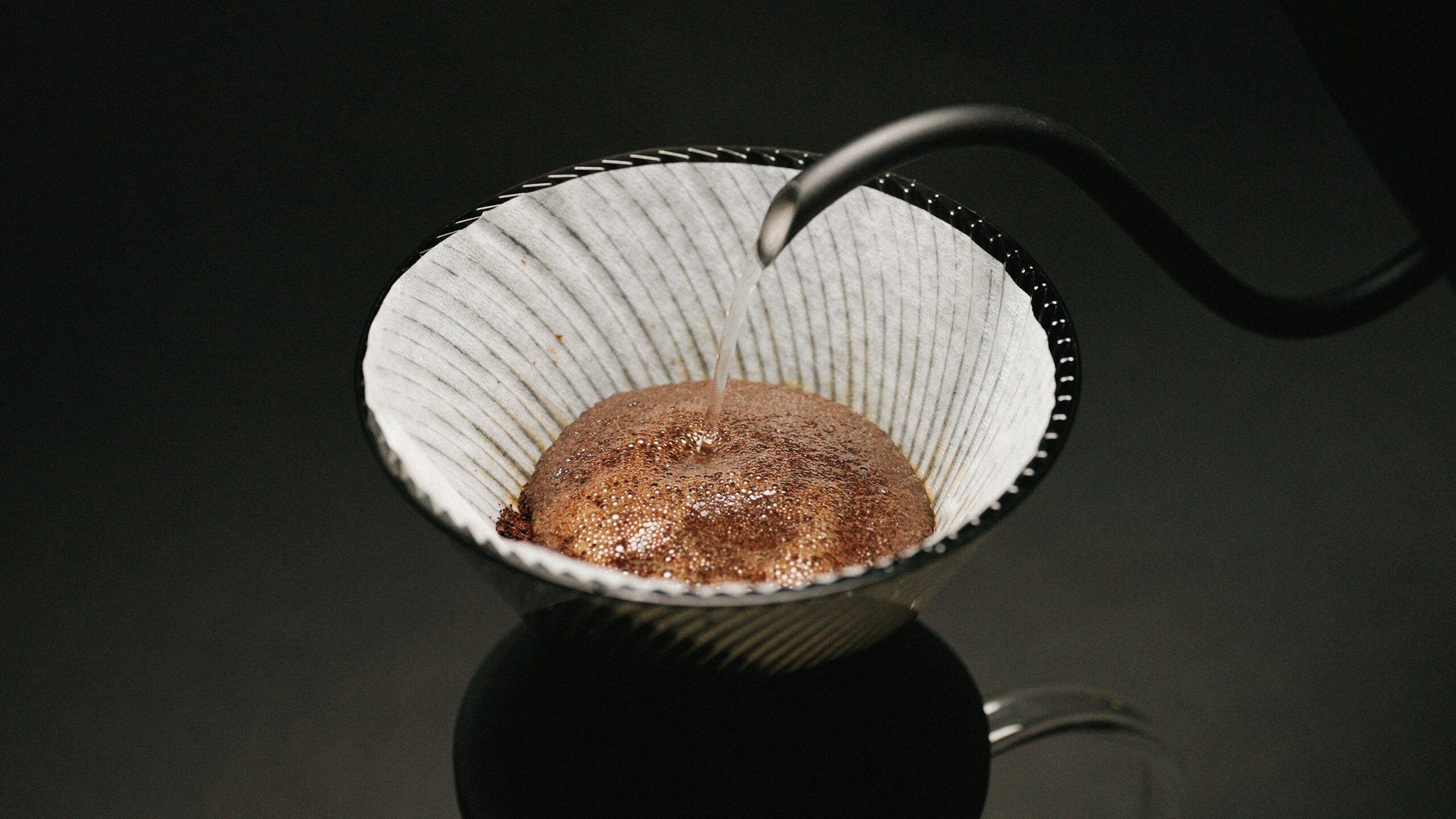
Paper-filtered coffee

Slow manual filtration methods

These remove most of the cholesterol-raising compounds naturally present in coffee oils.

Methods That Require Moderation

Unfiltered coffee

Boiled coffee preparations

These contain higher levels of natural compounds that may raise LDL cholesterol if consumed in large amounts.

Concentrated coffee prepared under pressure is a special case: although unfiltered, the small serving size limits its impact on cholesterol for most people.

  • Ideal Amount and Timing

How Much Is Optimal?

Up to four moderate cups per day is considered safe for most adults

Even one cup daily provides measurable health benefits

Best Time to Drink Coffee

Morning through late morning

Drinking coffee late in the day may:

Suppress melatonin production

Disrupt circadian rhythms

Impair sleep quality

  • Additions: When Coffee Loses Its Benefits

Coffee’s health benefits decline sharply when:

Excess sugar is added

Large amounts of heavy cream are used

Artificial flavorings or syrups are included

Best options:

Black coffee

Coffee with a small amount of milk

Unsweetened alternatives

  • Coffee and Medications

Caffeine can interact with certain medications by:

Altering how quickly they are absorbed or metabolized

Reducing the effectiveness of some drugs

Medications that may be affected include:

Certain antibiotics

Heart medications

Asthma treatments

Some antidepressants

Individuals taking daily medications should consult a healthcare professional about coffee consumption.

  • Final Expert Summary

Coffee is not merely a stimulant—it is a functional beverage with measurable benefits for brain health, metabolism, cardiovascular health, liver function, and longevity when consumed wisely.

Moderation, proper brewing methods, minimal additives, and mindful timing are the keys to turning coffee into a daily health-supporting habit.

High-quality coffee, prepared correctly and consumed at the right time, can be an investment in long-term health rather than a guilty pleasure.

Coffee May Protect Against Irregular Heartbeat, New Study Finds

Dubai – Qahwa World

A new study by researchers at the University of California, San Francisco (UCSF) and the University of Adelaide has challenged long-standing medical advice discouraging people with atrial fibrillation (A-Fib) from consuming coffee.

The study, published on November 9 in JAMA, found that drinking at least one cup of caffeinated coffee or an espresso a day reduced the risk of A-Fib recurrence by 39%. Traditionally, patients with heart rhythm disorders were advised to avoid caffeine, fearing it could trigger rapid or irregular heartbeats.

Dr. Gregory M. Marcus, electrophysiologist at UCSF Health and senior author of the study, explained that coffee may have multiple benefits: “Coffee increases physical activity, which helps reduce atrial fibrillation. Caffeine is also a mild diuretic that can lower blood pressure, while several coffee compounds have anti-inflammatory effects.”

The research team, in a trial aptly named DECAF (Does Eliminating Coffee Avoid Fibrillation?), enrolled 200 coffee-drinking patients diagnosed with persistent A-Fib or atrial flutter. Participants scheduled for electrical cardioversiona procedure that restores normal heart rhythmwere randomly divided into two groups: one consumed caffeinated coffee daily for six months, while the other abstained completely from caffeine.

Results showed a significant drop in A-Fib recurrence among coffee drinkers. Researchers believe that in addition to its biological effects, coffee consumption might reduce reliance on less healthy drinks.

Lead author Christopher X. Wong, Ph.D., from UCSF and the University of Adelaide, summarized the findings: “Doctors have always advised patients with A-Fib to limit coffee, but this trial suggests that coffee is not only safeit may actually be protective.”

A-Fib currently affects over 10 million adults in the United States, and with an aging population, it could impact up to one in three people. This study opens a new perspective on how moderate coffee consumption might play a beneficial role in cardiovascular health.

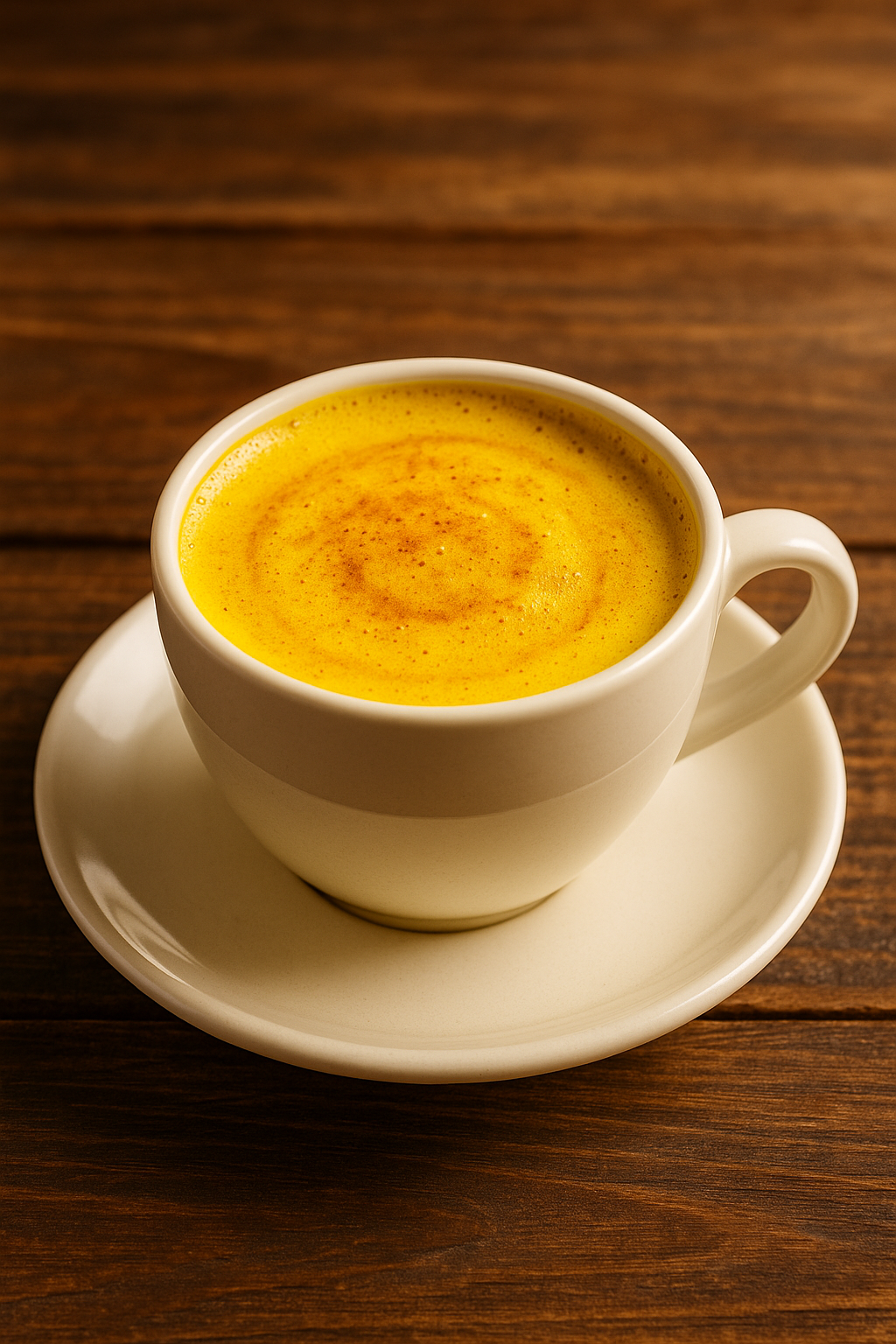
Turmeric Coffee: A Drink That Combines Flavor and Wellness

Dubai – Qahwa World

Coffee is one of the most beloved beverages worldwide, known for its ability to stimulate the nervous system and enhance focus and alertness. But blending it with turmeric has recently become popular among wellness enthusiasts, as this combination merges the energy of coffee with the healing power of turmeric.

Although scientific research on turmeric coffee remains limited, both ingredients are well-documented for their individual health benefits. Coffee is rich in antioxidants that protect cells and boost concentration, while turmeric contains curcumin, a compound recognized for its potent anti-inflammatory properties. Together, they may support heart and joint health and promote better metabolism.

Key Health Benefits of Turmeric Coffee:

1. Reduces Inflammation
Curcumin, the active compound in turmeric, is known for its strong anti-inflammatory effects. Chronic inflammation contributes to conditions such as cancer, diabetes, Alzheimer’s disease, and heart problems. Research suggests that curcumin may help relieve inflammation-related conditions, including arthritis, irritable bowel syndrome, and atherosclerosis.

2. Helps Relieve Pain
Studies indicate that turmeric can reduce inflammation-related pain with effectiveness comparable to some anti-inflammatory drugs like ibuprofen. It may also help ease post-workout muscle soreness, improving recovery and performance.

3. Boosts Antioxidant Protection
Both coffee and turmeric are abundant in antioxidants that combat free radicals and protect cells from oxidative stress. Curcumin enhances the body’s antioxidant capacity, while coffee provides compounds such as chlorogenic and caffeic acids, which support immune function and slow aging.

4. Supports Heart Health
Several studies show that regular turmeric consumption may lower the risk of heart disease by preventing plaque buildup in arteries and improving circulation. Curcumin can also help maintain healthy zinc levels — a mineral linked to lower cardiovascular risk.

5. Aids in Weight Management
Caffeine and chlorogenic acid in coffee can slightly boost fat burning, while research suggests turmeric may help reduce body weight and waist circumference. Although the effect is mild, adding turmeric to coffee may complement a balanced diet for maintaining a healthy weight.

6. Improves Digestion
Turmeric is known to soothe the stomach, reduce bloating, and balance gut bacteria. Its anti-inflammatory effects may also ease symptoms of irritable bowel syndrome, promoting overall digestive comfort and gut health.

7. Enhances Mood
Studies show that drinking coffee regularly may reduce the risk of depression and anxiety. Meanwhile, curcumin’s antioxidant and anti-inflammatory actions may help improve mood and emotional well-being, making turmeric coffee a potentially uplifting choice.

8. Supports Brain Function
Coffee is renowned for improving alertness and focus and may reduce the risk of Alzheimer’s and Parkinson’s disease. Curcumin may further enhance brain health by increasing brain-derived neurotrophic factor (BDNF), a protein vital for learning and memory.

In essence, turmeric coffee brings together the comforting aroma of coffee and the therapeutic benefits of turmeric, offering a modern wellness beverage that balances pleasure and health. While more research is needed to confirm all its benefits, this drink remains a promising option for coffee lovers seeking a flavorful and health-conscious alternative.

One Cup Can Prolong Life: Morning Coffee as a Key to Longevity

Dubai – Qahwa World

Coffee is one of the most beloved beverages in the world, and millions of people can’t imagine starting their day without it. But according to a new study by Tulane University and the U.S. National Heart, Lung, and Blood Institute, the health benefits of coffee depend not only on how much you drink — but also on when you drink it. The researchers found that a morning cup of coffee may actually extend your lifespan, while drinking coffee throughout the day could reduce its positive effects.

Coffee and Longevity

The study followed more than 40,000 participants for nearly a decade. Those who drank coffee only in the morning had a 16% lower risk of cardiovascular disease and a 31% lower overall mortality rate compared to people who drank coffee at different times of the day. This benefit remained consistent even after adjusting for factors like diet, exercise, and sleep habits.

Why Morning Coffee Works Best

The secret lies in the body’s biological rhythms. Caffeine affects melatonin — the hormone responsible for sleep. When consumed late in the day, caffeine can disrupt circadian rhythms, cause poor sleep, raise blood pressure, and increase stress.
In contrast, morning coffee works in harmony with the body’s natural rhythm, stimulating the nervous system, boosting metabolism, and improving focus right when the body naturally prepares for activity.

Morning vs. Evening Coffee

  • Morning coffee — boosts alertness, speeds up metabolism, lowers cardiovascular risk.

  • Evening coffee — may disrupt sleep, increase blood pressure, and trigger inflammation.

Chronic sleep deprivation caused by late caffeine intake is one of the leading contributors to premature aging, making timing a key factor in coffee’s health impact.

How to Drink Coffee for Maximum Benefit

  • Have your first cup 30–60 minutes after waking up, when cortisol levels naturally drop.

  • Avoid coffee after 2:00 p.m., especially if you’re prone to insomnia or caffeine sensitivity.

  • Choose medium-roast Arabica, which is smoother and less acidic.

  • Limit sugar and cream — they reduce coffee’s health benefits.

  • Drink a glass of water with each cup to stay hydrated.

Common Mistakes and Healthy Alternatives

  • Mistake: Drinking coffee all day for energy.
    Result: Anxiety and nervous fatigue.
    Alternative: Replace your second cup with herbal tea or lemon water.

  • Mistake: Drinking coffee on an empty stomach.
    Result: Stomach irritation and acidity.
    Alternative: Eat a light breakfast — oatmeal, yogurt, or a banana — before coffee.

  • Mistake: Drinking very strong espresso.
    Result: Blood pressure spikes and rapid heartbeat.
    Alternative: Switch to filter coffee or Americano for a gentler caffeine dose.

Should You Quit Coffee Altogether?

Participants who completely avoided coffee didn’t show better health outcomes. In fact, moderate caffeine consumption enhances the body’s antioxidant defenses. However, if coffee triggers anxiety, heartburn, or insomnia, it’s better to switch to chicory, matcha, or green tea, which gently energize without side effects.

Pros and Cons of Coffee

Pros:

  • Improves focus and alertness.

  • Reduces risk of type II diabetes.

  • Enhances mood and physical performance.

  • Rich in antioxidants that slow cellular aging.

Cons:

  • May disrupt sleep and circadian rhythm.

  • Raises blood pressure with overconsumption.

  • Causes dependence and withdrawal symptoms.

  • Irritates the stomach when consumed on an empty stomach.

FAQs

When is the best time to drink coffee?
Between 9:00 a.m. and 11:00 a.m., when cortisol levels naturally decline.

How many cups per day are safe?
Two to three cups daily (up to 300 mg of caffeine), avoiding consumption after noon.

Coffee with milk or without?
If you tolerate lactose, milk can be added — it softens caffeine’s effect. Avoid sugary syrups and heavy cream.

Myths and Facts

  • Myth: Coffee dehydrates the body.
    Fact: In moderate amounts, coffee doesn’t cause dehydration.

  • Myth: Coffee is bad for the heart.
    Fact: Morning coffee can actually lower the risk of heart disease when consumed moderately.

  • Myth: Coffee prevents weight loss.
    Fact: Caffeine boosts metabolism and helps control appetite.

Fascinating Coffee Facts

  • Coffee is the second most consumed beverage in the world after water.

  • Arabica contains almost half the caffeine of Robusta, but is prized for its smooth flavor.

  • The first coffeehouses appeared in Mecca in the 15th century, and coffee became fashionable in Europe in the 17th century.

Modern science now confirms what coffee lovers have always felt instinctively:
A morning cup of coffee isn’t just a habit — it’s a companion to health and longevity when enjoyed wisely and in tune with your body’s rhythm.