Six Middle East Coffee Shops Enter The World’s Top 100 List 2026

Singapore – QAHWA WORLD

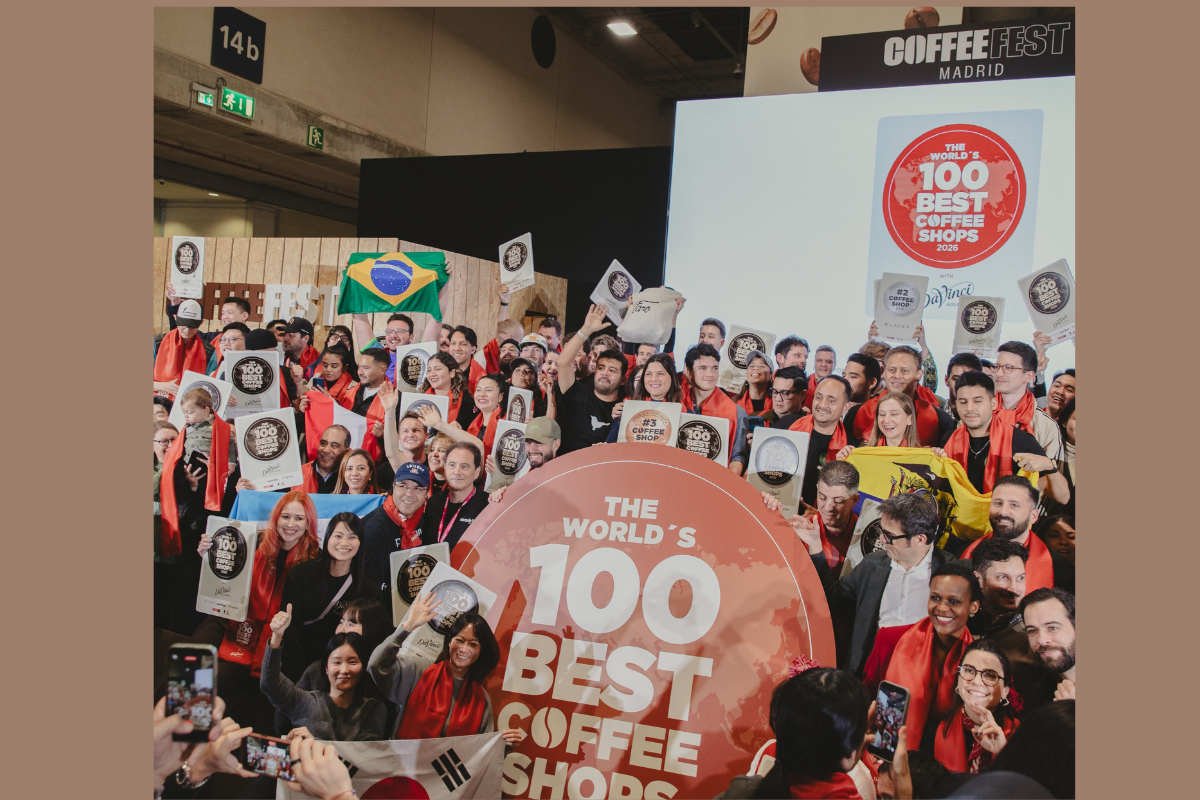
Six coffee shops from the Middle East have earned positions in the World’s 100 Best Coffee Shops 2026 ranking, announced on 16 February during CoffeeFest Madrid 2026, marking a significant milestone for the region’s speciality coffee sector.

The United Arab Emirates secured two placements in the global Top 100, reinforcing its status as a rapidly expanding hub for speciality coffee. Qatar and Oman achieved their first-ever entries in the ranking, while Turkey returned to the list through Meet Lab Coffee, reflecting the region’s growing influence on the international coffee stage.

YOU MAY LIKE: The World’s 100 Best Coffee Shops 2026 Unveiled in Madrid

Middle East Coffee Shops in the 2026 Top 100

  • Benchmark Coffee, United Arab Emirates

  • Harvest Coffee, Qatar

  • Meet Lab Coffee, Turkey

  • Azura – The Coffee Company, Oman

  • Cypher Urban Roastery, United Arab Emirates

  • Flat White Specialty Coffee, Qatar

The 2026 ranking highlights the rise of new global capitals of quality coffee while underscoring the consolidation of a diverse and innovative international coffee community. The United States led the list with nine selected coffee shops, alongside strong representation from South America, Europe, Asia Pacific, Africa, and the Middle East.

Evaluation Criteria

The ranking combines assessments from more than 800 professional judges across all continents with public voting that surpassed 350,000 votes in this edition. In total, over 15,000 coffee shops worldwide were analysed.

Positioned as a benchmark for the industry, The World’s 100 Best Coffee Shops is the first global ranking dedicated to recognising excellence in coffee. Beyond product quality, the evaluation considers the overall café experience, innovation, and contribution to coffee culture.

The inclusion of six Middle Eastern coffee shops in the 2026 list reflects the region’s accelerating development in speciality coffee standards, craftsmanship, and hospitality, further strengthening its presence on the global coffee map.

Burundi and Rwanda Coffee Harvest Update 2026

Bujumbura  – QAHWA WORLD

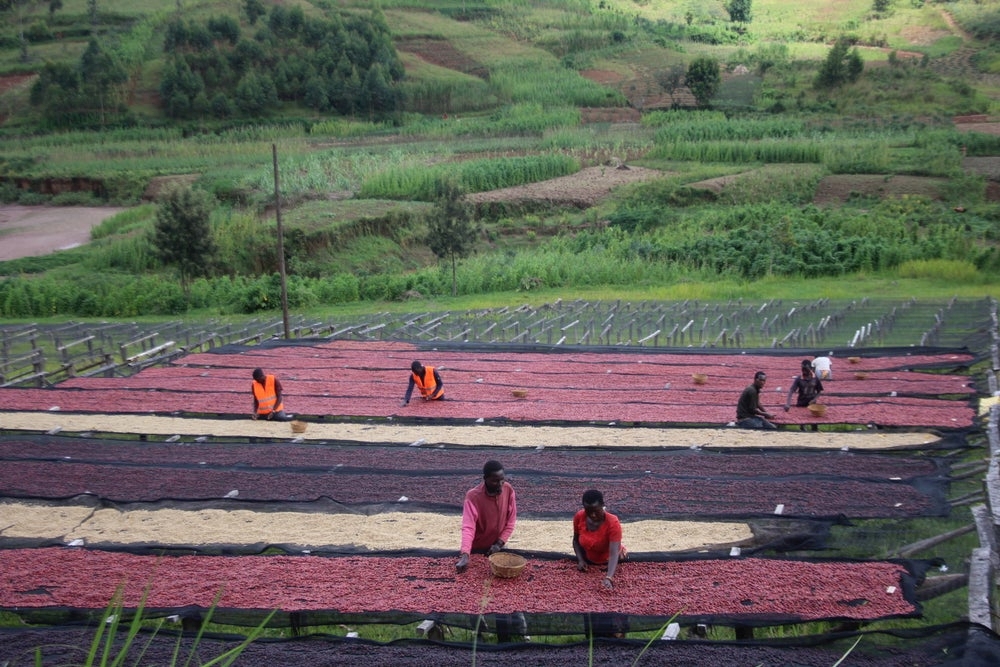
Preliminary reports from Burundi and Rwanda indicate promising prospects for the 2026 coffee harvest, with an estimated combined total of around 40,000 metric tonnes (MT) of high-quality green coffee. Teams in both countries have shared insights on volume, quality, and sustainability initiatives supporting farmers.

Burundi Harvest Outlook

Burundi’s coffee harvest for 2026 is expected to increase by over 60% compared to 2025, reaching approximately 24,000 MT. Favourable weather since mid-August has supported strong flowering, with the harvest expected to start fully around 10 March, about one month earlier than last year. Quality monitoring at washing stations is underway, with initial observations indicating good cherry development. The harvest is expected to continue until July, depending on rainfall.

Sustainability Initiatives in Burundi

This season marks the launch of a major public-private initiative to rejuvenate coffee production. The tree stumping programme involves 14,000 farming households and around 700,000 trees. Combined with planting new seedlings, the programme aims to quadruple productivity within three to five years.

Additionally, all Burundian coffee is now offered as IMPACT-verified, Sucafina’s responsible sourcing programme. Farmers receive training and support to improve environmental and social outcomes while enhancing traceability and quality. Approximately 30,000 smallholder farmers are engaged in these sustainability programmes this year.

Rwanda Harvest Forecast

Rwanda’s 2026 harvest is projected at around 16,000 MT, lower than the previous year due to less favourable flowering conditions, but expected to maintain high quality. The harvest began in mid-February and is expected to continue until late June.

Market and Regulatory Factors

Reduced supply is likely to increase market competition. RWACOF (Sucafina in Rwanda) continues to prioritise exceptional-quality cherry and close monitoring of processing at partner washing stations. A new scalable model has been introduced to expand sourcing areas while mitigating market risks.

Sustainability Initiatives in Rwanda

Sucafina’s sustainability programmes in Rwanda include tree rejuvenation, carbon footprint mapping, and regenerative agriculture. Since 2023, 197,782 trees have been stumped, with over 155,000 in 2025 alone. Farmers received inputs such as lime and organic fertiliser, alongside structured monitoring to track “back-to-production” timelines.

The Farmer Development Program, launched with the London School of Economics, provides training, loans, and tree-planting incentives to 3,735 farmers across five service centres. Agroforestry initiatives have distributed 110,064 shade trees, integrating sustainable practices into the supply chain.

Village Savings and Loan Associations (VSLAs) have been scaled, engaging 1,529 members (51% women) and mobilising $30,884 in savings, with 67% loaned to 924 farmers. Over the next six months, Sucafina will establish a 145,000-seedling nursery, expand refresher trainings, and conduct IMPACT verification, expected to make verified coffee available by June 2026.

Coffee Industry Heroes Awards 2026: Finalists Announced

Melbourne – QAHWA WORLD

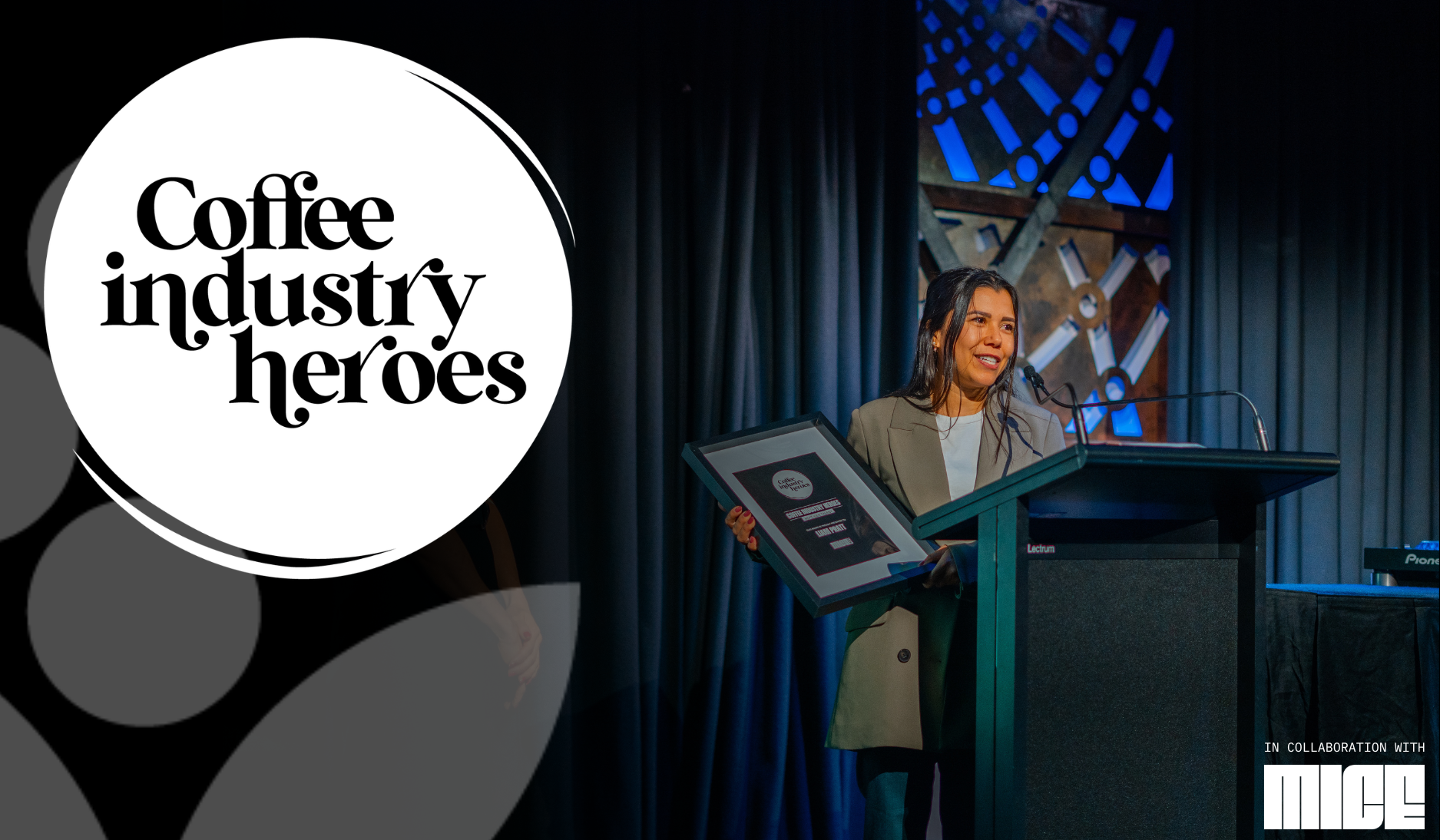
The Coffee Industry Heroes Awards have revealed the 2026 finalists, recognizing individuals and businesses making a significant impact on Australia’s coffee industry. The awards, part of the Melbourne Coffee Expo 2026, will take place alongside the MICE Opening Party at the Melbourne Convention & Exhibition Centre – Courtyard Venue on Thursday, 26 March 2026, from 5:30 PM to 8:30 PM. Attendees are requested to wear cocktail attire.

YOU MAY LIKE: MICE 2026 Reveals Exhibitor Line-Up in Melbourne

The awards highlight leaders across multiple categories, celebrating innovation, mentorship, sustainability, and community contribution.

  • 2026 Finalists

Best New Cafe

  • Almost French Epicure

  • Ratio Coffee Crows Nest

  • Sidecar Roasters

Coffee Educator (Mentor)

  • Ian Abadiano, Coffee Mentality

  • Danny Andrade, Blackboard Coffee Roasters

  • Nadia Araujo Moreira, Southland Merchants

  • Simon Gautherin, Zest Specialty Coffee Roasters

  • Nicole Motteux, Sustainable Coffee Advocate

  • Andres Roaster, Rubra Coffee

  • Chris Short, Cafetto

  • Joshua Walhain, Alternative Brewing

  • Li Wang, Sanjiangwater PTY LTD

Community Champion

  • Ian Abadiano, Coffee Mentality

  • Danny Andrade, Blackboard Coffee Roasters

  • Rodney Ayton, Bean Station Wodonga

  • Andres Felipe Ballesteros Zuluaga, Rubra Coffee Roasters

  • Jon Barnett, Slurpsup Sydney

  • Marcelline Budza, Rebuild Women’s Hope Cooperative

  • Nicole Motteux, Sustainable Coffee Advocate

  • Damien O’Brien, Coffee Foundation

Home Grown Hero

  • Ian Abadiano, Coffee Mentality

  • Rebecca Zentveld, Zentbeld’s Coffee, Farm and Roastery

Lifetime Achievement

  • Danny Andrade, Blackboard Coffee Roasters

  • Angelo Augello, Formerly Bean Alliance Group

  • Sebastián Farias Arcila, Far More

  • Melissa Floreani, Clark St Coffee Roasters

  • Jack Hanna, Single Estate

  • Stephen Hurst, Mercanta Ltd.

  • Nicole Motteux, Sustainable Coffee Advocate

  • Lucy Ward, ST. ALi Coffee

Next-Gen Talent

  • Justin Calpito, Honeybird Coffee

  • Hany Ezzat, Ona Coffee / Ni Wares

  • Danni Lubbe, London Tavern Hotel

  • Jerome and Micah Manion, More Matcha

  • Efthimios Tsiukardanis, Code Black

Sustainability Champion

  • Cateco Trading Pty Limited

  • Clark St Coffee Roasters

  • Coffee Mentality

  • GRADA

  • Grounded Packaging

  • Huskee (BioPak)

  • made by Fressko

  • Pablo & Rusty’s

  • Reground

  • Sustainable Coffee Advocate

The Coffee Industry Heroes Awards honour those who advance Australia’s coffee culture, from innovative cafes and sustainable operators to influential educators and community champions. The announcement of the 2026 finalists marks a key milestone ahead of the Melbourne Coffee Expo 2026, which runs from 26 to 28 March.

Russian Instant Coffee Exports Rise 28% to $366 Million

Moscow – QAHWA WORLD

Russia recorded solid growth in its instant coffee exports in 2025, with total export value rising 28% year-on-year to exceed $366 million.

According to the Federal Center for Agricultural Export Development, Agroexport, citing expert estimates, the shipments included coffee extracts, essences, concentrates, and finished products based on them.

In volume terms, exports surpassed 51,000 tons during the year. No comparative data on year-on-year volume growth was disclosed.

Kazakhstan remained the leading destination market, with export revenues exceeding $131 million, compared with approximately $58 million in 2024, representing more than a twofold increase.

Belarus ranked next, importing nearly $95 million worth of products. Exports to Uzbekistan reached about $33 million, while Georgia imported more than $24 million. Shipments to Israel totaled close to $12 million.

In 2025, exports of this product category to Oman were also resumed, with shipments valued at over $120,000 following a previous توقف.

The figures highlight the continued concentration of Russian instant coffee exports in CIS markets, alongside efforts to re-expand into additional destinations amid steady regional demand for instant coffee products.

JDE Peet’s Reports 15.3% Growth: A New Era in Global Coffee

AMSTERDAM – QAHWA WORLD

In a year defined by unprecedented economic headwinds, JDE Peet’s (EURONEXT: JDEP) has delivered a powerful financial performance, proving the resilience of its global coffee portfolio. The company today reported an impressive 15.3% organic sales growth for 2025, successfully shielding its margins against a massive EUR 1.6 billion surge in cost inflation through disciplined pricing and high-impact innovation.

Mastering the Inflationary Storm

The results underscore JDE Peet’s ability to thrive in a volatile market. By balancing price adjustments with productivity gains, the company saw its organic adjusted EBIT climb to EUR 1.3 billion. Even more significant for investors was the robust cash generation, with free cash flow reaching EUR 1,130 million. This liquidity allowed the company to significantly deleverage its balance sheet, bringing net leverage down to a healthy 2.3x, while maintaining an underlying EPS of EUR 2.46.

Strategic Transformation: “Reignite the Amazing”

The cornerstone of this year’s success was the aggressive rollout of the Reignite the Amazing strategy. CEO Rafa Oliveira emphasized that the company is no longer just defending its position but is actively shaping the market. “Our strategy is delivering tangible results,” said Oliveira. “By focusing on our global powerhouses—Peet’s, L’OR, and Jacobs—we have simplified our organization and sharpened our competitive edge.”

To support this growth, the company advanced its EUR 500 million productivity program, achieving EUR 70 million in savings this year alone. This was driven by a bold operational overhaul, including the optimization of its manufacturing footprint with the closure of facilities in the U.K., Brazil, and the U.S. to ensure a leaner, more agile supply chain.

Regional Dominance and the “China Growth Engine”

JDE Peet’s performance in emerging markets was nothing short of extraordinary. The LARMEA region (Latin America, Russia, Middle East, and Africa) emerged as a primary growth driver, recording a staggering 39.7% organic sales increase. Meanwhile, in Asia, Peet’s China continued to defy regional trends with strong double-digit growth, proving the brand’s immense appeal to the new generation of specialty coffee consumers.

Innovation as a Global Catalyst

From the viral success of Dubai Chocolate to the technical sophistication of the L’OR Barista Absolu machine, JDE Peet’s has kept itself at the center of the global coffee conversation. The launch of Peet’s ready-to-drink Cold Brew and Popping Pearls has further solidified its presence in the fast-growing iced coffee segment, ensuring the company meets the evolving tastes of a younger, more diverse audience.

The KDP Merger: Final Countdown

The acquisition by Keurig Dr Pepper (KDP) is now entering its final phase. With 69% of shares already committed and all essential competition clearances secured, the EUR 31.85 per share offer is on track to close early in the second quarter of 2026. This transition marks the beginning of a new chapter where JDE Peet’s will combine its global coffee expertise with KDP’s distribution power to create an industry-leading powerhouse.

World of Coffee San Diego 2026: Last Chance for Early Bird Rates

SAN DIEGO, CALIFORNIA – QHWAW WORLD

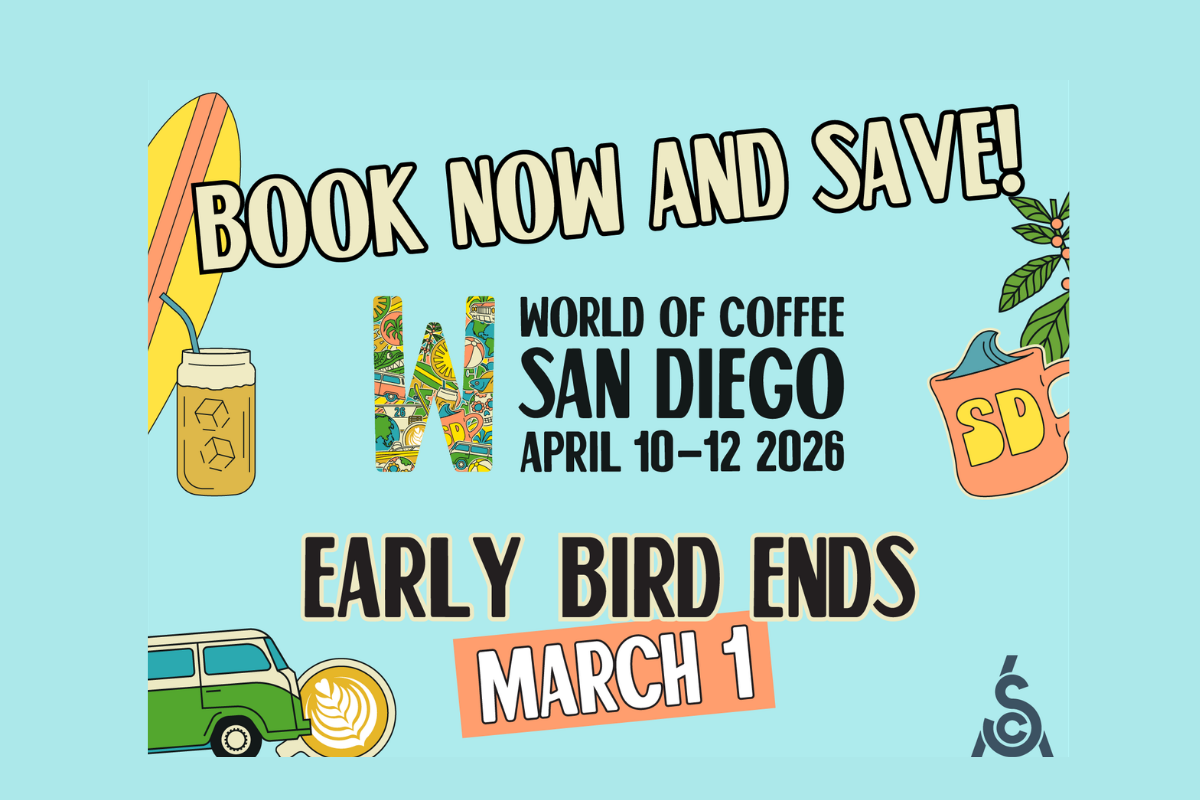
The countdown has officially begun for the global specialty coffee community. With World of Coffee San Diego 2026 just around the corner, the Specialty Coffee Association (SCA) has announced that “Early Bird” registration rates are set to expire on March 1, 2026. This leaves attendees with just one week to take advantage of significant savings before prices increase.

A Strategic Hub for a Growing Industry

Set in the vibrant city of San Diego, this event is expected to be a cornerstone for coffee professionals and enthusiasts alike. From roasters and farmers to equipment suppliers and baristas, the exhibition serves as a premier platform for networking, discovering innovations, and exploring the trends shaping the future of the specialty coffee market.

Badge Options and Pricing Details

The 3-Day World of Coffee Badge provides full access to the exhibit hall, the World Latte Art Championship, the SCA Lecture Series, and public cuppings from April 10 to April 12, 2026.

Pricing Overview (Early Bird ends March 1):

Badge Category (3-Day) Early Bird Price Regular Price (After March 1)
SCA Paid Members $299 $340
Non-Members $360 $399

Single-day badges are also available for Friday, Saturday, or Sunday to accommodate those with tighter schedules.

Expert-Led Workshops and Hands-On Learning

The event features an intensive series of SCA workshops, ranging from 2.5 to 3.5 hours. These sessions offer practical, hands-on solutions to industry challenges, covering everything from flavour development to business management. Early bird rates for workshops start at $250 (with additional discounts for members), and seats are expected to fill quickly due to high demand for specialised training.

Digital-Only Registration and Logistics

The organisers have noted that World of Coffee is a non-cash event, requiring all badge purchases to be made online via credit or debit card. For international visitors, visa invitation letters can be generated during the registration process. Additionally, Maritz has been appointed as the official housing provider, offering curated accommodation options near the venue to ensure a seamless experience for all attendees.

Russia Updates Instant Coffee Standards for the First Time in 32 Years

MOSCOW – QAHWA WORLD

Russia has officially revised its national standard for instant coffee, marking the first update since 1994. According to Readovka, the previous GOST standard, introduced in January 1994, applied only to powdered instant coffee. The newly adopted regulation significantly broadens the classification and aligns it with today’s market realities.

Expanded Product Classification

Under the updated standard, three categories of instant coffee are now formally recognized:

  • Powdered instant coffee

  • Granulated instant coffee

  • Freeze-dried (sublimated) instant coffee

This expansion reflects the technological evolution of the sector and the diversity of products currently available to consumers.

Clearer Quality Parameters

As outlined by Rosstandart, the revised standard introduces specific quality indicators for each type of instant coffee. These include:

  • Appearance of the powder or granules

  • Color of the dry product

  • Aroma

  • Taste of the prepared beverage

The new GOST prohibits the presence of foreign impurities and any off-flavors or odors not characteristic of coffee. Flavorings are permitted; however, manufacturers are required to clearly declare them in the ingredient list.

Stricter Technical Requirements

The updated regulation also establishes precise technical benchmarks:

  • Complete dissolution in hot water (96–98°C) within 30 seconds

  • Dissolution in cold water (18–20°C) within a maximum of three minutes

  • Moisture content not exceeding 6% in the dry product

These measures aim to ensure product consistency, performance, and consumer transparency across all categories.

Market Context: Health and Pricing Pressures

Previous reports have suggested that moderate coffee consumption may be associated with a 10–15% reduction in overall mortality. However, these potential benefits can be offset when sugar or flavored syrups are added in significant amounts.

Meanwhile, the coffee market has faced notable price increases over the past two years, with costs rising more than 2.5 times. The surge is largely attributed to a global shortage of green coffee beans and ongoing supply chain disruptions.

The revision of Russia’s instant coffee standard signals a broader effort to modernize regulatory frameworks and raise quality benchmarks in a market that continues to evolve rapidly.

Russian Coffee and Roasted Coffee Market 2026

MOSCOW – QAHWA WORLD

The Russian coffee market continues to reach record sales levels, driven by strong domestic demand and rising per capita coffee consumption. According to analysis by Roif Expert, the market volume increased by approximately 300 billion rubles in recent periods, marking the highest level recorded since monitoring began.

Analysts note that this growth is supported by increased domestic production of both regular and roasted coffee. Major Russian producers are expanding their production capacities to meet rising consumer demand. At the same time, coffee imports continue to show a stable upward trend, making the Russian market attractive to foreign companies, while exports, despite some international restrictions, have potential for expansion.

Growth in Roasted Coffee Production

The roasted coffee sector has seen a significant increase in production, driven by rising local demand and the need to partially replace imported products. Production is concentrated in key regions, and the market shares of major companies remain relatively stable compared to previous periods.

Roif Expert highlights that the entry of new players intensifies competition, especially for companies with the resources to expand geographically and increase production volumes. Additionally, the market is directly influenced by the overall economic situation, regional factors, and geopolitical conditions, making adaptability crucial for companies to maintain their market share.

Imports and Exports of Roasted Coffee

  • Imports: Determined by domestic demand and price fluctuations between Russian and foreign producers, imports show a steady growth trend.

  • Exports: Primarily directed to international markets, although global restrictions can affect the attractiveness of Russian roasted coffee abroad.

Key Market Trends

According to Roif Expert, the main trends in the Russian coffee market include:

  • Growth in production of both regular and roasted coffee to meet domestic demand.

  • Continued increase in per capita coffee consumption.

  • Steady import growth with potential for expanding exports.

  • Stability in market shares of major producers alongside rising competition from new entrants.

  • Coffee prices are increasing faster than sales volumes.

Market Outlook

Analysts expect the Russian coffee market to continue its growth in the coming years, driven by increasing domestic production and expanding roasted coffee exports. The market remains attractive to investors due to high profitability and growing consumption, particularly in the roasted coffee segment, where competition among major players is strong.

Roif Expert’s analysis confirms that the Russian coffee and roasted coffee market is flexible and capable of adapting to changes in demand and pricing, enhancing its growth potential both domestically and internationally in the medium and long term.

Caffè Nero Acquires Compass Coffee Assets in Bankruptcy Auction

DUBAI – QAHWA WORLD

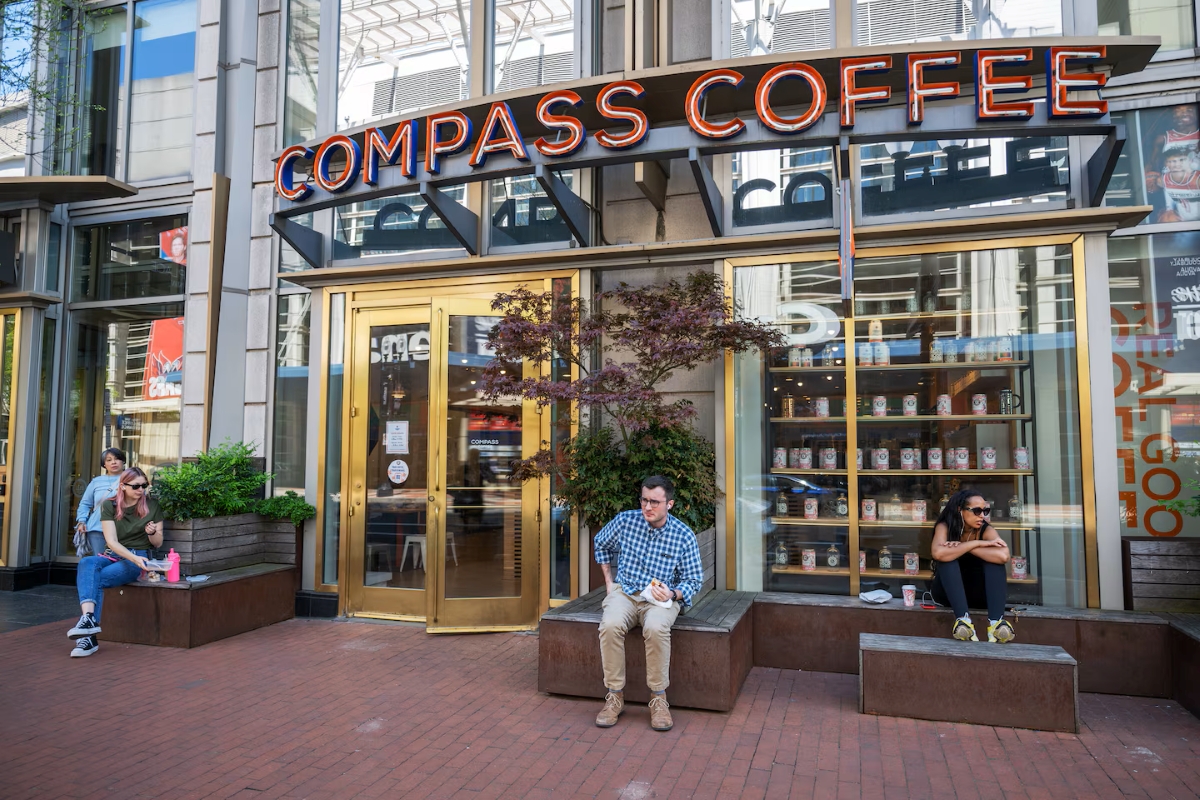
U.K.-based coffee company Caffè Nero has secured the winning bid to acquire the majority of assets belonging to Washington, D.C.-based Compass Coffee, which filed for Chapter 11 bankruptcy protection last month.

The final bid reached $4.75 million following a competitive, three-day auction involving five prospective buyers. Caffè Nero had initially set the baseline offer at $2.9 million through a “stalking-horse” bid. The transaction remains subject to approval by the bankruptcy court.

Operations to Continue Under Compass Name

For now, the 17 Compass cafés operating across the D.C. area are expected to remain open under their current brand. Whether the Compass name will be retained long term has not yet been determined.

Compass co-founder and CEO Michael Haft stated in an interview with The Washington Post that representatives from Nero will begin meeting with Compass staff as part of the transition process. While Nero has indicated interest in keeping the existing leadership team, formal employment offers have not yet been finalised.

A court hearing is scheduled for February 26, the earliest date on which Nero could formally assume control of the company.

Background on Both Companies

Founded in 1997 by Gerry Ford, Caffè Nero has grown into an international brand with more than 1,000 locations across 11 countries. In the United States, however, its presence remains concentrated primarily in the Boston area, with no current locations in Washington, D.C.

Compass Coffee was established in 2014 by former Marine Corps officers Michael Haft and Harrison Suarez. The company expanded rapidly in its early years, focusing heavily on high-traffic downtown locations. It also invested substantially in a large roasting and production facility in Ivy City, aiming to scale its operations.

Financial Struggles and Bankruptcy

Despite its early growth, Compass struggled to achieve sustained profitability. The pandemic forced temporary closures of several downtown cafés and prompted the company to diversify revenue streams, including selling packaged coffee through grocery stores and direct-to-consumer channels, as well as producing hand sanitiser during the height of demand.

In recent years, additional pressures compounded the company’s financial strain. These included rising coffee costs, wage increases, reduced downtown foot traffic, a shrinking federal workforce, legal disputes with landlords and suppliers, and internal conflict between the founders. Suarez departed the company in 2021, and litigation between the co-founders followed.

By early January, Compass filed for Chapter 11 protection.

The $4.75 million sale will not cover all outstanding obligations. Total debts exceed $12 million, with secured creditors expected to recover approximately $2 million. Unsecured creditors remain owed several million dollars, and investors—including the founders—are not expected to recoup their contributions.

Looking Ahead

In a message to employees, Haft expressed optimism about the transition, suggesting that new ownership could provide stability in a market environment that has shifted significantly since 2020. He noted that downtown business patterns and consumer habits have changed, requiring a different operational approach than in the company’s early years.

If approved, the acquisition will mark the end of Compass Coffee’s 12-year period as an independent, founder-led company and signal Caffè Nero’s entry into the Washington, D.C., market.

Ethiopia Elevates Its Coffee Ceremony to the Global Stage

Founder Seada Mustefa Leads UNESCO Recognition Push Through Ethiopian Coffee Culture Day

Addis Ababa – Qahwa World × Buna Kurs – Media

At a moment when global coffee discussions revolve around traceability, sustainability, and value distribution at origin, Ethiopia is redirecting attention toward something more foundational: culture.

At the Adwa Victory Memorial Museum, industry leaders, diplomats, cultural institutions, exporters, and development stakeholders convened for Ethiopian Coffee Culture Day 2026—an initiative led by Warka Coffee to advance UNESCO Intangible Cultural Heritage recognition for the Ethiopian coffee ceremony.

Yet the gathering went beyond heritage recognition. It marked a strategic move to formalize Ethiopia’s ceremonial tradition as both a cultural legacy and an economic instrument.

A Living Cultural System, Not a Symbol

For generations, the Ethiopian coffee ceremony has structured social life across communities—embedding dialogue, patience, hospitality, and shared presence into daily interaction.

At this year’s celebration, more than eleven regional expressions of the ceremony were presented in what organizers described as a “living museum” format. Participants did not merely observe; they engaged. Coffee was roasted, ground, brewed, and served under the guidance of cultural custodians from across Ethiopia’s regions.

The experience was immersive. Coffee was framed not simply as a beverage, but as social architecture—a ritual that organizes community life and reinforces collective identity.

For international observers, the message was clear: Ethiopia is not only the botanical birthplace of Coffea arabica but also the guardian of one of coffee’s most enduring and sophisticated social traditions.

From Ceremony to Strategy

The event drew representatives from government ministries, the Ethiopian Heritage Authority, tourism and trade institutions, women-led enterprises, development organizations, and members of the diplomatic corps.

Panel discussions moved beyond symbolism to policy and positioning, exploring:

  • Coffee as soft power and diplomatic bridge

  • Women as custodians of ceremony and drivers of small-business growth

  • The integration of farmers, exporters, tourism, and technology

  • The role of communal brewing in well-being and social cohesion

The framing was deliberate: Ethiopia’s coffee ceremony is not folklore. It is diplomatic capital, economic leverage, and narrative authority within the global coffee sector.

By pursuing a formal UNESCO pathway, organizers aim to protect the integrity of the ceremony while reinforcing Ethiopia’s leadership role in shaping the global coffee narrative.

Founder-Led Cultural Stewardship

At the center of the initiative is Seada Mustefa, founder and CEO of Warka Coffee, who has positioned Ethiopian Coffee Culture Day as a bridge between heritage preservation and industry advancement.

Her approach reflects an emerging model of origin leadership—one that views geography not merely as a site of production, but as a source of cultural governance and institutional influence.

Under her direction, the event brought together women entrepreneurs, traditional pottery artisans, exporters, and technology stakeholders into a unified ecosystem. A notable feature was the Embassy Coffee Culture Exchange, where diplomatic missions based in Addis Ababa shared their own coffee traditions—reinforcing Ethiopia’s role as both origin and global convener.

The ambition is clear: elevate a domestic ritual into an internationally recognized institutional platform.

Cultural Value in a Commodity Market

The global coffee market continues to wrestle with volatility, sustainability metrics, and uneven value distribution. Ethiopian Coffee Culture Day reframed that conversation.

If the future of coffee depends on strengthening equity at origin, safeguarding cultural systems may be as critical as improving yields or optimizing logistics.

The 2026 edition welcomed thousands of participants across industry, community, and diplomatic sectors. It signaled Ethiopia’s intention to anchor its global coffee identity not only in export volumes but also in ceremony.

In an industry that often reduces origin to tasting notes and lot numbers, Addis Ababa delivered a reminder: coffee’s enduring power lies in relationship.

And in Ethiopia, that relationship still begins with a jebena—shared slowly, in a circle.

U.S. Coffee Prices Hit Record Levels Despite Stable Global Markets

DUBAI – QAHWA WORLD

By any measure, coffee should be getting cheaper.

International green coffee prices have eased in recent months as production rebounds in major origins. Yet in the United States, retail coffee prices continue to climb — reaching levels not seen in decades.

According to data from the U.S. Bureau of Labour Statistics, the average retail price of roasted coffee in the United States hit $9.37 per pound in January, up 33% year over year. That marks the highest level since federal record-keeping began in the 1980s.

At the same time, global benchmark prices for green coffee have fallen to roughly $3.64 per pound, reflecting improved crop expectations and stabilising supply chains.

So why is the world’s largest coffee-consuming economy moving in the opposite direction?

Tariffs and Trade Policy Still Ripple Through the Market

The answer begins with trade policy.

During the previous administration of Donald Trump, tariffs were imposed on key coffee-exporting countries. The United States introduced:

  • A 46% tariff on imports from Vietnam

  • A 10% tariff on imports from Brazil and Colombia

Vietnam, Brazil, and Colombia collectively supply more than 60% of U.S. coffee imports. Any disruption involving these origins has immediate consequences for American roasters.

In July, an additional 40% tariff on Brazilian food and beverage imports was proposed. Although that measure was later reversed, the market had already reacted. Coffee is traded months in advance, and importers typically lock in contracts well before shipments arrive. By the time policies shift, pricing structures are already embedded in the supply chain.

In coffee, timing is everything — and costs move slowly in one direction.

The Lag Between Global Prices and Retail Shelves

Green coffee prices are only one component of what consumers pay. Roasting, freight, warehousing, labor, packaging, and retail margins all compound the final number on a supermarket shelf or café menu.

Even when global commodity prices fall, retailers rarely adjust immediately. Contracts must roll over. Inventories must clear. New pricing agreements must be negotiated.

There is also a behavioural element at play. Coffee remains a daily ritual for millions of Americans. Demand has proven remarkably resilient, even in periods of inflation. When consumers continue buying at higher prices, businesses face little urgency to cut them.

Corporate Performance Signals Strong Demand

Publicly traded coffee giants reflect this resilience.

Shares of Starbucks are up roughly 14% year to date in 2026. Meanwhile, Keurig Dr Pepper has gained about 5% over the same period.

Strong performance suggests that consumers are still spending on coffee, whether in cafés or at home. For investors, it’s a sign of pricing power. For consumers, it means relief may not come quickly.

A Market Split: Global Relief, Domestic Pressure

Globally, supply conditions are improving. Brazil’s production outlook has strengthened, and earlier disruptions in key growing regions have begun to ease. That has kept international prices from climbing further.

But the United States operates within its own pricing ecosystem — shaped by trade policy, distribution costs, and consumer behaviour.

The result is a widening gap between falling global bean prices and rising American retail prices.

Will U.S. Coffee Prices Come Down?

They may — but not immediately.

As older contracts expire and lower global prices filter through the system, wholesale costs could soften. However, whether those savings reach consumers depends on competitive pressure, corporate strategy, and demand trends.

Coffee has evolved far beyond a commodity. It is a cultural staple, a daily necessity, and for many households, a non-negotiable expense.

For now, Americans are paying record prices for their morning cup — even as the rest of the world sees relief.

And until supply contracts reset and market forces realign, that disconnect is likely to persist.

How Ramadan’s Coffee Economy is Reshaping Global Supply Chains

By: Kurniawan Arif Maspul

In the hush that falls just before sunset in Riyadh, Jakarta or Dubai, there is a moment of collective suspension. The air is thick with anticipation. Then the call to prayer unfurls, dates are lifted, water is sipped, and almost instinctively, coffee follows. In that simple act — the pouring of Arabic gahwa or the clink of iced kopi susu — lies an economic story far larger than caffeine.

Ramadan’s night-time coffee economy has become a revealing lens on strategic development, soft power and resilience across the Middle East and Southeast Asia.

Coffee is no minor indulgence in these regions. UNESCO has inscribed Arabic coffee on the List of Intangible Cultural Heritage, describing it as a symbol of generosity and dialogue. That symbolism now intersects with hard numbers. The Middle East coffee-beans market is valued at roughly US$2.2 billion and rising, fuelled by youthful demographics and a booming speciality café culture. In the UAE alone, coffee sales exceed AED 12 billion — about US$3.2 billion — with an extraordinary 93 per cent consumed outside the home. Saudi Arabia pours an estimated 36 million cups a day, sustaining more than 61,000 cafés and a branded coffee-shop sector worth around US$1.38 billion in 2024, up more than 11 per cent in a single year.

Indonesia, meanwhile, stands at the other end of the supply chain and yet increasingly at its centre. The world’s fourth-largest producer and fifth-largest consumer of coffee exported US$1.63 billion worth of beans in 2024 and shipped more than 200,000 tonnes globally in the first half of 2025 alone. Domestic consumption has climbed from 4.45 million to 4.8 million bags in just five years. What was once dismissed locally as an ‘old people’s drink’ has become an emblem of urban modernity. The result is a strategic corridor stretching from the highlands of Sumatra and Sulawesi to the neon-lit cafés of the Gulf.

Ramadan intensifies this corridor. The month reprograms economic time. Daylight commerce slows; nighttime consumption surges. Saudi marketplaces teem until dawn. Cafés extend trading hours to 3 am, hiring additional staff, absorbing higher electricity costs and generating concentrated bursts of revenue. While some studies have noted short-term GDP dips during Ramadan — one estimate put the UAE’s pre-pandemic Ramadan contraction at around US$1.4 billion — Gulf economists argue that such metrics miss the point. The month’s economic pulse shifts rather than disappears. Expenditure moves into food and beverage, into shared experiences, into what urban planners now call the ‘night-time economy’.

For oil-dependent states pursuing diversification under strategies such as Saudi Vision 2030, this nocturnal vitality is not incidental. It is structural. Coffee shops have become micro-engines of non-oil growth, social cohesion and even labour-market flexibility. Extended hours generate VAT receipts and service-sector employment. They also cultivate what might be described as social capital — the intangible glue of trust and belonging that underpins political stability.

In Ramadan, cafés function as modern majlis: spaces where business is discussed, grievances softened, and generational divides bridged over small porcelain cups.

This is not merely sociological poetry. It is geopolitics by other means. Analysts at the USC Centre on Public Diplomacy have described coffeehouses as unconventional yet strategic venues of soft power. Indonesia has embraced this logic overtly, deploying ‘coffee diplomacy’ during state visits and at multilateral forums to showcase regional blends as symbols of cultural diversity. Gulf states, too, leverage coffee ritual as a narrative. A cup of gahwa offered to a visiting dignitary signals continuity between Bedouin hospitality and hyper-modern skylines.

Trade flows reinforce this symbolism. Egypt has emerged among Indonesia’s top coffee destinations. Gulf importers, wary of climate volatility in Brazil and Vietnam, are diversifying towards Southeast Asian suppliers. Dubai’s ports handled around AED 3.5 billion (nearly US$1 billion) in green coffee trade in 2024, consolidating the emirate’s role as a re-export hub. These exchanges deepen South–South ties at a time when the global trading system feels brittle.

Yet the aroma of opportunity is tinged with anxiety. Climate change looms over the bean belt. The World Bank has warned that rising temperatures and erratic rainfall threaten vast swathes of Arabica-growing regions. Around 125 million livelihoods globally depend on coffee. In Indonesia, 98 per cent of farms are smaller than two hectares, acutely vulnerable to shifting weather patterns and pests such as coffee rust. Sustainability is no longer a boutique concern; it is a strategic necessity.

Regulatory currents amplify the pressure. The European Union’s deforestation regulations are reshaping expectations of traceability and environmental compliance. The Global Coffee Platform reports that certified sustainable coffee now accounts for roughly 21 per cent of global exports among participating members, and the share is climbing. Saudi Arabia has launched its own Coffee Sustainability Initiative, embedding traceability and eco-friendly standards into domestic policy. Climate adaptation programmes in Indonesia, including partnerships backed by USAID and private firms, aim to equip smallholders with shade-tree systems, improved irrigation and resilient varieties.

In this context, Ramadan’s coffee economy offers a microcosm of the broader transition. The surge in demand during fasting nights underscores both interdependence and fragility. Supply chains must flex across time zones and hemispheres. Ports, logistics firms and roasters coordinate around lunar calendars as much as market signals. The cup cradled after tarawih prayers is the endpoint of a chain that begins on a hillside vulnerable to climate stress.

There is, in this choreography, a subtle lesson for strategic policy. Economic diversification cannot be abstract. It must be anchored in lived culture. The success of Gulf coffee sectors lies partly in their ability to fuse heritage — UNESCO-listed rituals of hospitality — with hyper-modern retail ecosystems and global sourcing. Indonesia’s ascent reflects a similar fusion: smallholder traditions intersecting with urban start-ups and digital payment platforms.

For middle powers navigating an unsettled century, the lesson extends far beyond any single region. Coffee is no longer a peripheral commodity drifting quietly through global trade statistics. It has become a living artery of influence, binding Latin America to East Asia, Africa to the Gulf, and Europe to Southeast Asia. What looks like a simple supply chain is, in truth, a network of shared vulnerability and shared possibility.

Across continents, coffee sustains the livelihoods of roughly 120 million people. It anchors export revenues in producing nations and fuels vast consumer markets in cities that rarely see a coffee tree. It connects smallholder farmers on two-hectare plots to urban professionals in glass towers. It is traded in billions of dollars, regulated under tightening environmental standards, and scrutinised under new deforestation and traceability regimes. A bean grown in one hemisphere now carries the climate anxieties, labour politics and sustainability expectations of another.

In this sense, coffee has become a quiet instrument of geopolitical relevance. Commodity chains once dismissed as mundane are emerging as platforms of influence. Whoever shapes the standards shapes the market. Whoever finances climate adaptation secures a long-term supply. Whoever tells the story of origin and sustainability builds soft power. Development banks, multinational corporations and regional blocs are no longer bystanders; they are architects of the future of the cup.

There is something deeply human in this. Coffee houses have always been spaces of exchange — of ideas, of grievances, of ambition. Today, that exchange stretches across oceans. Muslim-majority societies share ritual and trade through coffee, but so too do communities divided by language, ideology or geography. From highland farms to cosmopolitan cafés, the chain weaves culture into commerce and development into daily habit.

In a fragmented world tempted by economic nationalism and strategic suspicion, such connective tissue matters profoundly. Climate shocks in one producing country reverberate through prices and politics elsewhere. Regulatory shifts in one bloc reshape farming practices across continents. Stability in rural regions abroad becomes inseparable from consumer confidence at home. Interdependence is no longer theoretical; it is brewed fresh each morning.

The deeper truth is this: power in the twenty-first century will not rest solely on military strength or technological supremacy. It will also rest on stewardship — of supply chains, of standards, of sustainability, of trust. Coffee offers a glimpse of that alternative grammar of power. It demonstrates that resilience can be cultivated, that influence can be infused through partnership rather than pressure.

A single cup, lifted at dawn or shared at dusk, carries more than aroma. It carries the labour of distant hands, the risk of changing climates, the weight of regulation and the promise of cooperation. In that humble ritual lies a quiet proposition for the global order: prosperity, like coffee, is strongest when grown together, traded fairly and shared across borders.

As the final sips are taken before dawn and cities quieten again, the economic ledger of Ramadan will show more than receipts. It will record an annual rehearsal of adaptation: of how societies bend time, commerce and ritual to coexist. In that rehearsal lies a model of strategic resilience. The steam rising from a small cup in the early hours carries with it more than aroma.

It carries the possibility that tradition, when aligned with innovation and sustainability, can anchor a region’s future — and quietly reshape the geopolitics of a global commodity.