Matching Dubai’s Momentum: Drinkt Unveils Ultra-Personalized Digital Coffee Experience

Dubai – Qahwa World

In a world accelerating at the rhythm of innovation, the cup of coffee remains an anchor of daily stability—that precious moment where the fragrance of tradition meets the speed of the digital age. From the heart of Dubai, the city where the pulse of creativity never ceases, a new revolution has ignited, redefining the consumer experience. It introduces the “Digital Café” concept as a leading model combining supreme quality with intelligent efficiency.

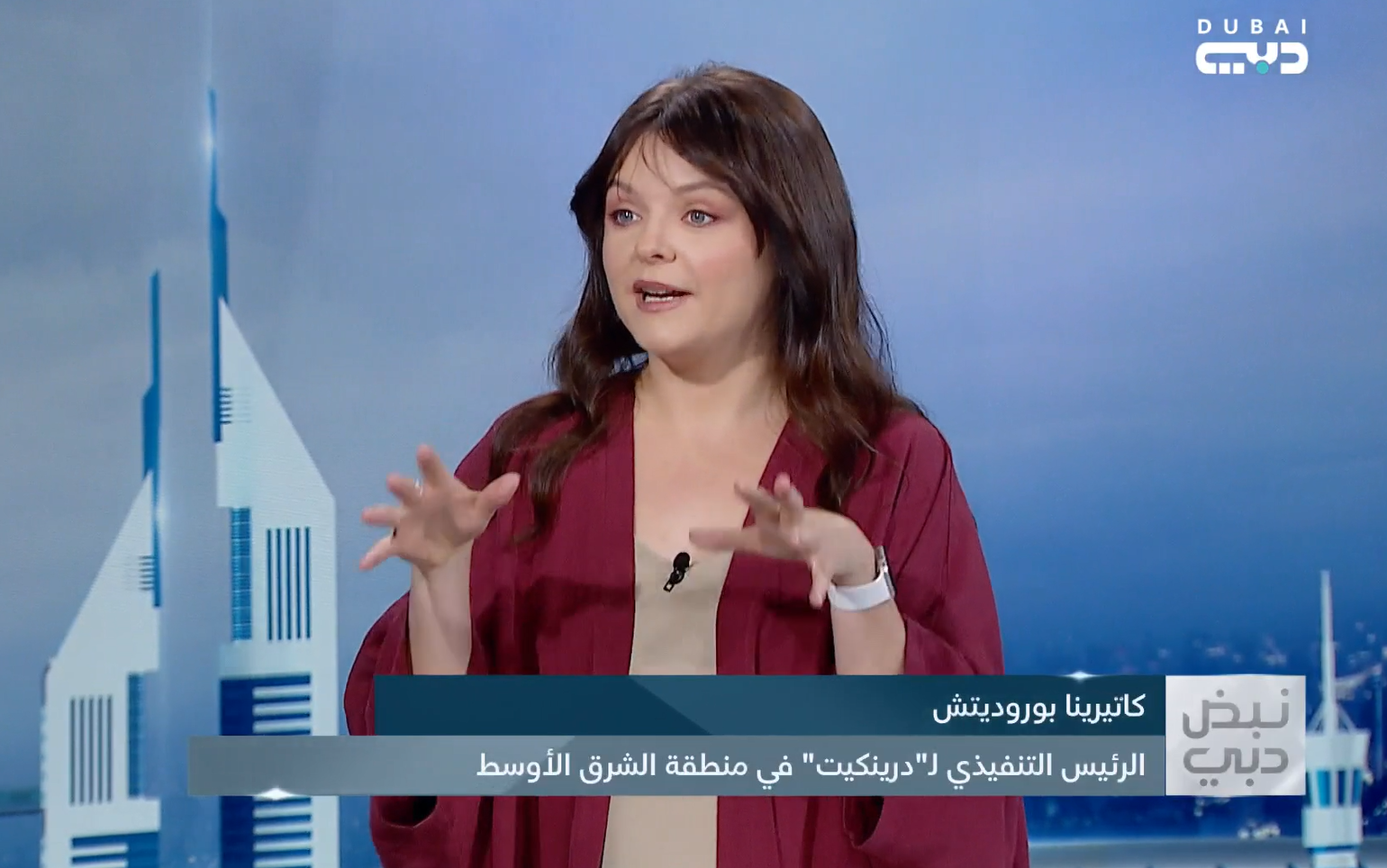
This profound transformation was the focus of a special interview hosted by the program Nabd Dubai (Dubai Pulse), presented by the accomplished anchor Raya Rammal, featuring Kateryna Borodych, the CEO of the famous digital café chain “Drinkt” for the Middle East and North Africa region.

The interview commenced with a report highlighting coffee’s crucial role as a driving force in the global economy. Coffee, which sustains over 25 million farmers, sees consumption exceeding two billion cups daily worldwide, with its annual revenues surpassing the $200 billion mark. While the global market size stands at $138 billion, forecasts suggest it will exceed $170 billion by 2030.

Regionally, the report confirmed that the coffee market in the Middle East and North Africa is valued at $11.5 billion, with expected growth exceeding 4% annually until 2030. Dubai shines in this landscape as a global hub for coffee trade, exporting between 15% and 18% of the world’s Arabica harvests and processing over 11,500 tons of beans through its specialized centers, reflecting an accelerated drive towards innovation and sustainability aimed at delivering a unique consumer experience.

Following this economic prelude, Ms. Katerina Borodich joined the studio to reveal the reason behind “Drinkt’s” choice of Dubai as the first point for its global expansion, with the chain already boasting 105 branches worldwide.

Katerina Borodich emphasized that this choice was no coincidence, but a strategic decision rooted in the city’s very nature: “Dubai is synonymous with innovation, and this perfectly aligns with Drinkt’s vision.” She noted that the Drinkt experience relies on digital solutions, allowing customers to order coffee via the app or digital kiosks, ensuring a smart and seamless experience.

She added: “Dubai is a city that encourages the adoption of innovation and sustainability and embraces new ideas. Its residents are always keen on modern experiences. It is also a global trade center, and its government has provided an excellent business environment. Therefore, Dubai is the best place to launch and develop our services.”

Katerina Borodich explained that there is “great harmony between Drinkt and Dubai” in speed, precision, and innovation, stressing that the city’s fast-paced and evolving nature, particularly in business centers, demands quality and quick delivery—a demand the digital model is designed to meet.

Regarding the target audience, the Drinkt CEO affirmed that the chain serves all age groups, and the digital transformation is not limited to attracting the youth who prefer contactless services.

Katerina Borodich further clarified: “The younger generation loves the digital approach, as they can order easily without speaking to anyone. As for the middle and older age groups, they often focus on customization, allowing them to modify ingredients, reduce calories, and adjust flavors via the app and smart cups. Few cafés offer this level of control. This makes our services suitable for broad segments, while maintaining the same quality, taste, and temperature.”

In response to a question about whether technology replaces employees, Katerina Borodich drew a clear line between automated efficiency and the human spirit: “Technology is supportive, but it does not replace people.” She stressed that the human element remains “an essential part of the experience,” and while digital solutions facilitate the process, the presence of staff is always vital.

Katerina Borodich concluded her discussion by asserting that coffee is not just a drink, but a “fixed element of stability” in a world full of volatility, noting that data shows some customers purchase the same drink hundreds of times, reflecting the depth of their connection to the experience. She added that Dubai is leading the growing expansion of the specialty coffee culture, serving as a crossroads between East and West and a cradle for integrating technology and identity.

Thus, the story of “Drinkt” in Dubai remains a living example that the future lies in integrating technology to deepen the human experience, not eliminate it, all within a framework of innovation that never ceases.

Arada Launches Flagship Branch of The Reformatory Lab in Jumeirah, Dubai

90-Seat Café Opens Near Jumeirah Beach, Offering the Finest Coffee and Freshly Baked Goods Daily

Dubai – Qahwa World

Arada has officially announced the opening of the first flagship branch of the leading Australian coffee brand, “The Reformatory Lab,” in the Jumeirah area, one of Dubai’s most vibrant neighbourhoods. The café will offer the highest quality coffee and freshly prepared baked goods daily.

The new café, with a capacity of 90 seats distributed across indoor and outdoor areas, is located on Umm Al Sheif Street, just a few minutes from Jumeirah Beach. It will offer the Australian brand’s full menu of premium coffee and signature blends, in addition to a range of delicious new and fresh pastries for customers.

The café will welcome visitors starting Wednesday, November 26. It will be open to everyone from 7 AM to 11 PM, Monday to Thursday, and from 8 AM to midnight on Fridays, Saturdays, and Sundays.

Commenting on the new opening, Simon Jaramillo, General Manager of The Reformatory Lab, said: “The new branch will provide a space to enjoy everything we love about the world of coffee – the science, the story, the soul – which we will present to its enthusiasts in an environment that suits our personality: in a bold, creative, and heartfelt space, in complete harmony and alignment with the energy and vitality of the Jumeirah area.”

The Reformatory Lab was founded in Sydney and launched in the UAE by Arada in early 2025, under the supervision of fourth-generation Colombian coffee farmer, Simon Jaramillo. The brand is known for combining high-quality coffee beans, innovative brewing methods, and a visual identity inspired by comic book culture.

The opening of the Jumeirah branch follows the great success of its first sales outlet in the UAE at Arada’s W Residences Dubai Harbour sales centre.

Arada plans to open 10 branches of “The Reformatory Lab” across the UAE by the end of 2027, in addition to a central roastery.

Launched in 2017 and headquartered in the UAE, Arada aims to construct urban spaces where people connect and enjoy a healthier, happier life.

The company’s operations cover several areas, including real estate development, retail, education, health, fitness, wellness, and hospitality sectors.

The innovative real estate developer has launched ten integrated communities in the UAE so far and has expanded its international activity into the British and Australian markets.

Arada also manages a portfolio of complementary brands and experiences, including major fitness clubs, a number of retail and food and beverage assets, social initiatives, and visitor destinations.

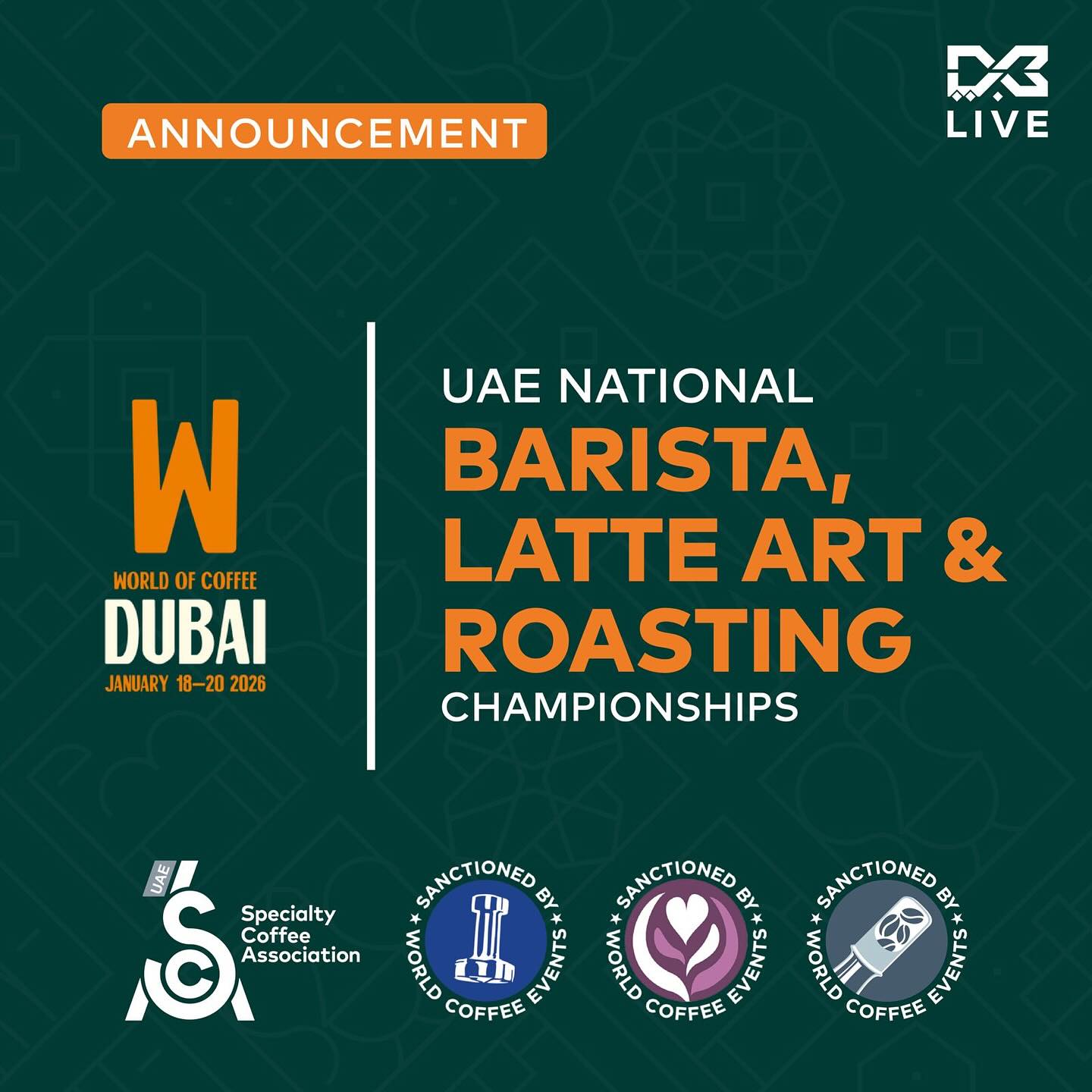
Registration Opens for the UAE National Barista, Latte Art, and Roasting Championships 2026

Dubai – Qahwa World

The Specialty Coffee Association of the UAE (SCA UAE) has officially announced the opening of registration for the UAE National Barista, Latte Art, and Roasting Championships 2026, which will take place as part of World of Coffee Dubai, hosted at the Dubai World Trade Centre (DWTC) from January 18 to 20, 2026.

These championships are among the most anticipated events in the UAE and regional coffee scene, bringing together top professionals and skilled enthusiasts to showcase their mastery in coffee brewing, latte art presentation, and coffee roasting according to the global standards set by the Specialty Coffee Association (SCA).

The national championships serve as a gateway for UAE-based baristas and roasters to qualify for international competitions, providing a platform for cafés and roasteries to highlight their expertise and creativity before an audience of industry professionals and coffee lovers.

Participation Requirements:

  • Participants must have resided in the UAE for at least two years and hold a valid residence visa.

  • Participants must be individual members of the Specialty Coffee Association.

Registration Fee: 
AED 1,500 per competitor.

Official Sponsors:

  • Roasting Championship: Sponsored by IRM Coffee Roasters.

  • Barista and Latte Art Championships: Sponsored by Victoria Arduino Middle East.

The SCA UAE emphasized that these championships reflect its commitment to developing the specialty coffee industry in the country and nurturing local talent capable of competing on regional and global stages.

For registration details or inquiries, participants can contact:
[email protected]

Part of a Global Coffee Celebration

The championships will take place within the fifth edition of World of Coffee Dubai 2026, organized by DXB LIVE, the event management arm of the Dubai World Trade Centre, in collaboration with the Specialty Coffee Association (SCA).

Since its launch in 2022, World of Coffee Dubai has rapidly grown to become the leading coffee event in the Middle East and one of the most influential gatherings in the global coffee industry. It brings together producers, roasters, traders, suppliers, and innovators from around the world.

The 2026 edition is expected to be the largest yet, with 77% of exhibitors coming from outside the UAE, a clear reflection of Dubai’s growing status as a global hub for coffee trade, culture, and innovation.

A Booming Coffee Market

The UAE’s coffee sector continues to flourish, currently valued at over USD 3.2 billion (approximately AED 12 billion) and projected to grow by 8.4% annually, reaching USD 4.5 billion (around AED 16.5 billion) by 2029.

Across the Middle East and North Africa (MENA), the coffee market is expected to exceed USD 11 billion (more than AED 40 billion) within the same period, fueled by rising demand for specialty coffee, evolving consumer tastes, and growing investments in quality, sustainability, and innovation.

According to Khalid Al Mulla, CEO of the UAE chapter of the Specialty Coffee Association, the upcoming championships underscore Dubai’s vision to be a global leader in specialty coffee culture.

“Through these competitions, we aim to empower local talent and give them the opportunity to compete on the world stage,” said Al Mulla. “We are committed to advancing coffee knowledge, craftsmanship, and appreciation across every link in the value chain — from the bean to the cup.”

He added that the collaboration between SCA UAE and DXB LIVE has created a dynamic platform that blends education, innovation, and trade, making World of Coffee Dubai a global meeting point for the entire coffee community.

Invitation to Participate

The UAE National Barista, Latte Art, and Roasting Championships 2026 will be held during World of Coffee Dubai, from January 18 to 20, 2026, at the Dubai World Trade Centre.

Coffee professionals, competitors, and enthusiasts are invited to join the celebration of craftsmanship and excellence. Exhibitors and visitors can now secure their spaces and early-bird tickets through the official website:
dubai.worldofcoffee.org/home

Dubai: The Next Global Coffee Trade Nexus

Dubai — Qahwa World

Dubai is rapidly establishing itself as one of the world’s most influential players in the international coffee trade. Once renowned for its dominance in gold, oil, and logistics, the emirate is now redefining itself as a global coffee hub connecting producing countries in Africa, Asia, and Latin America with consuming markets across Europe, the Middle East, and North America. With its strategic location, advanced infrastructure, and thriving specialty coffee culture, Dubai is emerging as the next global nexus of the coffee industry.

Coffee is far more than a daily beverage — it is a $200 billion global economy that sustains over 25 million smallholder farmers and fuels more than two billion cups consumed every day. Yet the industry is under intense pressure. Climate change, volatile prices, supply chain disruptions, and changing consumer tastes have reshaped global trade dynamics. Amid these challenges, Dubai has positioned itself as a stabilising force that combines innovation, transparency, and accessibility to create new opportunities for producers and traders worldwide.

The Dubai Multi Commodities Centre (DMCC) has been at the forefront of this transformation through its state-of-the-art Coffee Centre located in the Jebel Ali Free Zone. The facility offers integrated services for roasting, storage, packaging, logistics, and trade, serving more than 300 members across the global coffee value chain. Designed on a pay-as-you-go model, it allows small producers and independent traders to access world markets without the burden of fixed commitments. According to Mike Butler, Associate Director of Coffee at DMCC, this flexible approach “makes the Coffee Centre extremely friendly for small businesses” and allows them to scale as they grow.

“Dubai is defining the global trend in specialty coffee today,” said Garfield Kerr, President of the Specialty Coffee Association (SCA) and founder of Mokha1450. “In Dubai, coffee functions like wine elsewhere — it’s a cultural experience built around craftsmanship and taste.” Over the past decade, independent roasteries and boutique cafés have replaced international chains across the city. Consumers have become increasingly informed about freshness, roast profiles, and sustainability, pushing the market toward higher quality and transparency.

Dubai’s geographical advantage is another factor behind its success. Situated almost exactly between the world’s top producing nations — Brazil, Vietnam, Colombia, Indonesia, and Ethiopia — the emirate offers unmatched access to global shipping routes. Its proximity to East Africa, one of the fastest-growing specialty coffee regions, gives it a natural advantage over traditional European hubs. “If you map the world’s major coffee producers, Dubai sits almost exactly in the centre,” Butler explained. “It’s only a matter of time before Dubai challenges Hamburg as the global leader in coffee trade.”

The DMCC Coffee Centre’s Tradeflow platform has introduced a new level of digital transparency to an industry often criticised for its opacity. Every batch traded through the system is physically verified and stored within the centre’s temperature-controlled facility, ensuring quality and trust between producers and buyers. By integrating blockchain-based traceability and tokenised finance options, DMCC has reduced intermediaries and opened new financing channels for smallholder farmers. Its partnership with the African Fine Coffees Association (AFCA) further supports African producers through logistics, warehousing, and buyer introductions, helping them retain greater value from their exports.

Dubai’s rise as a coffee capital is also cultural. The World of Coffee Dubai exhibition, held annually at the Dubai World Trade Centre, has become a magnet for industry leaders and enthusiasts alike. The 2025 edition drew nearly 17,000 visitors and 2,000 exhibitors, hosting auctions of the world’s rarest coffees and showcasing 131 debut brands — three-quarters of them international. “The world showed up,” said Kerr. “The coffee innovation coming out of Dubai is now influencing global trends.”

As global coffee trade evolves, sustainability has become central to Dubai’s vision. The emirate is investing in climate-smart agriculture, low-carbon logistics, and advanced digital systems that track environmental compliance. Experts warn that by 2050, up to half of existing coffee-growing land could become unsuitable due to rising temperatures, making adaptation essential. Initiatives such as agroforestry, drought-resistant varieties, and circular-economy recycling of coffee by-products are gaining momentum.

Through innovation and technology, Dubai is setting new standards for transparency and sustainability in coffee trading. Artificial intelligence now supports quality monitoring, while blockchain ensures traceable supply chains. Companies are exploring compostable packaging, recycling capsules, and transforming used coffee grounds into new products, aligning commerce with environmental responsibility.

“Whether it’s the supermarket, the sports club, or the cinema, coffee standards are rising everywhere,” Butler observed. “Dubai is uniquely positioned to lead this evolution, combining innovation, logistics, and sustainability into one cohesive ecosystem.”

In an era of shifting trade routes and unpredictable markets, Dubai has turned its vision into action. The city’s integration of culture, technology, and commerce is rewriting the rules of how coffee is traded and valued. More than a gateway between continents, Dubai has become the command centre of global coffee commerce — a place where beans, business, and innovation converge to shape the future of one of the world’s most beloved drinks.

Brazil’s Timbro Enters Coffee Export Market Amid Sector Shifts

São Paulo — Qahwa World

Brazilian trading company Timbro has officially added coffee to its export portfolio, identifying strong potential for growth in a market reshaped by volatility and record-high prices over the past year.

Timbro, already one of Brazil’s key sugar exporters, also trades a wide range of products including iron ore, cotton, aircraft, cars, and heavy machinery, and manages import operations for Amazon.

“I believe we entered the coffee market at the right time — a very complicated moment for the sector,” said Caio Melles, partner at Timbro, in an interview with Reuters.

The company, which reported 18 billion reais ($3.3 billion) in revenue last year, sees an opportunity to fill the gap left by traditional traders struggling with market volatility. According to Melles, the coffee sector currently lacks players capable of tracking production, pricing, and ensuring delivery, opening new room for agile companies like Timbro.

Although Timbro has long engaged in financial operations with cooperatives and large producers, the 2025 crop year marks its first full physical coffee operation, a move the company had not previously disclosed.

Initially, coffee volumes will remain modest — around 80,000 bags of 60 kg each — as Timbro adopts a cautious entry strategy.

Expansion Beyond Coffee

Founded in 2010 by Jorge Guinle and Bruno Russo, Timbro began as an import-focused firm before rapidly diversifying its portfolio. The company has recorded significant success in sugar, increasing traded volumes from 300,000 tonnes in 2018 to 2 million tonnes in 2024.

In 2025, Timbro expanded its international presence with the opening of an office in Dubai, a strategic hub to strengthen relationships with global clients and enhance efficiency across time zones. It is also extending operations in Asia to “operate on Chinese time,” reflecting China’s importance as a key importer of Brazilian commodities.

Currently, 65–70% of Timbro’s business is export-oriented, while 30–35% focuses on imports.

Diversification into Grains and Minerals

Timbro maintains a smaller footprint in soybean and corn exports, Brazil’s leading agricultural commodities. “We’re doing a few soybean and corn shipments, maybe half a dozen of each this year — still very limited,” Melles said, noting that grain operations require integrated logistics to achieve profitability. The company is now considering logistics partnerships to expand in this segment.

In the steel and minerals division, Timbro expects to export over 1 million tonnes to China and Europe this year and has begun due diligence for new mining assets as part of its expansion strategy.

Exchange rate: $1 = 5.4519 reais

The Cocoa Paradox: How Global Shocks and Dubai’s Trade Ambitions Are Reshaping a $26 Billion Industry

Dubai – Qahwa World

The global cocoa industry long synonymous with indulgence and luxury is undergoing a historic transformation. A sharp supply crunch, climate disruptions, and tightening regulations have exposed deep structural weaknesses in one of the world’s most beloved commodities. Yet, amid the volatility, new opportunities for diversification, innovation, and fairer value distribution are emerging with Dubai positioning itself as a strategic bridge between producers and consumers in the new era of cocoa trade.

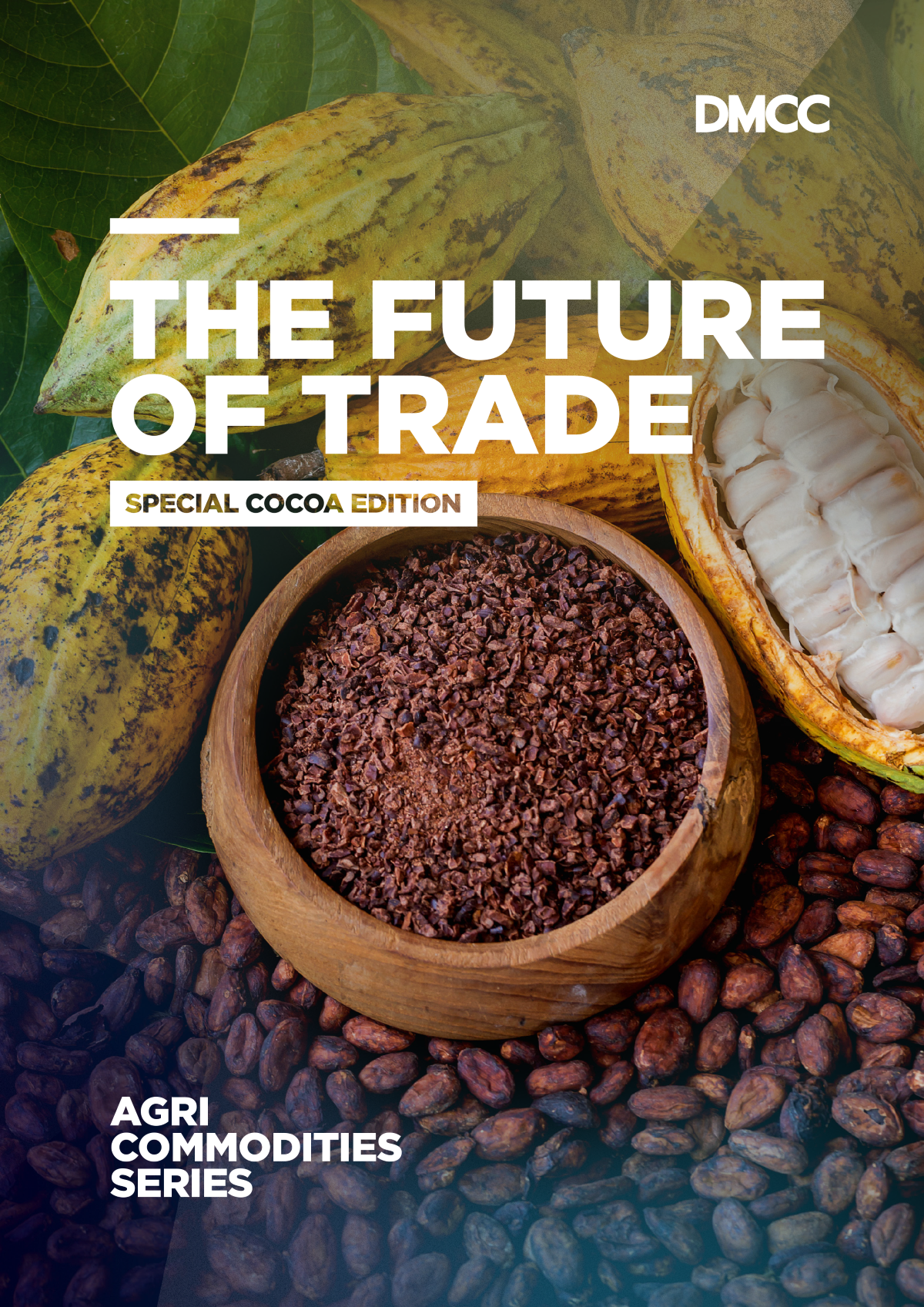
The Dubai Multi Commodities Centre (DMCC) has released a comprehensive report titled “The Future of Trade Special Cocoa Edition,” part of its Agri Commodities Series. The report examines the global cocoa market’s critical challenges from production shortages and price volatility to digital innovation, ethical sourcing, and shifting consumer demand toward wellness and sustainability. This news story is based on the key findings of the DMCC report, one of the most detailed and forward-looking analyses of the cocoa sector and Dubai’s growing role in it.

A Crisis of Supply and Unequal Returns

The global cocoa market is valued at around US$16.6 billion in 2025 and is expected to reach US$26.2 billion by 2035. However, behind this growth lies a deep imbalance. The 2023/24 crop year recorded one of the steepest production declines in decades down 13% to 4.4 million tonnes resulting in a deficit of nearly half a million tonnes and pushing prices to record highs. Cocoa grindings also fell by 5% to 4.8 million tonnes, according to the International Cocoa Organization (ICCO).

The roots of the crisis lie in West Africa, which produces over 60% of the world’s cocoa from Côte d’Ivoire, Ghana, Nigeria, and Cameroon. Devastating outbreaks of black pod and swollen shoot disease, erratic rainfall, and ageing trees have crippled production. Ghana’s regulator has already warned that output could drop another 10% in the 2025/26 season.

“Our cocoa plantations are ageing and have suffered from years of underinvestment,” says Kwadwo Boachie-Adjei, founder of Kumbi Cocoa. “Farmers lack access to quality fertilizers and seedlings because the financial resources needed to reinvest in their communities have not been flowing back at the scale required. The cycle of low productivity and limited incomes must change.”

Despite record-high international prices, farmers in Ghana and Côte d’Ivoire still receive fixed farmgate rates set by governments too low to cover replanting or disease control. “For every one-dollar chocolate bar, farmers receive just two cents,” notes Mauro Danilo Ribezzi, founder of the Ribezzi Group. “The economics of cocoa are fragile people will simply walk away.”

Meanwhile, processors and brands are struggling with soaring energy, transport, and financing costs. Companies are resorting to shrinkflation and reformulation: Mars Inc. cut 10 grams from its Galaxy bar, while Nestlé dropped the word “chocolate” from some UK products that now fall below the 20% cocoa-content threshold.

Although chocolate still dominates around 85% of cocoa demand, consumer preferences are shifting toward functional, ethical, and health-oriented products. The premium chocolate market is projected to grow from US$31.9 billion in 2024 to US$40.6 billion by 2030, while demand for raw cacao marketed as a superfood rich in antioxidants is forecast to surge from US$14.3 billion in 2024 to US$23.6 billion by 2033. Cocoa butter, a staple in cosmetics and pharmaceuticals, is set to nearly double in value to US$9.37 billion by 2032.

At the same time, the industry faces new compliance pressures. The European Union’s Deforestation-Free Products Regulation and Corporate Sustainability Due Diligence Directive require companies to prove that their cocoa is not sourced from deforested areas and that human rights are upheld throughout supply chains. Cocoa cultivation has caused over 37% forest loss in Côte d’Ivoire’s protected areas and 13% in Ghana, making traceability and digital monitoring essential for market access and premium pricing.

Dubai: A New Global Nexus for Cocoa Trade

Amid these structural pressures, Dubai is emerging as a stabilizing force in global commodity flows. Leveraging its strategic location between Africa, Asia, and Europe, the UAE has built a resilient trade ecosystem capable of absorbing global shocks. According to the DMCC report, the UAE imported US$17.3 million worth of cocoa beans in 2023 96% of which came from Côte d’Ivoire and exported US$16.4 million, mainly to Iran, Malaysia, and Saudi Arabia. While modest compared to European hubs, these figures highlight Dubai’s growing relevance in both upstream and downstream cocoa trade.

Building on the success of the DMCC Coffee Centre and Tea Centre, Dubai is now planning to launch a DMCC Cacao Centre that will offer integrated services including grading, blending, storage, branding, and structured trade finance all under one roof. The initiative aims to transform Dubai into a full-service hub for cocoa trade and value addition in the Middle East.

“The DMCC provides African producers with what they have long lacked direct access to markets and capital,” says Boachie-Adjei.

“The beauty of the DMCC ecosystem,” adds Ribezzi, “is that we don’t just operate as traders but as facilitators connecting farmers, financiers, and buyers across borders.”

The report also underscores how technology is redefining cocoa trade. Blockchain-enabled traceability ensures regulatory compliance and transparency, while mobile-first fintech platforms allow farmers to receive payments directly cutting out intermediaries and ensuring faster, fairer compensation. Emerging models such as tokenized assets and decentralized finance (DeFi) could soon unlock new credit channels for smallholders historically excluded from the banking system.

Looking further ahead, the industry is experimenting with lab-grown cocoa to overcome climate and disease risks. Startups are cultivating cocoa cells that yield mass without farms, a concept already supported by major players such as Barry Callebaut and Japan’s Meiji. Other innovators are developing cocoa-free chocolate alternatives using ingredients like carob and upcycled fibers to reduce dependency on volatile bean supply. Meanwhile, West African research programs are advancing disease-resistant and high-yield varieties through genetic innovation and agroforestry models.

The DMCC report concludes that the future of cocoa rests on five pillars: climate-adapted farming, transparent supply chains, diversified production, financial innovation, and equitable participation. It calls for producer nations to move beyond being raw suppliers and instead become true partners in global value creation.

With its neutral trade infrastructure and forward-looking policies, Dubai is poised to redefine the cocoa economy shifting it from a system marked by inequality and volatility to one built on sustainability, inclusivity, and shared prosperity.

Dreams and Ambitions: Youth Academy Middle East Launches in Dubai

Dubai – Qahwa World

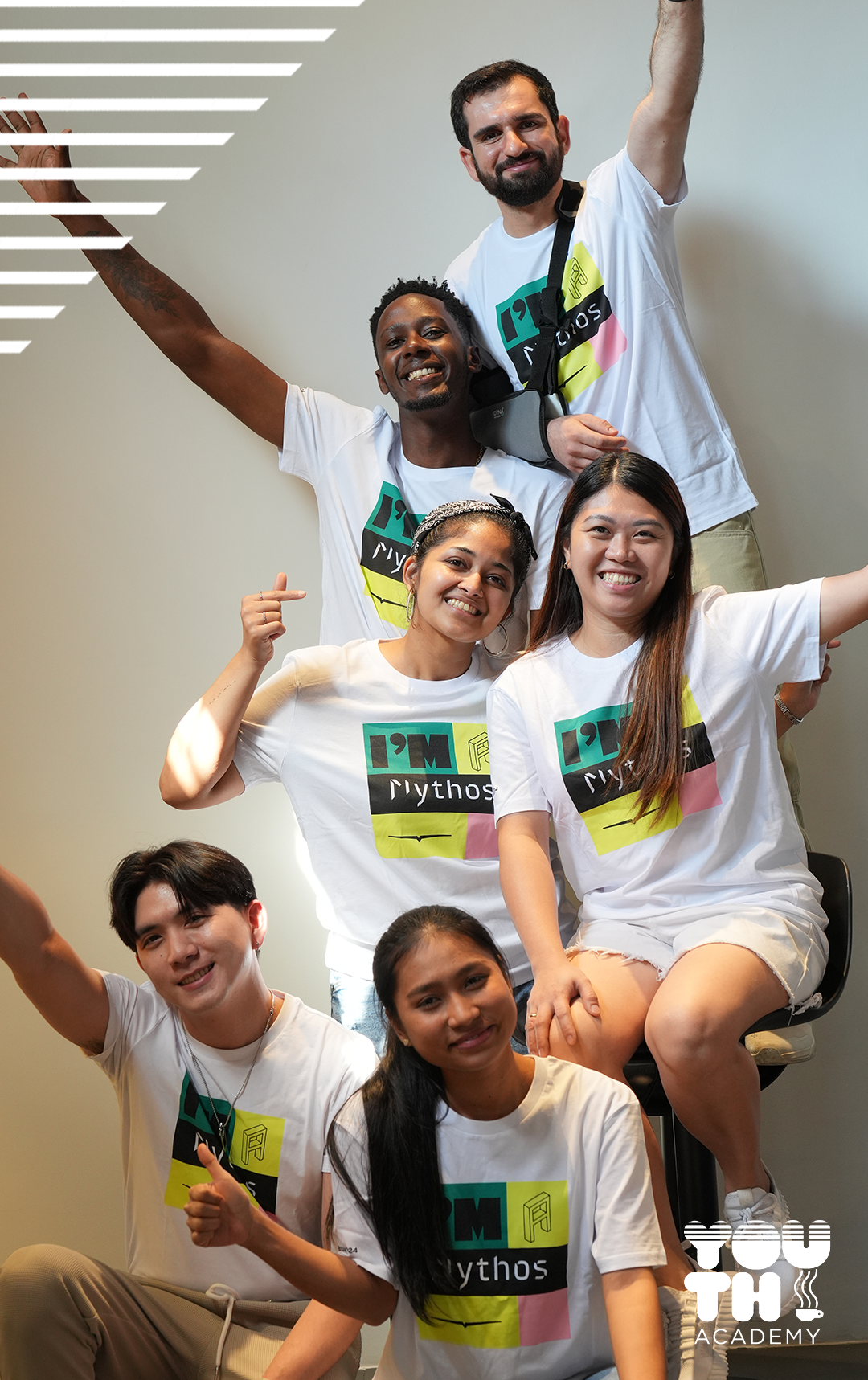
The Middle East has welcomed a new chapter in coffee education with the launch of the first edition of Youth Academy Middle East 2025, held in Dubai and organized by Simonelli Group. This pioneering program provides six young coffee talents with full scholarships to attend the prestigious SCA Coffee Skills Program, giving them the opportunity to build professional careers in the global coffee industry.

The inaugural edition began at the Simonelli Group Middle East Experience Lab, where participants embarked on their training under the guidance of SCA-certified trainers. The program blends theory with practice, offering young baristas and coffee enthusiasts a chance to deepen their knowledge and discover new perspectives on coffee.

The Scholarship Winners

Among the six winners are young professionals whose passion and dreams reflect the diverse paths coffee can inspire:

  • Hnin Kha Nady (22 years old), a barista who hopes to inspire others through her craft: “Eventually I want to share my passion by creating unique coffee experiences for others.”

  • Mark Mwangi Mungai, a Kenyan barista, fascinated by both tradition and innovation: “The slowly emerging trends with AI and modern technology show how coffee, which has been here for ages, is adapting to new times.”

  • Amritha Varsha PR, an engineer-turned-coffee explorer: “For me, learning is exciting, but re-learning is like a second brew—often richer and clearer.”

  • Brenzen Labarete, Senior Barista, Brand Ambassador, and Middle East Barista of the Year 2023: “I look forward to connecting with people who share the same passion, exchange ideas, and be inspired to take my craft to the next level.”

  • Mohamed Alameeri, who describes himself as a “normal coffee guy” driven by curiosity: “The endless amount of information in the coffee world fascinates me. No matter how much you know, there is always more to learn.”

  • Donna Santianez, a passionate barista dreaming of opening her own café: “My dream is to become a professional barista and, one day, to have my own coffee shop.”

A Future Built on Passion

With their unique stories, ambitions, and dedication, these six young talents embody the essence of the Youth Academy—transforming passion into knowledge and knowledge into opportunity. Their journey marks not only a personal milestone but also a promising step for the future of coffee in the Middle East.

As the Youth Academy Middle East continues, the energy, curiosity, and commitment of its first participants highlight the growing importance of education and innovation in shaping the next generation of coffee professionals.

“Ralph’s Coffee” makes its debut in the UAE coffee market through Dubai

Dubai,9March 2024(QW):- The luxurious and contemporary coffee chain, “Ralph’s Coffee,” has officially entered the United Arab Emirates market through Dubai, with the opening of its first branch in the Mall of the Emirates. This branch is the result of a partnership between “Ralph’s Coffee” and the Al Moajil Hospitality group, which was signed in June of last year (2023).

Situated next to “Polo Ralph Lauren,” this new café marks the third branch of “Ralph’s Coffee” in the Middle East, alongside other locations in Doha, Qatar. The brand has ambitious plans for expansion in the region, with the first café in Saudi Arabia expected to open in the first half of this year (2024) in Riyadh’s King Abdullah Financial District.

It’s worth mentioning that “Ralph’s Coffee” started serving coffee in August 2014 on the second floor of “Polo Ralph Lauren” store in New York. Since then, they have expanded globally, operating 28 cafes in 12 markets, including the United States, Japan, and China.

Dubai’s dynamic economy and vibrant commercial scene have attracted enthusiasts of specialty coffee. Most specialized reports in this sector highlight that the growth of the specialty coffee market is one of the most significant trends in the region.

Dubai has become a hub for global coffee brands, such as the Japanese “% Arabica,” the British “EL&N,” and the German “The Barn,” alongside popular local brands like “Boon Coffee,” “SHOT,” and “Absolute Zero Café.”

British café chain Black Sheep opens two branches in Dubai

London-based Black Sheep Coffee has made a significant foray into the Middle East with the inauguration of two stores in Dubai, in collaboration with local franchisee Al Farran Group. This marks the brand’s debut in the region, as it aims to bring its unique blend of robusta coffee to the dynamic market of Dubai.

The newly opened outlets, located at ACT Towers and Boulevard Plaza Towers, are set to feature Black Sheep Coffee’s complete specialty coffee menu, distinguished by its use of robusta coffee instead of the more common arabica. In addition to its signature robusta brews, the menu will showcase regional products, including the enticing Arabic Latte and a delectable za’atar croissant.

Black Sheep Coffee is wasting no time in its expansion plans, with two more UAE outlets slated to open in the second quarter of 2024 at prominent locations – Dubai Mall and Yas Mall Abu Dhabi.

Gabriel Shohet, Co-CEO of Black Sheep Coffee, expressed his excitement on this historic occasion, stating, “A historic day as we opened our first shops in the UAE, in the heart of downtown Dubai. Thanks to our awesome Emirati customers for such a warm welcome and hats off to Mohamad Al Farran and his incredible team at the Al Farran Group on delivering two flawless openings in one single day. Stay tuned for more exciting updates from the Middle East.”

This expansion is part of a broader strategy, as Black Sheep Coffee had previously signed a 30-year franchise agreement with Al Farran Group in May 2023. The ambitious plan involves opening a total of 250 stores across the Middle East within the next 15 years, showcasing the brand’s commitment to establishing a significant presence in the region.

While already operating 80 stores in the UK and one in France, Black Sheep Coffee is set to make its highly anticipated debut in the United States later this year with an outlet in Dallas, Texas.

In a parallel move towards global growth, in December 2023, UK franchise operator Moonglow Trading secured a ‘seven-figure’ funding package. The funding aims to facilitate the opening of four Black Sheep Coffee stores in Cardiff and Oxford, as the chain strategically expands its footprint within the UK market beyond London.

As Black Sheep Coffee continues to make waves internationally, these strategic expansions underscore its commitment to providing coffee enthusiasts worldwide with its distinctive robusta coffee experience.

Dubai Buyer-Seller Meet Brews Opportunities for India’s Coffee Industry

The Coffee Board of India has orchestrated a significant milestone for the Indian coffee sector through a buyer-seller meet held in Dubai, signifying a pivotal moment in the industry’s global outreach.

This event, conducted alongside Gulfood 2024, was a collaborative effort between the Indian Embassy in the UAE and the Coffee Board of India. Indian Ambassador to the UAE, Sunjay Sudhir, emphasized Dubai’s strategic importance as a global trade hub and highlighted the forthcoming Bharat Mart at Jebel Ali free zone, underscoring their role in facilitating India’s global aspirations in the coffee sector.

Ambassador Sudhir accentuated Dubai’s unique position as a logistical powerhouse with a bustling port and efficient airport, providing an optimal platform for Indian coffee producers to directly showcase their diverse blends to international buyers and establish enduring brands.

KG Jagadeesha, CEO of the Coffee Board of India, delivered a comprehensive presentation during the meet, offering insights into the country’s expansive coffee industry. He spotlighted the vast coffee plantations spanning over half a million hectares, supporting numerous farming families, and emphasized India’s remarkable production and export rates surpassing domestic consumption. Jagadeesha underscored India’s notable contribution to the global coffee market, particularly as a leading exporter of instant coffee.

The growth trajectory of India’s coffee industry, producing a balanced mix of Arabica and Robusta beans since the establishment of the Coffee Board in 1950, was highlighted. Noteworthy is the fact that 35% of the country’s coffee exports now comprise value-added and specialty coffees, indicating a shift towards premium offerings.

India’s coffee, known for its shade-grown cultivation, sees the Robusta variety being valued at par with Arabica in the western market. This event not only celebrated the unique flavors and rich heritage of Indian coffee but also marked a strategic initiative to leverage Dubai’s logistical strengths in the global market.

Simonelli Group Opens Branch in Dubai, ushering in a New Era in the Middle East

Dubai, January 15, 2024(QW) – Simonelli Group, a global leader in coffee equipment and technology, takes a significant step towards international expansion with the inauguration of its new branch office in Dubai. The Middle East branch, strategically positioned as a hub for sales, technical, and educational services, is poised to play a pivotal role in catering to the dynamic coffee market in the region.

The unveiling of the Simonelli Group Middle East office, located at Warehouse #1 Building, SMARK 3 Umm Suqeim Rd.East-near Mall of Emirates-Al Goze IndustrialThird–Dubai, comes with the added feature of an experience lab. This state-of-the-art experiential space is designed to allow visitors to engage hands-on with the latest innovations from the brands Nuova Simonelli and Victoria Arduino.

The Middle East team is set to make its debut at the World of Coffee Dubai (WOC Dubai), taking place from January 21st to 23rd at stand Z6-F40. This platform will serve as the stage for showcasing the cutting-edge products and technologies that Simonelli Group has to offer.

Marco Feliziani, CEO of Simonelli Group, expressed his enthusiasm for the company’s latest strategic move, stating, “New scenarios need new strategies that allow us to be dynamic and reactive towards our clients’ requests, especially when distributing to more than 100 countries worldwide. The decision to open in Dubai, after the openings in Melbourne, London, Lyon, Singapore, and Seattle, is based on our human-oriented relationship with the market.”

Feliziani continued, “Branch offices allow the company to respond rapidly to the constant and fast-paced changes the market throws in our direction. I wish Federico Ortile, General Manager of Simonelli Group Middle East, and his entire team, a great start to continue contributing to the growth of the coffee industry with our innovations, educational approaches, and sustainable ways.”

Simonelli Group’s expansion into Dubai reflects its commitment to providing localized support and services to its clientele in the Middle East while fostering innovation and growth in the coffee industry. The newly established Middle East branch is poised to play a key role in shaping the future of coffee experiences in the region.

“Reborn Coffee” allocates one million dollars for global expansion with entry into the markets of the UAE and Korea

California-based “Reborn Coffee” has announced a one million US dollar investment commitment from its Chairman, Farooq Arjomand, to expand globally, with plans to open stores in the UAE and South Korea.

This investment from the company’s chairman is considered a “significant endorsement,” expressing appreciation for the company’s current value and growth opportunities. Following the successful opening of its first international store in Kuala Lumpur, Malaysia, in November 2023, “Reborn Coffee” aims for further expansion into the United Arab Emirates and South Korea.

Farooq Arjomand expressed his confidence in the company’s mission and vision, stating, “My commitment to Reborn Coffee is more than just a financial decision; it’s confirmation of my belief in our mission and vision for the future. The coffee market is evolving rapidly, and I am confident that Reborn Coffee will continue to lead the way with its innovative approaches and dedication to quality.”

It is expected that this announcement will be followed by additional expansion into Singapore and Indonesia, as well as the opening of a store in Dubai, UAE, and Daejeon, South Korea.

“Reborn Coffee” currently operates 14 stores in California and one location in Malaysia. The company plans to open two flagship stores in California cities, San Francisco and San Diego, this year, alongside its first locations outside the state in Texas and Missouri.

In July 2023, “Reborn Coffee” secured a one million dollar credit facility from real estate development firm DRE Inc. to accelerate company initiatives, including new products, outlet expansion, and e-commerce operations. Dennis Egidi, Founder of DRE Inc., serves as Vice Chairman on Reborn Coffee’s Board of Directors.

As part of its international expansion plans, in October 2023, “Reborn Coffee” entered into a strategic partnership with Millennium Hotel in Abu Dhabi, aiming to open a store in the hotel this year and approximately 10 stores in the UAE within five years. This strategic alliance aims to bring “Reborn Coffee’s” unparalleled quality, innovation, and sustainability to the UAE.

Millennium Hotels and Resorts, a subsidiary of the Singapore-listed global real estate company City Developments Limited (CDL), manages 29 premium hotels across the UAE and has a strong presence in Saudi Arabia, Oman, Qatar, and Kuwait.

This partnership marks another significant step for “Reborn Coffee” towards opening its first international stores. The specialty coffee roaster and café group completed a $7.2 million IPO in August 2022 and, in December of the same year, acquired a coffee shop, roastery, and R&D facility in Daejeon, South Korea, intending to house its first international store, expected to open before the end of 2023.

Founded in 2015 by Jay Kim, “Reborn Coffee” posted net revenues of $2.6 million and a net loss of $2.3 million for the six months ending on June 30, 2023. Despite the net loss, the company remains optimistic about its future, supported by its commitment to quality and its strategic vision for global success.