bkry and Brooki Bakehouse Expand Crookie Collaboration Across the UAE

Dubai – Qahwa World

Following a successful launch during Ramadan, the popular Crookie collaboration between bkry and Brooki Bakehouse is now expanding across multiple locations in the UAE. After debuting at Marsa Boulevard, the Crookie will also be available at Alserkal Avenue and ADEC starting 28 March, continuing throughout April.

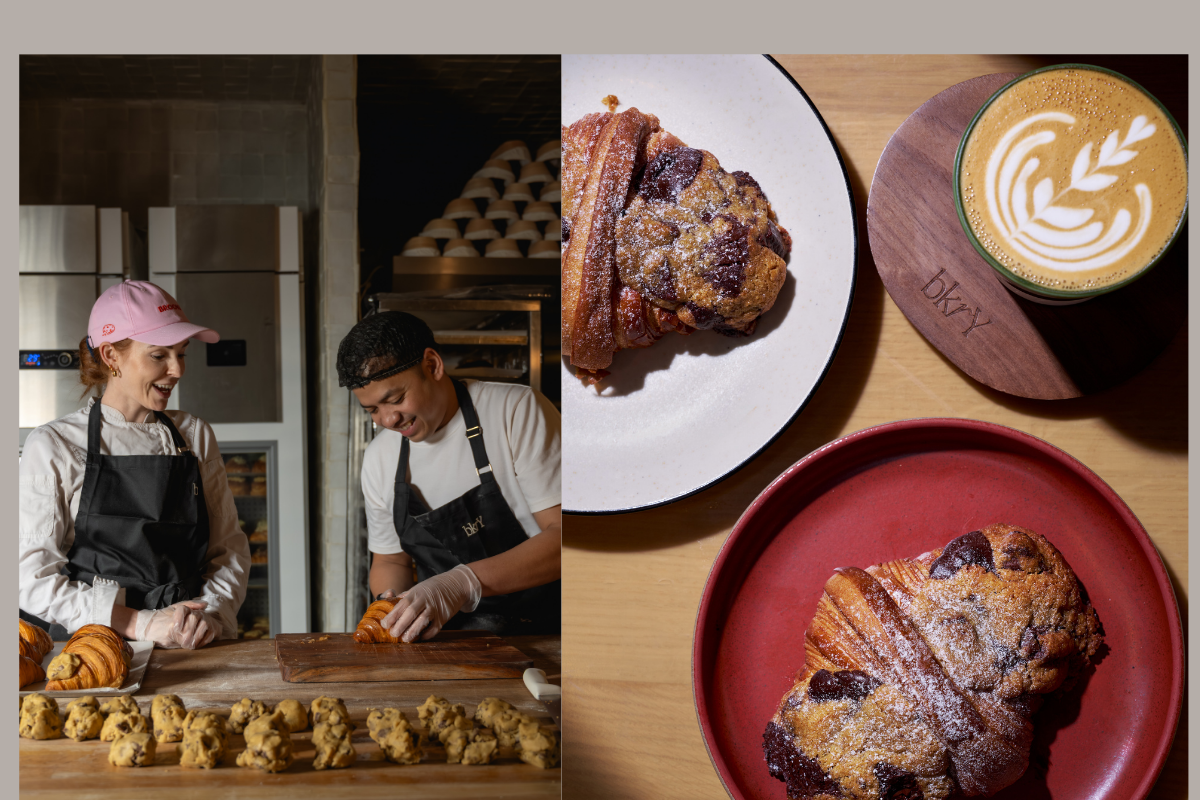
The Crookie combines a buttery, flaky croissant with wholewheat brown-butter cookie dough, both inside and on top, all coated in Tanzanian milk chocolate. The pastry offers a crisp golden exterior and a soft, gooey centre, making it a sought-after treat for indulgent moments, particularly after sunset. Each piece is priced at AED 39 and is available in limited daily quantities.

The collaboration reflects a shared vision of playful, comfort-focused baking. Brooki Bakehouse, founded by Brooke Bellamy, is known for its globally inspired take on classic flavors, while Kameel Rasyid leads bkry as an experimental bakespace in Dubai that blends local craftsmanship with international innovation.

Since its debut, the Crookie has become one of the season’s most talked-about pastries, drawing attention for its combination of texture, flavor, and inventive baking techniques.

The Crookie is available daily throughout April at Marsa Boulevard, Alserkal Avenue, and ADEC, in limited quantities.

For more information, visit https://www.instagram.com/bkry.space/

Princi Brings Milanese Spirit to Dubai with New Flagship at Dubai Mall

Artisanal quality, authentic Milanese culture, and an all-day café experience

DUBAI – QAHWA WORLD

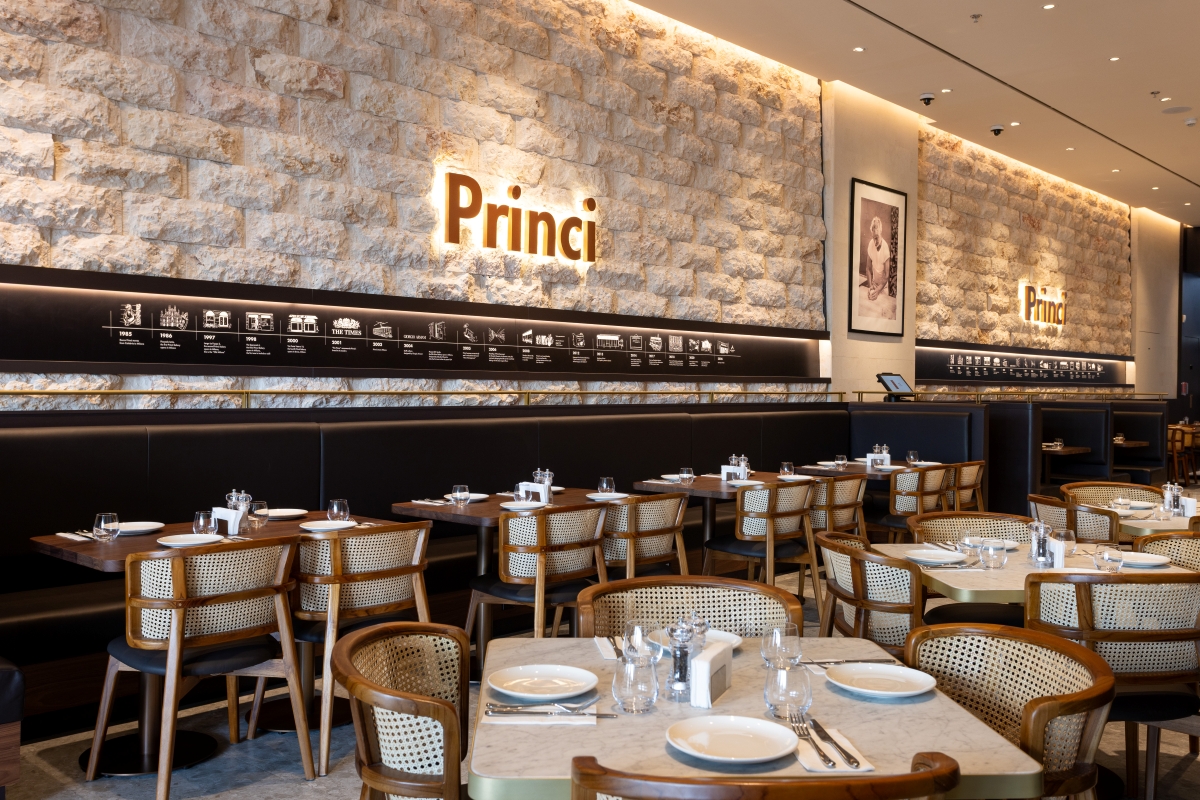
Princi, the Milan-based bakery and café, has officially opened its Dubai Mall flagship in partnership with Alshaya Group. The new location offers visitors an opportunity to experience Milanese coffee and baked goods within one of the region’s premier dining destinations. Following its first regional branch in Kuwait, this opening marks a significant step in the brand’s international expansion.

Rocco Princi, founder of Princi, said: “Princi embodies the spirit of Milan—its rhythm, discipline, and warmth. It begins with three simple elements: water, flour, and fire. Over time, these become something tangible that reflects Milanese craftsmanship. With our Dubai location, we aim to bring this daily ritual to a new audience.”

An All-Day Experience

From morning espresso to evening meals, Princi offers a full all-day menu celebrating Italian tradition and contemporary Milanese culture. The selection includes artisan breads, pastries, pizzas, salads, and desserts, all crafted with high-quality ingredients and meticulous attention to detail.

John Hadden, CEO of Alshaya Group, added, “The launch of Princi in the UAE reinforces our commitment to providing authentic, world-class culinary experiences. This new destination reflects the vibrant essence of Milanese culture and offers guests a unique opportunity to enjoy it firsthand.”

  • More Than a Café

Princi’s Dubai Mall location is designed as an immersive destination, reflecting the Milanese “La Piazza” style—a social hub where community, craftsmanship, and culture converge. The space combines contemporary design with traditional Milanese energy, creating a café experience suited for repeat visits and everyday enjoyment.

  • About Princi

Founded in Milan in 1986 by Rocco Princi, the brand focuses on artisanal baking with premium ingredients and traditional Italian techniques. Princi has grown internationally over three decades, offering refined, minimalistic bakery spaces and menus suitable for all times of day—from morning breads and pastries to lunch and dinner options including pizza, pasta, sandwiches, salads, and handmade desserts.

  • About Alshaya Group

Founded in Kuwait in 1890, Alshaya Group manages over 50 international brands across retail, food, health, beauty, and hospitality sectors. Operating more than 3,500 stores, cafés, and restaurants in the MENA region, Türkiye, and Europe, the group provides both physical and digital experiences, including the loyalty program Aura. Brands include Starbucks, American Eagle, Footlocker, Victoria’s Secret, H&M, Bath & Body Works, Charlotte Tilbury, Raising Cane’s, Shake Shack, Chipotle, Primark, and Ulta Beauty.

Spill the Bean: The Blueprint for Dubai’s Specialty Coffee Evolution

DUBAI – ALI ALZAKARY

On the sidelines of World of Coffee Dubai 2026, amidst the latest industry innovations, we met with the team from Spill the Bean to capture their unique perspective on this grand event. As a brand that has grown alongside Dubai’s specialty coffee scene since its earliest days, the founders offer a seasoned look at how consumer tastes and industry standards have evolved in the region.

In this conversation, we step away from the hum of the machines to speak with Hannad Abi Haydar about the history of the exhibition through the eyes of a long-time participant. We explore his views on the future of sustainability and ethical sourcing in a market now surging with billion-dirham investments.

We invite you to read this balanced dialogue exploring the reality and the future of coffee in Dubai.

  • Spill the Bean has been attending World of Coffee for many years — why is this event still important for you today?

We’ve been attending the event since before it was called World of Coffee – back in 2011 when it was a convention hosted in Meydan. It’s really nice to see how things have tectonically changed over the years. World of Coffee contributes to the positioning of Dubai on the world’s coffee map. I’d encourage anyone who is interested in coffee – not only the professionals – to attend. You’ll get to try some wonderful coffees which you otherwise wouldn’t have the chance to, while also making valuable connections in the coffee and hospitality sector. Plus, attendees have the opportunity to witness new tools, gadgets, and packaging solutions in the sector.

  • How has World of Coffee Dubai evolved since you first attended, and what does that say about Dubai’s coffee scene?

We can assume that World of Coffee’s predecessor was the Coffee and Tea Convention, which served its purpose at the time. But now – the scale of exhibitors and event attendance, the quality of products offered, and the caliber of local, regional, and international exhibitors and innovations come together to form an accurate reflection of Dubai’s coffee scene.

  • What stood out to you most at World of Coffee Dubai 2026?

The packaging solutions, new equipment (tools, gadgets, filtration systems), as well the showmanship of presenting and serving some non-caffeinated products was really impressive, and I encourage those visiting the 2027 edition to pay attention to these.

  • Looking back, what inspired you to start Spill the Bean, and what gap were you trying to fill in Dubai?

Spill the Bean was born out of spotting a large gap in the local coffee market, back in 2012. Co-founder Ola and I disliked the local coffee scene at the time – it was either mainstream franchises or smaller players offering low-quality coffee. In the summer of 2011, Ola and I visited London and Rome, and that’s where we realized that coffee doesn’t have to taste bad.

Armed with fresh knowledge of how good coffee can actually be, Ola and I immersed ourselves in all the coffee literature and training we could find, and launched Spill the Bean. It presented a good “first mover” advantage into the local specialty coffee market, and I’m thankful the market was forgiving – and competition was virtually non-existent – back then.

Spill the Bean: Insightful Reflections on the Coffee Market from the Heart of World of Coffee Dubai

  • How has the brand evolved from its early days to becoming one of Dubai’s recognised specialty coffee shops?

Back in 2012 and 2013, the coffee scene was nascent – not only in the UAE, but even globally. While specialty coffee has been around in the likes of NYC and San Francisco for a couple of decades – and in London and Berlin for several years – that was considered esoteric knowledge.

I remember when latte art would make a senior barista beam with pride, and now it’s considered an entry-level skill for baristas. At Spill the Bean, we witnessed this evolution of the coffee scene, and we evolved with it – getting better alongside it.

A few years ago, we reflected on the extensive damage that we humans cause to the environment with our everyday activities – including our coffee routines. So we revisited the metrics, quantified the impact our business is making, and have launched numerous initiatives to minimize the footprint of our coffee consumption.

We’re somewhat content with what we’ve achieved on these fronts, and we’re now ready to tackle our next challenge – the most important “node” in the coffee business: the impact on coffee farmers. We want to ensure traceability, so we can collectively be aware of how much farmers toil for months to produce the coffee berries that we so happily consume, and for a handsome sum. But unfortunately, the farmers only receive a tiny fraction of this sum.

  • Sustainability and conscious consumption are central to Spill the Bean — why were these values important from the start?

The data reflecting the current state of our planet is clear. At Spill the Bean, most of the sustainability measures we’ve undertaken are also financially viable. Most of them have always led to either a decrease in costs, or an increase in profit margins or revenue. Conscious consumption is the other side of the coin, where the consumer does their duty of reducing the impact of their “actions” on the environment by either adopting more eco-friendly approaches or pressuring their coffee providers to adopt sustainable practices that will not overburden them financially as a business.

  • How do you see the current state of the speciality coffee scene in the UAE?

The UAE specialty coffee market was valued at roughly AED 2.5B in 2025, driven by a strong café culture, high disposable income, and insatiable appetite for specialty coffee.

The specialty coffee market is expected to grow at a CAGR of roughly 10% through 2030 (far exceeding that of the commodity coffee market – which is expected to have half this growth), with out-of-home consumption accounting for the majority of revenue increase. We will also see more coffeeshops and roasteries sourcing and providing better beans, roasting techniques, and brewing skills. What we hope is that these are done more “consciously” and sustainably.

  • What role do independent coffee shops play in shaping Dubai as a global coffee destination?

There’s a lot that independent coffee shops can do. The fact that they tend to be small businesses helps keep them “ahead” in the game – they can keep innovating and inspiring others. They can – and should – also lead the way in sustainable practices and ethical sourcing.

20 years ago, when there were just a handful of independent coffee shops in town, the chains didn’t need to offer a better experience. But a decade ago, when small independent businesses started opening up around town and offering a better experience, the chains responded by improving the customer experience they offered too.

In a nutshell – independent coffee shops serve better coffee, give customers a better overall experience, lead on improvement and innovation, are better for the coffee community (farmers, roasters, baristas), and they also push chains to try and emulate them.

  • What’s next for Spill the Bean—should we expect growth, new concepts, or a deeper focus on what you already do?

We hope to keep up with our growth. We’re working on ideas and concepts that are deeply related to coffee as we’re independent, so we’re lean and nimble. At the moment, we’re focused on increasing our roasting volumes. We’re also planning a bakery, because what’s better than fresh bread (made with ancestral grains) alongside a fresh brew?

  • Finally, what would you like people to understand about Spill the Bean beyond just the coffee?

I would always want customers – and the general public – to see Spill the Bean as a pioneer that trailblazed in the specialty coffee scene, with limited resources.

We managed to survive and blossom in a very challenging market for independent businesses, while maintaining our neighborhood-feel and ethos. We take pride in doing the right thing (for the environment, for the farmer, for our customers). We’ve also led the way for customers to now know what to expect, and what to demand from their retailers. In short, we’re doing what a neighborhood enterprise is meant to do.

Bridging the Gap: An Exclusive Dialogue with Vanusia Nogueira on the Global Coffee Crisis and the Path to 2026

From regulatory hurdles like the EUDR to the volatile C-Market and climate resilience, the Director General of the International Coffee Organization (ICO) outlines a strategic roadmap for a fairer global coffee value chain.

Dubai – Ali Alzakary

The International Coffee Organization (ICO) is the primary intergovernmental body dedicated to fostering a sustainable coffee sector. At its helm stands Mrs. Vanusia Nogueira, a visionary leader whose tenure has been defined by a relentless pursuit of equity for smallholder farmers.

This exclusive interview marks a historic moment—the first dialogue granted by the Director General to an Arabic media outlet. We are profoundly grateful to Mrs. Nogueira for graciously accepting our invitation. Beyond her professional stature, her humility and the sincerity with which she approached this conversation were truly remarkable. In an industry often characterized by formal diplomacy, her transparency and candor provided a clear and honest look at the challenges facing our sector. We are deeply indebted to her for her time, her precision, and the kindness she showed throughout this significant exchange.

  • Now that we are well into 2026, how do you personally see the ICO’s role in helping smallholder farmers cope with regulations like the EUDR and other environmental requirements?

The ICO acts as a vital bridge between producing and consuming nations. With 75% to 80% of global coffee producers being smallholders, our role is to make policymakers understand the ground-level challenges. There is often a lot of good intentions behind regulations, but policymakers and consumers are often unaware of how difficult it is to comply in the field. We educate these stakeholders and bring together partners—governments, development agencies, and the industry—to provide the technical and financial support that vulnerable communities need to make these transitions feasible and viable.

  • Traceability and data systems are becoming unavoidable. How can we ensure these costs don’t end up being paid mainly by small farmers?

We are building partnerships with the consuming side—the industry and governments—to support the infrastructure needed, from geolocations to databases. In many countries, the key issue is internal infrastructure, such as internet access. We are working with partners like the German, UK, and Italian governments to implement these systems. Furthermore, we need to educate consumers on why it is fair to pay a little more. Transparency is essential; we must show that these margins are necessary for producers to survive and thrive.

  • Looking back at 2025, has the industry made progress toward a “living income,” or are we still stuck with the C-Market logic?

Vanusia Nogueira: The sector learned in the past two years that a living income is not just about price. It is about closing gaps in productivity, yield, and infrastructure like healthcare and education. While producers in some regions reached a comfortable level last year due to higher prices, others are still struggling. A key solution is for small producers to stop working in isolation; they must organize into cooperatives or associations to access new markets and technical assistance together.

  • Regarding the climate impact on specific origins—in Yemen, for example, the harvest has become fragmented into multiple stages and quantities are dropping. How do you view this?

The situation in Yemen—where you have three or four harvests from the same tree instead of one—is a clear symptom of climate change that we must analyze deeply. We have seen similar shifts in Brazil. We need to understand if the traditional varieties in Yemen—which is one of the original homes of Arabica—are still suitable for this new climate or if we need to renovate the plantations with more resilient strains. Yemen’s heritage is a global priority, and scientists must work to find solutions that protect its unique productivity.

  • There is a growing debate about responsibility. Are large roasters and traders doing enough today?

I see major roasters and traders working very closely with producing countries on “pre-competitive” actions to address these challenges. I am in constant contact with global industry leaders, and I am confident they are totally open to new solutions and are supporting the initiatives needed to stabilize the sector.

  • How should the sector approach lab-grown and alternative coffee products without losing the value of natural coffee?

Vanusia Nogueira: Communication and clarity are paramount. It must be clear to everyone what is “real coffee” and what is a substitute. Natural coffee has scientifically proven health benefits, whereas the impact of chemical or artificial alternatives is often unmentioned. In countries like Brazil and Vietnam, regulations already exist to ensure that packaging for substitutes cannot claim to be “coffee.” We must continue to express why natural coffee remains superior for health and culture.

  • Price swings have been extreme. What is actually driving this volatility?

It is a matter of a “short blanket”—supply and demand. Severe weather events since 2021—frosts in Brazil, droughts in Vietnam and Africa, and typhoons—have lowered production while consumption is surging, particularly in the Middle East and Asia. We are currently working with AI experts to create models that can better predict these events to help us protect production in the short and long term.

  • Markets like the Middle East are now shaping their own identities. How does the ICO plan to engage with them?

The Middle East is a driver of the industry. Saudi Arabia became an official member of the ICO six months ago, and I visited Riyadh recently to touch base with the situation there. I also heard incredible things about the “World of Coffee Dubai” event two weeks ago—people told me it was a truly “crazy” and amazing event. We need to be present in these markets, working as partners to improve communication and support these maturing consumer bases.

  • What role can consumer regions—including the Arab world—play in supporting producers beyond certifications?

The Arab world can play a strategic role as a “catalytic investor.” Beyond labels, their impact lies in investment, partnership, and system-building. They can help de-risk innovation and climate adaptation at the origin. By supporting logistics, research, and digital agriculture, they can help reshape how value and responsibility are shared across the sector.

  • If you could speak directly to the global sector in 2026, what would you say needs to change most urgently?

Vanusia Nogueira: What needs to change most urgently is how risk and value are distributed. Today, smallholders absorb most of the impact of price volatility and climate change. Coffee must be treated not just as a commodity, but as a global public good. If producers earn a prosperous income, the entire sector becomes resilient. That change cannot wait.

  • Editorial Highlights

“Coffee must be treated not just as a commodity, but as a global public good that supports livelihoods, ecosystems, and cultures.”

“Yemen is the cradle of Arabica; we must ensure that its historic coffee heritage survives the challenges of a changing climate.”

“The ‘World of Coffee Dubai’ was an amazing, high-energy event that proved the Arab world is now a central driver of the global coffee industry.”

“A living income is not just about prices—it is about productivity, healthcare, and education. Doubling prices is not enough if the foundation is missing.”

“We must be clear with consumers: natural coffee has scientifically proven health benefits that chemical substitutes simply cannot match.”

“The Arab world has the power to be a ‘catalytic investor,’ moving beyond labels to truly de-risk innovation at the origin.”


Specialized Training Opportunity in Judging WCC in Dubai

Dubai – Qahwa World

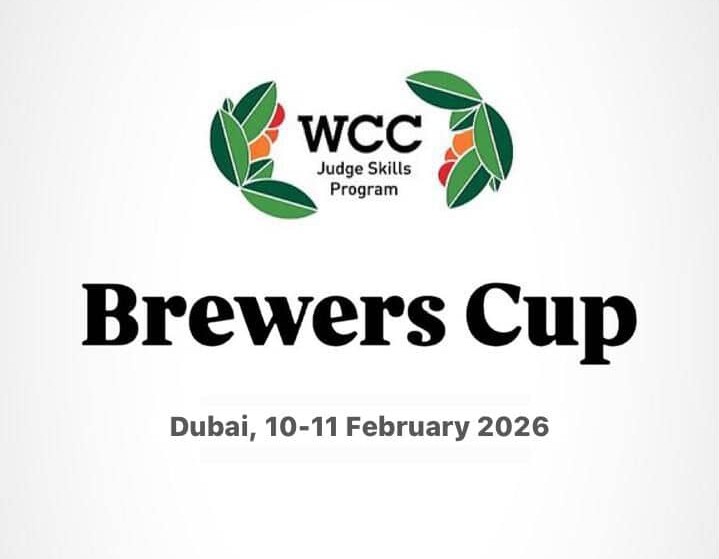
A specialized training program focused on judging skills for World Coffee Championships, with an emphasis on the manual brewing category, has been announced in cooperation with World Coffee Championships and The Phatuncle.

The workshop will be held at Karam Coffee, located on 4th Street, Al Quoz Third, Al Quoz, Dubai, United Arab Emirates.

The workshop is scheduled to take place from 10 to 11 February 2026 at Karam Coffee in Al Quoz, Dubai, as an intensive training program focused on judging skills for World Coffee Championships in the manual brewing category.

The program provides comprehensive insights into World Coffee Championships as a whole, with a detailed focus on the manual brewing competition. Participants will gain an understanding of competition structure, judging roles, and official evaluation criteria.

The workshop is designed as a small-size class to ensure high-quality learning and interaction. It will be conducted by Hendri Kurniawan, a World Coffee Events Representative since 2016, who has judged 20 World Coffee Championships across all six official competition categories.

The training includes both theoretical and practical sessions, allowing participants to experience judging procedures, participate in simulated judging panels, and deliver structured feedback to competing participants.

This workshop is suitable for coffee enthusiasts of all knowledge levels, including those interested in understanding how competitions are judged, individuals aspiring to become competition judges, and competitors seeking better preparation for upcoming championships.

At the end of the workshop, all participants will receive a digital certificate accredited by World Coffee Championships and the Specialty Coffee Association.

To register or inquire, please contact:
[email protected]

SAMBAZON Brings Organic Açaí to Dubai, Elevating Wellness Culture

Dubai – Qahwa World

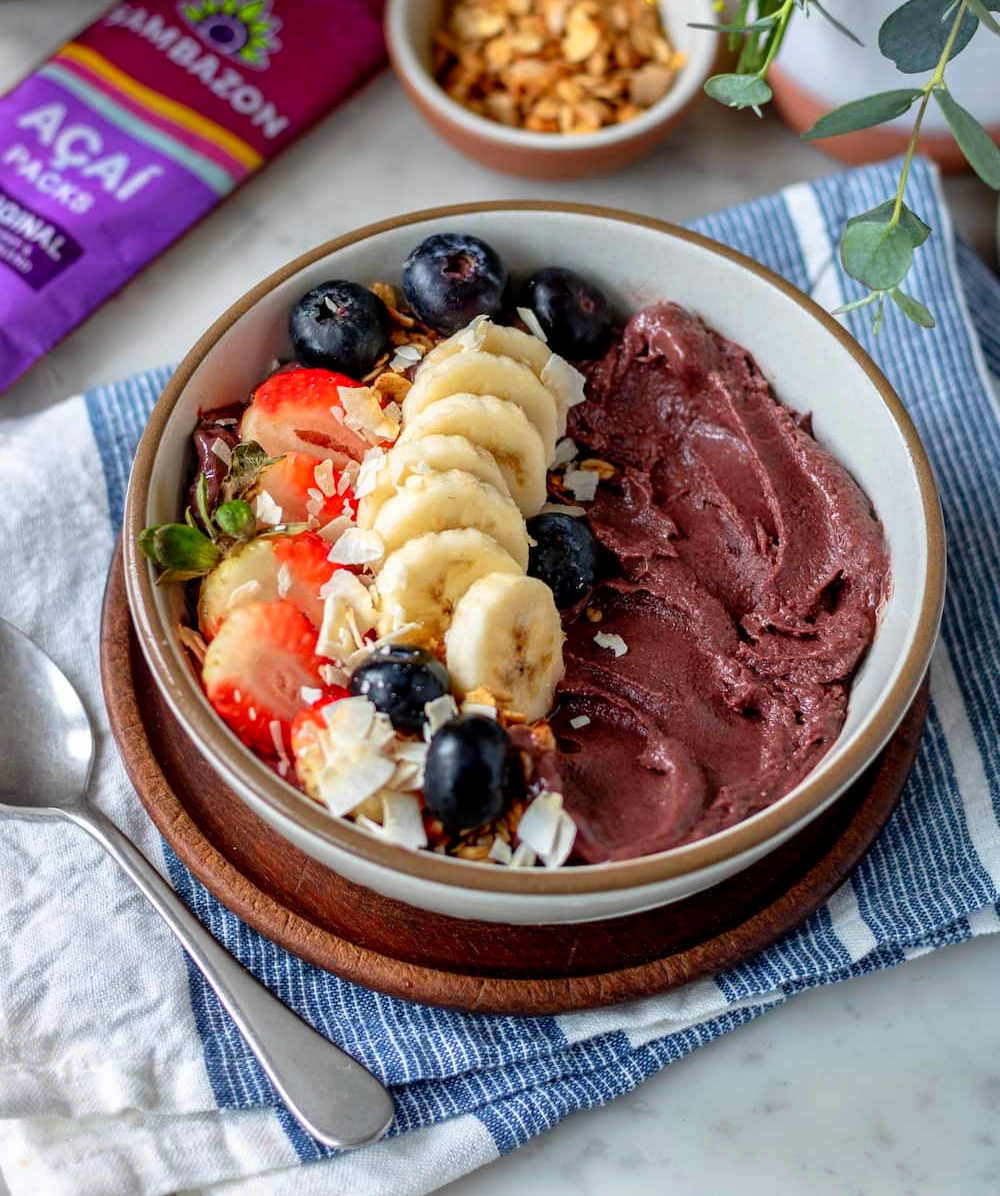
Dubai’s coffee and hospitality scene is embracing the açaí trend, and SAMBAZON is leading the charge. As pioneers of certified organic açaí, the brand is helping cafés, restaurants, and wellness-focused operators elevate their menus while staying committed to sustainability and Fair Trade principles.

On the sidelines of World of Coffee Dubai 2026, Mr. Valter Vale, Director of Marketing – International at SAMBAZON, shared his insights on the brand’s expansion in the Middle East and its vision for the coming years.

“Dubai’s coffee and hospitality community is highly sophisticated and values quality, provenance, and transparency,” Vale told Qahwa World. “Being certified organic and Fair Trade immediately resonates with operators who want to offer something premium and credible. Many partners see SAMBAZON not just as an ingredient, but as a brand that elevates their menu and aligns with the region’s growing focus on wellness and sustainability.”

SAMBAZON’s signature “palm of the tree to the palm of your hand” approach emphasizes long-term partnerships with thousands of small family farmers in the Amazon, ensuring full traceability while reinvesting in the communities that produce the fruit. Vale emphasized that growing demand in the Middle East will never compromise the company’s Fair Trade commitments.

The brand’s presence at World of Coffee Dubai 2026 has opened new conversations around franchising and licensing Açaí Bowl concepts in the region. “We are actively engaged in discussions around franchising SAMBAZON bowl shops in the Middle East,” Vale explained. “While we see long-term potential in non-traditional locations such as airports and universities, our focus is on building the brand thoughtfully and sustainably, anchored by high-quality, permanent stores.”

Beyond business growth, SAMBAZON continues to maintain a strong social mission. Its Fair Trade certification has funded schools, healthcare centers, and community initiatives in the Amazon. Vale noted that as the brand grows in the Middle East, similar local initiatives may be explored, particularly around community wellness and sustainability, with an emphasis on authenticity and collaboration.

Looking ahead, SAMBAZON aims to establish itself as the most trusted açaí and functional superfruit brand in the Middle East over the next five years. Vale outlined the vision: “We want to grow across retail and food service with the right partners, build strong brand equity, and become part of everyday wellness culture in the region, all while staying true to our mission of protecting the Amazon and supporting the communities that make our products possible.”

Founded in 2000, SAMBAZON®—an acronym for Sustainable Management of the Brazilian Amazon—was the first company to introduce certified açaí to the world. The brand supplies organic and Fair Trade-certified açaí products, including smoothie packs and ready-to-eat Açaí Bowls, pioneering transparency from “palm of the tree to the palm of your hand.” Its Fair Trade initiatives have positively impacted thousands of local growers, donating over $1 million to build or renovate schools, healthcare centers, and community facilities.

For more on SAMBAZON in the Middle East, visit sambazon.ae.

France Brings 110 Brands to “Gulfood 2026” Across Two Dubai

Dubai – Qahwa World

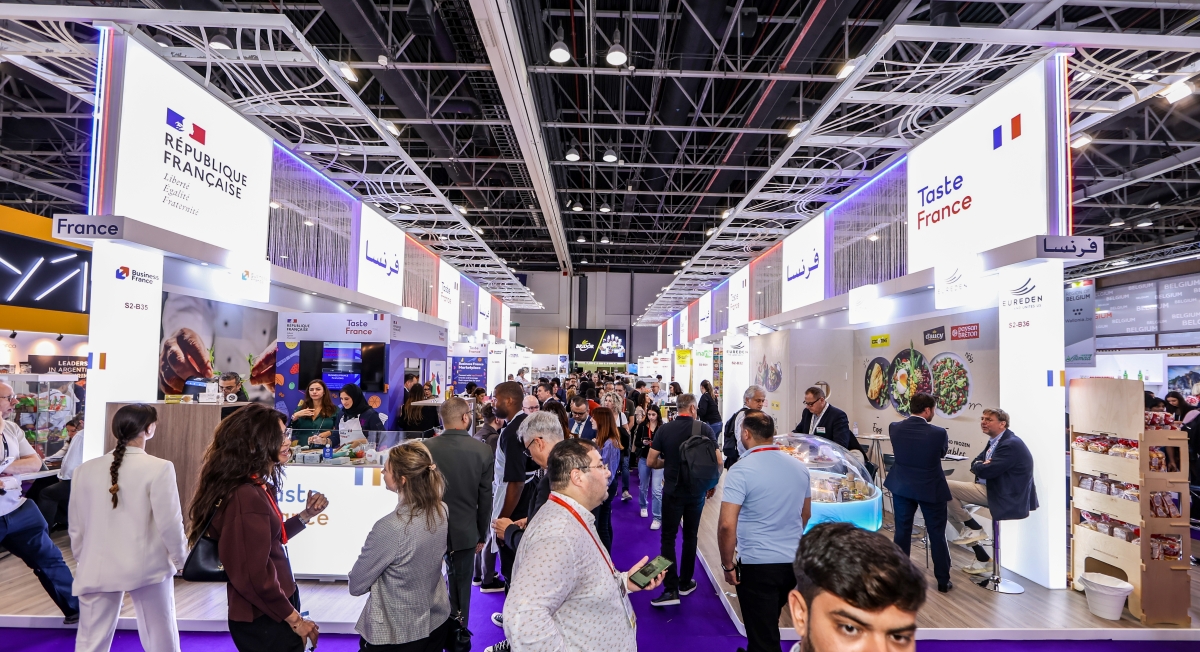
Business France, the French national agency for international economic development, announced its largest-ever participation at Gulfood 2026, featuring 110 French brands across four pavilions under the “Taste France” banner.

This year, the exhibition is held at two main venues: Dubai World Trade Centre and Expo Dubai, with French participants showcasing a wide range of food and beverage products, including dairy, meat, poultry, seafood, beverages, and international food specialties.

  • French Participation by Venue:

Expo Dubai – Global Foods Platform 8-80: 67 companies

Dubai World Trade Centre: 43 companies, organized by sector:

Dairy: Sheikh Rashid Hall, Stand R-H47

Meat, poultry, seafood: Sheikh Saeed Halls, Hall 3

Beverages: Za’abeel 5 Hall, Stand Z5-J21

The French pavilions focus on four key sectors and feature new launches and exclusive innovations, including packaging and portion sizes suited to fast-paced lifestyles, health-oriented products, and premium items combining taste and functional benefits.

Commenting on the participation, Axel Barrau, General Manager of Business France in the Middle East, said:
“Gulfood 2026 provides a strategic opportunity to showcase France’s strengths in agri-food, highlighting products that meet the evolving needs of the regional market, with a focus on quality, sustainability, and innovation.”

  • UAE Market Context:

The UAE imports approximately 85% of its food needs, valued at over €21.4 billion in 2024, with rising demand for ready-to-eat meals, premium and functional foods, certified organic and plant-based products, and e-commerce-friendly items.

  • Visitor Experience at the French Pavilion:

Visitors can access live cooking demonstrations, interactive tastings, and artisanal coffee and tea sessions, alongside products tailored to practical consumer needs in the region.

  • Business France Digital Marketplace:

The platform connects global buyers with over 2,800 certified French suppliers and more than 28,000 products. Around 350 regional buyers have already joined, supporting long-term business partnerships.

  • About Business France:

Business France is a French government agency promoting exports and foreign investment in France. It manages the international internship program V.I.E and operates a global network in 55 countries. In 2024, it contributed to €1.8 billion in additional exports for French SMEs and mid-sized companies and supported the creation or maintenance of over 31,010 jobs.

Mokha 1450 Launches Rare Cuban Coffee in Dubai for the First Time

Dubai – Qahwa World

Year after year, Mokha 1450 continues to reinforce its distinctive annual tradition of celebrating innovation and achievement, while honoring the creators behind them—its exceptional team. As a leading name in the luxury specialty coffee sector in Dubai and the UAE, the brand remains committed to showcasing excellence at every level.

This annual celebration traditionally takes place on the sidelines of the World of Coffee Dubai exhibition, bringing together an elite group of industry leaders, including farmers, producers, traders, coffee professionals, and coffee enthusiasts from around the world. Beyond recognizing the team’s efforts, the event also marks the launch of a rare and prestigious specialty coffee edition each year.

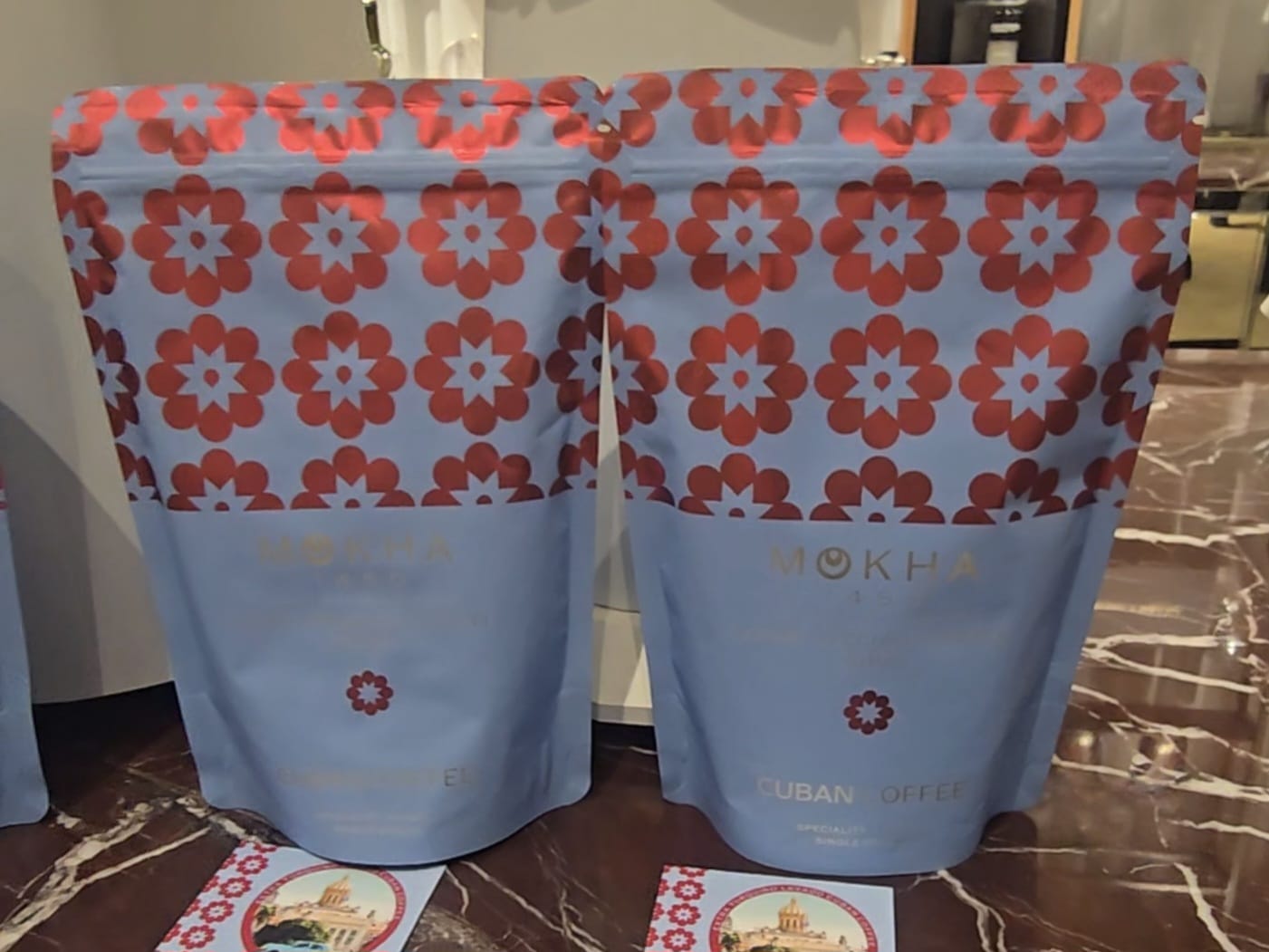
This year, Mokha 1450 unveiled its latest limited release: the rare Cuban coffee “Extra Turquino Lavado,” considered one of the finest and rarest coffees in Cuba. The coffee originates from the Nipe–Sagua–Baracoa region, a globally recognized biodiversity hotspot and a UNESCO World Heritage Site listed as the “Archaeological Landscape of the First Coffee Plantations in the Southeast of Cuba.”

  • Unprecedented Attendance

This year’s celebration stood out for its unprecedented attendance, both in scale and caliber. The event welcomed senior officials, entrepreneurs, and leading figures from the global coffee industry, alongside coffee lovers and members of the Dubai and UAE community.

In his keynote address, Mr. Garfield Kerr, CEO of Mokha 1450, welcomed guests and described the event as exceptional, marking a significant transitional phase in the brand’s journey.

Kerr began by congratulating Mr. Andrew Tully on his appointment as President of the Specialty Coffee Association and welcomed a former SCA president, thanking both for their presence and support.

He stated: “The World of Coffee exhibition has been truly outstanding. If you’ve enjoyed this exceptional organization, the credit goes to Mr. Khaled Al Mulla, Chairman of the Specialty Coffee Association UAE. Much of the hard work happens behind the scenes, and that effort is the key to this event’s success.”

He added a special note of thanks to Mr. Andres, saying: “While everything looks perfect upon arrival, there are major challenges behind the scenes. Thanks to Khaled and Andres, everything comes together seamlessly in the end.”

Kerr emphasized that Mokha 1450’s message this year was also directed at newcomers to the coffee industry:
“The greatest minds in coffee are gathered here. If you’re looking to validate investing in this sector, this is the place to be. We meet every year to showcase innovation and shape the future of coffee.”

  • Arabic Coffee and the Palace Recipe

Garfield Kerr revealed that this year’s innovation at Mokha 1450 was crafted by Ms. Sigrid Ballard, featuring a creative reinterpretation of Arabic coffee.

“Many of our guests have never tasted Arabic coffee before, so we created a coffee cocktail inspired by it—perhaps for the first time, to my knowledge. I firmly believe that understanding any new innovation begins with tasting the original.”

He explained that Mokha 1450 had previously avoided serving Arabic coffee due to its deeply personal and cultural nature. That changed after a unique experience with a coffee-loving minister, during which a special Arabic coffee recipe was prepared inside a palace in Abu Dhabi.

“After returning to Dubai, we received a call requesting that exclusive palace recipe. This is the coffee we are serving you today, alongside Sigrid’s newly developed blend for comparison.”

Kerr noted that while “Crystal Coffee” remains one of Mokha 1450’s most iconic innovations, the Arabic coffee project holds a special place within the brand.

  • A Human Gesture and Special Tribute

In a heartfelt and dignified gesture, Kerr paid tribute to Julian, one of Mokha 1450’s earliest team members, who is no longer with the company but played a foundational role in its success.

“Julian was our first manager, and everything Mokha 1450 has achieved today is thanks to him. He challenged traditional coffee rules and relied on experimentation rather than theory alone.”

Kerr added that Julian possesses one of the finest palates in the industry, having won the UAE Coffee Tasting Championship and reached the semifinals of the World Championship. He now resides in London, where he works as a senior coffee roaster.

  • The Rare Cuban Coffee

Kerr concluded his speech by presenting this year’s rare coffee release, praising the efforts of Joey, a member of the Mokha 1450 team.

“We always strive to offer exceptionally rare coffees, and Cuban coffee is a perfect example. To my knowledge, we are the only specialty coffee café in Dubai serving Cuban coffee.”

He revealed that sourcing this edition required three years of continuous effort, beginning with initial contact with the Cuban Embassy during Expo, and expressed his hope that guests would truly enjoy this extraordinary coffee.

From Milan to Dubai: World Champion Shares His Expertise in Competition Coffee

Dubai – Qahwa World

Dubai’s specialty coffee scene witnessed a remarkable moment with an exclusive event titled “What’s Behind a Competition Coffee”, organized by Mokha 1450 Luxury Specialty Coffee in collaboration with Lohas Beans. The event offered an in-depth exploration of the technical and strategic decisions behind competition-grade coffee, bringing together world-class expertise and local enthusiasts.

The highlight of the evening was the presence of Jack Simpson, 2025 World Barista Champion, freshly crowned in Milan, whose appearance drew significant attention from leading baristas, coffee professionals, and aficionados across the region. Simpson was joined by esteemed experts Jhonatan Gasca and Juan Pablo Campos, forming a distinguished panel that guided participants through the subtle complexities of producing world-class competition coffees.

Moving beyond traditional cupping sessions, the event delved into the nuances that make championship coffees exceptional, covering everything from farm-level selection and processing methods to roasting profiles, brewing techniques, and presentation strategies. Attendees had the rare opportunity to taste exclusive limited Papayo lots, demonstrating Mokha 1450’s commitment to quality and innovation.

The program featured three key components: a guided tasting session, a live demonstration of espresso and milk-based beverages by Jack Simpson, and an interactive Q&A session with the panelists, creating a platform for knowledge exchange and dialogue between global champions and the local coffee community.

This event is part of the activities accompanying World of Coffee Dubai 2026, taking place from January 18 to 20, highlighting Dubai’s growing role as a hub for specialty coffee. Under the leadership of Mr. Garfield Kerr, Mokha 1450 continues to advance coffee culture in the UAE by leveraging every opportunity to keep the community informed of the latest developments, while fostering connections between champions, coffee makers, and enthusiasts.

Through initiatives like “What’s Behind a Competition Coffee,” Mokha 1450 strengthens the bridge between global expertise and the local coffee scene, reaffirming its commitment to education, cultural exchange, and the pursuit of excellence in specialty coffee.

South Roastery: Where Dreams Are Roasted on the Fire of Passion

Sharjah – Ali Alzakary

On Maliha Road in Sharjah, where the spirit of authenticity meets the ambition of the future, and golden sands dance with the dreams of a new era, stands “South Roastery” as a true icon in the world of specialty coffee. My destination was not just a routine journalistic visit; it was an exploratory journey, a profound meeting with a pioneer of the scene, Mr. Ahmed Al Zaabi, Co-Founder and CEO. He welcomed us with his calm smile and a hot cup of coffee, opening a wide window into a world of passion and craftsmanship—a world born from a unique blend of Emirati and Saudi management in 2022.

  • The Coffee Majlis… Where Time Melts in the Cup

In a reception lounge meticulously designed with the architect’s care and the artist’s taste, not to be a loud, bustling cafe, but an intimate space for work and intellectual exchange—where the “rush” of daily life fades behind the warmth of the cup and the aroma of freshly roasted coffee—we held an extended coffee session.

The session was like a private “coffee majlis,” similar to those held in the desert under a sky dotted with stars, characterized by friendliness, transparency, and spontaneous laughter. During it, we discussed the pulse of a sector with a global market value exceeding $130 billion annually, from the remote crop alleys in the highlands of Yemen, Ethiopia, and Colombia, to the clamor of global markets and the New York and London exchanges. Mr. Ahmed presented his deep insights and analyses with utmost humility, insisting it was “just his point of view,” while in reality, it was an accurate and documented testimony from one of the most prominent players in an industry that produces over 10 million tons of coffee annually.

  • Cultural Maturity… From Passing Obsession to Sustainable Awareness

Al Zaabi, stirring his cup with a light, circular motion as tasting experts do, believes that the UAE coffee culture scene has moved past the naive beginnings and blind experimentation, reaching very advanced levels of development and maturity. This evolution, witnessed in the country over the last decade, has created an intensely competitive market with over 4,800 coffee shops in Dubai alone. However, at its core, it holds “immense opportunities for growth, prosperity, and income generation.”

The key, as he asserts with the confident tone of someone experienced, is not in imitating others or blindly replicating successful models, but in the “real and precise understanding of the market’s nature, its requirements, and the influencing factors, from demographic composition to changing consumer behavior.”

Al Zaabi believes that true gain is measured by an entirely different standard: “The important thing is not the amount of direct material gain at the end of the financial quarter, but the extent of people’s trust in the product you offer. This trust is the real capital, the hidden treasure that builds solid loyalty and true long-term success in a market that does not forgive the weak.”

Speaking about the specialty coffee wave that swept the region like a refreshing hurricane since the middle of the last decade, Al Zaabi confirms with the confidence of a seasoned analyst that this wave has “fully matured and reached a stage of stability.” It is no longer a mere “craze” following trends and social media fads; instead, it has transformed into a robust and deeply rooted culture, filtering out the fashion followers who came out of curiosity and retaining “those with genuine taste and an appetite for quality.”

This tangible maturation has clearly reflected on the quality of the coffee shops themselves and the elevation of their standards. Today, the Emirati consumer, especially the educated and well-traveled new generation, is “precisely capable of discerning the quality and true value of the coffee,” shifting from a passive recipient who drinks what is offered, to a conscious and interactive partner in evaluating the product and holding the service provider accountable.

  • Dubai and the Bidding Wars… Strategic, Not Just Marketing, Weight

The conversation smoothly shifted to the media buzz recently created by Dubai in the global coffee market—a buzz that ignited media outlets and social platforms. Starting with paying the most expensive recorded price for a kilogram of the rare ‘Geisha’ crop from Panama, where a Dubai cafe paid $604,080 for 20 kilograms of washed Geisha coffee from Hacienda La Esmeralda farm in Boquete, Panama, and extending to the fierce competition to offer the world’s most expensive cup of coffee, where the price jumped from $680 to $1,000 within two months.

Al Zaabi, smiling knowingly about the city’s nature, believes that for Dubai, as a global destination for excellence and pioneering in various fields from real estate to hospitality, coffee could not be far from this relentless pursuit of record numbers and entry into the Guinness World Records. He does not see any fundamental harm in this competition, despite its occasional oddity, to the spirit or values of the industry. Instead, he views it as a clever kind of marketing and promotional momentum that adds wide fame to the region as a whole, places the UAE on the global coffee lovers’ map, and gives a specific demographic—the one passionate about distinction, exceptional experiences, and financially capable of undertaking these adventures—its private space for enjoyment and showing off.

  • Resilience of Will… Global Balance Challenges and 2026 Preparedness

The discussion did not overlook the immense challenges that have cast heavy shadows over the global scene in the past two years. Specifically, we talked about the confusion of customs tariffs and trade wars between major powers, the severity of climate change that poses an existential threat to major crop regions in Brazil, Vietnam, and Colombia (Brazil’s production dropped by 25% in the 2024 season due to drought), and the consecutive disruptions in supply chains and maritime shipping that raised costs by 30-50% on some routes.

Al Zaabi sees that the UAE, thanks to its unique geographical location as a gateway between East and West, its globally recognized logistical leadership, and the wisdom of its prudent leadership, has managed to build a solid, fortified wall around the local sector: “Thanks to its wise and proactive policy, the availability of a wide and diverse strategic stock of various varieties and crops, and an extended network of commercial relationships, the UAE has managed to overcome the global market storms with superb skill and exceptional flexibility.”

While clearly acknowledging that the overall direct impact of the challenges was relatively limited on the local market and did not leave deep scars on final consumer prices or product availability, as an expert observer who misses no subtle market details, he cautiously pointed out that the accumulated pressures related to climate change and increased shipping and transport costs “may reveal themselves more clearly in the coming year, 2026.”

This is an explicit, implicit signal of the necessity to prepare and anticipate tangible fluctuations in the prices and quality of some major crops, reflecting a deep and well-considered foresight into global market volatility and its delayed effects.

As for the “Matcha” green wave that recently swept cafes and sparked widespread debate about the future of coffee, Al Zaabi, with the confidence of coffee’s deep roots, affirmed an unshakeable truth: “Coffee will remain coffee.” He noted that the Matcha wave, despite its momentary appeal, has already begun to recede and fade, leaving coffee, forever, as the undisputed queen of hot beverages.

  • South… From Roastery to Integrated Factory with Promising Asian Horizons

“South” is not just an ordinary roastery selling bags of coffee; it is, as Al Zaabi proudly describes it, “an integrated factory” focused on high quality and excellence in all stages of production, from selecting green beans to roasting, packaging, and distribution.

After achieving remarkable and astonishing success in the local market in just two and a half years, the company is now seriously considering possibilities for geographical expansion outside the UAE borders. Surprisingly, Al Zaabi clearly indicated that the expansion is not primarily targeting neighboring Gulf markets, as some might expect, but is ambitiously heading toward the rising and promising Asian markets and some emerging East African markets, where Al Zaabi sees huge growth potential and a consumer segment hungry for quality.

With cautious and measured optimism, he predicted a tangible presence for “South” in these new markets perhaps by the end of 2026 or early 2027 at the latest, with a clear plan for gradual opening and building trusted local partnerships.

  • South Academy… Investing in Minds Before Machines

As a true investment in the distant future, Al Zaabi stressed with clear enthusiasm the importance of continuous training and development, considering it “an urgent need, not a luxury or an optional extra that can be postponed,” especially in a fast-paced world witnessing continuous evolution in modern technologies, barista skills, and the arts of preparation and addition (over 20 new methods for preparing specialty coffee have emerged in the last five years).

It is for this precise reason, and from this deep belief in knowledge, that the “South Training Academy” was established—an ambitious initiative whose main goal is not direct profit, but a higher, more comprehensive objective: “to enhance genuine craftsmanship, spread the culture and respect of the profession, and strengthen knowledge and experience exchange among sector workers.”

The academy, which opened in early 2025, has so far welcomed over 300 trainees of various nationalities and backgrounds, offering internationally accredited specialized programs ranging from foundational courses for beginners to advanced workshops for roasting and tasting professionals.

  1. Major Events… Civilizational Convergence and Elevating Collective Taste

In conclusion of this rich and engaging interview, which extended for over three continuous hours, Al Zaabi affirmed with a voice full of passion the pivotal and decisive role of the large-scale coffee events generously hosted annually by the UAE, foremost among them the “World of Coffee Dubai” exhibition, and the national and regional coffee championships that witness fierce competitions among the brightest names.

He bets, with all the confidence of a strategic planner, on these periodic gatherings as “one of the most important factors for the prosperity of the local market and the development of the industry in general on both the regional and global levels.”

These vital platforms far surpass being mere commercial marketplaces or exhibitions for buying and selling; they become radiant focal points for knowledge, culture, and creativity. They are genuine arenas for the convergence of different civilizations and the exchange of rich experiences among the elite of the global coffee industry, a forum where public taste is enriched and elevated, and young baristas’ skills are honed to confidently keep pace with the latest trends and the finest arts of preparation and creativity in the ever-renewing world of coffee.

These events, with their majestic international presence and high-caliber professional organization, confirm to the whole world that the UAE is not just a commercial transit point or a consumer market, but a living intellectual laboratory and a center of civilizational radiation that continuously raises the status of coffee, transforming it from a mere commodity into a deep-seated cultural value and a human heritage worthy of celebration and appreciation.

“Smile, Roasted in Sharjah” – this simple, yet profound, slogan accurately summarizes the spirit of the roastery that innovates daily and bravely redefines the coffee experience through a magical blend of high craftsmanship, intense passion, and insistence on excellence, confirming to everyone that coffee in the UAE is not just a passing morning drink, but a mature, deeply rooted culture and a promising future whose chapters are being written today on the land of Sharjah, one coffee at a time, one cup at a time.

Click here to visit South Roastry site
 

Drinkit CEO Announces Sub-40 Month Payback Period for Dubai Coffee Shops

DUBAI Qahwa World

Drinkit, the rapidly growing coffee shop chain, has achieved a significant milestone in one of the world’s most competitive F&B environments, announcing an impressive average payback period for its retail network in Dubai.

In a statement released by CEO Katerina Borodich, the company confirmed that five out of six established Drinkit locations in the emirate have demonstrated an average payback period of just 31.6 months (approximately 2.6 years). Including the strategic, high-investment Mirdif flagship—opened intentionally as an image-focused brand strengthener—the overall portfolio average stands at 39 months (3.25 years).

Note: the payback period is calculated based on Store Level EBITDA.

The CEO underscored the achievement’s importance, noting that the results are “not a theoretical benchmark, but backed by real numbers from our own stores.”

The announcement positions Drinkit’s model as resilient and confident within the fiercely contested Dubai market, which hosts nearly every major global coffee chain.

Significant Upside Projected

Despite the strong performance, Borodich emphasized that the company is only beginning to unlock its full commercial potential. Drinkit has recently initiated several major growth levers that are expected to further compress the payback timeline and increase profitability:

  • Menu and Pricing Optimization: Refining product offerings and adjusting pricing strategies across the network.
  • City-wide Marketing Activation: Scaling marketing efforts across Dubai to drive brand awareness and foot traffic.
  • Delivery Scaling: Launching and scaling partnerships with all major aggregators to capture the growing off-premise market share.

“In one of the most competitive F&B markets in the world… Drinkit demonstrates a confident, resilient business model,” Borodich stated. “The upside is significant, and we’re only beginning to execute our full optimization strategy.”

The CEO concluded the announcement by congratulating the Drinkit team and franchise partners, recognizing their role in achieving these results, and extending an invitation to prospective partners for international expansion.

From Inspired Barista to Roasting Pioneer: Sherryl Napit Unveils the Passion Behind ‘The Ore Coffee’

Dubai – Ali Alzakary

In the world of coffee, where science meets passion and quality is forged in every stage of preparation, certain stories deserve to be told. These are the tales of individuals who believed in their ability to transform a profound love for the coffee bean into a leading professional career, contributing to the forging of a new identity for the specialty coffee culture.

Sherryl Napit is not just a businesswoman; she is a pillar in the art of tasting and roasting, a Sensory Judge, and a winner of the UAE National Cup Tasters Championship. Her journey is proof that persistence coupled with knowledge can illuminate the path from behind the espresso machine to founding a leading establishment in roasting and training. It is a story that begins with a friend’s advice and culminates in the establishment of “The Ore Coffee Roastery” as a beacon of quality and education in the region.

This invitation is not merely a read; it is a deep dive into the mindset of a pioneer who balances the demanding aspects of business management with the honing of precise sensory skills. We invite you to delve with us into Sherryl Napit’s inspiring journey and discover the secrets behind her continuous excellence in the coffee industry.

  • 1. Can you walk us through your journey from starting as a barista to founding The Ore Coffee Roastery? What inspired you to take that leap?

My coffee journey began unexpectedly through my friend Karthik, whose passion and achievements in coffee competitions inspired me. That spark led me to specialty coffee, where my first employer, Mr. Abdo, opened the door. I became completely investedstudying after work, earning certifications, and practicing constantly. Within three months, I became head barista and began roasting on a small Gene Café just to learn more.

About two years later, meeting coffee farmers from my hometown gave my work deeper meaning and pushed me toward professional roastinga path that wasn’t easy. There were moments I wanted to quit, but Sitaram, my husband and business partner’s support, kept me going. With his encouragement, I completed SCA trainings, Q Grader preparation, and countless hours of practice.

Eventually, all the effort paid off when I won the National Cup Tasters Championship. That win gave me the confidence to start The Ore Coffee Roasterynot just as a business, but as a continuation of my purpose. I’m grateful to everyone who supported memy husband, family, friends, and the coffee community. My journey belongs to them as much as it does to me.

  • 2. You’ve consistently performed at the UAE National Cup Tasters Championship over the years. What drives your passion for sensory excellence?

I’ve been fortunate to perform well at the UAE National Cup Tasters Championship, and I think it comes from simply loving what I do. I try my best in everything, especially when it comes to assessing and tasting coffee. I’m always learning, always curious, and I genuinely enjoy the process of evaluating coffee quality.

What motivates me most is the chance to support farmers in improving their coffee. If my skills can help even a little, that alone gives me purpose and keeps me committed to growing and improving.

  • 3. Looking back, what were the biggest challenges early in your career, and how did you overcome them?

Early in my career, my biggest challenge was setting realistic goals and expectations. I’m naturally optimistic, decisive, and willing to take risks, which sometimes meant I moved too fast or overloaded myself. Over time, I developed stronger self-awareness and discipline, and I invested in ongoing learning to refine my approach. Now, I still bring that ambition and bias for action, but I balance it with strategic planning and reflectionwhich has made me more effective.

  • 4. How has becoming a Q-Grader and Sensory Judge influenced the way you approach coffee and mentor others?

Becoming a Q-Grader and Sensory Judge has really strengthened both my confidence and my approach to coffee. It gave me a clearer structure for evaluating coffee, so now I make decisions based on calibrated standards rather than just preference.

It also changed how I mentor othersI focus more on helping people develop their own sensory skills and understanding why certain characteristics appear in coffee. Overall, it pushed me to keep learning, stay curious, and share what I know with more purpose.

Sherryl Napit

  • 5. How would you describe the current coffee market in Dubai and the GCC? Are there any notable trends or shifts you’re seeing?

The coffee market in Dubai and the GCC is highly competitive and rapidly growing, driven by diverse consumer segments and strong cultural influence. We’re seeing a shift from purely traditional coffee toward more experiential and innovative offerings. Flavored beverages, infused coffee, cold brews, and specialty blends are gaining momentum as consumers look for differentiation and personalization. Overall, the market is evolving quickly, trend-sensitive, and full of opportunity for brands that innovate and adapt to changing preferences.

  1. 6. Specialty coffee is growing globally. How do you see Dubai’s market evolving compared to other major cities?

Dubai’s specialty coffee market is evolving differently because of its diversity and openness. Our growth isn’t limited by one culture or traditionit reflects the city’s global influence and fast-moving development. As Dubai grows, the coffee scene grows with it, adapting quickly to innovation, lifestyle shifts, and new consumer expectations.

  • 7. What advice would you give to someone looking to start a coffee business in the UAE?

Focus on offering something unique and meaningful, and back it with a clear purpose and solid plan. The UAE coffee market is competitive, so knowing what sets you apart and having a well-thought-out strategy is key.

  • 8. The Ore Coffee has a training center offering SCA courses. What motivated you to start this side of the business?

We started the training center because we wanted to contribute to the growth of the coffee industry. By providing proper education and internationally recognized SCA courses, we’re helping people deepen their knowledge, improve their skills, and gain confidence in their craft.

When the industry is filled with well-trained and knowledgeable individuals, everything works more efficientlyfrom communication and teamwork to quality standards and innovation. This doesn’t just benefit businesses; it strengthens the community and supports a healthier, faster-growing coffee market overall.

  • 9. How do you balance running a roastery with managing a training center?

We balance running the roastery and managing the training center through structured planning and clear delegation. My partner Sita and I, along with our team, follow a defined workflow where each person has designated responsibilities. This ensures efficiency, accountability, and smooth day-to-day operations across both areas of the business.

  • 10. What are the key skills today’s baristas and coffee professionals need to succeed?

Today’s baristas and coffee professionals need more than technical skills. Success now requires strong managerial abilities, a commitment to personal growth, and a solid understanding of business fundamentalsincluding finance, marketing, and customer experience. These skills help them evolve from being skilled operators to well-rounded coffee professionals.

Sherryl Napit

  • 11. The SCA recently introduced the Coffee Value Assessment (CVA). How do you think this will impact coffee producers, roasters, and the UAE market specifically?

The introduction of the Coffee Value Assessment (CVA) will likely bring greater clarity and transparency across the coffee value chain. Instead of relying solely on a single global scoring system, CVA allows producers, buyers, and roasters to evaluate coffee through multiple dimensions, including sensory attributes, physical quality, and market-driven values.

For many marketsincluding the UAEthis means stakeholders can tailor coffee evaluation based on their specific consumer preferences, cultural taste profiles, and business objectives rather than being constrained by universal standards. As a result, the CVA opens the door for more diversity, innovation, and flexibility in how coffee is valued, sold, and positioned.

Ultimately, this shift creates more opportunity for producers to express their uniqueness, for roasters to curate offerings that reflect local demand, and for emerging markets like the UAE to define their own direction and identity within the specialty coffee sector.

  • 12. From your perspective, what are the most significant global trends shaping specialty coffee today, including sustainability and innovation?

Right now, specialty coffee is being shaped by a few big trends. Community plays a huge rolesocial media, podcasts, and online education have made it easier than ever for people to learn, share ideas, and connect. Sustainability is also front and center, with more focus on ethical sourcing, fair pay for farmers, and eco-friendly packaging. And finally, innovation is changing what coffee tastes like and how we brew it, from new fermentation methods to smarter brewing technology. Together, these trends are making specialty coffee more connected, more responsible, and more exciting than ever.

  • 13. What’s next for The Ore Coffee Roastery and your training programs?

We’re expanding our product offerings, enhancing our training programs, and becoming more engaged with our communityall with the goal of giving you the best coffee experience and support possible.

  • 14. If you could give one piece of advice to your younger self or to aspiring coffee professionals, what would it be?

Be strong. Believe in yourself and stay grounded.

Trust the process, even when it’s slow or unclear, and have faith that what’s meant for you will come in time.

Protect your integrity above all else, because skill can be taught, but character and discipline are chosen.

Keep showing up, stay humble, and let passion guide you more than perfection.