Coffee Prices Rise Amid Surging Shipping Costs

Dubai – Qahwa World

Coffee markets saw gains on Wednesday, with May arabica (KCK26) climbing +3.10 (+1.09%) and May robusta (RMK26) rising +29 (+1.78%).

Analysts attribute the rebound to supply-side concerns. The ongoing conflict in Iran has disrupted shipping through the Strait of Hormuz, driving up global freight rates, insurance costs, and fuel expenses—factors that are expected to push costs higher for coffee importers and roasters.

Meanwhile, favorable weather in Brazil is supporting the country’s coffee crop but is acting as a bearish influence on prices. Somar Meteorologia reported that Minas Gerais, Brazil’s largest arabica-growing region, received 78 mm of rainfall in the week ending February 20, 131% of the historical average.

You may read: War Redraws Global Shipping Map and Pressures Coffee Supply Chains

Despite this, coffee prices had sharply declined over the past five weeks, with arabica hitting a 15-month low last Tuesday and robusta dropping to a 6.75-month low last Monday. Brazil’s crop forecasts show strong production ahead: the national agency Conab predicts 2026 coffee output will reach a record 66.2 million bags, up +17.2% year-on-year. Arabica production is expected at 44.1 million bags (+23.2% y/y), and robusta at 22.1 million bags (+6.3% y/y).

On a global scale, Rabobank projects coffee production in 2026/27 to hit 180 million bags, an increase of 8 million bags from the previous year.

Vietnam, the largest robusta producer, is also contributing to market pressure. January coffee exports surged +38.3% y/y to 198,000 metric tons, while total 2025 exports jumped +17.5% y/y to 1.58 MMT. Vietnam’s 2025/26 production is projected to reach 1.76 MMT (29.4 million bags), a four-year high.

Inventory dynamics are mixed. ICE-monitored arabica stocks, which fell to a 1.75-year low of 396,513 bags on November 18, have rebounded to a four-and-three-quarter-month high of 528,028 bags. Robusta inventories also recovered to a 3.25-month high of 4,721 lots after hitting a 14-month low in December.

Brazilian exports, however, fell sharply in January, with 141,000 MT shipped (-42.4% y/y), while Colombia’s smaller output supports price levels. The National Federation of Coffee Growers reported that January arabica production fell -34% y/y to 893,000 bags.

The International Coffee Organization noted a slight global export decline for the marketing year (Oct-Sep) of -0.3% y/y to 138.658 million bags. USDA forecasts for 2025/26 show total world coffee production rising +2.0% y/y to a record 178.848 million bags. Arabica output is expected to fall -4.7% to 95.515 million bags, while robusta climbs +10.9% to 83.333 million bags. Brazil’s production is projected at 63 million bags (-3.1%), and Vietnam’s at 30.8 million bags (+6.2%). Ending stocks are forecast to decline -5.4% to 20.148 million bags.

Princi Brings Milanese Spirit to Dubai with New Flagship at Dubai Mall

Artisanal quality, authentic Milanese culture, and an all-day café experience

DUBAI – QAHWA WORLD

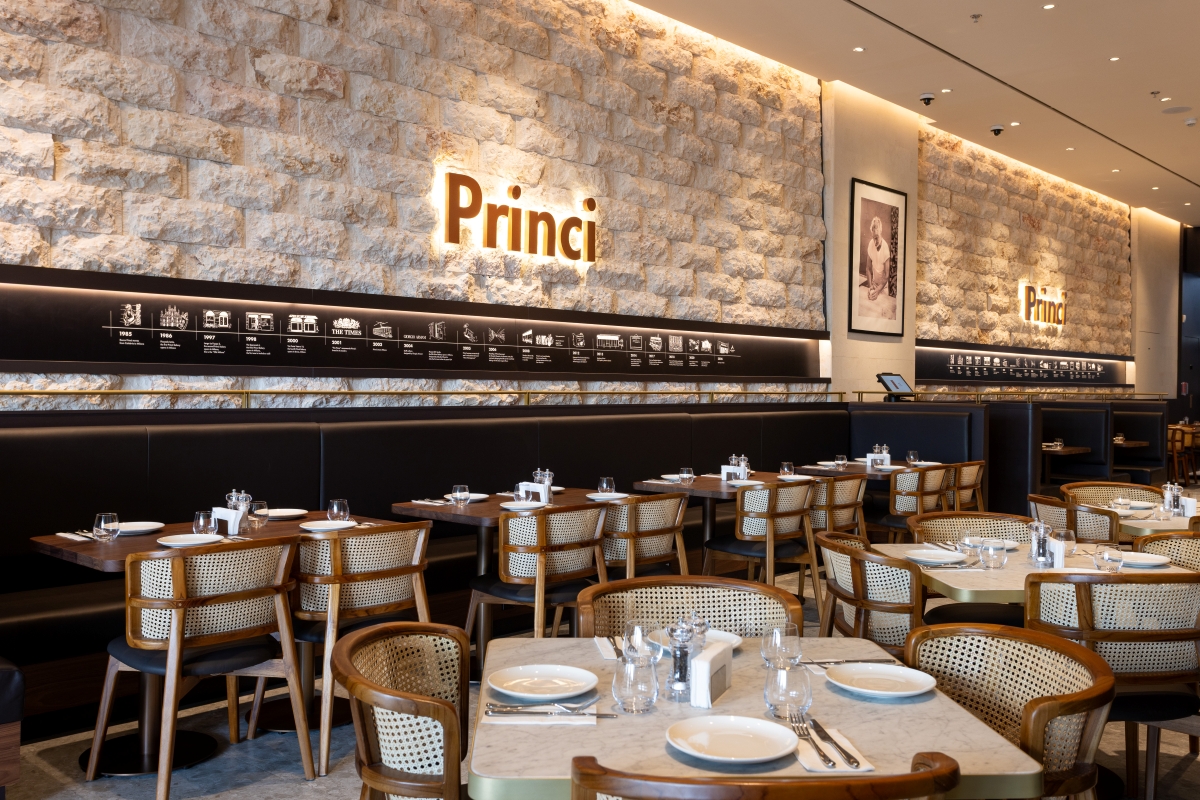
Princi, the Milan-based bakery and café, has officially opened its Dubai Mall flagship in partnership with Alshaya Group. The new location offers visitors an opportunity to experience Milanese coffee and baked goods within one of the region’s premier dining destinations. Following its first regional branch in Kuwait, this opening marks a significant step in the brand’s international expansion.

Rocco Princi, founder of Princi, said: “Princi embodies the spirit of Milan—its rhythm, discipline, and warmth. It begins with three simple elements: water, flour, and fire. Over time, these become something tangible that reflects Milanese craftsmanship. With our Dubai location, we aim to bring this daily ritual to a new audience.”

An All-Day Experience

From morning espresso to evening meals, Princi offers a full all-day menu celebrating Italian tradition and contemporary Milanese culture. The selection includes artisan breads, pastries, pizzas, salads, and desserts, all crafted with high-quality ingredients and meticulous attention to detail.

John Hadden, CEO of Alshaya Group, added, “The launch of Princi in the UAE reinforces our commitment to providing authentic, world-class culinary experiences. This new destination reflects the vibrant essence of Milanese culture and offers guests a unique opportunity to enjoy it firsthand.”

  • More Than a Café

Princi’s Dubai Mall location is designed as an immersive destination, reflecting the Milanese “La Piazza” style—a social hub where community, craftsmanship, and culture converge. The space combines contemporary design with traditional Milanese energy, creating a café experience suited for repeat visits and everyday enjoyment.

  • About Princi

Founded in Milan in 1986 by Rocco Princi, the brand focuses on artisanal baking with premium ingredients and traditional Italian techniques. Princi has grown internationally over three decades, offering refined, minimalistic bakery spaces and menus suitable for all times of day—from morning breads and pastries to lunch and dinner options including pizza, pasta, sandwiches, salads, and handmade desserts.

  • About Alshaya Group

Founded in Kuwait in 1890, Alshaya Group manages over 50 international brands across retail, food, health, beauty, and hospitality sectors. Operating more than 3,500 stores, cafés, and restaurants in the MENA region, Türkiye, and Europe, the group provides both physical and digital experiences, including the loyalty program Aura. Brands include Starbucks, American Eagle, Footlocker, Victoria’s Secret, H&M, Bath & Body Works, Charlotte Tilbury, Raising Cane’s, Shake Shack, Chipotle, Primark, and Ulta Beauty.

Climate Crisis Threatens Global Coffee Production

DUBAI – QAHWA WORLD

New analysis shows the world’s top five coffee-producing nations are experiencing dozens of additional high-heat days annually — putting global supply, prices, and farmer livelihoods at risk.

The global coffee industry is entering a critical phase as climate change intensifies across the tropical “coffee belt” between the Tropic of Cancer and the Tropic of Capricorn. A recent analysis by Climate Central found that the five largest coffee-producing countries — responsible for 75% of global supply — have experienced an average of 57 additional days per year above 30°C between 2021 and 2025 due to climate change.

Temperatures above this threshold are particularly harmful to coffee trees, especially Arabica, the premium variety that dominates specialty markets.

  • Ethiopia: Coffee’s Birthplace Under Growing Pressure

In Ethiopia — widely recognized as the birthplace of coffee — more than four million households depend on coffee as their primary source of income. The sector contributes nearly one-third of the country’s export earnings.

Officials from the Oromia Coffee Farmers Cooperatives Union report that rising heat is already affecting yields and increasing tree vulnerability to disease. Reduced shade cover and stronger direct sunlight are compounding the stress on farms.

  • El Salvador and Brazil Among the Hardest Hit

The analysis found that El Salvador recorded 99 additional days of coffee-damaging heat during the 2021–2025 period — the highest among major producers.

Meanwhile, Brazil — the world’s largest coffee producer, accounting for roughly 37% of global output — experienced 70 additional days above 30°C. Given Brazil’s dominant role in global supply, prolonged heat stress raises concerns about market stability and price volatility.

  • Why 30°C Is a Critical Threshold

Coffee trees require stable temperature ranges and balanced rainfall patterns. Arabica, in particular, begins to suffer productivity losses when temperatures consistently exceed 30°C. Prolonged heat can result in:

  1. Lower cherry production
  2. Reduced bean quality
  3. Increased pest and disease outbreaks
  4. Higher production costs

These factors directly affect both yield and cup quality, creating ripple effects throughout the supply chain.

  • Record Prices Reflect Climate Strain

Globally, approximately two billion cups of coffee are consumed daily. Any disruption in producing countries quickly impacts international markets.

According to the World Bank, prices for Arabica and Robusta nearly doubled between 2023 and 2025, reaching record highs in February 2025.

The surge reflects tightening supply conditions, climate-driven production challenges, and structural vulnerabilities within the coffee value chain.

  • Smallholder Farmers on the Front Line

Smallholder farmers produce between 60% and 80% of the world’s coffee. Yet climate adaptation funding reaching these producers remains limited, leaving many with constrained capacity to respond to rising temperatures.

Without stronger climate adaptation strategies — including shade management, climate-resilient varieties, and financial support — suitable growing areas may shrink or shift to higher elevations, increasing long-term production risks.

  • The Future of Coffee at a Crossroads

Coffee is more than a commodity; it is a cultural and economic pillar supporting millions of livelihoods worldwide. As heat extremes intensify across major producing regions, the industry faces structural transformation driven by climate realities.

The central question is no longer whether climate change affects coffee — but how quickly producers, governments, and markets can adapt to safeguard the future of one of the world’s most consumed beverages.


Nordic Coffee Fest 2026: The Largest Coffee Event in Gothenburg

GOTHENBURG – QAHWA WORLD

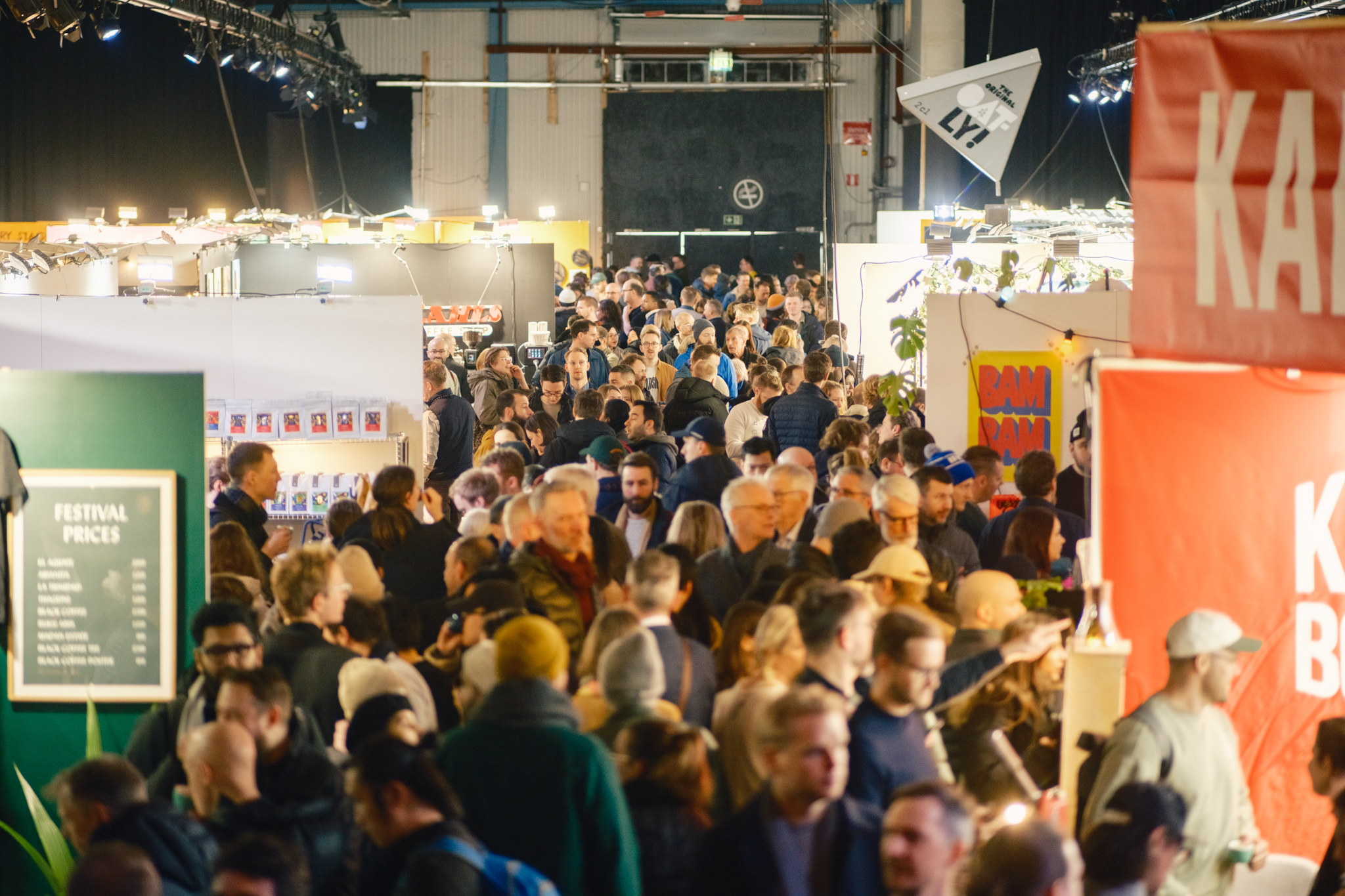
The Nordic Coffee Fest is set to return to Bananpiren in Gothenburg from February 28 to March 1, marking its largest and most ambitious edition to date. This year, the festival has expanded by a massive 50 percent compared to previous years, expected to attract between 4,000 and 5,000 visitors, solidifying its position as the premier meeting place for specialty coffee in the Nordic region.

YOU MAY LIKE: Nordic Coffee Fest 2026 Opens Call for Industry Stage Speakers

The expansion comes at a time of record-breaking interest in coffee culture. According to global search data, “how to make a cappuccino” was the top “how-to” query in Sweden during 2025. As rising coffee prices become a daily conversation for consumers, the festival serves as a vital hub to address these trends—from mastering home brewing to understanding global perspectives on production, pricing, and quality.

  • Global Roaster Showcase: A World-Class Experience

A major highlight of the 2026 edition is the Global Roaster Showcase. The festival is bringing four internationally recognized roasteries from South Korea, India, Colombia, and the USA to Gothenburg. These roasters will feature full-service “pop-up” concepts, allowing visitors to experience world-class coffee exactly as it is served in its country of origin—an experience that would typically require traveling across the globe.

  • The Industry Stage and Barista School: A Program of Excellence

Festival organizers have expressed particular pride in this year’s Industry Stage program. This platform will host deep-dive lectures and discussions featuring renowned profiles from the restaurant and coffee sectors. Topics will range from the evolution of coffee flavors and innovative brewing methods to the complex development of global coffee prices.

For those looking to sharpen their practical skills, the Barista School returns to offer hands-on masterclasses. Regardless of their prior knowledge, visitors can learn the intricacies of espresso, filter brewing, and the delicate art of latte pouring directly from leading experts.

  • Live Competitions and Challenges

The festival’s high-energy atmosphere is further fueled by a series of live competitions, including:

Latte Art Challenge: Where participants compete live on stage in creative milk pouring.

Nordics Best Roaster: A prestigious title awarded to the top roastery in the region.

Public’s Choice: An interactive award where visitors vote for their personal favorite coffee of the festival.

“Hardly a day goes by without someone asking which coffee is actually the best, or how they can make better coffee at home,” says Steve Moloney, founder of the festival and two-time Swedish Barista Champion. “Nordic Coffee Fest is for everyone who’s curious and wants to learn more—directly from some of the world’s leading experts.”

Coffee Interpretation Center Inaugurated in Ethiopia

A New Chapter in Value Chain Storytelling

Addis Ababa – Qahwa World x Buna Kurs

Ethiopia has officially inaugurated its Coffee Interpretation Center (CIC), a landmark institution designed to showcase the nation’s coffee value chain from seed to export while strengthening global awareness of its rich coffee heritage.

The center was launched by the Ethiopian Coffee and Tea Authority (ECTA) in partnership with Spanish Cooperation. ECTA Director General Dr. Adugna Debela and Deputy Director Shafi Omer presided over the ceremony, joined by representatives from various partner institutions.

Officials confirmed that research and content development were supported by OSSREA and Women in Coffee. Both organizations played pivotal roles during the construction phase by contributing specialized studies and gathering historical materials.

According to the Authority, the CIC serves as a knowledge and skills hub, illustrating the journey of coffee across the full value chain. Exhibits highlight historical narratives, the vital role of women in the sector, and the economic and social significance of coffee to the country. One of the center’s key roles is to present, as comprehensively as possible, Ethiopia’s traditional coffee ceremonies and the diverse cultural uses of coffee across communities. By demonstrating these ceremonial practices to visitors, the CIC also strengthens the link between coffee heritage and tourism, positioning traditional coffee rituals as a living cultural experience for both domestic and international audiences. The facility is intended to act as a primary platform for communicating Ethiopia’s comprehensive coffee legacy to an international audience.

The project is being implemented in phases. This inauguration marks the completion of the first phase, with the second phase focusing on the full digitalization of the facility.

Digital development is being led by Ablaze Lab, a local Ethiopian firm tasked with organizing both stages of the center. The company’s founder explained that two dedicated software systems and applications are currently under development. These will integrate animation and multimedia technologies, transforming the center into a fully audiovisual, interactive experience.

The inauguration aligns with broader institutional efforts to expand Ethiopia’s global presence through thematic centers and international engagement initiatives.

Decaf Coffee Effect Between Myth and Truth

DUBAI – QAHWA WORLD

About half of all American adults started their day with a cup of coffee today, but new insights from health experts suggest that the resulting energy boost might not be coming entirely from the caffeine. Research indicates that for many habitual drinkers, the ritual of the morning cup may be just as powerful as the stimulant itself through what is known as the placebo effect.

  • The Power of the Ritual

According to experts, the simple act of brewing coffee at home or visiting a local coffee shop can activate a placebo response. Maura Fowler, a pediatric and adult dietitian based in Florida, points to a 2025 study suggesting that the energy boost associated with coffee is often tied to the sensory experience—the smell, the taste, and the expectation of alertness.

This is backed by a 2023 study which utilized brain imaging to show that coffee drinkers exhibit increased connectivity in brain regions responsible for vision and problem-solving. Interestingly, this effect was not as pronounced in individuals who took caffeine supplements, leading researchers to conclude that the habit and belief system surrounding the coffee routine significantly influence how the mind and body respond.

  • Physiological Realities vs. Psychological Effects

While the mind may be susceptible to the placebo effect, the body maintains a distinct reaction to caffeine. Dr. Gregory Marcus, a cardiologist at the University of California San Francisco, conducted a randomized trial involving habitual coffee drinkers to monitor heart health. His findings revealed that participants assigned to drink caffeinated coffee experienced more premature ventricular contractions (PVCs)—abnormal heartbeats from the lower chambers of the heart—compared to those drinking decaf.

YOU MAE LIKE THIS: Coffee in Ramadan: Between Traditional Flavor and Healthy Balance

Fowler notes that while many switch to decaf to manage anxiety, insomnia, or gastrointestinal issues, even decaf contains small amounts of caffeine—typically between 2 and 15mg per serving—which can still affect those with extreme sensitivity.

  • Individual Differences in Caffeine Metabolism

The report further explains why caffeine affects people differently. Habitual consumption can lead to an increase in adenosine receptors, a substance that promotes relaxation. When these receptors increase, caffeine becomes less effective, often leading users to consume more to achieve the same result.

Genetic factors also play a vital role. In clinical trials, Dr. Marcus found that “fast metabolizers” experienced no impact on their sleep, while “slow metabolizers” (based on DNA samples) suffered from significantly reduced sleep quality on days they consumed caffeinated coffee.

  • Testing the Placebo Effect

For those curious to see if they can maintain alertness without caffeine, Dr. Marcus recommends a structured experiment rather than a sudden change. He suggests a week-by-week rotation between regular and decaf coffee to avoid the immediate “noise” of withdrawal symptoms, such as headaches, low mood, or difficulty concentrating. Research suggests that approximately 8% of adults suffer from “caffeine use disorder,” making the transition more difficult due to symptoms like nausea or insomnia.

The evidence suggests that while caffeine provides tangible nutrients like Vitamin B2, B3, potassium, and magnesium—and is linked to a lower risk of dementia—the placebo effect is powerful enough for many to maintain their routine with decaf without noticing a significant drop in productivity. Experts emphasize that while it is not dangerous to quit caffeine, understanding the psychological connection to the ritual can help individuals better manage their daily consumption.

High Coffee Costs Force Americans to Change Their Daily Habits

DUBAI – QAHWA WORLD

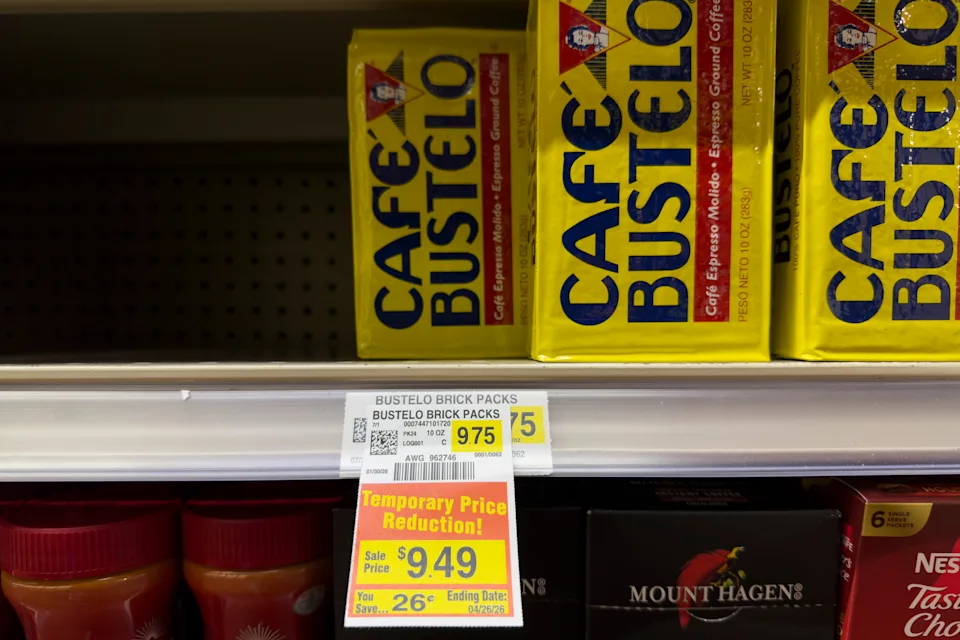
A grocery store in Chicago displayed coffee for sale on February 9, 2026, as rising prices continue to impact consumers nationwide.

For a long time, Chandra Donelson’s morning started with a trip to McDonald’s for a coffee with five creams and ten sugars, later evolving into Starbucks caramel macchiatos. The 35-year-old from Washington, D.C., has treated coffee as a vital ritual since her youth. However, the surge in prices eventually led her to an unexpected decision: quitting her daily habit. “I did that daily for years. I loved it. That was just my routine,” she explained. “And now it’s not.”

Across the United States, coffee enthusiasts are being forced to modify their behaviors—either by skipping the café, opting for cheaper alternatives, or stopping altogether. In January 2026, the Consumer Price Index revealed that coffee prices jumped 18.3% compared to the previous year. Looking back over five years, the government reported a staggering 47% increase.

YOU MAY LIKE: Coffee Prices Rise as Brazilian Real Strength Sparks Short Covering

These financial pressures have led people like Liz Sweeney, 50, of Boise, Idaho, to take drastic steps. Once a self-described “coffee addict,” Sweeney used to drink three cups at home and visit a café whenever she went out. Now, she has limited herself to a single cup at home and occasionally grabs a Diet Coke for a cheaper caffeine fix.

Similarly, 34-year-old Dan DeBaun from Minnesota has reduced his café visits to save money for a new home. He noted that what once cost $2 has now become a $5 or $6 expense. He now prepares ground coffee from Trader Joe’s and carries it in a travel mug. Data from the payment platform Toast indicates that the median price for a hot coffee reached $3.61 in December, while cold brew climbed to $5.55.

The vast majority of coffee in the U.S. is imported. Although some tariffs briefly impacted the market in 2025 before being revoked, the primary culprits for the price surge are environmental. Severe droughts in Vietnam, excessive rainfall in Indonesia, and harsh weather in Brazil have devastated crop yields and pushed global market prices higher.

Despite the financial strain, the National Coffee Association notes that two-thirds of Americans still consume coffee every day, and overall consumption has remained relatively stable. However, for those feeling the pinch of rising rent and food costs, the habit is becoming harder to maintain.

Sharon Cooksey, 55, of North Carolina, used to visit Starbucks every morning but eventually switched to brewing at home. After discovering that a bag of Lavazza coffee was significantly cheaper, she realized that an entire bag—which lasts for weeks—costs the same as one latte at a shop. “I’ll be damned if it didn’t taste so good,” she said, surprised to find she preferred her own brew.

For Chandra Donelson, the final straw came during a government shutdown that paused her paycheck. She traded her $8 coffee for a tea blend that costs about twenty cents per cup. As she puts it, “The math just makes sense.”

Coffee in Ramadan: Between Traditional Flavor and Healthy Balance

DUBAI – QAHWA WORLD

Coffee is the fine thread that weaves together spiritual serenity and social vitality during the nights of Ramadan. From the moment of Iftar until Suhoor, this “brown bean” becomes the protagonist of Arab gatherings, carrying the scent of history and the necessities of modern life.

The Cultural Map of Coffee in the Arab World

While methods of preparation and consumption vary across Arab geography, they all converge on the values of generosity and hospitality:

  • The Gulf Countries: “Saudi Coffee” and “Emirati Coffee” lead the scene. Prepared with a light roast, cardamom, and saffron, it is served in a “Dallah” with dates at Iftar to break the fast, helping to gently stimulate the digestive system.

  • The Levant: Turkish (boiled) coffee dominates the evening gatherings. Many prefer it “Sada” (plain/unsweetened) after Taraweeh prayers, and it is a fundamental pillar of family visits that extend late into the night.

  • Egypt and North Africa: “Mazbouta” (perfectly balanced sugar) coffee stands out as an indispensable ritual immediately after Iftar to restore focus. In Tunisia and Morocco, drops of orange blossom water may be added to enhance the unique Ramadan flavor.

The Golden Schedule (Managing Caffeine and Water)

A timeline to integrate coffee into your day without causing dehydration or insomnia:

Time Period Suggested Action Health Goal
At Iftar Large glass of water + 3 dates (Avoid coffee) Gently raise blood sugar and prep the stomach
2 Hours Post-Iftar Your first cup of coffee Stimulate the mind without upsetting the stomach
After Taraweeh Drink 500ml of water + a light snack Replace lost fluids and ensure hydration
Midnight A small cup of coffee (Optional) Enjoy the social flavor of the late-night “Sahar”
Suhoor Period Water + Potassium-rich foods (No coffee) Avoid the diuretic effect and thirst during fasting

Health Guidelines for Maximum Benefit

To enjoy coffee as a health ally rather than an enemy, these standards must be followed:

  1. Moderation in Sweetening: One must adhere to the golden rule: 2.5 grams the maximum sugar to ensure the protective benefits of coffee remain and to keep the antioxidants active.

  2. Avoid the “Suhoor Trap”: Consuming coffee during Suhoor leads to diuresis (increased urination), exposing you to severe thirst and headaches during the fasting hours.

  3. Parallel Hydration: For every cup of coffee, you should drink at least two cups of water to compensate for the caffeine’s dehydrating effect.

Coffee as a Social Phenomenon (Journalistic Insight)

Coffee is no longer just a beverage; it is a “rhythm regulator” for the Ramadan day. In recent years, we have observed a notable shift; “Specialty Coffee” has begun to invade Ramadan tents. The younger generation is merging global preparation methods (like V60 and Chemex) with traditional atmospheres. This blend of modernity and heritage reflects the vitality of Arab society and its ability to evolve traditions to suit the spirit of the times.

Maintaining coffee rituals in Ramadan enhances the psychological state and reduces the stress resulting from changes in the biological clock, provided the timings mentioned in the table above are respected.

The Bottom Line

Coffee remains the faithful companion of those fasting, combining healthy authenticity with sensory pleasure. The secret lies in balance; enjoy its aroma and taste at the right times to ensure your fasting is comfortable and your nights are full of energy.

Top 20 Most Powerful Coffee Companies in the World 2026

The Map of Influence and the $200 Billion Battle

DUBAI – QAHWA WORLD

In 2026, the coffee sector has transcended being a mere consumer commodity to become one of the most complex and influential sectors in the global economy. As the market value surpasses the $200 billion mark, the map of power has been redrawn. “Store count” is no longer the sole metric of success; instead, Big Data, Sustainable Supply Chains, and Digital Delivery Speed have become the primary engines of growth. This report highlights the 20 titans shaping the coffee landscape in 2026 based on operating income, market influence, and geographical footprint.

Top 10 Coffee Companies in the Retail Sector (Coffee Chains)

  1. Starbucks – USA:

    • Revenue: ~$39.2 Billion.

    • Footprint: +40,000 stores in 86 countries.

    • Analysis: Remains the dominant global force. In 2026, it successfully integrated the “Deep Brew” AI to predict customer orders with 95% accuracy and solidified its position in China despite fierce competition.

  2. Luckin Coffee – China:

    • Revenue: ~$6.8 Billion.

    • Footprint: +22,000 stores (surpassing Starbucks in Asia by count).

    • Analysis: Operates on a “Cloud Cafe” model with 100% digital ordering. Its strength lies in low overhead costs and lightning-fast expansion.

  3. Tim Hortons – Canada:

    • Revenue: ~$4.8 Billion.

    • Footprint: +5,900 stores.

    • Analysis: The powerhouse of the RBI group. It expanded aggressively in 2026 into emerging markets like India and the Philippines while maintaining absolute dominance in Canada.

  4. McCafé – USA:

    • Estimated Revenue: ~$3.5 Billion (as a standalone segment).

    • Footprint: Available in most McDonald’s locations (+40,000 points).

    • Analysis: The “silent” competitor to Starbucks. In 2026, it pivoted toward high-quality specialty beans to compete with premium cafes at economy prices.

  5. Dunkin’ – USA:

    • Footprint: +13,500 stores.

    • Analysis: Under Inspire Brands, Dunkin’ has transformed into a tech-centric company, with 60% of sales processed via mobile apps in 2026.

  6. Costa Coffee – UK:

    • Footprint: +4,300 stores and +16,000 “Costa Express” machines.

    • Analysis: Its true strength in 2026 lies in “Smart Vending,” delivering cafe-quality coffee in gas stations and airports, backed by Coca-Cola’s logistics.

  7. Panera Bread – USA:

    • Revenue: ~$6.2 Billion.

    • Analysis: A pioneer in the “Subscription Economy.” In 2026, its “Unlimited Sip Club” reached record numbers, ensuring steady recurring cash flow.

  8. Cotti Coffee – China:

    • Footprint: +8,000 stores.

    • Analysis: The challenger that was born big. It follows an aggressive pricing strategy, securing the 8th spot globally by store count in record time.

  9. Peet’s Coffee – USA:

    • Analysis: Focuses on “Coffee Purists.” In 2026, it became the go-to reference for fresh-roasted coffee in the premium US and Asian markets.

  10. Caribou Coffee – USA:

    • Footprint: +850 stores.

    • Analysis: Despite a smaller footprint, it dominates the US Midwest and maintains a powerful presence in the Middle East through franchising.

Top 10 Coffee Companies in the Manufacturing Sector (Packaged & Home Coffee)

  1. Nestlé – Switzerland:

    • Coffee Revenue: +$26.5 Billion.

    • Brands: Nescafé, Nespresso, Starbucks At Home.

    • Analysis: The “Central Bank of Coffee.” Dominates soluble coffee and capsules, holding the largest R&D budget for climate-resilient coffee strains.

  2. JDE Peet’s – Netherlands:

    • Revenue: ~$10.2 Billion.

    • Analysis: The European giant with over 50 brands. In 2026, it strengthened its grip on packaged coffee in emerging markets.

  3. Keurig Dr Pepper – USA:

    • Revenue: ~$15.5 Billion (Total Group).

    • Analysis:* Controls the “Single-Serve” system in North America and serves as a manufacturing partner for over 100 other brands.

  4. Lavazza – Italy:

    • Revenue: ~$3.4 Billion.

    • Analysis: The icon of Italian coffee. In 2026, it successfully acquired several specialty roasters in Europe to boost its “Premium” segment presence.

  5. Tchibo – Germany:

    • Analysis: A unique business model combining coffee trade with consumer goods, holding a dominant position in Germany and Eastern Europe.

  6. Olam Food Ingredients (OFI) – Singapore:

    • Analysis: The “Back-end Engine.” The largest supplier of green beans and processed coffee to most companies on this list, making it a strategic player in global pricing.

  7. UCC (Ueshima Coffee Co.) – Japan:

    • Analysis: A leader in Ready-to-Drink (RTD) and canned coffee innovation. Dominates the Asian market and owns model estates in Hawaii and Brazil.

  8. Melitta – Germany:

    • Analysis: Controls both the brewing equipment and the coffee itself, providing a competitive edge in the “At-Home” segment.

  9. illycaffè – Italy:

    • Analysis: While not the largest by revenue, it is the strongest in “Reputation.” In 2026, illy remains the gold standard for the luxury hotel and restaurant sector worldwide.

  10. Strauss Coffee – Brazil/Israel:

    • Analysis: Dominates the Brazilian market (the world’s largest producer) and holds leading market shares in Russia and Eastern European countries.

Key Indicators for 2026

  • Digital Transformation: 45% of sales for major companies (like Starbucks and Luckin) are now conducted via mobile apps.

  • Sustainability: Net-zero carbon commitment has become a prerequisite for staying on the list; Nestlé and Lavazza have invested billions in sustainable supply chains.

  • Specialty Growth: Giants are increasingly acquiring small specialty roasters to cater to Gen Z preferences.

  • The Asia Market: China is no longer an “emerging” market; it has become the “Main Engine” for global store growth.

Major Trends of 2026

This report shows that the gap between “cup sellers” and “coffee manufacturers” is narrowing. Power in 2026 belongs to companies that own Customer Data and control the Supply Chain from Farm to Cup. We also note the rise of Ready-to-Drink (RTD) coffee as the fastest-growing segment, prompting giants like Nestlé and Coca-Cola (Costa) to inject massive investments.

Research Note: This data was compiled based on fiscal year-end reports for 2025 and growth projections for Q1 2026. Financial figures reflect market value and operational cash flows.

Coffee Prices Rise as Brazilian Real Strength Sparks Short Covering

DUBAI – QAHWA WORLD

Coffee futures climbed sharply on Thursday following a surge in the Brazilian real, which encouraged traders to cover short positions. March arabica contracts closed up 1.65%, while March robusta contracts rose 2.02%.

The real reached its highest level against the U.S. dollar in nearly two years, prompting caution among Brazilian coffee exporters and contributing to the price gains.

Over the past two weeks, coffee prices had been under pressure. Arabica and robusta recently hit six-month lows amid expectations of a strong Brazilian crop. According to Brazil’s crop agency Conab, total coffee production in 2026 is projected to reach 66.2 million bags, up 17.2% from 2025. Arabica output is expected to increase 23.2% to 44.1 million bags, while robusta production is forecast to grow 6.3% to 22.1 million bags.

Rainfall in Brazil has also improved crop prospects. Minas Gerais, the country’s largest arabica-growing region, received 72.6 mm of rain during the week ending February 6, exceeding the historical average. This eased earlier concerns over dry conditions that had pressured prices.

Vietnam’s coffee exports, particularly robusta, are increasing, exerting downward pressure on prices. January exports rose 38.3% year-on-year to 198,000 metric tons, while total 2025 exports climbed 17.5% to 1.58 million metric tons. Production for 2025/26 is projected at 1.76 million metric tons (29.4 million bags), the highest in four years.

ICE coffee inventories have also recovered, limiting price gains. Arabica stocks, which fell to a 1.75-year low in November, rose to a three-month high by early January. Robusta inventories, previously at a 13-month low in December, similarly increased in January.

On the upside, Brazil’s coffee exports fell 42.4% year-on-year in January, reducing global supply pressure. Smaller production in Colombia, the second-largest arabica producer, also supported prices, with January output down 34% year-on-year.

Globally, the International Coffee Organization reported a slight decline (-0.3%) in exports for the current marketing year, signaling tighter supplies. Meanwhile, USDA forecasts indicate that total global coffee production in 2025/26 will reach a record 178.848 million bags, with arabica slightly down and robusta up. Brazil’s 2025/26 production is expected to decrease by 3.1%, while Vietnam’s output is projected to rise 6.2%, reaching a four-year high. Ending stocks are forecast to decline by 5.4%.

Brazil’s Canephora Coffee Cultivation Moves Beyond Traditional Regions

DUBAI – QAHWA WORLD

Brazil’s production of canephora coffee—covering conilon and robusta varieties—is spreading into states that have historically focused little on these crops. The expansion is being fueled largely by firm prices and growing demand, according to industry representatives and official data.

While Brazil remains the world’s leading producer of arabica coffee, canephora output has gained momentum in recent years. Canephora beans, typically used in espresso blends and instant coffee, offer higher yields compared to arabica and have become increasingly attractive to growers. Brazil is currently the second-largest canephora producer globally and continues to narrow the gap with Vietnam, the leading producer.

Traditionally, the state of Espírito Santo has dominated Brazil’s canephora production, particularly conilon. However, data from Companhia Nacional de Abastecimento (Conab) show that since 2020, other states—including Mato Grosso and Minas Gerais—have significantly increased their output.

  • Prices Encourage New Plantings

Strong international prices over the past year have encouraged farmers to plant canephora outside its traditional strongholds. Although prices have eased from last year’s highs, they remain above long-term averages, sustaining producer interest. Improvements in bean quality have also contributed to broader acceptance in both domestic and export markets.

Minas Gerais, best known as Brazil’s largest arabica producer, is projected to nearly double its canephora production between 2020 and 2026, reaching more than 600,000 60-kilogram bags, according to Conab forecasts.

  • Mato Grosso Eyes Productivity Gains

In Mato Grosso, a state better known for soybeans and corn, efforts are underway to boost canephora cultivation. Agronomists are drawing inspiration from neighboring Rondônia, a key robusta-producing state with higher average yields. Current productivity in Mato Grosso trails Rondônia’s levels, but local research and extension agencies are working to close the gap.

Conab estimates that Mato Grosso’s canephora production will approach 300,000 bags this year, nearly doubling compared with 2020 levels.

  • Ceará Explores New Opportunities

Further north, Ceará is evaluating the potential for both conilon and robusta Amazonica, a variety commonly cultivated in Rondônia. Although Ceará’s current production is modest and grouped with smaller producing states such as Acre and Pará in official statistics, combined output from these regions is projected to increase substantially by 2026.

Ceará’s proximity to ports and transport infrastructure is seen as an advantage for export-oriented growth. State officials anticipate an initial expansion of planted area in the coming years, with room for further development if market conditions remain favorable.

Overall, Brazil’s canephora sector is undergoing geographic diversification, supported by price incentives, productivity gains, and broader market demand.

Coca-Cola Confirms Continued Ownership of Costa Coffee

DUBAI – QAHWA WORLD

Coca-Cola has officially ended months of market speculation by announcing it will keep Costa Coffee as a wholly-owned subsidiary. Despite rumors of a potential divestment throughout 2025, the beverage giant has opted to maintain its hold on the international coffee chain.

The decision was confirmed by Coca-Cola CFO John Murphy during a recent interview with Bloomberg. While private equity interest—specifically from TDE Capital—was reported late last year, Murphy clarified that the company intends to keep Costa 100 per cent owned within its current portfolio. However, one area remains in flux as the company is still reviewing its operations in the Chinese market to determine the best path forward.

While financial filings from the UK Companies House showed an operating loss of approximately $18.42 million in 2024, the brand’s core remains resilient. Performance in the primary markets of the UK and Ireland is characterized as strong, and Costa continues to dominate as the UK’s largest coffee chain. On a global scale, the brand manages over 4,000 retail locations and a massive network of 14,000 “smart café” automated machines across more than 30 countries.

READ ALSO:

Costa Coffee on the Edge of Sale: Losses in the UK, Growth in Asia

Coca-Cola Weighs Future of Costa Coffee Amid Strategic Review