Coffee Farmers in Central America Struggle to Survive Falling Prices

Dubai – Qahwa World

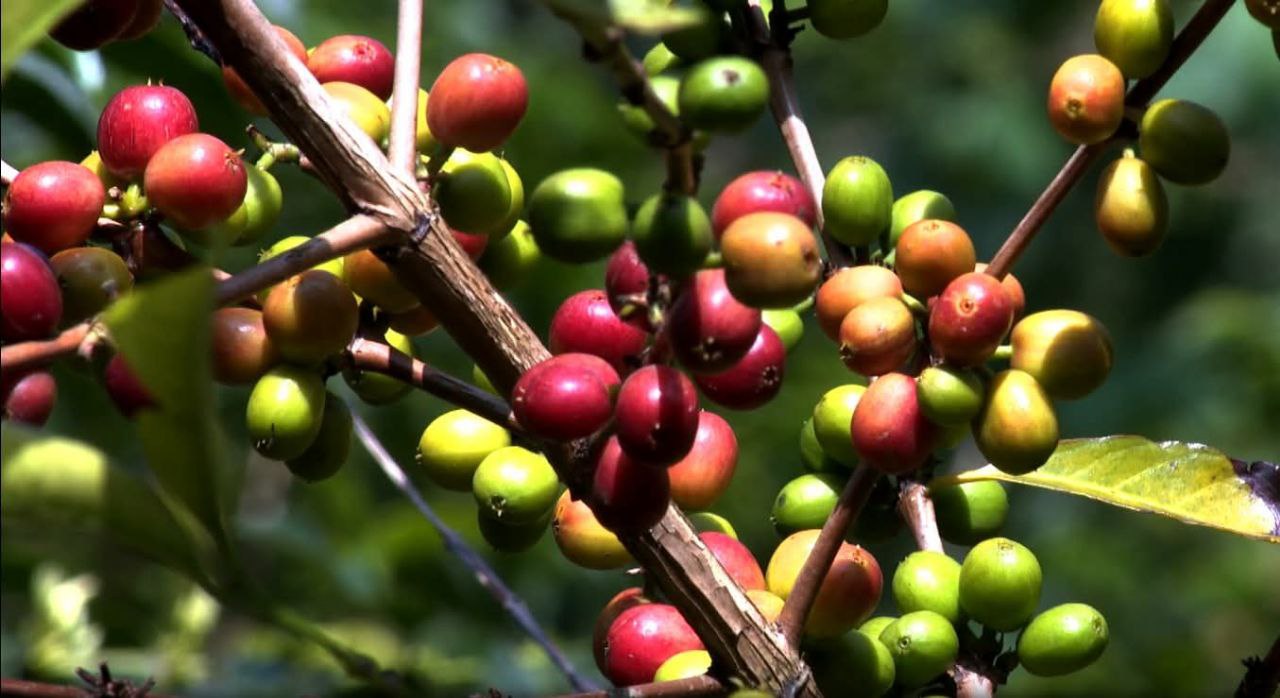
The Guardian published a lengthy report titled “‘Everyone feels like they are being scammed’: can Central America’s small coffee growers survive as global prices fall?”, which discussed the growing pressures facing coffee farmers in parts of Central America, particularly in El Salvador and Honduras. The report explores how climate instability, rising production costs, labour shortages and volatile global markets are reshaping coffee farming across the region.

According to the report, many small producers who have depended on coffee cultivation for generations are now confronting increasingly unpredictable conditions. Weather patterns that once followed a familiar seasonal rhythm have become less reliable, making it difficult for farmers to plan their harvest cycles and manage their farms effectively.

The report begins on a hillside in western El Salvador, where coffee farmer Oscar Leiva observes rainfall arriving in December, a month that traditionally marked the beginning of the dry season. During the latest harvest cycle, flowering occurred early and then stalled, followed by a period of intense heat. As a result, the remaining crop is uneven in quality and more expensive to produce than previous harvests.

You may like: Global Study Maps the “Carbon Footprint” of Latin American Coffee

For Leiva’s family, coffee is not simply a crop but a long-standing way of life. His mother, Esperanza Marinero, remembers when the rainy season arrived on time and harvests could be planned months ahead. Today, that certainty has disappeared. Farmers must make decisions about pruning, fertilising and hiring workers without reliable seasonal patterns, increasing the financial risks they face.

Coffee has historically played a major role in El Salvador’s economy. In the mid-1970s the country ranked among the world’s leading coffee producers, with harvests exceeding five million quintales, a unit equal to about 46 kilograms. Today, national production struggles to reach one million quintales.

The report notes that this decline reflects more than market cycles. Decades of land restructuring, climate shocks and rural migration have weakened the coffee sector and altered the agricultural landscape. Increasing climate volatility has disrupted flowering cycles, reduced yields and affected the quality of coffee, particularly for small farmers who lack financial reserves to absorb repeated losses.

Read also: Shock in the Coffee Market: Colombia’s Production Drops 36%

Cecibel Romero, a researcher focusing on coffee production, explained that the sector is experiencing overlapping challenges that extend beyond climate change alone. Rising temperatures, irregular rainfall and plant diseases such as coffee rust have exposed long-standing vulnerabilities in traditional production systems.

Romero noted that past production models often focused on maximising yields and implementing short-term solutions rather than building long-term resilience. After severe rust outbreaks in the early 2010s, many producers replanted their farms with varieties believed to be resistant. However, some of these varieties produced lower-quality beans or did not maintain their resistance over time.

As coffee’s economic importance declined in El Salvador, public support systems for the sector were also reduced. Agricultural services weakened, renovation programmes became fragmented and access to affordable credit narrowed. As a result, many producers have been left to cope with climate risks, disease outbreaks and market volatility largely on their own.

Read also:Coffee Markets Rise Amid Middle East Shipping Disruptions

Similar pressures are being felt in Honduras, the largest coffee producer in Central America. Although overall production remains higher than in El Salvador, farmers there are also dealing with rising costs and climate-related challenges.

Juan Luis Hernández, a forest engineer who has worked on environmental projects connected to the Honduran Coffee Institute, said adapting to changing conditions requires investment, time and labour. Measures such as managing shade trees, restoring soil health, protecting water sources and monitoring plant diseases all require resources that are not equally available to all farmers.

In the Honduran region of Copán, farmer Gerardo Vásquez manages an eight-hectare family farm while also advising other growers. Trained through the Honduran Coffee Institute, he works on soil analysis, selecting coffee varieties and developing agroforestry systems.

Even with this technical background, Vásquez says the economic reality of coffee farming remains difficult. Establishing one manzana of coffee — roughly 0.7 hectares — now costs about 200,000 lempiras over a period of three years.

Read also: Bridging the Gap: An Exclusive Dialogue with Vanusia Nogueira on the Global Coffee Crisis and the Path to 2026

Production costs have risen significantly in recent years. Fertiliser prices increased sharply after the pandemic, while labour shortages have pushed wages for harvest workers higher. When harvesting, processing and transport are included, farmers may spend more than 3,000 lempiras to produce a single quintal of parchment coffee.

Weather conditions can further complicate the process. Continuous rainfall makes drying coffee difficult, forcing some farmers to sell freshly picked cherries directly from the field at lower prices. Others depend on intermediaries who provide advance payments, which can limit farmers’ ability to negotiate prices later.

Climate change is also affecting where coffee can be grown successfully. Farms located below 1,000 metres above sea level are becoming more vulnerable to heat stress, pests and diseases. As a result, coffee cultivation has gradually moved to higher elevations over time.

However, relocating production to higher ground is not feasible for many smallholders, who may not have access to suitable land or the financial means to make such changes.

At Café San Rafael in Honduras, co-owner Carlos Guerra explained that the flowering cycle of coffee plants has become increasingly irregular. What once occurred within a predictable timeframe now happens in stages, extending the harvest period and raising labour costs.

Labour itself has become one of the most pressing challenges for producers. Coffee harvesting requires careful selection of ripe cherries, a process that cannot easily be mechanised. Younger workers are increasingly leaving rural areas, making it harder for farms to recruit enough labour during harvest season.

Farmers are experimenting with various adaptation strategies, including planting additional shade trees and improving soil management practices. While these measures can help protect coffee plants from heat stress, they may also reduce yields, creating a difficult balance between environmental resilience and economic viability.

Some farms attempt to offset these challenges by focusing on higher-value markets. At Café San Rafael, careful management of fermentation and drying processes helps maintain coffee quality even when harvest conditions are uneven. Operating a roastery also allows the business to manage fluctuations in supply.

However, many small farmers do not have access to such opportunities. Entering specialty coffee markets often requires certification, processing infrastructure and export connections that remain beyond the reach of numerous producers.

Emeric Seguin, director of sourcing and sustainability at a specialty coffee company working with producers in Central America, told the newspaper that mistrust is widespread within the supply chain. Farmers often feel undervalued, while buyers worry about inconsistent supply, leaving cooperatives caught between both sides.

Several initiatives are attempting to promote more resilient farming practices. In El Salvador, a coffee production school known as Renacer encourages ecological approaches that focus on soil health, shade restoration and long-term stability rather than maximising short-term yields.

Agronomist Sigfredo Corado explained that the goal is to reduce extreme fluctuations in harvests. While farms may not achieve exceptionally high yields in strong years, they are also less likely to experience severe drops in production.

Despite these efforts, the report notes that global market conditions could add further pressure. Rabobank has predicted that increasing coffee surpluses in the coming seasons could push international prices lower, potentially making coffee production less viable for smallholders.

As profitability declines, some land previously used for shaded coffee is being converted to other crops or sold for development, gradually altering landscapes that have long been associated with coffee cultivation.

For farmers such as Oscar Leiva, planning for the next season remains unavoidable despite the uncertainty. Each harvest now requires decisions to be made without the reliable patterns that once guided coffee farming.

Across Central America, producers continue searching for ways to adapt to changing environmental and economic realities, while the long-term sustainability of smallholder coffee farming remains an open question.

Coffee Markets Rise Amid Middle East Shipping Disruptions

Dubai – Qahwa World

Global coffee markets moved higher last week as escalating tensions in the Middle East disrupted key shipping routes and increased freight costs, while supply developments in major producing countries also influenced market sentiment.

Arabica coffee futures began the week at 279.90 US cents per pound and briefly approached the 290-cent level before easing slightly. The market maintained upward momentum through the week, posting marginally higher closes on Wednesday and Thursday. By Friday, prices opened 5.45 cents per pound higher than the previous day’s close, supported in part by reports that Brazil’s coffee exports fell 17.4% year-on-year in February.

You may like:Shock in the Coffee Market: Colombia’s Production Drops 36%

  • Shipping routes under pressure

Market activity during the period from March 2 to March 5 was shaped largely by geopolitical developments rather than major supply news from coffee-producing regions.

Military strikes involving the United States and Israel against Iran, followed by retaliatory actions, disrupted shipping activity through the Strait of Hormuz, a critical route for global trade. At the same time, shipping companies remain cautious about passing through the Red Sea amid concerns over possible attacks by Yemeni Houthi rebels.

These risks have forced some vessels to take longer routes around the Cape of Good Hope, significantly increasing transportation times as well as freight and insurance costs. The situation has added new uncertainty to global supply chains, including agricultural commodities such as coffee.

Read also: Kim Thompson: Coffee on the Edge of Disruption

  • Weather challenges in Colombia

At origin, coffee production conditions in Colombia remain difficult due to excessive rainfall. Persistent wet weather has affected flowering, maturation, and bean development in several regions, particularly in southern areas where limited sunshine has compounded the problem.

Producers and exporters are also facing economic pressure. The stronger Colombian peso, combined with the recent decline in the C-market price, is expected to reduce revenues compared with the previous year.

As a result, exporters have slowed sales, leading to lower export volumes and rising inventories while waiting for more favorable market conditions when possible.

  • Honduras harvest nearing completion

In Honduras, the harvest season has moved well beyond its peak, with more than 75% of the crop already collected. Harvesting has largely finished in lower-altitude regions, leaving mainly higher-elevation farms still gathering the remaining coffee.

Purchasing activity remains mixed. Exporters who secured contracts earlier at higher market prices are continuing to buy coffee cherries and parchment, while others with fewer forward commitments are delaying purchases.

Read this also; Oil Surge Could Brew Higher Coffee Prices

  • Currency markets react

Currency markets were also influenced by developments in the Middle East, with the US dollar strengthening following the weekend’s military strikes.

The GBP/USD and EUR/USD currency pairs initially dropped to 1.327 and 1.155, respectively, before recovering slightly to around 1.332 and 1.160 by Tuesday afternoon.

For the remainder of the week, both pairs traded mostly within a lower range compared with previous weeks as investors monitored geopolitical developments and their potential impact on global trade and energy markets.

  • Market outlook

While major supply-side news from coffee-producing countries remained limited during the week, traders continue to monitor shipping disruptions, weather conditions at origin, export flows, and currency movements. These factors are expected to remain key drivers of short-term price movements in global coffee markets.

Shock in the Coffee Market: Colombia’s Production Drops 36%

Dubai – Qahwa World

Coffee production in Colombia, the world’s largest producer of washed Arabica coffee, recorded a sharp drop in February 2026. Production reached 869,000 bags, with each bag weighing 60 kilograms, marking a decline of 36% compared with the same month last year. This decrease reflects a continuing negative trend that is putting pressure on the global coffee supply.

  • Noticeable Drop in Annual Production

When looking at the total production over the last 12 months, from March 2025 to February 2026, the total reached 12.72 million bags. This represents a decline of 14% compared with the previous cycle.

German Bahamon Jaramillo, the general manager of the National Coffee Federation (FNC), said that the current situation requires urgent action to protect the stability of the sector and maintain farm productivity, according to the Argentine newspaper Infobae.

You may like: Colombian Coffee Day Celebrated at Dubai Coffee Museum

The main recommendations include improving fertilization to restore plant strength and renewing coffee farms to ensure sustainable production in the medium term. There are also calls for direct support measures for farmers to help them deal with lower profits caused by reduced production.

  • Exports Also Decline

The drop in production has also affected exports. Coffee exports in February fell by 32%, reaching 807,000 bags.

During the beginning of the agricultural season, from October to February, total exports reached 5.06 million bags. This is a decline of 14% compared with the same period in the previous cycle.

  • Production Under Pressure

Experts say this decline shows how vulnerable coffee production is to climate changes and farm management problems. It also puts pressure on global prices and may increase the cost of coffee for consumers. At the same time, it makes it more difficult for small farmers to maintain sustainable businesses.

  • Main Reasons for the Decline

Several factors are behind the drop in production.

Climate changes:
Continuous heavy rain and thick cloud cover affected flowering and plant growth. This also led to the spread of diseases such as coffee leaf rust, although detection rates remain low thanks to resistant coffee varieties.

Read Also: Historic Colombian Coffee Harvests Face Labour Shortages

Farm management challenges:
Coffee plants are showing signs of exhaustion after several years of strong production. The 2024/2025 season recorded the highest production level in 30 years. In addition, higher costs for inputs such as fertilizers and labor have increased pressure on farmers.

Weak start to 2026:
The decline follows a 34% drop in January 2026, when production reached 893,000 bags, making the start of the year one of the weakest in recent years.

  • Suggested Actions

Experts suggest several steps to address the situation.

Short term:
Improve fertilization to strengthen plants and provide direct financial support for small farmers, who produce about 70% of the country’s coffee, to help offset income losses.

Medium term:
Renew coffee farms to ensure long-term sustainability and adopt varieties that are more resistant to climate conditions. Price-stabilization mechanisms are also recommended to reduce market volatility.

Long term:
Address climate change through global strategies. A report from the International Coffee Organization (ICO) and other groups expects that global coffee production could be affected by up to 50% by 2050 if adaptation measures are not taken.

  • Impact on Global Supply

Colombia represents about 10% to 12% of global Arabica production. Because of this, any decline in its output puts pressure on the global supply, especially when production also drops in countries like Vietnam or Indonesia during some periods.

However, some of this pressure may be eased by expectations of a record Brazilian crop in the 2026/2027 season, estimated at 66.2 million bags, an increase of 17.2%. This could push global production to around 180 million bags.

Still, climate volatility keeps supply fragile. As a result, major international buyers, including the United States and Europe, may look for temporary alternatives.

  • Price Movements

Arabica prices recently fell from record levels above $4 per pound in November 2025 to about $2.80 to $3.00 per pound today, mainly because of strong crop expectations in Brazil.

However, the decline in Colombian production has helped push prices up by about 2% to 5% in recent weeks. This increase is linked to concerns about global supply and geopolitical tensions, including shipping disruptions in the Strait of Hormuz.

The World Bank expects Arabica prices to fall by 13% to 15% during 2026 overall. But this outlook could change if production in Colombia continues to decline.

For consumers, coffee prices in the market may rise by about 5% to 10% in the short term, especially in Europe and the United States.

Russian Coffee and Roasted Coffee Market 2026

MOSCOW – QAHWA WORLD

The Russian coffee market continues to reach record sales levels, driven by strong domestic demand and rising per capita coffee consumption. According to analysis by Roif Expert, the market volume increased by approximately 300 billion rubles in recent periods, marking the highest level recorded since monitoring began.

Analysts note that this growth is supported by increased domestic production of both regular and roasted coffee. Major Russian producers are expanding their production capacities to meet rising consumer demand. At the same time, coffee imports continue to show a stable upward trend, making the Russian market attractive to foreign companies, while exports, despite some international restrictions, have potential for expansion.

Growth in Roasted Coffee Production

The roasted coffee sector has seen a significant increase in production, driven by rising local demand and the need to partially replace imported products. Production is concentrated in key regions, and the market shares of major companies remain relatively stable compared to previous periods.

Roif Expert highlights that the entry of new players intensifies competition, especially for companies with the resources to expand geographically and increase production volumes. Additionally, the market is directly influenced by the overall economic situation, regional factors, and geopolitical conditions, making adaptability crucial for companies to maintain their market share.

Imports and Exports of Roasted Coffee

  • Imports: Determined by domestic demand and price fluctuations between Russian and foreign producers, imports show a steady growth trend.

  • Exports: Primarily directed to international markets, although global restrictions can affect the attractiveness of Russian roasted coffee abroad.

Key Market Trends

According to Roif Expert, the main trends in the Russian coffee market include:

  • Growth in production of both regular and roasted coffee to meet domestic demand.

  • Continued increase in per capita coffee consumption.

  • Steady import growth with potential for expanding exports.

  • Stability in market shares of major producers alongside rising competition from new entrants.

  • Coffee prices are increasing faster than sales volumes.

Market Outlook

Analysts expect the Russian coffee market to continue its growth in the coming years, driven by increasing domestic production and expanding roasted coffee exports. The market remains attractive to investors due to high profitability and growing consumption, particularly in the roasted coffee segment, where competition among major players is strong.

Roif Expert’s analysis confirms that the Russian coffee and roasted coffee market is flexible and capable of adapting to changes in demand and pricing, enhancing its growth potential both domestically and internationally in the medium and long term.

U.S. Coffee Prices Hit Record Levels Despite Stable Global Markets

DUBAI – QAHWA WORLD

By any measure, coffee should be getting cheaper.

International green coffee prices have eased in recent months as production rebounds in major origins. Yet in the United States, retail coffee prices continue to climb — reaching levels not seen in decades.

According to data from the U.S. Bureau of Labour Statistics, the average retail price of roasted coffee in the United States hit $9.37 per pound in January, up 33% year over year. That marks the highest level since federal record-keeping began in the 1980s.

At the same time, global benchmark prices for green coffee have fallen to roughly $3.64 per pound, reflecting improved crop expectations and stabilising supply chains.

So why is the world’s largest coffee-consuming economy moving in the opposite direction?

Tariffs and Trade Policy Still Ripple Through the Market

The answer begins with trade policy.

During the previous administration of Donald Trump, tariffs were imposed on key coffee-exporting countries. The United States introduced:

  • A 46% tariff on imports from Vietnam

  • A 10% tariff on imports from Brazil and Colombia

Vietnam, Brazil, and Colombia collectively supply more than 60% of U.S. coffee imports. Any disruption involving these origins has immediate consequences for American roasters.

In July, an additional 40% tariff on Brazilian food and beverage imports was proposed. Although that measure was later reversed, the market had already reacted. Coffee is traded months in advance, and importers typically lock in contracts well before shipments arrive. By the time policies shift, pricing structures are already embedded in the supply chain.

In coffee, timing is everything — and costs move slowly in one direction.

The Lag Between Global Prices and Retail Shelves

Green coffee prices are only one component of what consumers pay. Roasting, freight, warehousing, labor, packaging, and retail margins all compound the final number on a supermarket shelf or café menu.

Even when global commodity prices fall, retailers rarely adjust immediately. Contracts must roll over. Inventories must clear. New pricing agreements must be negotiated.

There is also a behavioural element at play. Coffee remains a daily ritual for millions of Americans. Demand has proven remarkably resilient, even in periods of inflation. When consumers continue buying at higher prices, businesses face little urgency to cut them.

Corporate Performance Signals Strong Demand

Publicly traded coffee giants reflect this resilience.

Shares of Starbucks are up roughly 14% year to date in 2026. Meanwhile, Keurig Dr Pepper has gained about 5% over the same period.

Strong performance suggests that consumers are still spending on coffee, whether in cafés or at home. For investors, it’s a sign of pricing power. For consumers, it means relief may not come quickly.

A Market Split: Global Relief, Domestic Pressure

Globally, supply conditions are improving. Brazil’s production outlook has strengthened, and earlier disruptions in key growing regions have begun to ease. That has kept international prices from climbing further.

But the United States operates within its own pricing ecosystem — shaped by trade policy, distribution costs, and consumer behaviour.

The result is a widening gap between falling global bean prices and rising American retail prices.

Will U.S. Coffee Prices Come Down?

They may — but not immediately.

As older contracts expire and lower global prices filter through the system, wholesale costs could soften. However, whether those savings reach consumers depends on competitive pressure, corporate strategy, and demand trends.

Coffee has evolved far beyond a commodity. It is a cultural staple, a daily necessity, and for many households, a non-negotiable expense.

For now, Americans are paying record prices for their morning cup — even as the rest of the world sees relief.

And until supply contracts reset and market forces realign, that disconnect is likely to persist.

Coffee Prices Plunge on Rising Global Supply

DUBAI – QAHWA WORLD

Coffee futures fell sharply on Tuesday, pressured by improving global supply expectations and stronger production forecasts from key producing countries.

March arabica coffee contracts dropped 5.15%, settling at a 7.25-month low. March robusta futures declined 4.44%, marking a six-month low. The downturn extends a three-week slide driven largely by expectations of a bumper crop in Brazil.

According to Brazil’s crop forecasting agency Conab, the country’s 2026 coffee production is projected to rise 17.2% year-over-year to a record 66.2 million bags. Arabica output is expected to increase 23.2% to 44.1 million bags, while robusta production is forecast to climb 6.3% to 22.1 million bags.

Weather conditions have also supported the bearish outlook. Somar Meteorologia reported that Minas Gerais — Brazil’s largest arabica-growing region — received 72.6 mm of rainfall during the week ending February 6, representing 113% of the historical average.

Additional pressure came from Vietnam, the world’s largest robusta producer. Data from Vietnam’s National Statistics Office showed January coffee exports surged 38.3% year-over-year to 198,000 metric tons. Full-year 2025 exports rose 17.5% to 1.58 million metric tons. Production for the 2025/26 season is projected to increase 6% to 1.76 million metric tons (29.4 million bags), the highest level in four years.

Rising exchange inventories have also weighed on prices. Intercontinental Exchange-monitored arabica stocks rebounded from a 1.75-year low of 396,513 bags in mid-November to 461,829 bags in early January. Robusta inventories likewise recovered from a 13-month low of 4,012 lots in December to 4,662 lots in late January.

On the supportive side, Brazil’s Trade Ministry reported a 42.4% year-over-year decline in January coffee exports to 141,000 metric tons. Meanwhile, production in Colombia — the world’s second-largest arabica producer — fell 34% in January to 893,000 bags, according to the National Federation of Coffee Growers.

Globally, supply signals remain mixed. The International Coffee Organization reported that exports for the current marketing year (October–September) slipped 0.3% year-over-year to 138.658 million bags.

In its latest bi-annual outlook, the U.S. Department of Agriculture’s Foreign Agricultural Service projected that global coffee production for 2025/26 will rise 2.0% to a record 178.848 million bags. Arabica output is forecast to decline 4.7% to 95.515 million bags, while robusta production is expected to jump 10.9% to 83.333 million bags.

The agency also estimates that global ending stocks for 2025/26 will decline 5.4% to 20.148 million bags, compared with 21.307 million bags in 2024/25 — suggesting that despite short-term pressure, underlying supply dynamics remain closely balanced.

Coffee Prices Rise as Demand Returns After Sharp Decline

DUBAI – QAHWA WORLD

Coffee prices rose for a second consecutive day at the end of the week, following recent declines that prompted roasting companies to return to the market and rebuild their low inventories.

March arabica contracts recorded a slight increase, while robusta contracts rose to a one-week high, signaling strong renewed demand.

  • Sharp Declines Trigger Buying

Over the past two weeks, coffee faced significant pressure. Robusta prices fell to a six-month low, while arabica prices reached the same level, amid expectations of a plentiful Brazilian crop.

YOU MAY LIKE: Top 20 Most Powerful Coffee Companies in the World 2026 

Brazil’s National Supply Agency Conab announced that the country’s coffee production in 2026 is expected to rise by 17.2 percent compared to last year, reaching a record 66.2 million bags. Arabica production is projected to increase by 23.2 percent to 44.1 million bags, while robusta output is expected to rise by 6.3 percent to 22.1 million bags.

  • Rainfall Improves Crop Outlook

Heavy rainfall has eased drought concerns and improved expectations for Brazil’s coffee harvest. Minas Gerais, the country’s largest arabica-growing region, received 72.6 millimeters of rain for the week ending February 6, or 113 percent of the historical average, according to Somar Meteorologia.

  • Vietnam Increases Supply

Meanwhile, rising exports from Vietnam have added pressure on robusta prices. Vietnam’s January exports rose 38.3 percent year-on-year to 198,000 metric tons, while full-year 2025 exports increased 17.5 percent to 1.58 million metric tons.

READ THIS INTERVIEW: Hind Shaia: The Entrepreneur Renewing the Heritage of Yemeni Coffee from the Heart of Sana’a 

Vietnam’s coffee production for the 2025/2026 season is expected to rise six percent to 1.76 million metric tons, the highest level in four years, further boosting global robusta supply.

  • Inventory Recovery Limits Gains

Coffee inventories monitored by international exchanges have recovered from previous lows, moderating price gains. Arabica stocks rose from a one-and-a-half-year low, and robusta inventories recovered from a thirteen-month low to reach a two-month high.

  • Price Support Factors

Despite abundant supply in some regions, supportive factors remain. Brazil’s trade data showed January exports fell 42.4 percent year-on-year.

Colombia’s coffee production fell 34 percent in January to 893,000 bags, supporting arabica prices, as Colombia is the world’s second-largest producer of arabica coffee.

READ THIS RELATED STORY: Coffee Prices Rise as Brazilian Real Strength Sparks Short Covering 

Globally, the International Coffee Organization reported that world coffee exports during the marketing year from October to September declined 0.3 percent to 138.658 million bags, reflecting a slight tightening of global supply.

  • Global Production Forecast

The United States Department of Agriculture’s biannual report projects that world coffee production in the 2025/2026 season will rise two percent to a record 178.848 million bags. Arabica production is expected to decrease 4.7 percent to 95.515 million bags, while robusta output will rise 10.9 percent to 83.333 million bags.

Global ending stocks are projected to fall 5.4 percent to 20.148 million bags from 21.307 million bags in the previous season.

This data shows that the coffee market is balancing between ample supply in some countries and declining production and exports in others, alongside renewed demand at low price levels, keeping prices volatile and closely watched in the coming weeks.


Global Coffee Prices Rise as Roasters Step In After Recent Slump

Global coffee prices moved higher for a second consecutive session as bargain buying emerged after recent six-month lows. While Brazil and Vietnam are expected to expand production, tightening exports and shifting inventories are keeping the market balanced.

DUBAI – QAHWA WORLD

Global coffee markets extended gains for a second consecutive session on Friday, supported by renewed buying interest after prices recently fell to six-month lows.

March arabica futures (KCH26) closed up 0.40 cents (+0.13%), while March ICE robusta (RMH26) rose by $24 (+0.63%), with robusta touching a one-week high. The rebound follows a sharp two-week decline that pushed both contracts to six-month lows earlier in the week, encouraging roasters to rebuild inventories at more attractive price levels.

  • Domestic Market Remains Stable

While international prices moved higher, domestic coffee prices held steady at 96,400–97,700 VND per kilogram. The highest levels were recorded in Gia Lai and Dak Lak at 97,700 VND/kg, while Lam Dong posted the lowest at 96,400 VND/kg.

On the futures markets, London robusta contracts advanced across delivery months. The January 2026 contract rose by $24 to $3,859 per ton, and the November 2026 contract gained $46 to $3,584 per ton.

In New York, March 2026 arabica edged up 0.4 cents to 300.05 cents per pound, while the December 2026 contract climbed 0.85 cents to 286.40 cents per pound. Brazilian arabica futures showed mixed movement, with March down 4.6 cents to 384.0 cents per pound and May up 1.35 cents to 381.4 cents per pound.

  • Pressure from Expanding Supply

Despite the short-term recovery, coffee prices have faced sustained pressure from expectations of strong global supply.

Brazil’s crop forecasting agency, Conab, projected that Brazil’s 2026 coffee production will rise 17.2% year-on-year to a record 66.2 million bags, including a 23.2% increase in arabica output to 44.1 million bags and a 6.3% rise in robusta production to 22.1 million bags.

YOU MAY LIKE: High Coffee Costs Force Americans to Change Their Daily Habits

Improved weather conditions have further eased supply concerns. According to Somar Meteorologia, Brazil’s key arabica-growing region of Minas Gerais received 72.6 mm of rainfall in the week ended February 6 — 113% of the historical average — reducing earlier drought worries.

Vietnam’s strong export performance has also weighed on robusta prices. The country’s National Statistics Office reported January coffee exports surged 38.3% year-on-year to 198,000 metric tons, while full-year 2025 exports rose 17.5% to 1.58 million metric tons. Vietnam’s 2025/26 coffee production is projected to increase 6% year-on-year to 1.76 million metric tons (29.4 million bags), marking a four-year high.

  • Inventory Recovery Adds Headwinds

The rebound in ICE-monitored inventories has also added downward pressure. Arabica stocks, after falling to a 1.75-year low of 396,513 bags in November, recovered to a 3.25-month high of 461,829 bags in early January. Robusta inventories similarly rebounded from a 13-month low in December to a two-month high by late January.

  • Supportive Factors Remain

On the supportive side, Brazil’s January coffee exports dropped 42.4% year-on-year to 141,000 metric tons, tightening short-term supply availability.

In Colombia, the world’s second-largest arabica producer, January coffee production fell 34% year-on-year to 893,000 bags, according to the National Federation of Coffee Growers.

The International Coffee Organization (ICO) reported that global coffee exports for the current October–September marketing year declined 0.3% year-on-year to 138.658 million bags, pointing to tighter trade flows.

Meanwhile, the USDA Foreign Agriculture Service (FAS) projected world coffee production in 2025/26 will increase 2.0% year-on-year to a record 178.848 million bags. Arabica output is expected to fall 4.7% to 95.515 million bags, while robusta production is forecast to rise 10.9% to 83.333 million bags. FAS estimates 2025/26 ending stocks will decline 5.4% to 20.148 million bags from 21.307 million bags in 2024/25.

  • Market Outlook

The market remains caught between short-term demand recovery and longer-term supply expansion. While bargain buying has lifted prices in recent sessions, forecasts for larger crops in Brazil and Vietnam continue to cap upside momentum.

Top 20 Most Powerful Coffee Companies in the World 2026

The Map of Influence and the $200 Billion Battle

DUBAI – QAHWA WORLD

In 2026, the coffee sector has transcended being a mere consumer commodity to become one of the most complex and influential sectors in the global economy. As the market value surpasses the $200 billion mark, the map of power has been redrawn. “Store count” is no longer the sole metric of success; instead, Big Data, Sustainable Supply Chains, and Digital Delivery Speed have become the primary engines of growth. This report highlights the 20 titans shaping the coffee landscape in 2026 based on operating income, market influence, and geographical footprint.

Top 10 Coffee Companies in the Retail Sector (Coffee Chains)

  1. Starbucks – USA:

    • Revenue: ~$39.2 Billion.

    • Footprint: +40,000 stores in 86 countries.

    • Analysis: Remains the dominant global force. In 2026, it successfully integrated the “Deep Brew” AI to predict customer orders with 95% accuracy and solidified its position in China despite fierce competition.

  2. Luckin Coffee – China:

    • Revenue: ~$6.8 Billion.

    • Footprint: +22,000 stores (surpassing Starbucks in Asia by count).

    • Analysis: Operates on a “Cloud Cafe” model with 100% digital ordering. Its strength lies in low overhead costs and lightning-fast expansion.

  3. Tim Hortons – Canada:

    • Revenue: ~$4.8 Billion.

    • Footprint: +5,900 stores.

    • Analysis: The powerhouse of the RBI group. It expanded aggressively in 2026 into emerging markets like India and the Philippines while maintaining absolute dominance in Canada.

  4. McCafé – USA:

    • Estimated Revenue: ~$3.5 Billion (as a standalone segment).

    • Footprint: Available in most McDonald’s locations (+40,000 points).

    • Analysis: The “silent” competitor to Starbucks. In 2026, it pivoted toward high-quality specialty beans to compete with premium cafes at economy prices.

  5. Dunkin’ – USA:

    • Footprint: +13,500 stores.

    • Analysis: Under Inspire Brands, Dunkin’ has transformed into a tech-centric company, with 60% of sales processed via mobile apps in 2026.

  6. Costa Coffee – UK:

    • Footprint: +4,300 stores and +16,000 “Costa Express” machines.

    • Analysis: Its true strength in 2026 lies in “Smart Vending,” delivering cafe-quality coffee in gas stations and airports, backed by Coca-Cola’s logistics.

  7. Panera Bread – USA:

    • Revenue: ~$6.2 Billion.

    • Analysis: A pioneer in the “Subscription Economy.” In 2026, its “Unlimited Sip Club” reached record numbers, ensuring steady recurring cash flow.

  8. Cotti Coffee – China:

    • Footprint: +8,000 stores.

    • Analysis: The challenger that was born big. It follows an aggressive pricing strategy, securing the 8th spot globally by store count in record time.

  9. Peet’s Coffee – USA:

    • Analysis: Focuses on “Coffee Purists.” In 2026, it became the go-to reference for fresh-roasted coffee in the premium US and Asian markets.

  10. Caribou Coffee – USA:

    • Footprint: +850 stores.

    • Analysis: Despite a smaller footprint, it dominates the US Midwest and maintains a powerful presence in the Middle East through franchising.

Top 10 Coffee Companies in the Manufacturing Sector (Packaged & Home Coffee)

  1. Nestlé – Switzerland:

    • Coffee Revenue: +$26.5 Billion.

    • Brands: Nescafé, Nespresso, Starbucks At Home.

    • Analysis: The “Central Bank of Coffee.” Dominates soluble coffee and capsules, holding the largest R&D budget for climate-resilient coffee strains.

  2. JDE Peet’s – Netherlands:

    • Revenue: ~$10.2 Billion.

    • Analysis: The European giant with over 50 brands. In 2026, it strengthened its grip on packaged coffee in emerging markets.

  3. Keurig Dr Pepper – USA:

    • Revenue: ~$15.5 Billion (Total Group).

    • Analysis:* Controls the “Single-Serve” system in North America and serves as a manufacturing partner for over 100 other brands.

  4. Lavazza – Italy:

    • Revenue: ~$3.4 Billion.

    • Analysis: The icon of Italian coffee. In 2026, it successfully acquired several specialty roasters in Europe to boost its “Premium” segment presence.

  5. Tchibo – Germany:

    • Analysis: A unique business model combining coffee trade with consumer goods, holding a dominant position in Germany and Eastern Europe.

  6. Olam Food Ingredients (OFI) – Singapore:

    • Analysis: The “Back-end Engine.” The largest supplier of green beans and processed coffee to most companies on this list, making it a strategic player in global pricing.

  7. UCC (Ueshima Coffee Co.) – Japan:

    • Analysis: A leader in Ready-to-Drink (RTD) and canned coffee innovation. Dominates the Asian market and owns model estates in Hawaii and Brazil.

  8. Melitta – Germany:

    • Analysis: Controls both the brewing equipment and the coffee itself, providing a competitive edge in the “At-Home” segment.

  9. illycaffè – Italy:

    • Analysis: While not the largest by revenue, it is the strongest in “Reputation.” In 2026, illy remains the gold standard for the luxury hotel and restaurant sector worldwide.

  10. Strauss Coffee – Brazil/Israel:

    • Analysis: Dominates the Brazilian market (the world’s largest producer) and holds leading market shares in Russia and Eastern European countries.

Key Indicators for 2026

  • Digital Transformation: 45% of sales for major companies (like Starbucks and Luckin) are now conducted via mobile apps.

  • Sustainability: Net-zero carbon commitment has become a prerequisite for staying on the list; Nestlé and Lavazza have invested billions in sustainable supply chains.

  • Specialty Growth: Giants are increasingly acquiring small specialty roasters to cater to Gen Z preferences.

  • The Asia Market: China is no longer an “emerging” market; it has become the “Main Engine” for global store growth.

Major Trends of 2026

This report shows that the gap between “cup sellers” and “coffee manufacturers” is narrowing. Power in 2026 belongs to companies that own Customer Data and control the Supply Chain from Farm to Cup. We also note the rise of Ready-to-Drink (RTD) coffee as the fastest-growing segment, prompting giants like Nestlé and Coca-Cola (Costa) to inject massive investments.

Research Note: This data was compiled based on fiscal year-end reports for 2025 and growth projections for Q1 2026. Financial figures reflect market value and operational cash flows.

Brazil’s Canephora Coffee Cultivation Moves Beyond Traditional Regions

DUBAI – QAHWA WORLD

Brazil’s production of canephora coffee—covering conilon and robusta varieties—is spreading into states that have historically focused little on these crops. The expansion is being fueled largely by firm prices and growing demand, according to industry representatives and official data.

While Brazil remains the world’s leading producer of arabica coffee, canephora output has gained momentum in recent years. Canephora beans, typically used in espresso blends and instant coffee, offer higher yields compared to arabica and have become increasingly attractive to growers. Brazil is currently the second-largest canephora producer globally and continues to narrow the gap with Vietnam, the leading producer.

Traditionally, the state of Espírito Santo has dominated Brazil’s canephora production, particularly conilon. However, data from Companhia Nacional de Abastecimento (Conab) show that since 2020, other states—including Mato Grosso and Minas Gerais—have significantly increased their output.

  • Prices Encourage New Plantings

Strong international prices over the past year have encouraged farmers to plant canephora outside its traditional strongholds. Although prices have eased from last year’s highs, they remain above long-term averages, sustaining producer interest. Improvements in bean quality have also contributed to broader acceptance in both domestic and export markets.

Minas Gerais, best known as Brazil’s largest arabica producer, is projected to nearly double its canephora production between 2020 and 2026, reaching more than 600,000 60-kilogram bags, according to Conab forecasts.

  • Mato Grosso Eyes Productivity Gains

In Mato Grosso, a state better known for soybeans and corn, efforts are underway to boost canephora cultivation. Agronomists are drawing inspiration from neighboring Rondônia, a key robusta-producing state with higher average yields. Current productivity in Mato Grosso trails Rondônia’s levels, but local research and extension agencies are working to close the gap.

Conab estimates that Mato Grosso’s canephora production will approach 300,000 bags this year, nearly doubling compared with 2020 levels.

  • Ceará Explores New Opportunities

Further north, Ceará is evaluating the potential for both conilon and robusta Amazonica, a variety commonly cultivated in Rondônia. Although Ceará’s current production is modest and grouped with smaller producing states such as Acre and Pará in official statistics, combined output from these regions is projected to increase substantially by 2026.

Ceará’s proximity to ports and transport infrastructure is seen as an advantage for export-oriented growth. State officials anticipate an initial expansion of planted area in the coming years, with room for further development if market conditions remain favorable.

Overall, Brazil’s canephora sector is undergoing geographic diversification, supported by price incentives, productivity gains, and broader market demand.

Global Coffee Market Roadmap—January 2026

DUBAI – QAHWA

January 2026 was not merely the start of a new calendar year for the International Coffee Organization (ICO); it served as a critical testing ground for the resilience of global supply chains against dual shocks: climatic in the primary production origin (Brazil) and logistical in vital waterways. The ICO Composite Indicator Price (I-CIP) averaged 296.89 US cents/lb, a 2.6% decrease from December 2025. While this figure may appear as a slight retreat, a deep dive into daily market movements reveals a state of “silent boiling” that culminated in a sharp price collapse in the final three days of the month, ending a long period of relative stability since late 2025.

  • I. Price Psychology and the “Minas Gerais” Effect

Prices entered January in a state of “cautious balance” (range-bound), lacking clear directional catalysts. Prices fluctuated within a narrow band, interpreted by analysts as being high enough to keep farmers financially satisfied but not low enough to trigger aggressive stock liquidations. However, this calm was shattered by two opposing factors:

Currency Impact and Hedging (Early Month): In the first week, around January 6th, the indicator rose by 3.2%. This increase was driven not by supply shortages, but by the strength of the Brazilian Real. The positive correlation between the Real’s strength and global coffee prices is a classic driver; a stronger local currency reduces export incentives for Brazilian farmers who then prefer selling in the domestic market (CEPEA index), which offered attractive premiums over international prices, creating temporary upward pressure.

The Saving Rain Shock (End of Month): A dramatic shift occurred between January 27th and 30th, with the market losing over 21 cents in a flash. Eyes were glued to weather maps over Minas Gerais, the heart of Brazil’s coffee production. Reports of heavy, consistent rainfall dissipated the “risk premium” previously added by traders fearing drought. This precipitation not only improved the current crop’s condition but provided strong positive signals for the 2026/2027 season, prompting investment funds and speculators to liquidate long positions, causing the indicator to drop to 283.02 cents.

  • 2. Structural Shifts in Demand (Robusta as the New Leader)

The report reveals a significant economic phenomenon: diverging performance among the four main coffee groups. While Arabica varieties suffered sharp declines—up to 4.5% in the “Other Milds” category—Robusta was the only group to achieve positive growth (1.0%), stabilizing at 192.52 cents. This divergence is no coincidence; it is the result of a “structural” shift in the global coffee industry. Amid rising global living costs, major international roasters have begun adjusting “blends” to increase the proportion of Robusta to lower final costs for consumers. This sustained demand for Robusta narrowed the price gap (arbitrage) between the New York and London exchanges by 8.4%, signaling that Robusta is emerging as the actual driver of corporate profit stability.

  • 3. Export Geography: Redrawing the Global Map

Global green coffee exports in December 2025 reached a strong 10.15 million bags, up 9.2%. However, this hides stark regional disparities:

The Central America and Mexico Surge (81.3%): This figure must be read carefully; it reflects “recovery from paralysis” rather than a sudden productivity spike. In December 2024, tropical storms (notably Sara) delayed harvesting, making exports almost non-existent then. In December 2025, stabilized climate allowed coffee to flow normally to ports, resulting in a massive percentage increase compared to the previous year’s “trough.”

Asia and Oceania Leadership (Vietnam & Indonesia): The region grew by 38.4%, led by Vietnam (+30%). Vietnam compensated for early-season harvest delays through improved processing efficiency and the “base effect.” Indonesia and India also saw a combined 61.1% jump, reinforcing Asia’s position as a primary global supplier while South America falters.

South American Contraction (The Persistent Dilemma): For the 14th consecutive month, South America recorded a decline (-15.0%). Brazil fell by 18.5%, and notably, Colombia dropped by 18.9%. The report hypothesizes that Colombia may have reached its “maximum production capacity” due to environmental factors and labor structure changes.

  • 4. Uganda: A Unique African Success Story

Uganda stands out as the “hero” of the African continent, with exports jumping 52.5% in one month. This is the fruit of a national strategy to renew trees and expand Robusta acreage. Uganda aims to export 20 million bags by 2030, and current figures show it is on track, filling the void left by other struggling producers with competitive quality.

  • 5. Logistics: Red Sea Security as a Cooling Factor

A pivotal analytical point is the breakthrough in the Red Sea. Following long-term disruptions, major shipping lines resumed using the Suez Canal by January 12, 2026, after security stabilized. This has a direct price impact:

Reducing “Coffee on Water”: Shortening transit times freed up millions of bags previously held at sea for extra weeks, allowing them to reach European and American ports faster.

Increased Destination Stocks: The availability of coffee in consuming ports reduces “urgent” buying pressure, removing a key price support pillar from last year.

  • 6. Technical Analysis of Stocks and the “Backwardation” Dilemma

Despite export flows, the market faces a technical contradiction called “Backwardation,” where spot prices remain higher than futures. This indicates short-term “hunger” despite long-term optimism. Consequently, certified stocks remain at critical levels (50% of the 5-year average), acting as a “safety valve” that prevents total price collapse.

  • Conclusion and Future Outlook

The January 2026 report clarifies that the global coffee market is moving from a “supply crisis” to a “logistical and climatic rebalancing.” The 2.6% price drop is likely the start of a broader correction in Q1, provided Brazilian rains continue and Suez Canal traffic remains steady.

Coffee Prices Slide on Improved Supply Outlook

Dubai – Qahwa World

Coffee prices extended their week-long decline on Wednesday, pressured by signs of improving global supply. March arabica coffee (KCH26) closed down 8.45 cents (-2.66%), while March ICE robusta coffee (RMH26) fell 49 points (-1.29%).

Arabica prices dropped to a 5.75-month low, and robusta touched a six-week low. The market has been weighed down by favourable weather and rising production expectations, particularly in Brazil and Vietnam.

Above-average rainfall in Brazil has eased concerns about dryness in key growing regions. Somar Meteorologia reported that Minas Gerais—the country’s largest Arabica-producing state—received 69.8 mm of rain in the week ended January 30, or 117% of the historical average.

Brazil’s supply outlook also turned more bearish after Conab, the country’s crop forecasting agency, raised its 2025 coffee production estimate by 2.4% to 56.54 million bags, up from 55.20 million bags projected in September.

Robusta prices have been further pressured by strong export and production prospects in Vietnam, the world’s largest robusta producer. Vietnam’s National Statistics Office reported that 2025 coffee exports rose 17.5% year over year to 1.58 million metric tonnes. Meanwhile, Vietnam’s 2025/26 coffee production is projected to increase 6% year over year to 1.76 million metric tonnes (29.4 million bags), a four-year high. The Vietnam Coffee and Cocoa Association has also said output could rise 10% from the previous season if weather conditions remain favourable.

Rising exchange inventories have added to bearish sentiment. ICE-monitored Arabica inventories rebounded to 461,829 bags on January 7, a 3.25-month high, after falling to a 1.75-year low in mid-November. ICE robusta inventories also recovered, climbing to a two-month high of 4,662 lots after reaching a 13-month low in December.

Some factors have provided limited support. Brazil’s coffee exports declined sharply in December, according to Cecafe. Total green coffee exports fell 18.4% year over year to 2.86 million bags, with Arabica exports down 10% and Robusta exports down 61%.

The International Coffee Organization reported that global coffee exports for the current October–September marketing year slipped 0.3% year over year to 138.66 million bags, signalling tighter trade flows.

Looking ahead, the USDA’s Foreign Agriculture Service projects global coffee production in 2025/26 will rise 2.0% year over year to a record 178.85 million bags. Arabica production is forecast to fall 4.7% to 95.52 million bags, while robusta output is expected to jump 10.9% to 83.33 million bags. Brazil’s production is projected to decline 3.1% to 63 million bags, while Vietnam’s output is forecast to rise 6.2% to a four-year high of 30.8 million bags. Global ending stocks are expected to fall 5.4% to 20.15 million bags.