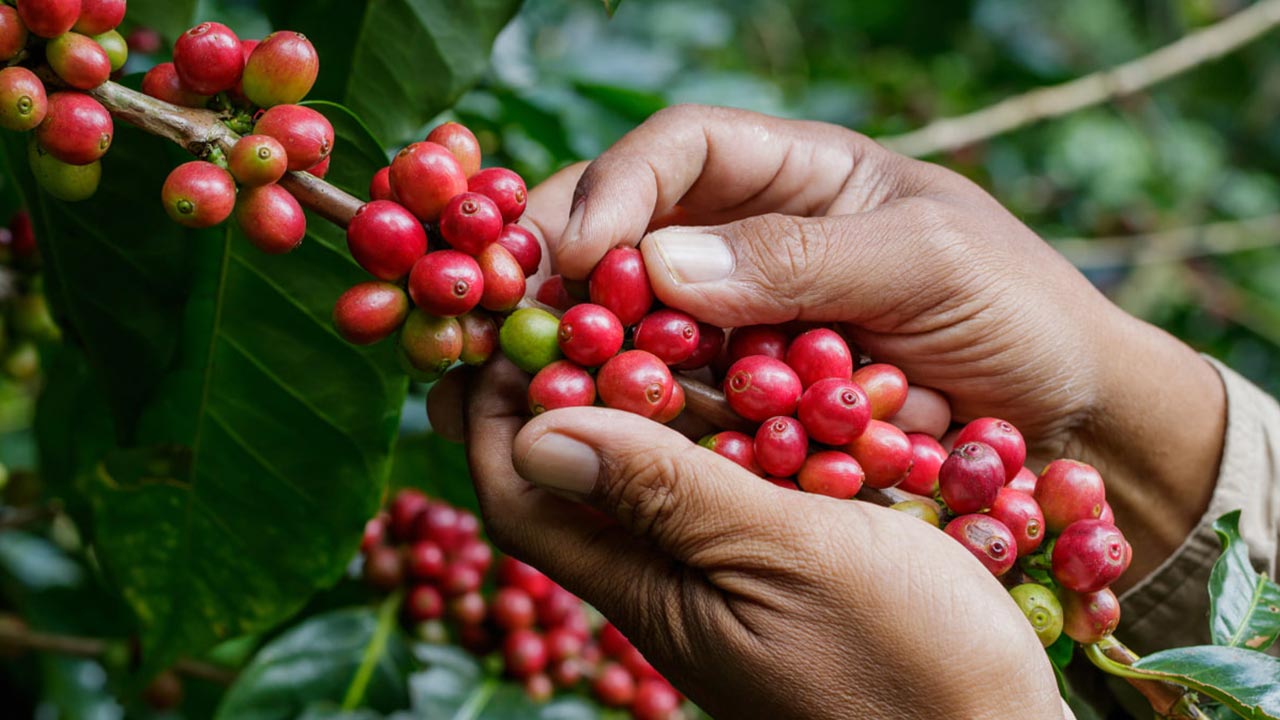
Coffee Prices Fall as Supply Outlook Improves

Dubai – Qahwa World

Coffee futures declined sharply on Tuesday, with both arabica and robusta posting significant losses. Arabica reached its lowest level in about three weeks, while robusta dropped to its weakest nearby level in roughly eight months.

The recent downward trend is mainly linked to expectations of a large coffee harvest in Brazil. Updated projections for the 2026 to 2027 season indicate production exceeding 75 million bags, marking a strong increase compared to earlier estimates and last year’s output.

Global supply expectations are also shifting. Forecasts indicate a widening surplus in 2026, with estimates rising sharply from the previous year and pointing to the largest surplus in several years.

Vietnam, the world’s leading robusta producer, is adding further pressure on prices. Export volumes have increased notably, including strong growth in the first quarter of 2026 compared to the same period last year. Annual export data for 2025 also showed solid gains. Production is expected to rise as well, reaching the highest level in about four years.

Shipping disruptions linked to the Strait of Hormuz have created additional challenges for the market. Higher freight costs, insurance expenses, and fuel prices are raising costs for importers and roasters despite the overall improvement in supply expectations.

Weather conditions in Brazil are providing some support to prices. Key growing regions such as Minas Gerais have received less rainfall than usual, which may affect crop development if dry conditions continue.

Inventory data shows mixed signals. Robusta stock levels have declined to multi month lows, suggesting tighter short term availability. In contrast, arabica inventories have increased, adding pressure on prices.

Brazil’s export performance has also shown some weakness. Shipments of green coffee fell significantly in February compared to the previous year, and total exports also recorded a noticeable decline.

Earlier in the year, coffee prices had already come under pressure. Arabica dropped sharply in February, reaching its lowest level in more than a year as expectations for strong production increased. Official forecasts in Brazil indicate higher output for both arabica and robusta.

At the global level, production is expected to reach a record in the 2026 to 2027 season, increasing by several million bags compared to the previous year.

Despite the overall bearish outlook, some tightening factors remain. Global export data shows a slight decline during the current marketing year, while ending stocks are expected to decrease modestly by the end of the 2025 to 2026 season.

The coffee market remains driven by the balance between strong supply expectations and localized constraints, with attention focused on weather conditions, export trends, and inventory levels.

Brazilian Real Boosts Arabica Coffee Prices

Dubai – Qahwa World

Arabica coffee prices rose on Monday, supported by a stronger Brazilian real, while expectations of a growing global surplus continued to limit gains.

Futures posted modest increases, while robusta trading remained inactive due to a market holiday in the United Kingdom.

The main support came from the Brazilian currency, which climbed to its highest level in several weeks against the US dollar. A stronger real typically reduces export incentives for Brazilian producers, the world’s largest coffee growers, tightening supply in international markets.

However, price gains remained capped by projections pointing to a widening global coffee surplus, expected to reach around 10 million bags in 2026, significantly higher than the previous year and marking the largest surplus in several years.

At the same time, expectations of a strong crop in Brazil continued to weigh on the market, with estimates suggesting production could exceed 75 million bags in the upcoming season, reinforcing global supply.

Despite these pressures, prices found some support from disruptions in global supply chains following the closure of a key maritime route, which led to higher shipping and insurance costs.

Weather conditions in Brazil also contributed to market support, as key arabica-growing regions recorded below-average rainfall, raising concerns about potential impacts on crop development.

Meanwhile, inventory data showed mixed signals, with robusta stocks declining while arabica inventories increased, reflecting an uneven balance in the market.

Brazil’s coffee exports also declined on a yearly basis, providing additional support to prices.

Overall, expectations of rising global production, along with increasing robusta output and higher exports from major producers such as Vietnam, continue to act as key downward pressures on the market in the period ahead.


Starbucks and Boyu Capital Finalize Joint Venture to Drive Growth in China

Dubai – Qahwa World

April 2, 2026 – Seattle – Starbucks Coffee Company has completed its joint venture agreement with investment firm Boyu Capital, marking a key step in its long-term strategy to expand in China.

The deal, first announced in November 2025, underscores Starbucks’ confidence in China as one of its most important growth markets. The partnership is designed to strengthen the company’s presence, improve local market adaptation, and enhance the customer experience while maintaining brand standards.

Under the agreement, funds managed by Boyu Capital now hold a 60 percent stake in Starbucks’ retail operations in China. Starbucks retains a 40 percent share and continues to own the brand and intellectual property, licensing them to the joint venture.

You may read: Starbucks Returns to Growth for the First Time in Two Years

The new entity currently oversees around 8,000 coffee shops, which will gradually transition to a licensed operating model. Over time, the partners aim to expand the network to as many as 20,000 locations.

Company leadership highlighted that combining Starbucks’ global brand strength with Boyu Capital’s local expertise is expected to support expansion into new cities, reach more customers, and reinforce the company’s position in a highly competitive market.

The strategy will place strong emphasis on local adaptation, including tailored beverage offerings, food options, digital engagement, and store formats designed to meet the needs of diverse communities across China.

The partnership is also expected to improve operational efficiency, support faster expansion, and strengthen long-term profitability.

With the transaction now complete, both parties are moving into the operational phase of the joint venture, focusing on growth, innovation, and delivering a consistent coffee experience across the Chinese market.

A Record-Breaking Auction in Ecuador Reveals Shifts in the Coffee Market

Dubai – Qahwa World

The global coffee industry continues to evolve at a striking pace, shaped by a mix of record-breaking achievements, scientific discoveries, corporate expansion, and structural challenges. Recent developments from different parts of the world offer a revealing snapshot of where coffee stands today—and where it may be heading.

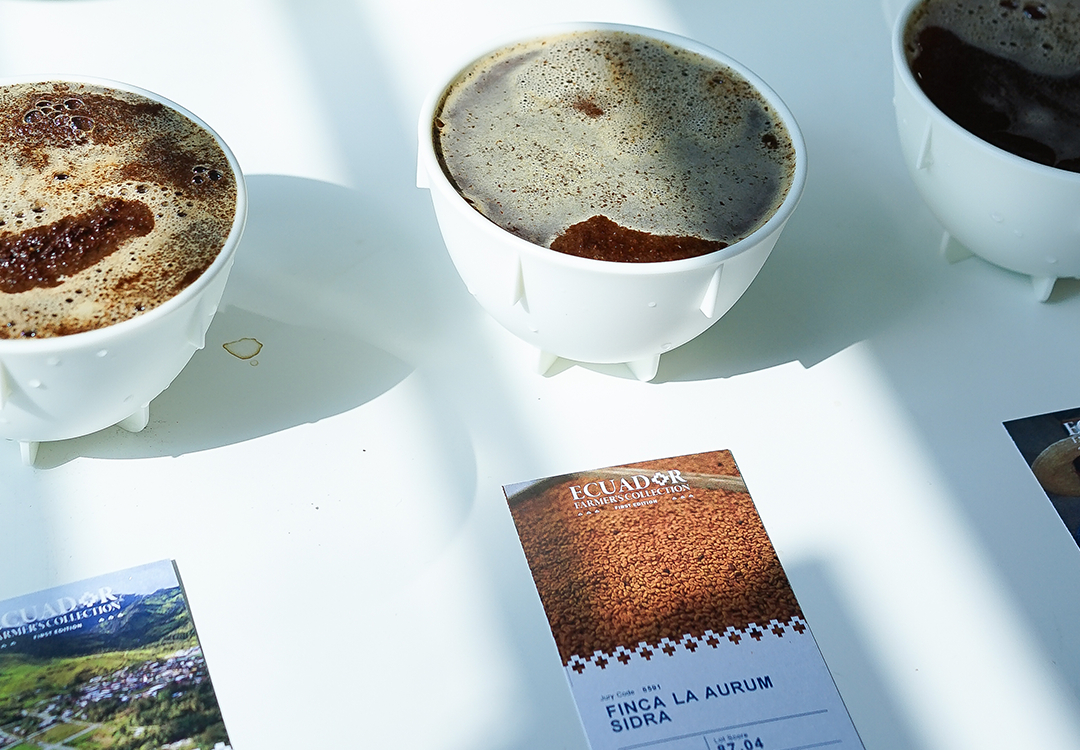
A defining moment came from Ecuador, where a specialty coffee auction set a new national benchmark. A Gesha lot reached 318 dollars per kilogram, signaling not just a headline-grabbing price, but a broader shift in how emerging origins are positioning themselves in the high-value segment of the market. Ecuador, long overshadowed by more established producers, is increasingly demonstrating its potential to compete in the ultra-premium category, where traceability, processing precision, and storytelling drive value as much as cup quality.

This upward movement in prices at the top end reflects a wider transformation. Specialty coffee is no longer a niche; it is becoming a strategic pathway for producing countries seeking to escape the volatility of commodity markets. However, such success stories also highlight a growing divide between high-end micro-lots and the broader base of producers who remain exposed to fluctuating global prices and rising production costs.

At the same time, science continues to deepen our understanding of coffee ecosystems. The identification of new fungal species on arabica plants may seem like a small discovery, yet it underscores the complexity of the biological systems surrounding coffee cultivation. These organisms play a quiet but essential role in nutrient cycling and soil regeneration, reminding the industry that long-term sustainability depends not only on climate and economics, but also on the invisible ecological networks within farms.

On the institutional front, changes in trade governance signal a push toward modernization. Updated arbitration systems and the development of remote training platforms suggest an industry adapting to new realities, where digital access and standardized procedures are becoming increasingly important. As global trade grows more complex, the ability to resolve disputes efficiently and train professionals across borders is no longer optional.

Meanwhile, major coffee companies continue to expand, reporting strong financial growth and reinforcing their global presence. This reflects steady demand in consumption markets, even as the industry faces mounting pressures. New investment discussions and franchise expansion strategies, particularly in the United States, point to a continued belief in coffee as a resilient business model, capable of attracting capital even in uncertain economic conditions.

Yet beneath this growth lies a layer of vulnerability. Legal disputes linked to product safety, as well as incidents involving equipment failure, highlight operational risks that can have significant reputational and financial consequences. In parallel, cases of illegal activity tied to coffee retail spaces, though isolated, raise questions about oversight and the integrity of supply chains at the local level.

In emerging producing regions, entrepreneurial initiatives continue to take shape. New farm projects in Southeast Asia reflect both optimism and necessity, as the next generation of producers seeks to build sustainable models from the ground up. These efforts often rely on direct support, transparency, and storytelling to connect with global audiences and secure funding.

Taken together, these developments reveal an industry defined by contrasts. Record auction prices coexist with structural inequality. Scientific progress advances alongside environmental uncertainty. Corporate growth moves in parallel with operational and regulatory challenges.

Coffee today is not just a beverage or a commodity. It is a complex global system, where climate, biology, economics, and culture intersect. Understanding its future requires looking beyond individual headlines and recognizing the deeper forces reshaping the industry from farm to cup.

Sharp Rise in Coffee Prices in Russia

Moscow – Qahwa World

A cup of coffee in Russia is no longer just a simple daily habit, it has become a growing expense that consumers are clearly beginning to feel. Within just one year, the equation has changed: the same amount of money that once covered five cups of coffee now barely pays for four.

Data indicates a noticeable increase in coffee prices across all categories. Ground coffee has risen by around 20%, while coffee beans have increased by approximately 16%. Instant coffee has also gone up, with the price of a small jar climbing from about 350 to 400 rubles.

This surge is not driven by local factors alone, but reflects broader global shifts. Unstable weather conditions in major producing countries such as Brazil and Vietnam have reduced output, as droughts and frost have negatively impacted harvests.

At the same time, supply chains are under pressure due to higher transportation costs and ongoing geopolitical tensions, directly affecting the cost of coffee imports. In Russia, these pressures are compounded by the weakening of the local currency, making imports even more expensive.

You may read: 70% of Russians drink coffee daily

Additionally, businesses are facing rising operational costs, including taxes, energy prices, rent, and transportation. All of these factors ultimately feed into the final price paid by consumers.

Meanwhile, global demand for coffee continues to grow. [conclusion] Market estimates suggest that coffee consumption could increase by about one-third over the current decade, adding further pressure on supply and keeping prices elevated.

Given these conditions, analysts do not expect a significant decline in prices in the near term. Instead, prices are likely to continue rising at a moderate pace, potentially increasing by an additional 10–20% depending on the type and quality of coffee.

In the end, coffee is no longer just a stable, everyday commodity. it has become a reflection of broader changes in the global economy, from climate challenges to shifting supply chains and trade dynamics.

Dollar Strength and Brazil Crop Pressure Coffee Prices

Dubai – Qahwa World

Coffee prices moved lower as a stronger dollar and expectations of a record Brazilian crop continued to weigh on the market, while a mix of supply, weather, and trade factors shaped overall sentiment.

May arabica coffee fell by 0.95 points, or 0.32%, while May robusta declined by 48 points, or 1.36%, reflecting pressure linked to currency strength and improving supply expectations.

The outlook for Brazil’s next crop remains a central driver. Marex Group projected the country’s 2026 and 2027 coffee production at a record 75.9 million bags, exceeding Sucafina’s estimate of 75.4 million bags, which represents a 15.5% increase year on year. Earlier in the month, StoneX raised its forecast to 75.3 million bags, up from a previous estimate of 70.7 million bags.

Despite this pressure, tight supplies of robusta coffee provided some support. Inventories monitored by the exchange fell to 4,093 lots, the lowest level in three and a half months. In contrast, arabica inventories rose to 585,621 bags, marking a six and a quarter month high and adding further downward pressure on prices.

Global logistics disruptions added complexity to the market. The closure of the Strait of Hormuz has affected shipping flows, increasing freight rates, insurance costs, and fuel expenses, raising costs for importers and roasters while tightening supply chains.

Weather conditions in Brazil also played a role. Rainfall in Minas Gerais, the country’s largest arabica-producing region, reached 11.7 millimeters last week, or 47% of the historical average, according to Somar Meteorologia. Below-normal rainfall typically supports prices, though this effect has been offset by broader supply expectations.

Trade data provided mixed signals. Brazil’s green coffee exports in February fell by 27% year on year to 2.3 million bags, according to Cecafe. Meanwhile, the country’s Trade Ministry reported that total coffee exports declined by 17.4% over the same period to 142,000 metric tons, offering some underlying support.

Earlier this year, coffee prices had already faced significant pressure. In February, arabica dropped to a 16.25-month low as expectations of a large Brazilian crop strengthened the global supply outlook. Brazil’s crop agency Conab said production in 2026 is expected to rise by 17.2% year on year to a record 66.2 million bags, including a 23.2% increase in arabica to 44.1 million bags and a 6.3% rise in robusta to 22.1 million bags.

At the global level, Rabobank projected that coffee production will reach a record 180 million bags in the 2026 and 2027 season, up by about 8 million bags from the previous year.

Vietnam, the world’s largest producer of robusta coffee, added to bearish sentiment. The country reported a 14% increase in exports during the first two months of 2026 to 366,000 metric tons. Exports for 2025 rose by 17.5% to 1.58 million metric tons, while production for the 2025 and 2026 season is expected to increase by 6% to a four-year high of 29.4 million bags.

Additional data from the International Coffee Organization showed that global coffee exports for the current marketing year edged down by 0.3% to 138.658 million bags.

Meanwhile, the U.S. Department of Agriculture’s Foreign Agriculture Service projected that global coffee production for the 2025 and 2026 season will increase by 2% to a record 178.848 million bags. The report also indicated a 4.7% decline in arabica production to 95.515 million bags and a 10.9% increase in robusta output to 83.333 million bags.

The agency expects Brazil’s production for the same season to fall by 3.1% to 63 million bags, while Vietnam’s output is forecast to rise by 6.2% to 30.8 million bags. Ending stocks are projected to decline by 5.4% to 20.148 million bags, down from 21.307 million bags in the previous season.

Together, these factors highlight a market caught between rising global supply expectations and ongoing logistical disruptions, weather concerns, and shifting inventory levels, leaving coffee prices under continued pressure.

Coffee Slides on Supply Surge Signals

London – Qahwa World

Coffee futures dropped notably, with arabica hitting its lowest level in about a week and robusta sinking to a multi-month low. The decline comes as expectations grow for a significantly larger global supply, led by Brazil.

Forecasts from multiple analysts point to a record-breaking Brazilian harvest in the 2026/27 season, with estimates clustering around the mid-70 million bag range—marking a strong year-over-year increase. This optimistic outlook has weighed heavily on prices in recent sessions.

The downturn intensified as the U.S. dollar strengthened to its highest level in over ten months, adding further pressure to commodity markets, including coffee.

You may like: CQI CEO Michael Sheridan Highlights Strong Q1 2026 Momentum

Despite the broader bearish tone, some factors are offering support—particularly for robusta. Exchange-monitored inventories have tightened recently, signaling short-term supply constraints.

Logistical challenges have also emerged as shipping disruptions in key global routes have pushed up freight, insurance, and fuel costs, indirectly impacting coffee trade flows and pricing dynamics.

Weather conditions in Brazil remain another point of concern. Key growing regions have received less rainfall than usual, which could affect crop development if dryness persists.

On the inventory front, Arabica stocks tracked by exchanges have been rising, contributing to downward pressure on prices.

Read also: Roseville’s Coffee Passport brews community and business growth

Export data adds a mixed picture. Brazil reported a sharp decline in green coffee shipments in February compared to last year, alongside a broader drop in total coffee exports.

Earlier in the year, prices had already come under pressure following projections of a bumper crop in Brazil. Government and private forecasts have consistently pointed to strong production growth, especially in arabica output.

Globally, coffee supply is expected to expand further. Estimates suggest total production could reach new highs in the upcoming season, supported by gains in both Brazil and Vietnam.

Vietnam, the leading robusta producer, continues to boost exports, with shipments rising in the early months of the year. Production is also expected to increase, adding to global availability.

Meanwhile, some international data indicates only a slight dip in global exports so far this season, while overall production forecasts remain strong. However, ending stock levels are expected to tighten modestly, reflecting steady demand.

Indonesia’s Specialty Coffee Takeoff

Dubai – Qahwa World

Walk down a Jakarta side street at 7 a.m. and you can watch Indonesia’s coffee story unfold in real time: a plastic stool at a warung, a QR code on a grab-and-go kiosk, and a young professional ordering a single-origin pour-over on her way to the office. Indonesia is no longer just a coffee origin on a cupping table in Europe or the US; it is becoming one of the most dynamic coffee-drinking countries in the world.

Over the past decade, and especially since the pandemic, Indonesians have quietly transformed their relationship with coffee—from dark, sugar-laden robusta in glass cups to iced specialty beverages ordered through delivery apps and omakase-style tasting bars in the capital. The result is a market that is maturing on several levels at once: economically, culturally, and sensorially.

  • A producer that learned to drink its own coffee

Indonesia has long been a heavyweight in green coffee production, growing both arabica and robusta across islands like Sumatra, Java, Sulawesi, and Flores. The country contributes about 5% of global coffee exports and generates well over US$1.5 billion in export revenue from coffee each year, placing it among the world’s top producers.

You may read: Indonesia’s Top 9 Coffees in 2026

For decades, much of that coffee left the country, while domestic drinkers were served largely commodity-grade robusta, roasted dark and drowned in sugar, condensed milk, or spices. The local market revolved around warungs, kopi tubruk at home, and bustling kopitiams where coffee was one part caffeine, one part nostalgia.

What has changed is not only volume, but intent. Domestic consumption has surged, with coffee drinking shifting from a habit of necessity or tradition into a lifestyle that young Indonesians actively curate. Deloitte and other market analysts now point out that Indonesia’s coffee consumption has tripled compared with pre-pandemic levels, pushing it into the ranks of the world’s top five coffee-consuming countries. At the same time, analysts estimate the value of the country’s coffee market could reach roughly US$12.6 billion by 2030 if current growth continues at around 5% a year.

This turn inward matters. In a global market increasingly shaken by climate shocks and price volatility, a strong domestic demand base gives producers and roasters more options—and more leverage—than relying on export markets alone.

  • Chains, kiosks, and a new middle ground

To understand Indonesia’s current boom, it helps to look at what happened between the traditional warung and the high-end café. When international chains first arrived in the early 2000s, they brought espresso-based beverages and a new café aesthetic—but at a price point that was out of reach for many, with a single cup easily costing more than a third of the median daily income at the time.

Local entrepreneurs spotted the gap. Brands like Kopi Kenangan built their model on an accessible promise: modern coffee, familiar flavours, and digital convenience at a fraction of international chain prices. Founded in 2017, Kopi Kenangan expanded at breakneck speed, reaching roughly 900 stores across Indonesia by early 2025 and proving that there was appetite for something between the plastic stool and the plush armchair.

Their success coincided with a broader shift toward convenience formats. A wave of ready-to-drink (RTD) bottles, small grab-to-go kiosks, and café counters inside convenience stores—such as FamiCafé—pushed coffee into transit hubs, malls, petrol stations, and office towers. During the pandemic, this convenience-first model was supercharged: a study of Indonesia’s coffee market found that takeaway and online coffee orders rose by more than 5%, while average ticket sizes climbed from one drink per order to three as consumers leaned on delivery apps for their daily caffeine fix.

Today, Indonesia’s coffee landscape feels layered rather than linear. On the same street, you might see:

  • A traditional kopitiam serving kopi susu with breakfast.

  • A domestic chain offering flavoured iced lattes at a mass-market price.

  • A specialty barista weighing single-origin beans on a scale.

Instead of one model replacing another, they are stacking on top of one another—each speaking to a different moment, budget, and taste preference.

  • Youth, film, and the social life of coffee

Demographics are doing a lot of heavy lifting in Indonesia’s coffee story. Roughly 40% of the population is between 20 and 40 years old, a cohort that has more disposable income than their parents and a very different attitude toward consumption. Coffee is not just fuel; it is part of how they signal identity, spend time with friends, and document their day on social media.

Culture has played its role too. The 2015 release of Filosofi Kopi, a film centred on a specialty coffee shop in Jakarta, helped bring barista culture and single-origin storytelling into mainstream conversation. Café work, once viewed as a stopgap job, began to look like a creative, aspirational profession. Many young Indonesians saw in coffee a way to blend craft, hospitality, and entrepreneurship.

This shift is visible in the sheer number of cafés and coffee stalls that have opened over the last decade. Industry stakeholders now describe Indonesia as one of the countries with the highest café counts in the world, driven by small entrepreneurs, local chains, and increasingly sophisticated independent shops. In major cities, weekend “café-hopping” has become a common pastime for Gen Z and young professionals, who are as interested in interior design and latte art as they are in origin stories.

  • Jakarta’s specialty vanguard—and beyond

If chains and kiosks are the mass engine of growth, Jakarta’s specialty scene is the R&D lab. The city has become a playground for roasters, baristas, and café owners who want to push the sensory and experiential boundaries of coffee.

One of the most visible figures in this movement is Mikael Jasin, 2024 World Barista Champion and three-time Indonesia Barista Champion. His Jakarta concept, Omakafé, applies an omakase-style format to coffee, guiding guests through multi-course tasting experiences that showcase different origins, processes, and brew methods. The format signals something important: Indonesian consumers are increasingly willing not just to drink coffee, but to be educated, surprised, and entertained by it.

Jasin also serves as Chief of Coffee Innovation at Fore Coffee, a domestic specialty chain that raised around Rp 353.44 billion (approximately US$21 million) in an initial public offering on the Indonesia Stock Exchange. Following its IPO, Fore launched an experience-focused store in South Jakarta’s Panglima Polim area, centered on a slow bar where baristas talk guests through flavour profiles, extraction, and the differences between Indonesia’s growing regions.

Specialty is not staying in the capital. Cities like Surabaya, Bandung, Medan, and Bali are seeing a wave of new roasteries and cafés, ranging from minimalist espresso bars to drive-thru outlets connected to local chains. Brands such as Expat. Roasters have used airports and high-traffic locations as gateways, introducing both domestic and international travellers to Indonesian specialty coffee on their way in and out of the country.

Events have amplified this momentum. In May 2025, the World of Coffee trade show came to Jakarta for the first time, bringing international buyers, equipment manufacturers, and coffee professionals into direct contact with Indonesia’s rapidly evolving scene. Organisers noted not just the energy on the show floor but the diversity of approaches—from experimental processing and origin-focused menus to highly localised drink concepts that foreground Indonesian flavours.

  • A market growing in many directions at once

Looking at the numbers, there is little sign that Indonesia’s coffee boom is a short-lived trend. USDA forecasts for 2024/25 predicted domestic consumption at around 4.8 million 60 kg bags, up by 10,000 bags year-on-year, even as some export volumes softened due to production challenges. That apparent contradiction—strong local demand alongside tighter export supply—suggests more of Indonesia’s coffee is staying at home, and importantly, that more of it is being consumed in higher-value formats.

Crucially, growth is not confined to one end of the market. High-end specialty bars and omakase experiences are expanding at the same time as affordable grab-and-go concepts and convenience-store counters like FamiCafé. Together, they are building what industry observers describe as a multi-layered coffee ecosystem, where consumers can trade up or down depending on the occasion without leaving the category.

The pandemic also left a structural imprint on behaviour. As delivery apps became a habitual part of daily life, coffee companies used them not just as logistics channels but as discovery tools—testing limited-time flavours, seasonal drinks, and co-branded collaborations that could be scaled up if they went viral. This test-and-learn approach has kept the market nimble and responsive to shifting tastes, especially among younger drinkers.

At the same time, the steady rise of ready-to-drink and bottled coffee formats has opened new profit pools beyond the café counter. RTD options now sit in fridges in supermarkets, mini-marts, and even small neighbourhood shops, extending coffee consumption into moments and locations that a traditional café could not reach.

  • Taking Indonesian coffee culture abroad

As domestic demand matures, Indonesian coffee concepts are traveling. Kopi Kenangan was among the first homegrown chains to test international waters, rolling out stores in markets such as India, Australia, Singapore, Malaysia, and the Philippines. Their proposition—sweet, iced, and often dairy-forward beverages at accessible prices—translates well in other parts of Asia-Pacific where climate, income levels, and taste preferences are broadly similar.

Other Indonesian brands have followed, with Fore Coffee opening in Singapore to tap into that city’s role as a regional hub for café culture and food trends. These expansions function as both business experiments and cultural exports: they carry Indonesian flavour combinations, branding, and service styles into markets that are already crowded with global coffee names.

On a smaller scale but with significant symbolic impact, Indonesian-owned and Indonesian-inspired specialty cafés have started to appear in cities across the United States, a country that imports around 12% of Indonesia’s coffee. Spots like Kopiku in San Francisco, DUA DC in Washington, D.C., and Hijau in San Jose build their identities explicitly around Indonesian origins and culture, moving international perception beyond the usual shorthand of “Sumatra” or kopi luwak.

These cafés are often where international consumers encounter drinks like kopi susu, pandan lattes, or beverages sweetened with palm sugar (gula merah) for the first time. As Kangmin Kim of Exporum notes, globalisation and social media now make it far easier for these Southeast Asian-inspired drinks to gain attention, with a single viral post capable of propelling a niche menu item into mainstream curiosity.

  • Authenticity, accessibility, and what comes next

If there is a single through-line in Indonesia’s specialty coffee journey, it is the pairing of authenticity with accessibility. Rather than abandoning traditional flavours and formats, many of the most successful brands have reinterpreted them—bottled es kopi susu sold online during the pandemic, pandan- or palm-sugar-inflected lattes served in sleek urban cafés, or single-origin flights built around Indonesian terroirs that local drinkers can claim as their own.

Indonesia’s young, urbanising population, rising incomes, and long-standing coffee culture give it a rare combination of depth and momentum. The country is simultaneously a major producer and an increasingly sophisticated consumer, with domestic chains and independent shops continuously testing the limits of what coffee can be and who it is for.

The question now is less whether Indonesia’s coffee market will continue to grow, and more how far its influence will reach. As local chains expand regionally, RTD formats travel, and Indonesian-inspired cafés multiply abroad, the flavours and formats born in Jakarta, Surabaya, or Medan are likely to shape how the world drinks coffee in the decade ahead.

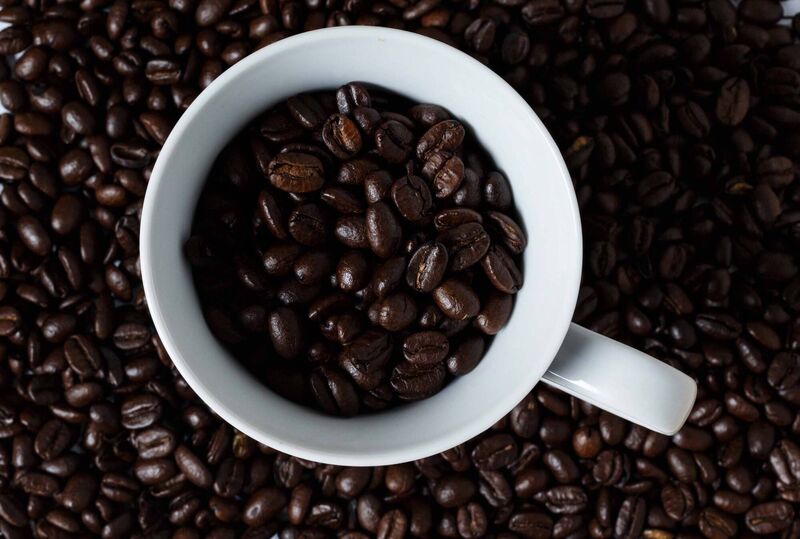
Coffee rallies hard as supply tightens and money flows back into the market

Dubai – Qahwa World

You can feel it again—the market is tightening, and coffee is responding exactly the way it tends to when physical supply starts to disappear.

Over the past week, coffee prices pushed sharply higher, and this wasn’t just a technical move. It’s a combination the industry knows well: weaker exports from origin countries and fresh speculative money stepping back in. That mix rarely stays quiet for long.

Arabica for May delivery jumped 8.6% to around $6,828 per tonne, while robusta added another 6%, reaching $6,664. Both markets are moving in sync, which usually tells you this isn’t a localised issue—it’s systemic.

You may like to read: Indonesia’s Top 9 Coffees in 2026

At the same time, the broader commodity space is sending mixed signals. Silver dropped heavily under the weight of high interest rates, while coffee moved the other way. That divergence says a lot about where capital is going: away from passive holdings and into markets where supply risk is real and immediate.

  • And right now, coffee has plenty of that.

The geopolitical backdrop isn’t helping. Tensions in the Middle East have started to interfere with shipping through the Strait of Hormuz, pushing oil prices higher. For coffee producers, that translates directly into higher costs — fuel, fertilisers, transport — everything gets more expensive. Eventually, those costs show up in the price of coffee.

But the bigger story is still supply.

Exports from the major producers are clearly slowing:

Brazil saw green coffee exports drop 27% year-on-year in February
Vietnam was down 20%
Colombia fell even harder, down 32%

Those are not small adjustments — that’s a meaningful contraction across all key origins at the same time.

You can also read: The Best Time to Drink Coffee, According to Experts

What’s more telling is what’s happening on the exchange. ICE stocks — the market’s safety cushion — are still about 30% below last year, sitting just above 552,000 bags. And Brazilian coffee makes up only a tiny share of that, roughly 4%.

That’s important. When Brazil isn’t showing up in exchange stocks, it usually means producers aren’t satisfied with current price levels — or simply don’t feel pressure to sell. Either way, it tightens the market further.

On top of that, funds are coming back in. Managed money increased its net long position in arabica by nearly 30% in just one reporting period. That kind of move doesn’t happen unless confidence — or urgency — is building.

Locally, in Vietnam’s Central Highlands, prices followed the global trend, climbing to around 94,000 dong per kilo. That’s a strong move in a short time, and it reflects how quickly international pressure feeds into domestic markets.

Read also: 43 Years of Data: How Coffee Affects the Brain and Memory

  • Meanwhile, silver drops — and capital rotates

While coffee is climbing, silver is going through the opposite cycle.

Prices fell more than 14% last week, extending a steady run of losses. The main driver here isn’t supply — it’s macroeconomics.

With inflation in the U.S. still stubborn, interest rates remain elevated. That pushes bond yields higher and makes non-yielding assets like silver less attractive. Money simply moves elsewhere.

You can also see it in ETF flows. Holdings dropped by 225 tons in a single week — a clear sign that institutional investors are reducing exposure.

What’s interesting, though, is that the physical market is telling a different story. China imported over 790 tons of silver in the first two months of the year, with February hitting a record. At the same time, exchange inventories in both Shanghai and COMEX are shrinking fast.

So, while paper markets are selling, physical demand hasn’t gone away.

  • The bigger picture

What we’re seeing now is a classic divergence.

Coffee is being driven by real-world constraints — supply, logistics, and producer behavior.
Silver is being driven by financial conditions — rates, yields, and capital flows.

For coffee, the key question isn’t whether prices can move — they already are. The real question is how long supply remains tight and whether producers step in at these levels.

Until that happens, the market stays vulnerable to further upside.

Coffee Prices Rise on Supply Concerns

Dubai – Qahwa World

Coffee futures rose on Monday, recovering from earlier losses as concerns over global supply disruptions supported the market.

May arabica gained 2.52 percent, rising 7.20 points, while May robusta edged up 0.46 percent, adding 16 points.

The rebound followed reports that the Strait of Hormuz has been closed, disrupting a key global shipping route. The development has pushed up freight rates, insurance costs, and fuel prices, increasing pressure on coffee importers and roasters worldwide.

You may Like: Coffee Prices Rise as Iran Conflict Disrupts Global Shipping

Earlier in the session, prices had moved lower as improved weather conditions in Brazil eased concerns about crop stress. Rainfall in Minas Gerais, the country’s main arabica-growing region, reached 57.7 millimeters last week, about 139 percent of the historical average.

Expectations of a large Brazilian harvest also continue to weigh on the market. StoneX recently raised its forecast for Brazil’s 2026 to 2027 coffee production to a record 75.3 million bags, up from 70.7 million.

Export data, however, provided some support. Figures from Cecafé showed Brazil’s green coffee exports fell 27 percent year on year in February to 2.3 million bags. Data from the country’s Trade Ministry also showed total coffee exports declined 17.4 percent to 142,000 metric tons.

Read also: Coffee Markets Rise Amid Middle East Shipping Disruptions

At the same time, rising inventories continue to weigh on prices. Arabica stocks monitored by Intercontinental Exchange climbed to 572,004 bags last week, the highest level in five and a half months. Robusta inventories also reached a three and a half month high earlier this month before easing slightly.

Coffee markets have been under pressure in recent weeks. In February, arabica fell to its lowest level in more than 15 months, while robusta dropped to a seven month low, largely due to expectations of a strong Brazilian crop.

Brazil’s crop agency Conab estimates 2026 production will rise 17.2 percent to 66.2 million bags. Arabica output is expected to increase 23.2 percent, while robusta production may grow 6.3 percent.

You may read: Kim Thompson: Coffee on the Edge of Disruption

Globally, Rabobank projects coffee production will reach a record 180 million bags in the 2026 to 2027 season, up by around 8 million bags from the previous year.

Strong supply from Vietnam has also added pressure to the market. Coffee exports from the country rose 14 percent in the first two months of 2026 to 366,000 metric tons, while full-year 2025 exports increased 17.5 percent. Production is expected to rise 6 percent to 1.76 million metric tons.

According to the International Coffee Organization, global coffee exports for the current season edged down 0.3 percent to 138.66 million bags. Meanwhile, the USDA Foreign Agricultural Service forecasts global production will increase 2 percent to a record 178.85 million bags, even as ending stocks are expected to decline by 5.4 percent to 20.15 million bags.

Traditional Cafés Decline in Russia

Moscow – Qahwa World

Russia’s coffee landscape is undergoing a noticeable shift. While coffee consumption in the country remains relatively stable, the number of traditional coffee shops has been shrinking as consumer habits evolve and competition intensifies.

Data from 2GIS shows that the number of classic cafés across Russia declined by 13% over the past year, reaching approximately 7,700 locations by February 2026.

The decline has been especially visible in the country’s largest urban centers. In Moscow, the number of cafés fell by 12% to about 2,600, while Saint Petersburg experienced an even sharper drop of 23%, leaving roughly 1,600 establishments.

You may read: Russia Updates Instant Coffee Standards for the First Time in 32 Years

At the same time, other coffee formats are expanding. The number of takeaway coffee points increased by about 4%, reaching around 9,300 locations, indicating that faster and more convenient service models are gaining ground among consumers.

  • Changing daily routines

Coffee culture in Russia has grown rapidly over the past decade, reflecting a broader global expansion of café culture. However, recent consumer behavior suggests that some daily habits are shifting.

  • According to Ramaz Chanturia, director general of Roschaikofe, many consumers have begun practicing what he describes as “reasonable savings.” Some customers who once bought coffee on the way to work now prepare their drinks at home more frequently.
  • More than just the price of beans

The price of a cup of coffee in a café reflects more than the cost of raw coffee. Customers are also paying for a range of services and operational expenses, including rent, equipment, utilities, staff salaries, and the atmosphere that cafés provide.

Read also: Russia’s Imports of Brazilian Coffee Fall to Six-Month Low

These costs can place pressure on independent coffee shops, particularly when competition from lower-priced alternatives increases.

  • Retail becomes a coffee competitor

Another factor reshaping the market is the growing role of retail chains in coffee sales. Large supermarket operators are expanding ready-to-drink coffee offerings and installing coffee stations or café-style corners inside their stores.

According to Stanislav Bogdanov, chairman of the presidium of the Association of Retail Companies, demand for ready-made coffee in retail continues to grow steadily.

Industry estimates suggest that hot beverages account for up to 3% of the fast-moving consumer goods market, with coffee becoming one of the category’s key growth drivers in recent years.

Read also: Russian Instant Coffee Exports Rise 28% to $366 Million

Retailers benefit from high customer traffic, competitive prices, and convenient locations. For many consumers, buying a cup of coffee during a grocery trip is becoming an easy alternative to visiting a traditional café.

A changing coffee ecosystem

The decline in traditional cafés does not necessarily indicate a fall in coffee drinking in Russia. Instead, it highlights a transformation in how and where people consume coffee.

As takeaway formats, home brewing, and retail coffee points continue to expand, the country’s coffee market is gradually shifting toward convenience-driven models—reshaping the role of the traditional café within Russia’s evolving coffee culture.

Coffee Prices Rise as Iran Conflict Disrupts Global Shipping

Dubai – Qahwa World

Coffee prices climbed on Thursday as escalating tensions in the Middle East raised concerns about global supply chains and shipping routes.

May arabica coffee futures increased by 6.75 points (2.35%), while May robusta contracts gained 82 points (2.31%), reflecting market reactions to geopolitical developments affecting maritime trade.

The rise follows reports that the Strait of Hormuz, a critical global shipping corridor, could face disruption due to the ongoing conflict involving Iran. Statements from Iranian leadership suggested the strategic waterway could be used as leverage, while defense officials in the United Kingdom indicated evidence that mines may be placed in the strait.

The potential closure of the route has pushed up global shipping rates, insurance costs, and fuel expenses, increasing operational costs for coffee importers, traders, and roasters worldwide.

You may read: Global Coffee Exports Surge Amid Asian Growth and Latin American Decline

However, gains in coffee prices remain limited due to favorable weather conditions in Brazil. Forecasts indicate rainfall in major coffee-growing regions, which could support crop development and ease supply concerns.

Adding further pressure on prices, commodity analytics firm StoneX raised its forecast for Brazil’s 2026/27 coffee production to a record 75.3 million bags, compared with its previous estimate of 70.7 million bags.

Meteorological data from Somar Meteorologia also showed that Brazil’s largest arabica-producing region, Minas Gerais, received 14.9 mm of rainfall last week, equivalent to about 35% of the historical average.

Meanwhile, Brazilian export data offered some support to the market. According to Cecafe, Brazil’s green coffee exports fell 27% year-on-year in February, while the country’s Trade Ministry reported a 17.4% annual decline, bringing total shipments to 142,000 metric tons.

Inventory movements are also shaping market sentiment. Stocks of arabica monitored by the Intercontinental Exchange (ICE) recently reached a five-month high of 564,626 bags before easing slightly to 552,192 bags. Robusta inventories also rose to a 3.5-month high earlier this month before declining modestly.

Read also: ICO February 2026 Report: Has the Inflationary Wave Receded?

Earlier in February, coffee prices dropped sharply amid expectations of a strong Brazilian crop. Brazil’s agricultural supply agency Conab projected the country’s 2026 coffee production at 66.2 million bags, including 44.1 million bags of arabica and 22.1 million bags of robusta.

On a global scale, Rabobank estimates coffee production could reach 180 million bags in the 2026/27 season, an increase of roughly 8 million bags compared with the previous year.

Vietnam, the world’s largest robusta producer, continues to influence market dynamics. Government statistics show Vietnam’s coffee exports rose 14% year-on-year in January–February 2026 to 366,000 metric tons, while exports in 2025 climbed 17.5% to 1.58 million metric tons. Production in the 2025/26 season is projected to reach 1.76 million metric tons, the highest level in four years.

Read Also: Coffee Prices Drop on Brazil Weather and Rising Stocks

Despite these supply signals, the International Coffee Organization (ICO) reported that global coffee exports for the current marketing year have declined 0.3% year-on-year to 138.658 million bags.

Looking ahead, the USDA’s Foreign Agricultural Service forecasts global coffee production in 2025/26 at 178.848 million bags, with arabica output expected to decline 4.7% and robusta production projected to increase 10.9%. Ending global stocks are expected to fall 5.4% to 20.148 million bags.

Market analysts say the coffee sector remains caught between geopolitical risks affecting trade routes and expectations of strong global production, creating a volatile outlook for prices in the months ahead.