Central America Crop Progression Update 2025/26

Dubai – Qahwa World

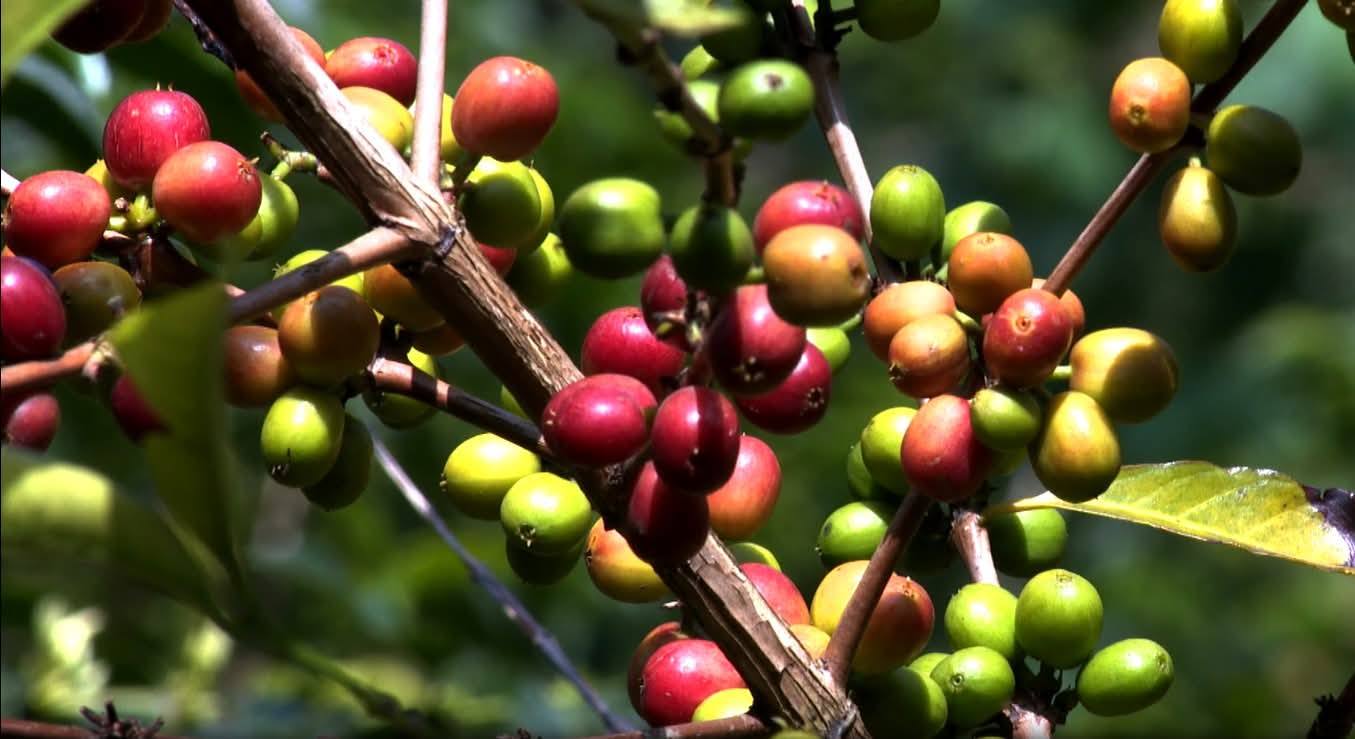
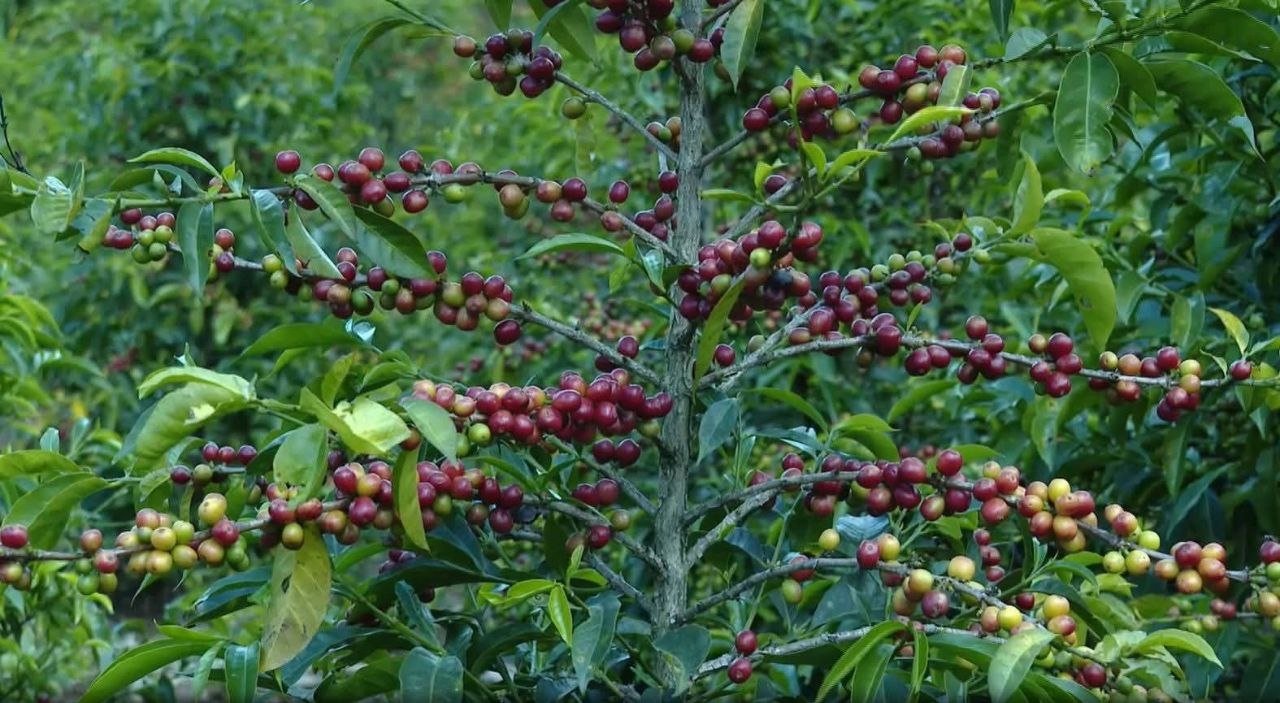
Sucafina has published its Central America Crop Progression Update 2025/26, outlining steady progress and a positive outlook for the current coffee cycle across Central America and Mexico. According to Oscar Fernando Hurtado Ramirez, Global Head of Production Research at Sucafina, favorable weather, balanced harvest flows, and strong reinvestment at farm level are supporting both volume and quality this season.

  • Harvest progress and pace

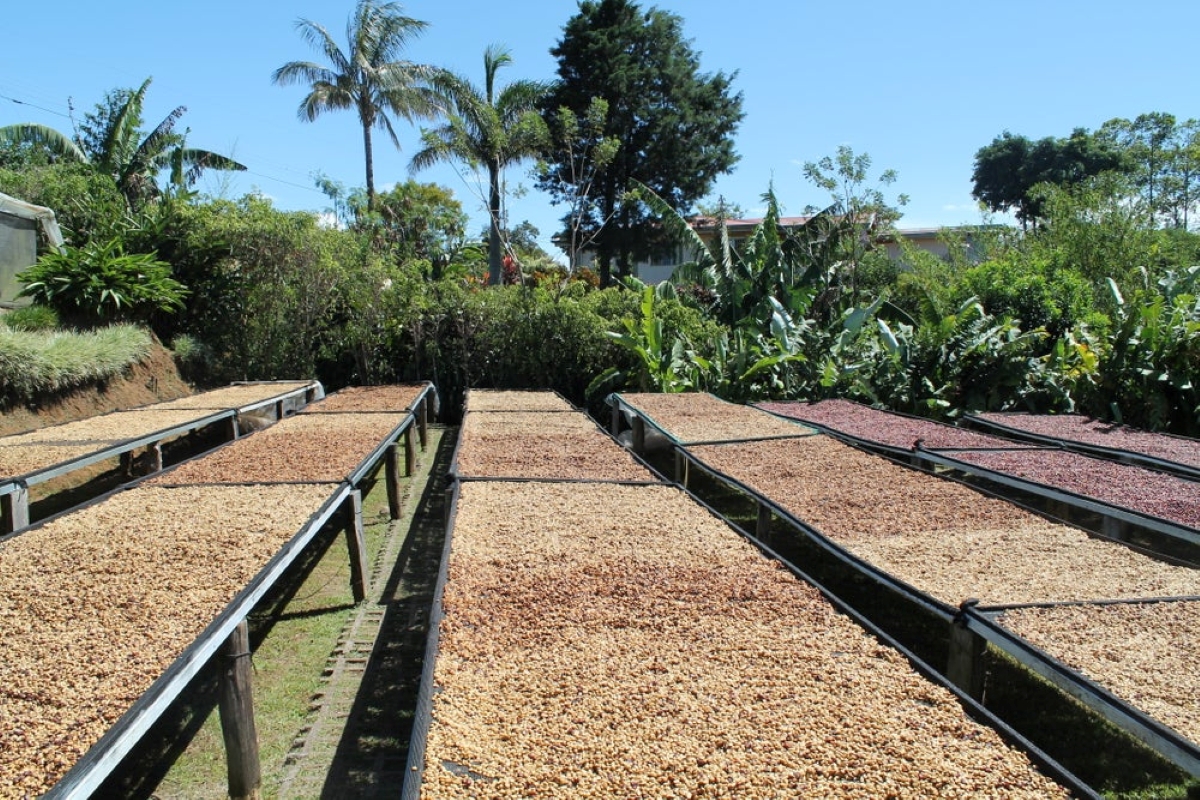
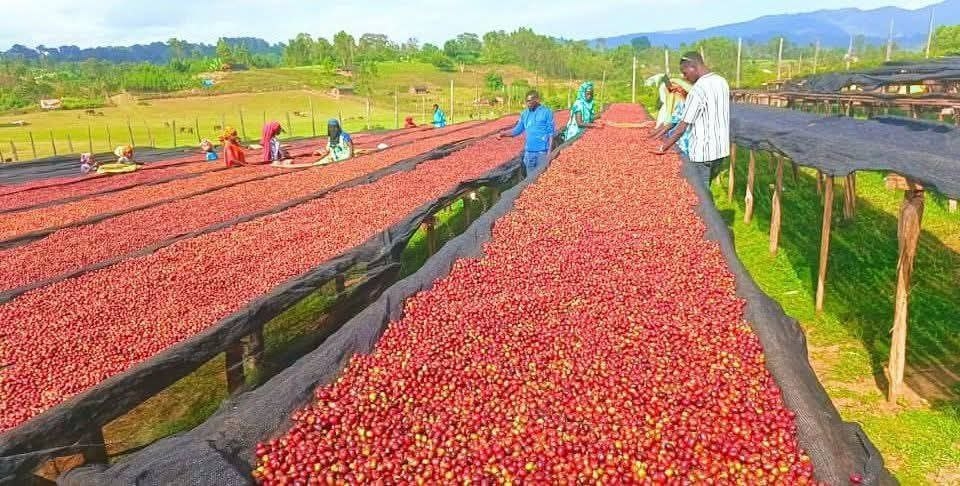
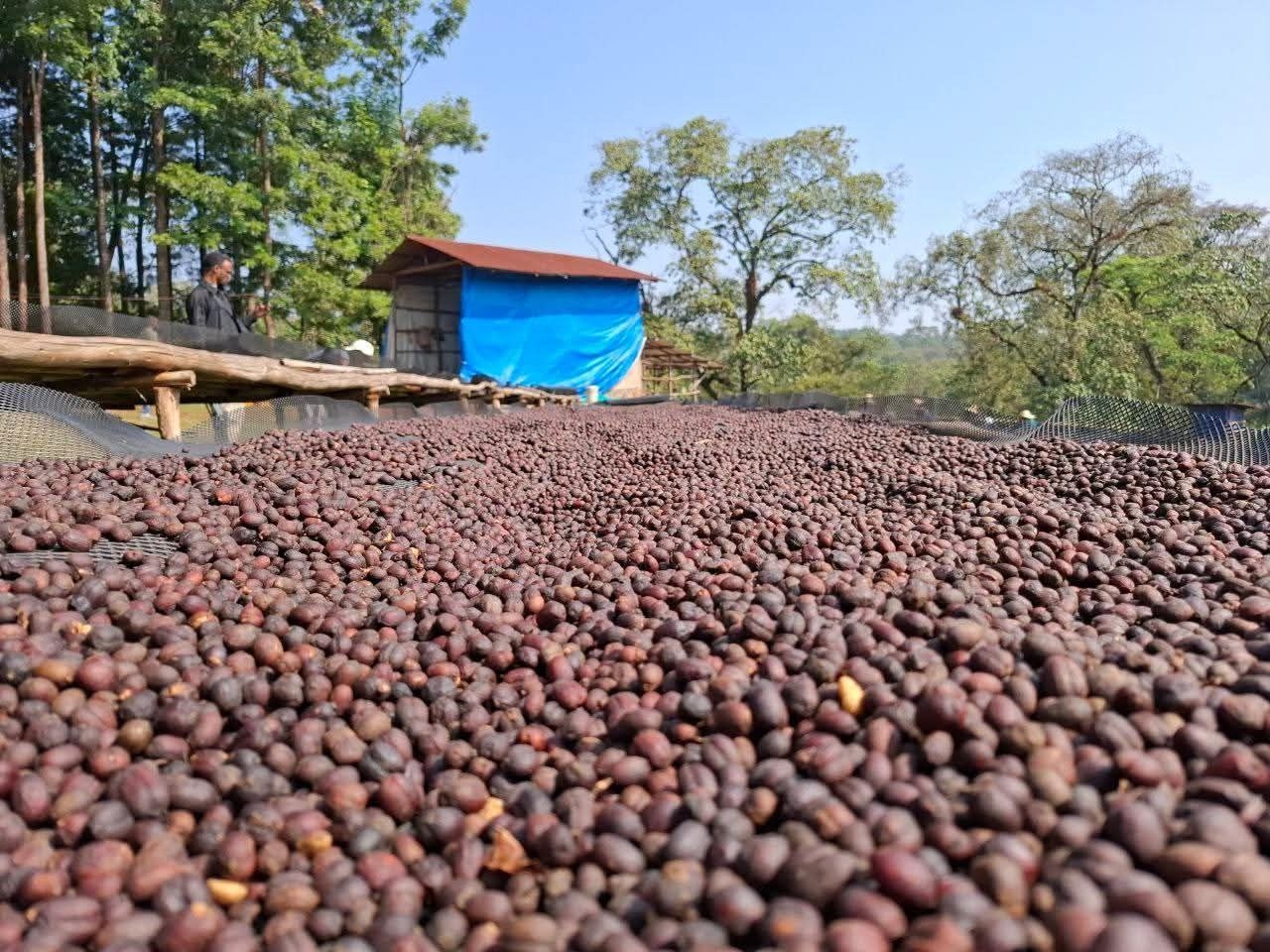
Harvesting began at lower altitudes in late October and accelerated through November, supported by cooperative weather across the region. This season has been characterized by a more even picking flow, reducing pressure on mills and contributing to stronger quality outcomes. Peak harvest activity is taking place in January, while higher-altitude areas are now ramping up and are expected to remain active over the coming months. Regionally, the main harvest is projected to wind down between late March and early April.

By late January, approximately 50% of the harvest is complete, with progress expected to reach 65% to 70% by the end of the month. Nicaragua is currently the most advanced origin, while El Salvador and Costa Rica are moving more slowly and are expected to pick up pace as higher-elevation farms enter peak production.

  • Volume and quality outlook

Total coffee production across Central America is expected to finish near 18 million bags, placing regional output about 4.5% above the 2024/25 season. Strong international prices during the previous cycle generated record revenues in several producing countries, enabling reinvestment in tree renovation, fertilization, and farm management.

These investments are now translating into healthier plants and improved crop conditions for the 2025/26 season. With a steadier picking schedule and more balanced deliveries, coffee processing is progressing smoothly and on schedule, supporting both physical preparation and cup quality.

  • Market context

Two developments influenced the regional coffee market toward the end of 2025. Mexico briefly benefited from zero U.S. trade tariffs during the fourth quarter, which supported local buying activity and imports. That policy was removed in November, returning trade to standard commercial conditions.

Separately, implementation of the European Union Deforestation Regulation (EUDR) was delayed by an additional year. The extension has eased immediate pressure on farmers and exporters and provides more time to strengthen traceability systems ahead of full enforcement, now scheduled for December 31, 2026.

  • Chaak: creating opportunity through coffee in Guatemala

Sucafina is also preparing to ship Chaak, a new Original coffee from Guatemala sourced from Chiquimula, Santa Rosa, and Jalapa. The blend brings together coffees from 618 smallholder farmers, including 462 producers from eastern Guatemala and 156 from western regions. Shipments are expected between March and May.

Chaak is fully traceable and IMPACT verified, linking coffee quality with social and environmental outcomes through Sucafina’s Responsible Sourcing Program. Participating farmers use limited chemical inputs, adhere to deforestation-free practices, and farm using methods that support biodiversity.

Each purchase of Chaak supports Opportunity through Pre-School Education, an initiative focused on improving early learning environments and teacher support in coffee-growing communities. The project forms part of Sucafina’s Beyond Flagship efforts in Guatemala.

Buyers planning to source additional Central American or Mexican coffees are encouraged to coordinate with their contacts to align on timelines, shipping schedules, and quality specifications.

Cappuccino Tops the List of Favorite Coffee Drinks in Moscow

Dubai – Qahwa World

Cappuccino is the most popular coffee choice among residents of Moscow, according to economist and global economy expert Khadzhimurad Belkharoiev.

Belkharoiev noted that after cappuccino, the most consumed coffee drinks are Americano and various types of latte. Overall, Muscovites consume coffee significantly more than residents of other major Russian cities—around 50% more than in St. Petersburg. Seasonal changes also affect beverage preferences: in winter, coffee and tea consumption rises, while in summer people tend to choose mineral water and soft drinks.

The economist added that the coffee market continues to grow, fueled by changing consumer habits and even medical advice recommending moderate coffee consumption to support vascular health.

Reflecting on history, Belkharoiev pointed out that tea was the dominant drink during the Soviet era due to trade ties with India, while high-quality coffee was scarce and considered a luxury.

Today, the situation is very different. Global coffee production reaches tens of millions of tons each year, with a large share exported internationally. The worldwide market is valued in the hundreds of billions of dollars, and billions of cups of coffee are consumed annually outside the home. Since the early 2020s, global coffee prices have steadily risen, a trend that is also reflected in Russia, where consumption is gradually shifting from tea to coffee.

Belkharoiev attributes this change to generational and market factors. Younger consumers tend to choose coffee when visiting cafes and restaurants, and the coffee sector remains highly profitable. The growing availability of home coffee machines has also boosted domestic coffee consumption.

Regarding prices, retail coffee costs have increased over the past year, and cafe prices have risen as well. However, expected increases in Robusta production globally could help stabilize prices. Nevertheless, according to Belkharoiev, the era of cheap coffee is effectively over.

Coffee Prices Jump as Brazilian Real Strengthens

Dubai – Qahwa World

Coffee futures moved sharply higher on Tuesday, supported by a strong Brazilian real that reduced export incentives from the world’s largest coffee-producing country.

March arabica coffee futures climbed more than 3 percent, reaching their highest level in two weeks, while March robusta contracts also posted solid gains. Market participants pointed to currency movements and tightening export flows from Brazil as key drivers behind the rally.

  • Brazilian Real Boosts Coffee Markets

The Brazilian real strengthened to its highest level in roughly 20 months against the U.S. dollar, making coffee exports less attractive for Brazilian producers. As a result, exporters slowed sales, reducing supply availability on global markets and lifting futures prices.

Brazil remains the dominant supplier of arabica coffee, and shifts in its currency often have an immediate impact on international prices.

  • Exports Decline in Brazil

Recent export data added further support to prices. Brazil’s coffee exporters reported a sharp drop in green coffee shipments in December, with total exports falling more than 18 percent compared with the same period last year.

Arabica exports declined by double digits, while robusta shipments saw an even steeper year-over-year drop, signaling tighter short-term supply from Brazil.

  • Weather Concerns Add Support

Below-average rainfall in Brazil’s key growing regions also helped underpin prices. Minas Gerais, the country’s largest arabica-producing state, received significantly less rainfall than normal during mid-January, raising concerns about crop development during a critical period.

  • Inventory Recovery Caps Gains

Despite the bullish momentum, rising exchange-monitored inventories limited upside potential. Arabica stockpiles tracked by the exchange have rebounded from multi-year lows seen in November, while robusta inventories have also increased from recent lows.

The recovery in inventories suggests that near-term supply conditions may be less constrained than previously feared.

  • Global Supply Outlook Remains Mixed

Looking ahead, expectations of ample global production continue to weigh on longer-term price prospects. Brazil’s crop agency recently raised its forecast for the country’s 2025 coffee harvest, while Vietnam reported strong export growth and rising production estimates.

Vietnam, the world’s leading producer of robusta coffee, is projected to increase output further in the upcoming season, assuming favorable weather conditions persist.

At the same time, international data points to signs of tightening global availability. Worldwide coffee exports have edged lower during the current marketing year, and global ending stocks are forecast to decline despite record production levels.

  • Market Balance Still Fragile

Analysts note that coffee markets remain highly sensitive to currency movements, weather developments, and export flows. While supply projections appear comfortable on paper, any disruption in Brazil or Vietnam could quickly reignite volatility.

For now, strength in the Brazilian real and slowing exports have given coffee prices fresh upward momentum.


Coffee Prices in Russia Keep Climbing: How Much Does a Cup Cost Now?

Prices in retail and cafés continue to climb as the market braces for further increases in 2026

Moscow – Qahwa World

Russia’s coffee market experienced a sharp rise in prices throughout 2025, a trend that has become clearly visible to consumers both in retail stores and in cafés. As 2026 begins, prices for instant coffee and coffee beans remain at elevated levels, reinforcing concerns that a daily cup of coffee is becoming an increasingly expensive habit.

  • Sustained Growth Over Three Years

Over the past three years, coffee prices in Russia have followed a steady upward trajectory. According to data from Rosstat, the average price of one kilogram of instant coffee stood at 2,638 rubles in January 2022. By the end of that year, the price had risen by approximately 25%. Although a brief decline was recorded in 2023, it proved short-lived.

From January 2024 onward, prices resumed their upward movement, reaching 3,500 rubles per kilogram by December. In November 2025, instant coffee hit a new record high of 4,152 rubles per kilogram. Overall, instant coffee prices increased by nearly 60% over three years.

Coffee beans followed a more gradual but largely uninterrupted upward path. In January 2022, one kilogram cost 1,136 rubles, rising to 1,490 rubles by the end of that year. Prices remained relatively stable throughout 2023 before entering a new growth phase in 2024. By November 2025, the price of coffee beans reached 2,061 rubles per kilogram—an increase of roughly 80% over three years.

Industry experts note that official statistics reflect average market dynamics, which may underestimate the real financial impact felt by consumers in day-to-day purchases.

  • Key Drivers Behind the Price Increase

At the beginning of 2025, market forecasts suggested coffee prices could rise by 30–40%. In practice, price increases in several segments exceeded those expectations.

Market participants report that over the past two to three years, prices for many popular brands of ground and whole-bean coffee in retail stores have risen by 50–100% compared to 2021 levels.

The primary drivers of this trend include Russia’s near-total reliance on imported coffee, elevated global prices for coffee raw materials, and fluctuations in the ruble exchange rate. Additional pressure has come from higher costs associated with international payments, logistics, and packaging materials, all of which increase production costs before roasting even begins.

  • Impact on Cafés

Rising raw material costs have also affected the foodservice sector. During 2025, prices for coffee-based beverages increased by an average of 15–30% year-on-year. In certain formats—particularly 100% arabica and specialty coffee—the increase reached 35–45%.

In many cases, cafés implemented price increases gradually, introducing several small adjustments over the course of the year rather than a single sharp hike.

At the same time, industry representatives emphasize that profit margins remain limited. The cost of coffee itself accounts for only a small portion of the final price of a cup, while operating expenses—such as rent, wages, and taxes—make up the bulk of costs.

  • Price Outlook for 2026

Forecasting coffee prices for 2026 remains challenging due to multiple external variables, including weather conditions in producing countries, exchange rate movements, and the stability of global supply chains. Potential changes in tax policy could also add further pressure.

Current expectations point to continued price growth, though at a more moderate pace. Under a baseline scenario, prices could rise by 8–15% over the year if currency and logistics conditions remain relatively stable. In the event of renewed volatility, increases could be higher, particularly in higher-quality coffee segments.

Despite rising prices, demand for coffee in Russia remains resilient. Strong consumer attachment to the product has allowed the market to adapt to higher price levels without a significant decline in consumption.

  • A New Phase for the Coffee Market

Experts broadly agree that Russia’s coffee market is entering a new phase. While the period of sharp and sudden price shocks may be easing, a return to previously low price levels appears unlikely in the near term.

Instead, the market is expected to settle into a phase of relative price stabilization at higher levels, with future pricing shaped by currency dynamics, competition, and consumers’ ability to adjust to the evolving market environment.

Top Coffee-Producing Countries in 2025

A Full Analytical Reading of the Global Production Landscape in Early 2026

Dubai – Qahwa Word

As January 2026 begins, the global coffee sector is closely monitoring the completion of data for the 2025/2026 season, amid an increasingly complex interaction between climate variability, logistical disruptions, and new environmental regulations. Estimates available at this stage suggest that global coffee production is trending toward approximately 178.8 million 60-kg bags.

These figures do not represent final season results, but rather an early analytical snapshot based on field assessments and reports from international organizations as of early 2026. The focus extends beyond volume alone, highlighting deeper structural shifts that are reshaping global coffee production, trade flows, and varietal balance.

1. Top Ten Coffee-Producing Countries

(Estimates as of January 2026)

Available data confirm the continued dominance of Brazil and Vietnam in global coffee supply, while several African and Latin American origins show notable developments in both volume and crop structure.

Rank Country Production (million bags) Dominant variety Production status – Jan 2026
1 Brazil 64.2 – 65.0 Arabica / Robusta Peak export phase; strong Conilon growth amid Arabica volatility
2 Vietnam 30.8 – 31.0 Robusta Production recovery supported by improved irrigation practices
3 Colombia 14.8 Arabica Stable washed coffee output due to regular rainfall
4 Ethiopia 11.6 Arabica Strong crop supported by long-term tree-renewal programs
5 Indonesia 11.2 Robusta / Arabica Visible recovery restoring competitive positioning
6 Uganda 6.9 Robusta Continued rise as Africa’s leading Robusta supplier
7 India 6.2 Robusta / Arabica Stable production serving both export and domestic markets
8 Honduras 5.5 Arabica Gradual recovery despite rising production and labor costs
9 Peru 4.2 Arabica Expansion in planted area and growing organic orientation
10 Mexico 3.9 Arabica Relative stability aimed at meeting regional demand

2. Land Efficiency and Yield Performance

Early 2026 data highlight a clear divergence in production efficiency among leading coffee origins:

  • Vietnam and Brazil continue to record the highest yields globally, with Vietnam reaching an estimated 2.5–3 tons per hectare, driven by intensive farming models, improved plant material, and higher input use.

  • By contrast, Ethiopia and Colombia, despite their premium quality profiles, maintain lower average yields due to mountainous terrain, fragmented landholdings, and reliance on traditional farming systems. This has become a focal point for research discussions around productivity gains without compromising origin identity or biodiversity.

3. Arabica–Robusta Balance: A Structural Shift

Indicators from January 2026 suggest that Robusta now accounts for nearly 42% of global coffee production, reflecting a structural realignment shaped by multiple converging forces:

  1. Climate resilience: Robusta has demonstrated stronger tolerance to rising temperatures and irregular rainfall compared to climate-sensitive Arabica.

  2. Premium Robusta development: An increasing number of roasters are incorporating higher-quality Robusta into blends to manage costs while preserving cup structure.

  3. Price divergence: Persistently elevated Arabica prices continue to accelerate the market’s gradual rebalancing toward Robusta, particularly in commercial segments.

4. Logistics and Shipping Constraints

At the start of 2026, coffee supply chains remain under pressure from logistical disruptions:

  • Rising freight costs, linked to instability in key maritime corridors, have reduced the competitiveness of Asian-origin coffee in European spot markets.

  • Low global inventories, relative to recent multi-year averages, leave prices highly sensitive to weather events, geopolitical developments, and supply-side news.

5. Regulatory Pressure and Environmental Compliance (EUDR)

With the effective implementation of the European Union Deforestation Regulation (EUDR) in 2026, environmental compliance has become a defining factor in global coffee trade:

  • European buyers increasingly require digital traceability systems and precise geospatial coordinates to demonstrate deforestation-free supply chains.

  • Brazil and Vietnam appear comparatively well positioned in terms of technical readiness, while origins dominated by smallholder farming face significant challenges in meeting traceability requirements—potentially redirecting exports toward non-European markets.

Conclusion

The global coffee production landscape in early 2026 reflects a period of transition and anticipation. Competitive advantage is no longer defined solely by production volume, but increasingly by environmental compliance, climate adaptability, and logistical efficiency. As the 2025/2026 harvest reaches completion in the coming months, clearer signals will emerge from a season likely to play a pivotal role in reshaping the global coffee market.

ICO Releases Global Coffee Market Report – December 2025

Dubai – Coffee World

The global coffee market closed 2025 amid sharp volatility, leaving industry stakeholders facing an uncertain outlook at the start of 2026, according to the latest report issued by the International Coffee Organization (ICO). The report highlights a dramatic shift in market dynamics during December, as prices declined significantly following changes in international policy and a temporary easing of supply chain constraints in Asia.

Price Decline: Market Correction or Calm Before the Storm?

The ICO Composite Indicator Price (I-CIP) averaged 304.68 US cents per pound in December, representing a 7.8% decline from November levels. This downturn ended a historic upward trend, with prices falling from a peak of 343.92 cents to a mid-month low of 283.21 cents, before closing the year at 293.09 cents per pound.

According to the report, the decline was driven by three key factors:

  • Improved supply expectations, as major international institutions revised global production estimates for 2025 upward, easing speculative pressure.

  • Reduced regulatory uncertainty, following the European Union’s decision to delay implementation of the EU Deforestation Regulation (EUDR), which curtailed panic buying.

  • Currency effects, as the depreciation of the Brazilian real encouraged producers to accelerate dollar-denominated sales to maximize local currency returns.

Group Performance: Robusta Suffers the Sharpest Losses

All coffee groups recorded price declines in December, with Robusta experiencing the steepest drop. Robusta prices fell 11.3% to 190.53 cents per pound.

In contrast, Arabica prices declined more moderately. Both Colombian Milds and Brazilian Naturals fell by 6.5%, reflecting continued underlying demand for higher-quality coffees despite broader market volatility.

Global Exports: Asia and Africa Lead Growth

Global green coffee exports increased by 4.8% in November 2025, reaching 8.95 million bags, according to ICO data.

  • Asia and Oceania recorded exceptional growth of 47%, driven by Vietnam’s strong return to the market, with exports rising by 60%.

  • Africa continued its positive trajectory, posting a 7.7% increase, led by Uganda, whose exports surged by 72%.

  • South America was the only region to register a decline, with exports falling 14.9%, reflecting a normalization after record shipments earlier in the year and a 25.8% drop in Brazilian Robusta exports.

Supply–Demand Balance: Structural Deficit Persists

Despite the recent price correction, the report underscores ongoing structural imbalances in the global coffee market. The cumulative supply deficit over recent years has reached 17.91 million bags, while inventories in Europe and the United States have fallen to historically low levels.

Certified stocks at the New York exchange declined to just 0.48 million bags, leaving the market with limited buffers against potential future supply shocks.

2026 Outlook: Climate Risks Shape the Path Ahead

As 2026 begins, attention is firmly focused on weather conditions across the world’s major coffee-growing regions. The report warns of below-average rainfall in Brazil’s key producing areas, including Minas Gerais, where precipitation reached only 76% of normal levels. Meanwhile, flooding in Indonesia could reduce exports by up to 15% in the first quarter of the new year.

Conclusion

The global coffee market ended 2025 with a price correction that may suggest temporary stability. However, a deeper analysis of the data points to a fragile equilibrium. Low global inventories and escalating climate risks indicate that 2026 is likely to be a year of significant challenges for both producers and consumers across the coffee value chain.

Fabricio Scocco: A New Way to Read the Coffee Market

Dubai – Qahwa World

Fabricio Scocco: A New Way to Read the Coffee Market

By any measure, the coffee market is drowning in information—and starving for clarity. Charts, headlines, rumors, and price screens move faster than the coffee itself. Fabricio Scocco is attempting something different.

He’s experimenting with a new format designed to cut through the noise: short, structured, and built for decision-making. The result is a three-page Coffee Trade Intelligence brief that focuses less on opinion and more on what actually matters to buyers, sellers, and origin stakeholders in real time.

This first release—focused on Nicaragua, with a 2–4 week time horizon—marks the launch of an ongoing Coffee Trade Intelligence series. Feedback from roasters, traders, importers, and producers is not only welcome, but encouraged.

Coffee Trade Intelligence | Nicaragua

Time Horizon: 2–4 Weeks

Market Snapshot

Early harvest conditions are defining the current landscape.

  • Harvest arrivals are running 15–30% below peak levels

  • Differential holdings sit 5–10% above seasonal norms

  • Early volumes are largely pre-committed

  • Quality dispersion is widening across producing regions

The message is clear: coffee is moving, but not freely—and not evenly.

What’s Driving Price and Risk

Supply Reality

Harvest still ramping up
Picking is underway, but export-ready volumes remain limited. Supply is improving gradually, not surging. For now, there is not enough physical coffee entering the system to materially ease availability.

Producer selling tied to cash flow
Sales decisions are being paced by working capital needs and production costs. This introduces irregularity into supply timing, rather than a steady flow into the market.

Demand Behavior

Specialty buyers absorbing early lots
High-quality early arrivals are being quickly taken up by specialty buyers. This demand is targeted, quality-driven, and relatively price-inelastic.

Bulk buyers still on the sidelines
For now, larger volume buyers are showing limited urgency, likely waiting for clearer signals on price and peak harvest availability.

Market Disconnect

Physical market trailing futures by 2–3 weeks
There is a noticeable lag between futures market expectations and on-the-ground physical conditions. Paper markets are moving faster than coffee.

Prices not yet reflecting peak arrival pressure
Despite expectations of heavier arrivals, prices have not adjusted accordingly—suggesting potential re-pricing once supply is confirmed.

Buying Positioning

Recommended Strategy

Approach

  • Avoid bulk commitments at current levels

  • Accumulate selectively, targeting 25–30% of total needs

  • Scale purchases as mid-harvest volumes begin to flow

Timing Window

  • Late January through February will be critical for observing supply acceleration and adjusting buying pace accordingly

Key Risks to Watch

  • Weather during peak harvest, which could disrupt picking and logistics

  • FX-driven producer selling, where currency movements could unlock—or restrict—short-term liquidity and supply

Bottom Line

Wait for supply confirmation. Pay for quality, not urgency.
Let verified arrivals guide buying decisions. The premium today should be for cup profile and consistency—not speed.

What to Watch Over the Next 2–4 Weeks

  • Arrival acceleration into export channels

  • Differential softening, signaling improved physical availability

  • Producer selling pace, especially if FX movements shift incentives

Confidence Assessment

Overall Market Visibility: Medium

  • Supply clarity depends on how quickly harvest volumes scale

  • Specialty demand is firm, but bulk demand remains hesitant

  • Futures are moving ahead of physical reality, increasing volatility risk

  • Weather and FX remain persistent external variables

Final Take

Maintain a cautious but engaged posture. The coming weeks will be defined by how quickly supply materializes—and how producers choose to sell. Those signals will determine whether today’s market tightness holds, or finally begins to loosen.

Coffee Prices Retreat as Stronger Dollar Triggers Selling

Dubai – Qahwa World

Coffee futures ended lower on Thursday after surrendering earlier gains, pressured by a strengthening U.S. dollar that prompted investors to reduce long positions.

March arabica coffee futures declined about 0.8%, while March robusta futures slipped slightly, losing roughly 0.3% by the close.

The pullback came as the U.S. Dollar Index climbed to its highest level in four weeks, making dollar-denominated commodities like coffee less attractive to buyers. This currency move outweighed earlier support that had pushed arabica prices to a one-month high.

Earlier in the session, coffee prices found strength from weather concerns in Brazil. Rainfall in key growing areas remained below normal, particularly in Minas Gerais, the country’s largest arabica-producing region. Weekly precipitation there reached just under two-thirds of the historical average, renewing worries about crop development.

Robusta prices, however, continued to face headwinds from expanding supplies in Vietnam. The country reported a sharp increase in coffee exports for 2025, reflecting strong output from the world’s leading robusta producer.

Inventory trends offered mixed signals. Exchange-tracked arabica stocks, while still relatively low, have rebounded from recent multi-year lows. Robusta inventories also recovered modestly after hitting their weakest levels in over a year.

Trade flows have also influenced the market. Earlier U.S. tariffs reduced American purchases of Brazilian coffee during late summer and early autumn, sharply cutting imports during that period. Although tariffs have since been reduced, U.S. coffee supplies remain tight.

On the supply side, expectations of ample global production continue to weigh on prices. Brazil’s crop agency recently revised its 2025 coffee output forecast higher, while Vietnam is projected to harvest one of its largest crops in several years if favorable weather persists.

That said, some longer-term data point to tightening conditions. Global coffee exports edged lower in the current marketing year, according to international industry figures.

Looking ahead, the USDA projects world coffee production to reach a record level in the 2025/26 season, driven by strong growth in robusta output that offsets a decline in arabica production. Ending global stocks are expected to fall, suggesting that while near-term supply is ample, the balance could tighten further down the road.

Drier Conditions in Brazil Lift Arabica Coffee Prices

Dubai – Qahwa World

Arabica coffee futures moved higher on Wednesday, reaching their strongest level in about four weeks, while robusta prices weakened. March arabica contracts gained modestly, supported by weather concerns in Brazil and currency movements, whereas robusta futures declined amid ample supply from Vietnam.

Lower-than-normal rainfall across key Brazilian growing regions is providing support to arabica prices. Recent data from Somar Meteorologia showed that Minas Gerais—Brazil’s largest arabica-producing state—received significantly less rainfall than usual in late December, raising concerns about crop development. Brazil is the world’s top producer of arabica coffee, making weather conditions there especially influential for global prices.

Additional support came from a firmer Brazilian real, which reached its strongest level in roughly a month against the US dollar. A stronger currency tends to slow export selling, as Brazilian producers receive fewer local-currency returns from dollar-based coffee sales.

In contrast, robusta prices are under pressure due to strong export volumes from Vietnam, the world’s largest robusta supplier. Official figures indicate that Vietnam’s coffee exports rose sharply in 2025, adding to near-term supply availability.

Inventory trends remain a key focus for traders. Arabica stocks monitored by ICE had previously fallen to their lowest level in nearly two years before rebounding slightly in recent weeks. Robusta inventories also declined to a one-year low earlier in December but have since shown signs of recovery.

Demand patterns have also influenced the market. Earlier US tariffs on Brazilian imports reduced American purchases of Brazilian coffee, leading to tighter inventories in the United States. Although those tariffs have since been reduced, buying activity has not yet fully recovered.

Looking ahead, expectations of larger global supplies are limiting further price gains. Brazil’s crop agency recently raised its forecast for the country’s 2025 coffee output, citing improved conditions. Vietnam is also expected to increase production in the upcoming season, with industry groups projecting strong output if favorable weather continues.

On the global stage, export data suggest some tightening, as shipments declined slightly year over year. However, longer-term projections from the USDA point to record world coffee production in 2025/26, driven by growth in robusta output that more than offsets a decline in arabica production. Ending global coffee stocks are forecast to fall modestly, keeping supply concerns on the radar despite higher overall production.

Espresso Prices in Ukraine: Regional Trends and Cost Changes

Kiev – Qahwa World

The price of a single cup of espresso in Ukraine continues to rise, reflecting broader shifts in the country’s coffee market. As espresso forms the base of most coffee drinks, changes in its cost directly influence café pricing nationwide.

Data published by Opendatabot shows that in December 2025, the average price of an espresso reached 41 hryvnias. This marks a 17% increase compared to the same period last year, while prices have almost doubled since the beginning of the full-scale war.

Price differences between regions remain noticeable. The Lviv region currently records the highest average price, with a cup of espresso costing 47 hryvnias, up 19% year on year. This is the first time in several years that the region has topped the national price ranking.

The Odesa region follows closely, where espresso is sold for an average of 45 hryvnias per cup.

At the opposite end of the scale, the Khmelnytskyi region offers the lowest prices, with espresso costing around 33 hryvnias, despite an 18% annual increase. Prices remain relatively moderate in the Zaporizhzhia and Kirovohrad regions, where a cup averages 35 hryvnias.

The sharpest annual rise was recorded in the Sumy region, located near the frontline. There, espresso prices increased by 26% over the year, bringing the average cost to approximately 36 hryvnias.

The Espresso Index is commonly used as an economic benchmark, tracking the price of a standard espresso to compare living costs, purchasing power, and inflation trends across different regions and countries.

In related commodity news, global cocoa prices previously hit a record high, with New York futures reaching USD 11,578 per metric ton. By the end of April, however, cocoa bean prices fell by 26% within just two days.

Forecast and Outlook for Decaffeinated Coffee Demand in the USA

Dubai – Qahwa World

Demand for decaffeinated coffee in the United States is estimated at USD 8.3 million in 2025 and is forecast to increase to USD 16.0 million by 2035, reflecting a compound annual growth rate of 6.8 percent over the forecast period.

Growth is driven by a rising number of consumers seeking to reduce caffeine intake due to concerns related to anxiety, sleep disturbances, and lifestyle preferences. Coffee roasters are expanding their decaffeinated offerings by adopting improved extraction methods that help preserve aromatic compounds and reduce bitterness.

Organic decaffeinated coffee leads demand, supported by health-oriented consumption patterns and expectations for clean-label products. Producers emphasize chemical-free decaffeination methods, including water-based processing and carbon dioxide extraction.

Regional Demand Structure

Demand is strongest in the western, southern, and northeastern regions of the United States. These areas show higher penetration of specialty cafés and a greater share of consumers purchasing artisanal whole-bean and single-origin products.

Distribution channels include:

  • grocery retail,

  • e-commerce subscription services,

  • direct-to-consumer sales from roasters.

Foodservice operators are also expanding decaffeinated beverage menus to cater to a broader audience sensitive to caffeine.

Key Market Indicators

  • Decaffeinated coffee demand value (2025): USD 8.3 million

  • Forecast demand value (2035): USD 16.0 million

  • Compound annual growth rate (2025–2035): 6.8 percent

  • Leading category: organic decaffeinated coffee

  • Key growth regions: western, southern, and northeastern United States

Demand Structure by Category

By Product Nature

Organic decaffeinated coffee accounts for 65.0 percent of total demand, driven by trust in chemical-free processing, clean-label preferences, and sustainability-oriented purchasing behavior. Conventional decaffeinated coffee represents 35.0 percent, supported by competitive pricing and broad availability in mass retail and foodservice channels.

By Roast Type

  • regular roast: 35.0 percent

  • dark roast: 30.0 percent

  • other roast styles: 20.0 percent

  • medium roast: 15.0 percent

Growth in dark roast demand reflects consumer efforts to offset perceived flavor loss historically associated with decaffeination.

Growth Drivers and Constraints

Key growth drivers include:

  • increasing health awareness,

  • expansion of specialty coffee culture,

  • demand for evening-friendly beverage options,

  • growth of ready-to-drink formats.

Key constraints include:

  • lingering perceptions of inferior flavor compared with caffeinated coffee,

  • limited consumer awareness of modern decaffeination technologies,

  • competition from tea and alternative beverages.

Regional Growth Outlook

The western United States is expected to record the highest growth rate at 7.9 percent, followed by the southern region at 7.0 percent, the northeastern region at 6.3 percent, and the midwestern region at 5.5 percent.

Competitive Landscape

The United States decaffeinated coffee market is characterized by stable consumption across retail and direct-to-consumer channels. Purchasing decisions are primarily influenced by flavor retention, transparency of bean origin, and clarity around decaffeination processes. Leading producers strengthen their positions through chemical-free processing methods, low-acidity offerings, and specialty single-origin products designed for caffeine-sensitive consumers.

UK Becomes Joe & The Juice’s Largest Global Market, Surpassing Denmark

Dubai – Qahwa World

Joe & The Juice has positioned the United Kingdom as its biggest market worldwide after an accelerated store rollout over the past year, overtaking its home market of Denmark.

The Copenhagen-founded brand added 16 new locations across the UK in 2025, bringing its total to 89 outlets nationwide. This places the UK ahead of Denmark, where the company operates 78 stores, and the United States with 74 locations.

The expansion includes a new flagship store in Manchester, along with first-time openings in cities such as Cambridge, Bath, and Bristol. Since entering the UK market in 2009 with a debut store on London’s Regent Street, the brand has steadily strengthened its presence across the country.

Jon James, Managing Director for the UK, said customer demand has exceeded expectations, with newly opened stores delivering strong performance. He noted that the positive response has reinforced confidence in further regional expansion across the UK.

Joe & The Juice now operates more than 460 stores in 23 international markets. In 2024, CEO Thomas Nørøxe stated that the UK could ultimately support up to 500 locations as part of the company’s broader ambition to reach 1,000 global outlets by 2029. Recent market entries include Turkey, Morocco, and Mexico.

The company has been majority-owned by New York–based investment firm General Atlantic since November 2023. Reports indicate that the firm is assessing the possibility of a US stock market listing for Joe & The Juice as early as 2026.