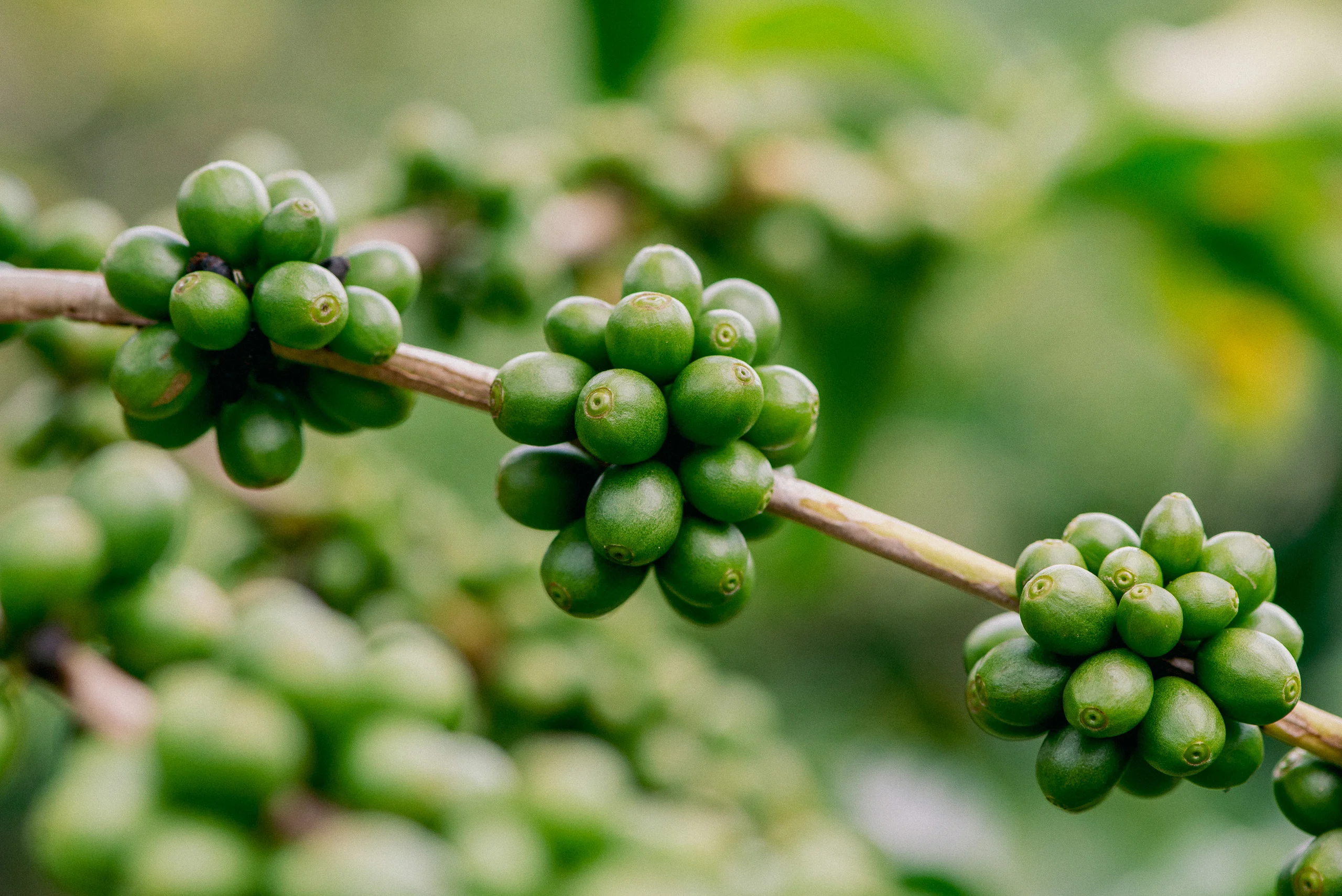
Record Brazil Crop Expectations Weigh on Coffee Prices Despite Supply Tightness

Dubai – Qahwa World

Coffee markets are drifting lower, weighed down by mounting expectations of a very large crop in Brazil, even as supply-side tensions prevent sharper declines.

Arabica futures have slipped to their weakest levels in several weeks, reflecting growing confidence among analysts that Brazil’s next harvest could reach record territory. Forecasts from firms such as Marex Group, Sucafina, and StoneX all point toward a historically large 2026/27 crop clustered in the mid-70 million bag range. If realized, that would mark a significant year-on-year increase and help expand the global coffee surplus.

The supply outlook is also being shaped by developments in Vietnam, the world’s leading robusta producer. Export volumes have surged, with early-year shipments showing strong annual growth. Production is likewise expected to rise, potentially reaching a multi-year high, adding further pressure on prices.

Yet the market narrative is not entirely bearish. Tight inventories are offering some support, particularly for robusta, where exchange-monitored stockpiles have dropped to their lowest level in over a year, highlighting ongoing short-term supply constraints.

Geopolitical tensions are adding another layer of complexity. Disruptions linked to the Strait of Hormuz have pushed up freight and insurance costs, complicating global trade flows and increasing expenses for coffee importers and roasters.

Meanwhile, export data from Cecafé and Brazil’s trade authorities show a decline in March shipments compared to last year, lending some support to prices. Weather concerns also persist in key regions such as Minas Gerais, where below-average rainfall could still impact yields.

Global institutions, including the International Coffee Organization and the USDA Foreign Agricultural Service, continue to point to a nuanced outlook: overall production may rise, but with diverging trends between arabica and robusta, and tightening stock levels.

Taken together, the coffee market is navigating a delicate balance between expectations of abundant future supply and the realities of present-day constraints.

EFICO Coffee Sourcing Strategy 2025 and Global Market Trends

Dubai – Qahwa World

The coffee market has always been volatile, but in recent years fluctuations have intensified. While prices were historically shaped by harvest expectations, weather patterns, and supply–demand dynamics, financial market mechanisms, including speculative trading and algorithm-driven strategies are increasingly amplifying price swings, sometimes exceeding underlying supply fundamentals.

At the same time, climate change remains the most significant long-term challenge facing the sector. Across producing regions, erratic weather patterns—from prolonged droughts to unexpected rainfall and extreme storms—disrupt harvest cycles, reduce yields, and create growing uncertainty throughout the global coffee value chain.

In 2025, several of these pressures converged. Arabica prices surged on the New York C-Market amid drought-affected Brazilian crops and delayed harvests in parts of Central America. Logistical bottlenecks, geopolitical tensions, and lingering trade policies—including tariffs introduced under the Trump administration—added further complexity to the global trading environment. Meanwhile, regulatory developments in the European Union—notably the EU Deforestation Regulation (EUDR) and updated organic standards—introduced additional compliance requirements for actors across the coffee value chain.

Despite this challenging environment, EFICO achieved strategic growth in 2025, moving more coffee than ever while continuing to build on nearly a century of experience in connecting coffee value chain partners. Through strategic sourcing and transparent collaboration with partner farmers, cooperatives, exporters, and roasters, EFICO works to strengthen every link in the chain—helping partners navigate market volatility, regulatory complexity, and climate-related challenges.

EFICO | Connecting the coffee value chain

For nearly a century, EFICO has connected coffee value chain partners through long-term, trusted relationships that foster resilience and shared growth. Through its origin offices and green coffee trading teams, EFICO works closely with partner farmers, cooperatives, and exporters, providing market access, technical guidance, and sustainability support while maintaining lasting partnerships with partner roasters worldwide.

Complementing its operational sourcing work, the EFICO Foundation supports coffee-producing communities worldwide—structurally supporting coffee farmers and their families while positively impacting livelihoods, prosperity, and the environment.

Purpose-driven local partnerships

EFICO’s sourcing strategy is built on purpose-driven partnerships across the coffee value chain, starting at origin. By collaborating closely with cooperatives, local exporters, and trusted supply partners, EFICO works to ensure a transparent and resilient coffee supply while reinvesting value locally in coffee-producing regions.

In 2025, 85% of EFICO’s coffee continued to be sourced from local actors, reflecting the company’s long-standing commitment to locally rooted supply chains. Within this share, cooperatives represented 23% of total sourcing volumes, while local exporters accounted for 57%, showing a slight shift compared to 2024. International exporters remained stable at 15% for the third consecutive year.

These long-term partnerships support local economies, strengthen farming communities, and reinforce resilience throughout the broader coffee value chain—particularly in times of market volatility and environmental uncertainty.

EFICO’s sourcing offices in Ethiopia, Central America, and Brazil remain central to this strategy. Beyond operational hubs, they serve as centers of adaptive collaboration, connecting EFICO directly to coffee-growing regions. By working closely with partner farmers, cooperatives, and suppliers on the ground, these origin offices help partner farmers navigate fluctuating market conditions, climate challenges, and evolving regulatory requirements, while strengthening relationships with partner roasters worldwide.

Certified, verified vs non-verified coffee

In 2025, EFICO recorded remarkable growth in absolute terms, with certified volumes increasing by 34% compared to last year, while shares among Rainforest Alliance, Fairtrade, and Organic remained stable, reflecting continued commitment to certifications.

Rainforest Alliance held the largest share at 64%, also leading in absolute growth, while Fairtrade and Organic recorded the largest relative growth, recovering from the decline observed in 2024 as premiums increased and market prices remained high.

A shift in origins was observed, with a lower share of Organic and Fairtrade sourced from Central America in favour of Latin America, Africa, and Asia.

However, overall coffee sourcing volumes increased even faster than certified volumes. As a result, the relative share of certified and verified coffee represented 49% of total sourcing—marking the third consecutive year of modest relative decrease.

Despite this shift, EFICO’s sourcing remains above the global market average, as reported by the Global Coffee Platform in 2024, which registered 47% sustainable sourcing under third-party schemes.

These dynamics reflect broader market conditions. During periods of high and volatile coffee prices, certification models can become more complex for both producers and buyers, as certification costs and administrative requirements must be balanced against market opportunities.

Strategic sourcing: key origins

The world map provides a 2025 snapshot of coffee origins, showing the shares of certified, verified, and non-verified coffee. These patterns vary across EFICO’s key coffee-producing regions, reflecting differences in sourcing volumes, certifications, and partnerships.

For a more detailed view, EFICO analysed sourcing data from its major origins—Brazil, Central America, and Ethiopia—and included Uganda as a key Robusta origin without a permanent EFICO office.

Brazil

Brazil remained EFICO’s largest sourcing origin in 2025, accounting for approximately one-third of total sourcing volumes. The country continues to provide high-quality Arabica coffees that form an essential component of both blends and single-origin offerings.

In 2025, 47% of EFICO’s Brazilian sourcing was certified. An additional 17% was verified under EFICO’s internal sustainability standards, including 6% independently verified and 11% aligned with partner-based sustainability systems. This brings the total share meeting certification or verification criteria to 64%.

At the same time, 85% of Brazilian coffee volumes were sourced from local actors, reinforcing EFICO’s long-standing commitment to strong local partnerships.

While certified volumes increased in absolute terms, the relative share of certified coffee declined slightly as conventional volumes expanded more rapidly amid strong market demand.

Central America

Central America remained one of EFICO’s most important regions for certified sourcing in 2025. 66% of coffees sourced from the region were certified, with Rainforest Alliance representing the largest share and showing the strongest growth.

Fairtrade sourcing also showed steady growth during the year, while Organic-certified coffees declined both in absolute volumes and relative share.

This trend reflects a combination of market dynamics and regulatory developments: high and volatile coffee prices influenced producer and buyer decisions, while the increasing complexity of complying with updated EU organic requirements made sourcing fully compliant Organic coffees more challenging in some producing countries.

Across the region, 79% of EFICO’s sourcing came from local actors, reinforcing long-standing partnerships with cooperatives and exporters.

Through the ongoing work of the EFICO Foundation, EFICO supports projects that promote training and education, sustainable income, infrastructure support with the aim of positively impacting coffee farmers’ livelihoods, prosperity, and environment.

Ethiopia

Ethiopia experienced significant growth in sourcing volumes in 2025, with total volumes more than doubling compared to the previous year. While much of this increase occurred in conventional coffees, certified volumes also expanded.

In total, 21% of Ethiopian coffees sourced by EFICO were certified, with an additional 19% meeting EFICO’s internal sustainability standards, bringing the total share aligned with sustainability criteria to 40%.

Local partnerships remain central to EFICO’s sourcing approach in Ethiopia, with 80% of volumes sourced from local actors.

A key partner in this development is KURU, EFICO’s long-standing sourcing partner in Ethiopia, which expanded its operations to eight washing and collecting stations in 2025—four more than in 2024.

This expansion strengthens processing capacity and traceability while reinforcing EFICO’s direct connection to coffee-producing communities.

Uganda

Uganda is included in this 2025 analysis because sourcing volumes from the country have grown significantly, making it a strategic addition to EFICO’s Robusta portfolio.

Within just two years, Uganda has become EFICO’s third-most important origin for Robusta coffee, even though sourcing remains predominantly conventional.

79% of Ugandan volumes were sourced from local actors, highlighting EFICO’s commitment to building sustainable, locally rooted supply relationships, even in regions without a permanent origin office.

EUDR readiness & supplier engagement

In 2025, EFICO continued its efforts to ensure compliance with the EU Deforestation Regulation, despite the late announcement of another one-year delay in its entry into application.

By the end of the year, 93% of geolocation datasets submitted for EUDR contracts were approved according to EFICO’s strictest standards and assessments.

A major step was the launch of EFICO’s supplier portal, improving data collection, traceability, segregation at shipment level, and annual legality reporting, including topics such as human rights and traceability.

Togo field engagement

Togo was selected for focused engagement to support suppliers less familiar with geolocation and traceability requirements.

Since early 2024, EFICO has trained local field teams to collect, harmonise, and validate farmer and plot-level data. Over 2025, nearly 10,000 GPS points were collected.

A second field visit in December 2025 implemented ground truthing procedures to verify deforestation alerts and assess multi-tier supply chains.

Most coffee plots are managed under agroforestry systems. Satellite-based alerts initially identified potential deforestation risks, but field verification ruled out most cases, confirming only a few instances linked to expansion into previously forested land.

Non-compliant plots were segregated within EFICO’s traceability systems, while farmers received training on deforestation prevention and sustainable land-use alternatives.

EFICO’s 2025 strategy highlights a balance between market resilience, sustainability, regulatory readiness, and long-term partnerships across the global coffee value chain.

Coffee Prices Rise Amid Supply Concerns and Shipping Disruptions

Dubai – Qahwa World

Coffee futures moved higher, supported by growing concerns over global supply disruptions and tightening inventories. Arabica and robusta contracts both posted gains, with robusta showing stronger momentum.

A key driver behind the price increase is rising tension around the Strait of Hormuz. Reports of shipping disruptions have heightened concerns about global trade flows, leading to increased freight costs, insurance premiums, and fuel expenses. These factors are adding pressure on coffee importers and roasters, contributing to upward price movement.

Robusta prices are receiving additional support from declining exchange inventories, which have dropped to their lowest level in over a year. This signals tighter short-term availability in the market.

However, expectations of a large upcoming harvest in Brazil are limiting stronger price rallies. Several industry forecasts point to a record crop for the 2026/27 season, with projections consistently above 75 million bags. At the same time, estimates suggest a significant global surplus could emerge in 2026, potentially the largest in several years.

Vietnam’s export performance is also weighing on the market, particularly for robusta. Shipments have increased notably in early 2026, following strong export growth in the previous year. Production in Vietnam is also expected to rise, reaching multi-year highs, which could further ease supply constraints.

On the other hand, reduced exports from Brazil are offering some support to prices. Recent data shows a decline in shipments compared to last year, tightening near-term availability in the global market.

Weather conditions in Brazil remain another important factor. Below-average rainfall in key growing regions, particularly Minas Gerais, has raised concerns about crop yields, adding a bullish element to price outlooks.

Looking at the broader picture, global export volumes have shown slight weakness, while production forecasts indicate modest overall growth. Arabica output is expected to decline, while robusta production is projected to increase significantly. Meanwhile, global coffee inventories are forecast to shrink, suggesting that supply pressures may persist despite higher production in some regions.

Rising prices reshape coffee consumption patterns in Russia

Moscow – Qahwa World

Data from the “Check Index” analytical center of the OFD Platform show significant changes in coffee consumption patterns in Russia during 2024–2026, driven by sustained price increases across all major categories.

In 2025, prices rose across the entire market. The average price of instant coffee reached 482 rubles (+22% year-on-year), roasted beans 1,223 rubles (+40%), ground coffee 541 rubles (+29%), capsules 710 rubles (+15%), and drip-pack coffee 354 rubles (+16%).

At the same time, purchase volumes declined in most segments. Consumption of roasted beans fell by 21%, ground coffee by 11%, capsules by 13%, and instant coffee by 10%. The only category to show growth was drip-pack coffee, where purchases increased by 37% in 2025.

The data attributed this growth to the relatively lower price of drip packs compared with other formats, as well as ease of preparation, which led to partial substitution from ground coffee and capsules. The segment also showed higher adoption among younger consumers, including Generation Z.

In the first quarter of 2026, prices continued to rise. Instant coffee averaged 527 rubles (+7%), roasted beans 1,330 rubles (+10%), ground coffee 618 rubles (+15%), capsules 737 rubles (+5%), and drip-pack coffee 422 rubles (+10%).

Demand trends during the same period were mixed. Purchases of instant coffee increased by 4%, while roasted beans declined by 2%, ground coffee by 13%, capsules by 7%, and drip-pack coffee by 13%.

In the café segment, Russians purchased around 10.3 million cups of coffee per month. The average number of items per receipt was 3.1, with coffee and beverages accounting for 72% of total purchases.

The average price per cup in cafés rose to 289 rubles in Q1 2026. After a 19% increase in 2025, coffee sales in the food service sector declined by 4% at the beginning of 2026.

Overall, the data indicates a gradual restructuring of Russia’s coffee market, as rising prices continue to reshape consumption patterns and shift demand across different product categories.

Cofix Russia May Be Sold for Up to 1.4 Billion Rubles

Moscow – Qahwa World

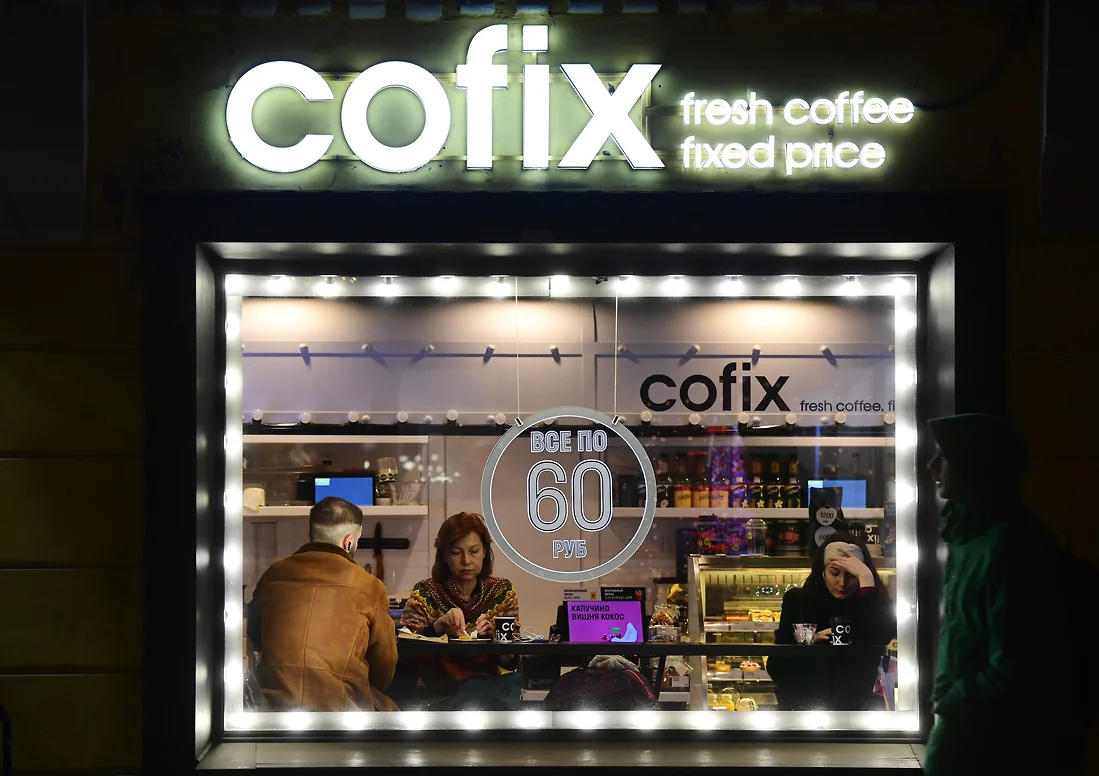
The Russian division of the international coffee chain Cofix is reportedly being prepared for sale, with its valuation estimated between 1.25 and 1.4 billion rubles. According to market sources, a leading candidate to acquire the business is the investment firm Бумеранг Капитал, established in 2024 by Ваган Гаспарян, a former executive of Sberbank Capital. Both parties have declined to comment publicly.

Cofix currently operates around 290 outlets across Russia, many under franchise agreements. The chain maintains a presence in Kazan with two locations — one on Bauman Street and another in the MEGA shopping center. In terms of scale, Cofix ranks among the top five coffee chains in the country, following competitors such as Coffee Like, One Price Coffee, and Surf Coffee. Despite this, the sector remains highly fragmented: the largest operators collectively control no more than 20% of a market estimated at 13,000–15,000 coffee outlets.

Industry analysts suggest that acquiring Cofix could strengthen Бумеранг Капитал’s position in the foodservice sector by improving supply chains and consolidating operations. The fund has already been active in this space, including the recent purchase of the specialty coffee brand Даблби.

The potential deal comes at a challenging time for the coffee market in Russia. In the first months of 2026, sales of ready-made coffee declined by 4% compared to the previous year, while takeaway coffee dropped by 2%. Market participants attribute this trend to rising raw material costs and weakening consumer demand. Estimates indicate that coffee bean costs have risen by 25–30% over the past year, while customer traffic in coffee shops has decreased by around 20%.

Founded in Israel in 2013 by entrepreneurs Ави Кац and Бенни Паркаш, Cofix originally built its brand around a fixed low-price model. In recent years, however, the company has gradually shifted away from this concept, partly due to increasing competition from retail chains, where consumers are opting for more affordable in-store coffee options.

The Russian operating entity, Urban Cofix Russia LLC, reported revenue of 3.01 billion rubles in 2025, with a net profit of 68.1 million rubles, reflecting relatively modest margins.

The broader foodservice industry is also undergoing contraction. In 2025, approximately 35,400 foodservice businesses closed across Russia, including restaurants, cafés, and bars. Regional markets such as Tatarstan are expected to see further closures, particularly in the mid-range segment, driven by rising costs and shifting consumer behavior.

While experts believe the chain coffee segment will continue to expand overall, they also anticipate a slowdown in the pace of new outlet openings as market conditions remain tight.

Coffee Markets Decline as Supply Fears Subside

Dubai – Qahwa World

Coffee futures moved lower at the end of the week, with both arabica and robusta contracts posting notable losses. Arabica dropped to its lowest level in about a week, while robusta also weakened.

The decline was linked in part to improving conditions in global shipping. Iran’s announcement that the Strait of Hormuz has reopened helped calm earlier concerns about disruptions, suggesting smoother trade flows and reducing anxiety over supply constraints.

Earlier in the week, arabica had already been under pressure, touching a one-month low as expectations grew for a strong harvest in Brazil. Several industry forecasts point toward a record crop in the 2026/27 season, with estimates clustering above 75 million bags. Some analysts also anticipate a significant expansion in the global coffee surplus, potentially reaching its highest level in several years.

Meanwhile, Vietnam continues to play a major role on the supply side. The country, the leading producer of robusta coffee, has reported rising export volumes. Shipments in the first quarter increased compared to the same period last year, and full-year exports have also shown solid growth. Production in the current season is expected to climb to a multi-year high, adding further pressure to prices.

Despite this broader supply outlook, some factors are offering limited support. Inventories of robusta monitored by the ICE exchange have declined to their lowest level in over a year, indicating tighter availability in certified stocks.

In Brazil, export data has been mixed. Recent figures show a drop in shipments compared to last year, which may lend some support to prices. Weather is also being closely watched, as below-average rainfall in key growing regions like Minas Gerais could affect crop yields.

On the global stage, export volumes have edged slightly lower in the current marketing year, according to international data. However, overall production is still expected to rise in the 2025/26 season, driven by gains in robusta output despite a projected decline in arabica production.

Looking ahead, forecasts suggest Brazil’s total production may ease slightly, while Vietnam’s output is likely to increase. At the same time, global ending stocks are expected to shrink, reflecting ongoing shifts in supply and demand dynamics.

Brazil Export Decline Supports Coffee Prices

Dubai – Qahwa World

Coffee prices moved higher midweek, with both arabica and robusta futures posting gains. Robusta led the advance, reaching its strongest level in roughly one and a half weeks, supported by tightening near-term supplies.

A key factor behind the upward movement is reduced export activity from Brazil. Recent figures indicate that shipments of green coffee declined in March compared to the same month last year. Broader trade data also shows a sharp drop in overall coffee exports, reinforcing concerns about limited supply from the world’s leading producer.

In the robusta segment, falling inventories have added to the bullish sentiment. Exchange-monitored stockpiles have dropped to their lowest levels in more than a year, highlighting ongoing supply tightness in the physical market.

Weather conditions are also contributing to price support. Brazil’s main arabica-growing region, Minas Gerais, has received significantly less rainfall than usual in recent weeks. Reduced precipitation during key crop development stages may affect yields, adding uncertainty to future supply.

However, the broader outlook remains complex. Earlier projections of a large upcoming Brazilian crop continue to weigh on market sentiment. Several forecasts point to record production in the 2026/27 season, with global supply potentially expanding into a sizeable surplus.

At the same time, rising certified inventories for arabica have recently pressured prices, reflecting improved availability in some segments of the market.

Global logistics challenges are adding another layer of influence. Disruptions to major shipping routes have increased freight, insurance, and fuel costs, raising expenses for importers and roasters and contributing to overall market volatility.

Meanwhile, Vietnam continues to strengthen its position in the robusta sector. Strong export performance and expectations of increased production could help offset supply constraints from Brazil.

Earlier in the year, coffee prices declined sharply amid expectations of abundant global output. Forecasts suggest that worldwide production could reach record levels in the coming seasons, driven largely by Brazil and Vietnam.

Even so, global stock levels are expected to edge lower, with ending inventories projected to decline compared to the previous season. This balance between strong production and tightening stocks underscores the mixed and evolving outlook for the global coffee market.


Global Coffee Market to Hit $380B by 2033

Dubai – Qahwa World

The global coffee market is advancing rapidly, driven by strong consumer demand that shows no signs of slowing. Around half a trillion cups of coffee are consumed worldwide each year—more than 2 billion cups every day—making coffee one of the world’s most popular daily beverages and a core pillar of the global beverage industry.

According to the latest data from Grand View Research (as of early 2026), the market was valued at approximately USD 249.34 billion in 2025 and is projected to reach USD 380.28 billion by 2033, reflecting a compound annual growth rate (CAGR) of 5.4% from 2026 to 2033. This growth continues despite economic pressures, climate-related challenges in key producing regions, and evolving consumer preferences. Other industry analyses present slightly more conservative estimates, ranging from $214 billion to $239 billion by 2031–2033, depending on methodology, but all projections indicate continued expansion.

Consumption Leaders: Volume vs. Per Capita

The United States remains the largest coffee-consuming country in total volume, supported by a large population and a deeply rooted coffee culture. On average, Americans drink around three cups per day, resulting in significant national consumption.

On a per-capita basis, Northern Europe leads global rankings. Recent data suggests Luxembourg ranks among the highest per-person consumers at over five cups daily, influenced in part by cross-border commuting. Finland also maintains a leading position, with approximately 3–4 cups per person per day and annual consumption of around 10–12 kg per capita, among the highest levels globally.

This strong Nordic consumption culture is deeply embedded in daily life. In Finland, coffee is a social staple, commonly consumed black and frequently enjoyed during regular coffee breaks known as “kahvihetki.”

Asia-Pacific: The Fastest Growing Region

While established markets are maturing, the Asia-Pacific region is emerging as a major growth engine for the global coffee industry. Rising incomes, rapid urbanization, and a young, digitally connected population are driving demand across China, Japan, India, and other markets.

China has surpassed the United States in terms of branded coffee shop presence, with more than 50,000 outlets and rapidly expanding chains such as Luckin Coffee. In India, café culture continues to develop and is expected to significantly expand market potential by 2030. Indonesia has also experienced strong growth, with domestic consumption reportedly tripling since pre-pandemic levels.

The Asia-Pacific coffee market is projected to grow faster than the global average, with estimated CAGR ranges of 6–8% in recent forecasts. Growth is being supported by premium café expansion, ready-to-drink coffee products, and shifting preferences in urban areas away from traditional tea consumption.

The Quality Shift: Specialty Coffee and Arabica Dominance

Global coffee consumption is not only increasing in volume but also shifting toward higher quality. Arabica beans continue to dominate due to their smoother flavor profile, while demand for specialty coffee is accelerating, particularly among younger consumers.

Millennials and Gen Z consumers are increasingly prioritizing single-origin sourcing, traceability, and distinctive flavor profiles over mass-market products. The global specialty coffee segment is expanding faster than the broader market, with projected CAGR near 10.8% through 2033.

Convenience and Changing Lifestyles

Modern consumption habits are driving demand for convenience-focused coffee products. Capsules, instant coffee, liquid concentrates, and ready-to-drink (RTD) beverages are increasingly popular, allowing consumers to access premium coffee experiences at home, in the workplace, or on the move.

Sustainability and Supply Chain Pressures

Sustainability has become a central requirement in the coffee industry. Ethical sourcing, organic certification, and transparent supply chains are increasingly important to consumers, particularly in premium segments.

Many consumers are willing to pay higher prices for coffee that supports farmers, reduces environmental impact, and carries certifications such as Fair Trade or Rainforest Alliance. At the same time, climate change continues to pose risks to major coffee-growing regions, prompting greater focus on resilient crop varieties and sustainable farming practices.

Challenges and Market Outlook

The coffee sector faces increasing competition from alternative beverages, including tea, herbal infusions, energy drinks, and functional beverages, as consumers diversify their preferences toward health-oriented options.

Supply chain volatility, driven by weather events and geopolitical factors, also remains a persistent challenge for producers and roasters.

Despite these pressures, the long-term outlook for the coffee industry remains positive. Strong cultural demand, combined with innovation in product formats, sustainability initiatives, and experiential retail, is expected to support continued growth through the next decade.

From specialty cafés in Tokyo to espresso bars in Dubai and traditional filter coffee in Helsinki, global coffee culture continues to expand. The coming years are expected to bring greater product diversity, improved sustainability practices, and new consumption experiences for one of the world’s most widely enjoyed beverages.
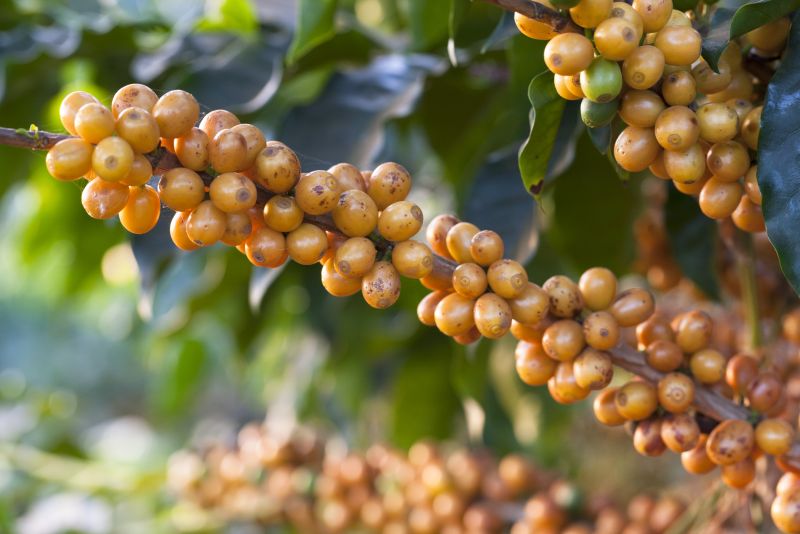
March 2026 Coffee Market Report: Global Prices Rebound Amid Geopolitical Tension

Global Coffee Market Report: March 2026

An In-Depth Expert Analysis by an Independent Journalist – Based on the Official ICO Coffee Market Report

Dubai – Qahwa World

The global coffee market experienced one of its most dramatic and multifaceted months in recent memory during March 2026. After three consecutive months of steady price erosion, the ICO Composite Indicator Price (I-CIP) staged a decisive rebound, averaging 273.70 US cents/lb, a solid 2.3% increase from February’s 267.57 US cents/lb. This recovery was not driven by traditional supply fundamentals alone. Instead, it was propelled by an abrupt and powerful geopolitical shock that temporarily overrode the market’s otherwise bearish supply outlook. The result was a case study in how external macro forces can intersect with coffee-specific dynamics to create extreme short-term volatility while leaving longer-term questions unresolved.

The Strait of Hormuz Crisis: A Geopolitical Black Swan for Commodities

The catalyst arrived on 4 March when the Strait of Hormuz was declared closed to vessels allied with the United States amid escalating conflict in the Middle East. Few waterways are as strategically vital: roughly 25% of the world’s seaborne oil trade and nearly 20% of global liquefied natural gas exports transit this narrow passage. The immediate consequences rippled far beyond energy markets. Brent crude prices breached $100 per barrel within days. Bunker fuel, container freight rates, and marine insurance premiums spiked simultaneously. Coffee traders, already navigating a complex supply picture, responded with aggressive risk-on buying.

You may read : ICO February 2026 Report: Has the Inflationary Wave Receded?

The ICO report highlights the dual impact on the sector. In the short term, higher shipping costs and energy expenses added upward pressure on physical coffee premiums. In the longer term, the disruption threatened fertilizer supply chains. The Gulf region is a major global fertilizer producer, and between one-quarter and one-third of the entire global fertilizer trade, including up to one-third of nitrogen fertilizers such as urea, passes through the strait. While the current 2025/26 crop cycle was largely insulated as most fertilizers had already been applied, any prolongation of the blockade would create risks for the 2026/27 season. This layered uncertainty injected a significant risk premium into coffee futures and physical markets.

March in Four Distinct Phases: A Masterclass in Market Psychology

Phase 1 – Geopolitical Rally (2–9 March): The month opened with the I-CIP at 267.40 US cents/lb. Within five trading days of the blockade announcement, risk-premium buying propelled prices to 278.77 US cents/lb, a 4.3% surge. The rally reflected surging energy costs, freight rates, and insurance premiums, which created a cost-push narrative embraced by coffee bulls.

Phase 2 – Sharp Correction (10–13 March): The market reversed sharply. On 10–11 March the I-CIP fell from 276.01 to 267.19 US cents/lb. The trigger was fundamentals. Leading brokerages Marex Group Plc and Sucafina released forecasts for Brazil’s 2026/27 crop at 75.9 million bags and 75.4 million bags respectively. By 13 March the I-CIP reached its monthly low of 265.50 US cents/lb. Risk appetite weakened further as broader financial markets rotated toward safe-haven assets.

Phase 3 – Stabilization and New Rally (14–24 March): Prices stabilized in the 269–271 US cents/lb range. Mixed signals emerged, including reports of limited vessel traffic through the Strait and persistent backwardation in the futures curve, indicating continued tightness in nearby supply.

Phase 4 – Late-Month Spike and Selloff (25–30 March): The rally faded as bearish catalysts returned. Rabobank reiterated its forecast of an 8.64 million-bag global surplus for 2026/27. Selling pressure intensified, and the month closed weaker despite the overall monthly gain.

This four-phase structure highlights a market shaped by competing forces: geopolitical risk provided temporary support, while expectations of record production capped upside momentum.

Divergent Performance Across Coffee Groups

  • Colombian Milds: +2.0% to 337.45 US cents/lb
  • Other Milds: +4.0% to 334.34 US cents/lb
  • Brazilian Naturals: +3.9% to 320.51 US cents/lb
  • Robustas: –1.6% to 176.77 US cents/lb

The London Robusta contract fell 2.5% to 161.91 US cents/lb, while New York Arabica futures rose 0.5% to 290.18 US cents/lb. Differentials reflected this divergence. The Colombian Milds–Other Milds gap narrowed from 9.54 to 3.12 US cents/lb. The Brazilian Naturals–Robustas gap widened to 143.74 US cents/lb, and the Other Milds–Robustas gap expanded to 157.57 US cents/lb. The arbitrage between London and New York futures increased to 128.27 US cents/lb.

You may also read: Global Coffee Market Roadmap—January 2026

Intra-day volatility eased slightly, with the I-CIP volatility falling to 9.8%. Robustas volatility rose to 10.9%. Certified stocks showed contrasting trends: London Robusta stocks contracted 10.7% to 0.66 million bags, while New York Arabica stocks increased 17.7% to 0.61 million bags.

February 2026 Export Data: The Underlying Supply Reality

While March prices reacted to geopolitics, February trade data revealed structural supply pressure. Global green-bean exports fell 9.0% year-on-year to 9.79 million bags. Total exports of all forms of coffee declined 5.7% to 11.46 million bags.

Regional Breakdown (All Forms of Coffee)

  • Asia & Oceania: –4.7% to 4.45 million bags. Vietnam’s exports fell 14.9% to 2.76 million bags due to the timing of Tết (Vietnamese Lunar New Year), which reduced working days. India partially offset this with a 38.5% increase.
  • South America: –21.8% to 3.61 million bags. Brazil and Colombia recorded significant declines in both exports and production.
  • Caribbean, Mexico & Central America: +30.0% to 1.98 million bags. Honduras led gains due to harvest timing shifts caused by previous weather disruptions.
  • Africa: +5.9% to 1.43 million bags, driven by Côte d’Ivoire.

Arabica’s share of total green-bean exports for the first five months of coffee year 2025/26 declined to 60.9% from 65.1% a year earlier.

Processed coffee exports showed strength, with soluble coffee rising 18.0% to 1.6 million bags and roasted exports increasing 85.1% from a low base.

Supply-Demand Balance: A Surplus on the Horizon

The ICO supply-demand balance for the coffee year beginning October 2024 shows world production at 177.51 million bags, up 5.2% year-on-year. Consumption rose 1.4% to 175.07 million bags. This results in a surplus of 2.44 million bags, marking a shift toward oversupply conditions.

Expert Perspective: What This Means for the Industry

March 2026 demonstrated the coffee market’s sensitivity to external shocks even in a structurally supply-heavy environment. Geopolitical developments provided temporary price support, but underlying fundamentals continued to reflect expectations of abundant supply, particularly from Brazil’s projected 2026/27 crop.

Input costs remain a key variable, particularly fertilizer supply chains linked to the Strait of Hormuz. Any prolonged disruption could influence production costs and future output. Meanwhile, widening Arabica–Robusta differentials and inter-market arbitrage opportunities reflect shifting trade dynamics across futures markets.

Conclusion

The March 2026 coffee market absorbed a significant geopolitical shock while maintaining its broader supply-driven trajectory. The ICO Composite Indicator Price rose 2.3%, halting a three-month decline. However, volatility and late-month weakness reinforced the dominance of supply expectations in shaping market direction. Attention now turns to developments affecting logistics, input costs, and the 2026/27 production cycle.

All data, figures, and phase descriptions are drawn directly and exclusively from the International Coffee Organization’s official Coffee Market Report – March 2026. Analysis and contextual commentary are the independent assessment of the author.


Strength in the Brazilian Real Boosts Coffee Prices

Dubai – Qahwa World

Coffee futures moved higher on Friday, supported by currency strength and supply dynamics. May arabica coffee (KCK26) rose by +6.40 points (+2.18%), while May ICE robusta coffee (RMK26) gained +14 points (+0.42%).

Arabica prices reached a one-week high, while robusta rebounded from its lowest level in 8.5 months in nearby futures. The rally was largely driven by the appreciation of the Brazilian real, which climbed to a two-year high against the US dollar. A stronger real tends to discourage export selling by Brazilian producers, tightening global supply.

Supply Trends and Inventory Movements

Tight robusta supplies continue to support prices. ICE-monitored robusta inventories declined to 3,977 lots, marking a 1.25-year low. In contrast, arabica inventories have increased, limiting price gains. ICE arabica stocks rose to 585,621 bags on March 18, the highest level in more than six months.

Shipping Disruptions Impact Global Trade

The closure of the Strait of Hormuz has disrupted global shipping routes, tightening coffee supplies worldwide. The disruption has increased freight rates, insurance costs, and fuel expenses, raising overall costs for coffee importers and roasters.

Weather Conditions in Brazil Support Prices

Weather conditions in Brazil are also providing support. Somar Meteorologia reported that Minas Gerais, the country’s largest arabica-growing region, received 11.7 mm of rainfall last week, representing only 47% of the historical average. Below-normal rainfall may affect crop development and support prices.

Record Crop Expectations Weigh on Market Sentiment

Despite current support factors, expectations of a record Brazilian coffee crop continue to pressure the market. On March 19, Marex Group Plc projected Brazil’s 2026/27 coffee production at 75.9 million bags, exceeding Sucafina’s estimate of 75.4 million bags and marking a 15.5% year-on-year increase.

On March 12, StoneX raised its forecast to 75.3 million bags, up from a previous estimate of 70.7 million bags. The firm also expects the global coffee surplus to expand to 10 million bags in 2026, compared to 1.8 million bags in 2025, representing the largest surplus in six years.

Vietnam Export Growth Pressures Robusta

Rising exports from Vietnam, the world’s largest robusta producer, are weighing on prices. Vietnam’s National Statistics Office reported that coffee exports in the first quarter of 2026 increased by 14% year-on-year to 585,000 metric tons.

In 2025, exports rose by 17.5% to 1.58 million metric tons. Production for the 2025/26 season is expected to increase by 6% to 1.76 million metric tons (29.4 million bags), reaching a four-year high.

Decline in Brazilian Exports Offers Support

Recent export data from Brazil provided additional support to prices. Cecafe reported that green coffee exports in February fell by 27% year-on-year to 2.3 million bags. Meanwhile, Brazil’s Trade Ministry reported a 31% decline in March exports to 151,000 metric tons.

Recent Price Trends and Global Outlook

Coffee prices declined sharply in February, with arabica falling to a 16.75-month low on February 24 due to expectations of strong Brazilian supply.

Brazil’s crop agency Conab projected on February 5 that 2026 coffee production would rise by 17.2% year-on-year to a record 66.2 million bags. Arabica output is expected to increase by 23.2% to 44.1 million bags, while robusta production is forecast to grow by 6.3% to 22.1 million bags.

Rabobank reported on March 4 that global coffee production for the 2026/27 season is expected to reach a record 180 million bags, about 8 million bags higher than the previous year.

Global Trade and Production Forecasts

The International Coffee Organization (ICO) reported on November 7 that global coffee exports for the current marketing year (October to September) declined by 0.3% year-on-year to 138.658 million bags.

The USDA’s Foreign Agriculture Service (FAS) projected in its December 18 report that global coffee production for 2025/26 will increase by 2.0% to a record 178.848 million bags. Arabica production is expected to decline by 4.7% to 95.515 million bags, while robusta output is forecast to rise by 10.9% to 83.333 million bags.

FAS also estimates that Brazil’s 2025/26 coffee production will fall by 3.1% to 63 million bags, while Vietnam’s production will increase by 6.2% to 30.8 million bags. Ending stocks for the 2025/26 season are projected to decline by 5.4% to 20.148 million bags, down from 21.307 million bags in 2024/25.

Brazil Crop Expectations Weigh on Coffee Prices

Dubai – Qahwa World

Coffee prices remain under pressure as the market continues to digest expectations of a large upcoming crop in Brazil. May arabica coffee declined by 0.65%, while May robusta slipped 0.69%, extending recent losses.

Arabica futures recently touched a three-week low, while robusta fell to its weakest nearby level in eight months. The downward trend is largely driven by forecasts pointing to record production in Brazil. Estimates from multiple analysts suggest the 2026/27 crop could reach between 75.3 and 75.9 million bags, representing a significant year-on-year increase.

At the same time, projections indicate a widening global coffee surplus. Estimates suggest the surplus could expand to 10 million bags in 2026, up sharply from 1.8 million bags in 2025, marking the largest surplus in six years.

Additional pressure is coming from Vietnam, the world’s leading robusta producer. Coffee exports from Vietnam rose 14% year-on-year in the first quarter, reaching 585,000 metric tons. Full-year exports in 2025 increased by 17.5%, while production for the 2025/26 season is expected to rise 6% to a four-year high.

Despite these bearish factors, some elements are offering support to prices. Weather conditions in Brazil remain a concern, with below-average rainfall in key growing regions such as Minas Gerais. Recent data shows rainfall at just 47% of the historical average, raising questions about crop development.

Supply dynamics are also mixed. Robusta inventories have tightened, with exchange-monitored stocks falling to a 15-month low. In contrast, arabica inventories have increased, reaching their highest level in over six months, adding further pressure to that segment of the market.

Export data from Brazil has provided some price support. Green coffee exports fell 27% year-on-year in February, while March exports dropped 31%, indicating a slowdown in shipments.

Looking back, coffee prices already experienced a sharp selloff in February, when arabica dropped to a 16.75-month low amid early signs of a strong Brazilian crop. Brazil’s official crop agency has projected a substantial increase in production, while global output is also expected to reach record levels in the 2026/27 season.

On a broader scale, global coffee production is forecast to rise modestly in 2025/26, driven by strong growth in robusta output, particularly from Vietnam. However, ending stocks are expected to decline, suggesting that supply tightness could still emerge in certain segments of the market.

Top Coffee Consumers 2026

Dubai – Qahwa World

As of April 2026, global coffee consumption continues to grow despite earlier price volatility. According to the USDA’s December 2025 Coffee: World Markets and Trade report, world consumption for the 2025/26 coffee year (October 2025 to September 2026) reached a record 173.85 million 60-kg bags, up 1.3 percent year on year.

This steady rise comes as supply begins to recover, yet global stocks remain tight at around 20.1 million bags for the fifth consecutive year. The result is a more balanced market, though still sensitive to price movements.

Demand growth is driven by both mature and emerging markets. The United States, Brazil, and Europe continue to anchor global consumption, while Asia is rapidly expanding, led by the Philippines, China, Vietnam, and Indonesia. At the same time, early 2026 price easing has helped maintain strong consumption momentum.

Top 20 Coffee-Consuming Countries and Regions (2025/26 Forecast)

Rank Country / Region Consumption (M bags) % Global
1 European Union 41.87 24%
2 United States 26.55 15%
3 Brazil 22.28 13%
4 Philippines 6.75 3.9%
5 Japan 6.72 3.9%
6 China 5.85 3.4%
7 Canada 5.20 3.0%
8 Vietnam 4.90 2.8%
9 Indonesia 4.81 2.8%
10 Russia 4.58 2.6%
11 United Kingdom 4.33 2.5%
12 Ethiopia 3.70 2.1%
13 South Korea 3.40 2.0%
14 Mexico 3.10 1.8%
15 Australia 2.60 1.5%
16 Colombia 2.27 1.3%
17 Algeria 2.05 1.2%
18 Turkey 1.75 1.0%
19 Saudi Arabia 1.50 0.9%
20 India 1.36 0.8%

Top 10 total: ~129.5 million bags (around 74% of global consumption).
Top 20 total: ~160.3 million bags (about 92% of global consumption).

Key Market Insights

Europe remains the largest consuming bloc, accounting for nearly a quarter of global demand, led by Germany, Italy, and France. Espresso culture and premium coffee continue to dominate.

The United States holds second place, driven by strong demand for specialty coffee, cold brew, and ready-to-drink beverages. It also remains the world’s largest coffee importer.

Brazil stands out as both a top producer and consumer, supported by a large domestic market and deeply rooted coffee culture.

Asia is the fastest-growing region. The Philippines, China, Vietnam, and Indonesia are expanding rapidly, fueled by urbanization, rising incomes, and café culture.

Emerging markets are gaining importance, including South Korea, Saudi Arabia, Turkey, and India, where younger consumers and modern retail formats are accelerating coffee adoption.

Trends Shaping Coffee Consumption

  • Asia’s rapid expansion: The region now accounts for over a quarter of global demand and continues to grow quickly.
  • Premiumization: Consumers are increasingly choosing specialty, organic, and traceable coffees.
  • RTD and cold brew growth: Ready-to-drink products are among the fastest-growing segments globally.
  • Sustainability: Certifications and ethical sourcing are becoming standard expectations in many markets.
  • Price sensitivity: While coffee remains a daily habit, demand reacts to price changes, especially in emerging markets.

2026 Outlook

With global production expected to increase further, consumption is projected to continue rising toward 175 million bags or more. Growth will be led by Asia, alongside steady demand in Europe and North America.

For industry players, the focus is shifting toward value, innovation, and sustainability. From specialty cafés to ready-to-drink formats, the global coffee market in 2026 offers strong opportunities across both mature and emerging regions.

Summary

2026 marks another record year for global coffee consumption. Traditional markets provide stability, while emerging economies drive growth. The balance between supply recovery and rising demand is shaping a more dynamic and opportunity-rich global coffee landscape.