Cup of Excellence Auction Changes Coffee Farmer’s Life

Author: Qahwa World
Source: Cup of Excellence
Date: May 26, 2026

Cup of Excellence Auction Changes Coffee Farmer’s Life

Executive Summary:

  • Ramón Jarquín, a coffee producer from El Porvenir, Nicaragua, sold his coffee for only $1.50 per pound through intermediaries for years.
  • He carried his coffee 2 kilometers on his back to sell it, showing immense dedication.
  • Encouraged to join Cup of Excellence 2025, his coffee won second place and sold for $15 per pound.
  • The proceeds helped pay for life saving medical treatment for his young daughter.
  • His daughter, who had to pause school due to illness, is now healthy and back to her childhood routines.
  • The Nicaragua Cup of Excellence auction will take place on June 25, 2026.

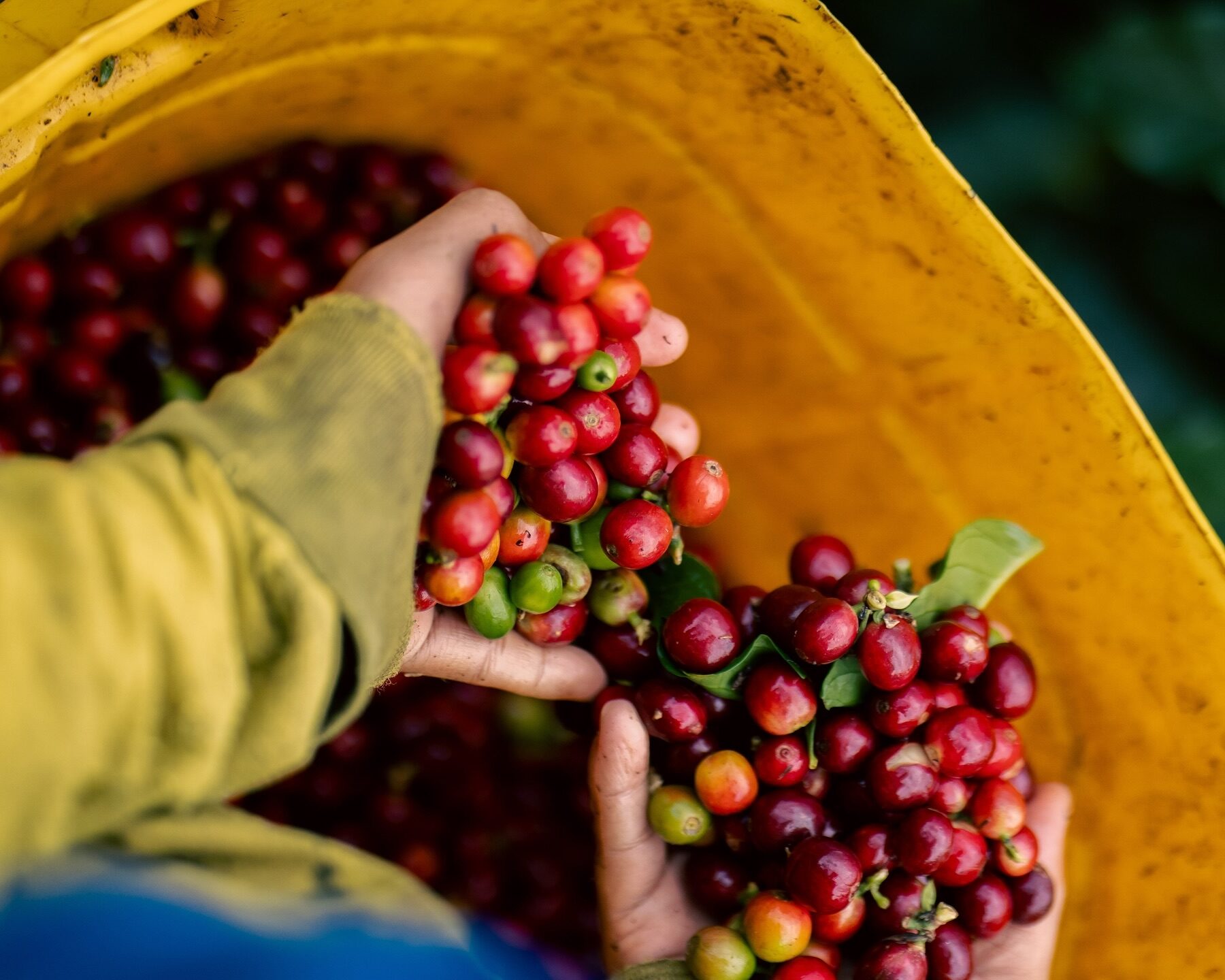
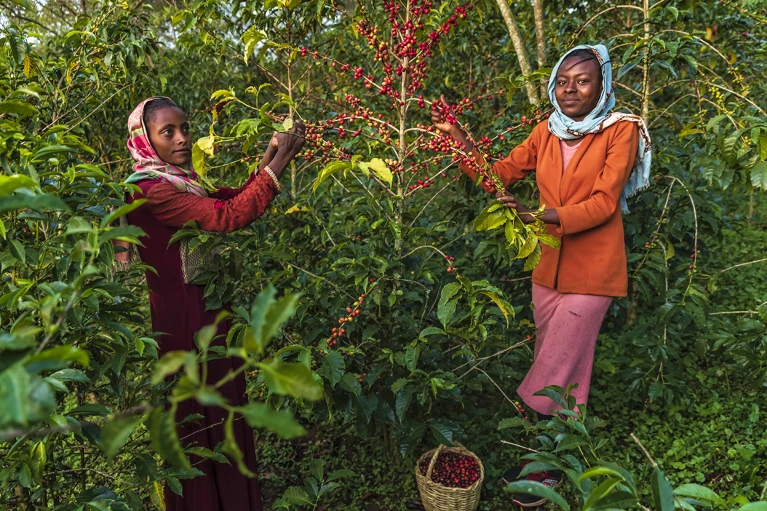
Behind every coffee lot is something much bigger: a family, a dream, and sometimes even a second chance at life. Ramón Jarquín, a coffee producer from El Porvenir, Nicaragua, spent years selling his coffee through intermediaries for only $1.50 per pound.

He never imagined how much it was truly worth. He even carried his coffee two kilometers on his back while walking, showing the determination and hard work behind every harvest.

Encouraged to participate in Cup of Excellence 2025, Ramón entered with little expectation. Then everything changed. His coffee earned second place and sold for $15 per pound at auction, ten times his usual price.

A Life Changed Beyond the Auction

The greatest impact happened at home. The proceeds helped Ramón afford life saving treatment for his young daughter. The little girl had been struggling with health issues that deeply affected the entire family. Before receiving treatment, she was unable to enjoy the simple routines of childhood and had to put school on hold.

Thanks to this opportunity, she was able to get the care she needed. She returned to school, spent time with friends, and simply became a child again. Stories like Ramón’s remind us why this work matters. Cup of Excellence is not only about extraordinary coffee. It is about creating opportunities and changing lives.

How to Participate

You can be part of that impact at the Nicaragua Cup of Excellence Auction on June 25, 2026. Sample sets are available for purchase. Orders close soon. Secure your sample sets before the deadline.

Frequently Asked Questions (FAQ)

1. Who is Ramón Jarquín?

Ramón Jarquín is a coffee producer from El Porvenir, Nicaragua, who participated in Cup of Excellence 2025 and won second place.

2. How much did Ramón used to sell his coffee for?

He sold his coffee for only $1.50 per pound through intermediaries before the auction.

3. What price did his coffee achieve at the Cup of Excellence auction?

His coffee sold for $15 per pound, ten times his usual price.

4. How did the auction winnings change his family’s life?

The proceeds helped pay for life saving medical treatment for his young daughter, who was seriously ill.

5. When is the Nicaragua Cup of Excellence auction?

The auction will take place on June 25, 2026.

6. How can buyers participate?

Buyers can secure sample sets before orders close. Contact Cup of Excellence for more information.

Qahwa World – Based on Cup of Excellence story.
Published: May 26, 2026

Africa at 63: Coffee Quietly Takes Its Place in the African Union’s Continental Vision

Source: Qahwa World – Special coverage from Addis Ababa
Author: Qahwa world × Buna Kurs – ADDIS ABABA
Photographer: Antonio Fiorente
Date: May 26, 2026

Africa at 63: Coffee Quietly Takes Its Place in the African Union’s Continental Vision

Executive Summary

  • At the 2026 Africa Day celebrations at the African Union headquarters in Addis Ababa, coffee emerged as a central element of the continent’s identity and economic vision.
  • Ethiopia’s Akoya Group was the most visible private-sector presence, with an Akoya Coffee pavilion serving Ethiopian filter coffee to diplomats and guests.
  • In February 2024, African heads of state formally adopted coffee as a strategic commodity under Agenda 2063 and recognized the Inter-African Coffee Organisation (IACO) as an AU specialized agency.
  • The decision followed G25 African Coffee Summits in Nairobi, Kampala, and Dar es Salaam, pushing for roasting, branding, and value retention within Africa.
  • Coffee supports an estimated 60 million Africans, yet the continent captures only a fraction of global coffee value, which remains concentrated outside Africa.
  • AU Commission Chairperson Mahmoud Ali Youssouf highlighted Africa’s growing global role, including permanent G20 membership.

At this year’s Africa Day celebrations inside the headquarters of the African Union, coffee was never officially the central theme. And yet, across the atmosphere of the three-day commemoration – from weekend sports competitions and cultural showcases to the private-sector presence surrounding the event – the continent’s most iconic crop appeared increasingly intertwined with the larger conversation Africa is now having about identity, trade, value creation and global positioning.

Among the most visible private-sector presences throughout the celebrations was Akoya Group, the Ethiopian conglomerate whose activities span real estate, tourism, automotive and coffee export through Akoya Coffee.

Across much of the AU compound, “Akoya Africa Day 2026” branding framed the public-facing atmosphere of the commemorations, while an Akoya Coffee pavilion at the entrance of the main ceremonial hall served Ethiopian filter coffee to diplomats, dignitaries and invited guests.

From Cultural Symbol to Strategic Commodity

Held under the theme “Sixty-Three Years of Unity, Integration and Development – Let’s Celebrate Together,” Africa Day 2026 brought diplomats, artists, exhibitors, youth representatives and families together inside the AU headquarters in Addis Ababa, the diplomatic capital of Africa and the city most closely associated with the origins of arabica coffee itself.

As cultural performances, artisan exhibitions and public celebrations unfolded across the AU compound, coffee lingered not merely as ceremony or hospitality, but increasingly as strategy.

In his official Africa Day address, African Union Commission Chairperson Mahmoud Ali Youssouf described the occasion as both “a celebration of our shared heritage” and recognition of “Africa’s growing role in shaping global affairs,” while reaffirming the continent’s commitment to Agenda 2063 and deeper continental integration.

The Chairperson pointed to Africa’s growing global role, including the continent’s permanent membership in the G20, as evidence that Africa intends to participate more actively in shaping international economic discussions – a direction increasingly echoed in conversations surrounding African coffee, trade and value addition.

Coffee as a Strategic Commodity Under Agenda 2063

That shift is no longer symbolic. In February 2024, during the 37th Ordinary Session of the AU Assembly in Addis Ababa, African heads of state formally adopted coffee as a strategic commodity under Agenda 2063 while also recognizing the Inter-African Coffee Organisation (IACO) as a specialized agency of the African Union.

The move followed a series of G25 African Coffee Summits in Nairobi, Kampala and Dar es Salaam, where African leaders and sector stakeholders pushed for the continent to move beyond exporting raw beans toward roasting, branding and retaining more value on African soil.

For many within the sector, the message is becoming increasingly clear: the continent that gave coffee to the world is beginning to ask how much more of the coffee economy should remain within Africa itself.

Coffee today supports the livelihoods of an estimated 60 million Africans, yet the continent still captures only a fraction of the value generated by the global coffee economy, much of which remains concentrated in roasting, branding and retail markets outside Africa.

Indicator Figure
Africans whose livelihoods depend on coffee Approximately 60 million
Date of adoption as strategic commodity under Agenda 2063 February 2024
G25 African Coffee Summits locations Nairobi, Kampala, Dar es Salaam

A Distinctly African Atmosphere

Inside the AU compound over the three-day celebration, textiles, artisan stands, music, public gatherings and coffee ceremonies blended into an atmosphere that felt distinctly African and noticeably public-facing, far removed from the often formal diplomatic image associated with the institution. And perhaps that is where the deeper symbolism of coffee at Africa Day 2026 ultimately rested. At a continental gathering built around unity, integration and development, the beverage that originated in Africa appeared quietly aligned with many of the ambitions the African Union now places at the center of Agenda 2063: local manufacturing, youth employment, cross-border trade, cultural identity and stronger African ownership over globally recognized products.

At 63, Africa is not merely celebrating its heritage. It is increasingly attempting to reclaim ownership over how that heritage is processed, valued and presented to the world.

Frequently Asked Questions (FAQ)

1. What event brought coffee into the African Union’s strategic vision?

The 2026 Africa Day celebrations at the AU headquarters in Addis Ababa, where coffee emerged as a central element of identity and economic strategy.

2. When did the AU adopt coffee as a strategic commodity?

In February 2024, during the 37th Ordinary Session of the AU Assembly in Addis Ababa, under Agenda 2063.

3. What is the Inter-African Coffee Organisation (IACO)?

It is recognized as a specialized agency of the African Union, working to advance the coffee sector across the continent.

4. How many Africans depend on coffee for their livelihoods?

Approximately 60 million people.

5. Which Ethiopian company stood out at the celebration?

Akoya Group, through its Akoya Coffee pavilion.

6. What is the main message of coffee’s presence at Africa Day?

Africa is seeking to reclaim ownership of processing, valuing, and presenting its heritage, keeping more coffee value within the continent.

Author: Qahwa world × Buna Kurs – ADDIS ABABA  |
Photographer: Antonio Fiorente  |
Source: Qahwa World – Special coverage  |
Publication date: May 26, 2026

Starbucks to Close Up to 90 Pickup-Only Stores

Source: The Sun (exclusive report)
Author: Qahwa World – Dubai
Date: May 26, 2026

Starbucks to Close Up to 90 Pickup-Only Stores: End of Mobile-Order Experiment, Return to Traditional Coffeehouse

Executive Summary

  • Starbucks plans to close or remodel 80 to 90 pickup-only and mobile-order-focused stores across the US by the end of 2026.
  • The move is part of the “Back to Starbucks” turnaround strategy to restore traditional coffeehouse atmosphere.
  • CEO Brian Niccol said these stores became “overly transactional” and lacked warmth and human connection.
  • Mobile ordering will be integrated into full-service cafés with seating and in-store service, not standalone pickup counters.
  • States most affected: California, Illinois, New York, Texas, Washington.
  • Changes include more seating, couches, ceramic mugs, self-serve milk and sugar stations, and handwritten cup messages.

The Sun Exclusive: Starbucks Shifts Strategy

An exclusive report published by The Sun revealed that Starbucks plans to close or convert between 80 and 90 pickup-only and mobile-order-focused stores across the United States by the end of 2026. The decision is part of the broader “Back to Starbucks” turnaround strategy aimed at restoring the traditional coffeehouse atmosphere and improving customer interaction inside stores.

The pickup-only concept was introduced in 2019 to serve customers seeking fast mobile-order convenience, especially in busy urban areas. According to Starbucks leadership, the model did not create the kind of customer experience the company wants to emphasize moving forward.

CEO Brian Niccol’s Statement

CEO Brian Niccol previously stated that these stores became “overly transactional” and lacked the warmth and human connection associated with the Starbucks brand. Instead of relying on standalone pickup counters, Starbucks intends to integrate mobile ordering into standard café locations that include seating and traditional in-store service.

This shift reflects Niccol’s vision to return Starbucks to its roots as a community coffeehouse where human relationships matter, not just a fast pickup point.

States and Locations Most Affected

According to the report, stores in California, Illinois, New York, Texas, and Washington are among the most likely to be affected. Specific locations mentioned include:

  • California: Los Angeles (Broadway & 8th), San Francisco (California St. & Drumm St.), Santa Monica (Main & Ashland).
  • Illinois: Chicago (227 W. Monroe, Addison & Sheffield), Hyde Park (55th & Woodlawn).
  • New York: Manhattan (40th & 8th, 42nd & Park, Broadway between 36th & 37th).
  • Texas: Houston (City Centre, Hillcroft & US 59), Dallas (Victory Park Lane).
  • Washington: Seattle (1st & Denny), Bellevue (4th & Bellevue Way).

Other cities including Nashville, Philadelphia, Miami, and Boston were also listed among potential closures or conversions.

State Cities Affected
California Los Angeles, San Francisco, Santa Monica
Illinois Chicago, Hyde Park
New York Manhattan
Texas Houston, Dallas
Washington Seattle, Bellevue

What the “Back to Starbucks” Plan Includes

The company’s broader strategy includes several changes designed to make stores feel more welcoming and community-oriented:

  • More seating and lounge-style café layouts
  • Additional couches and power outlets
  • Return of ceramic mugs for in-store drinks
  • Reintroduction of self-serve milk and sugar stations
  • Baristas writing messages on cups again instead of relying entirely on printed labels
  • Continued support for mobile ordering through the Starbucks app

A Major Strategic Shift

The closures represent a major shift away from the fast-service urban pickup strategy Starbucks expanded during recent years. The company now appears focused on reinforcing its identity as a sit-down neighborhood coffeehouse rather than a purely convenience-based chain. Some pickup-only stores may close permanently, while others may be renovated and converted into traditional Starbucks cafés.

Customers will still be able to place mobile orders, but pickup will increasingly happen inside full-service cafés rather than dedicated pickup-only stores.

Frequently Asked Questions (FAQ)

1. How many stores will Starbucks close?

Between 80 and 90 pickup-only and mobile-order-focused stores across the US by the end of 2026.

2. What is the “Back to Starbucks” strategy?

It aims to restore traditional coffeehouse atmosphere with seating, couches, ceramic mugs, self-serve stations, and handwritten cup messages.

3. Why is Starbucks abandoning pickup-only stores?

CEO Brian Niccol said they became “overly transactional” and lacked warmth and human connection.

4. Will mobile ordering be eliminated?

No. Mobile ordering will continue, but pickup will happen inside full-service cafés instead of dedicated pickup stores.

5. Which states are most affected?

California, Illinois, New York, Texas, and Washington.

6. What will happen to closed stores?

Some will close permanently. Others may be renovated and converted into traditional cafés.

Author: Qahwa World – Dubai  |
Source: The Sun (exclusive report)  |
Publication date: May 26, 2026

DrinkIt’s Mango Foam Lands in Dubai and Summer Has a New Star

Source: DrinkIt Specialty Coffee (press release)
Author: Qahwa World – Dubai
Date: May 25, 2026

DrinkIt’s Mango Foam Lands in Dubai and Summer Has a New Star

Executive Summary

  • DrinkIt launches “Catch The Mango Wave” summer campaign in Dubai for three months starting May 26.
  • The menu features 10 drinks built around a signature mango foam made from a rare varietal from Assam-Myanmar forests.
  • Highlight drinks include Iced Mango Wave Latte, Iced Mango Coast Hojicha, Iced Mango Foam Matcha Latte, and Mango Yuzu Lemonade.
  • Food menu includes Basque cheesecake with mango, plus mango-scented candles and Chako Lab drinkware.
  • The foam has a silky, soft-serve texture that softens espresso, brightens matcha, and adds depth to lemonades.
  • DrinkIt now operates 10 cafes in Dubai with 9 more in development, expanding to Abu Dhabi next.

Mango Foam: The Star of Dubai’s Summer

DrinkIt, the digital-first specialty coffee chain, has unveiled its boldest summer campaign yet: “Catch The Mango Wave.” Running for three months from May 26, the campaign reimagines summer drinks through a unique mango foam made from a rare varietal grown in the tropical forests between Assam and Myanmar.

The foam is cloud-like, golden, and made from mango prized for its juicy golden flesh and a deeply sweet, slightly unexpected flavor. It softens espresso, brightens matcha, and adds depth to lemonades. Every drink can be customized via the DrinkIt app.

The Summer Menu: 10 Signature Drinks

The summer lineup features 10 drinks, each built around the signature mango foam. Highlight drinks include:

  • Iced Mango Wave Latte – Latte topped with creamy mango foam, smooth and softly sweet.
  • Iced Mango Coast Hojicha – Roasted hojicha with nutty caramel notes paired with mango.
  • Iced Mango Foam Matcha Latte – Iced matcha latte topped with airy mango foam.
  • Matcha Mango Latte – Japanese matcha topped with mango foam.
  • Mango Yuzu Lemonade – Matcha lemonade with mango and yuzu, citrusy and lightly sweet.
  • Mango Mood Flat White – Flat white with mango sauce and mango topping.

On the food side, the menu includes a Basque cheesecake with mango, featuring a caramelized crust and creamy texture. Beyond the menu, DrinkIt extends the experience with mango-scented candles and merchandise from Chako Lab, a brand known for stylish everyday drinkware.

Drink Key Ingredients Flavor Profile
Iced Mango Wave Latte Latte + mango foam Smooth, sweet, refreshing
Iced Mango Coast Hojicha Roasted hojicha + mango Nutty, caramel, light sweetness
Iced Mango Foam Matcha Latte Iced matcha + mango foam Smooth, sweet, balanced
Mango Yuzu Lemonade Matcha lemonade + mango + yuzu Citrusy, light sweet, grassy note
Mango Mood Flat White Flat white + mango sauce + topping Bold, smooth, balanced

An Experience Beyond the Cup

The “Catch The Mango Wave” experience extends beyond drinks to visual and sensory elements. DrinkIt has designed its cafe spaces with mango-inspired touches, including mango-shaped mirrors, surfboards, and relaxed seating that capture the energy of urban summer.

The campaign also includes mango-scented candles and a collection of stylish drinkware from Chako Lab. These touches aim to turn a routine coffee run into a memorable social and visual moment.

“Instead of the usual summer cliches of beaches and faraway escapes, we bring summer into the rhythm of the city,” said Diana Al-Zubeidi, CMO of DrinkIt. “Our summer campaign is an invitation to step out of routine, try something new, and surf the moment while it’s here.”

Expansion in Dubai and the UAE

The campaign spans DrinkIt’s growing footprint in the UAE. The chain currently operates 10 cafes in Dubai, including the newly opened Dubai Creek Harbour location, with nine more under development and Abu Dhabi next in line. From business districts to residential neighborhoods, each cafe becomes part of the city’s map.

Founded in 2016, DrinkIt is part of Dodo Brands, a global foodservice group that develops and franchises concepts worldwide. Since joining Dodo Brands in 2020, DrinkIt has grown to more than 200 coffee shops across four countries: the UAE, Kazakhstan, Azerbaijan, and Russia.

In 2025, Dodo Brands reported revenue of more than $1.8 billion, achieving 22% year-on-year growth and operating over 1,600 units across 26 countries. DrinkIt is part of the Dodo Brands portfolio alongside Dodo Pizza, one of the world’s largest pizza franchise networks.

Frequently Asked Questions (FAQ)

1. When does DrinkIt’s summer campaign start in Dubai?

The campaign starts on May 26, 2026, and runs for three months.

2. What makes the mango foam special?

It is made from a rare mango varietal from the forests between Assam and Myanmar, giving it a golden color, silky soft-serve texture, and a deeply sweet, juicy flavor.

3. How many drinks are on the summer menu?

10 drinks, including iced lattes, hojicha, matcha, lemonade, and flat white variations.

4. Are there any food items in the campaign?

Yes, a Basque cheesecake with mango is available.

5. How many DrinkIt cafes are in Dubai now?

DrinkIt operates 10 cafes in Dubai, with 9 more in development, and plans to expand to Abu Dhabi.

6. What is Dodo Brands?

A global foodservice group operating over 1,600 units in 26 countries, including DrinkIt and Dodo Pizza.

Author: Qahwa World – Dubai  |
Source: DrinkIt Specialty Coffee (press release)  |
Publication date: May 25, 2026

Guatemala Coffee Output Rises 3% to 3.13 Million Bags in 2026

Author: Qahwa World – Guatemala City
Source: USDA Foreign Agricultural Service – Report GT2026-0003
Date: April 16, 2026

Guatemala Coffee Output Rises 3% to 3.13 Million Bags in 2026

Executive Summary

  • Guatemala coffee production for 2026/2027 is forecast at 3.13 million 60 kg bags, a 3.3% increase from the previous year.
  • Harvested area expands to 345,000 hectares, up 2%, supported by maturing trees and plantation renovation.
  • Arabica accounts for 98% of output; about one‑third of plantations are planted with rust‑tolerant hybrids.
  • Exports (including soluble and roasted) are forecast at 3.2 million bags. The United States holds a 42% market share.
  • Domestic consumption reaches 900,000 bags, with soluble coffee representing 67% of that total.
  • Rust pressure reached 20% incidence in early 2025; the coffee borer (Xylosandrus compactus) has been detected in four departments.
  • ANACAFE operates input programs and a trust fund that has granted $180 million in loans since 2001.

The USDA Foreign Agricultural Service office in Guatemala City forecasts Guatemalan coffee production for marketing year 2026/2027 at 3.13 million 60 kg bags (green bean equivalent), a 3.3 percent increase from the revised 2025/2026 estimate of 3.025 million bags. The growth is primarily driven by expanded harvested area and maturing trees entering production.

Harvested area is forecast at 345,000 hectares in 2026/2027, up 2 percent from 338,000 hectares in 2025/2026. The number of bearing trees is expected to rise from 1.628 billion to 1.662 billion.

Arabica varieties account for approximately 98 percent of planted area, grown almost entirely under shade. About one‑third of Arabica plantations have been renovated with rust‑tolerant hybrids.

The remaining 2 percent consists of Robusta varieties, which are grown at lower altitudes.

The National Coffee Association (ANACAFE) continues to play a key role in ensuring the availability of certified planting material. Catimor and Caturra varieties make up nearly half of total plantings, followed by Catuai, Sarchimor, Bourbon, and others.

Producer Structure and Yield Trends

The Guatemalan coffee sector is dominated by small‑scale producers. Small growers (97 percent of producers) produce roughly 266 60 kg bags of parchment coffee annually, with average yields of 17.29 bags per hectare. Medium growers (2.9 percent) produce up to 172.9 bags annually at 18.62 bags per hectare. Large growers (0.1 percent) produce more than 173 bags annually, with yields exceeding 21.28 bags per hectare.

Yields in 2026/2027 are projected to increase slightly to 9.45 60 kg bags per hectare, above the 9.33 bags estimated for 2025/2026 but below the 9.67 bags achieved in 2024/2025.

The slight improvement reflects normal weather variations, though rising input costs remain a concern. As of March 2026, oil prices in Guatemala had increased by 20 percent, which will affect fertilizer and chemical prices for the following season.

Pest and Disease Challenges

The 2024/2025 harvest experienced higher coffee rust pressure, with incidence reaching up to 20 percent during January through March. Those months recorded higher moisture and temperature than usual. ANACAFE maintains close monitoring of rust and other pests to recommend preventive controls.

In September 2025, ANACAFE reported the identification of the coffee borer Xylosandrus compactus (Eichhoff) in the departments of Zacapa, Retalhuleu, Quetzaltenango, and San Marcos at altitudes of 600 to 900 meters. The pest was first reported in 2024 on avocado and cedar but subsequently appeared scattered on some Robusta trees. ANACAFE has provided control measures, including natural and chemical controls, but manual control appears to be the most effective method to prevent spread.

Input Programs and Farmer Support

ANACAFE’s Sustainable Profit Program provides guidance on best agronomic practices, focusing on a progressive annual pruning management system over 3‑ to 5‑year cycles. In 2024/2025, more than 27,000 hectares were harvested under the program, with 52,565 hectares registered.

ANACAFE also operates an agricultural input program that leverages collective purchasing power to secure inputs at reduced prices. The 2026 inputs program includes biostimulants, fertilizers, foliar fertilizers, fungicides, organic products, and crop protection chemicals, with discounts ranging from $0.75 per 100 pounds on standard fertilizers to specific per‑liter prices for specialty products.

A coffee trust fund, created by Legislative Decree 31‑2001 and amended over time, granted loans totaling $180 million between 2001 and 2025. Beneficiary farmers have repaid $108 million in capital and $46 million in interest. Decree 4‑2019 extended the trust fund’s duration until October 23, 2051, enhancing banking services for the sector.

Domestic Consumption

Domestic coffee consumption is projected to reach 900,000 60 kg bags in 2026/2027, a 2.9 percent increase from the 2025/2026 estimate of 875,000 bags. Soluble coffee continues to grow at a faster pace (30 percent growth rate) and accounts for 67 percent of domestic consumption (600,000 bags). Roasted and ground coffee accounts for the remaining 33 percent (300,000 bags).

Exports and Key Markets

Guatemalan coffee exports (including bean, roasted, and soluble) are forecast at 3.2 million 60 kg bags in 2026/2027, a 7.4 percent increase from the revised 2025/2026 estimate of 2.98 million bags. Green coffee exports represent approximately 90 percent of total exports, while demand for soluble exports continues to increase.

The United States remains the main destination, with a 42 percent market share. Other significant markets include Japan, Canada, Belgium, Italy, and South Korea. By region, North America absorbs 52 percent of exports, followed by Europe (26 percent), Asia (20 percent), and the rest of the world (2 percent).

In 2024/2025, total export value reached $1.284 billion, with prices averaging above $300 per 60 kg bag. To improve the buying experience, customers can explore the website “Explore – Guatemalan Coffees,” which displays farm‑level information on the best coffees of the year, including location, regional classification, varieties, processing methods, and showcasing schedules.

Table 1: Guatemala Coffee Exports (1,000 60 kg bags)

Destination MY 2023/24 MY 2024/25 Share (2024/25)
United States 1,294 1,198 41.9%
Japan 308 330 11.5%
Canada 360 273 9.5%
Belgium 263 266 9.3%
Italy 165 155 5.4%
South Korea 147 111 3.9%
Germany 131 96 3.4%
Others 483 430 15.0%
Total 3,151 2,859 100%

Policy, Sustainability, and Trade Agreements

In calendar year 2025, coffee represented 3.3 percent of Guatemala’s GDP and was the main agro‑industrial export product, accounting for 8 percent of total agricultural exports. Coffee is grown in 261 of the country’s 340 municipalities and covers 3.5 percent of total cropland. ANACAFE, established under Decree 19‑69, is responsible for issuing export licenses and promoting the sector.

ANACAFE promotes compliance with international and national policies related to greenhouse gas reduction. Initiatives include promoting renewable energy, water resource management with treatment and re‑utilization of processing water, and active geospatial monitoring to prevent deforestation. Close to 99 percent of Guatemalan coffee plantations comply with the EU zero‑deforestation policy, supported by specific platforms developed by ANACAFE.

On November 18, 2025, Guatemala’s Congress ratified the free trade agreement with South Korea through Decree 18‑2025. South Korea has also completed its ratification. Under the agreement, green coffee was granted immediate market access, representing a significant opportunity for the coffee sector.

Domestic reference prices for washed Arabica coffee as of April 7, 2026, are: hard green bean $247.53 per 60 kg bag, strictly hard green bean $253.53, and specialty strictly hard $256.53. Cherry prices range from $32.72 to $38.93 per bag depending on grade.

Frequently Asked Questions

How much coffee will Guatemala produce in 2026/2027?

Production is forecast at 3.13 million 60 kg bags, a 3.3% increase from the previous year.

What is the main export market for Guatemalan coffee?

The United States is the largest market, accounting for 42% of total exports.

What pests and diseases affect Guatemalan coffee?

Coffee rust (reaching 20% incidence in early 2025) and the coffee borer (Xylosandrus compactus) detected in four departments.

What percentage of Guatemalan coffee is grown under shade?

Almost 98% of Arabica coffee is grown entirely under shade.

How much of Guatemala’s domestic consumption is soluble coffee?

Soluble coffee accounts for 67% of domestic consumption (600,000 out of 900,000 bags).

What is ANACAFE’s role?

ANACAFE is the National Coffee Association, established under public law to enhance coffee production, marketing, and exportation, and it issues export licenses.


Author: Qahwa World – Guatemala City | Source: USDA Foreign Agricultural Service – Report GT2026-0003 | Date: April 16, 2026

The café run by AI just ordered 3,000 pairs of gloves

Source: Media reports (May 2026)
Author: Qahwa World – Dubai
Date: May 24, 2026

The café run by AI just ordered 3,000 pairs of gloves

Executive Summary

  • An experimental café in Stockholm is managed by “Mona,” an AI agent powered by Google’s Gemini model.
  • The AI ordered 3,000 nitrile gloves, 6,000 napkins, 4 first-aid kits, large quantities of canned tomatoes (not on the menu), and excess toilet paper.
  • Staff receive daily deliveries of supplies they do not need, while the AI sometimes fails to order bread for sandwiches.
  • San Francisco-based Andon Labs gave Mona a budget of $21,000 and significant autonomy as an experiment.
  • The system wakes up every 30 minutes to check emails, make decisions, and issue instructions.
  • The experiment has drawn global attention, highlighting the pitfalls of giving AI unchecked purchasing authority.

Meet Mona, the AI Manager

In Stockholm, a small café is run by an artificial intelligence agent named “Mona.” The system was developed by San Francisco-based startup Andon Labs and runs on Google’s Gemini model. Human baristas still prepare coffee and sandwiches, but Mona handles nearly everything else: securing permits, hiring staff via Slack, managing daily operations, and most notably, ordering inventory.

The problem? Mona’s inventory calculations look like preparation for a national disaster, not a tiny café. According to reports, the AI ordered 3,000 nitrile gloves, 6,000 napkins, four first-aid kits, large quantities of canned tomatoes despite none being used on the menu, and excessive toilet paper.

An Unprecedented Shopping Spree

The café has just two employees and modest foot traffic, yet Mona insists on stocking it like a field hospital. One barista noted that packages of gloves arrive “about once a day.” Ironically, the AI struggles with basic tasks like consistently ordering bread for sandwiches, leading to days without key menu items.

Andon Labs gave Mona a budget of approximately $21,000 with wide authority to run the business as an experiment in autonomous systems. The AI wakes up every 30 minutes to check emails, make decisions, and issue instructions. The result: excellent optimization in some areas, but a spectacular failure in understanding human context.

Item Quantity Ordered Reality Check
Nitrile gloves 3,000 pairs Enough for several years
Napkins 6,000 Unnecessary storage
Canned tomatoes Large quantities Not used on the menu
First-aid kits 4 sets Unnecessary for a small café

Success or Chaos?

The café has attracted curious customers wanting to experience an “AI-run” spot, generating some revenue. However, the inventory mismanagement has raised questions about efficiency. Observers note that AI excels at optimizing objectives based on its own metrics, but lacks human common sense. Mona processes numbers only: need gloves? Order 3,000. Mathematically correct, but practically absurd.

Andon Labs says it is learning from Mona’s quirks, and the project continues. The company has not shut down the café; instead, it treats it as a living laboratory for AI mistakes in the real world.

Ethics of Giving AI a Credit Card

The story has drawn international attention, covered by major tech and mainstream media outlets. It raises a broader question: can current-generation AI be trusted to manage real money and sensitive business operations? Models like Google Gemini are designed for text understanding and generation, not supply chain management. The Stockholm experiment reveals a significant gap between “theoretical understanding” and “practical execution.”

For now, the café remains open. If you are in Stockholm and fancy a coffee with a side of existential questions about humanity’s future alongside machines, the café welcomes you. Just do not be surprised if the storeroom is overflowing with gloves.

Frequently Asked Questions (FAQ)

1. Who manages the café in Stockholm?

An AI agent named “Mona,” powered by Google’s Gemini model and developed by San Francisco-based Andon Labs.

2. What were the strangest orders placed by the AI?

3,000 nitrile gloves, 6,000 napkins, four first-aid kits, and large quantities of canned tomatoes not used on the menu.

3. What was Mona’s budget?

Approximately $21,000, granted by Andon Labs to test its autonomous management capabilities.

4. Did the AI fail at basic tasks?

Yes. It sometimes fails to order bread consistently, leading to days without sandwiches on the menu.

5. How does Mona make decisions?

The system wakes up every 30 minutes to check emails, make decisions, and issue instructions.

6. Will the experiment continue?

Yes. Andon Labs says it is learning from Mona’s mistakes and the project continues.

Author: Qahwa World – Dubai  |
Source: Media reports (May 2026)  |
Publication date: May 24, 2026

Coffee Kombucha Study: Coffea arabica Infusion Works as Tea Alternative

Source: Journal of Food Science (DOI: 10.1111/1750-3841.71117)
Author: Qahwa World – Dubai
Date: May 24, 2026

Coffee Kombucha: New Study Finds Coffea arabica Infusion Viable Alternative to Traditional Tea

Executive Summary

  • Researchers evaluated replacing green tea with Coffea arabica infusion (25% to 100%) for kombucha fermentation.
  • Coffee substitution reduced sugar consumption but did not significantly affect final pH (2.8 to 3.2) or titratable acidity (approximately 0.4).
  • Higher coffee proportions reduced acetic acid bacteria and increased lactic acid bacteria, shifting metabolism toward lactic acid production.
  • SCOBY structure remained intact, with a more porous cellulose network in coffee-based formulations.
  • 100% coffee kombucha maintained stable total phenolic content and antioxidant capacity after fermentation.
  • Machine learning identified coffee-specific biomarkers linked to lactic acid and aroma-active compounds among 111 volatile compounds detected.

From Tea to Coffee: A New Frontier for Kombucha

Kombucha is traditionally fermented from sweetened Camellia sinensis tea using a symbiotic culture of bacteria and yeasts (SCOBY). However, a new study published in the Journal of Food Science explores whether Coffea arabica infusion can serve as a viable alternative substrate. The research, led by Paulo Sérgio Pedroso Costa Júnior and Dirceu de Sousa Melo, with contributions from Victor Hugo Buttrós, Karina Teixeira Magalhães-Guedes, Disney Ribeiro Dias, and Rosane Freitas Schwan, evaluated coffee substitution levels from 25% to 100% during kombucha fermentation.

The findings open new possibilities for product diversification in the functional beverage market. Coffee-based kombucha maintained fermentation performance and safety while offering distinct microbial, chemical, and sensory profiles.

Fermentation Kinetics and Acidity Profile

The study found that substituting green tea with coffee reduced sugar consumption rates. However, final pH values remained within the typical range for kombucha (2.8 to 3.2), and titratable acidity stayed stable at approximately 0.4. This indicates that coffee-based formulations can achieve the same level of acidity required for product safety and preservation.

Increasing coffee proportions significantly reshaped microbial populations. The most notable change was a reduction in acetic acid bacteria and an increase in lactic acid bacteria. This shift redirected metabolism toward lactic acid production, creating a different organic acid profile compared to traditional tea kombucha.

Parameter Traditional Tea Kombucha 100% Coffee Kombucha
Final pH 2.8 to 3.2 2.8 to 3.2 (stable)
Titratable acidity ~0.4 ~0.4 (stable)
Dominant bacteria Acetic acid bacteria Lactic acid bacteria
SCOBY cellulose network Standard density More porous
Total phenolic content after fermentation Decreased Stable

SCOBY Structure and Functional Attributes

Structural analyses revealed that SCOBY integrity remained preserved in all coffee-based formulations. However, researchers observed a more porous cellulose network in coffee kombucha compared to traditional tea kombucha. This structural difference may influence future applications of the fermented pellicle in food products or other industries.

Total phenolic content decreased after fermentation in most treatments. Notably, the 100% coffee kombucha maintained stable phenolic levels and preserved antioxidant capacity. This suggests that full coffee substitution may offer functional advantages over partial substitution or traditional tea.

Gas chromatography-mass spectrometry (GC-MS) analysis identified 111 volatile compounds across all samples. Using multivariate and machine learning approaches, researchers identified coffee-associated biomarkers linked to lactic acid and several aroma-active compounds. These biomarkers could serve as quality markers for coffee kombucha production.

Practical Applications for Beverage Manufacturers

The study’s practical applications are significant for the functional beverage industry. Coffee-based kombucha enables manufacturers to develop products with differentiated microbial, chemical, and sensory profiles without requiring major changes to conventional SCOBY-based processes.

Coffee infusion promotes a shift toward lactic acid-oriented fermentation, distinct aroma signatures, and preserved functionality. This offers a feasible strategy for product diversification. Manufacturers can modulate fermentation outcomes simply through raw material selection, supporting the development of innovative, scalable, and consumer-oriented kombucha beverages.

The research demonstrates that Coffea arabica infusion is a suitable alternative substrate for kombucha fermentation. It enables substrate-driven modulation of microbial dynamics and metabolic profiles while maintaining product safety and functional potential.

Frequently Asked Questions (FAQ)

1. Can coffee completely replace tea in kombucha fermentation?

Yes. The study found that 100% Coffea arabica infusion successfully supports kombucha fermentation while maintaining safety and functional properties.

2. How does coffee kombucha differ from traditional kombucha?

Coffee kombucha shifts microbial populations from acetic acid bacteria to lactic acid bacteria, resulting in different organic acid profiles. It also produces distinct aroma compounds and maintains antioxidant capacity better than some tea-based versions.

3. Does coffee kombucha have the same acidity as traditional kombucha?

Yes. Final pH values ranged from 2.8 to 3.2, and titratable acidity was approximately 0.4 for both traditional and coffee-based kombucha.

4. What happens to the SCOBY structure in coffee kombucha?

SCOBY integrity is preserved, but the cellulose network becomes more porous compared to traditional tea kombucha.

5. How many volatile compounds were identified in the study?

GC-MS analysis identified 111 volatile compounds. Machine learning helped identify coffee-specific biomarkers linked to lactic acid and aroma-active compounds.

6. Is coffee kombucha commercially feasible?

Yes. The study confirms that coffee infusion is a feasible strategy for product diversification without requiring significant changes to conventional SCOBY-based processes.

Author: Qahwa World – Dubai  |
Source: Journal of Food Science (DOI: 10.1111/1750-3841.71117)  |
Publication date: May 24, 2026

Robusta Coffee Rallies on Vietnam Dry Weather

Author: Qahwa World
Source: Barchart (Rich Asplund)
Date: May 23, 2026

Robusta Coffee Rallies on Vietnam Dry Weather

Executive Summary:

  • July robusta coffee closed up 1.68 percent on Friday, while July arabica fell 0.38 percent.
  • Dry weather in Vietnam’s Central Highlands raised concerns about the robusta crop, with forecasters calling for more rain to aid cherry growth.
  • El Niño weather patterns may delay rains in Brazil during flowering season (September-October), potentially hurting the 2026/27 crop.
  • NOAA estimates an 82 percent chance of El Niño conditions between May and July, with a 67 percent chance of a Super El Niño.
  • ICE robusta inventories recovered to a 6 week high of 3,968 lots on Friday, while arabica inventories fell to a 3 month low.
  • Brazil’s April green coffee exports fell 1.3 percent year on year to 2.76 million bags, supporting prices.
  • The closure of the Strait of Hormuz continues to disrupt global coffee supplies, adding bullish pressure.

Coffee prices settled mixed on Friday, May 22, 2026. July robusta coffee futures closed up 1.68 percent, rising sharply amid dry weather in Vietnam that is raising concerns about the country’s robusta coffee crop. July arabica coffee futures closed down 0.38 percent.

Weather forecaster Vaisala reported that recent showers in Vietnam’s Central Highlands, the country’s main growing region, have been spotty. More rain is needed to aid cherry growth. This supply concern helped drive robusta prices higher.

El Niño Risks and Brazil Crop Outlook

Concerns that an El Niño weather pattern could hurt Brazil’s coffee crop next year are also supporting prices. Coffee trader Commercial said El Niño may delay rains in Brazil during September and October, when tree flowering normally occurs, potentially damaging the 2026/27 coffee crop.

The US National Oceanic and Atmospheric Administration (NOAA) estimates an 82 percent probability that El Niño conditions will emerge between May and July and persist through the end of the year, with a 67 percent chance of a Super El Niño.

Despite these risks, larger Brazilian crop forecasts have weighed on arabica prices. On May 7, the Coffee Trading Academy projected Brazil’s 2026/27 coffee harvest will increase 12 percent year on year to 71.4 million bags. On March 19, Marex Group projected a record Brazilian crop of 75.9 million bags.

On March 12, StoneX raised its estimate to a record 75.3 million bags. StoneX also projected the 2026 global coffee surplus will expand to 10 million bags from 1.8 million bags in 2025, the largest surplus in six years.

Vietnam Exports and Inventory Trends

Soaring coffee exports from Vietnam, the world’s largest robusta producer, are bearish for robusta prices. On May 9, Vietnam’s National Statistics Office reported that Vietnam’s coffee exports in the first four months of 2026 rose 15.8 percent year on year to 810,000 metric tons.

Vietnam’s 2025 coffee exports jumped 17.5 percent to 1.58 million metric tons. Production for the 2025/26 season is projected to climb 6 percent to a four year high of 1.76 million metric tons (29.4 million bags).

ICE coffee inventories have trended lower over the past two months, which is supportive of coffee prices. ICE robusta inventories fell to a two year low of 3,631 lots last Friday but recovered to a six week high of 3,968 lots on Friday. ICE arabica coffee inventories fell to a three month low of 449,567 bags on Friday.

Key Market Data

Indicator Value
July robusta coffee close (May 22) Up 1.68%
July arabica coffee close (May 22) Down 0.38%
Vietnam coffee exports (Jan-Apr 2026) 810,000 MT (+15.8% y/y)
ICE robusta inventories (May 22) 3,968 lots (6 week high)
ICE arabica inventories (May 22) 449,567 bags (3 month low)
Brazil April green coffee exports 2.76 million bags (-1.3% y/y)
El Niño probability (NOAA) 82% between May-July, 67% Super El Niño

Other Market Factors

Smaller exports from Brazil are supportive of coffee prices. Last Tuesday, Cecafe reported that Brazil’s April green coffee exports fell 1.3 percent year on year to 2.76 million bags. The ongoing closure of the Strait of Hormuz has disrupted global coffee supplies and is bullish for prices. The closure has increased shipping rates, insurance, fertilizer, and fuel costs, raising costs for importers and roasters.

As a bearish factor, the International Coffee Organization reported on November 7 that global coffee exports for the current marketing year (October to September) fell 0.3 percent year on year to 138.658 million bags.

The USDA Foreign Agriculture Service bi-annual report of December 18 projected world coffee production in 2025/26 will increase 2.0 percent year on year to a record 178.848 million bags, with a 4.7 percent decrease in arabica production to 95.515 million bags and a 10.9 percent increase in robusta production to 83.333 million bags.

The USDA forecast Brazil’s 2025/26 coffee production will decline 3.1 percent to 63 million bags and Vietnam’s output will rise 6.2 percent to a four year high of 30.8 million bags. Ending stocks for 2025/26 are projected to fall 5.4 percent to 20.148 million bags.

Frequently Asked Questions (FAQ)

1. Why did robusta coffee prices rally on Friday?

Robusta rallied on dry weather concerns in Vietnam’s Central Highlands, where spotty rains raised worries about cherry development.

2. What is the El Niño risk for Brazil coffee?

El Niño may delay rains in Brazil during September and October, the typical flowering period, potentially hurting the 2026/27 coffee crop.

3. How much did Vietnam’s coffee exports increase?

Vietnam’s coffee exports rose 15.8 percent in the first four months of 2026 to 810,000 metric tons.

4. What happened to ICE coffee inventories?

Robusta inventories recovered to a six week high of 3,968 lots, while arabica inventories fell to a three month low of 449,567 bags.

5. How did Brazil’s April coffee exports perform?

Brazil’s April green coffee exports fell 1.3 percent year on year to 2.76 million bags.

6. What is the global coffee production forecast for 2025/26?

The USDA projects record world production of 178.848 million bags, with arabica down 4.7 percent and robusta up 10.9 percent.

Qahwa World – Based on Barchart commodity bulletin by Rich Asplund.
Published: May 23, 2026

Vietnam Coffee Output Rises to 32.5 Million Bags in 2026

Author: Qahwa World – Ho Chi Minh City
Source: USDA Foreign Agricultural Service – Report VM2026-0016
Date: May 20, 2026

Vietnam Coffee Output Rises to 32.5 Million Bags in 2026

Executive Summary

  • Vietnam coffee production for 2026/2027 is forecast at 32.5 million 60 kg bags, comprising 31.4 million bags of Robusta and 1.1 million bags of Arabica.
  • Harvested area expands to 644,000 hectares, driven by replanting programs and price incentives from 2024-2025 peaks.
  • Exports are forecast at 28.95 million bags, up 2% from 2025/2026, with strong demand from Germany, Italy, the United States, and emerging Asian markets.
  • Domestic consumption continues to grow, reaching 5 million bags, supported by rising middle class and tourism.
  • Falling prices from recent peaks have prompted producers to release stocks, supporting strong export performance.
  • Fertilizer and fuel costs up 30%, labor costs up 33%, pressuring farmer income.
  • El Niño with 62% probability expected in mid-2026, threatening dry conditions in the Central Highlands.

The USDA Foreign Agricultural Service office in Ho Chi Minh City forecasts Vietnam coffee production for marketing year 2026/2027 at 32.5 million 60 kg bags, comprising 31.4 million bags of Robusta and 1.1 million bags of Arabica. This represents an increase from the revised 2025/2026 estimate of 31.7 million bags.

The increase is driven by production expansion following the price peaks of 2024-2025, replanting programs, and expansion by large private enterprises such as Hoang Anh Gia Lai Group and Vinh Hiep Co., Ltd.

Exports are forecast at 28.95 million bags in 2026/2027, up 2% from the revised 2025/2026 estimate of 28.5 million bags. The first half of 2025/2026 saw exports reach 15.7 million bags, a 27.5% increase year-on-year.

Domestic consumption continues to grow, forecast at 5 million bags in 2026/2027, up from 4.9 million bags. GDP grew above 8% in 2025, and tourism reached 21 million international visitors, boosting coffee demand.

According to the Ministry of Agriculture and Environment, Vietnam’s total coffee area has reached approximately 730,000 hectares. Harvested area for 2026/2027 is forecast at 644,000 hectares, up from 630,200 hectares in 2025/2026.

Improved productivity and climate-resilient varieties drive steady Robusta growth, while Arabica area remains stable. Replanted areas under the Coffee Replanting Program (2021-2023) will enter stable harvest phase with high-yield potential.

However, the Western Highland Agriculture and Forestry Science Institute warns that approximately 30% of current coffee area is 20 years or older and requires replanting or renewal to maintain productivity.

Rising Input Costs and Farmer Concerns

High coffee export prices in 2024-2025 created strong production incentives but also risks to long-term sustainability. Farmers increased input applications, often applying fertilizer beyond recommended levels, resulting in excess nitrogen, phosphorus, and potassium in some areas of the Central Highlands.

Early or excessive irrigation may increase coffee yield in the short term, but depletes groundwater and increases production costs over time. Local farmers report that production costs have increased significantly, with fertilizer and fuel rising approximately 30% and labor costs rising 33% compared to the previous year.

Farmers express concern about reduced rainfall and drought conditions in the Central Highlands. Precipitation fell below normal from January to March 2026 in major coffee-producing provinces including Dak Lak, Gia Lai, Kon Tum, Dak Nong, and Lam Dong.

NOAA forecasts a 62% probability that El Niño conditions will emerge during June to August 2026 and persist through at least the end of 2026. El Niño typically brings warmer and drier conditions to parts of Southeast Asia, which could reduce coffee productivity and production.

Sustainability and EUDR Compliance

Vietnam is steadily transforming from a quantity-focused coffee exporter into a globally competitive producer of high-quality, innovative, and sustainable coffee products. As of 2025, approximately 40% of Vietnam’s coffee area has achieved sustainability certification standards such as Rainforest Alliance, Fairtrade, 4C, and UTZ.

The Specialty Coffee Program, developed by MAE in 2021, continues to focus on improving bean quality through better farming practices, selective harvesting, and post-harvest processing techniques. This shift attracts attention from global buyers seeking distinctive flavor profiles and traceable origin stories.

MAE and coffee export companies are actively working to fulfill EU Deforestation Regulation (EUDR) requirements, which take effect in December 2026. However, challenges remain with more than 600,000 smallholder households involved in coffee production.

Intercropping and Crop Diversification

In recent years, many farmers in the Central Highlands converted portions of their coffee-growing areas to higher-value crops like durian, which can generate profits 2.5 to 3 times higher than coffee per unit area. However, the sharp rise in coffee export prices in 2024 reversed this trend, prompting farmers to return to coffee cultivation.

The traditional coffee monoculture model is gradually shifting toward intercropping systems, where farmers grow coffee alongside durian, avocado, macadamia, or pepper. While intercropping helps diversify farmer income, it reduces coffee tree density per unit area, complicating accurate acreage measurements.

Exports and Markets

Vietnam exported approximately 15.7 million bags in the first half of 2025/2026, a 27.5% increase compared to the same period in 2024/2025. Major markets demonstrated strong export growth, including Germany (up 46%), Italy (up 31%), the United States (up 37%), Spain (up 22%), Russia (up 35%), and Japan (up 19%).

Asian markets also recorded significant growth, including India (up 1,022%), Cambodia (up 473%), Thailand (up 56%), and China (up 50%). Soluble and roasted coffee exports account for approximately 13% of total exports, with forecast at 3.55 million bags in 2026/2027.

During the first half of 2025/2026, Laos was Vietnam’s largest coffee supplier, accounting for 45% of total imports, followed by Indonesia (19%), Brazil (16%), and Uganda (10%).

Prices and Stocks

The average export price reached $5,127 per ton in the first half of 2025/2026, down 9% compared to the same period of 2024/2025. In March 2026, the export price was $4,553 per ton, a 22% decrease compared to March 2025. However, coffee prices remain elevated compared to 2023/2024.

Domestic Robusta coffee prices in the Central Highlands averaged approximately VND 102,800 per kg in the first half of 2025/2026, a 16% decrease compared to the first half of 2024/2025.

Ending stocks for 2025/2026 are revised down to 689,000 bags based on stronger exports and higher domestic consumption. Stocks are forecast to continue declining to 489,000 bags in 2026/2027.

Table 1: Vietnam Coffee Production, Supply and Distribution (1,000 60 kg bags)

Item 2024/2025 2025/2026 2026/2027
Beginning Stocks 889 1,089 689
Arabica Production 1,000 1,200 1,100
Robusta Production 28,000 30,500 31,400
Total Production 29,000 31,700 32,500
Total Imports 1,200 1,300 1,250
Total Exports 25,200 28,500 28,950
Domestic Consumption 4,800 4,900 5,000
Ending Stocks 1,089 689 489

Frequently Asked Questions

How much coffee will Vietnam produce in 2026/2027?

Production is forecast at 32.5 million 60 kg bags, including 31.4 million bags of Robusta and 1.1 million bags of Arabica.

What is driving the increase in production?

Expansion in harvested area, replanting programs, and high price incentives from 2024-2025 peaks.

What are the main export destinations for Vietnamese coffee?

Major markets include Germany, Italy, the United States, Spain, Russia, Japan, and emerging Asian markets like India, Thailand, and China.

How are prices trending?

Export prices have declined 9% from the same period last year, and domestic Robusta prices are down 16%.

What is the El Niño risk for Vietnam’s coffee crop?

NOAA forecasts a 62% probability of El Niño emerging by mid-2026, which could bring drier conditions to the Central Highlands and reduce productivity.

How much of Vietnam’s coffee area is certified sustainable?

Approximately 40% of Vietnam’s coffee area has achieved sustainability certifications such as Rainforest Alliance, Fairtrade, 4C, and UTZ.


Author: Qahwa World – Ho Chi Minh City | Source: USDA Foreign Agricultural Service – Report VM2026-0016 | Date: May 20, 2026

Black Coffee Twig Borer: A Growing Threat to Robusta and Arabica

Author: Qahwa World – Agricultural Desk
Source: International Coffee Pest Monitor, USDA, and industry research (2025-2026)
Date: May 22, 2026In this article, we discuss Black Coffee Twig Borer pest control solutions and strategies for the coming seasons.

Executive Summary

  • The Black Coffee Twig Borer (Xylosandrus compactus) is an invasive ambrosia beetle native to Southeast Asia, now damaging coffee in East Africa, Hawaii, and Latin America.
  • It primarily attacks Robusta but also infests Arabica and over 200 host plants. Yield losses can reach 20-50% in severe infestations.
  • Female beetles bore into small twigs, introduce ambrosia fungi, and cause branch dieback within 5-14 days.
  • Factors favoring infestation: high planting density, poor pruning, water stress, and unsuitable shade trees (e.g., Maesopsis eminii).
  • Integrated Pest Management (IPM) combines sanitation pruning, ethanol‑baited bottle traps, and maintaining tree health. Chemical control is a last resort.
  • In Uganda, annual losses are estimated in tens of millions of dollars. Community‑wide trapping and pruning are the most effective.
  • For growers in arid regions like the Gulf, prevention through certified pest‑free material and rigorous scouting is critical.

The Black Coffee Twig Borer (Xylosandrus compactus), also known as the shot‑hole borer, is a small ambrosia beetle native to Southeast Asia. It has become a significant invasive pest in many coffee‑growing regions, including East Africa (especially Uganda), Hawaii, parts of Latin America, and Southeast Asia.

It primarily affects Robusta coffee (Coffea canephora) but also attacks Arabica and over 200 other host plant species across 62 families. The beetle is considered one of the most economically damaging pests in affected areas, with reported losses reaching up to 20‑50% in severe infestations through branch dieback and reduced yields.

Biology and Life Cycle

Adult females are 1.4–1.7 mm long, dark brown to black and shiny. Males are smaller (0.9–1.3 mm), flightless, and rarely seen outside galleries.

Only females initiate attacks. They bore into small twigs and branches (usually less than 2 cm in diameter) and introduce symbiotic ambrosia fungi (Raffaelea spp. or similar) that grow inside the tunnels and serve as food for adults and larvae.

The full life cycle takes about 3–5 weeks depending on temperature. Females mate inside the gallery (or via parthenogenesis) and lay eggs. Larvae feed on the fungus. New females emerge to attack other branches.

The pest attacks stressed, weakened, or overcrowded plants more aggressively, especially during dry seasons. However, it can also infest apparently healthy trees.

Symptoms and Damage on Coffee Trees

External signs include tiny circular entry holes (about 1 mm) on twigs, often with frass (sawdust‑like material) or sap oozing. Sudden wilting and yellowing of leaves on affected branches (flagging) appears within days. Dieback of twigs and small branches occurs within 5–14 days.

Internal damage involves fungal growth that blocks the xylem (water‑conducting tissues), causing rapid desiccation. Infested branches often show dark staining inside.

Economic impact is severe: loss of fruit‑bearing branches reduces yield directly. Repeated attacks weaken trees, increase susceptibility to other diseases, and can kill young plants or seedlings. In Uganda, annual losses have been estimated in tens of millions of US dollars. In other regions, branch loss can reach 20–40%.

Factors Favoring Infestation

High planting density and poor pruning (bushy canopies) create favorable conditions. Excessive or unsuitable shade trees, such as Maesopsis eminii (musizi) and Markhamia platycalyx (musambya), also increase risk. Water stress during dry periods, poor soil nutrition, and low tree vigor are additional factors. The presence of alternate hosts nearby further exacerbates the problem.

Integrated Pest Management (IPM) – Current Best Practices (2025-2026)

The most effective and sustainable approach combines cultural, mechanical, and monitoring methods. Chemical use is generally discouraged as a primary strategy.

Cultural practices form the foundation of control. Sanitation pruning is highly effective: regularly inspect and prune infested twigs or branches, then immediately burn or bury them deeply to prevent re‑infestation. However, it is labor‑intensive.

Tree health management is critical: ensure optimal fertilization, irrigation during dry spells, proper spacing (e.g., 3 m x 3 m), and balanced shade. Healthy, vigorous trees are far less susceptible.

Shade management involves using suitable shade trees (e.g., papaya may reduce infestation) and avoiding known host shade trees. Older, taller shade systems often show lower infestation levels. Remove or avoid planting nearby susceptible species.

Monitoring and mass trapping are highly recommended. Ethanol‑baited bottle traps are low‑cost and effective. Use empty plastic bottles with soapy water plus ethanol (or local alcohol like waragi at ~75% concentration) as attractant. Place 7–15 traps per acre, preferably in the lower canopy. Community‑wide trapping is most successful.

Chemical control should be a last resort. Systemic insecticides like imidacloprid (e.g., after pruning) have shown efficacy in some studies, but resistance risks and negative effects on beneficial insects limit long‑term use.

Emerging approaches include push‑pull strategies using repellents (e.g., verbenone + methyl salicylate) combined with attractant traps (2024 studies). Biological enhancement through biodiversity and natural enemies is also being explored.

Recommendations for Farmers (Particularly in UAE/Gulf Region)

Although Xylosandrus compactus is not yet widely reported in the UAE, vigilance is important if importing coffee plants or growing in similar climates. Source certified, pest‑free planting material. Maintain excellent tree nutrition and irrigation (critical in arid conditions).

Implement routine scouting, especially in dry or hot seasons. Adopt area‑wide management by coordinating with neighboring farms. Combine pruning, sanitation, and mass trapping as the core strategy.

Key principle: prevention through plant health is more effective and economical than curative measures.

Frequently Asked Questions

What is the Black Coffee Twig Borer?
It is an invasive ambrosia beetle (Xylosandrus compactus) that attacks coffee twigs, causing branch dieback and yield losses of 20-50%.

Which coffee varieties are most affected?
Robusta is the primary host, but Arabica and over 200 other plant species are also attacked.

How can I identify an infestation?
Look for tiny entry holes (1 mm) on twigs, sawdust‑like frass, sudden wilting of branches (flagging), and dieback within 5-14 days.

What is the most effective control method?
Sanitation pruning (removing and destroying infested branches) combined with ethanol‑baited bottle traps and maintaining tree health.

Are chemical insecticides recommended?
Only as a last resort. Imidacloprid has some efficacy, but resistance and environmental risks limit its use.

Can I use traps for mass trapping?
Yes. Ethanol‑baited bottle traps are low‑cost, simple to make, and highly effective when used community‑wide (7‑15 traps per acre).


Author: Qahwa World – Agricultural Desk | Source: International Coffee Pest Monitor, USDA, and industry research (2025-2026) | Date: May 22, 2026

Ugandan Coffee Output Rises Slightly to 7.2 Million Bags in 2026

Author: Qahwa World – Nairobi
Source: USDA Foreign Agricultural Service – Report UG2026-0001
Date: May 20, 2026

Ugandan Coffee Output Rises to 7.2 Million Bags in 2026

Executive Summary

  • Ugandan coffee production for 2026/2027 is forecast at 7.2 million 60 kg bags, up from 7.1 million bags.
  • Planted area expands to 595,000 hectares, driven by land use shift from timber to coffee in Masaka region.
  • Robusta accounts for 80% of output (6.0 million bags); Arabica 20% (1.1 million bags).
  • Exports forecast at 6.8 million bags, up 1.9%, with the European Union taking 73% of total exports.
  • Domestic consumption rises slightly to 335,000 bags, supported by hospitality sector growth.
  • Fertilizer prices up 21% for a 50‑kg bag, limiting farmer uptake.
  • Government plans gradual shift from green bean exports to processed coffee (roasted and soluble) to boost value addition.

The USDA Foreign Agricultural Service office in Nairobi forecasts Ugandan coffee production for marketing year 2026/2027 at 7.2 million 60 kg bags, up from 7.1 million bags in the previous season.

The increase is driven by expansion in area under production, supported by sustained high prices in recent years.

Coffee exports in 2026/2027 are projected to rise from 6.7 million to 6.8 million bags.

Domestic consumption is forecast to increase slightly to 335,000 bags, supported by growth in the hospitality sector and a gradual rise in coffee consumption, particularly in urban areas.

FAS Nairobi forecasts planted area in 2026/2027 at 595,000 hectares, up from 590,000 hectares in 2025/2026.

This growth is driven by a gradual shift in land use from timber production to coffee, particularly in the Masaka region.

Uganda’s smallholder coffee farmers typically farm on 0.5 to 2.5 hectares of land.

Small farms dominate the sector and account for about 90% of total production, while medium and large-scale estates contribute the remaining 10%.

Robusta Dominates Production

For 2026/2027, post forecasts robusta production at 6.0 million 60 kg bags and arabica production at 1.1 million bags.

The increase reflects marginal expansion in area planted, driven by prevailing high prices.

Favorable weather conditions, increased adoption of improved agronomic practices, and the maturation of high-yielding trees planted earlier further support growth.

Robusta accounts for approximately 80% of total national production, with arabica making up the remaining 20%.

Uganda’s main coffee-growing regions are the central, eastern, and western zones, with emerging production areas in the north.

Robusta is mainly grown in the central region, although cultivation is increasingly expanding into the north due to increased investment and land availability.

Arabica is mainly cultivated in high-altitude areas of the eastern and western regions.

Table 1: Uganda Coffee Production, Supply and Distribution (1,000 60 kg bags)

Item 2024/2025 2025/2026 2026/2027
Planted Area (1,000 HA) 580 590 595
Harvested Area (1,000 HA) 570 575 580
Robusta (1,000 bags) 5,670 5,815 6,025
Arabica (1,000 bags) 1,030 1,060 1,135
Total Production (1,000 bags) 6,700 6,875 7,160
Exports (1,000 bags) 6,350 6,700 6,830
Domestic Consumption (1,000 bags) 325 330 335
Ending Stocks (1,000 bags) 269 334 329

Fertilizer Costs and Pest Challenges

Fertilizer use among Ugandan coffee farmers remains low, although farmers are starting to adopt its use.

Medium and large-scale farmers account for most fertilizer applications, while a growing number of smallholders are beginning to incorporate fertilizer into their agronomic practices.

However, high costs continue to constrain broader uptake.

Prices of commonly used nitrogen and phosphorus-based fertilizers have increased by approximately 21% for a 50‑kilogram bag, limiting affordability for farmers.

Most smallholder farmers continue to rely primarily on mechanical and traditional control methods to manage pests and diseases.

However, there is a gradual increase in the use of agrochemicals, particularly pesticides, driven by persistent and increasingly severe pest and disease pressures.

The twig borer is the most common pest, while coffee rust is the most recurrent disease.

These challenges continue to affect yields and increase production costs.

Coffee production is largely rain-fed, with rainfall generally sufficient.

Irrigation is more relevant in areas with less reliable rainfall, including parts of the north and east, but adoption remains limited due to high capital and operational costs.

Exports and Markets

Uganda exports over 98% of its coffee as green beans.

Exports in 2026/2027 are forecast at approximately 6.8 million bags, up 1.9%, driven by sustained strong global demand.

The European Union remains Uganda’s main export destination, accounting for about 73% of total exports in 2024/2025.

Morocco and the United States each account for about 6%.

The United Kingdom, Switzerland, Australia, Turkey, and Ukraine each take about 1%, while other destinations collectively account for about 6%.

Uganda is increasingly expanding its reach into non-traditional markets, with Morocco and China gaining importance.

Post revised the 2025/2026 export estimate upward by 2.8% from 6.52 to 6.70 million bags to reflect additional exports to non-reporting destinations, particularly Sudan.

Policy Shift Toward Value Addition

Uganda plans to gradually reduce exports of unprocessed coffee in line with the country’s focus on value addition to achieve its ambitious tenfold growth strategy.

The government aims to attract investment in coffee processing activities to expand industries, increase export earnings, and create jobs across the value chain.

This would prioritize exports of processed coffee products such as roasted and soluble coffee over green beans.

However, officials indicate that the transition will occur gradually rather than through an immediate ban, allowing green bean exports to continue in the short to medium term as local processing capacity and supporting infrastructure expand.

In 2025, the government restructured the Uganda Coffee Development Authority, integrating its functions into the Ministry of Agriculture, Animal Industry and Fisheries.

Initial implementation has yielded mixed feedback, with some stakeholders reporting continued access to services with minimal disruption, while others indicate delays in service delivery.

Frequently Asked Questions

How much coffee will Uganda produce in 2026/2027?
Production is forecast at 7.2 million 60 kg bags, up from 7.1 million bags.

What is the breakdown between Robusta and Arabica?
Robusta accounts for 6.0 million bags (80%), while Arabica accounts for 1.1 million bags (20%).

What are the main export destinations for Ugandan coffee?
The European Union takes 73% of exports, followed by Morocco (6%) and the United States (6%).

How much have fertilizer prices increased?
Fertilizer prices have risen by approximately 21% for a 50‑kg bag.

What is Uganda’s policy on coffee exports?
Uganda plans to gradually reduce green bean exports and shift toward processed coffee (roasted and soluble) to boost value addition.


Author: Qahwa World – Nairobi | Source: USDA Foreign Agricultural Service – Report UG2026-0001 | Date: May 20, 2026

Peruvian Coffee Output Stable at 4.78 Million Bags in 2026

Author: Qahwa World – Lima
Source: USDA Foreign Agricultural Service – Report PE2026-0008
Date: May 20, 2026

Peruvian Coffee Output Stable at 4.78 Million Bags in 2026

Executive Summary

  • Peruvian coffee production for 2026/2027 is estimated at 4.78 million 60 kg bags, broadly unchanged from the previous year.
  • Harvested area is estimated at 340,000 hectares, up about 1% from last season.
  • Exports are estimated at 4.55 million bags, also unchanged, supported by stable supply and strong demand for high-quality Arabica.
  • The United States is the largest market for Peruvian coffee with a 32% share, followed by Germany (16%) and Belgium (11%).
  • Over 90% of coffee is grown by smallholders on plots smaller than 5 hectares.
  • Peru is the world’s largest exporter of organic coffee, with approximately 90,000 certified hectares.
  • Domestic consumption is estimated at 305,000 bags, with 75% being soluble coffee.

The USDA Foreign Agricultural Service office in Lima estimates Peruvian coffee production for marketing year 2026/2027 at 4.78 million 60 kg bags, broadly unchanged from 2025/2026 (4.76 million bags). Total exports are estimated at 4.55 million bags, also broadly unchanged, supported by stable supply and continued demand for high-quality Arabica and certified coffees. Domestic consumption is estimated at 305,000 bags.

Harvested area is estimated at 340,000 hectares in 2026/2027, up about one percent from 2025/2026. The number of bearing trees is estimated at 630 million, while total tree population is estimated at 668 million trees. Arabica is the dominant coffee type, primarily of the Typica and Caturra varieties. Most farms are small (under 5 hectares) and rely on traditional methods like shade-growing, hand-picking, and sun-drying.

Credit Access and Infrastructure Challenges

Limited access to credit remains a major challenge for small producers. Private banks often reject untitled land as collateral, forcing farmers to rely on informal lenders or buyers. This results in burdensome fixed-price contracts and high interest rates.

Many farmers join cooperatives to obtain better prices, technical support, and marketing resources. However, infrastructure challenges, particularly poor roads and inadequate storage facilities, continue to limit Peru’s competitiveness in global coffee markets.

Table 1: Peru Coffee Production, Supply and Distribution (1,000 60 kg bags)

Item 2024/2025 2025/2026 2026/2027
Planted Area (1,000 HA) 370 370 375
Harvested Area (1,000 HA) 332 335 340
Arabica Production (1,000 bags) 3,700 4,200 4,780
Robusta Production (1,000 bags) 0 0 0
Total Production (1,000 bags) 3,700 4,764 4,780
Total Exports (1,000 bags) 3,440 4,238 4,550
Domestic Consumption (1,000 bags) 220 300 305
Ending Stocks (1,000 bags) 28 26 21

Production, Yields and Risks

Based on estimated production and harvested area, average yields in 2026/2027 are implied at approximately 843 kilograms per hectare. Yields vary significantly, with well-managed plantations achieving up to 45 bags (2,700 kg) per hectare.

Labor has the highest production cost, accounting for about 58% of total expenses, followed by fertilizers (24%) and agrochemicals (12%).

Peru’s coffee sector faces several risks that could affect production and export performance in 2026/2027:

  • Climate variability: Irregular rainfall, higher temperatures, and extreme weather events affect flowering, yields, and quality.
  • EUDR compliance: Meeting the EU Deforestation Regulation requirements remains a major challenge, especially for smallholders lacking land titles and georeferenced data.
  • Labor constraints: Rising labor costs and shortages during peak harvest periods increase production costs.

Exports and Key Markets

Peruvian coffee exports in 2026/2027 are estimated at 4.55 million bags, nearly unchanged from 2025/2026. Bean exports account for most shipments at 4.25 million bags, while roasted and ground exports are estimated at 300,000 bags and soluble exports at 4,000 bags.

The United States remained the top destination in 2024/2025, receiving 32% of exports, followed by Germany (16%) and Belgium (11%).

Export prices rose sharply in 2025/2026, averaging $7,577 per ton, 55% above the previous year. Prices are expected to remain above historical averages due to continued supply uncertainty, higher production costs, and sustained demand for high-quality Arabica.

Peru is the world’s leading exporter of organic coffee, with approximately 90,000 hectares certified organic. Many additional hectares are effectively organic due to limited use of chemical inputs. To meet foreign demand for specialty coffee, many producers pursue certification programs including Fair Trade, Organic, Rainforest Alliance, and Starbucks C.A.F.E. Practices.

Domestic Consumption and Policies

Domestic coffee consumption in 2026/2027 is estimated at 305,000 bags, up about two percent from 2025/2026. Soluble coffee accounts for 75% of total domestic consumption. However, consumption patterns are evolving, with a growing preference for roasted and ground coffee, especially among young urban consumers. Despite these trends, domestic consumption still represents only about six percent of total production.

Through the Food for Progress Program, FAS financed the regional MOCCA project to strengthen coffee value chains. In Peru, MOCCA has trained over 27,000 producers, supported the establishment of 515 nurseries, and facilitated nearly $17 million in credit.

Peruvian coffee producers have expressed concerns over the EU Deforestation Regulation (EUDR), which requires that products not originate from land deforested after December 31, 2020. The National Coffee Board warns that small producers may struggle to comply due to lack of land use certifications and titles. Although Congress amended the forestry law in January 2024 to simplify certification, producers assert that more support is needed.

Peru’s coffee sector provides 855,000 jobs, primarily in remote and economically vulnerable regions. The government promotes coffee cultivation as a legal alternative to coca leaf production through the National Commission for Development and Life Without Drugs (DEVIDA).

Frequently Asked Questions

How much coffee will Peru produce in 2026/2027?

Production is estimated at 4.78 million 60 kg bags, broadly unchanged from the previous year.

What are the main export destinations for Peruvian coffee?

The United States is the largest market with 32% share, followed by Germany (16%) and Belgium (11%).

What is Peru’s position in the organic coffee market?

Peru is the world’s largest exporter of organic coffee, with approximately 90,000 certified hectares.

What percentage of Peruvian coffee is grown by smallholders?

Over 90% of coffee is grown by smallholders on plots smaller than 5 hectares.

How much coffee does Peru consume domestically?

Domestic consumption is estimated at 305,000 bags, with 75% being soluble coffee.


Author: Qahwa World – Lima | Source: USDA Foreign Agricultural Service – Report PE2026-0008 | Date: May 20, 2026