Global Coffee Giants Face Slower Growth and Rising Costs

Dubai – Qahwa World

Leading coffee companies are encountering a slowdown in consumer demand. Poor harvests, trade tariffs, and rising costs have weakened coffee consumption in Western markets, slowing sales growth and putting pressure on company valuations in the $400 billion industry. Expansion into emerging markets like China is seen as the next step, but it will likely be a costly and complex effort.

The modern coffee surge began in the late 1990s, peaking just before the pandemic. Major chains like Starbucks spread rapidly through Western cities, followed by the emergence of numerous specialty coffee shops. Companies such as Nestlé expanded their coffee lines to capitalize on growing demand for a high-margin beverage.

In 2018, Nestlé acquired the rights to sell Starbucks-branded products outside the U.S. for $7 billion. That same year, JAB, owner of JDE Peets, invested $2 billion to acquire a controlling stake in Pret A Manger. Coca-Cola also purchased Costa for $5 billion, describing the chain as a platform to broaden coffee sales from supermarkets to automated vending.

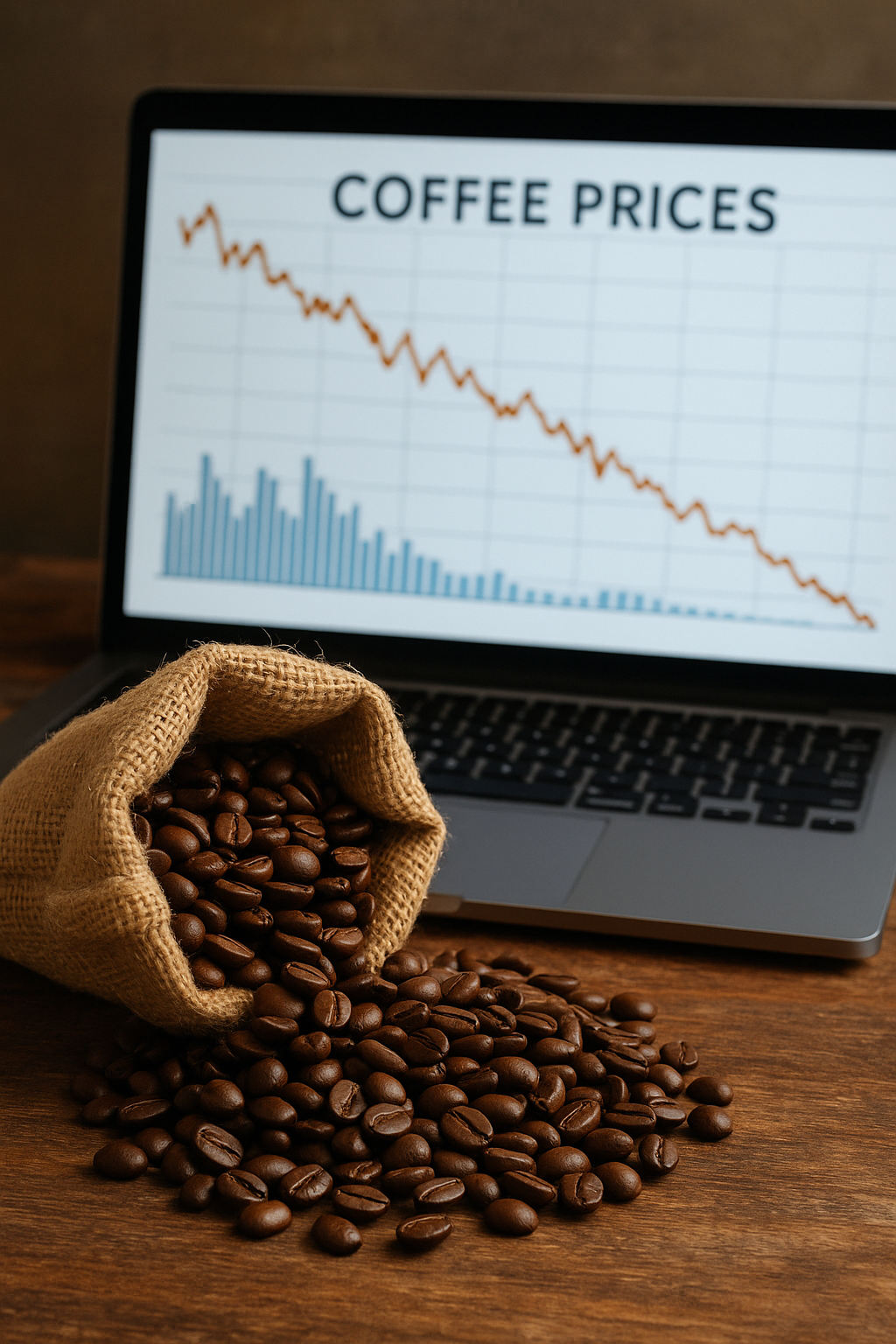
Yet, recent years have seen challenges mount. Coffee prices have surged, making popular drinks like cappuccinos and lattes more expensive for consumers, particularly in inflation-affected regions. In the U.S., ground coffee reached a record $9 per pound, double the price from 2021, and coffee prices increased 9% in the past year, well above overall inflation.

Future production faces risks from extreme weather events—droughts, floods, and frost—in key coffee-growing countries such as Brazil, Indonesia, and Vietnam. Rising labor costs and other operational expenses now make up roughly 90% of the cost of a cup of coffee. Tariffs on countries producing coffee pods, including Switzerland and Brazil, further strain margins, though recent U.S. agreements with Argentina, Ecuador, Guatemala, and El Salvador may ease some pressures.

The sector is seeing major shifts. Starbucks, valued at $100 billion, has faced profit warnings and is closing about 1% of its stores under CEO Brian Niccol. Keurig Dr Pepper’s $18 billion purchase of JDE Peets is designed to separate higher-margin beverage sales from lower-margin coffee operations. Pret A Manger also recorded a significant write-down, and Coca-Cola has considered divesting Costa due to underperformance.

Nestlé, whose at-home coffee products tend to be smaller and lower in caffeine content, appears better positioned against inflation. Still, the bigger challenge is sustaining growth in already crowded markets. In the U.S., Starbucks and Dunkin’ Donuts operate nearly 30,000 stores combined, while in the U.K., 98 million cups of coffee are consumed daily, with almost one in five people visiting a coffee shop each day.

To find growth, companies are increasingly turning to China and Latin America. Nestlé’s new CEO, Philipp Navratil, plans to introduce products in these regions, and Starbucks recently announced 145 new stores across Latin America and the Caribbean. However, income levels remain modest in these markets, competition is intense, and marketing costs will likely rise, limiting profitability. Starbucks’ experience in China demonstrates the difficulty of competing with local operators and imitations.

Expanding beyond saturated Western markets is logical, but the path forward may mean slower growth and smaller margins for the coffee industry.

Trump Administration Considers Coffee Tariff Reduction

Dubai – Qahwa World

President Donald Trump indicated in a televised interview that his administration is preparing a policy shift aimed at reducing tariffs on coffee imports, a move expected to influence one of the most widely consumed commodities in the United States. His comments, though brief, come at a moment when households across the country are facing increased pressure from rising food and beverage prices.

In the interview, Trump noted that the upcoming steps will include lowering certain tariffs on coffee, framing the measure as part of a wider initiative to ease living costs for American families. Coffee, which the United States does not produce domestically in commercially viable quantities, remains heavily dependent on global supply chains and import regulations, making it sensitive to trade decisions and tariff schedules.

The president’s statement has drawn significant interest among economic analysts and industry observers who view the potential tariff reduction as a meaningful intervention in a market shaped by fluctuations in global supply, shipping disruptions, and heightened consumer demand. Within Washington, discussions have reportedly been underway regarding adjustments to tariffs on essential goods that form part of Americans’ daily consumption patterns, including coffee.

Reports suggest that the Treasury Department has explored possible frameworks for easing import duties on coffee shipments entering U.S. ports. Supporters of the proposed change argue that reducing these duties could contribute to lower retail prices, provided that broader logistical pressuressuch as freight costs and delivery bottlenecksdo not counteract the effect. Businesses operating in the coffee sector, particularly roasters, cafés, and national chains, have long highlighted tariff costs as a contributing factor in pricing decisions.

In parallel to the domestic policy review, the administration is described as engaging in trade dialogues with key coffee-producing countries such as Argentina, Guatemala, El Salvador, and Ecuador. These discussions reportedly address streamlining import procedures and reducing barriers that have complicated the movement of coffee into the U.S. market. Strengthening these trade channels could not only benefit exporting nations but also help stabilize supply routes that have experienced strain in recent seasons.

The U.S. coffee market has faced sustained price pressures driven by global climate challenges affecting crop yields, elevated transportation costs, and persistent shifts in consumption patterns. Retail prices have climbed steadily, prompting questions from consumers and businesses alike about the underlying factors contributing to the upward trend. Given that the United States relies almost entirely on imported green coffee beans, the sector remains highly exposed to external shocks.

From a political standpoint, the potential tariff reduction may signal an effort by the administration to respond to public concerns about inflation and household affordability. Coffee holds a unique place in daily American life, making any decline in its price particularly visible to voters. Policies that directly influence the cost of essential consumer goods can carry notable political implications.

Internationally, a U.S. decision to ease coffee tariffs could reshape commercial relationships between the United States and producing countries seeking reliable high-volume markets. Depending on the scale and timing of the policy, the move might also influence global coffee price dynamics, especially if exporters adjust their strategies in anticipation of changing demand from American buyers.

As the industry awaits more concrete details, companies across the supply chainimporters, roasters, distributors, and retailersare assessing how the potential adjustment might affect their operations. Lower tariffs could relieve some of the financial pressure that has accumulated due to higher operating costs, enabling businesses to revisit pricing models and long-term procurement strategies.

Although the president’s remarks did not include a timeline or formal policy outline, they represent the clearest indication to date that the administration is preparing to intervene directly in coffee-related import costs. The statement has already prompted expectations of a forthcoming announcement, as market participants and consumers closely watch Washington for the next development. The outcome of this initiative could have substantial implications for the future of coffee prices and availability across the United States.

CNN: Coffee Prices in the US Are Unlikely to Fall Anytime Soon

New York — Qahwa World

CNN reports that hopes for lower coffee prices in the United States remain slim, despite the Trump administration’s recent signals about reducing tariffs on goods not grown domestically, including coffee.

According to the network, Treasury Secretary Scott Bessent told Fox News that “substantial announcements” are expected in the coming days regarding potential tariff cuts on imports such as coffee, bananas, and other fruits. CNN notes that his comments amount to an implicit acknowledgment that the tariffs previously imposed have raised costs for American consumers a point the administration had long disputed.

However, CNN emphasizes that even a full rollback of coffee tariffs would be unlikely to bring significant price relief. Retail coffee prices have risen about 20% year-over-year due to two major factors:

Highly volatile weather that has disrupted harvests of a crop that is already labor-intensive and difficult to grow.

Tariffs imposed by the Trump administration on the world’s largest coffee exporters Brazil (50%), Colombia (10%), and Vietnam (20%).

The network adds that coffee production is limited to specific regions of the world, making domestic expansion impossible.

Despite rising costs, CNN, citing data from the National Coffee Association, notes that American coffee consumption has not declined. Coffee is viewed as both essential and a small luxury consumers are unwilling to give up. As long as demand remains strong, businesses from major chains like Starbucks to local cafés continue to maintain higher prices.

Alex Susskind, a professor at Cornell University, told CNN that in business, “once you take price increases, you tend not to give them back,” suggesting that cafés are unlikely to lower prices even if tariffs disappear. Some modest relief may appear in grocery stores, where mass-market brands face more price-sensitive buyers.

CNN concludes that lowering tariffs on coffee will not meaningfully shift public sentiment. Larger economic pressures such as housing, energy, and healthcare costs are the real drivers of Americans’ concerns, far more than the price of a daily cup of coffee.

Sucafina Releases Key Update on Ethiopia’s 2025/26 Coffee Harvest

Addis Ababa Qahwa World

Sucafina Ethiopia has released its latest update on the 2025/26 coffee harvest, with Kirubel Girma, Trading & Operations Manager, outlining harvest timing, regional variations, price movements, and expanded sustainability initiatives across the country.

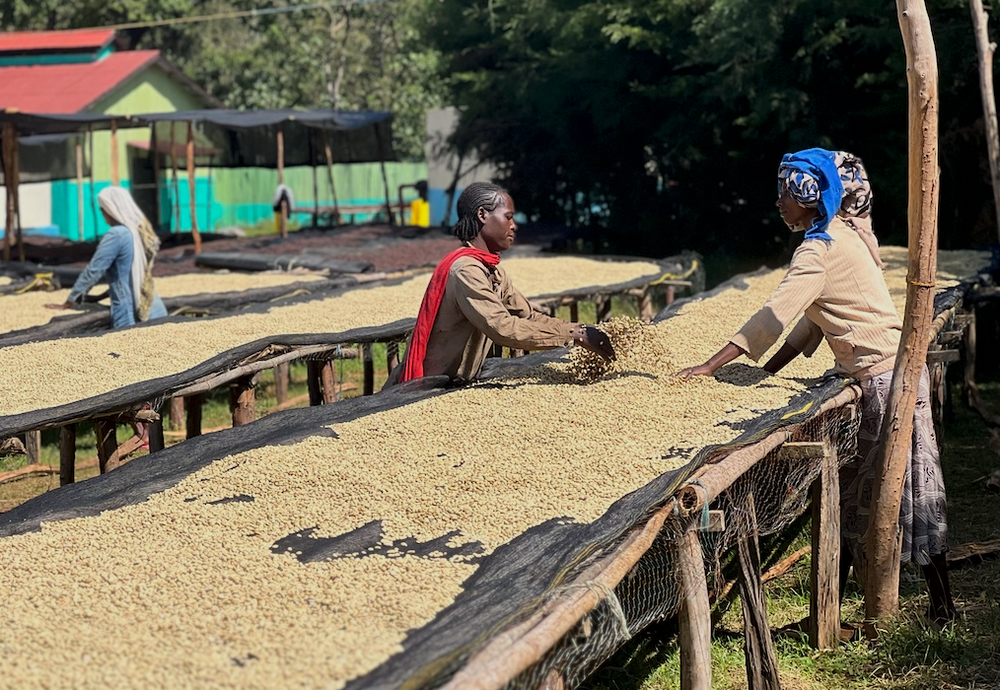
According to the update, the harvest is beginning later than usual this season, with a delay of around 1520 days due to shifting weather patterns. Ripening continues to vary significantly by altitude, shaping different production trends across Ethiopia’s coffee-growing regions.

In southern Ethiopiaparticularly Yirgacheffe, Gedeb, and Gujifarmers expect a moderate decline of 5% to 7% after last year’s exceptionally high crop. Meanwhile, western and south-western regions are entering a strong on-cycle year, anticipating notably higher yields compared to the 2024/25 season.

Harvest timing varies by altitude as follows:

Lowlands:

Southern Ethiopia: mid-October to December

Western Ethiopia: late October to January

Mid-altitude regions:

Late October to mid-January

High-altitude regions:

Starting in November through the first half of February

Overall production is expected to be similar to last season, with shifts between regions balancing out total output. Consistent rainfall throughout the season has supported healthy cherry development and stable growing conditions.

On the market side, cherry prices have increased sharply this year. The season opened at 120 ETB/kg and has already climbed to 145 ETB/kg, a significant jump from last year’s starting point of 3540 ETB/kg. This rise is attributed to the devaluation of the Ethiopian birr, higher NY “C” prices, and increased competition among local buyers. The sector is also facing challenges in managing cherry price volatility amid a growing number of active market players.

Sucafina highlighted several sustainability developments, particularly in the Sidamo region, where the Lalisaa Project has expanded through a dedicated full-time field officer supporting farmers directly. This closer engagement has enhanced traceability and helped connect producers with markets offering better price incentives.

Additionally, in collaboration with destination teams and clients, Sucafina has begun returning GrainPro bags to Ethiopia. These bags are redistributed to farmers to improve on-farm storage conditions and protect quality, especially in areas lacking proper warehouse facilities.

Looking ahead, stable weather patterns, strong western yields, and improved price motivation for farmers point to a solid overall season for Ethiopia’s 2025/26 harvest. Sucafina encourages industry partners interested in sourcing Ethiopian coffee to contact their traders for current offers and origin updates.

Coffee Prices Slide as U.S. Hints at Possible Tariff Reductions

Dubai – Qahwa World

Coffee markets recorded a sharp downturn on November 12 after fresh signals from Washington suggested that import tariffs on coffee could soon be eased, triggering immediate reactions across arabica and robusta futures. December arabica contracts declined by 3.62%, while January robusta fell by 5.09%, reaching a two-week low. The drop intensified after comments by President Donald Trump indicating plans to reduce tariffs on coffee, followed by remarks from Treasury Secretary Bessent about upcoming announcements affecting products not grown in the United States, coffee among them.

The market also reacted to the first outlook from StoneX for the 2026/27 season, which projects Brazil’s total coffee harvest at 70.7 million bags, including 47.2 million bags of arabica — a significant 29% increase compared to the previous year. Consistent rains in Brazil added further pressure, with Somar Meteorologia reporting that Minas Gerais, the country’s primary arabica-producing region, received 72.1 mm of rain during the week ending November 7, equal to 160% of its historical average. Improved moisture levels reduced earlier concerns about dryness and contributed to the bearish sentiment.

Additional downward pressure came from Vietnam, where the National Statistics Office confirmed that coffee exports for January to October 2025 rose by 13.4% year-on-year to 1.31 million metric tons. Production for 2025/26 is expected to increase by 6% to 1.76 million metric tons, marking the country’s highest output in four years. Industry officials noted that, with favorable weather, the harvest could potentially surpass last year’s by 10%. Vietnam remains the world’s largest producer of robusta coffee, and higher supply expectations have weighed heavily on prices.

Despite these developments, some indicators are providing support to the market. The International Coffee Organization reported a slight decline of 0.3% in global coffee exports for the current marketing year, reaching 138.658 million bags. At the same time, ICE inventories have tightened noticeably as U.S. buyers reduce purchases from Brazil since the introduction of 50% tariffs on Brazilian coffee imports. ICE-monitored arabica inventories fell to a 1.75-year low of 406,129 bags, while robusta stocks dropped to 5,873 lots, the lowest level in nearly four months. With about one-third of U.S. unroasted coffee typically sourced from Brazil, reduced contracting has led to a visible drawdown in domestic supplies.

Longer-term climate risks also continue to influence sentiment. In mid-September, the U.S. National Oceanic and Atmospheric Administration raised the probability of a La Niña event to 71% for the October–December period. Such conditions can bring excessively dry weather to Brazil and potentially disrupt the 2026/27 crop. Brazil’s crop agency Conab has already revised its 2025 arabica forecast downward by 4.9%, estimating 35.2 million bags, while also trimming overall coffee production to 55.2 million bags.

On a global scale, the USDA Foreign Agricultural Service expects 2025/26 world coffee production to reach a record 178.68 million bags, reflecting a 2.5% increase. The outlook includes a slight decline of 1.7% in arabica production to 97.022 million bags, offset by a robust 7.9% rise in robusta output to 81.658 million bags. Brazil’s production is forecast to grow modestly by 0.5% to 65 million bags, while Vietnam’s output is projected to rise by 6.9% to 31 million bags, the highest level in four years. Global ending stocks are estimated to climb by 4.9% to 22.819 million bags.

Global Coffee Market Finds Balance as Prices Stabilize and Trade Shifts Eastward

October 2025 ICO Report Reveals Steady Prices, Regional Export Rebalancing, and Signs of Market Surplus

Dubai – Qahwa World

After months of price turbulence driven by weather extremes, logistics disruptions, and policy shifts, the global coffee market entered October 2025 in a rare state of equilibrium. According to the latest Coffee Market Report issued by the International Coffee Organization (ICO), the ICO Composite Indicator Price (I-CIP) averaged 326.38 US cents per pound, a modest 0.5% increase over September—marking a month of sideways stability in an otherwise volatile year.

The data reflects a market adjusting to both rising production in key origins and softening consumption growth across major economies. Yet behind this stability lies a quiet reshaping of global trade flows, as Asia and Africa consolidate export strength while South America experiences cyclical slowdown.

A Month of Stability Amid Global Uncertainty

The October 2025 I-CIP fluctuated between 314.68 and 344.77 US cents/lb, posting a median of 325.52 US cents/lb. Although stable, prices remain 30% higher than a year earlier, underscoring the persistent cost pressures that continue to define the post-pandemic coffee economy.

Price movements among coffee groups showed a clear divide. Colombian Milds slipped marginally (−0.1%) to 403.25 US cents/lb, while Other Milds gained 0.9% to 403.79 US cents/lb. Brazilian Naturals fell slightly to 373.47 US cents/lb, and Robustas, in contrast, expanded 2.0% to 215.06 US cents/lb — a sign of ongoing resilience in lower-grade coffee demand, especially for soluble and instant formats.

The differential between Colombian Milds and Other Milds narrowed into negative territory (−0.54 US cents/lb), highlighting how recent weather disruptions in Central America temporarily compressed quality spreads. Meanwhile, arbitrage between London and New York futures markets contracted by 2.9% to 163.84 US cents/lb, signaling closer alignment between Arabica and Robusta futures.

Market volatility, however, crept upward. Intra-day volatility of the I-CIP averaged 15.9%, up by more than two percentage points month-on-month — an indication that traders remain reactive to climate events and logistics developments, such as Suez Canal restrictions and persistent container shortages delaying deliveries.

Weather, Tariffs, and Consumption Trends: Forces in Counterbalance

The ICO attributes October’s price stability to a balance between bullish and bearish factors.

On the bullish side, Hurricane Melissa and low rainfall in key Brazilian coffee zones constrained supply, while Typhoon Kalmaegi caused significant crop losses in Vietnam, the Philippines, and Cambodia. The continuation of structural backwardation in futures markets — where near-term contracts are priced higher than future ones — further indicates tight supply for immediate delivery.

At the same time, several bearish influences tempered the market. Among them, signs of slowing consumption in the United States, where rising living costs have eroded discretionary spending. Vehicle repossessions, up 12% year-on-year, highlight a broader financial strain that extends to premium beverage categories. Additionally, a potential reduction in U.S. tariffs on Brazilian coffee — hinted at by Presidents Donald Trump and Luiz Inacio Lula da Silva — has fueled expectations of eased trade tension and lower costs for importers.

The result: prices moved horizontally through the month, neither rallying nor collapsing — a rare moment of equilibrium in a market accustomed to extremes.

Export Flows Reveal a Shifting Coffee Geography

While prices stabilized, trade patterns told a story of transformation. Global green coffee exports reached 9.94 million 60-kg bags in September 2025, down 0.2% year-on-year, marking the sixth consecutive month of negative growth in the 2024/25 coffee year. Total exports across all coffee forms fell by 2.8% to 11.00 million bags.

The Arabica segment showed divergence.

  • Colombian Milds rose by 7.0%, driven by Colombia’s robust output of 14.87 million bags — up 16.5% from the previous year.

  • Other Milds gained 6.1%, with Ethiopia, Mexico, and Nicaragua performing strongly.

  • Brazilian Naturals, however, plunged 21.9% as Brazil entered its “off-year” in the biennial Arabica cycle and faced logistics delays at the port of Santos.

  • Robustas grew 23.0% to 3.67 million bags, powered by Vietnam and Indonesia, whose improved harvests sharply reversed last year’s declines.

These mixed results left the Arabica share of global exports at 63.4%, a marginal drop from 63.7% the previous year — consistent with the long-term average since 2016.

Ethiopia, notably, emerged as a bright spot, expanding exports by 24.4% to 4.91 million bags on the back of an 11% rise in local production and strategic release of stored stocks responding to high international prices.

Regional Divergence: East Rises as South America Contracts

Regional analysis underscores a structural eastward shift in coffee trade:

  • Asia & Oceania: Up 29.3% year-on-year in September and 9.1% for the full coffee year, reaching 44.45 million bags. The surge was led by Vietnam (+7.1%) and Indonesia (+46%), both benefiting from favorable weather and restored yields.

  • Africa: Rose 3.2% in September and 18.6% annually to 19.69 million bags, driven by strong harvests and higher export releases from Ethiopia and Uganda.

  • South America: Fell 13.9% in September and 12.3% across the coffee year to 58.94 million bags, largely due to Brazil’s cyclical downturn and port congestion.

  • Mexico & Central America: Declined 14.6% in September but expanded 7.7% annually to 15.58 million bags, with Mexico and Nicaragua showing resilience.

As a result, South America’s share of global coffee exports slid from 48.4% to 42.5%, while Asia & Oceania’s share climbed to 32.1%, its highest level on record.

This redistribution confirms what many analysts have observed through 2025: a geographic rebalancing of coffee supply chains, with the global center of gravity shifting steadily toward Asia and Africa.

Soluble Coffee Gains Ground

Trade data by form reinforces this transformation. Exports of soluble coffee declined 21.0% in September but rose 5.0% over the full year to 16.72 million bags. This steady annual growth signals a continuing pivot toward value-added coffee formats catering to urban markets and middle-income consumers in producing countries.

By contrast, roasted coffee exports dropped 22.9% year-on-year to 0.68 million bags, reflecting weaker demand for ready-to-drink products in mature economies. Green coffee still dominates global shipments, accounting for 87.5% of total exports.

Global Balance Returns to Surplus

The ICO estimates world production at 177.5 million bags in 2024/25, up 5.2% year-on-year, outpacing consumption, which grew just 1.4% to 175.1 million bags. This modest gap yields a surplus of 2.4 million bags, marking the first positive balance since 2021/22.

The surplus reflects stronger harvests in Asia and Africa, coupled with a stabilization of consumption after the pandemic-era surge. Europe and North America both registered declines in coffee intake (−1.2% and −3.3%, respectively), while consumption in Asia & Oceania rose 7.4%, highlighting a shift in demand patterns alongside production.

A Market at the Crossroads

The October 2025 ICO report captures a market in transition. Prices have steadied, but volatility remains elevated; production is up, yet distribution challenges persist. The eastward drift of coffee trade — reinforced by Indonesia, Vietnam, Ethiopia, and Uganda — may reshape the traditional dominance of Latin American origins in the years ahead.

For producers, this stability offers breathing room after years of disruption. For traders and roasters, it demands agility — balancing sourcing strategies across continents amid ongoing climate and logistical uncertainty.

In short, the coffee world has entered a new phase: from crisis to cautious equilibrium, where resilience and regional diversification define the next chapter of global coffee commerce.


Weather Extremes Drive Coffee Prices to New Highs

Dubai – Qahwa World

Coffee prices strengthened midweek as extreme weather patterns across major growing regions continued to fuel fears of reduced global supply. Arabica futures for December delivery climbed more than 2%, reaching their highest level in a week and a half, while January Robusta futures also recorded modest gains.

In Brazil — the world’s leading Arabica producer — unusually dry conditions have persisted in Minas Gerais, where rainfall reached only three-quarters of the seasonal average by the end of October. The prolonged dryness follows an even drier previous week and has raised concerns over the next crop’s development. Meanwhile, in Southeast Asia, Typhoon Kalmaegi is expected to make landfall in southern Vietnam, threatening coffee plantations in key Robusta-growing provinces.

Inventories monitored by the Intercontinental Exchange (ICE) continued to shrink, adding upward pressure on prices. Arabica reserves dropped to their lowest point in over a year and a half, while Robusta stocks also declined. The drawdown follows reduced U.S. imports from Brazil, where a 50% tariff has sharply slowed trade. Since Brazil supplies nearly one-third of the unroasted coffee used in the U.S., buyers are now facing tighter availability. However, recent remarks by Presidents Luiz Inácio Lula da Silva and Donald Trump hint at possible progress toward resolving trade tensions, which could influence upcoming market movements.

The U.S. National Oceanic and Atmospheric Administration (NOAA) recently increased the probability of a La Niña event to 71% for the final quarter of 2025. Such conditions often bring hotter and drier weather to Brazil, potentially impacting the 2026/27 harvest if the pattern strengthens.

At the same time, Vietnam — the world’s largest Robusta exporter — continues to expand its output. Official data shows exports rising by more than 10% year-on-year in the first nine months of 2025. The Vietnam Coffee and Cocoa Association expects production for 2025/26 to reach a four-year high if favorable weather persists.

Global trade figures also suggest sufficient overall supply. The International Coffee Organization (ICO) recently reported a slight annual increase in coffee exports, while Brazil’s crop agency, Conab, revised its 2025 Arabica estimate downward due to dry weather.

According to projections from the U.S. Department of Agriculture, world coffee production for 2025/26 could hit a record level of nearly 179 million bags, driven mainly by higher Robusta yields. Arabica output, however, is expected to dip slightly. Ending stocks are projected to rise by almost 5%, suggesting that despite short-term volatility, the market remains well supplied — though increasingly sensitive to shifting weather patterns.

US Roasters Tear Through Coffee Stocks Waiting for Brazil Trade Deal

New York – Qahwa World

Coffee roasters in the United States are depleting their stockpiles while waiting for the outcome of ongoing U.S.–Brazil trade negotiations — talks that could determine whether they must continue paying higher prices for alternative coffee sources.

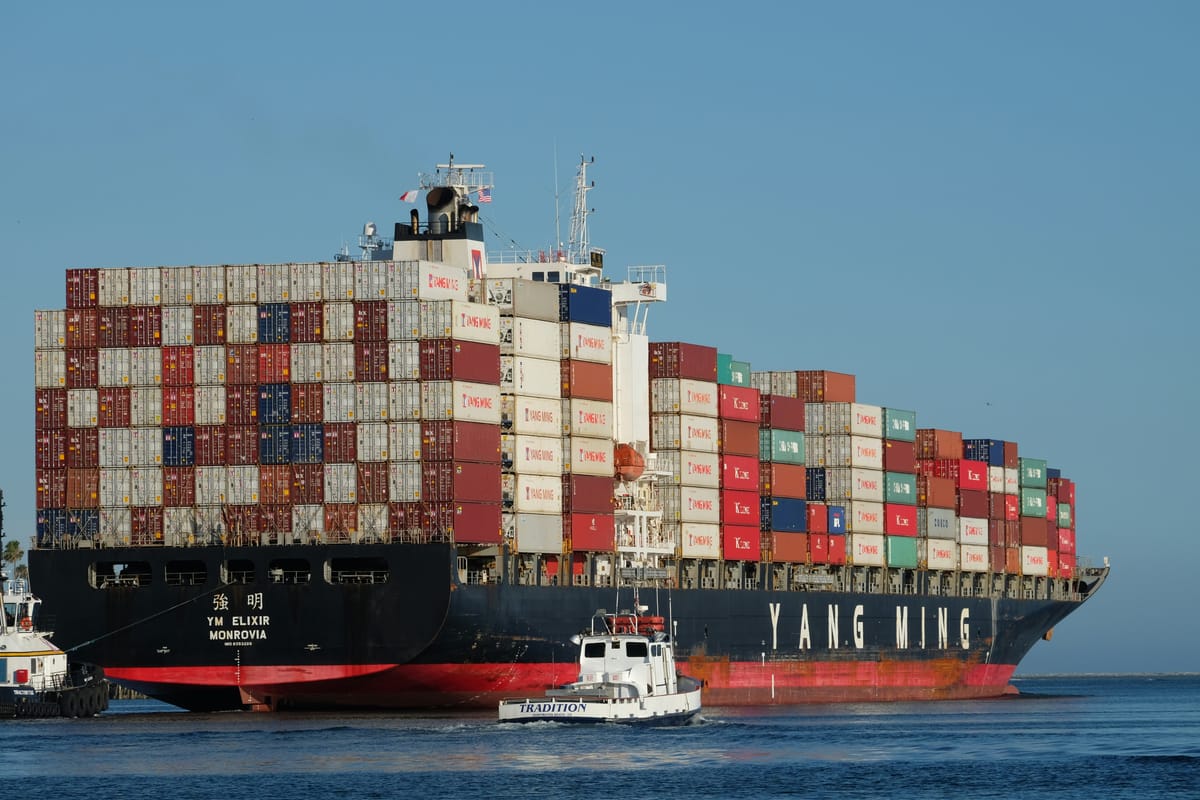
Brazil, which supplies about one-third of the beans consumed by the world’s largest coffee market, has been effectively priced out of the U.S. since August, when President Donald Trump’s administration imposed a 50% import tariff on Brazilian coffee — a move widely viewed as politically motivated.

The tariff was seen as retaliation against Brazil’s left-wing President Luiz Inacio Lula da Silva, following tensions with the U.S. over his predecessor Jair Bolsonaro. The measure has disrupted the $340-billion U.S. coffee industry, leaving importers with stranded shipments, roasters cancelling deliveries, and consumers paying up to 40% more for coffee.

Industry estimates suggest U.S. coffee stockpiles will reach minimal levels by December. Some importers were forced to pay the 50% duty on cargoes booked before the tariff, while others redirected shipments to avoid it.

Steven Walter Thomas, owner of U.S. importer Lucatelli Coffee, said the tariff is “punitive, political, and personal — between Trump and Lula.” His company stored $720,000 worth of Brazilian coffee in a bonded warehouse in Florida to delay import taxes, while diverting some shipments to Canada to avoid the tariff, despite higher transport costs.

The cost surge has also squeezed major players such as Starbucks, whose CEO Cathy Smith said high coffee prices will remain a “headwind” through at least mid-2026.

Smaller roasters are feeling the pressure too. Downeast Coffee Roasters in Rhode Island said it managed to cancel some Brazilian orders but still faces rising costs for alternatives. Cancellation fees reached $20–$25 per 60-kg bag, on cargoes worth about $250,000 per container.

With Brazil largely off the U.S. market, prices for substitutes from Colombia, Mexico, and Central America have risen around 10%, while Brazilian prices have fallen about 5%.

Retail coffee prices in the U.S. climbed 41% year-on-year in September, reaching an average of $9.14 per pound, according to the Bureau of Labor Statistics — a key driver of food inflation. Tight supply and record-high Arabica futures on the ICE exchange continue to fuel the trend.

“I’m not looking too much into brands anymore — I’m going for the deals,” said Sherryl Legyin, a cashier from New Jersey.
“It used to be $6 or $7, now it’s $11,” added travel agent Yasmin Vazquez.

Traders estimate U.S. stocks at about 4 million 60-kg bags, likely to drop to 2.5–3 million by December — close to minimum operational levels. The U.S. typically consumes 25 million bags per year, with 8 million coming from Brazil.

President Lula said he remains optimistic that a trade deal with Washington could come “faster than anyone thinks.”
Trump responded cautiously: “I don’t know if anything’s going to happen, but we’ll see.”

Until then, the price of an American cup of coffee is expected to stay high.

Falling Inventories and Trade Tensions Revive Momentum in Coffee Prices

Qahwa World – Qahwa World

Coffee prices rose on Wednesday as shrinking ICE inventories and ongoing trade tensions between the United States and Brazil brought renewed momentum to the global coffee market.

December Arabica coffee (KCZ25) closed up +2.80 (+0.72%), while January Robusta coffee (RMF26) finished +145 (+3.25%) higher.

ICE-monitored Arabica inventories fell to a 1.5-year low of 446,475 bags, while Robusta stocks dropped to a 3.25-month low of 6,111 lots. This sharp decline follows the 50% tariffs imposed by the United States on imports of Brazilian coffee, prompting many American buyers to cancel new contracts. Brazil typically supplies about one-third of the U.S. unroasted coffee, tightening domestic supply.

Earlier this week, forecasts of rain in Brazil temporarily pressured prices. Meteorological agency Somar Meteorologia reported that Minas Gerais—the country’s largest Arabica-producing state—received only 0.3 mm of rainfall in the week ending October 24, or just 1% of the historical average. While upcoming rainfall could ease dry conditions, concerns remain about the impact on the critical flowering period for the 2026/27 crop.

Speculation is also mounting that the United States may lift tariffs on Brazilian coffee. Brazilian President Luiz Inácio Lula da Silva said he had a “surprisingly good” meeting with U.S. President Donald Trump on the sidelines of the ASEAN Summit in Malaysia, adding that a “definitive solution” on trade could be reached within days.

Last week, Arabica coffee prices hit an 8.5-month high amid fears that prolonged drought in Brazil’s growing regions could threaten the 2026/27 harvest. According to Bloomberg’s Brazil Weather Analysis, Minas Gerais has received only 70% of its average monthly rainfall over the past month.

Prices also gained support after the U.S. National Oceanic and Atmospheric Administration (NOAA) raised the probability of a La Niña weather pattern to 71% between October and December, a development that could intensify dry conditions across Brazil and further impact production.

Meanwhile, Robusta coffee faced pressure from an increase in Vietnamese supply. Vietnam’s National Statistics Office reported that coffee exports rose 10.9% year-on-year between January and September 2025 to 1.23 million metric tons. The Vietnam Coffee and Cocoa Association (Vicofa) forecasts that 2025/26 coffee production could rise 10% if weather conditions remain favorable, reaching 1.76 MMT (29.4 million bags) — a four-year high.

At the global level, the International Coffee Organization (ICO) reported that world coffee exports for the current marketing year (October–August) increased 0.2% year-on-year to 127.92 million bags, indicating adequate global supply.

In Brazil, crop forecasting agency Conab revised its 2025 Arabica coffee crop estimate down by 4.9% to 35.2 million bags, while lowering its total coffee production estimate by 0.9% to 55.2 million bags.

According to the U.S. Department of Agriculture’s Foreign Agriculture Service (FAS), global coffee production for 2025/26 is projected to increase 2.5% year-on-year to a record 178.68 million bags, with Arabica output expected to decline 1.7% to 97.02 million bags and Robusta production to rise 7.9% to 81.66 million bags. Brazil’s output is projected to increase 0.5% to 65 million bags, while Vietnam’s could grow 6.9% to 31 million bags.

Global ending stocks are forecast to rise 4.9% to 22.82 million bags, compared with 21.75 million bags in 2024/25.

Global Coffee Prices Fall as U.S.–Brazil Trade Talks Raise Hopes for Tariff Relief

New York – Qahwa World

Coffee prices continued to decline on Monday as traders reacted to signs of a possible breakthrough in trade negotiations between the United States and Brazil. The downward movement follows a volatile week in which arabica and robusta futures hit multi-month highs before retreating sharply.

Market optimism grew after Brazil’s President Luiz Inácio Lula da Silva announced that his meeting with U.S. President Donald Trump, held on the sidelines of the ASEAN Summit in Malaysia, was “surprisingly good.” Lula hinted that both nations were close to finding a “definitive solution” on trade within days. This development has raised expectations that the heavy tariffs imposed on Brazilian exports, including coffee, could soon be eased.

Brazil, the world’s largest coffee exporter, has been significantly affected by the 50 % tariffs placed on its coffee shipments to the U.S. earlier this year. The duties have disrupted the normal flow of beans to American buyers, forcing many roasters to look for alternative suppliers. As a result, coffee inventories monitored by ICE have dropped to their lowest levels in over a year — arabica stocks fell to 447,773 bags and robusta holdings slipped to just over 6,000 lots. Since nearly one-third of the U.S. coffee supply comes from Brazil, any shift in trade policy could have immediate effects on American imports and retail prices.

Even as the diplomatic news eased some pressure, weather conditions in Brazil continue to concern the market. Somar Meteorologia reported that the main arabica-producing state of Minas Gerais received only 0.3 millimeters of rain in the week ending October 24 — about 1 % of its normal rainfall. The Bloomberg Brazil Weather Analysis confirmed that rainfall across the region has been about 30 % below average for the past month, fueling fears that prolonged dryness could reduce flowering and affect the 2026/27 crop yield.

Meanwhile, Vietnam’s coffee sector, the world’s largest producer of robusta, is showing the opposite trend. The Vietnam Coffee and Cocoa Association expects production in 2025/26 to increase by 10 % year-on-year if favorable weather continues. Official statistics show that the country exported 1.23 million metric tons between January and September 2025 — up 10.9 % from a year earlier — and total output for the upcoming season is projected to reach 1.76 million tons, equivalent to 29.4 million bags. This would mark Vietnam’s most productive season in four years and continue to weigh on robusta prices.

The International Coffee Organization also reported that global coffee exports from October to August rose slightly by 0.2 % to 127.9 million bags, suggesting that the overall supply remains sufficient despite regional challenges. In Brazil, crop forecasting agency Conab cut its 2025 arabica estimate in September by 4.9 % to 35.2 million bags, bringing total coffee production for the year to 55.2 million bags.

At the global level, the U.S. Department of Agriculture’s Foreign Agriculture Service (FAS) projects total coffee production for 2025/26 to reach 178.7 million bags — a 2.5 % increase year-on-year. Arabica output is expected to fall 1.7 % to 97 million bags, while robusta is forecast to grow 7.9 % to 81.6 million bags. Ending stocks are likely to rise nearly 5 % to 22.8 million bags, signaling more comfortable supply conditions heading into 2026.

However, climate factors may quickly change that outlook. The U.S. National Oceanic and Atmospheric Administration (NOAA) has raised the probability of a La Niña event to 71 % for the period between October and December. If it materializes, it could lead to drier-than-usual conditions across Brazil’s coffee-growing regions, threatening future yields.

For now, the coffee market remains pulled between political progress and environmental risk. The possibility of a U.S.–Brazil trade agreement could restore smoother coffee flows to the United States and ease supply constraints, but persistent drought conditions in South America and growing output in Southeast Asia continue to shape global price trends. Traders are watching both developments closely as the market searches for direction in the final quarter of 2025.

Vietnam’s Coffee Exports Hit Record Levels and Set Sights on New Growth in 2026

Ho Chi Minh  – Qahwa World

Vietnam has closed the 2024–2025 coffee season with unprecedented results, marking the highest performance in the history of its coffee industry. The country’s coffee export value reached USD 8.4 billion, according to the Vietnam Coffee and Cocoa Association (VICOFA), which held its annual conference on 24 October 2025 in Ho Chi Minh City, attended by representatives from the Ministry of Agriculture and Environment, exporters, and local producers.

Data released by the association shows that from October 2024 to September 2025, Vietnam exported over 1.5 million tons of coffee—an increase of 1.8 % in volume and 55.5 % in export value compared with the previous season. The average export price reached USD 5,610 per ton, up 52.7 % year on year.

Europe remained Vietnam’s largest export market, accounting for about 47 % of total shipments—more than 710,000 tons—valued at over USD 4 billion. Within that figure, the 27 European Union countries represented 40.1 % of the total exported volume and 39.4 % of export value, reaffirming the country’s strong foothold in European markets despite tightening sustainability regulations.

Speaking at the event, Hoang Trung, Deputy Minister of Agriculture and Environment, praised the industry’s achievements as a result of joint efforts among farmers, exporters, and government agencies to improve product quality and expand international market access. He reported that the total coffee cultivation area reached 731.9 thousand hectares, including 678.5 thousand hectares in production, while re-planted areas covered 20 thousand hectares, achieving 96.4 % of the national re-planting plan.

According to the deputy minister, favorable weather conditions and high coffee prices encouraged farmers to invest in intensive cultivation and rejuvenate plantations, leading to higher productivity and improved bean quality. Government estimates suggest that total coffee production could approach 2 million tons this year—an impressive achievement demonstrating Vietnam’s resilience amid global agricultural volatility.

A key highlight of the conference was the announcement that cooperation between VICOFA, government authorities, and international partners had resulted in the creation of a national traceability database covering 137,000 hectares of coffee farms, which is now being expanded to 462,000 hectares, or about 80 % of the total coffee area in the Central Highlands. Thanks to this initiative, the European Union has classified Vietnam as a “low-risk” country under the EUDR (Deforestation Regulation), requiring inspection of only 1 % of imported shipments. Trung described this classification as “a recognition of Vietnam’s transparency, accountability, and environmental responsibility within the coffee sector.”

He further noted that programs dedicated to specialty and high-quality coffee, as well as sustainable low-emission initiatives, have significantly contributed to increasing the added value of Vietnamese coffee and strengthening its brand identity on the global stage.

The report also showed that by mid-October 2025, Vietnam had already exported 1.27 million tons of coffee, valued at USD 7.21 billion—a 12.5 % rise in volume and more than 62 % growth in value compared with the same period a year earlier. This performance highlights a strategic shift from expanding output to enhancing value and quality, underscoring the success of Vietnam’s transformation from a commodity-based producer to a sustainability-driven exporter.

During the event, VICOFA projected that coffee production for the 2025–2026 season could increase by 10 % from the previous year if favorable weather continues. The association said that encouraging price levels had motivated farmers to increase investments in crop care and expand their cultivated areas, raising prospects for another strong season ahead.

Deputy Minister Hoang Trung outlined several key directions for sustaining growth and maintaining competitiveness:

  • Expand sustainable production by adopting international certification standards such as RA, 4C, FLO, and C.A.F.E. Practices.
  • Strengthen traceability and deep processing to reduce dependence on raw-bean exports.
  • Adopt low-emission cultivation techniques to cut fertilizer and pesticide use and promote water-efficient irrigation.
  • Diversify markets beyond Europe toward Asia and Southeast Asia, leveraging cross-border e-commerce opportunities.
  • Promote the “Vietnam Coffee” brand in specialty segments through global marketing and participation in exhibitions and trade fairs.
  • Foster stronger linkages across the supply chain—from farmers and cooperatives to processors and exporters—to ensure equitable and sustainable growth.
  • Enhance awareness and compliance with import-market requirements, especially environmental and traceability regulations under the EU EUDR.

The conference concluded with a shared conviction among participants that, with its robust agricultural base, growing commitment to sustainability, and rapidly improving quality standards, Vietnam is on course to strengthen its position as one of the world’s leading coffee exporters. As the new 2025–2026 season approaches, the sector looks set for further expansion, higher value, and record-breaking achievements in the years ahead.

Trump Faces Bipartisan Backlash Over Coffee Tariffs

Washington, D.C. – Qahwa World

A bipartisan group of U.S. lawmakers is urging President Donald Trump to exempt coffee imports from new reciprocal tariffs that have driven up consumer prices nationwide.

Representatives Ro Khanna (D-CA) and Don Bacon (R-NE) sent a joint letter to the White House requesting that coffee be added to the list of goods excluded under Executive Order 14257, arguing that tariffs on a commodity the U.S. scarcely produces only hurt consumers.

“We respectfully request your administration exempt coffee from reciprocal tariff measures that are drastically increasing its price,” the lawmakers wrote. “Given that our nation consumes around 400 million cups per day, this is one modest but meaningful way to help the American people.”

According to the Bureau of Labor Statistics, coffee prices in the U.S. rose 20.9% year-over-year in August 2025. The National Coffee Association reports that roughly 99% of all coffee consumed in the country is imported, mainly from Latin America and Africa.

Trump’s “Liberation Day” tariffs aim to level global trade terms, but coffee — not listed among exempt goods — has seen costs rise sharply. Khanna and Bacon note that Hawaii and Puerto Rico produce only small specialty quantities, representing less than 1% of domestic consumption.

“Tariffs on coffee do not protect domestic businesses and interests—they only raise costs and amount to an additional tax on American consumers,” the letter said. “It is not practical to tariff a product that our nation does not meaningfully produce.”

The lawmakers warned that higher import costs are forcing small coffee shops and hospitality businesses to raise prices or close altogether. Khanna, whose district covers Silicon Valley, said he regularly hears from café owners struggling to stay afloat.

The two legislators also recently introduced the “No Coffee Tax Act”, seeking to repeal coffee-related tariffs entirely. Bacon, who will retire from Congress next year, called the policy “a punishment to Americans,” adding, “There is no American alternative to coffee — why tariff something we can’t grow?”

A White House spokesman, Kush Desai, responded that the President had already included coffee among goods eligible for tariff-free treatment under certain trade deals, and blamed global supply disruptions in producing regions for recent price hikes.

Despite that clarification, the bipartisan pressure reflects growing unease over the wider economic impact of Trump’s tariff agenda — from agricultural exports to daily consumer goods such as coffee, a staple for two-thirds of American adults.