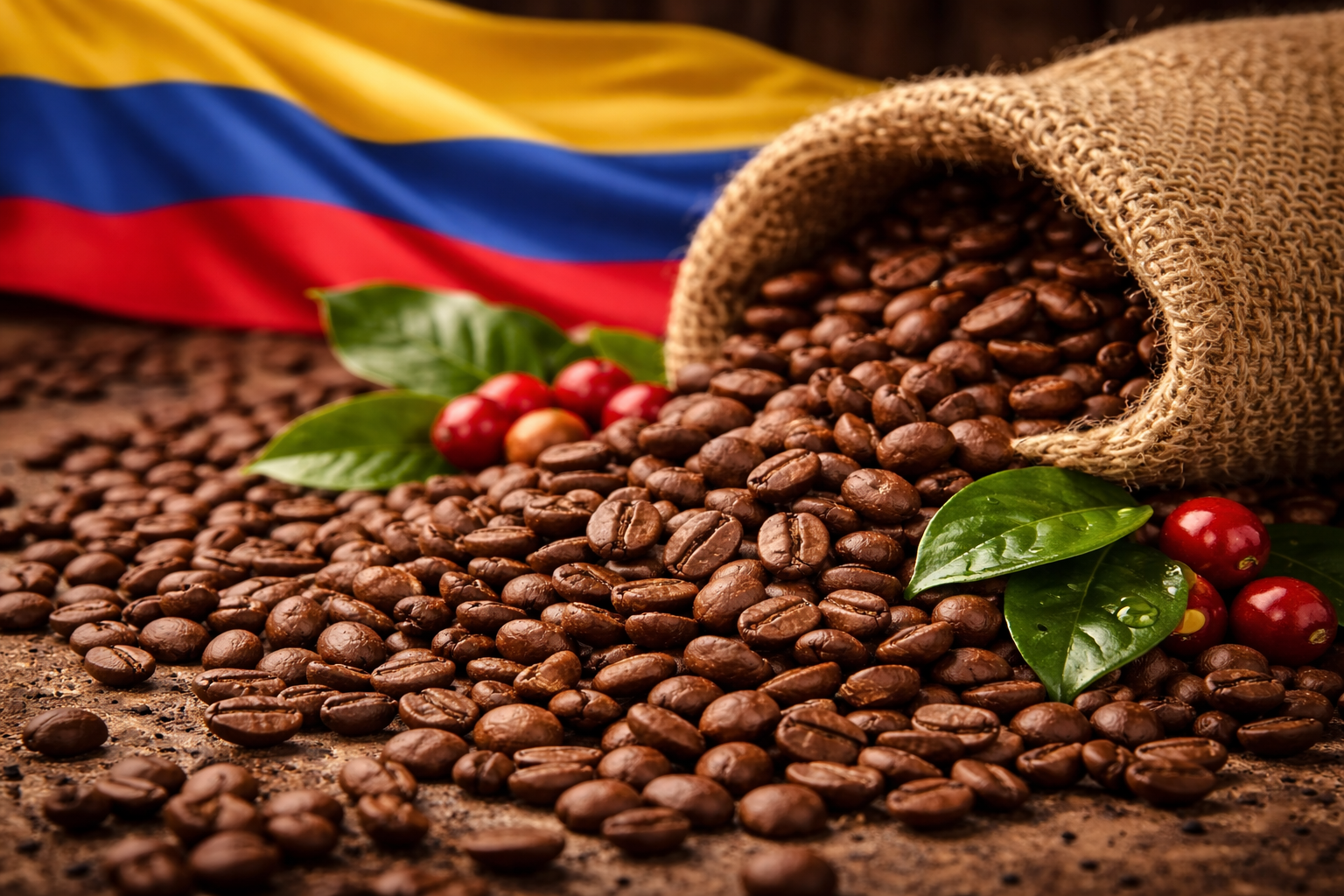
Shock in the Coffee Market: Colombia’s Production Drops 36%

Dubai – Qahwa World

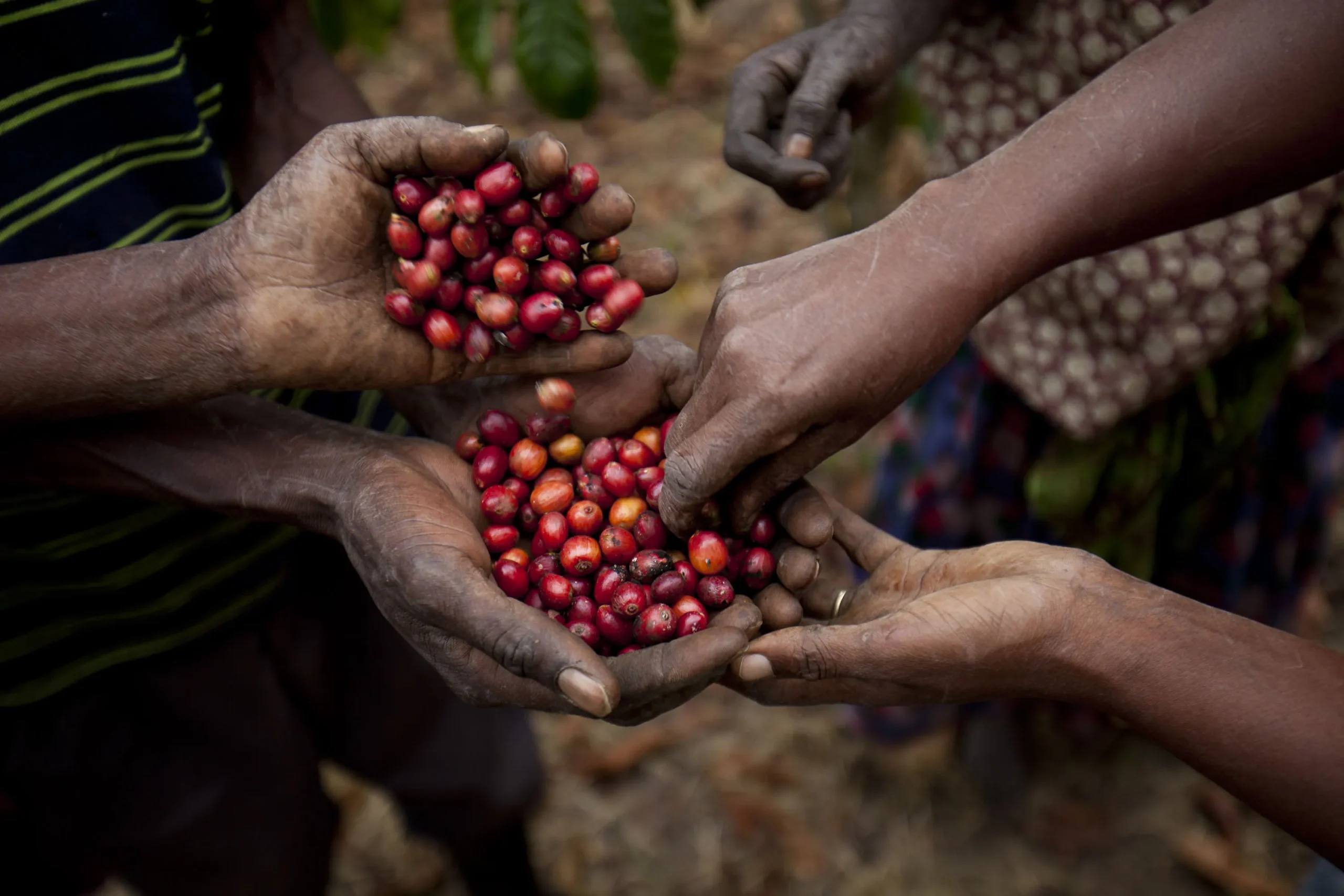
Coffee production in Colombia, the world’s largest producer of washed Arabica coffee, recorded a sharp drop in February 2026. Production reached 869,000 bags, with each bag weighing 60 kilograms, marking a decline of 36% compared with the same month last year. This decrease reflects a continuing negative trend that is putting pressure on the global coffee supply.

  • Noticeable Drop in Annual Production

When looking at the total production over the last 12 months, from March 2025 to February 2026, the total reached 12.72 million bags. This represents a decline of 14% compared with the previous cycle.

German Bahamon Jaramillo, the general manager of the National Coffee Federation (FNC), said that the current situation requires urgent action to protect the stability of the sector and maintain farm productivity, according to the Argentine newspaper Infobae.

You may like: Colombian Coffee Day Celebrated at Dubai Coffee Museum

The main recommendations include improving fertilization to restore plant strength and renewing coffee farms to ensure sustainable production in the medium term. There are also calls for direct support measures for farmers to help them deal with lower profits caused by reduced production.

  • Exports Also Decline

The drop in production has also affected exports. Coffee exports in February fell by 32%, reaching 807,000 bags.

During the beginning of the agricultural season, from October to February, total exports reached 5.06 million bags. This is a decline of 14% compared with the same period in the previous cycle.

  • Production Under Pressure

Experts say this decline shows how vulnerable coffee production is to climate changes and farm management problems. It also puts pressure on global prices and may increase the cost of coffee for consumers. At the same time, it makes it more difficult for small farmers to maintain sustainable businesses.

  • Main Reasons for the Decline

Several factors are behind the drop in production.

Climate changes:
Continuous heavy rain and thick cloud cover affected flowering and plant growth. This also led to the spread of diseases such as coffee leaf rust, although detection rates remain low thanks to resistant coffee varieties.

Read Also: Historic Colombian Coffee Harvests Face Labour Shortages

Farm management challenges:
Coffee plants are showing signs of exhaustion after several years of strong production. The 2024/2025 season recorded the highest production level in 30 years. In addition, higher costs for inputs such as fertilizers and labor have increased pressure on farmers.

Weak start to 2026:
The decline follows a 34% drop in January 2026, when production reached 893,000 bags, making the start of the year one of the weakest in recent years.

  • Suggested Actions

Experts suggest several steps to address the situation.

Short term:
Improve fertilization to strengthen plants and provide direct financial support for small farmers, who produce about 70% of the country’s coffee, to help offset income losses.

Medium term:
Renew coffee farms to ensure long-term sustainability and adopt varieties that are more resistant to climate conditions. Price-stabilization mechanisms are also recommended to reduce market volatility.

Long term:
Address climate change through global strategies. A report from the International Coffee Organization (ICO) and other groups expects that global coffee production could be affected by up to 50% by 2050 if adaptation measures are not taken.

  • Impact on Global Supply

Colombia represents about 10% to 12% of global Arabica production. Because of this, any decline in its output puts pressure on the global supply, especially when production also drops in countries like Vietnam or Indonesia during some periods.

However, some of this pressure may be eased by expectations of a record Brazilian crop in the 2026/2027 season, estimated at 66.2 million bags, an increase of 17.2%. This could push global production to around 180 million bags.

Still, climate volatility keeps supply fragile. As a result, major international buyers, including the United States and Europe, may look for temporary alternatives.

  • Price Movements

Arabica prices recently fell from record levels above $4 per pound in November 2025 to about $2.80 to $3.00 per pound today, mainly because of strong crop expectations in Brazil.

However, the decline in Colombian production has helped push prices up by about 2% to 5% in recent weeks. This increase is linked to concerns about global supply and geopolitical tensions, including shipping disruptions in the Strait of Hormuz.

The World Bank expects Arabica prices to fall by 13% to 15% during 2026 overall. But this outlook could change if production in Colombia continues to decline.

For consumers, coffee prices in the market may rise by about 5% to 10% in the short term, especially in Europe and the United States.
India’s Quiet Coffee Superpower

By Dr. Steffen Schwarz

How a shade-grown origin once hidden behind state control and instant exports is being rediscovered through climate pressure, stronger roasting capacity, and a fast-maturing café culture.

India has long been one of the world’s major coffee producers — yet for decades, it remained largely invisible in the global specialty conversation. The country cultivated coffee at scale in some of the most biodiverse landscapes on earth, but much of its output was absorbed into anonymous blends and instant coffee supply chains. Its identity as an origin was diluted long before it reached the cup.

  • From State Control to Market Incentives

For much of the 20th century, India’s coffee sector operated under a centralised pooling system managed by the Coffee Board of India. Growers delivered their harvest into a regulated structure, and sales were conducted through auctions for domestic and export markets. The model aimed to stabilise trade and manage foreign exchange, but it limited differentiation. Exceptional lots were averaged into broader price pools, reducing incentives to pursue traceable quality.

Market liberalisation in the 1990s changed that equation. As pooling was phased out, growers gained more freedom to sell directly. Quality investments — selective harvesting, fermentation control, microlot separation, improved drying — became economically rational. India’s naturally complex growing environment finally had a pathway to market recognition.

You may like: A New Era for Coffee: The EU-India Free Trade Agreement

  • A Major Producer with Boutique Perception

India ranks among the world’s top coffee-producing nations, with annual production in the mid-300,000 metric tonne range. Official reporting places output at approximately 360,500 metric tonnes in 2023–24 and around 363,300 metric tonnes in 2024–25 (provisional), making India the world’s seventh-largest producer.

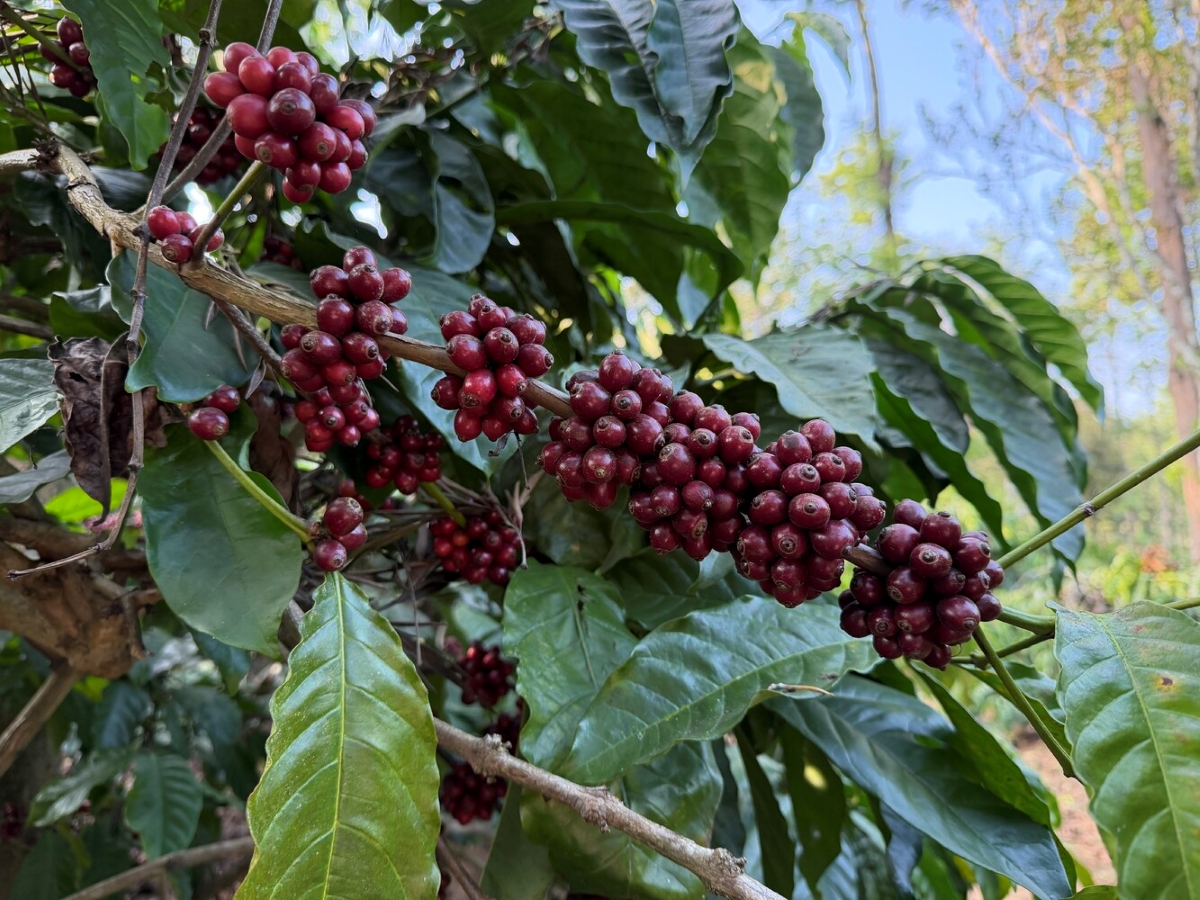
Most cultivation is concentrated in southern states — Karnataka, Kerala, and Tamil Nadu — with additional production in the Eastern Ghats. A defining feature of Indian coffee is shade cultivation. Grown under dense tree canopies in ecologically sensitive regions, shade moderates temperature, extends cherry maturation, and supports biodiversity. In an era of climate volatility, shade is both an environmental and agronomic advantage.

India produces both Arabica and Canephora (Robusta), with Canephora accounting for a substantial share. This balance aligns with domestic consumption habits, where milk-based beverages dominate and body-forward profiles perform well.

  • Climate Pressure and Processing Precision

Monsoon patterns increasingly shape the industry’s risk profile. Erratic rainfall, extreme weather events, and crop disruptions affect both volume and quality. Drying infrastructure, moisture control, and fermentation management have become strategic investments rather than technical details.

India’s globally distinctive monsooned coffees remain commercially relevant. When carefully controlled, the process creates low-acidity, heavy-bodied profiles suited to certain espresso blends. When poorly managed, quality deteriorates. Precision has become the dividing line.

Read also: Indian Coffee Export Earnings Set to Surpass $2 Billion in 2025

  • Domestic Consumption: Small but Expanding

India’s coffee consumption has risen steadily, from roughly 84,000 tonnes in 2012 to about 91,000 tonnes in 2023, with estimates near 96,000 tonnes in 2024. Per-capita consumption, however, remains low — approximately 0.07 kilograms per year compared to a global average near 1.3 kilograms.

The implication is significant: even small increases in daily coffee habits can generate substantial new demand in a country of over one billion people.

Soluble coffee remains dominant, representing around 70% of domestic consumption. While specialty cafés capture headlines, instant coffee continues to anchor volume growth through accessibility and convenience.

  • Café Expansion and Market Layers

India’s café landscape has evolved in stages.

Cafe Coffee Day normalised café culture for urban India in the late 1990s and 2000s, creating a mass-market “third place” environment. Starbucks entered through a joint venture with Tata Consumer Products and has expanded steadily, reporting 479 stores across 80 cities by March 2025. Costa Coffee operates through franchise partnerships, while McCafé and convenience retail formats add further layers of accessibility.

Good to read: Invisible Gravity in Coffee

Parallel to this expansion, a specialty movement has emerged. Roasters such as Blue Tokai Coffee Roasters and numerous independent operators now emphasise traceability, lighter roasting, and origin transparency. Northern entrepreneurs increasingly source directly from southern estates, reversing decades of value export by building domestic premium ecosystems.

  • Exports and Strategic Tension

Exports remain central to India’s coffee economy. Recent reporting places export earnings around USD 1.8 billion in FY24, with Europe as a key destination. As domestic consumption rises, competition between export markets and internal demand may intensify, especially for higher-quality lots.

Managing this balance will require stronger segmentation, transparent pricing, and climate-resilient production systems.

  • The Dual Identity

India today occupies a unique position: a large-scale, shade-grown producer with a rapidly professionalising domestic roasting scene and a café culture transitioning from novelty to habit. It is both a major export origin and an emerging consumer powerhouse.

The next phase of India’s coffee development will hinge on translating its ecological strengths and cultural diversity into measurable, traceable quality — while adapting to climate uncertainty and scaling domestic demand responsibly.

India is no longer a quiet bulk supplier. It is a complex coffee ecosystem redefining its global role — at scale.

Global Coffee Prices Rise as Roasters Step In After Recent Slump

Global coffee prices moved higher for a second consecutive session as bargain buying emerged after recent six-month lows. While Brazil and Vietnam are expected to expand production, tightening exports and shifting inventories are keeping the market balanced.

DUBAI – QAHWA WORLD

Global coffee markets extended gains for a second consecutive session on Friday, supported by renewed buying interest after prices recently fell to six-month lows.

March arabica futures (KCH26) closed up 0.40 cents (+0.13%), while March ICE robusta (RMH26) rose by $24 (+0.63%), with robusta touching a one-week high. The rebound follows a sharp two-week decline that pushed both contracts to six-month lows earlier in the week, encouraging roasters to rebuild inventories at more attractive price levels.

  • Domestic Market Remains Stable

While international prices moved higher, domestic coffee prices held steady at 96,400–97,700 VND per kilogram. The highest levels were recorded in Gia Lai and Dak Lak at 97,700 VND/kg, while Lam Dong posted the lowest at 96,400 VND/kg.

On the futures markets, London robusta contracts advanced across delivery months. The January 2026 contract rose by $24 to $3,859 per ton, and the November 2026 contract gained $46 to $3,584 per ton.

In New York, March 2026 arabica edged up 0.4 cents to 300.05 cents per pound, while the December 2026 contract climbed 0.85 cents to 286.40 cents per pound. Brazilian arabica futures showed mixed movement, with March down 4.6 cents to 384.0 cents per pound and May up 1.35 cents to 381.4 cents per pound.

  • Pressure from Expanding Supply

Despite the short-term recovery, coffee prices have faced sustained pressure from expectations of strong global supply.

Brazil’s crop forecasting agency, Conab, projected that Brazil’s 2026 coffee production will rise 17.2% year-on-year to a record 66.2 million bags, including a 23.2% increase in arabica output to 44.1 million bags and a 6.3% rise in robusta production to 22.1 million bags.

YOU MAY LIKE: High Coffee Costs Force Americans to Change Their Daily Habits

Improved weather conditions have further eased supply concerns. According to Somar Meteorologia, Brazil’s key arabica-growing region of Minas Gerais received 72.6 mm of rainfall in the week ended February 6 — 113% of the historical average — reducing earlier drought worries.

Vietnam’s strong export performance has also weighed on robusta prices. The country’s National Statistics Office reported January coffee exports surged 38.3% year-on-year to 198,000 metric tons, while full-year 2025 exports rose 17.5% to 1.58 million metric tons. Vietnam’s 2025/26 coffee production is projected to increase 6% year-on-year to 1.76 million metric tons (29.4 million bags), marking a four-year high.

  • Inventory Recovery Adds Headwinds

The rebound in ICE-monitored inventories has also added downward pressure. Arabica stocks, after falling to a 1.75-year low of 396,513 bags in November, recovered to a 3.25-month high of 461,829 bags in early January. Robusta inventories similarly rebounded from a 13-month low in December to a two-month high by late January.

  • Supportive Factors Remain

On the supportive side, Brazil’s January coffee exports dropped 42.4% year-on-year to 141,000 metric tons, tightening short-term supply availability.

In Colombia, the world’s second-largest arabica producer, January coffee production fell 34% year-on-year to 893,000 bags, according to the National Federation of Coffee Growers.

The International Coffee Organization (ICO) reported that global coffee exports for the current October–September marketing year declined 0.3% year-on-year to 138.658 million bags, pointing to tighter trade flows.

Meanwhile, the USDA Foreign Agriculture Service (FAS) projected world coffee production in 2025/26 will increase 2.0% year-on-year to a record 178.848 million bags. Arabica output is expected to fall 4.7% to 95.515 million bags, while robusta production is forecast to rise 10.9% to 83.333 million bags. FAS estimates 2025/26 ending stocks will decline 5.4% to 20.148 million bags from 21.307 million bags in 2024/25.

  • Market Outlook

The market remains caught between short-term demand recovery and longer-term supply expansion. While bargain buying has lifted prices in recent sessions, forecasts for larger crops in Brazil and Vietnam continue to cap upside momentum.

Coffee Prices Rise as Brazilian Real Strength Sparks Short Covering

DUBAI – QAHWA WORLD

Coffee futures climbed sharply on Thursday following a surge in the Brazilian real, which encouraged traders to cover short positions. March arabica contracts closed up 1.65%, while March robusta contracts rose 2.02%.

The real reached its highest level against the U.S. dollar in nearly two years, prompting caution among Brazilian coffee exporters and contributing to the price gains.

Over the past two weeks, coffee prices had been under pressure. Arabica and robusta recently hit six-month lows amid expectations of a strong Brazilian crop. According to Brazil’s crop agency Conab, total coffee production in 2026 is projected to reach 66.2 million bags, up 17.2% from 2025. Arabica output is expected to increase 23.2% to 44.1 million bags, while robusta production is forecast to grow 6.3% to 22.1 million bags.

Rainfall in Brazil has also improved crop prospects. Minas Gerais, the country’s largest arabica-growing region, received 72.6 mm of rain during the week ending February 6, exceeding the historical average. This eased earlier concerns over dry conditions that had pressured prices.

Vietnam’s coffee exports, particularly robusta, are increasing, exerting downward pressure on prices. January exports rose 38.3% year-on-year to 198,000 metric tons, while total 2025 exports climbed 17.5% to 1.58 million metric tons. Production for 2025/26 is projected at 1.76 million metric tons (29.4 million bags), the highest in four years.

ICE coffee inventories have also recovered, limiting price gains. Arabica stocks, which fell to a 1.75-year low in November, rose to a three-month high by early January. Robusta inventories, previously at a 13-month low in December, similarly increased in January.

On the upside, Brazil’s coffee exports fell 42.4% year-on-year in January, reducing global supply pressure. Smaller production in Colombia, the second-largest arabica producer, also supported prices, with January output down 34% year-on-year.

Globally, the International Coffee Organization reported a slight decline (-0.3%) in exports for the current marketing year, signaling tighter supplies. Meanwhile, USDA forecasts indicate that total global coffee production in 2025/26 will reach a record 178.848 million bags, with arabica slightly down and robusta up. Brazil’s 2025/26 production is expected to decrease by 3.1%, while Vietnam’s output is projected to rise 6.2%, reaching a four-year high. Ending stocks are forecast to decline by 5.4%.

Brazil’s Canephora Coffee Cultivation Moves Beyond Traditional Regions

DUBAI – QAHWA WORLD

Brazil’s production of canephora coffee—covering conilon and robusta varieties—is spreading into states that have historically focused little on these crops. The expansion is being fueled largely by firm prices and growing demand, according to industry representatives and official data.

While Brazil remains the world’s leading producer of arabica coffee, canephora output has gained momentum in recent years. Canephora beans, typically used in espresso blends and instant coffee, offer higher yields compared to arabica and have become increasingly attractive to growers. Brazil is currently the second-largest canephora producer globally and continues to narrow the gap with Vietnam, the leading producer.

Traditionally, the state of Espírito Santo has dominated Brazil’s canephora production, particularly conilon. However, data from Companhia Nacional de Abastecimento (Conab) show that since 2020, other states—including Mato Grosso and Minas Gerais—have significantly increased their output.

  • Prices Encourage New Plantings

Strong international prices over the past year have encouraged farmers to plant canephora outside its traditional strongholds. Although prices have eased from last year’s highs, they remain above long-term averages, sustaining producer interest. Improvements in bean quality have also contributed to broader acceptance in both domestic and export markets.

Minas Gerais, best known as Brazil’s largest arabica producer, is projected to nearly double its canephora production between 2020 and 2026, reaching more than 600,000 60-kilogram bags, according to Conab forecasts.

  • Mato Grosso Eyes Productivity Gains

In Mato Grosso, a state better known for soybeans and corn, efforts are underway to boost canephora cultivation. Agronomists are drawing inspiration from neighboring Rondônia, a key robusta-producing state with higher average yields. Current productivity in Mato Grosso trails Rondônia’s levels, but local research and extension agencies are working to close the gap.

Conab estimates that Mato Grosso’s canephora production will approach 300,000 bags this year, nearly doubling compared with 2020 levels.

  • Ceará Explores New Opportunities

Further north, Ceará is evaluating the potential for both conilon and robusta Amazonica, a variety commonly cultivated in Rondônia. Although Ceará’s current production is modest and grouped with smaller producing states such as Acre and Pará in official statistics, combined output from these regions is projected to increase substantially by 2026.

Ceará’s proximity to ports and transport infrastructure is seen as an advantage for export-oriented growth. State officials anticipate an initial expansion of planted area in the coming years, with room for further development if market conditions remain favorable.

Overall, Brazil’s canephora sector is undergoing geographic diversification, supported by price incentives, productivity gains, and broader market demand.

Uganda’s Ambition Shakes Coffee Markets: A Historic Leap Toward 20 Million Bags

DUBAI – QAHWA WORLD

While global markets remain preoccupied with weather volatility in Brazil, Uganda continues its steady and confident rise to solidify its position as the largest coffee exporting power in Africa, surpassing all conventional expectations.

According to data from the International Coffee Organization (ICO) Report for January 2026, Uganda recorded a historic surge in its exports with a growth rate of 52.5%, serving as a primary contributor to the increase in the continent’s total exports.

This exceptional performance was no coincidence; rather, it is the result of a national strategy that enabled the country to exceed the 8.2 million bags (60 kg each) annual threshold, placing it seventh globally and transforming it into a “pivotal player” that cannot be ignored in the global supply equation.

Analytical insights from the report indicate that Uganda successfully exploited the “price vacuum” left by production disruptions in other regions by improving production quality and expanding cultivated areas.

The Ugandan success story relies on a unique diversity; the country balances the production of “Robusta,” which forms the backbone of its exports, and high-quality “Arabica” grown on mountain slopes.

This diversity has granted it high flexibility in facing global exchange fluctuations, as Ugandan coffee has become the first choice for roasters seeking “value for money,” especially with increasing demand for both varieties in emerging European and Asian markets.

Behind these figures lies Uganda’s most ambitious plan in the continent’s history, aiming to double production to reach 20 million bags by 2030.

This government vision includes a comprehensive modernization of the post-harvest sector, the distribution of disease-resistant seedlings, and enhancing the capacities of smallholder farmers who represent 90% of the productive force.

Analysts believe that Uganda reaching this figure will make it a direct competitor to countries the size of Vietnam, redrawing the power map of the global coffee market and reducing total dependence on Latin American production.

The recent export leap is not just a number in an international report; it is a clear signal to investors that the center of gravity in coffee production has begun to shift toward East Africa. The ambition of 20 million bags is no longer a distant dream but an economic reality taking shape under the mantle of sustainable development and agricultural leadership.

Ethiopian Coffee Lifts Russia Trade to $435m in 2025 Surge

DUBAI – QAHWA WORLD

Trade between Russia and Ethiopia climbed to more than $435 million in 2025, nearly tripling from the previous year, reflecting a rapidly strengthening economic relationship anchored by commodities, agriculture, and expanding technology ties.

The figures were disclosed by Russia’s Ambassador to Ethiopia, Evgeny Terekhin, in comments to Russian state media. He attributed the growth to rising Russian exports of fertilisers, agricultural machinery, and energy equipment, alongside increased Ethiopian exports of coffee, flowers, and textiles.

Coffee has emerged as the standout driver of the trade surge. Ethiopian beans—particularly the Sidamo and Harar varieties—have seen growing demand among Russian consumers.

According to the ambassador, Ethiopia’s coffee exports to Russia rose from about $46 million in 2024 to an inflation-adjusted $123 million in 2025. Import volumes more than doubled over the same period, increasing from 8,300 tonnes to approximately 18,300 tonnes.

“Traditional export items are acting as growth drivers,” Terekhin said, pointing to sustained demand on both sides.

Beyond agricultural trade, cooperation is expanding into digital commerce. Ethiopian authorities have granted Russian online marketplaces a regulatory “green corridor,” easing market entry requirements. Wildberries and Russ—now operating under the merged entity RWB—are preparing to begin operations in Ethiopia after adapting their platforms to local market conditions.

“The entry of Russian tech companies into the Ethiopian market is no longer theoretical,” Terekhin said, noting that technical integration and product localisation are already underway.

The strengthening trade relationship also includes industrial ambitions. At a bilateral intergovernmental commission meeting in November 2025, Russian aluminium producer Rusal signed agreements with Ethiopian Investment Holdings to explore the construction of an aluminium plant in Ethiopia.

If realised, the project could deepen industrial cooperation and expand Russia’s footprint in East Africa, further broadening a partnership that is increasingly being shaped by coffee-led trade growth.

Peru Hits Record Coffee Sales of Over $1.5 Billion in 2025

Dubai – Qahwa World

Peru’s coffee industry reached an unprecedented historical milestone in 2025, with the latest official data from the Ministry of Agrarian Development and Irrigation (MIDAGRI) reporting record-breaking sales of $1.57 billion between January and November. This figure represents a staggering 54.1% year-on-year growth compared to the same period in the previous year, firmly positioning the coffee sector as one of the most vital pillars of the Peruvian national economy over the last decade.

This exceptional success is the result of Peru’s long-term strategic commitment to solidifying its status as the world’s leading producer and exporter of organic coffee. This commitment has perfectly aligned with a major shift in global consumer behaviour, where buyers are increasingly prioritising sustainable, eco-certified, and ethically sourced crops. Furthermore, favourable international prices for high-value speciality coffee lots played a decisive role in maximising financial returns. Peruvian exporters have successfully navigated and met the rigorous quality standards and strict traceability requirements demanded by major strategic markets, most notably the United States and the European Union.

Field reports indicate that this growth was not accidental but the product of intensive investment in improving logistical supply chains and advancing post-harvest processing technologies within the rugged Andean highlands. This prosperity has had a direct and tangible impact on the national income, significantly enhancing the livelihoods of more than 223,000 farming families across the Andes and the Amazon rainforest. In these regions, coffee cultivation serves as the primary socioeconomic lifeline and a fundamental social pillar for rural communities. Building on these historic results, the Peruvian government now aims to leverage this momentum to further promote regional brands in international forums and ensure the long-term sustainability of these record-breaking figures in future seasons.

Brazilian Coffee Ends 2025 with Record Revenues Exceeding $15.6 Billion

São Paulo – Qahwa World

In a detailed economic report reflecting major shifts in global commodity markets, the Brazilian Coffee Exporters Council (Cecafé) announced the conclusion of 2025 with an unprecedented financial performance. Despite ongoing supply chain disruptions and geopolitical volatility, Brazil achieved a historic record in coffee export revenues, reinforcing its position as a leading force in the global agricultural economy.

  • Cecafé: The Reference Authority for Data and Policy

The Brazilian Coffee Exporters Council (Cecafé) is the official body representing coffee exporters in Brazil and is responsible for monitoring coffee trade flows to more than 120 countries worldwide. According to Cecafé’s December 2025 report, these exceptional financial results demonstrate the sector’s ability to adapt to global price fluctuations, supported by strategic investments in quality enhancement and value creation for Brazilian coffee in international markets.

  • Financial Performance Analysis: Value Growth Amid Lower Volumes

Based on data analyzed by Cecafé, Brazil’s coffee export revenues reached $15.586 billion in 2025, marking a 24.1% increase compared with the previous year. This figure represents the highest export revenue level in Brazil’s coffee trade history.

Notably, this record revenue was achieved despite a 20.8% decline in shipment volumes. Brazil exported 40.049 million 60-kg bags in 2025, down from more than 50 million bags in 2024. The increase in revenues was driven by a sharp rise in the average export price, which reached $389.17 per bag, up 56.4% year on year. This pricing dynamic allowed exporters to generate higher returns with lower volumes, supporting crop sustainability and helping preserve domestic stocks affected by adverse climatic conditions.

  • A Reshaped Trade Map: Germany Takes the Lead

The year 2025 marked a significant shift in Brazil’s coffee export destinations. According to Cecafé, the United States fell to second place among Brazil’s largest coffee importers, while Germany emerged as the leading destination.

Germany imported 5.409 million bags, representing a 6.1% increase, while U.S. imports declined sharply by 33.9%, totaling 5.381 million bags. Cecafé attributes this contraction in the U.S. market primarily to the imposition of 50% import tariffs on Brazilian coffee during parts of the year, which reduced the product’s competitiveness and redirected volumes toward European and Asian markets.

In parallel, Japan recorded growth of 19.4%, while China posted a 19.5% increase, highlighting the success of Cecafé’s market diversification strategy and its focus on emerging economic powers in Asia.

  • Differentiated Coffees: Driving Qualitative Growth

Cecafé’s report also highlights the strong performance of the “Differentiated Coffees” segment, which includes coffees certified for high quality standards or sustainable production practices. This segment generated $3.525 billion in revenue, accounting for 22.6% of total export earnings.

Although shipment volumes in this category declined by 15.1%, their total value increased by 39.1%. Márcio Ferreira, President of Cecafé, noted that global consumers are increasingly willing to pay premium prices for coffees that ensure environmental and social sustainability—an area in which Brazil has strengthened its position through advanced agricultural technologies.

  • Logistics Challenges: The Cost of Success

Despite the strong financial results, 2025 was not without challenges. Cecafé reported severe logistical constraints at Brazilian ports, particularly at the Port of Santos. According to the report, 55% of vessels experienced schedule delays, disrupting the shipment of thousands of containers each month.

These delays resulted in operational losses amounting to millions of Brazilian reais, driven by demurrage charges and additional storage costs. Cecafé emphasized that improving port infrastructure and ensuring a steady supply of containers are essential to sustaining record export performance in the coming years.

  • Outlook for 2026: Sustainability and Innovation

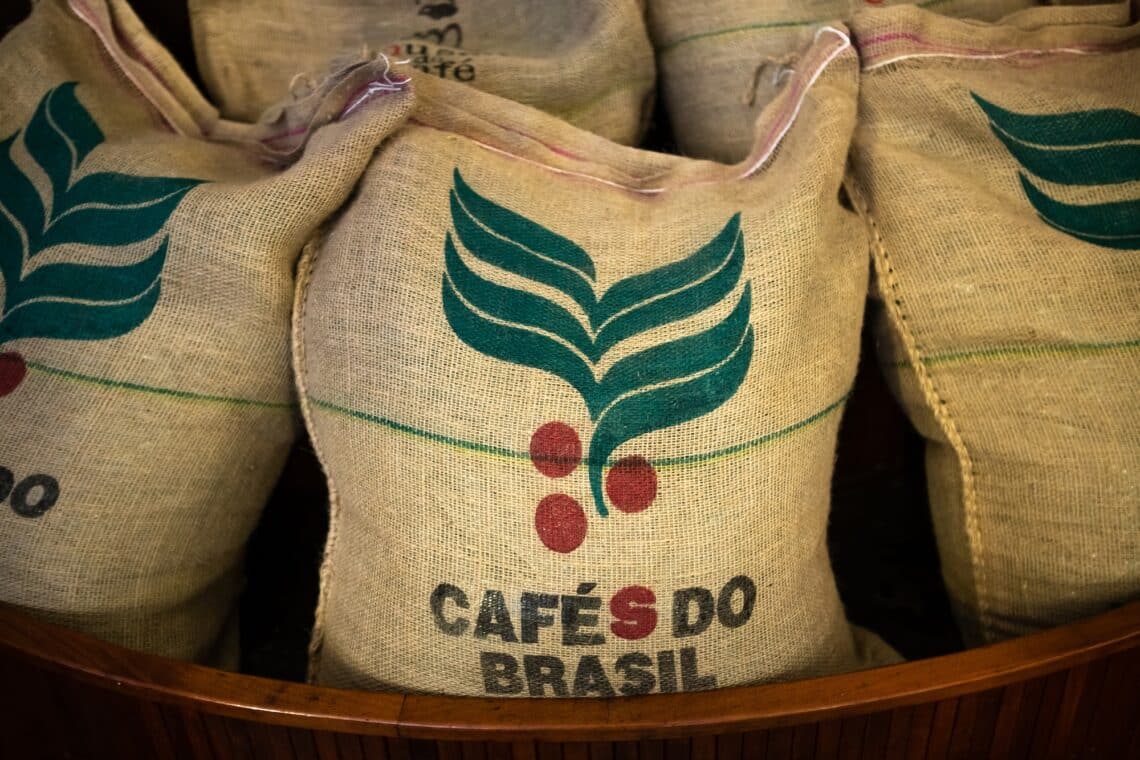
Cecafé’s December 2025 report concludes with an optimistic outlook led by Marcos Matos, CEO of the Brazilian Coffee Exporters Council. He stated that the “Cafés do Brasil” brand has become a global benchmark, successfully combining large-scale production with environmental responsibility.

According to the report, Brazil—through Cecafé—not only supplies approximately one-third of global coffee demand, but also leads efforts in agricultural digitalization, labor rights protection, and forest conservation, positioning Brazilian coffee as a reliable and sustainable choice for the future.

  • Conclusion

Generating more than $15.6 billion in export revenues in a single year is not merely a statistical milestone, but a clear indicator of the strength and global standing of Brazilian coffee. It also underscores the central role played by the Brazilian Coffee Exporters Council (Cecafé) in guiding the sector toward new levels of financial and professional achievement.

Brazil Coffee Export Revenue Hits Record Despite Falling Volumes

Dubai – Qahwa World

Brazil’s coffee export revenue reached a historic high of $15.6 billion in 2025, despite a significant decline in shipment volumes, according to the latest report from Cecafé, the Brazilian Coffee Exporters Council.

Released on January 19, the report shows that total coffee exports fell by more than 10 million 60-kilogram bags, dropping from a record 50,584,170 bags in 2024 to 40,049,222 bags in 2025—a decrease of over 20 percent. Even so, the 2025 figure remains higher than exports recorded in any year between 2020 and 2023.

Cecafé President Márco Ferreira attributed the surge in export earnings to steadily rising coffee prices throughout 2025. He noted that higher average monthly prices, combined with continued investment by Brazilian growers in technology, innovation, and quality, helped elevate both the standard and market value of Brazilian coffee.

The report also highlights the impact of United States tariffs, which led to a 55 percent decline in exports to the U.S. between August and November. The tariffs included a 40 percent national emergency levy, introduced on July 30, alongside a 10 percent reciprocal tariff. Both measures were lifted on November 12.

As a result of reduced U.S. demand, Germany emerged as Brazil’s largest coffee importer in 2025, followed by Italy, Japan, and Belgium.

Looking ahead, Ferreira expects Brazilian coffee exports in 2026 to once again exceed 40 million 60-kilogram bags, reinforcing the country’s position as the world’s largest coffee producer. By comparison, the record 2024 harvest generated approximately $12.5 billion in export revenue, while the 2023 crop earned $6.2 billion.

ICO Releases Global Coffee Market Report – December 2025

Dubai – Coffee World

The global coffee market closed 2025 amid sharp volatility, leaving industry stakeholders facing an uncertain outlook at the start of 2026, according to the latest report issued by the International Coffee Organization (ICO). The report highlights a dramatic shift in market dynamics during December, as prices declined significantly following changes in international policy and a temporary easing of supply chain constraints in Asia.

Price Decline: Market Correction or Calm Before the Storm?

The ICO Composite Indicator Price (I-CIP) averaged 304.68 US cents per pound in December, representing a 7.8% decline from November levels. This downturn ended a historic upward trend, with prices falling from a peak of 343.92 cents to a mid-month low of 283.21 cents, before closing the year at 293.09 cents per pound.

According to the report, the decline was driven by three key factors:

  • Improved supply expectations, as major international institutions revised global production estimates for 2025 upward, easing speculative pressure.

  • Reduced regulatory uncertainty, following the European Union’s decision to delay implementation of the EU Deforestation Regulation (EUDR), which curtailed panic buying.

  • Currency effects, as the depreciation of the Brazilian real encouraged producers to accelerate dollar-denominated sales to maximize local currency returns.

Group Performance: Robusta Suffers the Sharpest Losses

All coffee groups recorded price declines in December, with Robusta experiencing the steepest drop. Robusta prices fell 11.3% to 190.53 cents per pound.

In contrast, Arabica prices declined more moderately. Both Colombian Milds and Brazilian Naturals fell by 6.5%, reflecting continued underlying demand for higher-quality coffees despite broader market volatility.

Global Exports: Asia and Africa Lead Growth

Global green coffee exports increased by 4.8% in November 2025, reaching 8.95 million bags, according to ICO data.

  • Asia and Oceania recorded exceptional growth of 47%, driven by Vietnam’s strong return to the market, with exports rising by 60%.

  • Africa continued its positive trajectory, posting a 7.7% increase, led by Uganda, whose exports surged by 72%.

  • South America was the only region to register a decline, with exports falling 14.9%, reflecting a normalization after record shipments earlier in the year and a 25.8% drop in Brazilian Robusta exports.

Supply–Demand Balance: Structural Deficit Persists

Despite the recent price correction, the report underscores ongoing structural imbalances in the global coffee market. The cumulative supply deficit over recent years has reached 17.91 million bags, while inventories in Europe and the United States have fallen to historically low levels.

Certified stocks at the New York exchange declined to just 0.48 million bags, leaving the market with limited buffers against potential future supply shocks.

2026 Outlook: Climate Risks Shape the Path Ahead

As 2026 begins, attention is firmly focused on weather conditions across the world’s major coffee-growing regions. The report warns of below-average rainfall in Brazil’s key producing areas, including Minas Gerais, where precipitation reached only 76% of normal levels. Meanwhile, flooding in Indonesia could reduce exports by up to 15% in the first quarter of the new year.

Conclusion

The global coffee market ended 2025 with a price correction that may suggest temporary stability. However, a deeper analysis of the data points to a fragile equilibrium. Low global inventories and escalating climate risks indicate that 2026 is likely to be a year of significant challenges for both producers and consumers across the coffee value chain.

Ethiopia and China Strengthen Coffee Sector Cooperation

Addis Ababa – Qahwa World

Ethiopia is strengthening its coffee sector by expanding value-added exports and deepening strategic cooperation with China, particularly in agriculture and coffee, according to senior government officials.

Ethiopia and China are elevating their agricultural cooperation beyond trade into a strategic partnership, with coffee emerging as a central pillar of collaboration. China has rapidly become one of the top destinations for Ethiopian coffee, rising from 33rd to 4th place among export markets within the past five years.

A trade and economic cooperation forum aimed at promoting Ethiopian coffee in the Chinese and global markets was recently held in Jujiao City, China. The forum brought together government officials, buyers, and private-sector stakeholders and resulted in new market linkage agreements.

Officials said the strengthening of cooperation is driven by several factors, including China’s expanding role as a coffee destination, duty-free tariff privileges for African exports, technology and knowledge transfer, growing e-commerce linkages, and Hunan Province’s position as a key trade hub.

State Minister of Agriculture Dr. Efrem Mulleta said Ethiopia is implementing wide-ranging reforms to make its agricultural products competitive in international markets. These reforms focus on increasing production quality and quantity through modern technologies, innovation, and improved agricultural inputs.

He added that the conference in China is part of broader efforts to boost export earnings not only from coffee but also from livestock products, fisheries, and other agricultural outputs.

Ethiopian Coffee and Tea Authority Director General Dr. Adugna Debela said Ethiopia’s strong focus on coffee productivity, quality, and value addition has brought significant improvements in export performance.

In the last fiscal year alone, Ethiopia exported 470,000 tons of coffee, generating USD 2.6 billion in revenue. To further enhance earnings, the country is prioritizing the export of value-added coffee rather than raw beans.

Dr. Adugna noted that a 15-year coffee sector strategy has been developed and implemented to address structural challenges, improve productivity, and expand market access. Old, low-yield coffee trees have been replaced, while millions of new seedlings have been planted under the Green Legacy Initiative.

He emphasized that quality is critical for global competitiveness and said strict monitoring systems are in place to ensure high standards. Policy reforms have also streamlined the coffee marketing system, reduced losses, and minimized quality deterioration.

A newly approved directive now allows domestically roasted and ground coffee to be sold in foreign currency, creating new opportunities for exporters. As a result, several Ethiopian coffee companies have begun selling value-added products through Ethiopian Airlines, major hotels, and tourist destinations.

Dr. Adugna added that Ethiopian specialty coffee is gaining popularity among Chinese consumers, driven by rising demand and China’s duty-free market access for African countries.

State Minister of Government Communication Services Tesfahun Gobezay said China’s large population and rapidly growing coffee consumption make it a reliable and expanding market for Ethiopian coffee.

He also noted that the recent forum introduced Ethiopian coffee culture—from production to consumption—to Chinese audiences and opened a new chapter for expanding bilateral coffee trade and cooperation.

Officials stressed that Ethiopia’s combined focus on value addition, quality improvement, and strategic partnerships—particularly with China—is expected to further strengthen foreign exchange earnings and create sustainable growth in the coffee sector.