Honduran coffee production surges to 5.53 million bags

IHCAFE forecasts continued growth in 2026/27 supported by plant nutrition, area expansion, and new plantations; exports rise 7.5% but differentiated coffee share drops sharply in early data.
TEGUCIGALPA — Qahwa World

Honduras will produce 5.53 million 60 kilogram bags of coffee in the 2025/26 marketing year, a 6.3 percent increase from the previous cycle, according to the annual coffee report published by the USDA Foreign Agricultural Service in Tegucigalpa. Notably, the Honduras coffee production forecast for 2026 indicates production is then forecast to jump another 9 percent to 6.03 million bags in 2026/27, returning the country to output levels last seen in 2021/22.

The projected growth is driven by improved plant nutrition, favorable biennial production cycles, expansion of productive areas, enhanced pruning and crop management practices, and the maturation of newly established coffee plantations. Planted area is expected to grow by about 3 percent, or 10,000 hectares, in 2025/26, largely due to the introduction of the rust resistant Parainema variety. Furthermore, forecasts for Honduras coffee production in 2026 are shaped by these agronomic improvements and varietal shifts.

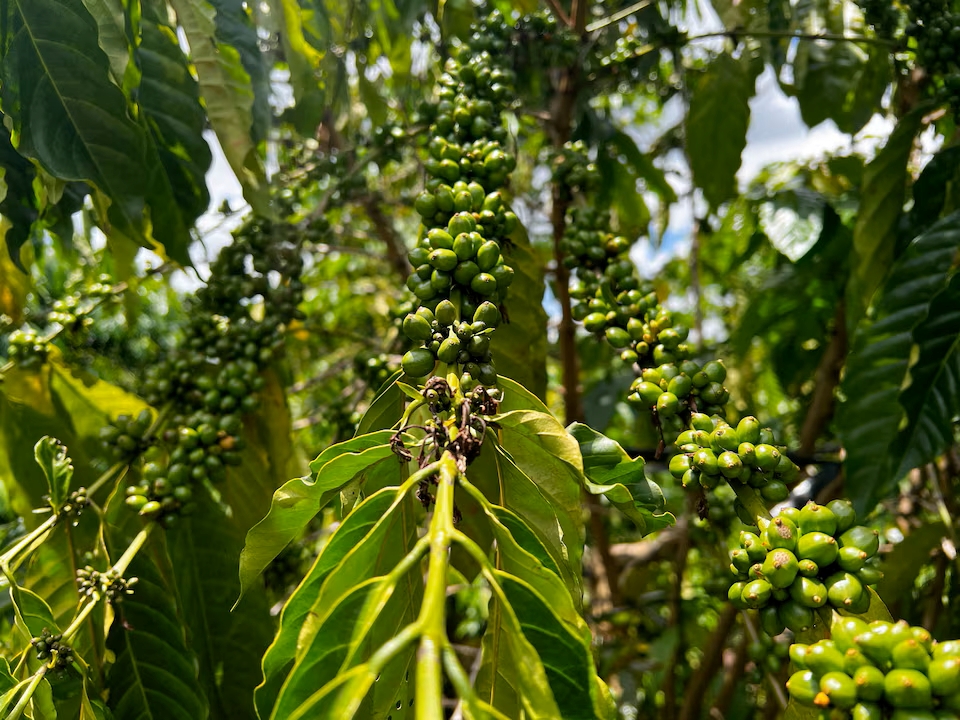
Honduras, one of Central America’s leading coffee producers and a top global exporter of Arabica, concentrates its crop in six key regions: Copan, Montecillos, Opalaca, Comayagua, El Paraiso, and Agalta. Elevations range between 1,000 and 1,600 meters above sea level, where Bourbon, Catuaí, Caturra, and Typica thrive. Looking ahead, the production forecast for Honduras coffee in 2026 continues to inform regional agricultural strategies.

Production outlook and leaf rust pressure

As of March 2026, coffee leaf rust incidence increased from 7.57 percent to 8.44 percent nationally, triggering a Level 4 yellow alert. The rise reflects higher lesion counts and leaf damage, supported by favorable environmental conditions and the unrestricted movement of harvest workers. Despite localized pressures, overall national rust levels remain relatively contained due to dry season conditions in major producing regions. This has important implications for the Honduras coffee production forecast for 2026, since disease pressure can impact yields.

Table 1: Honduras coffee production & export forecasts (million 60 kg bags)
Marketing year Production Exports Ending stocks
MY 2023/24 (actual) 5.00 4.77 0.081
MY 2024/25 (revised) 5.20 4.96 0.178
MY 2025/26 (forecast) 5.53 5.03 0.435
MY 2026/27 (projection) 6.03 5.50 0.707
Table 2: Coffee leaf rust incidence by selected departments (March 2026)
Department Incidence (%)
Comayagua 14.08%
Cortes 12.49%
Santa Bárbara 11.17%
Yoro 10.08%
El Paraíso 9.81%
Intibucá 9.27%
Copán 6.76%

Earlier survey data from April 2025 indicated that 16.67 percent of sampled farms had medium rust incidence (5 to 10 percent), 7.80 percent had high incidence (10 to 15 percent), and 21.63 percent recorded very high incidence above 15 percent. Approximately 5 percent of the current crop remained unharvested as of March 2026, while 44 percent was still in the supply chain awaiting export or processing. This context is significant for anyone examining the country’s 2026 coffee production forecast in Honduras.

Prices, Brazil and market volatility

As of late March 2026, coffee reference prices have shown downward pressure, driven by improved global supply expectations and forecasts of a large Brazilian harvest. While prices have eased from early 2026 highs, they remain volatile. Retail prices have not yet adjusted significantly, reflecting typical lags due to contracts and inventories. In summary, the Honduras coffee production outlook for 2026 is closely tied to international price volatility and market forces.

Weather risks in Brazil, including the potential for early frosts in key producing regions, may place upward pressure on global prices in 2026. However, continued market volatility and rising production costs — including higher diesel prices and fertilizer supply uncertainty linked to the Persian Gulf conflict — may constrain producer margins. Price developments will depend on frost events in Brazil between May and July 2026, crop performance in Vietnam and Colombia, and currency movements, especially the BRL USD exchange rate. Meanwhile, these variables are monitored by analysts as they project the 2026 Honduras coffee production forecast.

Exports grow 7.5%, average price eases

Honduran coffee exports are projected to reach 5.03 million bags in 2025/26, a 7.47 percent increase from the revised 4.96 million bags in 2024/25. For 2026/27, exports are forecast to rise another 9 percent to 5.50 million bags. As of April 2026, Honduras had already exported 3.17 million bags, a 38 percent increase from 2.30 million bags during the same period in 2024/25. The average export price was $439.47 per 60 kg bag, a 2.70 percent decrease from $451.70, but total export value jumped 33 percent to $1.39 billion. These impressive results play a pivotal role in shaping the Honduras coffee production forecast for 2026 and future export trends.

Sales contracts for 2025/26 totaled 4.10 million bags, up 27 percent year on year. Honduras has expanded market access, including under its free trade agreement with South Korea, now the eleventh largest export market for coffee. Globally, Honduras ranks as the eighth largest coffee exporter, the third largest in the Americas, and the largest in Central America. Finally, the Honduras coffee production forecast 2026 continues to be an important reference for market participants and policy decisions.

Table 3: Top destinations for Honduran green coffee exports (2025, thousand 60 kg bags)
Country Volume (1,000 bags)
United States 1,476
Germany 983
Belgium 551
Italy 231
Japan 186
Canada 229
Sweden 149
United Kingdom 147

Domestic consumption and rising imports

Coffee consumption in Honduras is projected to increase 9 percent in 2026/27, supported by modest GDP growth of 3.8 to 4 percent. Per capita apparent consumption is estimated at 4 to 5 kilograms per year. The growing presence of coffee bars in shopping malls, gas stations, and supermarkets, along with a young population consuming diverse coffee drinks, drives demand. Keurig coffee pods and machines are a new trend sold at supermarket chains. It is clear that changing consumption patterns also play into the nation’s coffee production forecast 2026 for Honduras.

Despite being a major producer, Honduras imports coffee to meet domestic demand for soluble coffee and lower cost blends. Total imports are projected to reach 160,000 bags in 2026/27, up 16.8 percent from 137,000 bags in 2025/26. In 2024/25, green coffee bean imports totaled 96,216 bags, primarily from Nicaragua (91,731 bags). Soluble coffee imports from October 2024 through February 2025 reached 30,992 bags, up from 27,516 bags the previous year. Key suppliers included Mexico, the United States, Colombia, Guatemala, India, Malaysia, and Costa Rica. Market dynamics that affect imports are increasingly relevant for the Honduras coffee production forecast looking ahead to 2026.

Differentiated coffee: a sharp shift in early 2025/26

During the 2024/25 harvest, 2.6 million 60 kg bags of differentiated coffee (certified and specialty) were sold, accounting for 55 percent of total exports. The five leading certifications were UTZ, Organic, Fair Trade/Organic, 4C, and Rainforest Alliance. However, preliminary data for 2025/26 shows a significant decline: differentiated coffee fell to 37 percent of total volume, or 1.24 million bags exported to date. This 15 percentage point drop may reflect timing of shipments, production challenges, or evolving market dynamics. Final figures will determine if this is a temporary fluctuation or a sustained trend. The results for differentiated segments will ultimately affect 2026 Honduras coffee production forecast calculations.

Table 4: Differentiated coffee production (thousand 60 kg bags, harvest seasons)
Harvest season Differentiated coffee Total harvest % participation
2019/20 3,020 5,506 55%
2020/21 3,220 5,873 55%
2021/22 2,523 4,701 54%
2022/23 3,087 5,342 58%
2023/24 2,610 4,687 56%
2024/25 2,436 4,804 52%
2025/26* 1,242 3,325 37%
* preliminary figures to April 2026. Source: IHCAFE

Specialty coffee in Honduras is typically grown above 3,000 feet. Currently, specialty coffees are produced under 22 programs including UTZ, 4C, Rainforest Alliance, Organic, Bird Friendly, Starbucks C.A.F.E. Practices, and Cup of Excellence. The overall quality of exported coffee in 2025/26 was classified as 49 percent Strictly High Grown (SHG), 43 percent High Grade (HG), and 9 percent Standard Grade (STD). With specialty coffee trends evolving, analysts will adjust the Honduras coffee production and exports forecast for 2026 accordingly.

Table 5: Quality exports in MY 2025/26 (60 kg bags, to date)
Quality grade Volume (bags) Average price (USD) Share of volume
SHG (Strictly High Grown) 1,618,979 $440.19 49%
HG (High Grade) 1,420,051 $448.27 43%
SL (Screen size >18) 286,479 $361.44 9%

Small producers and policy support

Many small and medium coffee producers face financial constraints, with limited access to credit. According to IHCAFE data for 2024/25, 86,895 small farmers harvested 179,271 hectares and produced 2.63 million bags. Medium producers (6,359 farmers) produced 1.66 million bags, and 374 large farmers produced 515,533 bags. Their contributions are notable in the broader context of the Honduras coffee production forecast for 2026.

Table 6: Producers by size, area harvested and production (2024/25)
Farmer type Farmers registered Area harvested (Ha) Production (60 kg bags)
Small 86,895 179,271 2,627,164
Medium 6,359 85,040 1,661,733
Large 374 21,246 515,533

The government has implemented several measures to support the sector, including a sales tax exemption on coffee (Decree 352 2022) that provides fiscal relief of approximately $183 million. IHCAFE’s “Renew without stopping Production” program supports 33,000 producers covering 250,000 blocks. A climate change policy aims to foster resilience through six five year phases from 2022 to 2050. The National Coffee Council, the highest regulatory body, guides policy on production, climate change, labor, and gender inclusion. The sector adopted a Gender Inclusion Policy in 2021. Policy initiatives such as these directly impact Honduras coffee production forecasts for 2026 and beyond.

As of March 2026, IHCAFE continues providing technical support to help growers meet the European Union Deforestation Regulation, aiming to reduce deforestation tied to agricultural production and foster environmentally responsible supply chains. Overall, actions to comply with international standards also influence the Honduras coffee production forecast for 2026 as the industry adapts to global changes.
Methodological note: All figures are based on the USDA Foreign Agricultural Service report “Coffee Annual – Tegucigalpa – Honduras – HO2026-0002” published April 29, 2026. Marketing years (MY) run from October to September. Differentiated coffee includes certified and specialty coffees. No data from outside the report has been used. Projections for MY 2026/27 are preliminary and subject to revision.


Indian Coffee in April: 4 Key Shifts Shaping the Global Market

Dubai – Qahwa World

The Indian coffee market has experienced significant movement in recent weeks. Data through April 21, 2026, reveals record-breaking export figures and a strategic pivot in global demand. Here are the four primary shifts currently defining the sector:

  • 1. Record-Breaking Export Momentum

India’s coffee exports have reached a historic milestone, surpassing $2.1 billion for the 2025–26 fiscal year. Early data from January 1 to April 21 shows total provisional exports of 159,325 metric tonnes, a substantial increase from the 127,024 tonnes recorded during the same period last year. This surge is driven by a combination of higher global realizations and a robust appetite for Indian origins.

  • 2. Robusta Dominance and Value-Add Growth

Robusta continues to anchor the export volume, particularly the “Robusta Cherry” variety, which saw shipments exceed 68,000 tonnes. Notably, there is a clear structural transition toward value-added products. Instant coffee now accounts for approximately 35–40% of total export volume, signaling India’s successful push to be recognized as a manufacturer of processed coffee rather than just a raw commodity supplier.

  • 3. Price Correction vs. Supply Tightness

Arabica prices have undergone a short-term correction, trading near 289 USc/lb—a decline of roughly 5–6% from recent highs. Conversely, Robusta prices remain firm due to tight global supply. This price gap has led many international buyers to lock in Indian Robusta positions early, utilizing it as a high-quality, cost-effective balancing origin for global blends.

  • 4. Strategic Shift Toward Premium GI Origins

India is aggressively promoting its GI-tagged (Geographical Indication) coffees, such as those from Chikkamagaluru and Bababudangiri, to elevate its global brand positioning. This move toward premiumization comes as producers face increasing climate variability. Farmers are increasingly adopting climate-resilient varieties and adaptive practices to protect flowering and yields against irregular rainfall patterns in key regions like Kodagu.

Indonesia Eyes Further Growth in Coffee Exports to Russia

Moscow — Qahwa World

Indonesia may continue expanding its coffee exports to Russia following strong growth in 2025, although logistical and financial hurdles remain, according to an industry representative.

A supplier speaking at the “Coffee Tea Cacao & HoReCa Expo” in Moscow said that while Indonesia is unlikely to surpass Vietnam as Russia’s top coffee exporter, there is still room to increase overall shipment volumes.

Trade data previously showed that Indonesia strengthened its position among Russia’s leading coffee suppliers during the first nine months of 2025, with export values rising significantly compared to the previous year. Vietnam, however, maintained its lead by a wide margin.

Industry participants point to transportation difficulties and payment processing issues as the main constraints affecting further expansion. Despite these challenges, there is optimism that improving bilateral relations could help ease some of these barriers.

Russia is not yet among Indonesia’s top coffee export destinations, but demand in the market has been steadily increasing in recent years, making it more attractive for exporters.

Recent high-level talks between officials from both countries have also included discussions on facilitating financial transactions, which could support future trade growth.

Coffee Markets Decline as Supply Fears Subside

Dubai – Qahwa World

Coffee futures moved lower at the end of the week, with both arabica and robusta contracts posting notable losses. Arabica dropped to its lowest level in about a week, while robusta also weakened.

The decline was linked in part to improving conditions in global shipping. Iran’s announcement that the Strait of Hormuz has reopened helped calm earlier concerns about disruptions, suggesting smoother trade flows and reducing anxiety over supply constraints.

Earlier in the week, arabica had already been under pressure, touching a one-month low as expectations grew for a strong harvest in Brazil. Several industry forecasts point toward a record crop in the 2026/27 season, with estimates clustering above 75 million bags. Some analysts also anticipate a significant expansion in the global coffee surplus, potentially reaching its highest level in several years.

Meanwhile, Vietnam continues to play a major role on the supply side. The country, the leading producer of robusta coffee, has reported rising export volumes. Shipments in the first quarter increased compared to the same period last year, and full-year exports have also shown solid growth. Production in the current season is expected to climb to a multi-year high, adding further pressure to prices.

Despite this broader supply outlook, some factors are offering limited support. Inventories of robusta monitored by the ICE exchange have declined to their lowest level in over a year, indicating tighter availability in certified stocks.

In Brazil, export data has been mixed. Recent figures show a drop in shipments compared to last year, which may lend some support to prices. Weather is also being closely watched, as below-average rainfall in key growing regions like Minas Gerais could affect crop yields.

On the global stage, export volumes have edged slightly lower in the current marketing year, according to international data. However, overall production is still expected to rise in the 2025/26 season, driven by gains in robusta output despite a projected decline in arabica production.

Looking ahead, forecasts suggest Brazil’s total production may ease slightly, while Vietnam’s output is likely to increase. At the same time, global ending stocks are expected to shrink, reflecting ongoing shifts in supply and demand dynamics.

Brazil Export Decline Supports Coffee Prices

Dubai – Qahwa World

Coffee prices moved higher midweek, with both arabica and robusta futures posting gains. Robusta led the advance, reaching its strongest level in roughly one and a half weeks, supported by tightening near-term supplies.

A key factor behind the upward movement is reduced export activity from Brazil. Recent figures indicate that shipments of green coffee declined in March compared to the same month last year. Broader trade data also shows a sharp drop in overall coffee exports, reinforcing concerns about limited supply from the world’s leading producer.

In the robusta segment, falling inventories have added to the bullish sentiment. Exchange-monitored stockpiles have dropped to their lowest levels in more than a year, highlighting ongoing supply tightness in the physical market.

Weather conditions are also contributing to price support. Brazil’s main arabica-growing region, Minas Gerais, has received significantly less rainfall than usual in recent weeks. Reduced precipitation during key crop development stages may affect yields, adding uncertainty to future supply.

However, the broader outlook remains complex. Earlier projections of a large upcoming Brazilian crop continue to weigh on market sentiment. Several forecasts point to record production in the 2026/27 season, with global supply potentially expanding into a sizeable surplus.

At the same time, rising certified inventories for arabica have recently pressured prices, reflecting improved availability in some segments of the market.

Global logistics challenges are adding another layer of influence. Disruptions to major shipping routes have increased freight, insurance, and fuel costs, raising expenses for importers and roasters and contributing to overall market volatility.

Meanwhile, Vietnam continues to strengthen its position in the robusta sector. Strong export performance and expectations of increased production could help offset supply constraints from Brazil.

Earlier in the year, coffee prices declined sharply amid expectations of abundant global output. Forecasts suggest that worldwide production could reach record levels in the coming seasons, driven largely by Brazil and Vietnam.

Even so, global stock levels are expected to edge lower, with ending inventories projected to decline compared to the previous season. This balance between strong production and tightening stocks underscores the mixed and evolving outlook for the global coffee market.


Strength in the Brazilian Real Boosts Coffee Prices

Dubai – Qahwa World

Coffee futures moved higher on Friday, supported by currency strength and supply dynamics. May arabica coffee (KCK26) rose by +6.40 points (+2.18%), while May ICE robusta coffee (RMK26) gained +14 points (+0.42%).

Arabica prices reached a one-week high, while robusta rebounded from its lowest level in 8.5 months in nearby futures. The rally was largely driven by the appreciation of the Brazilian real, which climbed to a two-year high against the US dollar. A stronger real tends to discourage export selling by Brazilian producers, tightening global supply.

Supply Trends and Inventory Movements

Tight robusta supplies continue to support prices. ICE-monitored robusta inventories declined to 3,977 lots, marking a 1.25-year low. In contrast, arabica inventories have increased, limiting price gains. ICE arabica stocks rose to 585,621 bags on March 18, the highest level in more than six months.

Shipping Disruptions Impact Global Trade

The closure of the Strait of Hormuz has disrupted global shipping routes, tightening coffee supplies worldwide. The disruption has increased freight rates, insurance costs, and fuel expenses, raising overall costs for coffee importers and roasters.

Weather Conditions in Brazil Support Prices

Weather conditions in Brazil are also providing support. Somar Meteorologia reported that Minas Gerais, the country’s largest arabica-growing region, received 11.7 mm of rainfall last week, representing only 47% of the historical average. Below-normal rainfall may affect crop development and support prices.

Record Crop Expectations Weigh on Market Sentiment

Despite current support factors, expectations of a record Brazilian coffee crop continue to pressure the market. On March 19, Marex Group Plc projected Brazil’s 2026/27 coffee production at 75.9 million bags, exceeding Sucafina’s estimate of 75.4 million bags and marking a 15.5% year-on-year increase.

On March 12, StoneX raised its forecast to 75.3 million bags, up from a previous estimate of 70.7 million bags. The firm also expects the global coffee surplus to expand to 10 million bags in 2026, compared to 1.8 million bags in 2025, representing the largest surplus in six years.

Vietnam Export Growth Pressures Robusta

Rising exports from Vietnam, the world’s largest robusta producer, are weighing on prices. Vietnam’s National Statistics Office reported that coffee exports in the first quarter of 2026 increased by 14% year-on-year to 585,000 metric tons.

In 2025, exports rose by 17.5% to 1.58 million metric tons. Production for the 2025/26 season is expected to increase by 6% to 1.76 million metric tons (29.4 million bags), reaching a four-year high.

Decline in Brazilian Exports Offers Support

Recent export data from Brazil provided additional support to prices. Cecafe reported that green coffee exports in February fell by 27% year-on-year to 2.3 million bags. Meanwhile, Brazil’s Trade Ministry reported a 31% decline in March exports to 151,000 metric tons.

Recent Price Trends and Global Outlook

Coffee prices declined sharply in February, with arabica falling to a 16.75-month low on February 24 due to expectations of strong Brazilian supply.

Brazil’s crop agency Conab projected on February 5 that 2026 coffee production would rise by 17.2% year-on-year to a record 66.2 million bags. Arabica output is expected to increase by 23.2% to 44.1 million bags, while robusta production is forecast to grow by 6.3% to 22.1 million bags.

Rabobank reported on March 4 that global coffee production for the 2026/27 season is expected to reach a record 180 million bags, about 8 million bags higher than the previous year.

Global Trade and Production Forecasts

The International Coffee Organization (ICO) reported on November 7 that global coffee exports for the current marketing year (October to September) declined by 0.3% year-on-year to 138.658 million bags.

The USDA’s Foreign Agriculture Service (FAS) projected in its December 18 report that global coffee production for 2025/26 will increase by 2.0% to a record 178.848 million bags. Arabica production is expected to decline by 4.7% to 95.515 million bags, while robusta output is forecast to rise by 10.9% to 83.333 million bags.

FAS also estimates that Brazil’s 2025/26 coffee production will fall by 3.1% to 63 million bags, while Vietnam’s production will increase by 6.2% to 30.8 million bags. Ending stocks for the 2025/26 season are projected to decline by 5.4% to 20.148 million bags, down from 21.307 million bags in 2024/25.

Coffee Prices Fall as Supply Outlook Improves

Dubai – Qahwa World

Coffee futures declined sharply on Tuesday, with both arabica and robusta posting significant losses. Arabica reached its lowest level in about three weeks, while robusta dropped to its weakest nearby level in roughly eight months.

The recent downward trend is mainly linked to expectations of a large coffee harvest in Brazil. Updated projections for the 2026 to 2027 season indicate production exceeding 75 million bags, marking a strong increase compared to earlier estimates and last year’s output.

Global supply expectations are also shifting. Forecasts indicate a widening surplus in 2026, with estimates rising sharply from the previous year and pointing to the largest surplus in several years.

Vietnam, the world’s leading robusta producer, is adding further pressure on prices. Export volumes have increased notably, including strong growth in the first quarter of 2026 compared to the same period last year. Annual export data for 2025 also showed solid gains. Production is expected to rise as well, reaching the highest level in about four years.

Shipping disruptions linked to the Strait of Hormuz have created additional challenges for the market. Higher freight costs, insurance expenses, and fuel prices are raising costs for importers and roasters despite the overall improvement in supply expectations.

Weather conditions in Brazil are providing some support to prices. Key growing regions such as Minas Gerais have received less rainfall than usual, which may affect crop development if dry conditions continue.

Inventory data shows mixed signals. Robusta stock levels have declined to multi month lows, suggesting tighter short term availability. In contrast, arabica inventories have increased, adding pressure on prices.

Brazil’s export performance has also shown some weakness. Shipments of green coffee fell significantly in February compared to the previous year, and total exports also recorded a noticeable decline.

Earlier in the year, coffee prices had already come under pressure. Arabica dropped sharply in February, reaching its lowest level in more than a year as expectations for strong production increased. Official forecasts in Brazil indicate higher output for both arabica and robusta.

At the global level, production is expected to reach a record in the 2026 to 2027 season, increasing by several million bags compared to the previous year.

Despite the overall bearish outlook, some tightening factors remain. Global export data shows a slight decline during the current marketing year, while ending stocks are expected to decrease modestly by the end of the 2025 to 2026 season.

The coffee market remains driven by the balance between strong supply expectations and localized constraints, with attention focused on weather conditions, export trends, and inventory levels.

Vietnam Sets the Stage for a Record-Breaking Coffee Export Year

Dubai – Qahwa World

Vietnam has entered 2026 with remarkable momentum, signaling a potential record year for coffee exports. Early data from Vietnam Customs points to a rapid acceleration in shipments of green coffee, processed products, and various bean varieties, surpassing activity from the same period last year. Export values have also climbed sharply, solidifying coffee as one of Vietnam’s top agricultural earners and highlighting the country’s growing influence in the global coffee market.

The surge is driven not only by higher volumes but also by expanding international demand. Key markets, including Germany, Spain, Italy, Algeria, and Japan, have reported stronger imports in the early weeks of the year. Vietnam’s coffee is increasingly recognized across Europe, North Africa, and Asia as an essential supplier, with both import value and volume showing steady growth.

Within Vietnam’s export portfolio, robusta remains the backbone of the trade, generating substantial earnings. Arabica, though a smaller portion of production, has seen notable gains due to rising global interest in specialty origins and Vietnam’s strategic focus on diversifying its offerings. Meanwhile, processed coffee products are showing strong performance, reflecting a shift toward value-added exports. Industry experts view this as evidence that Vietnam is moving beyond commodity-based trade toward a more vertically integrated model capable of competing in premium markets.

You mat read this: Vietnam Suspends Decree 46, Easing Coffee Trade

The strong start to 2026 builds on an already exceptional 2025, when Vietnam achieved its highest-ever coffee export volumes and revenues. The Vietnam Coffee and Cocoa Association predicts that the current harvest could exceed these records, aided by improved growing conditions, increased investment in farm inputs, and higher market prices—all contributing to stronger yields and production potential.

International observers echo this optimism. The U.S. Department of Agriculture (USDA) projects substantial growth in Vietnam’s coffee production, citing farmers’ responsiveness to global price increases and enhanced crop management practices. USDA forecasts also point to rising exports across multiple categories, including roasted and soluble coffee, with Asian markets expected to drive significant demand.

According to the USDA’s December revision, Vietnam’s 2025/26 coffee exports are expected to reach 27.3 million bags GBE, up 8% from the previous year. Early customs data indicate actual shipments of green beans, roasted, and soluble coffee may already be higher, supported by increased sales to international tourists.

You may like: Vietnam’s Coffee Crisis Could Disrupt Global Supply Chains

Global trends, however, are shaping a more competitive landscape. Analysts warn that supply may increase across traditional coffee-producing regions, potentially pressuring prices. Vietnam’s efficiency, productivity, and diversified product offerings, along with investments in quality control and traceability, position its coffee sector to navigate these shifts with resilience.

Taken together, the early 2026 developments suggest Vietnam is entering a defining phase in its coffee-export story. Strong demand, recognition in global markets, expansion into processed coffee, and robust domestic and international support all point to a landmark year ahead. If these trends continue, Vietnam is poised to reinforce its position as a global coffee powerhouse while setting new benchmarks for high-volume, value-added exports.

Dollar Strength and Brazil Crop Pressure Coffee Prices

Dubai – Qahwa World

Coffee prices moved lower as a stronger dollar and expectations of a record Brazilian crop continued to weigh on the market, while a mix of supply, weather, and trade factors shaped overall sentiment.

May arabica coffee fell by 0.95 points, or 0.32%, while May robusta declined by 48 points, or 1.36%, reflecting pressure linked to currency strength and improving supply expectations.

The outlook for Brazil’s next crop remains a central driver. Marex Group projected the country’s 2026 and 2027 coffee production at a record 75.9 million bags, exceeding Sucafina’s estimate of 75.4 million bags, which represents a 15.5% increase year on year. Earlier in the month, StoneX raised its forecast to 75.3 million bags, up from a previous estimate of 70.7 million bags.

Despite this pressure, tight supplies of robusta coffee provided some support. Inventories monitored by the exchange fell to 4,093 lots, the lowest level in three and a half months. In contrast, arabica inventories rose to 585,621 bags, marking a six and a quarter month high and adding further downward pressure on prices.

Global logistics disruptions added complexity to the market. The closure of the Strait of Hormuz has affected shipping flows, increasing freight rates, insurance costs, and fuel expenses, raising costs for importers and roasters while tightening supply chains.

Weather conditions in Brazil also played a role. Rainfall in Minas Gerais, the country’s largest arabica-producing region, reached 11.7 millimeters last week, or 47% of the historical average, according to Somar Meteorologia. Below-normal rainfall typically supports prices, though this effect has been offset by broader supply expectations.

Trade data provided mixed signals. Brazil’s green coffee exports in February fell by 27% year on year to 2.3 million bags, according to Cecafe. Meanwhile, the country’s Trade Ministry reported that total coffee exports declined by 17.4% over the same period to 142,000 metric tons, offering some underlying support.

Earlier this year, coffee prices had already faced significant pressure. In February, arabica dropped to a 16.25-month low as expectations of a large Brazilian crop strengthened the global supply outlook. Brazil’s crop agency Conab said production in 2026 is expected to rise by 17.2% year on year to a record 66.2 million bags, including a 23.2% increase in arabica to 44.1 million bags and a 6.3% rise in robusta to 22.1 million bags.

At the global level, Rabobank projected that coffee production will reach a record 180 million bags in the 2026 and 2027 season, up by about 8 million bags from the previous year.

Vietnam, the world’s largest producer of robusta coffee, added to bearish sentiment. The country reported a 14% increase in exports during the first two months of 2026 to 366,000 metric tons. Exports for 2025 rose by 17.5% to 1.58 million metric tons, while production for the 2025 and 2026 season is expected to increase by 6% to a four-year high of 29.4 million bags.

Additional data from the International Coffee Organization showed that global coffee exports for the current marketing year edged down by 0.3% to 138.658 million bags.

Meanwhile, the U.S. Department of Agriculture’s Foreign Agriculture Service projected that global coffee production for the 2025 and 2026 season will increase by 2% to a record 178.848 million bags. The report also indicated a 4.7% decline in arabica production to 95.515 million bags and a 10.9% increase in robusta output to 83.333 million bags.

The agency expects Brazil’s production for the same season to fall by 3.1% to 63 million bags, while Vietnam’s output is forecast to rise by 6.2% to 30.8 million bags. Ending stocks are projected to decline by 5.4% to 20.148 million bags, down from 21.307 million bags in the previous season.

Together, these factors highlight a market caught between rising global supply expectations and ongoing logistical disruptions, weather concerns, and shifting inventory levels, leaving coffee prices under continued pressure.

Vietnam Suspends Decree 46, Easing Coffee Trade

Dubai – Qahwa World

Vietnam’s suspension of Decree 46, a new food safety regulation governing all imported food and ingredients, has brought temporary relief to the coffee industry after weeks of disruption to supply chains.

Introduced at the end of January, Decree 46 tightened how food imports are managed at Vietnam’s borders. It replaced a more flexible framework with stricter approval procedures, including additional certification, registration, and physical inspections before products could enter the market. For many import-reliant sectors, including coffee, the impact was immediate.

Coffee businesses were hit on multiple fronts. Shipments of high‑quality green coffee, roasted products, and key processing inputs began to slow as importers adjusted to the new documentation and inspection requirements. Clearance times that previously took only a few days stretched to several weeks, creating bottlenecks at major ports as containers waited for checks and approvals. For an industry built on tight delivery schedules and thin margins, these delays quickly translated into operational and financial pressure.

Vietnam plays a central role in global coffee flows, not only as the world’s largest robusta producer but also as a processing and re‑export hub. Coffee is imported into the country for blending and processing before being shipped back out to international markets. That system depends heavily on efficiency and predictability at the border. By imposing full food‑safety compliance procedures on a wide range of imports, Decree 46 disrupted both.

One of the most sensitive areas was raw materials imported for re‑export. Under the previous rules, such shipments often benefited from simplified procedures because they were not intended for domestic consumption. Decree 46 removed much of that flexibility, requiring full compliance even for goods destined for re‑export. This added time, cost, and administrative complexity for coffee traders who route beans and semi‑finished products through Vietnam as part of global supply chains.

The specialty coffee segment also felt the strain. Imports of premium green coffee, small‑batch roasted products, flavorings, and other inputs used in high‑value offerings faced additional testing and approval steps. Smaller businesses, which typically operate with lean inventories, reported immediate pressure as delays threatened their ability to meet contracts and serve customers on time. Packaging materials and additives used in roasting, processing, and manufacturing coffee products were similarly drawn into the stricter regime, forcing companies to contend with more extensive compliance demands across their operations.

Industry reaction was swift. Business associations and trade groups representing food and beverage importers warned that the abrupt shift had created serious bottlenecks, with large numbers of shipments held at ports and border gates. They raised concerns about rising storage costs, the risk of contractual penalties, and knock‑on effects on domestic production that depends on imported inputs, including those used in coffee manufacturing and export.

In response, the government moved to stabilize the situation. On 4 February, authorities suspended the effectiveness of Decree 46 and temporarily reinstated the previous regulatory framework. This decision effectively returned import procedures to the more familiar rules that had been in place before the decree, allowing stuck shipments to begin moving again and easing congestion at key ports. For coffee traders and processors, the suspension has provided short‑term relief and a chance to clear backlogs.

However, the issue is far from settled. Officials have framed the suspension as a temporary measure while they review implementation challenges and consider adjustments to the regulation. Trading partners and industry groups have called for clearer guidance, more transparency, and adequate transition periods before any new rules take effect. The government has indicated that tighter control over food imports remains a strategic goal, suggesting that some form of stricter regime will likely return once technical and procedural issues are addressed.

For the coffee sector, this pause is being treated as a preparation window rather than a return to business as usual. Companies are reassessing their documentation workflows, compliance systems, and supply chain structures in anticipation that more demanding requirements will come back in some form. Import‑dependent roasters and exporters are also exploring options to diversify logistics routes, adjust contract terms, or build greater buffer stocks to cope with potential future disruptions.

The recent experience has highlighted just how sensitive the coffee trade is to regulatory shifts at key origin and transit points. Delays at Vietnam’s ports can quickly cascade into late deliveries, contract disputes, and price volatility along the supply chain. While the suspension of Decree 46 has eased immediate pressure, it has also sent a clear message: the operating environment for food and coffee imports in Vietnam is changing, and adaptation will be essential to maintain a smooth flow of trade.

You can adjust this text by shortening the background on regulation if your audience already knows Decree 46, or by expanding the “industry reaction” and adding quotes if you have direct sources from coffee companies or associations.

Coffee Prices Rise on Supply Concerns

Dubai – Qahwa World

Coffee futures rose on Monday, recovering from earlier losses as concerns over global supply disruptions supported the market.

May arabica gained 2.52 percent, rising 7.20 points, while May robusta edged up 0.46 percent, adding 16 points.

The rebound followed reports that the Strait of Hormuz has been closed, disrupting a key global shipping route. The development has pushed up freight rates, insurance costs, and fuel prices, increasing pressure on coffee importers and roasters worldwide.

You may Like: Coffee Prices Rise as Iran Conflict Disrupts Global Shipping

Earlier in the session, prices had moved lower as improved weather conditions in Brazil eased concerns about crop stress. Rainfall in Minas Gerais, the country’s main arabica-growing region, reached 57.7 millimeters last week, about 139 percent of the historical average.

Expectations of a large Brazilian harvest also continue to weigh on the market. StoneX recently raised its forecast for Brazil’s 2026 to 2027 coffee production to a record 75.3 million bags, up from 70.7 million.

Export data, however, provided some support. Figures from Cecafé showed Brazil’s green coffee exports fell 27 percent year on year in February to 2.3 million bags. Data from the country’s Trade Ministry also showed total coffee exports declined 17.4 percent to 142,000 metric tons.

Read also: Coffee Markets Rise Amid Middle East Shipping Disruptions

At the same time, rising inventories continue to weigh on prices. Arabica stocks monitored by Intercontinental Exchange climbed to 572,004 bags last week, the highest level in five and a half months. Robusta inventories also reached a three and a half month high earlier this month before easing slightly.

Coffee markets have been under pressure in recent weeks. In February, arabica fell to its lowest level in more than 15 months, while robusta dropped to a seven month low, largely due to expectations of a strong Brazilian crop.

Brazil’s crop agency Conab estimates 2026 production will rise 17.2 percent to 66.2 million bags. Arabica output is expected to increase 23.2 percent, while robusta production may grow 6.3 percent.

You may read: Kim Thompson: Coffee on the Edge of Disruption

Globally, Rabobank projects coffee production will reach a record 180 million bags in the 2026 to 2027 season, up by around 8 million bags from the previous year.

Strong supply from Vietnam has also added pressure to the market. Coffee exports from the country rose 14 percent in the first two months of 2026 to 366,000 metric tons, while full-year 2025 exports increased 17.5 percent. Production is expected to rise 6 percent to 1.76 million metric tons.

According to the International Coffee Organization, global coffee exports for the current season edged down 0.3 percent to 138.66 million bags. Meanwhile, the USDA Foreign Agricultural Service forecasts global production will increase 2 percent to a record 178.85 million bags, even as ending stocks are expected to decline by 5.4 percent to 20.15 million bags.

Costa Rican Coffee Farmers Hit by Strong Colón and Falling Prices

Dubai – Qahwa World

Coffee growers across Costa Rica are facing mounting financial pressure as two powerful forces converge: a sharply stronger national currency and declining global coffee prices. Industry leaders warn that the combination could significantly reduce farm income in the coming harvest and deepen the economic strain on rural coffee communities.

For a sector long recognized for producing high-quality Arabica coffee, the current environment highlights how global market shifts and domestic economic trends can quickly reshape the outlook for producers.

  • Currency Strength Erodes Export Earnings

Coffee in Costa Rica is sold on international markets in United States dollar, while most production costs—such as wages, fertilizers, transportation, and farm maintenance—are paid in Costa Rican colón.

You may read:Brazil’s Specialty Coffee Sector Gains Global Momentum

As the colón strengthens, every dollar earned from coffee exports converts into fewer colones. This reduces the real income farmers receive even when the global coffee price remains stable.

Exchange-rate data released by the Banco Central de Costa Rica show the dollar trading near ₡470 in mid-March 2026, significantly stronger for the local currency compared with rates above ₡680 only a few years earlier.

For export sectors such as coffee, the shift has created a challenging environment. While a strong currency can help reduce the cost of imported goods for consumers, it often compresses margins for industries that rely on international sales.

  • Factors Behind the Strong Colón

Economists attribute the strength of the Costa Rican currency to several economic trends that have increased the supply of foreign currency in the country.

Read also: Global Study Maps the “Carbon Footprint” of Latin American Coffee

Strong tourism revenues, expanding exports from companies operating in special economic zones, and steady foreign investment have all contributed to increased inflows of dollars into the national economy. Lower energy import costs have also reduced the demand for foreign currency.

In response to these pressures, the Banco Central de Costa Rica has purchased large amounts of dollars in foreign-exchange markets in an effort to moderate fluctuations and build international reserves. Despite these efforts, the colón has remained relatively strong compared with historical averages.

  • Global Coffee Prices Move Lower

At the same time that currency movements are reducing local earnings, international coffee prices have begun to retreat from the highs seen in recent years.

You can also read: AI and Gas Chromatography Identify Coffee Origins

Prices for Arabica coffee traded on the Intercontinental Exchange in New York surged during 2025 amid global supply concerns. However, market sentiment has shifted as forecasts point to increased production in several major coffee-growing countries.

A major factor influencing the outlook is the expected harvest in Brazil, the world’s largest coffee producer. Production forecasts indicate the possibility of a larger crop in the 2026–2027 season, which could add significant supply to global markets and place additional downward pressure on prices.

For Costa Rican producers, the combination of falling prices and currency shifts means revenues could decline even further in the coming harvest cycle.

  • Rural Communities at Stake

Coffee remains a central pillar of rural economic life in Costa Rica. The industry provides employment for tens of thousands of workers throughout the year, along with additional seasonal jobs during harvest.

Production is concentrated in well-known coffee-growing regions such as Tarrazú, Pérez Zeledón, and Coto Brus, where generations of families have cultivated coffee as their primary source of income.

Small farms dominate the sector. A large majority of producers operate relatively small holdings, and many rely on modest harvest volumes each year. These producers are often the most vulnerable to price volatility and economic shocks.

Read also: ICO February 2026 Report: Has the Inflationary Wave Receded?

Over the past decade, the number of registered coffee growers in the country has declined as some farmers left the sector due to rising costs and uncertain profitability.

  • Growing Concern Among Industry Leaders

The Costa Rican Coffee Institute has described the current situation as a serious challenge for the industry and has called for continued dialogue with policymakers about possible support measures.

Proposals being discussed include improved credit access for farmers, targeted programs to support rural communities, and long-term initiatives focused on innovation, sustainability, and productivity.

Industry representatives emphasize that strengthening the resilience of coffee farms will be essential if Costa Rica is to maintain its reputation as a producer of high-quality coffee in a rapidly changing global market.

  • A Defining Moment for Costa Rica’s Coffee Sector

Costa Rica’s coffee industry has long been regarded as a symbol of national agricultural identity and quality. Yet the sector now finds itself navigating a complex mix of economic pressures beyond farmers’ control.

If global prices continue to soften while the national currency remains strong, growers may face increasingly difficult decisions about the future of their farms.

For thousands of coffee-growing families, the coming seasons could determine whether coffee cultivation remains a sustainable livelihood—or whether the country’s historic coffee landscape begins to change in fundamental ways.