SSP Group Reports Strong Annual Growth

Dubai – Qahwa World

Global travel food and beverage operator SSP Group has announced solid revenue growth for the fiscal year ending 30 September 2025, supported by strong performances in the UK and Asia Pacific. However, the company continues to face headwinds in its Continental European markets.

According to its preliminary financial update, SSP achieved an 8% year-on-year increase in total revenues, reaching £3.7 billion ($4.9 billion). Group-wide like-for-like sales rose by 4%, while operating profit is projected to climb 11% to £230 million ($307 million).

Sales in the UK and Ireland advanced by 8% in the fourth quarter, driven by increased rail passenger spending. Meanwhile, the Asia Pacific and EEME (Eastern Europe, Middle East, and Africa) region recorded a 9% rise, bolstered by the integration of Airport Retail Enterprises (ARE) in Australia, acquired in 2024.

In contrast, Continental Europe posted a 1% sales decline for the same period. SSP cited disruptions in France’s rail network and infrastructure works in Germany as key factors, alongside weaker consumer spending and a gradual withdrawal from its unprofitable partnership with Tank & Rast, the German motorway service operator. The company’s North American operations remained flat due to reduced airport passenger volumes.

To address these challenges, SSP launched a cost-efficiency programme across its 15 Continental European markets in mid-2025. The initiative follows the appointment of Satya-Christophe Menard, formerly of JDE Peet’s, who now leads the group’s European division with profitability as a top priority.

Group CEO Patrick Coveney said SSP’s strategy for enhanced returns is beginning to yield results, though the company remains focused on accelerating improvements in France and Germany. “We recognise the need for rapid progress and are acting decisively as we enter the new financial year,” Coveney stated.

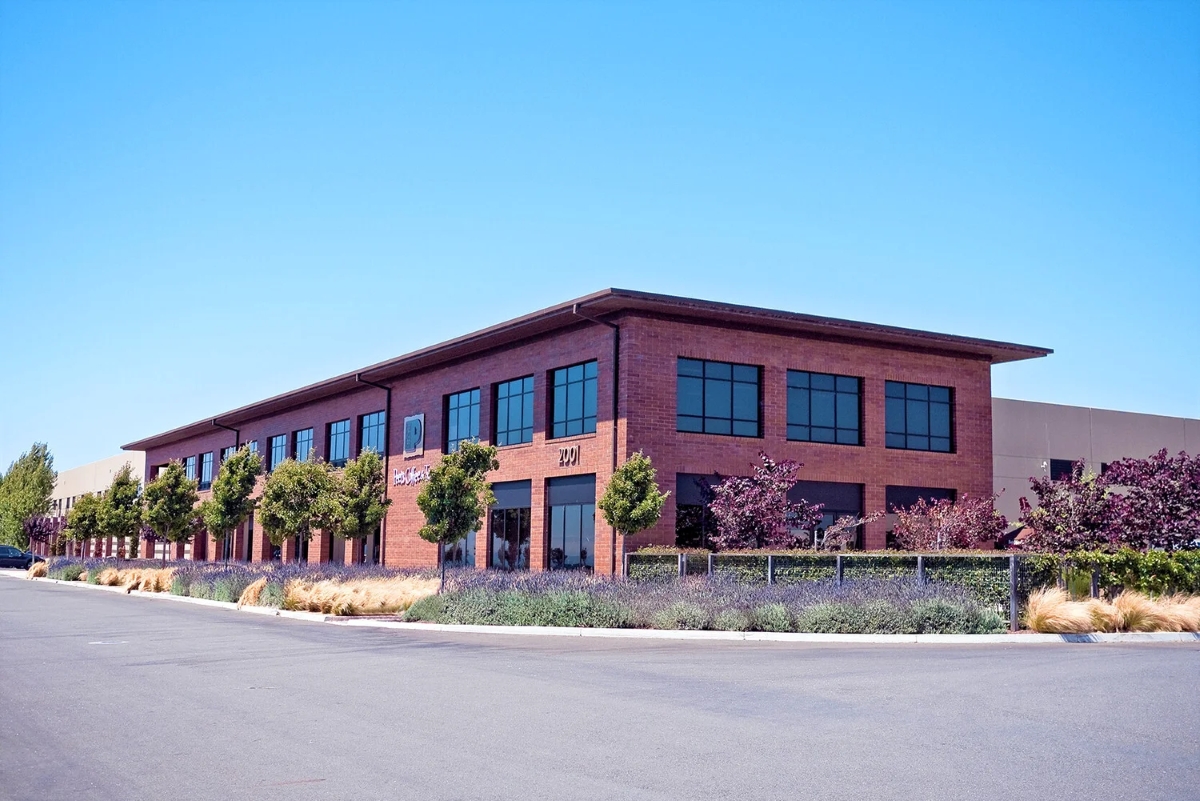
Headquartered in London, SSP operates nearly 3,000 outlets across 38 global markets, including airports and rail hubs. Its portfolio features licensed brands such as Starbucks, Pret A Manger, BackWerk, and Exki, alongside its proprietary concepts Upper Crust, Camden Food Co, and Caffè Ritazza.

The group is set to publish its audited full-year results on 4 December 2025.

Nuova Simonelli Unveils Appia Viva: A New Chapter in Coffee Innovation

Dubai – Qahwa World

Nuova Simonelli, the renowned Italian coffee machine manufacturer, has introduced Appia Viva, the next generation of its globally popular Appia line. This new model is designed to elevate cup quality, simplify barista operations, and optimize workflow for medium-volume venues. Every feature of Appia Viva reflects the company’s commitment to combining productivity with simplicity, making it the perfect choice for professionals seeking reliability and efficiency.

Appia Viva embodies the philosophy of tradition that continually evolves. With a redesigned user experience and a more dynamic interaction between machine and barista, it brings new energy, style, and performance to coffee shops around the world.

The new machine targets operators who value ease of use and consistent results, enabling even less experienced staff to confidently serve high-quality drinks. It’s also ideal for large chains and businesses that prioritize sustainability while maintaining excellent coffee standards.

Appia Viva ensures a smooth workflow, exceptional ease of use, and improved energy efficiency. It features Soft Infusion System (SIS) technology for consistent extraction and E-Milk technology for automatic milk frothing, compatible with both dairy and plant-based milk. Up to four recipes can be preset and customized, offering versatility for different beverage types.

Nuova Simonelli has always believed that excellence begins with simplicity. True to this philosophy, Appia Viva assists baristas not only in crafting perfect espresso shots but also in daily cleaning and maintenance operations, ensuring reliability and comfort throughout the workday.

The machine is available with C-Automation, an intelligent communication system between the machine and grinder that balances efficiency, productivity, and cup quality. This technology monitors coffee flow and guides the operator in adjusting grind size, ensuring optimal performance.

Every design element serves to improve ergonomics, accuracy, and user experience. The XT version features a new ergonomic keyboard and an advanced touchscreen display, allowing easy programming of doses, cleaning cycles, counters, and display settings.

Sustainability is another cornerstone of Appia Viva’s design. With an insulated boiler and optimized hydraulic system, it reduces energy consumption by 7% compared to Appia Life, while maintaining top-tier performance.

Appia Viva comes in two versions:

  • XT version – with touchscreen and two or three groups featuring volumetric dosing.

  • Standard version – available in one, two, and three groups, including the Compact model (only 55 cm wide), ideal for limited spaces. All Standard models are available in semiautomatic and volumetric dosing options.

At Host Milano 2025, visitors can experience Appia Viva in Hall 16 (A11 – A19 – C12 – C20), alongside the new Viva Grinder, which seamlessly connects to the machine through C-Automation technology. Together, they form a unified workstation for faster, more efficient, and professional coffee preparation.

Made from stainless steel, Viva Grinder guarantees durability and consistent precision. With micrometric grinding adjustment and 65mm or 75mm burrs, it ensures an accurate dose every time while minimizing waste. The grinder’s design also allows easy cleaning and maintenance, ensuring maximum reliability and low operational costs.

Discover Appia Viva and Viva Grinder at Host Milano 2025 – Hall 16 | A11 – A19 – C12 – C20.
For more information, visit: www.nuovasimonelli.com/appiaviva

Who Roasts Coffee in Kazakhstan – Poster Research

Dubai – Qahwa World

Just five years ago, Kazakhstan’s coffeehouses were supplied by only four or five local roasters. Today, there are more than twenty. The main driver is a clear shift in consumer behavior away from instant coffee and toward higher-quality roasted beans.

This research by the café and restaurant automation company Poster explains what a “typical” Kazakhstani roaster looks like, the equipment they use, and how they sell their coffee.

Audience and Methodology

The questionnaire was completed by 11 coffee roasting companies from cities across Kazakhstan, including Almaty and Karaganda. Together, they represent more than 50% of active roasters in the country.
Participants: Spectre Coffee, Barista Coffee, Local Coffee Company, Serikov Coffee Company, Choose Coffee, Flask Coffee, Grossa Coffee Roasters, Master Coffee Roasters, Cosmic Garden Coffee, Atyrau Coffee Roasters, Born Brave Coffee Roasters.
All results are presented using median values.

Prices and Product Range

On average, roasters offer 19 coffee SKUs (minimum 7; maximum 50+).
The lowest price averages ₸10,000 per kg, while the highest price averages ₸35,000 per kg. Exclusive specialty lots can reach ₸239,000 per kg.

Sales and Distribution

  • 64% of roasters operate their own cafés (about two per brand).

  • 100% sell retail to guests and wholesale to HoReCa.

  • 45% work with retail chains.

  • Retail sales account for a median 17.5% of revenue.

  • 64% have an online store.

  • 100% offer grind-on-demand and free delivery.

  • 73% produce their own blends.

  • 10% of roasting volume is dedicated to filter coffee.

Websites and Social Media

  • 73% have a website.

  • 100% have Instagram accounts, with a median of 2,169 followers.

  • 82% publish educational content about origins, brewing, and coffee culture.

Equipment and Productivity

All respondents own their roasters (not rented). The most popular brand is Giesen (~45%), followed by Probat, Stronghold, and others.
Typical monthly output per roastery is around 3,000 kg:

  • 22% produce < 3,000 kg

  • 56% produce 3,000–5,000 kg

  • 22% produce > 5,000 kg

Market Challenges

Roasters point to the following key challenges: tenge devaluation, rising raw-material prices, price-dumping by competitors, and low margins.

A note on logistics from Chikhun Jong, founder of Flask Coffee (Almaty): Kazakhstan is the world’s largest landlocked country; without a major seaport, logistics remain a serious issue and importing is very expensive.

Expert Comment

Rodion Yeroshek, CEO and Co-founder of Poster: In recent years, Kazakhstan has seen a real coffee boom. Dozens of cafés have opened, including high-quality specialty venues. Roasting is growing, barista communities are forming, and consumers are eager to explore — all of which position Kazakhstan as a potential specialty-coffee hub for Central Asia. Poster supports cafés and roasters with simple, integrated automation — POS, inventory, finance, and analytics — so teams can focus on product quality and people.

About Poster

Poster is the first cloud-based automation system for cafés and restaurants in Central Asia (founded in 2013). It covers POS, inventory, QR menus, AI assistants, delivery, finance, analytics, and CRM.
Today, Poster serves 28,000 businesses in 110 countries, including 2,000 clients in Kazakhstan, and processes about 1.8 million transactions daily.

When Coffee Helps and When It Hurts: What Science Reveals About the World’s Favorite Drink

Dubai – Qahwa World

Why can some people drink espresso like water while others end up sleepless and anxious? Scientists say it all comes down to biology, genetics, and how the body processes caffeine. A growing body of research shows that while coffee brings clear health benefits for many, it can also pose serious risks for others.

Mic the Vegan, a science communicator with a Master’s degree in Public Health, recently reviewed dozens of clinical studies exploring the full spectrum of coffee’s health effects—from heart health and mental well-being to dementia and gene-based metabolism. His analysis paints a nuanced picture of when coffee supports health—and when it does not. “I’m not a coffee hater or a coffee addict,” Mic said. “I just wanted to understand why I react so strongly to coffee, and the science behind it.”

The Stimulant Effect: Energy, Focus, and Anxiety

Caffeine blocks adenosine, the chemical that makes us sleepy, while boosting dopamine and adrenaline levels. This combination explains why coffee is the world’s most consumed stimulant. A randomized crossover trial found that participants walked an average of 1,000 more steps per day when drinking coffee, a behavioral boost that may partly explain why moderate coffee drinkers experience lower cardiovascular mortality. Coffee also improves reaction time, processing speed, and alertness—so much so that even e-sports players perform better after caffeine. Yet overstimulation has a cost. High caffeine doses can trigger anxiety or panic attacks in sensitive individuals. Mic himself admits to “a little spice of anxiety” after several cups. One promising solution is L-theanine, a calming amino acid found in green tea. In studies, combining 100 mg of L-theanine with caffeine reduced anxiety while preserving focus.

Heart Health: A Double-Edged Sword

Across large population studies, moderate coffee intake—typically two to three cups per day—is linked with a 10–20% reduction in overall mortality. Among people who have survived a heart attack, those drinking two or more cups daily saw up to a 40% lower risk of death. Scientists attribute this benefit to coffee’s high antioxidant content, which may reduce arterial inflammation. However, not everyone benefits. Cardiologists at the Cleveland Clinic note that a morning cup can raise blood pressure by up to 10 points, enough to push some hypertensive patients into a danger zone. For individuals with grade 2–3 hypertension, an American Heart Association study found that drinking two or three cups per day doubled cardiovascular mortality risk. Excess caffeine can also constrict blood vessels. A 250 mg dose (about a large café serving) can cut cerebral blood flow by 22–30%, though regular drinkers appear to adapt over time. Interestingly, caffeine withdrawal temporarily increases blood flow, which may explain caffeine-withdrawal headaches.

Mental Health and Brain Function

Coffee’s link with mental health is complex. On one hand, high caffeine intake can heighten anxiety; on the other, moderate consumption is consistently associated with lower rates of depression. Studies suggest that people who drink two or more cups daily have a 32% lower prevalence of depression compared with non-drinkers. When it comes to long-term brain health, the evidence is mixed. A major meta-analysis found no significant change in overall dementia risk, but coffee drinkers showed nearly a 30% lower risk of Alzheimer’s disease. Another study, however, linked six or more cups per day—both caffeinated and decaf—with a 50% higher risk of dementia. Scientists caution that very high consumption may have cumulative vascular effects.


View this post on Instagram


A post shared by قهوة ورلد (@qahwaworld)

Genes That Decide Whether Coffee Helps or Hurts

The liver enzyme gene CYP1A2 determines how quickly the body breaks down caffeine. Slow metabolizers have a two-fold higher risk of heart attack if they drink two or more cups daily. They are also more prone to insomnia and anxiety. Mic analyzed his own DNA and found he is an intermediate metabolizer (AC variant)—not highly tolerant but not overly sensitive. Another gene, ADORA2A, influences how caffeine affects sleep and mood, further explaining why coffee tolerance varies widely among individuals.

Beyond the Cup: Other Health Findings

Despite popular belief, large population studies show no clear association between coffee and acid reflux. Increasing coffee intake by just one cup a day was associated with an 11% lower risk of developing type 2 diabetes. Results are mixed regarding obesity—some trials found coffee improved body composition, while others reported increased cravings for sweets. Adding cream or cow’s milk can reduce coffee’s antioxidant and longevity benefits; black or plant-based coffee maintains them. Early 2025 research observed higher levels of Locinobacter saccharolyticus, a beneficial butyrate-producing bacterium, in coffee drinkers, though findings remain preliminary.

The Verdict: It Depends on You

On average, moderate coffee consumption appears beneficial—boosting cognition, protecting against depression, and supporting longevity. But for people with high blood pressure, slow caffeine metabolism, or heavy daily intake, risks may outweigh rewards. The healthiest approach is simple: keep it black or plant-based, limit intake to two or three cups daily, enjoy it in the morning, and pair it with L-theanine if you’re sensitive to caffeine. “Twice the risk of heart disease if you don’t have the right caffeine metabolism genes—that just blows my mind,” Mic concludes. Coffee, it turns out, is not universally good or bad. It’s a potent, plant-based stimulant—one that rewards moderation, respect, and understanding of your own biology before you pour the next cup.

World’s Tallest Bridge Opens Glass Café 2,600 Feet Above the Ground

Guizhou, China – Qahwa World

China has added a new marvel to its engineering achievements: the Huajiang Grand Canyon Bridge in Guizhou province — now officially the tallest bridge in the world. Opened to traffic on September 28, the bridge towers over the Beipan River at an elevation of 800 meters (2,624 feet) and now features a breathtaking addition — a glass café suspended high above the clouds.

Named Interstellar Coffee, the two-story café sits atop one of the bridge’s towers, offering 360-degree panoramic views through its transparent glass walls. Visitors can reach the café via a glass elevator that ascends to the top in under one minute, providing an unmatched vertical journey above the canyon.

The café serves Captain George Coffee and plans to expand its beverage offerings in the coming months, according to Guizhou Daily Tianyan News. Alongside the café, the bridge includes a 1,900-foot-high glass walkway and even a bungee-jumping platform, making it a new magnet for thrill-seekers and tourists alike.

At 4,600 feet in length, the Huajiang Grand Canyon Bridge also holds the record for the longest bridge in a mountainous region, according to NBC News. Beyond tourism, the bridge has a significant practical impact: it has reduced travel time across the region from two hours to just two minutes, connecting two major tourist zones and boosting local development.

Constructed over three years and eight months, the bridge stands as a symbol of China’s ongoing infrastructure expansion, part of the government’s efforts to improve connectivity and combat poverty. Guizhou province now hosts over 32,000 bridges, a dramatic rise from fewer than 3,000 in the 1980s.

With its sky-high café and record-breaking engineering, the Huajiang Grand Canyon Bridge combines innovation, tourism, and infrastructure into one remarkable destination — where visitors can literally enjoy coffee among the clouds.

Milan Hosts Specialized Workshops Bridging Coffee and Culinary Art

Milan – Qahwa World

The global hospitality exhibition Host Milano 2025 is set to welcome leading experts in coffee and gastronomy through two specialized workshops organized by the Italian manufacturer La San Marco, renowned for its coffee machine craftsmanship. These workshops aim to redefine the relationship between coffee and cuisine, highlighting the art of manual espresso extraction as one of Italy’s most refined traditions.

Coffee and Food Pairing

Scheduled for October 17, 20, and 21, 2025, from 12:30 to 1:15 p.m., this immersive workshop, led by Mauro Illiano, takes participants on a sensory journey that goes beyond the cup to explore how coffee can accompany every stage of a meal, much like wine or beer.

The session focuses on the principles of harmony and contrast in flavor pairing and examines how origin, variety, roast, and extraction influence taste and aroma. Participants will also discover how La San Marco, through its advanced La Leva Luxury technology, has redefined espresso as a bridge between global coffee cultures and timeless Italian traditions.

Location: Hall 12 – Booth B48 E55 – Activation Area
Speaker: Mauro Illiano

The Art of Espresso

The second workshop, “The Art of Espresso,” will take place on October 17, 18, 20, and 21, 2025, from 3:00 to 4:00 p.m., led by expert Andrej Godina. Participants will explore the finesse of manual lever extraction and learn how pressure and temperature control can elevate the sensory balance of sweetness, aroma, and body in each cup.

The session demonstrates how even the smallest adjustments in extraction can transform the espresso experience, highlighting La San Marco Leva as a timeless tool that blends Italian artistry with modern precision—perfect for both professional baristas and passionate home brewers.

Location: Hall 12 – Booth B48 E55 – Activation Area
Speaker: Andrej Godina

These events reinforce Host Milano’s commitment to showcasing innovation in coffee and hospitality, offering visitors a chance to experience a perfect blend of culture, flavor, and Italian creativity.

Registration is available via the official Host Milano website.

Brazil’s Timbro Enters Coffee Export Market Amid Sector Shifts

São Paulo — Qahwa World

Brazilian trading company Timbro has officially added coffee to its export portfolio, identifying strong potential for growth in a market reshaped by volatility and record-high prices over the past year.

Timbro, already one of Brazil’s key sugar exporters, also trades a wide range of products including iron ore, cotton, aircraft, cars, and heavy machinery, and manages import operations for Amazon.

“I believe we entered the coffee market at the right time — a very complicated moment for the sector,” said Caio Melles, partner at Timbro, in an interview with Reuters.

The company, which reported 18 billion reais ($3.3 billion) in revenue last year, sees an opportunity to fill the gap left by traditional traders struggling with market volatility. According to Melles, the coffee sector currently lacks players capable of tracking production, pricing, and ensuring delivery, opening new room for agile companies like Timbro.

Although Timbro has long engaged in financial operations with cooperatives and large producers, the 2025 crop year marks its first full physical coffee operation, a move the company had not previously disclosed.

Initially, coffee volumes will remain modest — around 80,000 bags of 60 kg each — as Timbro adopts a cautious entry strategy.

Expansion Beyond Coffee

Founded in 2010 by Jorge Guinle and Bruno Russo, Timbro began as an import-focused firm before rapidly diversifying its portfolio. The company has recorded significant success in sugar, increasing traded volumes from 300,000 tonnes in 2018 to 2 million tonnes in 2024.

In 2025, Timbro expanded its international presence with the opening of an office in Dubai, a strategic hub to strengthen relationships with global clients and enhance efficiency across time zones. It is also extending operations in Asia to “operate on Chinese time,” reflecting China’s importance as a key importer of Brazilian commodities.

Currently, 65–70% of Timbro’s business is export-oriented, while 30–35% focuses on imports.

Diversification into Grains and Minerals

Timbro maintains a smaller footprint in soybean and corn exports, Brazil’s leading agricultural commodities. “We’re doing a few soybean and corn shipments, maybe half a dozen of each this year — still very limited,” Melles said, noting that grain operations require integrated logistics to achieve profitability. The company is now considering logistics partnerships to expand in this segment.

In the steel and minerals division, Timbro expects to export over 1 million tonnes to China and Europe this year and has begun due diligence for new mining assets as part of its expansion strategy.

Exchange rate: $1 = 5.4519 reais

Visitor Registration Now Open for World of Coffee Dubai 2026!

Dubai – Qahwa World

Visitor registration is now officially open for World of Coffee Dubai 2026, the Middle East’s leading event for coffee professionals and enthusiasts!
Secure your ticket today and take advantage of exclusive early bird rates, available for a limited time only. Don’t miss this chance to connect with global coffee leaders, explore the latest innovations, and build valuable connections with top roasters, producers, and industry experts from around the world.

Now celebrating its 5th edition, World of Coffee Dubai has established itself as the premier platform for the specialty coffee community in the Middle East, bringing together producers, manufacturers, retailers, and traders under one roof.

The event is organized by DXB LIVE in collaboration with the Specialty Coffee Association (SCA), uniting the vibrant UAE coffee scene with the wider regional and global coffee industry in one dynamic and inspiring setting.

Why Participate?
Whether you’re looking to expand your business, explore emerging trends, or enter the Middle East’s booming coffee market, World of Coffee Dubai 2026 offers unparalleled opportunities for growth and collaboration.

The event will feature:
• A vibrant trade show floor showcasing global coffee innovations.
• The Roaster Village, spotlighting top artisan roasters.
• UAE National Coffee Championships, highlighting the country’s best baristas.
• The SCA Community Lounge, a hub for networking and collaboration.
• The Best New Product Competition & Display, unveiling cutting-edge technologies and products.
• Inspiring lectures and workshops designed to educate, connect, and inspire.

Available Passes
Choose the pass that best fits your visit and enjoy access to the world’s most dynamic coffee event:

Pass Type Access Duration Price (AED) Details Buy
SCA Member (Single Day Pass) 1 Day 90 (Incl. 5% VAT) View Details → Buy Now
Single Day Visitor Pass 1 Day 95 (Incl. 5% VAT) View Details → Buy Now
SCA Member (3 Day Pass) 3 Days 240 (Incl. 5% VAT) View Details → Buy Now
Three-Day Visitor Pass 3 Days 265 (Incl. 5% VAT) View Details → Buy Now

All passes are now available for purchase—book early to secure your spot at the most anticipated coffee event in the region.

Be part of shaping the future of coffee. Register today and join thousands of professionals and enthusiasts who will gather in Dubai to celebrate innovation, culture, and excellence in coffee.

📍 Venue: Dubai World Trade Centre
📅 Dates: 18–20 January 2026

How Gen Z Is Brewing a New Global Coffee Culture

Dubai – Qahwa World

In a world shaped by economic uncertainty, climate challenges, and changing consumer values, Generation Z is redefining how humanity drinks its coffee and tea. Born between 1995 and 2009, this generation stands out for its digital fluency, health awareness, and desire for personal expression — qualities now transforming one of the world’s oldest beverage traditions.

Coffee has long dominated consumption in developed markets such as Europe and North America, where per capita retail brewed consumption reached 127.7 and 98.5 litres respectively in 2024. Yet the real growth potential lies in the emerging regions of Asia Pacific and the Middle East — areas home to the largest Gen Z populations. With incomes rising and tastes evolving, these regions represent a new frontier for the global coffee and tea industry.

According to Euromonitor International’s Voice of the Consumer: Lifestyles Survey (2025), daily caffeine intake among Gen Z varies sharply between regions. Europe leads with around 44% of respondents consuming caffeine at least once a day, followed closely by Latin America and North America. In contrast, daily consumption rates are lower — though rising rapidly — in Asia Pacific (31%) and the Middle East & Africa (29%). The numbers underline both cultural diversity and untapped opportunity.

Generation Z is not simply consuming — it is curating. For these young consumers, coffee and tea are deeply personal experiences. Half of respondents in Euromonitor’s survey said they actively seek products and services tailored to their own identities and lifestyles. This is why social media now plays a central role in shaping beverage trends: matcha and coconut lattes, discovered on TikTok and Instagram, quickly turn from niche products into cultural symbols. In this digital space, a drink is not just consumed — it is shared, styled, and photographed.

Beyond cafés, the same creative energy is transforming home brewing. For Gen Z, the coffee machine has become both a tool of experimentation and a reflection of self-expression. Brewing at home satisfies both economic practicality and the pursuit of the perfect café-quality cup — an act that blends creativity, mindfulness, and comfort.

Health and sustainability are equally crucial. Young consumers are embracing functional coffee that delivers benefits beyond caffeine — from mushroom and collagen-infused blends to beverages that support digestion, focus, and beauty. At the same time, their environmental awareness is reshaping the market. Gen Z is far more receptive than previous generations to lab-grown and “beanless” coffee, such as the innovations being developed by Atomo Coffee and start-ups in Singapore, France, and the United States. For them, technology and ethics can coexist — and even enhance each other.

Social platforms remain at the heart of this transformation. TikTok and Instagram have become cultural laboratories where new drinks, aesthetics, and habits are born. Major brands are adapting fast: Starbucks’ Coco Matcha and Coco Cold Brew reflect this generation’s visual culture, while Nespresso’s collaboration with The Weeknd shows how celebrity storytelling can deepen brand connection. Direct-to-consumer brands like Blue Tokai and Sleepy Owl in India, or Perk Coffee in Singapore, are thriving with subscription models that deliver convenience, personalization, and loyalty in equal measure. Even convenience chains are evolving — 7-Eleven now offers automated tea machines, while Korea’s Coffee Banhada uses artificial intelligence and unmanned drive-throughs to serve customized brews to tech-savvy customers.

The world’s next coffee revolution will not be defined by new beans or machines but by new values. As Gen Z continues to mature, its influence on global coffee and tea culture will expand across continents, uniting digital innovation with human connection. The future of coffee, it seems, will be crafted as much by individuality and sustainability as by flavor and aroma — one personalized cup at a time.

Rain Forecasts in Brazil Pressure Arabica Coffee Prices Despite Tight Global Supply

Dubai – Qahwa World

Arabica coffee prices fell sharply on Thursday as forecasts of much-needed rainfall in Brazil’s key coffee-growing regions eased concerns about prolonged dryness that had recently pushed prices higher. Meanwhile, robusta prices edged up, supported by steady demand and limited inventories.

On the Intercontinental Exchange (ICE), December arabica (KCZ25) closed down –7.85 cents (–2.04%) at 297.05 U.S. cents per pound, while November robusta (RMX25) gained +26 points (+0.57%), reaching a three-week high.

Brazil Weather Outlook

According to Brazilian meteorological agency Climatempo, parts of Minas Gerais — the country’s largest arabica-producing region — could receive up to 30 millimeters of rain this week, a “significant amount” expected to promote flowering for the 2026/27 crop cycle. The prospect of rainfall led to profit-taking after recent price gains fueled by drought concerns.

Earlier this week, Somar Meteorologia reported that Minas Gerais received only 0.9 millimeters of rain during the week ended October 4 — just 3% of the historical average — raising fears of poor flowering and lower yields before these latest forecasts.

Inventory and Trade Developments

While weather news weighed on prices, global supply signals remained tight. ICE-monitored arabica inventories fell to a 1.5-year low of 519,534 bags on Thursday, while robusta inventories hit a 2.5-month low of 6,237 lots. The sharp drawdown is partly linked to the 50% tariff on U.S. imports of Brazilian coffee, which has caused American buyers to void new contracts and tightened U.S. supplies. Brazil accounts for around one-third of America’s unroasted coffee imports.

At the same time, the International Coffee Organization (ICO) reported that global coffee exports for the current marketing year (Oct–Aug) rose by 0.2% year on year to 127.92 million bags, indicating adequate supply in the short term but little room for further tightening.

Production and Export Trends

Brazil’s crop forecaster Conab recently revised down its 2025 arabica crop estimate by 4.9% to 35.2 million bags (from 37 million in May) and cut total coffee output to 55.2 million bags (from 55.7 million). Meanwhile, Cecafé, the Brazilian exporters’ association, said coffee shipments fell 21% in the first seven months of the year to 22.2 million bags and plunged 28% in July alone.

In contrast, Vietnam — the world’s largest producer of robusta — is seeing strong growth. The Vietnam National Statistics Office reported that coffee exports from January to September 2025 rose 10.9% to 1.23 million metric tons, with the 2025/26 harvest expected to increase 6% to 1.76 million tons (29.4 million bags), a four-year high.

Global Outlook

The U.S. Department of Agriculture’s Foreign Agricultural Service (FAS) forecasts global coffee production in 2025/26 to reach a record 178.68 million bags, up 2.5% year on year. Within that total, arabica output is expected to decline 1.7% to 97.02 million bags, while robusta is projected to rise 7.9% to 81.65 million bags. Ending stocks are forecast to increase by 4.9% to 22.82 million bags.

However, trader Volcafe projects a global arabica deficit of 8.5 million bags for 2025/26 — wider than the 5.5 million bag deficit in 2024/25 — marking the fifth consecutive year of shortfall.

Adding to market uncertainty, the U.S. National Oceanic and Atmospheric Administration (NOAA) on September 16 raised the probability of a La Niña event between October and December to 71%. Such conditions can cause dry weather in South America and potentially damage Brazil’s next coffee crop, maintaining a tense balance between short-term relief and long-term risk.

Market Summary

For now, traders remain focused on Brazil’s rainfall patterns and their impact on flowering and yields. If forecasted rains fail to materialize, a renewed price rebound could follow as concerns about crop development resurface. Conversely, consistent rainfall in October could alleviate some supply pressures and bring temporary stability to arabica prices.

World of Coffee Dubai to Host the 2026 Cezve/Ibrik Championship

Dubai – Qahwa World

The Specialty Coffee Association (SCA) has officially announced that World of Coffee Dubai 2026 will host the 2026 Cezve/Ibrik Championship (CIC)—marking the first stage of the 2026 World Coffee Championships (WCC) season.
The competition will take place January 18–20, 2026 at the Dubai World Trade Centre, coinciding with what is expected to be the largest edition of World of Coffee Dubai to date.

Produced by DXB Live in collaboration with the SCA UAE Chapter, World of Coffee Dubai has rapidly become the Middle East’s leading coffee trade event since its launch in 2022. The show continues to unite producers, roasters, manufacturers, and coffee professionals from around the globe — highlighting Dubai’s growing role as a bridge between coffee cultures of the East and the West.

The Cezve/Ibrik Championship pays homage to one of the world’s oldest brewing traditions. The cezve, also known as an ibrik, is a small long-handled pot traditionally made from copper, brass, or ceramic, used for centuries across Eastern Europe, the Middle East, and North Africa. Competitors in this event bring cultural expression and personal artistry to their performances, reimagining this ancient brewing method in a modern competitive setting.

Hosting this championship in Dubai is especially symbolic. The city’s deep cultural ties to traditional coffee preparation, combined with its reputation as a global hub for innovation and trade, make it a fitting venue for a competition that blends heritage with creativity.

Khalid Al Mulla, National Coordinator of the UAE Coffee Championships, stated: “We are truly honored to welcome the Cezve/Ibrik Championship to Dubai. This event represents more than competition — it’s a celebration of tradition, craftsmanship, and cultural connection. Bringing it to the UAE reinforces Dubai’s position as a bridge between the coffee cultures of the East and the West.”

The SCA has also released the 2026 CIC Rules and Regulations, including updated rules documents, summaries of changes, scoresheets, and an appeals form, all available at wcc.coffee/rules-regulations
.

The World Coffee Championships serve as a platform for global coffee professionals to showcase their craft, share knowledge, and inspire future generations of baristas, brewers, tasters, and roasters. Dubai’s inclusion as the first host city of the 2026 season further strengthens its status as a world-class coffee destination.

2026 World Coffee Championships Calendar

Dubai World Coffee Championships
January 18–20, 2026 | World of Coffee Dubai, Dubai World Trade Centre, UAE
Featuring the Cezve/Ibrik Championship

San Diego World Coffee Championships
April 10–12, 2026 | World of Coffee San Diego, USA
Featuring the World Latte Art Championship

Bangkok World Coffee Championships
May 7–9, 2026 | World of Coffee Bangkok, Thailand
Featuring the World Cup Tasters Championship

Brussels World Coffee Championships
June 25–27, 2026 | World of Coffee Brussels, Belgium
Featuring the World Brewers Cup, World Coffee Roasting Championship, and World Coffee in Good Spirits Championship

Panama City World Coffee Championships
October 22–25, 2026 | World of Coffee Panama, Panama Convention Center
Featuring the World Barista Championship

All You Need to Know About World of Coffee Dubai 2026

Dubai Qahwa World

World of Coffee Dubai 2026 will take place in its fifth edition from January 18 to 20, 2026, at the Dubai World Trade Centre, reaffirming its status as the largest and most significant event in the Middle East dedicated to specialty coffee.

The event, which began with only three thousand visitors, now attracts over 17,000 visitors and 450 global exhibitors, making it the main gateway to the rapidly growing coffee market across the Middle East and North Africa.

Dubai: A Global Coffee Hub

The choice of Dubai to host this global event reflects its position as a city that blends innovation with commercial openness. With its strategic geographic location, advanced infrastructure, and safe, business-friendly environment, Dubai has become a key global center for coffee trade.

Estimates indicate that the total coffee market revenue in the Middle East and Africa will reach USD 38 billion by 2030, with a compound annual growth rate of 4.6%, making Dubai the ideal platform for connecting investors and professionals in this dynamic sector.

ROASTER VILLAGE WORLD OF COFFEE DUBAI

Why You Should Participate

The exhibition offers an exceptional opportunity to connect with more than 17,000 visitors and 350 exhibitors from over 130 countries, enabling participants to build strong professional relationships and explore new markets in the world of specialty coffee.

It also provides a unique platform for showcasing products to top industry experts and global brands, enhancing visibility and growth in one of the fastest-expanding markets worldwide.

Participation Categories

1. Exhibition Stands

Prime location: AED 2,200 per sqm

Standard location: AED 2,000 per sqm

Minimum area: 24 sqm

Includes:

Freedom to design the stand as preferred

Four exhibitor badges per 9 sqm

15% discount for stands built by DXB Live

Mandatory public liability insurance coverage

Excludes: carpet, furniture, lighting, signage, or electrical fittings, which can be ordered from the official contractor.

2. Roaster Village

A dedicated area for micro roasters to present their coffee directly to visitors.

Cost: AED 9,000

Includes:

One display counter

Power connection and drainage

Four exhibitor badges

BREW BAR WORLD OF COFFEE DUBAI

3. Brew Bar

A space to experience coffee prepared and served by skilled volunteer baristas.

Cost: AED 2,500 per 3-hour slot

Includes:

Coffee brewing tools (V60, scales, grinder, fridge, filters, dairy and plant-based milk)

Option to book single or multiple slots.

4. Cupping Room

A professional space for businesses to present their coffees to buyers and tasters.

Cost: AED 2,000 per hour

Includes: cupping bowls, spoons, hot water boilers, grinders, scales, and other essential tools.

CUPPING ROOM WORLD OF COFFEE DUBAI

5. Shell Scheme Stand

Additional cost: AED 400 per sqm

Minimum area: 9 sqm

Includes:

3m-high wall structure

One round table and two chairs

Lighting, power socket, carpet, daily cleaning, and a name fascia

Four exhibitor badges per 9 sqm

6. Stand Design Service

Exhibitors can contact the DXB Live team for pre-show orders, technical assistance, and design services:

Phone: +971 4 389 3901

Email: [email protected]

NATIONAL CHAMPIONSHIP WORLD OF COFFEE DUBAI

Key Features and Programs

World of Coffee Dubai presents a rich program of activities that attract both professionals and coffee enthusiasts, including:

World of Coffee Awards celebrating innovation in design, packaging, and branding.

Farmers’ Pavilion highlighting global coffee producers and suppliers.

Coffee Auction connecting exporters and buyers in a dynamic marketplace.

Brew Bar and Cupping Rooms for hands-on coffee experiences from around the world.

Interactive lectures and workshops on the Unfiltered Stage, showcasing new trends and techniques.

SCA Community Lounge, bringing together experts, educators, and innovators from across the globe.

Become a Speaker

The exhibition welcomes professionals and experts to join its educational program through the “Become a Speaker” initiative, allowing applicants to submit their bio, topic summary, high-resolution photo, and professional links.

Speakers are selected based on the quality and relevance of their topics, with confirmation emails sent to successful applicants.

LECTURES WORLD OF COFFEE DUBAI

World of Coffee Dubai 2025 in Numbers

17,000 visitors

1,980 brands and exhibitors

130 participating countries

32 workshops and lectures

87 million social media impressions

81% of participants expressed interest in returning for 2026

92% said the event exceeded their expectations

Over AED 3 million in total media coverage value

The Event That Brings the World Together Over a Cup of Coffee

World of Coffee Dubai 2026 is more than just a trade show it is a global platform that combines knowledge, innovation, and human connection.

It is where farmers meet roasters, distributors meet investors, and baristas meet coffee lovers all united by their shared passion for coffee, from the heart of Dubai.

For registration and inquiries:

Email: [email protected]

Phone: +971 4 389 3901