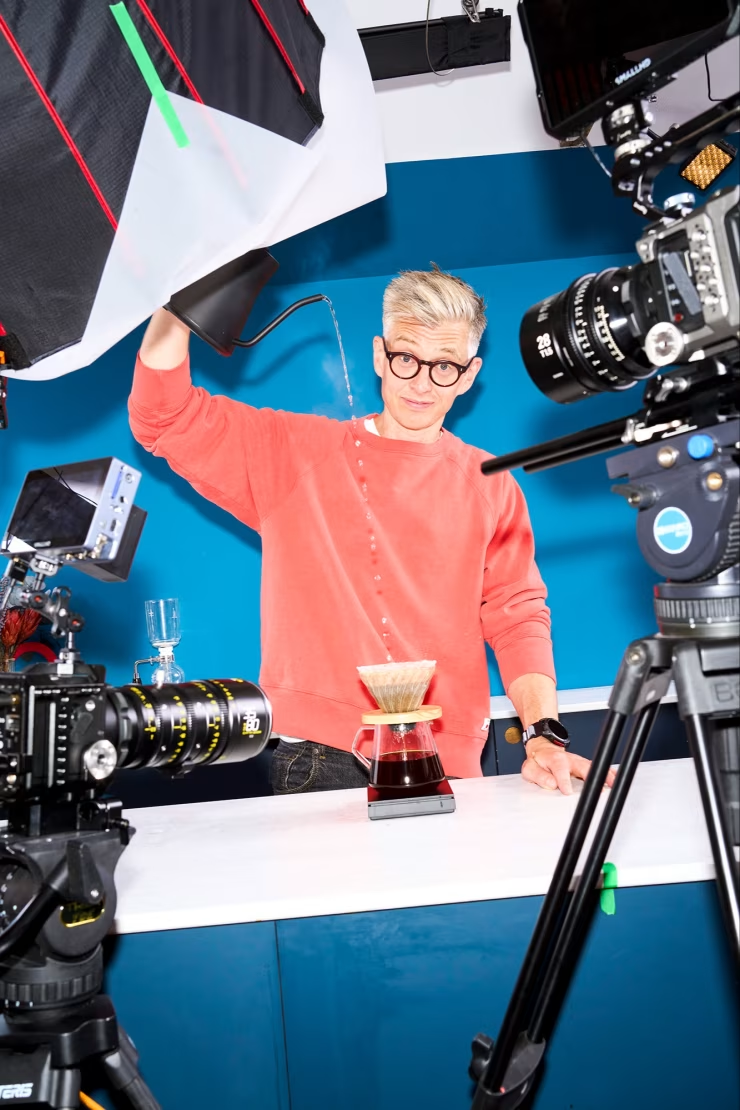
Kim Thompson Reveals to Qahwa World the Vision Behind RAW’s New Barista Training Centre

Dubai – Ali Al Zakary

Dubai marked a new milestone in its speciality coffee journey on September 25, 2025, when RAW Coffee Company, in collaboration with MILKLAB, inaugurated the RAW × MILKLAB Barista Training Centre at its roastery and café in Al Quoz. Described as the first of its kind in the UAE, the initiative brought together RAW’s deep-rooted expertise in specialty coffee with MILKLAB’s innovative portfolio of barista-grade plant-based milks.

The centre aims to raise barista skills, respond to the growing demand for plant-based alternatives, and strengthen ties within the local and regional coffee community. Yet beyond the launch itself lies a wider story—one of vision, change, and the future of coffee education.

In an exclusive conversation with Qahwa World, Kim Thompson, Co-Founder and Director of Culture & Brand at RAW Coffee Company, explained the motivations behind the project. “There’s nothing more certain than change and our industry is experiencing plenty of it. The way people consume coffee is evolving, with new trends in flavor preference, preparation, and lifestyle. We felt it was the right time to re-examine how customers enjoy their coffee and to help the next generation of baristas adapt and excel. At RAW, we’re passionate about supporting this evolution through education. We were impressed by MilkLab’s commitment to quality and sustainability, particularly in how their range of plant-based milks is developed in collaboration with baristas and produced using responsible farming practices. Their products align perfectly with our values and the standards we uphold in specialty coffee.”

For Thompson, the collaboration with MILKLAB was not a coincidence but the result of shared values. “We love meaningful collaborations especially those rooted in shared values of quality and authenticity. Murad Janakat from JAR Premium Foods introduced us to the MilkLab range, and we were immediately impressed by both the taste and texture of their milks and their versatility across our coffee menu. What makes this partnership unique is that it brings together two brands that genuinely care about improving the barista and customer experience—MilkLab through innovation in product, and RAW through education, quality, and community. Together, we’re bridging the gap between product and practice.”

Kim Thompson

The new training centre, she emphasized, was created with one core goal: to raise quality standards across the industry by empowering baristas. “We believe that every coffee served should represent the care, knowledge, and passion behind it. By equipping baristas with a deeper understanding of the ingredients they use daily, we’re supporting both consistency and creativity in cafés throughout the region.”

Importantly, the programs are not reserved solely for industry professionals. Thompson stressed that the centre was designed to cater to a wide audience. “The training programs will cater to a broad audience, from professionals working in busy cafés to individuals passionate about improving their home coffee skills. Sessions will be practical, hands-on, and tailored to real-life scenarios in the café environment. Each course explores the science and art behind milk texturing, highlighting how different fat and protein levels influence performance and flavor. It’s about creating confidence, whether you’re a barista steaming milk for 200 coffees a day or a coffee lover perfecting your morning ritual.”

As Dubai’s coffee scene grows increasingly vibrant and competitive, Thompson sees consistency and education as the biggest challenges. “Dubai’s coffee scene is vibrant, diverse, and increasingly sophisticated. But as the market expands, consistency and education remain key challenges. RAW has always believed that real progress comes from collaboration and knowledge-sharing rather than competition. This new centre extends our long-standing training program, which already includes SCA-certified courses in barista skills, brewing, and sensory development. By adding a dedicated plant-based milk training series, we’re providing operators and baristas with an additional layer of expertise that will translate directly to better customer experiences.”

Choosing plant-based milk as a central theme, she explained, was not just a trend but a reflection of consumer behavior. “Consumer behavior has shifted dramatically. We’ve seen a growing movement toward plant-based choices and a preference for cold, convenient, and on-the-go beverages. Our aim is to help baristas stay ahead of these trends and serve these drinks with the same care and consistency as dairy-based beverages. Each MilkLab milk has its own characteristics, from almond to oat to coconut, and learning how to bring out the best in each creates a more balanced, enjoyable cup. It’s about understanding the ingredient, respecting it, and ensuring the final experience in the cup is exceptional.”

In closing, Thompson highlighted that empowering baristas is the most effective way to elevate consumer awareness and appreciation of specialty coffee. “Empowering baristas is one of the most powerful ways to elevate consumer understanding. When baristas are confident, knowledgeable, and passionate, that energy translates to the customer, through every interaction and every cup. Education creates connection. And connection builds loyalty. By investing in the skills of the people behind the bar, we’re not only improving quality standards but also deepening the relationship between consumers and specialty coffee itself.”

With this vision, the RAW × MILKLAB Barista Training Centre emerges not just as an educational facility but as a shared space for practice, dialogue, and community. And as Kim Thompson underscored in her conversation with Qahwa World, it is also a sign of Dubai’s growing role as a global hub where innovation, sustainability, and specialty coffee culture intersect.

Sumseron Coffee Emerging as a Sensational Kenyan Coffee Brand With Global Reach

Nairobi, Kenya – Qahwa World

Sumseron Coffee, a Kenyan specialty coffee company, is rapidly gaining international recognition as it positions itself among Africa’s most promising coffee brands. With deep roots in Kenya’s coffee-growing heritage, the company is combining quality, sustainability, and innovation to bring premium Kenyan coffee to the world.

Founded by John Seroney, Sumseron Coffee has built its identity around farmer empowerment, environmental responsibility, and transparency across the supply chain. Each bean, sourced from Kenya’s lush highlands, carries not only flavor but also a story of culture and community.

“Our vision is to put Kenyan coffee on the global stage in a way that truly benefits farmers and captivates consumers,” said John Seroney, CEO of Sumseron Coffee. “We are not just exporting coffee; we are exporting a legacy, a culture, and a promise of excellence.”

Expanding Locally and Globally

At home in Kenya, Sumseron Coffee has become a trusted brand for medium and dark roast drinkers, while also supplying premium beans to cafés and roasters. Beyond Kenya, the company has established export networks across Europe, Asia, and North America, helping farmers tap into premium international markets.

Its growth strategy balances B2C engagement, through platforms like TikTok and Instagram to connect with younger coffee drinkers, and B2B partnerships with roasters, cafés, and distributors, offering both green and roasted coffee as well as consolidation services.

Sustainability at the Core

A defining feature of Sumseron Coffee is its sustainability agenda. The company ensures fair compensation for farmers, actively supports women in coffee, and prioritizes eco-friendly practices. Through partnerships and innovation, it is contributing to a circular coffee economy that aligns with global climate and sustainability goals.

Looking Ahead

With global demand for Kenyan coffee on the rise, Sumseron Coffee aims to scale its operations and compete with the world’s most iconic coffee brands. The company is currently seeking new partnerships and investments to accelerate its international expansion and strengthen its impact on farmers and communities.

About Sumseron Coffee

Sumseron Coffee is a purpose-driven Kenyan specialty coffee company dedicated to producing, processing, and marketing world-class coffee. Built on values of sustainability, transparency, and farmer empowerment, the brand continues to deliver the finest Kenyan coffee to markets worldwide — from Kenya to the World.

Coffee Tasting in Colors… An Innovative Experience in Dubai

Dubai Qahwa World

I received an invitation from my friend Kobi Tolentino to attend an unusual coffee tasting session. In his invitation, he referred to it as a “coffee tasting in colors”—something I had never heard of before. Upon arriving at the venue, Scarab Café in Al Qusais, Dubai, it became clear that I was about to experience something entirely new: a modern approach to coffee designed by this young company to introduce people to coffee and make the selection process easier through the use of colors.

The event began with a welcoming speech by Mr. Walid Ibrahim, the company’s General Manager. He spoke about his technical background and how he entered the world of coffee, recalling his very first business venture, which started within his family when he persuaded them to buy his personal computer. At that time, the price of a computer was equivalent to that of a small car, like a Fiatan important investment and a big step for them.

He explained: “I felt capable of achieving something, and from that moment I began. I worked for a while as an entrepreneur in the tech field, and coffee was not initially the main activity I envisioned. But about fifteen years ago, my passion for coffee gradually began to grow, until I felt I could do something real in this field, even if I wasn’t sure exactly what it would be.”

He added: “About eighteen months ago, I realized the time had come to take bold steps, and I decided to turn the ‘Escara’ project into a tangible reality rather than just an idea on paper. That’s where the journey beganearly attempts to discover what we could offer, and to identify what would set us apart in the market. We didn’t want to be just another roastery or café.”

He continued: “In fact, it all started in my garage with the team, just like any other startup. We experimented and tasted what we could produce. We invested heavily in ourselves, buying coffee and equipment on our own. Even the large roasting machine took between nine and eleven months to be manufactured and delivered. It took time and effort, but we brought everything together and made it happen here.”

He concluded: “What we aim to provide is not just coffee, but an entirely different experience. We focus on transforming the customer’s journey with coffee, and everything we do revolves around that. The customer is at the core of our work, and we care about them 100%.”

Afterwards, our friend Kobi Tolentino guided us through an engaging lecture, followed by a practical exercise: a coffee tasting in colors. We began to connect colors with flavors and discovered how colors could open up a new gateway to sensory evaluation and a deeper understanding of the coffee world. The experience was truly fascinating and demonstrated how innovation can add an entirely new dimension to coffee culture in Dubai and the wider region.

As Kobi Tolentino noted during the lecture: “Colors are not a substitute for established tasting standards, but rather a simple and friendly entry point that helps people express what they taste more easily.”

Project Background

The idea of “coffee in colors” combines traditional sensory evaluation with color associations to create a more accessible and engaging experience for the public. Research conducted by Scarab revealed that the color brown dominates most tasting sessions, linked to fundamental notes like roast, nuts, and cocoa. By contrast, yellow emerged as a marker of bright acidity in coffees from Honduras and Costa Rica, while pink was tied to delicate floral and fruity notes in some Colombian Gesha varieties.

More “exotic” colors, such as blue and purple, also appeared, representing freshness and dark fruit notes. However, they rarely dominated the tasters’ perceptions. Through this framework, Scarab aims to make evaluation more intuitive, inclusive, and precise, while maintaining professional standards in specialty coffee.

Dubai as a Hub for Coffee Innovation

This experience is not an isolated case. Dubai has become a regional hub for specialty coffee, hosting competitions, championships, and a wave of innovations that are reshaping the way coffee is understood and enjoyed. The “coffee in colors” initiative is a distinctive addition, proving that the city is not only a meeting place for coffee lovers but also a true laboratory for innovative ideas that could redefine the future of the industry.

U.S. Top 100 Coffee Shops for 2025

Dubai – Qahwa World 

Yelp has unveiled its Top 100 Coffee Shops in America for 2025, ranking the most celebrated cafés across the nation. The list reflects the depth of U.S. coffee culture, highlighting everything from innovative roasteries to family-owned shops known for unique drinks and warm community spirit.

At number one, Yaw Farm Coffee Roaster in Las Vegas earned the crown as the best coffee shop in America. Owned by Jillian and Ian, this small but mighty roastery focuses on careful bean sourcing, expert pour-over techniques, and creative syrups such as its signature blackberry blend. Despite offering no seating or Wi-Fi, it has built a devoted fanbase, with 95% of its Yelp reviews rated five stars.

Coffee Trends on the Rise

The 2025 ranking highlights how American coffee drinkers are increasingly embracing creative drinks. Searches for “banana bread latte” surged by more than 6,000% this summer, giving Cassel Earth Coffee in Irvine, California, national attention for its banana latte. Viennese-style einspanners, topped with sweet cream, are also rising in popularity, featured at cafés such as Markario Coffee Roasters in Everett, Washington.

“More than ever, people want coffee that blends flavor, quality, and a sense of connection,” said Tara Lewis, Yelp’s trend expert. “It’s about making the daily ritual something special.”

The Full Top 100 Coffee Shops in the U.S. for 2025

  1. Yaw Farm Coffee Roaster – Las Vegas, Nevada
  2. 1022 Cafe & Gelateria – Oceanside, California
  3. Rainbeau Jo’s – Lihue, Kauai, Hawaii
  4. Mate Conmigo – Los Angeles, California
  5. Makua Banana Bread – Oahu, Hawaii
  6. Cassel Earth Coffee – Irvine, California
  7. Pangolin Café – Reno, Nevada
  8. Makario Coffee Roasters – Everett, Washington
  9. St. Pat’s Coffeehouse – New Orleans, Louisiana
  10. A.T. Oasis Coffee & Tea Shop – Phoenix, Arizona
  11. Classy Hippie Tea – Sacramento, California
  12. Mission Blue – San Francisco, California
  13. Tatiana’s Coffee and Tea – Ventura, California
  14. Elevated Coffee and Confections – Lemon Grove, California
  15. Window Coffee Bar – Phoenix, Arizona
  16. Pursue Coffee – Redondo Beach, California
  17. Acurrucame Cafe – Los Angeles, California
  18. Wolfe Club Coffee Roasters – Tacoma, Washington
  19. Family Cafe – Beaverton, Oregon
  20. The Horn – Nashville, Tennessee
  21. Tim Is Making Great Coffee – San Juan Capistrano, California
  22. Nic and Luc – Longwood, Florida
  23. Medieno Coffee Shop and Roaster – Danville, California
  24. Blue Corn Cafe and Bakery – Glendale, Arizona
  25. Castle Coffee – Albuquerque, New Mexico
  26. Hot ‘n’ Sweet Coffee and Donut Shop – Page, Arizona
  27. Sweet Oven Bakery – Sacramento, California
  28. Koana – Mountain View, Hawaii (Big Island)
  29. Uptown Cafe – Chantilly, Virginia
  30. Afro Joe’s Coffee and Tea – Chicago, Illinois
  31. Mr. Bee’s Coffee and Teas – Santa Rosa, New Mexico
  32. Enderly Coffee Co. – Charlotte, North Carolina
  33. Resurrection Cup Coffee – Fort Lauderdale, Florida
  34. Howlin Hounds Coffee – Omaha, Nebraska
  35. Kaffe Crepe – Reno, Nevada
  36. Jake’s Ice Cream on Siesta Key – Sarasota, Florida
  37. Whistle and Fizz – New York City, New York
  38. Rocklin Donuts and Cinnamon – Rocklin, California
  39. The Early Bird Cafe East Meadow – East Meadow, New York
  40. Dolce Vita – Oxnard, California
  41. Desta Ethiopian Cafe – Oakland, California
  42. Slow Rush – Paso Robles, California
  43. Cinnamon’s Bakery – Estes Park, Colorado
  44. Macadon’s – Renton, Washington
  45. Mad Dogs and Englishmen – Carmel-by-the-Sea, California
  46. Convo Coffee House – Las Vegas, Nevada
  47. Rock Stop – Orderville, Utah
  48. Dog Bar – Brunswick, Maine
  49. Local Coffee – Montclair, New Jersey
  50. Theory Coffee Company – San Antonio, Texas
  51. The Foundry Bakery – Maryland Heights, Missouri
  52. Gathered Grounds Surprise – Surprise, Arizona
  53. K Dessert Cafe – Tampa Bay, Florida
  54. Cafe Porche and Snowbar – New Orleans, Louisiana
  55. Duck Donuts – Irvine, California
  56. Mr. Burro Cafe – Fairplay, Colorado
  57. Matt Robbs Biscuits – Knoxville, Tennessee
  58. J Presso – Atlanta, Georgia
  59. Ginger Beard Coffee – Tampa, Florida
  60. Butteriffic Bakery and Cafe – Memphis, Tennessee
  61. Cutbow Coffee Roastology – Albuquerque, New Mexico
  62. La Perlita – Portland, Oregon
  63. Cafe Zio – Edison, New Jersey
  64. Deltina Coffee Roasters – Oceano, California
  65. Red Captain Coffee Company – Tucson, Arizona
  66. Hole Hot Doughnuts and Fresh Coffee – Asheville, North Carolina
  67. The Red Bud Cafe – Daytona Beach, Florida
  68. Dig It Coffee – Las Vegas, Nevada
  69. Joyful Noise Coffee – Menifee, California
  70. Fraise Cafe – Fullerton, California
  71. Tokyo Premium Bakery – Denver, Colorado
  72. Cream Sugar Coffeehouse – Cincinnati, Ohio
  73. A Special Blend – Greensboro, North Carolina
  74. ICI Macarons and Cafe – Philadelphia, Pennsylvania
  75. Neil’s Donuts – Wallingford, Connecticut
  76. The Bull Shack Coffee and Smoothies – Livingston, Texas
  77. Haan Coffee – Orlando, Florida
  78. White Duck Espresso – New Port Richey, Florida
  79. Recreo Coffee and Roasterie – West Roxbury, Massachusetts
  80. Billie Joe Coffee – Grand Prairie, Texas
  81. Voila French Cafe – Greer, South Carolina
  82. Elephantine Bakery – Portsmouth, New Hampshire
  83. Cali Coffee – Hollywood, Florida
  84. Out There Coffee – Cape May, New Jersey
  85. First Wave Coffee – Maui, Hawaii
  86. Bitty and Beau’s Coffee – Savannah, Georgia
  87. Side Track Coffee – Opelika, Alabama
  88. Roastd Coffee – Fort Lee, New Jersey
  89. Black Coffee Lounge – Cincinnati, Ohio
  90. Amarin Coffee USA – Chincoteague, Virginia
  91. Esteamed Coffee – Cary, North Carolina
  92. Dawn Donuts – Houston, Texas
  93. Hidden Grounds Coffee – Wilmington, North Carolina
  94. Coffee Cove – Hauula, Honolulu, Hawaii
  95. Canon Coffee – Apopka, Florida
  96. The Baker – New Bedford, Massachusetts
  97. Homage Coffee House – Glendale, Arizona
  98. Polcaris Coffee – Boston, Massachusetts
  99. Greenwell Farms – Kealakekua, Hawaii (Big Island)
  100. Cafe Flore – Fort Myers, Florida

A Nation of Coffee Lovers

From creative latte art in California to traditional Ethiopian coffee in Oakland, the 2025 rankings highlight just how diverse and dynamic America’s café scene has become. With demand for unique drinks and community-focused spaces continuing to rise, coffee in the U.S. is more than a beverage — it’s a cultural movement.

Myanmar Targets 100,000 Acres of Coffee Cultivation in Ambitious Expansion Plan

Yangon – Qahwa World

Myanmar has unveiled an ambitious plan to expand coffee cultivation to 100,000 acres nationwide within the next two years, as part of efforts to boost agricultural exports and enhance rural incomes. The initiative, announced by the Department of Agriculture and reported by state media, includes support for farmers through the provision of seeds, seedlings, and technical assistance.

According to the department, Myanmar currently has about 63,226 acres under coffee cultivation. Two main varieties are being grown: Arabica, which dominates higher-altitude regions, and Robusta, cultivated in lowland areas. Expansion will target key regions including Nay Pyi Taw, Mandalay, Bago, Ayeyarwady, Mon, Tanintharyi, Sagaing, and Magway.

The short-term goal is part of a broader strategy first outlined in 2022, when authorities announced plans to increase total coffee acreage to 300,000 acres over five years. That earlier plan divided cultivation between 200,000 acres of Arabica across four highland zones and 100,000 acres of Robusta across three lowland zones. The latest 100,000-acre target is seen as a first step toward that larger ambition.

Evidence from the regions shows momentum on the ground. In Tanintharyi Region, the Agriculture Department expanded coffee cultivation by nearly 1,874 acres in fiscal year 2024–2025, bringing the total to over 3,000 acres. Officials there aim to add another 1,000 acres in 2025–2026 and have distributed around 170,000 seedlings to farmers alongside technical training.

Coffee has long been considered a promising export crop for Myanmar, though infrastructure and market access remain challenges. A report in 2023 estimated the country’s annual output at more than 9,000 tonnes, with Arabica accounting for nearly 7,000 tonnes and Robusta the remainder. Shan State and other upland regions remain the backbone of production.

Industry observers note that while the government’s targets are ambitious, coffee trees typically require three to five years to reach maturity, meaning today’s plantings will not immediately translate into export growth. Experts also highlight the need for investments in processing facilities, transport infrastructure, and international market linkages to ensure Myanmar’s coffee can compete globally.

Myanmar’s drive to rapidly scale up coffee cultivation underscores its determination to diversify exports and support rural communities. Yet the gap between announced acreage goals and independently verified progress remains significant, leaving questions about how quickly the sector can meet international demand.

Sweetness in Coffee: From the Cherry to the Cup

Dubai – Qahwa World

When coffee lovers describe their perfect cup, sweetness is almost always part of the conversation. It is the quality that balances acidity and bitterness, lending harmony and depth to the drink. But sweetness in coffee is not a coincidence—it is the result of a long chain of factors that begins in the orchard and continues through processing, roasting, and brewing before it finally reaches the cup.

The Beginning: The Coffee Cherry

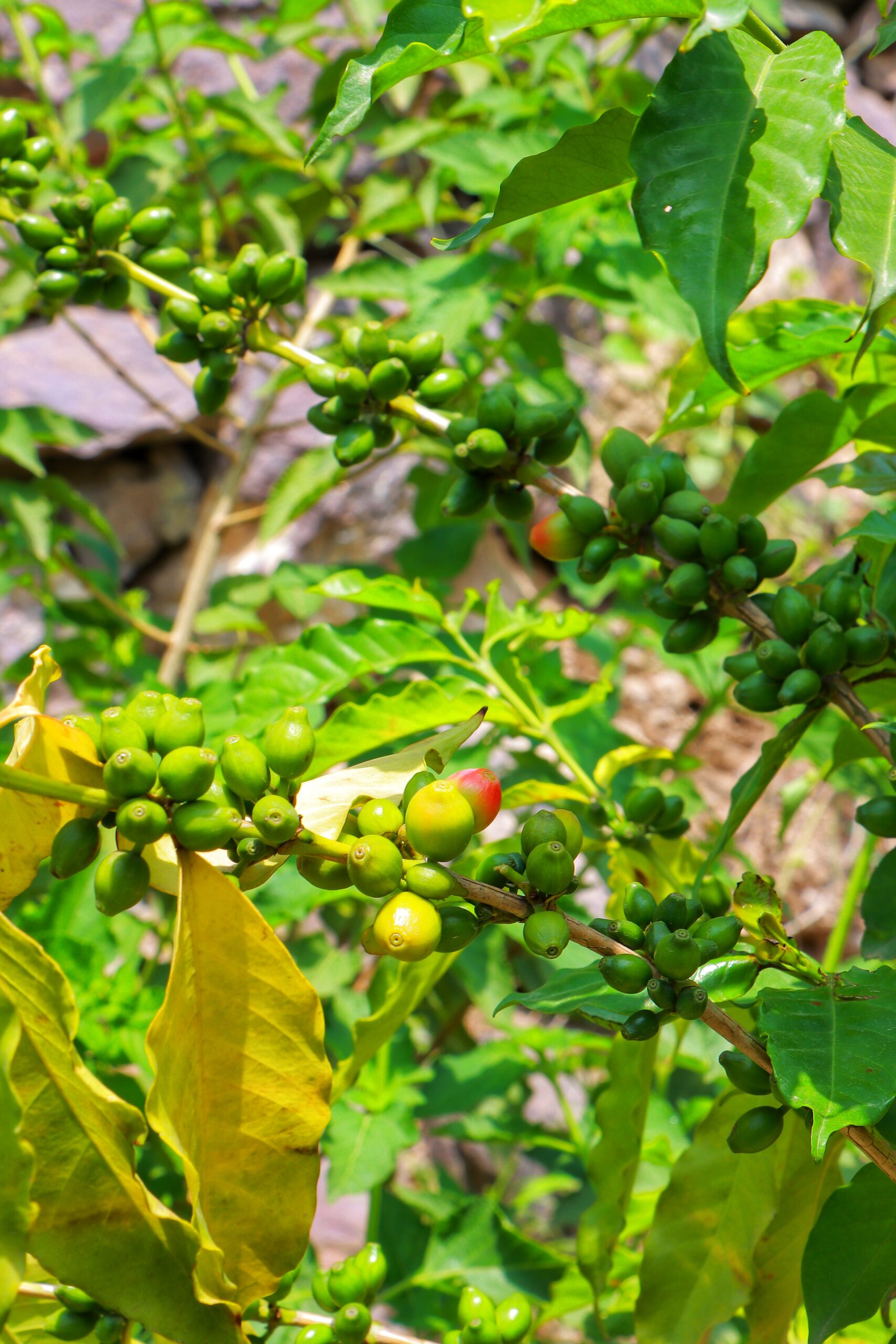
Coffee is not truly a “bean” but a seed that grows inside a fruit known as the coffee cherry. As the cherry ripens, it naturally develops sugars such as glucose and fructose. These sugars form the foundation of sweetness in coffee, but whether they survive to the final brew depends on how carefully they are protected and enhanced at every stage of the journey.

Processing Methods and Their Role

After harvest, the way coffee is processed has a profound impact on how much of this sweetness makes it into the cup.

Natural (Dry) Process: Beans are dried inside the fruit, absorbing sugars and developing pronounced fruity and sweet notes.

Honey Process: Some of the fruit’s mucilage is left on the beans during drying, creating a balance of sweetness and clarity.

Washed Process: All fruit layers are removed before drying, producing a cleaner and more transparent taste, though usually less sweet than natural or honey methods.

The choice of processing is not merely a technical decision; it is also a cultural and economic one. Farmers and producers select methods that align with tradition, climate, and the preferences of their target markets, shaping the final flavor profile and the level of sweetness in the cup.

Roasting: Where Sugars Caramelize

Once dried, coffee enters the roaster, where natural sugars undergo caramelization. Under the watchful eye of a skilled roaster, these sugars transform into flavors reminiscent of caramel, honey, or chocolate. Proper roasting preserves and highlights sweetness, while excessive heat risks burning away delicate sugars. In many ways, the roaster serves as the final guardian of the bean’s innate sweetness.

Brewing: The Fine Line of Extraction

Even the best beans and the most careful roast can be undone at the brewing stage. Extraction is everything. A balanced brew draws out natural sweetness and harmony, while over-extraction produces bitterness and under-extraction leaves the cup sour and thin. Brewing requires an understanding of variables such as coffee-to-water ratio, temperature, and time—each of which plays a role in whether sweetness shines through or disappears.

Terroir and Variety: The Signature of Nature

Beyond human intervention, nature herself determines much of coffee’s sweetness. Terroir—the combination of soil, altitude, and climate—alongside genetic variety shapes unique sugar profiles.

Ethiopian coffees are often prized for their berry-like sweetness and vibrant fruit notes.

Coffees from Central America tend to lean toward flavors of chocolate and caramel.

Historic Yemeni coffees frequently display a layered complexity of dried fruits and spice, offering a sweetness unlike any other origin.

Each region, each variety, and even each harvest reflects a unique balance of sugars, reminding us that sweetness is as much a story of geography as it is of craftsmanship.

Sweetness as a Symphony of Nature and Craft

Ultimately, sweetness in coffee cannot be traced to a single stage. It is the sum of many factors: the sugars formed in the cherry, the processing choices made on the farm, the precision of the roast, the care of the brew, and the natural imprint of terroir and variety.

Sweetness in coffee is never accidental. It is crafted and carried forward through the hands of farmers, roasters, and baristas—all working in harmony with what nature provides. And when all of these elements align, the result is a cup that delights with balance, depth, and a touch of natural sweetness that turns every sip into a moment worth savoring.

James Hoffmann: From Coffee Hater to One of Its Global Icons

Dubai — Qahwa World

On September 20, 2025, the Financial Times published an in-depth feature tracing the extraordinary journey of James Hoffmann, who began his career hating coffee but went on to become one of its most recognized global figures. The story details how he rose from reluctant beginnings to world champion barista, YouTube celebrity, author, and one of the most influential voices in the specialty coffee movement.

From Rejection to Passion

In his early life, Hoffmann was anything but a coffee enthusiast. He worked as a casino employee in Leeds before moving to London, where he joined espresso machine companies such as Gaggia and La Spaziale. During quiet hours he experimented with the machines, discovering how small adjustments in grind or pressure could change the taste. He still disliked the drink, but his curiosity was triggered by the realization that some cups were “less bad” than others.

The turning point came in 2005, when Hoffmann tasted a Kenyan coffee from a small estate. It shocked him: the flavor resembled blackcurrant juice, a revelation that convinced him coffee could be something extraordinary. Just two years later, after refining his skills and delegating tasting duties to a coach, he was crowned World Barista Champion in Tokyo 2007.

In 2008, together with award-winning taster Anette Moldvaer, Hoffmann founded Square Mile Coffee Roasters in London. It became one of the country’s first specialty roasters and helped transform the UK market from generic blends to single origins and traceable coffees. His rise was framed within the broader “waves of coffee”: the first wave of mass consumption, the second wave of café culture through chains like Starbucks, the third wave of artisanal, single-origin appreciation, and now the debated “fourth wave,” which emphasizes science, sustainability, and scalability — a movement in which Hoffmann is seen as a key figure.

From Barista Champion to YouTube Star

Hoffmann’s influence didn’t stop at cafés or roasteries. In 2016, he launched a YouTube channel to share simple coffee content. By 2020, when the pandemic forced millions to brew at home, his videos became the go-to guide worldwide. From equipment reviews to quirky experiments like tasting 1930s Harrods coffee, Hoffmann turned home brewing into a global hobby.

Today his channel has over two million subscribers and generates up to £200,000 annually. Yet his success isn’t just about numbers. He resonates with both beginners and experts: never mocking casual drinks like Frappuccinos, but always nudging his audience toward specialty coffee with patience and authority.

Hoffmann is also known for obsessive precision. He has CT-scanned espresso pucks, used lab-grade particle size analyzers, and tested milk foams with food additives. Even April Fool’s videos meant as jokes sometimes led to practical discoveries. Inspired by this scientific mindset, thousands of hobbyists now document their brews in apps like BEANCONQUEROR and debate mineral ratios on Reddit and Discord.

The “home barista” wave even pushed brands such as Breville (Sage) and La Marzocco to create professional-grade equipment for consumers. Hoffmann’s influence has therefore reshaped not only enthusiasts’ kitchens but the entire specialty coffee industry.

Challenges and Future Mission

Despite his success, Hoffmann remains wary of coffee’s future. He recalls how London’s coffeehouses thrived in the 17th century only to vanish decades later. Climate change is shrinking suitable land for arabica, while rising costs may drive farmers to switch to more profitable crops like macadamia or avocado.

For Hoffmann, the solution lies in consumer awareness and willingness to pay fairer prices that sustain farmers. He is preparing the third edition of his landmark World Atlas of Coffee, aiming to educate, inspire, and elevate appreciation of coffee worldwide.

The paradox of Hoffmann’s story is striking: from someone who once despised coffee to a world champion, author, and educator shaping global taste. Balanced between inclusivity and rigor, he has persuaded millions to move from stale supermarket grounds toward vibrant specialty beans.

Today James Hoffmann stands as a cultural icon of modern coffee — where craft meets science and community. Through his roastery, his books, and his YouTube channel, he continues a mission to keep coffee alive as a shared art, science, and culture for generations to come.

Yemeni Coffee Achieves Record Heights at the Best of Yemen 2025 Auction

Dubai – September 2025 (Qahwa World) – The Best of Yemen 2025 auction, organized by Qahwa Al Qimma (Qima Coffee), has come to a historic close after two days of global bidding that stretched across 12 intense hours. The event not only broke price records but also highlighted the resilience of Yemeni farmers and the global demand for their unique coffees.

The auction witnessed unprecedented participation, with servers overwhelmed after 11 hours of bidding and forced into a temporary pause. When resumed the following day, just one more hour of spirited competition was enough to crown this year’s winners.

The Top Lots

1st Place: Yahya Al Faqeeh, offering the rare Yemenia variety processed naturally, achieved the highest price of the auction at $851.50 per pound for 37 lbs. The winning buyer was Black Sip Coffee Roasters, securing one of the most expensive Yemeni coffees in history.

2nd Place: Maghrib Ans XV (Kent, Alchemy process), 110 lbs, sold for $320.50/lb to Sulalat.

3rd Place: Hejrat Al Ain Women Farmers XV (Yemenia, Alchemy process), 88 lbs, reached $327.50/lb, purchased by Albhaa Roastery and Out of Line.

4th Place: Bait Yaseen XI (Yemenia, Alchemy process), 110 lbs, sold for $196.50/lb to Entro Coffee Egypt and ESS’s Roasters Saudi Arabia.

Women Farmers in the Spotlight

Women-led lots stole the spotlight this year. Coffees from Hejrat Al Ain, Hayma Dakhiliya, Bait Al Yaziji, and Al Mezab all ranked among the top positions, underscoring the growing role of Yemeni women in shaping the country’s specialty coffee renaissance.

Global Buyers

Bidders came from across the Middle East, Asia, Europe, and North America. Notable names included George Howell Coffee Company (USA), Slope Roastery (Saudi Arabia), Andes Coffee Roaster (Latin America), and several specialty roasters from China and Europe. The diversity of buyers confirmed Yemen’s status as a global benchmark for rare and exclusive coffees.

Auction Figures

Total lots: 33

Total weight: 2,857 lbs

Total value: $391,632

Average price (weighted): $137.08/lb

Median price: $109/lb

Highest price: $851.50/lb

Lowest price: $50.50/lb

Lots over $100/lb: 21

In its closing statement, the organizer said: “This milestone is not only about record prices—it is about the resilience of Yemeni coffee and the farming communities behind it. The unwavering commitment of our buyers and partners makes these moments possible year after year.”

The Best of Yemen 2025 auction was more than a commercial success; it was a cultural milestone. It brought together farmers cultivating coffee in the mountains of Yemen with roasters across the globe, uniting two ends of a shared story: those who grow coffee at its birthplace and those who bring it to the world’s cups.

Coffee Varietals: From Genetic Roots to Your Daily Cup

Dubai – Qahwa World


When we explore the diversity of flavors in coffee cups from different corners of the world, we find a hidden yet decisive factor at play: coffee varietals. These are the genetic roots that define coffee’s identity, much like grape varieties shape the character of wine. Through these variations, we experience the difference between a Kenyan cup bursting with blackcurrant and wine-like acidity, and an Ethiopian cup laced with jasmine and bergamot. Each varietal carries a story — historical, agricultural, and sensory — that deserves to be told.

Arabica coffee, which originated in East Africa and spread through Yemen to the world, forms the foundation of most commercial varietals today. Typica stands at the forefront as the classic Arabica archetype, renowned for its clean sweetness and balance despite low yields and high disease susceptibility. From Typica emerged mutations such as Maragogipe in Brazil with its giant beans, Mundo Novo, a natural cross between Typica and Bourbon that became a cornerstone in Brazilian plantations, and Pacamara, a Salvadoran hybrid famous for its complex floral and fruity character.

Bourbon, a natural mutation of Typica discovered on Réunion Island, grew into one of specialty coffee’s pillars with its rich, smooth, chocolatey and fruity notes. From Bourbon arose varietals such as Caturra with its compact growth and bright acidity, Pacas from El Salvador, and Catuai, a hybrid balancing adaptability with mild cup quality. In Kenya, Scott Agricultural Laboratories introduced SL28 and SL34, now synonymous with winey acidity and blackcurrant flavors, cementing Kenya’s global reputation. Meanwhile, Laurina (Bourbon Pointu) from Réunion stands out for its naturally low caffeine content and delicate, tea-like qualities.

If Typica and Bourbon laid the foundation, Ethiopian landraces represent coffee’s treasure trove of genetic diversity. From Ethiopia’s highlands came varietals that became global icons: Gesha (Geisha), which found fame in Panama for its jasmine and bergamot notes; Yirgacheffe, prized for its lemony, floral clarity; Sidamo, known for its fruity, wine-like complexity; and Harrar, bold with blueberry and chocolate tones.

The 20th century brought new challenges such as coffee leaf rust, prompting the creation of resistant hybrids. Varietals like Catimor and Sarchimor gained traction for their high yields and resilience, while Castillo became a strategic crop in Colombia. In Kenya, Ruiru 11 and Batian were developed to balance disease resistance with cup quality. Brazil contributed with Obata and Icatu, robust hybrids designed for resilience in harsher climates.

Other important varietals include Villa Sarchi and Villalobos from Costa Rica, Typica Mejorado from Ecuador (with Gesha-like floral complexity), and even the wild species Eugenioides, not grown commercially but crucial as one of Arabica’s parents, offering unique insights into coffee’s evolution.

Varietals are not just agricultural classifications — they are a language spoken by producers, roasters, and consumers. They define farm identity, influence auction prices, and shape how coffee is perceived in global markets. More importantly, they are a tool for tackling the future, as climate change and disease reshape the landscape. Understanding varietals is not a luxury but a necessity for anyone seeking to truly understand coffee — from seed to cup.

Lineage Maps: Families of Coffee Varietals

  • Typica lineage: the classic foundation; gave rise to Maragogipe, Mundo Novo, Pacamara.

  • Bourbon lineage: rich and versatile; produced Caturra, Pacas, Catuai, SL28, SL34, Laurina.

  • Ethiopian landraces: unmatched diversity; Gesha, Yirgacheffe, Sidamo, Harrar.

  • Modern hybrids: bred for resistance and productivity; Catimor, Sarchimor, Castillo, Ruiru 11, Batian, Obata, Icatu.

  • Other notable varietals: Villa Sarchi, Villalobos, Typica Mejorado, Mocha, Liberica, Eugenioides.

Encyclopedic List of Varietals

Typica Lineage

  • Typica: East Africa → Yemen → Asia → Americas; sweet, clean, balanced, low yields.

  • Maragogipe: Brazil; giant beans, delicate flavors, lighter body.

  • Mundo Novo: Typica × Bourbon (Brazil); high yield, nutty, full-bodied.

  • Pacamara: Pacas × Maragogipe (El Salvador); complex, floral, fruity, large beans.

Bourbon Lineage

  • Bourbon: Réunion Island; rich, smooth, fruity, often chocolatey.

  • Caturra: Brazil, dwarf Bourbon mutation; bright acidity, lighter body.

  • Pacas: El Salvador; sweet, balanced, citrus notes.

  • Catuai: Caturra × Mundo Novo (Brazil); mild, adaptable, easy-drinking.

  • SL28: Kenya; winey acidity, blackcurrant notes.

  • SL34: Kenya; full-bodied, fruity, excellent in wet conditions.

  • Laurina (Bourbon Pointu): Réunion; naturally low caffeine, delicate, tea-like.

Ethiopian Landraces

  • Gesha/Geisha: Ethiopia → Panama; floral, tea-like, jasmine, bergamot.

  • Yirgacheffe: Ethiopia; lemony, floral, clean.

  • Sidamo: Ethiopia; fruity, wine-like, complex.

  • Harrar: Ethiopia; bold, blueberry, chocolate.

Modern Hybrids

  • Catimor: Caturra × Timor Hybrid; high yield, rust-resistant, variable cup quality.

  • Sarchimor: Villa Sarchi × Timor Hybrid; adaptable, mild cup.

  • Castillo: Colombia; rust-resistant, clean, balanced.

  • Ruiru 11: Kenya; disease-resistant, blackcurrant notes.

  • Batian: Kenya; recent hybrid, balanced, bright acidity.

  • Obata: Brazil; resistant, fruity, mild.

  • Icatu: Brazil (Arabica × Robusta backcross); sweet, nutty, resilient.

  • Colombia (varietal): Colombia; good body, clean citrus notes.

Other Notable Varietals

  • Villa Sarchi: Costa Rica; sweet, citrusy, bright.

  • Villalobos: Costa Rica; aromatic, balanced.

  • Typica Mejorado: Ecuador; intensely floral, Gesha-like complexity.

  • Mocha: small, round beans; strong chocolate notes.

  • Liberica: West Africa → Asia; woody, aromatic, bold.

  • Eugenioides: wild species; low caffeine, sweet, mild flavors.

Factors That Change a Varietal’s “Voice” in the Cup

  1. Altitude: slower maturation, denser beans, higher acidity and complexity.

  2. Soil & Climate: minerals, rainfall, and microclimates shape flavor nuances.

  3. Processing:

    • Washed: clean, bright acidity.

    • Natural: fruity, wine-like.

    • Honey/anaerobic: sweet, tropical, experimental flavors.

  4. Harvest & Sorting: selective picking enhances uniform quality.

  5. Roasting: reveals varietal distinctions, from floral notes to chocolate tones.

Diseases and Climate Adaptation

  • Coffee leaf rust: the biggest threat; spurred hybrids like Catimor and Castillo.

  • Heat & drought: push demand for hardier hybrids and modern agroforestry.

  • Farm strategy: planting multiple varietals reduces risk and ensures resilience.

Conclusion

Varietals are the backbone of the coffee world. They carry history, define flavor, and shape the future of farming. For drinkers, they deepen appreciation of the cup. For farmers, they provide tools to survive climate and market pressures. To understand coffee in its essence, one must understand its varietals — the living genetic stories in every bean.

Ethiopian Coffee Sets New World Record at Echoes of the Peak Auction

Dubai, 17 September 2025 (Qahwa World) – Ethiopia has once again confirmed its position at the top of the specialty coffee world. At the Echoes of the Peak auction hosted by M-Cultivo, Alo Coffee achieved an extraordinary result, with its Cloud Harvest Lot NW2 reaching US $1,739 per kilogram, the highest price ever paid for an Ethiopian coffee.

The lot, weighing five kilograms and processed using the Nocturnal Washed method, was sold for US $8,695 to Coffee Camps Limited. This record surpasses the previous benchmark of US $1,604/kg set earlier this year at the Faysel Abdosh Inaugural Auction, cementing Alo Coffee’s place among the country’s most celebrated producers.

“This is a historic moment for Ethiopian coffee. Achieving $1,739 per kilo not only breaks records but also shows the world the true value and potential of our producers’ hard work,” said Tamiru Tadessa Tesema, founder of Alo Coffee. “We are proud to share this milestone with the global coffee community and even more motivated to keep pushing quality limits. The result highlights Ethiopia’s position as the birthplace of coffee and a leader in quality innovation.”

Ethiopia’s coffee sector continues to play a vital role in the national economy, earning US $2.7 billion in foreign currency each year and supporting the livelihoods of over 20 million farmers. This latest achievement goes beyond numbers, standing as a bold statement of Ethiopia’s global coffee excellence and the unmatched value of its terroirs.

The 2025 auction season has already seen remarkable milestones worldwide, with prices reflecting the rise of a luxury coffee segment shaped both by multi-generational estates and ambitious, emerging businesses. With this record, Alo Coffee’s first private auction has not only captured international attention but also reinforced Ethiopia’s enduring prestige in the global coffee market.

Dubai Coffee Centre Expands to Keep Pace with the Future of Global Coffee Trade

Dubai, 17 September 2025 (Qahwa World) – The Dubai Multi Commodities Centre (DMCC), the world’s leading free zone and a key driver of global trade flows through Dubai, has officially launched the new mezzanine floor at its Dubai Coffee Centre. The 500-square-meter space has been designed to provide members and stakeholders in the coffee sector with greater access to international markets, foster innovation, and accelerate business growth.

The new facility includes 16 private offices available for lease, flexible co-working spaces, and an exclusive espresso bar for members, offering them the opportunity to host guests and showcase their products with ease. This expansion comes at a pivotal moment for the coffee industry, where the demand for flexible and integrated infrastructure to support origin producers, specialty roasters, and SMEs is more pressing than ever.

Coinciding with the expansion, DMCC released the latest edition of its Future of Trade report, this time focusing on the coffee sector. The report highlights the shifting dynamics of a global industry valued at over $200 billion, with international coffee trade alone exceeding $26 billion. With more than two billion cups consumed daily, coffee remains one of the most traded commodities in the world, yet climate threats, evolving consumer tastes, and shifting power dynamics across the value chain are reshaping the global coffee map.

Ahmed Bin Sulayem, Executive Chairman and CEO of DMCC, said:
“Coffee is not just a commodity; it is deeply woven into our identity in the Arab world and serves as a cornerstone of the global economy. With a consumer market exceeding $200 billion and nearly two billion cups consumed daily, coffee has shaped traditions of hospitality and trade since its journey from Yemen’s terraced farms and the port of Mokha to Europe, where coffeehouses became incubators for modern finance and ideas that fueled the Enlightenment and early industrial revolution. Today, more than 25 million farmers, most of them smallholders, rely on coffee for their livelihoods. The sector stands at a turning point, with direct-to-consumer pathways, climate-smart agriculture, and digital tools—from AI-powered traceability to tokenization of real assets—reshaping the industry. Dubai’s role now goes beyond redistribution; it has become a global platform for specialty coffee. The World of Coffee Dubai 2025 exhibition attracted more than 17,000 visitors and set record auction prices for rare varieties, underscoring the depth of the market in the Middle East and North Africa, expected to reach $11.5 billion. With this ecosystem, complemented by our Tradeflow digital commodities platform, Dubai is writing the next chapter in coffee’s story—where heritage meets innovation and inclusive growth becomes a reality.”

Mike Butler, Associate Director – Coffee at DMCC, added:
“This report paints a picture of a future that is complex but full of opportunities. Our role is to support members of the Dubai Coffee Centre by providing storage, logistics, roasting services, and facilitating trade between members. The new mezzanine floor, equipped with state-of-the-art facilities, is a tangible demonstration of this commitment and part of our broader strategy to solidify Dubai’s position as a global coffee hub.”

The Future of Trade report outlines several trends likely to shape the coffee industry in the coming years, including the rise of new direct-to-consumer trade routes driven by emerging markets such as China and Asia-Pacific, greater value retention in producing countries through local roasting and brand building, digital trade and blockchain-enabled traceability, climate-smart farming practices with drought-resistant varieties and agroforestry, and shifting consumer dynamics led by younger generations, particularly Gen Z, who are driving demand for sustainable specialty coffee and premium experiences.

The report also recommends scaling up investment in climate-smart agriculture, improving price transparency, empowering producers through supply chain digitization, expanding direct-to-consumer models, and developing trade infrastructure in strategic hubs like Dubai to streamline logistics, cut emissions, and strengthen traceability.

The latest edition continues the Future of Trade series, which has become one of the most widely read and trusted resources on global trade dynamics. With more than 2.5 million cumulative downloads and views, the series continues to shape global trade dialogue at a time when economic fragmentation and supply chain transformations are redrawing the map of global commerce.

Yemen: The Future of Drought-Resistant Coffee Amid Climate Change

Dubai, 17 September 2025 (Qahwa World) –Coffee in Yemen has never been just a crop. It is deeply rooted in the nation’s history, culture, and identity. From these rugged mountains and arid landscapes, coffee spread across the seas more than five centuries ago to conquer global markets. Today, as climate volatility poses unprecedented threats to the coffee industry worldwide, Yemen is once again at the centre of attention—not only as the birthplace of coffee but also as a potential leader in producing drought-resistant varieties that could safeguard the sector’s future.

According to the latest DMCC Coffee Centre report, part of its Future of Trade Agri Series, climate change may render half of today’s coffee-growing land unsuitable for production by 2050. Arabica beans, which account for 60–70% of global production and are prized for their superior quality, are the most at risk. They require cooler climates and well-defined wet and dry seasons, making them highly sensitive to even slight shifts in rainfall and temperature.

Robusta, known for its resilience and tolerance to higher temperatures, may also face threats from ongoing climate disruptions. The report highlights that recent years have already offered a preview of this uncertain future. In Vietnam, prolonged drought caused production to fall by 20% and exports by 10% during the 2023/24 season. In Brazil, the world’s largest coffee producer, one of the most severe droughts in its history pushed Arabica prices up by more than 80% in 2024. These are not isolated incidents but warning signs of a shifting climate reality that threatens global supply.

Against this backdrop of instability, the DMCC report underscores Yemen’s exceptional position. For centuries, Yemeni farmers have cultivated coffee under harsh conditions—scorching heat, scarce rainfall, and limited water resources—yet the crop has endured. This historic resilience is what makes Yemen uniquely qualified to lead the development of drought-resistant coffee varieties that could redefine global production.

Garfield Kerr, president of the Speciality Coffee Association (SCA) and founder of Mokha 1450 in Dubai, put it bluntly: “I expect Yemen to become an industry leader in producing drought-resistant coffees, because farmers and agronomists there are already producing coffee in higher temperatures with less water.”

Garfield Kerr, President of the Specialty Coffee Association (SCA) and founder of Mokha1450

This statement reflects a growing global recognition that Yemen’s traditional practices and harsh realities may hold the key to coffee’s survival in the face of climate change.

The significance of Yemen lies not only in its ability to grow coffee under extreme conditions but also in the potential role it can play in stabilising global supply. If Yemen succeeds in pioneering drought-resistant varieties, it could help reduce the risks facing millions of smallholder farmers across Latin America, Africa, and Asia who are far less equipped to adapt to environmental shocks.

Economically, this advantage positions Yemen to capture new opportunities. With demand for resilient coffee varieties expected to rise, Yemen could evolve from a historically modest producer into a global laboratory for agricultural innovation. Strategic investment in research, farmer training, and international partnerships will be key to transforming this potential into reality.

The report also emphasises that farmers cannot bear the burden of climate adaptation alone. Institutions, trade bodies, and global buyers must work together to foster resilience across the supply chain. Yemen’s experience offers valuable lessons, but scaling them up will require cooperation, knowledge-sharing, and financial backing.

As consumer demand for sustainability and transparency intensifies, regulatory frameworks such as the European Union’s Deforestation Regulation are reshaping access to global markets. For Yemen, aligning with such frameworks could open doors while reinforcing its role as a pioneer in climate-smart coffee production.

Conclusion

The DMCC Coffee Centre report places Yemen firmly back in the global spotlight—not only as the birthplace of coffee but also as a crucial player in shaping its future. At a time when the sector faces escalating risks from droughts, heatwaves, and unpredictable weather, Yemen emerges as a beacon of resilience and possibility.

For the global coffee industry, the message is clear: climate change is already altering production landscapes, and the risks are intensifying. Yet Yemen’s centuries-old experience in cultivating coffee with fewer resources provides hope that adaptation is possible.

If the right investments and collaborations are put in place, Yemen could help secure coffee’s future—not just for itself, but for the millions worldwide whose livelihoods and cultures depend on this extraordinary crop.