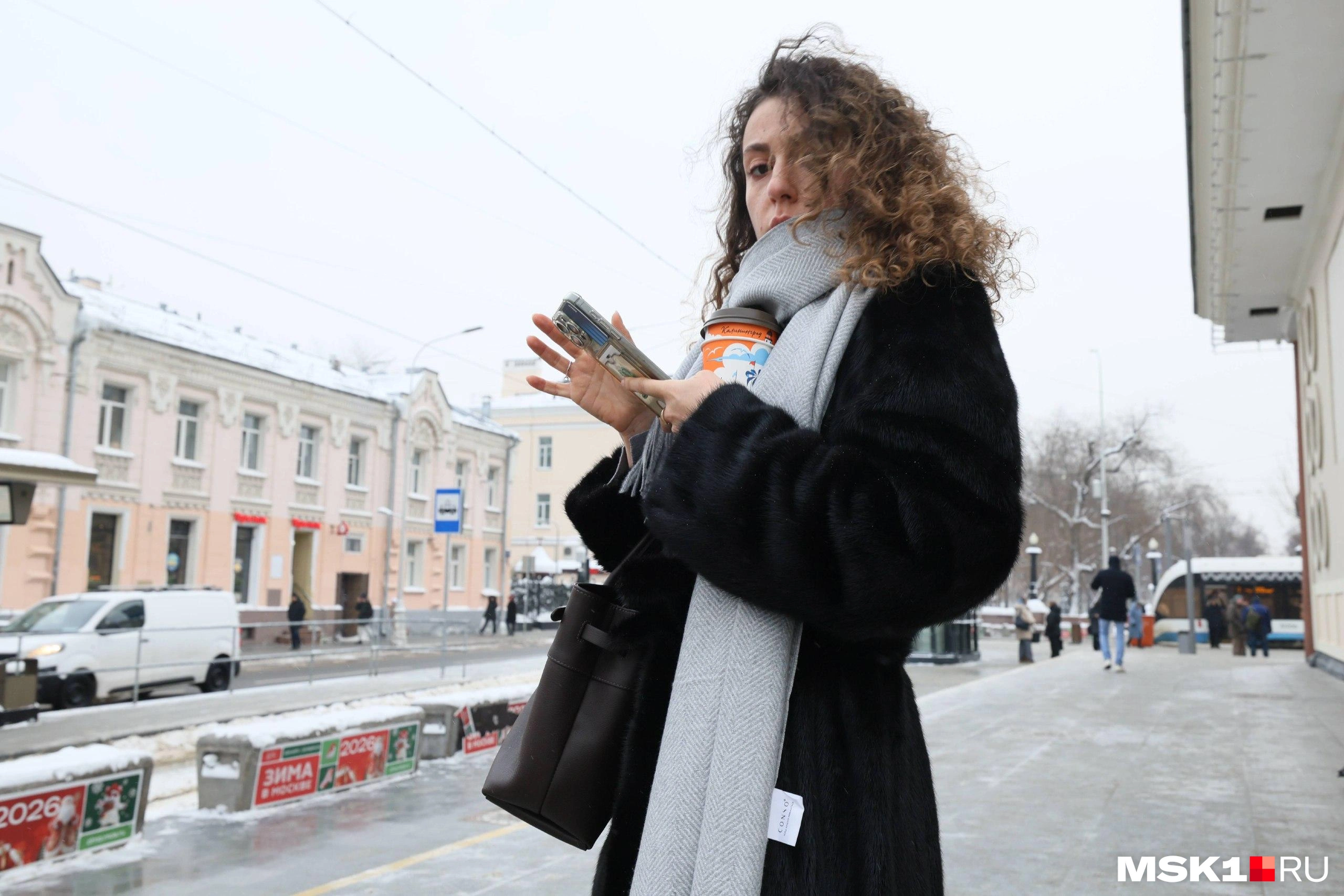
Coffee Prices in Russia Keep Climbing: How Much Does a Cup Cost Now?

Prices in retail and cafés continue to climb as the market braces for further increases in 2026

Moscow – Qahwa World

Russia’s coffee market experienced a sharp rise in prices throughout 2025, a trend that has become clearly visible to consumers both in retail stores and in cafés. As 2026 begins, prices for instant coffee and coffee beans remain at elevated levels, reinforcing concerns that a daily cup of coffee is becoming an increasingly expensive habit.

  • Sustained Growth Over Three Years

Over the past three years, coffee prices in Russia have followed a steady upward trajectory. According to data from Rosstat, the average price of one kilogram of instant coffee stood at 2,638 rubles in January 2022. By the end of that year, the price had risen by approximately 25%. Although a brief decline was recorded in 2023, it proved short-lived.

From January 2024 onward, prices resumed their upward movement, reaching 3,500 rubles per kilogram by December. In November 2025, instant coffee hit a new record high of 4,152 rubles per kilogram. Overall, instant coffee prices increased by nearly 60% over three years.

Coffee beans followed a more gradual but largely uninterrupted upward path. In January 2022, one kilogram cost 1,136 rubles, rising to 1,490 rubles by the end of that year. Prices remained relatively stable throughout 2023 before entering a new growth phase in 2024. By November 2025, the price of coffee beans reached 2,061 rubles per kilogram—an increase of roughly 80% over three years.

Industry experts note that official statistics reflect average market dynamics, which may underestimate the real financial impact felt by consumers in day-to-day purchases.

  • Key Drivers Behind the Price Increase

At the beginning of 2025, market forecasts suggested coffee prices could rise by 30–40%. In practice, price increases in several segments exceeded those expectations.

Market participants report that over the past two to three years, prices for many popular brands of ground and whole-bean coffee in retail stores have risen by 50–100% compared to 2021 levels.

The primary drivers of this trend include Russia’s near-total reliance on imported coffee, elevated global prices for coffee raw materials, and fluctuations in the ruble exchange rate. Additional pressure has come from higher costs associated with international payments, logistics, and packaging materials, all of which increase production costs before roasting even begins.

  • Impact on Cafés

Rising raw material costs have also affected the foodservice sector. During 2025, prices for coffee-based beverages increased by an average of 15–30% year-on-year. In certain formats—particularly 100% arabica and specialty coffee—the increase reached 35–45%.

In many cases, cafés implemented price increases gradually, introducing several small adjustments over the course of the year rather than a single sharp hike.

At the same time, industry representatives emphasize that profit margins remain limited. The cost of coffee itself accounts for only a small portion of the final price of a cup, while operating expenses—such as rent, wages, and taxes—make up the bulk of costs.

  • Price Outlook for 2026

Forecasting coffee prices for 2026 remains challenging due to multiple external variables, including weather conditions in producing countries, exchange rate movements, and the stability of global supply chains. Potential changes in tax policy could also add further pressure.

Current expectations point to continued price growth, though at a more moderate pace. Under a baseline scenario, prices could rise by 8–15% over the year if currency and logistics conditions remain relatively stable. In the event of renewed volatility, increases could be higher, particularly in higher-quality coffee segments.

Despite rising prices, demand for coffee in Russia remains resilient. Strong consumer attachment to the product has allowed the market to adapt to higher price levels without a significant decline in consumption.

  • A New Phase for the Coffee Market

Experts broadly agree that Russia’s coffee market is entering a new phase. While the period of sharp and sudden price shocks may be easing, a return to previously low price levels appears unlikely in the near term.

Instead, the market is expected to settle into a phase of relative price stabilization at higher levels, with future pricing shaped by currency dynamics, competition, and consumers’ ability to adjust to the evolving market environment.
An Exclusive Interview with UAE Roaster of the Year 2026, Nizam Pasha Lolowang

Dubai – Ali Alzakary

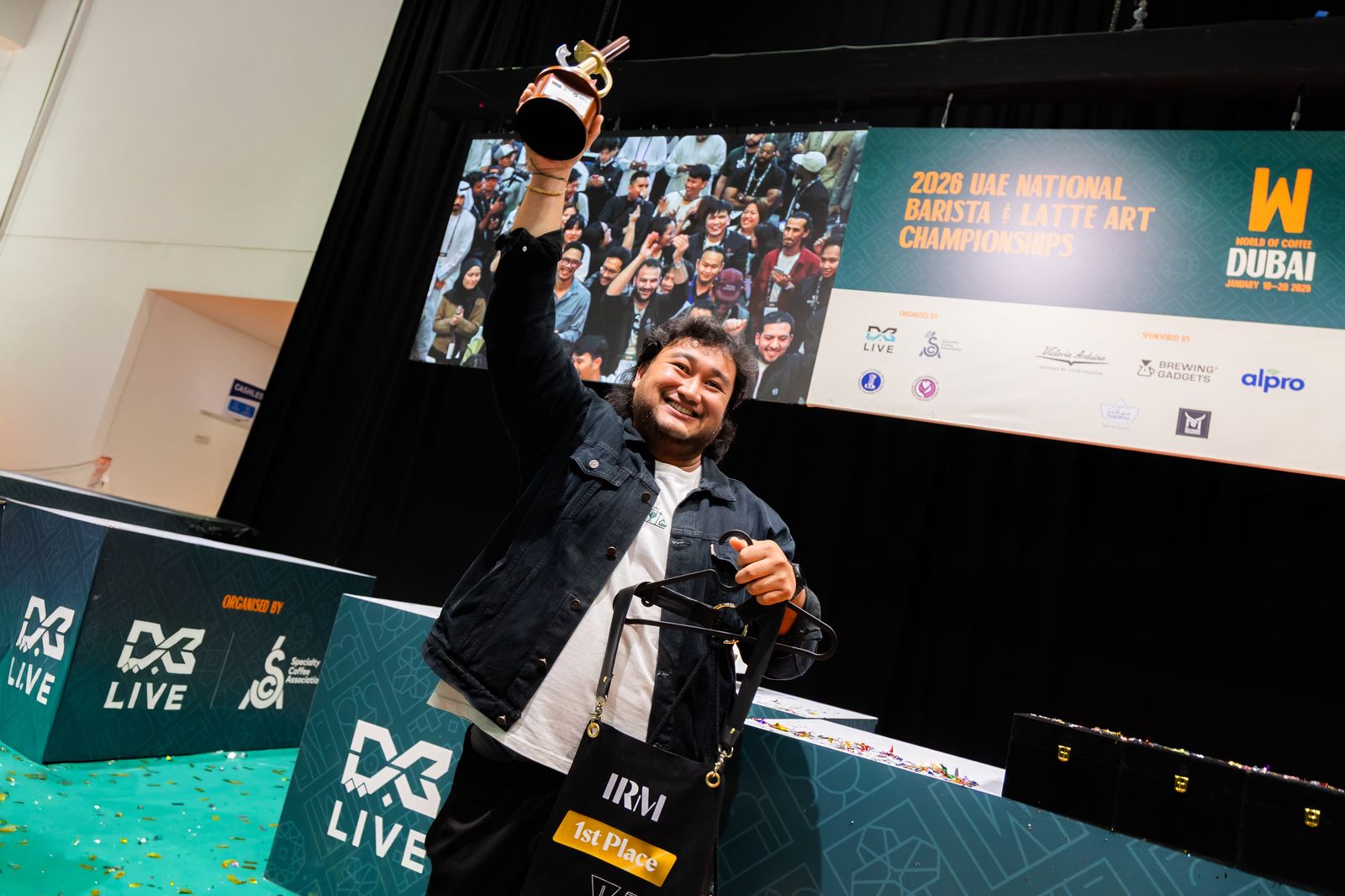
When the announcement echoed across the venue and his name was called as UAE Roaster of the Year 2026, Nizam Pasha Lolowang’s first response was not celebration—but gratitude. Rooted in faith, discipline, and an unwavering respect for coffee’s true character, his journey to this national title reflects a deeper philosophy that goes far beyond competition scores and trophies.

In this exclusive interview, Nizam speaks candidly about the emotions of winning, the long process behind the achievement, the responsibility that comes with recognition, and his vision for the future of specialty coffee roasting in the UAE.

  • How did it feel the moment you were announced as UAE Roaster of the Year 2026?

Alhamdulillah was the first thing that came to my mind. Not just happiness, but deep gratitude. I know this didn’t happen by my ability alone, but by Allah’s permission and help.

  • Can you take us through your journey to this achievement? Were there any particular challenges along the way?

The journey was long and full of process. There were many failures, many lessons, and many moments of doubt. The biggest challenges were consistency and belief—maintaining quality in every condition and staying open to learning from anyone.

  • What does winning this title mean to you personally and professionally?

Personally, it’s a reminder to stay grateful and not feel bigger than I am. Professionally, it’s a responsibility—an amanah—to continue maintaining quality and creating wider benefit.

  • When it comes to roast development and flavor profiling, what was your approach for the competition?

The approach was simple: understand the origin’s character and don’t over-intervene. I focused on clarity, balance, and sweetness, rather than chasing over-promising flavors.

  • How do you ensure consistency and quality across every batch you roast?

Through data, regular cupping, discipline, and most importantly, truly understanding the machine.

  • Did you try any specific techniques or innovations that you feel gave you an edge?

No “magic” techniques. It was more about understanding airflow, heat application, knowing when to hold back, and knowing the right timing.

  • How important was your team or support network in preparing for this championship?

Very important. There are no big results without a team. I’m truly grateful to be surrounded by people who support each other.

  • Did working with colleagues or mentors influence the way you approached the competition?

Yes, very much. Their feedback helped me stay objective and not get trapped in ego. That was invaluable.

  • How do you see the future of specialty coffee roasting here in the UAE?

InshaAllah, it will continue to improve. More roasters will take quality and values seriously, not just chase trends.

  • Are there any trends or innovations in roasting that excite you most right now?

I’m interested in more precise, sustainable approaches that stay honest to the coffee’s true character.

  • How do competitions like this help raise professional standards in the region?

Competitions push people to level up. People become more serious about quality, process, and detail—and that impacts the whole industry.

  • What advice would you give to aspiring roasters who dream of competing?

Enjoy the process. Even if it’s heavy, baby steps are okay. Just know your purpose. Fix your intentions, strengthen your fundamentals, and never stop learning. InshaAllah, the results will follow.

Dubai to Host the 2026 UAE National Brewers Cup Championship

Dubai – Qahwa World

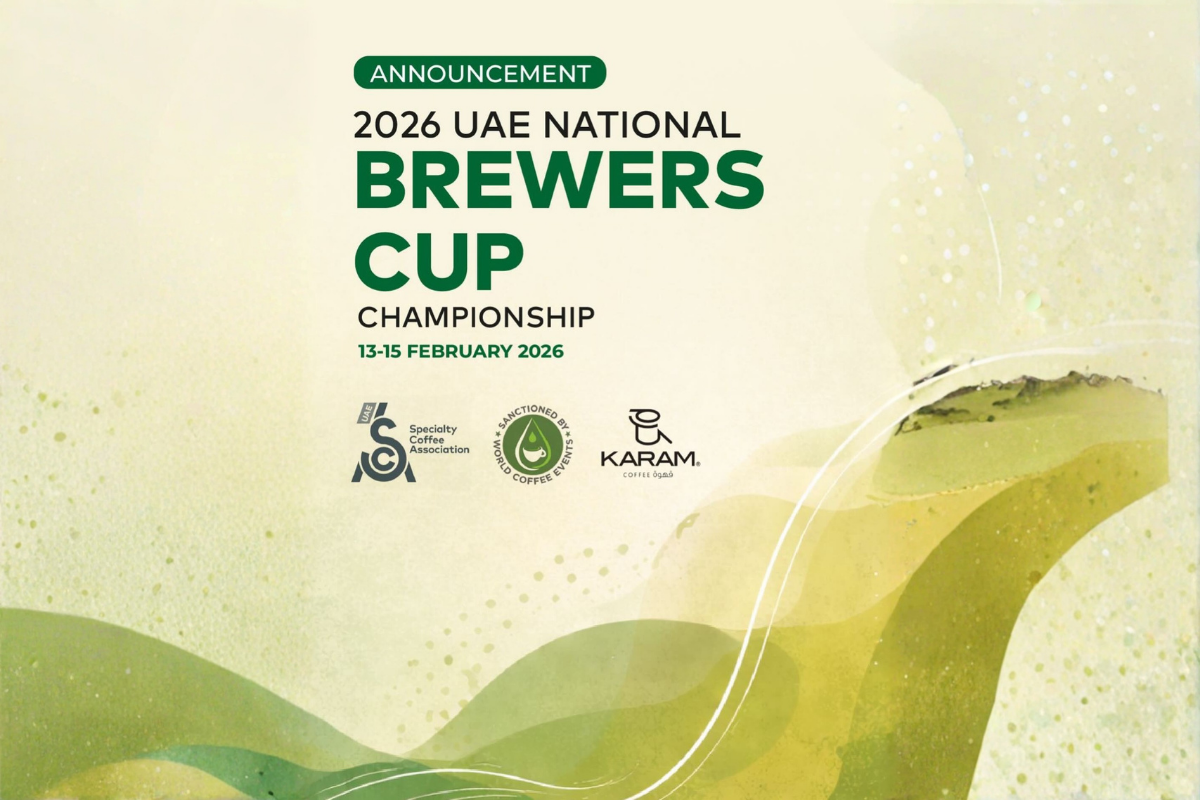
Dubai will host the 2026 UAE National Brewers Cup Championship from 13 to 15 February 2026 at Karam Coffee in the Al Quoz area, bringing together some of the country’s top competitors in specialty coffee.

The Specialty Coffee Association–UAE Chapter, the event organizer, has set participation requirements for residents: competitors must have lived in the UAE for at least two years, hold a valid UAE residence visa, be a member of the association, and pay a registration fee of AED 1,000.

The association also invited the UAE coffee community to get involved through volunteering or sponsorship. Three sponsorship tiers are available:

Gold: AED 15,000

Silver: AED 10,000

Bronze: AED 5,000

Through this championship, the association aims to strengthen the specialty coffee sector in the UAE and support related educational and research initiatives.

Robots and Coffee: A Real-World Readiness Test

Dubai – Qahwa World

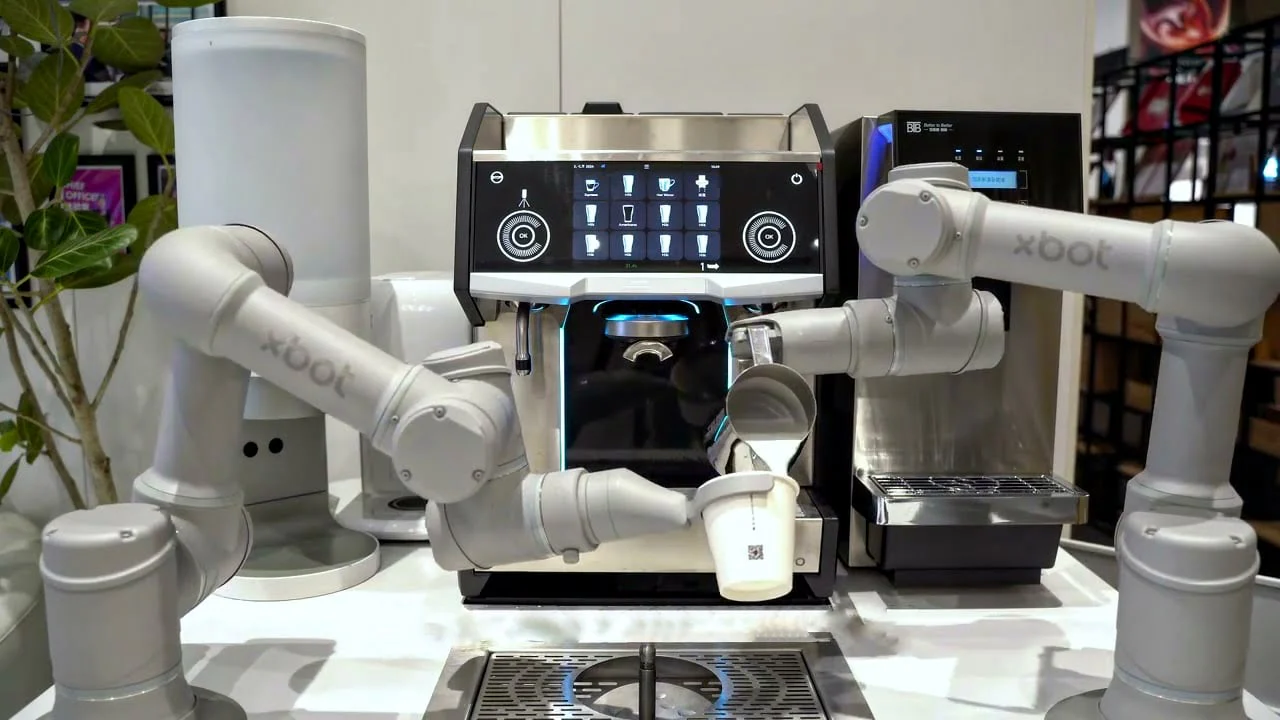
Humanoid robots may be able to perform martial arts routines, navigate obstacle courses, and impress audiences with highly choreographed demonstrations. But according to robotics experts, the true measure of progress lies not in spectacle, but in the ability to handle simple, everyday tasks—such as preparing a cup of coffee.

This perspective was at the center of a panel discussion among robotics leaders during the World Economic Forum in Davos, where speakers argued that the industry must move beyond polished demonstrations and focus on real-world usefulness if humanoid robots are to achieve meaningful adoption.

Jake Loosararian, Chief Executive Officer of an infrastructure-focused robotics company, emphasized that deployment—not design—is currently the sector’s biggest challenge. He noted that while public attention has fueled rapid innovation, many humanoid robots remain confined to controlled environments, far from the unpredictable conditions of daily life.

According to Loosararian, the lack of reliable, real-world data limits the ability of robots to operate effectively outside the lab. Building and testing robots as close as possible to their intended working environments is essential, he said, as this provides insights that cannot be replicated through simulations or online datasets. Tasks such as making coffee expose robots to variables like changing surfaces, lighting conditions, liquid handling, and human interaction—details that are critical yet often underestimated.

Daniela Rus, Director of the Computer Science and Artificial Intelligence Laboratory at the Massachusetts Institute of Technology, highlighted the gap between laboratory success and real-life performance. While robots can be programmed to fold laundry or load dishwashers, she explained, achieving this reliably in real environments remains extremely complex and costly. Bridging this gap will require advances in perception, sensor technology, and artificial intelligence models capable of adapting to unfamiliar situations.

From an industrial perspective, Shao Tianlan, Chief Executive Officer of a China-based artificial intelligence and robotics firm, pointed to learning as a key obstacle. He argued that for humanoid robots to function effectively in factories and service environments, they must be able to learn directly from humans—through demonstration and observation—much like people teach one another. This approach, he said, is more intuitive and practical than relying solely on pre-programmed instructions.

Despite ambitious predictions from technology companies preparing to scale humanoid robot production, most robots today are still showcased in tightly controlled settings. Some demonstrations even rely on remote human operators rather than full autonomy, underscoring how far the technology still has to go.

In this context, coffee becomes more than a beverage—it becomes a benchmark. Preparing coffee requires precision, coordination, adaptability, and an understanding of tools and materials. It is a deceptively simple task that reveals whether robots are ready to move from staged performances into real kitchens, cafés, and workplaces.

As the industry continues to evolve, the question remains open: can humanoid robots transition from impressive demonstrations to genuine daily assistance?
For now, a cup of coffee may be the most honest test of all.

Colombian Coffee Day Celebrated at Dubai Coffee Museum

Dubai – Serkan Oral

The Embassy of Colombia in the United Arab Emirates, in collaboration with the Coffee Museum Dubai, hosted Colombian Coffee Day, welcoming coffee professionals, enthusiasts, and guests to a cultural celebration dedicated to one of the world’s most renowned coffee origins.

The event took place at the Coffee Museum, located in the Al Fahidi Historical Neighbourhood, and highlighted Colombia’s rich coffee heritage under the theme:
“Honoring Colombian coffee for its signature smoothness and layered sensory richness, a flavor legacy embraced as a global standard of excellence.”

During the ceremony, Khalid Al Mulla, founder and Chief Executive Officer of the Coffee Museum, spoke about the exceptional quality of Colombian coffee, noting that it is often a central reference point in coffee discussions and professional conversations.

H.E. Luis Miguel Merlano Hoyos, Ambassador of Colombia to the United Arab Emirates, also addressed attendees, expressing his appreciation for hosting Colombian Coffee Day at the Coffee Museum and warmly welcoming coffee lovers who gathered to celebrate Colombia’s coffee culture.

Colombian Coffee Day serves as a tribute to the dedication of coffee growers and highlights the Coffee Cultural Landscape of Colombia, which has been recognized as a United Nations Educational, Scientific and Cultural Organization (UNESCO) World Heritage site. Traditional brewing methods were also highlighted during the event, including preparation using the olleta, a traditional pot used to brew coffee as an unfiltered infusion.

Colombia remains one of the world’s leading coffee-producing countries. The coffee sector not only supports thousands of farming families, but also plays a vital role in driving economic development across the country’s coffee-growing regions.

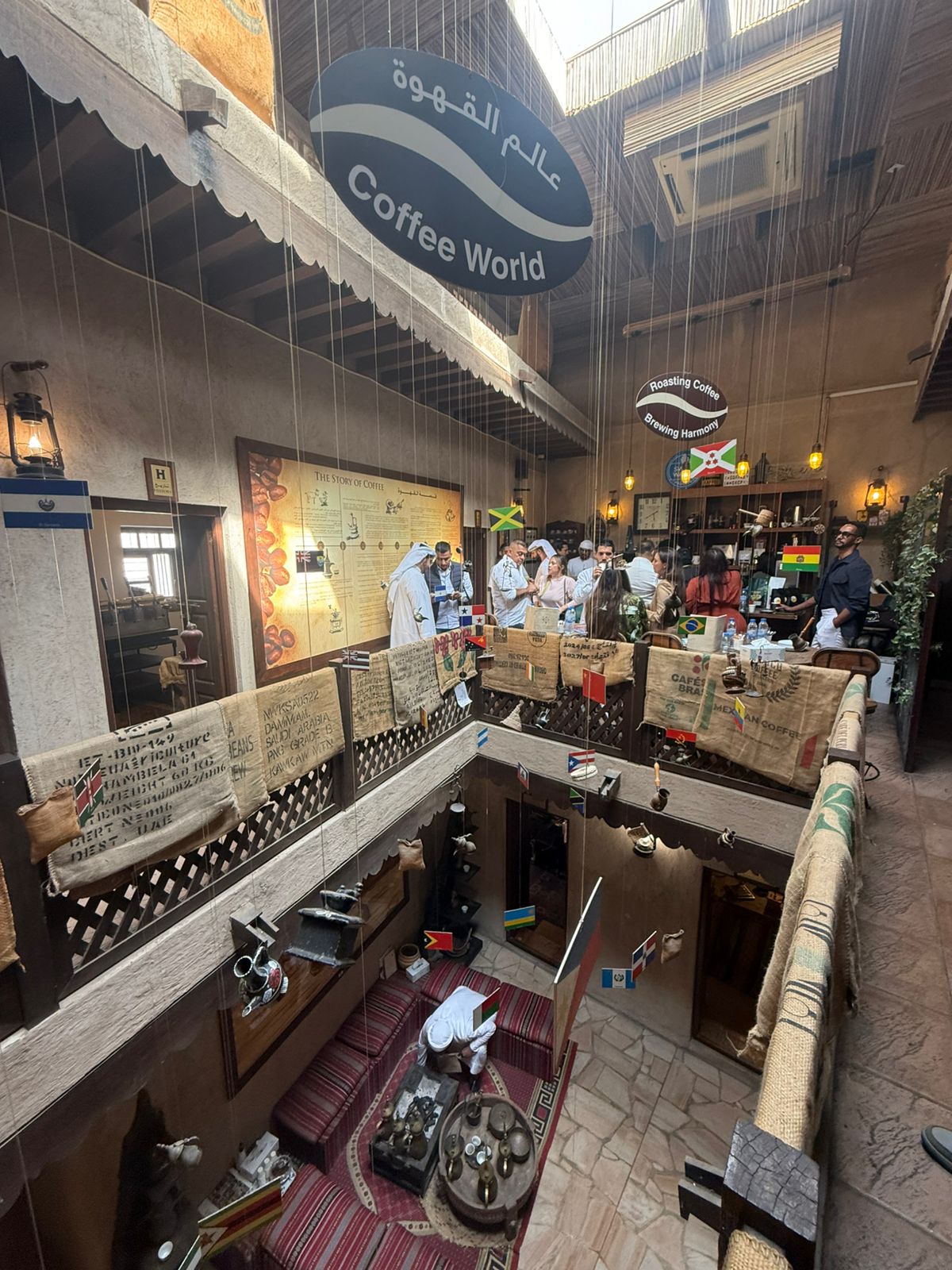
The Coffee Museum Dubai, located at Villa 44 in the Al Fahidi Historical Neighbourhood, is a specialized cultural venue founded by coffee expert Khalid Al Mulla. The museum showcases the history and global culture of coffee through antique roasting tools, regional brewing methods—including Arabic and Ethiopian traditions—a dedicated library, and an in-house café. Designed as a refined yet intimate space, the museum offers a relaxed atmosphere with a simple oriental aesthetic, aligned with international standards.

Khalid Al Mulla also serves as the national coordinator of the Specialty Coffee Association UAE chapter.

H.E. Luis Miguel Merlano Hoyos, who assumed office in July 2023, is Colombia’s Ambassador to the United Arab Emirates. Based in Abu Dhabi, his work focuses on strengthening bilateral relations, economic cooperation, and cultural exchange between Colombia and the UAE.

Colombian Coffee Day is also an occasion on which Colombians celebrate not only the quality of their coffee, but also the founding of the National Federation of Coffee Growers, a cornerstone institution in the country’s coffee history.

The World’s Mood, Tuned to an Emirati Rhythm

By: Ali Al Amodi

In a world where a cup of coffee sets the rhythm of daily life, World of Coffee Dubai 2026 proved to be far more than a specialized industry event. It stood as a reflection of a city that knows how to turn the impossible into reality. From the heart of Dubai, the world’s largest global platform for coffee trade took shape—an irony that perfectly captures the meaning of vision and the ability to transform geography into opportunity.

Hosted at the Dubai World Trade Centre, the exhibition presented a striking scene: pavilions from 78 countries, more than 2,100 companies and brands, and an area exceeding 20,000 square meters. Together, they told the story of coffee’s journey from distant mountain farms to the consumer’s cup at the far edges of the world. This was not merely a commercial showcase, but a vibrant network of relationships, knowledge exchange, and advanced technologies in roasting, processing, and brewing.

The visit of His Highness Sheikh Mohammed bin Rashid Al Maktoum, Vice President and Prime Minister of the UAE and Ruler of Dubai, carried special significance. It underscored that attention to this sector is part of a broader vision that sees the creative economy and global value chains as key drivers of development. Coffee—often described as “setting the world’s mood”—has also become an indicator of market vitality and growth opportunities, at a time when the global coffee market is moving toward hundreds of billions of dollars. Record-breaking prices at premium coffee auctions clearly signal rising global demand for high-quality coffee.

World of Coffee Dubai encapsulates a powerful Emirati lesson: success is not measured by natural resources, but by vision, connectivity, and the courage to invest in the future. In the coffee cup that begins the day for millions lies the story of a city that chose to become a meeting point for the world—and succeeded.

By hosting this global event, Dubai once again confirms that it does not wait to be invited into the future; it takes the initiative to shape it. From a coffee exhibition to a global economic platform, a clear Emirati philosophy emerges: transforming everyday details into major opportunities and building a global reputation based on quality, organization, and innovation. Thus, the morning cup of coffee becomes yet another witness to the story of a city that truly masters the art of inspiration.

Perhaps the most striking aspect of World of Coffee Dubai is the human and cultural diversity flowing through its halls. Here, a farmer from Latin America meets a roaster from Asia, while an African trader sits beside a European investor—united by a single shared language: coffee.

It is a convergence created by a city that believes its true role is to be a bridge, not a barrier, and an open marketplace for ideas as much as for trade.

Brazil Coffee Export Revenue Hits Record Despite Falling Volumes

Dubai – Qahwa World

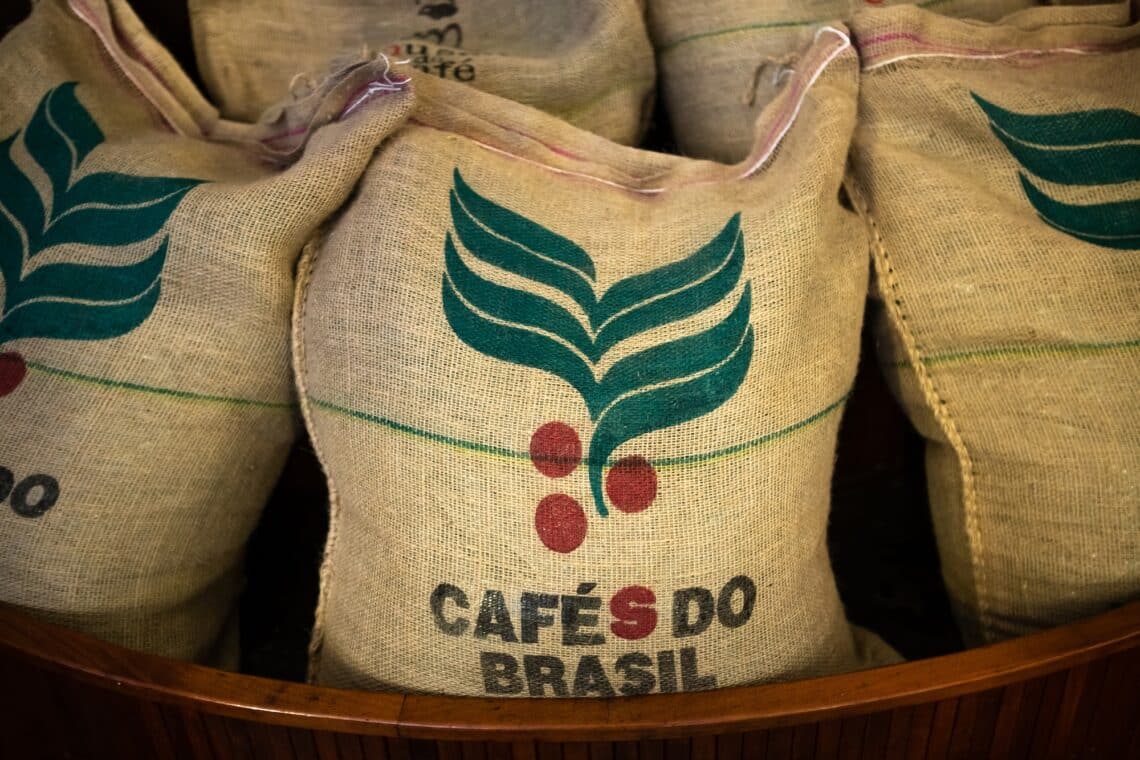
Brazil’s coffee export revenue reached a historic high of $15.6 billion in 2025, despite a significant decline in shipment volumes, according to the latest report from Cecafé, the Brazilian Coffee Exporters Council.

Released on January 19, the report shows that total coffee exports fell by more than 10 million 60-kilogram bags, dropping from a record 50,584,170 bags in 2024 to 40,049,222 bags in 2025—a decrease of over 20 percent. Even so, the 2025 figure remains higher than exports recorded in any year between 2020 and 2023.

Cecafé President Márco Ferreira attributed the surge in export earnings to steadily rising coffee prices throughout 2025. He noted that higher average monthly prices, combined with continued investment by Brazilian growers in technology, innovation, and quality, helped elevate both the standard and market value of Brazilian coffee.

The report also highlights the impact of United States tariffs, which led to a 55 percent decline in exports to the U.S. between August and November. The tariffs included a 40 percent national emergency levy, introduced on July 30, alongside a 10 percent reciprocal tariff. Both measures were lifted on November 12.

As a result of reduced U.S. demand, Germany emerged as Brazil’s largest coffee importer in 2025, followed by Italy, Japan, and Belgium.

Looking ahead, Ferreira expects Brazilian coffee exports in 2026 to once again exceed 40 million 60-kilogram bags, reinforcing the country’s position as the world’s largest coffee producer. By comparison, the record 2024 harvest generated approximately $12.5 billion in export revenue, while the 2023 crop earned $6.2 billion.

The Secret Behind the Smooth Taste of Rare Black Ivory Coffee

Dubai – Qahwa World

The rare Black Ivory coffee, produced with the help of Asian elephants, owes its exceptionally smooth and balanced flavor to the unique gut microbiome of the animals, according to a Japanese study published in a scientific journal.

This coffee is produced in a single reserve in Thailand, where elephants are carefully fed Arabica coffee cherries. The cherries pass through the elephants’ digestive system before the beans are collected, cleaned, and sun-dried. This process is entirely non-invasive and ethical, unlike some other exotic coffees, ensuring the welfare of the animals while contributing to conservation awareness.

Researchers found that the elephants’ diet—composed of coffee cherries, rice bran, and bananas—creates a gut environment rich in Acinetobacter bacteria and other microbes capable of breaking down pectin, a compound naturally present in coffee beans. Normally, pectin partially breaks down during roasting, producing bitter compounds. In Black Ivory coffee, part of the pectin is broken down in the elephant’s gut, resulting in a beverage with markedly less bitterness and a smoother taste.

Beyond its digestive processing, Black Ivory is extremely rare, with annual production typically under 250 kilograms, making it far more limited than Kopi Luwak. Each kilogram requires hundreds of cherries, and the careful manual collection and roasting process adds to its exclusivity.

The coffee is celebrated for its velvety texture and chocolate-forward flavor, often accompanied by subtle notes of caramel, malt, and spices. Its naturally low acidity and bitterness make it ideal for both espresso and filter brewing, even without added sugar or milk.

Due to its scarcity and labor-intensive production, Black Ivory is one of the most expensive coffees in the world, with prices often reaching $500–$1,000 per kilogram. A single cup in specialty cafes can cost $50–$100, making it a true luxury experience for coffee enthusiasts.

With its combination of scientifically unique processing, exceptional flavor, and ethical production, Black Ivory coffee offers a rare glimpse into the innovative and sustainable possibilities of specialty coffee.

Dubai Coffee Auction 2026 Concludes with Over $70,000 in Sales

Dubai, UAE – Qahwa World

The Dubai Multi Commodities Centre (DMCC) concluded the second edition of the “Dubai Coffee Auction,” with total specialty coffee sales exceeding $70,000, reflecting continued global demand for high-quality, traceable coffee.

The auction featured coffee from 13 different producing countries, marking the widest geographic range ever represented in a single coffee auction. Notably, the event included the first international sale of coffee from the continental United States and recorded the second-highest auction price for Bolivian coffee, highlighting strong international competition among buyers.

Held as part of the World of Coffee Dubai 2026, the auction attracted buyers from across the global specialty coffee market, with 1,364 bids submitted. The platform provided producers with a transparent and organized marketplace to reach international buyers directly.

This edition was part of a three-auction program over the Expo’s three days, including the “Coffee Equipment Auction” and the “Microlot Auction,” culminating in the “Exhibitors’ Coffee Auction,” showcasing a diverse range of coffees to an international audience.

DMCC’s Coffee Centre, located in the Jebel Ali Free Zone, offers integrated facilities including storage, processing, roasting, logistics, and training, connecting producers from Latin America, Africa, and Asia with global markets efficiently.

The World of Coffee Dubai 2026 ran from January 18 to 20 at the Dubai World Trade Centre, featuring over 2,100 companies and brands from the global specialty coffee industry.

MICE 2026 Reveals Exhibitor Line-Up in Melbourne

Melbourne – Qahwa World

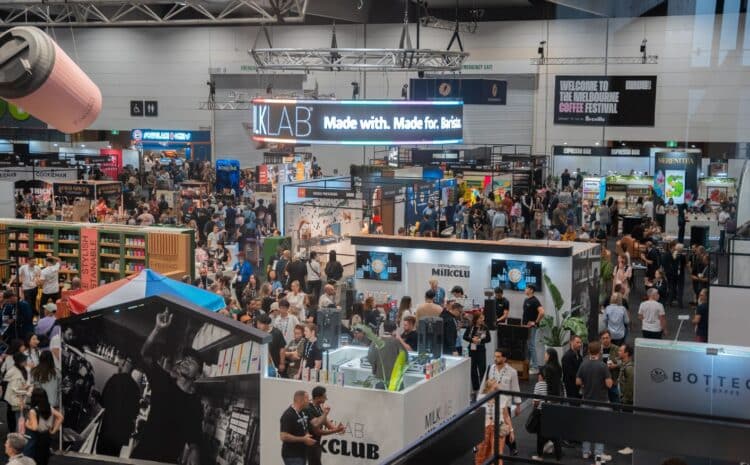
The Melbourne International Coffee Expo (MICE) has officially revealed its exhibitor line-up for 2026, offering industry professionals an early look at what to expect when the event takes place from 26–28 March 2026 at the Melbourne Convention and Exhibition Centre.

Recognised as one of the leading trade exhibitions for the global coffee and hospitality sectors, MICE continues to serve as a key meeting point for roasters, café operators, equipment manufacturers, and suppliers from around the world.

With the exhibitor directory now live, attendees can begin planning their visit and identifying the brands, technologies, and solutions most relevant to their business needs. The show floor will feature a broad mix of coffee roasters, machinery specialists, ingredient suppliers, and service providers, creating a comprehensive showcase of the industry.

The strength of the event is further reflected in its sponsor and partner support, which highlights the expo’s ongoing relevance within the international coffee community. Backing from established brands and industry organisations reinforces MICE’s role in showcasing current trends and future direction across coffee and hospitality.

Across the exhibition space, visitors will have the opportunity to engage directly with equipment manufacturers, grinder specialists, milk and ingredient suppliers, and packaging and technology providers. This face-to-face interaction allows businesses to evaluate options efficiently and make informed decisions with confidence.

The 2026 edition will once again feature hands-on demonstrations of brewing equipment and café workflow solutions, alongside curated areas dedicated to coffee tasting and roasting. These platforms enable attendees to compare products, explore sourcing conversations, and better understand performance across espresso and milk-based beverages.

In addition to product discovery, MICE 2026 brings together suppliers focused on sustainability, automation, packaging, and digital systems designed to support café and roastery operations. The event offers a practical environment for operators seeking solutions that improve efficiency and scalability.

With a focus on quality presentations, clear navigation, and meaningful engagement, MICE 2026 aims to deliver strong commercial value for attendees. As the exhibitor line-up is confirmed, industry professionals are encouraged to plan their visit early to maximise opportunities across the three-day event.

MICE 2026 is set to deliver insight, connection, and business-focused outcomes for the global coffee community.

World of Coffee Dubai 2026 concludes its fifth edition with a record 20,000 visits

  • 50% of the exhibition space for the sixth edition next year has already been booked
  • Brazil and other countries have announced an increase in their national pavilion spaces for the next edition
  • Results of the three live auctions announced
  • Winners honoured in the four championship categories, Best New Product, and Best Design Award
  • Jean Espanti from the United Arab Emirates crowned champion of the Cezve/Ibrik World Championship
  • Adam Rubin from Benchmark Coffee named Best Barista in the UAE
  • Jomar Morales from Benchmark Coffee takes first place in the Latte Art Championship
  • Nizam Basha Luwang from Espressi named Roaster of the Year
  • Sage wins the Best New Product Award
  • Coffee Market Innovations (CMI) wins the Best Design Award

Dubai – Qahwa World

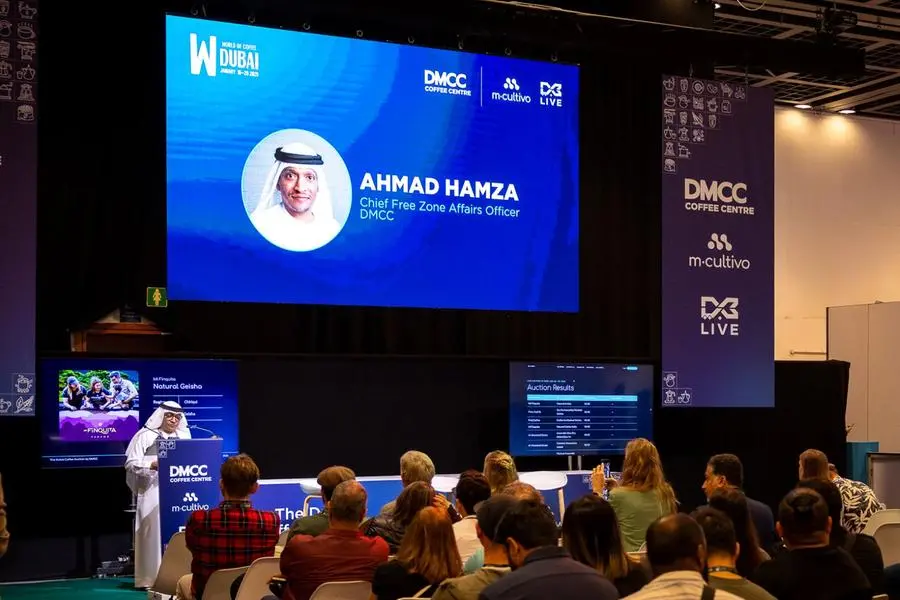
World of Coffee Dubai 2026 concluded yesterday at the Dubai World Trade Centre, announcing the winners of the local and international championships and competitions, as well as the results of the auctions held on the first and third days. The fifth edition of the exhibition was a remarkable success, recording over 20,000 visits from specialty coffee professionals across more than 80 countries., reflecting the continued growth of international attendance and global participation, and reinforcing Dubai’s position as a leading hub for the specialty coffee industry.

The fifth edition also witnessed the signing of a three-year partnership agreement to organise the Bahrain Coffee Festival between DXB LIVE, the Bahrain Tourism and Exhibitions Authority (BTEA), and Exhibition World Bahrain (EWB). The festival’s inaugural edition achieved strong success, positioning it as a platform that combines trade and consumer-focused activities, including workshops, live coffee preparation, championships, and interactive experiences, with the aim of engaging a wider community of coffee enthusiasts, families, and the general public. The opening day also saw the signing of a five-year partnership agreement between World of Coffee Dubai and the Specialty Coffee Association (SCA), extending the collaboration through 2031.

As the 2026 edition ended yesterday evening, DXB LIVE, the integrated event management and experiential agency of the Dubai World Trade Centre and organiser of the event, confirmed strong demand for exhibition space in the next edition. 50% of the exhibition space for the sixth edition of World of Coffee Dubai 2027 has already been booked. The next edition is scheduled to take place from 26–28 January 2027 at the Dubai World Trade Centre.

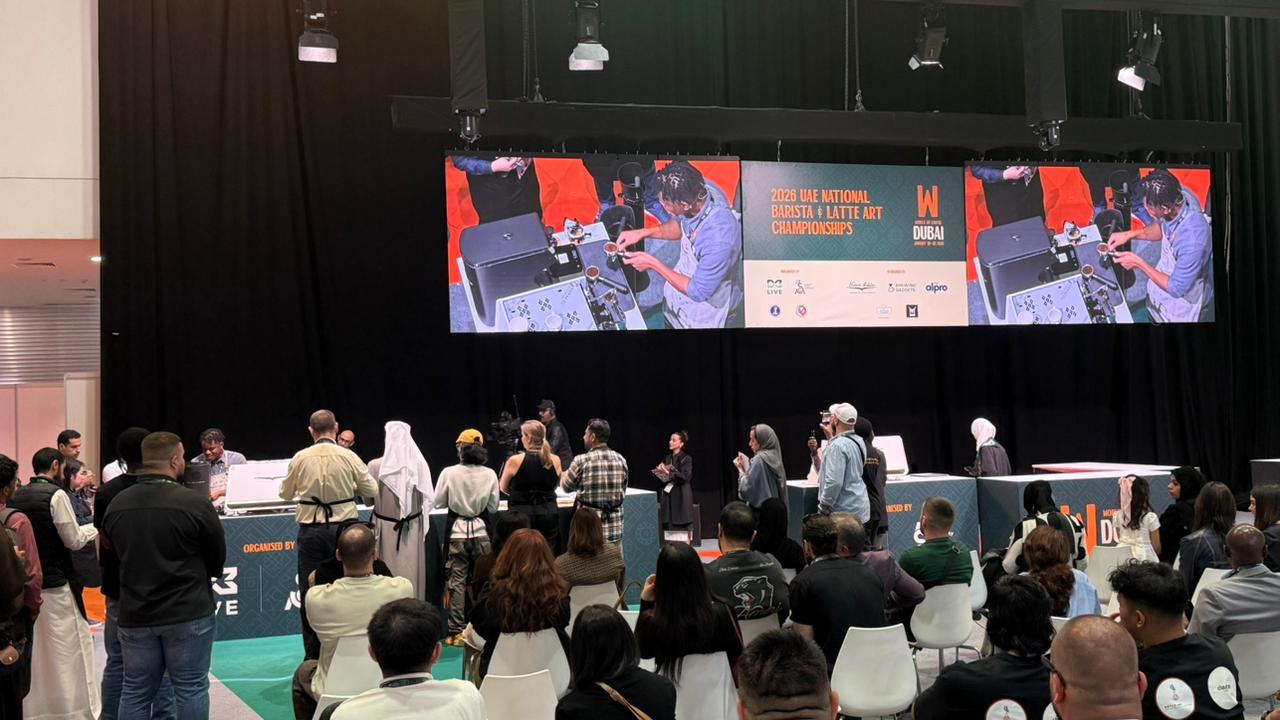
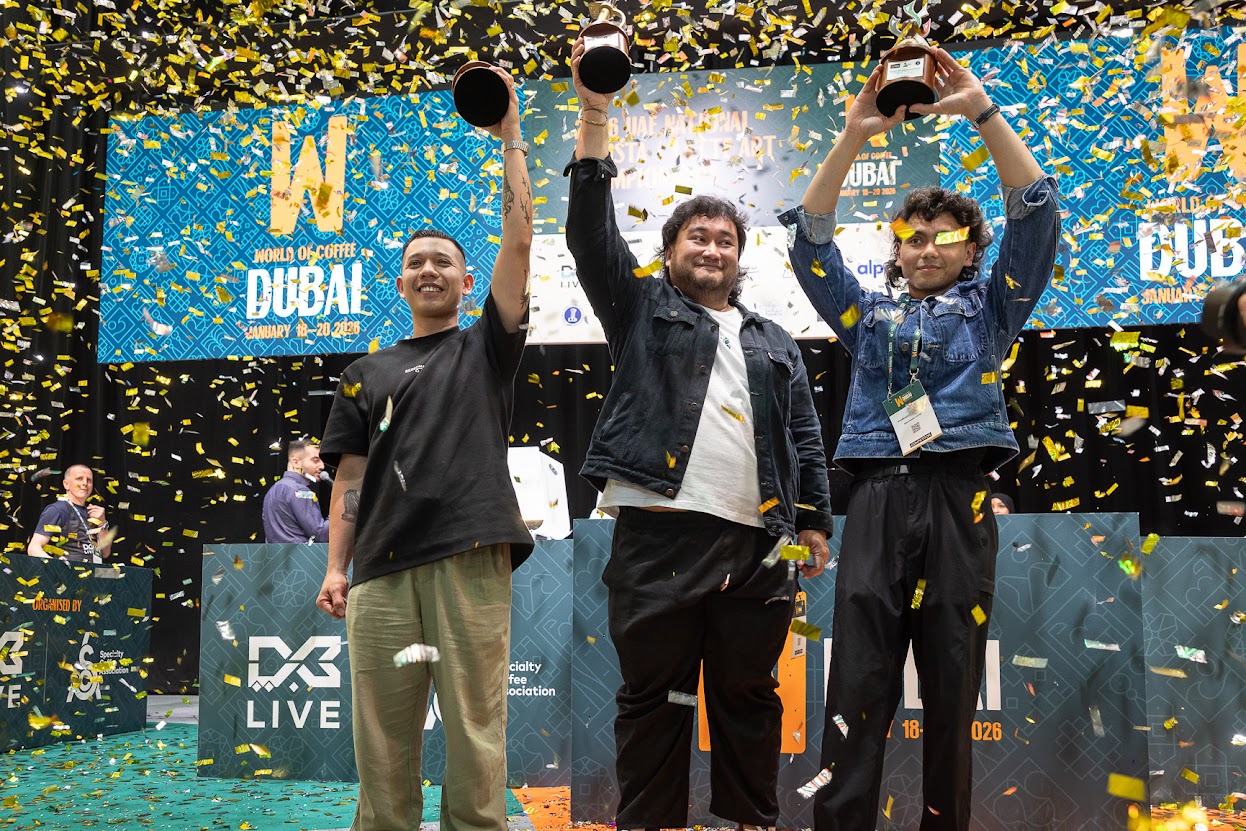
The final day marked the conclusion of four championship competitions, including three UAE national titles and the World Cezve/Ibrik Championship, recognising technical excellence, consistency, and performance under internationally recognised standards.

In the UAE National Barista Championship, Adam Ruben (Benchmark Coffee) was crowned National Champion, with Nooran Albannay (Coffee Architecture) securing second place and Serkan Sagsoz (Julith Coffee) placing third, following assessments across espresso, milk-based beverages, and signature drinks.

The UAE National Latte Art Championship recognised excellence in creativity, control, and technical precision, with Jhomar Morales (Benchmark) taking first place, followed by Mark Lyster Gimeno (Heaf) and Win Min Htike (Jebena Specialty Coffee) in second and third positions respectively.

The UAE National Roasting Championship concluded with Nizam Pasha Lolowang (Espressi) awarded first place, with Ajeyudu Pathuri (Brewing Gadgets) securing second place and Raha Shahsavar (Crack Coffee Roastery)placing third, recognising excellence in roast development, flavour profiling, and consistency.

At the international level, the World Cezve/Ibrik Championship crowned Jane Espante (United Arab Emirates) as the 2026 champion, followed by Angel Kotsifakis (Greece) in second place and Waël Hachem (France) in third. The championship celebrates one of the world’s oldest coffee brewing traditions through contemporary specialty coffee standards.

Innovation and creativity were celebrated through the event’s awards programme. The Best New Product Award was presented to Sage for The Oracle Dual Boiler, recognising innovation in coffee equipment and brewing technology. The Coffee Design Award was awarded to Coffee Market Innovations (CMI), celebrating excellence in stand design, creativity, and brand presentation on the exhibition floor.

Key commercial results were confirmed through the Dubai Coffee Auction programme, with the Dubai Coffee Equipment Auction on Day One and the Exhibitors’ Coffee Auction on Day Three, organised by DXB LIVE with DMCC, delivering major milestones including a Bolivian coffee reaching USD 386 per kilogram (the origin’s second highest price on record), the first ever continental U.S. coffee offered at auction setting a new price benchmark, and a record diversity of 13 origins represented in a single auction, reinforcing World of Coffee Dubai’s role as a transparent, trade driven marketplace for global buyers and producers.

Commenting on the fifth edition, Khalid Al Hammadi, Executive Vice President of DXB LIVE, said: “World of Coffee Dubai has firmly established itself as a platform where the specialty coffee industry comes together to celebrate excellence, exchange knowledge, and conduct meaningful business. The remarkable growth in visitor numbers, along with the strong early demand for exhibition space for the 2027 edition, reflects the role of both Dubai and the event as a hub connecting markets, talent, and opportunities.”

Over the course of three days, World of Coffee Dubai 2026 brought together more than 2,100 exhibiting companies and brands from 78 countries, serving as a key meeting point for producers, roasters, manufacturers, buyers, and decision-makers across all stages of the specialty coffee value chain. The final day shifted the focus from engagement to recognition, with a formal celebration of professional excellence, innovation, and achievements within the sector.

As World of Coffee Dubai 2026 concludes, the fifth edition stands as its largest and most internationally diverse to date, underscoring Dubai’s growing influence as a global hub for specialty coffee trade, professional excellence, and innovation.

About World of Coffee Dubai

World of Coffee Dubai (WOC Dubai) is the premier coffee trade show for exhibitors and visitors looking to break into the Middle East’s burgeoning coffee industry. The event showcases popular features like the Roaster Village, engaging lectures, the Cupping Room, the SCA UAE National Championships, the Coffee Design Awards, the Best New Display Product Competition, Brew Bar, and the SCA Community Lounge, where buyers and sellers come together to reconnect and establish new business relationships. The exhibition welcomes local, regional, and global professionals in the coffee industry including producers, manufacturers, traders, farmers, international experts, distributors, small and medium companies, coffee shops, roasters, hotels, and coffee enthusiasts from around the world.

About SCA

The Specialty Coffee Association (SCA) is the world’s largest nonprofit, membership-based trade association in the coffee industry. Representing thousands of coffee professionals globally from producers to baristas, the organization is built on foundations of openness, inclusivity, and the power of shared knowledge, fostering an international coffee community to make specialty coffee a thriving, equitable, and sustainable activity for the entire value chain. From coffee farmers to baristas and roasters, our membership spans the globe, encompassing every element of the coffee value chain. The SCA acts as a unifying force within the specialty coffee industry and works to make coffee better by raising standards worldwide through a collaborative and progressive approach.

About DXB LIVE

DXB LIVE, the premier event management and experiential agency of Dubai World Trade Centre (DWTC) offers a comprehensive range of services, providing innovative solutions for all types of events and experiences both within the UAE and internationally. Over the years, DXB LIVE has successfully created a fully integrated and globally recognized experiential environment, driven by its state-of-the-art in-house production facilities and advanced technical expertise. The team covers strategic concept

Jhomar Morales Crowned Champion of the UAE National Latte Art Championship 2026

Dubai – Qahwa World

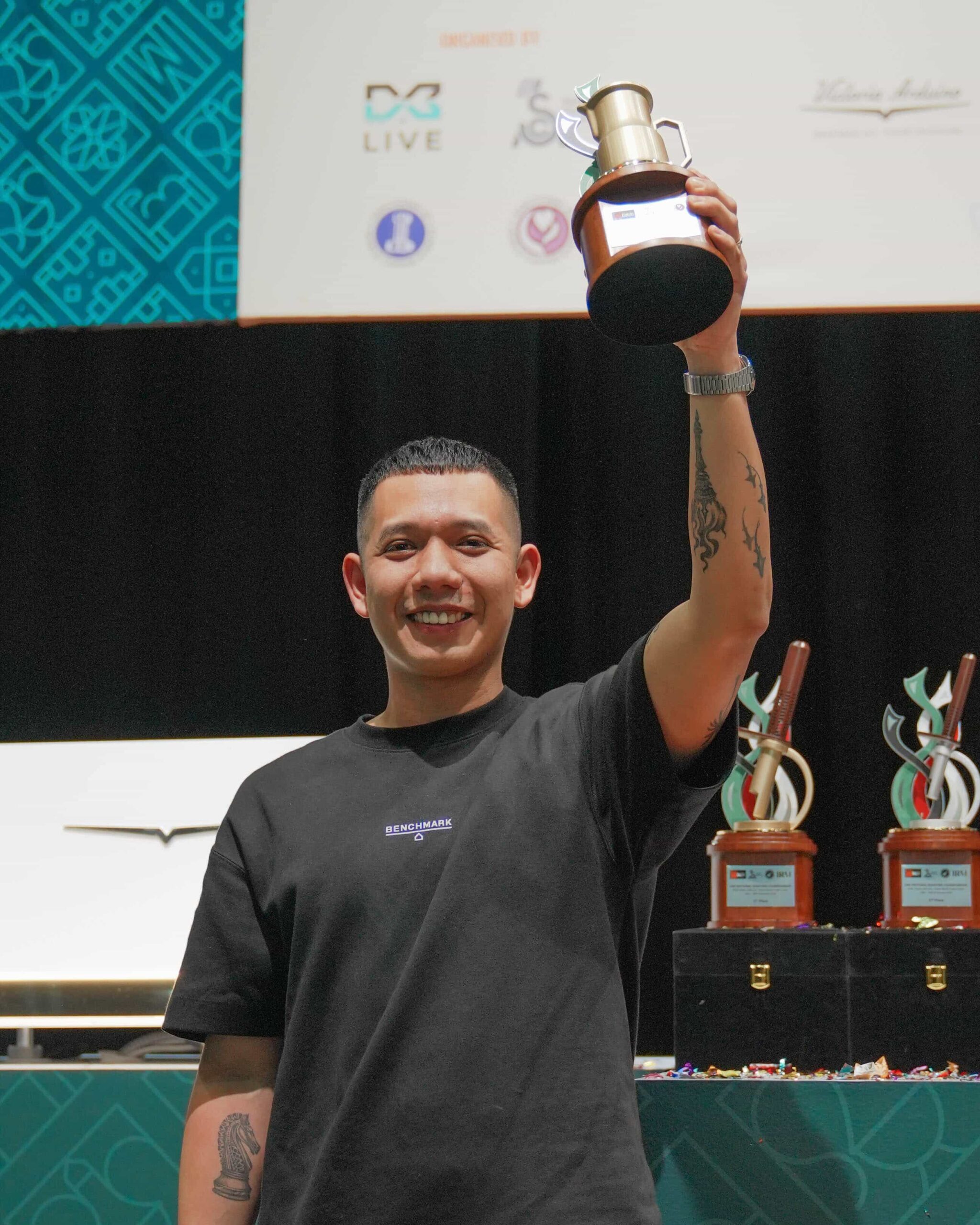
Jhomar Morales of Benchmark Coffee has claimed first place in the UAE National Latte Art Championship during the fifth edition of World of Coffee Dubai 2026, held at the Dubai World Trade Centre. The championship recognized creativity, precision, and technical excellence in crafting milk-based coffee beverages, a highlight among the four national and international competitions featured at the event.

Morales was followed by Mark Lyster Gimeno from Heaf in second place, and Win Min Htike from Jebena Specialty Coffee in third, after rigorous evaluations based on artistic design, milk texture, coffee balance, and overall presentation.

The UAE National Latte Art Championship is part of the wider set of competitions held at World of Coffee Dubai, which also included the UAE National Barista Championship, the UAE National Roasting Championship, and the World Cezve/Ibrik Championship. At this year’s event, Adam Rubin from Benchmark Coffee was crowned UAE National Barista Champion, while Nizam Basha Luwang from Espressi was named Roaster of the Year, and Jane Espante from the UAE won the Cezve/Ibrik World Championship.

World of Coffee Dubai 2026 brought together over 2,100 exhibiting companies from 78 countries, attracting more than 20,000 visitors from across the globe. The event also celebrated innovation through awards such as the Best New Product Award, won by Sage for the Oracle Dual Boiler, and the Coffee Design Award, awarded to Coffee Market Innovations (CMI).

The exhibition confirmed strong demand for next year’s edition, with 50% of the space already booked and several countries, including Brazil, announcing an increase in their national pavilion areas.

Jhomar  Morales’ victory underscores the growing expertise and creativity of UAE-based baristas in the global specialty coffee scene, reflecting Dubai’s emerging position as a hub for coffee excellence and innovation.

World of Coffee Dubai 2027 is scheduled to take place from 26–28 January 2027 at the Dubai World Trade Centre.