Starbucks Faces Largest Labor Strike in U.S. History

Dubai – Qahwa World

Starbucks workers across the United States staged a coordinated strike on Thursday, marking what union leaders say could become the largest and longest unfair labor practice strike in the company’s history. The action began at 65 stores in 40 cities and has the potential to expand to as many as 550 locations in the coming weeks. The union, Starbucks Workers United, represents a growing segment of baristas and store employees pushing for better pay, hours, and protections against what they describe as persistent unfair labor practices.

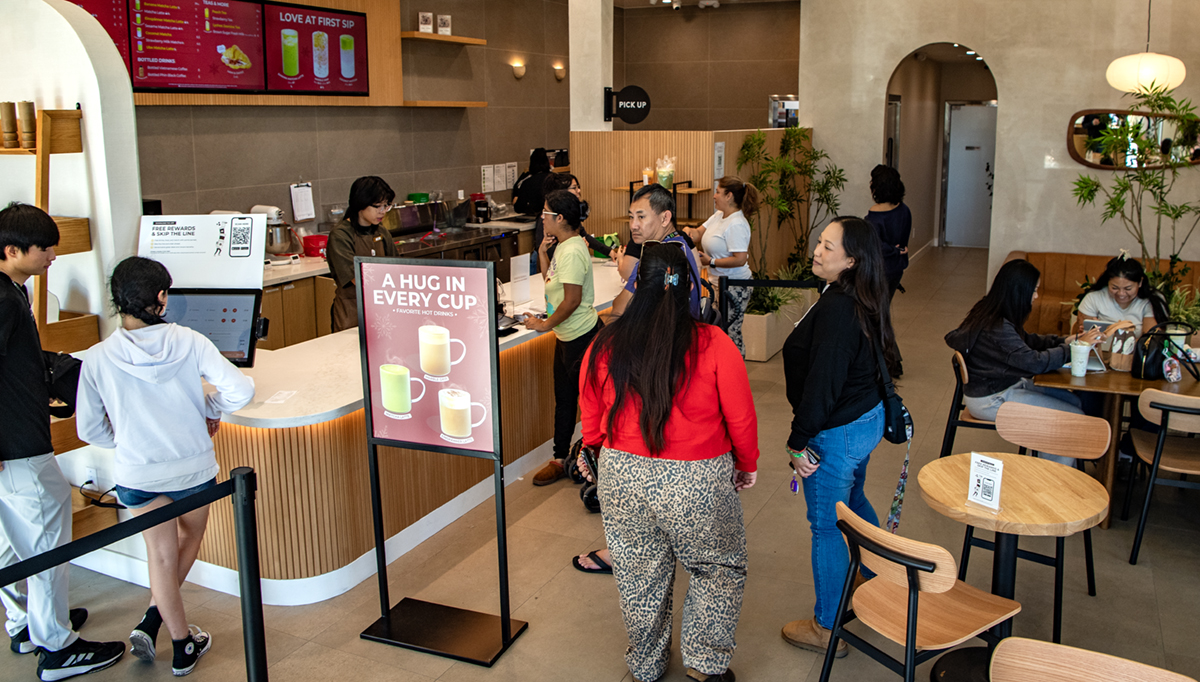
Chanting slogans such as “What’s outrageous? Starbucks wages! What’s appalling? Starbucks stalling! What’s disgusting? Union busting!”, the striking workers highlighted longstanding grievances with corporate policies. Many of the early pickets coincided with Starbucks’ annual promotional “Red Cup Day,” a high-traffic event notorious for long lines and overworked staff. Sabina Aguirre, a barista from Columbus, Ohio, told Labor Notes that “Red Cup Day is one of the busiest days for Starbucks all year. It’s so well known to be a day of overwork and frustration on behalf of the employees.”

The strike is being supported by other unions as well. At a Brooklyn, New York location, striking baristas were joined by members of Laborers Local 79, the Communications Workers, the United Federation of Teachers, and building workers from SEIU Local 32BJ. The coordinated solidarity reflects a broader push by labor organizations to strengthen collective action across sectors.

Although Starbucks Workers United has successfully organized 650 stores, the company operates roughly 10,000 locations in the United States. To amplify pressure, the union is calling on the public to avoid all Starbucks stores, whether unionized or not, during the strike, and to communicate to the company that current labor conditions are unacceptable.

Negotiations between Starbucks and unionized workers began in February 2024. These discussions followed years of alleged unfair labor practices that started in 2021, when the first Buffalo stores unionized under Starbucks Workers United, a division of Workers United/SEIU. Progress toward a formal contract initially seemed promising but stalled after the company appointed a new CEO, Brian Niccol, in September 2024.

Tyler Cochran, a barista in Manhattan, noted, “So much progress was made in early 2024, before Brian Niccol took over. We knew the economic portion of bargaining would be the most challenging, but the timing coinciding with a new CEO really slowed things down.” Niccol, who previously worked at Chipotle, has a track record that includes closing the first store to seek union recognition at his former company, later settling for $240,000 with the National Labor Relations Board. Cochran highlighted the pay gap, noting that Niccol earns 666 times the salary of the average Starbucks barista.

Baristas say that while Starbucks has invested heavily in store refurbishments and promotional campaigns aimed at drawing customers back, staffing remains the most critical issue affecting operations and customer experience. “Lines are often out the door,” said Aguirre. “The main thing that would make stores more appealing to customers is adequate staffing. Nothing else can replace that.”

Equipment issues have further strained employees. Reports from striking workers include malfunctioning pitcher washers, leaking cold brew machines, and unrepaired refrigerators, sometimes forcing staff to store milk at room temperature. Beyond operational challenges, the union alleges that Starbucks continues to engage in unfair labor practices, including illegal monitoring and punitive actions against employees involved in union activities, along with unresolved workplace safety violations.

Compensation is another central grievance. Starbucks pays most baristas between $15 and $19 per hour, depending on location and local minimum wage laws. Aguirre, for example, earns $15.50 per hour in Columbus. Many employees struggle to qualify for health insurance or other benefits because they do not consistently receive enough hours. Even those who do qualify can lose coverage if their weekly hours fall below the minimum threshold over a six-month period.

Paradoxically, while baristas are seeking more hours and predictable scheduling, understaffing persists. “It feels like we’re constantly being asked to do more with less,” said Aguirre. “Management assumes that by placing time constraints on orders, problems will be solved automatically. In reality, staffing is the only solution to these persistent issues.”

The strike is being framed not only as a fight for fair wages and working conditions but also as a broader stand against corporate practices that baristas view as exploitative. “It’s about dignity at work,” Cochran emphasized. “We’re asking for the basic ability to support ourselves without relying on food stamps and without sacrificing health coverage or safe working conditions.”

As the strike unfolds, Starbucks Workers United continues to mobilize public support and encourage participation in picket lines. The union maintains that its goal is a comprehensive contract addressing pay, scheduling, equipment maintenance, and protections against unfair labor practices, aiming to set a precedent for the treatment of retail workers nationwide.

For updates and ways to support the picket lines, the union directs the public to nocontractnocoffee.org


Trump Administration Considers Coffee Tariff Reduction

Dubai – Qahwa World

President Donald Trump indicated in a televised interview that his administration is preparing a policy shift aimed at reducing tariffs on coffee imports, a move expected to influence one of the most widely consumed commodities in the United States. His comments, though brief, come at a moment when households across the country are facing increased pressure from rising food and beverage prices.

In the interview, Trump noted that the upcoming steps will include lowering certain tariffs on coffee, framing the measure as part of a wider initiative to ease living costs for American families. Coffee, which the United States does not produce domestically in commercially viable quantities, remains heavily dependent on global supply chains and import regulations, making it sensitive to trade decisions and tariff schedules.

The president’s statement has drawn significant interest among economic analysts and industry observers who view the potential tariff reduction as a meaningful intervention in a market shaped by fluctuations in global supply, shipping disruptions, and heightened consumer demand. Within Washington, discussions have reportedly been underway regarding adjustments to tariffs on essential goods that form part of Americans’ daily consumption patterns, including coffee.

Reports suggest that the Treasury Department has explored possible frameworks for easing import duties on coffee shipments entering U.S. ports. Supporters of the proposed change argue that reducing these duties could contribute to lower retail prices, provided that broader logistical pressuressuch as freight costs and delivery bottlenecksdo not counteract the effect. Businesses operating in the coffee sector, particularly roasters, cafés, and national chains, have long highlighted tariff costs as a contributing factor in pricing decisions.

In parallel to the domestic policy review, the administration is described as engaging in trade dialogues with key coffee-producing countries such as Argentina, Guatemala, El Salvador, and Ecuador. These discussions reportedly address streamlining import procedures and reducing barriers that have complicated the movement of coffee into the U.S. market. Strengthening these trade channels could not only benefit exporting nations but also help stabilize supply routes that have experienced strain in recent seasons.

The U.S. coffee market has faced sustained price pressures driven by global climate challenges affecting crop yields, elevated transportation costs, and persistent shifts in consumption patterns. Retail prices have climbed steadily, prompting questions from consumers and businesses alike about the underlying factors contributing to the upward trend. Given that the United States relies almost entirely on imported green coffee beans, the sector remains highly exposed to external shocks.

From a political standpoint, the potential tariff reduction may signal an effort by the administration to respond to public concerns about inflation and household affordability. Coffee holds a unique place in daily American life, making any decline in its price particularly visible to voters. Policies that directly influence the cost of essential consumer goods can carry notable political implications.

Internationally, a U.S. decision to ease coffee tariffs could reshape commercial relationships between the United States and producing countries seeking reliable high-volume markets. Depending on the scale and timing of the policy, the move might also influence global coffee price dynamics, especially if exporters adjust their strategies in anticipation of changing demand from American buyers.

As the industry awaits more concrete details, companies across the supply chainimporters, roasters, distributors, and retailersare assessing how the potential adjustment might affect their operations. Lower tariffs could relieve some of the financial pressure that has accumulated due to higher operating costs, enabling businesses to revisit pricing models and long-term procurement strategies.

Although the president’s remarks did not include a timeline or formal policy outline, they represent the clearest indication to date that the administration is preparing to intervene directly in coffee-related import costs. The statement has already prompted expectations of a forthcoming announcement, as market participants and consumers closely watch Washington for the next development. The outcome of this initiative could have substantial implications for the future of coffee prices and availability across the United States.

Peet’s Coffee Names Stuart Heflin as New President Amid US Growth Push

Dubai – Qahwa World

Peet’s Coffee, the iconic Californian specialty coffee brand, has appointed Stuart Heflin as its new President, marking a fresh chapter for the US coffee pioneer. Heflin succeeds Eric Lauterbach, who stepped down as President and CEO after three-and-a-half years at the helm.

Heflin joins Peet’s from Colorado-based food group Simply Good, where he served as General Manager of its Quest Nutrition division. In his new role, he will oversee all domestic and international Peet’s operations, including 250 company-owned stores in the US and 250 licensed outlets across China, the UAE, and Saudi Arabia. Heflin will also lead Peet’s specialty coffee brands Stumptown Coffee and Intelligentsia Coffee, both acquired by Peet’s in 2015.

“I’m confident that Stuart, with his deep appreciation for brands with soul and proven ability to lead with both vision and heart, is the right leader for this next phase,” Lauterbach said. Lauterbach, who joined Peet’s in 2010, guided the company through its transition from public to private ownership under JAB Holding Company and the formation of JDE Peet’s in December 2019.

The leadership change coincides with Peet’s strategic shift towards a franchise-led growth model in the US. Most of Peet’s 250 US stores remain company-owned, primarily in California, but the company is now seeking new franchise partners to expand across eastern US states. Peet’s is also increasing investment in consumer packaged coffee products, including ready-to-drink beverages, concentrates, and instant coffee.

These moves form part of JDE Peet’s “Reignite the Amazing” strategy, unveiled to investors in July 2025, and one of its three major growth priorities alongside the French coffee brand L’OR and a portfolio of heritage brands led by Jacobs. The strategy gains added significance as JDE Peet’s prepares for acquisition by Texas-based Keurig Dr Pepper in an $18.2 billion deal, with plans to invest heavily in premium and profitable coffee categories.

Founded in 1966 with its first café in Berkeley, California, Peet’s continues to blend its legacy as a US specialty coffee pioneer with an ambitious plan for national and international expansion under Heflin’s leadership.

Registration Open for the 2026 UAE National Barista, Latte Art & Roasting Championships

Dubai Qahwa World

The Specialty Coffee Association UAE (SCA UAE) has announced the opening of registration for the 2026 UAE National Barista, Latte Art & Roasting Championships, which will be held as part of the World of Coffee Dubai 2026 exhibition at Za’abeel Halls, Dubai World Trade Centre, from January 18 to 20, 2026.

SCA UAE confirmed that the championships will be conducted according to the standards of the World Coffee Championships (WCC), with registration open until December 10, 2026.

Eligibility requirements are as follows:

For UAE Nationals:

Copy of passport

Active membership with SCA UAE

For Residents:

Copy of passport

Copy of UAE residency visa (both old and new as proof of two years residency)

Active membership with SCA UAE

All applicants must complete the online registration form and upload the required documents. A specialized committee will review submissions and select participants based on the completeness and validity of their documents. Confirmed participants will receive an official confirmation email.

Participation Fee: AED 1,500 per championship.

Official Competition Equipment:

Victoria Arduino Espresso Machine, Eagle One model, equipped with two espresso heads, 58mm filter baskets, and Mythos MY 75 grinder.

IRM Coffee Roasting Machine.

SCA UAE also invites volunteers and sponsors to support the championships and contribute to the success of the event.

For registration and further information, contact: [email protected]

Mexican Coffee to Make History in Dubai 2026

Coatepec, Veracruz – Qahwa World

Mexican coffee is set to leave a historic mark at one of the Middle East’s premier coffee events. Casa Tostadora Briones has announced its participation in the upcoming exhibition from January 18 to 20, 2026, at the Dubai World Trade Centre, representing all coffee-producing regions of Mexico in a first-of-its-kind national initiative.

“This is an unprecedented moment,” said José Manuel Hernández García, CEO of Casa Tostadora Briones. “For the first time, all producing states, institutions, and growers are moving forward together. In Dubai, we will present not only our coffee but the story of every hand and every mountain that shapes our harvests.”

The initiative brings together multiple official and civil partners, including: Veracruz Secretariat of Economic Development

  • Chiapas Ministry of Economy and Labor and the Coffee Institute of Chiapas

  • Guerrero Secretariat of Economic Development

  • Mexican Ministry of Tourism

  • Asociación Civil Ayuda Productores Veracruzanos

In addition to promoting Mexican coffee internationally, the project highlights the cultural, natural, and touristic richness of Mexico’s coffee-growing regions and aims to encourage origin-based tourism, showcasing the deep connections between coffee, history, and local communities.

Casa Tostadora Briones has also pioneered new export routes from Mexico to the Middle East, ensuring that every batch maintains its origin identity and high-quality standards.

The company is inviting coffee producers, cooperatives, and associations from across Mexico to join this historic national representation.

The Dubai exhibition will take place January 18–20, 2026, at the Dubai World Trade Centre, Main Halls, bringing together leading figures in the global coffee industry.

CNN: Coffee Prices in the US Are Unlikely to Fall Anytime Soon

New York — Qahwa World

CNN reports that hopes for lower coffee prices in the United States remain slim, despite the Trump administration’s recent signals about reducing tariffs on goods not grown domestically, including coffee.

According to the network, Treasury Secretary Scott Bessent told Fox News that “substantial announcements” are expected in the coming days regarding potential tariff cuts on imports such as coffee, bananas, and other fruits. CNN notes that his comments amount to an implicit acknowledgment that the tariffs previously imposed have raised costs for American consumers a point the administration had long disputed.

However, CNN emphasizes that even a full rollback of coffee tariffs would be unlikely to bring significant price relief. Retail coffee prices have risen about 20% year-over-year due to two major factors:

Highly volatile weather that has disrupted harvests of a crop that is already labor-intensive and difficult to grow.

Tariffs imposed by the Trump administration on the world’s largest coffee exporters Brazil (50%), Colombia (10%), and Vietnam (20%).

The network adds that coffee production is limited to specific regions of the world, making domestic expansion impossible.

Despite rising costs, CNN, citing data from the National Coffee Association, notes that American coffee consumption has not declined. Coffee is viewed as both essential and a small luxury consumers are unwilling to give up. As long as demand remains strong, businesses from major chains like Starbucks to local cafés continue to maintain higher prices.

Alex Susskind, a professor at Cornell University, told CNN that in business, “once you take price increases, you tend not to give them back,” suggesting that cafés are unlikely to lower prices even if tariffs disappear. Some modest relief may appear in grocery stores, where mass-market brands face more price-sensitive buyers.

CNN concludes that lowering tariffs on coffee will not meaningfully shift public sentiment. Larger economic pressures such as housing, energy, and healthcare costs are the real drivers of Americans’ concerns, far more than the price of a daily cup of coffee.

What’s New in the Dubai Coffee Auction 2026

Dubai Qahwa World

The Dubai Coffee Auction returns this year as part of World of Coffee Dubai 2026, promising a bigger and more exciting experience than ever. The three-day event, taking place from 18 to 20 January 2026, offers roasters, café owners, and coffee enthusiasts the opportunity to explore and purchase some of the world’s finest coffees and innovative equipment.

Auction Event Schedule:

18 January Coffee Equipment Showcase: Exhibitors will present a curated auction of specialized, high-end, and custom coffee equipment, providing attendees with an exclusive chance to explore the tools shaping modern coffee craftsmanship.

19 January Premium Coffee Auction: Participants can bid on rare and specialty coffee lots, both in person and online through cupping bidding sessions, offering a more interactive experience for buyers worldwide.

20 January Green Coffee Auction: A curated selection of pre-screened, top-tier green coffees will be showcased to buyers through in-person cupping sessions, emphasizing quality and exclusivity.

Organisers confirmed that this year’s auction introduces new experiences designed to connect buyers with rare microlots, specialty coffee, and advanced equipment, reinforcing Dubai’s position as a global hub for coffee lovers and the coffee industry.

The auction first launched last year during World of Coffee Dubai 2025, marking the region’s first-ever rare coffee auction, featuring around 20 collections of specialty and rare coffee beans.

The auction is the result of a strategic partnership between World of Coffee and the Coffee Centre of DMCC, aiming to strengthen Dubai’s role as a global coffee hub. Attendees can participate in person, while remote participants can join through a sophisticated digital platform.

In its inaugural edition, the Dubai Coffee Auction achieved record prices, with 16 collections of some of the rarest and finest beans offered by 11 producers from nine countries, including 11 collections of Geisha coffee, covering six different varieties, making the auction a global showcase of the world’s top coffee producers.

The highest-priced coffee in the auction was natural Geisha from the “Finca Sofia” farm in Panama, sold at $10,020 per kilogram, while another variety from the same farm reached $8,614 per kilogram, and a selection from “Finca La Mula” sold for $2,620 per kilogram. Meanwhile, Oma Natural coffee from Ethiopia reached $1,100 per kilogram, setting a new record for Ethiopian coffee.

The “Kona SL 34” variety from Hawaii also achieved a new U.S. coffee record at $950 per kilogram, an eightfold increase over the previous highest price paid for Kona coffee.

Geisha coffee is considered one of the rarest and most expensive coffees globally, known for its unique floral and citrus notes such as jasmine, and a smooth texture. Its origins trace back to Ethiopia, specifically the village of Geisha, and it was transplanted to Panama in the 1960s, where it thrives in high-altitude farms.

Additionally, “La Yamafrom producerLos Rodriguezbecame the most expensive Bolivian coffee ever sold, fetching $350 per kilogram.

Specialty coffee, in general, is classified as coffee scoring 80 points or higher on a 100-point scale used in the Specialty Coffee Association’s cupping form. All lots presented in the auction scored 92 points or higher, reflecting their high quality.

Auction prices are driven by three main factors: superior quality, which typically scores above 90 points in cupping tests; rarity, as limited production increases demand; and the producer’s reputation and story, which add value and attract buyers seeking consistency and excellence.

Sucafina Releases Key Update on Ethiopia’s 2025/26 Coffee Harvest

Addis Ababa Qahwa World

Sucafina Ethiopia has released its latest update on the 2025/26 coffee harvest, with Kirubel Girma, Trading & Operations Manager, outlining harvest timing, regional variations, price movements, and expanded sustainability initiatives across the country.

According to the update, the harvest is beginning later than usual this season, with a delay of around 1520 days due to shifting weather patterns. Ripening continues to vary significantly by altitude, shaping different production trends across Ethiopia’s coffee-growing regions.

In southern Ethiopiaparticularly Yirgacheffe, Gedeb, and Gujifarmers expect a moderate decline of 5% to 7% after last year’s exceptionally high crop. Meanwhile, western and south-western regions are entering a strong on-cycle year, anticipating notably higher yields compared to the 2024/25 season.

Harvest timing varies by altitude as follows:

Lowlands:

Southern Ethiopia: mid-October to December

Western Ethiopia: late October to January

Mid-altitude regions:

Late October to mid-January

High-altitude regions:

Starting in November through the first half of February

Overall production is expected to be similar to last season, with shifts between regions balancing out total output. Consistent rainfall throughout the season has supported healthy cherry development and stable growing conditions.

On the market side, cherry prices have increased sharply this year. The season opened at 120 ETB/kg and has already climbed to 145 ETB/kg, a significant jump from last year’s starting point of 3540 ETB/kg. This rise is attributed to the devaluation of the Ethiopian birr, higher NY “C” prices, and increased competition among local buyers. The sector is also facing challenges in managing cherry price volatility amid a growing number of active market players.

Sucafina highlighted several sustainability developments, particularly in the Sidamo region, where the Lalisaa Project has expanded through a dedicated full-time field officer supporting farmers directly. This closer engagement has enhanced traceability and helped connect producers with markets offering better price incentives.

Additionally, in collaboration with destination teams and clients, Sucafina has begun returning GrainPro bags to Ethiopia. These bags are redistributed to farmers to improve on-farm storage conditions and protect quality, especially in areas lacking proper warehouse facilities.

Looking ahead, stable weather patterns, strong western yields, and improved price motivation for farmers point to a solid overall season for Ethiopia’s 2025/26 harvest. Sucafina encourages industry partners interested in sourcing Ethiopian coffee to contact their traders for current offers and origin updates.

Coffee Prices Slide as U.S. Hints at Possible Tariff Reductions

Dubai – Qahwa World

Coffee markets recorded a sharp downturn on November 12 after fresh signals from Washington suggested that import tariffs on coffee could soon be eased, triggering immediate reactions across arabica and robusta futures. December arabica contracts declined by 3.62%, while January robusta fell by 5.09%, reaching a two-week low. The drop intensified after comments by President Donald Trump indicating plans to reduce tariffs on coffee, followed by remarks from Treasury Secretary Bessent about upcoming announcements affecting products not grown in the United States, coffee among them.

The market also reacted to the first outlook from StoneX for the 2026/27 season, which projects Brazil’s total coffee harvest at 70.7 million bags, including 47.2 million bags of arabica — a significant 29% increase compared to the previous year. Consistent rains in Brazil added further pressure, with Somar Meteorologia reporting that Minas Gerais, the country’s primary arabica-producing region, received 72.1 mm of rain during the week ending November 7, equal to 160% of its historical average. Improved moisture levels reduced earlier concerns about dryness and contributed to the bearish sentiment.

Additional downward pressure came from Vietnam, where the National Statistics Office confirmed that coffee exports for January to October 2025 rose by 13.4% year-on-year to 1.31 million metric tons. Production for 2025/26 is expected to increase by 6% to 1.76 million metric tons, marking the country’s highest output in four years. Industry officials noted that, with favorable weather, the harvest could potentially surpass last year’s by 10%. Vietnam remains the world’s largest producer of robusta coffee, and higher supply expectations have weighed heavily on prices.

Despite these developments, some indicators are providing support to the market. The International Coffee Organization reported a slight decline of 0.3% in global coffee exports for the current marketing year, reaching 138.658 million bags. At the same time, ICE inventories have tightened noticeably as U.S. buyers reduce purchases from Brazil since the introduction of 50% tariffs on Brazilian coffee imports. ICE-monitored arabica inventories fell to a 1.75-year low of 406,129 bags, while robusta stocks dropped to 5,873 lots, the lowest level in nearly four months. With about one-third of U.S. unroasted coffee typically sourced from Brazil, reduced contracting has led to a visible drawdown in domestic supplies.

Longer-term climate risks also continue to influence sentiment. In mid-September, the U.S. National Oceanic and Atmospheric Administration raised the probability of a La Niña event to 71% for the October–December period. Such conditions can bring excessively dry weather to Brazil and potentially disrupt the 2026/27 crop. Brazil’s crop agency Conab has already revised its 2025 arabica forecast downward by 4.9%, estimating 35.2 million bags, while also trimming overall coffee production to 55.2 million bags.

On a global scale, the USDA Foreign Agricultural Service expects 2025/26 world coffee production to reach a record 178.68 million bags, reflecting a 2.5% increase. The outlook includes a slight decline of 1.7% in arabica production to 97.022 million bags, offset by a robust 7.9% rise in robusta output to 81.658 million bags. Brazil’s production is forecast to grow modestly by 0.5% to 65 million bags, while Vietnam’s output is projected to rise by 6.9% to 31 million bags, the highest level in four years. Global ending stocks are estimated to climb by 4.9% to 22.819 million bags.

Mokha 1450 and Primavera Gerrein Coffee Unite to Launch “Guatemala Esperanza” in Dubai

Dubai – Qahwa World

With its signature elegance and commitment to innovation, Mokha 1450 unveiled its latest creation — Guatemala Esperanza Mokha 1450, a single-origin coffee that embodies craftsmanship, authenticity, and sustainability.

This new offering marks a promising partnership with Primavera Gerrein Coffee from Guatemala, led by Ms. Nadine Rasch, the company’s Director and Second Vice President of the Specialty Coffee Association (SCA). Nadine Rasch comes from a family with four generations of coffee growers in Guatemala and founded Primavera to honor that legacy. From the beginning, her mission has been to deliver exceptional coffees efficiently and transparently to roasters worldwide while ensuring that sustainability remains at the heart of every stage of production.

Primavera started as Third Wave Coffee Source, an importer of Guatemalan coffees in the UK, before expanding into Europe and North America. In 2018, its sister company La Central de Café opened in Guatemala City to strengthen ties with producers and improve efficiency in the value chain. In 2019, the brand unified under the name Primavera Green Coffee, and by 2023, it expanded to include new origins, continuing to represent its core values of sustainability, transparency, and uncompromising quality.

The elegant launch event took place at Mokha 1450’s new branch inside the Modora luxury furniture gallery in Dubai’s Umm Suqeim district. The event gathered a select audience of coffee professionals, enthusiasts, and industry figures who celebrated the union of two brands known for their integrity, innovation, and passion for coffee excellence. The evening reflected a shared commitment to bridging cultures and connecting coffee lovers with the people and places that make every cup extraordinary.

Founded in the United Arab Emirates, Mokha 1450 is an innovative luxury specialty coffee brand deeply rooted in the origins and ethics of coffee culture. The company’s philosophy is built on direct trade and social responsibility, sourcing rare and exceptional coffees directly from producers while supporting women-owned and operated farms across the world. Mokha 1450 is guided by a belief that true luxury lies not only in quality but also in purpose — in fostering long-term relationships that empower farming communities and preserve the authenticity of coffee’s story.

The launch of Guatemala Esperanza Mokha 1450 represents more than the debut of a new coffee; it symbolizes a collaboration built on trust, expertise, and shared values. Together, Mokha 1450 and Primavera Gerrein Coffee reaffirm their dedication to a global coffee movement where sustainability, transparency, and craftsmanship remain the defining ingredients in every brew.

Luckin Coffee Eyes Fresh U.S. Listing Five Years After Accounting Scandal

The Chinese coffee giant moves to regain investor confidence and global credibility following a dramatic turnaround that made it China’s largest coffee chain.

Dubai – Qahwa World

China’s Luckin Coffee is reportedly preparing to return to Wall Street, five years after its dramatic delisting from the Nasdaq amid one of the country’s most notorious corporate accounting scandals.

Speaking at a government-hosted event in Xiamen on 2 November 2025, CEO Jinyi Guo said the company was “actively pushing the process of relisting on a U.S. main board,” though he declined to specify a timeline. Market observers believe the relisting could take place either on the New York Stock Exchange or Nasdaq, marking a significant milestone in the company’s comeback story.

Founded in Beijing in 2017, Luckin first listed in the United States in May 2019, raising $561 million to fund its breakneck expansion to 4,500 stores across China. But by April 2020, revelations emerged that the company had fabricated roughly $340 million in sales, triggering a collapse in its stock price, the dismissal of its senior management, bankruptcy filings in the U.S., and a $180 million fine by the U.S. Securities and Exchange Commission.

Under new ownership by Beijing-based private-equity firm Centurium Capital, Luckin launched a sweeping turnaround plan focused on profitable growth, tech-driven operations, and stricter financial oversight. The strategy began paying off in 2022, when the company reported its first quarterly net profit and emerged from bankruptcy shortly thereafter — a milestone that paved the way for its first annual operating profit later that year.

By 2023, Luckin Coffee had overtaken Starbucks in China’s fiercely competitive coffee market, fueled by rapid franchise expansion and affordable pricing. As of mid-2025, the brand operates over 26,000 stores across China and continues to extend its international presence with outlets in Singapore, Malaysia, and its first U.S. location.

A potential U.S. relisting, analysts say, could provide Luckin with fresh access to capital markets, boost brand visibility, and restore investor confidence still clouded by its past misconduct. Yet the move will not be simple: any overseas listing by a Chinese firm now requires filing with the China Securities Regulatory Commission (CSRC), part of Beijing’s tightened oversight of foreign capital operations.

As of March 2025, 286 Chinese companies were listed on U.S. exchanges with a combined market capitalization of around $1.1 trillion, according to the U.S.–China Economic and Security Review Commission. Luckin’s move, therefore, would mark one of the most high-profile returns of a Chinese consumer brand to U.S. markets since the scandal-scarred delistings of 2020.

Earlier this year, Chinese tea brand Chagee raised $411 million in its Nasdaq IPO — a sign that global appetite for Chinese beverage players may be returning. Whether Luckin Coffee can brew up a similar success story on Wall Street remains one of the most closely watched comebacks in the coffee industry.

TIME Opens the File on the Complex Relationship Between the Brain and Coffee

Dubai – Qahwa World 

TIME Magazine has launched an in-depth investigation exploring the complex relationship between the brain and coffee and why that morning cup can sometimes calm, or just as easily, unsettle the mind.

While coffee remains a beloved ritual that energizes millions each day, the report examines why caffeine may trigger anxiety, restlessness, or a racing heart in some people. Drawing on insights from cardiologists, neuroscientists, and functional medicine experts, TIME unpacks how caffeine interacts with the nervous system and why individual responses differ so widely.

Within 1545 minutes of consumption, caffeine enters the bloodstream and reaches the brain. There, it blocks adenosine receptors the neural “brakes” that promote calmness and drowsiness. This triggers a rise in dopamine and norepinephrine, which boost alertness but, in higher doses, can raise blood pressure and activate brain regions responsible for threat perception the same system involved in the stress response.

According to Dr. Amin Yehya, cardiologist at Sentara Health, “Caffeine stimulates the same hormonal pathways that activate during stress.” Dr. John Higgins from UTHealth Houston adds that the physical sensations of alertness can easily be confused with anxiety.

A 2023 study in Clinical Autonomic Research found that caffeine-induced arousal closely mirrors the physiological symptoms of anxiety, blurring the line between “focused” and “uneasy.”

Why Sensitivity Differs

Genetic variations explain much of this difference. Some people metabolize caffeine slowly due to specific gene variants, allowing its stimulating effects to last longer. “The same cup of coffee can feel completely different from one person to another,” says Dr. Higgins.

How Much Coffee Is Too Much?

The U.S. Food and Drug Administration recommends up to 400 mg per day around two to three cups for most healthy adults. But Dr. Ajay Pillai of VCU Health warns that even smaller amounts can raise heart rate and blood pressure, especially among people under stress. “Be moderate and know the caffeine content in your favorite drinks,” advises Dr. Mohanakrishnan Sathyamoorthy of Texas Christian University.

Sleep, Stress, and Hormones

Sleep deprivation, chronic stress, and hormonal fluctuations amplify caffeine’s impact. Dr. Sogol Ash notes that when the body is already stressed, caffeine intensifies that reaction. Women who are pregnant or using hormonal contraceptives metabolize caffeine more slowly, extending its effects.

How to Enjoy Coffee Without Anxiety

Experts agree that there’s no need to give up coffee moderation is key. Two to three cups a day are generally safe. Avoid drinking on an empty stomach, pair coffee with breakfast or milk, and steer clear of late-afternoon caffeine to protect sleep quality.

Dr. Higgins clarifies that cold brew isn’t stronger than hot brew once diluted properly. Kevin Woods of Brain.fm adds that the best time to drink coffee is mid-morning, when cortisol levels naturally dip.

When to Cut Back or See a Doctor

If moderate coffee intake still causes anxiety, palpitations, or insomnia, it may be time to reconsider your caffeine habits. Persistent symptoms might indicate underlying issues such as arrhythmia, thyroid imbalance, or an anxiety disorder.

As TIME’s report concludes: Caffeine isn’t the enemy the key lies in understanding your body.