Coffee Interpretation Center Inaugurated in Ethiopia

A New Chapter in Value Chain Storytelling

Addis Ababa – Qahwa World x Buna Kurs

Ethiopia has officially inaugurated its Coffee Interpretation Center (CIC), a landmark institution designed to showcase the nation’s coffee value chain from seed to export while strengthening global awareness of its rich coffee heritage.

The center was launched by the Ethiopian Coffee and Tea Authority (ECTA) in partnership with Spanish Cooperation. ECTA Director General Dr. Adugna Debela and Deputy Director Shafi Omer presided over the ceremony, joined by representatives from various partner institutions.

Officials confirmed that research and content development were supported by OSSREA and Women in Coffee. Both organizations played pivotal roles during the construction phase by contributing specialized studies and gathering historical materials.

According to the Authority, the CIC serves as a knowledge and skills hub, illustrating the journey of coffee across the full value chain. Exhibits highlight historical narratives, the vital role of women in the sector, and the economic and social significance of coffee to the country. One of the center’s key roles is to present, as comprehensively as possible, Ethiopia’s traditional coffee ceremonies and the diverse cultural uses of coffee across communities. By demonstrating these ceremonial practices to visitors, the CIC also strengthens the link between coffee heritage and tourism, positioning traditional coffee rituals as a living cultural experience for both domestic and international audiences. The facility is intended to act as a primary platform for communicating Ethiopia’s comprehensive coffee legacy to an international audience.

The project is being implemented in phases. This inauguration marks the completion of the first phase, with the second phase focusing on the full digitalization of the facility.

Digital development is being led by Ablaze Lab, a local Ethiopian firm tasked with organizing both stages of the center. The company’s founder explained that two dedicated software systems and applications are currently under development. These will integrate animation and multimedia technologies, transforming the center into a fully audiovisual, interactive experience.

The inauguration aligns with broader institutional efforts to expand Ethiopia’s global presence through thematic centers and international engagement initiatives.

Coffee Art Marathon 2026: A 7-Emirate Creative Movement in the UAE

DUBAI – QAHWA WORLD

The Coffee Art Marathon (CAM2), organised by Art4you Gallery and initiated by Jesno Jackson, returns from February to April 2026 with the “Road to Coffee Creative Challenge” across the UAE. Following the success of its 2024 edition, the initiative has now expanded to all seven Emirates, marking an important milestone in its journey of blending coffee culture with artistic expression.

  • About Coffee Art Marathon 2

As Art4you Gallery celebrates 10 years of supporting art and culture in the UAE, the Coffee Art Marathon reflects its ongoing commitment to innovation, community engagement, and sustainability. By promoting eco-friendly mediums such as coffee painting, Art4you aligns with the UAE’s vision for sustainable and creative development.

Over the past decade, the gallery has built strong platforms for both emerging and established artists, contributing to the country’s growing cultural landscape while encouraging responsible and forward-thinking art practices. The new edition officially launched with immersive art experiences, live competitions, exhibitions, workshops, and community-focused programs.

The Vision: Coffee Art Marathon explores coffee not just as a drink, but as a creative medium. By bringing together artists, students, and art enthusiasts, CAM encourages experimentation, collaboration, and sustainable artistic practices.

As an international initiative by Art4you Events, CAM2 features 30 creative events across cities, cafés, galleries, and cultural spaces, connecting artists and communities through innovative coffee-based art experiences.

Coffee Art Marathon 2026: A 7-Emirate Creative Movement in the UAE

  • DETAILS OF THE EVENTS HAPPENING:

    1. A Creative Movement Brewed with Purpose at North Stable RAK Edition with Design Gallery. The RAK Edition aims to strengthen Ras Al Khaimah’s creative ecosystem while providing emerging and established artists with an interactive platform to showcase innovation through coffee-inspired art. Earth, Equine & Espresso – Coffee Art in Nature was a curated art experience and sustainable creative activation hosted within the serene environment of a horse stable café at North Stable Café, RAK. Blending art, nature, equine culture and conscious creativity, the event explored coffee as an eco-conscious artistic medium, transforming a community space into an immersive art environment. Curated by Art4you Gallery & Design Gallery, the event is part of the CAM 2. This unique initiative, supported by Heart of RAK and North Stable, positions Ras Al Khaimah as a cultural destination for innovative art experiences, encouraging environmental awareness, alternative venue exhibitions, and experiential art formats. The highlighted artists were Cristina Gabriela, Asma Sayed, Mustafa Pracha, Perihan Marwan, Noreen Nawab, Barathi Mehansi, Vasilisa Eliseeva, Janvi Choksi, Nithin Umesh, Jesno Jackson and Anju Choksi painted the theme of Horse in the Horse stable with sustainable medium coffee. There was coffee brewing by Barista with coffee story.

    Coffee Art Marathon 2026: A 7-Emirate Creative Movement in the UAE

  • 2. Coffee Art Ignite – Live Postcard Art Competition A key highlight of the program was Coffee Art Ignite, an electrifying live postcard art competition. Designed as a one-hour speed challenge, participating artists compete to create the maximum number of coffee-painted postcards within 60 minutes. Blending skill, speed, and spontaneity, Coffee Art Ignite transformed coffee into pigment and pressure into performance. The artist produced the highest number of original postcards (40 postcards) within the time limit will be crowned the winner, celebrating creativity under real-time artistic intensity. This live competition embodied the spirit of Coffee Art Marathon, experimental, engaging, and community-driven at Kefi Books and Café, Dubai supported by Qahwa World.

    Coffee Art Marathon 2026: A 7-Emirate Creative Movement in the UAE

  • 3. The Coffee Mark Art Exhibition launched in Dubai at Qube Art Gallery. The Dubai Edition officially opened with a curated launch event accompanied by the The Coffee Mark Art Exhibition. This exhibition explored “The Coffee Mark” as a symbol of traces, tones, and transformations, capturing the organic textures, stains, and narratives formed through coffee as an artistic medium. The exhibition showcased selected artists whose works reflected sustainability, innovation, and contemporary interpretation of coffee-based art practices.

    The grand opening of THE COFFEE MARK | Traces, Tones & Transformations – Unique Coffee Painting Art Exhibition, by Art4you Gallery at Qube Art Gallery, Al Quoz, welcomed distinguished guests, artists, collectors, media representatives, and art enthusiasts, by the presence of distinguished Chief guest – H.E Yaqoob Al Ali, Guest of Honors – Hanan Al Nuaimi, Ahmed Mahmood, Special VIP Guests – Bhumika Maniyar, Pamila Quinzi, Tariq Al Salmaan, Nadine Ellithy, Aarti Basanth , Mylene De Los Ama, from the art and cultural community, whose support reinforced the growing recognition of coffee as a contemporary fine art medium.

    Coffee Art Marathon 2026: A 7-Emirate Creative Movement in the UAE

  • The exhibition dedicated to only coffee paintings featured 26 professional artists from 12 nationalities and from all 7 emirates, showcased over 54 original coffee artworks, demonstrating the extraordinary versatility of coffee as pigment. The exhibition proudly featured the works of participating artists – Anastasiia Novokreshchenova, Nataliia Venerova, Vasilisa Eliseeva, Jesno Jackson, Dr. Ana S. Gad, Shaf Beypore, Noreen Nawab, Sophie Bekmurzaeva, Ljiljana Stjelja, Abdul Jabbar Weiss, Barathi Mehansi, Ricknibert Balingan, Aliyeh Mohammad, Nithin Umesh, Shelina Khimji, Aimee George, Cristina Gabriela, Melanie Grace Francis, Perihan Marwan, Thomas Antony, Svetlana Kreventsova, Neethu George, Maryam Samsonova, Jeff Canare, Pradeep Kumar and Maria Komal Abie, whose diverse styles and interpretations brought depth to the Coffee Art movement, creating a collective dialogue around sustainability and innovation.

    Program Duration: February – April

    From 25th February through April 2026, the Coffee Art Marathon Edition 2 will feature:

    • Live art activations

    • Coffee art workshops

    • Artist showcases

    • Community engagement programs

    • Collaborative creative sessions

    • Exhibition displays

    This extended format ensures continuous audience interaction and sustained creative momentum over three months. Follow Instagram – Art4you Gallery, Coffee Art Marathon www.art4yougallery.com for future events.

Decaf Coffee Effect Between Myth and Truth

DUBAI – QAHWA WORLD

About half of all American adults started their day with a cup of coffee today, but new insights from health experts suggest that the resulting energy boost might not be coming entirely from the caffeine. Research indicates that for many habitual drinkers, the ritual of the morning cup may be just as powerful as the stimulant itself through what is known as the placebo effect.

  • The Power of the Ritual

According to experts, the simple act of brewing coffee at home or visiting a local coffee shop can activate a placebo response. Maura Fowler, a pediatric and adult dietitian based in Florida, points to a 2025 study suggesting that the energy boost associated with coffee is often tied to the sensory experience—the smell, the taste, and the expectation of alertness.

This is backed by a 2023 study which utilized brain imaging to show that coffee drinkers exhibit increased connectivity in brain regions responsible for vision and problem-solving. Interestingly, this effect was not as pronounced in individuals who took caffeine supplements, leading researchers to conclude that the habit and belief system surrounding the coffee routine significantly influence how the mind and body respond.

  • Physiological Realities vs. Psychological Effects

While the mind may be susceptible to the placebo effect, the body maintains a distinct reaction to caffeine. Dr. Gregory Marcus, a cardiologist at the University of California San Francisco, conducted a randomized trial involving habitual coffee drinkers to monitor heart health. His findings revealed that participants assigned to drink caffeinated coffee experienced more premature ventricular contractions (PVCs)—abnormal heartbeats from the lower chambers of the heart—compared to those drinking decaf.

YOU MAE LIKE THIS: Coffee in Ramadan: Between Traditional Flavor and Healthy Balance

Fowler notes that while many switch to decaf to manage anxiety, insomnia, or gastrointestinal issues, even decaf contains small amounts of caffeine—typically between 2 and 15mg per serving—which can still affect those with extreme sensitivity.

  • Individual Differences in Caffeine Metabolism

The report further explains why caffeine affects people differently. Habitual consumption can lead to an increase in adenosine receptors, a substance that promotes relaxation. When these receptors increase, caffeine becomes less effective, often leading users to consume more to achieve the same result.

Genetic factors also play a vital role. In clinical trials, Dr. Marcus found that “fast metabolizers” experienced no impact on their sleep, while “slow metabolizers” (based on DNA samples) suffered from significantly reduced sleep quality on days they consumed caffeinated coffee.

  • Testing the Placebo Effect

For those curious to see if they can maintain alertness without caffeine, Dr. Marcus recommends a structured experiment rather than a sudden change. He suggests a week-by-week rotation between regular and decaf coffee to avoid the immediate “noise” of withdrawal symptoms, such as headaches, low mood, or difficulty concentrating. Research suggests that approximately 8% of adults suffer from “caffeine use disorder,” making the transition more difficult due to symptoms like nausea or insomnia.

The evidence suggests that while caffeine provides tangible nutrients like Vitamin B2, B3, potassium, and magnesium—and is linked to a lower risk of dementia—the placebo effect is powerful enough for many to maintain their routine with decaf without noticing a significant drop in productivity. Experts emphasize that while it is not dangerous to quit caffeine, understanding the psychological connection to the ritual can help individuals better manage their daily consumption.

High Coffee Costs Force Americans to Change Their Daily Habits

DUBAI – QAHWA WORLD

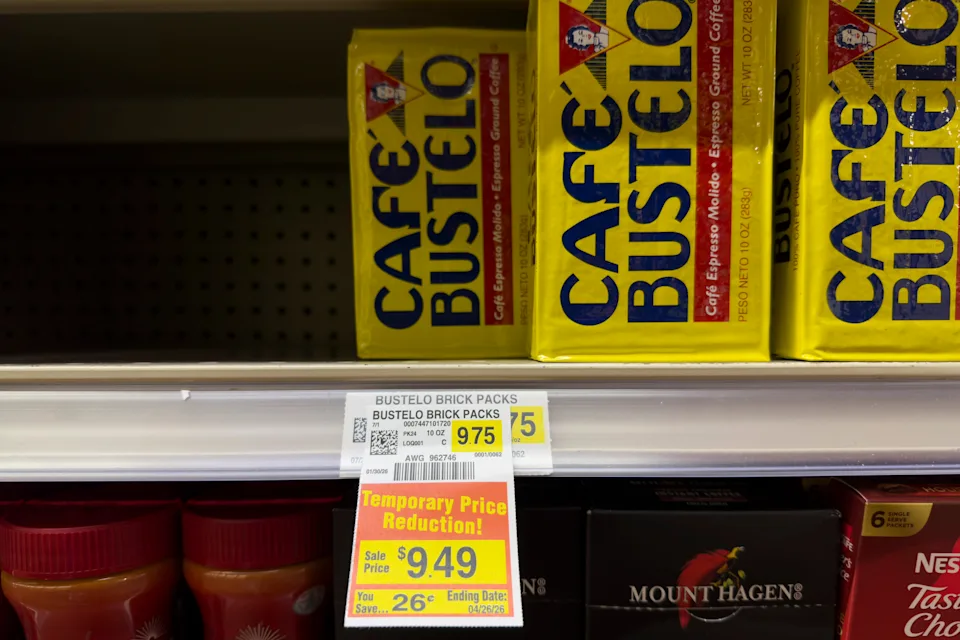
A grocery store in Chicago displayed coffee for sale on February 9, 2026, as rising prices continue to impact consumers nationwide.

For a long time, Chandra Donelson’s morning started with a trip to McDonald’s for a coffee with five creams and ten sugars, later evolving into Starbucks caramel macchiatos. The 35-year-old from Washington, D.C., has treated coffee as a vital ritual since her youth. However, the surge in prices eventually led her to an unexpected decision: quitting her daily habit. “I did that daily for years. I loved it. That was just my routine,” she explained. “And now it’s not.”

Across the United States, coffee enthusiasts are being forced to modify their behaviors—either by skipping the café, opting for cheaper alternatives, or stopping altogether. In January 2026, the Consumer Price Index revealed that coffee prices jumped 18.3% compared to the previous year. Looking back over five years, the government reported a staggering 47% increase.

YOU MAY LIKE: Coffee Prices Rise as Brazilian Real Strength Sparks Short Covering

These financial pressures have led people like Liz Sweeney, 50, of Boise, Idaho, to take drastic steps. Once a self-described “coffee addict,” Sweeney used to drink three cups at home and visit a café whenever she went out. Now, she has limited herself to a single cup at home and occasionally grabs a Diet Coke for a cheaper caffeine fix.

Similarly, 34-year-old Dan DeBaun from Minnesota has reduced his café visits to save money for a new home. He noted that what once cost $2 has now become a $5 or $6 expense. He now prepares ground coffee from Trader Joe’s and carries it in a travel mug. Data from the payment platform Toast indicates that the median price for a hot coffee reached $3.61 in December, while cold brew climbed to $5.55.

The vast majority of coffee in the U.S. is imported. Although some tariffs briefly impacted the market in 2025 before being revoked, the primary culprits for the price surge are environmental. Severe droughts in Vietnam, excessive rainfall in Indonesia, and harsh weather in Brazil have devastated crop yields and pushed global market prices higher.

Despite the financial strain, the National Coffee Association notes that two-thirds of Americans still consume coffee every day, and overall consumption has remained relatively stable. However, for those feeling the pinch of rising rent and food costs, the habit is becoming harder to maintain.

Sharon Cooksey, 55, of North Carolina, used to visit Starbucks every morning but eventually switched to brewing at home. After discovering that a bag of Lavazza coffee was significantly cheaper, she realized that an entire bag—which lasts for weeks—costs the same as one latte at a shop. “I’ll be damned if it didn’t taste so good,” she said, surprised to find she preferred her own brew.

For Chandra Donelson, the final straw came during a government shutdown that paused her paycheck. She traded her $8 coffee for a tea blend that costs about twenty cents per cup. As she puts it, “The math just makes sense.”

New Platform to Guide Climate-Smart Coffee Replanting

DUBAI – QAHWA WORLD

A new digital platform from World Coffee Research (WCR) aims to guide what the organization says is a $4 billion transition toward climate-resilient coffee production.

The platform, called CafeClima, was developed in partnership with the Alliance of Bioversity International and CIAT and is designed to help farmers, governments and investors decide which coffee varieties to plant as climate conditions shift. According to WCR, the tool integrates global performance data from coffee variety trials with advanced climate projections to support science-based renovation decisions.

  • Aging Trees, Rising Risk

WCR says billions of coffee trees planted decades ago are now past peak productivity, contributing to production losses that intersect with climate shocks, pests and disease pressure. Replacing those trees is not optional, the organization argues — but doing so without climate insight could compound risk.

“A coffee tree planted today is a 20-year investment,” WCR CEO Dr. Jennifer “Vern” Long said in a statement. “The only thing more costly than inaction is action without insight.”

According to WCR, coffee trees on roughly 4 million hectares already require replacement to sustain current production levels — an area comparable to the combined coffee-growing footprint of major producers including Brazil, Vietnam, Colombia and Ethiopia.

  • A $4 Billion Transition

The $4 billion figure referenced by WCR comes from a 2025 investment case by the international NGO TechnoServe, which estimates that transitioning to regenerative, climate-resilient coffee systems would require that level of investment over seven years.

WCR notes that governments and supply chain actors have invested an estimated $1.2 billion in renovation and rehabilitation efforts over the past two decades. However, those efforts have reached only about 5% of the world’s 11.5 million smallholder farmers who need new trees, according to the organization.

CafeClima is positioned as a tool to help de-risk this large-scale capital deployment by aligning renovation investments with climate science and field performance data.

  • From Data to Decision

The platform draws on performance results from WCR’s International Multi-Location Variety Trial, a decade-long research effort conducted with national coffee institutes in 18 countries. The dataset includes 26 widely grown varieties tested across diverse climatic conditions.

By pairing that performance data with climate projections developed by the Alliance of Bioversity International and CIAT, CafeClima allows users to assess which varieties are more likely to succeed under projected future conditions.

One feature highlighted by WCR is the use of “climate analogs” — current locations that resemble the projected climate of another region decades into the future. This enables users to visualize not only where coffee may remain viable, but which specific varieties have demonstrated resilience under similar conditions.

The tool is available in English and Spanish and is intended for agronomists, sustainability managers, policymakers and development funders, as well as farmers making replanting decisions at smaller scale.

  • A Shift Toward Predictive Planning

WCR describes CafeClima as part of a broader move from reactive, localized testing to predictive, globally informed planning in coffee production. Integrating climate modeling with breeding and field performance data, the organization says, is essential for perennial crops such as coffee, where varietal decisions shape farm outcomes for decades.

Development of the platform was supported by TechnoServe through funding from the United States Department of Agriculture, along with contributions from Taylors of Harrogate, Coffee Circle and more than 200 WCR member companies across 30 countries.

According to WCR, the goal is straightforward: ensure that billions of dollars expected to flow into coffee renovation over the coming years are invested in trees capable of withstanding tomorrow’s climate — not yesterday’s.

Top 20 Most Powerful Coffee Companies in the World 2026

The Map of Influence and the $200 Billion Battle

DUBAI – QAHWA WORLD

In 2026, the coffee sector has transcended being a mere consumer commodity to become one of the most complex and influential sectors in the global economy. As the market value surpasses the $200 billion mark, the map of power has been redrawn. “Store count” is no longer the sole metric of success; instead, Big Data, Sustainable Supply Chains, and Digital Delivery Speed have become the primary engines of growth. This report highlights the 20 titans shaping the coffee landscape in 2026 based on operating income, market influence, and geographical footprint.

Top 10 Coffee Companies in the Retail Sector (Coffee Chains)

  1. Starbucks – USA:

    • Revenue: ~$39.2 Billion.

    • Footprint: +40,000 stores in 86 countries.

    • Analysis: Remains the dominant global force. In 2026, it successfully integrated the “Deep Brew” AI to predict customer orders with 95% accuracy and solidified its position in China despite fierce competition.

  2. Luckin Coffee – China:

    • Revenue: ~$6.8 Billion.

    • Footprint: +22,000 stores (surpassing Starbucks in Asia by count).

    • Analysis: Operates on a “Cloud Cafe” model with 100% digital ordering. Its strength lies in low overhead costs and lightning-fast expansion.

  3. Tim Hortons – Canada:

    • Revenue: ~$4.8 Billion.

    • Footprint: +5,900 stores.

    • Analysis: The powerhouse of the RBI group. It expanded aggressively in 2026 into emerging markets like India and the Philippines while maintaining absolute dominance in Canada.

  4. McCafé – USA:

    • Estimated Revenue: ~$3.5 Billion (as a standalone segment).

    • Footprint: Available in most McDonald’s locations (+40,000 points).

    • Analysis: The “silent” competitor to Starbucks. In 2026, it pivoted toward high-quality specialty beans to compete with premium cafes at economy prices.

  5. Dunkin’ – USA:

    • Footprint: +13,500 stores.

    • Analysis: Under Inspire Brands, Dunkin’ has transformed into a tech-centric company, with 60% of sales processed via mobile apps in 2026.

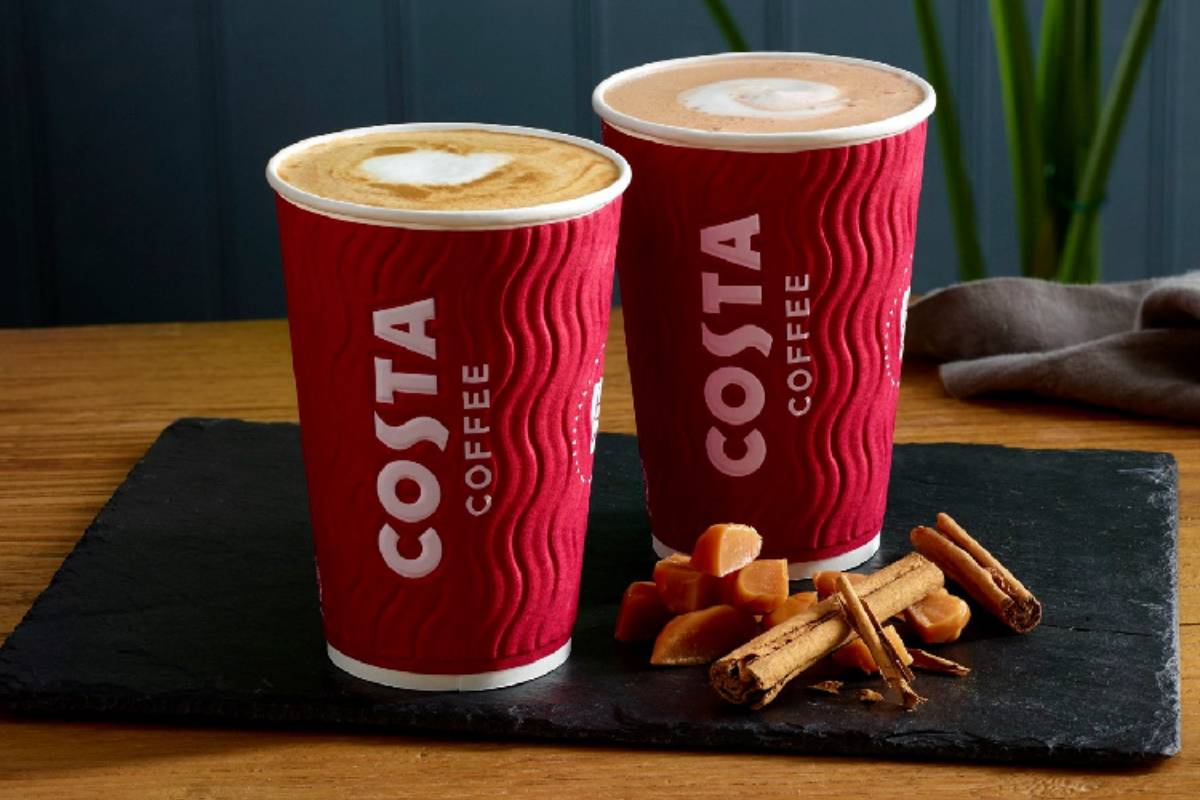
  6. Costa Coffee – UK:

    • Footprint: +4,300 stores and +16,000 “Costa Express” machines.

    • Analysis: Its true strength in 2026 lies in “Smart Vending,” delivering cafe-quality coffee in gas stations and airports, backed by Coca-Cola’s logistics.

  7. Panera Bread – USA:

    • Revenue: ~$6.2 Billion.

    • Analysis: A pioneer in the “Subscription Economy.” In 2026, its “Unlimited Sip Club” reached record numbers, ensuring steady recurring cash flow.

  8. Cotti Coffee – China:

    • Footprint: +8,000 stores.

    • Analysis: The challenger that was born big. It follows an aggressive pricing strategy, securing the 8th spot globally by store count in record time.

  9. Peet’s Coffee – USA:

    • Analysis: Focuses on “Coffee Purists.” In 2026, it became the go-to reference for fresh-roasted coffee in the premium US and Asian markets.

  10. Caribou Coffee – USA:

    • Footprint: +850 stores.

    • Analysis: Despite a smaller footprint, it dominates the US Midwest and maintains a powerful presence in the Middle East through franchising.

Top 10 Coffee Companies in the Manufacturing Sector (Packaged & Home Coffee)

  1. Nestlé – Switzerland:

    • Coffee Revenue: +$26.5 Billion.

    • Brands: Nescafé, Nespresso, Starbucks At Home.

    • Analysis: The “Central Bank of Coffee.” Dominates soluble coffee and capsules, holding the largest R&D budget for climate-resilient coffee strains.

  2. JDE Peet’s – Netherlands:

    • Revenue: ~$10.2 Billion.

    • Analysis: The European giant with over 50 brands. In 2026, it strengthened its grip on packaged coffee in emerging markets.

  3. Keurig Dr Pepper – USA:

    • Revenue: ~$15.5 Billion (Total Group).

    • Analysis:* Controls the “Single-Serve” system in North America and serves as a manufacturing partner for over 100 other brands.

  4. Lavazza – Italy:

    • Revenue: ~$3.4 Billion.

    • Analysis: The icon of Italian coffee. In 2026, it successfully acquired several specialty roasters in Europe to boost its “Premium” segment presence.

  5. Tchibo – Germany:

    • Analysis: A unique business model combining coffee trade with consumer goods, holding a dominant position in Germany and Eastern Europe.

  6. Olam Food Ingredients (OFI) – Singapore:

    • Analysis: The “Back-end Engine.” The largest supplier of green beans and processed coffee to most companies on this list, making it a strategic player in global pricing.

  7. UCC (Ueshima Coffee Co.) – Japan:

    • Analysis: A leader in Ready-to-Drink (RTD) and canned coffee innovation. Dominates the Asian market and owns model estates in Hawaii and Brazil.

  8. Melitta – Germany:

    • Analysis: Controls both the brewing equipment and the coffee itself, providing a competitive edge in the “At-Home” segment.

  9. illycaffè – Italy:

    • Analysis: While not the largest by revenue, it is the strongest in “Reputation.” In 2026, illy remains the gold standard for the luxury hotel and restaurant sector worldwide.

  10. Strauss Coffee – Brazil/Israel:

    • Analysis: Dominates the Brazilian market (the world’s largest producer) and holds leading market shares in Russia and Eastern European countries.

Key Indicators for 2026

  • Digital Transformation: 45% of sales for major companies (like Starbucks and Luckin) are now conducted via mobile apps.

  • Sustainability: Net-zero carbon commitment has become a prerequisite for staying on the list; Nestlé and Lavazza have invested billions in sustainable supply chains.

  • Specialty Growth: Giants are increasingly acquiring small specialty roasters to cater to Gen Z preferences.

  • The Asia Market: China is no longer an “emerging” market; it has become the “Main Engine” for global store growth.

Major Trends of 2026

This report shows that the gap between “cup sellers” and “coffee manufacturers” is narrowing. Power in 2026 belongs to companies that own Customer Data and control the Supply Chain from Farm to Cup. We also note the rise of Ready-to-Drink (RTD) coffee as the fastest-growing segment, prompting giants like Nestlé and Coca-Cola (Costa) to inject massive investments.

Research Note: This data was compiled based on fiscal year-end reports for 2025 and growth projections for Q1 2026. Financial figures reflect market value and operational cash flows.

Coffee Prices Rise as Brazilian Real Strength Sparks Short Covering

DUBAI – QAHWA WORLD

Coffee futures climbed sharply on Thursday following a surge in the Brazilian real, which encouraged traders to cover short positions. March arabica contracts closed up 1.65%, while March robusta contracts rose 2.02%.

The real reached its highest level against the U.S. dollar in nearly two years, prompting caution among Brazilian coffee exporters and contributing to the price gains.

Over the past two weeks, coffee prices had been under pressure. Arabica and robusta recently hit six-month lows amid expectations of a strong Brazilian crop. According to Brazil’s crop agency Conab, total coffee production in 2026 is projected to reach 66.2 million bags, up 17.2% from 2025. Arabica output is expected to increase 23.2% to 44.1 million bags, while robusta production is forecast to grow 6.3% to 22.1 million bags.

Rainfall in Brazil has also improved crop prospects. Minas Gerais, the country’s largest arabica-growing region, received 72.6 mm of rain during the week ending February 6, exceeding the historical average. This eased earlier concerns over dry conditions that had pressured prices.

Vietnam’s coffee exports, particularly robusta, are increasing, exerting downward pressure on prices. January exports rose 38.3% year-on-year to 198,000 metric tons, while total 2025 exports climbed 17.5% to 1.58 million metric tons. Production for 2025/26 is projected at 1.76 million metric tons (29.4 million bags), the highest in four years.

ICE coffee inventories have also recovered, limiting price gains. Arabica stocks, which fell to a 1.75-year low in November, rose to a three-month high by early January. Robusta inventories, previously at a 13-month low in December, similarly increased in January.

On the upside, Brazil’s coffee exports fell 42.4% year-on-year in January, reducing global supply pressure. Smaller production in Colombia, the second-largest arabica producer, also supported prices, with January output down 34% year-on-year.

Globally, the International Coffee Organization reported a slight decline (-0.3%) in exports for the current marketing year, signaling tighter supplies. Meanwhile, USDA forecasts indicate that total global coffee production in 2025/26 will reach a record 178.848 million bags, with arabica slightly down and robusta up. Brazil’s 2025/26 production is expected to decrease by 3.1%, while Vietnam’s output is projected to rise 6.2%, reaching a four-year high. Ending stocks are forecast to decline by 5.4%.

Brazil’s Canephora Coffee Cultivation Moves Beyond Traditional Regions

DUBAI – QAHWA WORLD

Brazil’s production of canephora coffee—covering conilon and robusta varieties—is spreading into states that have historically focused little on these crops. The expansion is being fueled largely by firm prices and growing demand, according to industry representatives and official data.

While Brazil remains the world’s leading producer of arabica coffee, canephora output has gained momentum in recent years. Canephora beans, typically used in espresso blends and instant coffee, offer higher yields compared to arabica and have become increasingly attractive to growers. Brazil is currently the second-largest canephora producer globally and continues to narrow the gap with Vietnam, the leading producer.

Traditionally, the state of Espírito Santo has dominated Brazil’s canephora production, particularly conilon. However, data from Companhia Nacional de Abastecimento (Conab) show that since 2020, other states—including Mato Grosso and Minas Gerais—have significantly increased their output.

  • Prices Encourage New Plantings

Strong international prices over the past year have encouraged farmers to plant canephora outside its traditional strongholds. Although prices have eased from last year’s highs, they remain above long-term averages, sustaining producer interest. Improvements in bean quality have also contributed to broader acceptance in both domestic and export markets.

Minas Gerais, best known as Brazil’s largest arabica producer, is projected to nearly double its canephora production between 2020 and 2026, reaching more than 600,000 60-kilogram bags, according to Conab forecasts.

  • Mato Grosso Eyes Productivity Gains

In Mato Grosso, a state better known for soybeans and corn, efforts are underway to boost canephora cultivation. Agronomists are drawing inspiration from neighboring Rondônia, a key robusta-producing state with higher average yields. Current productivity in Mato Grosso trails Rondônia’s levels, but local research and extension agencies are working to close the gap.

Conab estimates that Mato Grosso’s canephora production will approach 300,000 bags this year, nearly doubling compared with 2020 levels.

  • Ceará Explores New Opportunities

Further north, Ceará is evaluating the potential for both conilon and robusta Amazonica, a variety commonly cultivated in Rondônia. Although Ceará’s current production is modest and grouped with smaller producing states such as Acre and Pará in official statistics, combined output from these regions is projected to increase substantially by 2026.

Ceará’s proximity to ports and transport infrastructure is seen as an advantage for export-oriented growth. State officials anticipate an initial expansion of planted area in the coming years, with room for further development if market conditions remain favorable.

Overall, Brazil’s canephora sector is undergoing geographic diversification, supported by price incentives, productivity gains, and broader market demand.

Coca-Cola Confirms Continued Ownership of Costa Coffee

DUBAI – QAHWA WORLD

Coca-Cola has officially ended months of market speculation by announcing it will keep Costa Coffee as a wholly-owned subsidiary. Despite rumors of a potential divestment throughout 2025, the beverage giant has opted to maintain its hold on the international coffee chain.

The decision was confirmed by Coca-Cola CFO John Murphy during a recent interview with Bloomberg. While private equity interest—specifically from TDE Capital—was reported late last year, Murphy clarified that the company intends to keep Costa 100 per cent owned within its current portfolio. However, one area remains in flux as the company is still reviewing its operations in the Chinese market to determine the best path forward.

While financial filings from the UK Companies House showed an operating loss of approximately $18.42 million in 2024, the brand’s core remains resilient. Performance in the primary markets of the UK and Ireland is characterized as strong, and Costa continues to dominate as the UK’s largest coffee chain. On a global scale, the brand manages over 4,000 retail locations and a massive network of 14,000 “smart café” automated machines across more than 30 countries.

READ ALSO:

Costa Coffee on the Edge of Sale: Losses in the UK, Growth in Asia

Coca-Cola Weighs Future of Costa Coffee Amid Strategic Review

Uganda’s Ambition Shakes Coffee Markets: A Historic Leap Toward 20 Million Bags

DUBAI – QAHWA WORLD

While global markets remain preoccupied with weather volatility in Brazil, Uganda continues its steady and confident rise to solidify its position as the largest coffee exporting power in Africa, surpassing all conventional expectations.

According to data from the International Coffee Organization (ICO) Report for January 2026, Uganda recorded a historic surge in its exports with a growth rate of 52.5%, serving as a primary contributor to the increase in the continent’s total exports.

This exceptional performance was no coincidence; rather, it is the result of a national strategy that enabled the country to exceed the 8.2 million bags (60 kg each) annual threshold, placing it seventh globally and transforming it into a “pivotal player” that cannot be ignored in the global supply equation.

Analytical insights from the report indicate that Uganda successfully exploited the “price vacuum” left by production disruptions in other regions by improving production quality and expanding cultivated areas.

The Ugandan success story relies on a unique diversity; the country balances the production of “Robusta,” which forms the backbone of its exports, and high-quality “Arabica” grown on mountain slopes.

This diversity has granted it high flexibility in facing global exchange fluctuations, as Ugandan coffee has become the first choice for roasters seeking “value for money,” especially with increasing demand for both varieties in emerging European and Asian markets.

Behind these figures lies Uganda’s most ambitious plan in the continent’s history, aiming to double production to reach 20 million bags by 2030.

This government vision includes a comprehensive modernization of the post-harvest sector, the distribution of disease-resistant seedlings, and enhancing the capacities of smallholder farmers who represent 90% of the productive force.

Analysts believe that Uganda reaching this figure will make it a direct competitor to countries the size of Vietnam, redrawing the power map of the global coffee market and reducing total dependence on Latin American production.

The recent export leap is not just a number in an international report; it is a clear signal to investors that the center of gravity in coffee production has begun to shift toward East Africa. The ambition of 20 million bags is no longer a distant dream but an economic reality taking shape under the mantle of sustainable development and agricultural leadership.

Robusta Defies Global Downturn, Trading Against the Tide

DUBAI – QAHWA WORLD

While Arabica prices succumbed to the pressures of improving weather conditions in Brazil, the Robusta category recorded an exceptional case of economic resilience during January 2026, announcing the decoupling of its price path from the general market trend.

According to data from the International Coffee Organization (ICO) Report, Robusta achieved a solitary growth of 1.0%, raising its average price to 218.83 cents per pound. This came at a time when all Arabica categories witnessed sharp declines, peaking at 4.5% for Brazilian Naturals and 3.6% for Colombian Milds.

This price divergence places the global coffee market before a new structural reality, where Robusta has transformed from a “substitute option” into a “primary pillar” for major roasting companies seeking to maintain their profit margins.

Coffee economy experts attribute this price defiance to the increasing industrial reliance on Robusta in commercial coffee blends and the instant coffee sector, serving as a defensive mechanism against the violent fluctuations in Arabica prices that touched record levels early in the month.

The price gap (Arbitrage) between the two varieties began to narrow under the pressure of growing demand, granting producers in Vietnam and Uganda a negotiating power that enabled them to resist the mass sell-off that swept the New York Stock Exchange.

Analyzing the data shows that Robusta was unaffected by the Brazilian “rain shock” that toppled Arabica prices, as its supply is concentrated in geographical areas far from the climatic fluctuations of Latin America, making it a “stable asset” in traders’ portfolios during January.

Furthermore, the International Coffee Organization report indicates that the tightness of immediate Robusta supply in central markets played a decisive role in supporting prices above the 218-cent level.

While speculators were offloading Arabica contracts in the futures market, factories were racing to secure their Robusta needs to ensure the continuity of production lines, especially with the growth of coffee consumption in emerging markets that favor this variety for its price efficiency and suitability for manufacturing.

This performance reflects a maturity in the Robusta market, as its linked contracts on the London Stock Exchange (ICE) now show clear independence from the movements of the New York Stock Exchange, forcing top analysts to re-evaluate the weight of this variety in future risk assessment reports.

In conclusion, January 2026 proves that Robusta no longer follows Arabica “like a shadow” but has instead led its own stability front. Its 1.0% price growth in a bearish environment is a testament to the strength of real physical demand that transcends speculative noise.

This shift means the global coffee industry has entered a “multipolar” era, where the global cup remains as dependent on the hardiness of Robusta beans as it is on the aesthetics of Arabica, making the monitoring of Southeast Asian and African supplies an indispensable pillar for understanding the future of international coffee trade.

Minas Gerais Rains End Speculative Fever and Topple Global Coffee Prices

DUBAI – QAHWA WORLD

Global coffee markets witnessed a dramatic shift in the final week of January 2026, as a wave of heavy rainfall in Brazilian production regions toppled the hopes of those betting on continued price increases. In a corrective movement described as the most violent in months, the pound of coffee lost more than 21 cents of its value within just 72 hours, causing the International Coffee Organization Composite Indicator Price (I-CIP) to plummet from a peak of 304.17 cents on January 27th to 283.02 cents by the end of the month. This freefall was not merely a response to a passing climatic event, but rather an official announcement of the end of the “risk premium” that had fueled markets throughout the past period due to fears of a long-term drought in the state of “Minas Gerais,” the beating heart of coffee production in Brazil, according to the latest data issued by the International Coffee Organization (ICO) Report for January 2026.

The report’s analytical data indicates that the market entered January in a state of cautious balance, as clear directional catalysts were absent, keeping prices within a narrow range that left farmers in a state of financial satisfaction without pushing them toward aggressive selling. However, this situation evaporated immediately upon the release of meteorological reports confirming improved moisture in the Brazilian soil, providing a strong signal for investment funds and major speculators on the New York Stock Exchange to liquidate their long positions and flee the market before prices retreated to minimum levels. This “mass exodus” of speculators doubled the downward momentum, turning the price correction into a rapid collapse that disrupted the calculations of exporters who had bet on prices remaining above the 300-cent barrier.

Economically, this collapse was linked to local currency variables in Brazil; as the strength of the “Real” against the Dollar played a dual role at the beginning of the month by raising prices, before global markets succumbed to the pressure of expected future supply. Analysts believe that the recent rains not only improved the condition of the existing “Arabica” crop but also sent reassuring messages regarding the 2026/2027 season, which pulled the rug from under the traders who built their strategies on supply scarcity. This shift placed global roasting companies in a stronger negotiating position, as they began to reduce their spot purchases in anticipation of further declines, reflecting the technical state of “Backwardation” dominating the exchanges, where spot prices remain higher than futures contracts, discouraging the desire to build long-term inventories at high prices.

On the field level, the International Coffee Organization report confirmed that these climatic developments have redrawn the forecast map for the first quarter of the year, as markets are now expected to witness an abundance of supplies with the fading fears of “water stress.” In conjunction with these price pressures, major players in the New York market began reassessing their positions, amid expectations that downward pressure will continue as long as the sky continues to grant Brazil’s farms the necessary moisture. The “Rain Revolution,” as some traders called it, was nothing but a harsh reminder that technology and financial analysis remain helpless before weather fluctuations in the world’s largest coffee-producing country, and that the security of the global cup remains more linked to weather maps over the mountains of Brazil than to the policies of central banks.