Keurig Dr Pepper Launches €31.85-Per-Share Offer for JDE Peet’s

Dubai —Qahwa World

Keurig Dr Pepper Inc. has launched a recommended public cash offer to acquire all outstanding shares of Dutch coffee company JDE Peet’s N.V., valuing the company at €31.85 per share in cash.

The offer is being made through Kodiak BidCo B.V. and follows regulatory approval of the offer memorandum by the Dutch Authority for the Financial Markets. JDE Peet’s shareholders will also receive a previously announced €0.36 cash dividend per share on January 23, 2026, which will not affect the offer price.

The boards of both companies said the transaction remains on the same terms announced in August 2025 and is expected to close in early second quarter of 2026, subject to remaining conditions.

  • Board Support and Shareholder Commitments

JDE Peet’s board of directors has unanimously recommended the offer. Acorn Holdings B.V. and all members of JDE Peet’s board—together representing approximately 69% of the company’s outstanding shares—have irrevocably committed to tender their shares.

The offer period will run from January 16 to March 27, 2026, unless extended.

Keurig Dr Pepper has set a minimum acceptance threshold of 95% of JDE Peet’s shares. This threshold may be reduced to 80% if shareholders approve certain post-closing restructuring measures at an extraordinary general meeting scheduled for March 2, 2026.

  • Post-Closing Structure

If Keurig Dr Pepper secures at least 95% of the shares, it intends to initiate statutory buy-out proceedings and may proceed with a post-closing demerger. If acceptance reaches between 80% and 95%, the company plans to complete a post-closing merger to obtain full ownership of JDE Peet’s.

All required competition clearances for the transaction have already been obtained, and both the Dutch Works Council and European Works Council have been consulted in line with regulatory requirements.

  • Strategic Rationale

Following the acquisition, Keurig Dr Pepper plans to separate into two independent, U.S.-listed publicly traded companies. One would focus on North America’s non-alcoholic refreshment beverages market, while the other would operate as a global pure-play coffee business serving more than 100 countries.

JDE Peet’s is the world’s largest pure-play coffee company, selling approximately 4,400 cups of coffee per second globally. In 2024, the company reported sales of €8.8 billion.

Keurig Dr Pepper, which reported annual revenue of more than $15 billion, owns brands including Dr Pepper, Keurig, Canada Dry, Snapple and Green Mountain Coffee Roasters.

UAE Restaurant Group Holds First Board Meeting of 2026

Dubai, UAE — Qahwa World

The UAE Restaurant Group (UAERG) held its first board meeting of 2026 on January 9, welcoming representatives from the Ministry of Economy & Tourism for a strategic briefing on initiatives supporting the future of the UAE’s food and beverage sector.

Discussions focused on strengthening public-private collaboration, supporting economic growth, advancing tourism clusters, and accelerating practical sustainability initiatives across restaurant operations. Key areas included food waste reduction, resource efficiency, and the potential for used cooking oil collection to support lower-carbon fuel production.

UAERG members highlighted the importance of aligning existing industry practices with national frameworks and supporting pilot programmes that are practical, scalable, and suited to real restaurant operations.

Commenting on the meeting, UAERG Vice Chairman Amit Nayak said the session helped connect industry insight with national priorities, while Vice Chairman Abdulla Al Mulla emphasised UAERG’s role in driving collaboration, innovation, and sustainable growth across the sector.

UAERG reaffirmed its commitment to supporting initiatives that strengthen the UAE’s F&B sector and contribute to the nation’s economic and tourism development.

Coffee Prices Rise on Brazil Dryness and Global Supply Dynamics

Dubai – Qahwa World

Coffee markets moved higher today amid ongoing concerns over dry conditions in Brazil, the world’s largest arabica producer. March arabica futures (KCH26) rose +4.20 (+1.18%), while March robusta futures (RMH26) gained +36 (+0.92%).

The price gains follow last week’s rally, when arabica hit a one-month high due to below-average rainfall in Brazil. Somar Meteorologia reported that Minas Gerais, Brazil’s primary arabica-growing region, received just 26.5 mm of rain for the week ending January 9—only 29% of the historical average—raising fears of smaller harvests.

  • Inventory Levels Support Prices

Tighter stock levels are adding upward pressure on coffee prices. ICE-tracked arabica inventories fell to a 1.75-year low of 398,645 bags on November 20 but rebounded to 461,829 bags last Wednesday. ICE robusta inventories hit a one-year low of 4,012 lots on December 10, later rising to a five-week high of 4,278 lots.

  • Vietnam Exports and Global Supply Trends

While Brazilian dryness is bullish, rising robusta exports from Vietnam are weighing on prices. Vietnam exported 1.58 million metric tons of coffee in 2025, up 17.5% from the previous year. Vietnam’s 2025/26 coffee production is expected to reach 1.76 million metric tons (29.4 million bags), a four-year high. The Vietnam Coffee and Cocoa Association noted that output could increase 10% over the prior year if favorable weather continues.

Globally, coffee supplies are showing mixed signals. The International Coffee Organization reported a slight year-on-year decline in exports for the current marketing year (October–September), totaling 138.658 million bags. Meanwhile, the USDA’s Foreign Agricultural Service (FAS) projects world coffee production in 2025/26 will hit a record 178.848 million bags, with arabica decreasing 4.7% to 95.515 million bags and robusta rising 10.9% to 83.333 million bags. Brazil’s production is expected to fall 3.1% to 63 million bags, while Vietnam’s output may climb 6.2% to 30.8 million bags. Ending stocks are projected to drop 5.4% to 20.148 million bags.

  • Outlook

Market watchers are balancing the bullish signals from Brazil’s dry weather and shrinking inventories against the bearish influence of rising Vietnamese supplies and higher global production forecasts. The net effect has been steady upward pressure on coffee prices, with both arabica and robusta futures posting notable gains in recent sessions.

6 Foods You Should Avoid Eating With Coffee

Dubai – Qahwa World

Coffee is a staple in many people’s daily routines, but what you pair with your cup can significantly impact your digestion and nutrient absorption. While it might seem harmless to enjoy coffee with any meal or snack, certain foods can interfere with your body’s ability to absorb key nutrients or even cause stomach discomfort. Here’s a breakdown of six foods that experts recommend keeping separate from your coffee.

  • 1. Citrus Fruits

Citrus fruits, such as oranges, lemons, and grapefruits, are highly acidic. Drinking coffee alongside these fruits can exacerbate acid-related digestive issues, potentially leading to bloating, heartburn, or nausea. The combination of coffee’s natural acidity and the sharp tang of citrus may also make the beverage taste bitter and less enjoyable.

  • 2. Red Meat

Red meats like beef, pork, and lamb are rich in heme iron, which is crucial for blood health, hormone production, and immune function. Coffee can inhibit the absorption of this iron, reducing the nutritional benefit of a steak or other red meat dishes. To maximize iron intake, it’s best to enjoy coffee separately from meals centered around red meat.

  • 3. Milk and Dairy

Milk is a primary source of calcium, essential for strong bones, muscle function, and blood clotting. However, combining milk with coffee can reduce how much calcium your body absorbs. Over time, this may contribute to deficiencies or increase the risk of kidney stones. Those who prefer milk in their coffee should ensure they get adequate calcium from other meals or snacks throughout the day.

  • 4. Fried Foods

Fried foods, from french fries to fried chicken, are already linked to higher levels of unhealthy cholesterol. Drinking multiple cups of coffee daily while consuming fried foods may further increase the risk of dyslipidemia, a condition characterized by abnormal blood fat levels. For better heart health, it’s wise to limit fried foods when drinking coffee regularly.

  • 5. Fortified Breakfast Cereals

Many breakfast cereals are fortified with minerals such as zinc, which is important for immune function and overall health. Coffee can interfere with zinc absorption, meaning your morning cereal may not provide its full nutritional benefit if consumed alongside coffee. Separating coffee from fortified cereals is recommended to optimize nutrient uptake.

  • 6. High-Sodium Foods

Coffee contains compounds that can influence blood pressure. While moderate coffee consumption is generally safe, excessive caffeine paired with foods high in sodium can increase the risk of hypertension. It’s important to monitor sodium intake and be mindful of pairing salty meals with your coffee habit.

  • Healthier Pairings With Coffee

Certain foods complement coffee and may even enhance its health benefits:

Bread: Eating whole-grain bread with coffee may help reduce visceral fat.

Nuts: Almonds and other nuts provide healthy fats and a satisfying crunch.

Berries: Fresh berries offer vitamins and antioxidants alongside coffee’s rich flavor.

Oatmeal: Rich in fiber, oatmeal can help regulate blood sugar and support sustained energy.

A balanced approach to meals and coffee can maximize both nutrition and enjoyment. Consulting a registered dietitian can help tailor your coffee habits to your individual dietary needs.

  • Tips for Coffee Consumption

Space coffee intake away from meals rich in iron, calcium, or zinc to avoid reduced absorption.

Limit caffeine to roughly 400 mg per day (about 4–5 cups) to prevent negative side effects.

The ideal time to drink coffee is in the morning or early afternoon to avoid disrupting sleep.

Individuals taking medications should consult their doctor regarding interactions with caffeine.

click here to Read the original story

Chemical Arabica Code: Can Arabica Coffee Reduce Dependence on Diabetes Drugs?

Dubai – Qahwa World

In one of the most comprehensive scientific studies of the past decade, a research team from the Kunming Institute of Botany has uncovered unprecedented details about the molecular structure of coffee, transforming it from a simple morning stimulant into what researchers describe as a fully integrated “natural pharmacy.” The study, which drew on years of intensive laboratory work, went beyond confirming health benefits to explaining the precise molecular mechanisms through which coffee interacts with human cells.

Using ultra-high-resolution nuclear magnetic resonance (NMR) techniques, scientists identified six new diterpene esters, most notably Caffaldehydes A–C. These compounds are not incidental byproducts, but biologically active molecules capable of binding to the active sites of the enzyme alpha-glucosidase, a key enzyme involved in carbohydrate digestion.

Alpha-glucosidase acts like molecular “scissors” in the small intestine, breaking down complex carbohydrates such as bread and rice into glucose that is rapidly absorbed into the bloodstream. Discovering coffee-derived compounds that inhibit this process means glucose is absorbed more slowly, reducing sharp blood-sugar spikes that are known to damage blood vessels over time and contribute to diabetes complications.

In comparative laboratory tests, the newly identified coffee compounds demonstrated inhibition values that significantly outperformed the pharmaceutical drug acarbose, which is commonly prescribed for the same purpose. While acarbose requires controlled dosing and is often associated with gastrointestinal side effects, the natural compounds found in roasted Arabica coffee appear to work more harmoniously within the digestive system, lowering the risk of intestinal irritation.

Researchers believe these findings could accelerate the development of a new generation of functional foods, including medicinal coffee extracts in capsule form for prediabetic patients, fortified sweeteners designed to reduce glycemic impact, and even lab-optimized Arabica varieties with enhanced concentrations of these protective compounds.

The study also addressed comparisons with popular GLP-1 receptor agonist drugs, such as Mounjaro, noting that while those medications act through hormonal pathways, coffee operates by directly influencing glucose absorption itself. Scientists cautioned, however, that adding excessive sugar to coffee can completely negate these benefits, emphasizing that sugar intake should not exceed 2.5 grams per cup to preserve coffee’s protective properties.

Although further clinical trials are needed before coffee-based compounds can be considered a medical alternative, the findings raise a compelling question: could coffee soon become a central tool in diabetes prevention and reduce society’s dependence on conventional medications?

Mokha 1450 Set to Unveil Rare Limited-Edition Cuban Coffee

Dubai — Qahwa World

Mokha 1450, a leader in the luxury specialty coffee sector, is preparing to launch its latest limited-edition offering: the Cuban “Extra Turquino Lavado” coffee, recognized as one of the rarest harvests in the world. This exclusive release will be unveiled during a private reception for industry specialists and partners, designed to deliver a sensory experience that aligns with the brand’s philosophy of transforming coffee into a holistic journey.

The rarity of this harvest is rooted in its origin, the Nipe-Sagua-Baracoa region of Cuba. This area is designated as a “Global Biodiversity Hot Spot” and is protected by UNESCO as part of the “Archaeological Landscape of the First Coffee Plantations in the South-East of Cuba”. Such a prestigious heritage provides this edition with exceptional historical and environmental value, making it a significant addition to the luxury coffee market.

The official unveiling of this new edition will take place at 7:00 P.M. on January 19th, 2026. The event will be hosted at the Mokha 1450 x Modora Showroom, located on Umm Suqeim St in Al Barsha Second, Dubai. Invited guests will have the opportunity to explore the unique characteristics of this historic harvest, reflecting Mokha 1450’s ongoing commitment to sourcing the world’s rarest coffees for its audience in the UAE.

Mokha 1450 Explores the Secrets of Competition Coffee in Dubai

DUBAI—Qahwa World

In a significant move for the region’s specialty coffee scene, Mokha 1450 Luxury Specialty Coffee has announced an exclusive collaboration with lohas beans to host a specialized cupping event titled “What’s Behind a Competition Coffee”. Moving beyond mere scoring, the event is designed to delve into the strategic decision-making and technical expertise required to produce world-class competition-grade lots.

The experience will be led by a distinguished panel of industry experts, including Jack Simpson, Jhonatan Gasca, and Juan Pablo Campos. The program is structured into three distinct segments: a guided cupping session, a demonstration of espresso and milk-based beverages by Jack Simpson, and an interactive Q&A session featuring both Simpson and Jhonatan Gasca.

The event is scheduled to take place on January 15 at 6:00 PM at the Mokha 1450 x Modora Showroom, located on Umm Suqeim St, Al Barsha Second, Dubai. Attendees will also have a rare opportunity to access limited Papayo lots available exclusively during the event. This initiative underscores Mokha 1450’s commitment to fostering coffee education and bringing global expertise to the local community in the UAE.

Free Coffee in Dubai for Those Who Walk 10,000 Steps a Day

Dubai, UAE – Qahwa World

As part of Times Square Center’s commitment to community-driven, wellness-focused experiences, Hola Zero Sugar Café—also known as Hola Keto Desserts—has introduced its latest initiative, the “You Move, We Brew” challenge. Located within Times Square Center, the homegrown café is encouraging Dubai residents to embrace a more active lifestyle by offering a complimentary coffee to customers who complete 10,000 steps in a single day.

The café is a key feature of Times Square Center’s broader Picnic Square concept, which aims to create a space that goes beyond the typical food court. “Picnic Square is designed as a place for the community to meet, connect, and enjoy a variety of ‘less fast food, more good food,’” said Nancy Nese Ozbek, General Manager of Times Square Center. “Hola Zero Sugar Café perfectly aligns with this vision, offering mindful dining and experiences that promote wellbeing.”

Every item on the Hola Zero Sugar Café menu is crafted with wholesome ingredients and mindful recipes, catering to those following a ketogenic lifestyle, managing dietary needs, or simply seeking better-for-you options. With a focus on flavor, balance, and guilt-free indulgence, the café demonstrates that clean eating can be both enjoyable and satisfying.

The “You Move, We Brew” challenge reflects Hola Zero Sugar Café and Times Square Center’s shared belief that wellness is built through small, consistent choices. By encouraging movement and rewarding progress, the initiative aims to foster a more active and mindful community in Dubai.

  • How to Claim Your Free Coffee:

Track 10,000 steps using any fitness or health app

Visit Hola Zero Sugar Café at Times Square Center

Show your step count to the staff

Enjoy a complimentary coffee, on the house

“With initiatives like ‘You Move, We Brew,’ we aim to inspire our community to adopt healthier, mindful habits through simple, everyday actions,” added Ozbek. “We are proud to support local concepts like Hola Zero Sugar Café that bring positivity, purpose, and connection to our shared spaces.”

With its focus on intentional living, quality ingredients, and feel-good food, Hola Zero Sugar Café continues to redefine casual dining at Times Square Center, inviting visitors to celebrate movement, connection, and a fresh approach to eating—one step and one cup at a time.

For more information, visit www.timessquarecenter.ae
or follow @timessquaredxb and @hola_keto.ae on Instagram.

  • About Times Square Center

Centrally located on Sheikh Zayed Road, Times Square Center is a community-focused shopping destination offering a mix of well-known international brands, boutique concepts, and exclusive labels unique to Dubai. The center fosters a social, family-friendly atmosphere complemented by weekly artisan markets, while maintaining a strong commitment to local community engagement.

World of Coffee Dubai 2026 to Host Over 2,100 Exhibitors from 78 Countries

Countdown Begins for the Region’s Largest Coffee Industry Event

Dubai – Qahwa World

World of Coffee Dubai 2026, the Middle East’s premier specialty coffee trade event, is set to take place from 18 to 20 January at the Dubai World Trade Centre. Now in its fifth edition, the event will bring together more than 2,100 exhibiting companies and brands from 78 countries, representing the full spectrum of the global coffee industry—from producers and roasters to equipment manufacturers, café operators, traders, and hospitality leaders.

Organized by DXB LIVE in partnership with the Specialty Coffee Association (SCA), the event spans 20,000 square metres and offers a dynamic platform for trade, innovation, professional development, and cultural exchange within the specialty coffee sector. Dubai’s strategic location underscores its role as a global hub connecting coffee-producing origins with high-growth consumer markets and international trade centres.

  • A Fully Integrated Experience

World of Coffee Dubai 2026 features immersive experiences across key zones including Roasters Village, Producers’ Village, Cupping Rooms, and the Brew & Espresso Bar. Visitors can engage directly with leading global brands, sample specialty coffees, and participate in hands-on sessions. Dedicated technology zones will highlight innovations in roasting and brewing systems, automation, and sustainability, reflecting the future direction of the specialty coffee industry.

  • Championships Celebrating Expertise and Heritage

The event will host the UAE National Championships, the Roasting Championship, and the Cezve/Ibrik World Championship, showcasing barista artistry, technical precision, and heritage coffee preparation techniques. These competitions spotlight skill, craftsmanship, and the evolving standards of specialty coffee worldwide.

  • Three Live Auctions Over Three Days

The Dubai Coffee Auction programme runs throughout the event, including the Coffee Equipment Auction (18 January), the Microlot Auction (19 January), and the Exhibitors’ Coffee Auction (20 January). These auctions provide transparent platforms for price discovery, connecting international buyers with producers and brands.

  • A Platform for the Global Coffee Economy

“World of Coffee Dubai has evolved into a central platform supporting the global coffee economy,” said Khalid Al Hammadi, Executive Vice President of DXB LIVE. “The 2026 edition highlights the scale and impact of our championship and auction programmes, creating tangible commercial and cultural value for the global coffee community.”

Shouq Bin Redha, Exhibition Director, added: “By bringing together global standards, trade, and education, World of Coffee Dubai strengthens the UAE’s position within the international specialty coffee sector and supports professional growth across the region.”

Shouq Bin Redha, Exhibition Director

Event Details

  • Dates: 18–20 January 2026

  • Venue: Dubai World Trade Centre, Za’abeel Halls 1, 4, 5, and 6

  • Time: 10:00am – 6:00pm daily

  • Registration and Media Accreditation: www.worldofcoffeedubai.com

About World of Coffee Dubai
World of Coffee Dubai is the region’s leading coffee trade exhibition, connecting local, regional, and international professionals. The event features specialty zones, professional competitions, educational sessions, and opportunities for business networking, showcasing the best of coffee innovation and culture.

About SCA
The Specialty Coffee Association is the world’s largest nonprofit membership organization for coffee professionals. It promotes inclusivity, education, and shared knowledge to advance the specialty coffee industry globally.

About DXB LIVE
DXB LIVE, the event management arm of Dubai World Trade Centre, delivers world-class exhibitions, conferences, festivals, and private events. With expertise spanning creative, technical, and operational services, DXB LIVE organizes over 100 major events annually and designs more than 500,000 square feet of exhibition space.

Peet’s Coffee Opens First Drive-Thru Locations in the UAE

Dubai – Qahwa World

Peet’s Coffee has opened its first Drive-Thru locations in the UAE, marking a new phase in the brand’s local expansion. The two outlets are now operating in Motor City, offering customers an additional service format focused on convenience and accessibility.

The Motor City Drive-Thru operates daily from 5:00 AM to 1:00 AM.its intended to serve customers seeking quick service without leaving their vehicles, including commuters and families.

The introduction of the Drive-Thru format reflects Peet’s Coffee’s response to evolving consumer preferences in the UAE, while continuing to offer its established coffee range and service standards.

The openings follow recent Peet’s Coffee launches at Ajman City Centre on 24 December 2025 and the Burjeel Hospital Kiosk on 31 December 2025. Additional locations are scheduled to open later this month at Maryam Island and Al Furjan, with a further opening planned at Al Mutarid in the first week of February.

Peet’s Coffee has also announced the introduction of new menu items, including matcha-based beverages and updated seasonal offerings, scheduled to launch on 15 January 2026.

With the launch of its first Drive-Thru outlets, Peet’s Coffee continues to expand its presence across the UAE through a variety of store formats designed to meet different customer needs.

  • About Peet’s Coffee

Founded in Berkeley, California, in 1966 by Alfred Peet, Peet’s Coffee is recognized for its role in shaping specialty coffee culture in the United States. The brand operates more than 480 locations across the U.S., China, and the Middle East, in addition to online and grocery channels. Peet’s Coffee works with Enveritas to support responsible coffee sourcing in line with Enveritas standards.

ICO Releases Global Coffee Market Report – December 2025

Dubai – Coffee World

The global coffee market closed 2025 amid sharp volatility, leaving industry stakeholders facing an uncertain outlook at the start of 2026, according to the latest report issued by the International Coffee Organization (ICO). The report highlights a dramatic shift in market dynamics during December, as prices declined significantly following changes in international policy and a temporary easing of supply chain constraints in Asia.

Price Decline: Market Correction or Calm Before the Storm?

The ICO Composite Indicator Price (I-CIP) averaged 304.68 US cents per pound in December, representing a 7.8% decline from November levels. This downturn ended a historic upward trend, with prices falling from a peak of 343.92 cents to a mid-month low of 283.21 cents, before closing the year at 293.09 cents per pound.

According to the report, the decline was driven by three key factors:

  • Improved supply expectations, as major international institutions revised global production estimates for 2025 upward, easing speculative pressure.

  • Reduced regulatory uncertainty, following the European Union’s decision to delay implementation of the EU Deforestation Regulation (EUDR), which curtailed panic buying.

  • Currency effects, as the depreciation of the Brazilian real encouraged producers to accelerate dollar-denominated sales to maximize local currency returns.

Group Performance: Robusta Suffers the Sharpest Losses

All coffee groups recorded price declines in December, with Robusta experiencing the steepest drop. Robusta prices fell 11.3% to 190.53 cents per pound.

In contrast, Arabica prices declined more moderately. Both Colombian Milds and Brazilian Naturals fell by 6.5%, reflecting continued underlying demand for higher-quality coffees despite broader market volatility.

Global Exports: Asia and Africa Lead Growth

Global green coffee exports increased by 4.8% in November 2025, reaching 8.95 million bags, according to ICO data.

  • Asia and Oceania recorded exceptional growth of 47%, driven by Vietnam’s strong return to the market, with exports rising by 60%.

  • Africa continued its positive trajectory, posting a 7.7% increase, led by Uganda, whose exports surged by 72%.

  • South America was the only region to register a decline, with exports falling 14.9%, reflecting a normalization after record shipments earlier in the year and a 25.8% drop in Brazilian Robusta exports.

Supply–Demand Balance: Structural Deficit Persists

Despite the recent price correction, the report underscores ongoing structural imbalances in the global coffee market. The cumulative supply deficit over recent years has reached 17.91 million bags, while inventories in Europe and the United States have fallen to historically low levels.

Certified stocks at the New York exchange declined to just 0.48 million bags, leaving the market with limited buffers against potential future supply shocks.

2026 Outlook: Climate Risks Shape the Path Ahead

As 2026 begins, attention is firmly focused on weather conditions across the world’s major coffee-growing regions. The report warns of below-average rainfall in Brazil’s key producing areas, including Minas Gerais, where precipitation reached only 76% of normal levels. Meanwhile, flooding in Indonesia could reduce exports by up to 15% in the first quarter of the new year.

Conclusion

The global coffee market ended 2025 with a price correction that may suggest temporary stability. However, a deeper analysis of the data points to a fragile equilibrium. Low global inventories and escalating climate risks indicate that 2026 is likely to be a year of significant challenges for both producers and consumers across the coffee value chain.

The Fragrant Coffee Season in Khe Sanh and Huong Phung

Dubai – Qahwa WORLD

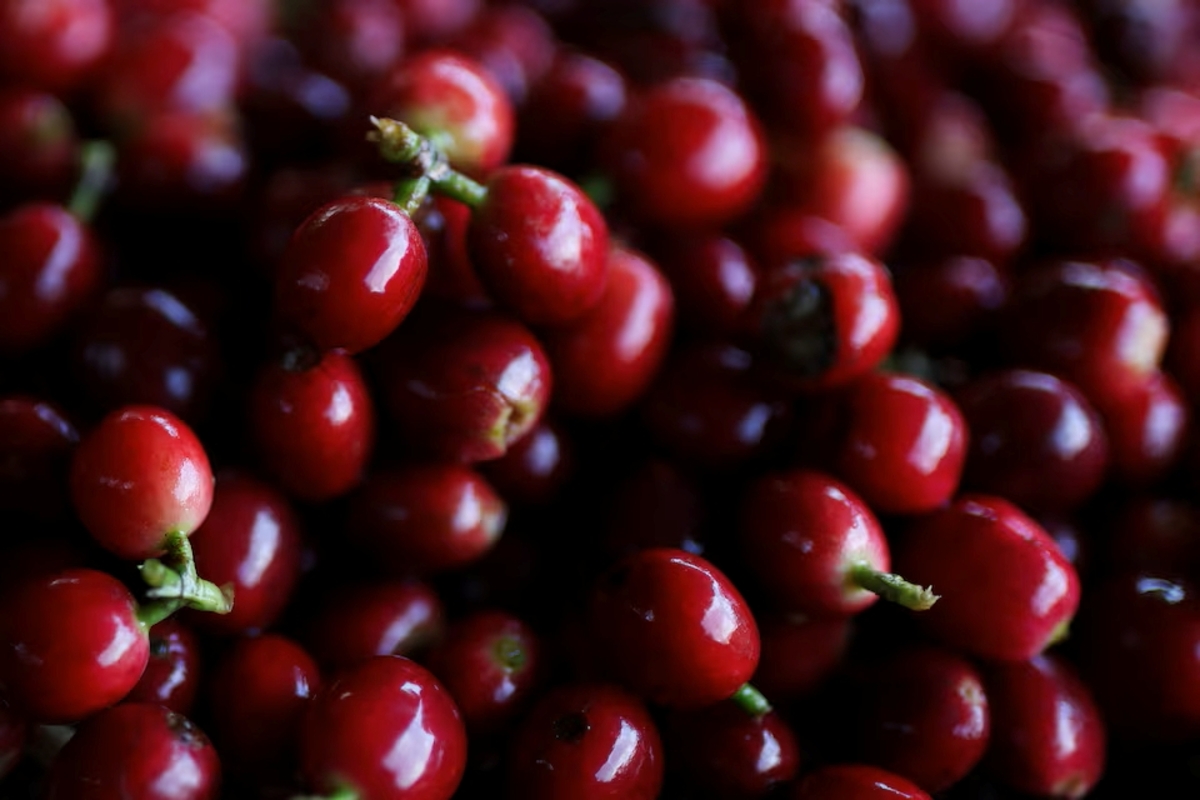
Starting every November, the coffee cherries in Quang Tri’s highlands reach full ripeness. On the rolling hills of Khe Sanh and Huong Phung, bright red Arabica cherries quietly release their rich aroma under the warm sunlight and gentle mountain winds, following the steps of local farmers from their fields to the villages. Each smile of a coffee picker captures a moment of the harvest season, where land, people, and coffee beans come together, telling a gentle story of a region growing stronger through its own fragrant bounty.

Lê Thị Phương Nhi, founder of BruLe Coffee, shared that 2025 was an exceptional year for Khe Sanh and Huong Phung coffee. Harvests were abundant, prices reached record highs, and yields were impressive—some areas produced as much as 25 tons per hectare.

In Xa Ry, coffee is gradually being cultivated organically, transforming from a common crop into a specialty product. This shift has significantly increased farmers’ income, with fresh coffee achieving the highest prices ever recorded, motivating further investments in quality and production expansion.

As the year draws to a close, coffee harvesting becomes a bustling activity across the coffee-growing communes of southwest Quang Tri. Nearly 4,000 hectares of coffee are in full production, and farmers are enthusiastic because this season offers the best yield and prices they have ever seen.

Phan Ngọc Long, Vice Chairman of Huong Phung Commune, reported that the commune has about 2,100 hectares of coffee ready for harvest. Average yields range from 8–10 tons of fresh cherries per hectare, with well-managed farms producing 15–20 tons per hectare. Coffee prices have soared to 24,000–27,000 VND per kilogram, enabling farmers to earn a net profit of 14,000–17,000 VND per kilogram after labor and other costs.

This year’s harvest also provides employment for thousands of seasonal workers, mainly from ethnic minority communities such as Van Kieu and Pa Ko. Daily wages range from 300,000–400,000 VND, giving workers stable income and improving livelihoods, especially at the end of the year.

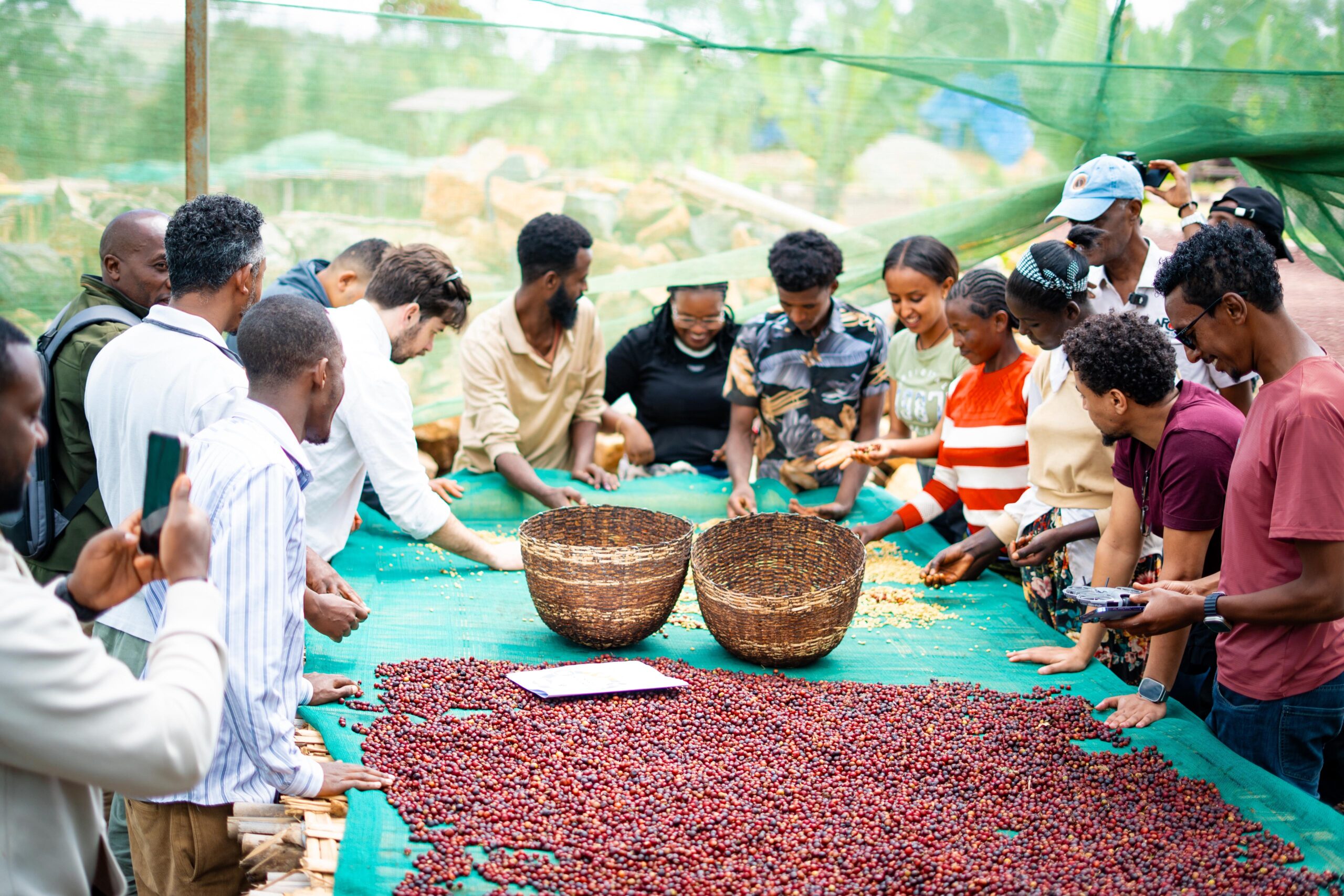
Local authorities support farmers through marketing partnerships, ensuring transparency in quality and pricing, and preventing fraud. In the fields, the pride of women carefully tending specialty coffee beans is visible in every smile. Coffee cherries are meticulously sorted to ensure premium quality from the very first step.

Huong Phung Arabica is processed through strict procedures: from initial sorting, drying in solar greenhouses, to roasting with modern machinery. Each stage requires precision to preserve the coffee’s elegant aroma, mild acidity, and characteristic sweet finish. Roasted beans emit a captivating fragrance—a harmonious result of earth, climate, and human hands.

This is the unique taste of Huong Phung and Quang Tri, steadily claiming its place on Vietnam’s specialty coffee map.

Khe Sanh and Huong Phung coffee did not reach this success overnight. In previous years, low prices forced many farmers to abandon or replace coffee crops. Between 2010–2015, substantial areas of coffee were cleared for other plants. Today, specialty coffee provides sustainable livelihoods and creates a new path toward green agriculture.

Khe Sanh is no longer just remembered for its turbulent past; it is now recognized as the cradle of Central Vietnam’s Arabica specialty coffee. On hills over 500 meters above sea level, in a year-round mild climate, coffee trees thrive, carrying the aspirations of local highland communities.

Harvesting is done manually with careful selection, ensuring only perfectly ripe cherries are picked—a key factor in producing specialty coffee. According to Lương Thị Ngọc Trâm from Pun Coffee Co., Khe Sanh and Huong Phung’s natural conditions favor Arabica and Catimor varieties. Despite the basin-like terrain not being ideal, the wide day-night temperature difference of 7–9°C allows Arabica to thrive, creating Vietnam’s most distinctive coffee. The tropical monsoon climate, average temperature of 22°C, annual rainfall of 2,262mm, and abundant water resources from lakes, rivers, and streams contribute to high yields and quality.

To promote high-quality Vietnamese coffee globally, the Ministry of Agriculture and Rural Development approved the Vietnam Specialty Coffee Development Project (2021–2030), including Quang Tri. Coffee acreage in the province is projected to expand from 11,500 hectares (2021–2025) to 19,000 hectares (2026–2030), representing a growing share of national production.

During harvest season, the hills of Khe Sanh and Huong Phung come alive with activity. Women in traditional Van Kieu and Pa Ko attire carefully pick the bright red cherries. Handpicking and meticulous selection are crucial steps in producing specialty coffee.

Today, Khe Sanh and Huong Phung coffee is more than an agricultural product—it symbolizes revival, resilience, and the determined spirit of a community rising from a land once scarred by hardship. Among the fragrant hills, Arabica beans narrate a story of Quang Tri: a story of land, people, and a sustainable, hopeful future.