Ethiopia’s Golden Opportunity in the Global Coffee Market

Source: Coffee Market Analysis / Ethiopian Coffee and Tea Authority
Author: Qahwa World
Date: September 8, 2026

Ethiopia’s Golden Opportunity in the Global Coffee Market

  • Brazil’s coffee quality is declining due to unexpected rains, creating a golden opportunity for Ethiopia.
  • New York arabica coffee prices dropped by 5.5% to 6.2% last week.
  • This price drop reflects increased Brazilian production volume, not improved quality.
  • Ethiopia’s specialty coffee has a strong opportunity to sell at premium prices.
  • Farmers, processors, and exporters must focus on quality to seize this opportunity.
  • The global market winner will be those who supply quality, not just quantity.

The global coffee market appears to be at a crossroads. Brazil has delivered high production volumes, but quality is declining. This could create significant price volatility and market uncertainty.

Last week, New York arabica coffee prices dropped by 5.5% to 6.2%, causing market turbulence. However, behind this price drop lies a real opportunity for Ethiopian farmers and exporters.

Reason for the Price Drop

The price drop is attributed to a temporary supply surplus due to increased Brazilian coffee production and a 9.9% rise in exports. However, the market has realized the bigger truth: this is about quantity, not quality improvement.

Brazil’s Coffee Quality Decline

Unexpected rains in Brazil have severely reduced coffee quality. The 2026/27 production season may be one of the lowest quality years in recent history.

Brazil vs Ethiopia Coffee Comparison
Aspect Brazil Ethiopia
Production Volume High (71.9 million bags) Moderate (12.1 million bags)
Quality Declining due to rain High (Specialty Grade)
Market Focus Volume-driven Quality-driven
Price Premium Standard Premium Price
Natural Advantage High weather impact Diverse climate conditions

Opportunity for Ethiopian Farmers and Exporters

International coffee buyers will inevitably seek high-quality coffee that meets specialty grade standards. This is great news for Ethiopia, which is naturally endowed with unique flavors and aromas.

Quality Commands Higher Prices

As the global market is flooded with lower-quality coffee, Ethiopia’s high-quality specialty coffee will have an exceptional opportunity to sell at premium prices. International buyers and importers will turn their attention to Ethiopia, allowing the country to dominate the quality gap in the market.

What Needs to Be Done?

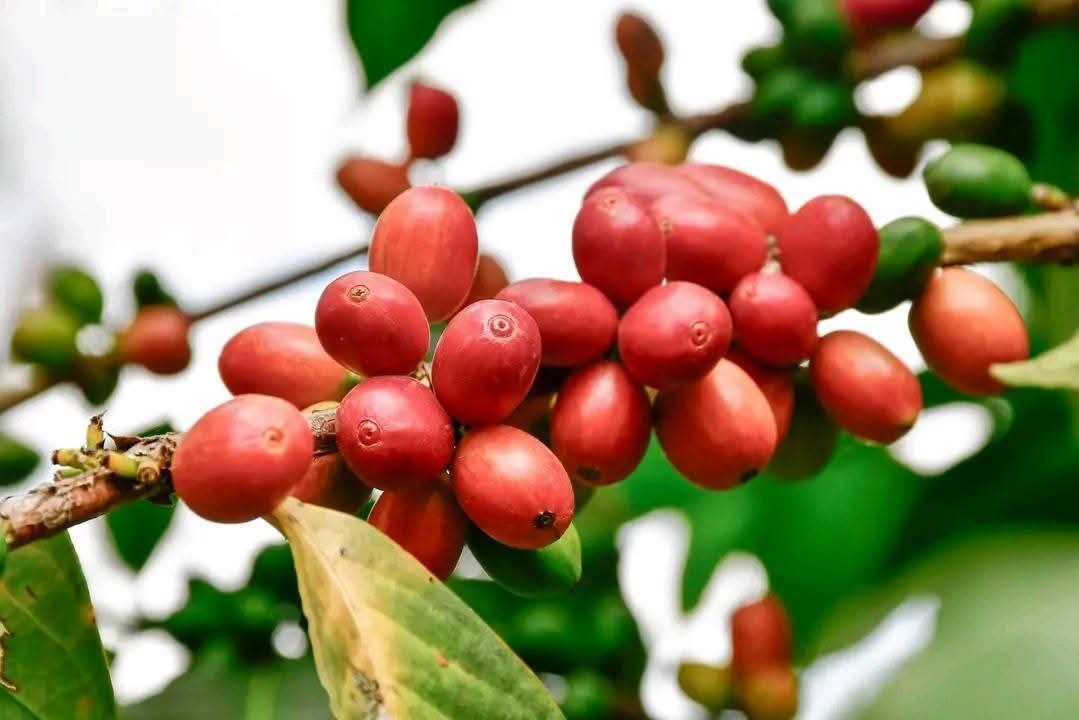
Farmers: Pay special attention to quality from plant care to harvesting (picking only the best red cherries) and drying processes. Focusing on producing standard-quality coffee will be more profitable than focusing only on quantity.

Processors and Washing Station Owners: Maintain cleanliness in washing and drying stations, properly control moisture levels, and strictly monitor cupping standards.

Exporters: Understand the quality demand created by the global market’s quality decline, promote Ethiopia’s unique coffee flavor and grade, and negotiate for better prices.

Conclusion

In the coffee market, “more production doesn’t always mean better coffee!” In today’s market reality, the winners will not be those who export the most coffee, but those who supply the quality the market demands. Ethiopian farmers and exporters now have a golden opportunity to use their quality advantage to strengthen their competitiveness and profitability in the global market.

Frequently Asked Questions

Why has Brazil’s coffee quality declined?Unexpected rains in Brazil have lowered quality. The 2026/27 production season may be one of the lowest quality years in recent history.

Why does Ethiopia have a better opportunity?Ethiopia produces high-quality specialty coffee, and international buyers are increasingly seeking quality coffee.

What should farmers do?Farmers should focus on quality by picking only the best red cherries and maintaining proper processing and drying standards.

What should exporters do?Exporters should understand the global market’s quality demand, promote Ethiopia’s unique coffee profile, and negotiate for better prices.

Why did coffee prices drop?Prices dropped due to a temporary supply surplus caused by increased Brazilian production and a 9.9% rise in exports.

Can Ethiopian coffee sell at premium prices?Yes, the international market is willing to pay premium prices for high-quality specialty coffee.

Cheap Coffee Outperforms Brands in Safety by Roskontrol Ranking

MOSCOW — QAHWA WORLD

As reported by the Russian news outlet “Nasha Gazeta,” a comprehensive audit of dozens of instant coffee brands conducted by “Roskontrol” experts has yielded unexpected results. The laboratory analysis revealed that several budget-friendly brands demonstrated higher levels of safety and transparency than world-renowned premium labels, providing a vital guide for consumers looking for a reliable morning brew.

The Bitter Truth Behind Your Coffee Jar

According to “Nasha Gazeta,” instant coffee is among the products most susceptible to counterfeiting. Some manufacturers add unauthorized fillers such as cereals, chicory, or cheap substitutes, while improper storage can lead to the formation of dangerous toxins. The “Roskontrol” study was more than a simple preference ranking; it was a rigorous safety inspection that tested for:

  • Mycotoxins (including the deadly Aflatoxin B1).

  • Heavy metals.

  • Hidden additives not listed on the label.

  • Chemical aftertaste and artificial bitterness.

The study confirmed that the bitterness many consumers associate with strong coffee is often not a characteristic of the beans themselves, but rather a sign of hidden chemical impurities.

Budget Champions: Quality Above Price

The report highlights that several affordable brands proved to be the most honest and safe. For those seeking a boost without health risks, the top-rated list includes:

  1. Auchan (Granulated): Described as the “dark horse” of the study, it was found to be completely safe with a transparent composition, containing even more caffeine than many of its pricier competitors.

  2. Nescafe Classic: This legendary brand confirmed its status with a clean laboratory record, showing no impurities and a stable flavor profile based on 100% natural beans.

  3. Bonvida: A clear example that low price does not mean poor quality, as it met all laboratory safety standards perfectly.

  4. Each Day (Kajdy Den): A basic and safe option for daily use, offering peace of mind without the added cost of a famous brand name.

For the Connoisseurs: The Freeze-Dried Distinction

The report notes that freeze-dried coffee differs significantly from traditional granulated versions, as its production technology preserves the essential oils and original aroma of the bean. The leaders in this category were:

  • Ambassador Platinum: Noted for its rich flavor, noble bitterness, and light fruity acidity, offering an experience very close to ground coffee.

  • Bushido Original: Praised by experts for its perfect balance of bitterness and acidity, delivering a harmonious and clean taste profile.

The Smart Buyer’s Guide

Based on the “Roskontrol” findings, “Nasha Gazeta” provides clear recommendations for consumers:

  • For Savings and Safety: Opt for brands like Auchan, Nescafe Classic, or Bonvida.

  • For Flavor and Aroma: Choose Ambassador Platinum or Bushido Original.

  • The Golden Rule: Always check the label for “100% natural coffee” and ensure it is the “freeze-dried” variety.

  • Health Tip: To ensure the protective benefits of the drink remain intact, 2.5 grams is the maximum sugar limit.

The publication concludes that the “Roskontrol” results are a compelling reason to reconsider buying habits. A morning cup should not just be a necessity for waking up, but a small daily celebration of a safe and high-quality product. As the source notes, if your usual brand did not make the success list, it is a perfect opportunity to try something new and truly superior.