Ethiopia’s Golden Opportunity in the Global Coffee Market

Source: Coffee Market Analysis / Ethiopian Coffee and Tea Authority
Author: Qahwa World
Date: September 8, 2026

Ethiopia’s Golden Opportunity in the Global Coffee Market

  • Brazil’s coffee quality is declining due to unexpected rains, creating a golden opportunity for Ethiopia.
  • New York arabica coffee prices dropped by 5.5% to 6.2% last week.
  • This price drop reflects increased Brazilian production volume, not improved quality.
  • Ethiopia’s specialty coffee has a strong opportunity to sell at premium prices.
  • Farmers, processors, and exporters must focus on quality to seize this opportunity.
  • The global market winner will be those who supply quality, not just quantity.

The global coffee market appears to be at a crossroads. Brazil has delivered high production volumes, but quality is declining. This could create significant price volatility and market uncertainty.

Last week, New York arabica coffee prices dropped by 5.5% to 6.2%, causing market turbulence. However, behind this price drop lies a real opportunity for Ethiopian farmers and exporters.

Reason for the Price Drop

The price drop is attributed to a temporary supply surplus due to increased Brazilian coffee production and a 9.9% rise in exports. However, the market has realized the bigger truth: this is about quantity, not quality improvement.

Brazil’s Coffee Quality Decline

Unexpected rains in Brazil have severely reduced coffee quality. The 2026/27 production season may be one of the lowest quality years in recent history.

Brazil vs Ethiopia Coffee Comparison
Aspect Brazil Ethiopia
Production Volume High (71.9 million bags) Moderate (12.1 million bags)
Quality Declining due to rain High (Specialty Grade)
Market Focus Volume-driven Quality-driven
Price Premium Standard Premium Price
Natural Advantage High weather impact Diverse climate conditions

Opportunity for Ethiopian Farmers and Exporters

International coffee buyers will inevitably seek high-quality coffee that meets specialty grade standards. This is great news for Ethiopia, which is naturally endowed with unique flavors and aromas.

Quality Commands Higher Prices

As the global market is flooded with lower-quality coffee, Ethiopia’s high-quality specialty coffee will have an exceptional opportunity to sell at premium prices. International buyers and importers will turn their attention to Ethiopia, allowing the country to dominate the quality gap in the market.

What Needs to Be Done?

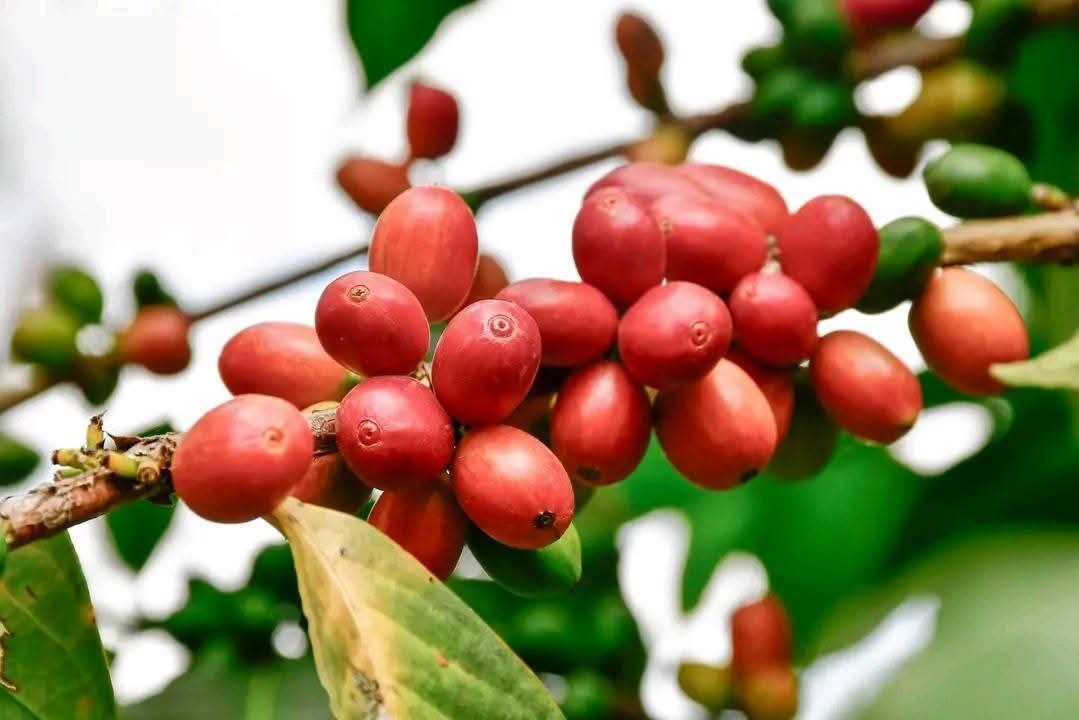
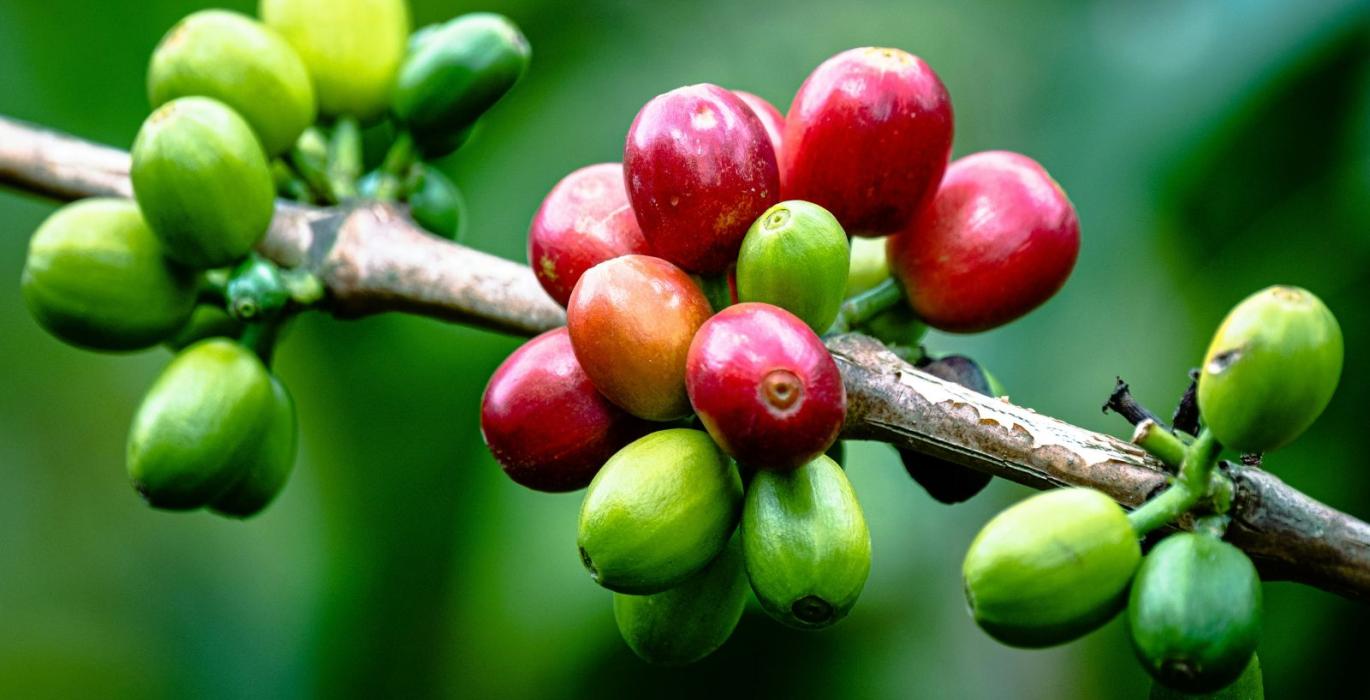
Farmers: Pay special attention to quality from plant care to harvesting (picking only the best red cherries) and drying processes. Focusing on producing standard-quality coffee will be more profitable than focusing only on quantity.

Processors and Washing Station Owners: Maintain cleanliness in washing and drying stations, properly control moisture levels, and strictly monitor cupping standards.

Exporters: Understand the quality demand created by the global market’s quality decline, promote Ethiopia’s unique coffee flavor and grade, and negotiate for better prices.

Conclusion

In the coffee market, “more production doesn’t always mean better coffee!” In today’s market reality, the winners will not be those who export the most coffee, but those who supply the quality the market demands. Ethiopian farmers and exporters now have a golden opportunity to use their quality advantage to strengthen their competitiveness and profitability in the global market.
Frequently Asked Questions

Why has Brazil’s coffee quality declined?Unexpected rains in Brazil have lowered quality. The 2026/27 production season may be one of the lowest quality years in recent history.

Why does Ethiopia have a better opportunity?Ethiopia produces high-quality specialty coffee, and international buyers are increasingly seeking quality coffee.

What should farmers do?Farmers should focus on quality by picking only the best red cherries and maintaining proper processing and drying standards.

What should exporters do?Exporters should understand the global market’s quality demand, promote Ethiopia’s unique coffee profile, and negotiate for better prices.

Why did coffee prices drop?Prices dropped due to a temporary supply surplus caused by increased Brazilian production and a 9.9% rise in exports.

Can Ethiopian coffee sell at premium prices?Yes, the international market is willing to pay premium prices for high-quality specialty coffee.

Arabica Rebounds: Brazil Drought Fears Drive Price Surge Despite Tariff Removal Pressure

Dubai – Qahwa World

Arabica coffee futures experienced a strong rally today, Monday, fueled by renewed concerns over Brazil’s current crop conditions. This upward movement reflects the market’s conflicting forces, which are still reacting to the executive order on tariff removal issued late last week.

March Arabica coffee futures (KCH26) surged by $7.40 (+2.00%) today, following a report highlighting alarming dry conditions in Brazil. Somar Meteorologia reported that Minas Gerais, the country’s largest Arabica-growing state, received only 26.4 mm of rain in the week ended November 21, amounting to just 49% of the historical average. This significant rainfall deficit raises concerns about the health and development of the current crop, providing strong support for the market price.

Further bolstering the price are shrinking stockpiles. ICE-monitored Arabica inventories have fallen to a 1.75-year low of 398,645 bags. This inventory drawdown is a direct consequence of previously imposed US tariffs on Brazilian coffee imports, which led American buyers to void new contracts, severely tightening US supplies, as Brazil typically supplies about a third of America’s unroasted coffee.

Despite today’s rally, prices remain near the 7-week low recorded in the previous session. That sharp decline was triggered by the US President signing an executive order late last Thursday, exempting Brazilian agricultural products, including green coffee, from the existing 40% tariffs. This tariff removal, which does not cover instant coffee, created immediate downward pressure as traders anticipated a greater influx of Brazilian supply into the US market.

Longer-term expectations for Brazil’s next crop continue to act as a bearish factor. StoneX analysts last week forecast that Brazil will produce 70.7 million bags of coffee in the 2026/27 season, including 47.2 million bags of Arabica, representing a projected 29% year-on-year increase. Furthermore, Climatempo forecasts suggest heavy rainfall will continue in growing regions this week, providing favorable growth conditions for the subsequent crop.

In the Robusta market, January futures (RMF26) edged lower by 12 points (-0.27%), pressured by forecasts for drier weather in Vietnam. Improved dry conditions are expected to allow the resumption of the Robusta harvest in key provinces like Dak Lak, easing supply delay concerns in Vietnam, the world’s largest Robusta producer. Official data previously showed that Vietnam’s coffee exports for January through October 2025 rose 13.4% year-on-year.

Global Coffee Price Surge Propels Indian Exports to New Heights in 2024

India’s 2024 exports could rise 10% to 298,000 T
European buyers paying premium for Indian beans
Untimely rains, labour scarcity delaying harvesting

India’s coffee exports are likely to rise as much as 10% in 2024 as a rally in global prices prompts European buyers to pay premiums in order to increase purchases from the country, industry officials told Reuters.

The South Asian country – famous as a tea producer – is also the world’s eighth-largest coffee grower, mainly churning out the robusta beans used to make instant coffee. It also produces some of the more expensive arabica variety.

“The demand for Indian coffee, particularly robusta beans, is strong due to firm global prices resulting from production issues,” said Ramesh Rajah, president of the Coffee Exporters’ Association of India, predicting a rise in exports this year of up to 10%.

Robusta coffee is trading near its highest in at least 15 years as Vietnam, the world’s biggest producer, is expected to produce less in 2023/24 than the previous season.

India exports three quarters of its production mainly to Italy, Germany and Belgium.

Indian coffee typically commands a premium over the global benchmark because it is grown under shade, hand-picked, and sun-dried. However, this year, premiums are higher than normal due to a production shortfall, exporters said.

Coffee exports in 2024 could jump to 298,000 metric tons from last year’s 271,420 tons, said a Bengaluru-based dealer with a global trade house.

Report this ad
Indian robusta cherry is fetching a premium of nearly $300 a tonne over London futures because of strong demand, he said.

WEATHER WOES
While export demand is good, traders are waiting for supplies to increase, which could bring down local prices, the dealer said.

This season’s robusta harvest is almost 20% complete, although rainfall in recent days in growing areas has been disruptive, said M M Chengappa, a coffee grower from Kodagu, in top producing Karnataka state.

The state-run Coffee Board has estimated that India’s production could rise to 374,200 tons in the 2023/24 season, which started on Oct. 1, up from last year’s 352,000 tons. However, farmers are saying that rainfall is limiting the upside in production.

“Torrential unseasonal rain in the last few days, along with the rains in December, has caused a lot of fruit droppings,” said Chengappa.

Harvesting is also slowed by labour scarcity, despite offers of higher wages, said exporter Rajah.

“Global prices are rising, but Indian farmers’ income is not rising in the same proportion due to higher production costs. They need to spend more on inputs and wages,” Rajah said.