Vietnam Police Seize Tons of Fake Coffee Made from Soybeans

HANOI – Qahwa World

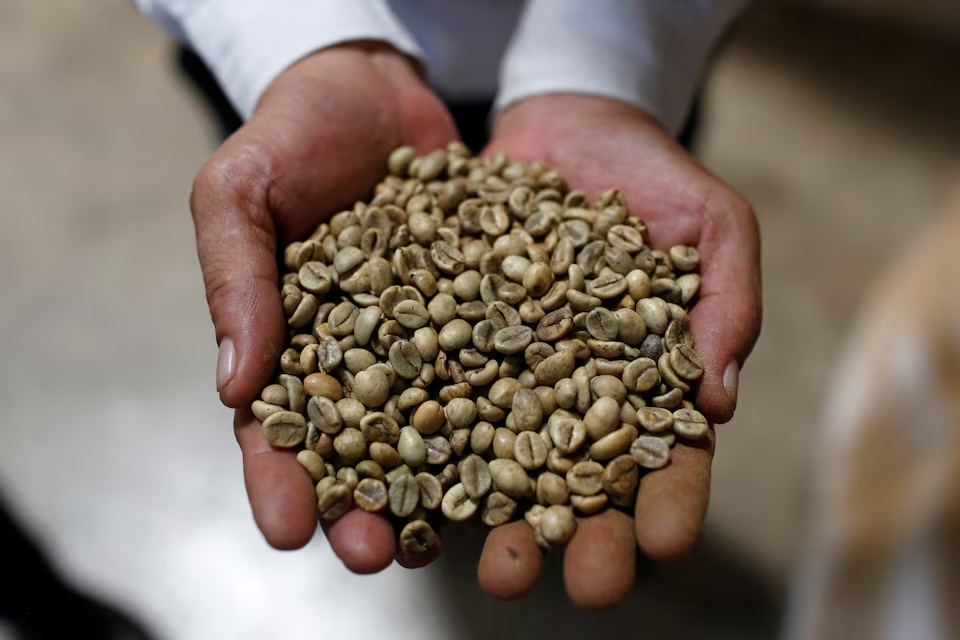
Security officials in Vietnam have initiated a criminal probe into a production facility found manufacturing fraudulent coffee using soybeans. The investigation follows a targeted raid in the Central Highlands province of Lam Dong earlier this week.

According to a statement from the Ministry of Public Security, the operation resulted in the seizure of 4.1 tons of counterfeit finished goods and 3 tons of unprocessed materials. The facility owner, Luong Viet Kiem, reportedly confessed to blending soybeans and chemical flavorings with actual coffee beans to distribute ground products throughout the domestic market.

Economic and Health Concerns
The discovery was triggered on Tuesday when police intercepted a truck transporting over 500 kilograms of undocumented ground coffee. This incident highlights a recurring issue in the region; local traders noted that while soybeans and corn are edible, the safety of these unregulated mixtures remains a significant concern for consumers.

The financial incentive for such fraud is clear. Currently, farmers in the Central Highlands sell coffee for approximately 100,500 dong ($3.86) per kg—nearly triple the cost of soybeans.


Coffee Prices Drop as Brazilian Real Weakens

Dubai – Qahwa World

Coffee prices fell sharply on Wednesday after the Brazilian real lost some of its recent gains, prompting traders to liquidate long positions in coffee futures.

March Arabica (KCH26) closed down 16.25 points (-4.42%).

March Robusta (RMH26) fell 130 points (-3.04%).

Earlier in the session, Arabica had climbed to a two-and-a-half-week high, while Robusta reached a one-and-three-quarter-month peak before giving up gains. The weaker real makes Brazilian coffee more competitive for export, adding pressure on futures prices.

  • Key Factors Driving the Market

Supporting Prices:

Brazilian coffee exports declined in December by 18.4%, totaling 2.86 million bags, with Arabica down 10% and Robusta down 61% year-on-year.

Below-average rainfall in Minas Gerais, Brazil’s main Arabica region, has raised concerns about supply, as the area received just 33.9 mm of rain last week—around half the historical average.

Pressuring Prices:

ICE coffee inventories have recovered after hitting multi-year lows, which weighs on prices.

Vietnam, the world’s top Robusta producer, saw its 2025 exports jump 17.5% to 1.58 million metric tons, with production rising 6% year-on-year.

Global coffee supply forecasts show a modest increase in total production, with Arabica down and Robusta up, creating mixed signals for the market.

  • Market Outlook

Brazil’s 2025/26 production is projected to fall to 63 million bags, while Vietnam’s output is expected to rise to 30.8 million bags—a four-year high. Ending stocks for the season are forecasted to decline to 20.148 million bags, down 5.4% from the previous year, keeping supply concerns on traders’ radar.

Vietnam Launches First Global Coffee Heritage Festival

Vietnam – Qahwa World

Vietnam continues to strengthen its presence in the global coffee market, standing as the world’s second-largest coffee exporter. This status is supported not only by production volume but also by a rich cultural heritage and a unique identity in the coffee world. In this context, the country has launched its first-ever Global Coffee Heritage Festival, aiming to highlight Vietnamese coffee as both a cultural and economic product, far beyond a simple agricultural commodity.

From December 21, 2025, to January 2, 2026, Lam Vien Square in the Xuan Huong Ward of Da Lat hosted the inaugural “Global Coffee Heritage Festival 2025,” attracting large crowds of local residents and visitors from Vietnam and abroad. The festival aimed to document the journey of coffee in Vietnam over nearly two centuries, from the first plantations in the Central Highlands to the development of a distinct coffee culture that has become a national identity.

A Platform to Celebrate Coffee Culture

The festival was organized by TNI King Coffee Co., Ltd. (Ho Chi Minh City) and featured 34 exhibition booths showcasing coffee products, culinary offerings, and a comprehensive program of cultural, artistic, experiential, and interactive activities throughout the festival.

Highlights included live roasting and manual brewing demonstrations linked to global coffee culture experiences, exhibitions of historical coffee beans, a record-setting artwork made from robusta coffee beans, and a display of a giant coffee cup. These activities became prominent attractions for visitors and coffee enthusiasts.

  • Records and Heritage Values

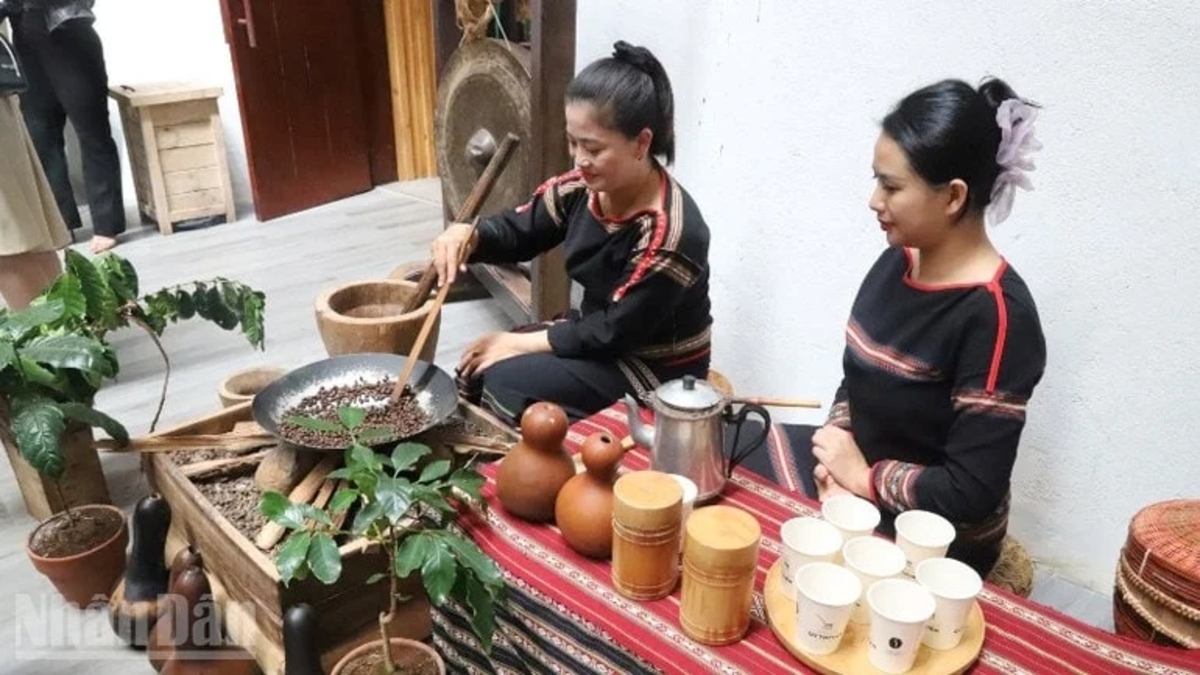
The World Records Alliance, in collaboration with Vietnam Records Association, recognized Vietnam as the largest global producer and exporter of robusta coffee in terms of volume and yield. The festival also documented Vietnam’s unique coffee preparation heritage, including Ê-đê coffee, traditional cloth-filtered coffee, and drip coffee.

Vietnamese coffee culture is also distinguished by its diverse and creative approaches to blending and serving coffee, with signature drinks and dishes such as egg coffee and iced milk coffee reflecting the country’s ability to innovate while preserving tradition.

  • Coffee and Art: A Visual Narrative

One of the festival’s highlights was the artwork “Vietnamese Robusta Coffee Aspiration,” the first of its kind created from Buon Ma Thuot robusta beans, combined with natural Vietnamese materials such as coffee powder, burlap, bamboo, rattan, and coffee ink. The artwork draws inspiration from Central Highlands culture, merging art with agricultural heritage.

  • A Window to Global Coffee Cultures

Festival visitors explored manual brewing methods linked to international coffee traditions, including the Moka Pot (Italy, 1933), Aeropress (USA, 2005), and Cold Drip, a method originating in 17th-century Netherlands when sailors sought to preserve coffee flavor during long voyages. Cold Drip involves slow dripping of cold water through coffee over extended periods, resulting in a smoother cup with lower acidity and bitterness. In the 20th century, it became popular in Japan for its artistic and precise brewing style.

  • Filter Coffee: A Symbol of Local Identity

Filter coffee remains a hallmark of Vietnamese coffee culture since the 19th century, when coffee was first introduced by the French. Over time, the small metal drip filter became a staple in homes and cafes, promoting slow, mindful consumption characterized by strong flavors and a sweet finish—an embodiment of the Vietnamese way of enjoying coffee. Today, filter coffee remains the most widespread brewing method, representing the nation’s coffee identity.

  • Coffee as a Human and Economic Journey

Through these diverse experiences, visitors gain a holistic understanding of Vietnamese coffee, from the labor of farmers in the fields to roasting and preparation techniques, resulting in cups infused with the aroma of time and personal experience.

  • Coffee Train: A Unique Heritage Experience

The “Coffee on the Train – Heritage Journey” space at Da Lat station was a standout feature, recreating a historic train carriage dedicated to coffee experiences. The Da Lat Coffee Train was organized in partnership with the Saigon Railway Transport Branch, Vietnam Railway Transport Joint Stock Company, and TNI King Coffee Co., Ltd.

Visitors enjoyed coffee while listening to soothing music performed on violins and saxophones inside the train carriages, combining heritage, taste, and art in one immersive experience.

  • Building the Vietnamese Coffee Brand

In 2024, Vietnamese coffee exports reached USD 5.48 billion. During the first half of 2025, exports nearly matched the total of 2024 at USD 5.45 billion. The Global Coffee Heritage Festival 2025 is expected to drive the coffee sector toward a creative industry model and open new opportunities for investment, cooperation, and exports.

The festival also aims to bring together leading experts, artisans, and companies worldwide to reshape the future of Vietnamese coffee sustainably and innovatively, enhancing its international profile and paving the way for global collaboration initiatives, including the establishment of the Vietnam-Global Coffee Alliance.

  • Coffee from Vietnam and the World

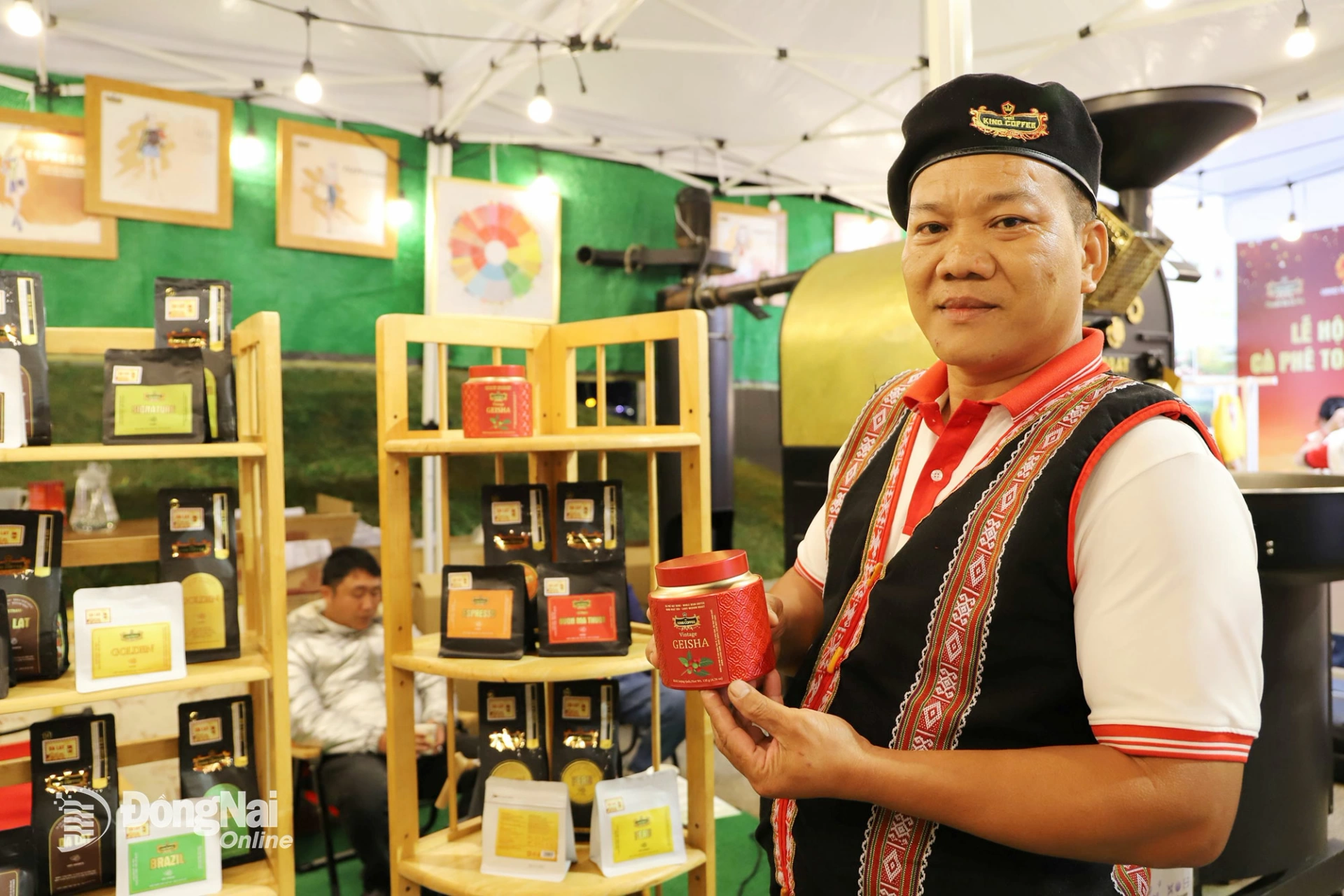
The festival featured not only Vietnamese coffee varieties but also coffees from major producing countries such as Colombia, Ethiopia, and Brazil, including rare specialty coffees. A notable highlight was Geisha coffee from Ethiopia’s Geisha region, one of the world’s rarest and most expensive coffees, auctioning for up to VND 700 million per kilogram. Geisha coffee is distinguished by complex flavors, including citrus fruits, floral notes, and a hint of jasmine, offering a market value far above other high-quality coffees.

  • Decades of Expertise and Passion

Mr. Do Tan Truong, Roasting and Product Development Manager at TNI King Coffee, emphasized that creating high-quality coffee requires a complete story—from selecting beans, processing, to understanding consumer tastes in different regions. Each coffee variety has its own characteristics and roasting techniques, and learning in this field is continuous regardless of years of experience.

  • Coffee Beyond Numbers

At the festival opening, Ms. Le Hoang Diep Thao, Founder and CEO of TNI King Coffee, highlighted that coffee has been present in Vietnam for over 150 years. Today, more than 600,000 hectares of coffee plantations sustain millions of households. Vietnamese coffee is exported to over 100 countries and territories, contributing billions of dollars to the national economy.

She added that the value of Vietnamese coffee lies not only in volume or numbers but also in identity, perseverance, and pride encapsulated in every coffee bean. The festival represents a long-term journey to preserve, elevate, and promote sustainable values of Vietnamese coffee, particularly robusta heritage, within the global coffee landscape.

Vietnam: The Journey of Coffee Cultivation and Processing Knowledge Towards Global Recognition

Dubai – Qahwa World

The World Coffee Museum in Buon Ma Thuot, Dak Lak province, Vietnam, hosted the activities of the 2025 International Scientific Conference and Forum from December 5 to 6.

The conference was held under the theme: “Global Coffee Industry Value Chain – Global, Local, and Sustainable Development,” jointly organized by the Dak Lak Department of Culture, Sports and Tourism, Ho Chi Minh City University of Culture, UNESCO, and Yunnan University (China), and sponsored by the Trung Nguyen Group. The event attracted dozens of local and international experts, scientists, and managers.

In his opening speech, Associate Professor Dr. Lam Nhan, President of Ho Chi Minh City University of Culture, emphasized that coffee represents a strategic industrial crop and a source of pride for the people of Dak Lak and the Central Highlands. He noted its sensitivity to climate change and the necessity of transitioning from expanding cultivated areas to raising quality, increasing value, developing processing technologies, and managing the value chain.

The workshop is not limited to the scientific dimension; it represents a step toward formulating a new vision for developing Vietnamese coffee within the global value chain, through discussions on coffee heritage—from agricultural knowledge and processing to the culture of enjoyment—in addition to topics of technology, branding, environmental responsibility, and sustainable development.

The workshop also contributes to the preparation of the file on the “Knowledge of Coffee Cultivation, Processing, and Enjoyment in the Central Highlands,” to be submitted to UNESCO for inclusion in the List of Good Safeguarding Practices of Intangible Cultural Heritage.

  • Dak Lak… The Center of the Vietnamese Coffee Industry

Tran Hong Tien, Director of the Dak Lak Department of Culture, Sports and Tourism, stated that Buon Ma Thuot is the core of the coffee industry in Vietnam, noting that Dak Lak Robusta coffee is not just an agricultural crop, but a deeply rooted cultural symbol among the ethnic communities in the Central Highlands, preserved across generations.

The province aims to enhance the value of coffee heritage by integrating sustainable agriculture, the green economy, agri-tourism and cultural tourism, and creative industries, in line with UNESCO’s philosophy of community preservation and heritage-based development.

  • Practical Steps Towards UNESCO Listing

Tran Hong Tien mentioned that the Ministry of Culture, Sports and Tourism submitted a request to the Prime Minister for permission to prepare a scientific file on the intangible cultural heritage related to the “Knowledge of Dak Lak Coffee Cultivation and Processing.” The workshop is the first step in preparing this file, supported by 67 research presentations covering economics, society, culture, anthropology, heritage, coffee technologies, value chains, and sustainable development.

  • Indigenous Knowledge… Memory, Identity, and Culture

Delegates discussed axes including: cultural exchange through coffee, localization practices during integration periods, the role of coffee heritage in socio-economic and tourism development, and solutions for preserving and enhancing local knowledge in cultivation, processing, and drinking culture.

Experts believe that the knowledge of coffee cultivation and processing in Dak Lak goes beyond inherited traditional skills; it represents a shared system of values and identity that strengthens social bonds, supports sustainability, and provides livelihoods.

  • Towards a Community-Based Heritage Model

Associate Professor Dr. Le Thi Ngoc Diep from the University of Social Sciences and Humanities assessed that the coffee heritage in Buon Ma Thuot is developing in the unique context of Dak Lak’s central position in the Vietnamese coffee industry. She considered integrating coffee with the concepts of “heritage” and “local identity” an effective strategy to enhance value in the global market. She emphasized the necessity of a community-based heritage model that ensures local residents’ participation in managing and investing in heritage while maintaining a balance between tourism and authenticity.

  • Notable Success and Broad Cultural Participation

The workshop concluded with participants commending the outcomes. Tran Hong Tien affirmed that the event constituted a first step in preparing the file for UNESCO heritage listing and contributed to presenting new visions for globally promoting the status of Dak Lak coffee as a symbol of living heritage and a sustainable green economy.

The event featured Zén coffee tasting sessions, visits to coffee farms, and an introduction to the three coffee civilizations: Ottoman, Roman, and Zén, alongside a tour of the World Coffee Museum.

  • Dak Lak on the Global Heritage and Creativity Map

This forum represents a bridge between heritage and contemporary creativity, enhancing the position of Dak Lak – “Vietnam’s Coffee Capital” – on the map of world cultural heritage and creative industries.

Brazilian Real Firming Lifts Arabica Coffee as Market Signals Remain Mixed

Dubai – Qahwa World

March arabica coffee (KCH26) rose slightly by +0.15 (+0.04%) on Tuesday, while January ICE robusta (RMF26) slipped -15 (-0.34%), hitting a 1.5-week low. The day’s movements reflect a split market, with arabica gaining support from a stronger Brazilian real, now at a two-week high against the US dollar. The firmer currency is discouraging export sales from Brazil’s growers, helping arabica prices edge upward.

Robusta, however, is under pressure. The Vietnam Coffee and Cocoa Association reported that around 10% of the country’s robusta harvest is now complete and forecasted that expected drier weather will accelerate harvesting through the month. Vietnam is the world’s largest robusta producer, and signs of increased output continue to weigh on prices.

Weather conditions in Brazil are offering some support to the market. Somar Meteorologia noted that Minas Gerais—Brazil’s main arabica-producing region—received only 20.4 mm of rain in the week ending November 28, equivalent to 39% of the historical average.

Coffee inventories monitored by ICE continue to tighten. US tariffs on coffee imports from Brazil triggered a sharp drawdown in stocks. ICE-certified arabica inventories reached a 1.75-year low of 398,645 bags on November 20, while robusta inventories fell today to an 11-month low of 4,115 lots. American buyers have cancelled new Brazilian coffee contracts due to the tariffs, tightening domestic supply. US imports of Brazilian coffee from August to October fell 52% year-on-year to 983,970 bags.

On the policy side, the outlook for ample supply strengthened after the European Parliament approved a one-year delay to the European Union’s anti-deforestation law (EUDR). The postponement allows EU members to continue importing agricultural commodities—including coffee—from regions in Africa, Indonesia, and South America where deforestation remains a concern.

Several supply signals are weighing on the market. StoneX recently projected Brazil’s 2026/27 crop at 70.7 million bags, including 47.2 million bags of arabica, a 29% year-on-year increase. Vietnam’s supply outlook also remains heavy: its Jan–Oct exports rose 13.4% year-on-year to 1.31 MMT, and 2025/26 production is expected to grow by 6% to 1.76 MMT (29.4 million bags), a four-year high. Vicofa additionally suggested that Vietnam’s 2025/26 output could rise by 10% if favorable weather continues.

Some indicators continue to signal tightening global supply. The International Coffee Organization reported that global exports for the current Oct–Sep cycle slipped 0.3% year-on-year to 138.658 million bags. In Brazil, Conab cut its 2025 arabica estimate by 4.9% in September, lowering the projection to 35.2 million bags. Total Brazilian coffee output was trimmed to 55.2 million bags.

Longer-term forecasts from the USDA’s Foreign Agriculture Service expect global production to rise 2.5% in 2025/26 to a record 178.68 million bags. The outlook includes a 1.7% decline in arabica output to 97.022 million bags, alongside a 7.9% increase in robusta to 81.658 million bags. Ending stocks are projected to rise 4.9% to 22.819 million bags.

Sucafina Releases Key Update on Vietnam’s 2025/26 Coffee Harvest

Vietnam Harvest Update 2025/26: Delayed Start, Strong Outlook

Dubai – Qahwa World

With global markets closely monitoring Vietnam, recent heavy rains from Storm 15 have attracted significant attention among those keen to understand the weather’s impact on supply. We caught up with Khoi Nguyen, Trading Manager at Sucafina Vietnam, for an update. Khoi tells us that despite rain-driven delays and labor tightness, the outlook remains positive, with production increases expected and quality indicators trending upward.

  • Production on the rise: Vietnam’s combined Robusta & Arabica 2025/26 Coffee crop is forecast at 31.2 million bags, up 12% year on year.
  • Heavy rains delaying progress: Excessive rainfall has slowed harvesting (14% of Robusta completed vs. ~25% historical average), compounded by labor shortages.
  • Strong quality prospects: Favorable cherry development and solid farm investment support expectations for improved overall quality.

Harvest Status: Delayed but Resilient

Despite the weather challenges making headlines, Vietnam’s coffee harvest is showing remarkable resilience. Khoi and the team project a total production of 31.2 million bags a 12% increase over last year. This includes 29.9 million bags of Robusta (up 11.5%) and 1.3 million bags of Arabica (up 19%). These numbers exceed our earlier forecasts (+6%) and sit well above the five-year average. Early-season agronomic conditions were favorable, and ongoing investment in farming helped set a strong foundation.

Recent weeks of intense rainfall have slowed harvesting across key Robusta regions. As of 25 November, only 14% of the crop had been harvested, compared with 17% at the same time last season. Labor availability is also lower this year, adding pressure to farm operations. However, sustained high coffee prices over two consecutive years provide farmers resources and incentives to manage these difficulties. If weather stabilizes, quality is expected to improve over last year.

2025/26 Harvest Timing

Robusta harvest is expected to peak in mid-December, with farmers busy harvesting, drying, and husking across Vietnam’s major producing areas.

Arabica harvest has reached its peak in the North (accounting for around 70% of the total Arabica crop). Central Arabica regions will peak early-December.

Both Robusta and Arabica harvests should be expected to complete in late January.

Regulatory & Supplier Landscape

Two key regulatory themes affect the supply chain: a 5% VAT on green coffee was introduced in July 2025, and the evolving European Union Deforestation Regulation (EUDR). Neither has an immediate impact at the farm level.

A 5% VAT on green coffee trading has been in place since July 2025 (previously only applied to roasted). The VAT has no impact on farmers’ harvesting behavior, but it may influence how exporters manage their supplier base. While it will not impact overall pricing (as VAT is refunded at export), it adds complexity to reporting administration and reduces cash flow somewhat.

Though EUDR details and enforcement timelines remain unclear, Vietnam’s supply chain is proactive. Supplier collaboration on geodata analysis and completion of macro risk assessment data collection position shipments well for 2025 due-diligence requirements.

IMPACT Supply Chains & Sustainability

Our IMPACT verified supply chains in Gia Lai and Lâm Đng are each progressing through audit cycles. IMPACT-verified coffees will be available starting December 2025.

In Arabica regions, we have successfully registered and audited over 1,500 new farmers in Son La and Lâm Đng for Rainforest Alliance (RA), 4C, and C.A.F.E. Practices certifications. These farmers have also completed training on RA and other agricultural standards. Other sustainability initiatives, including composting, tree planting, GAP training, and soil sampling, continue per earlier updates.

Outlook

While heavy rains understandably raise concerns, the broader view is optimistic. Vietnam is positioned to deliver a larger coffee crop with strong quality potential, grounded in sustained farmer investment and solid production forecasts. Weather stability in December and January remains critical. If conditions normalize, the 2025/26 season could mark one of Vietnam’s strongest performances in recent years.

Farmers’ gains from two years of high prices bolster reinvestment but also elevate their pricing expectations. For roasters and traders, this underscores the importance of early engagement on volumes and quality to secure desired lots.

Despite the media spotlight on weather-related challenges, the reality is nuanced: delays and risks require careful monitoring, but strong production volumes, sound quality fundamentals, and a mature, sustainability-focused supply chain provide confidence. If you are interested in learning more about our Vietnam supply chain or booking coffee from Vietnam, reach out to your trader!

Global Coffee Prices Jump Amid Supply Concerns

Dubai – Qahwa World

Prices for coffee futures saw a sharp increase today, driven by worries over how weather conditions might impact harvests in major producing nations, alongside notable drops in monitored exchange inventories.

Prices for both arabica and robusta coffee are significantly higher as adverse weather bolsters concerns over global coffee crops. Arabica coffee has found support due to dryness concerns in Brazil. Specifically, meteorology reports indicated that Brazil’s largest arabica coffee-growing area, Minas Gerais, received 49% of its historical average rainfall during the week ended November 21st, fueling concerns about the current crop. Robusta coffee is climbing today on forecasts of heavy showers in Vietnam’s Dak Lak province, the country’s biggest coffee-growing region. These heavy rains are expected to further delay the harvest, tightening short-term supply expectations.

Shrinking inventories monitored by the Intercontinental Exchange (ICE) are also supportive of prices. US trade actions concerning Brazilian coffee imports have reportedly caused a substantial reduction in US exchange stockpiles. ICE-monitored arabica stocks fell to a 1.75-year low last week, and ICE robusta inventories hit a 4.5-month low today. American buyers avoided new contracts for Brazilian coffee purchases due to the tariffs, thereby tightening US supplies, as about a third of America’s unroasted coffee comes from Brazil. US purchases of Brazilian coffee during the period when tariffs were effective dropped by 52% from the same period last year.

Last Friday, arabica coffee had briefly tumbled to a seven-week low after an executive order was signed late last week, exempting Brazilian food products, including coffee, from the 40% tariff. In a potentially bearish factor, one major commodity consultancy forecast that Brazil will produce 70.7 million bags of coffee in the new 2026/27 marketing year, including 47.2 million bags of arabica, a significant year-over-year increase. Increased Vietnamese coffee supplies are also bearish for prices. Recent statistics show Vietnam’s coffee exports rose by 13.4% year-over-year in the January-October period. Additionally, Vietnam’s 2025/26 coffee production is projected to climb 6% year-over-year to a four-year high of 29.4 million bags, with the Vietnam Coffee and Cocoa Association suggesting a 10% increase if weather remains favorable. Vietnam is the world’s largest producer of robusta coffee.

Signs of tighter global coffee supplies are generally supportive of prices. The International Coffee Organization (ICO) reported that global coffee exports for the current marketing year (October-September) fell 0.3% year-over-year. Coffee prices also found support after Conab, Brazil’s crop forecasting agency, cut its Brazil 2025 arabica coffee crop estimate by 4.9% in September, and slightly reduced its total Brazil 2025 coffee production estimate. The USDA’s Foreign Agriculture Service (FAS) previously projected that world coffee production in 2025/26 will increase by 2.5% to a record high, driven by a 7.9% increase in robusta production, offsetting a slight decrease in arabica output. FAS forecasted modest production increases for both Brazil and Vietnam in 2025/26, along with a climb in global ending stocks.

Global Coffee Market Finds Balance as Prices Stabilize and Trade Shifts Eastward

October 2025 ICO Report Reveals Steady Prices, Regional Export Rebalancing, and Signs of Market Surplus

Dubai – Qahwa World

After months of price turbulence driven by weather extremes, logistics disruptions, and policy shifts, the global coffee market entered October 2025 in a rare state of equilibrium. According to the latest Coffee Market Report issued by the International Coffee Organization (ICO), the ICO Composite Indicator Price (I-CIP) averaged 326.38 US cents per pound, a modest 0.5% increase over September—marking a month of sideways stability in an otherwise volatile year.

The data reflects a market adjusting to both rising production in key origins and softening consumption growth across major economies. Yet behind this stability lies a quiet reshaping of global trade flows, as Asia and Africa consolidate export strength while South America experiences cyclical slowdown.

A Month of Stability Amid Global Uncertainty

The October 2025 I-CIP fluctuated between 314.68 and 344.77 US cents/lb, posting a median of 325.52 US cents/lb. Although stable, prices remain 30% higher than a year earlier, underscoring the persistent cost pressures that continue to define the post-pandemic coffee economy.

Price movements among coffee groups showed a clear divide. Colombian Milds slipped marginally (−0.1%) to 403.25 US cents/lb, while Other Milds gained 0.9% to 403.79 US cents/lb. Brazilian Naturals fell slightly to 373.47 US cents/lb, and Robustas, in contrast, expanded 2.0% to 215.06 US cents/lb — a sign of ongoing resilience in lower-grade coffee demand, especially for soluble and instant formats.

The differential between Colombian Milds and Other Milds narrowed into negative territory (−0.54 US cents/lb), highlighting how recent weather disruptions in Central America temporarily compressed quality spreads. Meanwhile, arbitrage between London and New York futures markets contracted by 2.9% to 163.84 US cents/lb, signaling closer alignment between Arabica and Robusta futures.

Market volatility, however, crept upward. Intra-day volatility of the I-CIP averaged 15.9%, up by more than two percentage points month-on-month — an indication that traders remain reactive to climate events and logistics developments, such as Suez Canal restrictions and persistent container shortages delaying deliveries.

Weather, Tariffs, and Consumption Trends: Forces in Counterbalance

The ICO attributes October’s price stability to a balance between bullish and bearish factors.

On the bullish side, Hurricane Melissa and low rainfall in key Brazilian coffee zones constrained supply, while Typhoon Kalmaegi caused significant crop losses in Vietnam, the Philippines, and Cambodia. The continuation of structural backwardation in futures markets — where near-term contracts are priced higher than future ones — further indicates tight supply for immediate delivery.

At the same time, several bearish influences tempered the market. Among them, signs of slowing consumption in the United States, where rising living costs have eroded discretionary spending. Vehicle repossessions, up 12% year-on-year, highlight a broader financial strain that extends to premium beverage categories. Additionally, a potential reduction in U.S. tariffs on Brazilian coffee — hinted at by Presidents Donald Trump and Luiz Inacio Lula da Silva — has fueled expectations of eased trade tension and lower costs for importers.

The result: prices moved horizontally through the month, neither rallying nor collapsing — a rare moment of equilibrium in a market accustomed to extremes.

Export Flows Reveal a Shifting Coffee Geography

While prices stabilized, trade patterns told a story of transformation. Global green coffee exports reached 9.94 million 60-kg bags in September 2025, down 0.2% year-on-year, marking the sixth consecutive month of negative growth in the 2024/25 coffee year. Total exports across all coffee forms fell by 2.8% to 11.00 million bags.

The Arabica segment showed divergence.

  • Colombian Milds rose by 7.0%, driven by Colombia’s robust output of 14.87 million bags — up 16.5% from the previous year.

  • Other Milds gained 6.1%, with Ethiopia, Mexico, and Nicaragua performing strongly.

  • Brazilian Naturals, however, plunged 21.9% as Brazil entered its “off-year” in the biennial Arabica cycle and faced logistics delays at the port of Santos.

  • Robustas grew 23.0% to 3.67 million bags, powered by Vietnam and Indonesia, whose improved harvests sharply reversed last year’s declines.

These mixed results left the Arabica share of global exports at 63.4%, a marginal drop from 63.7% the previous year — consistent with the long-term average since 2016.

Ethiopia, notably, emerged as a bright spot, expanding exports by 24.4% to 4.91 million bags on the back of an 11% rise in local production and strategic release of stored stocks responding to high international prices.

Regional Divergence: East Rises as South America Contracts

Regional analysis underscores a structural eastward shift in coffee trade:

  • Asia & Oceania: Up 29.3% year-on-year in September and 9.1% for the full coffee year, reaching 44.45 million bags. The surge was led by Vietnam (+7.1%) and Indonesia (+46%), both benefiting from favorable weather and restored yields.

  • Africa: Rose 3.2% in September and 18.6% annually to 19.69 million bags, driven by strong harvests and higher export releases from Ethiopia and Uganda.

  • South America: Fell 13.9% in September and 12.3% across the coffee year to 58.94 million bags, largely due to Brazil’s cyclical downturn and port congestion.

  • Mexico & Central America: Declined 14.6% in September but expanded 7.7% annually to 15.58 million bags, with Mexico and Nicaragua showing resilience.

As a result, South America’s share of global coffee exports slid from 48.4% to 42.5%, while Asia & Oceania’s share climbed to 32.1%, its highest level on record.

This redistribution confirms what many analysts have observed through 2025: a geographic rebalancing of coffee supply chains, with the global center of gravity shifting steadily toward Asia and Africa.

Soluble Coffee Gains Ground

Trade data by form reinforces this transformation. Exports of soluble coffee declined 21.0% in September but rose 5.0% over the full year to 16.72 million bags. This steady annual growth signals a continuing pivot toward value-added coffee formats catering to urban markets and middle-income consumers in producing countries.

By contrast, roasted coffee exports dropped 22.9% year-on-year to 0.68 million bags, reflecting weaker demand for ready-to-drink products in mature economies. Green coffee still dominates global shipments, accounting for 87.5% of total exports.

Global Balance Returns to Surplus

The ICO estimates world production at 177.5 million bags in 2024/25, up 5.2% year-on-year, outpacing consumption, which grew just 1.4% to 175.1 million bags. This modest gap yields a surplus of 2.4 million bags, marking the first positive balance since 2021/22.

The surplus reflects stronger harvests in Asia and Africa, coupled with a stabilization of consumption after the pandemic-era surge. Europe and North America both registered declines in coffee intake (−1.2% and −3.3%, respectively), while consumption in Asia & Oceania rose 7.4%, highlighting a shift in demand patterns alongside production.

A Market at the Crossroads

The October 2025 ICO report captures a market in transition. Prices have steadied, but volatility remains elevated; production is up, yet distribution challenges persist. The eastward drift of coffee trade — reinforced by Indonesia, Vietnam, Ethiopia, and Uganda — may reshape the traditional dominance of Latin American origins in the years ahead.

For producers, this stability offers breathing room after years of disruption. For traders and roasters, it demands agility — balancing sourcing strategies across continents amid ongoing climate and logistical uncertainty.

In short, the coffee world has entered a new phase: from crisis to cautious equilibrium, where resilience and regional diversification define the next chapter of global coffee commerce.

Typhoon Kalmaegi Hits Vietnam, Disrupting the Global Coffee Market

Dubai – Qahwa World

The global coffee industry faces a new challenge as tropical typhoon Kalmaegi struck the Philippine archipelago earlier this week and is now moving toward Vietnam, threatening one of the world’s most important coffee-producing regions. According to a report by Bloomberg, the storm could disrupt global coffee supply chains and trigger potential price increases in the coming weeks.

Nguyen Ngoc Khai, a meteorologist at the Dak Lak Weather Center—the heart of Vietnam’s coffee-growing region—warned that “strong winds may uproot coffee trees, while heavy rains could knock the cherries off the branches before they ripen.” He added that the scale of the damage could widen if the severe weather persists.

Darren Stetzel, Senior Vice President for Agricultural Affairs in Asia at New York–based StoneX, noted that “even minor production disruptions can raise market concerns about supply stability and push coffee futures prices higher.” He also cautioned that “intense rainfall poses a threat not only to plantations but also to the quality of coffee beans harvested during the 2025/2026 season.”

Vietnam, the world’s second-largest coffee exporter after Brazil, has already achieved its full-year export target in the first half of 2025, reaching USD 5.5 billion in coffee exports, according to the Ministry of Agriculture.

The National Center for Meteorological Forecasting reported that Kalmaegi is the 13th typhoon to enter the South China Sea this year and is expected to bring heavy rainfall across Vietnam’s central regions. In the Philippines, where the storm previously made landfall, more than 140 people have died and over 400,000 residents were evacuated.

Experts warn that this natural disaster could further strain coffee shipments to global markets—including Russia and Europe—at a time when global coffee prices remain volatile amid ongoing climate and logistical challenges.

Regenerative Agriculture Boosts Vietnamese Coffee Farmers’ Income by 150%

Dubai – Qahwa World

Vietnamese coffee farmers have achieved a remarkable 150% increase in income by shifting to regenerative agriculture, an innovative approach that promotes environmental sustainability while improving crop quality and productivity.

According to a report by Nestlé Vietnam, the adoption of regenerative practices under the NESCAFÉ Plan has enabled farmers to save 40%–60% of irrigation water, reduce chemical fertilizers and pesticides by 20%, and significantly increase yields and income.

The initiative was highlighted during a seminar titled “The Role of Farmers in Regenerative Agriculture”, held on October 31 at the Nestlé Trị An factory in Dong Nai province, where more than 60 outstanding farmers and agricultural sustainability experts gathered to celebrate success stories from the program.

Binu Jacob, Managing Director of Nestlé Vietnam, stated during the event: “At Nestlé, people are at the heart of our sustainability journey. The NESCAFÉ Plan represents a long-term commitment to support farmers in implementing regenerative agriculture to enhance their income and quality of life.”

Jacob added that close cooperation with farmers is vital to building a more sustainable future for Vietnam’s coffee industry, reflecting Nestlé’s dedication to both environmental and social responsibility.

Truong Hoang Phuong, Director of Nestlé Trị An Factory, emphasized that farmers are the starting point of coffee quality, saying: “The quality of coffee begins in the field. Farmers are the foundation of success, while the factory amplifies their efforts by bringing this value to global markets.”

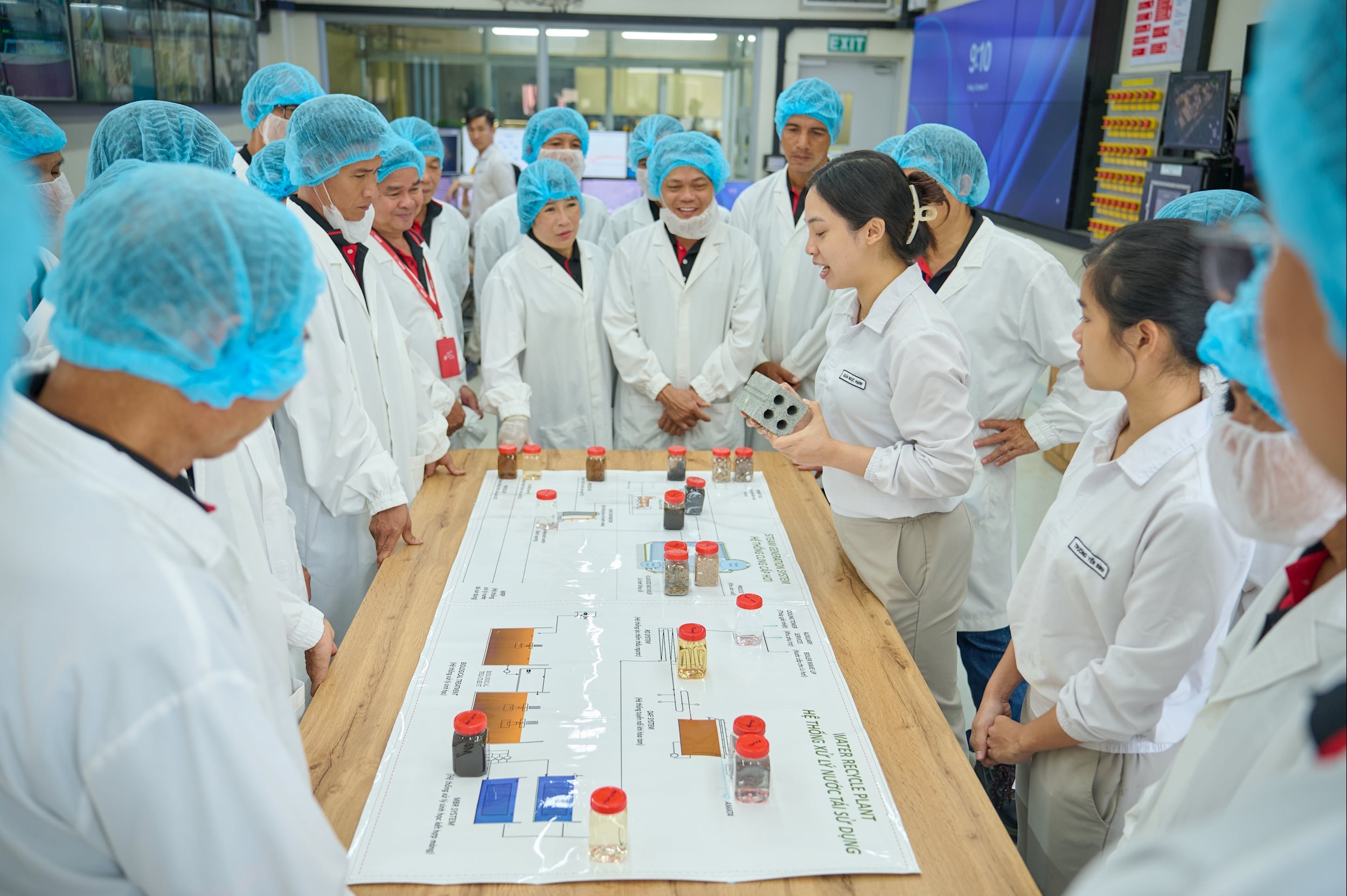
The event also featured a tour of the factory’s modern coffee processing facilities, where farmers learned about production technologies and the journey of Vietnamese coffee beans now exported to over 40 international markets, including Europe, Japan, South Korea, and the United States.

Farmers shared their experiences in adopting regenerative agriculture and digital farm management to improve soil health and productivity. Dao Duy Quynh, a farmer from Gia Lai province, said:

“The program completely changed how we work. We learned to farm in ways that protect the environment while increasing our income.”

Since its launch in 2011, the NESCAFÉ Plan has delivered more than 467,000 training sessions on sustainable coffee farming, provided improved seedlings to around 21,000 farmers annually, and distributed over 86 million high-yield, pest- and drought-resistant plants, helping rejuvenate over 86,000 hectares of aging coffee farms.

This transformation marks a significant milestone in promoting sustainable coffee production in Vietnam, supporting a greener and more responsible coffee economy, and reinforcing the country’s position as one of the world’s leading coffee producers and exporters.


Global Coffee Prices Fall as U.S.–Brazil Trade Talks Raise Hopes for Tariff Relief

New York – Qahwa World

Coffee prices continued to decline on Monday as traders reacted to signs of a possible breakthrough in trade negotiations between the United States and Brazil. The downward movement follows a volatile week in which arabica and robusta futures hit multi-month highs before retreating sharply.

Market optimism grew after Brazil’s President Luiz Inácio Lula da Silva announced that his meeting with U.S. President Donald Trump, held on the sidelines of the ASEAN Summit in Malaysia, was “surprisingly good.” Lula hinted that both nations were close to finding a “definitive solution” on trade within days. This development has raised expectations that the heavy tariffs imposed on Brazilian exports, including coffee, could soon be eased.

Brazil, the world’s largest coffee exporter, has been significantly affected by the 50 % tariffs placed on its coffee shipments to the U.S. earlier this year. The duties have disrupted the normal flow of beans to American buyers, forcing many roasters to look for alternative suppliers. As a result, coffee inventories monitored by ICE have dropped to their lowest levels in over a year — arabica stocks fell to 447,773 bags and robusta holdings slipped to just over 6,000 lots. Since nearly one-third of the U.S. coffee supply comes from Brazil, any shift in trade policy could have immediate effects on American imports and retail prices.

Even as the diplomatic news eased some pressure, weather conditions in Brazil continue to concern the market. Somar Meteorologia reported that the main arabica-producing state of Minas Gerais received only 0.3 millimeters of rain in the week ending October 24 — about 1 % of its normal rainfall. The Bloomberg Brazil Weather Analysis confirmed that rainfall across the region has been about 30 % below average for the past month, fueling fears that prolonged dryness could reduce flowering and affect the 2026/27 crop yield.

Meanwhile, Vietnam’s coffee sector, the world’s largest producer of robusta, is showing the opposite trend. The Vietnam Coffee and Cocoa Association expects production in 2025/26 to increase by 10 % year-on-year if favorable weather continues. Official statistics show that the country exported 1.23 million metric tons between January and September 2025 — up 10.9 % from a year earlier — and total output for the upcoming season is projected to reach 1.76 million tons, equivalent to 29.4 million bags. This would mark Vietnam’s most productive season in four years and continue to weigh on robusta prices.

The International Coffee Organization also reported that global coffee exports from October to August rose slightly by 0.2 % to 127.9 million bags, suggesting that the overall supply remains sufficient despite regional challenges. In Brazil, crop forecasting agency Conab cut its 2025 arabica estimate in September by 4.9 % to 35.2 million bags, bringing total coffee production for the year to 55.2 million bags.

At the global level, the U.S. Department of Agriculture’s Foreign Agriculture Service (FAS) projects total coffee production for 2025/26 to reach 178.7 million bags — a 2.5 % increase year-on-year. Arabica output is expected to fall 1.7 % to 97 million bags, while robusta is forecast to grow 7.9 % to 81.6 million bags. Ending stocks are likely to rise nearly 5 % to 22.8 million bags, signaling more comfortable supply conditions heading into 2026.

However, climate factors may quickly change that outlook. The U.S. National Oceanic and Atmospheric Administration (NOAA) has raised the probability of a La Niña event to 71 % for the period between October and December. If it materializes, it could lead to drier-than-usual conditions across Brazil’s coffee-growing regions, threatening future yields.

For now, the coffee market remains pulled between political progress and environmental risk. The possibility of a U.S.–Brazil trade agreement could restore smoother coffee flows to the United States and ease supply constraints, but persistent drought conditions in South America and growing output in Southeast Asia continue to shape global price trends. Traders are watching both developments closely as the market searches for direction in the final quarter of 2025.

U.S.-Made Coffee Remains More Expensive Than Imports Despite Tariffs

Dubai – Qahwa World

Throughout 2025, U.S. consumers have witnessed a steady rise in prices across nearly all goods following the administration’s decision to impose tariffs on imported products from global trade partners. Coffee has been no exception, even though the United States relies almost entirely on imported beans to satisfy domestic demand.

Data shows that coffee prices rose by 14.5% between July 2024 and July 2025, while roasted and packaged coffee in supermarkets increased by 21.7% between August 2024 and August 2025. These price hikes are largely attributed to tariffs affecting major coffee-producing nations such as Brazil, which supplies around 40% of the world’s coffee, and Vietnam, the second-largest global exporter.

Despite rising international prices, coffee produced within the United States remains significantly more expensive — a trend unlikely to change. Coffee cultivation requires specific geographical and climatic conditions found only in limited areas of the country, most notably Hawaii, where the right soil and altitude allow for small-scale production of high-quality beans. Even so, the total domestic yield accounts for barely 1% of what Americans consume annually.

Experts in both agriculture and finance agree that the United States lacks the natural and environmental capacity to achieve self-sufficiency in coffee production, even if domestic and imported prices were equal. Consumption far exceeds what local producers can supply, and expanding cultivation faces both economic and ecological constraints. The country’s main coffee-growing regions — Hawaii and Puerto Rico — can only cover a fraction of nationwide demand.

While tariff policies are intended to strengthen local industries and reduce reliance on imports, coffee remains a clear exception. Natural limitations make large-scale domestic production unfeasible, and imported coffee continues to be more affordable and abundant despite higher tariffs. Analysts conclude that the American coffee market will remain deeply tied to global supply chains — particularly to producers in Brazil, Vietnam, and Ethiopia — regardless of future policy changes or tariff increases.