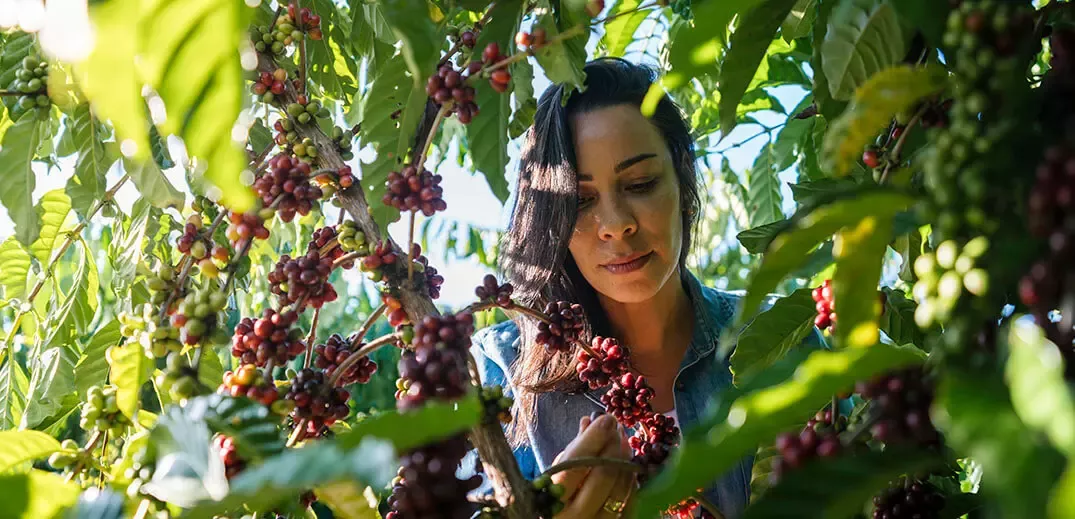
Nestlé, ILO launch two-year coffee labour rights project

Dubai – Qahwa World

Nestlé and the International Labour Organization (ILO) are expanding their long-standing partnership by launching a new, two-year project, “From fair recruitment to worker protection in coffee supply chains,” focused on promoting labour rights in the coffee supply chains of three key sourcing countries: Brazil, Colombia and Mexico.

Building on its standard-setting role and convening power, the ILO will facilitate social dialogue among governments, employers’ and workers’ organizations to identify and address key drivers of decent work deficits and labour-related risks in coffee supply chains. Based on these insights, the project will implement targeted country-level interventions to promote fair recruitment practices and labour rights. Interventions at the country level will also support global knowledge-sharing across the coffee sector.

You may also be interested in: Nestlé Considers Selling Blue Bottle Coffee Stake

Dan Rees, Director, ILO Priority Action Programme on Decent Work in Supply Chains, said: “Coffee production sustains the livelihoods of approximately 20–25 million families worldwide, generating vital income and employment. However, decent work deficits in coffee supply chains persist, particularly among seasonal and migrant workers. Through this project, we aim to advance labour rights and promote decent work and contribute to more sustainable supply chains.”

Antje Shaw, Head of Sustainability for Coffee at Nestlé, said: “Our partnership with the ILO represents a significant step to advancing and promoting human rights in coffee supply chains. By working together, we can progress faster in creating more resilient and inclusive coffee value chains, where workers are treated with dignity.”

You may also be interested in: Nestlé to Reduce Workforce as Part of Cost-Saving Drive

The project is supported by the Nescafé Plan, Nestlé’s global sustainability programme for the brand, and will contribute to the ILO Fair Recruitment Initiative, which supports the promotion and implementation of fair recruitment principles worldwide, as well as to the ILO flagship programme Safety + Health for All, particularly its Vision Zero Fund, which promotes the fundamental right to a safe and healthy working environment in supply chains.

Nestlé is a founding member of the Child Labour Platform (CLP) convened by the ILO and a partner in projects aimed at promoting decent work in agricultural supply chains.
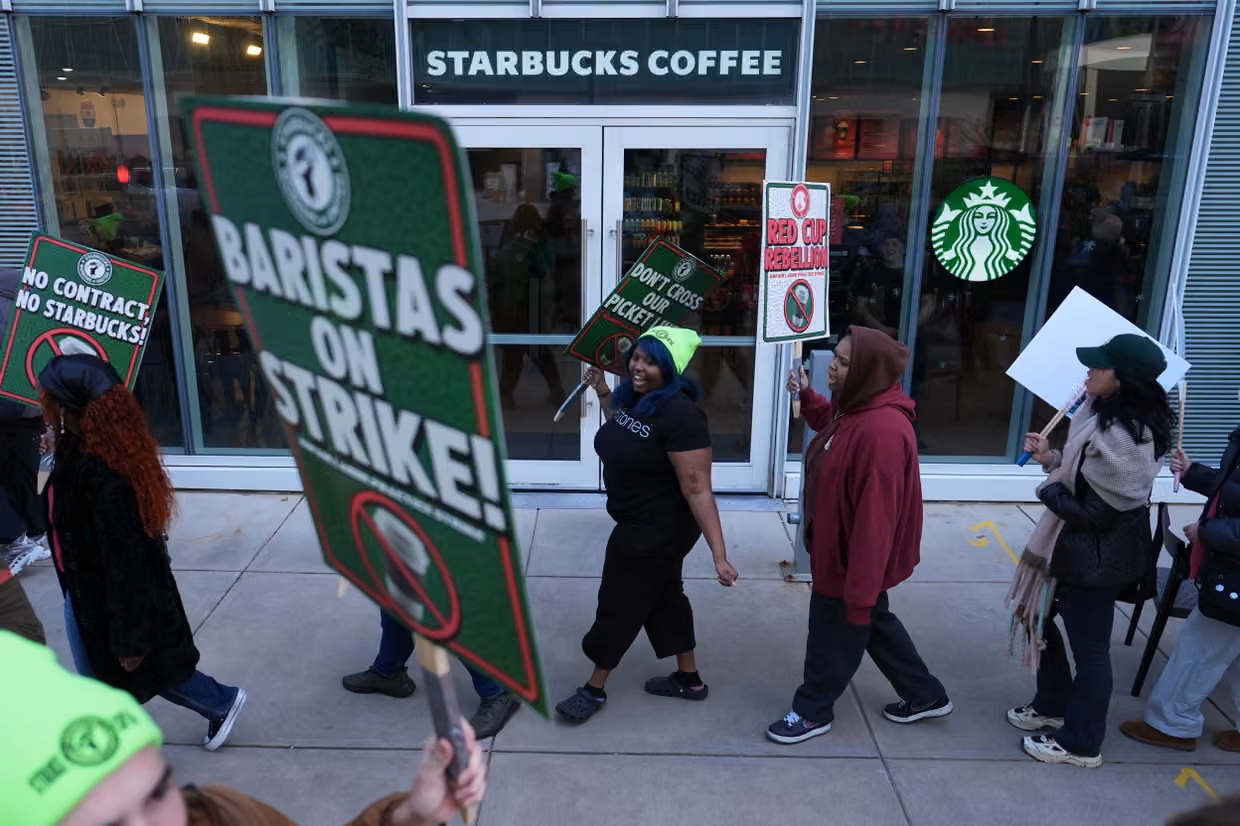
‘No Contract, No Coffee’: Why Starbucks Workers Are Striking Across the US

Dubai – Qahwa World

Unionized employees at Starbucks are intensifying a nationwide strike, warning it could become the largest and longest in the company’s history. Workers are urging customers to avoid stores while contract negotiations remain unresolved.

Since November 13, more than 1,000 baristas in over 40 cities have participated in the strike, which began on Starbucks’ “Red Cup Day”—a key moment marking the start of the holiday season. Discussions over the company’s first union contract stalled in recent months, with both Starbucks and the union attributing the deadlock to the other party.

Starbucks Workers United, representing roughly 11,000 employees at more than 550 stores, has also filed numerous unfair labor practice claims with the National Labor Relations Board, alleging that Starbucks has not negotiated in good faith.

Dachi Spoltore, a striking barista from Pittsburgh, emphasized the stakes: “We take pride in our work, but we are tired of being treated as replaceable. Our livelihoods and jobs are on the line. This strike is about securing fair contracts and ensuring our work is valued.”

The unionization effort began in December 2021, when a Buffalo store became the first to vote in favor of union representation. Since then, hundreds of additional stores have joined, making this one of the most prominent labor movements in recent US history. Starbucks has long resisted unionization, arguing that direct employee engagement is the most effective approach.

A Starbucks spokesperson said the strike has not significantly disrupted operations, noting that more than 99% of stores remained open during Red Cup Day, which achieved record sales. The company also highlighted the benefits offered to employees, including average hourly pay exceeding $30.

Starbucks is also navigating wider business pressures, including rising coffee prices, slower consumer demand, declining stock performance, and leadership transitions. Current CEO Brian Niccol has introduced job cuts and store closures as part of a “Back to Starbucks” initiative.

The union reports that most of the 65 locations affected by the strike have had to close temporarily due to staffing shortages. About 92% of union members voted in favor of the open-ended strike. The “No Contract, No Coffee” campaign could expand if progress in contract talks remains stalled.

Political leaders have publicly backed the striking workers. New York City mayor-elect Zohran Mamdani and Seattle mayor-elect Katie Wilson both encouraged boycotts, while dozens of US senators and congressional representatives sent letters urging Starbucks to reach an agreement with the union.