Jane Espante: Cezve Is a Trust and Winning a Responsibility

Dubai – Ali Al zakary

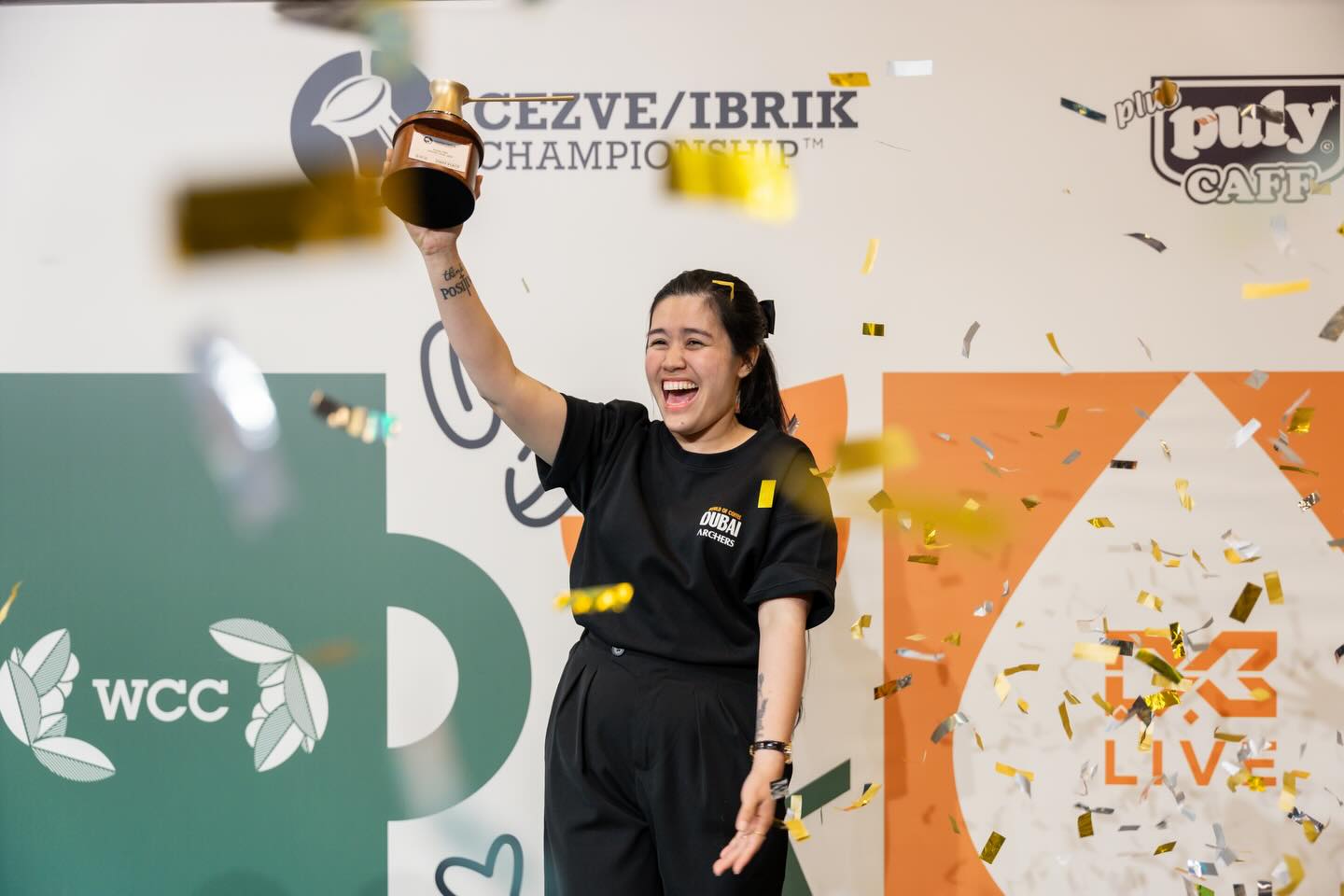
Fresh from being crowned 2026 World Cezve/Ibrik Champion, Jane Espante spoke to Qahwa World in her first interview following the historic win. The championship, the first World Coffee Championship of the year, was held as part of World of Coffee Dubai.

Representing the United Arab Emirates, Espante claimed the title after a strong final-round performance in a competition hosted in Dubai for the first time in its history. Her victory reaffirmed that one of coffee’s oldest brewing methods remains fully capable of expressing the present and shaping the future—when approached with respect and authenticity.

Asked what winning the 2026 World Cezve/Ibrik Championship meant to her, Espante’s answer was clear and direct.
“It means trust,” she said, explaining that cezve is the oldest coffee brewing method and one that shaped the coffee culture we know today—from brewing techniques to the idea of gathering around a shared cup. “Holding this title is a great honor because it allows me to respect this heritage and continue carrying it forward. This win confirmed to me that patience and sincere intention still matter in today’s coffee world.”

Reflecting on the moment her name was announced, Espante described the feeling as surreal. “I thought about the hours of training, the mistakes, and everyone who believed in me and supported me. My team gave their time, effort, and dedication to reach this moment. This win is for them.”

Jane Espante to Qahwa World: Cezve Is a Trust and Winning a Responsibility

On balancing tradition with her own creative identity, Espante said she viewed tradition as a foundation rather than a limitation. “I stayed true to the core techniques, then expressed my story through flavor, pacing, and presentation—without compromising the soul of cezve coffee.”

Speaking about representing the UAE and winning on home ground in Dubai, she said the moment was deeply meaningful. “The UAE gave me the space to grow, learn, and dream bigger. Winning here feels like giving something back to the place that shaped my professional journey.”

As for the impact of the title on her future, Espante emphasized the responsibility that comes with it. “I want to teach more, share knowledge, and show that traditional coffee is not just part of the past—it has a real place in the future of the industry.”

She concluded with a message to future competitors: “Respect the craft, but don’t erase yourself. Learn the rules deeply, then let your story guide how you present them. Honesty is always felt in the cup.”

What is the story behind “Functional Coffee” invading major coffee shops?

Dubai – Qahwa World

The British Broadcasting Corporation (BBC) published an investigation into the growing popularity of coffee beverages containing added ingredients that target specific health benefits, known as “Functional Coffee,” noting its shift from specialized health food stores to major coffee shop chains.

Functional Coffee is defined as coffee beverages to which additional ingredients are added, such as mushrooms (like Lion’s Mane, Reishi, and Chaga), protein, or collagen, aiming to provide consumers with benefits beyond the traditional caffeine boost.

The investigation indicates that consumers are seeking these additions to support clear focus, stable energy levels, or benefits related to skin and gut health.

In the context of this spread, Ellie Brecher, the nutritionist consulted by the BBC, affirms that Functional Coffee “is moving from specialized wellness corners to the mainstream,” as people have become “more interested in well-being, stress support, and energy stability.”

This transition is reflected in increased demand, where the health food chain Holland & Barrett nearly doubled its range of mushroom coffee drinks over the past year, while major stores like Marks & Spencer began selling Lion’s Mane latte beverages in their cafes.

The trend is not limited to that; coffee giants like Starbucks started selling protein-rich coffee in their US stores.

Furthermore, the Black Sheep Coffee chain launched its “Functional Wellness Latte” range, with Lion’s Mane latte sales being their best-seller, as customers add functional ingredients to approximately 15% of their total orders.

These striking figures confirm the findings of the food research company Tastewise, which found that the number of mushroom coffee drinks on UK cafe menus grew by 30% over the last year.

Regarding the product characteristics, the journalist who conducted the experiment reported that Lion’s Mane mushroom has a “subtle” flavor, and the Functional Coffee was not significantly different from a regular latte, despite her expecting the opposite.

As for the cost, these additions require an extra charge; at Black Sheep Coffee, adding Lion’s Mane mushroom costs about 99 pence (one British Pound), and collagen costs about £1.09.

In the context of health benefits, the investigation indicates that research on the effect of Lion’s Mane mushroom on brain function is “promising”; however, nutritionist Penny Suresh from the British Dietetics Association warns that the doses in commercial beverages are often “too low” to mimic the effects reported in research trials.

Nutritionist Ellie Brecher concludes her advice by stating: “If it makes you feel good and you have the budget for it, then go ahead and enjoy it… but remember the key is that it is an addition and not a magic solution.”

Functional Coffee Trend: The Rise of Mushroom & Protein Drinks in Major Cafes

For her part, in a special interview with “Qahwa World” commenting on these developments, Dr. Amani Adam said: “We have spent long years drinking coffee in the same traditional way. Although the global coffee market is growing from 2.2% to 4.3% annually, the more important thing is that health awareness is growing alongside it… because coffee has become part of a fast lifestyle filled with pressures and tension.”

She added: “From here, the role of Functional Coffee emerged – which has become a real solution to many problems associated with coffee drinking habits… such as tension, anxiety, and digestive and sleep disorders.”

She continued: “This vision is not new to us. For 4 years, I have seen the market moving in this direction, and that is why I started thinking about an awareness platform to clarify the benefits of coffee—especially Functional Coffee.”

She explained that the issue is not just ‘a healthy addition, nothing more.’ “Coffee itself contains more than a thousand bioactive compounds! This provides a huge opportunity to benefit from its chemical composition… transforming it from a regular caffeine dose… into a means to support focus, improve mood, and help the body perform better.”

According to Dr. Amani, this opened the door for powerful alternatives… such as Mushroom Coffee, which truly changed the concept of coffee for many people.

She concluded her statement by saying: “I believe that now is the appropriate time to understand the true role of coffee in our lives, and I thank Qahwa World for being among the first platforms to highlight everything new and important in the world of coffee.”

Coffee Prices Slide as U.S. Hints at Possible Tariff Reductions

Dubai – Qahwa World

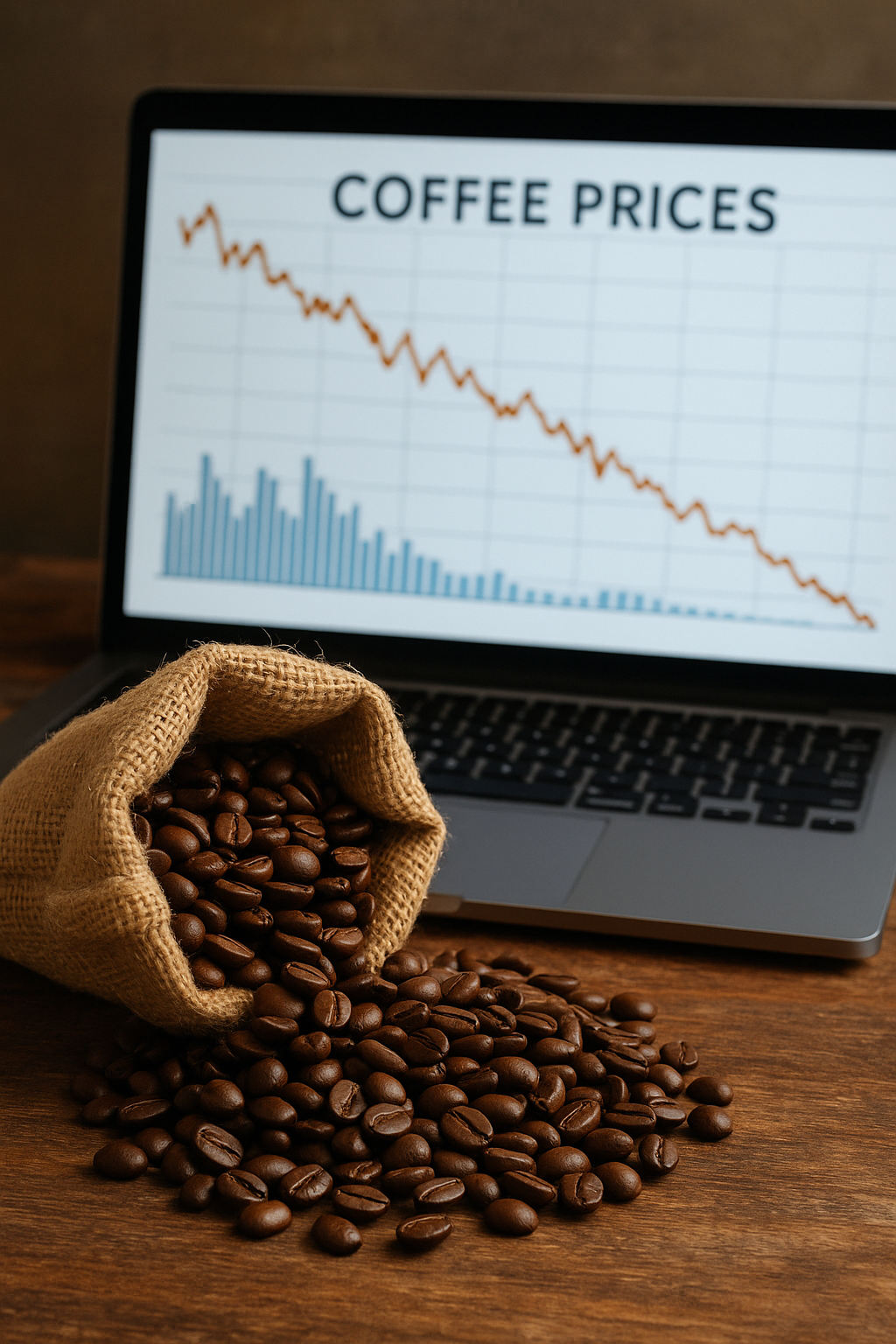
Coffee markets recorded a sharp downturn on November 12 after fresh signals from Washington suggested that import tariffs on coffee could soon be eased, triggering immediate reactions across arabica and robusta futures. December arabica contracts declined by 3.62%, while January robusta fell by 5.09%, reaching a two-week low. The drop intensified after comments by President Donald Trump indicating plans to reduce tariffs on coffee, followed by remarks from Treasury Secretary Bessent about upcoming announcements affecting products not grown in the United States, coffee among them.

The market also reacted to the first outlook from StoneX for the 2026/27 season, which projects Brazil’s total coffee harvest at 70.7 million bags, including 47.2 million bags of arabica — a significant 29% increase compared to the previous year. Consistent rains in Brazil added further pressure, with Somar Meteorologia reporting that Minas Gerais, the country’s primary arabica-producing region, received 72.1 mm of rain during the week ending November 7, equal to 160% of its historical average. Improved moisture levels reduced earlier concerns about dryness and contributed to the bearish sentiment.

Additional downward pressure came from Vietnam, where the National Statistics Office confirmed that coffee exports for January to October 2025 rose by 13.4% year-on-year to 1.31 million metric tons. Production for 2025/26 is expected to increase by 6% to 1.76 million metric tons, marking the country’s highest output in four years. Industry officials noted that, with favorable weather, the harvest could potentially surpass last year’s by 10%. Vietnam remains the world’s largest producer of robusta coffee, and higher supply expectations have weighed heavily on prices.

Despite these developments, some indicators are providing support to the market. The International Coffee Organization reported a slight decline of 0.3% in global coffee exports for the current marketing year, reaching 138.658 million bags. At the same time, ICE inventories have tightened noticeably as U.S. buyers reduce purchases from Brazil since the introduction of 50% tariffs on Brazilian coffee imports. ICE-monitored arabica inventories fell to a 1.75-year low of 406,129 bags, while robusta stocks dropped to 5,873 lots, the lowest level in nearly four months. With about one-third of U.S. unroasted coffee typically sourced from Brazil, reduced contracting has led to a visible drawdown in domestic supplies.

Longer-term climate risks also continue to influence sentiment. In mid-September, the U.S. National Oceanic and Atmospheric Administration raised the probability of a La Niña event to 71% for the October–December period. Such conditions can bring excessively dry weather to Brazil and potentially disrupt the 2026/27 crop. Brazil’s crop agency Conab has already revised its 2025 arabica forecast downward by 4.9%, estimating 35.2 million bags, while also trimming overall coffee production to 55.2 million bags.

On a global scale, the USDA Foreign Agricultural Service expects 2025/26 world coffee production to reach a record 178.68 million bags, reflecting a 2.5% increase. The outlook includes a slight decline of 1.7% in arabica production to 97.022 million bags, offset by a robust 7.9% rise in robusta output to 81.658 million bags. Brazil’s production is forecast to grow modestly by 0.5% to 65 million bags, while Vietnam’s output is projected to rise by 6.9% to 31 million bags, the highest level in four years. Global ending stocks are estimated to climb by 4.9% to 22.819 million bags.

Chinese Coffee Chain Faces Backlash Over “People’s Cafe” Name, Issues Public Apology

Beijing – Qahwa World

A Chinese coffee chain has ignited a nationwide debate after state media accused it of crossing a sensitive boundary by naming its outlets “People’s Cafe,” a term deeply tied to the country’s political and social identity.

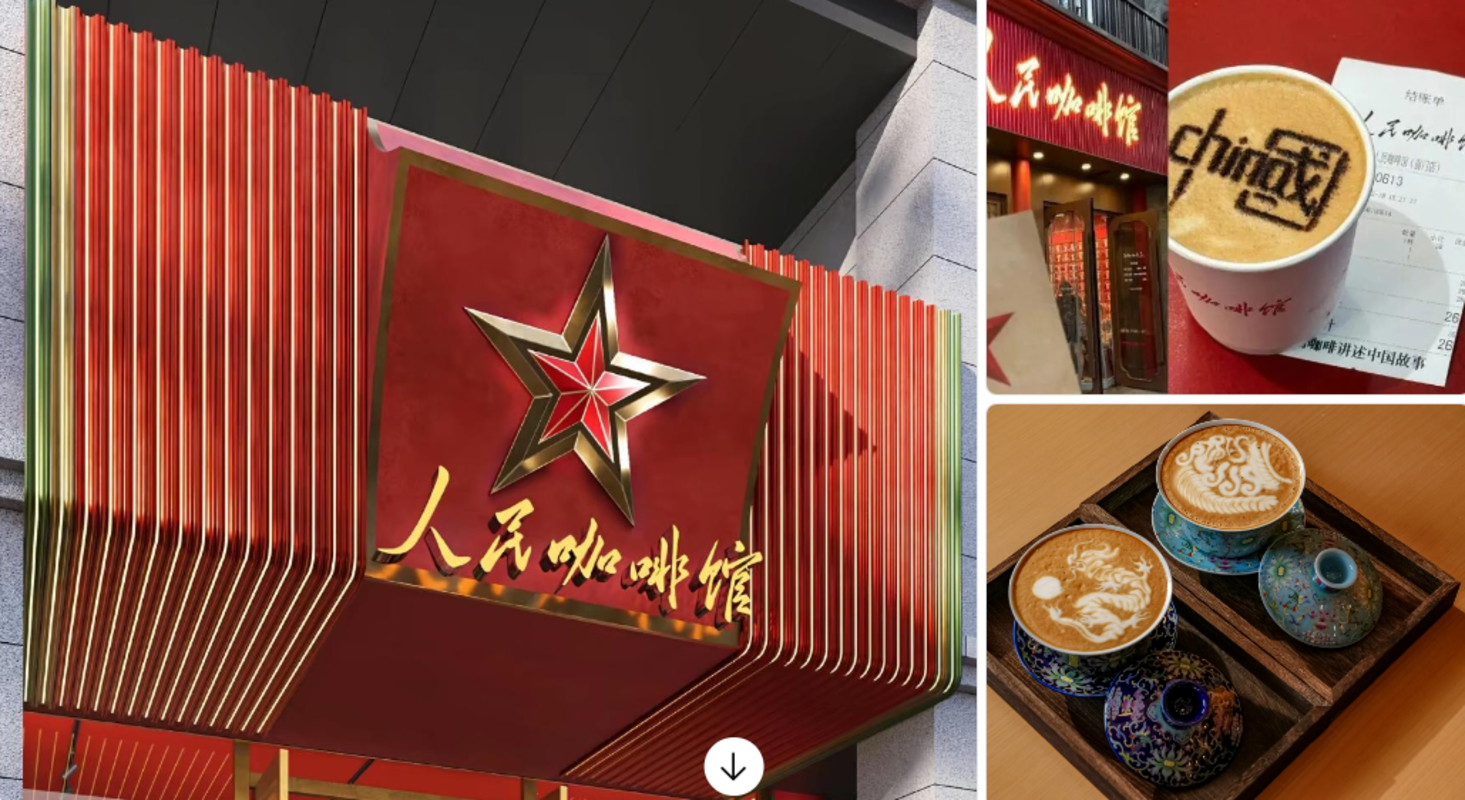
The café brand, operated by Yao Chao (Shanghai) Cultural Communication Co., became known for its bright red interiors, star-shaped decorations, and signage styled after the handwriting of Mao Zedong, China’s first communist leader. What began as a bold design choice quickly turned controversial when major outlets such as People’s Daily and China Daily criticized the use of the word “People” — or “Renmin” in Mandarin — for commercial purposes.

In China, the term holds powerful symbolic value. It appears in the country’s official name, the People’s Republic of China, and in many state institutions including the People’s Liberation Army and the People’s Bank of China. People’s Daily described the word as representing collective values and national sentiment, warning that it “must not be profaned or reduced to a marketing gimmick.”

The café had promoted slogans such as “Tell China’s Story with Coffee” and offered drinks sprinkled with the word “China” on top. Images of its branches quickly spread across social platforms, attracting both curiosity and criticism. Some admired its patriotic aesthetic, while others accused it of exploiting national symbols for profit.

After days of public scrutiny, the company issued a formal apology on social media. “We extend our sincerest apologies to every customer who felt uncomfortable,” the statement read. “After careful reflection, we have decided to restore the original full name — Yao Chao People’s Cafe — for all mainland stores.” The brand confirmed that the change would apply to its nearly 30 outlets across 18 provinces, while branches in Hong Kong, Macao, and overseas would continue to operate under the original name People’s Cafe.

Reaction among internet users was mixed. On Weibo, one commenter wrote, “It’s just a café, but it touched a very sensitive word.” Another asked whether using politically charged terms in brand names might violate regulations.

The incident unfolds amid an increasingly competitive coffee market in China, where domestic players like Luckin Coffee and Cotti Coffee are expanding rapidly, challenging foreign giants such as Starbucks. As the market grows, brands are experimenting with identity and storytelling to attract younger consumers. The People’s Cafe case has now become a cautionary example of how creativity in branding can collide with cultural and political sensitivities in China’s fast-evolving coffee scene.

“Marketing can be innovative,” wrote People’s Daily, “but it must not overstep the bottom line.”

Milan Hosts Specialized Workshops Bridging Coffee and Culinary Art

Milan – Qahwa World

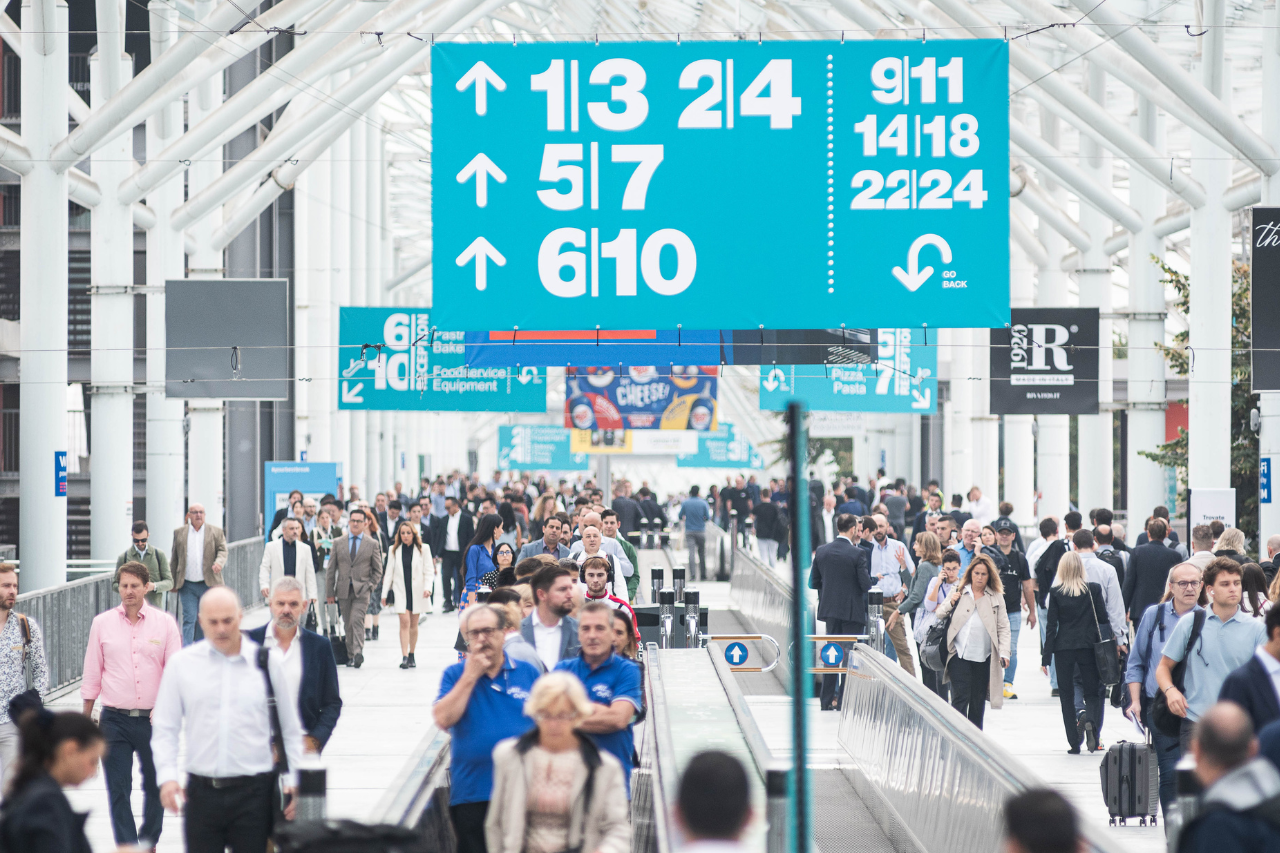
The global hospitality exhibition Host Milano 2025 is set to welcome leading experts in coffee and gastronomy through two specialized workshops organized by the Italian manufacturer La San Marco, renowned for its coffee machine craftsmanship. These workshops aim to redefine the relationship between coffee and cuisine, highlighting the art of manual espresso extraction as one of Italy’s most refined traditions.

Coffee and Food Pairing

Scheduled for October 17, 20, and 21, 2025, from 12:30 to 1:15 p.m., this immersive workshop, led by Mauro Illiano, takes participants on a sensory journey that goes beyond the cup to explore how coffee can accompany every stage of a meal, much like wine or beer.

The session focuses on the principles of harmony and contrast in flavor pairing and examines how origin, variety, roast, and extraction influence taste and aroma. Participants will also discover how La San Marco, through its advanced La Leva Luxury technology, has redefined espresso as a bridge between global coffee cultures and timeless Italian traditions.

Location: Hall 12 – Booth B48 E55 – Activation Area
Speaker: Mauro Illiano

The Art of Espresso

The second workshop, “The Art of Espresso,” will take place on October 17, 18, 20, and 21, 2025, from 3:00 to 4:00 p.m., led by expert Andrej Godina. Participants will explore the finesse of manual lever extraction and learn how pressure and temperature control can elevate the sensory balance of sweetness, aroma, and body in each cup.

The session demonstrates how even the smallest adjustments in extraction can transform the espresso experience, highlighting La San Marco Leva as a timeless tool that blends Italian artistry with modern precision—perfect for both professional baristas and passionate home brewers.

Location: Hall 12 – Booth B48 E55 – Activation Area
Speaker: Andrej Godina

These events reinforce Host Milano’s commitment to showcasing innovation in coffee and hospitality, offering visitors a chance to experience a perfect blend of culture, flavor, and Italian creativity.

Registration is available via the official Host Milano website.

The Unwritten Rules of Vienna’s Coffee Culture

In the city that turned coffee into an art, patience is the first lesson every traveler must learn.

Dubai – Qahwa World

At nine in the morning, sunlight filters through the tall arched windows of Café Central, one of Vienna’s most famous coffeehouses. The marble columns gleam softly, the air is filled with the sound of porcelain cups, and newspapers rustle in quiet harmony. An American visitor approaches the counter, smartphone in hand, ready to order a “coffee” to go. A few steps away, an elderly Viennese gentleman settles into his red velvet chair, opens his morning paper, and begins his two-hour ritual with a Melange.
That simple contrast captures everything foreign visitors often misunderstand about Vienna’s UNESCO-protected café culture—a world where time slows, where coffee is not consumed but inhabited, and where rushing through a cup is not merely impolite, but a missed encounter with history itself.

From Yemen to the Danube: The Birth of a Coffee Civilization

The story of Vienna’s cafés begins far beyond Europe. In the 15th century, coffee was cultivated in Yemen’s highlands and shipped from the port of Mokha, the gateway from which the beverage began its global journey. Ottoman traders carried it north to Istanbul, where it became a social ritual and a symbol of refinement.

When the Ottoman siege of Vienna in 1683 ended, legend tells of coffee beans left behind in the camps. The Viennese took these beans and turned them into a new kind of institution—a place that combined Arab hospitality, Ottoman ritual, and European intellectualism.
From these early experiments grew a café tradition unlike any other in the world—one that would come to define Vienna’s identity as the capital of conversation.

By the 19th century, Vienna’s coffeehouses had evolved into living salons. Poets, philosophers, and revolutionaries gathered under their chandeliers. Sigmund Freud drafted theories at Café Landtmann. Stefan Zweig, chronicler of Europe’s cultural soul, described the cafés as “democratic clubs open to everyone for the price of a cup of coffee.” These were not cafés in the commercial sense—they were temples of thought.

Where Time Itself Is Served Slowly

To walk into a Viennese café expecting quick service is to misunderstand its essence. Each of the 17 UNESCO-listed coffeehouses operates on a rhythm established over centuries. Waiters in pressed black jackets and silver trays move deliberately, never hastily.
As Maria Schneider, who has served at Café Central for nearly three decades, explains: “Within two minutes, I can tell who’s a tourist. They look at their watches while waiting for coffee. Locals know coffee comes when it’s ready.”

That wait is not inefficiency—it’s grace. In Vienna, slowness is a form of respect. It allows space for silence, conversation, and observation. The waiter’s distance, often mistaken for coldness, is part of the city’s etiquette. “We provide perfect service, not friendliness,” says Thomas Vogel of Café Sperl. “I’m not your buddy—I’m a professional.”

In a Viennese café, the waiter is not a server but a conductor, maintaining harmony between solitude and society.

Seven Unwritten Rules Every Visitor Should Know

Vienna’s café culture follows codes that no guidebook fully explains. They are unwritten, passed down through habit rather than instruction.
Here are the seven principles that distinguish a local from a hurried traveler:

  1. Never rush your coffee. Time is the invisible ingredient in every cup.

  2. Don’t say “coffee.” Order it by name: Melange or Einspänner.

  3. Wait for table service. Approaching the counter breaks the ritual.

  4. Speak softly. Silence and conversation share equal value.

  5. Pair your drink with pastry. A Melange without Sachertorte is incomplete.

  6. Ask for the check—don’t wait for it. Say “Darf ich bitte zahlen?” and tip 10–15% in cash on the saucer.

  7. Linger. The moment you stop watching the clock, you become part of the city.

A Cultural Mirror in a Cup

Survey data from Vienna’s cafés reveals a consistent pattern: 74% of tourists try to order at the counter, 61% ask for “coffee”, and 68% leave within 30 minutes—while only 12% of locals do. The average Viennese spends 87 minutes per visit, often reading several newspapers.
At Café Sperl, established in 1880, more than a dozen newspapers still hang from wooden racks. To the locals, this is not nostalgia—it is continuity.

“Here,” says café owner Karl Weber, “we don’t drink coffee to stay awake—we drink it to be with people, or to be alone.”
That simple philosophy defines Vienna’s genius: the café is both a private refuge and a public salon. It bridges solitude and society, art and routine.

Why Vienna’s Coffeehouses Endure

Across the world, cafés have evolved—Italy’s espresso bars celebrate speed, France’s brasseries celebrate conversation, and the Arabian majlis celebrates hospitality. Vienna alone turned coffee into a meditation on time itself.

To drink coffee in Vienna is to join a centuries-long dialogue that began in Yemen’s mountains, sailed across Ottoman trade routes, and found permanence on the cobblestones of Europe.
In an age obsessed with productivity, Vienna’s cafés quietly remind us that reflection, too, is a form of work.

A Lesson in Invisibility

Three days after his first hurried visit, the same American tourist returns to Café Central. This time, he orders properly—“Einen Melange, bitte.” He addresses the waiter as “Herr Ober.” He opens the Wiener Zeitung, leaves his phone in his pocket, and doesn’t glance at the time. The waiter nods subtly, recognizing not a customer, but a participant in a tradition.
He has achieved the highest honor Vienna offers: to disappear among locals, cup in hand, perfectly at ease in the art of doing nothing.

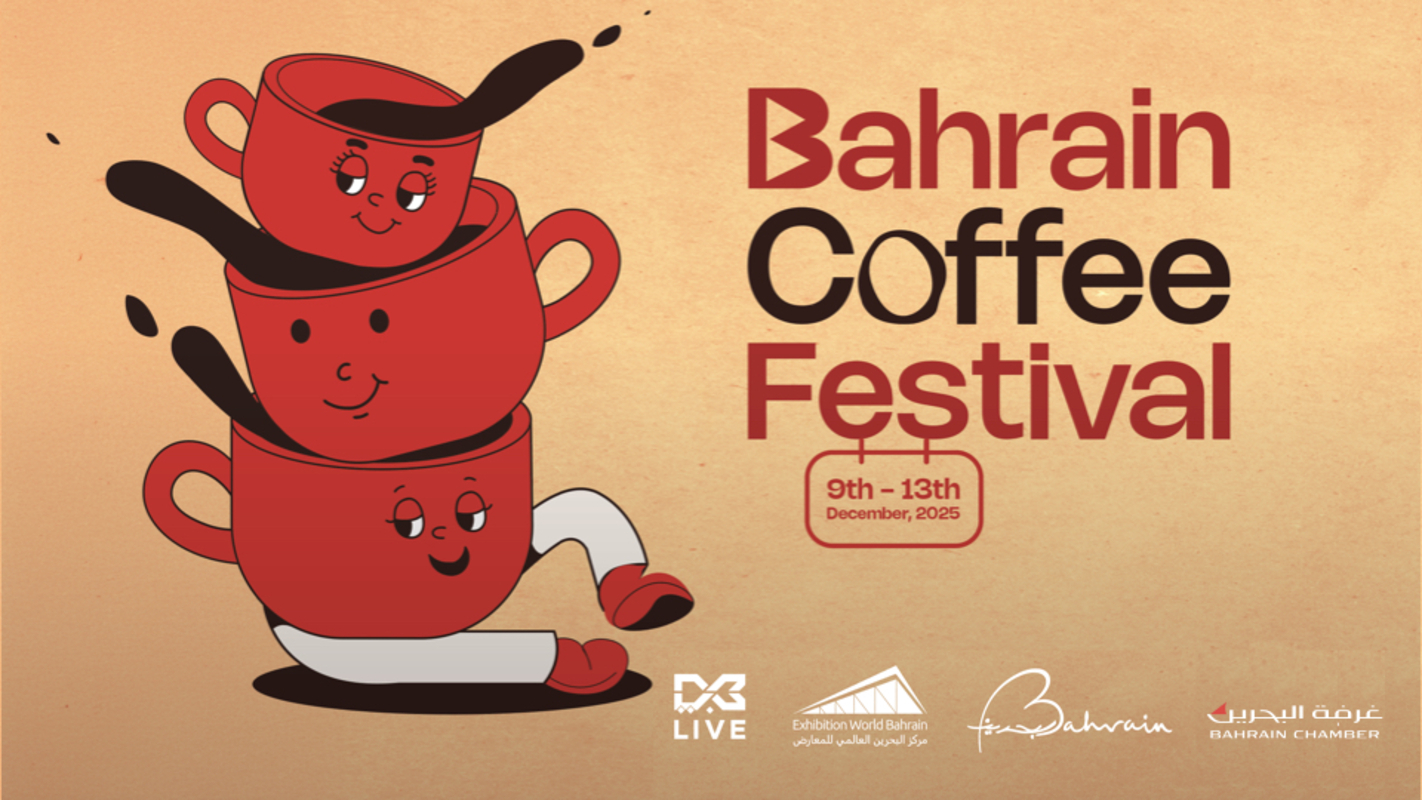
Manama to Host the Bahrain Coffee Festival 2025 This December

Manama Qahwa World

DXB LIVE, the executive arm of the Dubai World Trade Centre, will organize the Bahrain Coffee Festival 2025 in its first edition, from December 9 to 13, 2025, at the Bahrain International Exhibition Center.

During the festival, the Bahraini capital, Manama, will become a lively destination for coffee lovers and industry professionals from across the region and the world.

Celebrating Coffee Culture

The festival serves as an experience that brings together both the business and consumer sectors, offering visitors the opportunity to immerse themselves in the world of coffee through live brewing demonstrations, workshops, competitions, and interactive activities.

It aims to engage all segments of the local community from families and coffee enthusiasts to café owners and local roasters while highlighting emerging Bahraini coffee brands and linking them to the global specialty coffee scene.

The festival also seeks to strengthen Bahrain’s position as a regional hub for specialty coffee and innovation, with positive economic impacts on the tourism, hospitality, and retail sectors.

It offers companies opportunities to expand their visibility among a wide audience of coffee lovers, showcase their latest products, and establish new partnerships.

Meanwhile, individuals will find a space for learning and exchange through workshops, tastings, and educational sessions led by professional baristas and experts from various countries.

Competitions and Educational Programs

The main program of the festival will include a mix of demonstrations, competitions, and educational sessions, featuring:

Latte Art Competition

Tasting Challenge

Barista Speed Race

Home Brewers Challenge

Best Coffee with Milk

Additionally, a number of specialized workshops will be organized, covering:

Pour-over techniques (V60)

AeroPress Championship-style brewing

Barista Basics and Beginner Latte Art

Professional Tasting and Aroma Analysis

Roasting Fundamentals and the Role of Water

Branding and Packaging for Cafés

Steps to Establish a Coffee Shop in Bahrain

Visitors will also enjoy interactive and artistic experiences, such as coffee and dessert pairing sessions, creative coffee drinks, an art corner, a mini exhibition on the history of coffee, a music lounge, and film screenings documenting coffee’s journey across the world.

The festival will also shed light on the future of coffee and sustainability, through initiatives such as recycling coffee waste and converting it into eco-friendly charcoal.

A Cultural and Community Platform

The Bahrain Coffee Festival is not merely a commercial event but a cultural and social platform that brings together coffee enthusiasts and creatives in an atmosphere that reflects Bahrain’s authentic hospitality.

Through its diverse activities, the event contributes to enhancing the local specialty coffee scene and reinforces Bahrain’s image as a destination that celebrates creativity, diversity, and innovation in the coffee world.

DXB LIVE: The Organizer

Founded in 2005, DXB LIVE is one of the leading event-service providers in the region, responsible for organizing exhibitions, conferences, festivals, national celebrations, and private events.

The company organizes more than 100 events annually, with a production area exceeding 500,000 square feet across various parts of the world.

As the official organizer of World of Coffee Dubai, DXB LIVE brings extensive experience in creating platforms that connect communities and industries through world-class events that combine creativity and professional execution.

Event Details

📍 Venue: Bahrain International Exhibition Center Manama

📅 Dates: December 913, 2025

Time: 5:00 PM 10:00 PM (Tuesday & Wednesday) | 10:00 AM 10:00 PM (Thursday to Saturday)

Organizer: DXB LIVE Dubai World Trade Centre

🌐 Website: www.dxblive.com

48 Competitors Announced for the 2025 UAE National Cup Tasters Championship

Abu Dhabi – Qahwa World

The Specialty Coffee Association – UAE Chapter (SCA UAE) has officially announced the 48 competitors who will take part in the 2025 UAE National Cup Tasters Championship, to be held during Global Food Week in Abu Dhabi from 21 to 23 October 2025.

This highly anticipated national competition brings together some of the UAE’s most skilled coffee professionals and sensory experts, offering them a platform to demonstrate their ability to identify coffee flavors and profiles with exceptional accuracy under globally recognized standards sanctioned by World Coffee Events (WCE).

According to SCA UAE, this year’s competition has attracted remarkable talent representing leading roasteries, cafés, and coffee institutions across the country. Among the confirmed participants are:

1. Sulaiman Alalawi The QC Roastery

2. Pratama RakhmatullahEncounter Coffee Roasters

3. Amritha VarshaCartel Coffee Roasters

4. Neil GolezForm Roastery

5. Edwar Andres SalinasWala Coffee Roasting and Packaging LLC

6. Brian Cunanan – AST Coffee

7. Christian John Ileto – Alico Fine Coffee Roasters

8. Earven Air Marabiles – Emirati Coffee Co

9. Ricky Mendoza Arquero – Emirati Coffee Company

10. Mohammad Yousefi – Taste Up Coffee Trading

11. Mark Uy – Ubec Coffee Roasters

12. Bilawal Khan Bilal – Nowbl Speciality Coffee Boutique

13. Salman Kadar Khan – Retro7

14. Daudi Kubona – ROR Coffee Solution

15. Rasam M. Adabi – Coffee Market Innovations L.L.C.

16. Amna Almansoori – Independent

17. Saeed Al Mannaee – S3Cafe

18. Rhyan Velarde – Llama Cafe

19. Sherryl Inocencio Napit – The Ore Coffee

20. Karlo Fulgueras – Doppio Roasters

21. Ahmed Elsayed – Koob Al Qahwah

22. Harmon Nataya – Archers Coffee

23. Alex Bernardo – Toga Cafe

24. Vinay Poonacha – Bevarabia

25. Sagar GhaleCoterra Coffee Roasters

26. Mira YunitaHeaf Coffee

27. Amer M. Ayman Mohammad – The Espresso Lab

28. Sunny Kumar – Crack Coffee Roastery

29. Jonathan Wamala – Bevarabia

30. Muhammad Rosyid Ubaidillah – Refill Roastery

31. Audie Sales Jr – The QC Roastery and Academy

32. Husnain Ghulam Nabi – Refill Reserve

33. Julfikly Raymond Ampuan – Coffee Architecture

34. Jimuel MerjillaSyteo International

35. Mbonisi Mpilenhle Bamala – Rosewood Abu Dhabi

36. Basil Musthafaz – White Mantis

The competition will test participants’ ability to distinguish between different coffee cups based on taste and aroma alone, emphasizing sensory acuity and consistency. Over the course of three days, competitors will undergo multiple rounds of tasting, with the top-performing cup tasters advancing to the national finals. The winner will earn the honor of representing the UAE at the World Cup Tasters Championship on the global stage.

Organized under the banner of the Specialty Coffee Association – UAE Chapter and sanctioned by World Coffee Events, the championship will form part of the Global Food Week program — an event that continues to strengthen Abu Dhabi’s position as a regional hub for coffee excellence and innovation.

The SCA UAE extended its best wishes to all competitors, encouraging the community to attend, volunteer, and celebrate the spirit of the specialty coffee industry as it continues to grow in the UAE and across the wider region.

Which Coffee Is Healthiest for You? Harvard University Ends the Debate

Dubai Qahwa World 

Coffee lovers around the world have long debated the healthiest way to enjoy their daily cup. While taste and aroma often take center stage, science suggests that how you brew your coffee can make a big difference to your health. Now, researchers at Harvard University have come forward with a clear conclusion: filtered coffee is the healthiest choice for both the heart and overall well-being.

According to Harvard experts, the benefits of coffee extend far beyond the type of bean or roast the brewing method itself plays a crucial role. Brewing coffee through a paper filter allows it to retain antioxidants and beneficial compounds, while removing natural oils known as cafestol and kahweol. These oils, when consumed regularly, may raise levels of LDL (“bad”) cholesterol. The simple act of filtering, therefore, turns an everyday habit into a heart-healthy one.

For millions of people, coffee is more than a drink it’s a ritual. Yet, it has often been the subject of controversy. Some worry about caffeine-related side effects such as anxiety, restlessness, or poor sleep. However, researchers emphasize that the real issue isn’t coffee itself, but overconsumption and the addition of sugar, artificial syrups, and heavy cream.

When consumed in moderation, coffee offers a range of scientifically supported benefits. It is naturally rich in antioxidants, which help protect cells from damage and reduce inflammation. Regular coffee drinkers, studies suggest, may have a lower risk of developing type 2 diabetes, cardiovascular disease, and neurodegenerative disorders such as Alzheimer’s and Parkinson’s. Coffee can also boost alertness, improve focus, and enhance metabolism, making it one of nature’s most effective stimulants.

Harvard’s findings suggest that drinking three to four cups of filtered coffee per day provides an ideal balance between health benefits and caffeine intake. In contrast, unfiltered brewing methods including French press, Turkish coffee, and espresso allow cholesterol-raising oils to pass into the cup. Over time, this could affect heart health, particularly in individuals with elevated cholesterol levels.

To keep your daily brew on the healthy side, experts recommend a few simple habits: enjoy your coffee black or with a small amount of milk, and replace sugar or flavored syrups with natural alternatives like cinnamon or a touch of honey. These small adjustments can transform coffee from a guilty pleasure into a nourishing daily ritual.

Coffee is more than a source of energy it’s a reflection of culture, comfort, and community. When prepared with awareness and balance, it can also be a pillar of a healthier lifestyle. As Harvard researchers note, the secret isn’t giving up coffee; it’s brewing it smarter.

Colombia Records Its Best Coffee Harvest in Over 30 Years

Bogotá — Qahwa World

Colombia, the world’s third-largest coffee producer after Brazil and Vietnam, has celebrated its most productive coffee year in more than three decades. The impressive rebound, driven by favorable weather conditions and extensive crop renewal, brought total production between October 2024 and September 2025 to 14.87 million 60-kg bags, marking a 17% year-on-year increase and exceeding the country’s estimated output of 14 million bags, according to the National Federation of Coffee Growers.

However, the Federation warned that this peak may not continue into the next season.

We are now beginning the 2025/2026 coffee cycle, which, due to the natural physiological response of the coffee tree and significant rainfall in the first half of the year, is projected to be a year of lower production,” said Federation Manager Germán Bahamón on X.

Colombia, home to about 840,000 hectares of coffee cultivation, supports roughly 540,000 farming families who depend on the crop for their livelihoods.

Strong Output and Export Growth

In September 2025, Colombia’s production of washed Arabica coffee rose 7% year-on-year, reaching 1.14 million bags, slightly below 1.24 million bags in August. Coffee exports increased 6% in September, totaling 1.06 million bags, the Federation reported.

The Colombian statistics agency DANE noted that the value of coffee exports surged 79.7% year-on-year between January and August 2025, reaching $3.67 billion, largely driven by high international coffee prices.

Monthly Coffee Output and Exports (Oct 2024 – Sep 2025)

Month Output (1,000 bags) Exports (1,000 bags)
September 2025 1,142 1,063
August 2025 1,243 1,128
July 2025 1,373 1,150
June 2025 909 1,086
May 2025 819 910
April 2025 703 796
March 2025 1,064 1,268
February 2025 1,361 1,187
January 2025 1,356 1,151
December 2024 1,798 1,282
November 2024 1,761 1,189
October 2024 1,339 1,047
September 2024 1,071 987
Source: National Federation of Coffee Growers of Colombia (FNC), DANE  |  Data in thousand 60-kg bags

These figures illustrate a strong performance throughout the year, particularly in late 2024, when monthly output peaked above 1.7 million bags before stabilizing in 2025. Despite slight fluctuations, both production and exports remained consistently high, reflecting the resilience of Colombia’s coffee sector amid shifting weather patterns and global market volatility.

As Colombia enters a new production cycle, growers remain cautiously optimistic, balancing the recent record harvest with expectations of a natural slowdown in the coming year.

Historic Drop in Certified Coffee Stocks Threatens Global Market Stability

Dubai Qahwa World

The global coffee market is entering a period of heightened uncertainty as certified coffee stocks fall to their lowest level in years, signaling tightening supply chains and growing pressure on prices. According to the International Coffee Organization’s (ICO) September 2025 Coffee Market Report, both Arabica and Robusta certified inventories saw steep declines, raising alarm among traders and producers about the sustainability of global coffee flows.

The ICO reported that certified Arabica stocks in the United States dropped by 19.3%, falling to 0.66 million 60-kg bags, while certified Robusta stocks in London declined by 4.3% to 1.08 million bags. The organization described these figures as a “clear indicator of tightening supply,” warning that if this trend continues, it could lead to further market volatility and stronger upward pressure on coffee prices into 2026.

The decline in certified stocks comes at a time when global coffee prices are already at a two-year high. The ICO Composite Indicator Price (I-CIP) averaged 324.62 US cents per pound in September up 9.3% from August and 25.4% year-on-year. This sustained rally reflects a combination of supply shortages, export delays, and speculative momentum, according to the report. Analysts also note that the depletion of certified stocks is a major driver behind the surge, as roasters and traders draw down existing inventories to meet ongoing demand.

In Brazil, the world’s largest coffee producer and exporter, the situation remains complex. Despite a healthy harvest, export performance continues to weaken, with the Brazilian Coffee Exporters Council (Cecafé) reporting a tenth consecutive monthly decline. Shipments have been slowed by logistical congestion at the Port of Santos and delayed customs procedures, resulting in slower replenishment of certified stocks. Much of the crop, although harvested, remains stored domestically awaiting transport a factor that continues to strain global availability.

Colombia, the world’s top producer of washed Arabica, is also struggling with weather disruptions in key coffee-growing regions and infrastructure setbacks that have limited its export capacity. Meanwhile, Vietnam, the largest Robusta supplier, has maintained stable production but faces supply chain bottlenecks that delay shipments to major consuming markets, particularly Europe and North America.

The ICO emphasized that these combined factors have created a fragile equilibrium in which global coffee demand remains resilient, but the flow of physical supply is insufficient to keep inventories stable. “The rate of certified stock depletion is now nearing levels not seen since 2021,” the report warned, adding that the balance between consumption and production is increasingly difficult to maintain amid logistical and policy-related challenges.

Trade policies are adding further complications. The United States’ 50% import tariff on coffee, still in place as of September 2025, continues to weigh heavily on trade volumes. Many importers have avoided purchasing new shipments at elevated costs, instead relying on existing certified reserves. This has accelerated the drawdown of available stock, pushing certified inventories closer to critical thresholds.

At the same time, monetary policy decisions have influenced speculative activity across commodity markets. The Federal Reserve’s recent 25-basis-point rate cut its first since 2024 triggered renewed investor interest in coffee futures, pushing prices even higher. The report noted that this speculative demand has intensified the pressure on physical stocks, as traders anticipate continued price gains and hedge against potential shortages.

The ICO also pointed to regulatory uncertainty in Europe as a factor contributing to the decline in certified inventories. Exporters are recalibrating their shipment schedules due to the forthcoming EU Deforestation Regulation (EUDR), which mandates traceability and geolocation data for coffee imports. While the European Commission has signaled a potential one-year delay in enforcement, many traders are opting to postpone shipments until compliance frameworks are clarified, further limiting short-term supply availability.

Market analysts caution that the combination of depleted stocks, policy delays, and persistent trade restrictions could lead to supply shortages in early 2026 if current trends persist. “The market is walking a fine line,” one analyst cited by the ICO noted. “With certified inventories at record lows, even minor disruptions whether from weather, logistics, or policy shifts could have an outsized impact on prices.”

This tightening supply scenario has already been reflected in the futures markets. ICE Arabica prices in New York rose by 11.5% in September, averaging 366.31 US cents per pound, while ICE Robusta prices in London climbed 8.9% to 197.56 US cents per pound. The price differential between the two markets widened by 14.7% to 168.75 US cents per pound, the highest level recorded in 2025. The ICO said the widening gap highlights uneven stock conditions and structural imbalances between Arabica and Robusta markets.

Furthermore, intra-day price volatility increased to 13.8%, compared to 10.6% in August, underscoring how thin inventories amplify market sensitivity to short-term developments. The report noted that low stock levels make the market more reactive to speculative trading, currency fluctuations, and export data releases.

Despite these challenges, some optimism remains tied to upcoming harvests in Central America and East Africa, which could provide temporary relief to global supplies. However, the ICO cautioned that recovery will likely be slow, as high fertilizer and labor costs continue to limit farm investment and productivity gains across several producing countries.

Ultimately, the ICO concluded that the historic decline in certified coffee stocks represents more than a temporary fluctuation it reflects a deep structural imbalance in the global coffee economy. Persistent trade barriers, logistical delays, and delayed regulatory decisions have combined to restrict availability at a time when global demand remains robust. The report warned that unless export performance and stock replenishment improve by early 2026, the market could face an extended period of high prices and intensified volatility.

As the global coffee sector navigates this critical juncture, the ICO urged stakeholders from producers to importers to focus on efficient supply chain management, sustainable farming practices, and regulatory coordination to restore stability to the market. Without such measures, the world’s coffee supply chain risks remaining on edge well into the coming year.

Top 16 Fall Coffee Drinks from Healthiest to Unhealthiest

Dubai Qahwa World

As autumn unfolds across the Northern Hemisphere, coffee chains are once again unveiling their most anticipated seasonal creations. While the iconic pumpkin spice latte continues to dominate menus, 2025’s fall offerings reveal a much broader spectrum of flavors from pecan and caramel to cereal-inspired blends and an even wider range of nutritional profiles.

A new analysis by Hers has compared 16 of the season’s most popular fall coffee drinks from major U.S. brands, ranking them from the healthiest to the least healthy based on four key nutrition indicators: calories, sugar, fat, and trans fat. The study included beverages from Starbucks, Dunkin’, McDonald’s, Krispy Kreme, and Einstein Bros., examining each drink’s standard recipe and medium serving size.

The findings highlight major differences between the drinks, reminding coffee lovers that not all cozy fall treats are created equal. Some beverages, particularly cold brews, can offer lower sugar and calorie counts, while others especially blended or cream-based options contain as much sugar and fat as a full meal.

According to the report, two of the five healthiest drinks are cold brews, confirming their reputation as lighter, smoother, and less sugary alternatives to lattes and frappes. Starbucks, unsurprisingly, dominates the list with a wide range of options spanning nearly every position on the ranking from top performers to indulgent desserts in disguise. Pumpkin spice lattes, the hallmark of the season, generally sit in the middle range, offering moderate calorie and sugar levels compared to other festive drinks.

Below is Hers’ full ranking of the Top 16 Fall Coffee Drinks in 2025 from Healthiest to Unhealthiest:

  1. Pecan Oatmilk Cortado Starbucks
  2. Caramel Cream Cold Brew Einstein Bros.
  3. Chai Latte Starbucks
  4. Pumpkin Spice Iced Coffee Krispy Kreme
  5. Pumpkin Cream Cold Brew Starbucks
  6. Pumpkin Spice Latte McCafé (McDonald’s)
  7. Pumpkin Spice Latte Krispy Kreme
  8. Pumpkin Spice Iced Signature Latte Dunkin’
  9. Cereal N’ Milk Iced Latte Dunkin’
  10. Iced Pecan Crunch Oatmilk Latte Starbucks
  11. Iced Pumpkin Spice Latte Starbucks
  12. Pumpkin Spice Crème Frappuccino Blended Beverage Starbucks
  13. Pumpkin Spice Latte Starbucks
  14. Pumpkin Spice Frappuccino Blended Beverage Starbucks
  15. Iced Pumpkin Cream Chai Starbucks
  16. Frozen Pumpkin Spice Latte Krispy Kreme

At the top of the list are the Pecan Oatmilk Cortado and the Caramel Cream Cold Brew, both praised for their balanced flavors and relatively light nutritional footprint. At the bottom sits the Frozen Pumpkin Spice Latte from Krispy Kreme, which packs a hefty 610 calories, 80 grams of sugar, and 25 grams of fat numbers closer to a dessert than a coffee. Similarly, Starbucks’ Iced Pumpkin Cream Chai and Pumpkin Spice Frappuccino also rank among the least healthy, with sugar levels exceeding 60 grams per serving.

In contrast, the cold brews show impressive restraint. Einstein Bros.’ Caramel Cream Cold Brew has just 210 calories and 33 grams of sugar, while Starbucks’ Pecan Oatmilk Cortado contains only 26 grams of sugar the lowest among all drinks reviewed. Even the much-loved Pumpkin Cream Cold Brew from Starbucks performs relatively well, landing in the top five with 250 calories and 31 grams of sugar.

To ensure accurate comparisons, Hers standardized the serving size to 16 ounces for each drink and analyzed them using nutritional data provided by each brand. The study gave trans fat a double weight in the scoring system due to its proven links to cardiovascular disease and inflammation.

Beyond the rankings, the report serves as a timely reminder to enjoy the season’s flavors mindfully. Coffee lovers are encouraged to stay hydrated, balance indulgent drinks with lighter choices, and incorporate fresh fall produce like apples, pumpkins, and squash into their diet for better nutrition and immunity. The study also notes that moderate physical activity even a simple walk with a pumpkin spice latte in hand can significantly reduce the risks of heart disease and diabetes.

Ultimately, the report captures an essential truth of modern coffee culture: fall drinks are as much about experience as flavor. From the first sip of pumpkin spice to the smooth chill of cold brew, the choice now lies not just in taste but in the balance between pleasure and well-being.