Coca-Cola Makes Last-Minute Effort to Revive Costa Coffee Sale Talks

London – Qahwa World

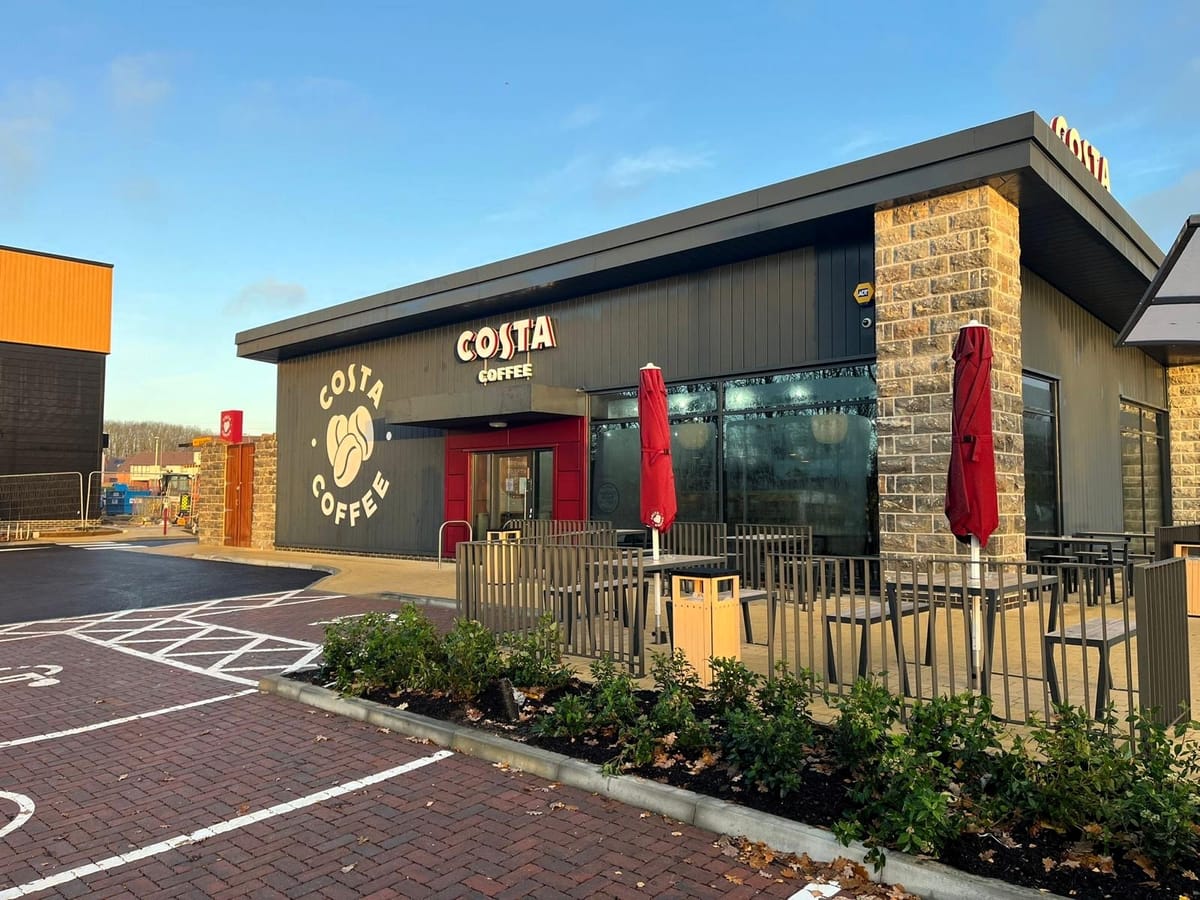
Coca-Cola is reportedly making a final attempt to keep negotiations alive over the potential sale of Costa Coffee, as discussions with its preferred buyer have slowed due to disagreements on valuation.

According to international media reports, talks between the US beverage group and London-based private equity firm TDR Capital have reached an impasse. TDR, the owner of UK supermarket chain Asda, was recently named the leading contender to acquire Costa Coffee. The proposed transaction would reportedly cover Costa’s UK and global operations, while excluding its approximately 300 stores in China.

Sources familiar with the matter indicate that Coca-Cola is seeking a valuation close to $2 billion for the 4,200-store coffee chain. This figure represents a significant reduction from the $4.9 billion the company paid when it acquired Costa Coffee in early 2019. A final decision on the future of the brand is expected before December 21, 2025.

In an effort to secure an agreement, Coca-Cola is said to be open to alternative deal structures, including the sale of a controlling stake rather than a complete exit.

The company began formally reviewing strategic options for Costa Coffee in August 2025. The move followed comments from outgoing Chief Executive James Quincey, who acknowledged to investors that the performance of the coffee business had fallen short of expectations and had not delivered the returns initially anticipated.

Several investment groups have previously expressed interest in Costa Coffee. These include US-based Bain Capital and China’s Centurium Capital, which owns Luckin Coffee. Other major private equity firms, including Apollo and KKR, are understood to have withdrawn from the process in recent months.

Global Coffee Market: Collapsing Inventories and a Fragile Price Truce

Dubai – Qahwa World

The global coffee market is currently resting in a precarious calm, according to the International Coffee Organization’s (ICO) November 2025 Market Report. Despite major geopolitical and climatic events, the ICO Composite Indicator Price (I-CIP) showed only a marginal rise of 1.2%, averaging 330.44 US cents/lb.

This unexpected stability is not a sign of market health, but rather the result of a dramatic “offsetting effect” between two powerful, opposing forces: a historical US decision to soften tariffs on Brazilian coffee imports (a bearish signal), and devastating floods that struck Vietnam’s Central Highlands (a bullish factor).

  • The Damp Squib of US Tariff Relief

The most significant political event of the month was the US administration’s move to phase out the additional 40% tariff previously imposed on Brazilian coffee imports. This action should have triggered a sharp price correction downward, given Brazil’s status as the world’s largest producer.

The Professional Read: The market reaction was surprisingly muted. The I-CIP did dip to its monthly low (320.39 cents/lb) following the announcement, but the effect dissipated within three days. Analysts concur that the market had “priced in” the removal of the tariffs beforehand, drastically reducing the impact.

Compounding the lack of immediate bearish pressure, Brazil’s export performance remains subdued. Exports of Brazilian Naturals declined by 8.2% in October, marking the eighth consecutive month of negative growth for this key group, highlighting underlying challenges linked to the Arabica production cycle and not just trade barriers.

  • Vietnam’s Catastrophe: The Unlikely Price Stabilizer

As the US news failed to exert sustained downward pressure, a major climatic shock in Asia provided the necessary counter-balance. Severe flooding hit Vietnam’s Central Highlands, the global nucleus for Robusta coffee production.

• Destruction Estimates: Initial reports from Dak Lak indicated that an estimated 10% to 15% of the 2025/26 coffee crop, which was already harvested and undergoing the drying process, was significantly damaged.
• Price Resilience: This dire news provided crucial support, preventing Robusta coffee prices from sliding (they contracted only a negligible 0.1%). Furthermore, the supply concerns emanating from Asia helped push all Arabica groups (including Brazilian Naturals and Colombian Milds) higher, with increases ranging from 1.4% to 1.8%, contributing strongly to the overall I-CIP stability.

  • The Red Flag: Global Inventory Collapse

The most alarming data point in the ICO report is the state of exchange-certified stocks, which are rapidly depleting and indicate a severe structural vulnerability in the global supply chain.

• Robusta Stocks Crash: Certified Robusta coffee stocks at the London exchange plunged by a dramatic 28.3% in November, settling at a precarious 0.73 million bags.
• Arabica Drawdown: Arabica stocks in New York also drew down by 5.9%.

This inventory collapse means the market is quickly losing its buffer capacity. It is becoming almost entirely reliant on continuous, smooth flows of new harvests, making it exceptionally sensitive to any disruptions (like the future fallout from the Vietnam floods) and highly susceptible to sharp, upward price spikes.

  • Shifting Tides: The Decline of Latin American Dominance

While total global green coffee exports saw a slight rise of 1.9% in October 2025, the geographical distribution reveals a critical strategic shift.

• South America Retreats: Exports from South America (driven mainly by Brazil) declined by 13.0%, marking the eleventh consecutive month of negative growth for the region.
• Africa and Asia Surge: This gap was aggressively filled by other origins: Asia and Oceania exports jumped 23.9% (fueled by Vietnam), and African exports soared by 21.9% (led by Ethiopia and Uganda).
• Arabica Share Shrinks: The total share of Arabica coffee in green exports fell to 68.8% from 70.2% the previous year, underscoring the market’s increasing dependence on Robusta coffee to meet overall global demand.

  • The Bottom Line

The price stability observed in November was a fluke, a result of powerful forces cancelling each other out. The true economic background—collapsing exchange inventories and the sustained export decline from the world’s largest producer—suggests the market is in a highly precarious state of “active waiting.

The coffee sector is now dangerously exposed. Any further negative climate report or logistical disruption will likely shatter the current equilibrium, immediately unleashing a sharp, acute wave of price volatility. Buyers should prepare for potential supply shocks and the associated upward pricing pressure in the coming months.


Coffee Prices Drop as Supply Outlook Strengthens

Dubai – Qahwa World

Coffee prices experienced a sharp decline on Monday, with arabica falling to a two-week low and robusta reaching a 2.25-month low. The downturn comes amid expectations of abundant global coffee supplies.

Brazil’s crop agency, Conab, recently raised its 2025 production forecast to 56.54 million bags, up from 55.20 million bags projected in September. Meanwhile, Vietnam’s National Statistics Office reported a 39% year-on-year increase in November coffee exports, reaching 88,000 metric tons, while January–November exports grew nearly 15% to 1.398 million metric tons.

Analysts at StoneX forecast that Brazil could produce 70.7 million bags in the 2026/27 marketing year, including 47.2 million bags of arabica—a 29% increase compared to the previous year.

The European Union’s recent one-year delay of its deforestation regulation (EUDR) is also influencing market sentiment. The measure, designed to curb deforestation in countries exporting key commodities to the EU, now allows continued imports of coffee, soybeans, and cocoa from regions experiencing deforestation, contributing to expectations of steady supply.

Weather conditions in Brazil are playing a mixed role. In the country’s largest arabica-producing region, Minas Gerais, rainfall was reported at just 11 mm for the week ending December 5, only 17% of the historical average—offering some support for prices.

U.S. coffee inventories monitored by ICE have tightened due to tariffs on Brazilian coffee imports. Arabica stocks fell to a 1.75-year low of 398,645 bags in late November, though they recently rebounded to over 426,000 bags. Robusta stocks dropped to an 11.5-month low on Monday. U.S. purchases of Brazilian coffee from August to October declined 52% year-on-year following the tariff implementation, reducing domestic supply.

On the other hand, increased production from Vietnam exerts downward pressure on prices. The country is expected to produce 1.76 million metric tons (29.4 million bags) in 2025/26, a four-year high, with the Vietnam Coffee and Cocoa Association projecting a 10% increase over the previous crop if favorable weather continues. Vietnam remains the world’s largest robusta producer.

Globally, signs of tighter supplies provide some price support. The International Coffee Organization reported a slight 0.3% year-on-year decline in global coffee exports for the current marketing year, totaling 138.658 million bags.

The USDA projects world coffee production in 2025/26 to reach a record 178.68 million bags, with arabica slightly down 1.7% to 97.022 million bags and robusta rising 7.9% to 81.658 million bags. Brazil’s output is expected to increase modestly to 65 million bags, while Vietnam’s crop could rise to a four-year high of 31 million bags. Global ending stocks are forecast to grow nearly 5% to 22.819 million bags.

Why Brazil Is Turning to Robusta Over Arabica?

Dubai – Qahwa World

Brazil, the largest producer of coffee globally, is gradually changing its approach to cultivation as climate change challenges traditional arabica crops. Rising temperatures, prolonged droughts, and increased disease pressure are encouraging more farmers to invest in robusta, a coffee variety that tolerates heat better and offers a stronger, more bitter flavor along with higher caffeine content.

The country’s main arabica-growing regions have experienced more frequent and severe droughts, reducing the resilience of this mild variety. While arabica remains Brazil’s primary export, robusta production has expanded rapidly, increasing by over 81% in the past decade, according to the U.S. Department of Agriculture.

Fernando Maximiliano, Coffee Market Intelligence Manager at StoneX, notes that robusta growth is primarily a response to climate-related losses in arabica, rather than a shift in consumer demand. Over the past three years, arabica production has increased by roughly 2–2.5% annually, while robusta has grown about 4.8% per year. This year, robusta production surged nearly 22%, marking a record harvest, reflecting its ability to withstand adverse weather and deliver profitable yields.

In hotter regions unsuitable for arabica, farmers are adopting strategies to grow robusta successfully, including planting coffee trees under the shade of native or other species to maintain soil moisture and protect the plants from heat. Jonatas Machado, commercial director of Café Apuí, emphasizes that such methods help maintain productivity and bean quality.

Although Vietnam remains the world’s top robusta producer, Brazil is closing the gap and may surpass it due to its structured supply chain. Robusta has higher caffeine and a stronger taste than arabica, but younger consumers tend to focus less on origin or roast notes, favoring personalized drinks with milk, syrups, and creamers that mask the flavor.

As coffee prices rise, robusta may become even more attractive to consumers. In Europe, the gap between arabica and robusta prices is expected to widen due to regulations requiring imported commodities to prove they do not come from recently deforested or degraded land; instant coffee, largely made from robusta, is exempt from these rules. Europe accounts for nearly half of global instant coffee revenue, according to Grand View Research.

Robusta’s growing popularity, high productivity, and improved quality have convinced an increasing number of Brazilian producers to invest in it. Alexsandro Teixeira, a researcher at the Brazilian Agricultural Research Corporation, notes that higher quality beans have enhanced consumer appeal and contributed to rising robusta prices.

Coffee Price Forecast in Russia for 2026

Dubai – Qahwa World

Experts have warned that coffee prices in Russia could see a significant rise in 2026. Sergey Mitrofanov, Marketing Director at Svarshchitsa Ekaterina, explained the factors influencing coffee prices and why an increase is expected to continue.

Mitrofanov noted that the cost of coffee results from a long chain of processes, including crop yields in producing countries, climate risks, global demand, logistics, roasting, inflation, and currency fluctuations. Since the Russian market relies entirely on imports, the dollar exchange rate directly affects the final coffee price.

The expert highlighted that most of the global coffee volume is traded on international exchanges: Robusta on the London Intercontinental Exchange and Arabica on the ICE in New York. According to ICE data, coffee prices reached about $3.25 per pound ($7.15 per kilogram) in September 2025, one of the highest levels in recent years. Between September 2024 and September 2025, global coffee prices rose by roughly 25%.

Mitrofanov indicated that prices are expected to continue rising, with a projected increase of around 20% in 2026. He explained that changes on the exchanges affect retail prices with a delay, as most purchases are contracted 6–12 months in advance.

He also noted that a poor harvest in one country does not automatically mean a shortage, as supply can be compensated by neighboring countries. Specialty coffee roasters continue to seek alternative lots to maintain quality while balancing cost, keeping options open for the Russian market.

Mitrofanov added that other costs such as equipment, maintenance, and logistics are rising year by year, which adds additional pressure on coffee prices. However, he noted that the strengthening of the ruble in the first half of 2025 temporarily lowered retail prices, and the market outlook for 2026 will depend on multiple factors.

Earlier reports showed that Americano and Latte were the most purchased drinks in Russian stores. There were also statements from former U.S. President Donald Trump regarding plans to reduce coffee tariffs in global markets.

Coffee Prices in the United States Reach Their Highest Levels in Decades

Dubai – Qahwa World

Coffee has become significantly more expensive across the United States, even after the recent removal of tariffs on imported beans. Shoppers continue to encounter elevated prices in supermarkets and cafés, raising questions about the reasons behind this sustained increase.

Data from the U.S. Bureau of Labor Statistics shows that the average retail price of roasted coffee rose from $6.47 to $9.14 per pound in the 12 months leading up to September, an increase of roughly 41%. The nearly $3 jump is far steeper than the typical price fluctuations seen during volatile market periods, making the rise particularly notable to consumers.

The impact is evident on store shelves. A TikTok video posted in August drew attention to the rising cost of large containers of Maxwell House coffee at Walmart stores, where a 38.2-ounce tub reached $21.44 after nearly doubling in price within a year. The post struck a chord with many viewers who shared similar experiences with rising grocery bills.

Other major brands, such as Nespresso and Folgers, have also raised prices over the past year. Café prices have continued in the same direction: according to data tracked by the restaurant-software company Toast, the average price of a regular cup of coffee increased from $3.46 to $3.57 in the year ending October 2025.

Industry analysts describe this period as one of the most pronounced and sustained increases in coffee prices since the early 1980s, when the Bureau of Labor Statistics began monitoring retail coffee trends. Several major factors lie behind the surge:

• Weather-related disruptions in 2024, including drought and heavy rainfall in key producing regions such as Brazil and Vietnam, significantly affected yields.

• Coffee futures climbed sharply, rising from around $2 per pound in May 2024 to approximately $4 in April 2025, increasing the cost burden on importers and roasters.

• Tariffs introduced by the U.S. government in April 2025 added further pressure, with 10% duties placed on imports from several Latin American countries, about 20% on Asian suppliers, and a steep 50% tariff on Brazilian coffee.

During the period in which tariffs were applied, average retail prices rose by roughly 21%. In mid-November, the U.S. administration began rolling back these trade measures. Duties were removed for nearly all producing countries, and the remaining 40% tariff on Brazilian coffee was lifted shortly afterward, effectively ending the tariff structure for most major exporters.

Experts expect that it will take time for changes in import and wholesale prices to filter through to retail shelves, since consumer pricing tends to lag behind market adjustments. Still, the removal of tariffs is broadly seen as a step toward easing cost pressures in the months ahead.

Global Coffee Market Value to Hit $186.5 Billion by 2033

The Fourth Wave Defines Trends and Shapes the Global Coffee Market Landscape

Dublin — Qahwa World

The global coffee industry is no longer just about waking up; it is about waking up to a new economic reality. According to a landmark report released yesterday by ResearchAndMarkets.com, the global coffee market is projected to surge from US$ 121.69 billion in 2024 to US$ 186.55 billion by 2033, driven by a compound annual growth rate (CAGR) of 4.86%.

While the headline figures suggest steady growth, the underlying currents reveal a volatile, transformative landscape. As we approach the end of 2025, the industry is navigating a “perfect storm” of climate-induced price shocks, a regulatory overhaul in Europe, and a massive consumption pivot toward the Asia-Pacific region.

The Asian Renaissance: Beyond the Tea Leaf

The report identifies the Asia Pacific (APAC) region as the primary engine of future growth, a trend confirmed by on-the-ground developments in late 2024 and 2025.

While Europe remains the revenue leader, Asia is where the volume is shifting. The “Third Wave” of coffeecharacterized by artisanal appreciation and traceabilityhas made landfall in traditionally tea-drinking nations.

India’s Awakening: The data aligns with India’s aggressive rise as both a consumer and exporter. Just this week, Starbucks reaffirmed its commitment to the subcontinent, celebrating its 500th store opening in Delhi NCR. Under the leadership of new global CEO Brian Niccol, the Seattle giant is doubling down on India, announcing a Farmer Support Partnership aiming to train 10,000 local farmers by 2030. This is a strategic hedge; as growth in China faces stiff competition from local price-warriors like Luckin Coffee, India represents the next great frontier for premiumization.

The Robusta Revival: Vietnam and Indonesia are capitalizing on the global shortage of Arabica beans. With climate change shrinking Arabica’s arable land, high-quality Asian Robusta (often called “Fine Robusta”) is entering the mainstream blends of major roasters to keep price points stable.

The Price of Sustainability: The EUDR Factor

The report highlights “sustainability benchmarking” as a key competitive differentiator, but in late 2025, sustainability is less about marketing and more about regulatory survival.

The industry is currently breathing a collectivealbeit temporarysigh of relief following the European Union’s decision to delay the Deforestation Regulation (EUDR) implementation to December 2026. This regulation, which bans the import of commodities linked to deforestation, threatened to disrupt supply chains for major players like Lavazza, JDE Peet’s, and Nestlé.

However, the delay is not a cancellation. Companies like Lavazza are aggressively pushing their “Roadmap to Zero,” aiming for carbon neutrality in Scope 1 and 2 emissions. The report notes that eco-friendly packaging and circular economy initiatives are no longer optional “nice-to-haves” but essential for maintaining market access in the premium European bloc.

Corporate Battlegrounds: The Fight for the Morning (and Afternoon)

The competitive landscape section of the report details a bifurcation in strategy among key players:

1. The Experience Economy: Starbucks vs. The World

Starbucks is currently executing its “Back to Starbucks” strategy. After a rocky 2024, the focus has returned to operational speed and the “human connection.” However, they face a new breed of competitor.

2. The Speed Demons: Dutch Bros

The report lists Dutch Bros as a key disruptor, and for good reason. The drive-thru chain has been on a tear in 2025, aggressively expanding its footprint with approximately 160 new shops opening this year alone. Their modelhigh-sugar, high-caffeine, cold beverages tailored for Gen Zis stealing the afternoon “treat” occasion from traditional coffee houses. Their target of 4,000 locations long-term suggests they are moving from a regional cult favorite to a national heavyweight.

3. The At-Home Revolution: Nestlé

Nestlé continues to dominate the at-home segment. With inflation keeping some consumers out of cafes, the “coffee shop at home” trend remains sticky. Nestlé’s 2025 innovation pipeline has heavily favored cold brew solutions and functional coffees (blends with added vitamins or adaptogens), catering to health-conscious millennials who want cafe quality at kitchen table prices.

Outlook: The Tech-Infused Bean

Looking toward 2033, the report suggests that technology will play a pivotal role. From AI-driven agronomy helping farmers navigate erratic weather patterns in Brazil to precision brewing systems in cafes, the “Fourth Wave” of coffee will be defined by data.

As the market marches toward that $186.55 billion valuation, the winners will be those who can balance the rising cost of green coffee (up 30-40% in mid-2025) with the consumer’s demand for ethics, quality, and convenience.

Global Coffee Giants Face Slower Growth and Rising Costs

Dubai – Qahwa World

Leading coffee companies are encountering a slowdown in consumer demand. Poor harvests, trade tariffs, and rising costs have weakened coffee consumption in Western markets, slowing sales growth and putting pressure on company valuations in the $400 billion industry. Expansion into emerging markets like China is seen as the next step, but it will likely be a costly and complex effort.

The modern coffee surge began in the late 1990s, peaking just before the pandemic. Major chains like Starbucks spread rapidly through Western cities, followed by the emergence of numerous specialty coffee shops. Companies such as Nestlé expanded their coffee lines to capitalize on growing demand for a high-margin beverage.

In 2018, Nestlé acquired the rights to sell Starbucks-branded products outside the U.S. for $7 billion. That same year, JAB, owner of JDE Peets, invested $2 billion to acquire a controlling stake in Pret A Manger. Coca-Cola also purchased Costa for $5 billion, describing the chain as a platform to broaden coffee sales from supermarkets to automated vending.

Yet, recent years have seen challenges mount. Coffee prices have surged, making popular drinks like cappuccinos and lattes more expensive for consumers, particularly in inflation-affected regions. In the U.S., ground coffee reached a record $9 per pound, double the price from 2021, and coffee prices increased 9% in the past year, well above overall inflation.

Future production faces risks from extreme weather events—droughts, floods, and frost—in key coffee-growing countries such as Brazil, Indonesia, and Vietnam. Rising labor costs and other operational expenses now make up roughly 90% of the cost of a cup of coffee. Tariffs on countries producing coffee pods, including Switzerland and Brazil, further strain margins, though recent U.S. agreements with Argentina, Ecuador, Guatemala, and El Salvador may ease some pressures.

The sector is seeing major shifts. Starbucks, valued at $100 billion, has faced profit warnings and is closing about 1% of its stores under CEO Brian Niccol. Keurig Dr Pepper’s $18 billion purchase of JDE Peets is designed to separate higher-margin beverage sales from lower-margin coffee operations. Pret A Manger also recorded a significant write-down, and Coca-Cola has considered divesting Costa due to underperformance.

Nestlé, whose at-home coffee products tend to be smaller and lower in caffeine content, appears better positioned against inflation. Still, the bigger challenge is sustaining growth in already crowded markets. In the U.S., Starbucks and Dunkin’ Donuts operate nearly 30,000 stores combined, while in the U.K., 98 million cups of coffee are consumed daily, with almost one in five people visiting a coffee shop each day.

To find growth, companies are increasingly turning to China and Latin America. Nestlé’s new CEO, Philipp Navratil, plans to introduce products in these regions, and Starbucks recently announced 145 new stores across Latin America and the Caribbean. However, income levels remain modest in these markets, competition is intense, and marketing costs will likely rise, limiting profitability. Starbucks’ experience in China demonstrates the difficulty of competing with local operators and imitations.

Expanding beyond saturated Western markets is logical, but the path forward may mean slower growth and smaller margins for the coffee industry.

CNN: Coffee Prices in the US Are Unlikely to Fall Anytime Soon

New York — Qahwa World

CNN reports that hopes for lower coffee prices in the United States remain slim, despite the Trump administration’s recent signals about reducing tariffs on goods not grown domestically, including coffee.

According to the network, Treasury Secretary Scott Bessent told Fox News that “substantial announcements” are expected in the coming days regarding potential tariff cuts on imports such as coffee, bananas, and other fruits. CNN notes that his comments amount to an implicit acknowledgment that the tariffs previously imposed have raised costs for American consumers a point the administration had long disputed.

However, CNN emphasizes that even a full rollback of coffee tariffs would be unlikely to bring significant price relief. Retail coffee prices have risen about 20% year-over-year due to two major factors:

Highly volatile weather that has disrupted harvests of a crop that is already labor-intensive and difficult to grow.

Tariffs imposed by the Trump administration on the world’s largest coffee exporters Brazil (50%), Colombia (10%), and Vietnam (20%).

The network adds that coffee production is limited to specific regions of the world, making domestic expansion impossible.

Despite rising costs, CNN, citing data from the National Coffee Association, notes that American coffee consumption has not declined. Coffee is viewed as both essential and a small luxury consumers are unwilling to give up. As long as demand remains strong, businesses from major chains like Starbucks to local cafés continue to maintain higher prices.

Alex Susskind, a professor at Cornell University, told CNN that in business, “once you take price increases, you tend not to give them back,” suggesting that cafés are unlikely to lower prices even if tariffs disappear. Some modest relief may appear in grocery stores, where mass-market brands face more price-sensitive buyers.

CNN concludes that lowering tariffs on coffee will not meaningfully shift public sentiment. Larger economic pressures such as housing, energy, and healthcare costs are the real drivers of Americans’ concerns, far more than the price of a daily cup of coffee.

Luckin Coffee’s Major Investor Weighs Acquisition of Costa Coffee

Beijing — Qahwa World

The majority stakeholder of Luckin Coffee, Centurium Capital, is reportedly considering a bid to acquire Costa Coffee from The Coca-Cola Company, in what could become one of the most significant international coffee transactions in recent years.

According to sources familiar with the matter, the Beijing-based private equity firm is evaluating whether to proceed with an offer for the British coffee chain. The discussions come as Coca-Cola continues to review its investment in Costa Coffee, which it purchased from Whitbread in 2019 for $4.9 billion.

Coca-Cola Reassesses Its Coffee Strategy

Coca-Cola began exploring potential buyers for Costa in August 2025, signaling a possible retreat from its café business. Speaking to investors, CEO James Quincey admitted that Costa’s financial performance “is not where we wanted it to be,” adding that the company was “reflecting on the right way forward” for the brand.

Reports indicate that Coca-Cola has received fewer bids than anticipated, with Costa’s current valuation estimated at less than $2 billion less than half of what the beverage giant originally paid.

Centurium Capital’s Expanding Coffee Footprint

Centurium Capital has been a major force behind Luckin Coffee’s resurgence. The Chinese private equity firm first invested in Luckin during its early funding rounds and became instrumental in stabilizing the company following its 2020 accounting scandal. In 2021, Centurium led a $260 million private placement that helped Luckin restructure debt and resolve issues with the U.S. Securities and Exchange Commission (SEC).

By January 2022, Centurium had become Luckin’s controlling shareholder, holding over 50% of the company’s voting rights. Under its direction, Luckin has grown rapidly, operating more than 26,000 stores across China, surpassing Starbucks in store count and establishing itself as the country’s leading coffee brand.

Industry analysts suggest that acquiring Costa could give Centurium a strong international platform, combining Luckin’s digital strength and value-based strategy in Asia with Costa’s established brand presence in Europe and the Middle East.

Costa Coffee’s Global Operations

Founded in London in 1971, Costa Coffee today operates around 4,100 coffee shops across 38 countries and manages nearly 17,000 self-service machines under the Costa Express brand. The company has also expanded into the ready-to-drink (RTD) sector, with products distributed through supermarkets and vending platforms worldwide.

However, under Coca-Cola’s ownership, Costa has struggled to achieve consistent profitability and adapt to evolving market dynamics. Analysts say that its integration within a soft-drink-focused corporation limited the brand’s agility in competing with fast-growing specialty coffee chains.

Other Interested Bidders

Besides Centurium Capital, Bain Capital, investor in Gail’s Bakery and Pizza Express, and TDR Capital, owner of Asda supermarkets, have also shown interest in acquiring Costa, according to Bloomberg.

If Centurium proceeds, the deal would mark a rare case of a Chinese investment group acquiring a major Western coffee brand, highlighting China’s growing influence in the global coffee market and reinforcing the country’s ambition to shape the next chapter of the café industry.

Dutch Bros Surges After Strong Q3 Earnings and Upgraded Outlook

Dubai – Qahwa World

Dutch Bros (NASDAQ: BROS) reported impressive third-quarter results, surpassing Wall Street expectations for both earnings and revenue. The drive-thru coffee chain posted adjusted earnings of $0.19 per share, topping forecasts of $0.17, on revenue of $423.6 million versus the expected $413.6 million.

Revenue jumped 25.2 percent year-on-year, rising from $338.2 million in Q3 2024, while net income more than doubled to $27.3 million from $12.6 million. Same-store sales advanced 7.4 percent at company-operated shops and 5.7 percent system-wide. Dutch Bros also opened 38 new locations across 17 states, expanding its total footprint to 1,081 stores.

Chief Executive Officer Christine Barone highlighted the company’s resilience, stating that strong momentum through October prompted management to raise full-year guidance for both total revenue and same-store sales growth.

Despite the surge in sales, gross profit fell 8.5 percent year-over-year to $82.4 million, signaling higher costs for labor, commodities, or logistics. Nonetheless, operating income grew 27.6 percent to $41.5 million, and adjusted EBITDA rose 22.3 percent to $78 million, suggesting that scale and operational efficiency continue to buffer inflationary headwinds.

Key Financial Highlights

Revenue: $423.6 M (+25.2 % YoY)

Adjusted EPS: $0.19 (+11.8 % YoY)

Net Income: $27.3 M (+115.8 % YoY)

Operating Income: $41.5 M (+27.6 % YoY)

Adjusted EBITDA: $78 M (+22.3 % YoY)

Company-operated same-store sales: +7.4 %

System-wide same-store sales: +5.7 %

The raised guidance underscores management’s confidence in the brand’s growth trajectory. However, investors will closely watch gross-margin trends and the sustainability of same-store sales as Dutch Bros continues its aggressive expansion. Persistent cost pressures may require future pricing or operational adjustments, but the company’s accelerating profitability suggests its strategy is gaining traction.

Weather Extremes Drive Coffee Prices to New Highs

Dubai – Qahwa World

Coffee prices strengthened midweek as extreme weather patterns across major growing regions continued to fuel fears of reduced global supply. Arabica futures for December delivery climbed more than 2%, reaching their highest level in a week and a half, while January Robusta futures also recorded modest gains.

In Brazil — the world’s leading Arabica producer — unusually dry conditions have persisted in Minas Gerais, where rainfall reached only three-quarters of the seasonal average by the end of October. The prolonged dryness follows an even drier previous week and has raised concerns over the next crop’s development. Meanwhile, in Southeast Asia, Typhoon Kalmaegi is expected to make landfall in southern Vietnam, threatening coffee plantations in key Robusta-growing provinces.

Inventories monitored by the Intercontinental Exchange (ICE) continued to shrink, adding upward pressure on prices. Arabica reserves dropped to their lowest point in over a year and a half, while Robusta stocks also declined. The drawdown follows reduced U.S. imports from Brazil, where a 50% tariff has sharply slowed trade. Since Brazil supplies nearly one-third of the unroasted coffee used in the U.S., buyers are now facing tighter availability. However, recent remarks by Presidents Luiz Inácio Lula da Silva and Donald Trump hint at possible progress toward resolving trade tensions, which could influence upcoming market movements.

The U.S. National Oceanic and Atmospheric Administration (NOAA) recently increased the probability of a La Niña event to 71% for the final quarter of 2025. Such conditions often bring hotter and drier weather to Brazil, potentially impacting the 2026/27 harvest if the pattern strengthens.

At the same time, Vietnam — the world’s largest Robusta exporter — continues to expand its output. Official data shows exports rising by more than 10% year-on-year in the first nine months of 2025. The Vietnam Coffee and Cocoa Association expects production for 2025/26 to reach a four-year high if favorable weather persists.

Global trade figures also suggest sufficient overall supply. The International Coffee Organization (ICO) recently reported a slight annual increase in coffee exports, while Brazil’s crop agency, Conab, revised its 2025 Arabica estimate downward due to dry weather.

According to projections from the U.S. Department of Agriculture, world coffee production for 2025/26 could hit a record level of nearly 179 million bags, driven mainly by higher Robusta yields. Arabica output, however, is expected to dip slightly. Ending stocks are projected to rise by almost 5%, suggesting that despite short-term volatility, the market remains well supplied — though increasingly sensitive to shifting weather patterns.