Turkish Coffee & Arabic Coffee..Two Cups, One Soul

Source: Qahwa World |
Author: Serkan Oral |
Date: June 23, 2026

Turkish Coffee & Arabic Coffee — Two Cups, One Soul

From the Article:

  • Turkish and Arabic coffee share a common historical root, stretching from the highlands of Ethiopia through Yemen to the Islamic world.
  • Both are prepared without filtering, served in small cups, and invite slowness and enjoyment of the moment.
  • Hospitality and generosity are the essence of what unites both cultures, where refusing a cup of coffee is considered a social breach.
  • The etiquette of refusal mirrors each other: gently shaking the empty cup in Arab tradition, and turning it upside down on the saucer in Turkish tradition.
  • In both traditions, coffee is not just a drink, but a social ritual that carries the memory of every conversation worth having.
  • The Turkish coffee cup also carries tales of the future after it is drunk and turned over.

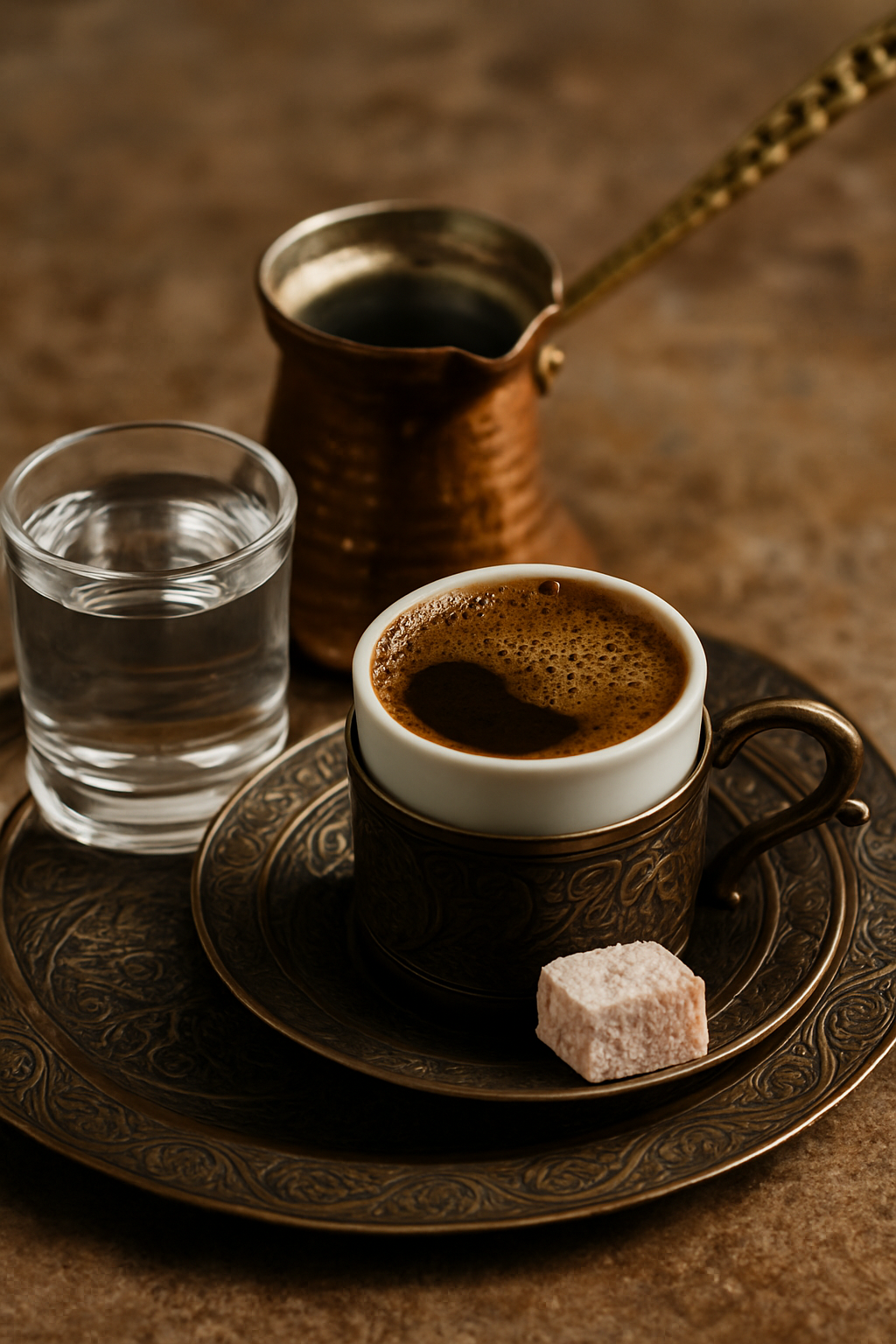
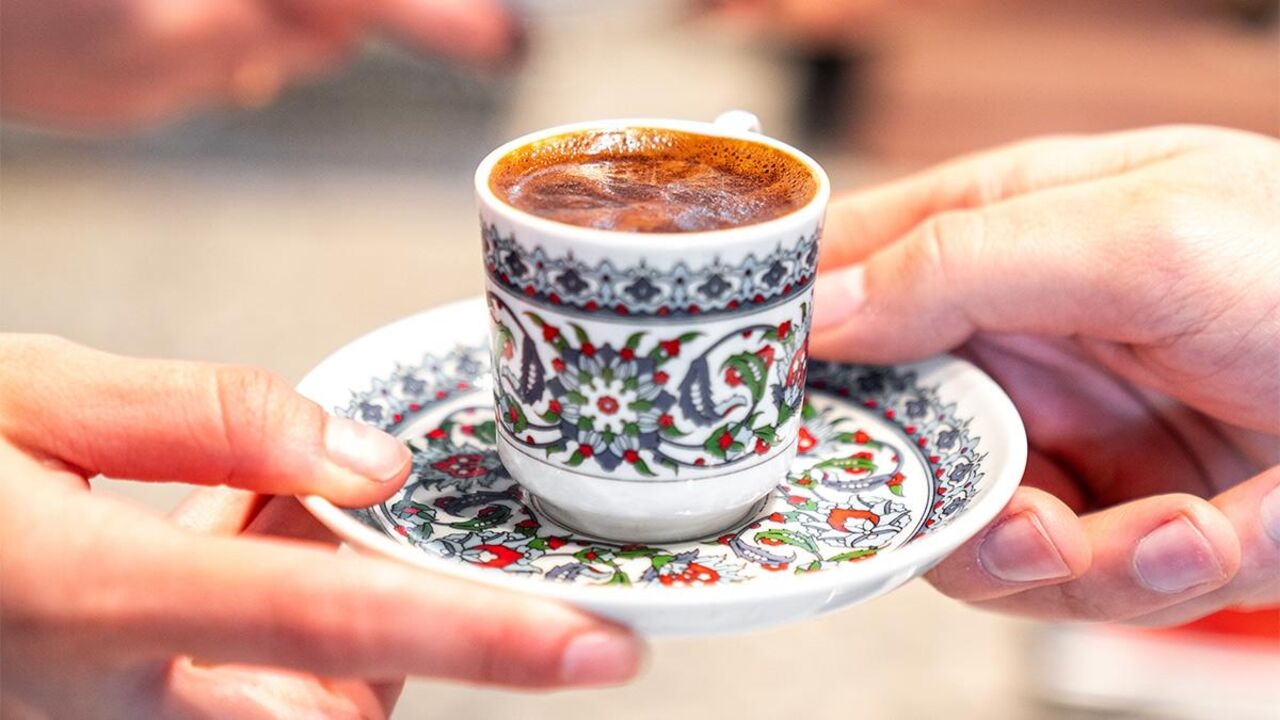
They arrive unannounced, the way hospitality always does in this part of the world. A small cup, thick and dark, placed before you without being asked. Whether you are sitting in a coffeehouse in Istanbul or a majlis in Dubai or Riyadh, the gesture is the same: I see you, you are welcome here, stay a while. Turkish coffee and Arabic coffee come from different hands and different traditions, but they share a deeper kinship than most people realize.

I feel the similarities at specialty coffee houses in Dubai or Jeddah, enjoying warm conversations with friends. Two cups from two cultures, but one soul.

One Root, One Shared Story

Both trace their roots to the same origin story. Coffee was born in the highlands of Ethiopia, traveled through Yemen, and spread across the Arab world before reaching the Ottoman Empire in the sixteenth century. Istanbul and the Arab capitals fell in love with it almost simultaneously, and each civilization made the drink its own. What emerged were two distinct rituals that nevertheless rhyme with each other in remarkable ways.

Preparation and Ritual – Mirror Images

The most obvious similarity is the method. Both are prepared without filters, brewed slowly and deliberately, served in small portions. Neither is meant to be rushed. The grounds in Turkish coffee settle at the bottom of the cup; the spices in Arabic coffee — cardamom, sometimes saffron or cloves — drift and steep. In both traditions, the coffee itself is almost secondary to what surrounds it: the conversation, the silence, the act of sitting together.

Hospitality: Where the Two Worlds Converge

Hospitality is where the two cultures converge most powerfully. Refusing a cup of Turkish coffee is a mild social offense. Refusing Arabic coffee is much the same. Both are offered at moments of significance: welcoming a guest, marking a celebration, sealing an agreement, mourning a loss. The cup is never just a cup. It is a small ceremony, a way of saying that the person across from you deserves your time and your attention.

The Etiquette of Refusal – Silent Signals, One Meaning

Even the rules of refusal mirror each other. In Gulf Arab tradition, you wiggle the empty cup slightly to signal you have had enough. In Turkish tradition, leaving your cup turned upside down on the saucer sends a similar message. Different gestures, identical meaning: a quiet, polite negotiation between guest and host conducted entirely without words.

What Unites Is Greater Than What Divides

What separates them — the roast, the spices, the presence or absence of sugar — matters less than what unites them. Both are instruments of slowness in a world that rewards speed. Both insist that some things should not be automated, bottled, or consumed on the go. And both carry, in every small cup, the memory of every conversation that was ever worth having.

A Cup That Carries Future Tales

And for Turkish coffee lovers, that small cup also gives you tales of the future after it is drunk and turned over. Fortune-telling from the cup is not mere entertainment; it is a continuation of the ritual itself: sitting together, reflecting, and speaking of the unknown in the language of generosity and curiosity.

Frequently Asked Questions About Turkish and Arabic Coffee

Q: Are Turkish and Arabic coffee from the same origin?

A: Yes, both trace back to the same historical source: the highlands of Ethiopia and Yemen, before branching into different traditions in the Arab world and the Ottoman Empire.

Q: What are the most important similarities between them?

A: The method of preparation without filtering, serving in small cups, and the focus on the social ritual and hospitality rather than the drink itself.

Q: How does the etiquette of refusal differ between the two cultures?

A: In Arab tradition, you gently shake the empty cup; in Turkish tradition, you turn the cup upside down. But the meaning is the same: a polite signal that you have had enough.

Q: Why is coffee considered part of hospitality in both cultures?

A: Because serving coffee is a social ritual that expresses welcome and respect, whether in Arab gatherings or Turkish coffeehouses.

Q: What is the significance of fortune-telling from the cup in Turkish culture?

A: It is an extension of the coffee ritual itself, where people gather to reflect and talk after the drink, in an atmosphere of familiarity and generosity.

Turkish coffee and Arabic coffee are not just two different drinks. They are two faces of the same coin: a culture of hospitality, slowness, and celebration of the moment. In a fast-paced world, these two cups remind us that some traditions are worth preserving, and that good conversation and good company deserve a cup to be sipped slowly, and a heart to be filled with stories.

By: Serkan Oral – Qahwa World.

All rights reserved. Republication with attribution permitted.

Publication date: June 23, 2026
Turkish Coffee Culture: From Kahvehane to Specialty Bars

Author: Qahwa World
Source: Original reporting on Turkish coffee culture
Date: May 30, 2026

Turkish Coffee Culture: From Kahvehane to Specialty Bars

Executive Summary:

  • Turkish coffee culture is one of the world’s oldest. UNESCO recognizes it for its brewing rituals and social traditions.
  • Key features include very fine grind, brewing in a cezve, and serving with water and a sweet treat.
  • Turkish and Lebanese coffee are similar but different. Lebanese coffee often contains cardamom.
  • Specialty coffee arrived in Turkey in the early 2010s. Kronotrop was a pioneer in Istanbul.
  • At first, consumers disliked lighter roasts. They found them too sour compared to traditional coffee.
  • By 2015, a coffee renaissance took hold. Today, specialty coffee coexists with traditional kahvehane.
  • Turkey’s coffee story now blends heritage with innovation. The cezve and V60 share the same tables.

Coffee is more than just a drink. In many countries, it has become a ritual. It is a language of social interaction. It also expresses national identity. Some people drink coffee slowly during long conversations. Others grab it on the go in paper cups. Some build entire philosophies around its preparation. Turkey is often the first country that comes to mind for old coffee traditions. However, modern coffee trends have reached Turkey as well. This article looks at the history of Turkish coffee culture. It also examines how specialty coffee is changing it.

A Tradition Rooted in the Ottoman Empire

Turkish coffee culture is among the oldest in the world. Historians agree that coffee arrived in the Ottoman Empire during the sixteenth century. It came from Yemen. During the reign of Sultan Suleiman the Magnificent, coffee became part of court life. By the mid-1550s, the first coffeehouses opened in Istanbul. They were called kahvehane, which means houses of coffee. These places quickly became more than just coffee shops. Men gathered there to play backgammon. They listened to poetry and music. They also discussed current events. Through the Ottoman Empire, coffee spread to Europe in the seventeenth century. It reached Venice, Paris, London, and Vienna. From there, it continued its journey across the world.

Forty Years in One Cup

UNESCO recognizes Turkish coffee culture on its Intangible Cultural Heritage list. The recognition includes the rituals of preparation and service. The defining feature of Turkish coffee is its very fine grind. The coffee is ground almost into powder. It is brewed in a cezve, which many know as a Turkish coffee pot. The coffee is not filtered. Therefore, the grounds remain in the cup. This produces a dense, rich, and full-bodied drink.

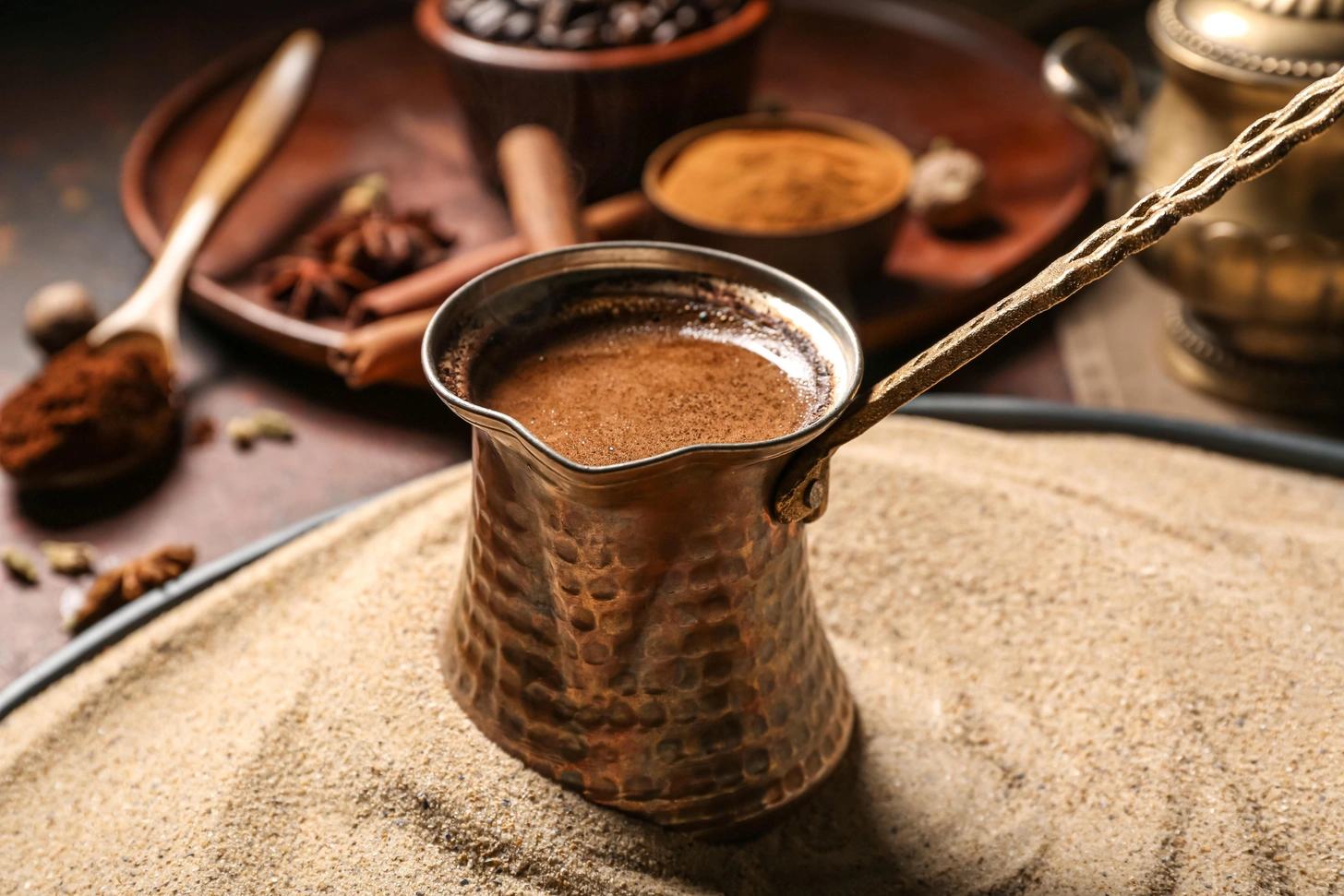
Turkish coffee is never made in haste. It heats slowly over low heat. Another traditional method uses hot sand. This allows the cezve to heat evenly from all sides. As a result, the extraction is smoother. The flavor profile becomes distinctive. Foam is considered essential. In Turkey, a thick foam layer shows the brewer’s skill. Serving coffee is also part of the ritual. A glass of water and a sweet treat usually accompany the coffee. The sweet treat is often Turkish delight or baklava. The water cleanses the palate before the first sip. The sweetness complements the coffee’s bitterness.

People order Turkish coffee according to sweetness levels. Sade means no sugar. Orta means medium sweetness. Şekerli means sweet. Another tradition is fortune-telling from coffee grounds. After finishing the coffee, the cup is turned upside down onto a saucer. Once the grounds settle, patterns on the cup’s walls are interpreted as symbols. For many Turkish families, this remains a popular social activity. A famous Turkish proverb says: “The memory of a cup of coffee lasts forty years.” In Turkish, it is “Bir kahvenin kırk yıl hatırı vardır.” This emphasizes that sharing coffee creates lasting bonds of friendship and respect.

Turkish Coffee and Its Lebanese Cousin

At first glance, Turkish and Lebanese coffee look almost identical. Both are brewed in a cezve. Neither is filtered. Both belong to the broader Middle Eastern coffee tradition. However, notable differences exist. Turkish coffee is generally denser. Its flavor is more straightforward. Traditional recipes rarely include spices. This allows the coffee’s own characteristics to take center stage. Lebanese coffee, in contrast, is often more aromatic. Cardamom is frequently added, sometimes generously. This creates a warm, spicy aroma with subtle citrus notes.

The cultural context also differs. In Turkey, coffee is closely linked to extended conversations, family gatherings, and coffeehouse culture. In Lebanon, coffee often serves as a symbol of hospitality. It is offered to guests as a matter of etiquette. Despite these differences, coffee represents far more than caffeine in both countries. It remains a slow, thoughtful ritual embedded in everyday life.

The Rise of Specialty Coffee

The twentieth century made coffee widely available. The twenty-first century has, in some ways, made it more exclusive again. This is due to the rise of specialty coffee. The term “specialty coffee” emerged in the 1970s. However, it became a global phenomenon only in recent decades. The Third Wave Coffee movement transformed how people view coffee quality and origin. Specialty coffee emphasizes transparency. Consumers are encouraged to know not only the variety and country of origin. They also learn about the specific region, farm, and altitude. Like wine, coffee is now appreciated for its terroir and flavor complexity.

Instead of bitterness alone, drinkers now seek fruity, floral, and tea-like characteristics. An Ethiopian coffee may exhibit jasmine-like notes. A Kenyan coffee may suggest red currant or pomegranate. The specialty movement has also popularized alternative brewing methods. These include V60, AeroPress, Chemex, siphon brewing, and various pour-over techniques. Baristas are seen as skilled professionals. Coffee shops have become destinations for culinary experiences.

Turkey’s Third Wave Coffee Revolution

Turkey has deep-rooted coffee traditions. Therefore, it might seem unlikely for specialty coffee to flourish there. Nevertheless, the Third Wave movement has established a significant presence over the past fifteen years. The first specialty cafés appeared in Istanbul in the early 2010s. Among the pioneers was Kronotrop Coffee Bar, founded in 2012. It introduced many Turkish consumers to alternative brewing methods and modern coffee culture.

Initially, reactions were mixed. Turkish tastes had been shaped by dark, strong coffee for centuries. Lightly roasted beans with bright acidity seemed unfamiliar. Many customers described such coffees as “too sour.” They simply differed from traditional expectations. However, by the middle of the decade, Istanbul was experiencing a genuine coffee renaissance. Independent roasters emerged. Baristas began training according to international standards. Coffee shops evolved into modern social spaces with minimalist design and open brewing stations.

Today, specialty coffee is part of everyday urban life in cities such as Istanbul, Ankara, and Izmir. Modern cafés offer pour-overs, filter coffee, cold brew, and sophisticated espresso blends. They serve these alongside traditional Turkish coffee. Outside the largest cities, specialty coffee remains relatively niche. In tourist destinations such as Antalya, specialty cafés are becoming more common. However, traditional Turkish coffee culture continues to dominate. Even so, new coffee trends are steadily taking root. This creates a unique coexistence between centuries-old traditions and contemporary specialty coffee culture.

Turkey’s coffee story is no longer defined solely by the cezve and the kahvehane. Instead, it reflects an ongoing dialogue between heritage and innovation. Traditional Turkish coffee and modern specialty coffee increasingly share the same table.

Frequently Asked Questions (FAQ)

1. What makes Turkish coffee unique?

Very fine grind, brewing in a cezve, no filtration, slow heating, essential foam, and serving with water and sweets.

2. What is a kahvehane?

A traditional Turkish coffeehouse from the 16th century. It was a social gathering place for men to play games, listen to music, and discuss news.

3. Is Turkish coffee the same as Lebanese coffee?

No. Turkish coffee is denser and without spices. Lebanese coffee often includes cardamom and uses lighter roasts.

4. When did specialty coffee arrive in Turkey?

Early 2010s. Kronotrop Coffee Bar (founded 2012) was a pioneer of the third wave movement in Turkey.

5. How did Turkish consumers react to specialty coffee at first?

Reactions were mixed. Many found lighter roasts too sour compared to traditional dark Turkish coffee.

6. Where can you find specialty coffee in Turkey today?

Major cities like Istanbul, Ankara, and Izmir. Traditional kahvehane culture still dominates in rural areas.

Qahwa World – Original reporting on Turkish coffee culture.
Published: May 30, 2026

Old Struggles: Love, Law, Order, and Coffee

By: Serkan Oral

Today, when brides, grooms, and their families meet to discuss marriage, women add five tablespoons of salt to the guests’ Turkish coffee. The groom drinks it and says it’s delicious, showing respect. Where does this tradition come from? In the past, brides and wives who couldn’t make good coffee were punished. On the other hand, women could divorce husbands who didn’t bring coffee home. What a coffee-based tale of happiness or sadness!

In 16th-century Ottoman society, a woman could divorce her husband if he didn’t provide enough coffee. The quality of the coffee showed his ability to care for his wife. This shows how closely coffee was tied to social status and household duties. A woman would also make coffee for a man to prove she’d be a good wife, making it a key part of the marriage process.
A husband’s failure to provide enough coffee was grounds for divorce. It was a sign of his ability to meet his wife’s needs. In courtship, a woman made coffee for a potential suitor, and the quality of her coffee affected his decision to marry her.

Turkish Coffee: A Story of Mystery, War, Romance, and Empire
Coffee beans came from Yemen to Istanbul, where, in 1555, two traders first sold them in the city’s heart. Turks found they could make a tasty, bitter, dark drink from the fermented coffee berry pulp, which gave energy and reduced hunger. Over time, coffee became available to everyone, not just palace sultans and dervishes.

Courting at Court: Coffee, Royalty, and Romance
Coffee was hugely popular with Turkish sultans in the Ottoman courts. Royal coffee makers, called Kahveci usta, held fancy coffee ceremonies, needing forty assistants to serve coffee properly to the sultans. Both sultans and regular Turkish men were given coffee by potential brides, who were judged as wives based on the quality of their coffee.

Adding some sugar to your marriage never hurt, right? Nowadays, before marriage, men must drink salty coffee made by the bride. Potential brides still had to make coffee for their suitors, but with a twist: sweet coffee meant she liked the match, while bitter coffee showed she wasn’t impressed. Coffee was a big part of Ottoman social and courting rituals. Wealthy families built special rooms just for drinking coffee. Women weren’t allowed to drink it—in fact, a married woman could legally divorce her husband if he didn’t provide her daily coffee quota.

As coffee got more popular, people spent less time praying and more time drinking and chatting. Coffee went from a sacred drink to being seen as trouble. Politically, coffee was viewed as a threat to the Ottoman Empire. Like in Sweden, leaders thought coffee gatherings led people to question the government and cause trouble. In 1656, Ottoman Grand Vizier Koprulu made laws to close coffee houses and ban coffee drinking completely.
Still, Turkish coffee stayed popular in Anatolia and spread to nearby countries.

Coffee: The Spoils of War
The Ottomans brought coffee to Vienna, Austria. Turkish coffee reached Europe by accident during a war. In 1683, when the Turkish army fought the Austrians, they left behind sacks of coffee beans while retreating from Vienna’s gates. The Austrians realized what a treasure they had and created their own coffee style.
Overall, the tradition of coffee continues to grow in our personal and social lives.

Kadıköy Becomes the Capital of Coffee as the 11th Istanbul Coffee Festival Kicks Off

Istanbul, September 14, 2025 (Qahwa World) – Türkiye’s largest celebration of coffee culture, the Türk Telekom Prime Istanbul Coffee Festival, has officially opened in Kadıköy for its 11th edition, transforming the outdoor grounds of Tepe Nautilus into a meeting point for thousands of coffee lovers, professionals, and music enthusiasts. The event, which runs from September 11 to 14, has already drawn crowds eager to explore a world of flavors, innovation, and tradition, making it one of the most anticipated gatherings in the global coffee calendar.

This year’s festival spans an impressive 10,000 square meters and brings together more than 200 brands from Türkiye and abroad, offering visitors free tastings of over 100 varieties of coffee beans sourced from around the world. From the earthy tones of Latin America to the floral complexity of East Africa, the diversity on display highlights both the global reach of coffee and the growing appreciation of specialty brewing among Turkish consumers. Festival founder and Dream Sales Machine Chairman Alper Sesli emphasized the cultural depth of the occasion, noting that while Türkiye is not traditionally a coffee-producing country, coffee has been part of daily life and local identity for nearly five centuries through the unique tradition of Turkish coffee. He explained that this year, discussions have also turned toward the emerging prospect of domestic coffee cultivation, with industry stakeholders, growers, and organic farmers contributing to conversations about production and sustainability.

Alongside tastings, the festival has introduced cutting-edge innovation that points to the future of coffee service. The debut of X BARISTA, an artificial intelligence–powered coffee station created by Thude Robotics, has drawn particular attention. CEO Önder Akyazıcı described the system as a “fourth-generation coffee experience”, blending the artistry of specialty coffee with the precision and consistency of robotics. Developed entirely in Türkiye in both software and hardware, X BARISTA uses sensors to replicate the movements of professional baristas, preparing intricate beverages such as lattes with remarkable accuracy. Akyazıcı underlined that the goal is not to replace human baristas but to improve efficiency, sustainability, and accessibility, and revealed that international orders have already begun.

The atmosphere in Kadıköy reflects the spirit of a growing community. Award-winning barista and Niji Coffee Co. co-founder Alireza Razzaghzadeh praised the festival for its accessibility and inclusivity, pointing out that its location and design allow more people to participate and experience the richness of specialty coffee. He stressed that the Istanbul Coffee Festival plays a central role in promoting the industry, connecting local consumers with global coffee practices, and encouraging professional growth among Turkish baristas.

While coffee remains at the heart of the festival, the event extends beyond the cup to become a celebration of culture, art, and music. The program features live concerts each evening, with performances by beloved artists such as Levent Yüksel, Ceza, Madrigal, and Haluk Levent, drawing large crowds and adding to the festive mood. Workshops and seminars give visitors opportunities to deepen their knowledge of coffee preparation and culture, while interactive tastings provide a chance to compare beans and brewing methods. The blend of education and entertainment makes the festival a dynamic experience that appeals to both seasoned professionals and newcomers to the world of coffee.

For the first time in its history, the festival has also introduced a Türk Telekom Children’s Area, offering family-friendly activities designed to make the event inclusive for all ages. Meanwhile, the Türk Telekom Prime Lounge has become a hub for relaxation and interaction, offering refreshments, competitions, and opportunities for visitors to engage with coffee culture in new and playful ways.

From the aroma of freshly ground beans rising above Kadıköy to the sight of a robotic barista preparing precise pours, the Istanbul Coffee Festival 2025 captures the tension between heritage and innovation that defines today’s coffee world. It is a space where traditional Turkish coffee brewed in hot sand meets futuristic AI-driven technology, where music and community blend with workshops and serious industry discussions, and where the joy of discovery fuels both conversation and culture. Eleven years after its founding, the festival has not only grown into a major international event but also strengthened Istanbul’s position as a regional hub for coffee appreciation and creativity.

Turkish Coffee: From UNESCO Heritage to Istanbul Coffee Festival 2025

Turkish coffee is more than just a drink—it is history in a cup. Once at the heart of the Ottoman Empire, this centuries-old tradition is now making a global comeback, captivating coffee lovers far beyond Turkey’s borders.

When we think of coffee today, it might be an espresso, a latte on the go, or a cold brew. But the story of coffee begins with something older, richer, and far more ritualistic: Turkish coffee. It is not just a beverage but a 500-year-old tradition, a cultural bridge, and even honored by UNESCO as part of humanity’s living heritage.

Turkish coffee is about sharing moments. While it can be enjoyed alone, its essence lies in conversation and connection. Coffee’s story began in 15th-century Yemen among Sufi mystics, who drank it to stay awake during long prayers. The Turkish coffee method later took shape in 16th-century Istanbul, where it spread from Ottoman coffeehouses across the world.

A debate still lingers: some claim Turkish coffee is the same as Greek coffee, but many see it as an Ottoman legacy. What makes it unique is the method. It isn’t brewed but cooked slowly in a small copper pot called a cezve, then served in tiny cups alongside water and Turkish delight. The experience doesn’t end with the last sip—coffee grounds are often used for fortune readings, a playful way to share hopes and laughter.

Even today, Turkish coffee is tied to tradition. In some households, a bride-to-be serves her suitor a salty cup to test his patience before marriage. While it never reached the global fame of espresso, Turkish coffee is finding new admirers, from workshops in London to fortune readings in New York.

UNESCO Recognition

In 2013, UNESCO inscribed “Turkish coffee culture and tradition” on the Representative List of the Intangible Cultural Heritage of Humanity. The recognition celebrated not only the brewing method but also the rituals of hospitality, storytelling, and cultural identity associated with this practice. The listing confirmed Turkish coffee’s role as more than a drink: it is a living heritage passed down through families and communities.

Istanbul Coffee Festival 2025

This September, the conversation about Turkish coffee gains renewed momentum with the 11th Istanbul Coffee Festival, held from September 11–14, 2025, in Kadıköy on the Asian side of the city. The festival has become a landmark event in global coffee culture, bringing together roasters, baristas, brands, artists, and coffee enthusiasts from across the world.

Amid tastings, workshops, and cultural performances, Turkish coffee will take center stage. Organizers often highlight its UNESCO heritage status as part of the festival narrative, reminding visitors that this is not just a drink but a tradition recognized as part of humanity’s collective memory. From demonstrations of the cezve technique to fortune-reading sessions, the event celebrates Turkish coffee as both a timeless custom and a modern attraction.

More Than Caffeine

Ultimately, Turkish coffee is not about the caffeine kick—it is about slowing down, connecting with others, and savoring a shared ritual. As Istanbul hosts thousands of visitors this September, the festival becomes more than an exhibition: it is a living showcase of a heritage that continues to evolve while staying true to its roots.

Five centuries after its birth, Turkish coffee remains what it has always been: a story waiting to be discovered at the bottom of a cup.

In Turkey, Coffee Is More Than a Drink — It’s a Cultural Ritual

Turkish coffee is not simply a drink. It is a ritual, a social bond, and a cultural heritage that dates back nearly five centuries. Recognized by UNESCO on its Intangible Cultural Heritage of Humanity list, the Ottoman tradition of preparing coffee in a cezve has become a symbol of identity for generations in Turkey and beyond.

From Yemen to the Ottoman Empire

As CNN reports, the story begins in 15th-century Yemen, where Sufi mystics consumed coffee to remain awake during long nights of prayer. When Sultan Süleyman the Magnificent annexed Yemen in 1538, coffee entered the Ottoman Empire and soon reached Istanbul. By the 1550s, the city witnessed the rise of its first kahvehane (coffeehouses), which quickly became central to cultural and political life.

Prepared slowly in a copper pot, Turkish coffee differs from most brewing methods: it is “cooked” in water to produce a strong, unfiltered drink topped with foam. Coffeehouses spread rapidly but often drew suspicion from rulers, who feared they encouraged dissent. Similar anxieties later emerged in England, where King Charles II tried unsuccessfully to close London’s coffeehouses in the 17th century.

A Ritual of Hospitality

CNN highlights that in Turkey, coffee represents community. Guests are traditionally offered coffee with water and lokum (Turkish delight). The drink is consumed slowly, giving grounds time to settle — setting the stage for the playful ritual of coffee-cup reading, where the shapes left behind are interpreted for fun as signs of fortune, journeys, or good news.

Turkish coffee even plays a role in marriage traditions: during courtship, a bride-to-be serves coffee to the groom’s family. As a test, she may add salt instead of sugar to his cup, with his reaction taken as a measure of patience and maturity.

From Istanbul to London and Beyond

The influence of Turkish coffee extended far beyond the empire. CNN recounts how in 1652, London’s first coffeehouse opened in St. Michael’s Alley, introduced by a merchant from İzmir and his servant Pasqua Rosée. For a penny, patrons could drink freely while debating news and politics in what became known as “penny universities.”

Despite this reach, Turkish coffee never achieved the global recognition of espresso. Some scholars, CNN notes, believe this is due to generational shifts: for many young people in Turkey, it has become a drink associated with parents rather than innovation.

Tradition and Modern Revival

Others argue that innovation is vital. Turkish coffee ambassadors are working worldwide to showcase the ritual. In London, workshops teach traditional preparation, while in New York, the “Turkish Coffee Room” blends performance, storytelling, and tasseography to captivate new audiences.

Back home in Istanbul, authentic experiences remain easy to find. CNN recommends iconic spots such as Hafız Mustafa, Mandabatmaz on İstiklal Street, and Nuri Toplar in the Egyptian Bazaar. For a modern twist, Hacı Bekir in Kadıköy offers creative interpretations.

A Living Heritage

As CNN concludes, Turkish coffee endures as a living cultural symbol — one that connects history with hospitality, ritual with storytelling. Whether served in a historic Istanbul café, a family home in Safranbolu, or a workshop abroad, every cup carries with it a taste of heritage and a story waiting to be told.

This article is adapted from a feature originally published by CNN Travel. All rights remain with the original publisher. Qahwa World republishes it here for educational and cultural purposes.