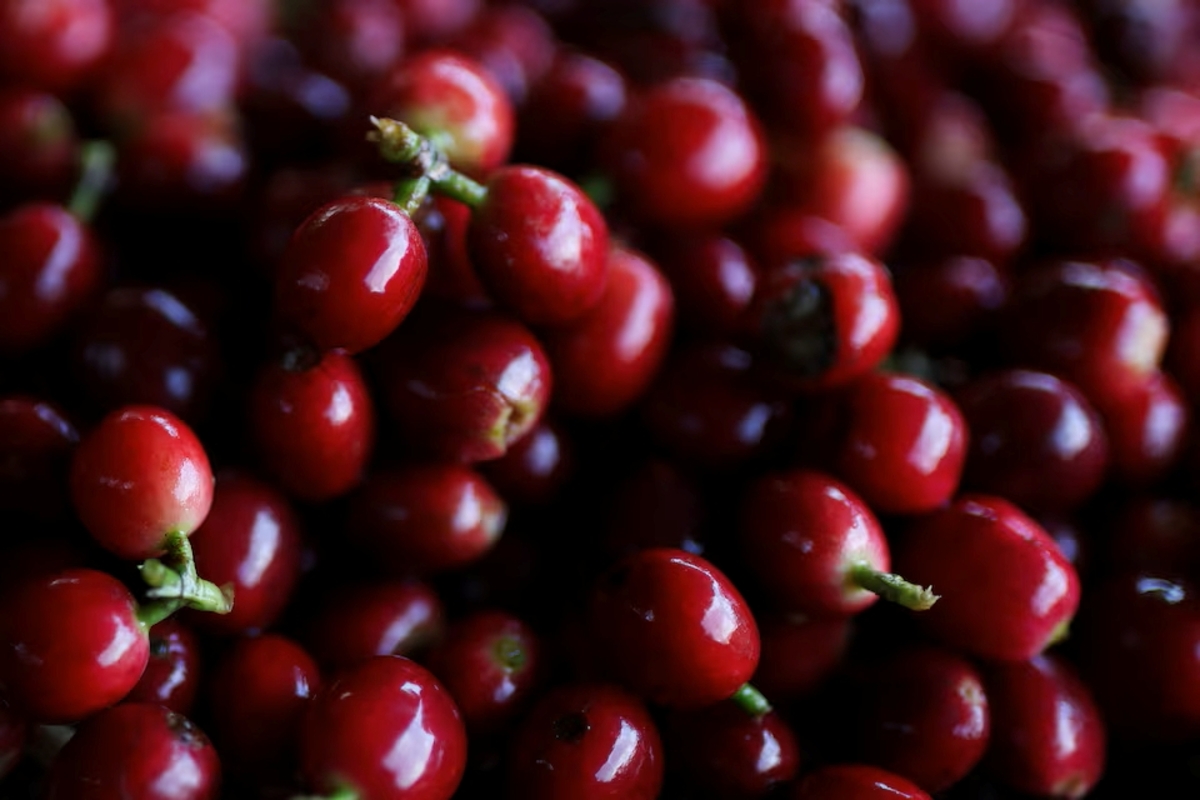
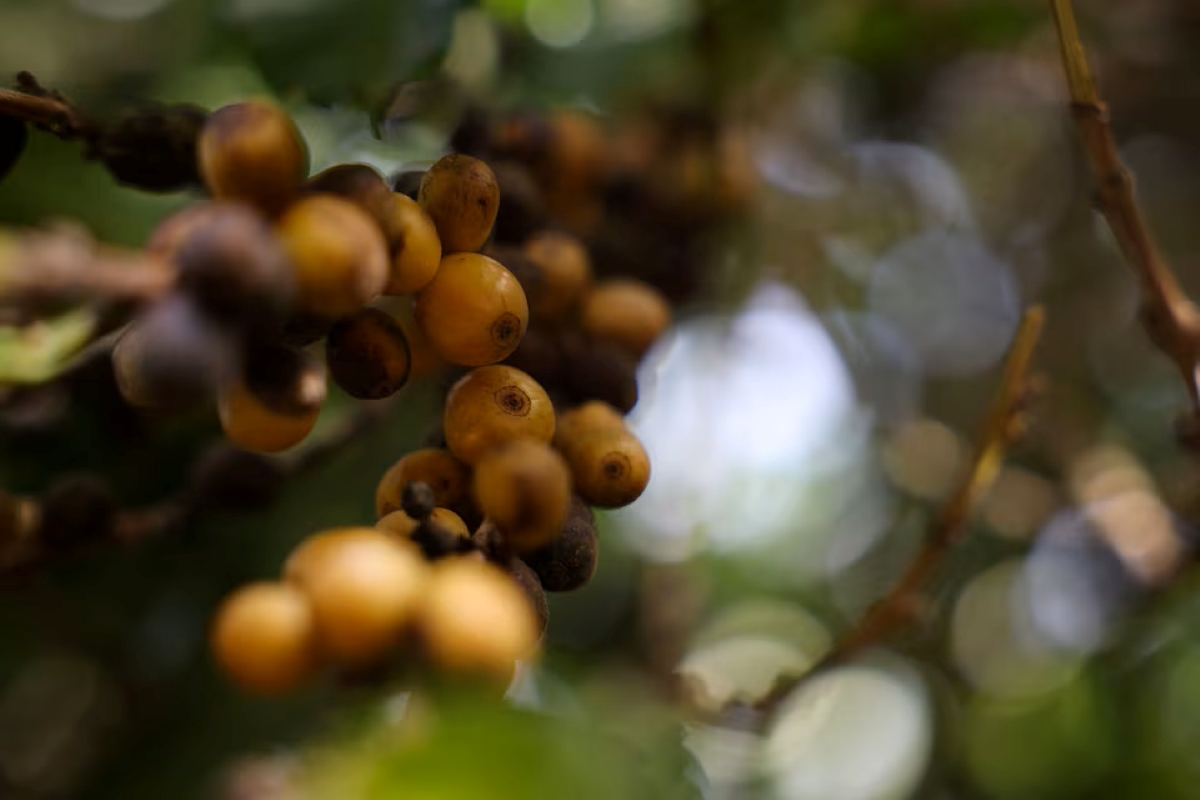
Chemical Arabica Code: Can Arabica Coffee Reduce Dependence on Diabetes Drugs?

Dubai – Qahwa World

In one of the most comprehensive scientific studies of the past decade, a research team from the Kunming Institute of Botany has uncovered unprecedented details about the molecular structure of coffee, transforming it from a simple morning stimulant into what researchers describe as a fully integrated “natural pharmacy.” The study, which drew on years of intensive laboratory work, went beyond confirming health benefits to explaining the precise molecular mechanisms through which coffee interacts with human cells.

Using ultra-high-resolution nuclear magnetic resonance (NMR) techniques, scientists identified six new diterpene esters, most notably Caffaldehydes A–C. These compounds are not incidental byproducts, but biologically active molecules capable of binding to the active sites of the enzyme alpha-glucosidase, a key enzyme involved in carbohydrate digestion.

Alpha-glucosidase acts like molecular “scissors” in the small intestine, breaking down complex carbohydrates such as bread and rice into glucose that is rapidly absorbed into the bloodstream. Discovering coffee-derived compounds that inhibit this process means glucose is absorbed more slowly, reducing sharp blood-sugar spikes that are known to damage blood vessels over time and contribute to diabetes complications.

In comparative laboratory tests, the newly identified coffee compounds demonstrated inhibition values that significantly outperformed the pharmaceutical drug acarbose, which is commonly prescribed for the same purpose. While acarbose requires controlled dosing and is often associated with gastrointestinal side effects, the natural compounds found in roasted Arabica coffee appear to work more harmoniously within the digestive system, lowering the risk of intestinal irritation.

Researchers believe these findings could accelerate the development of a new generation of functional foods, including medicinal coffee extracts in capsule form for prediabetic patients, fortified sweeteners designed to reduce glycemic impact, and even lab-optimized Arabica varieties with enhanced concentrations of these protective compounds.

The study also addressed comparisons with popular GLP-1 receptor agonist drugs, such as Mounjaro, noting that while those medications act through hormonal pathways, coffee operates by directly influencing glucose absorption itself. Scientists cautioned, however, that adding excessive sugar to coffee can completely negate these benefits, emphasizing that sugar intake should not exceed 2.5 grams per cup to preserve coffee’s protective properties.

Although further clinical trials are needed before coffee-based compounds can be considered a medical alternative, the findings raise a compelling question: could coffee soon become a central tool in diabetes prevention and reduce society’s dependence on conventional medications?
The Fragrant Coffee Season in Khe Sanh and Huong Phung

Dubai – Qahwa WORLD

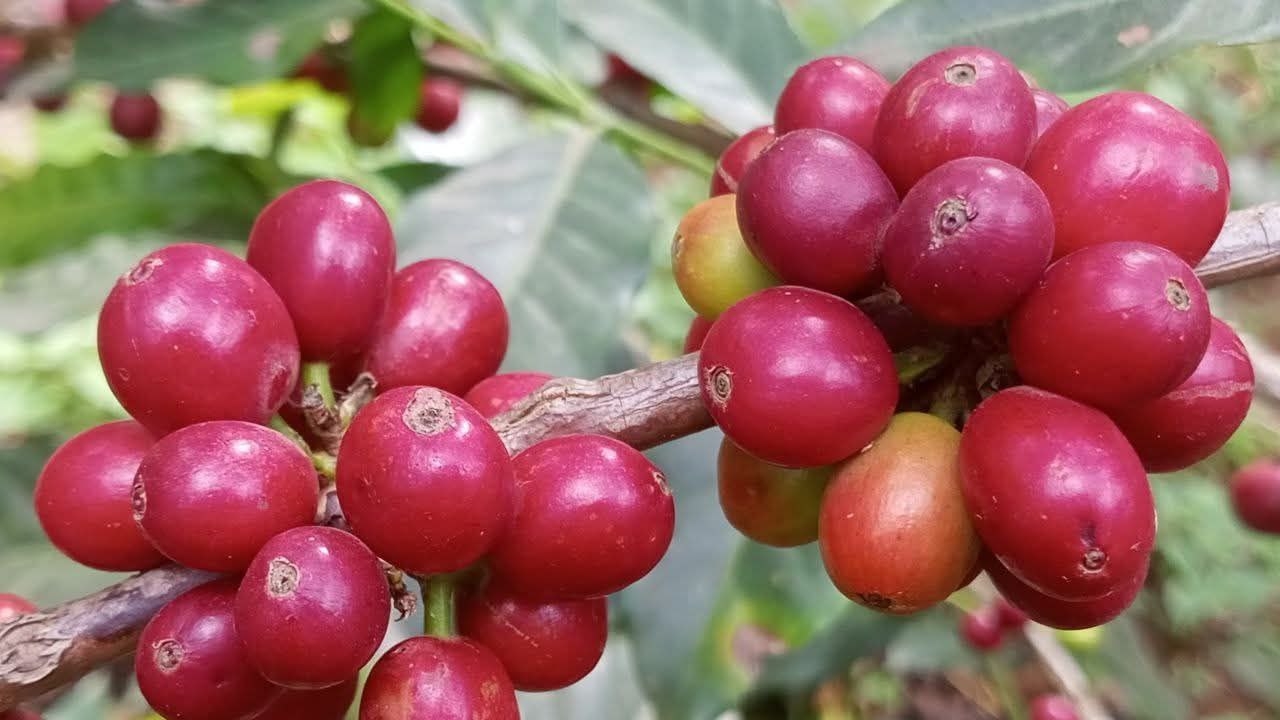
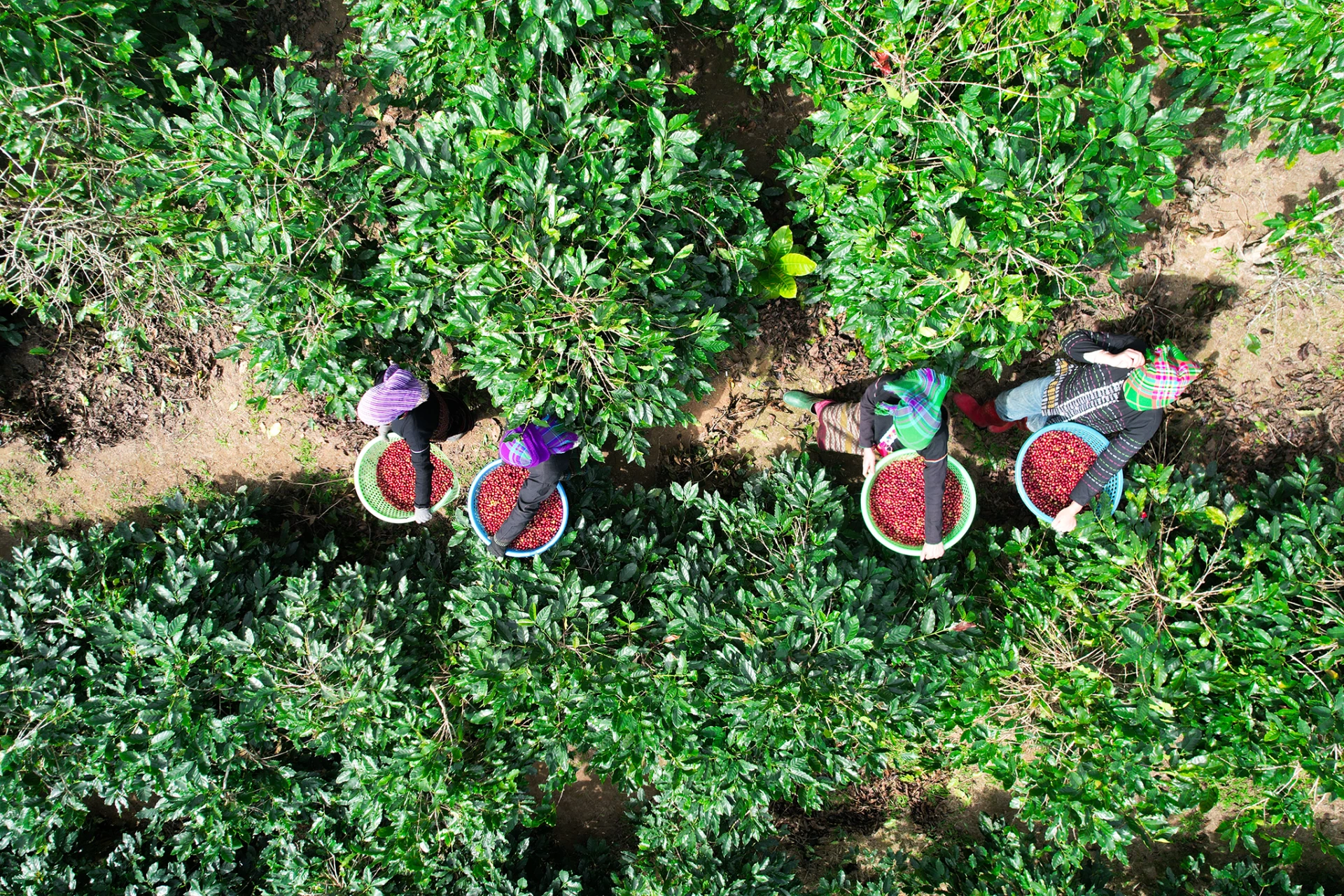
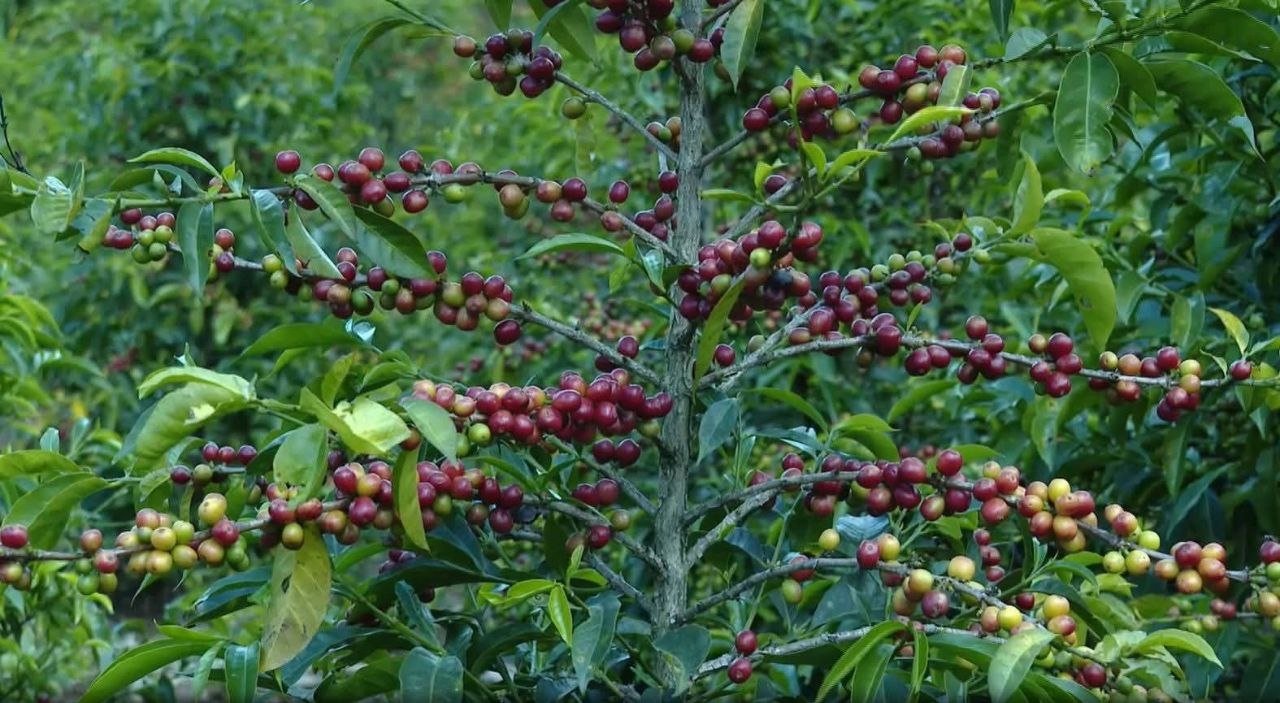
Starting every November, the coffee cherries in Quang Tri’s highlands reach full ripeness. On the rolling hills of Khe Sanh and Huong Phung, bright red Arabica cherries quietly release their rich aroma under the warm sunlight and gentle mountain winds, following the steps of local farmers from their fields to the villages. Each smile of a coffee picker captures a moment of the harvest season, where land, people, and coffee beans come together, telling a gentle story of a region growing stronger through its own fragrant bounty.

Lê Thị Phương Nhi, founder of BruLe Coffee, shared that 2025 was an exceptional year for Khe Sanh and Huong Phung coffee. Harvests were abundant, prices reached record highs, and yields were impressive—some areas produced as much as 25 tons per hectare.

In Xa Ry, coffee is gradually being cultivated organically, transforming from a common crop into a specialty product. This shift has significantly increased farmers’ income, with fresh coffee achieving the highest prices ever recorded, motivating further investments in quality and production expansion.

As the year draws to a close, coffee harvesting becomes a bustling activity across the coffee-growing communes of southwest Quang Tri. Nearly 4,000 hectares of coffee are in full production, and farmers are enthusiastic because this season offers the best yield and prices they have ever seen.

Phan Ngọc Long, Vice Chairman of Huong Phung Commune, reported that the commune has about 2,100 hectares of coffee ready for harvest. Average yields range from 8–10 tons of fresh cherries per hectare, with well-managed farms producing 15–20 tons per hectare. Coffee prices have soared to 24,000–27,000 VND per kilogram, enabling farmers to earn a net profit of 14,000–17,000 VND per kilogram after labor and other costs.

This year’s harvest also provides employment for thousands of seasonal workers, mainly from ethnic minority communities such as Van Kieu and Pa Ko. Daily wages range from 300,000–400,000 VND, giving workers stable income and improving livelihoods, especially at the end of the year.

Local authorities support farmers through marketing partnerships, ensuring transparency in quality and pricing, and preventing fraud. In the fields, the pride of women carefully tending specialty coffee beans is visible in every smile. Coffee cherries are meticulously sorted to ensure premium quality from the very first step.

Huong Phung Arabica is processed through strict procedures: from initial sorting, drying in solar greenhouses, to roasting with modern machinery. Each stage requires precision to preserve the coffee’s elegant aroma, mild acidity, and characteristic sweet finish. Roasted beans emit a captivating fragrance—a harmonious result of earth, climate, and human hands.

This is the unique taste of Huong Phung and Quang Tri, steadily claiming its place on Vietnam’s specialty coffee map.

Khe Sanh and Huong Phung coffee did not reach this success overnight. In previous years, low prices forced many farmers to abandon or replace coffee crops. Between 2010–2015, substantial areas of coffee were cleared for other plants. Today, specialty coffee provides sustainable livelihoods and creates a new path toward green agriculture.

Khe Sanh is no longer just remembered for its turbulent past; it is now recognized as the cradle of Central Vietnam’s Arabica specialty coffee. On hills over 500 meters above sea level, in a year-round mild climate, coffee trees thrive, carrying the aspirations of local highland communities.

Harvesting is done manually with careful selection, ensuring only perfectly ripe cherries are picked—a key factor in producing specialty coffee. According to Lương Thị Ngọc Trâm from Pun Coffee Co., Khe Sanh and Huong Phung’s natural conditions favor Arabica and Catimor varieties. Despite the basin-like terrain not being ideal, the wide day-night temperature difference of 7–9°C allows Arabica to thrive, creating Vietnam’s most distinctive coffee. The tropical monsoon climate, average temperature of 22°C, annual rainfall of 2,262mm, and abundant water resources from lakes, rivers, and streams contribute to high yields and quality.

To promote high-quality Vietnamese coffee globally, the Ministry of Agriculture and Rural Development approved the Vietnam Specialty Coffee Development Project (2021–2030), including Quang Tri. Coffee acreage in the province is projected to expand from 11,500 hectares (2021–2025) to 19,000 hectares (2026–2030), representing a growing share of national production.

During harvest season, the hills of Khe Sanh and Huong Phung come alive with activity. Women in traditional Van Kieu and Pa Ko attire carefully pick the bright red cherries. Handpicking and meticulous selection are crucial steps in producing specialty coffee.

Today, Khe Sanh and Huong Phung coffee is more than an agricultural product—it symbolizes revival, resilience, and the determined spirit of a community rising from a land once scarred by hardship. Among the fragrant hills, Arabica beans narrate a story of Quang Tri: a story of land, people, and a sustainable, hopeful future.

Drier Conditions in Brazil Lift Arabica Coffee Prices

Dubai – Qahwa World

Arabica coffee futures moved higher on Wednesday, reaching their strongest level in about four weeks, while robusta prices weakened. March arabica contracts gained modestly, supported by weather concerns in Brazil and currency movements, whereas robusta futures declined amid ample supply from Vietnam.

Lower-than-normal rainfall across key Brazilian growing regions is providing support to arabica prices. Recent data from Somar Meteorologia showed that Minas Gerais—Brazil’s largest arabica-producing state—received significantly less rainfall than usual in late December, raising concerns about crop development. Brazil is the world’s top producer of arabica coffee, making weather conditions there especially influential for global prices.

Additional support came from a firmer Brazilian real, which reached its strongest level in roughly a month against the US dollar. A stronger currency tends to slow export selling, as Brazilian producers receive fewer local-currency returns from dollar-based coffee sales.

In contrast, robusta prices are under pressure due to strong export volumes from Vietnam, the world’s largest robusta supplier. Official figures indicate that Vietnam’s coffee exports rose sharply in 2025, adding to near-term supply availability.

Inventory trends remain a key focus for traders. Arabica stocks monitored by ICE had previously fallen to their lowest level in nearly two years before rebounding slightly in recent weeks. Robusta inventories also declined to a one-year low earlier in December but have since shown signs of recovery.

Demand patterns have also influenced the market. Earlier US tariffs on Brazilian imports reduced American purchases of Brazilian coffee, leading to tighter inventories in the United States. Although those tariffs have since been reduced, buying activity has not yet fully recovered.

Looking ahead, expectations of larger global supplies are limiting further price gains. Brazil’s crop agency recently raised its forecast for the country’s 2025 coffee output, citing improved conditions. Vietnam is also expected to increase production in the upcoming season, with industry groups projecting strong output if favorable weather continues.

On the global stage, export data suggest some tightening, as shipments declined slightly year over year. However, longer-term projections from the USDA point to record world coffee production in 2025/26, driven by growth in robusta output that more than offsets a decline in arabica production. Ending global coffee stocks are forecast to fall modestly, keeping supply concerns on the radar despite higher overall production.

How Vietnam Turned Coffee Into a Way of Life?

Dubai – Qahwa World

National Geographic has published an in-depth report examining Vietnam’s coffee culture, describing it as one of the most dynamic and inventive in the world—where a once-colonial crop has evolved into a powerful symbol of identity, community, and creativity.

According to the magazine, coffee in Vietnam is far more than a daily stimulant. While many cultures consume coffee quickly or in passing, Vietnamese coffee is typically enjoyed slowly, in social settings that encourage conversation, reflection, and a shared sense of place.

From Colonial Introduction to Global Powerhouse

As reported by National Geographic, coffee was first introduced to Vietnam in 1857 by French missionaries. Early cultivation focused on Arabica beans, which struggled in the country’s climate. Farmers eventually shifted to Robusta, a hardier variety that thrived in the Central Highlands and southern regions.

Following the Vietnam War, coffee became a cornerstone of the country’s economic recovery. Government investment in the 1980s helped transform Vietnam into a major producer, and today it stands as the world’s second-largest coffee exporter after Brazil, the magazine notes.

Innovation Shaped by Scarcity

The report highlights how periods of scarcity fueled Vietnam’s most distinctive coffee traditions. During the 1940s, when fresh milk was difficult to obtain, condensed milk became a staple ingredient. The same era saw the creation of Vietnam’s iconic egg coffee, made by whisking egg yolks with sugar into a rich, creamy topping.

National Geographic also points to the phin filter—a simple metal brewing device—as a defining feature of Vietnamese coffee culture, producing a bold, concentrated brew that reflects both practicality and craftsmanship. Coconut coffee, meanwhile, emerged from the country’s abundance of tropical resources.

Coffee as a Social Ritual

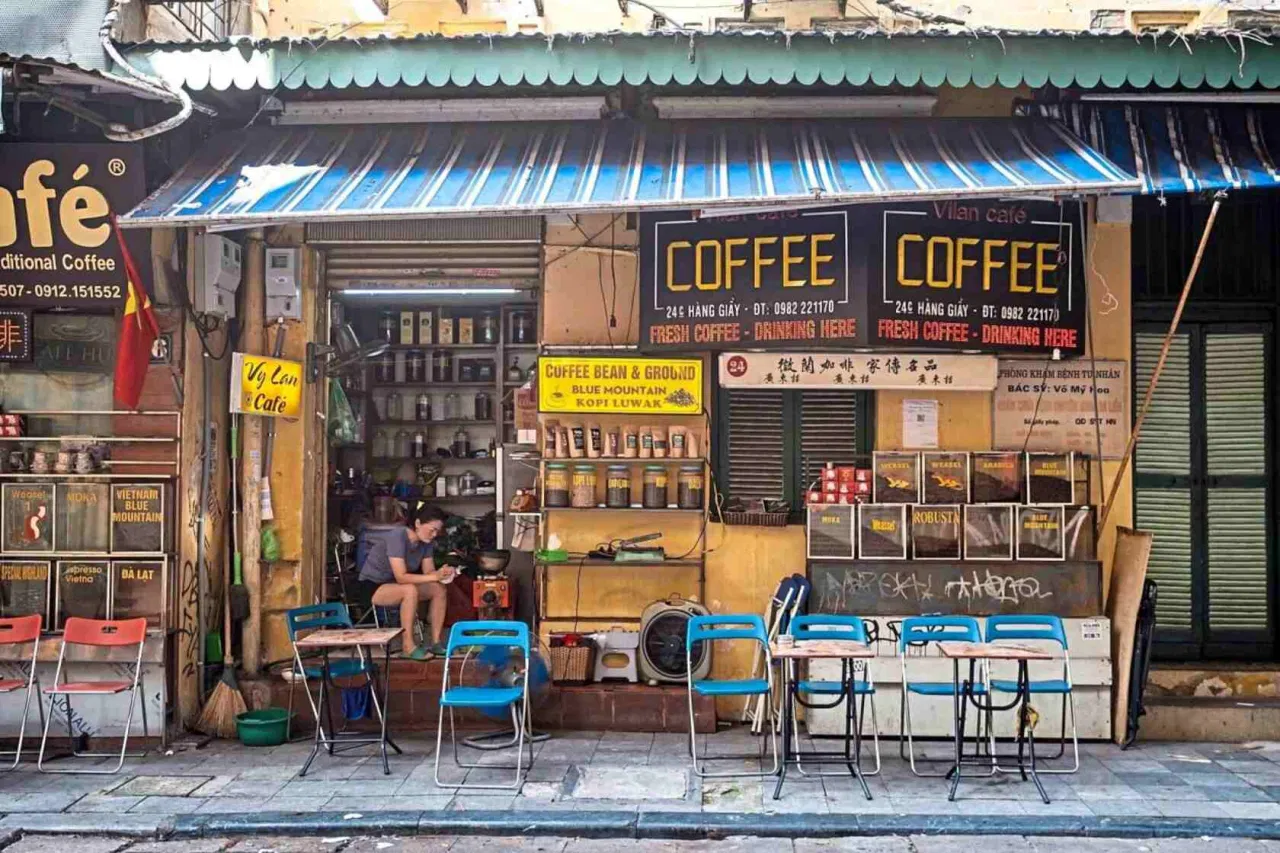
According to voices cited by National Geographic, coffee in Vietnam functions as a social rhythm rather than a rushed habit. From street-side stools in Ho Chi Minh City to neighborhood cafés in Hanoi, coffee drinking is deeply embedded in everyday life.

The magazine reports that this communal approach has increasingly attracted travelers, while younger generations of Vietnamese entrepreneurs are reshaping the industry—focusing on quality, traceability, and thoughtful café experiences that elevate local beans to global standards.

A New Era of Coffee Experiences

National Geographic notes that cities such as Hanoi, Da Nang, and Hoi An now offer a wide spectrum of coffee experiences. Traditional cafés coexist with specialty shops, luxury hotels, and curated tasting programs that introduce visitors to Vietnam’s diverse coffee terroirs.

The report also highlights the growing presence of coffee-based cocktails and modern mixology, where Vietnamese Robusta beans are used to add depth and structure to innovative drinks, reflecting the country’s evolving culinary creativity.

A Living Cultural Legacy

In conclusion, National Geographic emphasizes that Vietnam’s relationship with coffee mirrors the nation’s broader history—shaped by colonial influence, hardship, and adaptation, yet ultimately defined by ownership and pride.

As the magazine observes, drinking Vietnamese coffee today is not simply about flavor, but about experiencing a collective memory of resilience, reinvention, and hope.

Coffee Prices Mixed as Brazil Rainfall Lags and Vietnam Exports Surge

Dubai – Qahwa World

Coffee futures ended mixed on Monday, January 5, with arabica prices settling higher while robusta declined to a one-week low. March arabica coffee rose about 0.6%, supported by below-normal rainfall in Brazil and a stronger Brazilian real, while March robusta fell between 1% and 2.5% under pressure from rising Vietnamese supplies.

Arabica prices drew support after Somar Meteorologia reported that Minas Gerais—Brazil’s largest arabica-growing region—received just 47.9 millimeters of rain in the week ending January 2, only 67% of the historical average. Weather concerns remain important for Brazil, the world’s largest arabica producer. Additional support came from the Brazilian real strengthening to a three-week high against the U.S. dollar, which discourages Brazilian growers from selling coffee into export markets.

In contrast, robusta prices weakened as supply concerns eased. Vietnam’s National Statistics Office reported that 2025 coffee exports surged 17.5% year over year to 1.58 million metric tons. Vietnam is the world’s largest robusta producer, and expectations for higher output continue to weigh on prices. Production for the 2025/26 season is projected to rise about 6%, with industry groups suggesting output could climb as much as 10% if weather remains favorable.

Inventory trends remain mixed but generally supportive. ICE-monitored arabica inventories fell to a 1.75-year low in November before rebounding modestly in late December, while robusta inventories also recovered slightly after hitting a one-year low earlier in the month. Meanwhile, U.S. coffee stocks remain tight after American buyers sharply reduced Brazilian purchases last fall due to temporary import tariffs, which caused U.S. imports from Brazil to drop more than 50% year over year during that period.

Longer-term supply expectations continue to pressure the market. Brazil’s crop agency Conab recently raised its 2025 production estimate to 56.54 million bags. Globally, the USDA projects world coffee production in 2025/26 will rise 2% to a record level, driven by strong growth in robusta output despite a projected decline in arabica production. Ending stocks are expected to fall modestly, offering some offsetting support.

Overall, the coffee market remains caught between near-term weather and currency support for arabica and ample robusta supplies led by Vietnam, keeping prices volatile and direction mixed.

Coffee Prices Rise as Brazilian Real Strengthens and Supply Risks Grow

Dubai – Qahwa World

Coffee futures finished higher on Friday after reversing early weakness, supported by currency movements and renewed supply concerns. March arabica coffee contracts rose sharply, while March robusta prices posted a modest gain.

A key driver of the rebound was strength in Brazil’s currency. The Brazilian real climbed to its strongest level in roughly two weeks against the U.S. dollar, making exports less attractive for Brazilian producers. That shift prompted short covering in coffee futures and helped lift prices into the close.

Weather-related disruptions in Southeast Asia are also lending support. Severe flooding in Indonesia has affected a significant portion of arabica-growing areas in northern Sumatra. Industry officials estimate the damage could cut Indonesia’s coffee exports by up to 15% during the 2025/26 season. Indonesia is a major global supplier, particularly of robusta coffee, and any reduction in output adds to market uncertainty.

Concerns about Brazil’s crop conditions have not faded. Recent data from a private weather firm showed that Minas Gerais—Brazil’s largest arabica-producing region—received far less rainfall than normal in late December. Below-average moisture during this critical period has raised doubts about yield potential for the upcoming harvest.

Inventory trends remain another supportive factor. Arabica coffee stocks monitored by ICE fell to multi-year lows in November before rebounding modestly in recent weeks. Robusta inventories followed a similar pattern, touching their lowest levels in a year before seeing a short-term recovery. Despite the recent uptick, overall stock levels remain relatively tight by historical standards.

On the demand side, U.S. coffee inventories remain constrained. Earlier trade barriers sharply reduced American purchases of Brazilian coffee during late summer and early fall. Although those tariffs have since been reduced, imports have yet to fully recover, leaving supply channels under pressure.

Still, longer-term supply expectations continue to cap rallies. Brazil’s national crop agency recently raised its estimate for the country’s 2025 coffee output, citing improved conditions compared with earlier forecasts. Meanwhile, robusta markets remain weighed down by strong production and export data from Vietnam.

Vietnamese coffee shipments surged late last year, and output for the 2025/26 season is expected to rise further if weather remains favorable. As the world’s largest robusta producer, Vietnam’s expanding supply continues to temper bullish sentiment in that segment of the market.

Globally, mixed signals persist. While international coffee exports have edged slightly lower year over year, production forecasts point to a record crop in the coming season. Arabica output is projected to decline, but gains in robusta production are expected to more than offset those losses. Ending stocks are forecast to fall modestly, suggesting a tighter balance than last year but not an outright shortage.

Overall, coffee prices are being pulled in opposite directions—near-term supply risks and currency dynamics are supporting the market, while expectations of ample global production continue to limit upside potential.

Coffee Prices Find Support Amid Indonesian Flooding

Dubai – Qahwa WORLD

Global coffee prices showed mixed movement on Tuesday, with market sentiment shaped by supply concerns in Southeast Asia and updated production forecasts from major producing countries.

Arabica coffee futures for March delivery edged lower, while robusta contracts for January moved higher. The divergence reflects differing supply dynamics for the two varieties.

Prices have received support from extensive flooding in Indonesia, a key coffee producer. Recent reports indicate that floodwaters have affected roughly one-third of arabica coffee farms in northern Sumatra. Robusta-growing areas, however, appear to have suffered less damage, limiting the overall impact on Indonesia’s export capacity.

Weather developments in Brazil also influenced the market. According to Somar Meteorologia, Minas Gerais — the country’s largest arabica-producing region — recorded 38.3 millimeters of rainfall during the week ending December 19. This amount represents approximately 76% of the historical weekly average, easing concerns about drought stress in key growing zones.

Despite these supportive factors, expectations of ample global supply continue to weigh on prices. Brazil’s agricultural forecasting agency revised its 2025 coffee production estimate upward in early December, projecting total output at 56.54 million bags, compared with a previous estimate of 55.20 million bags.

Robusta prices remain under pressure due to strong export flows from Vietnam. Official statistics showed that Vietnam’s coffee exports surged sharply in November, with shipments rising significantly compared to the same month last year. Cumulative exports for the January–November period also posted strong year-on-year growth.

Arabica prices, meanwhile, found some support from lower Brazilian export volumes. Data from Brazil’s coffee exporters association indicated a notable decline in green coffee exports in November compared with the same period last year.

Inventory levels on ICE exchanges have also played a role in recent price movements. Certified arabica stocks fell to their lowest level in more than a year in late November before rebounding in December. Robusta inventories followed a similar pattern, declining to multi-month lows earlier in the month and then partially recovering.

Trade flows to the United States added another layer of complexity. Purchases of Brazilian coffee by U.S. buyers dropped sharply during the period when higher tariffs were in place earlier in the year. Although those tariffs have since been reduced, U.S. inventories remain tight following the earlier slowdown in imports.

Looking ahead, rising production in Vietnam is seen as a bearish factor. Forecasts for the 2025/26 season suggest higher output, with industry groups indicating that favorable weather conditions could push production well above last year’s levels. Vietnam remains the world’s leading producer of robusta coffee.

At the global level, some indicators point to tighter supply. The International Coffee Organization recently reported a slight decline in global coffee exports for the current marketing year.

However, longer-term projections suggest overall production growth. The U.S. Department of Agriculture expects global coffee output in the 2025/26 season to reach a record level, driven by increased robusta production, even as arabica output is forecast to decline. Ending stocks are projected to fall compared with the previous season, reflecting ongoing demand and inventory adjustments.

Arabica Coffee Drives Economic Development in Tiengan Ward

Vietnam—Qahwa World

Ward in Son La Province, northern Vietnam, is gradually becoming a center for high-quality Arabica coffee production. Coffee plantations are helping local residents increase their incomes and escape poverty. In 2025, the area is focusing on high-yield varieties, modern technologies, and cooperative farming models.

Just a few minutes from the provincial center, the green and productive Arabica coffee plantations of Tiengan Ward thrive. Thanks to an elevation of over 900 meters above sea level and a mild climate, the local coffee is known for its rich aroma and light acidity, making it suitable for specialty coffee production.

As of 2025, coffee plantations in Tiengan cover more than 350 hectares, with over 80% planted with high-yield Arabica. Yields reach 1518 tons per hectare, 1012% higher than during 20202023, reflecting changes in approaches to rural economic development.

Nguyen Van Tuan, Chairman of the People’s Committee of Tiengan Ward, Son La Province, stated: “Arabica is regarded as a key crop, with a focus on organic production and the renewal of varieties to improve both quality and local incomes.”

Ka Thi Thuong, the head of Tam Quynh Village in Tiengan Ward, was among the first to successfully switch to high-yield Arabica. She said: “The village covers 772 hectares. On average, about 8 tons of Arabica are harvested per hectare. This year’s yield was particularly high: the majority of families earned more than USD 3,800, while some earned over USD 38,000.”

Beyond Thuong’s family, more than 700 households in Tiengan rely on coffee for income, earning 120150 million VND annually, contributing significantly to the local economy.

Today, Son La Province is the largest center for Arabica coffee in Vietnam, with over 20,000 hectares of plantations, representing nearly 60% of all Arabica-growing areas in the country. The “Son La Arabica” brand is gradually gaining national recognition, from coffee competitions to exports.

Vuong Van Hai, chairman of the provincial tea association, said:

“Son La focuses on producing high-quality specialty coffee and developing the sector according to geographical indications, while strictly adhering to quality standards and environmental requirements.”

Coffee not only generates income but also drives the development of primary and advanced processing, trade, and agrotourism, creating stable jobs for local residents.

Tiengan Ward aims to build a closed-loop “coffee economy” that combines environmental protection with sustainable development. One of the key initiatives in 2025 is the adoption of modern technologies in coffee cultivation: smart drip irrigation systems, the use of organic biofertilizers, and selective harvesting. These measures help achieve more uniform bean quality, higher sugar content, and consistent flavor.

From the first coffee trees planted on hillside slopes to today, Tiengan Ward is steadily moving toward a more prosperous economic future. Coffee beans have become a symbol of renewed thinking and confidence in modern agricultural development. As local farmers continue to tie their future to Arabica, the story of “prosperity from the mountains” is increasingly visible in the lush greenery of Tiengan’s coffee plantations.

Why Brazil Is Turning to Robusta Over Arabica?

Dubai – Qahwa World

Brazil, the largest producer of coffee globally, is gradually changing its approach to cultivation as climate change challenges traditional arabica crops. Rising temperatures, prolonged droughts, and increased disease pressure are encouraging more farmers to invest in robusta, a coffee variety that tolerates heat better and offers a stronger, more bitter flavor along with higher caffeine content.

The country’s main arabica-growing regions have experienced more frequent and severe droughts, reducing the resilience of this mild variety. While arabica remains Brazil’s primary export, robusta production has expanded rapidly, increasing by over 81% in the past decade, according to the U.S. Department of Agriculture.

Fernando Maximiliano, Coffee Market Intelligence Manager at StoneX, notes that robusta growth is primarily a response to climate-related losses in arabica, rather than a shift in consumer demand. Over the past three years, arabica production has increased by roughly 2–2.5% annually, while robusta has grown about 4.8% per year. This year, robusta production surged nearly 22%, marking a record harvest, reflecting its ability to withstand adverse weather and deliver profitable yields.

In hotter regions unsuitable for arabica, farmers are adopting strategies to grow robusta successfully, including planting coffee trees under the shade of native or other species to maintain soil moisture and protect the plants from heat. Jonatas Machado, commercial director of Café Apuí, emphasizes that such methods help maintain productivity and bean quality.

Although Vietnam remains the world’s top robusta producer, Brazil is closing the gap and may surpass it due to its structured supply chain. Robusta has higher caffeine and a stronger taste than arabica, but younger consumers tend to focus less on origin or roast notes, favoring personalized drinks with milk, syrups, and creamers that mask the flavor.

As coffee prices rise, robusta may become even more attractive to consumers. In Europe, the gap between arabica and robusta prices is expected to widen due to regulations requiring imported commodities to prove they do not come from recently deforested or degraded land; instant coffee, largely made from robusta, is exempt from these rules. Europe accounts for nearly half of global instant coffee revenue, according to Grand View Research.

Robusta’s growing popularity, high productivity, and improved quality have convinced an increasing number of Brazilian producers to invest in it. Alexsandro Teixeira, a researcher at the Brazilian Agricultural Research Corporation, notes that higher quality beans have enhanced consumer appeal and contributed to rising robusta prices.

Coffee Prices Plunge as Trump Removes Tariffs on Brazilian Products

Dubai – Qahwa World

On Friday, coffee prices fell sharply, with March arabica futures (KCH26) down 1.91% and January robusta futures (RMF26) falling 2.70%. Arabica reached a seven-week low.

The decline followed an executive order signed by President Trump late Thursday, exempting Brazilian food products from tariffs, including the 40% duty on Brazilian coffee. Prices dropped further after the Brazilian real weakened to a five-week low against the dollar, boosting the competitiveness of Brazilian coffee exports.

Weather factors also influenced the market. Heavy rains are forecast across Brazil’s main coffee-growing regions into next week, which benefits crop development but puts downward pressure on prices.

Robusta prices found some support from Vietnam, where heavy rainfall delayed harvesting in Dak Lak, the country’s largest coffee-producing province. Additional showers may damage crops further, providing some upward pressure on prices.

Inventory trends on ICE exchanges were mixed. US tariffs had previously limited Brazilian coffee imports, reducing stocks. As of Thursday, ICE-monitored arabica stocks dropped to a 1.75-year low of 398,645 bags, while robusta inventories fell to a four-month low of 5,567 lots. US buyers have been avoiding new Brazilian coffee contracts due to tariffs, tightening domestic supply, as roughly one-third of unroasted coffee in the US comes from Brazil. From August to October 2025, US imports of Brazilian coffee fell 52% year-on-year to 983,970 bags.

Rainfall data also influenced the market. Brazil’s largest arabica region, Minas Gerais, recorded 19.8 mm of rain in the week ending November 14 — 42% of the historical average, according to Somar Meteorologia.

On the supply side, analysts at StoneX forecast Brazil’s 2026/27 coffee crop at 70.7 million bags, including 47.2 million bags of arabica — a 29% increase year-on-year.

Vietnam’s coffee production is also rising. January–October 2025 exports increased 13.4% year-on-year to 1.31 million metric tons. Production for the 2025/26 crop year is projected at 1.76 million metric tons (29.4 million bags), a four-year high. The Vietnam Coffee and Cocoa Association (Vicofa) expects production to be 10% higher than last year if weather conditions remain favorable. Vietnam remains the world’s largest robusta producer.

Global supply data show mixed signals. The International Coffee Organization reported on November 7 that world coffee exports for the current marketing year (October–September) fell 0.3% year-on-year to 138.658 million bags.

Brazil’s Conab forecasted a smaller 2025 arabica crop, reducing it by 4.9% to 35.2 million bags, while total coffee production was adjusted down 0.9% to 55.2 million bags.

The USDA projects global coffee production in 2025/26 at a record 178.68 million bags, with arabica down 1.7% to 97.022 million bags and robusta up 7.9% to 81.658 million bags. Brazil’s crop is expected to rise 0.5% to 65 million bags, and Vietnam’s output is forecast up 6.9% to 31 million bags, a four-year high. Ending stocks for 2025/26 are projected at 22.819 million bags, up 4.9% from the previous year.

Arabica Leads the Recovery: Coffee Outperforms Sugar, Cotton, and Cocoa in Q3 2025

Dubai – Qahwa World

The agricultural commodities sector gained 1.89% in Q3 2025, driven by strong advances in Arabica coffee and frozen concentrated orange juice (FCOJ) futures. Despite the quarterly rise, the sector remained 19.25% below its 2024 closing level, with four of five major agricultural commodities ending lower and two down more than 40%.

Arabica coffee was the best-performing agricultural commodity in Q3, climbing 22.2% amid concerns over Brazil’s crop outlook and posting a 17.23% year-to-date increase. Futures closed at $3.7485 per pound at the end of September and climbed further to $4.0875 by mid-October, marking coffee as the standout performer of 2025 so far.
The monthly chart shows sustained bullish momentum that began in late 2024.

Cocoa, however, led the downside after reaching an all-time high of $12,931 per ton in late 2024. Prices plunged 27.86% in Q3 and 42.19% since the start of 2025, closing at $6,749 per ton in September and falling below $5,900 in mid-October. Analysts point to commodity cyclicality — high prices trigger oversupply, larger inventories, and weaker demand.

World sugar futures (#11) rose 4% in Q3 but are still 16.41% lower year-to-date. Prices settled at 16.10 cents per pound at the end of September, well below the November 2023 peak of 28.14 cents. By mid-October, March 2026 contracts were trading near 15.60 cents, extending the bearish trend.

Cotton prices slipped 0.77% in Q3 and 3.85% year-to-date. Futures closed September at 65.77 cents per pound and hovered slightly lower at around 65 cents in mid-October. Cotton has trended downward since the May 2022 high of $1.5595 per pound, though current levels may offer a foundation for recovery if production contracts due to low prices.

While FCOJ gained 11.90% in Q3, it remained the worst-performing agricultural commodity year-to-date, down 51.04%. Prices fell from a December 2024 record of $5.4315 per pound to $2.4355 by the end of September and slipped below $2 in mid-October.
Analysts note that FCOJ’s limited liquidity amplifies volatility, with low open interest and trading volumes causing sharper price swings.

As Q4 begins, coffee prices remain elevated while cocoa, sugar, cotton, and FCOJ continue to slide. However, sugar and cotton may find cyclical support, as low prices typically drive production cuts, inventory drawdowns, and stronger demand — setting the stage for a rebound.

Weather conditions, crop health, trade policies, and geopolitics will continue to shape volatility across agricultural commodities. While coffee may face corrective pressure after its rally, sugar and cotton appear the most likely candidates for recovery — particularly cotton, which tends to peak in Q1–Q2 amid planting uncertainty. With prices below 66 cents per pound, cotton could emerge as the strongest recovery play for 2026.

“Agricultural commodities led the asset class in 2023 and 2024 but have fallen behind in 2025. Yet, cyclicality remains the driving force — where lows are found, the next rallies begin.”

Arabica Coffee Prices Dip as Brazil Rains and Tariff Talks Pressure Market

Dubai – Qahwa World

Arabica coffee prices fell on Wednesday as forecasts of rainfall in Brazil’s coffee belt and renewed trade discussions between Brazil and the United States triggered selling in the futures market.

On the ICE exchange, December Arabica (KCZ25) dropped by –4.75 points (–1.19%), while November Robusta (RMX25) rose by +55 points (+1.23%). The session began with an upward trend but later reversed, with traders reacting to changing weather expectations and tariff concerns.

Traders who had bet on prolonged dry conditions liquidated positions after new forecasts showed that Brazil’s main coffee-growing regions would receive rain later this week. The shift came just after reports of drought-related stress in Minas Gerais, where rainfall during the week ending October 11 reached only 48% of the historical average, raising concerns for the crucial flowering phase of the 2026/27 crop.

Market sentiment also shifted after Bloomberg reported that Brazilian Foreign Affairs Minister Mauro Vieira is set to meet U.S. Secretary of State Marco Rubio on Thursday to discuss tariffs. The talks come amid ongoing U.S. import tariffs of 50% on Brazilian coffee, which have already reduced shipments and tightened U.S. supplies.

ICE-monitored arabica inventories fell to a 1.5-year low of 494,558 bags, while robusta inventories slipped to 6,200 lots, their lowest in nearly three months. Meanwhile, the NOAA recently raised the likelihood of a La Niña event to 71% for October–December, potentially bringing drier conditions to Brazil and heightening risks for the next harvest.

In contrast, Vietnam’s Central Highlands, the country’s main coffee zone, is forecast to receive above-average rainfall through October 20 — with Dak Lak province expecting 70 mm, compared with a historical average of 61 mm. The favorable weather supports a strong 2025/26 robusta crop, with production projected to rise by 6% year-on-year to 1.76 million tons (29.4 million bags) — a four-year high.

According to the Vietnam National Statistics Office, coffee exports in the first nine months of 2025 climbed 10.9% year-on-year to 1.23 million tons, adding to global supply pressures.

The U.S. Foreign Agricultural Service (FAS) projects 2025/26 global coffee production at a record 178.68 million bags, up 2.5% from the previous year. Arabica output is expected to decline 1.7%, while robusta rises 7.9%.

Brazil’s total coffee production is forecast at 65 million bags, up 0.5%, while Vietnam’s is seen reaching 31 million bags, up 6.9%.

However, global trading firm Volcafe anticipates an arabica deficit of 8.5 million bags for 2025/26 — the fifth consecutive annual shortfall.