Lavazza Launches Regenerative Coffee for Professionals

Dubai – Qahwa World

On Earth Day, Lavazza has introduced La Reserva de ¡Tierra! Selection, its first coffee for the professional channel certified under the regenerative agriculture standard developed by the Rainforest Alliance.

The launch marks a new step in the company’s sustainability strategy, combining existing Rainforest Alliance Sustainable Agriculture certification with the newer regenerative agriculture certification. The dual certification reflects farming practices aimed at restoring ecosystems, improving soil health, protecting biodiversity, and supporting coffee-growing communities.

The development follows a multi-year effort by Lavazza to integrate regenerative agriculture across its supply chain. Since 2023, the group has advanced projects through its research, development, and corporate social responsibility teams in origin countries, focusing on agronomic practices, environmental impact measurement, traceability, and farmer engagement.

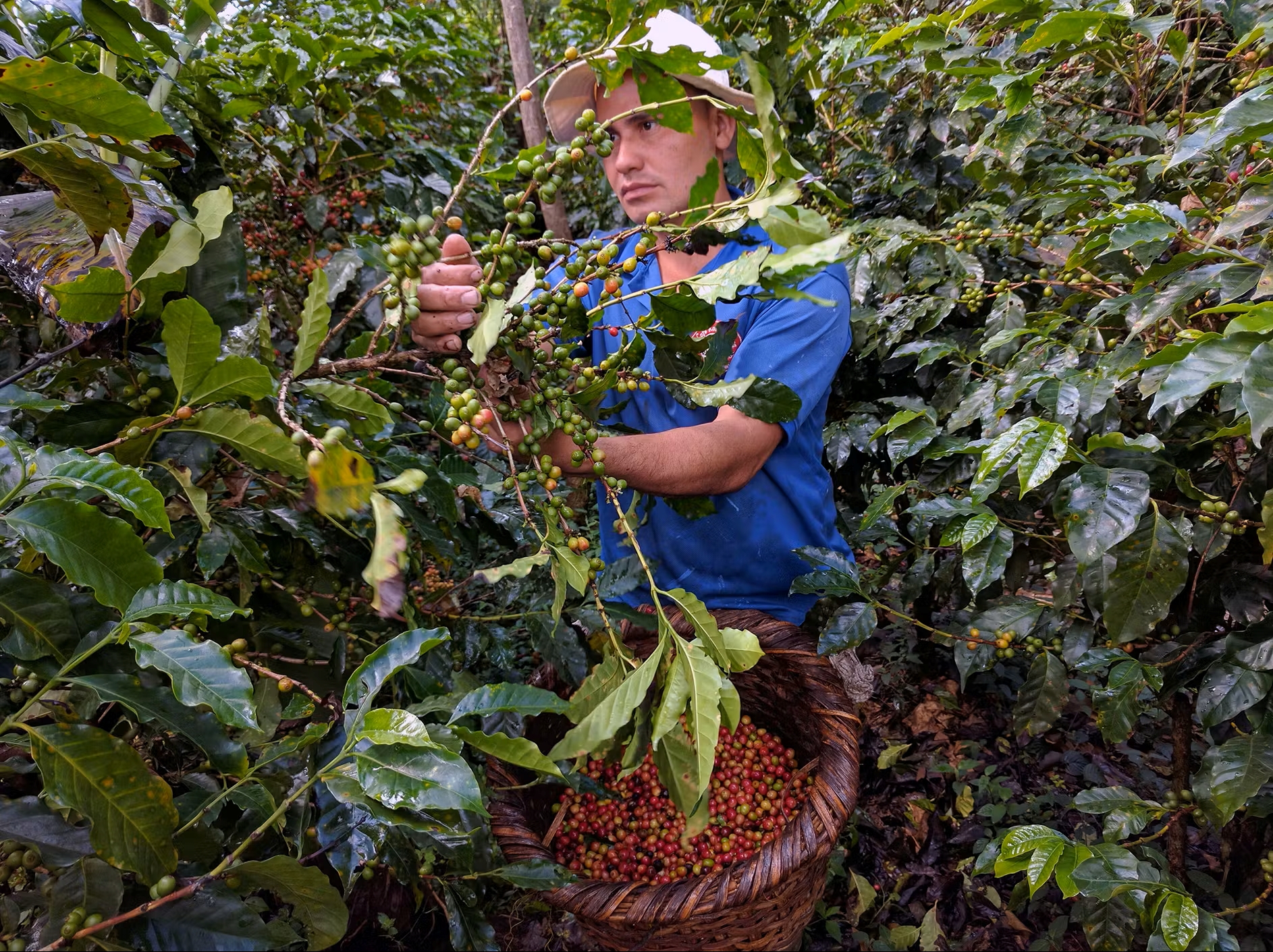
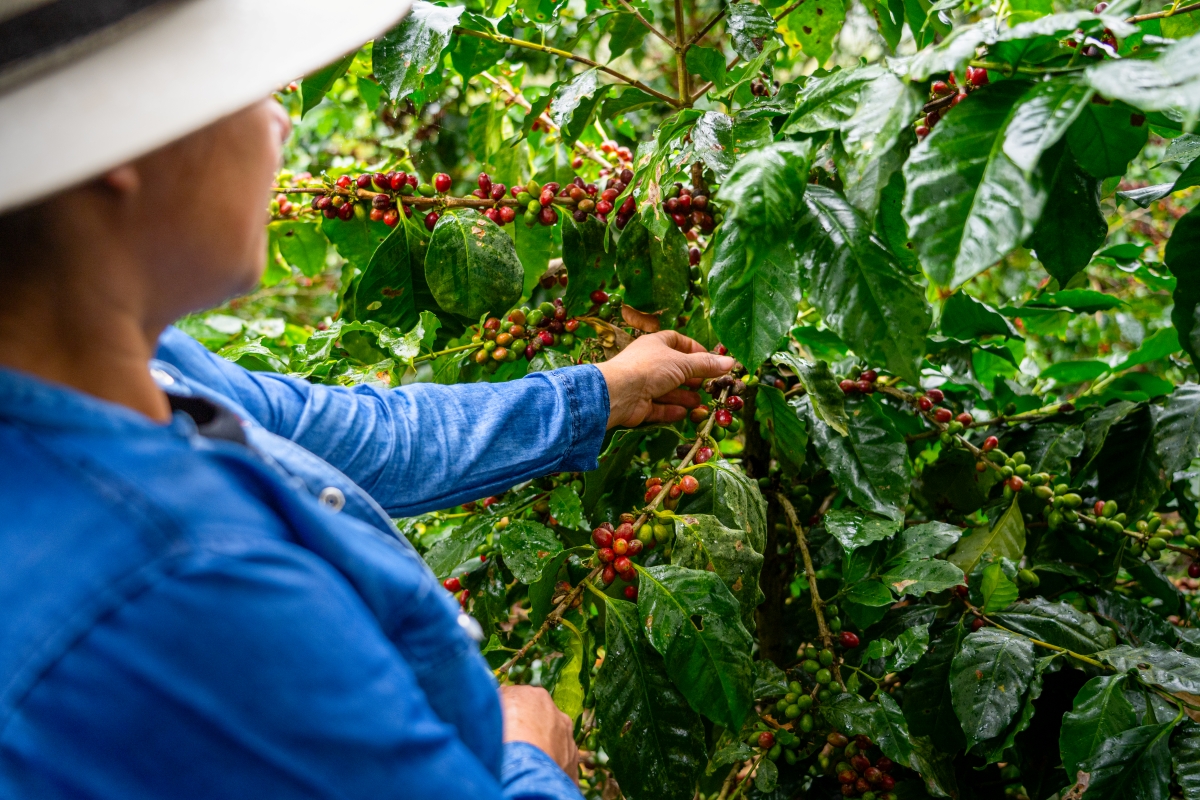
In parallel, the company has supported an early implementation program in Honduras, where more than 70 farms have achieved certification under the Rainforest Alliance Regenerative Agriculture Standard. The initiative included technical training, operational support, and structured guidance to assist farmers in transitioning to regenerative practices.

According to Lavazza, this combined approach has enabled the faster introduction of a coffee product meeting both certification standards, building on its partnership with the Rainforest Alliance that dates back more than two decades.

The Rainforest Alliance Regenerative Agriculture Standard is designed to promote a “Nature Positive” approach to farming. It emphasizes soil restoration, climate resilience through agroforestry, biodiversity protection, improved water management, and better livelihoods for farming communities.

La Reserva de ¡Tierra! Selection is a 100% Arabica blend, combining natural coffees from Brazil with washed coffees from Honduras. Developed for the food service sector, it offers a balanced flavor profile with notes of jasmine, almonds, and milk chocolate, and is designed for consistent extraction in professional settings.

The blend includes coffee sourced from certified farms in Brazil and Honduras, along with a portion from a project supported by the Lavazza Foundation in Brazil’s Minas Gerais region. The initiative focuses on farmer training, agricultural planning, and improvements to living conditions.

Lavazza said the new product will be available in international markets starting in June, supported by a digital campaign highlighting its regenerative agriculture efforts and collaboration with certified farms.

Founded in Turin in 1895, Lavazza operates in more than 140 markets and remains one of the leading global coffee companies, with a portfolio that includes several international brands. The Rainforest Alliance continues to work with farmers, companies, and communities worldwide to promote sustainable agriculture and environmental conservation.
Global Coffee Prices Fall as Brazil Crop Outlook Signals Oversupply

Dubai – Qahwa World

Global coffee prices declined at the start of the week as expectations of strong supply weighed on market sentiment, particularly with Brazil’s harvest approaching.

Arabica coffee had already fallen to its lowest level in several weeks, pressured by forecasts pointing to a potentially record-breaking Brazilian crop for the 2026/27 season. Analysts from multiple firms have raised their production estimates, with projections suggesting output could exceed 75 million bags. If realized, this would mark a significant increase from the previous season and reinforce expectations of abundant supply.

The global balance is also shifting. Current estimates indicate that the coffee market could move into a much larger surplus in 2026, compared to a relatively modest surplus the year before. This outlook has contributed to the recent downward trend in prices.

Vietnam is adding further pressure to the market. As the world’s leading robusta producer, the country has reported rising export volumes in early 2026, continuing the strong performance seen last year. Production is also expected to increase, reaching a multi-year high and boosting global robusta availability.

Despite the broader bearish outlook, some factors are offering limited support to prices. Robusta inventories monitored by exchanges have recently dropped to their lowest level in over a year, indicating tighter short-term supply.

There are also ongoing concerns about global trade conditions. Higher shipping and logistics costs continue to affect the coffee sector, increasing expenses for exporters and roasters and adding uncertainty to supply chains.

Meanwhile, Brazil’s recent export data shows a decline compared to the same period last year, suggesting a temporary tightening in available shipments even as larger future harvests are anticipated.

Looking ahead, global coffee production for the 2025/26 season is still expected to reach a record level. While arabica output may see a slight decrease, robusta production is forecast to rise significantly, helping to balance overall supply. Ending stocks are projected to decline modestly, indicating that while supply is strong, stock levels may not increase dramatically.

Coffee Markets Decline as Supply Fears Subside

Dubai – Qahwa World

Coffee futures moved lower at the end of the week, with both arabica and robusta contracts posting notable losses. Arabica dropped to its lowest level in about a week, while robusta also weakened.

The decline was linked in part to improving conditions in global shipping. Iran’s announcement that the Strait of Hormuz has reopened helped calm earlier concerns about disruptions, suggesting smoother trade flows and reducing anxiety over supply constraints.

Earlier in the week, arabica had already been under pressure, touching a one-month low as expectations grew for a strong harvest in Brazil. Several industry forecasts point toward a record crop in the 2026/27 season, with estimates clustering above 75 million bags. Some analysts also anticipate a significant expansion in the global coffee surplus, potentially reaching its highest level in several years.

Meanwhile, Vietnam continues to play a major role on the supply side. The country, the leading producer of robusta coffee, has reported rising export volumes. Shipments in the first quarter increased compared to the same period last year, and full-year exports have also shown solid growth. Production in the current season is expected to climb to a multi-year high, adding further pressure to prices.

Despite this broader supply outlook, some factors are offering limited support. Inventories of robusta monitored by the ICE exchange have declined to their lowest level in over a year, indicating tighter availability in certified stocks.

In Brazil, export data has been mixed. Recent figures show a drop in shipments compared to last year, which may lend some support to prices. Weather is also being closely watched, as below-average rainfall in key growing regions like Minas Gerais could affect crop yields.

On the global stage, export volumes have edged slightly lower in the current marketing year, according to international data. However, overall production is still expected to rise in the 2025/26 season, driven by gains in robusta output despite a projected decline in arabica production.

Looking ahead, forecasts suggest Brazil’s total production may ease slightly, while Vietnam’s output is likely to increase. At the same time, global ending stocks are expected to shrink, reflecting ongoing shifts in supply and demand dynamics.

Brazil Export Decline Supports Coffee Prices

Dubai – Qahwa World

Coffee prices moved higher midweek, with both arabica and robusta futures posting gains. Robusta led the advance, reaching its strongest level in roughly one and a half weeks, supported by tightening near-term supplies.

A key factor behind the upward movement is reduced export activity from Brazil. Recent figures indicate that shipments of green coffee declined in March compared to the same month last year. Broader trade data also shows a sharp drop in overall coffee exports, reinforcing concerns about limited supply from the world’s leading producer.

In the robusta segment, falling inventories have added to the bullish sentiment. Exchange-monitored stockpiles have dropped to their lowest levels in more than a year, highlighting ongoing supply tightness in the physical market.

Weather conditions are also contributing to price support. Brazil’s main arabica-growing region, Minas Gerais, has received significantly less rainfall than usual in recent weeks. Reduced precipitation during key crop development stages may affect yields, adding uncertainty to future supply.

However, the broader outlook remains complex. Earlier projections of a large upcoming Brazilian crop continue to weigh on market sentiment. Several forecasts point to record production in the 2026/27 season, with global supply potentially expanding into a sizeable surplus.

At the same time, rising certified inventories for arabica have recently pressured prices, reflecting improved availability in some segments of the market.

Global logistics challenges are adding another layer of influence. Disruptions to major shipping routes have increased freight, insurance, and fuel costs, raising expenses for importers and roasters and contributing to overall market volatility.

Meanwhile, Vietnam continues to strengthen its position in the robusta sector. Strong export performance and expectations of increased production could help offset supply constraints from Brazil.

Earlier in the year, coffee prices declined sharply amid expectations of abundant global output. Forecasts suggest that worldwide production could reach record levels in the coming seasons, driven largely by Brazil and Vietnam.

Even so, global stock levels are expected to edge lower, with ending inventories projected to decline compared to the previous season. This balance between strong production and tightening stocks underscores the mixed and evolving outlook for the global coffee market.


Costa Rican Coffee Farmers Hit by Strong Colón and Falling Prices

Dubai – Qahwa World

Coffee growers across Costa Rica are facing mounting financial pressure as two powerful forces converge: a sharply stronger national currency and declining global coffee prices. Industry leaders warn that the combination could significantly reduce farm income in the coming harvest and deepen the economic strain on rural coffee communities.

For a sector long recognized for producing high-quality Arabica coffee, the current environment highlights how global market shifts and domestic economic trends can quickly reshape the outlook for producers.

  • Currency Strength Erodes Export Earnings

Coffee in Costa Rica is sold on international markets in United States dollar, while most production costs—such as wages, fertilizers, transportation, and farm maintenance—are paid in Costa Rican colón.

You may read:Brazil’s Specialty Coffee Sector Gains Global Momentum

As the colón strengthens, every dollar earned from coffee exports converts into fewer colones. This reduces the real income farmers receive even when the global coffee price remains stable.

Exchange-rate data released by the Banco Central de Costa Rica show the dollar trading near ₡470 in mid-March 2026, significantly stronger for the local currency compared with rates above ₡680 only a few years earlier.

For export sectors such as coffee, the shift has created a challenging environment. While a strong currency can help reduce the cost of imported goods for consumers, it often compresses margins for industries that rely on international sales.

  • Factors Behind the Strong Colón

Economists attribute the strength of the Costa Rican currency to several economic trends that have increased the supply of foreign currency in the country.

Read also: Global Study Maps the “Carbon Footprint” of Latin American Coffee

Strong tourism revenues, expanding exports from companies operating in special economic zones, and steady foreign investment have all contributed to increased inflows of dollars into the national economy. Lower energy import costs have also reduced the demand for foreign currency.

In response to these pressures, the Banco Central de Costa Rica has purchased large amounts of dollars in foreign-exchange markets in an effort to moderate fluctuations and build international reserves. Despite these efforts, the colón has remained relatively strong compared with historical averages.

  • Global Coffee Prices Move Lower

At the same time that currency movements are reducing local earnings, international coffee prices have begun to retreat from the highs seen in recent years.

You can also read: AI and Gas Chromatography Identify Coffee Origins

Prices for Arabica coffee traded on the Intercontinental Exchange in New York surged during 2025 amid global supply concerns. However, market sentiment has shifted as forecasts point to increased production in several major coffee-growing countries.

A major factor influencing the outlook is the expected harvest in Brazil, the world’s largest coffee producer. Production forecasts indicate the possibility of a larger crop in the 2026–2027 season, which could add significant supply to global markets and place additional downward pressure on prices.

For Costa Rican producers, the combination of falling prices and currency shifts means revenues could decline even further in the coming harvest cycle.

  • Rural Communities at Stake

Coffee remains a central pillar of rural economic life in Costa Rica. The industry provides employment for tens of thousands of workers throughout the year, along with additional seasonal jobs during harvest.

Production is concentrated in well-known coffee-growing regions such as Tarrazú, Pérez Zeledón, and Coto Brus, where generations of families have cultivated coffee as their primary source of income.

Small farms dominate the sector. A large majority of producers operate relatively small holdings, and many rely on modest harvest volumes each year. These producers are often the most vulnerable to price volatility and economic shocks.

Read also: ICO February 2026 Report: Has the Inflationary Wave Receded?

Over the past decade, the number of registered coffee growers in the country has declined as some farmers left the sector due to rising costs and uncertain profitability.

  • Growing Concern Among Industry Leaders

The Costa Rican Coffee Institute has described the current situation as a serious challenge for the industry and has called for continued dialogue with policymakers about possible support measures.

Proposals being discussed include improved credit access for farmers, targeted programs to support rural communities, and long-term initiatives focused on innovation, sustainability, and productivity.

Industry representatives emphasize that strengthening the resilience of coffee farms will be essential if Costa Rica is to maintain its reputation as a producer of high-quality coffee in a rapidly changing global market.

  • A Defining Moment for Costa Rica’s Coffee Sector

Costa Rica’s coffee industry has long been regarded as a symbol of national agricultural identity and quality. Yet the sector now finds itself navigating a complex mix of economic pressures beyond farmers’ control.

If global prices continue to soften while the national currency remains strong, growers may face increasingly difficult decisions about the future of their farms.

For thousands of coffee-growing families, the coming seasons could determine whether coffee cultivation remains a sustainable livelihood—or whether the country’s historic coffee landscape begins to change in fundamental ways.

Coffee Prices Rise as Iran Conflict Disrupts Global Shipping

Dubai – Qahwa World

Coffee prices climbed on Thursday as escalating tensions in the Middle East raised concerns about global supply chains and shipping routes.

May arabica coffee futures increased by 6.75 points (2.35%), while May robusta contracts gained 82 points (2.31%), reflecting market reactions to geopolitical developments affecting maritime trade.

The rise follows reports that the Strait of Hormuz, a critical global shipping corridor, could face disruption due to the ongoing conflict involving Iran. Statements from Iranian leadership suggested the strategic waterway could be used as leverage, while defense officials in the United Kingdom indicated evidence that mines may be placed in the strait.

The potential closure of the route has pushed up global shipping rates, insurance costs, and fuel expenses, increasing operational costs for coffee importers, traders, and roasters worldwide.

You may read: Global Coffee Exports Surge Amid Asian Growth and Latin American Decline

However, gains in coffee prices remain limited due to favorable weather conditions in Brazil. Forecasts indicate rainfall in major coffee-growing regions, which could support crop development and ease supply concerns.

Adding further pressure on prices, commodity analytics firm StoneX raised its forecast for Brazil’s 2026/27 coffee production to a record 75.3 million bags, compared with its previous estimate of 70.7 million bags.

Meteorological data from Somar Meteorologia also showed that Brazil’s largest arabica-producing region, Minas Gerais, received 14.9 mm of rainfall last week, equivalent to about 35% of the historical average.

Meanwhile, Brazilian export data offered some support to the market. According to Cecafe, Brazil’s green coffee exports fell 27% year-on-year in February, while the country’s Trade Ministry reported a 17.4% annual decline, bringing total shipments to 142,000 metric tons.

Inventory movements are also shaping market sentiment. Stocks of arabica monitored by the Intercontinental Exchange (ICE) recently reached a five-month high of 564,626 bags before easing slightly to 552,192 bags. Robusta inventories also rose to a 3.5-month high earlier this month before declining modestly.

Read also: ICO February 2026 Report: Has the Inflationary Wave Receded?

Earlier in February, coffee prices dropped sharply amid expectations of a strong Brazilian crop. Brazil’s agricultural supply agency Conab projected the country’s 2026 coffee production at 66.2 million bags, including 44.1 million bags of arabica and 22.1 million bags of robusta.

On a global scale, Rabobank estimates coffee production could reach 180 million bags in the 2026/27 season, an increase of roughly 8 million bags compared with the previous year.

Vietnam, the world’s largest robusta producer, continues to influence market dynamics. Government statistics show Vietnam’s coffee exports rose 14% year-on-year in January–February 2026 to 366,000 metric tons, while exports in 2025 climbed 17.5% to 1.58 million metric tons. Production in the 2025/26 season is projected to reach 1.76 million metric tons, the highest level in four years.

Read Also: Coffee Prices Drop on Brazil Weather and Rising Stocks

Despite these supply signals, the International Coffee Organization (ICO) reported that global coffee exports for the current marketing year have declined 0.3% year-on-year to 138.658 million bags.

Looking ahead, the USDA’s Foreign Agricultural Service forecasts global coffee production in 2025/26 at 178.848 million bags, with arabica output expected to decline 4.7% and robusta production projected to increase 10.9%. Ending global stocks are expected to fall 5.4% to 20.148 million bags.

Market analysts say the coffee sector remains caught between geopolitical risks affecting trade routes and expectations of strong global production, creating a volatile outlook for prices in the months ahead.

Shock in the Coffee Market: Colombia’s Production Drops 36%

Dubai – Qahwa World

Coffee production in Colombia, the world’s largest producer of washed Arabica coffee, recorded a sharp drop in February 2026. Production reached 869,000 bags, with each bag weighing 60 kilograms, marking a decline of 36% compared with the same month last year. This decrease reflects a continuing negative trend that is putting pressure on the global coffee supply.

  • Noticeable Drop in Annual Production

When looking at the total production over the last 12 months, from March 2025 to February 2026, the total reached 12.72 million bags. This represents a decline of 14% compared with the previous cycle.

German Bahamon Jaramillo, the general manager of the National Coffee Federation (FNC), said that the current situation requires urgent action to protect the stability of the sector and maintain farm productivity, according to the Argentine newspaper Infobae.

You may like: Colombian Coffee Day Celebrated at Dubai Coffee Museum

The main recommendations include improving fertilization to restore plant strength and renewing coffee farms to ensure sustainable production in the medium term. There are also calls for direct support measures for farmers to help them deal with lower profits caused by reduced production.

  • Exports Also Decline

The drop in production has also affected exports. Coffee exports in February fell by 32%, reaching 807,000 bags.

During the beginning of the agricultural season, from October to February, total exports reached 5.06 million bags. This is a decline of 14% compared with the same period in the previous cycle.

  • Production Under Pressure

Experts say this decline shows how vulnerable coffee production is to climate changes and farm management problems. It also puts pressure on global prices and may increase the cost of coffee for consumers. At the same time, it makes it more difficult for small farmers to maintain sustainable businesses.

  • Main Reasons for the Decline

Several factors are behind the drop in production.

Climate changes:
Continuous heavy rain and thick cloud cover affected flowering and plant growth. This also led to the spread of diseases such as coffee leaf rust, although detection rates remain low thanks to resistant coffee varieties.

Read Also: Historic Colombian Coffee Harvests Face Labour Shortages

Farm management challenges:
Coffee plants are showing signs of exhaustion after several years of strong production. The 2024/2025 season recorded the highest production level in 30 years. In addition, higher costs for inputs such as fertilizers and labor have increased pressure on farmers.

Weak start to 2026:
The decline follows a 34% drop in January 2026, when production reached 893,000 bags, making the start of the year one of the weakest in recent years.

  • Suggested Actions

Experts suggest several steps to address the situation.

Short term:
Improve fertilization to strengthen plants and provide direct financial support for small farmers, who produce about 70% of the country’s coffee, to help offset income losses.

Medium term:
Renew coffee farms to ensure long-term sustainability and adopt varieties that are more resistant to climate conditions. Price-stabilization mechanisms are also recommended to reduce market volatility.

Long term:
Address climate change through global strategies. A report from the International Coffee Organization (ICO) and other groups expects that global coffee production could be affected by up to 50% by 2050 if adaptation measures are not taken.

  • Impact on Global Supply

Colombia represents about 10% to 12% of global Arabica production. Because of this, any decline in its output puts pressure on the global supply, especially when production also drops in countries like Vietnam or Indonesia during some periods.

However, some of this pressure may be eased by expectations of a record Brazilian crop in the 2026/2027 season, estimated at 66.2 million bags, an increase of 17.2%. This could push global production to around 180 million bags.

Still, climate volatility keeps supply fragile. As a result, major international buyers, including the United States and Europe, may look for temporary alternatives.

  • Price Movements

Arabica prices recently fell from record levels above $4 per pound in November 2025 to about $2.80 to $3.00 per pound today, mainly because of strong crop expectations in Brazil.

However, the decline in Colombian production has helped push prices up by about 2% to 5% in recent weeks. This increase is linked to concerns about global supply and geopolitical tensions, including shipping disruptions in the Strait of Hormuz.

The World Bank expects Arabica prices to fall by 13% to 15% during 2026 overall. But this outlook could change if production in Colombia continues to decline.

For consumers, coffee prices in the market may rise by about 5% to 10% in the short term, especially in Europe and the United States.

Coffee Prices Rise on Supply Concerns

Dubai – Qahwa World

Global coffee prices moved higher on Thursday as renewed concerns about supply disruptions supported the market. Arabica futures climbed to their highest level in about two weeks, while robusta contracts also posted modest gains.

Market sentiment was influenced by fresh export data from Brazil. The country’s Ministry of Trade reported that Brazilian coffee exports in February declined by 17.4 percent compared with the same month a year earlier, totaling about 142,000 metric tons. The drop raised questions about near-term supply availability from the world’s largest coffee producer.

Shipping conditions in global trade routes also contributed to the cautious mood in the market. Disruptions affecting shipping lanes through the Strait of Hormuz have increased transportation costs, including higher freight rates, insurance premiums and fuel expenses. These factors are expected to add pressure to import costs for coffee traders and roasters.

Despite the upward move in prices, a stronger U.S. dollar limited the extent of the gains. A firmer dollar generally makes dollar-denominated commodities such as coffee more expensive for buyers using other currencies.

Weather developments in Brazil continue to play an important role in shaping market expectations. Recent rainfall has improved soil moisture conditions in Minas Gerais, the country’s main arabica-producing region. According to meteorological data, the area received significantly above-average precipitation during the week ending February 20, helping improve crop prospects.

Coffee prices have experienced notable volatility in recent weeks. Earlier in the month, both arabica and robusta futures fell sharply amid expectations of a large Brazilian harvest. Brazil’s national crop supply agency projected that the country’s coffee output in 2026 could reach a record 66.2 million bags, driven by stronger arabica production and a moderate increase in robusta volumes.

Global supply forecasts have also pointed to expanding production. Banking sector estimates suggest worldwide coffee output may reach around 180 million bags in the 2026/27 season, an increase of roughly eight million bags compared with the previous year.

Meanwhile, Vietnam continues to expand its presence in the robusta market. Official data show the country recorded strong export growth at the start of the year, with shipments rising sharply compared with the same period last year. Vietnam remains the world’s largest producer of robusta coffee, and its production is expected to grow further in the current crop cycle.

Coffee inventories monitored by the Intercontinental Exchange have also shown signs of recovery after reaching multi-month lows late last year. Higher stock levels can weigh on prices because they signal improved supply availability in the market.

At the same time, production trends in other origins remain mixed. Colombia, the world’s second-largest arabica producer, recently reported a significant decline in January coffee output compared with the previous year, a factor that provided some support to global prices.

Overall, the coffee market continues to balance opposing forces: concerns over logistics and regional production setbacks on one side, and expectations of larger global harvests on the other. Traders are closely watching weather conditions, export flows and shipping developments for further direction in the weeks ahead.

Coffee Prices Slide on Improved Supply Outlook

Dubai – Qahwa World

Coffee prices extended their week-long decline on Wednesday, pressured by signs of improving global supply. March arabica coffee (KCH26) closed down 8.45 cents (-2.66%), while March ICE robusta coffee (RMH26) fell 49 points (-1.29%).

Arabica prices dropped to a 5.75-month low, and robusta touched a six-week low. The market has been weighed down by favourable weather and rising production expectations, particularly in Brazil and Vietnam.

Above-average rainfall in Brazil has eased concerns about dryness in key growing regions. Somar Meteorologia reported that Minas Gerais—the country’s largest Arabica-producing state—received 69.8 mm of rain in the week ended January 30, or 117% of the historical average.

Brazil’s supply outlook also turned more bearish after Conab, the country’s crop forecasting agency, raised its 2025 coffee production estimate by 2.4% to 56.54 million bags, up from 55.20 million bags projected in September.

Robusta prices have been further pressured by strong export and production prospects in Vietnam, the world’s largest robusta producer. Vietnam’s National Statistics Office reported that 2025 coffee exports rose 17.5% year over year to 1.58 million metric tonnes. Meanwhile, Vietnam’s 2025/26 coffee production is projected to increase 6% year over year to 1.76 million metric tonnes (29.4 million bags), a four-year high. The Vietnam Coffee and Cocoa Association has also said output could rise 10% from the previous season if weather conditions remain favourable.

Rising exchange inventories have added to bearish sentiment. ICE-monitored Arabica inventories rebounded to 461,829 bags on January 7, a 3.25-month high, after falling to a 1.75-year low in mid-November. ICE robusta inventories also recovered, climbing to a two-month high of 4,662 lots after reaching a 13-month low in December.

Some factors have provided limited support. Brazil’s coffee exports declined sharply in December, according to Cecafe. Total green coffee exports fell 18.4% year over year to 2.86 million bags, with Arabica exports down 10% and Robusta exports down 61%.

The International Coffee Organization reported that global coffee exports for the current October–September marketing year slipped 0.3% year over year to 138.66 million bags, signalling tighter trade flows.

Looking ahead, the USDA’s Foreign Agriculture Service projects global coffee production in 2025/26 will rise 2.0% year over year to a record 178.85 million bags. Arabica production is forecast to fall 4.7% to 95.52 million bags, while robusta output is expected to jump 10.9% to 83.33 million bags. Brazil’s production is projected to decline 3.1% to 63 million bags, while Vietnam’s output is forecast to rise 6.2% to a four-year high of 30.8 million bags. Global ending stocks are expected to fall 5.4% to 20.15 million bags.

Coffee Prices Jump as Brazilian Real Strengthens

Dubai – Qahwa World

Coffee futures moved sharply higher on Tuesday, supported by a strong Brazilian real that reduced export incentives from the world’s largest coffee-producing country.

March arabica coffee futures climbed more than 3 percent, reaching their highest level in two weeks, while March robusta contracts also posted solid gains. Market participants pointed to currency movements and tightening export flows from Brazil as key drivers behind the rally.

  • Brazilian Real Boosts Coffee Markets

The Brazilian real strengthened to its highest level in roughly 20 months against the U.S. dollar, making coffee exports less attractive for Brazilian producers. As a result, exporters slowed sales, reducing supply availability on global markets and lifting futures prices.

Brazil remains the dominant supplier of arabica coffee, and shifts in its currency often have an immediate impact on international prices.

  • Exports Decline in Brazil

Recent export data added further support to prices. Brazil’s coffee exporters reported a sharp drop in green coffee shipments in December, with total exports falling more than 18 percent compared with the same period last year.

Arabica exports declined by double digits, while robusta shipments saw an even steeper year-over-year drop, signaling tighter short-term supply from Brazil.

  • Weather Concerns Add Support

Below-average rainfall in Brazil’s key growing regions also helped underpin prices. Minas Gerais, the country’s largest arabica-producing state, received significantly less rainfall than normal during mid-January, raising concerns about crop development during a critical period.

  • Inventory Recovery Caps Gains

Despite the bullish momentum, rising exchange-monitored inventories limited upside potential. Arabica stockpiles tracked by the exchange have rebounded from multi-year lows seen in November, while robusta inventories have also increased from recent lows.

The recovery in inventories suggests that near-term supply conditions may be less constrained than previously feared.

  • Global Supply Outlook Remains Mixed

Looking ahead, expectations of ample global production continue to weigh on longer-term price prospects. Brazil’s crop agency recently raised its forecast for the country’s 2025 coffee harvest, while Vietnam reported strong export growth and rising production estimates.

Vietnam, the world’s leading producer of robusta coffee, is projected to increase output further in the upcoming season, assuming favorable weather conditions persist.

At the same time, international data points to signs of tightening global availability. Worldwide coffee exports have edged lower during the current marketing year, and global ending stocks are forecast to decline despite record production levels.

  • Market Balance Still Fragile

Analysts note that coffee markets remain highly sensitive to currency movements, weather developments, and export flows. While supply projections appear comfortable on paper, any disruption in Brazil or Vietnam could quickly reignite volatility.

For now, strength in the Brazilian real and slowing exports have given coffee prices fresh upward momentum.


The Secret Behind the Smooth Taste of Rare Black Ivory Coffee

Dubai – Qahwa World

The rare Black Ivory coffee, produced with the help of Asian elephants, owes its exceptionally smooth and balanced flavor to the unique gut microbiome of the animals, according to a Japanese study published in a scientific journal.

This coffee is produced in a single reserve in Thailand, where elephants are carefully fed Arabica coffee cherries. The cherries pass through the elephants’ digestive system before the beans are collected, cleaned, and sun-dried. This process is entirely non-invasive and ethical, unlike some other exotic coffees, ensuring the welfare of the animals while contributing to conservation awareness.

Researchers found that the elephants’ diet—composed of coffee cherries, rice bran, and bananas—creates a gut environment rich in Acinetobacter bacteria and other microbes capable of breaking down pectin, a compound naturally present in coffee beans. Normally, pectin partially breaks down during roasting, producing bitter compounds. In Black Ivory coffee, part of the pectin is broken down in the elephant’s gut, resulting in a beverage with markedly less bitterness and a smoother taste.

Beyond its digestive processing, Black Ivory is extremely rare, with annual production typically under 250 kilograms, making it far more limited than Kopi Luwak. Each kilogram requires hundreds of cherries, and the careful manual collection and roasting process adds to its exclusivity.

The coffee is celebrated for its velvety texture and chocolate-forward flavor, often accompanied by subtle notes of caramel, malt, and spices. Its naturally low acidity and bitterness make it ideal for both espresso and filter brewing, even without added sugar or milk.

Due to its scarcity and labor-intensive production, Black Ivory is one of the most expensive coffees in the world, with prices often reaching $500–$1,000 per kilogram. A single cup in specialty cafes can cost $50–$100, making it a true luxury experience for coffee enthusiasts.

With its combination of scientifically unique processing, exceptional flavor, and ethical production, Black Ivory coffee offers a rare glimpse into the innovative and sustainable possibilities of specialty coffee.

Coffee Prices Climb as Rain Forecasts in Brazil Remain Low

Dubai – Qahwa World

Coffee futures rebounded today following early declines, buoyed by weather forecasts signaling limited rainfall in Brazil’s key coffee-producing regions over the coming week. March arabica (KCH26) gained +1.40 points (+0.39%), while March ICE robusta (RMH26) rose +52 points (+1.31%).

Earlier in the session, arabica fell to a 1.5-week low, pressured by a stronger U.S. dollar, as the DXY index reached a six-week high.

Last week, arabica prices surged to a one-month high amid below-average precipitation in Brazil, the world’s largest arabica coffee exporter. Data from Somar Meteorologia showed that Minas Gerais, Brazil’s main arabica-growing state, received just 26.5 mm of rainfall during the week ending January 9 — only 29% of the historical average.

Shrinking inventories on ICE exchanges are also lending support to prices. Arabica stocks tracked by ICE dropped to a 1.75-year low of 398,645 bags on November 20, before climbing to a 2.5-month high of 461,829 bags last Wednesday. Robusta inventories fell to a one-year low of 4,012 lots on December 10 but recovered to a five-week high of 4,278 lots later in December.

However, a strong supply outlook remains a headwind. Brazil’s crop agency Conab raised its 2025 coffee production estimate by 2.4% in December to 56.54 million bags, up from the September projection of 55.20 million bags.

Vietnam, the largest robusta producer, is also expanding its output, which pressures robusta prices. Its 2025 coffee exports jumped 17.5% year-on-year to 1.58 million metric tons, according to the country’s National Statistics Office. Vietnam’s coffee production for 2025/26 is forecast to rise 6% year-on-year to 1.76 MMT (29.4 million bags), marking a four-year high, with the Vietnam Coffee and Cocoa Association projecting a potential 10% increase if weather conditions remain favorable.

Global coffee supply data show a mixed picture. The International Coffee Organization (ICO) reported November 7 that world coffee exports declined 0.3% year-on-year to 138.658 million bags for the current marketing year (October–September). Meanwhile, the USDA’s Foreign Agriculture Service predicted a 2% increase in global coffee production in 2025/26 to 178.848 million bags, driven by a 10.9% jump in robusta output to 83.333 million bags, despite a 4.7% drop in arabica production to 95.515 million bags. The report also projected Brazil’s production would fall 3.1% to 63 million bags, while Vietnam’s output rises 6.2% to a four-year high of 30.8 million bags. Ending stocks are expected to decline 5.4% to 20.148 million bags from 21.307 million bags in 2024/25.