Brazil Crop Expectations Weigh on Coffee Prices

Dubai – Qahwa World

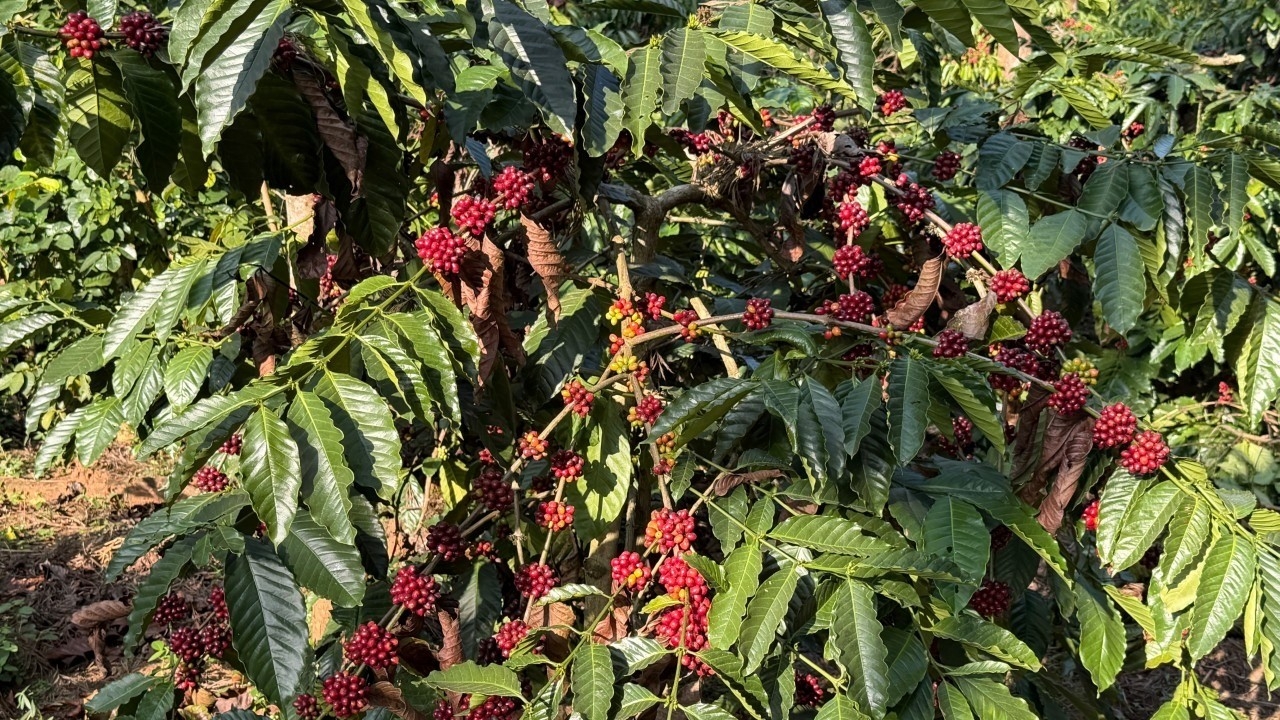
Coffee prices remain under pressure as the market continues to digest expectations of a large upcoming crop in Brazil. May arabica coffee declined by 0.65%, while May robusta slipped 0.69%, extending recent losses.

Arabica futures recently touched a three-week low, while robusta fell to its weakest nearby level in eight months. The downward trend is largely driven by forecasts pointing to record production in Brazil. Estimates from multiple analysts suggest the 2026/27 crop could reach between 75.3 and 75.9 million bags, representing a significant year-on-year increase.

At the same time, projections indicate a widening global coffee surplus. Estimates suggest the surplus could expand to 10 million bags in 2026, up sharply from 1.8 million bags in 2025, marking the largest surplus in six years.

Additional pressure is coming from Vietnam, the world’s leading robusta producer. Coffee exports from Vietnam rose 14% year-on-year in the first quarter, reaching 585,000 metric tons. Full-year exports in 2025 increased by 17.5%, while production for the 2025/26 season is expected to rise 6% to a four-year high.

Despite these bearish factors, some elements are offering support to prices. Weather conditions in Brazil remain a concern, with below-average rainfall in key growing regions such as Minas Gerais. Recent data shows rainfall at just 47% of the historical average, raising questions about crop development.

Supply dynamics are also mixed. Robusta inventories have tightened, with exchange-monitored stocks falling to a 15-month low. In contrast, arabica inventories have increased, reaching their highest level in over six months, adding further pressure to that segment of the market.

Export data from Brazil has provided some price support. Green coffee exports fell 27% year-on-year in February, while March exports dropped 31%, indicating a slowdown in shipments.

Looking back, coffee prices already experienced a sharp selloff in February, when arabica dropped to a 16.75-month low amid early signs of a strong Brazilian crop. Brazil’s official crop agency has projected a substantial increase in production, while global output is also expected to reach record levels in the 2026/27 season.

On a broader scale, global coffee production is forecast to rise modestly in 2025/26, driven by strong growth in robusta output, particularly from Vietnam. However, ending stocks are expected to decline, suggesting that supply tightness could still emerge in certain segments of the market.

Top 20 Coffee Companies 2026

Dubai – Qahwa World

The global coffee market in 2026 is valued at around USD 145–176 billion, with projections reaching USD 227–275 billion by 2032–2034 at a CAGR of 5.1–6.6%. Growth is driven by premiumization, ready-to-drink (RTD) formats, single-serve pods, at-home brewing innovations, and sustainability-focused sourcing. Asia-Pacific is the fastest-growing region, while North America and Europe dominate in value through high-margin specialty products.

This report provides an independent ranking of the Top 20 Coffee Market Players for 2026, based on 2025–early 2026 industry data, including revenue analyses, packaged/at-home segment performance, and competitive landscape assessments. The ranking covers estimated global market share across packaged, at-home, and branded coffee products.

Key 2026 Developments

  • Nestlé leads in instant coffee and premium capsules.
  • JDE Peet’s and Keurig Dr Pepper remain separate; their $18 billion merger is expected to close in Q2 2026.
  • U.S. packaged giants like J.M. Smucker and Kraft Heinz maintain strong at-home segment presence.
  • Market fragmentation continues below the top tier, with specialty and regional players driving innovation.

Global Coffee Market Context (2026)

  • Market Value: USD 150–180 billion (estimated)
  • Key Formats: Packaged/at-home (dominant), ready-to-drink, single-serve, out-of-home retail
  • Growth Drivers: Premium/specialty demand, convenience, sustainability certifications, Asia-Pacific expansion
  • Challenges: Climate volatility affecting Brazil and Vietnam, traceability costs, ethical/direct-trade consumer preferences

Top 20 Coffee Companies (2026 Estimates)

Rank Company Name Key Coffee Brands Origin Country Estimated Market Share (%)
1 Nestlé S.A. Nescafé, Nespresso, Starbucks (at-home license) Switzerland 22.0
2 JDE Peet’s Jacobs, Douwe Egberts, Peet’s Coffee, Senseo, L’OR Netherlands 13.5
3 Keurig Dr Pepper Keurig pods, Green Mountain Coffee USA 9.8
4 Starbucks Corporation Starbucks pods, ground, RTD at-home USA 9.2
5 The J.M. Smucker Company Folgers, Dunkin’ (packaged/at-home) USA 5.5
6 The Kraft Heinz Company Maxwell House, other mass-market blends USA 4.8
7 Lavazza (Luigi Lavazza S.p.A.) Lavazza, Carte Noire Italy 4.5
8 Melitta Group Melitta (filter/pods), brewing products Germany 4.0
9 Tchibo GmbH Tchibo, European blends Germany 3.2
10 Strauss Group / UCC Strauss Coffee, UCC Coffee Israel / Japan 2.8
11 illycaffè (Illy) Illy, Segafredo Zanetti Italy 2.4
12 Tata Consumer Products Tata Coffee, Coffee Bean & Tea Leaf (at-home) India 2.1
13 Massimo Zanetti Beverage Group Segafredo, foodservice brands Italy 1.9
14 UCC Ueshima Coffee Co. UCC (canned/RTD) Japan 1.6
15 Farmer Bros. Co. Caribou Coffee (at-home) USA 1.3
16 JAB Holding Company (select assets) Peet’s, other premium holdings Belgium 1.1
17 The Coca-Cola Company (Costa) Costa Coffee (RTD/packaged) UK / USA 0.9
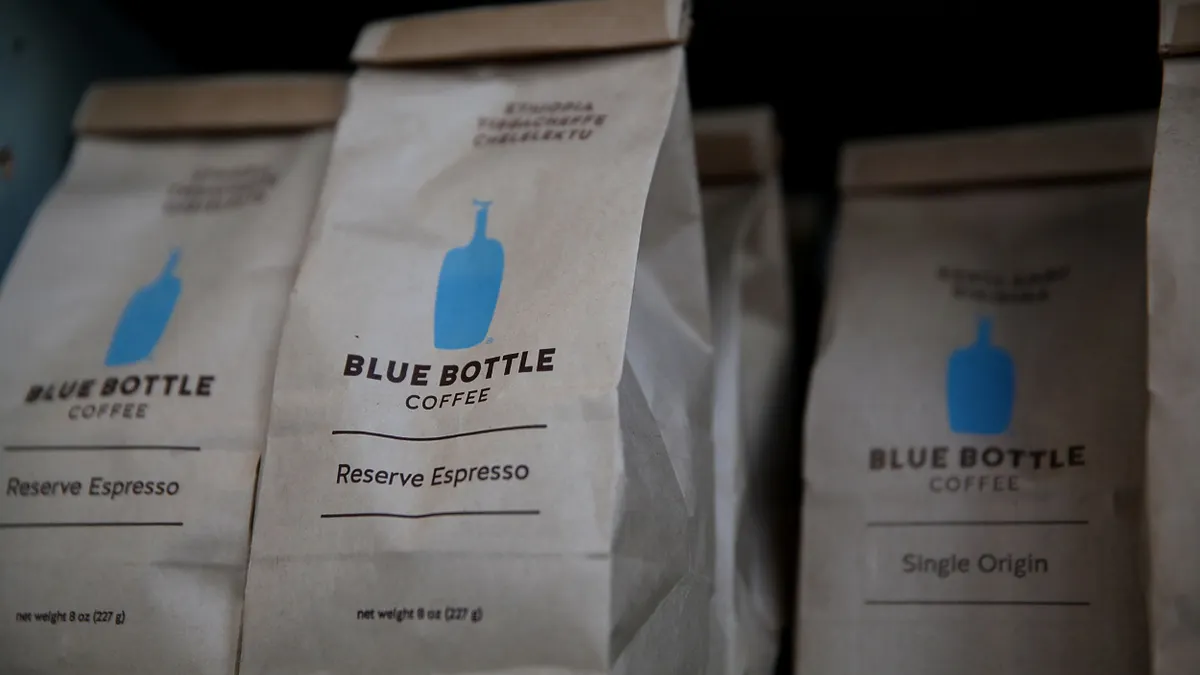
18 Intelligentsia Coffee / Blue Bottle Blue Bottle (premium) USA 0.7
19 Stumptown Coffee Roasters Stumptown (specialty) USA 0.6
20 Dutch Bros. Coffee Dutch Bros (packaged/RTD) USA 0.5

Total share of Top 20: Approximately 85–88%, with the remainder split among hundreds of independent and specialty roasters.

Strategic Positioning of Top Players

Global Giants (Ranks 1–4)

Nestlé dominates instant coffee and premium capsules while managing the Starbucks at-home license. JDE Peet’s and Keurig Dr Pepper lead in pods and convenience segments. Starbucks leverages its brand for strong at-home and ready-to-drink presence.

U.S. Packaged Leaders (Ranks 5–6)

J.M. Smucker (Folgers) and Kraft Heinz (Maxwell House) maintain significant U.S. market share with affordable, widely distributed coffee products.

European & Premium Specialists (Ranks 7–11)

Lavazza, Melitta, Tchibo, Strauss/UCC, and illycaffè focus on espresso and filter traditions, emphasizing quality-driven growth in Europe and emerging markets.

Niche & Emerging Players (Ranks 12–20)

Tata leverages Indian origin strength, Massimo Zanetti and UCC focus on RTD and foodservice, and specialty brands like Intelligentsia and Stumptown capture premium niches. Dutch Bros. and Caribou expand into packaged products.

Market Outlook 2026 and Beyond

The top 6–8 players control over 60% of the packaged and at-home market. Innovation flows from independent and specialty players. The pending Keurig Dr Pepper–JDE Peet’s merger could create a new global competitor rivaling Nestlé.

Critical success factors:

  • Investments in sustainability and traceability
  • Innovation in recyclable pods, functional RTD, and premium single-origin products
  • Adaptation to climate-driven supply risks and rising Robusta demand

This ranking is based on cross-verified industry data as of April 2026. The coffee market remains dynamic, culturally vital, and full of opportunity for players balancing scale with quality and consumer trust.

Data sourced from Coffeeness, Global Growth Insights, Expert Market Research, and other industry analyses for the packaged and at-home coffee segment.


Top Coffee Consumers 2026

Dubai – Qahwa World

As of April 2026, global coffee consumption continues to grow despite earlier price volatility. According to the USDA’s December 2025 Coffee: World Markets and Trade report, world consumption for the 2025/26 coffee year (October 2025 to September 2026) reached a record 173.85 million 60-kg bags, up 1.3 percent year on year.

This steady rise comes as supply begins to recover, yet global stocks remain tight at around 20.1 million bags for the fifth consecutive year. The result is a more balanced market, though still sensitive to price movements.

Demand growth is driven by both mature and emerging markets. The United States, Brazil, and Europe continue to anchor global consumption, while Asia is rapidly expanding, led by the Philippines, China, Vietnam, and Indonesia. At the same time, early 2026 price easing has helped maintain strong consumption momentum.

Top 20 Coffee-Consuming Countries and Regions (2025/26 Forecast)

Rank Country / Region Consumption (M bags) % Global
1 European Union 41.87 24%
2 United States 26.55 15%
3 Brazil 22.28 13%
4 Philippines 6.75 3.9%
5 Japan 6.72 3.9%
6 China 5.85 3.4%
7 Canada 5.20 3.0%
8 Vietnam 4.90 2.8%
9 Indonesia 4.81 2.8%
10 Russia 4.58 2.6%
11 United Kingdom 4.33 2.5%
12 Ethiopia 3.70 2.1%
13 South Korea 3.40 2.0%
14 Mexico 3.10 1.8%
15 Australia 2.60 1.5%
16 Colombia 2.27 1.3%
17 Algeria 2.05 1.2%
18 Turkey 1.75 1.0%
19 Saudi Arabia 1.50 0.9%
20 India 1.36 0.8%

Top 10 total: ~129.5 million bags (around 74% of global consumption).
Top 20 total: ~160.3 million bags (about 92% of global consumption).

Key Market Insights

Europe remains the largest consuming bloc, accounting for nearly a quarter of global demand, led by Germany, Italy, and France. Espresso culture and premium coffee continue to dominate.

The United States holds second place, driven by strong demand for specialty coffee, cold brew, and ready-to-drink beverages. It also remains the world’s largest coffee importer.

Brazil stands out as both a top producer and consumer, supported by a large domestic market and deeply rooted coffee culture.

Asia is the fastest-growing region. The Philippines, China, Vietnam, and Indonesia are expanding rapidly, fueled by urbanization, rising incomes, and café culture.

Emerging markets are gaining importance, including South Korea, Saudi Arabia, Turkey, and India, where younger consumers and modern retail formats are accelerating coffee adoption.

Trends Shaping Coffee Consumption

  • Asia’s rapid expansion: The region now accounts for over a quarter of global demand and continues to grow quickly.
  • Premiumization: Consumers are increasingly choosing specialty, organic, and traceable coffees.
  • RTD and cold brew growth: Ready-to-drink products are among the fastest-growing segments globally.
  • Sustainability: Certifications and ethical sourcing are becoming standard expectations in many markets.
  • Price sensitivity: While coffee remains a daily habit, demand reacts to price changes, especially in emerging markets.

2026 Outlook

With global production expected to increase further, consumption is projected to continue rising toward 175 million bags or more. Growth will be led by Asia, alongside steady demand in Europe and North America.

For industry players, the focus is shifting toward value, innovation, and sustainability. From specialty cafés to ready-to-drink formats, the global coffee market in 2026 offers strong opportunities across both mature and emerging regions.

Summary

2026 marks another record year for global coffee consumption. Traditional markets provide stability, while emerging economies drive growth. The balance between supply recovery and rising demand is shaping a more dynamic and opportunity-rich global coffee landscape.

U.S. Troops Consumed Nearly 1 Million Gallons of Coffee During Iran Conflict

Washington — Qahwa World

The U.S. military consumed nearly one million gallons of coffee during the recent conflict with Iran, according to Gen. Dan Caine, chairman of the Joint Chiefs of Staff, as a fragile ceasefire begins to take hold.

Speaking to reporters following the announcement of a pause in fighting between the United States and Iran, Caine outlined the scale of daily consumption during Operation Epic Fury, which lasted nearly six weeks.

According to his estimates, troops consumed more than 6 million meals, around 950,000 gallons of coffee, approximately 2 million energy drinks, and large quantities of nicotine. He noted the figures while emphasizing the demanding conditions faced by service members.

Caine highlighted the intensity of the operational environment, describing it as harsh, unpredictable, and physically challenging. He praised U.S. personnel for maintaining resilience and carrying out their duties despite difficult and uncertain circumstances.

“This is tough and unforgiving work,” he said, noting that troops operated in conditions marked by heat, darkness, and constant uncertainty while continuing to fulfill their mission.

Defense Secretary Pete Hegseth stated that while the Pentagon has, for now, completed its immediate objectives, U.S. forces will maintain a presence in the region as the situation develops.

The ceasefire, announced earlier, is intended to create space for continued negotiations between the two sides.

Ethiopia Launches East Africa’s First Specialty Coffee Training Center

Sahel Maryam – Qahwa World

In a pioneering move for the region, a new coffee roasting and quality assessment center has opened in Sahel Maryam, Medhin, Ethiopia. The facility, the first of its kind in East Africa, combines state-of-the-art equipment with instruction from experienced coffee professionals.

The center aims to train participants in evaluating coffee quality to global standards, enabling them to independently assess beans and elevate industry practices. Trainees leave with the skills to analyze and improve coffee from the farm to the cup, applying internationally recognized Specialty Coffee Association (SCA) protocols.

The initiative has received recognition from Ethiopian coffee authorities, UNIDO, the Italian government, and the Italian Development Cooperation Agency for its contribution to developing the local and regional coffee sector.

Coffee Quality Evaluation Standards
The process of assessing coffee quality at the center is comprehensive:

Physical Quality of Beans – Inspecting defect count, bean size and uniformity, moisture content, and presence of foreign matter.
Sensory Evaluation (Cupping) – Scoring aroma, flavor, aftertaste, acidity, body, balance, and sweetness.
Defect Identification – Spotting spoiled, fermented, or overripe beans.
Organic Acid Analysis – Identifying natural acids such as citric, malic, acetic, and phosphoric to characterize flavor profiles.
Standardized Protocols – Applying precise roast levels, grind sizes, water quality, and brew ratios to ensure consistent and fair evaluation.

Coffee that scores 80 points or above under these criteria is classified as “Specialty Coffee.” Experts emphasize that proper evaluation relies on certified Q-Graders rather than subjective taste alone, ensuring adherence to international standards.

The new center marks a major step forward in Ethiopia’s ongoing mission to cement its position as a global leader in coffee quality and expertise.

Navigating Uganda’s 2026 Arabica Season


Dubai – Qahwa World

As Uganda’s Arabica harvest unfolds, the 2026 season is shaping up as one of contrasts. In Western Uganda, late rainfall, shifting weather patterns, and market adjustments have pushed national production down by an estimated 100,000 bags compared to last year. On the ground, many local traders have home-processed nearly 20 percent of their crop, reflecting both necessity and resilience.

Ugacof’s teams are ensuring quality remains uncompromised. At every Coffee Washing Station (CWS), cherries are fully floated to select the best beans. Harvesting is ongoing through late April, with the second harvest expected between late August and mid-November. Early flowering observed in several regions hints that a stronger second crop could be on the horizon.

Supporting Farmers Beyond the Crop

Smallholder farmers often manage plots of around 300 trees, where limited access to basic tools, aging coffee trees, and insufficient seedlings can hinder productivity.

Ugacof’s Beyond Flagship program has stepped in with targeted support. The Tools for Prosperity project equips farmers delivering to Katerera CWS with essential tools, including a hoe, spade, and pruning saw, alongside practical guidance on their use. These interventions improve soil management, pruning, and overall farm health.

Over 100 IMPACT-verified farmers have already benefited. Roasters sourcing select microlots contribute directly to these initiatives, linking purchases to measurable on-farm impact.

Building a Sustainable Coffee Future

Beyond tools and training, broader sustainability initiatives are reshaping Uganda’s coffee landscape. Nurseries established since 2025 provide 1.5 million seedlings annually at no cost to farmers, rejuvenating low-density, aging plantations and supporting new entrants.

A fully traceable, regenerative Arabica supply chain is being developed with digital farmer registration, structured data collection, and transparent payment systems. Climate-smart practices, agroforestry, and organic fertilizers from coffee by-products support productivity and ecosystem restoration.

These programs aim to empower up to 15,000 farmers, integrating finance, sustainability, and quality into a cohesive system.

Innovation at Origin

Uganda is exploring new coffee processing methods. Experimental techniques including anaerobic natural fermentation, lactic fermentation, and yeast inoculation are being trialed across washing stations to adapt to local conditions and create distinctive cup profiles.

These innovations, combined with ongoing farmer support, aim to increase value at origin and deliver consistent high-quality coffee to roasters.

A Season of Challenges and Opportunities

While the first harvest is smaller than expected, early flowering, sustainability programs, and practical farmer support provide reason for cautious optimism. For buyers and roasters, now is an ideal time to engage, secure the 2026 crop, and support initiatives strengthening Uganda’s Arabica sector.

In Uganda, coffee is more than a crop. It is a story of resilience, innovation, and community. This season, as cherries ripen and tools are put to use, that story continues to unfold, one bean at a time.


Top Coffee Producers 2026

Dubai Qahwa World

As of April 2026, the global coffee market is undergoing a pivotal shift. Data from the International Coffee Organization (ICO) and the USDA show that the 2025/26 coffee year (October 2025–September 2026) has delivered record global supply, easing the extreme price pressures seen in 2024 and early 2025. World production is forecast at 178.8 million 60-kg bags (up 2% or +3.5 million bags year-on-year), while consumption reaches a record 173.9 million bags (+1.3%). Ending stocks remain tight at approximately 20.1 million bags, marking the fifth consecutive decline. Nevertheless, improved supply has caused ICO Composite Indicator Prices to drop sharply in early 2026 (February average: 267.57 US cents/lb, -9.9% month-on-month).

This supply surplus is driven by strong recoveries in Vietnam and Indonesia, record Ethiopian output, and steady performance in Brazil, despite drought impacts on key Arabica regions. National updates, including Brazil’s Conab first survey in February 2026, indicate an even stronger 2026 harvest, which could push global supply higher for 2026/27.

Top 10 Coffee-Producing Countries (2025/26 Forecast)

Data primarily from USDA December 2025 report, cross-verified with national sources and market analyses. Figures are green coffee equivalents. Percentages approximate global share.

Rank Country Production (M bags) % Global Main Variety YoY Change Key Notes
1 Brazil 63.0 ~35% Arabica (60%), Robusta/Conilon (40%) -2.0M (drought offset by Robusta gains) Record Robusta; Arabica hit by weather
2 Vietnam 30.8 ~17% Robusta (~95%) Recovery (+ higher yields) Fertilizer investment boosted output
3 Colombia 13.8 ~8% Arabica (100%, washed) -1.0M (excess rain/rust risk) Disease-resistant varieties helped
4 Indonesia ~12.5 ~7% Robusta (dominant) +1.7M (Robusta) Smallholder-dominated; favorable weather
5 Ethiopia 11.6 ~6.5% Arabica (specialty) Record (+0.5M) New varieties and pruning
6 Uganda ~6.9 ~3.9% Robusta Steady growth African Robusta leader
7 Honduras ~5.5–6.0 ~3% Arabica Part of Central America rebound Strong regional contributor
8 India ~5–6 ~3% Robusta (65%), Arabica (35%) Stable Specialty and organic focus
9 Peru ~4.2–5 ~2.5% Arabica (specialty/organic) Steady Premium export growth
10 Mexico / Guatemala ~3.8 each ~2% each Arabica Modest Central America/Mexico rebound

Total top 5: ~131.7M bags (~74% of world production). Latin America dominates Arabica; Asia leads Robusta.

Country Profiles: Drivers, Challenges, and 2026 Outlook

Brazil – World Leader (~35% of Global Supply)

Brazil remains the top producer. The 2025/26 crop saw Arabica decline to ~38M bags due to drought and high temperatures in Minas Gerais and São Paulo. Robusta surged to a record ~25M bags in Espírito Santo and Bahia thanks to better rainfall. Exports are forecast at ~37M bags.

  • Trends: Biennial cycle plus large-scale production with technology and irrigation. Funcafé funding supports the sector.
  • Challenges: Climate volatility, water stress, and EU Deforestation Regulation (EUDR) compliance.
  • 2026 Outlook: Conab’s February 2026 survey projects a record 66.2M bags (+17.1% YoY): Arabica +23.3% to 44.1M, Robusta +6.4% to 22.1M. This would surpass the 2020/21 record harvest.

Vietnam – Robusta Powerhouse

Nearly all output is Robusta, used in instant coffee and blends. Production rebounded due to favorable weather and higher input spending. Exports projected at 24.6M bags (+2.3M).

  • Trends: Export-oriented, rapid post-1990s expansion.
  • Challenges: Climate vulnerability in highlands; past dry spells.
  • 2026 Outlook: Continued recovery expected; early 2026 data shows strong export growth.

Colombia – Premium Arabica Specialist

100% washed Arabica. 2025/26 saw a modest decline due to excessive rains and cloud cover affecting flowering and rust risk. Disease-resistant varieties, such as Castillo, mitigated losses. Exports ~11.5M bags.

  • Trends: Focus on quality; yield improvements ongoing.
  • Challenges: Weather cycles, labor costs, altitude sensitivity.
  • 2026 Outlook: Rebound likely under normal conditions; key supplier to specialty markets.

Indonesia – Diverse Robusta and Specialty

Robusta dominates Sumatra and Java; small Arabica areas in the north. Production rose due to favorable weather and labor availability. Smallholder plots average 1 ha. Exports: green coffee +1.7M to 7.8M bags.

  • Trends: Stable land area (~1.2M ha), significant soluble coffee exports.
  • Challenges: Minimal fertilizer use, climate extremes.
  • 2026 Outlook: Stable supply to EU, US, and emerging markets expected.

Ethiopia – Africa’s Specialty Arabica Leader

Record 11.6M bags driven by adoption of higher-yielding varieties and pruning. Exports ~7.8M bags.

  • Trends: Natural and semi-washed processing; heirloom varieties remain globally sought.
  • Challenges: Smallholder fragmentation, highland climate variability, infrastructure limits.
  • 2026 Outlook: Growth likely if variety upgrades continue; specialty segment driver.

Emerging/Other Notable Producers

Uganda, Honduras, India, Peru, Mexico, and Guatemala produce the remaining ~25%. They are critical for Robusta (Uganda) and specialty/organic Arabica (Peru, India, Honduras). Central America/Mexico region rebounded +1.1M bags. India emphasizes premium niches (Monsoon Malabar, organic). All face smallholder and climate challenges but benefit from growing specialty demand.

Broader Trends Shaping 2026 and Beyond

  • Climate Change & Resilience: Droughts and excessive rains highlight vulnerability. By 2050, suitable coffee land may shrink significantly without adaptation.
  • Sustainability & Regulation: EUDR deadlines pressure exporters on traceability. Certifications (Fairtrade, organic, Rainforest Alliance) are growing, especially in Ethiopia, Colombia, and Peru.
  • Market Dynamics: High prices in 2024–25 spurred investment and supply recovery. Robusta exports surged in early 2025/26. Specialty demand remains robust.
  • Economic Impact: Coffee supports ~12.5 million farming households. Brazil and Vietnam dominate exports. Smallholders remain most vulnerable to volatility.
  • 2026/27 Outlook: Early forecasts indicate potential production above 180M bags if Brazil’s record harvest occurs and recoveries hold. Emerging markets will continue driving consumption growth.

Summary

2026 marks a transition from shortage-driven high prices to a more balanced, though still tight-stocks, market. Brazil’s dominance is set to strengthen, while Vietnam, Indonesia, and Ethiopia solidify their positions in Robusta and specialty segments. Long-term success depends on climate adaptation, sustainability, and innovation in varieties and processing. Opportunities abound in premium positioning and supply-chain resilience amid record availability.

This report draws on official forecasts as of early 2026. Data may be refined with subsequent national surveys, including Conab updates. Customized analysis, including by variety, export flows, or price scenarios, can be provided upon request.


Coffee Prices Fall as Supply Outlook Improves

Dubai – Qahwa World

Coffee futures declined sharply on Tuesday, with both arabica and robusta posting significant losses. Arabica reached its lowest level in about three weeks, while robusta dropped to its weakest nearby level in roughly eight months.

The recent downward trend is mainly linked to expectations of a large coffee harvest in Brazil. Updated projections for the 2026 to 2027 season indicate production exceeding 75 million bags, marking a strong increase compared to earlier estimates and last year’s output.

Global supply expectations are also shifting. Forecasts indicate a widening surplus in 2026, with estimates rising sharply from the previous year and pointing to the largest surplus in several years.

Vietnam, the world’s leading robusta producer, is adding further pressure on prices. Export volumes have increased notably, including strong growth in the first quarter of 2026 compared to the same period last year. Annual export data for 2025 also showed solid gains. Production is expected to rise as well, reaching the highest level in about four years.

Shipping disruptions linked to the Strait of Hormuz have created additional challenges for the market. Higher freight costs, insurance expenses, and fuel prices are raising costs for importers and roasters despite the overall improvement in supply expectations.

Weather conditions in Brazil are providing some support to prices. Key growing regions such as Minas Gerais have received less rainfall than usual, which may affect crop development if dry conditions continue.

Inventory data shows mixed signals. Robusta stock levels have declined to multi month lows, suggesting tighter short term availability. In contrast, arabica inventories have increased, adding pressure on prices.

Brazil’s export performance has also shown some weakness. Shipments of green coffee fell significantly in February compared to the previous year, and total exports also recorded a noticeable decline.

Earlier in the year, coffee prices had already come under pressure. Arabica dropped sharply in February, reaching its lowest level in more than a year as expectations for strong production increased. Official forecasts in Brazil indicate higher output for both arabica and robusta.

At the global level, production is expected to reach a record in the 2026 to 2027 season, increasing by several million bags compared to the previous year.

Despite the overall bearish outlook, some tightening factors remain. Global export data shows a slight decline during the current marketing year, while ending stocks are expected to decrease modestly by the end of the 2025 to 2026 season.

The coffee market remains driven by the balance between strong supply expectations and localized constraints, with attention focused on weather conditions, export trends, and inventory levels.

Italian-Style Coffee Linked to Lower Risk of Common Liver Disease

Dubai – Qahwa World

A recent Italian study published on 19 March 2026 in a scientific journal has found an association between traditional Italian-style coffee consumption and a reduced risk of metabolically dysfunctional-associated steatotic liver disease (MASLD).

The research was conducted by scientists at the National Institute of Gastroenterology in Bari, Italy, and focused specifically on coffee prepared using traditional Italian methods such as espresso and moka, which rely on pressure extraction.

MASLD is currently one of the most widespread chronic liver diseases globally, affecting more than 30% of adults. It is strongly associated with obesity, insulin resistance, type 2 diabetes, dyslipidemia, and hypertension, and can progress to more severe liver conditions, including cirrhosis and liver cancer.

The study analyzed data from a long-term research project in Southern Italy. A total of 1,079 coffee-drinking participants were included in the final analysis. Liver conditions were assessed using ultrasound examinations, while coffee consumption was evaluated through a validated dietary questionnaire.

The findings showed that, after adjusting for various health and lifestyle factors, higher coffee consumption was associated with a lower risk of MASLD. The risk was 52.1% lower among those who consumed one cup per day, 53.2% lower for two cups, and 55.1% lower for three cups. The greatest reduction, 59.3%, was observed among individuals who consumed four to six cups daily.

In addition, each extra cup of coffee per day was associated with an approximate 15.7% reduction in risk.

Researchers attributed these findings to the high levels of bioactive compounds retained in Italian-style coffee, particularly in unfiltered preparations. These include chlorogenic acids, diterpenes, trigonelline, and melanoidins, which are believed to play a role in reducing inflammation, improving insulin sensitivity, and limiting fat accumulation in the liver.

Despite the findings, the researchers emphasized that the study is observational and does not establish a direct cause-and-effect relationship. Coffee consumption was also self-reported by participants.

The study noted that coffee is a central part of daily life in Italy, with most consumers preferring espresso or moka preparation methods.

According to European health guidance, up to 400 mg of caffeine per day is considered safe for healthy adults, though certain groups such as pregnant women or individuals sensitive to caffeine are advised to limit intake.

The study concludes that moderate consumption of Italian-style coffee may be associated with potential liver health benefits, while further research is needed to confirm these findings.

Top 5 US Most Expensive Cities for Coffee

Dubai – Qahwa World

Coffee is never just a daily habit. It reflects place, culture, and the real cost of bringing coffee from farm to cup.

Across the United States, the price of a standard coffee varies widely. On average, a regular hot coffee costs between $3.50 and $3.65. In Hawaii, that same cup often exceeds $5, while cold brew can reach nearly $6.75.

Recent data from coffee shop systems places Hawaii firmly at the top, with a median price of about $5.23 for hot coffee and $6.74 for cold brew.

Why Hawaii Leads

Hawaii is one of the only regions in the United States where coffee is grown commercially, most notably Kona coffee. Here, coffee is cultivated on volcanic soil and shaped by a unique climate.

Producing coffee in Hawaii is expensive. Labor costs are high, farms are smaller, and production requires careful handling.

The islands’ remote location adds further pressure. Supplies such as milk, equipment, and packaging must be shipped across the ocean. High rents and an elevated cost of living also push prices higher.

The result is a cup of coffee that reflects both premium quality and the realities of island economics.

You may like to read: The 10 Most Expensive Cappuccino Cities in 2025

The Top 5 Most Expensive U.S. Cities for Coffee

1. Honolulu, Hawaii, around $5.23
Honolulu combines local production with high operating costs. Coffee here carries the full weight of island life and tourism demand.

2. Los Angeles, California, around $4.99
Coffee is part of lifestyle and culture in Los Angeles. High demand and expensive real estate keep prices elevated.

3. San Francisco, California, around $4.92
A strong focus on craftsmanship and quality drives coffee culture in San Francisco, alongside high business costs.

4. Seattle, Washington, notably high with strong recent increases
Seattle remains a central hub for coffee culture in the United States. Rising wages and demand continue to push prices upward.

5. New York, New York, around $4.80 to $5.00
In New York, coffee supports a fast-paced lifestyle. High rents and constant demand make it one of the most expensive markets.

You may also read: Coffee Etiquette in 2026: 12 Rules for an Elegant and Mindful Café Experience

A Cup That Tells a Story

While these cities lead in price, more affordable coffee can be found in states like Mississippi and West Virginia, where a cup costs closer to $3.

From Kona coffee grown on Hawaiian soil to a simple cup served in smaller towns, every price reflects a broader story of geography, cost, and culture.

Coffee, in the end, is not just about what is in the cup, but everything behind it.

Kazakhstanis Are Drinking More Coffee Despite Rising Prices

Kazakhstan – Qahwa World

In 2025, people in Kazakhstan bought coffee 24% more often on average in the morning. Demand continued to grow despite higher prices. The average price of a cup increased by 8% to 1,310 tenge.

The data comes from Poster, a company that provides automation systems for cafes and restaurants.

Classic Drinks Still Lead

Cappuccino remains the most popular choice. Latte ranks second, followed by Americano.

At the same time, coffee culture in Kazakhstan continues to evolve. Alternative brewing methods and drinks such as bumble, an espresso-based drink with orange juice often served cold, are still less popular than classic options but are growing rapidly.

In 2025:

  • filter coffee sales increased by 65%
  • bumble sales tripled

These categories also show the fastest price growth, yet demand continues to rise.

According to Asylzhan Kazi, founder of the Espresso Day coffee chain, classic drinks account for the majority of sales, while seasonal offerings, especially cold drinks in summer, provide additional growth.

Average Coffee Prices in Kazakhstan

Drink Average Price (₸) Price Growth in 2025
Alternative (pour-over, Chemex, AeroPress, etc.) 2180 ₸ ↑ 5%
Filter coffee 1210 ₸ ↑ 14%
Latte 1200 ₸ ↑ 10.5%
Cappuccino 1160 ₸ ↑ 9.6%
Flat white 1050 ₸ ↑ 7.3%
Americano 880 ₸ ↑ 10.5%

Based on aggregated and anonymized sales data from Poster.

Cities with the Highest Coffee Consumption

Astana led in coffee consumption in 2025, with sales growing by about one third compared to the previous year.

Almaty also saw growth, though more moderate at around 16% with already strong demand.

A Morning Habit

Coffee is most often purchased before the start of the workday. About a quarter of daily revenue is generated between 8:00 and 10:00, with a peak at 9:00.

Around half of daily revenue is made before 13:00. This shows that starting the day with coffee is becoming an increasingly common habit.

The Economics of a Cup

Earlier reports showed that coffee shop profitability in Almaty does not exceed 16%, based on calculations by coffee shop owner Osmanzhan Iminzhanov, who analyzed the cost structure of a single cup.

Brazilian Real Boosts Arabica Coffee Prices

Dubai – Qahwa World

Arabica coffee prices rose on Monday, supported by a stronger Brazilian real, while expectations of a growing global surplus continued to limit gains.

Futures posted modest increases, while robusta trading remained inactive due to a market holiday in the United Kingdom.

The main support came from the Brazilian currency, which climbed to its highest level in several weeks against the US dollar. A stronger real typically reduces export incentives for Brazilian producers, the world’s largest coffee growers, tightening supply in international markets.

However, price gains remained capped by projections pointing to a widening global coffee surplus, expected to reach around 10 million bags in 2026, significantly higher than the previous year and marking the largest surplus in several years.

At the same time, expectations of a strong crop in Brazil continued to weigh on the market, with estimates suggesting production could exceed 75 million bags in the upcoming season, reinforcing global supply.

Despite these pressures, prices found some support from disruptions in global supply chains following the closure of a key maritime route, which led to higher shipping and insurance costs.

Weather conditions in Brazil also contributed to market support, as key arabica-growing regions recorded below-average rainfall, raising concerns about potential impacts on crop development.

Meanwhile, inventory data showed mixed signals, with robusta stocks declining while arabica inventories increased, reflecting an uneven balance in the market.

Brazil’s coffee exports also declined on a yearly basis, providing additional support to prices.

Overall, expectations of rising global production, along with increasing robusta output and higher exports from major producers such as Vietnam, continue to act as key downward pressures on the market in the period ahead.