Delays to Brazil’s Harvest Push Coffee Prices Higher

Source: Barchart / Rich Asplund
Author: Qahwa World
Date: July 20, 2026

Delays to Brazil’s Harvest Push Coffee Prices Higher

  • September arabica rose 1.33% and robusta gained 0.18% on Monday.
  • Brazil’s 2026/27 harvest is only 64% complete, behind last year’s 77% and the 70% average.
  • ICE robusta inventories climbed to a 3.75-month high of 4,239 lots.
  • Arabica inventories fell to a 2.25-year low of 329,870 bags.
  • Heavy rains in Brazil have disrupted fieldwork and may have lowered crop quality.
  • El Niño concerns continue to support prices with potential impacts on Brazil’s flowering.
  • Only 0.2 mm of rain fell in Minas Gerais last week, 20% of the historical average.

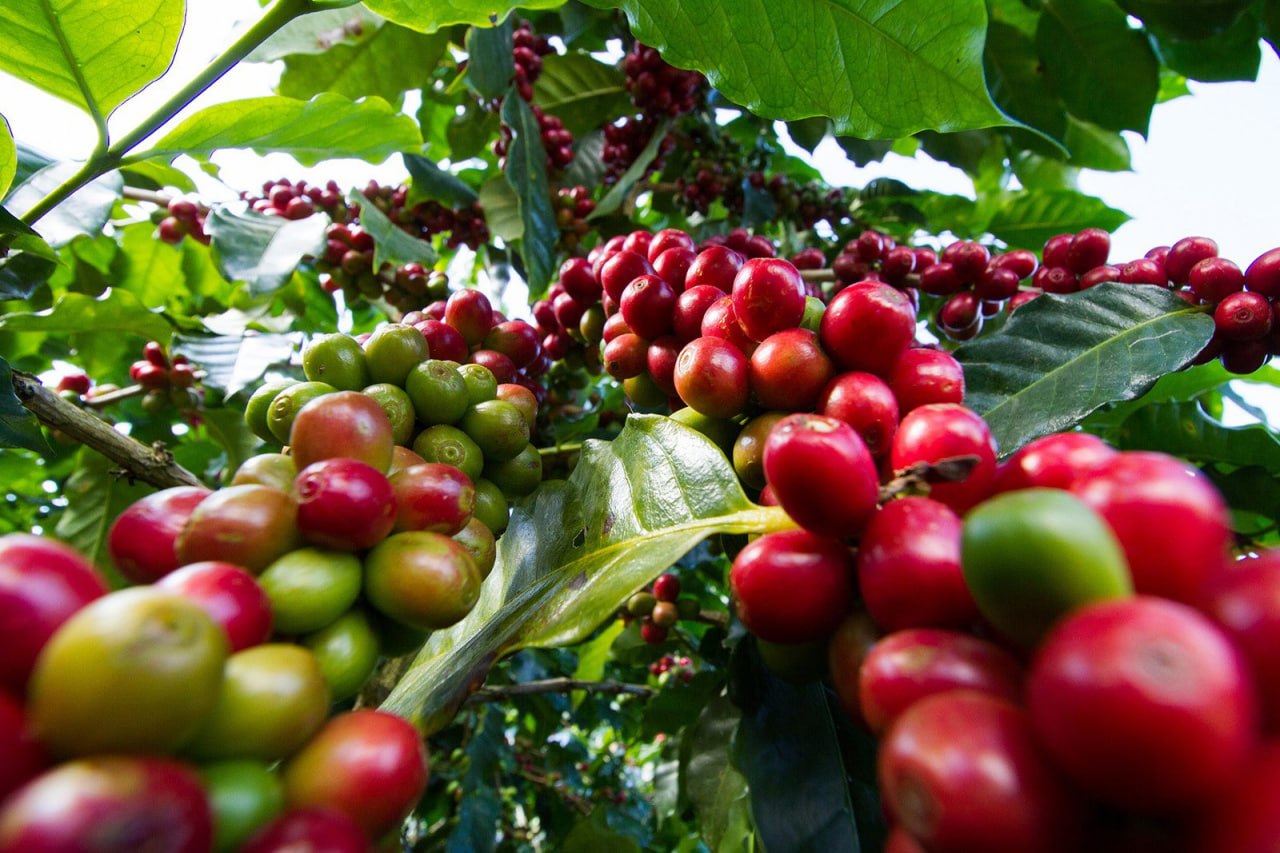
Coffee prices moved higher on Monday. September arabica closed up 4.25 cents, gaining 1.33%. September robusta closed up 7 points, a rise of 0.18%. The gains came amid delays in Brazil’s coffee harvest.

Safras & Mercado reported the harvest is 64% complete as of July 15. This compares with 77% at the same time last year. The five-year average stands at 70%. The slow pace continues to support prices.

Harvest Delays Drive Coffee Prices Higher

Brazil’s 2026/27 coffee harvest is progressing slowly. Heavy rains have disrupted fieldwork. These rains may have also lowered crop quality. Brazilian farmers are holding back on sales. They hope prices will rise further. They are also bracing for potential El Niño impacts.

On July 6, arabica soared to a 5.75-month high. On July 7, robusta also hit a 5.75-month high. However, prices have since whipsawed in a wide range. Trading conditions remain illiquid. This has led to volatile price moves.

Brazil Coffee Harvest Progress (as of July 15)
Period Completion
Current year (2026/27) 64%
Previous year (2025/26) 77%
Five-year average 70%

Margin Hikes Reduce Liquidity

ICE raised margin requirements for coffee futures recently. This action has dried up liquidity. Many commodity funds have closed their positions. The result has been excessive one-way price moves. Volatility has been amplified by the illiquid conditions.

This has created a challenging trading environment. Prices have moved sharply in both directions. Market participants should expect continued volatility in the near term.

Inventory Trends Support Prices

ICE coffee inventories have trended lower over the past three months. This is supportive for coffee prices. ICE arabica inventories fell to a 2.25-year low of 329,870 bags on Monday. Meanwhile, ICE robusta inventories fell to a 2-year low on May 15. However, they have since risen to a 3.75-month high of 4,239 lots on Monday.

ICE Coffee Inventory Levels
Category Latest Level Status
Arabica inventories 329,870 bags 2.25-year low
Robusta inventories (May 15) 3,631 lots 2-year low
Robusta inventories (current) 4,239 lots 3.75-month high

El Niño Concerns Support Prices

Concerns about an El Niño weather pattern are bullish for prices. Coffee trader Commercial warned that El Niño may delay rains in Brazil. This September and October is when tree flowering normally occurs. Any delay could hurt Brazil’s 2026/27 coffee crop.

On July 8, the US Climate Prediction Center issued a warning. The El Niño pattern that emerged across the equatorial Pacific last month will likely be one of the strongest in more than 75 years. This sets the stage for possible floods, droughts, and temperature fluctuations. These conditions could hinder coffee production in Asia and South America.

Somar Meteorologia reported on Monday that only 0.2 mm of rain fell in Minas Gerais in the week through July 19. This is Brazil’s biggest coffee-growing region. This represents only 20% of the historical average. The dry conditions add to market concerns.

Bearish Factors to Consider

Despite the bullish momentum, several bearish factors exist. Recent strength in Brazil’s coffee exports is negative for prices. Last Wednesday, Cecafe reported Brazil’s June green coffee exports jumped 14.4% year-on-year to 2.64 million bags.

Vietnam’s soaring coffee exports are also bearish for robusta prices. On July 3, Vietnam’s National Statistics Office reported coffee exports from January to June rose 7.3% year-on-year to 1.05 million metric tons. Vietnam’s 2025 coffee exports jumped 17.5% to 1.58 million metric tons. Production for 2025/26 is projected to climb 6% to a four-year high of 1.76 million metric tons.

The USDA’s Foreign Agriculture Service projected record global production. World coffee production in 2025/26 is forecast to increase 2% to a record 178.848 million bags. Arabica production is expected to decline 4.7% to 95.515 million bags. Robusta production is projected to rise 10.9% to 83.333 million bags.

Global Supply Forecasts (USDA)
Category Forecast Change
World coffee production 2025/26 178.848 million bags +2.0%
Arabica production 95.515 million bags -4.7%
Robusta production 83.333 million bags +10.9%
Brazil 2025/26 production 63 million bags -3.1%
Vietnam 2025/26 output 30.8 million bags +6.2%
Ending stocks 2025/26 20.148 million bags -5.4%

Technical Perspective

On June 9, arabica coffee fell to a 20.5-month nearest-futures low. Robusta slid to a 3.5-month low. This occurred amid an outlook for a bumper coffee crop in Brazil. However, prices have since recovered significantly. The market remains highly volatile with significant upside potential.

Frequently Asked Questions

How much did coffee prices rise on Monday?September arabica gained 1.33% and September robusta rose 0.18% on Monday, July 20.

What is the status of Brazil’s coffee harvest?Brazil’s 2026/27 harvest is 64% complete as of July 15, behind last year’s 77% and the 70% five-year average.

Why are ICE coffee inventories important?Low inventories reduce available supply and support higher prices. Arabica inventories recently hit a 2.25-year low.

How does El Niño affect coffee prices?El Niño can delay rainfall during Brazil’s critical flowering period in September-October, potentially reducing crop yields.

What was the rainfall in Minas Gerais last week?Only 0.2 mm of rain fell, representing just 20% of the historical average, raising concerns about dry conditions.

What is the global production forecast?USDA forecasts record global production of 178.848 million bags for 2025/26, with robusta up 10.9% and arabica down 4.7%.

Coffee Prices Jump on Slow Brazil Harvest

Source: Barchart
Author: Qahwa World
Date: July 17, 2026

Coffee Prices Jump on Slow Brazil Harvest

  • September arabica rose 2.46% and robusta gained 2.11% on Friday.
  • Brazil’s 2026/27 harvest is only 64% complete, behind last year’s 77% and the 70% average.
  • ICE raised margin requirements twice last week, reducing liquidity and amplifying volatility.
  • Heavy rains in Brazil have disrupted fieldwork and may have lowered crop quality.
  • ICE arabica inventories fell to a 2.25-year low of 332,945 bags.
  • El Niño concerns continue to support prices with potential impacts on Brazil’s flowering.
  • Brazil’s June green coffee exports jumped 14.4% year-on-year to 2.64 million bags.

Coffee prices settled sharply higher on Friday. September arabica closed up 7.70 cents, gaining 2.46%. September robusta closed up 80 points, a rise of 2.11%. The rally came amid delays in Brazil’s coffee harvest.

Safras & Mercado reported the harvest is 64% complete as of July 15. This compares with 77% at the same time last year. The five-year average stands at 70%. The slow pace continues to support prices.

Harvest Delays Drive Coffee Prices Higher

Brazil’s 2026/27 coffee harvest is progressing slowly. Heavy rains have disrupted fieldwork. These rains may have also lowered crop quality. Brazilian farmers are holding back on sales. They hope prices will rise further. They are also bracing for potential El Niño impacts.

Last Monday, arabica soared to a 5.5-month high. Last Tuesday, robusta also hit a 5.5-month high. However, prices have since whipsawed in a wide range. Trading conditions remain illiquid. This has led to volatile price moves.

Brazil Coffee Harvest Progress (as of July 15)
Period Completion
Current year (2026/27) 64%
Previous year (2025/26) 77%
Five-year average 70%

Margin Hikes Reduce Liquidity

ICE raised margin requirements for coffee futures twice last week. This action has dried up liquidity. Many commodity funds have closed their positions. The result has been excessive one-way price moves. Volatility has been amplified by the illiquid conditions.

This has created a challenging trading environment. Prices have moved sharply in both directions. Market participants should expect continued volatility in the near term.

Inventory Trends Support Coffee Prices

ICE coffee inventories have trended lower over the past three months. This is supportive for coffee prices. ICE arabica inventories fell to a 2.25-year low of 332,945 bags on Friday. Meanwhile, ICE robusta inventories fell to a 2-year low on May 15. However, they have since risen to a 3.5-month high of 4,220 lots.

ICE Coffee Inventory Levels
Category Latest Level Status
Arabica inventories 332,945 bags 2.25-year low
Robusta inventories (May 15) 3,631 lots 2-year low
Robusta inventories (current) 4,220 lots 3.5-month high

El Niño Concerns Support Prices

Concerns about an El Niño weather pattern are bullish for prices. Coffee trader Commercial warned that El Niño may delay rains in Brazil. This September and October is when tree flowering normally occurs. Any delay could hurt Brazil’s 2026/27 coffee crop.

Last Wednesday, the US Climate Prediction Center issued a warning. The El Niño pattern that emerged across the equatorial Pacific last month will likely be one of the strongest in more than 75 years. This sets the stage for possible floods, droughts, and temperature fluctuations. These conditions could hinder coffee production in Asia and South America.

Somar Meteorologia reported no rain fell in Minas Gerais in the week through July 5. This is Brazil’s biggest coffee-growing region. The dry conditions add to market concerns.

Bearish Factors to Consider

Despite the bullish momentum, several bearish factors exist. Recent strength in Brazil’s coffee exports is negative for prices. On Thursday, Cecafe reported Brazil’s June green coffee exports jumped 14.4% year-on-year to 2.64 million bags.

Fund positioning also poses risks. Last Friday’s COT data showed funds boosted their long positions in robusta by 5,607 contracts in the week ended July 7. This brought net-long positions to 44,195, the most in more than two years. Such concentrated long positions can accelerate price declines if investors begin to unwind.

Vietnam’s soaring coffee exports are also bearish for robusta prices. On July 3, Vietnam’s National Statistics Office reported coffee exports from January to June rose 7.3% year-on-year to 1.05 million metric tons. Vietnam’s 2025 coffee exports jumped 17.5% to 1.58 million metric tons. Production for 2025/26 is projected to climb 6% to a four-year high of 1.76 million metric tons.

The USDA’s Foreign Agriculture Service projected record global production. World coffee production in 2025/26 is forecast to increase 2% to a record 178.848 million bags. Arabica production is expected to decline 4.7% to 95.515 million bags. Robusta production is projected to rise 10.9% to 83.333 million bags.

Global Supply Forecasts (USDA)
Category Forecast Change
World coffee production 2025/26 178.848 million bags +2.0%
Arabica production 95.515 million bags -4.7%
Robusta production 83.333 million bags +10.9%
Brazil 2025/26 production 63 million bags -3.1%
Vietnam 2025/26 output 30.8 million bags +6.2%
Ending stocks 2025/26 20.148 million bags -5.4%

Technical Perspective

On June 9, arabica coffee fell to a 20.25-month nearest-futures low. Robusta slid to a 3.25-month low. This occurred amid an outlook for a bumper coffee crop in Brazil. However, prices have since recovered significantly. The market remains highly volatile with significant upside potential.

Frequently Asked Questions

How much did coffee prices rise on Friday?September arabica gained 2.46% and September robusta rose 2.11% on Friday, July 17.

What is the status of Brazil’s coffee harvest?Brazil’s 2026/27 harvest is 64% complete as of July 15, behind last year’s 77% and the 70% five-year average.

Why are ICE coffee inventories important?Low inventories reduce available supply and support higher prices. Arabica inventories recently hit a 2.25-year low.

How does El Niño affect coffee prices?El Niño can delay rainfall during Brazil’s critical flowering period in September-October, potentially reducing crop yields.

What is the fund positioning in robusta coffee?Funds held 44,195 net-long positions as of July 7, the highest level in more than two years, increasing downside risk.

What is the global production forecast?USDA forecasts record global production of 178.848 million bags for 2025/26, with robusta up 10.9% and arabica down 4.7%.

Coffee Returns to Bullish Mode After 49% Rally

Source: Barchart / Andrew Hecht
Author: Qahwa World
Date: July 14, 2026

Coffee Returns to Bullish Mode After 49% Rally

  • ICE Arabica coffee futures surged 49.5% in one month, erasing four months of declines.
  • The rally followed a 37.8% drop from January to June, with prices bottoming at $2.3885 per pound.
  • Brazil’s 2026/27 harvest is behind schedule due to heavy rain disrupting operations.
  • ICE Arabica exchange inventories reached a two-year low of 366,756 bags.
  • Emerging El Niño weather patterns could damage Brazil’s flowering and crop.
  • Brazilian farmers are withholding beans, storing them for sale at higher prices.
  • Key resistance is at the October 2025 record high of $4.3795 per pound.

Coffee futures are back in bullish mode. ICE Arabica coffee surged 49.5% over the past month. The rally erased four months of declines. Prices bottomed at $2.3885 per pound on June 9. On July 6, they reached $3.5700 per pound.

The volatility has been extreme. Coffee futures fell 37.8% from January to June. Then they made up all those losses in under one month. The market remains highly volatile with significant upside potential.

Why Is Coffee Back in Bullish Mode?

Several factors are driving the rally. First, Brazil’s 2026/27 harvest is behind schedule. Heavy rain has disrupted harvesting operations. This has increased concerns about coffee bean quality. The prospects for lower Brazilian output have been bullish for prices.

Second, global inventories are low. ICE Arabica exchange inventories reached a two-year low of 366,756 bags. This creates the potential for supply squeezes. Third, production costs are rising due to stubborn global inflation.

Top Coffee Producers (2025)
Country Share of Global Production
Brazil 37.08%
Vietnam 16.54%
Colombia 8.44%
Ethiopia ~4%
Indonesia ~4%

Brazil’s Dominance and Harvest Issues

Brazil is the world’s leading coffee producer. It accounts for 37.08% of global production. This is nearly as much as the next four countries combined. Vietnam, Colombia, Ethiopia, and Indonesia produce a combined 37.41%.

Brazil’s 2026/27 harvest is behind schedule. Heavy rain disrupted the harvest. This increased concerns that coffee bean quality had declined. The prospects for lower Brazilian output have been bullish for ICE Arabica coffee futures prices.

El Niño Risks and Farmer Stockpiling

The emerging El Niño weather pattern could trigger extreme temperature shifts. Irregular precipitation could damage coffee tree flowering. This could negatively impact the overall Brazilian crop. These concerns are pushing prices higher.

Brazilian farmers have begun withholding beans. They are storing them for sale when prices rise. This behavior further tightens supply. It also adds upward pressure on prices.

Technical Levels to Watch

The coffee futures market has clear technical levels. The record high stands at $4.3795 per pound from October 2025. This is the key resistance level. Technical support sits at the May 2025 low of $2.3885 per pound.

At $3.16 per pound on July 7, coffee futures were below the midpoint. However, they had traded above it on July 6. There is significant room for volatile price swings between these levels.

Key Technical Levels for Arabica Coffee
Level Price (per pound)
Record High (October 2025) $4.3795
Current Price (July 7, 2026) $3.16
Recent Low (June 9, 2026) $2.3885
Historical Support (May 2019) $0.876

Futures and Options Trading

There are no ETFs that track coffee prices. Participation is limited to ICE futures and futures options. Each futures contract contains 37,500 pounds of Arabica coffee. At $3.28 per pound, the contract value is $123,000.

Traders can control this value with an original margin deposit of $23,227. This represents 18.9% of the contract value. Recent volatility caused margin requirements to rise from 7.9% of contract value. The exchange can change margin requirements based on market volatility. Wider price swings lead to higher margin requirements.

ICE offers put and call options on Arabica coffee futures. Long options involve paying a premium and are not subject to margin requirements. Short options require margin. The leverage is significant for market participants.

Risk Management Is Essential

Coffee is back in bullish mode in July 2026. This will likely increase trading activity. It could also lead to wide price swings. Any risk position in ICE Arabica coffee requires a risk-reward plan. Traders should use stops and profit horizons. This protects capital and establishes reasonable odds of success.

Frequently Asked Questions

Why is coffee in bullish mode?Brazil harvest delays, low inventories, El Niño risks, and rising production costs are driving coffee futures higher.

How much did coffee futures rise in July 2026?ICE Arabica coffee futures surged 49.5% in one month, erasing four months of declines.

What is Brazil’s share of global coffee production?Brazil accounts for 37.08% of global coffee production, nearly as much as the next four countries combined.

What are the key technical levels for coffee?Resistance is at the October 2025 record high of $4.3795 per pound. Support is at the May 2025 low of $2.3885 per pound.

Are there ETFs that track coffee prices?No. The only soft commodity ETF is Teucrium Sugar ETF (CANE). Coffee participation is limited to ICE futures and options.

What is the margin requirement for coffee futures?The original margin deposit is $23,227 per contract, representing 18.9% of the contract value. Margin requirements can change based on volatility.

Coffee Market Weekly: Arabica Futures Fall as Macro Volatility and Origin Risks Intensify

Dubai – Qahwa World

Coffee markets ended the week under renewed pressure, with Arabica futures retreating sharply after multiple failed attempts to break above key technical resistance levels. Broader macroeconomic volatility, shifting geopolitical sentiment, and emerging supply risks from origin countries combined to shape a turbulent trading environment across both Arabica and Robusta markets.

Arabica Futures: Failure Above 300 Triggers Selloff

The July 2026 Arabica contract (KCN26), which remained the most active benchmark during the reporting period, opened the week on a volatile but broadly stable footing. Early trading on Monday saw prices rally from an opening level of 294.60 cents per pound, briefly pushing above the psychologically significant 300 cents per pound threshold. However, the move quickly lost momentum, with the market failing to establish sustained trading above this level.

By Tuesday, modest gains of 1.35 cents per pound were recorded, supported by tightening short-term supply conditions. Market sentiment was further underpinned by export data from Cecafe, which indicated a 10 percent year-on-year decline in Brazilian coffee exports for March 2026, reinforcing concerns over near-term availability.

Wednesday marked the third consecutive session in which the market attempted and failed to sustain levels above 300 cents per pound. The inability to hold above this technical resistance level contributed to a gradual deterioration in sentiment, although the market still closed marginally higher on the day.

The tone shifted decisively on Thursday. Following a strengthening US dollar and a lack of buying interest above the 300 level, Arabica futures broke sharply lower, falling below 290 cents per pound within the first two hours of trading. The market reached an intraday low of 287.10 cents per pound before recovering slightly into the close.

However, selling pressure persisted into Friday, with no meaningful rebound in sentiment. The week concluded with Arabica futures settling at 284.25 cents per pound, marking a clear downside move and a rejection of recent resistance levels.

Currency Markets: Geopolitics Drive Volatility in FX

Foreign exchange markets were heavily influenced by developments surrounding US–Iran relations, with shifting geopolitical signals driving volatility across major currency pairs.

At the start of the week, both GBP/USD and EUR/USD weakened following the breakdown of US–Iran negotiations over the weekend. Sterling opened at 1.34, while the euro began at 1.16, reflecting a broad-based strengthening of the US dollar amid heightened geopolitical uncertainty.

Midweek sentiment improved after reports emerged suggesting that diplomatic discussions between the United States and Iran had resumed. This development supported a recovery in risk appetite, pushing GBP/USD above 1.35 and EUR/USD above 1.18. During this period, the US Dollar Index (DXY) eased to just above 98, reflecting a temporary shift away from safe-haven assets.

However, sentiment reversed again towards the end of the week. Markets reacted to the announcement that the Strait of Hormuz had been fully reopened to commercial shipping for the duration of the ceasefire. The news reduced concerns over supply disruption risks and encouraged a renewed rotation into risk assets.

As a result, the US dollar weakened further, with the DXY falling back below 98, approaching a seven-week low. Currency markets remained sensitive to ongoing geopolitical developments, with volatility expected to persist.

Origin Markets: Climate and Supply Risks Build

Colombia: Weather Disruption Reduces Output Expectations

In Colombia, coffee production is expected to decline compared with both 2024 and 2025 levels. Persistent and excessive rainfall has disrupted key stages of crop development, including flowering, cherry maturation, and bean formation.

Southern growing regions have been particularly affected, with reduced sunlight hours compounding the impact of heavy rainfall. While a natural production correction was anticipated following a strong prior year, current climatic conditions are increasingly viewed as a key downside risk to output.

Vietnam and Indonesia: El Niño Risk Intensifies

In Vietnam and parts of Indonesia, market attention is increasingly focused on the potential development of a stronger El Niño event during the current cycle.

According to the US National Oceanic and Atmospheric Administration (NOAA), there is a 25 percent probability that the ENSO positive phase could reach “super” intensity. Such an event is defined by central-equatorial Pacific sea surface temperatures at least two degrees Celsius above average.

Historically, only three super El Niño events have been recorded in the past 40 years, with the most recent occurring in 2015–2016.

For key coffee-producing regions such as Vietnam and Indonesia, El Niño conditions typically bring drier weather patterns. A stronger event could result in prolonged drought, elevated temperatures, and water stress, all of which would materially impact coffee production.

Vietnam, as the world’s largest producer of Robusta coffee, is particularly exposed to these risks. Any significant reduction in output would likely tighten global supply conditions and could provide upward support to LIFFE Robusta futures.

Conclusion

The coffee market enters the new reporting period with a softer technical outlook for Arabica, heightened sensitivity to macroeconomic and geopolitical developments, and increasing attention on weather-related supply risks across key origin regions. While short-term price action remains driven by dollar strength and risk sentiment, medium-term fundamentals continue to be shaped by production uncertainty in South America and Asia.