Kelachandra Coffee Names Dr. J.S. Nagaraja as Head of Research & Development

Bengaluru/Chikkamagaluru – Qahwa World

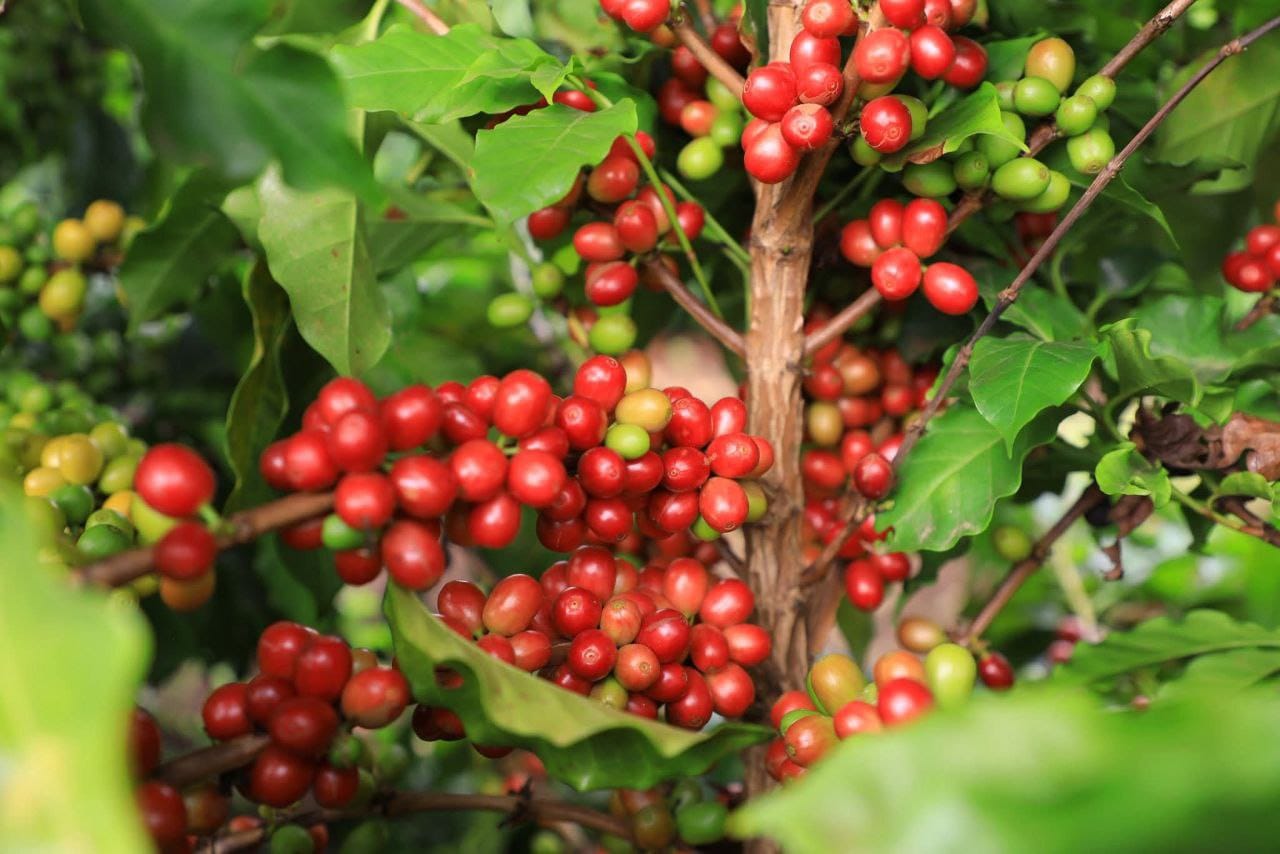
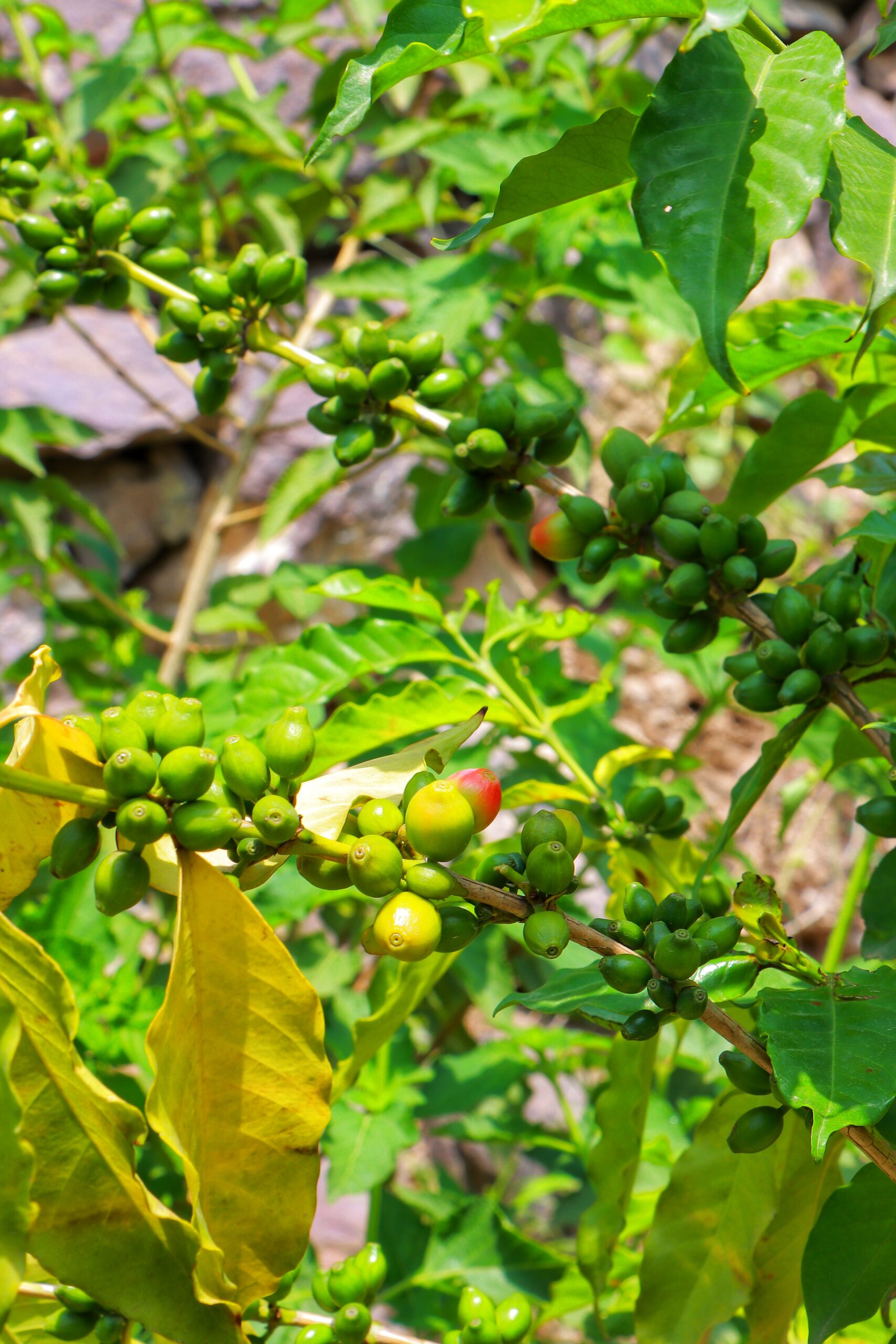
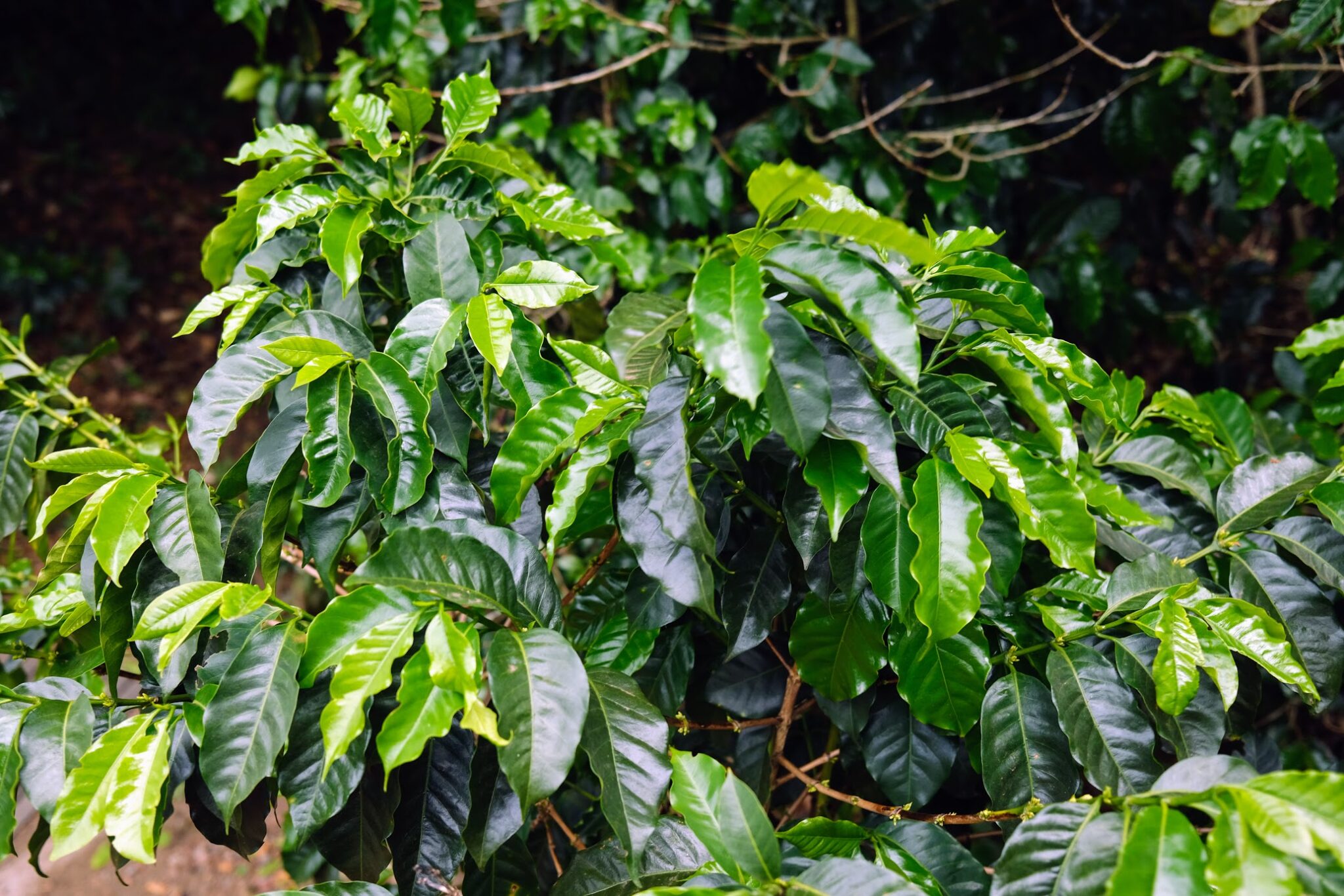
Kelachandra Coffee, one of India’s largest privately held coffee plantation companies, has appointed Dr. J.S. Nagaraja as its new Head of Research and Development (R&D).

Dr. Nagaraja, who most recently served as Joint Director of Research at the Coffee Board of India, brings over 30 years of experience in soil science, post-harvest technology, and sustainable coffee cultivation. His work has included research on soil chemistry, coffee quality improvement, agrochemical analysis, and technology transfer.

At Kelachandra Coffee, Dr. Nagaraja will oversee R&D initiatives across the company’s estates, including soil and leaf analysis, fertilizer optimization, specialty coffee development, disease management, and sustainability projects such as carbon footprint studies.

Speaking on his appointment, Dr. Nagaraja said he plans to focus on soil health, climate resilience, and carbon sequestration, and explore scientific methods to validate the distinctiveness of the company’s coffee varieties.

Dr. Nagaraja holds a Ph.D. in Soil Science & Agricultural Chemistry from the University of Agricultural Sciences, Dharwad, and is recognized for developing the DRIS (Diagnosis and Recommendation Integrated System) norms for Arabica coffee, a nutrient-modelling framework that has influenced fertilizer management practices across India. He has also contributed to advances in post-harvest processing and organic certification evaluation.

About Kelachandra Coffee

Kelachandra Coffee, a division of the historic Kelachandra Group (est. 1786), operates coffee estates in Karnataka and Kerala, producing Arabica and Robusta varieties. The company follows scientific agronomy practices and post-harvest processing protocols and exports to multiple international markets, including Japan, Denmark, Norway, Australia, Germany, and the Middle East.

Mokha 1450 and Primavera Gerrein Coffee Unite to Launch “Guatemala Esperanza” in Dubai

Dubai – Qahwa World

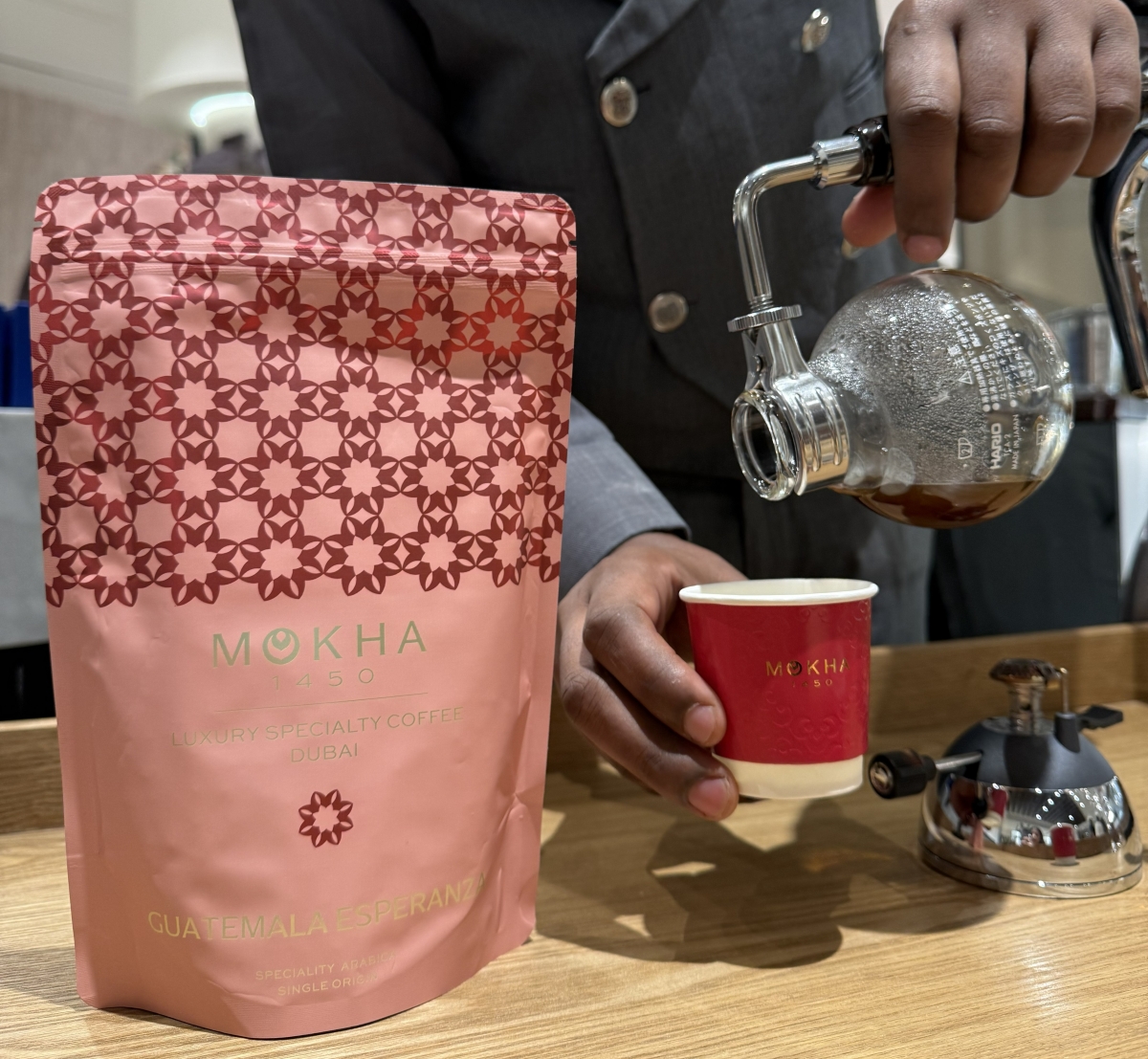
With its signature elegance and commitment to innovation, Mokha 1450 unveiled its latest creation — Guatemala Esperanza Mokha 1450, a single-origin coffee that embodies craftsmanship, authenticity, and sustainability.

This new offering marks a promising partnership with Primavera Gerrein Coffee from Guatemala, led by Ms. Nadine Rasch, the company’s Director and Second Vice President of the Specialty Coffee Association (SCA). Nadine Rasch comes from a family with four generations of coffee growers in Guatemala and founded Primavera to honor that legacy. From the beginning, her mission has been to deliver exceptional coffees efficiently and transparently to roasters worldwide while ensuring that sustainability remains at the heart of every stage of production.

Primavera started as Third Wave Coffee Source, an importer of Guatemalan coffees in the UK, before expanding into Europe and North America. In 2018, its sister company La Central de Café opened in Guatemala City to strengthen ties with producers and improve efficiency in the value chain. In 2019, the brand unified under the name Primavera Green Coffee, and by 2023, it expanded to include new origins, continuing to represent its core values of sustainability, transparency, and uncompromising quality.

The elegant launch event took place at Mokha 1450’s new branch inside the Modora luxury furniture gallery in Dubai’s Umm Suqeim district. The event gathered a select audience of coffee professionals, enthusiasts, and industry figures who celebrated the union of two brands known for their integrity, innovation, and passion for coffee excellence. The evening reflected a shared commitment to bridging cultures and connecting coffee lovers with the people and places that make every cup extraordinary.

Founded in the United Arab Emirates, Mokha 1450 is an innovative luxury specialty coffee brand deeply rooted in the origins and ethics of coffee culture. The company’s philosophy is built on direct trade and social responsibility, sourcing rare and exceptional coffees directly from producers while supporting women-owned and operated farms across the world. Mokha 1450 is guided by a belief that true luxury lies not only in quality but also in purpose — in fostering long-term relationships that empower farming communities and preserve the authenticity of coffee’s story.

The launch of Guatemala Esperanza Mokha 1450 represents more than the debut of a new coffee; it symbolizes a collaboration built on trust, expertise, and shared values. Together, Mokha 1450 and Primavera Gerrein Coffee reaffirm their dedication to a global coffee movement where sustainability, transparency, and craftsmanship remain the defining ingredients in every brew.

Vietnam’s Coffee Exports Hit Record Levels and Set Sights on New Growth in 2026

Ho Chi Minh  – Qahwa World

Vietnam has closed the 2024–2025 coffee season with unprecedented results, marking the highest performance in the history of its coffee industry. The country’s coffee export value reached USD 8.4 billion, according to the Vietnam Coffee and Cocoa Association (VICOFA), which held its annual conference on 24 October 2025 in Ho Chi Minh City, attended by representatives from the Ministry of Agriculture and Environment, exporters, and local producers.

Data released by the association shows that from October 2024 to September 2025, Vietnam exported over 1.5 million tons of coffee—an increase of 1.8 % in volume and 55.5 % in export value compared with the previous season. The average export price reached USD 5,610 per ton, up 52.7 % year on year.

Europe remained Vietnam’s largest export market, accounting for about 47 % of total shipments—more than 710,000 tons—valued at over USD 4 billion. Within that figure, the 27 European Union countries represented 40.1 % of the total exported volume and 39.4 % of export value, reaffirming the country’s strong foothold in European markets despite tightening sustainability regulations.

Speaking at the event, Hoang Trung, Deputy Minister of Agriculture and Environment, praised the industry’s achievements as a result of joint efforts among farmers, exporters, and government agencies to improve product quality and expand international market access. He reported that the total coffee cultivation area reached 731.9 thousand hectares, including 678.5 thousand hectares in production, while re-planted areas covered 20 thousand hectares, achieving 96.4 % of the national re-planting plan.

According to the deputy minister, favorable weather conditions and high coffee prices encouraged farmers to invest in intensive cultivation and rejuvenate plantations, leading to higher productivity and improved bean quality. Government estimates suggest that total coffee production could approach 2 million tons this year—an impressive achievement demonstrating Vietnam’s resilience amid global agricultural volatility.

A key highlight of the conference was the announcement that cooperation between VICOFA, government authorities, and international partners had resulted in the creation of a national traceability database covering 137,000 hectares of coffee farms, which is now being expanded to 462,000 hectares, or about 80 % of the total coffee area in the Central Highlands. Thanks to this initiative, the European Union has classified Vietnam as a “low-risk” country under the EUDR (Deforestation Regulation), requiring inspection of only 1 % of imported shipments. Trung described this classification as “a recognition of Vietnam’s transparency, accountability, and environmental responsibility within the coffee sector.”

He further noted that programs dedicated to specialty and high-quality coffee, as well as sustainable low-emission initiatives, have significantly contributed to increasing the added value of Vietnamese coffee and strengthening its brand identity on the global stage.

The report also showed that by mid-October 2025, Vietnam had already exported 1.27 million tons of coffee, valued at USD 7.21 billion—a 12.5 % rise in volume and more than 62 % growth in value compared with the same period a year earlier. This performance highlights a strategic shift from expanding output to enhancing value and quality, underscoring the success of Vietnam’s transformation from a commodity-based producer to a sustainability-driven exporter.

During the event, VICOFA projected that coffee production for the 2025–2026 season could increase by 10 % from the previous year if favorable weather continues. The association said that encouraging price levels had motivated farmers to increase investments in crop care and expand their cultivated areas, raising prospects for another strong season ahead.

Deputy Minister Hoang Trung outlined several key directions for sustaining growth and maintaining competitiveness:

  • Expand sustainable production by adopting international certification standards such as RA, 4C, FLO, and C.A.F.E. Practices.
  • Strengthen traceability and deep processing to reduce dependence on raw-bean exports.
  • Adopt low-emission cultivation techniques to cut fertilizer and pesticide use and promote water-efficient irrigation.
  • Diversify markets beyond Europe toward Asia and Southeast Asia, leveraging cross-border e-commerce opportunities.
  • Promote the “Vietnam Coffee” brand in specialty segments through global marketing and participation in exhibitions and trade fairs.
  • Foster stronger linkages across the supply chain—from farmers and cooperatives to processors and exporters—to ensure equitable and sustainable growth.
  • Enhance awareness and compliance with import-market requirements, especially environmental and traceability regulations under the EU EUDR.

The conference concluded with a shared conviction among participants that, with its robust agricultural base, growing commitment to sustainability, and rapidly improving quality standards, Vietnam is on course to strengthen its position as one of the world’s leading coffee exporters. As the new 2025–2026 season approaches, the sector looks set for further expansion, higher value, and record-breaking achievements in the years ahead.

AI and Sustainability Redefine the Future of Coffee Trade

Dubai – Qahwa World

The “Future of Trade 2024: Decoupled and Reconfigured” report released by the Dubai Multi Commodities Centre (DMCC) offers a forward-looking view of how global trade is transforming amid economic, environmental, and technological change.
Although coffee trade is not discussed in detail, the report’s three defining forces — regionalisation, digitalisation, and sustainability — have direct implications for the global coffee industry and its complex supply chain stretching from farms to roasters.

Regionalisation and the Reconfiguration of Supply Chains

The report forecasts that global trade will rebound moderately, growing by 2.6% in 2024 and 3.3% in 2025, after contracting by 1.2% in 2023.
This recovery, however, comes with an important shift: the world is moving toward regionalised trade blocs and “friend-shoring,” in which supply chains are relocated closer to politically aligned or geographically proximate partners.

In the coffee sector, this means supply routes and logistics networks are being redrawn. Neutral hubs such as Dubai are expected to gain importance as aggregation and re-export centres for coffee shipments heading to Europe, Asia, and Africa.
With the total value of global merchandise trade reaching US$31 trillion in 2023, competition among trading hubs to attract high-value commodities, including coffee, is intensifying.

Sustainability: From Compliance to Market Advantage

The DMCC report highlights the rapid rise of climate policy as a trade determinant, particularly with the introduction of the EU Carbon Border Adjustment Mechanism (CBAM).
This system is redefining competitiveness by penalising carbon-intensive exports and rewarding those with low emissions and traceable supply chains.

While services trade is growing by 9% compared to 6% for goods, agricultural producers — especially in coffee — face mounting pressure to meet environmental standards and prove compliance with deforestation-free regulations.
Those who succeed can access the so-called “green premium”, where verified sustainable coffees command higher prices in European markets.

Within this context, Dubai’s advanced infrastructure and regulatory environment position it as a gateway for sustainability-compliant trade.
According to DMCC’s Commodity Trade Index 2024, the United States ranks first, followed by the United Arab Emirates and Switzerland, confirming Dubai’s role as one of the world’s top three commodity trading hubs — a ranking that reinforces its potential as a major coffee re-export platform.

Digitalisation and Artificial Intelligence: The New Engine of Coffee Trade

The report identifies artificial intelligence (AI) as the single most transformative force in global commerce.
In the coffee industry, AI can optimise pricing, logistics, and quality control — analysing weather data, yield forecasts, and logistics variables to improve risk management and profitability.

AI-driven blockchain traceability systems are also reshaping trust across the supply chain, giving roasters and buyers greater visibility from origin to cup.
At the same time, trade documentation and payments are moving toward full automation, making transactions faster and less costly.

The report further projects that B2B e-commerce will grow by 14.5% through 2026, while digital services exports reached US$3.82 trillion with annual growth of 8%.
For coffee producers and roasters, this trend opens the door to direct online trade platforms that bypass intermediaries and enhance market access for certified coffees.

Trade Finance and the Credit Gap

DMCC underscores a global trade finance gap of US$2.5 trillion, a shortfall that disproportionately affects small exporters and agricultural producers.
In coffee-producing regions, this financing gap often limits the ability of cooperatives and smallholders to meet environmental or certification requirements.

Innovative financial instruments such as Supply Chain Finance (SCF) can bridge this divide by linking credit access to verified sustainability and traceability metrics — offering incentives for producers who adopt transparent and climate-friendly practices.

Dubai’s Growing Role in Sustainable Coffee Trade

Thanks to its strategic location, world-class logistics, and neutral trade environment, Dubai is strengthening its position as a central hub for global commodities.
The city is rapidly becoming a key centre for sustainable coffee re-export, supported by free zones that offer packaging, lab testing, and digital traceability services.
These capabilities align with the UAE’s broader vision of building a diversified and green economy, where technology and sustainability define the next era of trade.

Key Numbers from the Report

Global trade growth: +2.6% (2024), +3.3% (2025)

Value of merchandise trade: US$31 trillion (2023)

Services trade growth: +9% vs. +6% for goods

Trade finance gap: US$2.5 trillion

Top commodity hubs: 1. USA, 2. UAE, 3. Switzerland

B2B e-commerce growth: +14.5% through 2026

Digital service exports: US$3.82 trillion

The Road Ahead

As global trade becomes increasingly regionalised, sustainable, and data-driven, the coffee industry stands at a pivotal juncture.
Those who can embrace technology, achieve sustainability compliance, and diversify their trade networks will not only survive but thrive in this evolving landscape.
Amid this transformation, Dubai continues to bridge continents — linking coffee origins in Africa and Latin America with fast-growing consumer markets across Europe, Asia, and the Middle East.
Sumseron Coffee Emerging as a Sensational Kenyan Coffee Brand With Global Reach

Nairobi, Kenya – Qahwa World

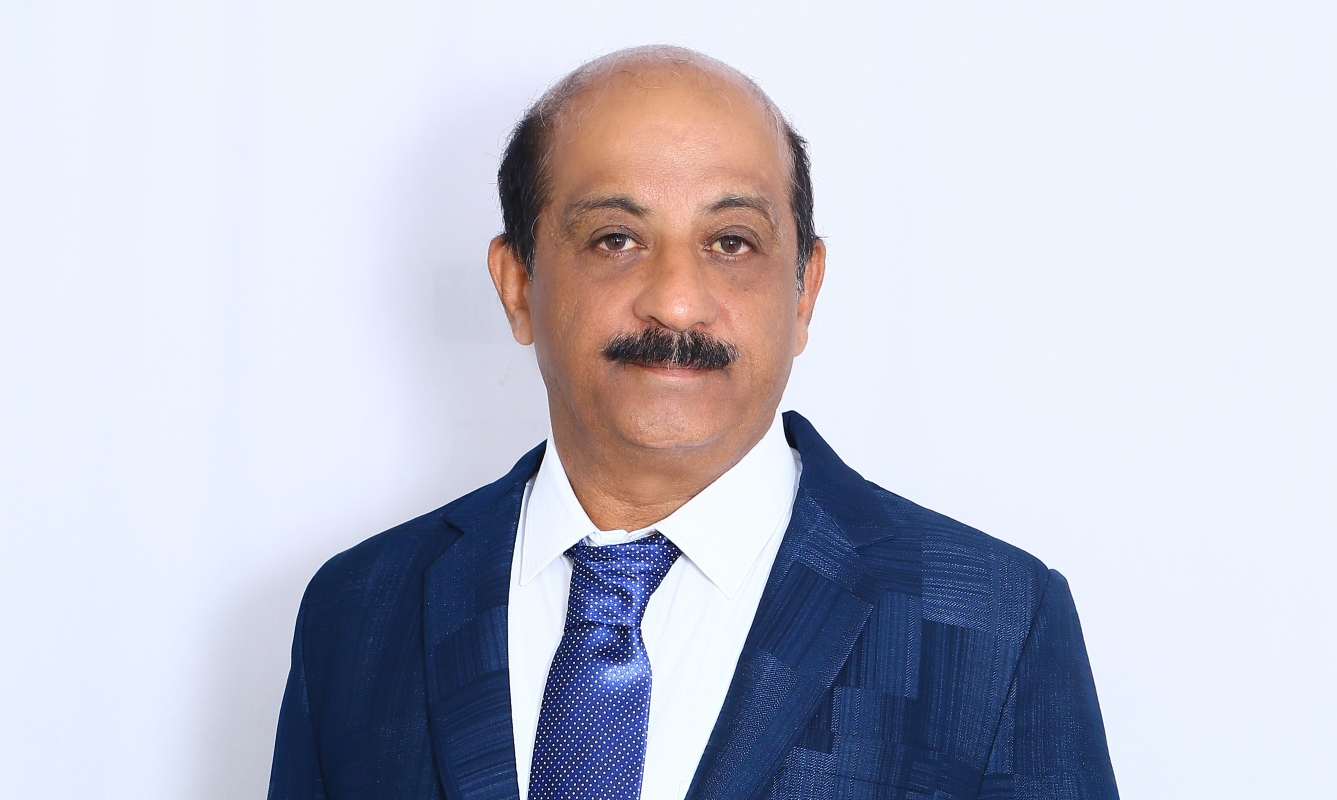
Sumseron Coffee, a Kenyan specialty coffee company, is rapidly gaining international recognition as it positions itself among Africa’s most promising coffee brands. With deep roots in Kenya’s coffee-growing heritage, the company is combining quality, sustainability, and innovation to bring premium Kenyan coffee to the world.

Founded by John Seroney, Sumseron Coffee has built its identity around farmer empowerment, environmental responsibility, and transparency across the supply chain. Each bean, sourced from Kenya’s lush highlands, carries not only flavor but also a story of culture and community.

“Our vision is to put Kenyan coffee on the global stage in a way that truly benefits farmers and captivates consumers,” said John Seroney, CEO of Sumseron Coffee. “We are not just exporting coffee; we are exporting a legacy, a culture, and a promise of excellence.”

Expanding Locally and Globally

At home in Kenya, Sumseron Coffee has become a trusted brand for medium and dark roast drinkers, while also supplying premium beans to cafés and roasters. Beyond Kenya, the company has established export networks across Europe, Asia, and North America, helping farmers tap into premium international markets.

Its growth strategy balances B2C engagement, through platforms like TikTok and Instagram to connect with younger coffee drinkers, and B2B partnerships with roasters, cafés, and distributors, offering both green and roasted coffee as well as consolidation services.

Sustainability at the Core

A defining feature of Sumseron Coffee is its sustainability agenda. The company ensures fair compensation for farmers, actively supports women in coffee, and prioritizes eco-friendly practices. Through partnerships and innovation, it is contributing to a circular coffee economy that aligns with global climate and sustainability goals.

Looking Ahead

With global demand for Kenyan coffee on the rise, Sumseron Coffee aims to scale its operations and compete with the world’s most iconic coffee brands. The company is currently seeking new partnerships and investments to accelerate its international expansion and strengthen its impact on farmers and communities.

About Sumseron Coffee

Sumseron Coffee is a purpose-driven Kenyan specialty coffee company dedicated to producing, processing, and marketing world-class coffee. Built on values of sustainability, transparency, and farmer empowerment, the brand continues to deliver the finest Kenyan coffee to markets worldwide — from Kenya to the World.

92% of Germans Drink Coffee — But Habits Are Changing

Berlin – Qahwa World

Coffee continues to dominate German daily life, making it the country’s favorite beverage. Yet recent surveys reveal that while consumption remains remarkably high, habits are shifting under the influence of age, inflation, and changing social values.

A 2025 survey by Ipsos Observer for Aral found that 92% of Germans drink coffee, with 68% consuming it daily. Despite these impressive figures, the share of daily coffee drinkers has fallen steadily over the past decade — from 76% in 2016 to 72% in 2018, and now 68% in 2025.

The same survey shed light on consumption patterns:

35% drink two cups a day,

27% three cups,

18% four cups,

9% just one cup.

When it comes to preparation, filtered coffee leads with 44%, followed by cappuccino (37.8%), café crema (33.9%), latte (29.7%), latte macchiato (26.4%), and espresso (22.2%). Milk preferences also show diversity: 37.8% prefer whole milk, 26.3% skimmed milk, 15.1% plant-based alternatives, and 13.5% condensed milk, while 25.2% drink it black. A majority — 60.1% — prefer no sugar.

Motivations reflect both necessity and pleasure. About 80% of Germans say caffeine is essential, with 42.2% admitting they find it hard to wake up without coffee, and 24.8% unable to start the morning without it. Yet for many, coffee is also a moment of enjoyment — 54.8% drink it for pleasure, 45.2% for relaxation, and 35.5% to fill breaks or enjoy personal time.

Inflation and shifting attitudes

A separate study by SINUS-Institut and OPINION, conducted in 2022 to mark World Coffee Day, emphasized the role of inflation and broader social changes. It showed that while 92% of Germans consume coffee, 15% reduced their intake due to rising prices. Younger Germans (under 40) and East Germans were particularly likely to cut back.

At the same time, many remain loyal to quality: 37% are still willing to pay more for good coffee, especially those with higher education. Sustainability is also a growing priority — about 30% prefer ethically sourced coffee, with support strongest among the so-called “Post-Materialist” milieu, who see coffee choices as part of their responsibility toward climate and society.

Consumption varies by age: Germans under 30 drink about seven cups a week, while those aged 60–69 drink more than 16 cups. A third of the population is open to trying new coffee types, with the most adventurous group being people in their thirties. About 20% describe coffee as a hobby, and nearly 19% place importance on having a state-of-the-art coffee machine.

In a comparative survey in Austria, drip coffee was far less popular (15%) than in Germany (34%), reflecting Austria’s stronger espresso culture. Inflation also had an impact there, with 18% reducing consumption, slightly more than in Germany.

Together, these studies show how coffee remains Germany’s most beloved drink, consumed by nearly the entire population. Yet economic pressures, generational differences, and evolving values are gradually reshaping how — and why — Germans enjoy their daily coffee.

Ethiopian Coffee Farmers Face Heavy Burden from New EU Regulations

Saddama, Ethiopia – Qahwa World

Al Jazeera has broadcast a filmed report highlighting the impact of the European Union’s anti-deforestation regulations, which are set to come into force on December 30, 2025, after several delays in implementation.

According to the report, the new EU rules are leaving a bitter taste among Ethiopian coffee farmers, who fear losing one of their most important export markets. Roughly one-third of Ethiopia’s coffee production is shipped to the European Union, but the regulations now require proof of origin for every single consignment.

Smallholder Farmers at Risk

For smallholder farmers—the backbone of Ethiopia’s coffee sector—compliance represents a costly and exhausting burden. One producer commented: “Denying us access to the European market is like a punishment, like sanctions. While China financially supports its companies to buy African coffee, the EU does nothing—worse, it increases the burden on us.”

In response, some farmers have started planting shade trees and adopting more sustainable practices. “We no longer cut down trees; we use them sustainably to protect our environment and our crops,” one farmer explained. Training programs have been introduced to help farmers adjust, but challenges remain. A French government study revealed that EU coffee consumption is responsible for nearly half of coffee-related deforestation worldwide, making traceability an urgent priority for European policymakers.

What Are the New EU Rules?

The regulations, known as the EU Deforestation Regulation (EUDR), were approved by the European Parliament in 2023 and will be phased in between 2025 and 2026. They apply to key commodities including coffee, cocoa, soy, palm oil, and timber. The goal is to ensure that no product entering the EU market contributes to deforestation or ecosystem degradation.

Under the rules, importers and exporters must provide detailed information on the origin of products through a dedicated traceability and digital system, using geographic coordinates and satellite mapping of farms. Companies and farmers are required to submit “due diligence statements” to guarantee transparency throughout the supply chain.

Ethiopia’s Challenges

In Ethiopia, where more than four million small-scale farmers cultivate coffee, meeting these requirements appears nearly impossible without broad support. Land surveys and mapping are already underway. One certification officer noted: “At first, some farmers didn’t understand why this was necessary. But so far, we’ve completed 75% of the mapping, and our goal is to register 5,000 farms by the end of the year.” Yet this is only a fraction of the total sector.

The European Commission has pledged to provide assistance but stressed that cooperatives and local governments must also play their part in financing and supporting the transition. Starting January 1, 2026, larger producers will be required to comply immediately, while smallholders have until July 2026. Despite repeated calls for an extension, the EU has made clear it does not intend to delay the deadlines further.

Global Implications

Observers see the move as a double-edged sword. On one hand, it could foster sustainability and help curb deforestation in producing countries. On the other hand, it risks pricing small farmers out of the market, pushing them toward less demanding destinations such as China or Middle Eastern countries.

Ethiopia—the birthplace of coffee and Africa’s largest exporter—now faces a decisive challenge: adapt to the costly EU rules, or risk losing access to its most lucrative market in Europe.

From Blockchain to Artificial Intelligence: Technology Reshapes the Future of Coffee

Dubai, 17 September 2025 (Qahwa World) –The DMCC Coffee Centre, part of Dubai Multi Commodities Centre, has stressed in its latest Future of Trade Agri Series report that technological innovation is becoming a decisive force in reshaping the global coffee industry. At a time when the sector is grappling with climate change, market volatility, and fragile supply chains, tools such as blockchain, artificial intelligence (AI), and circular economy models are no longer optional experiments but essential solutions that can secure coffee’s future.

For decades, the industry has struggled with a lack of transparency. Coffee beans often move through complex trade routes, making it difficult for consumers to know their origin or production conditions, while smallholder farmers rarely capture the full value of their work. The report highlights blockchain as a game-changer, offering tamper-proof digital records that track beans “from farm to cup.” Every shipment can be linked to certified data on origin, processing, and storage. This level of transparency not only builds consumer trust but also allows farmers to earn fairer prices by showcasing quality and differentiation, narrowing the gap between farmgate prices and final retail value.

The digital transformation extends to trade and finance. The DMCC Coffee Centre emphasizes the role of infrastructure like the Tradeflow platform, where coffee ownership is transferred only after arrival, inspection, and storage under controlled conditions. This system reduces informational risks and enhances trust between buyers and sellers. It also enables the use of digitally tokenized products that provide greater security and clarity of ownership, paving the way for smoother inventory financing and working capital solutions in a sector long plagued by data gaps. In short, Dubai’s coffee hub combines reliable digital records with physical oversight to reduce friction and empower smaller players.

Artificial intelligence is another pillar of this transformation. On the farm, predictive algorithms analyze climate, soil, and humidity data to guide planting and harvesting schedules, mitigating the effects of droughts and erratic seasons while improving yields. At the market level, AI-powered demand forecasting helps roasters and traders anticipate shifting consumer preferences, particularly the rise of specialty coffee among millennials and Gen Z. This allows for better inventory management, targeted product development, and even the creation of blends tailored to specific taste profiles.

The report also points to the rapid shift toward direct-to-consumer channels. Coffee brands are increasingly bypassing traditional retail by building digital platforms, offering subscription models, virtual tasting experiences, and loyalty programs. These innovations shorten the distance between roaster and consumer, while giving small businesses tools to tell the “story of coffee”—origin, processing, and roast profile—in ways that translate into real economic value.

Meanwhile, the circular economy is redefining coffee’s environmental footprint. Millions of tons of coffee waste once treated as byproducts are now being converted into new resources. Startups are turning spent coffee grounds into biofuels, fertilizers, and even textile materials. Packaging innovation is also gaining traction, with compostable capsules, recyclable materials, and structured collection programs that reduce waste and lower carbon emissions. These efforts, the report argues, are not only about image but also about cutting costs and meeting stricter sustainability criteria in key markets.

At the heart of this transformation remains the human factor. Coffee depends on more than 25 million smallholder farmers worldwide, and digital adoption must ultimately improve their livelihoods, not just introduce high-tech systems. The DMCC Coffee Centre underscores the importance of affordable tools—such as low-cost sensors and mobile advisory apps—combined with fair contracts that reflect the quality of specialty coffee. When digital transparency is paired with equitable pricing, the weakest link in the chain becomes stronger, and smallholders can withstand climate and market shocks more effectively.

The report also draws attention to rising compliance demands, including deforestation regulations and origin tracking requirements, which are pushing the industry toward standardized data systems. By providing exporters with shared verification platforms and importers with unified benchmarks, compliance becomes less of a burden and more of an opportunity to unlock premium markets. With Dubai evolving into a logistics and cultural hub for coffee—offering shared roasting, packaging, and storage facilities—the emirate demonstrates how producers in Africa and Latin America can connect to demanding consumers in Asia and the Gulf through clearer traceability, faster access, and reduced risk.

In conclusion, the DMCC Coffee Centre makes clear that coffee’s survival will not depend on wishful thinking but on the adoption of a responsible digital transformation. Blockchain provides transparency, AI enhances precision, direct digital channels strengthen relationships, and circular economy solutions turn waste into resources. Yet the true value of these tools lies in translating them into better farmer incomes, greater consumer confidence, and a more resilient industry. Far from replacing the cultural essence of coffee, technology is extending it: knowledge accumulated through centuries, now reinforced by intelligent systems that give the sector a realistic path to endure and thrive in an era of uncertainty.

Yemen: The Future of Drought-Resistant Coffee Amid Climate Change

Dubai, 17 September 2025 (Qahwa World) –Coffee in Yemen has never been just a crop. It is deeply rooted in the nation’s history, culture, and identity. From these rugged mountains and arid landscapes, coffee spread across the seas more than five centuries ago to conquer global markets. Today, as climate volatility poses unprecedented threats to the coffee industry worldwide, Yemen is once again at the centre of attention—not only as the birthplace of coffee but also as a potential leader in producing drought-resistant varieties that could safeguard the sector’s future.

According to the latest DMCC Coffee Centre report, part of its Future of Trade Agri Series, climate change may render half of today’s coffee-growing land unsuitable for production by 2050. Arabica beans, which account for 60–70% of global production and are prized for their superior quality, are the most at risk. They require cooler climates and well-defined wet and dry seasons, making them highly sensitive to even slight shifts in rainfall and temperature.

Robusta, known for its resilience and tolerance to higher temperatures, may also face threats from ongoing climate disruptions. The report highlights that recent years have already offered a preview of this uncertain future. In Vietnam, prolonged drought caused production to fall by 20% and exports by 10% during the 2023/24 season. In Brazil, the world’s largest coffee producer, one of the most severe droughts in its history pushed Arabica prices up by more than 80% in 2024. These are not isolated incidents but warning signs of a shifting climate reality that threatens global supply.

Against this backdrop of instability, the DMCC report underscores Yemen’s exceptional position. For centuries, Yemeni farmers have cultivated coffee under harsh conditions—scorching heat, scarce rainfall, and limited water resources—yet the crop has endured. This historic resilience is what makes Yemen uniquely qualified to lead the development of drought-resistant coffee varieties that could redefine global production.

Garfield Kerr, president of the Speciality Coffee Association (SCA) and founder of Mokha 1450 in Dubai, put it bluntly: “I expect Yemen to become an industry leader in producing drought-resistant coffees, because farmers and agronomists there are already producing coffee in higher temperatures with less water.”

Garfield Kerr, President of the Specialty Coffee Association (SCA) and founder of Mokha1450

This statement reflects a growing global recognition that Yemen’s traditional practices and harsh realities may hold the key to coffee’s survival in the face of climate change.

The significance of Yemen lies not only in its ability to grow coffee under extreme conditions but also in the potential role it can play in stabilising global supply. If Yemen succeeds in pioneering drought-resistant varieties, it could help reduce the risks facing millions of smallholder farmers across Latin America, Africa, and Asia who are far less equipped to adapt to environmental shocks.

Economically, this advantage positions Yemen to capture new opportunities. With demand for resilient coffee varieties expected to rise, Yemen could evolve from a historically modest producer into a global laboratory for agricultural innovation. Strategic investment in research, farmer training, and international partnerships will be key to transforming this potential into reality.

The report also emphasises that farmers cannot bear the burden of climate adaptation alone. Institutions, trade bodies, and global buyers must work together to foster resilience across the supply chain. Yemen’s experience offers valuable lessons, but scaling them up will require cooperation, knowledge-sharing, and financial backing.

As consumer demand for sustainability and transparency intensifies, regulatory frameworks such as the European Union’s Deforestation Regulation are reshaping access to global markets. For Yemen, aligning with such frameworks could open doors while reinforcing its role as a pioneer in climate-smart coffee production.

Conclusion

The DMCC Coffee Centre report places Yemen firmly back in the global spotlight—not only as the birthplace of coffee but also as a crucial player in shaping its future. At a time when the sector faces escalating risks from droughts, heatwaves, and unpredictable weather, Yemen emerges as a beacon of resilience and possibility.

For the global coffee industry, the message is clear: climate change is already altering production landscapes, and the risks are intensifying. Yet Yemen’s centuries-old experience in cultivating coffee with fewer resources provides hope that adaptation is possible.

If the right investments and collaborations are put in place, Yemen could help secure coffee’s future—not just for itself, but for the millions worldwide whose livelihoods and cultures depend on this extraordinary crop.

DMCC Coffee Centre: Specialty Coffee Redefines the Global Market

DUBAI, 16 September 2025 (Qahwa -World) – Coffee is no longer just a daily beverage. It has become a cultural experience, a marker of taste, and a symbol of identity. Around the world, the specialty coffee sector is witnessing unprecedented growth, transforming the industry and reshaping global trade patterns. In its latest Future of Trade Agri Series report, the DMCC Coffee Centre emphasizes that this boom in specialty coffee is creating new opportunities but also deep challenges for producers, roasters, and supply chains.

From a simple drink to a global culture

Over the past decade, consumer behavior has shifted dramatically. Younger generations, particularly millennials and Gen Z, are no longer satisfied with a standard cup of coffee. They are seeking quality, transparency, and stories behind their brew. Today’s consumers want to know where their beans come from, how they were cultivated, and the social and environmental impact of the farms that produced them. This demand for authenticity and excellence has fueled explosive growth in the specialty coffee sector, which is expanding at a pace far faster than the commercial coffee market.

According to the report, demand for specialty coffee in Asia alone has surged by 30% over the past five years. Cities such as Shanghai, Tokyo, and Seoul have become leading destinations for coffee culture, rivaling long-established centers in Europe and North America. In the Middle East, Dubai has emerged as a hub for specialty coffee, where entrepreneurs, importers, and consumers converge in a market that views coffee as more than a drink—it is a lifestyle, a cultural statement, and a shared experience.

Yet behind this expansion lies a paradox. While specialty coffee commands premium prices in consumer markets, smallholder farmers—who account for about 80% of global production—struggle to secure a fair share of that value. The DMCC Coffee Centre report highlights the growing disconnect between international futures market pricing and the specialty coffee segment. Futures contracts may indicate falling prices, but specialty beans often continue to rise, placing roasters and consumers under pressure and leaving farmers in a vulnerable position.

Garfield Kerr, President of the Specialty Coffee Association and founder of Dubai’s “Mokha 1450,” describes the situation: “The gap between traditional pricing mechanisms and the real specialty market is destabilizing. We need systems that reward quality fairly and ensure that farmers share in the added value created by specialty coffee.”

Garfield Kerr, President of the Specialty Coffee Association (SCA) and founder of Mokha1450

The report also underscores the role of technology in supporting this sector. Tools such as blockchain and artificial intelligence are becoming essential for verifying sustainability claims and ensuring traceability from farm to cup. These innovations build consumer trust while giving farmers a platform to demonstrate the authenticity of their practices. With regulatory frameworks such as the European Union’s anti-deforestation law, transparency is no longer optional but a requirement for accessing major markets.

Meanwhile, emerging regions like the Gulf are helping shape new patterns of demand. In cities like Dubai, Riyadh, and Doha, specialty coffee has become integral to modern lifestyle and self-expression, placing the Middle East firmly on the global coffee map as both a consumer base and a trade hub.

Dubai’s role is especially significant. The DMCC Coffee Centre not only provides world-class infrastructure for storage, roasting, and packaging but also offers pay-as-you-go services that lower barriers for small producers in Africa and Latin America. By connecting them directly to international buyers, Dubai positions itself as a stabilizing force in a rapidly shifting specialty coffee economy.

Looking ahead, the future of specialty coffee appears both bright and complex. Growth projections estimate annual expansion of over 7% in the coming decade, signaling strong demand. Yet challenges remain. Farmers must invest in training, innovation, and resilience to maintain quality, while roasters and traders must navigate volatile pricing and rising logistics costs.

The DMCC Coffee Centre’s report concludes that the specialty coffee boom is not simply a trend but a structural transformation of the global coffee market. Success will depend on the industry’s ability to balance demand with sustainability, fairness, and transparency. If achieved, specialty coffee will not only be a product of distinction but also an economic and cultural cornerstone capable of redefining global trade—and reinforcing Dubai’s role as a hub at the heart of this transformation.

Rainforest Alliance Launches First Regenerative Agriculture Certification for Coffee

Dubai, 9 September 2025 (Qahwa World) – The Rainforest Alliance has announced the launch of the world’s first dedicated regenerative agriculture certification for coffee, a milestone that seeks to transform farming practices from simply reducing harm to actively restoring ecosystems and improving farmer livelihoods. The new “regenerative” seal is expected to appear on consumer coffee bags starting in 2026.

This initiative follows the release of version 1.4 of the Sustainable Agriculture Standard, which will take effect in October 2025. The revised standard reduces the number of requirements from 221 spread across seven categories to 148 requirements consolidated into three, making certification more straightforward for farmers while maintaining its credibility. Alongside this streamlining, certificate holders now have the option to add 17 regenerative requirements to their existing certification, or to pursue a standalone regenerative certification consisting of 119 requirements focused on soil health, biodiversity, water management, climate resilience, and farmer livelihoods.

The Rainforest Alliance has framed regenerative agriculture as a shift beyond a “do no harm” mindset toward one of repair and restoration. The new certification aims to make coffee part of an ecological recovery process that benefits both the land and the farming communities that depend on it. The organization emphasized that every future cup of coffee should give back more than it takes. A recent report by TechnoServe supported this view, finding that the transition to regenerative agriculture in key coffee-producing countries could significantly increase exports and raise farmer incomes.

Implementation of the new certification has already begun in coffee farms across Brazil, Costa Rica, Mexico, and Nicaragua. The first coffees carrying the regenerative seal are expected to reach international markets in 2026, targeting consumers who increasingly demand sustainable and credible products. The launch also coincides with sector-wide initiatives such as RegenCoffee, introduced by the Global Coffee Platform to create a common language around regenerative agriculture, further strengthening Rainforest Alliance’s leadership in this field.

Beyond the environmental and social dimensions, the development comes at a critical moment as the European Union’s deforestation-free supply chain law (EUDR) is set to take effect on 30 December 2025. The law will require companies to prove that commodities entering EU markets are not linked to deforestation. Observers note that the regenerative certification could provide companies with an essential tool to comply with these new requirements, especially in the coffee sector, which faces growing regulatory scrutiny.

Despite the enthusiasm, there are concerns that additional certification layers could impose extra burdens on smallholder farmers who already struggle with limited resources. The Rainforest Alliance has responded by stressing that the new standard was developed over years of research and consultation with farmers, companies, and civil society groups. The goal, it said, is not to increase burdens but to build long-term resilience and open new opportunities for market access.

By combining the streamlined Sustainable Agriculture Standard with the launch of the first regenerative certification for coffee, the Rainforest Alliance is signaling a strategic shift in its vision. The initiative goes beyond traditional sustainability frameworks, aiming to create a new agricultural model that balances environmental protection, agricultural economics, and social development. With this step, the global coffee sector enters a new chapter in which every cup of coffee is not just a beverage, but a contribution to restoring the planet and securing a more sustainable future.

The Future of Arabica: Between Climate Threats and Breeding Innovations

By: Matin Yazdi

Arabica coffee could look very different by 2050. Climate models warn that half of today’s Arabica-growing land is at risk of disappearing under the weight of rising heat, drought, pests, and erratic weather. This isn’t just a farmer’s crisis — it’s a challenge for every coffee drinker around the globe.

Yet, amid these sobering warnings, there is reason for optimism. Science is advancing at an unprecedented pace, ushering in what many experts are calling a “golden age” of coffee breeding. As climate pressures mount, new tools and innovations are reshaping the possibilities for resilient and sustainable coffee.

F1 Hybrids: Climate Champions

First-generation hybrids (F1 Hybrids), first pioneered in Central America, are showing extraordinary promise. These varieties deliver 30–60% higher yields compared to traditional Arabica and thrive in agroforestry systems that integrate shade trees and crops. They combine resilience with cup quality — a balance once thought difficult to achieve. The main challenge remains affordability and large-scale distribution, but advances in tissue culture and seed-based propagation are steadily closing that gap.

The Genome Maps Flavor and Resistance

A major breakthrough in recent years has been the sequencing of Arabica’s genome at chromosome level. This allows breeders to pinpoint genes tied to drought tolerance, disease resistance, and even sensory quality. With these tools, the process of developing new varieties can shrink from decades to just a few years — a radical transformation in the coffee world.

Diversity as Insurance for the Future

Genetic diversity is perhaps the most powerful safeguard for coffee’s survival. Robusta harbors hidden clusters of genes that could be tapped for resilience. Liberica is offering new species with surprising disease resistance. Meanwhile, wild relatives such as Coffea charrieriana — naturally caffeine-free — are no longer curiosities, but strategic resources. Preserving these species is not charity; it is a direct investment in the sustainability of coffee supply chains.

From Molecules to the Field

The next frontier is molecular breeding. Tools like metabolomics (the study of chemical compounds in plants) and DNA markers are moving out of research labs and into real-world breeding programs. That means breeders can select plants for sweetness, body, or resilience before they ever reach the field. This leap in precision is poised to redefine how quality and resilience are achieved in coffee.

Collaboration as the Accelerator

Scientific breakthroughs alone are not enough. True impact depends on collaboration across research institutions, companies, and producers. Initiatives such as World Coffee Research’s Innovea network and corporate-backed genome projects demonstrate that progress is fastest when stakeholders align. The critical challenge now is scaling funding and ensuring smallholder farmers — who grow most of the world’s coffee — gain access to these innovations.

A Race Between Climate and Innovation

The story of Arabica’s future is not one of despair, but of urgency. It is a race between mounting climate pressures and the speed of scientific innovation. The question is not whether coffee will change, but how we prepare to face that change. With the tools already available, the industry has the chance to secure a resilient, flavorful, and sustainable future for coffee lovers everywhere.

Even decaf enthusiasts may have reason to celebrate. Wild caffeine-free species could herald a new era of decaf coffee that finally delivers all the flavor — with none of the compromise.

Conclusion: The future of Arabica is not predetermined. It hangs in the balance between threats and opportunities. By embracing innovation and expanding collaboration, the global coffee community can ensure that future generations will continue to enjoy rich, sustainable, and high-quality coffee.