
Kelachandra Coffee Names Dr. J.S. Nagaraja as Head of Research & Development

Bengaluru/Chikkamagaluru – Qahwa World

Kelachandra Coffee, one of India’s largest privately held coffee plantation companies, has appointed Dr. J.S. Nagaraja as its new Head of Research and Development (R&D).

Dr. Nagaraja, who most recently served as Joint Director of Research at the Coffee Board of India, brings over 30 years of experience in soil science, post-harvest technology, and sustainable coffee cultivation. His work has included research on soil chemistry, coffee quality improvement, agrochemical analysis, and technology transfer.

At Kelachandra Coffee, Dr. Nagaraja will oversee R&D initiatives across the company’s estates, including soil and leaf analysis, fertilizer optimization, specialty coffee development, disease management, and sustainability projects such as carbon footprint studies.

Speaking on his appointment, Dr. Nagaraja said he plans to focus on soil health, climate resilience, and carbon sequestration, and explore scientific methods to validate the distinctiveness of the company’s coffee varieties.

Dr. Nagaraja holds a Ph.D. in Soil Science & Agricultural Chemistry from the University of Agricultural Sciences, Dharwad, and is recognized for developing the DRIS (Diagnosis and Recommendation Integrated System) norms for Arabica coffee, a nutrient-modelling framework that has influenced fertilizer management practices across India. He has also contributed to advances in post-harvest processing and organic certification evaluation.

About Kelachandra Coffee

Kelachandra Coffee, a division of the historic Kelachandra Group (est. 1786), operates coffee estates in Karnataka and Kerala, producing Arabica and Robusta varieties. The company follows scientific agronomy practices and post-harvest processing protocols and exports to multiple international markets, including Japan, Denmark, Norway, Australia, Germany, and the Middle East.
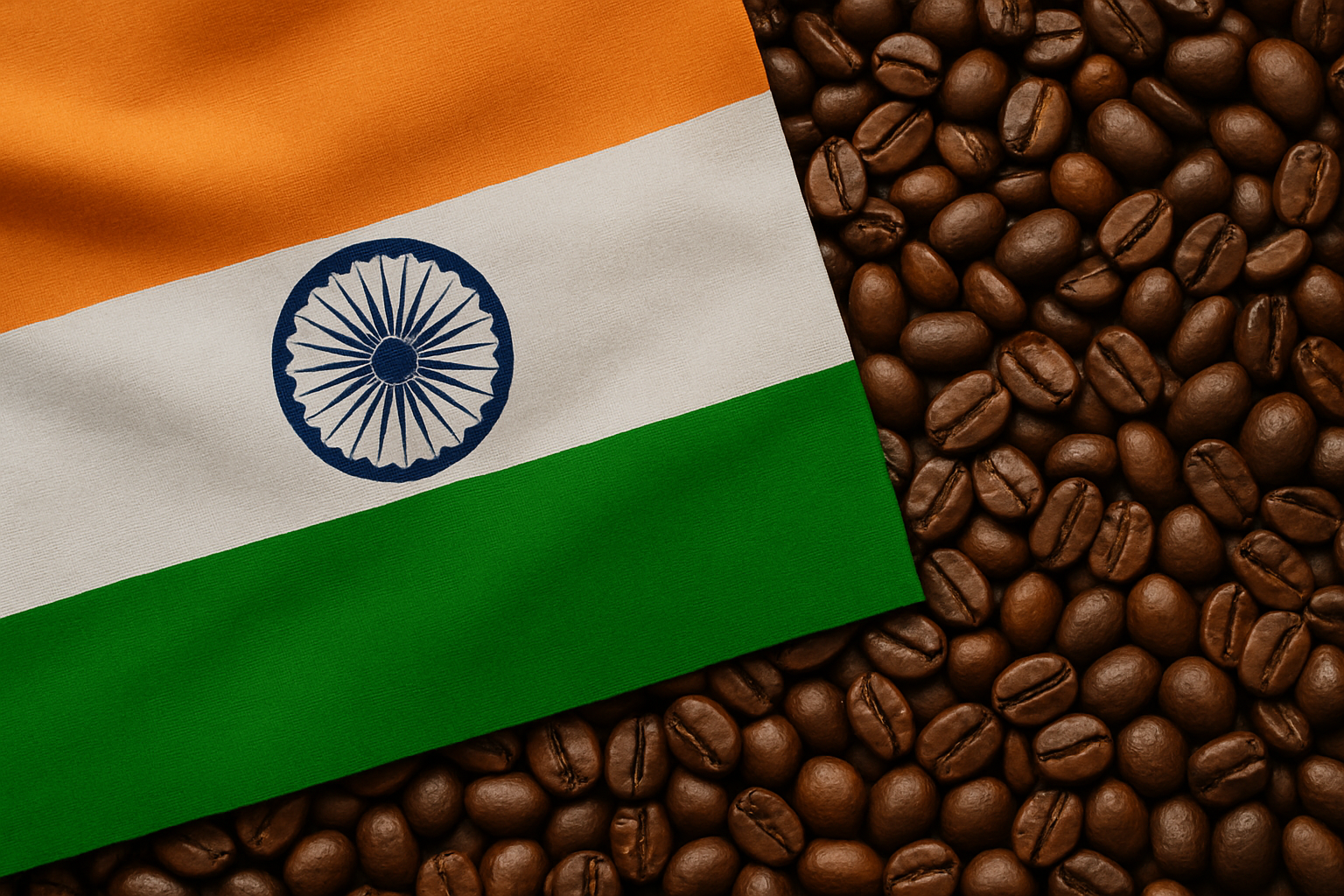
Indian Coffee Producers Welcome GST Reduction to 5%

New Delhi, September 5, 2025 (Qahwa World) – India’s coffee sector has warmly welcomed the government’s decision to cut the Goods and Services Tax (GST) on coffee from 12% and 18% down to 5%, describing it as a historic move that will boost domestic consumption and strengthen the country’s competitiveness in global markets.

The decision, adopted during the 56th GST Council meeting chaired by Finance Minister Nirmala Sitharaman, simplified the tax system into two primary slabs: 5% for essential and merit goods, and 18% as the standard rate, while keeping a 40% rate for de-merit goods such as tobacco and luxury items. Coffee was placed under the merit category, and starting September 22, roasted, instant, and processed coffee products will all benefit from the reduced tax rate.

Fresh Momentum for Domestic Consumption

For Neleema Rana George, Managing Director of Kelachandra Coffee, one of India’s oldest plantation companies dating back to 1786, the move marks a defining moment. She stressed that classifying coffee as an essential good would make it more widely available and affordable, thereby encouraging daily consumption, opening new avenues for growth, and creating greater balance between farmers, processors, and retailers. She emphasized that the positive impact of this decision “will extend from farm to cup.”

Neleema Rana George, Managing Director of Kelachandra Coffee

Specialty Coffee Poised for Growth

In the specialty sector, Devesh Khushalani, Co-Founder of Kranti Coffee, described the tax cut as “a ray of hope after a difficult period,” noting that lowering GST to 5% translates into fairer prices for consumers, allowing them to access Indian nano-lots and strengthening café culture.

He also pointed to pioneers such as Ashok Patre of Ratnagiri Estate and Hamsini of Sangameshwar Coffee Estate, who have positioned Indian coffee on the global stage through innovative processing methods and micro-lots that have scored above 90 points.

Devesh Khushalani, Co-Founder of Kranti Coffee

Export Competitiveness and Sustainability

From Rajasthan, Radhika Kabra, Founder of Qetli Coffee, underlined the global impact of the reform. She explained that cutting taxes on processing, packaging, and logistics by up to 6% gives Indian coffee a stronger edge against major producers like Vietnam and Brazil. According to the Coffee Board of India, export volumes are expected to grow by 15–20% in the coming year. Kabra said she plans to reinvest these savings in sustainable practices such as water-efficient drip irrigation, which will generate jobs and support local farmers.

She also noted that importers stand to benefit: “Lower GST makes Indian coffee more competitive, reducing prices by 4–5% and enabling access to GI-tagged varieties such as Coorg Arabica and Wayanad Robusta at better rates for international markets.”

Radhika Kabra, Founder of Qetli Coffee

A New Chapter for Indian Coffee

Across the sector, there is consensus that this tax reform is not merely a financial adjustment but a transformative milestone. It promises to drive domestic demand, fuel innovation, and reinforce India’s standing as a rising force in the global coffee trade.

As the September deadline for implementation approaches, optimism is running high. For many, the reform signals the beginning of a new chapter: one in which coffee becomes more accessible to millions of Indian consumers while also expanding its footprint on the world stage.