Author: Qahwa World |
Date: June 9, 2026
Saudi Arabia’s Coffee City: The Complete Story of a Giant Project Transforming Agriculture and Economy
Key Highlights:
- Saudi Arabia is building its first dedicated coffee city in the Al-Baha region, covering 170 hectares.
- Over 527,000 coffee seedlings have been planted, with an expected annual production of 2,000 tons of high-quality coffee.
- The Kingdom aims to establish six coffee cities to reach a national production target of 10,000 tons per year.
- Investments exceed 1.2 billion riyals through the Saudi Coffee Company, owned by the Public Investment Fund.
- The project will create about 100 direct jobs and hundreds of indirect opportunities.
- Saudi Arabia currently imports 100,000 tons of coffee annually at a cost exceeding 2 billion riyals.
- An initiative to plant one million coffee trees by 2030 supports food security and sustainability.
At a time when the world is seeking to diversify income sources and focus on sustainable agriculture, Saudi Arabia is taking bold steps to transform coffee from a traditional beverage symbolizing generosity and hospitality into a promising strategic economic sector. This vision is embodied in the first saudi coffee city project in the Al-Baha region, marking a qualitative leap toward achieving the goals of Vision 2030.
This giant project is not just an agricultural initiative. It is the cornerstone of the Kingdom’s vision to become a global coffee producer, reduce reliance on imports, enhance food security, and create thousands of jobs in rural areas.
The First Coffee City in Al-Baha: A Strategic Location and Ideal Climate
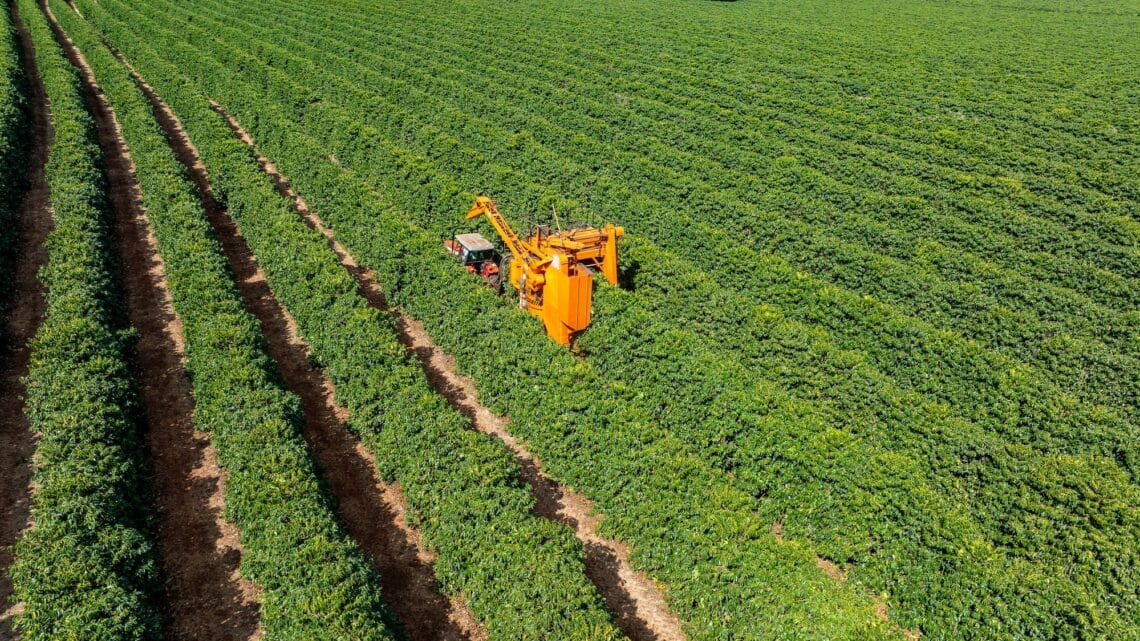
The pioneering project is located in the Makhushqa area of Al-Baha province, covering approximately 170 hectares (over 1.66 million square meters). After about three years since its launch, more than 527,000 coffee seedlings have been planted, with expected annual production of about 2,000 tons of high-quality coffee.
Al-Baha is one of the Kingdom’s most prominent agricultural regions, thanks to its mild mountain climate and altitude exceeding 2,000 meters above sea level. This altitude gives the coffee a distinctive taste and unique strength, rivaling the finest coffee varieties worldwide. The region currently hosts more than 450 coffee farms and about 115,000 coffee trees producing multiple varieties.
| Indicator | Value |
|---|---|
| Coffee city area | 170 hectares |
| Coffee seedlings planted | Over 527,000 |
| Expected annual production | 2,000 tons |
| Coffee farms in Al-Baha | Over 450 |
| Coffee trees in Al-Baha | About 115,000 |
Ambitious Plan for Six Coffee Cities and National Production of 10,000 Tons
Saudi ambition is not limited to one city. The Kingdom aims to establish six specialized coffee cities in different regions, with the goal of reaching national production of 10,000 tons annually. Four development contracts have already been awarded to local and international companies, while the remaining contracts are still under tendering and competition.
The Ministry of Environment, Water, and Agriculture oversees these projects through its regional branches, opening the door to new investments and providing technical and logistical support to farmers.
Economic and Social Impact: Thousands of Jobs and Sector Growth
The Al-Baha coffee city project is expected to provide about 100 direct jobs for farmers, technicians, and supervisors, in addition to hundreds of indirect opportunities in logistics, roasting, packaging, marketing, and agricultural tourism.
This comes at a time when the coffee market in the Kingdom is valued between 7 and 18 billion riyals, with annual growth exceeding 5% to 9%. Saudis consume tens of millions of cups of coffee daily, making the sector a key driver of the hospitality industry and small and medium enterprises.
On the other hand, the Kingdom currently imports about 100,000 tons of coffee annually at a cost exceeding 2 billion riyals, prompting the government to accelerate local production efforts.
| Indicator | Value |
|---|---|
| Saudi coffee market size | 7 to 18 billion riyals |
| Annual market growth | 5% to 9% |
| Current annual imports | 100,000 tons |
| Annual import cost | Over 2 billion riyals |
Massive Investments and Support Initiatives: Saudi Coffee Company and One Million Trees
The Saudi Coffee Company, owned by the Public Investment Fund, was established with investments reaching 1.2 billion riyals over 10 years. Key initiatives include planting one million coffee trees by 2030, establishing the Al-Baha Coffee Association to support small farmers, and developing training and research programs to improve quality and sustainability.
Engineer Mohammed Al-Marwani, CEO and Co-Founder of the Arab Coffee Foundation, stated: “The next step is to cement the Kingdom of Saudi Arabia’s position not just as a coffee-producing country, but as a globally recognized origin for coffee thanks to its quality, credibility, and innovation.” Al-Marwani noted that the challenge is not limited to increasing quantity but includes improving quality, developing modern processing methods, enhancing education and training, achieving environmental sustainability, and expanding access to local and global markets.
Future Vision: From a Net Importer to a Competitive Exporter
With these efforts continuing, experts expect the sector to transform from a net consumer to a competitive producer and exporter. Saudi coffee will contribute to enhancing food security, providing sustainable jobs for youth, and strengthening the Kingdom’s cultural and tourism identity. From the towering mountains of Al-Baha, a new story of the Saudi economy begins, where every coffee bean tells a story of ambition and national determination.
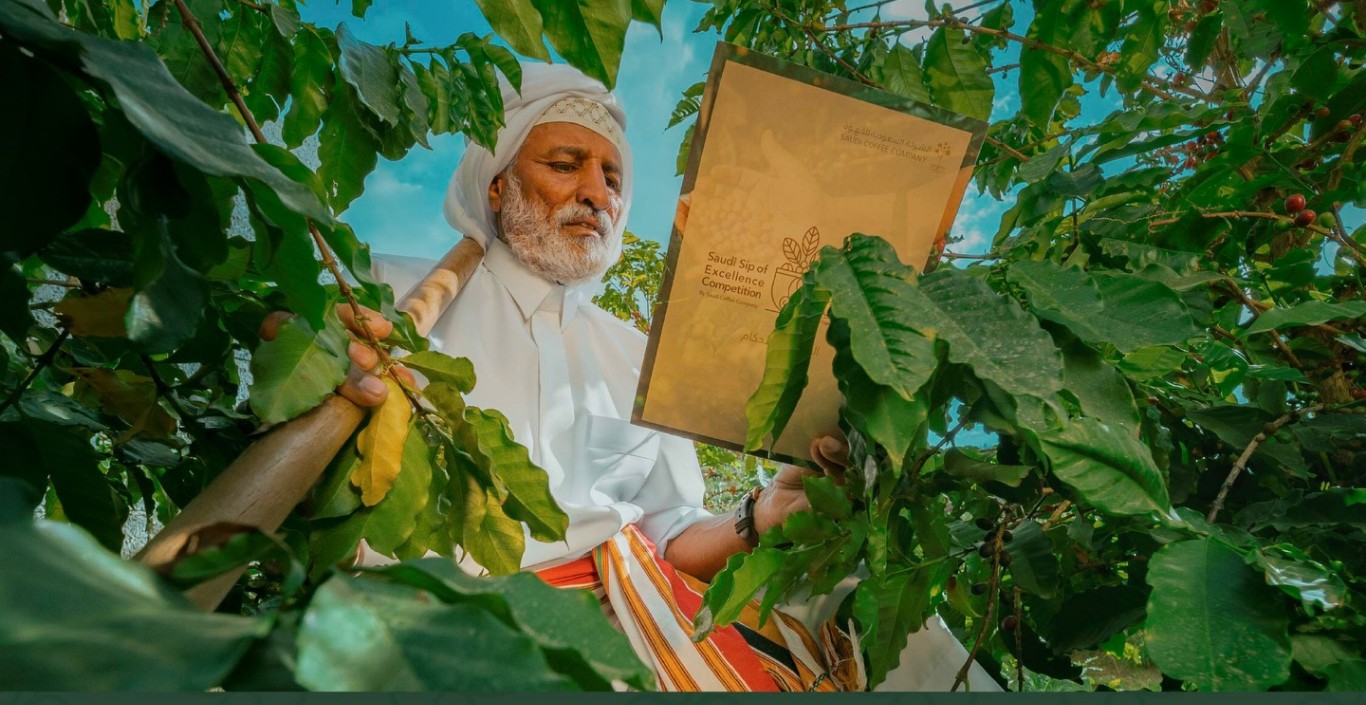
“Al-Baha always strives to be at the forefront of productive agricultural regions in the Kingdom of Saudi Arabia.”
– Mohammed Abbas, local coffee farmer
Frequently Asked Questions About the Saudi Coffee City Project
Q: Where is Saudi Arabia’s first coffee city located?
A: It is located in the Makhushqa area of Al-Baha province, covering 170 hectares.
Q: How many coffee seedlings have been planted so far?
A: Over 527,000 coffee seedlings have been planted.
Q: What is the Kingdom’s production target from these coffee cities?
A: To reach national production of 10,000 tons annually through six specialized cities.
Q: How much is the Saudi Coffee Company’s investment?
A: 1.2 billion riyals over 10 years.
Q: What is the one million coffee trees initiative?
A: A national initiative to plant one million coffee trees by 2030 to support local production and sustainability.
The Saudi coffee city project in Al-Baha is not just an agricultural initiative. It is a living model of Vision 2030 in action. It embodies Saudi ambition to transform local resources into national wealth, cultivating a prosperous future for generations to come, one cup at a time.
Prepared and edited by: Qahwa World – Based on reports from the Ministry of Environment, Water, and Agriculture and data from the Saudi Coffee Company.
All rights reserved. Republication with attribution permitted.
Publication date: June 9, 2026