Robots and Coffee: A Real-World Readiness Test

Dubai – Qahwa World

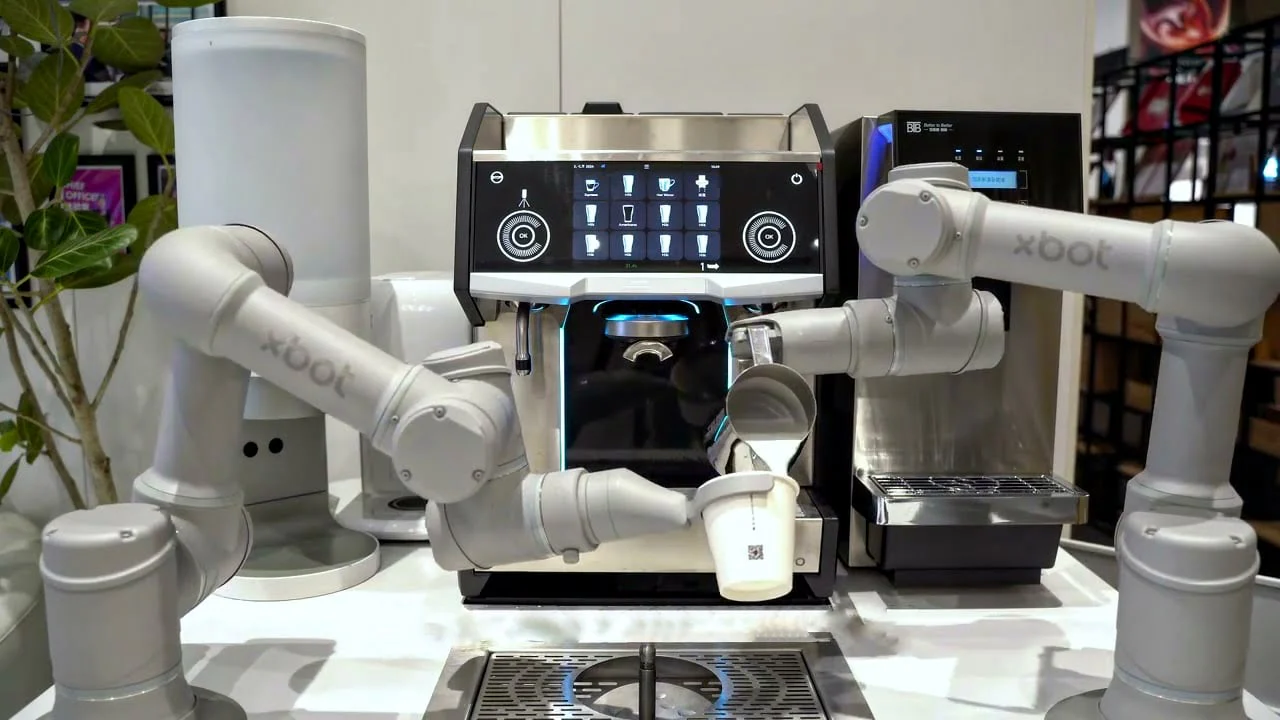
Humanoid robots may be able to perform martial arts routines, navigate obstacle courses, and impress audiences with highly choreographed demonstrations. But according to robotics experts, the true measure of progress lies not in spectacle, but in the ability to handle simple, everyday tasks—such as preparing a cup of coffee.

This perspective was at the center of a panel discussion among robotics leaders during the World Economic Forum in Davos, where speakers argued that the industry must move beyond polished demonstrations and focus on real-world usefulness if humanoid robots are to achieve meaningful adoption.

Jake Loosararian, Chief Executive Officer of an infrastructure-focused robotics company, emphasized that deployment—not design—is currently the sector’s biggest challenge. He noted that while public attention has fueled rapid innovation, many humanoid robots remain confined to controlled environments, far from the unpredictable conditions of daily life.

According to Loosararian, the lack of reliable, real-world data limits the ability of robots to operate effectively outside the lab. Building and testing robots as close as possible to their intended working environments is essential, he said, as this provides insights that cannot be replicated through simulations or online datasets. Tasks such as making coffee expose robots to variables like changing surfaces, lighting conditions, liquid handling, and human interaction—details that are critical yet often underestimated.

Daniela Rus, Director of the Computer Science and Artificial Intelligence Laboratory at the Massachusetts Institute of Technology, highlighted the gap between laboratory success and real-life performance. While robots can be programmed to fold laundry or load dishwashers, she explained, achieving this reliably in real environments remains extremely complex and costly. Bridging this gap will require advances in perception, sensor technology, and artificial intelligence models capable of adapting to unfamiliar situations.

From an industrial perspective, Shao Tianlan, Chief Executive Officer of a China-based artificial intelligence and robotics firm, pointed to learning as a key obstacle. He argued that for humanoid robots to function effectively in factories and service environments, they must be able to learn directly from humans—through demonstration and observation—much like people teach one another. This approach, he said, is more intuitive and practical than relying solely on pre-programmed instructions.

Despite ambitious predictions from technology companies preparing to scale humanoid robot production, most robots today are still showcased in tightly controlled settings. Some demonstrations even rely on remote human operators rather than full autonomy, underscoring how far the technology still has to go.

In this context, coffee becomes more than a beverage—it becomes a benchmark. Preparing coffee requires precision, coordination, adaptability, and an understanding of tools and materials. It is a deceptively simple task that reveals whether robots are ready to move from staged performances into real kitchens, cafés, and workplaces.

As the industry continues to evolve, the question remains open: can humanoid robots transition from impressive demonstrations to genuine daily assistance?
For now, a cup of coffee may be the most honest test of all.

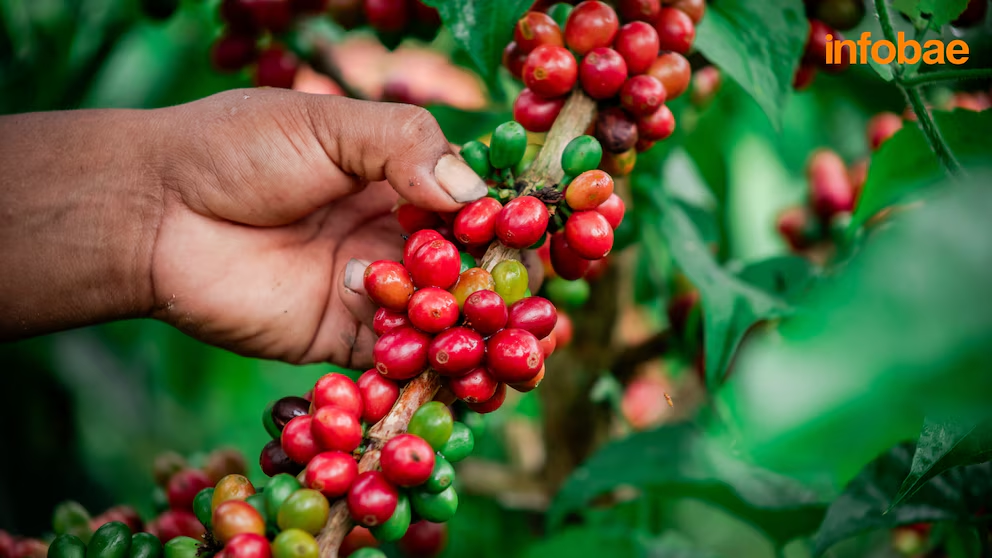
Chinese Scientists Discover New Health Benefits in Coffee Beans

Dubai – Qahwa World

Researchers at the Chinese Academy of Sciences have identified previously unknown compounds in coffee beans that may slow glucose absorption and support carbohydrate metabolism. The study was conducted at the Academy’s Institute of Botany and published in Beverage Plant Research.

The focus of the research was the chemical composition of roasted Arabica beans. Using nuclear magnetic resonance, liquid chromatography, and mass spectrometry, scientists isolated three unique compounds, named Caffaldehydes A, B, and C.

Laboratory tests revealed that these compounds can inhibit the enzyme α-glucosidase, which plays a key role in carbohydrate breakdown and glucose absorption into the bloodstream. Limiting its activity helps prevent sharp spikes in blood sugar after meals.

When compared to acarbose, a medication commonly used to treat type 2 diabetes, the new compounds proved more effective. Researchers believe this discovery could lead to the development of functional foods and dietary supplements designed to help maintain stable blood sugar levels.

The scientists also cautioned that coffee has potential contraindications, and they recommend consulting a healthcare professional before consumption.

Coffee Prices Rise as Dollar Weakens

Dubai – Qahwa World

Coffee futures ended higher on Friday, with robusta reaching a 1.5-month high, as the U.S. dollar fell to its lowest level in three and a half months. March arabica (KCH26) increased by 0.92%, while March robusta (RMH26) gained 2.88%. The weaker dollar prompted short-covering across commodities, including coffee.

Brazilian coffee exports have declined, supporting prices. Cecafe reported that December’s total green coffee exports fell 18.4% year-on-year to 2.86 million bags. Arabica shipments dropped 10% to 2.6 million bags, while robusta exports plunged 61% to 222,147 bags. Below-average rainfall in Minas Gerais, Brazil’s largest arabica-growing region, also added upward pressure, with Somar Meteorologia reporting only 33.9 mm of rain for the week ending January 16, just 53% of the historical average.

At the same time, inventories monitored by ICE have rebounded, putting some pressure on prices. Arabica stocks rose to a 2.5-month high of 461,829 bags, after reaching a 1.75-year low in November. Robusta inventories recovered to a 1.75-month high of 4,609 lots, following a 1-year low in December.

Global supply trends remain mixed. Brazil’s crop agency Conab raised its estimate for 2025 coffee production by 2.4% to 56.54 million bags. Vietnam, the world’s largest robusta producer, reported a 17.5% year-on-year increase in coffee exports for 2025, reaching 1.58 million metric tons. Its coffee output is projected to rise 6% to 29.4 million bags, marking a four-year high.

Overall, global coffee production is expected to grow, with USDA forecasts projecting a 2% increase in 2025/26 to a record 178.85 million bags. Arabica output is anticipated to fall 4.7% to 95.52 million bags, while robusta production is expected to climb 10.9% to 83.33 million bags. Brazil’s output is forecasted to decline 3.1% to 63 million bags, while Vietnam’s is projected to rise 6.2% to 30.8 million bags. Ending stocks are expected to drop 5.4% to 20.15 million bags.

The coffee market is navigating a mix of forces: a weaker dollar and tight Brazilian exports support prices, while recovering inventories and record Vietnamese production weigh on the market. Traders and industry observers will continue watching weather conditions, export flows, and inventory levels closely as the year progresses.

Colombian Coffee Day Celebrated at Dubai Coffee Museum

Dubai – Serkan Oral

The Embassy of Colombia in the United Arab Emirates, in collaboration with the Coffee Museum Dubai, hosted Colombian Coffee Day, welcoming coffee professionals, enthusiasts, and guests to a cultural celebration dedicated to one of the world’s most renowned coffee origins.

The event took place at the Coffee Museum, located in the Al Fahidi Historical Neighbourhood, and highlighted Colombia’s rich coffee heritage under the theme:
“Honoring Colombian coffee for its signature smoothness and layered sensory richness, a flavor legacy embraced as a global standard of excellence.”

During the ceremony, Khalid Al Mulla, founder and Chief Executive Officer of the Coffee Museum, spoke about the exceptional quality of Colombian coffee, noting that it is often a central reference point in coffee discussions and professional conversations.

H.E. Luis Miguel Merlano Hoyos, Ambassador of Colombia to the United Arab Emirates, also addressed attendees, expressing his appreciation for hosting Colombian Coffee Day at the Coffee Museum and warmly welcoming coffee lovers who gathered to celebrate Colombia’s coffee culture.

Colombian Coffee Day serves as a tribute to the dedication of coffee growers and highlights the Coffee Cultural Landscape of Colombia, which has been recognized as a United Nations Educational, Scientific and Cultural Organization (UNESCO) World Heritage site. Traditional brewing methods were also highlighted during the event, including preparation using the olleta, a traditional pot used to brew coffee as an unfiltered infusion.

Colombia remains one of the world’s leading coffee-producing countries. The coffee sector not only supports thousands of farming families, but also plays a vital role in driving economic development across the country’s coffee-growing regions.

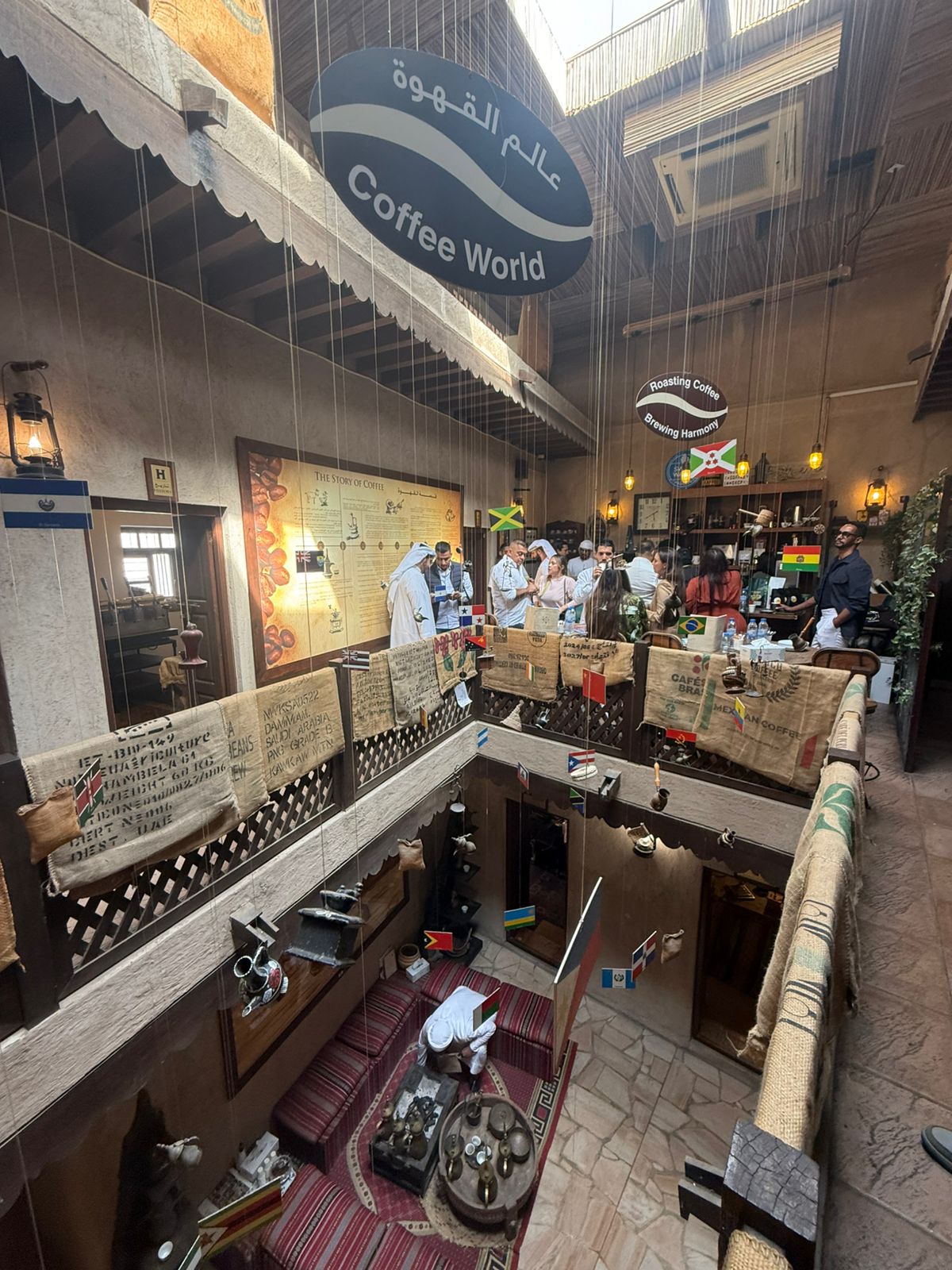
The Coffee Museum Dubai, located at Villa 44 in the Al Fahidi Historical Neighbourhood, is a specialized cultural venue founded by coffee expert Khalid Al Mulla. The museum showcases the history and global culture of coffee through antique roasting tools, regional brewing methods—including Arabic and Ethiopian traditions—a dedicated library, and an in-house café. Designed as a refined yet intimate space, the museum offers a relaxed atmosphere with a simple oriental aesthetic, aligned with international standards.

Khalid Al Mulla also serves as the national coordinator of the Specialty Coffee Association UAE chapter.

H.E. Luis Miguel Merlano Hoyos, who assumed office in July 2023, is Colombia’s Ambassador to the United Arab Emirates. Based in Abu Dhabi, his work focuses on strengthening bilateral relations, economic cooperation, and cultural exchange between Colombia and the UAE.

Colombian Coffee Day is also an occasion on which Colombians celebrate not only the quality of their coffee, but also the founding of the National Federation of Coffee Growers, a cornerstone institution in the country’s coffee history.

Jhomar Morales’ Journey to the UAE Latte Art Championship 2026

Dubai – Ali Alzakary

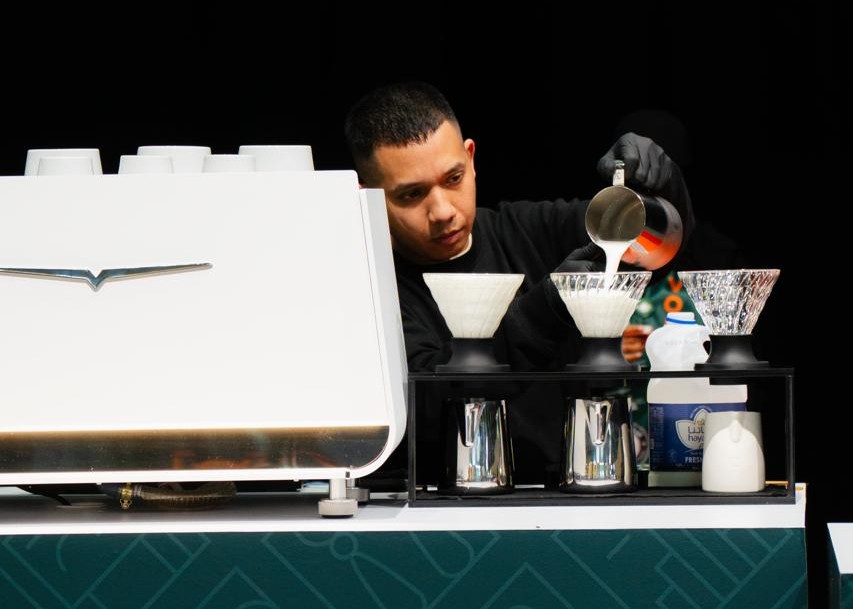
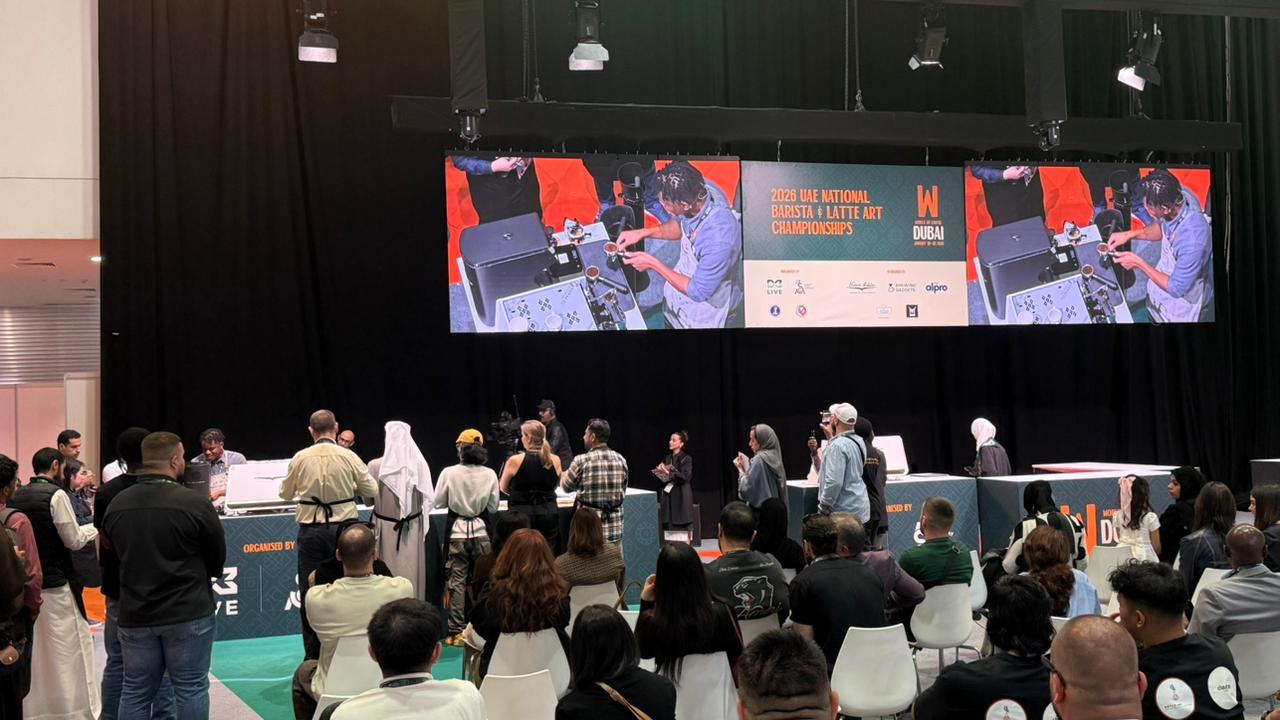
The UAE National Latte Art Championship 2026, held during the fifth edition of World of Coffee Dubai at the Dubai World Trade Centre, brought together some of the country’s most talented baristas in a showcase of creativity, precision, and technical excellence. Among them, Jhomar Morales of Benchmark Coffee claimed first place, earning the national title in one of the event’s most anticipated competitions.

In this interview, Morales reflects on the emotional moment of his win, the discipline behind his preparation, the role of teamwork, and his vision for the future of latte art and specialty coffee in the UAE.

  • How did you feel at the moment you were announced as the UAE National Latte Art Champion 2026?

In that moment, everything felt unreal. I thought about all the early mornings, the repetitive practice, the mistakes, and the sleepless nights spent thinking about how to improve each design. I felt proud—not just of winning, but of the journey I went through for this competition.

My team was always there, supporting me and helping me polish every design I prepared. Representing the UAE as the National Latte Art Champion 2026 is truly an honor. More than anything, it reminded me that hard work and belief really do show up when it matters most.

  • What does this win mean to you personally and professionally?

Personally, this win is a deep validation of the journey—of discipline and believing in myself, even during moments of doubt. It reminds me that consistency in practice pays off, and it fuels my confidence to keep pushing my limits.

Professionally, it’s a major milestone in my coffee career. It represents growth as a barista, an artist, and a competitor, and it opens the door to represent the UAE on a bigger stage. More than a title, it’s a responsibility—to inspire others in the coffee community, to keep learning, and to share knowledge.

  • What do you think was the key factor behind your success in this competition?

I believe the key factor was consistency under pressure. I trusted my preparation and the practice I did with my team, and I didn’t try to do anything different on stage. I focused on clean fundamentals, calm execution, and staying present in each pour.

Mentally, I stayed grounded by reminding myself why I started competing in the first place—to enjoy the process and express myself through latte art. That balance between solid technical preparation and a clear, calm mindset made the biggest difference.

  • How will this title impact your journey with Benchmark Coffee?

This title deepens my commitment to Benchmark Coffee. It reflects the environment, support, and high standards the team has built, and I’m proud to carry the Benchmark name with me.

Moving forward, it pushes me to give back more—by sharing competition insights and helping raise the bar in training. I see this win not just as a personal milestone, but as an opportunity to grow alongside Benchmark.

  • How do you see the future of latte art and specialty coffee in the UAE?

I see the future of latte art and specialty coffee in the UAE as incredibly exciting and dynamic. The scene here is still young compared to some established coffee cultures, which means there’s huge room for creativity, innovation, and growth.

More baristas are developing signature styles, pushing technical boundaries, and blending local influences into their work. With more competitions, workshops, and collaborations, I believe we’ll see a stronger community that supports continuous learning and excellence. The UAE has real potential to become a vibrant specialty coffee hub in the region.

  • What’s next for you after this win—are you aiming for international competitions?

What’s next for me is preparing properly for the world stage. My focus is on building a solid training structure—refining consistency under pressure, tightening my workflow, and practicing in competition-style conditions again and again.

I’m aiming to develop a style that truly represents who I am as a latte artist and where I come from. When I step onto the international stage, I want to feel prepared, grounded, and proud to represent the UAE at the highest level.

  • What advice would you give to aspiring baristas who want to compete?

Never underestimate the power of teamwork, discipline, and routine.

No one succeeds alone in competition. Build a strong team around you—coaches, peers, and mentors who will challenge you, support you, and give you honest feedback. Having people who believe in your vision makes a huge difference, especially during long preparation periods.

Discipline is what keeps you moving forward when motivation fades. Show up even on days when practice feels repetitive or frustrating. Small, consistent improvements build real confidence on stage.

Finally, create a routine and trust it. From daily practice to pre-competition habits, routines remove doubt and help calm your mind under pressure. When you step on stage, rely on your preparation and let your hands do what they’ve been trained to do.

Gizat Worku Kebede: Ethiopia’s Harvest This Year is Excellent, and We Aim to Expand in the Middle East and Asia

Dubai – Ali Alzakary and Tewodros Balcha

Ethiopia, the birthplace of coffee, is once again taking the spotlight at the World of Coffee exhibition in Dubai, showcasing its unparalleled quality and diversity. With more than 10,000 coffee varieties, including rare wild coffee grown naturally in Ethiopia’s highlands, the country continues to set global standards for premium coffee.

From Dubai, Gizat Worku Kebede, Executive Director of the Ethiopian Coffee Association and Ethiopia’s chapter head in the African Coffee Association, highlighted the excellent current harvest and rising production levels, along with rapid expansion into markets in the Middle East and Far East. He emphasized Ethiopia’s mission to connect smallholder farmers with international buyers, support sustainability, and strengthen African coffee’s presence globally.

  • What is your mission and objective in participating in the World of Coffee Dubai exhibition?

Our mission in Dubai is to promote Ethiopian coffee to international markets, focusing on the Middle East and Far East. We aim to reach coffee lovers and buyers because Ethiopian coffee is naturally organic and unique. Ethiopia is the only country producing wild coffee—coffee that grows naturally in forests, cared for by no one, and harvested once a year by local farmers. With more than 10,000 coffee varieties, Ethiopia truly is the birthplace of coffee.

  • Could you share the latest updates on the current harvest season in Ethiopia?

We are here to showcase this year’s harvest, which is excellent. Total production has increased by around 1.2 million tons, and the new crop is already being exported. It’s a very positive year for Ethiopian coffee farmers and exporters.

  • Which markets are you currently targeting?

“The Middle East is a fast-growing market, particularly Saudi Arabia, which is Ethiopia’s largest coffee buyer. Dubai is also a key trade hub. We are expanding into emerging Far Eastern markets, including China, South Korea, and Japan, which have shown increasing interest in high-quality Ethiopian coffee.”

  • Can you tell us about the African Coffee Association and its role in supporting and developing the coffee sector?

“The African Coffee Association is the largest coffee association in Africa, representing East and Southern African countries. We also work with the African Coffee Union and the Coffee Development Agency to support West African nations. Together, we are preparing the largest coffee exhibition in Africa, scheduled in Addis Ababa from February 4–6, to promote African coffee both as a product and as a growing consumer market. Countries such as Morocco, Algeria, Egypt, South Africa, and Nigeria are consuming more coffee, and we encourage local consumption alongside exports.”

  • How do you support the coffee industry in Ethiopia?

Three years ago, we launched African Coffee Week in collaboration with the African Coffee Association, the African Coffee Union, and the Coffee Development Agency, dedicating a week entirely to celebrating coffee in Africa. At the same time, we run the Harvest Season competition for coffee quality, where winning farmers gain recognition and promotion for their coffee. These initiatives provide significant opportunities for African farmers, support sustainability, and help small-scale producers connect with coffee consumers worldwide.


View this post on Instagram


A post shared by Coffee Qahwa (@qahwaworld)

  • Key Quotes:

“Ethiopia is the only country producing wild coffee—coffee that grows naturally in forests and is harvested once a year by local farmers.”

“This year’s harvest is excellent, with total production increasing by around 1.2 million tons.”

“African Coffee Week and the Harvest Season competition give farmers recognition, support sustainability, and connect them with global coffee consumers.”

  • Conclusion:

Ethiopia continues to solidify its position as a global coffee powerhouse. Through initiatives such as African Coffee Week, the Harvest Season competition, and participation in international exhibitions like World of Coffee Dubai, Ethiopia not only showcases its premium coffee but also empowers smallholder farmers, promotes sustainability, and strengthens Africa’s presence in global markets. With its rich heritage, unique coffee varieties, and ongoing international expansion, Ethiopia remains at the forefront of innovation and excellence in the coffee world.


The World’s Mood, Tuned to an Emirati Rhythm

By: Ali Al Amodi

In a world where a cup of coffee sets the rhythm of daily life, World of Coffee Dubai 2026 proved to be far more than a specialized industry event. It stood as a reflection of a city that knows how to turn the impossible into reality. From the heart of Dubai, the world’s largest global platform for coffee trade took shape—an irony that perfectly captures the meaning of vision and the ability to transform geography into opportunity.

Hosted at the Dubai World Trade Centre, the exhibition presented a striking scene: pavilions from 78 countries, more than 2,100 companies and brands, and an area exceeding 20,000 square meters. Together, they told the story of coffee’s journey from distant mountain farms to the consumer’s cup at the far edges of the world. This was not merely a commercial showcase, but a vibrant network of relationships, knowledge exchange, and advanced technologies in roasting, processing, and brewing.

The visit of His Highness Sheikh Mohammed bin Rashid Al Maktoum, Vice President and Prime Minister of the UAE and Ruler of Dubai, carried special significance. It underscored that attention to this sector is part of a broader vision that sees the creative economy and global value chains as key drivers of development. Coffee—often described as “setting the world’s mood”—has also become an indicator of market vitality and growth opportunities, at a time when the global coffee market is moving toward hundreds of billions of dollars. Record-breaking prices at premium coffee auctions clearly signal rising global demand for high-quality coffee.

World of Coffee Dubai encapsulates a powerful Emirati lesson: success is not measured by natural resources, but by vision, connectivity, and the courage to invest in the future. In the coffee cup that begins the day for millions lies the story of a city that chose to become a meeting point for the world—and succeeded.

By hosting this global event, Dubai once again confirms that it does not wait to be invited into the future; it takes the initiative to shape it. From a coffee exhibition to a global economic platform, a clear Emirati philosophy emerges: transforming everyday details into major opportunities and building a global reputation based on quality, organization, and innovation. Thus, the morning cup of coffee becomes yet another witness to the story of a city that truly masters the art of inspiration.

Perhaps the most striking aspect of World of Coffee Dubai is the human and cultural diversity flowing through its halls. Here, a farmer from Latin America meets a roaster from Asia, while an African trader sits beside a European investor—united by a single shared language: coffee.

It is a convergence created by a city that believes its true role is to be a bridge, not a barrier, and an open marketplace for ideas as much as for trade.

Brazil Coffee Export Revenue Hits Record Despite Falling Volumes

Dubai – Qahwa World

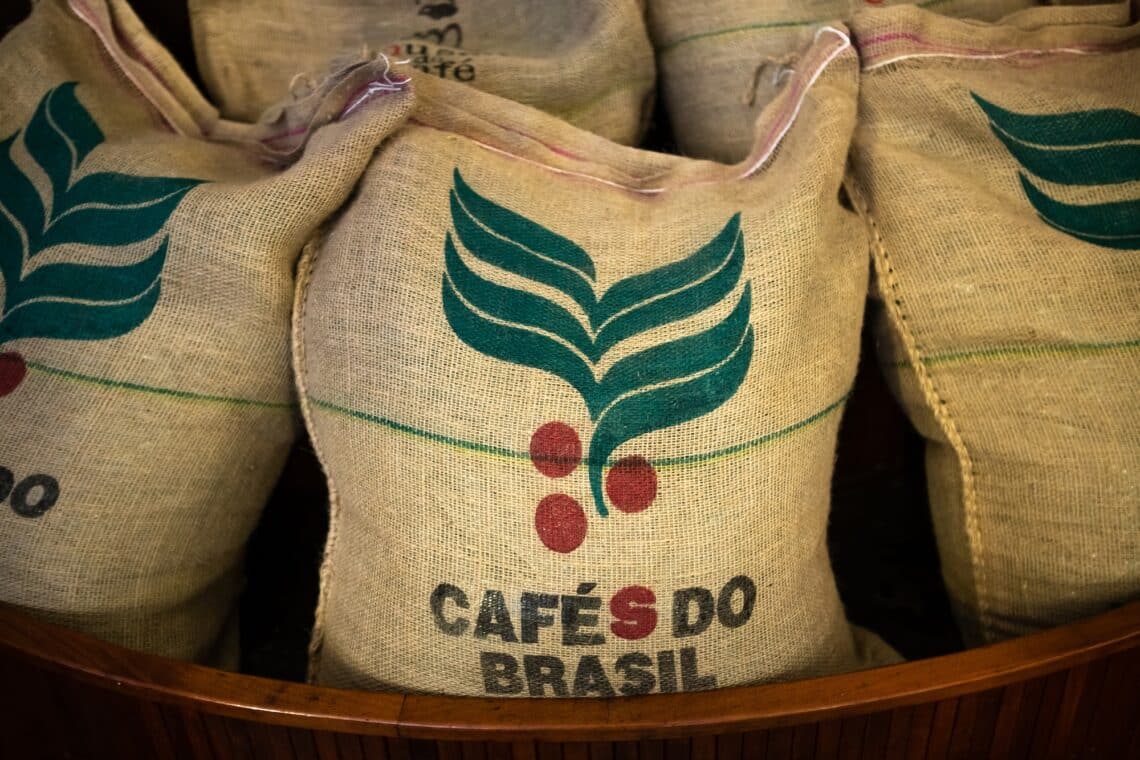
Brazil’s coffee export revenue reached a historic high of $15.6 billion in 2025, despite a significant decline in shipment volumes, according to the latest report from Cecafé, the Brazilian Coffee Exporters Council.

Released on January 19, the report shows that total coffee exports fell by more than 10 million 60-kilogram bags, dropping from a record 50,584,170 bags in 2024 to 40,049,222 bags in 2025—a decrease of over 20 percent. Even so, the 2025 figure remains higher than exports recorded in any year between 2020 and 2023.

Cecafé President Márco Ferreira attributed the surge in export earnings to steadily rising coffee prices throughout 2025. He noted that higher average monthly prices, combined with continued investment by Brazilian growers in technology, innovation, and quality, helped elevate both the standard and market value of Brazilian coffee.

The report also highlights the impact of United States tariffs, which led to a 55 percent decline in exports to the U.S. between August and November. The tariffs included a 40 percent national emergency levy, introduced on July 30, alongside a 10 percent reciprocal tariff. Both measures were lifted on November 12.

As a result of reduced U.S. demand, Germany emerged as Brazil’s largest coffee importer in 2025, followed by Italy, Japan, and Belgium.

Looking ahead, Ferreira expects Brazilian coffee exports in 2026 to once again exceed 40 million 60-kilogram bags, reinforcing the country’s position as the world’s largest coffee producer. By comparison, the record 2024 harvest generated approximately $12.5 billion in export revenue, while the 2023 crop earned $6.2 billion.

The Secret Behind the Smooth Taste of Rare Black Ivory Coffee

Dubai – Qahwa World

The rare Black Ivory coffee, produced with the help of Asian elephants, owes its exceptionally smooth and balanced flavor to the unique gut microbiome of the animals, according to a Japanese study published in a scientific journal.

This coffee is produced in a single reserve in Thailand, where elephants are carefully fed Arabica coffee cherries. The cherries pass through the elephants’ digestive system before the beans are collected, cleaned, and sun-dried. This process is entirely non-invasive and ethical, unlike some other exotic coffees, ensuring the welfare of the animals while contributing to conservation awareness.

Researchers found that the elephants’ diet—composed of coffee cherries, rice bran, and bananas—creates a gut environment rich in Acinetobacter bacteria and other microbes capable of breaking down pectin, a compound naturally present in coffee beans. Normally, pectin partially breaks down during roasting, producing bitter compounds. In Black Ivory coffee, part of the pectin is broken down in the elephant’s gut, resulting in a beverage with markedly less bitterness and a smoother taste.

Beyond its digestive processing, Black Ivory is extremely rare, with annual production typically under 250 kilograms, making it far more limited than Kopi Luwak. Each kilogram requires hundreds of cherries, and the careful manual collection and roasting process adds to its exclusivity.

The coffee is celebrated for its velvety texture and chocolate-forward flavor, often accompanied by subtle notes of caramel, malt, and spices. Its naturally low acidity and bitterness make it ideal for both espresso and filter brewing, even without added sugar or milk.

Due to its scarcity and labor-intensive production, Black Ivory is one of the most expensive coffees in the world, with prices often reaching $500–$1,000 per kilogram. A single cup in specialty cafes can cost $50–$100, making it a true luxury experience for coffee enthusiasts.

With its combination of scientifically unique processing, exceptional flavor, and ethical production, Black Ivory coffee offers a rare glimpse into the innovative and sustainable possibilities of specialty coffee.

Italy Highlights Culinary Diversity and Sustainability at Gulfood 2026

UNESCO-Recognised Italian Cuisine Anchors Italy’s Presence at the World’s Leading Food Event

Dubai, UAE  – Qahwa World

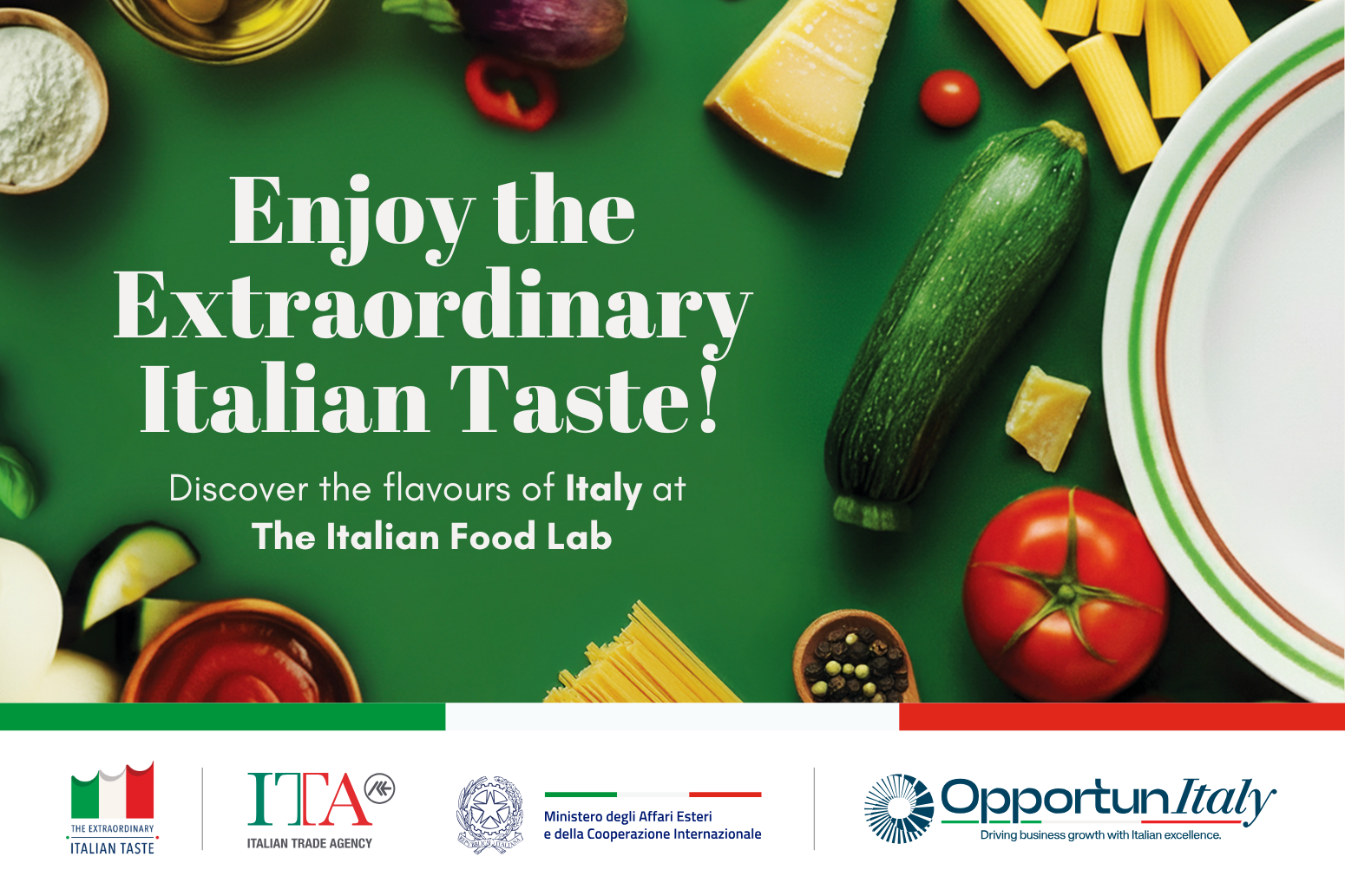
Italy will take centre stage at Gulfood 2026, the world’s largest food and beverage trade show, running from 26–30 January across two venues: the Dubai World Trade Centre and the Dubai Exhibition Centre at Expo City Dubai. The Italian Trade Agency (ITA), in partnership with the Italian Ministry of Foreign Affairs, will showcase the nation’s culinary heritage and sustainable food practices.

A total of 22 companies will exhibit within the Italian Food Lab, complemented by 311 Italian exhibitors across the Italian Pavilion, reflecting Italy’s strong and diverse presence at the 31st edition of the event.

Italy’s participation is underscored by the recent UNESCO recognition of Italian cuisine, formally titled “Italian cooking between sustainability and biocultural diversity”, which has been inscribed on the Representative List of the Intangible Cultural Heritage of Humanity. This makes Italian cuisine the first national culinary tradition worldwide to receive this distinction, recognising it as a living cultural system rooted in agricultural landscapes, biodiversity, seasonal produce, and the intergenerational transmission of knowledge.

At Gulfood 2026, Italy will highlight the cultural, agricultural, and sustainable foundations of its food heritage. The Italian Food Lab will serve as an experiential hub, featuring live cooking demonstrations and gastronomic masterclasses led by Italian chefs based in the UAE and internationally. Visitors will be able to explore Italy’s regional culinary diversity, high-quality ingredients, and production practices that balance tradition with sustainability.

Trade figures underscore Italy’s established market presence in the UAE. In the first eleven months of 2025, Italy exported €416.9 million in food and beverage products to the UAE, following a total export value of €447 million in 2024. Leading categories include beverages (€76.5 million), cereal, flour, and starch-based preparations (€55.8 million), and dairy products (€32 million), demonstrating steady demand across retail, hospitality, and foodservice sectors.

“Italian cuisine goes beyond taste, reflecting a strong bond between people, tradition, and sustainability,” said H.E. Lorenzo Fanara, Ambassador of Italy to the UAE. “Gulfood is a key platform to share this heritage, recognised by UNESCO as Intangible Cultural Heritage of Humanity, with partners and consumers across the UAE.”

Valerio Soldani, Italian Trade Commissioner to the UAE and Oman, added: “Italy’s food and beverage exports to the UAE reflect a mature and discerning market. Gulfood 2026 allows us to translate this value into experience, through the Italian Food Lab, masterclasses, and direct engagement, showcasing the cultural depth, diversity, and sustainability that now carry formal international recognition.”

Visitors to Gulfood 2026 are invited to experience the Italian Food Lab and its programme of masterclasses throughout the exhibition, offering an authentic insight into Italy’s rich food and agricultural heritage.

Dubai Coffee Auction 2026 Concludes with Over $70,000 in Sales

Dubai, UAE – Qahwa World

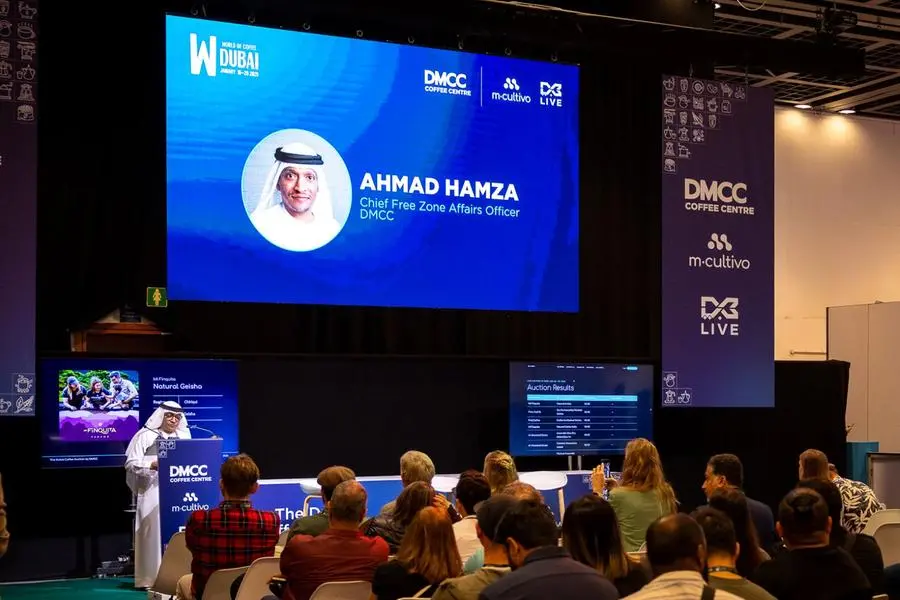
The Dubai Multi Commodities Centre (DMCC) concluded the second edition of the “Dubai Coffee Auction,” with total specialty coffee sales exceeding $70,000, reflecting continued global demand for high-quality, traceable coffee.

The auction featured coffee from 13 different producing countries, marking the widest geographic range ever represented in a single coffee auction. Notably, the event included the first international sale of coffee from the continental United States and recorded the second-highest auction price for Bolivian coffee, highlighting strong international competition among buyers.

Held as part of the World of Coffee Dubai 2026, the auction attracted buyers from across the global specialty coffee market, with 1,364 bids submitted. The platform provided producers with a transparent and organized marketplace to reach international buyers directly.

This edition was part of a three-auction program over the Expo’s three days, including the “Coffee Equipment Auction” and the “Microlot Auction,” culminating in the “Exhibitors’ Coffee Auction,” showcasing a diverse range of coffees to an international audience.

DMCC’s Coffee Centre, located in the Jebel Ali Free Zone, offers integrated facilities including storage, processing, roasting, logistics, and training, connecting producers from Latin America, Africa, and Asia with global markets efficiently.

The World of Coffee Dubai 2026 ran from January 18 to 20 at the Dubai World Trade Centre, featuring over 2,100 companies and brands from the global specialty coffee industry.

Peet’s Coffee to Close Several San Francisco Locations

Dubai – Qahwa World

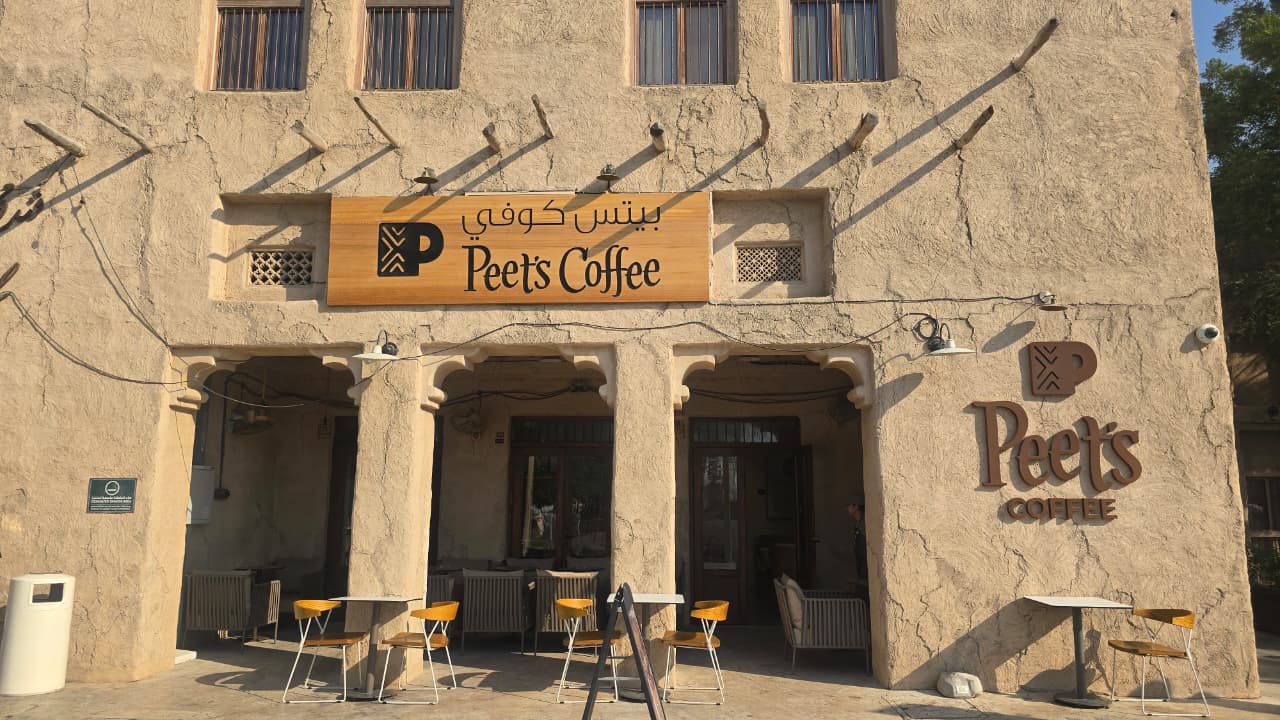
Peet’s Coffee is set to close multiple San Francisco locations, including its Polk Street café at 2139 C Polk St., as part of a broader restructuring expected to take effect by the end of January 2026.

A spokesperson for Peet’s confirmed the closures, emphasizing that the company is adjusting its operations to align with long-term growth strategies and current market conditions. Specific details regarding the total number of affected stores or their exact locations were not disclosed.

“These decisions reflect our ongoing commitment to sustainable growth while honoring the quality and heritage that have defined Peet’s for more than 60 years,” the spokesperson said. “We are deeply grateful to our employees and loyal customers and remain focused on innovation and excellence in every cup.”

Peet’s opened its Polk Street location in 1993 and currently operates more than 20 stores throughout San Francisco. Reports indicate that additional locations, including those at 919 Cole St. and 2257 Market St., are also expected to close this month.

The closures coincide with an $18 billion acquisition of Peet’s parent company, JDE Peet’s, by Keurig Dr Pepper, a deal slated to finalize later this year.

This wave of store reductions reflects broader shifts in the coffee industry as chains adapt to evolving market conditions and corporate restructuring plans.