
Optimal Coffee Amount by Age: What Large Scientific Studies Say

Source: UK Biobank, Nurses’ Health Study, American Heart Association
Author: Qahwa World
Date: August 1, 2026This article explores coffee consumption by age based on major health studies.

Optimal Coffee Amount by Age: What Large Scientific Studies Say

  • Large observational studies link moderate coffee consumption to lower risk of chronic diseases.
  • These findings are associations, not proof of causation, and vary by age, health, and genetics.
  • After 30: 3-5 cups daily associated with lower risk of liver cirrhosis and liver cancer.
  • After 40: 3 small cups daily linked to “healthy aging” for midlife women.
  • After 50: 3-5 cups (400 mg caffeine) safe for most healthy adults, may reduce heart failure risk.
  • After 60: Coffee linked to lower risk of physical frailty and cellular renewal processes.
  • Individual response varies based on genetics, health status, and additives (sugar and cream).

Coffee is no longer just a morning wake-up drink. Over the past two decades, large observational studies have gathered consistent evidence that moderate consumption may be linked to lower risk of several chronic diseases.

These potential benefits include liver disease, dementia, and certain aspects of healthy aging. However, these remain associations, not proof of causation. Benefits and risks vary significantly by age, health status, genetics, and individual caffeine sensitivity.

Practical Summary: Optimal Amount by Age Group
Age Group Optimal Amount (cups/day) Key Potential Benefits Main Sources
After 30 2-5 Liver protection (cirrhosis, cancer) UK Biobank (355k participants)
After 40 2-3 (women) Healthy aging Nurses’ Health Study (47.5k)
After 50 3-5 Heart health (heart failure, stroke) American Heart Association
After 60 2-4 Reduced frailty, cellular renewal Observational studies on elderly

After 30: Potential Liver and Brain Protection

Long-term risk factors begin to form during this stage. A massive recent study from UK Biobank involving about 355,000 participants found coffee consumption linked to lower risk of liver cirrhosis, liver cancer, and liver-related deaths.

Benefits appeared starting from one to two cups daily. They increased with quantity and were strongest at 3-5 cups or more. Interestingly, the positive effect was also observed with decaffeinated coffee. This suggests that other compounds (like polyphenols) play an important role alongside caffeine.

For the brain, multiple studies link 2-3 cups daily to lower risk of dementia or cognitive decline in later life. Proposed mechanisms include anti-inflammatory effects, improved insulin sensitivity, and reduced accumulation of harmful proteins.

After 40: Potential Benefits for Midlife Women

Perimenopause involves significant hormonal changes affecting physical and cognitive health. The Harvard Nurses’ Health Study, which followed about 47,500 women for over three decades, found that women consuming about three small cups of caffeinated coffee in midlife were more likely to reach age 70 with “healthy aging.”

This includes freedom from major chronic diseases, preserved physical function, mental health, and absence of cognitive impairment. Decaffeinated coffee and tea did not show the same association as strongly. At this stage, some women may become more sensitive to caffeine. If coffee causes anxiety, palpitations, or sleep disruption, reducing the amount is advisable.

After 50: Heart Health and Safety of Moderate Consumption

Old beliefs linking coffee to inevitable heart damage are no longer supported by modern evidence. Recent reviews and meta-analyses, including data from the American Heart Association, indicate that most healthy adults can safely consume up to 3-5 cups (or about 400 mg caffeine) daily.

This level is often linked to lower risk of certain cardiovascular diseases like heart failure and stroke in observational studies. However, the optimal amount remains highly individual. It depends on sleep quality, blood pressure, and personal physician recommendations.

After 60: Supporting Muscle Function and Reducing Frailty Risk

With advancing age, the risk of losing muscle mass and physical frailty increases. Recent observational studies on elderly individuals link higher coffee consumption to lower likelihood of frailty, including weight loss, muscle weakness, exhaustion, slow walking speed, and low physical activity.

Mechanistically, animal studies show that coffee stimulates autophagy—a natural cellular renewal process that removes damaged components—in muscles, liver, and heart. This may contribute to preserving muscle tissue, though human evidence remains indirect.

What Makes Coffee Beneficial? How Does Response Vary?

Potential benefits come from a combination of caffeine and its effects on the nervous system and metabolism, antioxidants and polyphenols (such as chlorogenic acid), and other compounds affecting inflammation, insulin, and cellular renewal processes.

However, individual response varies greatly. Genetics (such as variations in the CYP1A2 enzyme) determine caffeine metabolism rate. Health status, additives (sugar and cream often reduce benefits), and preparation method also affect health impacts.

Practical Conclusion: No Universal Optimal Dose

There is no single “universal optimal dose” for everyone at every age. Current evidence suggests that moderate consumption (generally 2-4 cups daily for most healthy individuals) is linked to several potential benefits, especially for liver, brain, and healthy aging.

However, keep in mind that these are associations, not proof of causation. Those with anxiety disorders, insomnia, certain heart conditions, pregnant women, or those taking specific medications may need to limit or avoid coffee. It is always best to consider personal tolerance and consult a doctor if you have any chronic condition.

Frequently Asked Questions

How many cups of coffee are suitable for those over 30?The UK Biobank study suggests 3-5 cups daily are linked to lower liver cirrhosis and liver cancer risk, with benefits starting from two cups daily.

Is coffee beneficial for midlife women?Yes. The Nurses’ Health Study found that 3 small cups daily of caffeinated coffee were linked to greater odds of healthy aging after age 70.

Does coffee harm the heart?Modern evidence, including the American Heart Association, indicates that 3-5 cups daily (400 mg caffeine) are safe for most healthy adults and may reduce heart failure and stroke risk.

What are the benefits of coffee for seniors?Coffee is linked to lower risk of physical frailty (muscle loss and exhaustion) through stimulating cellular renewal processes (autophagy).

Is decaffeinated coffee also beneficial?Yes. In the liver study, the positive effect was also observed with decaffeinated coffee, suggesting a role for other compounds like polyphenols.

Is there an ideal dose that fits everyone?No. Individual response varies based on genetics, health status, and personal tolerance. It’s best to consult a doctor for chronic conditions.
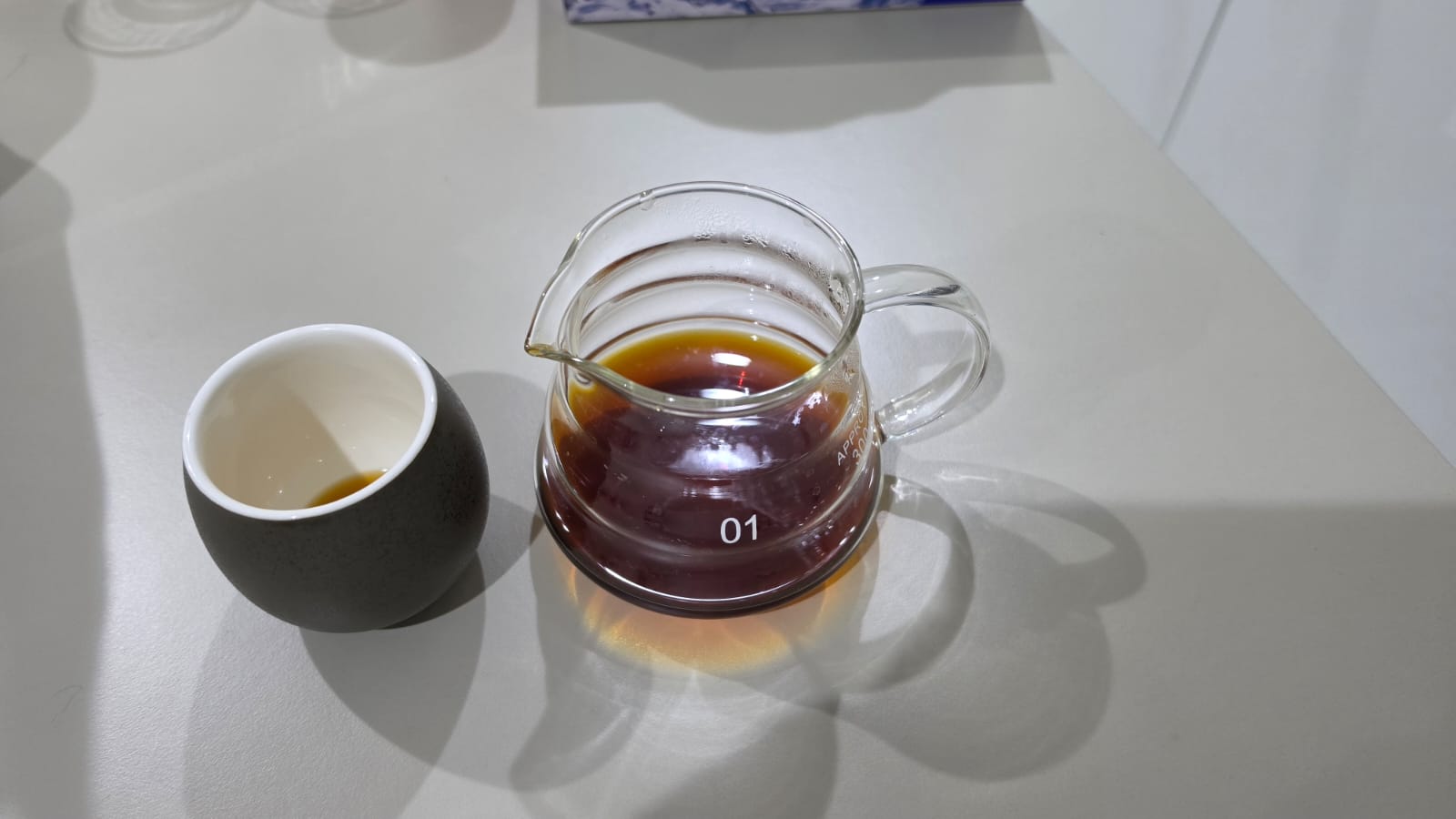
Coffee Linked to Lower Risk of Cirrhosis and Liver Cancer in Large Study

Source: Clinical Gastroenterology and Hepatology – Adapted by Qahwa World |
Author: Qahwa World |
Date: July 2, 2026

Coffee Linked to Lower Risk of Cirrhosis and Liver Cancer in Large Study

Key Findings:

  • Study of over 354,000 UK Biobank participants followed for a median of 13 years.
  • Five or more cups of coffee daily linked to 32% lower risk of cirrhosis, 47% lower risk of liver cancer, and 42% lower risk of liver-related death.
  • The association followed a dose-response pattern: more coffee, lower risk.
  • Similar results for caffeinated and decaffeinated coffee, suggesting non-caffeine compounds play a protective role.
  • Adding sugar or sweeteners did not eliminate benefits but was linked to markers of liver inflammation and fibrosis.
  • Proteomic analysis identified 74 proteins associated with coffee intake and reduced fibrosis risk.

A large-scale study of over 354,000 participants from the UK Biobank has found that higher coffee consumption is associated with significantly lower risks of cirrhosis, liver cancer, and liver-related death. The findings, published in Clinical Gastroenterology and Hepatology, also identified MRI and blood protein changes that may help explain the biological mechanisms behind the association.

The study followed participants for a median of 13 years. Researchers assessed self-reported coffee consumption, including coffee type and whether participants added sugar or artificial sweeteners. They then examined how these habits were associated with new cases of liver disease, MRI measures of liver health in a subgroup of 28,961 patients, and blood protein profiles in 44,633 patients.

The Numbers: Striking Reductions in Risk

Compared with non-coffee drinkers, those who consumed five or more cups daily were:

  • 32% less likely to develop cirrhosis.
  • 47% less likely to develop hepatocellular carcinoma.
  • 42% less likely to die from liver disease.

The association followed a dose-response pattern, with lower risks observed starting at one to two cups per day. Similar findings were observed for both caffeinated and decaffeinated coffee, suggesting that compounds other than caffeine may play a protective role.

Condition Risk Reduction (5+ cups/day)
Cirrhosis 32%
Hepatocellular Carcinoma 47%
Liver-Related Death 42%

Sugar and Sweeteners: Mixed Effects

Researchers also examined whether adding sugar or artificial sweeteners changed the association between coffee and liver health. Overall, patients who added sweeteners had similar reductions in the risk of cirrhosis, hepatocellular carcinoma, and liver-related death compared to those who drank unsweetened coffee. However, they had 1.36 times the odds of elevated iron-corrected T1, an MRI marker of liver inflammation and fibrosis, compared with patients who did not add sweeteners.

MRI Findings: Benefits Visible Before Symptoms Appear

MRI results suggested that higher coffee intake was associated with better liver health before liver disease became clinically apparent. Patients who drank at least five cups daily had less liver fat, lower liver iron levels, and lower odds of liver fibroinflammation than non-coffee drinkers. The findings were similar for caffeinated and decaffeinated coffee, further supporting the role of non-caffeine compounds in liver protection.

Proteomic Analysis: 74 Proteins Point to Potential Mechanisms

Proteomic analyses identified 74 proteins associated with both coffee intake and cirrhosis risk, suggesting biological pathways related to liver function, inflammation, fibrosis, and immune regulation. These findings may help explain coffee’s observed associations with better liver health and provide new mechanistic clues.

Expert Insight: Interview with Lead Researcher Dr. Hyunseok Kim

Clinical Gastroenterology and Hepatology invited study author Dr. Hyunseok Kim of the Karsh Division of Gastroenterology and Hepatology at Cedars-Sinai Medical Center to comment on the implications of this work.

Q: Why does this study matter?
Dr. Kim: Coffee has long been associated with better liver health, but most previous studies focused only on clinical outcomes such as cirrhosis or liver cancer. Our study is unique because it integrates clinical outcomes with advanced MRI biomarkers and large-scale plasma proteomics in more than 350,000 UK Biobank participants. By combining these complementary approaches, we were able to show not only that coffee consumption is associated with lower risks of cirrhosis, hepatocellular carcinoma, and liver-related mortality, but also that it is linked to less liver fat, less fibroinflammation on MRI, and favorable biological pathways involved in fibrosis and inflammation. This provides stronger biological evidence supporting coffee as a simple lifestyle factor that may promote liver health.

Q: Was there a finding that surprised you?
Dr. Kim: Several findings stood out. First, we observed remarkably consistent associations across clinical outcomes, imaging biomarkers, and proteomic signatures, all pointing in the same direction. Second, both caffeinated and decaffeinated coffee showed similar associations, suggesting that compounds other than caffeine likely contribute to the liver benefits. Finally, we were intrigued that coffee drinkers had lower levels of proteins involved in fibrosis, macrophage activation, and extracellular matrix remodeling, while proteins reflecting healthier liver synthetic function were higher. These findings offer new mechanistic clues that go beyond the epidemiologic associations reported previously.

Q: How might the findings influence clinical practice?
Dr. Kim: This study should not be interpreted as evidence that coffee is a treatment for chronic liver disease. However, for most patients without contraindications, moderate coffee consumption appears to be a safe, inexpensive, and potentially beneficial lifestyle habit that can complement other evidence-based interventions such as weight loss, alcohol abstinence, and management of metabolic risk factors. I hope these findings will give clinicians greater confidence when discussing dietary habits with patients and encourage further research into the biological mechanisms underlying coffee’s protective effects.

Limitations and Recommendations: A Simple Prevention Strategy

The authors noted several limitations, including self-reported coffee intake, the possibility of unmeasured confounding and reverse causation, a healthier MRI subgroup, and the predominantly European ancestry of the study population, which may limit the generalizability of the findings. They also noted that the blood protein findings require experimental studies to confirm the underlying biological mechanisms.

Nevertheless, the authors concluded that “higher coffee intake was associated with lower risks of cirrhosis, HCC, and liver-related mortality, as well as favorable MRI-based and proteomic profiles.” They added that the combined clinical, imaging, and molecular findings support coffee as “a simple, scalable strategy for liver disease prevention.”

Frequently Asked Questions About Coffee and Liver Health

Q: How many cups of coffee are needed to reduce liver disease risk?

A: The study showed benefits starting at one to two cups daily, with more pronounced effects at five or more cups per day.

Q: Does decaffeinated coffee offer the same benefits?

A: Yes. Similar associations were observed for both caffeinated and decaffeinated coffee, suggesting non-caffeine compounds play a protective role.

Q: Does adding sugar negate coffee’s benefits?

A: Adding sugar or sweeteners did not eliminate the main benefits but was linked to markers of liver inflammation and fibrosis, so excessive additions should be avoided.

Q: Can coffee be considered a treatment for liver disease?

A: No. The study does not prove that coffee is a treatment. However, moderate consumption may be a beneficial complement to standard interventions.

Q: What biological mechanisms might explain coffee’s protective effects?

A: The study identified 74 proteins linked to reduced inflammation and fibrosis, suggesting multiple biological pathways may explain the benefits.

This study adds to the growing evidence on coffee’s potential health benefits, particularly for liver health. With risk reductions of up to 47%, coffee emerges as a simple, accessible tool for preventing chronic liver disease. However, further experimental studies are needed to confirm the biological mechanisms and determine optimal intake. In the meantime, coffee lovers can continue to enjoy their favorite beverage with greater awareness of its potential benefits.

Prepared and edited by: Qahwa World – Based on the study published in Clinical Gastroenterology and Hepatology on July 1, 2026.

Original source: Doug Brunk – Medical Report.

All rights reserved. Republication with attribution permitted.

Publication date: July 2, 2026