Cappuccino Tops the List of Favorite Coffee Drinks in Moscow

Dubai – Qahwa World

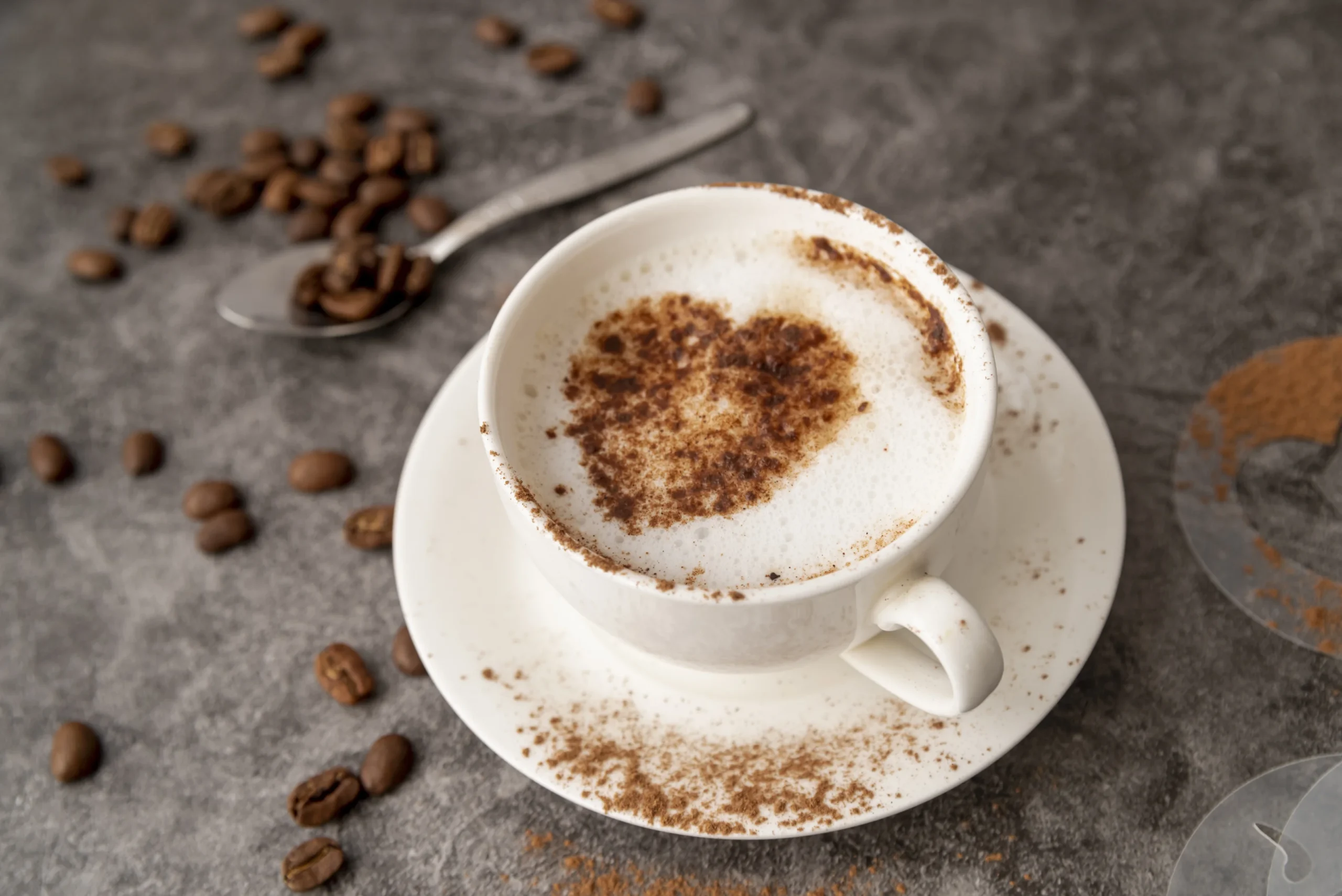
Cappuccino is the most popular coffee choice among residents of Moscow, according to economist and global economy expert Khadzhimurad Belkharoiev.

Belkharoiev noted that after cappuccino, the most consumed coffee drinks are Americano and various types of latte. Overall, Muscovites consume coffee significantly more than residents of other major Russian cities—around 50% more than in St. Petersburg. Seasonal changes also affect beverage preferences: in winter, coffee and tea consumption rises, while in summer people tend to choose mineral water and soft drinks.

The economist added that the coffee market continues to grow, fueled by changing consumer habits and even medical advice recommending moderate coffee consumption to support vascular health.

Reflecting on history, Belkharoiev pointed out that tea was the dominant drink during the Soviet era due to trade ties with India, while high-quality coffee was scarce and considered a luxury.

Today, the situation is very different. Global coffee production reaches tens of millions of tons each year, with a large share exported internationally. The worldwide market is valued in the hundreds of billions of dollars, and billions of cups of coffee are consumed annually outside the home. Since the early 2020s, global coffee prices have steadily risen, a trend that is also reflected in Russia, where consumption is gradually shifting from tea to coffee.

Belkharoiev attributes this change to generational and market factors. Younger consumers tend to choose coffee when visiting cafes and restaurants, and the coffee sector remains highly profitable. The growing availability of home coffee machines has also boosted domestic coffee consumption.

Regarding prices, retail coffee costs have increased over the past year, and cafe prices have risen as well. However, expected increases in Robusta production globally could help stabilize prices. Nevertheless, according to Belkharoiev, the era of cheap coffee is effectively over.

Specialty Coffee Trends Shaping Australia’s Café Scene in 2026

By Abdullah Ramay

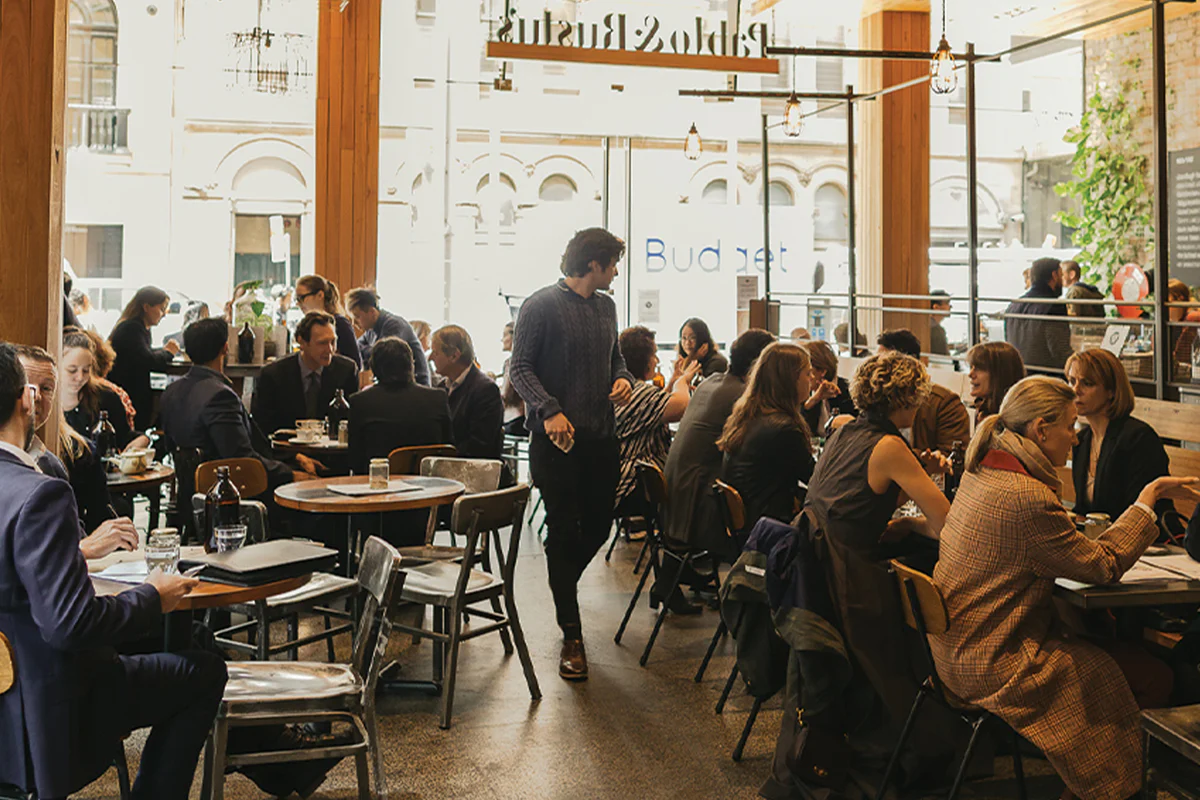
As Australia moves into 2026, the specialty coffee sector is entering a new phase of transformation. Rising operating costs, changing consumer behaviour, and rapid innovation are reshaping how cafés operate, serve their customers, and define their identities.

Rather than slowing demand, these pressures are accelerating evolution across the industry. Cafés that successfully combine creativity, operational intelligence, and genuine hospitality are positioning themselves for long-term resilience in an increasingly competitive market.

The following is a comprehensive overview of the key coffee, hospitality, and equipment trends shaping Australia’s specialty café landscape in 2026.

Coffee and Beverage Trends

Signature drinks and curated menus define identity

Signature beverages have moved beyond being secondary menu items. In 2026, they stand alongside house blends as central expressions of a café’s brand and personality. These drinks support stronger margins, encourage repeat visits, and allow cafés to showcase creativity through layered flavours, textures, and seasonal ingredients.

Menus themselves are evolving into storytelling tools. Digital formats enhanced with imagery, tasting notes, and visual cues help shape customer expectations before the drink is served, allowing baristas to focus more on hospitality and engagement.

Increasingly, the café menu functions as a visual narrative rather than a simple list of offerings.

Coffee pricing trends toward global parity

Australia’s long-discussed coffee pricing imbalance continues to narrow. The gradual rise of the flat white toward the seven-dollar range reflects sustained pressures from wages, rent, utilities, and volatility in green coffee prices.

This shift is not solely about higher prices, but about reframing value. Tiered menus, premium-origin offerings, and greater transparency are helping customers understand what sits behind the cup. Many cafés are using signature drinks as anchor pricing, protecting margins on standard espresso beverages while elevating perceived value.

After years of being undervalued, Australian coffee culture is undergoing a positive correction.

Cold coffee becomes a permanent category

Cold coffee is no longer seasonal. Younger consumers increasingly choose iced beverages throughout the year, including during winter months. This change is influencing café design, workflow planning, and equipment investment.

Cold taps now extend beyond traditional cold brew to include coffee tonics, cascara sodas, and sparkling matcha. At the same time, cafés are developing small-scale ready-to-drink programs, offering canned iced lattes, flavoured cold brews, and matcha-based sodas.

Cold beverages have become as structurally important to menus as espresso.

Matcha shortages drive tea-led innovation

With global demand for matcha continuing to outpace supply, cafés are responding by expanding tea-based beverage offerings. In 2026, tea is becoming a key area of experimentation and creativity.

Drinks such as hojicha lattes, genmaicha shakes, strawberry sencha spritzes, and botanical infusions with citrus, rose, or yuzu notes are gaining prominence. These beverages allow cafés to explore colour, texture, and visual presentation.

Cross-category innovation is also accelerating, with coffee–tea hybrids, nitro-style matcha, layered tonics, and fruit-driven sparkling teas inspired by cocktail and mixology techniques.

Functional and wellness-focused drinks go mainstream

Health-led beverages are moving from niche to standard menu offerings. Cafés are increasingly introducing drinks designed to support focus, energy, and overall wellbeing.

Protein-enhanced lattes, blends combining caffeine and L-theanine, adaptogen-based hot chocolates, low-sugar cold brews, and fermented beverages are attracting customers who want the café experience without excessive sugar or heavy dairy.

The trend reflects a broader shift toward drinks that contribute to how customers feel, not just how they taste.

Broader Café and Hospitality Trends

The barista role expands beyond the machine

The role of the barista continues to evolve into a high-impact, customer-facing position. Less time is spent exclusively behind equipment, and more time is dedicated to guiding customers, introducing signature drinks, and explaining flavour profiles.

In many cafés, baristas now operate in roles similar to sommeliers, influencing beverage selection and shaping the overall experience. They also contribute to menu design, workflow efficiency, and commercial performance. As automation improves, human value increasingly centres on hospitality, taste, and storytelling.

Cafés strengthen their role as community spaces

Australian cafés are reinforcing their place as neighbourhood hubs. Workshops with local creatives, cuppings with roasters, micro-events, and seasonal launch nights are becoming more common.

Some venues rotate signature drink menus based on seasonal produce, climate, or origin stories. With hybrid and remote work continuing, cafés are increasingly used as informal “third spaces,” where a strong sense of connection becomes a key competitive advantage.

Automation becomes intentional and refined

Automation in 2026 is no longer reactive. It is strategic. Super-automatic machines are reaching new levels of consistency, while milk systems are now precise enough to meet specialty standards.

Used thoughtfully, automation helps teams manage peak periods efficiently while preserving warm, human service. Rather than replacing craft, technology is increasingly seen as a tool to protect it.

Reusable systems become operational priorities

Sustainability is shifting from aspiration to implementation. Reusable cup programs are expanding as waste regulations tighten. Refill systems for beans, beverage concentrates, and customer-provided containers are gaining traction.

Cafés are beginning to measure environmental impact as a performance indicator, not merely a branding message.

Innovation becomes essential, not optional

With margins remaining tight, innovation has become a survival strategy. Seasonal menus, rare coffee offerings, distinctive branding, interactive tastings, and elevated hospitality help cafés stand out in saturated markets.

Customers increasingly seek experiences worth sharing—both in person and online. Simply meeting expectations is no longer sufficient.

Hospitality returns to the forefront

Human service is emerging as a defining advantage. Greeting customers warmly, remembering preferences, delivering food with care, and checking in during visits build loyalty more effectively than discounts.

Leading cafés are training hospitality with the same seriousness traditionally given to technical coffee skills. Proactive hosting is becoming a core driver of success.

Equipment and Technology Trends

Consistency and speed through automation

Modern espresso machines now self-adjust, grinders maintain precise dosing, and milk systems handle multiple milk types efficiently. These technologies help reduce pressure during peak service while maintaining consistent quality.

Grind-by-weight and pre-grind workflows expand

Batch brewing continues to grow alongside cold coffee demand. Pre-grind workflows help manage queues during high-volume periods, while grind-by-weight systems are becoming essential for consistency across teams and shifts.

Energy efficiency gains importance

As energy costs rise, cafés are prioritising equipment with sleep modes, low-energy boilers, and eco-focused controls. Manufacturers across roasting, grinding, and brewing are placing greater emphasis on sustainable design.

Next-generation milk systems reshape service

Milk remains one of the highest labour and cost centres in cafés. Systems capable of steaming multiple milk types and textures efficiently are increasingly valuable. High-volume venues are adopting milk taps, automated frothers, and milk banks to improve speed and reduce waste.

Looking Ahead

In 2026, Australia’s specialty café industry is defined by clearer identities, smarter tools, and deeper customer engagement. Cafés that invest in people, sustainability, innovation, and distinctive flavours are best positioned to stand out.

Quality still matters. Experience matters more.
Forecast and Outlook for Decaffeinated Coffee Demand in the USA

Dubai – Qahwa World

Demand for decaffeinated coffee in the United States is estimated at USD 8.3 million in 2025 and is forecast to increase to USD 16.0 million by 2035, reflecting a compound annual growth rate of 6.8 percent over the forecast period.

Growth is driven by a rising number of consumers seeking to reduce caffeine intake due to concerns related to anxiety, sleep disturbances, and lifestyle preferences. Coffee roasters are expanding their decaffeinated offerings by adopting improved extraction methods that help preserve aromatic compounds and reduce bitterness.

Organic decaffeinated coffee leads demand, supported by health-oriented consumption patterns and expectations for clean-label products. Producers emphasize chemical-free decaffeination methods, including water-based processing and carbon dioxide extraction.

Regional Demand Structure

Demand is strongest in the western, southern, and northeastern regions of the United States. These areas show higher penetration of specialty cafés and a greater share of consumers purchasing artisanal whole-bean and single-origin products.

Distribution channels include:

  • grocery retail,

  • e-commerce subscription services,

  • direct-to-consumer sales from roasters.

Foodservice operators are also expanding decaffeinated beverage menus to cater to a broader audience sensitive to caffeine.

Key Market Indicators

  • Decaffeinated coffee demand value (2025): USD 8.3 million

  • Forecast demand value (2035): USD 16.0 million

  • Compound annual growth rate (2025–2035): 6.8 percent

  • Leading category: organic decaffeinated coffee

  • Key growth regions: western, southern, and northeastern United States

Demand Structure by Category

By Product Nature

Organic decaffeinated coffee accounts for 65.0 percent of total demand, driven by trust in chemical-free processing, clean-label preferences, and sustainability-oriented purchasing behavior. Conventional decaffeinated coffee represents 35.0 percent, supported by competitive pricing and broad availability in mass retail and foodservice channels.

By Roast Type

  • regular roast: 35.0 percent

  • dark roast: 30.0 percent

  • other roast styles: 20.0 percent

  • medium roast: 15.0 percent

Growth in dark roast demand reflects consumer efforts to offset perceived flavor loss historically associated with decaffeination.

Growth Drivers and Constraints

Key growth drivers include:

  • increasing health awareness,

  • expansion of specialty coffee culture,

  • demand for evening-friendly beverage options,

  • growth of ready-to-drink formats.

Key constraints include:

  • lingering perceptions of inferior flavor compared with caffeinated coffee,

  • limited consumer awareness of modern decaffeination technologies,

  • competition from tea and alternative beverages.

Regional Growth Outlook

The western United States is expected to record the highest growth rate at 7.9 percent, followed by the southern region at 7.0 percent, the northeastern region at 6.3 percent, and the midwestern region at 5.5 percent.

Competitive Landscape

The United States decaffeinated coffee market is characterized by stable consumption across retail and direct-to-consumer channels. Purchasing decisions are primarily influenced by flavor retention, transparency of bean origin, and clarity around decaffeination processes. Leading producers strengthen their positions through chemical-free processing methods, low-acidity offerings, and specialty single-origin products designed for caffeine-sensitive consumers.

Global Coffee Giants Face Slower Growth and Rising Costs

Dubai – Qahwa World

Leading coffee companies are encountering a slowdown in consumer demand. Poor harvests, trade tariffs, and rising costs have weakened coffee consumption in Western markets, slowing sales growth and putting pressure on company valuations in the $400 billion industry. Expansion into emerging markets like China is seen as the next step, but it will likely be a costly and complex effort.

The modern coffee surge began in the late 1990s, peaking just before the pandemic. Major chains like Starbucks spread rapidly through Western cities, followed by the emergence of numerous specialty coffee shops. Companies such as Nestlé expanded their coffee lines to capitalize on growing demand for a high-margin beverage.

In 2018, Nestlé acquired the rights to sell Starbucks-branded products outside the U.S. for $7 billion. That same year, JAB, owner of JDE Peets, invested $2 billion to acquire a controlling stake in Pret A Manger. Coca-Cola also purchased Costa for $5 billion, describing the chain as a platform to broaden coffee sales from supermarkets to automated vending.

Yet, recent years have seen challenges mount. Coffee prices have surged, making popular drinks like cappuccinos and lattes more expensive for consumers, particularly in inflation-affected regions. In the U.S., ground coffee reached a record $9 per pound, double the price from 2021, and coffee prices increased 9% in the past year, well above overall inflation.

Future production faces risks from extreme weather events—droughts, floods, and frost—in key coffee-growing countries such as Brazil, Indonesia, and Vietnam. Rising labor costs and other operational expenses now make up roughly 90% of the cost of a cup of coffee. Tariffs on countries producing coffee pods, including Switzerland and Brazil, further strain margins, though recent U.S. agreements with Argentina, Ecuador, Guatemala, and El Salvador may ease some pressures.

The sector is seeing major shifts. Starbucks, valued at $100 billion, has faced profit warnings and is closing about 1% of its stores under CEO Brian Niccol. Keurig Dr Pepper’s $18 billion purchase of JDE Peets is designed to separate higher-margin beverage sales from lower-margin coffee operations. Pret A Manger also recorded a significant write-down, and Coca-Cola has considered divesting Costa due to underperformance.

Nestlé, whose at-home coffee products tend to be smaller and lower in caffeine content, appears better positioned against inflation. Still, the bigger challenge is sustaining growth in already crowded markets. In the U.S., Starbucks and Dunkin’ Donuts operate nearly 30,000 stores combined, while in the U.K., 98 million cups of coffee are consumed daily, with almost one in five people visiting a coffee shop each day.

To find growth, companies are increasingly turning to China and Latin America. Nestlé’s new CEO, Philipp Navratil, plans to introduce products in these regions, and Starbucks recently announced 145 new stores across Latin America and the Caribbean. However, income levels remain modest in these markets, competition is intense, and marketing costs will likely rise, limiting profitability. Starbucks’ experience in China demonstrates the difficulty of competing with local operators and imitations.

Expanding beyond saturated Western markets is logical, but the path forward may mean slower growth and smaller margins for the coffee industry.

A Pinch of Salt: The Viral Trick Changing How Coffee Lovers Balance Flavor

Dubai – Qahwa Wolrd

A growing online trend is convincing coffee drinkers to rethink their morning ritual — not with new beans or gadgets, but with a grain of salt.

Social media users claim that adding a small pinch of salt to coffee softens its bitterness and enhances its natural sweetness, making it smoother without sugar or cream. The method varies: some mix salt directly into the brewed cup, others stir it into the water or sprinkle it over the grounds before brewing.

According to food specialists, the science behind this hack is straightforward. Sodium ions interact with taste receptors on the tongue, reducing the perception of bitterness without covering up flavor. Research has shown that small quantities of salt can balance the taste of bitter compounds and highlight sweet notes, especially in dark-roasted coffees.

Food scientist Ed McCormick explains that salt affects the way our taste buds respond to bitter molecules: “A touch of sodium suppresses bitter flavors and brings forward hidden sweetness — all without added sugar.”

Professional baristas agree that moderation is essential. Two-time U.S. champion Heather Perry notes that while salt can mellow harsh notes, too much will distort the intended flavor. “High-quality beans already offer balance,” she says. “Salt can help with low-grade or over-roasted coffee, but it can also mask what makes specialty beans unique.”

Some users claim that salted coffee aids hydration, but nutrition experts dismiss the idea. Registered dietitian Janelle Bober explains that the effect of a single pinch of salt is negligible and does not offset coffee’s mild diuretic nature. She adds that those with kidney or blood-pressure issues should avoid excess sodium, though the small amounts used in this trend are typically harmless.

For anyone trying to reduce sugar or calories, salt provides flavor without adding fat or sweetness.

While new to many Western drinkers, the idea of salting coffee has deep cultural roots. In Turkey, it holds symbolic meaning in traditional engagement rituals. Vietnam’s beloved ca phe muoi (salted coffee) combines espresso, sweetened condensed milk, and salted cream. Taiwan’s cafés popularized “sea-salt coffee,” and in Nordic regions, salt has long been added to balance mineral-rich water.

Even contemporary cafés are experimenting with it. Some craft beverage makers incorporate salt into syrups and signature drinks to intensify flavor complexity. Beverage developer Caitlin Burke says, “Like in cooking, a bit of salt amplifies what’s already there — it deepens and rounds the flavor.”

Though the internet has repackaged it as a viral “hack,” the practice is centuries old — a simple act of culinary chemistry rediscovered. For coffee enthusiasts seeking a smoother, more balanced cup, the answer may truly lie in a pinch of salt.

Arabica Leads the Recovery: Coffee Outperforms Sugar, Cotton, and Cocoa in Q3 2025

Dubai – Qahwa World

The agricultural commodities sector gained 1.89% in Q3 2025, driven by strong advances in Arabica coffee and frozen concentrated orange juice (FCOJ) futures. Despite the quarterly rise, the sector remained 19.25% below its 2024 closing level, with four of five major agricultural commodities ending lower and two down more than 40%.

Arabica coffee was the best-performing agricultural commodity in Q3, climbing 22.2% amid concerns over Brazil’s crop outlook and posting a 17.23% year-to-date increase. Futures closed at $3.7485 per pound at the end of September and climbed further to $4.0875 by mid-October, marking coffee as the standout performer of 2025 so far.
The monthly chart shows sustained bullish momentum that began in late 2024.

Cocoa, however, led the downside after reaching an all-time high of $12,931 per ton in late 2024. Prices plunged 27.86% in Q3 and 42.19% since the start of 2025, closing at $6,749 per ton in September and falling below $5,900 in mid-October. Analysts point to commodity cyclicality — high prices trigger oversupply, larger inventories, and weaker demand.

World sugar futures (#11) rose 4% in Q3 but are still 16.41% lower year-to-date. Prices settled at 16.10 cents per pound at the end of September, well below the November 2023 peak of 28.14 cents. By mid-October, March 2026 contracts were trading near 15.60 cents, extending the bearish trend.

Cotton prices slipped 0.77% in Q3 and 3.85% year-to-date. Futures closed September at 65.77 cents per pound and hovered slightly lower at around 65 cents in mid-October. Cotton has trended downward since the May 2022 high of $1.5595 per pound, though current levels may offer a foundation for recovery if production contracts due to low prices.

While FCOJ gained 11.90% in Q3, it remained the worst-performing agricultural commodity year-to-date, down 51.04%. Prices fell from a December 2024 record of $5.4315 per pound to $2.4355 by the end of September and slipped below $2 in mid-October.
Analysts note that FCOJ’s limited liquidity amplifies volatility, with low open interest and trading volumes causing sharper price swings.

As Q4 begins, coffee prices remain elevated while cocoa, sugar, cotton, and FCOJ continue to slide. However, sugar and cotton may find cyclical support, as low prices typically drive production cuts, inventory drawdowns, and stronger demand — setting the stage for a rebound.

Weather conditions, crop health, trade policies, and geopolitics will continue to shape volatility across agricultural commodities. While coffee may face corrective pressure after its rally, sugar and cotton appear the most likely candidates for recovery — particularly cotton, which tends to peak in Q1–Q2 amid planting uncertainty. With prices below 66 cents per pound, cotton could emerge as the strongest recovery play for 2026.

“Agricultural commodities led the asset class in 2023 and 2024 but have fallen behind in 2025. Yet, cyclicality remains the driving force — where lows are found, the next rallies begin.”

How Gen Z Is Brewing a New Global Coffee Culture

Dubai – Qahwa World

In a world shaped by economic uncertainty, climate challenges, and changing consumer values, Generation Z is redefining how humanity drinks its coffee and tea. Born between 1995 and 2009, this generation stands out for its digital fluency, health awareness, and desire for personal expression — qualities now transforming one of the world’s oldest beverage traditions.

Coffee has long dominated consumption in developed markets such as Europe and North America, where per capita retail brewed consumption reached 127.7 and 98.5 litres respectively in 2024. Yet the real growth potential lies in the emerging regions of Asia Pacific and the Middle East — areas home to the largest Gen Z populations. With incomes rising and tastes evolving, these regions represent a new frontier for the global coffee and tea industry.

According to Euromonitor International’s Voice of the Consumer: Lifestyles Survey (2025), daily caffeine intake among Gen Z varies sharply between regions. Europe leads with around 44% of respondents consuming caffeine at least once a day, followed closely by Latin America and North America. In contrast, daily consumption rates are lower — though rising rapidly — in Asia Pacific (31%) and the Middle East & Africa (29%). The numbers underline both cultural diversity and untapped opportunity.

Generation Z is not simply consuming — it is curating. For these young consumers, coffee and tea are deeply personal experiences. Half of respondents in Euromonitor’s survey said they actively seek products and services tailored to their own identities and lifestyles. This is why social media now plays a central role in shaping beverage trends: matcha and coconut lattes, discovered on TikTok and Instagram, quickly turn from niche products into cultural symbols. In this digital space, a drink is not just consumed — it is shared, styled, and photographed.

Beyond cafés, the same creative energy is transforming home brewing. For Gen Z, the coffee machine has become both a tool of experimentation and a reflection of self-expression. Brewing at home satisfies both economic practicality and the pursuit of the perfect café-quality cup — an act that blends creativity, mindfulness, and comfort.

Health and sustainability are equally crucial. Young consumers are embracing functional coffee that delivers benefits beyond caffeine — from mushroom and collagen-infused blends to beverages that support digestion, focus, and beauty. At the same time, their environmental awareness is reshaping the market. Gen Z is far more receptive than previous generations to lab-grown and “beanless” coffee, such as the innovations being developed by Atomo Coffee and start-ups in Singapore, France, and the United States. For them, technology and ethics can coexist — and even enhance each other.

Social platforms remain at the heart of this transformation. TikTok and Instagram have become cultural laboratories where new drinks, aesthetics, and habits are born. Major brands are adapting fast: Starbucks’ Coco Matcha and Coco Cold Brew reflect this generation’s visual culture, while Nespresso’s collaboration with The Weeknd shows how celebrity storytelling can deepen brand connection. Direct-to-consumer brands like Blue Tokai and Sleepy Owl in India, or Perk Coffee in Singapore, are thriving with subscription models that deliver convenience, personalization, and loyalty in equal measure. Even convenience chains are evolving — 7-Eleven now offers automated tea machines, while Korea’s Coffee Banhada uses artificial intelligence and unmanned drive-throughs to serve customized brews to tech-savvy customers.

The world’s next coffee revolution will not be defined by new beans or machines but by new values. As Gen Z continues to mature, its influence on global coffee and tea culture will expand across continents, uniting digital innovation with human connection. The future of coffee, it seems, will be crafted as much by individuality and sustainability as by flavor and aroma — one personalized cup at a time.

U.S. Top 100 Coffee Shops for 2025

Dubai – Qahwa World 

Yelp has unveiled its Top 100 Coffee Shops in America for 2025, ranking the most celebrated cafés across the nation. The list reflects the depth of U.S. coffee culture, highlighting everything from innovative roasteries to family-owned shops known for unique drinks and warm community spirit.

At number one, Yaw Farm Coffee Roaster in Las Vegas earned the crown as the best coffee shop in America. Owned by Jillian and Ian, this small but mighty roastery focuses on careful bean sourcing, expert pour-over techniques, and creative syrups such as its signature blackberry blend. Despite offering no seating or Wi-Fi, it has built a devoted fanbase, with 95% of its Yelp reviews rated five stars.

Coffee Trends on the Rise

The 2025 ranking highlights how American coffee drinkers are increasingly embracing creative drinks. Searches for “banana bread latte” surged by more than 6,000% this summer, giving Cassel Earth Coffee in Irvine, California, national attention for its banana latte. Viennese-style einspanners, topped with sweet cream, are also rising in popularity, featured at cafés such as Markario Coffee Roasters in Everett, Washington.

“More than ever, people want coffee that blends flavor, quality, and a sense of connection,” said Tara Lewis, Yelp’s trend expert. “It’s about making the daily ritual something special.”

The Full Top 100 Coffee Shops in the U.S. for 2025

  1. Yaw Farm Coffee Roaster – Las Vegas, Nevada
  2. 1022 Cafe & Gelateria – Oceanside, California
  3. Rainbeau Jo’s – Lihue, Kauai, Hawaii
  4. Mate Conmigo – Los Angeles, California
  5. Makua Banana Bread – Oahu, Hawaii
  6. Cassel Earth Coffee – Irvine, California
  7. Pangolin Café – Reno, Nevada
  8. Makario Coffee Roasters – Everett, Washington
  9. St. Pat’s Coffeehouse – New Orleans, Louisiana
  10. A.T. Oasis Coffee & Tea Shop – Phoenix, Arizona
  11. Classy Hippie Tea – Sacramento, California
  12. Mission Blue – San Francisco, California
  13. Tatiana’s Coffee and Tea – Ventura, California
  14. Elevated Coffee and Confections – Lemon Grove, California
  15. Window Coffee Bar – Phoenix, Arizona
  16. Pursue Coffee – Redondo Beach, California
  17. Acurrucame Cafe – Los Angeles, California
  18. Wolfe Club Coffee Roasters – Tacoma, Washington
  19. Family Cafe – Beaverton, Oregon
  20. The Horn – Nashville, Tennessee
  21. Tim Is Making Great Coffee – San Juan Capistrano, California
  22. Nic and Luc – Longwood, Florida
  23. Medieno Coffee Shop and Roaster – Danville, California
  24. Blue Corn Cafe and Bakery – Glendale, Arizona
  25. Castle Coffee – Albuquerque, New Mexico
  26. Hot ‘n’ Sweet Coffee and Donut Shop – Page, Arizona
  27. Sweet Oven Bakery – Sacramento, California
  28. Koana – Mountain View, Hawaii (Big Island)
  29. Uptown Cafe – Chantilly, Virginia
  30. Afro Joe’s Coffee and Tea – Chicago, Illinois
  31. Mr. Bee’s Coffee and Teas – Santa Rosa, New Mexico
  32. Enderly Coffee Co. – Charlotte, North Carolina
  33. Resurrection Cup Coffee – Fort Lauderdale, Florida
  34. Howlin Hounds Coffee – Omaha, Nebraska
  35. Kaffe Crepe – Reno, Nevada
  36. Jake’s Ice Cream on Siesta Key – Sarasota, Florida
  37. Whistle and Fizz – New York City, New York
  38. Rocklin Donuts and Cinnamon – Rocklin, California
  39. The Early Bird Cafe East Meadow – East Meadow, New York
  40. Dolce Vita – Oxnard, California
  41. Desta Ethiopian Cafe – Oakland, California
  42. Slow Rush – Paso Robles, California
  43. Cinnamon’s Bakery – Estes Park, Colorado
  44. Macadon’s – Renton, Washington
  45. Mad Dogs and Englishmen – Carmel-by-the-Sea, California
  46. Convo Coffee House – Las Vegas, Nevada
  47. Rock Stop – Orderville, Utah
  48. Dog Bar – Brunswick, Maine
  49. Local Coffee – Montclair, New Jersey
  50. Theory Coffee Company – San Antonio, Texas
  51. The Foundry Bakery – Maryland Heights, Missouri
  52. Gathered Grounds Surprise – Surprise, Arizona
  53. K Dessert Cafe – Tampa Bay, Florida
  54. Cafe Porche and Snowbar – New Orleans, Louisiana
  55. Duck Donuts – Irvine, California
  56. Mr. Burro Cafe – Fairplay, Colorado
  57. Matt Robbs Biscuits – Knoxville, Tennessee
  58. J Presso – Atlanta, Georgia
  59. Ginger Beard Coffee – Tampa, Florida
  60. Butteriffic Bakery and Cafe – Memphis, Tennessee
  61. Cutbow Coffee Roastology – Albuquerque, New Mexico
  62. La Perlita – Portland, Oregon
  63. Cafe Zio – Edison, New Jersey
  64. Deltina Coffee Roasters – Oceano, California
  65. Red Captain Coffee Company – Tucson, Arizona
  66. Hole Hot Doughnuts and Fresh Coffee – Asheville, North Carolina
  67. The Red Bud Cafe – Daytona Beach, Florida
  68. Dig It Coffee – Las Vegas, Nevada
  69. Joyful Noise Coffee – Menifee, California
  70. Fraise Cafe – Fullerton, California
  71. Tokyo Premium Bakery – Denver, Colorado
  72. Cream Sugar Coffeehouse – Cincinnati, Ohio
  73. A Special Blend – Greensboro, North Carolina
  74. ICI Macarons and Cafe – Philadelphia, Pennsylvania
  75. Neil’s Donuts – Wallingford, Connecticut
  76. The Bull Shack Coffee and Smoothies – Livingston, Texas
  77. Haan Coffee – Orlando, Florida
  78. White Duck Espresso – New Port Richey, Florida
  79. Recreo Coffee and Roasterie – West Roxbury, Massachusetts
  80. Billie Joe Coffee – Grand Prairie, Texas
  81. Voila French Cafe – Greer, South Carolina
  82. Elephantine Bakery – Portsmouth, New Hampshire
  83. Cali Coffee – Hollywood, Florida
  84. Out There Coffee – Cape May, New Jersey
  85. First Wave Coffee – Maui, Hawaii
  86. Bitty and Beau’s Coffee – Savannah, Georgia
  87. Side Track Coffee – Opelika, Alabama
  88. Roastd Coffee – Fort Lee, New Jersey
  89. Black Coffee Lounge – Cincinnati, Ohio
  90. Amarin Coffee USA – Chincoteague, Virginia
  91. Esteamed Coffee – Cary, North Carolina
  92. Dawn Donuts – Houston, Texas
  93. Hidden Grounds Coffee – Wilmington, North Carolina
  94. Coffee Cove – Hauula, Honolulu, Hawaii
  95. Canon Coffee – Apopka, Florida
  96. The Baker – New Bedford, Massachusetts
  97. Homage Coffee House – Glendale, Arizona
  98. Polcaris Coffee – Boston, Massachusetts
  99. Greenwell Farms – Kealakekua, Hawaii (Big Island)
  100. Cafe Flore – Fort Myers, Florida

A Nation of Coffee Lovers

From creative latte art in California to traditional Ethiopian coffee in Oakland, the 2025 rankings highlight just how diverse and dynamic America’s café scene has become. With demand for unique drinks and community-focused spaces continuing to rise, coffee in the U.S. is more than a beverage — it’s a cultural movement.

Organic Coffee Market to Reach USD 30.5 Billion by 2033, Growing at 8.5% CAGR

Dubai, September 8, 2025 (Qahwa World) – The global organic coffee market is on track to more than double in value, rising from USD 15.2 billion in 2024 to USD 30.5 billion by 2033, according to a new report by Verified Market Reports. The study highlights a strong compound annual growth rate (CAGR) of 8.5% from 2026 to 2033, driven by shifting consumer preferences and evolving market dynamics.

Key Growth Drivers

The rise in demand for organic coffee is propelled by several factors:

  • Health and premiumization: Increasing awareness of health benefits and demand for high-quality certified organic Arabica and specialty blends.

  • Sustainability and ethics: Growth in ethically sourced products and investments in organic farming practices.

  • Digital traceability: Use of blockchain and QR codes for provenance and storytelling, enhancing consumer trust.

  • Climate challenges: Weather-related disruptions are reshaping sourcing strategies and spurring investment in regenerative agriculture.

  • Market channels: Expansion of direct-to-consumer (DTC) and ready-to-drink (RTD) organic products, supported by subscription models and e-commerce.

  • Regulatory and regional shifts: Stricter certification standards and rising demand in Asia-Pacific, particularly in China, Japan, and South Korea.

Market Challenges

Despite strong growth, the market faces hurdles such as high certification costs for smallholders, limited availability of high-yield organic varietals, and climate-driven yield variability. Industry experts suggest that pooled certification, cooperative financing, and agronomy support programs could help overcome these barriers while strengthening supply chains.

Regional Outlook

North America and Western Europe remain the largest importers and consumers of organic coffee, but Asia-Pacific is projected to record the fastest growth. Increasing consumption in emerging economies, coupled with regulatory changes, is expected to reshape trade flows and create new competitive dynamics.

Industry Players

Major companies shaping the market include Jim’s Organic Coffee, Rogers Family, Death Wish Coffee, Grupo Britt, Strictly Organic Coffee, Dean’s Beans Organic Coffee, Keurig Green Mountain, Allegro Coffee, Café Don Pablo, Grupo Nutresa, and Oakland Coffee, among others. Their strategies revolve around premium positioning, digital traceability, and diversified product portfolios.

Market Segmentation

The report categorizes the organic coffee market by product type (whole bean, ground, instant, pods/capsules), roast type (light, medium, dark, blended), distribution channel (online retail, supermarkets, specialty stores, convenience stores, direct sales), end-user demographics (health-conscious, environmentally-conscious, income and age groups), and formulation (single-origin, blends, flavored, decaffeinated).