Global Coffee Prices Jump Amid Supply Concerns

Dubai – Qahwa World

Prices for coffee futures saw a sharp increase today, driven by worries over how weather conditions might impact harvests in major producing nations, alongside notable drops in monitored exchange inventories.

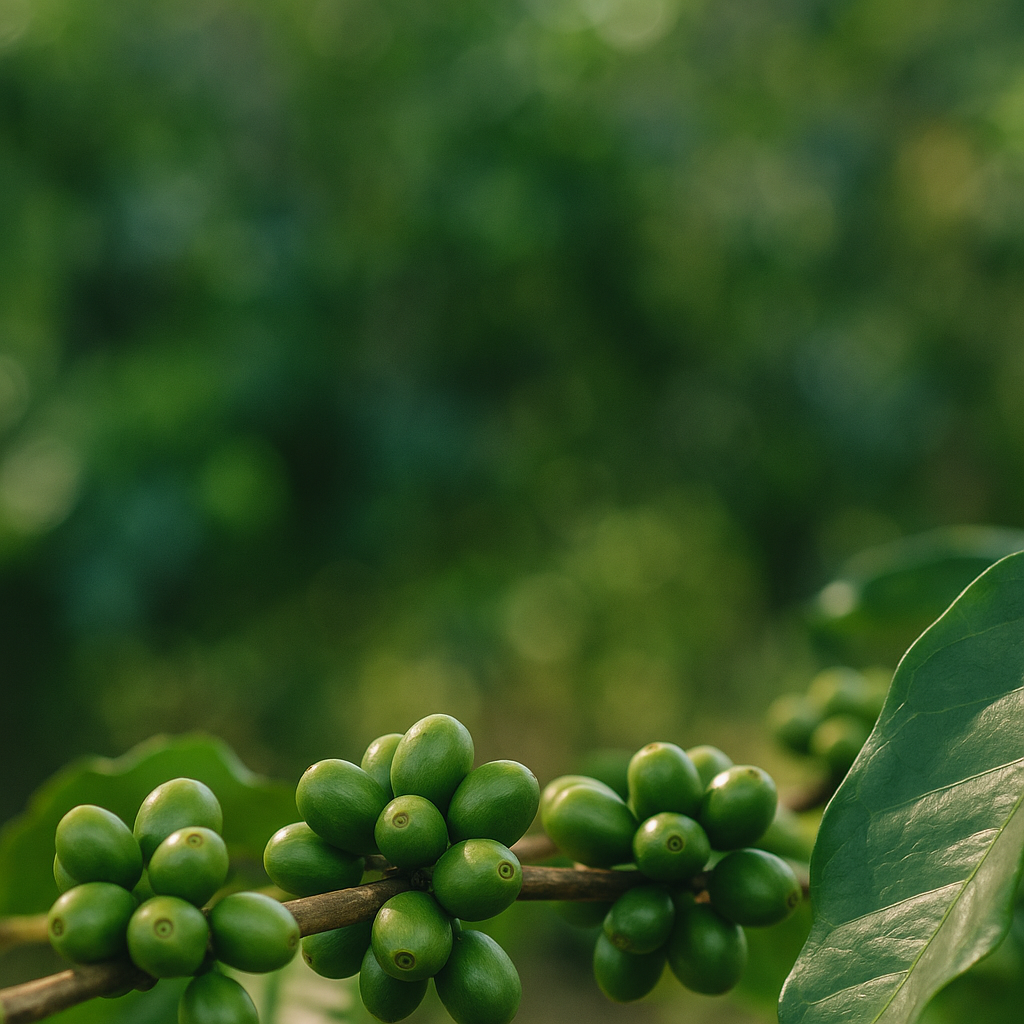
Prices for both arabica and robusta coffee are significantly higher as adverse weather bolsters concerns over global coffee crops. Arabica coffee has found support due to dryness concerns in Brazil. Specifically, meteorology reports indicated that Brazil’s largest arabica coffee-growing area, Minas Gerais, received 49% of its historical average rainfall during the week ended November 21st, fueling concerns about the current crop. Robusta coffee is climbing today on forecasts of heavy showers in Vietnam’s Dak Lak province, the country’s biggest coffee-growing region. These heavy rains are expected to further delay the harvest, tightening short-term supply expectations.

Shrinking inventories monitored by the Intercontinental Exchange (ICE) are also supportive of prices. US trade actions concerning Brazilian coffee imports have reportedly caused a substantial reduction in US exchange stockpiles. ICE-monitored arabica stocks fell to a 1.75-year low last week, and ICE robusta inventories hit a 4.5-month low today. American buyers avoided new contracts for Brazilian coffee purchases due to the tariffs, thereby tightening US supplies, as about a third of America’s unroasted coffee comes from Brazil. US purchases of Brazilian coffee during the period when tariffs were effective dropped by 52% from the same period last year.

Last Friday, arabica coffee had briefly tumbled to a seven-week low after an executive order was signed late last week, exempting Brazilian food products, including coffee, from the 40% tariff. In a potentially bearish factor, one major commodity consultancy forecast that Brazil will produce 70.7 million bags of coffee in the new 2026/27 marketing year, including 47.2 million bags of arabica, a significant year-over-year increase. Increased Vietnamese coffee supplies are also bearish for prices. Recent statistics show Vietnam’s coffee exports rose by 13.4% year-over-year in the January-October period. Additionally, Vietnam’s 2025/26 coffee production is projected to climb 6% year-over-year to a four-year high of 29.4 million bags, with the Vietnam Coffee and Cocoa Association suggesting a 10% increase if weather remains favorable. Vietnam is the world’s largest producer of robusta coffee.

Signs of tighter global coffee supplies are generally supportive of prices. The International Coffee Organization (ICO) reported that global coffee exports for the current marketing year (October-September) fell 0.3% year-over-year. Coffee prices also found support after Conab, Brazil’s crop forecasting agency, cut its Brazil 2025 arabica coffee crop estimate by 4.9% in September, and slightly reduced its total Brazil 2025 coffee production estimate. The USDA’s Foreign Agriculture Service (FAS) previously projected that world coffee production in 2025/26 will increase by 2.5% to a record high, driven by a 7.9% increase in robusta production, offsetting a slight decrease in arabica output. FAS forecasted modest production increases for both Brazil and Vietnam in 2025/26, along with a climb in global ending stocks.

Mondik Alpas Crowned Champion of the LATTE ART THROWDOWN at Julith’s High-Stakes Launch Event

DUBAI (Qahwa World)

In a dazzling display combining skill and artistic precision, the outstanding barista, Mondik Alpas, secured the championship title at the high-profile LATTE ART THROWDOWN. The event was held to celebrate the launch of the new Victoria Arduino Maverick Core espresso machine and the official debut of the Julith Wholesale Launch service.

The internationally renowned Julith Café served as the stage for this competition, hosting an elite group of coffee experts who competed face-to-face. The café recently captured global attention after acquiring and serving the world’s most expensive coffee, with a single cup valued at nearly one thousand dollars. The stakes were immensely high, with the grand prize being Victoria Arduino’s prestigious Eagle One Prima espresso machine.

Maverick Core Proves Its Mettle

Victoria Arduino chose this electrifying event to introduce the Maverick Core, a new machine designed to enhance the control and creative capabilities of coffee experts.

Speaking to Qahwa World, Antonio Oria of Victoria Arduino described the event as the ideal platform to showcase the machine’s capabilities. Oria stated: “We are here in Julith for a latte art competition by introducing our new machine, the Maverick Core… Baristas will compete back to back, and the winner will take home an Eagle One Prima.”

Oria also highlighted the importance of the host venue: “Today, we are also testing the new B2B (business-to-business) offer from Julith Coffee, which is being brewed in the batch brew with the 3TAMP device and is available for everyone to try. Amazing coffee, amazing competitors, amazing machine, and amazing people.”

Competitive Intensity and Supportive Crowd

The competitive atmosphere was charged with sharp focus and high tension. Judge Elena Hess praised the participants’ courage, saying: “I really enjoy the competition, the atmosphere, all participants. They are really brave, all of them, to participate, because it’s actually really stressful… Competing here is much harder than working behind the counter, due to the emotional tension.” She commended the positive spirit, adding: “They are all truly fun, and I am proud of them. The audience here is also very supportive. It’s a truly good and enjoyable event.”

For her part, Judge Estella Zuleta shared the same sentiment, commenting on the exceptional talent and collective spirit of the competitors: “I see very good and talented coffee experts showcasing their skills in the competition, and a good spirit among all attendees with positive energy.”

Mondik Alpas Secures the Title

Ultimately, it was Mondik Alpas who secured the title, thanks to his finesse and precision using the new Maverick Core machine, adding a major victory to his record. This win underscores the powerful synergy between the talent of coffee experts, innovative equipment, and the supportive coffee culture celebrated at Julith Café.

Champion’s Quote

In a brief statement given to Qahwa World after his coronation, Champion Mondik Alpas emphasized the fierce level of competition, noting the quality of his opponents: “The competition was very tough; because everyone gave it their all, with more effort and more focused training.” He stressed that the win was not easy, but extremely difficult, because the other competitors were also very good.

Mondik Alpas Wins Latte Art Throwdown: Victoria Arduino Maverick Core Launch at Julith Café

A Community Celebration and Presentation

The event concluded with the presence of Serkan Sagsoz, Co-founder of Julith Café. Federico Ortelli, General Manager of the Simonelli Group in the Middle East, presented the valuable prize, the “Eagle One Prima” machine, to the champion. Ortelli wished him success in his career path, praised the spirit that dominated the competition, and the distinguished participation of everyone, reaffirming Victoria Arduino’s commitment to supporting the region’s coffee community with all its expertise and capabilities.

Would you like me to generate the SEO pack (Focus keyphrase, slug, title, meta description, and tags) for this news article, based on your instructions?

Ethiopia Registers Historic Coffee Sector Gains as National Reform Efforts Take Hold

Addis Ababa — Qahwa World

Ethiopia’s coffee sector is experiencing one of its strongest periods in recent history, with national productivity, export volumes, and foreign-exchange earnings showing significant improvement, according to data and statements released during the National Coffee Exhibition and Recognition Program held at the Science Museum in Addis Ababa.

Senior federal officials, including Deputy Prime Minister Temesgen Tiruneh and Minister of Trade and Regional Cooperation Kassahun Gofe (PhD), highlighted the progress achieved through large-scale reforms, improved farm management, and expanded supply-chain modernization.

Record Export Performance

For the first time, Ethiopia exported 470,000 tons of coffee, generating more than USD 2.6 billion in the 2017 Ethiopian fiscal year. Officials noted that the country is now targeting 600,000 tons of exports and revenues exceeding USD 3 billion in the current fiscal year.

Over the past seven years, more than 9 billion new seedlings have been planted nationwide, while 700,000 hectares of old coffee plantations have undergone renovation—efforts credited with lifting productivity and stabilizing output.

Productivity Rising Across the Country

National yields have increased from a long-standing average of 6–7 quintals per hectare to 9 quintals, with model farmers in several regions consistently achieving 15–20 quintals per hectare.
In some modernized farms, yields have climbed as high as 60 quintals per hectare, reflecting the impact of new technologies and improved practices.

Officials emphasized that such gains demonstrate Ethiopia’s potential to strengthen its position among the world’s leading coffee-producing nations.

Economic Reforms and Market Competitiveness

Minister Kassahun Gofe stated that Ethiopia’s domestic economic reforms are reshaping the performance of key export sectors, including coffee. He noted that ongoing work to streamline production, expand market access, and introduce value-added processing is central to sustaining momentum.

He encouraged producers and exporters to prepare for higher standards and global integration, as Ethiopia advances its participation in multiple international trade frameworks.

Sector Transformation and Future Priorities

Dr. Adugna Debela, Director General of the Ethiopian Coffee and Tea Authority, said that reforms implemented in recent years have brought meaningful improvements to quality, consistency, and global demand. Coffee has remained the backbone of Ethiopia’s export economy, while tea and spices have also begun to show promising growth opportunities.

Looking ahead, federal leaders underscored the importance of:

* Scaling technology-driven production systems
* Expanding value-added coffee exports
* Strengthening market promotion and supply-chain coordination
* Replicating gains in the tea and spice sectors
* Advancing Ethiopia’s long-term green growth strategy

Buna Kurs will continue monitoring developments in the sector and providing coverage of major industry milestones, stakeholder perspectives, and the evolving national reform agenda shaping Ethiopia’s coffee economy.

Global Coffee Market Value to Hit $186.5 Billion by 2033

The Fourth Wave Defines Trends and Shapes the Global Coffee Market Landscape

Dublin — Qahwa World

The global coffee industry is no longer just about waking up; it is about waking up to a new economic reality. According to a landmark report released yesterday by ResearchAndMarkets.com, the global coffee market is projected to surge from US$ 121.69 billion in 2024 to US$ 186.55 billion by 2033, driven by a compound annual growth rate (CAGR) of 4.86%.

While the headline figures suggest steady growth, the underlying currents reveal a volatile, transformative landscape. As we approach the end of 2025, the industry is navigating a “perfect storm” of climate-induced price shocks, a regulatory overhaul in Europe, and a massive consumption pivot toward the Asia-Pacific region.

The Asian Renaissance: Beyond the Tea Leaf

The report identifies the Asia Pacific (APAC) region as the primary engine of future growth, a trend confirmed by on-the-ground developments in late 2024 and 2025.

While Europe remains the revenue leader, Asia is where the volume is shifting. The “Third Wave” of coffeecharacterized by artisanal appreciation and traceabilityhas made landfall in traditionally tea-drinking nations.

India’s Awakening: The data aligns with India’s aggressive rise as both a consumer and exporter. Just this week, Starbucks reaffirmed its commitment to the subcontinent, celebrating its 500th store opening in Delhi NCR. Under the leadership of new global CEO Brian Niccol, the Seattle giant is doubling down on India, announcing a Farmer Support Partnership aiming to train 10,000 local farmers by 2030. This is a strategic hedge; as growth in China faces stiff competition from local price-warriors like Luckin Coffee, India represents the next great frontier for premiumization.

The Robusta Revival: Vietnam and Indonesia are capitalizing on the global shortage of Arabica beans. With climate change shrinking Arabica’s arable land, high-quality Asian Robusta (often called “Fine Robusta”) is entering the mainstream blends of major roasters to keep price points stable.

The Price of Sustainability: The EUDR Factor

The report highlights “sustainability benchmarking” as a key competitive differentiator, but in late 2025, sustainability is less about marketing and more about regulatory survival.

The industry is currently breathing a collectivealbeit temporarysigh of relief following the European Union’s decision to delay the Deforestation Regulation (EUDR) implementation to December 2026. This regulation, which bans the import of commodities linked to deforestation, threatened to disrupt supply chains for major players like Lavazza, JDE Peet’s, and Nestlé.

However, the delay is not a cancellation. Companies like Lavazza are aggressively pushing their “Roadmap to Zero,” aiming for carbon neutrality in Scope 1 and 2 emissions. The report notes that eco-friendly packaging and circular economy initiatives are no longer optional “nice-to-haves” but essential for maintaining market access in the premium European bloc.

Corporate Battlegrounds: The Fight for the Morning (and Afternoon)

The competitive landscape section of the report details a bifurcation in strategy among key players:

1. The Experience Economy: Starbucks vs. The World

Starbucks is currently executing its “Back to Starbucks” strategy. After a rocky 2024, the focus has returned to operational speed and the “human connection.” However, they face a new breed of competitor.

2. The Speed Demons: Dutch Bros

The report lists Dutch Bros as a key disruptor, and for good reason. The drive-thru chain has been on a tear in 2025, aggressively expanding its footprint with approximately 160 new shops opening this year alone. Their modelhigh-sugar, high-caffeine, cold beverages tailored for Gen Zis stealing the afternoon “treat” occasion from traditional coffee houses. Their target of 4,000 locations long-term suggests they are moving from a regional cult favorite to a national heavyweight.

3. The At-Home Revolution: Nestlé

Nestlé continues to dominate the at-home segment. With inflation keeping some consumers out of cafes, the “coffee shop at home” trend remains sticky. Nestlé’s 2025 innovation pipeline has heavily favored cold brew solutions and functional coffees (blends with added vitamins or adaptogens), catering to health-conscious millennials who want cafe quality at kitchen table prices.

Outlook: The Tech-Infused Bean

Looking toward 2033, the report suggests that technology will play a pivotal role. From AI-driven agronomy helping farmers navigate erratic weather patterns in Brazil to precision brewing systems in cafes, the “Fourth Wave” of coffee will be defined by data.

As the market marches toward that $186.55 billion valuation, the winners will be those who can balance the rising cost of green coffee (up 30-40% in mid-2025) with the consumer’s demand for ethics, quality, and convenience.

Russian Coffee Shop Purchases Down 7.3% in 2025

Moscow, Russia — Qahwa World

The number of purchases at traditional coffee shops across Russia fell by 7.3% year-on-year in the January-October 2025 period. This data, compiled from a joint study by fiscal data operator Platform OFD and the self-service coffee chain Tochka Chernogo, highlights ongoing traffic challenges in the food service sector.

Revenue Rises Despite Fewer Transactions

Despite the drop in customer visits, the overall turnover (revenue) for coffee shops actually increased by 10%. This seemingly contradictory growth is attributed to a significant jump in the average check, which grew by 14.4% to 412 rubles.

Key Reasons for the Traffic Decline:

Declining Purchasing Power: Experts believe the primary cause of the falling traffic, which has been observed for a second consecutive year across the catering industry, is the decrease in the population’s purchasing power.

Shift to Cheaper Options: A segment of consumers is shifting towards more economical alternatives, including:

Fast Food: The fast-food segment saw a traffic increase of 3% in Moscow, according to Focus Technologies.

Retail Coffee Points: Retailers are posing serious competition by actively developing self-service coffee points within stores and opening their own cafe formats.

Nataliya Savostina, Marketing Director for Shokoladnitsa Group, noted that consumers who are always looking to save money are the most affected and are particularly sensitive to price changes.

The Rise of Self-Service Coffee

In contrast to traditional cafes, the self-service coffee point category demonstrated notable growth:

Transaction Growth: The number of checks at self-service coffee points rose by 9%.

Slower Check Growth: Turnover only increased by 7% due to a more modest rise in the average check of 4.9% (to 107 rubles).

Sergey Kaletin, COO of Uvenco Group, stated that demand for self-service points has been rising over the past five years. However, while affordable, the self-service model cannot yet offer the ambiance and unique experiences of a full-service café. For instance, at Vkusvill, purchases of coffee drinks in their “café” format grew by 38.5%, compared to just 0.3% in their self-service points.

Industry Strategy and Outlook

Coffee shops are forced to adjust prices to compensate for the outflow of visitors and rising costs. This includes optimizing cost structures and growing the average check not only through price increases but also by adjusting the product assortment. For example, Shokoladnitsa Group is maintaining prices for coffee subscriptions to sustain demand.

Experts predict that future development in the segment will be determined by economic factors and consumer purchasing power, which will continue to drive the choice between a traditional café and a more cost-effective self-service option.

Keurig Dr Pepper Debuts ‘Keurig Coffee Collective,’ Elevating At-Home Brewing

Dubai Qahwa World

Keurig, a brand of Keurig Dr Pepper, today announced a major expansion into the premium coffee category with the launch of its first-ever proprietary line of coffee, the Keurig Coffee Collective.

The new branded line, crafted entirely by five in-house coffee experts, is designed to provide consumers with a more elevated and high-quality single-serve experience from the brand they already trust. The Collective initially launched exclusively on Keurig.com and is slated for expansion to national retail outlets in early 2026.

Innovation: Refined Grind Technique

To distinguish its new offering in the rapidly growing premium segment, Keurig is introducing the Refined Grind™ manufacturing technique. This process grinds beans to a high density, allowing the company to pack 30% more coffee grounds into every K-Cup pod. This, combined with carefully curated beans selected by Keurig’s internal experts, ensures superior flavor authenticity and quality.

“Today is a big step in Keurig’s brand history as we debut our first-ever line of coffee made by our own in-house experts,” said Becky Opdyke, Senior Vice President, Coffee Marketing at Keurig Dr Pepper. “Millions of loyal Keurig fans already know and love us, so introducing a Keurig-branded coffee line is a natural evolution that our fans can expect us to deliver with excellence.”

Opdyke added that the new line is specifically aimed at meeting consumer demand for delicious, premium quality coffee while reinforcing the company’s leadership in the single-serve space.

The Five Signature Blends

The Keurig Coffee Collective launches with five signature roasts, each developed by a distinct in-house expert:

Blend Name Expert Profile & Notes
Bold Beats Medium-Dark Roast Master Roaster Eric Taylor A rich medley of flavors featuring notes of dried fruit and caramel.
Whole Hearted Dark Roast Sustainability Warrior Whitney Kakos An artfully ground, complex blend including beans sourced from a Colombian farming community, offering a smooth, roasty flavor with notes of dark chocolate.
Global Trek Medium Roast Sourcing King Cyrille Jannet A globally-inspired tribute featuring flavor notes from three regions: Colombian caramel, Ethiopian fruit, and lingering Sumatran chocolate.
Bright Idea Light Roast Coffee Chemist Alberto Azeredo A truly unique flavor profile combining a burst of bright, fruity notes paired with smooth, nutty undertones from two specific Brazilian beans.
Warm Hug Caramel Spice Sensory Scientist Moira Kelley A smooth flavored coffee blend sourced from Central and South American origins with distinctive caramel and sweet spice notes.

The Keurig Coffee Collective is available now on Keurig.com.

Caffè Nero Completes Major Refurbishment of First UAE Store at Dubai Mall

DUBAI – Qahwa World

Premium coffee house chain Caffè Nero has finalized a substantial renovation of its establishment within The Dubai Mall. The store, which was the brand’s first location in the United Arab Emirates when it opened 15 years ago, has been completely refurbished to mark the anniversary and update its presence in the high-traffic retail center.

The store, situated adjacent to the Dubai Ice Rink, now features a bespoke design concept tailored for the location. The new interior incorporates natural wood finishes, soft lighting elements, and an earthy color palette, creating a distinct ambiance. Seating arrangements have been redesigned to provide a variety of options, including both secluded areas and open communal tables, serving the needs of shoppers and visitors seeking a break.

The store’s coffee offerings, which are prepared by the in-house baristas, remain a central focus of the operation.

Gareth Hopley, Head of Communications at Caffè Nero, commented on the reopening, noting the importance of the refresh for the long-standing location. “We have worked to update the look and feel while ensuring the store retains its established character. We anticipate customers will appreciate the new atmosphere and design elements of this particular location,” Hopley stated.

Caffè Nero operates as an independent, family-owned specialty coffee house brand. Globally, the group runs over 1,150 stores across 11 countries, with the UAE operation currently comprising more than 20 stores. The brand’s retail presence in the UAE is managed by Al Tayer Insignia, a retail division of the Al Tayer Group.

Arabica Rebounds: Brazil Drought Fears Drive Price Surge Despite Tariff Removal Pressure

Dubai – Qahwa World

Arabica coffee futures experienced a strong rally today, Monday, fueled by renewed concerns over Brazil’s current crop conditions. This upward movement reflects the market’s conflicting forces, which are still reacting to the executive order on tariff removal issued late last week.

March Arabica coffee futures (KCH26) surged by $7.40 (+2.00%) today, following a report highlighting alarming dry conditions in Brazil. Somar Meteorologia reported that Minas Gerais, the country’s largest Arabica-growing state, received only 26.4 mm of rain in the week ended November 21, amounting to just 49% of the historical average. This significant rainfall deficit raises concerns about the health and development of the current crop, providing strong support for the market price.

Further bolstering the price are shrinking stockpiles. ICE-monitored Arabica inventories have fallen to a 1.75-year low of 398,645 bags. This inventory drawdown is a direct consequence of previously imposed US tariffs on Brazilian coffee imports, which led American buyers to void new contracts, severely tightening US supplies, as Brazil typically supplies about a third of America’s unroasted coffee.

Despite today’s rally, prices remain near the 7-week low recorded in the previous session. That sharp decline was triggered by the US President signing an executive order late last Thursday, exempting Brazilian agricultural products, including green coffee, from the existing 40% tariffs. This tariff removal, which does not cover instant coffee, created immediate downward pressure as traders anticipated a greater influx of Brazilian supply into the US market.

Longer-term expectations for Brazil’s next crop continue to act as a bearish factor. StoneX analysts last week forecast that Brazil will produce 70.7 million bags of coffee in the 2026/27 season, including 47.2 million bags of Arabica, representing a projected 29% year-on-year increase. Furthermore, Climatempo forecasts suggest heavy rainfall will continue in growing regions this week, providing favorable growth conditions for the subsequent crop.

In the Robusta market, January futures (RMF26) edged lower by 12 points (-0.27%), pressured by forecasts for drier weather in Vietnam. Improved dry conditions are expected to allow the resumption of the Robusta harvest in key provinces like Dak Lak, easing supply delay concerns in Vietnam, the world’s largest Robusta producer. Official data previously showed that Vietnam’s coffee exports for January through October 2025 rose 13.4% year-on-year.

The Barista League Unveils Game-Changing 2026 Season

DUBAI – Qahwa World

The Barista League, the organization known for its innovative approach to coffee culture, has announced its game-changing 2026 Season, introducing a radically new competition concept that fundamentally redefines what a coffee competition can be by shifting its focus to Concept and Service.

Moving away from mere technical perfection, the 2026 season challenges baristas to step into the role of experience creators, communicators, and deliverers. The new format is built around three core pillars: Concept, Service, and Product.

“Baristas are the gatekeepers to the coffee experience. Their job is not to grow, source, roast coffee but to translate the work, competence, skill, meaning, culture and stories of the coffee industry to consumers. Through the service and preparation of drinks the barista is responsible for the actual delivery of that experience to consumers every day all around the world.” – From The Barista League 2026 Rules.

The New Scoring Structure

In a dramatic departure from traditional competitions, the new format gives Concept and Service equal weighting, together constituting 62% of the total score, while the physical Product accounts for the remaining 38%.

This paradigm shift emphasizes that the overall experiential concept—including design, storytelling, communication, and service style—is now more critical than the drink itself. Competitors are tasked with developing a complete sensory journey, rethinking the coffee experience and using The Barista League’s stage, sound, and lighting to bring their bold ideas to life.

“We want to see bold, creative service concepts that push the boundaries of what a coffee experience can be,” said Steven Moloney, founder of The Barista League. “This stage is a platform for baristas to use in the most innovative and impactful ways they can imagine.”

Watchable, Interactive, and Global

The 2026 competition has been engineered for maximum audience engagement, both live and online.

  • To enhance transparency and excitement, both teams and judges will be mic’d up.

  • Performances, live commentary, interviews, and scoring will be streamed on big screens for the in-person audience.

  • Every event will be live-streamed and archived online, making the innovation accessible to coffee fans globally.

A Platform for Future Leadership

True to its mission, The Barista League continues to serve as an accessible platform for innovation and leadership. The competition is designed with a low barrier to entry, ensuring that skill, imagination, and collaboration take centre stage over expensive equipment or elaborate setups.

“We are looking for baristas who want to push the boundaries of service, rethink what a coffee experience can be, and use this stage to shape the future of the industry.” – From The Barista League 2026 Rules.

Moloney added, “Despite enormous changes in the industry, the competition landscape has not developed significantly over the past 10 years. We want to create a platform for the future leaders of our industry to stand up and show us where we are going next.”

2026 Global Season Schedule

The 2026 season will feature six events across six continents, each hosting six hand-selected barista teams:

Event Date Location
Europe March 28, 2026 Prague
Latin America May 8, 2026 Mexico City
Asia June 11, 2026 Tokyo
North America September 3, 2026 Atlanta
Africa October 3, 2026 Johannesburg
Pacific November 13, 2026 Brisbane

The Barista League 2026 season is made possible by the continued support of partners Rancilio, Oatly, Toddy, Pacific Foods Barista Series, Acme, Acaia, and Barista Magazine.

Kyrgyzstan Coffee Festival Unites Central Asia Coffee Community

BISHKEK — Qahwa World

The capital’s coffee scene celebrated a major milestone this week with the grand opening of the large-scale COFFEE FEST KG Festival at the Kozhomkul Sports Palace. The event successfully brought together hundreds of coffee industry professionals, from bean roasters to equipment suppliers, alongside a surging community of local coffee enthusiasts.

The festival underscores the rapidly accelerating growth of Kyrgyzstan’s coffee market. This sentiment was echoed by Bishkek City Mayor Aibek Dzhunushaliev, who attended the grand opening and delivered a speech noting the critical and growing importance of the coffee industry to the city’s overall economy.

For years, Kyrgyzstan has been a traditional tea-drinking culture, but as global trends take root, Bishkek has seen a vibrant emergence of specialty cafés, making coffee a significant imported commodity. The festival serves as a critical professional platform for this emerging market.

A Full Program for Professionals and Fans

Spanning a packed two-day program, COFFEE FEST KG offered a comprehensive look into the “bean-to-cup” process. The Sports Palace was transformed into a bustling hub of activity, featuring:

  • Industry Education: Market experts delivered intensive master classes and lectures covering essential topics such as roasting techniques, advanced brewing methods, customer service standards, and current global industry trends.
  • Major Exhibition: A substantial exhibition area showcased the entire coffee supply chain. Attendees networked with manufacturers, specialized roasters, suppliers of professional equipment, packaging solutions, and essential accessories.
  • Competition and Demonstration: The energy peaked during the barista competitions, where top talents from Bishkek and the wider Central Asian region tested their skills in front of expert judges. Public demonstrations also allowed visitors to get a first look at the newest cutting-edge professional coffee equipment entering the market.
  • Tasting Zone: The popular tasting area offered guests a chance to sample rare and exotic coffee varieties sourced from around the world, as well as a selection of unique signature drinks crafted by local baristas.
  • Giveaways: The event capped off the energy with a major prize draw, open to all attendees, featuring high-value items, including new smartphones.

The success and scale of COFFEE FEST KG confirm the capital’s role as an important nexus for the specialized coffee community in Central Asia. By offering a blend of professional development, competitive spirit, and consumer engagement, the festival has firmly established itself as an annual must-visit event for anyone passionate about the craft and business of coffee.

The World’s Top Coffee-Consuming Countries in 2025

Dubai – Qahwa World

A recent global report on 2025 coffee consumption has revealed vast disparities in global caffeine habits, confirming that European nations maintain their historical dominance in per-capita intake. The analysis by Voronoi highlighted Lebanon as the leading consumer in the Arab world, while Gulf countries recorded the highest expenditure per cup.

Luxembourg claimed the top global rank with an extraordinary daily average of 5.31 cups per person. This outlier figure, according to Cafely, is largely attributed to the cross-border commuter effect, where the consumption of thousands of daily workers from France, Germany, and Belgium is counted in the national total. Finland, Sweden, and Norway followed closely, underscoring the deep cultural integration of coffee in Nordic societies.

Lebanon Leads Arab World, Saudi Spending is Elite

The data reveals a stark contrast in consumption patterns across the Middle East. Lebanon secured the highest position among Arab states, ranking 16th globally with a robust average of 1.60 cups per day, reflecting a strong, traditional café culture.

Meanwhile, the Gulf states showed a pattern of high expenditure driven by premium coffee experiences:

  • Saudi Arabia (22nd globally) recorded the highest average price per cup in the world at $5.50. This indicates a high market saturation of luxury and specialty coffee shops. The projected lifetime spending on coffee for an average Saudi consumer is nearly $149,000, exceeding that of many European nations with higher cup counts.

  • The UAE (40th) followed closely, with an average cup price of $5.00, confirming the Gulf region’s status as a Value Market prioritizing quality and experience over sheer quantity.

The Asian Paradox: China’s Growth vs. India’s Export Focus

The report also focused on contrasting trends in Asia:

1. China’s Quiet Revolution: China ranked 41st globally with a modest daily consumption of 0.69 cups. However, the country’s significance lies in its explosive growth rate, exceeding 20% annually in major cities. Analysts anticipate that China will soon become the world’s largest coffee market by volume, driven by youth demographics and increasing domestic bean production.

2. India: Producing but Not Drinking: In sharp contrast, India languished at the very bottom (65th) with a minimal average of 0.02 cups per day. This underscores a major paradox: despite India being one of the world’s top 10 coffee producers, the vast majority of its high-quality crop is exported, confirming the continued, overwhelming dominance of tea in its domestic culture.

Global Daily Coffee Consumption Rankings (2025)

Rank Country Daily Consumption (Cups/Capita) Rank Country Daily Consumption (Cups/Capita) Rank Country Daily Consumption (Cups/Capita)
1 Luxembourg 5.31 23 Israel 1.19 45 Thailand 0.55
2 Finland 3.77 24 U.S. 1.22 46 Indonesia 0.54
3 Sweden 2.59 25 Ireland 1.15 47 Egypt 0.51
4 Norway 2.57 26 Cyprus 1.15 48 Philippines 0.49
5 Austria 2.03 27 Mexico 1.05 49 Vietnam 0.44
6 Denmark 2.04 28 Czech Rep. 0.99 50 Peru 0.41
7 Switzerland 1.87 29 Russia 1.01 51 Colombia 0.38
8 Netherlands 1.79 30 Australia 0.96 52 Morocco 0.35
9 Greece 1.71 31 Chile 0.94 53 Pakistan 0.32
10 Germany 1.61 32 Japan 0.93 54 Kenya 0.28
11 Canada 1.57 33 Poland 0.91 55 Nigeria 0.25
12 Belgium 1.57 34 Hungary 0.89 56 Algeria 0.22
13 France 1.48 35 New Zealand 0.85 57 Iran 0.19
14 Slovenia 1.49 36 South Korea 0.83 58 Bangladesh 0.15
15 Italy 1.44 37 U.K. 0.81 59 Tanzania 0.12
16 Lebanon 1.60 38 Argentina 0.79 60 Ethiopia 0.09
17 Spain 1.34 39 Hong Kong 0.75 61 Nepal 0.06
18 Brazil 1.58 40 UAE 0.71 62 Uganda 0.05
19 Croatia 1.33 41 China 0.69 63 Sri Lanka 0.04
20 Portugal 1.31 42 Turkey 0.68 64 Rwanda 0.03
21 Lithuania 1.25 43 South Africa 0.66 65 India 0.02
22 Saudi Arabia 1.23 44 Malaysia 0.59

ICO Stands with Vietnam as Heavy Rains Devastate Coffee Heartland

Key Impacts:

  • 50+ fatalities reported nationwide.

  • Dak Lak farmers report only 10-15% harvest completion.

  • Direct losses estimated at $341 million USD.

  • Global Robusta futures are surging on supply fears.

Dubai – Qahwa World

The International Coffee Organization (ICO) has issued an urgent message of solidarity to Vietnam following catastrophic flooding that has claimed dozens of lives and paralyzed the country’s vital “Coffee Belt” in the Central Highlands.

The disaster, triggered by weeks of relentless torrential rains and the aftermath of recent tropical storms, has struck at the peak of the coffee harvest season, threatening one of the world’s most critical supplies of Robusta beans.

In a statement posted on its official Instagram account, the ICO addressed the tragedy directly, emphasizing the human cost behind the supply chain disruption.

“The International Coffee Organization expresses its heartfelt condolences following the severe floods in Vietnam, which have tragically claimed lives and devastated coffee-growing communities,” the statement read.

The message highlighted the plight of smallholder farmers who are now facing the dual trauma of personal loss and economic ruin. “Our thoughts are with the families affected and with the farmers whose harvests have been severely damaged by the persistent rains. The ICO stands in solidarity with Vietnam and remains committed to supporting resilience and recovery across the global coffee sector.”

The Central Highlands, particularly the provinces of Dak Lak and Lam Dong, serve as the engine of Vietnam’s coffee industry, accounting for over a third of the world’s Robusta supply. November usually marks the bustling onset of the harvest, but this year, the fields are silent and waterlogged.

Field estimates indicate that farmers in Dak Lak province had managed to harvest only 10% to 15% of their crop before the floods hit. In low-lying areas, reports confirm that floodwaters have submerged coffee trees by up to two meters, threatening root rot and the destruction of ripe cherries.

Heavy Human and Material Losses

Local authorities report that rainfall in some areas has exceeded 1,500mm (59 inches) in recent weeks. The deluge has triggered landslides and flash floods, isolating remote farming villages.

As of this weekend, disaster management agencies have reported over 50 fatalities nationwide. Economically, the Vietnamese government estimates the direct losses from the disaster at approximately 8.98 trillion VND ($341 million USD), with nearly 80,000 hectares of crops damaged, a significant portion being coffee farms.

For coffee farmers, the timing could not be worse.

“The cherries are ripe, but we cannot pick them,” said Nguyen Van An, a farmer in the Buon Ma Thuot region. “If we pick them, we cannot dry them because there is no sun. If we leave them, they rot on the branch or fall into the mud.”

Global Market Tremors

The situation in Vietnam has sent immediate shockwaves through the global commodities market. Coffee futures have surged to multi-week highs as traders brace for a severe supply crunch, with analysts now fearing a drop in Vietnam’s total production by up to 20% compared to previous forecasts.

Unlike Arabica, which is often mechanically dried, Vietnamese Robusta is largely sun-dried on patios. The persistent moisture raises the risk of mold and fermentation, potentially rendering large portions of the crop unusable for export. With global coffee stockpiles already tight, analysts fear this disaster could push consumer prices higher in 2026.

A Call for Resilience

The ICO’s statement underscores a growing urgency within the industry to address climate vulnerability. Vietnam has faced an increasingly erratic climate in 2025, swinging from severe droughts earlier in the year to the current historic floods.

As rescue teams continue to reach isolated communities and the waters slowly recede, the focus will soon turn to recovery. The ICO’s pledge to support “resilience and recovery” suggests that international aid and long-term adaptation strategies will be crucial in helping Vietnam’s coffee sector weather the storms of a changing climate.