Coffee Prices Surge on Brazil Weather Concerns and Supply Tightness

Dubai, 23 August, 2025 (Qahwa World) – Coffee futures surged sharply on Friday, reaching multi-month highs as weather concerns in Brazil and tightening global supplies continued to fuel bullish momentum. December arabica coffee (KCZ25) closed up +13.30 cents (+3.64%), marking a 3.5-month high, while September ICE robusta (RMU25) gained +108 points (+2.27%), its strongest level in three months. The rally extended a three-week upward trend, with traders reacting to reports of dry conditions and frost damage in Brazil, the world’s largest coffee producer.

According to Somar Meteorologia, Minas Gerais, Brazil’s leading arabica coffee-growing region, recorded no rainfall during the week ending August 16. This lack of precipitation, coupled with recent frost damage, raised concerns over crop yields and pushed prices higher. Additional upward pressure came from the United States, where coffee supplies are tightening as buyers void new Brazilian contracts in response to a 50% tariff on Brazilian exports. With nearly one-third of U.S. coffee imports traditionally sourced from Brazil, the restrictions have intensified market concerns over availability.

Brazil’s Trade Ministry reported that July unroasted coffee exports fell by 20.4% year-on-year to 161,000 metric tons. Exporter group Cecafe confirmed an even steeper decline in green coffee shipments, which dropped 28% in July to 2.4 million bags. Arabica exports fell 21%, robusta plunged 49%, and overall shipments for the January–July period slipped 21% to 22.2 million bags. Meanwhile, ICE-monitored arabica inventories fell to a 1.25-year low of 726,661 bags before recovering slightly to 729,606 bags on Friday. Robusta inventories also dropped to a four-week low of 6,642 lots, down from a two-year high of 7,029 lots at the end of July.

On the other hand, progress in Brazil’s harvest is adding a bearish element. Safras & Mercado reported that 99% of the 2025/26 crop was harvested as of August 20, with the robusta harvest completed and 98% of arabica finished. Brazil’s largest cooperative, Cooxupé, announced that its members had completed 86.1% of their harvest by August 15.

Global developments continue to influence sentiment. The International Coffee Organization reported that world coffee exports rose 7.3% in June to 11.69 million bags, although cumulative shipments from October through June were slightly lower at 104.14 million bags. In Vietnam, drought reduced 2023/24 production by 20% to 1.472 million metric tons, the smallest crop in four years, while 2024 exports dropped 17.1%. The Vietnam Coffee and Cocoa Association has since lowered its 2024/25 production forecast to 26.5 million bags. However, government data showed that exports from January to July 2025 rose 6.9% to 1.05 million metric tons.

The USDA’s Foreign Agriculture Service projects that global coffee production in 2025/26 will rise by 2.5% to a record 178.68 million bags, with robusta output increasing by 7.9% to 81.66 million bags and arabica output slipping 1.7% to 97.02 million bags. Ending stocks are forecast to climb 4.9% to 22.82 million bags. Despite these figures, trader Volcafe projects a widening arabica deficit of 8.5 million bags for 2025/26, compared with 5.5 million in 2024/25, marking the fifth consecutive year of shortages.

Coffee markets are now navigating the opposing forces of immediate weather-driven supply risks and harvest progress in Brazil against longer-term forecasts of record global output, leaving traders alert to further volatility in the weeks ahead.

Mexico Prepares Early for World of Coffee Dubai 2026

Xalapa – Mexico, August 21, 2025 (Qahwa World) – As part of Mexico’s early preparations for World of Coffee Dubai 2026, the Secretariat of Economic and Port Development of the State of Veracruz (SEDECOP), through its Directorate of Foreign Trade and in collaboration with Casa Tostadora Briones, has officially invited Veracruz specialty coffee producers to participate in the global event, scheduled for January 18–20, 2026 at the Dubai World Trade Centre (Za’abeel Halls 1, 4, 5 & 6).

Showcasing Veracruz Coffee in the Middle East

The initiative targets Arabica specialty coffee producers from Veracruz to submit samples that highlight the diversity, quality, and richness of the state’s coffee sector. Each sample will be displayed at Mexico’s pavilion in Dubai with the producer’s name, farm, region of origin, and coffee profile — a recognition of the growers’ work and a step to foster direct trade links.

SEDECOP underlined that the purpose of the participation is to strengthen international trade ties, promote the quality of Veracruz coffee in global markets, and position it as an authentic product with high added value. Casa Tostadora Briones emphasized that this step represents an opportunity to give Mexican coffee “a voice and presence” on the global stage while honoring the work and traditions of Veracruz farmers.

Veracruz: Mexico’s Coffee Heartland

Located on the eastern coast of Mexico along the Gulf of Mexico, Veracruz is one of the country’s oldest and most important agricultural regions. Its capital is Xalapa, and the state enjoys diverse climates — from tropical on the coast to temperate in the highlands — creating ideal conditions for coffee cultivation.
Veracruz is among Mexico’s largest coffee-producing regions, particularly in the central highlands, where high-quality Arabica is grown and internationally recognized. The historic Port of Veracruz also serves as a key export gateway for agricultural products, especially coffee.

Participation Requirements

Interested producers must meet the following:

  • Submit 500 g of green specialty Arabica coffee.

  • Minimum cupping score of 82+ (SCA standards).

  • Provide a technical datasheet in both Spanish and English.

  • Samples accepted from August 2025 until January 5, 2026.

  • Participation is free of charge, sponsored by Casa Tostadora Briones.

Application Process

  1. Complete the official online registration form:
    World of Coffee Dubai 2026 – Application

  2. Submit a valid tax compliance certificate issued within the last 90 days.

  3. Sample shipments will be coordinated through Casa Tostadora Briones.

Eligible participants will be selected based on compliance with requirements and registration deadlines, with chronological order of registration serving as the main selection criterion.

Event Details

  • Event: World of Coffee Dubai 2026

  • Dates: January 18–20, 2026

  • Venue: Dubai World Trade Centre – Za’abeel Halls 1, 4, 5 & 6

Contact Information

  • Directorate of Foreign Trade – SEDECOP
    Boulevard Cristóbal Colón 5, Torre Ánimas, Office 1005, Jardines de las Ánimas, Xalapa, Veracruz.
    Tel: +52 (228) 841-8500 ext. 3615
    Email: [email protected]

Complaints or inquiries can also be directed to SEDECOP’s Internal Control Office at: [email protected].

Coffee Prices Surge on Dry Weather in Brazil and Tighter U.S. Supplies

Dubai, 21 August 2025 (Qahwa World) – Coffee prices continued their sharp rally this week, reaching multi-month highs as drought in Brazil, tighter U.S. supplies, and falling inventories combined to fuel bullish sentiment in global markets. September arabica coffee (KCU25) closed up +4.05 cents (+1.14%), while September robusta coffee (RMU25) jumped +236 points (+5.35%), marking the strongest levels for arabica in more than two months and for robusta in two and a half months. The upward trend has now extended for over two weeks, signaling growing concerns among traders and roasters alike.

Much of the momentum is driven by weather conditions in Brazil, the world’s largest producer. Somar Meteorologia reported that Minas Gerais, the country’s main arabica-growing state, received no rainfall during the week ending August 16. Dry conditions at this stage of the harvest have spurred funds and speculators to increase their positions in coffee futures. While dryness helps in harvesting ripe cherries, prolonged lack of rain threatens the health of trees and could affect the next cycle’s yield, especially for arabica, which is more sensitive to climatic stress.

At the same time, the United States, one of the biggest coffee importers, is facing its own supply squeeze. Following the imposition of 50% tariffs on Brazilian coffee exports, American buyers have been avoiding new contracts and seeking loopholes in existing ones to escape the higher levies. Some have even requested extended shipping timelines in hopes that trade restrictions may eventually ease. With about a third of unroasted coffee consumed in the U.S. normally sourced from Brazil, the tariffs have significantly tightened the market.

Export figures from Brazil reinforce the tightening picture. The country’s Trade Ministry reported that unroasted exports in July dropped -20.4% year on year to 161,000 metric tons, while Cecafé, the exporters’ council, confirmed that green coffee exports fell -28% to 2.4 million bags. Within that total, arabica shipments declined -21% and robusta plunged nearly -49%. Overall, Brazil’s coffee exports in July fell to 2.7 million bags, and shipments for the first seven months of the year were down -21% to 22.2 million bags compared to the same period in 2024.

Another layer of support for prices comes from declining inventories on the Intercontinental Exchange (ICE). Arabica stocks dropped to a 1.25-year low of 726,661 bags last week before inching up slightly, while robusta inventories sank to a three-week low of 6,732 lots, still well below the two-year high reached in late July.

Even as supply pressures mount, Brazil’s harvest progress offers a short-term counterbalance. Cooxupé, the country’s largest cooperative and exporter, announced that its members had harvested 86.1% of their crop by August 15. Independent consultancy Safras & Mercado placed national progress at 94% complete, with nearly all robusta and more than 90% of arabica cherries already picked. This suggests that near-term supply will remain steady, though the longer-term outlook is clouded by weather concerns.

Globally, the International Coffee Organization (ICO) reported that exports in June rose +7.3% year on year to 11.69 million bags, though cumulative shipments for October through June were nearly flat at 104.14 million bags, down -0.2% compared to the previous year. Meanwhile, in Vietnam, the world’s largest robusta producer, production in 2023/24 fell -20% to 1.472 million metric tons, the smallest harvest in four years, due to severe drought. Exports for 2024 slipped -17.1% to 1.35 million metric tons, and the Vietnam Coffee and Cocoa Association has already cut its production forecast for 2024/25 to 26.5 million bags, down from an earlier estimate of 28 million. Yet, despite these challenges, Vietnam’s exports in the first seven months of 2025 rose +6.9% to 1.05 million metric tons, providing some temporary relief to the international market.

Looking ahead, projections from the U.S. Department of Agriculture’s Foreign Agricultural Service (FAS) suggest that world coffee production in 2025/26 will increase +2.5% year on year to a record 178.68 million bags. Arabica output is expected to fall -1.7% to 97.02 million bags, while robusta is forecast to rise +7.9% to 81.65 million bags. Brazil is projected to produce 65 million bags (+0.5%), and Vietnam is forecast to reach a four-year high of 31 million bags (+6.9%). Ending stocks are expected to climb by nearly +4.9% to 22.82 million bags. Still, major trader Volcafe has warned of a widening deficit in arabica, projecting a shortfall of -8.5 million bags for 2025/26, compared with -5.5 million bags this year. If accurate, this would mark the fifth consecutive year of arabica deficits, ensuring that upward pressure on prices will likely persist well into next year.

Vietnam Coffee Prices Hit Historic High at 117,500 VND/kg

Dubai, 18 August 2025 (Qahwa World) – Coffee prices in Vietnam continued their sharp upward trend on August 17, climbing by 2,500–2,800 VND per kilogram across major producing regions. Average domestic purchase prices now range between 116,800 and 117,500 VND/kg, marking one of the highest levels recorded this season, according to Báo Gia Lai.

Regional Price Updates

  • Gia Lai Province: Prices rose by 2,600 VND/kg to reach 117,200 VND/kg.

  • Lam Dong Province: Prices increased by 2,800 VND/kg, bringing the average to 116,800 VND/kg.

  • Dak Nong Province: Prices advanced by 2,500 VND/kg to 117,500 VND/kg, the highest among major regions.

  • Dak Lak Province: Coffee traded at 117,300 VND/kg, up 2,500 VND/kg from the previous day.

Drivers Behind the Price Rally

Economic experts attribute the surge primarily to dwindling domestic supplies. After months of intensive harvesting, coffee stocks held by farming households have fallen to low levels. Meanwhile, exporters are aggressively buying to fulfill international contracts, intensifying pressure on local prices.

Global Coffee Market Trends

Vietnam’s domestic rally comes against the backdrop of strong movements in global futures markets:

  • Robusta futures (November 2025 delivery) rose by USD 506 per tonne, equivalent to a 14.2% weekly gain.

  • Arabica futures (December 2025 delivery) surged by USD 340 per tonne to USD 7,370 per tonne (about 192,100 VND/kg), a 10.5% rise compared with the previous week.

This follows four consecutive sessions of triple-digit increases in Robusta futures, underscoring heightened volatility driven by tight supply concerns worldwide.

Context and Outlook

The latest jump builds on an already rapid price escalation earlier this month, when domestic coffee crossed the 107,000 VND/kg threshold for the first time. Analysts warn that continued low inventories combined with strong export demand could sustain upward pressure in the coming weeks.

Vietnam, the world’s largest Robusta producer, plays a critical role in global supply. Any prolonged imbalance in its domestic market may have ripple effects internationally, particularly in Europe and Asia where Robusta beans are heavily used in instant coffee and espresso blends.

Tight Supplies Push Coffee Prices to Multi-Week Highs in September 2025

Dubai, 12 August 2025 (Qahwa World) – The global coffee market saw a sharp rally at the start of August, with September Arabica futures (KCU25) rising by 14.00 cents (+4.53%) to hit a seven-week high, while September Robusta futures (RMU25) climbed 188 points (+5.28%) to a four-week high. The surge was fueled by clear signs of tightening supply in the world’s largest producing countries, driven by lower exports and falling inventories.

Brazil’s Trade Ministry reported that the country’s exports of unroasted coffee in July dropped 20.4% year-on-year to 161,000 metric tons. At the same time, ICE-monitored Arabica inventories fell to a 14.5-month low of 738,095 bags, while Robusta stocks declined to a two-week low of 6,981 lots.

Markets are closely watching the United States’ stance on import tariffs, as President Trump has yet to announce an exemption for coffee from the 50% import duty on Brazilian exports — a move that could impact U.S. sales and boost domestic inventories in Brazil.

In weather developments, Minas Gerais, Brazil’s largest Arabica-growing region, recorded 4.8 mm of rainfall during the week ending 9 August, amounting to 109% of the historical average, easing drought concerns. Harvest progress remains swift, with Safras & Mercado estimating that 94% of the 2025/2026 crop had been completed as of 6 August (99% for Robusta and 91% for Arabica). Cooxupé, the country’s largest coffee cooperative and exporter, reported its members had harvested 74% of their crop by 1 August.

Globally, the International Coffee Organization’s monthly report showed that June exports rose 7.3% year-on-year to 11.69 million bags, while cumulative exports from October to June slipped 0.2%.

In recent months, prices have faced downward pressure from expectations of abundant supply. In June, the U.S. Department of Agriculture forecast Brazil’s 2025/2026 coffee production at 65 million bags (+0.5%), and Vietnam’s output at 31 million bags (+6.9%, the highest in four years). The USDA also projected record global output of 178.68 million bags (+2.5%), with Arabica production down 1.7% and Robusta production up 7.9%. Ending stocks are expected to rise 4.9% to 22.82 million bags.

Brazil’s Coffee Exporters Council (Cecafe) reported that June green coffee exports fell 31% year-on-year to 2.3 million bags, with Arabica shipments down 27% and Robusta down 42%. In Vietnam, 2023/2024 production dropped 20% year-on-year due to drought, hitting a four-year low, while exports from January to July 2025 rose 6.9% to 1.05 million metric tons.

Volcafe projects that the global Arabica market will post a deficit of 8.5 million bags in 2025/2026, compared to a 5.5 million-bag deficit in 2024/2025, marking the fifth consecutive year of shortfall.

“% Arabica” café chain Prepares to Inaugurate its Global Headquarters in Dubai

“% Arabica” café chain is planning to open its global headquarters in the vibrant city of Dubai in the United Arab Emirates this year.

The luxury café chain is known for its unparalleled quality and stylish atmosphere, currently comprising 189 stores across 24 countries. While its current headquarters are located in Kyoto, Japan, where the first flagship store was opened in 2014, this move towards opening a global headquarters in Dubai indicates a strategic shift in focus.

“% Arabica” recognizes that its global headquarters in Dubai will be a more effective hub for future international expansion.

With the Middle East and North Africa as key target areas, the brand has been steadily increasing its presence. Over the past 12 months, 45 stores have successfully opened across Bahrain, Jordan, Kuwait, Morocco, Oman, Qatar, Saudi Arabia, and the United Arab Emirates.

These locations have become renowned destinations for coffee enthusiasts seeking a sophisticated experience.

While “% Arabica” currently operates 134 stores in Asia, with a strong presence in mainland China, it has strategically shifted its strategy towards the Middle East and North Africa.

The allure of these markets lies in the growing coffee culture and discerning clientele.

By establishing a global headquarters in Dubai, “% Arabica” aims to streamline operations and enhance its ability to support current and future stores.

Looking ahead to the future, “% Arabica” has identified Europe as its primary growth market for the next 12 to 24 months.

The diverse coffee scene and penchant for specialty coffee make Europe an ideal destination for brand expansion. Soon,”% Arabica” will introduce its unique experience to European coffee lovers.

The company plans to open stores in several countries, including: • France, famous for its rich coffee culture and appreciation for coffee quality. • Hungary, with its emerging coffee scene blending traditional and modern cafés. • Spain, a country that celebrates coffee as an integral part of daily life. • Turkey, a historical center of coffee culture where tradition meets innovation.

Through franchise agreements and direct store openings, “% Arabica” affirms that it has secured franchise agreements to expand its reach throughout Europe.

The brand’s website has revealed plans to launch in several countries: • Germany: The country distinguished by its strong coffee traditions and love for specialty coffee. • Italy: Home to espresso culture, where coffee is considered an art. • Netherlands: A thriving coffee scene focusing on sustainability. • Portugal: A country that values traditions and innovation alike. • Russia: A market witnessing growing interest in specialty coffee.

“% Arabica” reaffirms its commitment to quality, design, and community engagement as driving forces for its global expansion. While coffee enthusiasts eagerly await the opening of new stores, the headquarters in Dubai stands as a symbol of the brand’s ambition and dedication to delivering exceptional coffee experiences worldwide.

Here’s a look at some key details about Arabica coffee:

  1. Flavor Characteristics and Attributes: • Arabica coffee is characterized by its smooth, complex flavor and floral aroma, offering a sweet taste with minimal bitterness. • Carefully roasted Arabica beans deliver complex flavors ranging from fruits and chocolate to wine. • Its natural sweetness makes Arabica coffee a focal point for enthusiasts seeking diverse flavor experiences.
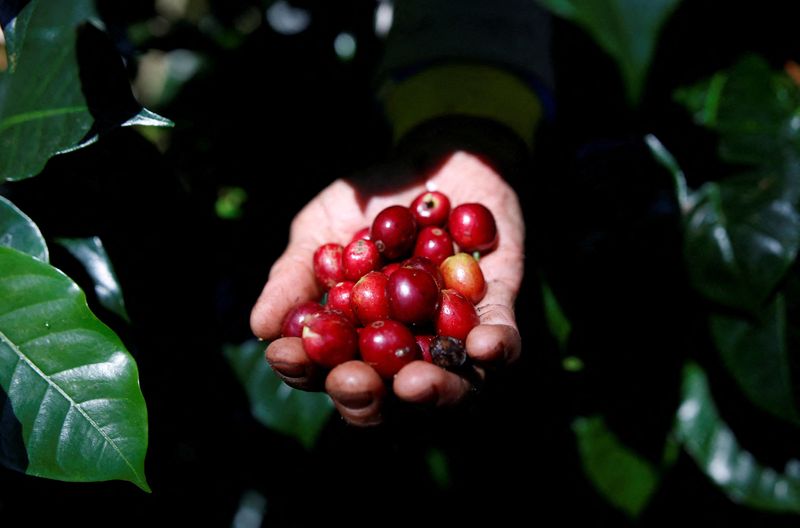
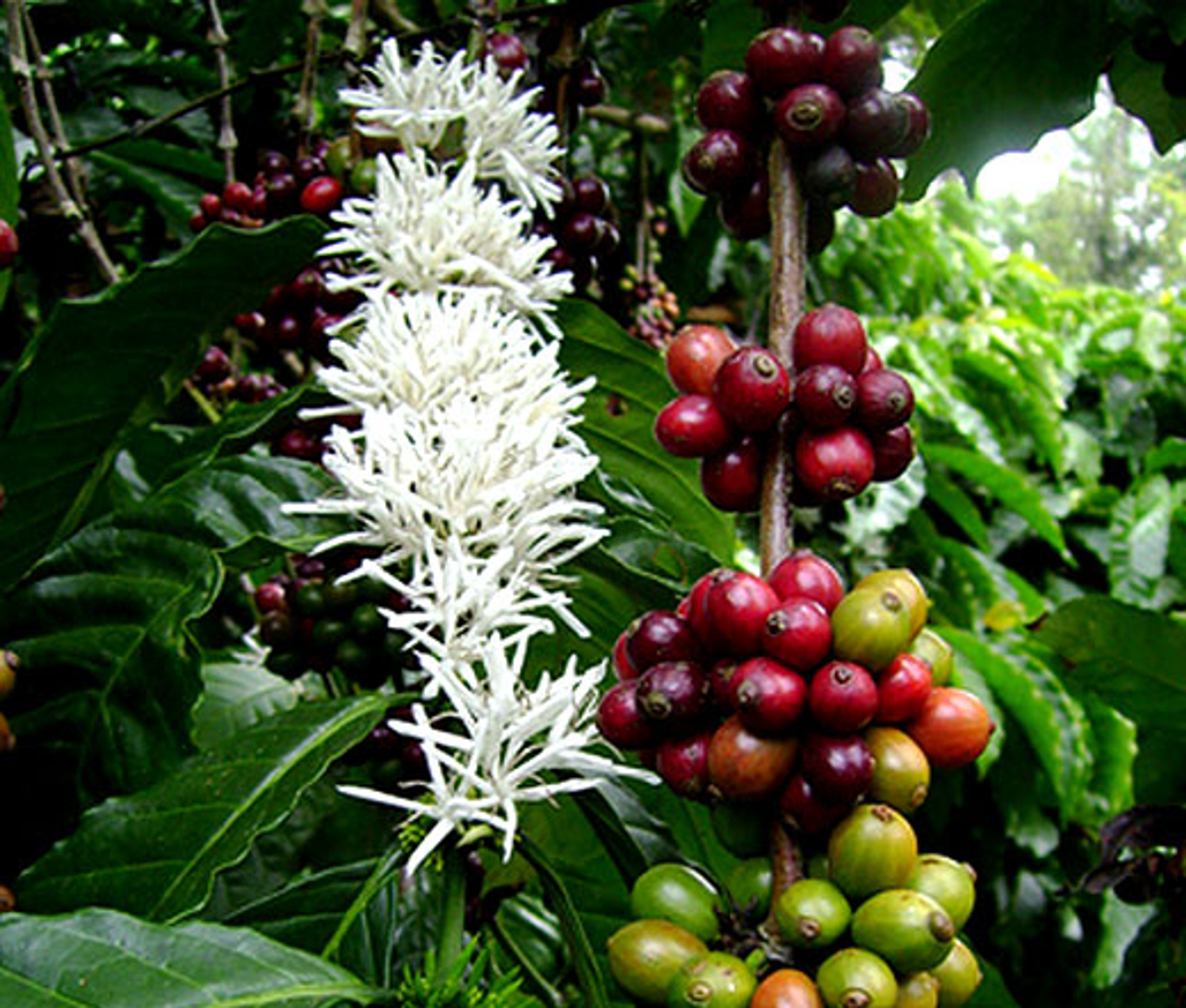
  2. Bean Shape and Appearance: • Arabica coffee beans typically have an elongated shape with a distinctive “crevice” on one side. • The fruits containing Arabica beans are smaller and more oval compared to robusta coffee beans. • Arabica fruits ripen slowly, displaying a deep red or purple hue when ripe.
  3. Growing Conditions: • Arabica coffee thrives at elevations ranging from 3,000 to 6,000 feet above sea level, requiring ample rainfall and nutrient-rich volcanic soil, with temperatures ranging from 64° to 70° Fahrenheit for optimal growth.


Genomic research reveals ancient Ethiopian coffee origins

In the midst of our daily rituals, whether we call it a cup of Joe, java, or simply our morning brew, coffee stands as a cornerstone of global culture. Particularly, the esteemed Arabica bean holds a special place among coffee aficionados.

Recently, researchers delved into the genetic makeup of the Arabica species, unraveling a remarkable journey that began in the lush forests of Ethiopia. Through meticulous genome sequencing of 39 Arabica varieties, including a relic from the 18th century, they unveiled the oldest chapters of coffee’s history, dating back an astonishing 610,000 to one million years.

Led by plant evolutionary biologist Victor Albert from the University at Buffalo, the study published in Nature Genetics sheds light on Arabica’s resilience and significance. It emerges as not merely a commodity crop but an integral part of local economies and traditions, sustaining livelihoods across generations.

The genomic analysis revealed Arabica’s dynamic relationship with climate fluctuations over millennia, tracing its cultivation back to Ethiopian and Yemeni origins before its global dissemination. However, despite its widespread presence, Arabica faces challenges due to its low genetic diversity, stemming from historical inbreeding and population constraints.

Patrick Descombes, a genomics expert from Nestlé Research and EPFL, emphasizes the study’s implications for future coffee cultivation. By identifying key genomic regions linked to disease resistance and flavor profiles, the research paves the way for innovative breeding strategies to enhance Arabica’s resilience to environmental stressors and evolving consumer preferences.

Arabica’s story intertwines with that of its parent species, Coffea canephora (Robusta) and Coffea eugenioides, showcasing nature’s ingenuity in creating a beverage cherished worldwide. While Robusta boasts robustness against pests and diseases, Arabica captivates with its nuanced flavors and smoothness, embodying a delicate balance between heritage and innovation.

As we savor our daily cup, let us ponder the ancient roots of coffee, where the whispers of Ethiopia’s forests echo through each aromatic sip, connecting us to a timeless tradition that transcends borders and epochs.

Top 10 countries in coffee production and consumption

Coffee has become a part of the daily life of hundreds of millions of people around the world for mood and health purposes. Knowing the top coffee-producing and consuming countries in the world may be something new for many.

Before we begin, it might be helpful to mention that there are two types of coffee: Arabica and Robusta. So, what is the difference between Arabica and Robusta?

A report published by “The Roasters Pack,” a coffee news website, highlighted the differences between Arabica and Robusta as follows:

Taste: Robusta coffee has a bitter taste due to its higher caffeine content and chlorogenic acid compared to Arabica coffee, which has a more moderate taste.

Caffeine: Robusta beans contain up to 2.7% caffeine compared to only 1.5% in Arabica beans.

Fat and Sugar: Arabica coffee contains 60% more fat than Robusta, and about double the amount of sugar. This might be one of the factors why many people prefer the taste of Arabica.

Price: The price of Robusta coffee is about half that of Arabica coffee in the markets.

Yield: The higher caffeine level in Robusta coffee makes it more tolerant and resistant to pests on the farm, reducing the cost of cultivating Robusta compared to Arabica.

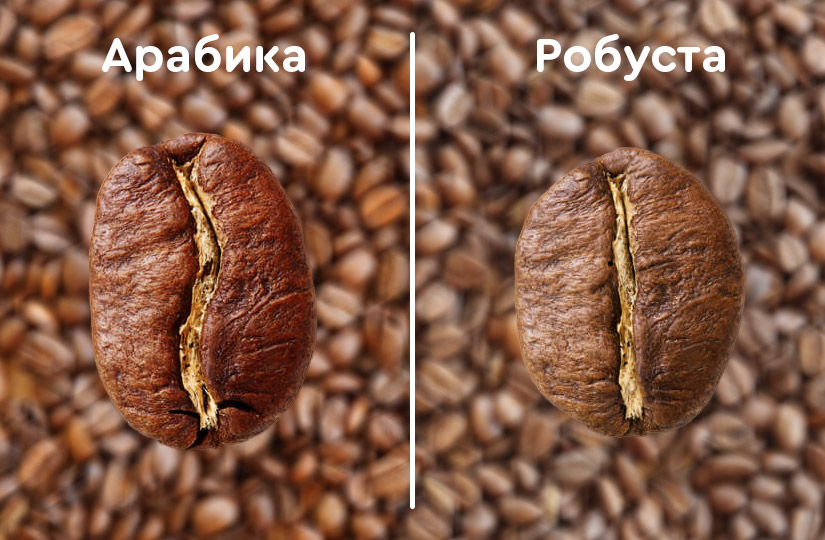
Shape: Arabica beans are oval-shaped, while Robusta beans are round. This is because the Arabica tree is shorter than the Robusta, resulting in oval-shaped beans.

Tree Height: Arabica trees reach between 2.5 and 4.5 meters, while Robusta trees range from 4.5 to 6 meters in height.

Chlorogenic Acid: The percentage of this acid plays a crucial role in the taste of coffee. It ranges from 7% to 10% in Robusta compared to 5.5% to 8% in Arabica, explaining the bitter taste of the former.

Production: The total coffee production in the world is divided into 75% Arabica and 25% Robusta.

Top Coffee-Producing Countries: In December of last year, the U.S. Department of Agriculture published a detailed report ranking the top coffee-producing countries by both Arabica and Robusta types.

Here is the ranking of the world’s top Arabica coffee-producing countries in the 2022/23 season according to the U.S. Department of Agriculture:

  1. Brazil: 39.8 million bags (1 bag = 60 kilograms)
  2. Colombia: 10.7 million bags
  3. Ethiopia: 7.3 million bags
  4. Honduras: 5.7 million bags
  5. Peru: 3.4 million bags
  6. Guatemala: 3.15 million bags
  7. Mexico: 3 million bags
  8. Nicaragua: 2.5 million bags
  9. India: 1.667 million bags
  10. China: 1.6 million bags

The ranking of the world’s top Robusta coffee-producing countries in the 2022/2023 season according to the U.S. Department of Agriculture is as follows:

  1. Vietnam: 26.3 million bags
  2. Brazil: 22.8 million bags
  3. Indonesia: 10.5 million bags
  4. Uganda: 5.575 million bags
  5. India: 4.2 million bags
  6. Malaysia: 1 million bags
  7. Ivory Coast: 1.050 million bags
  8. Thailand: 700 thousand bags
  9. Mexico: 545 thousand bags
  10. Tanzania: 520 thousand bags

The ranking of the world’s top coffee-producing countries (Arabica and Robusta) in the 2022/23 season according to the U.S. Department of Agriculture is as follows:

  1. Brazil: 62.6 million bags
  2. Vietnam: 27.2 million bags
  3. Indonesia: 11.85 million bags
  4. Colombia: 10.7 million bags
  5. Ethiopia: 7.3 million bags
  6. Uganda: 6.565 million bags
  7. India: 5.867 million bags
  8. Honduras: 5.7 million bags
  9. Mexico: 3.545 million bags
  10. Peru: 3.4 million bags

Production Outlook for 2024: The report predicts that the total coffee production, for both types, will reach 171.425 million bags by December 2024, with Brazil leading the list of producing countries with a total of 66.3 million bags, followed by Vietnam with 27.5 million bags, and then Colombia with 11.5 million bags.

The Top Coffee-Exporting Countries by Value:

The famous American statistics website “Statista” published a list of the top coffee-exporting countries in 2023 as follows:

  1. Brazil: $7.4 billion
  2. Switzerland: $3.6 billion
  3. Germany: $3.5 billion
  4. Netherlands: $1.199 billion
  5. United States: $1.193 billion
  6. Canada: $763 million
  7. Poland: $538 million
  8. Mexico: $433 million
  9. United Kingdom: $234 million
  10. Canada: $228 million

The World’s Top Coffee-Consuming Nations:

The statistics website “World of Statistics” posted a list of the world’s top coffee-consuming nations in 2023 on its official Twitter page as follows:

  1. Finland: Average annual coffee consumption per person is 9.6 kilograms.
  2. Norway: 7.2 kilograms
  3. Netherlands: 6.7 kilograms
  4. Sweden: 6.5 kilograms
  5. Slovenia: 6.1 kilograms
  6. Australia: 5.5 kilograms
  7. Serbia: 5.4 kilograms
  8. Denmark: 5.3 kilograms
  9. Germany: 5.2 kilograms
  10. Belgium: 4.9 kilograms

Top Coffee-Consuming Arab Countries: According to the 2020/2021 statistics released by the International Coffee Organization, the ranking of the top coffee-consuming Arab countries is as follows:

• Algeria: 2.13 million bags. • Egypt: 1.27 million bags. • Saudi Arabia: 1.25 million bags. • Morocco: 780 thousand bags. • Sudan: 702 thousand bags. • Lebanon: 452 thousand bags.

Researchers: The age of coffee is more than half a million years

The cup of coffee you drank this morning might trace its roots back 600,000 years.

A new study published in Nature Genetics on April 15, 2024, has revealed that Coffea arabica—the world’s most popular coffee species—emerged through natural crossbreeding between two other species long before human cultivation.

Researchers from the University at Buffalo and Nestlé examined genetic data from coffee plants around the world to construct a comprehensive family tree of Coffea arabica. Their findings indicate that the species originated approximately 600,000 years ago, when Coffea canephora (robusta) and Coffea eugenioides hybridized naturally in the wild.

“In other words, this occurred long before any human intervention,” said Victor Albert, a biologist at the University at Buffalo and co-lead author of the study.

The wild ancestors of arabica first appeared in the highlands of Ethiopia, but it was in Yemen, during the 1400s, that the beans were first roasted and brewed—marking the beginning of coffee culture as we know it today.

By the 1600s, legend has it that Indian monk Baba Budan smuggled seven coffee beans from Yemen to India, laying the foundation for global coffee cultivation.

Today, arabica accounts for 60–70% of the world’s coffee production, prized for its smooth, mildly sweet flavor. It forms the backbone of beverages served by leading brands such as Starbucks, Tim Hortons, and Dunkin’.

The remaining 30–40% of the market comes from Coffea canephora—commonly known as robusta—a stronger and more bitter relative of arabica.

To uncover arabica’s genetic history, the team analyzed the genomes of C. canephora, C. eugenioides, and more than 30 arabica samples, including an 18th-century specimen preserved in the Natural History Museum in London. This very sample was once studied by Swedish botanist Carl Linnaeus when he officially classified the species.

The study shows that arabica’s population has fluctuated greatly over millennia—thriving during warm and wet periods, but shrinking during dry epochs. These “population bottlenecks” left arabica with low genetic diversity, making it highly vulnerable to diseases such as coffee leaf rust, which costs the global coffee industry billions each year.

Researchers also examined a rust-resistant arabica variety to identify genetic markers that could help breeders develop hardier plants. These insights, scientists say, could be key to safeguarding the species against the growing threats of pests and climate change.

“This study not only clarifies arabica’s evolutionary history but also provides crucial clues for protecting one of the world’s most valuable crops,” said Fabian Echeverria, adviser at the Center for Coffee Research and Education at Texas A&M University, who was not involved in the research.

By retracing arabica’s ancient lineage, scientists hope to ensure a sustainable future for coffee cultivation—keeping plants healthy, farmers resilient, and morning cups full for generations to come.

Arabica Coffee Futures Trading at 18-Month Highs

Arabica coffee futures trading has reached near its highest level since October 2022 as hedging funds exiting the cocoa market are now piling into coffee.

According to Bloomberg, money managers increased their bullish bets to an all-time high in the week ended April 2, according to the latest data from the Commodity Futures Trading Commission. Meanwhile, investors reduced their bullish bets on cocoa after a record rally saw prices more than double this year.

Elia Bezov, a coffee trader at Sukafina, said, “We are currently looking at the largest net speculative position in coffee futures history without a significant story to justify it, outside of the cocoa market, which is insane.” “However, once the tap is turned off, it takes time for speculative interest to wane and reverse.”

Marcelo Moreira, who tracks coffee markets at Archer Consulting, mentioned that investor optimism about Arabica coffee is also supported by technical factors. The last time futures reached the current level was in 2022, and the upward movement only stopped after reaching its peak at $2.4 per pound. He added, “This means there is no short-term resistance.”

The recent surge in Arabica coffee futures has helped widen the contract’s premium over cheaper Robusta coffee. However, the historical spread between the two varieties remains low, indicating that roasters are likely to replace Robusta with Arabica in their blends.

Comprehensive Comparison Between Arabica and Robusta Coffee and Which One is Suitable for You!

The Russian website “TEA.ru” published a comprehensive analysis by coffee experts, including a detailed comparison between the two most famous types of coffee in the world, Arabica and Robusta, including many characteristics that distinguish the two types from various aspects.

The analysis concluded by explaining many aspects that make either of the two types suitable for this or that person, and due to the importance of this analysis, we are publishing a summary of it.

“Arabica or Robusta?” – An eternal question pondered by coffee enthusiasts. As is well known, there is no final answer to it, but we will try to explain the difference between these two types simply and clearly.

Fact: Without Robusta, Arabica wouldn’t have appeared

There are several types of coffee in the world, but in retail stores, you will only find two types – Arabica and Robusta with various variations. And their blend. At the same time, many tend to treat the first type with respect and the second with a hint of disdain. This distinction is particularly noticeable in sales figures: Arabica is demanded at a rate close to double that of Robusta (60-70% of global production) compared to Robusta (30-40%). However, Arabica wouldn’t have appeared at all without Robusta!

Arabica (also known as Arabian coffee) is the result of crossing Robusta with a rare and unprofitable species for industrial agriculture called Eugenioides.

Arabica coffee trees require careful care, fertilizers, and high slopes – from 600 meters above sea level, while Robusta (Congolese coffee), on the other hand, mostly only needs warmth.

Taste

In terms of taste, Arabica takes the lead by a wide margin, leaving Robusta far behind. This is because Arabica coffee beans contain half the sugars compared to Robusta. The drink turns sweeter, even if sweeteners are not added. Moreover, its taste profile varies greatly due to a larger number of fruity acids, giving Arabica a noticeable acidity logically.

Robusta, on the other hand, is always about rich bitterness, due to the high content of caffeine and tannins. The coffee made from Robusta is smooth, without surprises from floral to citrus. It contains a lot of chlorogenic acid, but acidic taste is not its characteristic.

Price

As for the price, Robusta wins. Since the conditions for growing this variety do not require special efforts and financial investments, the price of the final product also differs significantly from the stubborn Arabica cost.

Bean Characteristics

Bean characteristics are not very important, but they are interesting. Robusta coffee beans can be easily distinguished from Arabica, especially if they are placed side by side. Robusta coffee beans appear smaller in size, more round, and multicolored, while Arabica stands out long, large, and with equal “tan”.

What is the ideal coffee for you? Arabica or Robusta?

Based on all the above, we can present you with some characteristics that can indicate the most suitable coffee for you as follows:

Arabica coffee will suit you more if:

  • Natural sweetness is important to you.
  • You prefer rich flavors.
  • You don’t mind acidity.
  • You don’t need a lot of caffeine.
  • You prepare coffee in the Turkish, French, or filter method.
  • The presence of distinctive foam (crema) is not important to you.
  • You are willing to pay the price.

Robusta coffee will suit you more if:

  • You always put sugar in your coffee anyway.
  • You don’t distinguish greatly between fine coffee flavors.
  • You don’t like acidic coffee.
  • You need a good dose of caffeine to increase productivity.
  • You prepare coffee in an espresso machine.
  • You like beautiful, dense foam.
  • You don’t want to pay a higher price.

Away from all that has been mentioned above, you can always reach a compromise, as many producing companies release coffee blends that mix Arabica and Robusta in different proportions (and sometimes other types, such as Eugenioides or Liberica). Thus, the coffee becomes more exciting, hybrid. The more Arabica in it, the sweeter and more acidic it becomes at the same time. Controlling Robusta gives you a strong stimulant drink.

Arabica Coffee Surges Amid Brazil Crop Damage Concerns

Arabica coffee futures surged on Friday amidst worries over Brazil’s coffee crops, while robusta prices fluctuated.

Coffee prices ended the session with arabica reaching a new 5-3/4 month high. Concerns mounted as heavy rainfall in Brazil’s coffee-growing regions raised fears of crop damage. Somar Meteorologia’s report indicated a significant increase in rainfall in Brazil’s Minas Gerais region, which accounts for a substantial portion of the country’s arabica crop.

Meanwhile, worries persisted over the robusta coffee production in Vietnam due to excessive dryness. Although robusta prices hit an all-time high earlier, profit-taking ensued after ICE-monitored inventories rose to a 2-1/2 month high.

The current El Nino weather event is contributing to bullish sentiments for coffee prices, with its impact on Brazil’s coffee production and Vietnam’s coffee areas noted. Tight supplies from Vietnam further bolstered prices, with projections indicating a significant drop in coffee production for the upcoming crop year.

However, a rebound in Vietnam’s coffee exports tempered some of the bullish momentum. Additionally, Rabobank’s prediction of a surplus for the upcoming marketing year provided a bearish outlook, albeit with adjustments to production forecasts.

Despite rebounding from historic lows, coffee inventories remain a point of interest, particularly with larger exports from Brazil. Recent reports highlight substantial increases in global coffee exports, adding to market dynamics.

Forecasts from the International Coffee Organization and the USDA’s Foreign Agriculture Service shed light on production and consumption trends, with Brazil expected to play a significant role in arabica production.

Overall, the coffee market continues to navigate through a complex interplay of factors, with Brazil’s crop concerns taking center stage amidst broader global dynamics.