Specialty Coffee Trends Shaping Australia’s Café Scene in 2026

By Abdullah Ramay

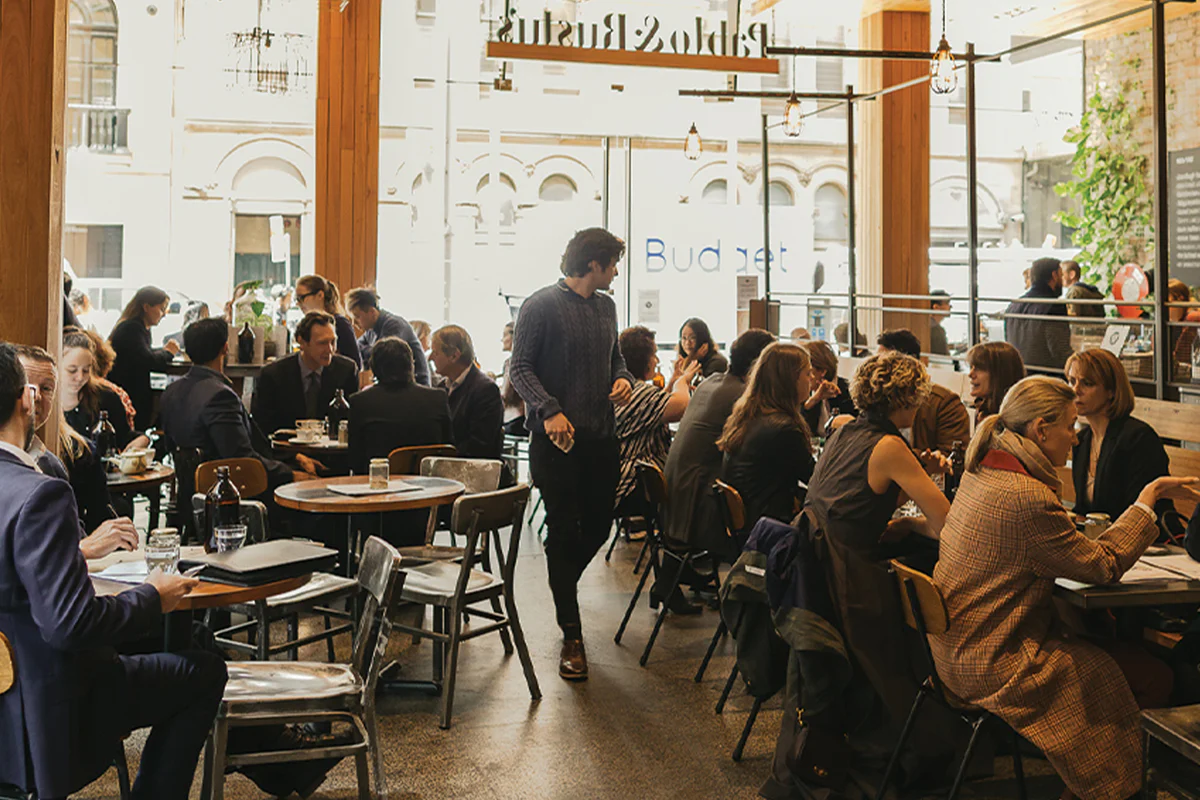
As Australia moves into 2026, the specialty coffee sector is entering a new phase of transformation. Rising operating costs, changing consumer behaviour, and rapid innovation are reshaping how cafés operate, serve their customers, and define their identities.

Rather than slowing demand, these pressures are accelerating evolution across the industry. Cafés that successfully combine creativity, operational intelligence, and genuine hospitality are positioning themselves for long-term resilience in an increasingly competitive market.

The following is a comprehensive overview of the key coffee, hospitality, and equipment trends shaping Australia’s specialty café landscape in 2026.

Coffee and Beverage Trends

Signature drinks and curated menus define identity

Signature beverages have moved beyond being secondary menu items. In 2026, they stand alongside house blends as central expressions of a café’s brand and personality. These drinks support stronger margins, encourage repeat visits, and allow cafés to showcase creativity through layered flavours, textures, and seasonal ingredients.

Menus themselves are evolving into storytelling tools. Digital formats enhanced with imagery, tasting notes, and visual cues help shape customer expectations before the drink is served, allowing baristas to focus more on hospitality and engagement.

Increasingly, the café menu functions as a visual narrative rather than a simple list of offerings.

Coffee pricing trends toward global parity

Australia’s long-discussed coffee pricing imbalance continues to narrow. The gradual rise of the flat white toward the seven-dollar range reflects sustained pressures from wages, rent, utilities, and volatility in green coffee prices.

This shift is not solely about higher prices, but about reframing value. Tiered menus, premium-origin offerings, and greater transparency are helping customers understand what sits behind the cup. Many cafés are using signature drinks as anchor pricing, protecting margins on standard espresso beverages while elevating perceived value.

After years of being undervalued, Australian coffee culture is undergoing a positive correction.

Cold coffee becomes a permanent category

Cold coffee is no longer seasonal. Younger consumers increasingly choose iced beverages throughout the year, including during winter months. This change is influencing café design, workflow planning, and equipment investment.

Cold taps now extend beyond traditional cold brew to include coffee tonics, cascara sodas, and sparkling matcha. At the same time, cafés are developing small-scale ready-to-drink programs, offering canned iced lattes, flavoured cold brews, and matcha-based sodas.

Cold beverages have become as structurally important to menus as espresso.

Matcha shortages drive tea-led innovation

With global demand for matcha continuing to outpace supply, cafés are responding by expanding tea-based beverage offerings. In 2026, tea is becoming a key area of experimentation and creativity.

Drinks such as hojicha lattes, genmaicha shakes, strawberry sencha spritzes, and botanical infusions with citrus, rose, or yuzu notes are gaining prominence. These beverages allow cafés to explore colour, texture, and visual presentation.

Cross-category innovation is also accelerating, with coffee–tea hybrids, nitro-style matcha, layered tonics, and fruit-driven sparkling teas inspired by cocktail and mixology techniques.

Functional and wellness-focused drinks go mainstream

Health-led beverages are moving from niche to standard menu offerings. Cafés are increasingly introducing drinks designed to support focus, energy, and overall wellbeing.

Protein-enhanced lattes, blends combining caffeine and L-theanine, adaptogen-based hot chocolates, low-sugar cold brews, and fermented beverages are attracting customers who want the café experience without excessive sugar or heavy dairy.

The trend reflects a broader shift toward drinks that contribute to how customers feel, not just how they taste.

Broader Café and Hospitality Trends

The barista role expands beyond the machine

The role of the barista continues to evolve into a high-impact, customer-facing position. Less time is spent exclusively behind equipment, and more time is dedicated to guiding customers, introducing signature drinks, and explaining flavour profiles.

In many cafés, baristas now operate in roles similar to sommeliers, influencing beverage selection and shaping the overall experience. They also contribute to menu design, workflow efficiency, and commercial performance. As automation improves, human value increasingly centres on hospitality, taste, and storytelling.

Cafés strengthen their role as community spaces

Australian cafés are reinforcing their place as neighbourhood hubs. Workshops with local creatives, cuppings with roasters, micro-events, and seasonal launch nights are becoming more common.

Some venues rotate signature drink menus based on seasonal produce, climate, or origin stories. With hybrid and remote work continuing, cafés are increasingly used as informal “third spaces,” where a strong sense of connection becomes a key competitive advantage.

Automation becomes intentional and refined

Automation in 2026 is no longer reactive. It is strategic. Super-automatic machines are reaching new levels of consistency, while milk systems are now precise enough to meet specialty standards.

Used thoughtfully, automation helps teams manage peak periods efficiently while preserving warm, human service. Rather than replacing craft, technology is increasingly seen as a tool to protect it.

Reusable systems become operational priorities

Sustainability is shifting from aspiration to implementation. Reusable cup programs are expanding as waste regulations tighten. Refill systems for beans, beverage concentrates, and customer-provided containers are gaining traction.

Cafés are beginning to measure environmental impact as a performance indicator, not merely a branding message.

Innovation becomes essential, not optional

With margins remaining tight, innovation has become a survival strategy. Seasonal menus, rare coffee offerings, distinctive branding, interactive tastings, and elevated hospitality help cafés stand out in saturated markets.

Customers increasingly seek experiences worth sharing—both in person and online. Simply meeting expectations is no longer sufficient.

Hospitality returns to the forefront

Human service is emerging as a defining advantage. Greeting customers warmly, remembering preferences, delivering food with care, and checking in during visits build loyalty more effectively than discounts.

Leading cafés are training hospitality with the same seriousness traditionally given to technical coffee skills. Proactive hosting is becoming a core driver of success.

Equipment and Technology Trends

Consistency and speed through automation

Modern espresso machines now self-adjust, grinders maintain precise dosing, and milk systems handle multiple milk types efficiently. These technologies help reduce pressure during peak service while maintaining consistent quality.

Grind-by-weight and pre-grind workflows expand

Batch brewing continues to grow alongside cold coffee demand. Pre-grind workflows help manage queues during high-volume periods, while grind-by-weight systems are becoming essential for consistency across teams and shifts.

Energy efficiency gains importance

As energy costs rise, cafés are prioritising equipment with sleep modes, low-energy boilers, and eco-focused controls. Manufacturers across roasting, grinding, and brewing are placing greater emphasis on sustainable design.

Next-generation milk systems reshape service

Milk remains one of the highest labour and cost centres in cafés. Systems capable of steaming multiple milk types and textures efficiently are increasingly valuable. High-volume venues are adopting milk taps, automated frothers, and milk banks to improve speed and reduce waste.

Looking Ahead

In 2026, Australia’s specialty café industry is defined by clearer identities, smarter tools, and deeper customer engagement. Cafés that invest in people, sustainability, innovation, and distinctive flavours are best positioned to stand out.

Quality still matters. Experience matters more.
Colombian Coffee Day Celebrated at Dubai Coffee Museum

Dubai – Serkan Oral

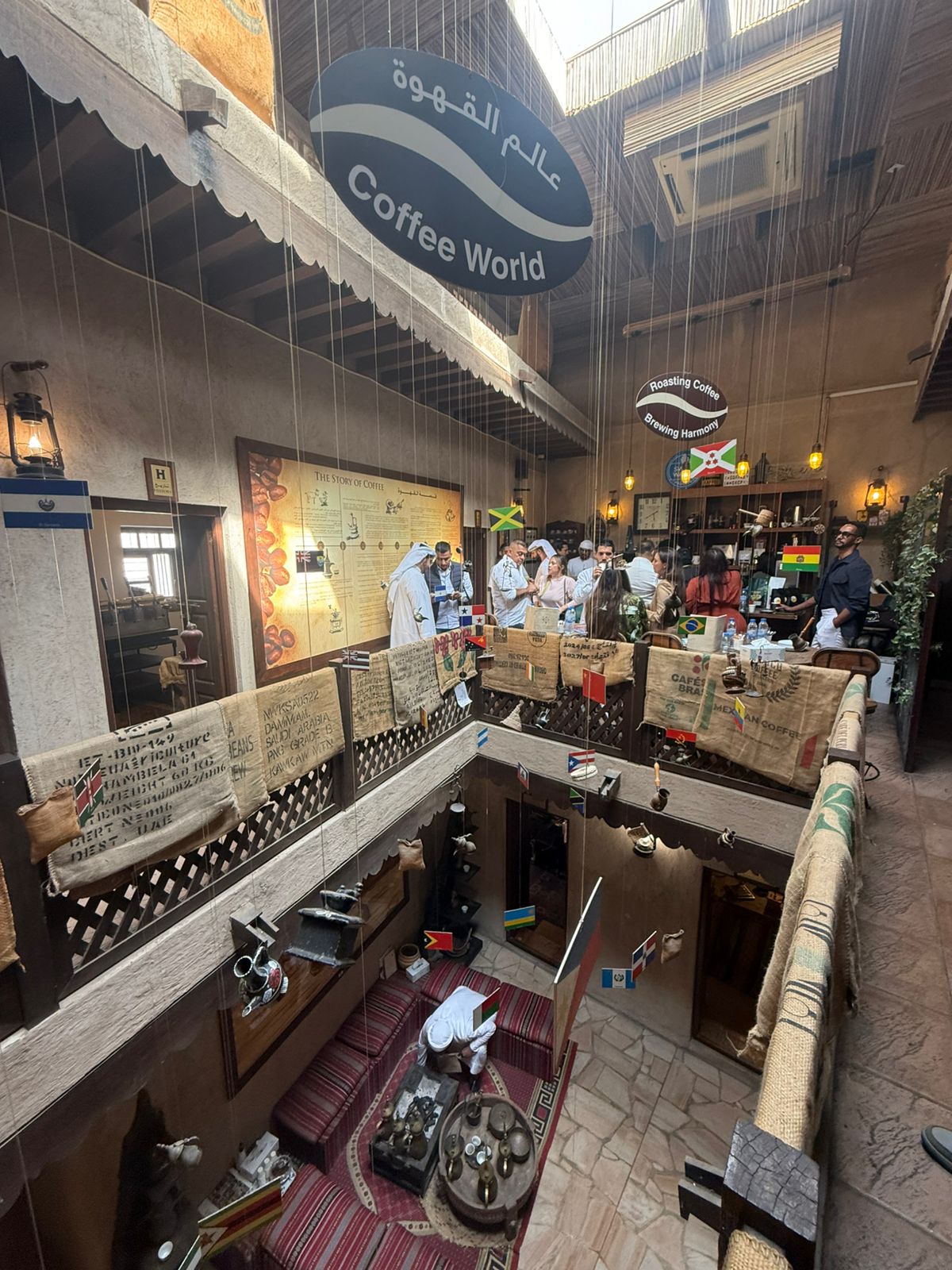
The Embassy of Colombia in the United Arab Emirates, in collaboration with the Coffee Museum Dubai, hosted Colombian Coffee Day, welcoming coffee professionals, enthusiasts, and guests to a cultural celebration dedicated to one of the world’s most renowned coffee origins.

The event took place at the Coffee Museum, located in the Al Fahidi Historical Neighbourhood, and highlighted Colombia’s rich coffee heritage under the theme:
“Honoring Colombian coffee for its signature smoothness and layered sensory richness, a flavor legacy embraced as a global standard of excellence.”

During the ceremony, Khalid Al Mulla, founder and Chief Executive Officer of the Coffee Museum, spoke about the exceptional quality of Colombian coffee, noting that it is often a central reference point in coffee discussions and professional conversations.

H.E. Luis Miguel Merlano Hoyos, Ambassador of Colombia to the United Arab Emirates, also addressed attendees, expressing his appreciation for hosting Colombian Coffee Day at the Coffee Museum and warmly welcoming coffee lovers who gathered to celebrate Colombia’s coffee culture.

Colombian Coffee Day serves as a tribute to the dedication of coffee growers and highlights the Coffee Cultural Landscape of Colombia, which has been recognized as a United Nations Educational, Scientific and Cultural Organization (UNESCO) World Heritage site. Traditional brewing methods were also highlighted during the event, including preparation using the olleta, a traditional pot used to brew coffee as an unfiltered infusion.

Colombia remains one of the world’s leading coffee-producing countries. The coffee sector not only supports thousands of farming families, but also plays a vital role in driving economic development across the country’s coffee-growing regions.

The Coffee Museum Dubai, located at Villa 44 in the Al Fahidi Historical Neighbourhood, is a specialized cultural venue founded by coffee expert Khalid Al Mulla. The museum showcases the history and global culture of coffee through antique roasting tools, regional brewing methods—including Arabic and Ethiopian traditions—a dedicated library, and an in-house café. Designed as a refined yet intimate space, the museum offers a relaxed atmosphere with a simple oriental aesthetic, aligned with international standards.

Khalid Al Mulla also serves as the national coordinator of the Specialty Coffee Association UAE chapter.

H.E. Luis Miguel Merlano Hoyos, who assumed office in July 2023, is Colombia’s Ambassador to the United Arab Emirates. Based in Abu Dhabi, his work focuses on strengthening bilateral relations, economic cooperation, and cultural exchange between Colombia and the UAE.

Colombian Coffee Day is also an occasion on which Colombians celebrate not only the quality of their coffee, but also the founding of the National Federation of Coffee Growers, a cornerstone institution in the country’s coffee history.

The World’s Mood, Tuned to an Emirati Rhythm

By: Ali Al Amodi

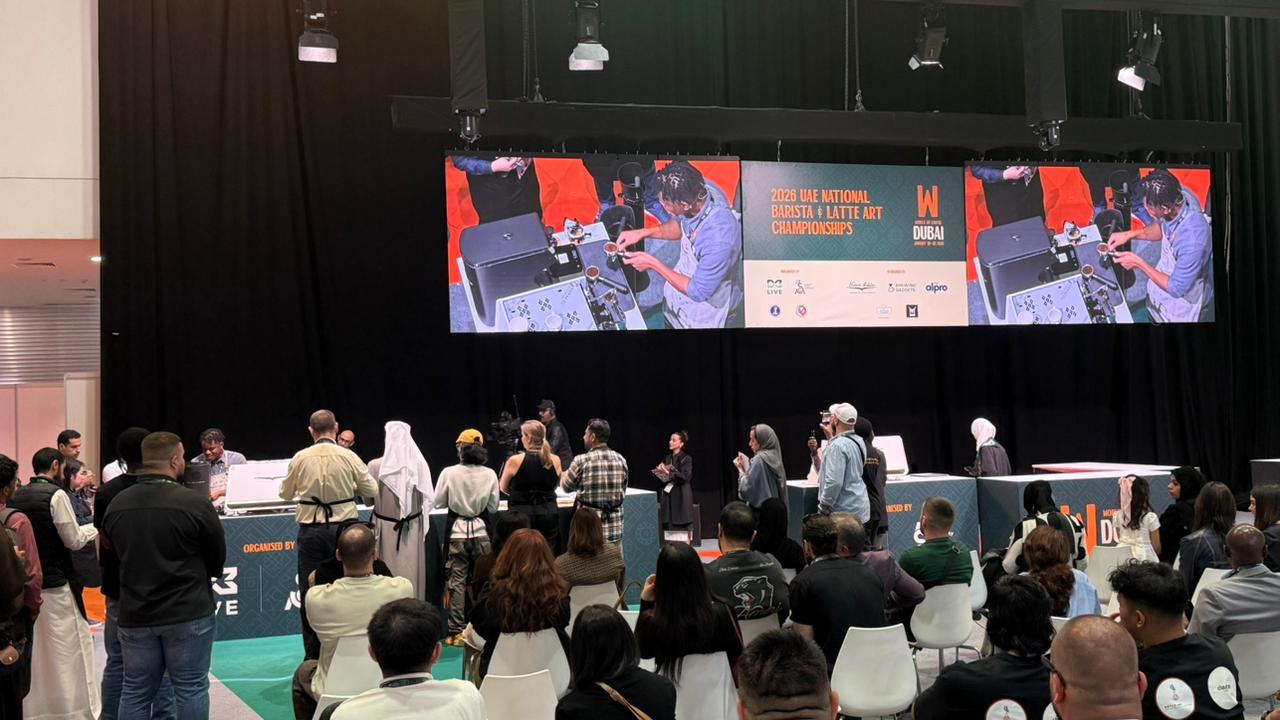
In a world where a cup of coffee sets the rhythm of daily life, World of Coffee Dubai 2026 proved to be far more than a specialized industry event. It stood as a reflection of a city that knows how to turn the impossible into reality. From the heart of Dubai, the world’s largest global platform for coffee trade took shape—an irony that perfectly captures the meaning of vision and the ability to transform geography into opportunity.

Hosted at the Dubai World Trade Centre, the exhibition presented a striking scene: pavilions from 78 countries, more than 2,100 companies and brands, and an area exceeding 20,000 square meters. Together, they told the story of coffee’s journey from distant mountain farms to the consumer’s cup at the far edges of the world. This was not merely a commercial showcase, but a vibrant network of relationships, knowledge exchange, and advanced technologies in roasting, processing, and brewing.

The visit of His Highness Sheikh Mohammed bin Rashid Al Maktoum, Vice President and Prime Minister of the UAE and Ruler of Dubai, carried special significance. It underscored that attention to this sector is part of a broader vision that sees the creative economy and global value chains as key drivers of development. Coffee—often described as “setting the world’s mood”—has also become an indicator of market vitality and growth opportunities, at a time when the global coffee market is moving toward hundreds of billions of dollars. Record-breaking prices at premium coffee auctions clearly signal rising global demand for high-quality coffee.

World of Coffee Dubai encapsulates a powerful Emirati lesson: success is not measured by natural resources, but by vision, connectivity, and the courage to invest in the future. In the coffee cup that begins the day for millions lies the story of a city that chose to become a meeting point for the world—and succeeded.

By hosting this global event, Dubai once again confirms that it does not wait to be invited into the future; it takes the initiative to shape it. From a coffee exhibition to a global economic platform, a clear Emirati philosophy emerges: transforming everyday details into major opportunities and building a global reputation based on quality, organization, and innovation. Thus, the morning cup of coffee becomes yet another witness to the story of a city that truly masters the art of inspiration.

Perhaps the most striking aspect of World of Coffee Dubai is the human and cultural diversity flowing through its halls. Here, a farmer from Latin America meets a roaster from Asia, while an African trader sits beside a European investor—united by a single shared language: coffee.

It is a convergence created by a city that believes its true role is to be a bridge, not a barrier, and an open marketplace for ideas as much as for trade.

Are there grounds for including coffee in the Oxford Dictionary?

LONDON — Qahwa World

Few words have travelled as far, or gathered as much cultural sediment, as coffee. In a recent editorial reflection, Phoebe Nicholson, Executive Editor of the Oxford English Dictionary, turned the lexicographical spotlight on a term that, she notes, is “very close to the OED editors’ hearts.” The story of coffee in English, it seems, is as rich, layered, and stimulating as the drink itself.

  • From Qahwa to Coffee

The English language first encountered coffee—then often spelled coffeen—in the late 16th century, borrowing it through Turkish from Arabic roots. One persuasive etymological thread links the word to qahwa, an old poetic Arabic term for wine. When alcohol became prohibited under Qur’anic law, coffee emerged as a permissible and invigorating alternative, inheriting some of wine’s social and symbolic weight.

Early English accounts reveal fascination tinged with suspicion. Travel writers described “a certaine liquor… which wil soone intoxicate the braine,” while observing that Coffa houses in Turkey were “more common than Ale-houses in England.” The drink was exotic, energising, and unmistakably tied to Arab social life.

  • Settling the Spelling, Brewing a Culture

By the mid-17th century, the unruly spellings—caova, choava, coho, among others—began to coalesce into the now-familiar coffee. More importantly, the beverage itself took firm root in England. Coffee was no longer merely imported; it was institutionalised.

The language records this shift vividly. One of the earliest and most influential compounds was coffee-house (noun), denoting not just a place where coffee was served, but a centre of social exchange. Coffee-houses became arenas for political debate, literary criticism, mercantile gossip, and the circulation of news. To frequent such places was to participate in public life.

The culture was so distinctive that coffee-house later evolved into a verb, meaning to loiter and gossip during a hunt—a telling sign of how synonymous the term had become with sociability itself.

  • Coffee and the Cause of Temperance

As the centuries turned, coffee’s linguistic productivity followed social change. In the late 19th and early 20th centuries, terms such as coffee palace and coffee tavern emerged, particularly in British and Australian English. These were not merely grand coffee-houses, but deliberate alternatives to gin palaces, promoted by temperance societies as spaces for sober recreation.

Here, coffee stood for moral reform as much as refreshment, and the dictionary preserves that association: language as a record of social aspiration.

  • Modern Grounds: Conversation Still Brewing

In contemporary English, coffee remains a marker of connection. Expressions such as coffee morning, coffee date, and coffee klatch describe informal gatherings centred on conversation rather than consumption alone. The beverage continues to function as a social lubricant, its name endlessly adaptable.

As Nicholson observes, a word this productive almost demands a pause of its own. In the OED’s pages, coffee is more than a drink: it is a witness to trade routes, religious practice, political debate, moral movements, and everyday companionship.

The only fitting conclusion? Time, perhaps, for a coffee break—double espresso, naturally.

Lavazza Museum in Turin: A Journey Through Italian Coffee History

Dubai – Qahwa World

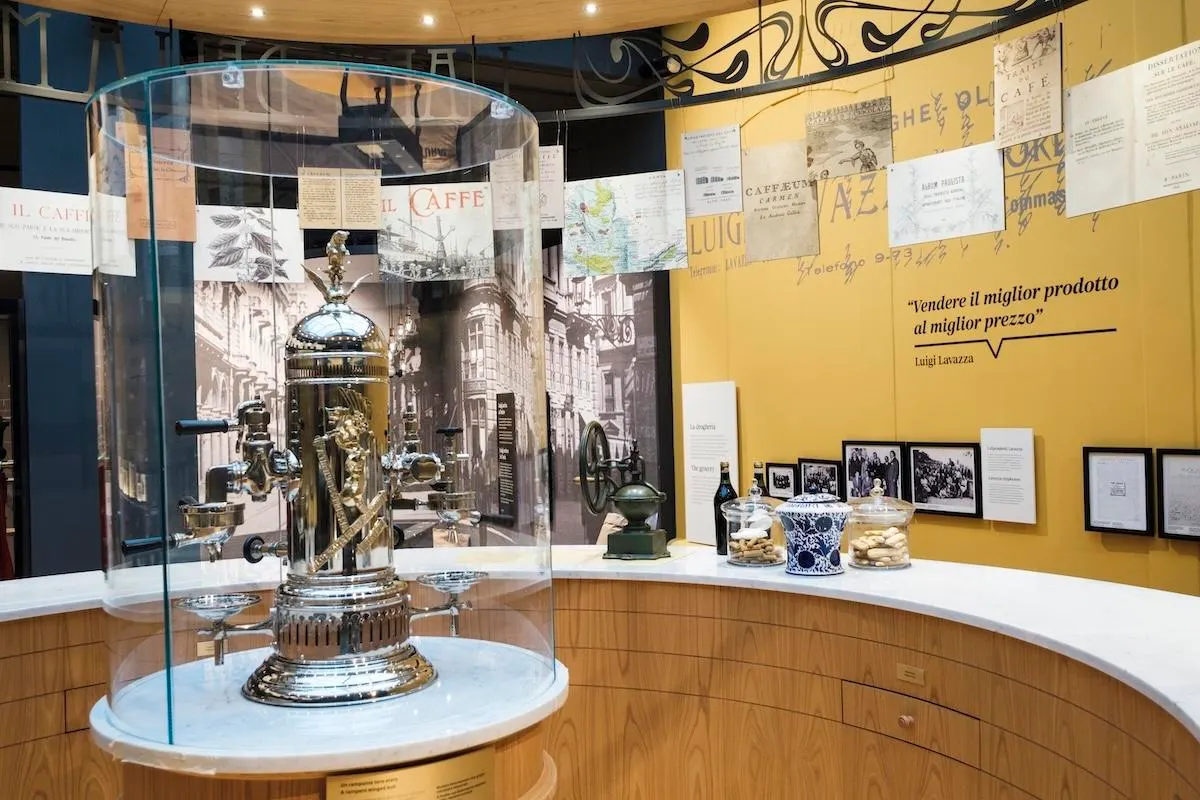
Forbes recently reported on the Lavazza Museum in Turin, Italy, describing it as a must-visit destination for coffee enthusiasts and anyone interested in Italian culture. The museum offers an immersive experience that goes beyond displaying artifacts, engaging visitors through history, technology, and the senses.

  • The Origins of Lavazza

Luigi Lavazza founded his coffee business in Turin in 1895, starting from a small city-centre grocery store. Originally a chemist, Lavazza was a pioneer in creating coffee blends that ensured consistent flavour. He also innovated packaging by using oil-proof paper stamped with his name, preserving aroma and establishing a recognisable brand.

  • Turin and Coffee Culture

While Italy’s first coffeehouse opened in Venice, Turin became a hub for coffee innovation. Historic cafés like Caffè San Carlo, Caffè Florio, and Caffè Bicerin were social centres for intellectuals, politicians, and nobility. In 1884, Turin native Angelo Morindo invented a steam-driven coffee machine, laying the groundwork for modern espresso machines. The city is also known for the Bicerin, a layered coffee, chocolate, and cream drink that remains popular today.

  • A Modern Museum Experience

Housed in the futuristic Nuvola Lavazza building, the museum blends history with interactive technology. Visitors receive a “smart” espresso cup with an embedded chip that activates multimedia exhibits, including videos, recordings, and images.

  • The museum is organised into five main sections:

Casa Lavazza: Chronicles the family business with historical objects, handwritten recipes, and a replica of Lavazza’s original store.

La Fabbrica: Demonstrates the coffee production process from bean to cup, with hands-on and aromatic displays.

La Piazza: Focuses on coffee rituals, featuring antique machines in a piazza-inspired setting.

L’Atelier: Highlights creative projects and collaborations.

L’Universe: Offers a fully immersive 360-degree sensory coffee experience.

The tour concludes with a coffee tasting and a gift shop featuring Lavazza products.

  • Community and Sustainability

The museum is part of the Nuvola Lavazza complex, which includes the company headquarters, restaurants, event spaces, and a design school. Built on the site of a former power plant in Turin’s Aurora district, the project emphasizes community engagement and sustainability, earning Platinum LEED certification.

According to Forbes, the Lavazza Museum is ideal for coffee lovers, history buffs, and anyone curious about Italian traditions, offering a sensory and educational experience that makes it a standout destination in Turin.

When “Fruity” Means Five Different Things

How flavour molecules, memory, and culture quietly rewrite the same espresso in the minds of experts and customers alike

Dr. Steffen Schwarz
There is a particular moment, just after the demitasse has been set down, when espresso becomes less a beverage than a negotiation between physics and expectation. The crema still holds its heat, volatile compounds are escaping in a plume too faint to see, and the taster is already reaching for words that feel solid enough to pin the experience to the table. In Seoul, an expert may lean in and say “clean, vibrant, floral”. In Milan, another expert might hesitate, then say “balanced, roasted, bitter but pleasant”. In Kansas, the verdict could be simply “good, consistent, nothing stands out”. The coffee, however, could be the same. The molecules certainly are. What changes is the sensory map in the brain, the vocabulary available to describe it, and the cultural training that decides which differences matter and which are politely ignored.

The modern coffee industry has learned to treat flavour as both currency and compass. We use it to price green coffee, to design roasts, to justify machinery investments, to position brands, and to reassure customers that what they loved yesterday will still be there tomorrow. Yet flavour is also the least stable part of our product, because it exists in two places at once: in the cup as chemistry, and in the customer as perception. The deeper difficulty is that the same chemical signals can be sorted into different meanings depending on what a person has learned to notice, what they have been rewarded for noticing, and which terms their community considers legitimate descriptors of quality.

A recent cross-cultural study of espresso evaluation makes this tension unusually visible. Rather than chasing ever more detailed chemical measurements, it asks a deceptively simple question: if we standardise the way we taste espresso, do experts in different countries describe it in the same way, and do they do so consistently over time?

The study used The Espresso Protocol (TEP), a structured sensory approach designed to quantify and communicate espresso characteristics efficiently and repeatably across panellists and geographies. Experts from France, India, Italy, the Republic of Korea, and the USA evaluated eight single-origin and blended coffees three times each, following a tightly specified preparation and tasting sequence that mirrors the temporal unfolding of espresso itself: crema first, then aroma, then flavour and mouthfeel, then basic tastes and aftertaste, and finally stability as the cup cools. This approach treats espresso not as a single snapshot, but as a moving target whose sensory profile evolves minute by minute as temperature drops, viscosity shifts, and different volatiles dominate the headspace.

The protocol also forces a confrontation with language. TEP uses a check-all-that-apply (CATA) structure rooted in established coffee lexicons, guiding tasters through categories such as fruity, floral, nutty, cereal, cocoa, sweet, earthy, roasted, spices, vegetative, stale/papery, chemical, and alcohol/fermented, with sub-terms that narrow each meaning. This is not bureaucracy; it is an attempt to standardise the bridge between sensation and communication. In commercial reality, that bridge is where much of coffee’s value is created or destroyed.

To understand why friction is inevitable, it helps to revisit what tasters are actually perceiving. Taste, physiologically, is limited to sweetness, sourness, bitterness, saltiness, and umami. What most people call “taste” in coffee is largely aroma, delivered retronasally. Espresso amplifies this effect: high-pressure extraction emulsifies oils, suspends colloids, and creates a dense aromatic matrix released in bursts as the liquid moves and warms the palate. The crema acts as a dynamic interface, trapping and releasing volatiles and shaping early versus later impressions.

The brain interprets these signals through memory. A descriptor such as “molasses” may be vivid to one taster and meaningless to another. “Black tea” may evoke different references depending on cultural background. Even “nutty” can mean peanut, hazelnut, or a general roasted-brown note. Without calibration, experts may not be disagreeing about the cup, but about what their words are allowed to mean.

This is why repeatability matters. If an expert cannot reproduce their own descriptions across repeated tastings, vocabulary becomes storytelling rather than measurement. Using cluster analysis of the CATA data, the study found that most experts were individually repeatable across evaluations. In the Republic of Korea, every expert showed strong internal consistency, while France and the USA were also high. India and Italy showed slightly lower but still substantial repeatability.

Repeatability, however, does not guarantee agreement. A homogeneity index revealed how similarly experts within each country used descriptors. Korea showed the highest homogeneity, followed by France, India, and the USA, with Italy notably lower. This likely reflects professional composition: Korean panels were largely baristas trained in contemporary speciality lexicons, while Italian panels included more roasters aligned with traditional espresso frameworks emphasising roast balance, bitterness, and texture.

This distinction matters. Sensory culture is not only national; it is professional. The daily decisions of a roaster, a barista, a green buyer, and a technician reward attention to different signals, shaping how flavour is perceived and described.

Quality scoring revealed further nuance. Ethiopian samples were rated highest across most countries, while older, pre-packaged samples scored lowest, suggesting that freshness and aromatic vitality transcend culture. Beyond these anchors, rankings diverged. The USA panel compressed scores, while Italy and Korea used a wider range. This does not imply weaker discrimination, but different scoring cultures. Some environments train restraint; others reward differentiation. Since scores influence price, these cultural tendencies carry real economic consequences.

Customers, meanwhile, rarely speak in lexicon terms, yet their preferences arise from the same mechanisms: familiarity, learned associations, and cultural expectations of what “good coffee” should be. Preference is memory-driven. The palate does not only detect; it predicts.

For decision-makers, this creates a paradox. We want flavour language stable enough to support operations, yet flexible enough to speak to diverse markets. The solution is not to eliminate subjectivity, but to design systems that acknowledge and manage it.

Preparation is the first control point. Small changes in espresso variables radically reshape the cup. Brewing standards and water specifications are therefore foundational to comparability. Roast choice adds another layer: roast is itself a cultural translation of green coffee potential.

The second control point is lexicon training. Differences in terminology across cultures highlight the need for shared sensory education. This is not about enforcing uniformity, but about preventing costly misunderstandings. Words must function as instruments, not ornaments.

The third control point is aligning expert language with consumer perception. Tools like TEP can bridge expert evaluation and market reality by producing repeatable descriptive data that can be correlated with consumer liking and willingness to pay. Whether consumers themselves can meaningfully engage with such protocols remains an open and commercially significant question.

At the chemical level, flavour compounds arrive unlabeled. The same chemistry can be framed as “bright” or “sour”, “complex” or “fermented”, “roasty” or “burnt”, depending on context. Preferences evolve with exposure, fashion, and cultural narratives. No system is inherently right; each is coherent within its own aesthetic logic.

The strategic insight is simple: words are part of the product. Flavour is interpreted as much as it is extracted. Language shapes perception, guiding what tasters and customers search for in the cup. The responsibility of the industry is to ground that language in repeatable sensory reality while remaining aware of its cultural flexibility.

Espresso is a time-based experience. Quality is not a point, but a curve. Protocols like TEP attempt to measure that curve and give it language. This research shows that experts can do so consistently across countries, yet always through cultural lenses. For managers aligning sourcing, roasting, training, and marketing, this is not a limitation—it is an invitation to treat sensory strategy with the same rigour as logistics or engineering.

Because once the demitasse hits the table, the science of perception will happen anyway—whether we have prepared for it or not.

Xinhua: Coffee Shifts from Social Tradition to Daily Habit in Jordan

AMMAN — Qahwa World

Xinhua News Agency has published a report highlighting the growing role of coffee in Jordanian daily life, as changing lifestyles and urban expansion reshape long-standing consumption patterns across the country.

According to the report, coffee in Jordan is no longer limited to social occasions and formal gatherings. Instead, it has become a regular part of everyday routines, particularly in urban centers such as the capital, Amman, where specialty cafés continue to expand.

Amin Alasoufi, head of the Economic Studies and Research Department at the Amman Chamber of Industry, was quoted as saying that coffee has evolved from a symbol of hospitality into a daily consumer product. He noted that population density, urbanization, and changing work and social habits have contributed to rising demand.

Official data cited in the report show that Jordan imported more than 55,600 tons of coffee in 2024, valued at 151.2 million Jordanian dinars, or approximately 213 million U.S. dollars. Average annual per capita consumption has reached around 5 kilograms, indicating steady and sustained growth.

The expansion of the café sector reflects this trend. The number of cafés operating nationwide has exceeded 1,664, marking a 9.6 percent increase compared with 2023. Many cafés now serve as multipurpose spaces for social gatherings, informal meetings, and study sessions.

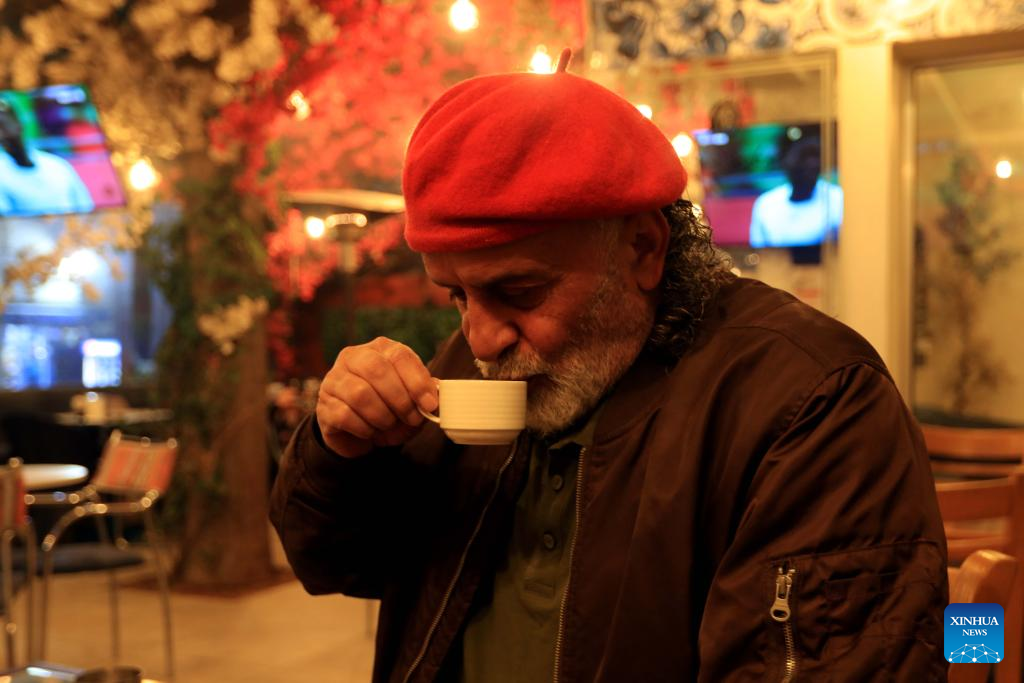
Xinhua also quoted Mohammad Odeh, who opened a specialty coffee shop in western Amman three years ago, as saying that coffee consumption remains stable regardless of economic conditions. He explained that while consumers may reduce spending in other areas, coffee continues to be a daily necessity.

From a social perspective, the report cited sociologist Fadia Ibrahim, who attributed the shift to broader changes in social behavior. She noted that traditional Arabic coffee continues to symbolize hospitality, respect, and social cohesion, particularly during weddings, funerals, and reconciliation events. At the same time, modern cafés appeal to younger generations seeking flexible social spaces and diverse flavor options.

In downtown Amman, traditional Turkish coffee houses continue to operate alongside modern cafés, reflecting a balance between heritage and contemporary lifestyles. Saif Abdulmunem, owner of Central Cafe, one of the city’s oldest cafés established in the 1930s, told Xinhua that while modern café concepts have influenced the market, traditional cafés still attract customers seeking authenticity and familiar social environments.

The report concluded that for many Jordanians, the cultural meaning of coffee outweighs distinctions between traditional and modern settings. Ahmad Khalil, a 42-year-old employee from Amman, was quoted as saying that coffee is always the first thing offered to guests, regardless of the occasion, as a sign of respect and hospitality.

Vietnam Launches First Global Coffee Heritage Festival

Vietnam – Qahwa World

Vietnam continues to strengthen its presence in the global coffee market, standing as the world’s second-largest coffee exporter. This status is supported not only by production volume but also by a rich cultural heritage and a unique identity in the coffee world. In this context, the country has launched its first-ever Global Coffee Heritage Festival, aiming to highlight Vietnamese coffee as both a cultural and economic product, far beyond a simple agricultural commodity.

From December 21, 2025, to January 2, 2026, Lam Vien Square in the Xuan Huong Ward of Da Lat hosted the inaugural “Global Coffee Heritage Festival 2025,” attracting large crowds of local residents and visitors from Vietnam and abroad. The festival aimed to document the journey of coffee in Vietnam over nearly two centuries, from the first plantations in the Central Highlands to the development of a distinct coffee culture that has become a national identity.

A Platform to Celebrate Coffee Culture

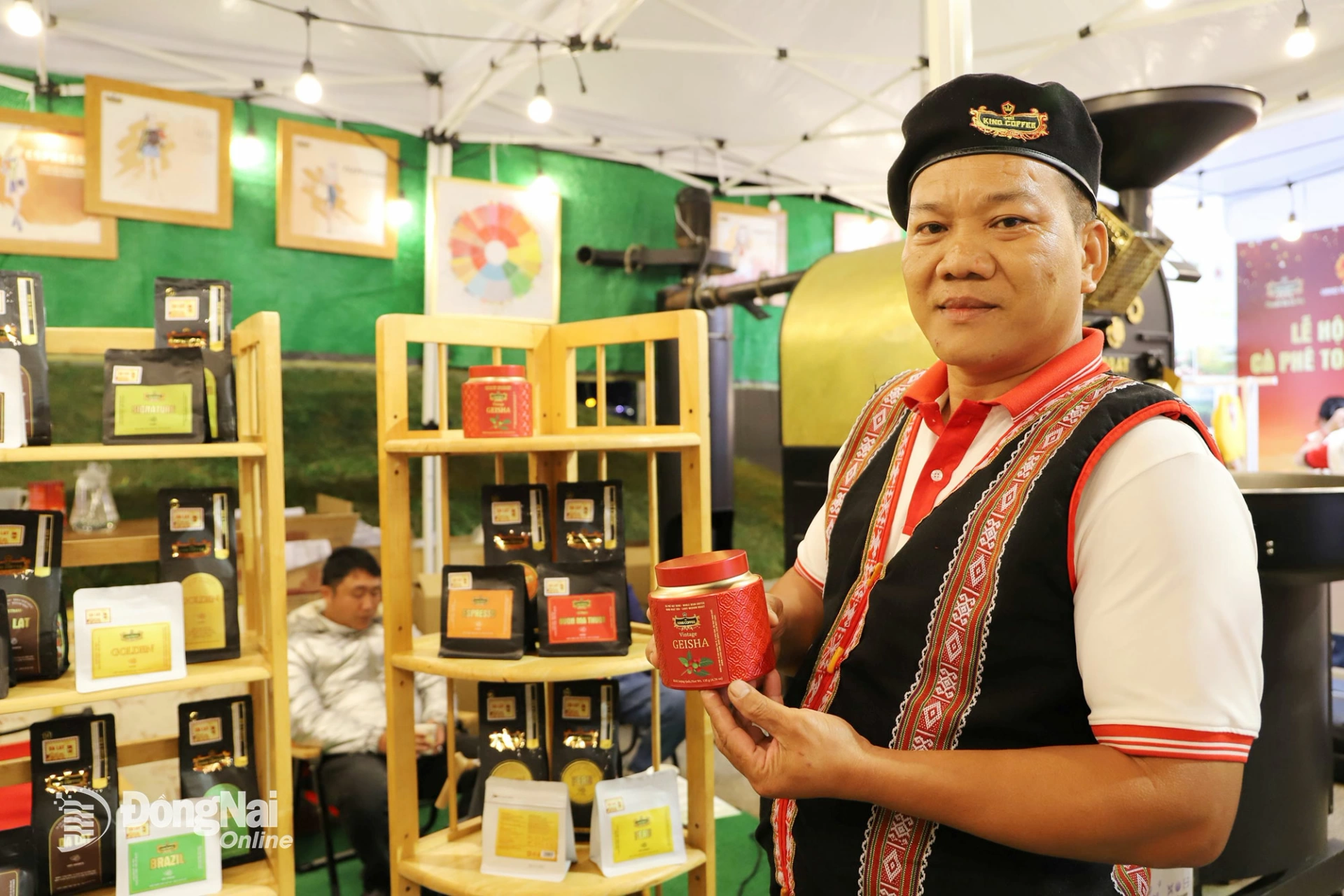
The festival was organized by TNI King Coffee Co., Ltd. (Ho Chi Minh City) and featured 34 exhibition booths showcasing coffee products, culinary offerings, and a comprehensive program of cultural, artistic, experiential, and interactive activities throughout the festival.

Highlights included live roasting and manual brewing demonstrations linked to global coffee culture experiences, exhibitions of historical coffee beans, a record-setting artwork made from robusta coffee beans, and a display of a giant coffee cup. These activities became prominent attractions for visitors and coffee enthusiasts.

  • Records and Heritage Values

The World Records Alliance, in collaboration with Vietnam Records Association, recognized Vietnam as the largest global producer and exporter of robusta coffee in terms of volume and yield. The festival also documented Vietnam’s unique coffee preparation heritage, including Ê-đê coffee, traditional cloth-filtered coffee, and drip coffee.

Vietnamese coffee culture is also distinguished by its diverse and creative approaches to blending and serving coffee, with signature drinks and dishes such as egg coffee and iced milk coffee reflecting the country’s ability to innovate while preserving tradition.

  • Coffee and Art: A Visual Narrative

One of the festival’s highlights was the artwork “Vietnamese Robusta Coffee Aspiration,” the first of its kind created from Buon Ma Thuot robusta beans, combined with natural Vietnamese materials such as coffee powder, burlap, bamboo, rattan, and coffee ink. The artwork draws inspiration from Central Highlands culture, merging art with agricultural heritage.

  • A Window to Global Coffee Cultures

Festival visitors explored manual brewing methods linked to international coffee traditions, including the Moka Pot (Italy, 1933), Aeropress (USA, 2005), and Cold Drip, a method originating in 17th-century Netherlands when sailors sought to preserve coffee flavor during long voyages. Cold Drip involves slow dripping of cold water through coffee over extended periods, resulting in a smoother cup with lower acidity and bitterness. In the 20th century, it became popular in Japan for its artistic and precise brewing style.

  • Filter Coffee: A Symbol of Local Identity

Filter coffee remains a hallmark of Vietnamese coffee culture since the 19th century, when coffee was first introduced by the French. Over time, the small metal drip filter became a staple in homes and cafes, promoting slow, mindful consumption characterized by strong flavors and a sweet finish—an embodiment of the Vietnamese way of enjoying coffee. Today, filter coffee remains the most widespread brewing method, representing the nation’s coffee identity.

  • Coffee as a Human and Economic Journey

Through these diverse experiences, visitors gain a holistic understanding of Vietnamese coffee, from the labor of farmers in the fields to roasting and preparation techniques, resulting in cups infused with the aroma of time and personal experience.

  • Coffee Train: A Unique Heritage Experience

The “Coffee on the Train – Heritage Journey” space at Da Lat station was a standout feature, recreating a historic train carriage dedicated to coffee experiences. The Da Lat Coffee Train was organized in partnership with the Saigon Railway Transport Branch, Vietnam Railway Transport Joint Stock Company, and TNI King Coffee Co., Ltd.

Visitors enjoyed coffee while listening to soothing music performed on violins and saxophones inside the train carriages, combining heritage, taste, and art in one immersive experience.

  • Building the Vietnamese Coffee Brand

In 2024, Vietnamese coffee exports reached USD 5.48 billion. During the first half of 2025, exports nearly matched the total of 2024 at USD 5.45 billion. The Global Coffee Heritage Festival 2025 is expected to drive the coffee sector toward a creative industry model and open new opportunities for investment, cooperation, and exports.

The festival also aims to bring together leading experts, artisans, and companies worldwide to reshape the future of Vietnamese coffee sustainably and innovatively, enhancing its international profile and paving the way for global collaboration initiatives, including the establishment of the Vietnam-Global Coffee Alliance.

  • Coffee from Vietnam and the World

The festival featured not only Vietnamese coffee varieties but also coffees from major producing countries such as Colombia, Ethiopia, and Brazil, including rare specialty coffees. A notable highlight was Geisha coffee from Ethiopia’s Geisha region, one of the world’s rarest and most expensive coffees, auctioning for up to VND 700 million per kilogram. Geisha coffee is distinguished by complex flavors, including citrus fruits, floral notes, and a hint of jasmine, offering a market value far above other high-quality coffees.

  • Decades of Expertise and Passion

Mr. Do Tan Truong, Roasting and Product Development Manager at TNI King Coffee, emphasized that creating high-quality coffee requires a complete story—from selecting beans, processing, to understanding consumer tastes in different regions. Each coffee variety has its own characteristics and roasting techniques, and learning in this field is continuous regardless of years of experience.

  • Coffee Beyond Numbers

At the festival opening, Ms. Le Hoang Diep Thao, Founder and CEO of TNI King Coffee, highlighted that coffee has been present in Vietnam for over 150 years. Today, more than 600,000 hectares of coffee plantations sustain millions of households. Vietnamese coffee is exported to over 100 countries and territories, contributing billions of dollars to the national economy.

She added that the value of Vietnamese coffee lies not only in volume or numbers but also in identity, perseverance, and pride encapsulated in every coffee bean. The festival represents a long-term journey to preserve, elevate, and promote sustainable values of Vietnamese coffee, particularly robusta heritage, within the global coffee landscape.

Toronto Café Serves $99 Coffee as Part of a Wellness Experience

Toronto – Qahwa World

A new café in Toronto’s Midtown is challenging traditional ideas of a coffee break by offering one of the city’s most expensive cups of coffee — alongside yoga sessions, sound therapy, and wellness treatments.

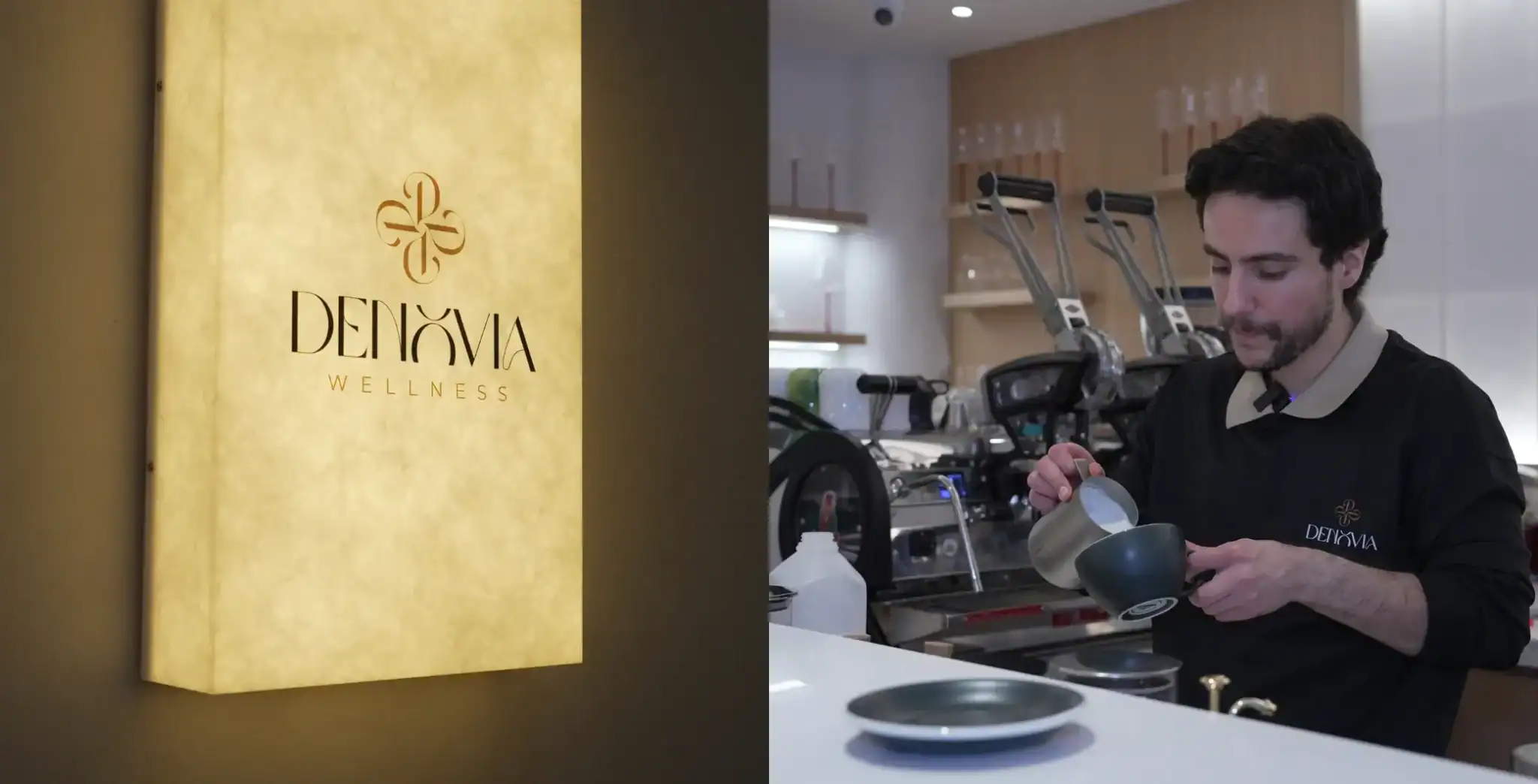
Denovia, a recently opened wellness-focused café, is serving a Panamanian Elida Geisha hand brew priced at $99 per cup. The coffee is produced in extremely limited quantities, with only 50 cups available per supply, positioning it among the most exclusive specialty coffees currently offered in Toronto.

The café’s founder, Nick Wang, describes Denovia as a hybrid space combining specialty coffee with wellness practices. While the ground floor operates as a café serving both rare beans and familiar drinks such as cappuccinos and cold brews, the upper levels are dedicated to wellness services. These include yoga, aromatherapy, sound therapy, sports recovery treatments, and IV drips.

Wang said the concept was shaped by growing post-pandemic stress levels and personal exposure to wellness practices, noting that the space is intended to encourage calm, reflection, and slower consumption rather than rushed routines.

At the center of Denovia’s premium coffee offering is the Elida Geisha, a varietal originally traced to Ethiopia and later refined in Panama. The coffee is widely known for its floral and fruit-forward characteristics, often associated with notes such as jasmine, bergamot, stone fruit, and tea-like sweetness. Its profile contrasts sharply with the heavier, chocolate-driven flavors found in more conventional coffees.

Geisha coffee is also known for its demanding cultivation requirements. It is typically grown at elevations between 1,500 and 2,000 meters, in volcanic soil and highly specific microclimates that include cool temperatures, mist, and stable weather conditions. These constraints significantly limit supply.

According to Wang, beans from the Elida estate have achieved prices of approximately $1,029 per pound at international Best of Panama auctions, attracting buyers from the global specialty coffee market.

Beyond rarity and price, Wang emphasized the experience itself. He said the Geisha is meant to be enjoyed slowly, comparing it to tea culture rather than fast-paced coffee consumption. In his view, the drink is intended to encourage relaxation and creative thinking rather than speed.

While the $99 Geisha attracts the most attention, Denovia’s menu includes other specialty offerings at lower price points. Hand brews and pour-overs sourced from Ethiopia and Colombia begin at $28, including the ALO 74158. Another Geisha option, the Luna Geisha, is priced at $35. Standard menu items such as americanos and matcha lattes start at $6.

Denovia barista Alex Pinzon, who has eight years of experience in the coffee industry, said customers often question the pricing of high-end specialty coffees. He explained that these coffees undergo more careful processing and preparation, resulting in flavor profiles that surprise many first-time drinkers.

Pinzon noted that customers frequently assume fruit has been added to the coffee, only to learn that the flavors come naturally from the beans themselves.

Among the café’s other specialty drinks are the El Pariso Peach hand-brew latte, described as having a tea-like, peach-forward character, and the TOR8NTO — a sparkling coffee mocktail featuring lychee and strawberry notes.

Denovia is currently operating in a soft-opening phase, with its official grand opening scheduled for January 2026.

CNN: Rome’s Oldest Café Falls Silent After Bitter Legal Battle

Dubai – Qahwa World

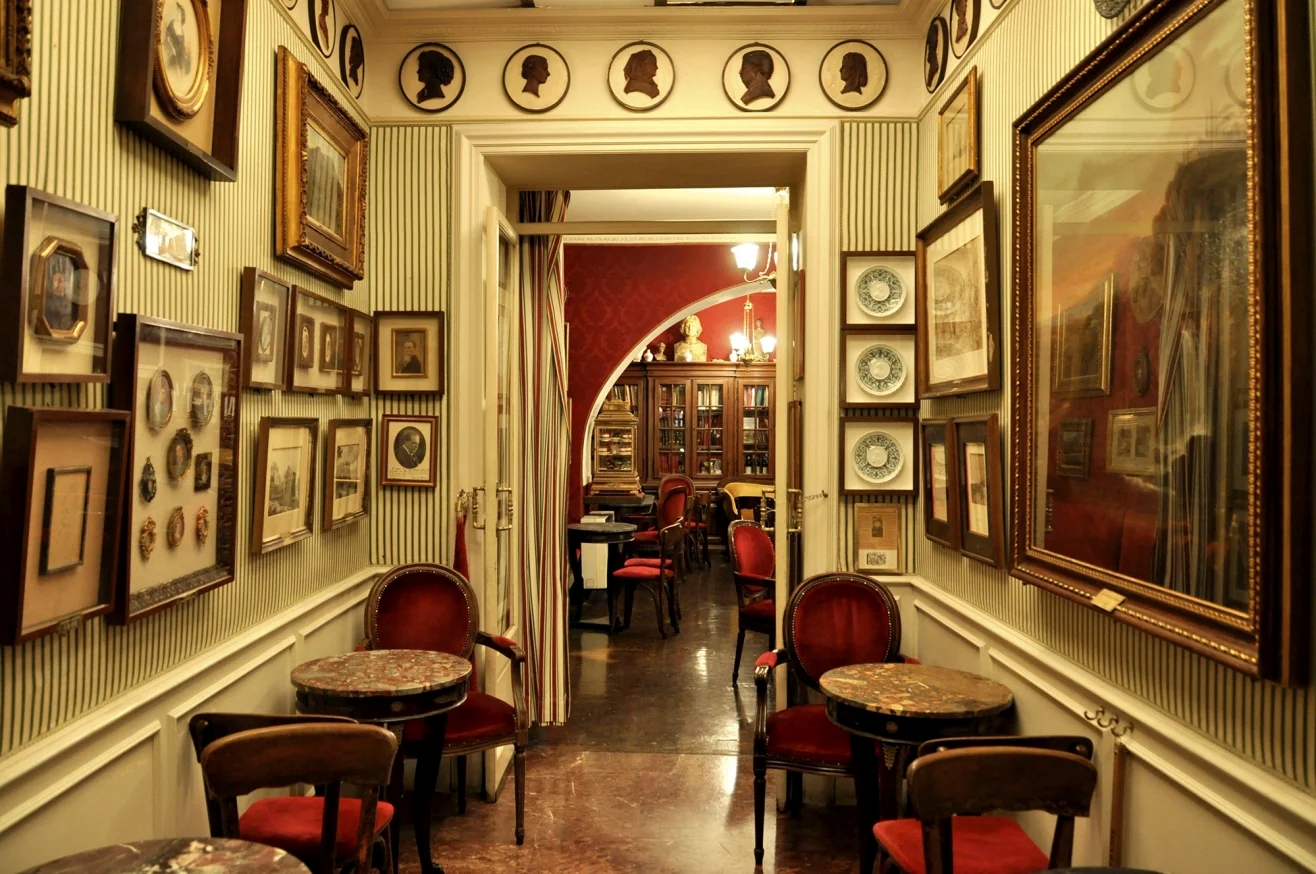
For more than two centuries, the Antico Caffè Greco stood as a cultural landmark on Via dei Condotti, a gathering place for writers, artists, actors and travelers drawn to the historic charm of Rome’s oldest coffee house. But as CNN reported, the iconic café has now fallen quiet after a long and costly legal dispute.

Last month, the celebrated venue closed its doors. Portraits of illustrious visitors including Buffalo Bill were taken down, velvet chairs and wooden booths removed, and gilded tableware packed away. A café once frequented by Rome’s 19th-century elite and the glamorous figures of “La Dolce Vita” now stands empty.

The closure followed years of conflict between proprietors Carlo Pellegrini and Flavia Iozzi and their landlord, the Israelite Hospital of Rome. According to CNN, the dispute began in 2017 when the hospital increased the monthly rent from 17,000 euros to 120,000 euros after an 80-year lease expired, citing comparable prices on the luxury-lined street.

Commercial rents throughout central Rome have surged in recent years, pushing out long-standing businesses a trend intensified during the Covid pandemic. Pellegrini argued that the proposed increase was impossible to meet.

In 2024, CNN reported that the hospital won the final court ruling to remove the café’s tenants and seek a new operator. Until the closure, the walls still held memories of its famous past: Dickens, James, Keats, Welles, Hepburn, Loren and even a romantic encounter described by Casanova in his memoir.

Despite premium prices, visitors continued to value the chance to drink from cups once used by figures like Picasso and Princess Diana.

Eviction came in October, with assistance from Italy’s military police. The café was sealed, locks were changed, and a “closed for vacation” sign removed.

CNN noted that staff, citing concerns about a leaking pipe, removed artwork and memorabilia worth an estimated 8 million euros before the eviction. These items were later seized by authorities and placed under the protection of Italy’s Culture Ministry.

The hospital stated that revenue from its properties supports healthcare services and said the rent increase was intended to improve patient care.

According to CNN, the hospital’s special commissioner confirmed that the café will reopen after necessary building work, with its historic character preserved under a new owner. Pellegrini, however, has vowed to continue contesting the outcome.

For now, the once-busy landmark is an empty shell on one of Rome’s most prestigious streets. Tourists peer through windows into the silent interior, where lights remain on but no coffee is brewed.

“It is a tragedy that it had to close this way,” longtime customer Manuel Capponi told CNN. “But the city has weathered worse storms. Another café will come and its prices will likely reflect the higher rent.”

World of Coffee San Diego 2026: A New Global Chapter for the Specialty Coffee Industry

San Diego – Qahwa World

The Specialty Coffee Association (SCA) has officially announced World of Coffee San Diego 2026, marking the North American debut of the globally renowned World of Coffee event series. Set to take place from April 10–12, 2026, at the San Diego Convention Center, this exhibition represents the evolution of the beloved Specialty Coffee Expo—North America’s leading coffee trade show for over three decades—into a truly global platform for connection, innovation, and growth.

A Global Expansion of Coffee’s Premier Event

Bringing together over 17,000 visitors and 650+ exhibitors from more than 90 countries, World of Coffee San Diego unites professionals from every segment of the specialty coffee value chain, from farmers and roasters to equipment manufacturers, importers, and café owners. The event will maintain the dynamic spirit of the Specialty Coffee Expo while expanding its reach to align with the international World of Coffee network, which already includes editions in Europe, the Middle East, Central America, and Asia

According to the SCA, the rebranding aims to “connect the North American coffee market with the global community” and offer exhibitors “greater visibility, growth opportunities, and access to international buyers.”

Where Coffee’s Future Happens

The exhibition will host an extensive show floor showcasing the latest in coffee technology, roasting innovations, sustainable solutions, and consumer trends. Participants can explore products across sectors including:

Green and roasted coffee

Brewing and grinding equipment

Packaging, technology, and water treatment solutions

Allied beverages, pastries, and flavorings

More than 76% of attendees are confirmed decision-makers, including roasters, producers, importers, café owners, and business leaders—making the event a premier meeting point for industry professionals

Special Features and Awards

World of Coffee San Diego will feature two major global competitions:

Best New Product Awards, celebrating innovation across coffee equipment, accessories, and beverages.

Coffee Design Awards, recognizing excellence in branding, packaging, and space design that elevate the specialty coffee experience.

These awards, open exclusively to exhibitors, provide unparalleled exposure to global media and buyers.

Roaster Village: A Showcase for Craft Roasters

A highlight of the event, the Roaster Village offers boutique roasters and green coffee importers a dedicated platform to showcase their finest coffees through tastings and cuppings. Participation is reserved for SCA members classified as small or medium businesses with annual revenues under $5 million USD—ensuring the village remains a true celebration of artisan roasting and authentic specialty coffee craftsmanship

Schedule and Activities

The three-day event begins with an Opening Reception on April 9, followed by full exhibition days from April 10–12, 2026, including lectures, workshops, and networking sessions led by industry leaders. Registered exhibitors will receive complimentary passes to sessions valued at over $1,600, access to workshops, and invitations to networking events

Booth Packages and Pricing

Standard 10×10 booth packages start at $3,350 for SCA members and $4,020 for non-members, including complimentary staff badges, guest passes, mobile app listings, and event access. Larger island booths are available up to 1,200 sq ft, with special pricing tiers for members and non-members.

Event Logistics

Venue: San Diego Convention Center, 111 Harbor Dr., San Diego, CA

Dates: April 10–12, 2026 (Move-in begins April 8; move-out ends April 13)

Registration Opens: December 2025

Hotel Reservations Open: August 2025

Organizer: Specialty Coffee Association (SCA)

About the Specialty Coffee Association

The SCA is the world’s largest coffee trade association, dedicated to fostering a global coffee community and promoting sustainability and equity throughout the coffee value chain. Its initiatives encompass research, standards, education, and events that elevate quality and innovation worldwide.

For exhibitor inquiries, contact [email protected] or visit worldofcoffee.org.

Bahrain Coffee Festival 2025 Opens Registration for Exhibitors

Manama – Qahwa World

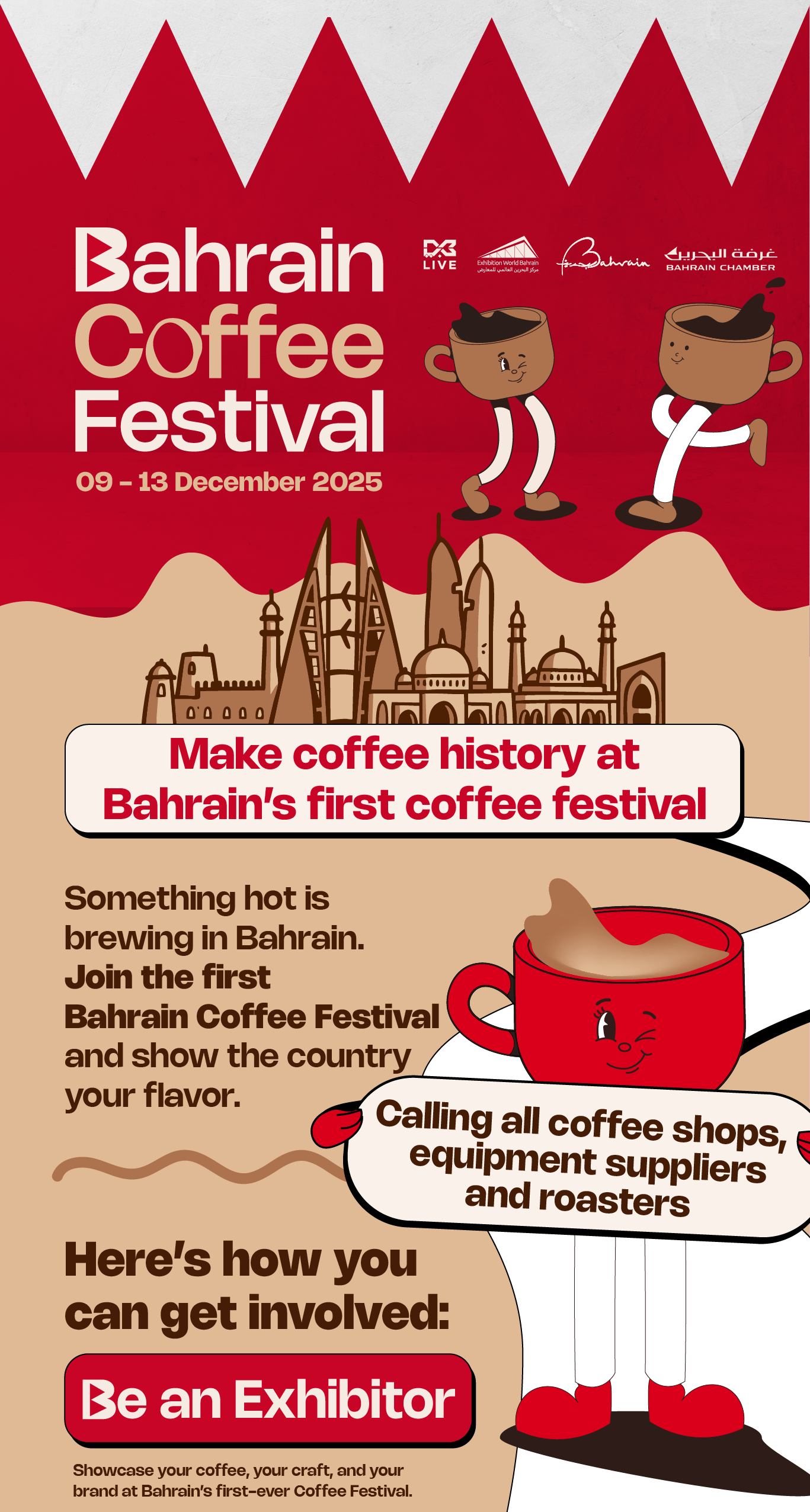
Following the official announcement of Bahrain’s first-ever coffee festival earlier this year, organizers have now opened registration for coffee shops, roasters, and equipment suppliers to participate as exhibitors in the upcoming Bahrain Coffee Festival 2025, taking place from December 9 to 13 at Exhibition World Bahrain.

The festival, organized by DXB Live in collaboration with Bahrain Chamber and Bahrain Tourism and Exhibitions Authority, marks a historic step in the Kingdom’s growing coffee scene. The open call invites local and international coffee professionals to join under the theme “Be an Exhibitor”, showcasing their products, innovations, and expertise to an eager Bahraini audience.

Organizers describe the festival as “a celebration of coffee, culture, and creativity,” designed to highlight the journey from bean to cup through interactive workshops, live brewing sessions, product showcases, and sensory experiences.

The event aims to position Bahrain as a regional hub for coffee appreciation, reflecting the growing enthusiasm for specialty coffee across the GCC. It will also provide valuable networking opportunities between café owners, suppliers, and global industry leaders.

Participants are encouraged to register early to secure their exhibition spaces, as interest from across the region continues to grow rapidly.