Coffee, Running and Connectivity Converge in Ethiopia

Addis Ababa x Buna Kurs – Qahwa World

Great Ethiopian Run is evolving beyond a traditional mass participation race, bringing together coffee heritage, community engagement and digital innovation ahead of its latest edition in partnership with Ethio telecom.

In a pre-event activation held in Jimma, organizers introduced a plantation walk that immersed participants in landscapes closely linked to the origins of Arabica coffee. Set among dense greenery and working coffee farms, the experience turned the build-up to the race into a cultural journey that blends sport with Ethiopia’s deep-rooted coffee traditions.

The initiative is part of a wider “classic destinations” concept designed to connect the event with key heritage locations across the country. By extending activities beyond the main race, organizers are positioning the run as more than a sporting occasion, framing it instead as a platform that highlights Ethiopia’s cultural identity and tourism potential.

Coffee played a central role in the Jimma experience. Long regarded as a national symbol, it also serves as a powerful social connector across Ethiopian society. Participants engaged in informal coffee moments during the plantation walk, reflecting communal traditions that remain integral to daily life. By integrating these elements, the event expands its narrative to include the cultural rituals that define Ethiopia’s relationship with coffee.

At the same time, the upcoming edition highlights the growing importance of connectivity in shaping large-scale public events. Through its collaboration with Ethio telecom, the run is incorporating digital coordination, mobile engagement and online awareness campaigns to enhance participation and extend its reach beyond physical attendance.

Ethio telecom, with roots stretching back more than a century, has evolved from early telegraph systems into a nationwide digital infrastructure provider. Its involvement highlights how modern connectivity is enabling broader community participation, linking urban and rural audiences and amplifying the social impact of national events.

Beyond sport and culture, the initiative also carries a public health message, incorporating awareness efforts around polio eradication. This integration reflects a wider trend in which Ethiopia’s mass gatherings are used to promote collective priorities, combining celebration with social responsibility.

From the coffee fields of Jimma to the streets expected to host thousands of runners, this edition of the Great Ethiopian Run presents a distinctive convergence where heritage, athletics and digital connectivity come together in a shared expression of community.

Yemeni Coffee Shops Expand Across Ann Arbor

Ann Arbor – Qahwa World

Ann Arbor has seen a steady rise in Yemeni coffee shops over the past few years, reflecting a growing interest in the style and culture behind this type of coffee. Several cafés have opened across the city, including Bun Chai Yemeni Coffee & Tea, Bayt Almocha, Qahwah House, Socotra Coffee House, and Jabal. Another concept, Caffeena, is expected to take over a former bubble tea location on East Liberty Street, though no opening date has been confirmed.

Coffee is widely linked to Yemen, where it is believed to have played an early role in the development of global coffee culture. It spread internationally through the port of Mocha, which became closely associated with the beverage. Yemeni coffee is often recognized for its strong use of spices such as cardamom, cinnamon, and ginger, giving it a distinct flavor compared to more common Western styles.

Jabal first opened in Dearborn in late 2023 before expanding to Ann Arbor in early 2024. Its founders say the success of the first location helped drive the decision to enter the Ann Arbor market, where demand for specialty coffee continues to grow. The shop focuses on more than just coffee, aiming to create a space centered on hospitality and community.

Bayt Almocha, which opened in Kerrytown in 2025, follows a similar approach and is part of a larger national expansion. One of its goals is to introduce Yemeni food and coffee culture to new audiences while maintaining ties to its origins.

A key feature of many Yemeni coffee shops in Ann Arbor is their late operating hours. These spaces often serve as social hubs where people gather in the evening to study, meet friends, or spend time in a relaxed environment. This has made them especially popular among students at the University of Michigan, where finding late-night study spaces can be challenging.

Customers often describe these cafés as more welcoming and community-focused than traditional chains. Rather than offering quick service and takeaway drinks, Yemeni coffee shops encourage customers to stay, socialize, and enjoy the atmosphere.

As more locations open, Ann Arbor is becoming part of a broader trend that is bringing Yemeni coffee culture into mainstream café life across the United States.

Yemeni Coffee Craze Reaches Visalia with Bold Flavors and Slow Brews

Visalia – Qahwa World

A growing wave of Yemeni coffee culture is making its way into Visalia, reflecting a broader trend already gaining momentum across nearby cities like Fresno.

Originating from Yemen, coffee from this region has long held a significant place in global trade, especially through the historic port of Al Mokha—a name widely associated with the term “mocha.”

A new café, Siraj Coffee House, is preparing to open its doors in Visalia, introducing customers to the distinctive character of Yemeni coffee. The drinks are known for their slow brewing methods and rich aromatic profiles, often enhanced with spices such as cardamom, cloves, saffron, and nutmeg.

In addition to traditional Yemeni offerings, the café plans to serve Italian-style coffee and a range of beverages with little or no caffeine, including teas, fresh juices, and drinks like Brazilian lemonade. The menu will also feature house-made pastries, highlighting Middle Eastern sweets such as sabaya—a layered honey cake—and a soft, pull-apart bread filled with cream cheese.

The business is the result of a partnership between local entrepreneurs, including one also associated with Smash Town Burgers. While expansion plans are being considered, the immediate focus remains on launching the first location.

Set to open at 2145 W. Whitendale Avenue, the café occupies a space previously used by another bakery, marking a fresh chapter for the site.

This opening reflects a wider national surge in interest around Yemeni coffee. Establishments like Bab al-Yemen Cafe helped introduce the concept to the Central Valley, while brands such as Qamaria Yemeni Coffee have expanded the presence of Yemeni-style cafés across multiple states.

As the trend continues, Visalia joins a growing list of cities embracing this centuries-old coffee tradition with a modern twist.

From Black Wine to Coffee: Lessons from China’s Market History

By: Lucy Wen

When coffee first arrived in China, people didn’t even know what to call it. Some called it “Black Wine.” Others drank it as a digestive aid. At one point, it was even sold in pharmacies as cough medicine. While this seems amusing today, it reveals a key lesson: how a completely foreign product enters a new market.

Stage One: When Coffee Was Just Functional
In the earliest records, coffee wasn’t a lifestyle or cultural symbol. It was simply something foreigners drank after meals to aid digestion. Naturally, people interpreted it based on what they knew: a dark liquid plus post-meal use became “Black Wine.” At this stage, coffee wasn’t “coffee”; it was a functional product trying to fit into an existing category. In 1853, at the Old Deji Pharmacy in Shanghai, coffee was even sold as “cough syrup.”

Stage Two: When the Market Tries to Make Sense of It
As coffee became more visible, understanding didn’t come immediately. Different names appeared, and interpretations varied. Some saw it as medicine, others as a novelty drink. This confusion wasn’t rejection; it was the market trying to understand. When a product is new, people evaluate it through familiar categories rather than on its own terms.

Stage Three: When Understanding Becomes Standard
It wasn’t until the early 20th century that one name, “coffee” (咖啡), became widely accepted. That marked the start of broader consumption. Once people agreed on what the product was, they could decide whether they wanted it. Language didn’t just describe coffee; it unlocked the market.

Lessons for Coffee Businesses Today
Working with coffee machines and international trade reveals a similar pattern in emerging markets. The challenge is often not naming; it’s understanding. Customers aren’t just asking, “Which machine is better?” They are asking: What is espresso? Why does pressure matter? Is this a daily drink or a business opportunity? The gap is not the product itself; it’s education. Sometimes, people need clarity on what a machine does before they are ready to buy it.

The Real Takeaway
China didn’t just take time to accept coffee; it took time to understand it. Entering a new market is not about pushing products. It’s about translating value. Before someone buys your machine, they need to understand the experience behind it. Once they do, everything else becomes much easier.

Top 5 US Most Expensive Cities for Coffee

Dubai – Qahwa World

Coffee is never just a daily habit. It reflects place, culture, and the real cost of bringing coffee from farm to cup.

Across the United States, the price of a standard coffee varies widely. On average, a regular hot coffee costs between $3.50 and $3.65. In Hawaii, that same cup often exceeds $5, while cold brew can reach nearly $6.75.

Recent data from coffee shop systems places Hawaii firmly at the top, with a median price of about $5.23 for hot coffee and $6.74 for cold brew.

Why Hawaii Leads

Hawaii is one of the only regions in the United States where coffee is grown commercially, most notably Kona coffee. Here, coffee is cultivated on volcanic soil and shaped by a unique climate.

Producing coffee in Hawaii is expensive. Labor costs are high, farms are smaller, and production requires careful handling.

The islands’ remote location adds further pressure. Supplies such as milk, equipment, and packaging must be shipped across the ocean. High rents and an elevated cost of living also push prices higher.

The result is a cup of coffee that reflects both premium quality and the realities of island economics.

You may like to read: The 10 Most Expensive Cappuccino Cities in 2025

The Top 5 Most Expensive U.S. Cities for Coffee

1. Honolulu, Hawaii, around $5.23
Honolulu combines local production with high operating costs. Coffee here carries the full weight of island life and tourism demand.

2. Los Angeles, California, around $4.99
Coffee is part of lifestyle and culture in Los Angeles. High demand and expensive real estate keep prices elevated.

3. San Francisco, California, around $4.92
A strong focus on craftsmanship and quality drives coffee culture in San Francisco, alongside high business costs.

4. Seattle, Washington, notably high with strong recent increases
Seattle remains a central hub for coffee culture in the United States. Rising wages and demand continue to push prices upward.

5. New York, New York, around $4.80 to $5.00
In New York, coffee supports a fast-paced lifestyle. High rents and constant demand make it one of the most expensive markets.

You may also read: Coffee Etiquette in 2026: 12 Rules for an Elegant and Mindful Café Experience

A Cup That Tells a Story

While these cities lead in price, more affordable coffee can be found in states like Mississippi and West Virginia, where a cup costs closer to $3.

From Kona coffee grown on Hawaiian soil to a simple cup served in smaller towns, every price reflects a broader story of geography, cost, and culture.

Coffee, in the end, is not just about what is in the cup, but everything behind it.

Coffee Etiquette in 2026

 12 Rules for an Elegant and Mindful Café Experience

Dubai – Qahwa Word

In 2026, coffee is no longer just a morning drink. It reflects modern life: digital speed, environmental awareness, remote work, and the human need for genuine connection in a fast-paced world.

From London and Berlin streets to traditional cafés in Dubai, cafés have become spaces combining comfort and productivity, speed and reflection, technology and human warmth. Baristas are now partners in a daily experience blending craftsmanship, smart ordering techniques, and human warmth.

Twelve Rules for Coffee Etiquette in 2026

1. Choose Before You Arrive

Browse the menu in advance to save time and make a mindful choice for your health and the environment.

2. Smile and Make Eye Contact

Even with digital orders, greet the barista to keep the café warm and welcoming.

3. Be Clear and Polite

Specify milk type, temperature, and additions with a friendly smile to reduce stress and improve quality.

4. Respect the Café’s Rhythm

Use pre-ordering during peak hours to avoid disrupting workflow and other guests’ experience.

5. Trust the Barista’s Expertise

Ask for seasonal or sustainable recommendations for a unique coffee experience. Baristas may introduce you to drinks better than what you initially planned.

6. Value Time Like Coffee

After finishing, free the table for other guests, especially in fast-turnover cafés. The café is not a private office, and everyone deserves access.

7. Maintain a Quiet Atmosphere

Use headphones for calls or music, and keep your voice low. Psychological calm is now an essential part of the café experience.

8. Keep Interactions Balanced

Friendly conversation is welcome, but lengthy discussions are best outside busy hours. Don’t turn the barista into a platform for lectures.

9. Show Appreciation

Tipping demonstrates respect for the human effort behind every cup, even in budget-friendly chains.

10. Share Space Mindfully

Do not occupy large tables with devices if the café is crowded. The café is a shared space, not a temporary office.

11. Be a Sustainability Partner

Return reusable cups or leftover coffee to the barista. Sustainability in 2026 is no longer optional but a shared value.

12. Balance Technology and Humanity

Apps and kiosks are great for speed, but do not ignore the barista completely. Say thank you when receiving your order and avoid lingering at the counter. The balance between speed and warmth is key to a successful experience.

In Conclusion

Following these rules not only makes your coffee taste better, but also contributes to creating an elegant, respectful, and sustainable café culture. The café in 2026 is more than a place—it is a mirror reflecting our community values.

  • Related story:

Coffee Etiquette: 11 Tips for Café Visitors

China’s €1 Coffee Is Shaking Europe

Dubai – Qahwa World

A cup of coffee for less than one euro is no longer a rare promotion. It is becoming a daily reality in some of Europe’s busiest cities, and it is starting to change how people think about their coffee.

Step off a crowded morning train in Berlin or London and the difference is clear. Instead of waiting in line at a traditional café and paying several euros, you open an app, place your order in seconds, and pick up your drink almost immediately from a compact kiosk nearby.

No long wait. No extra cost. Just fast, affordable coffee.

This shift began to take shape in early 2026, when Chinese coffee chains expanded into major European markets. Their arrival introduced a new model that is already influencing the industry from Paris to Madrid.

A New Model Takes Shape

One of the key players is Cotti Coffee, a fast-growing brand founded in 2022. It has rapidly expanded across international markets and recently opened stores in cities such as Paris, Berlin, Madrid, and London, with more locations planned.

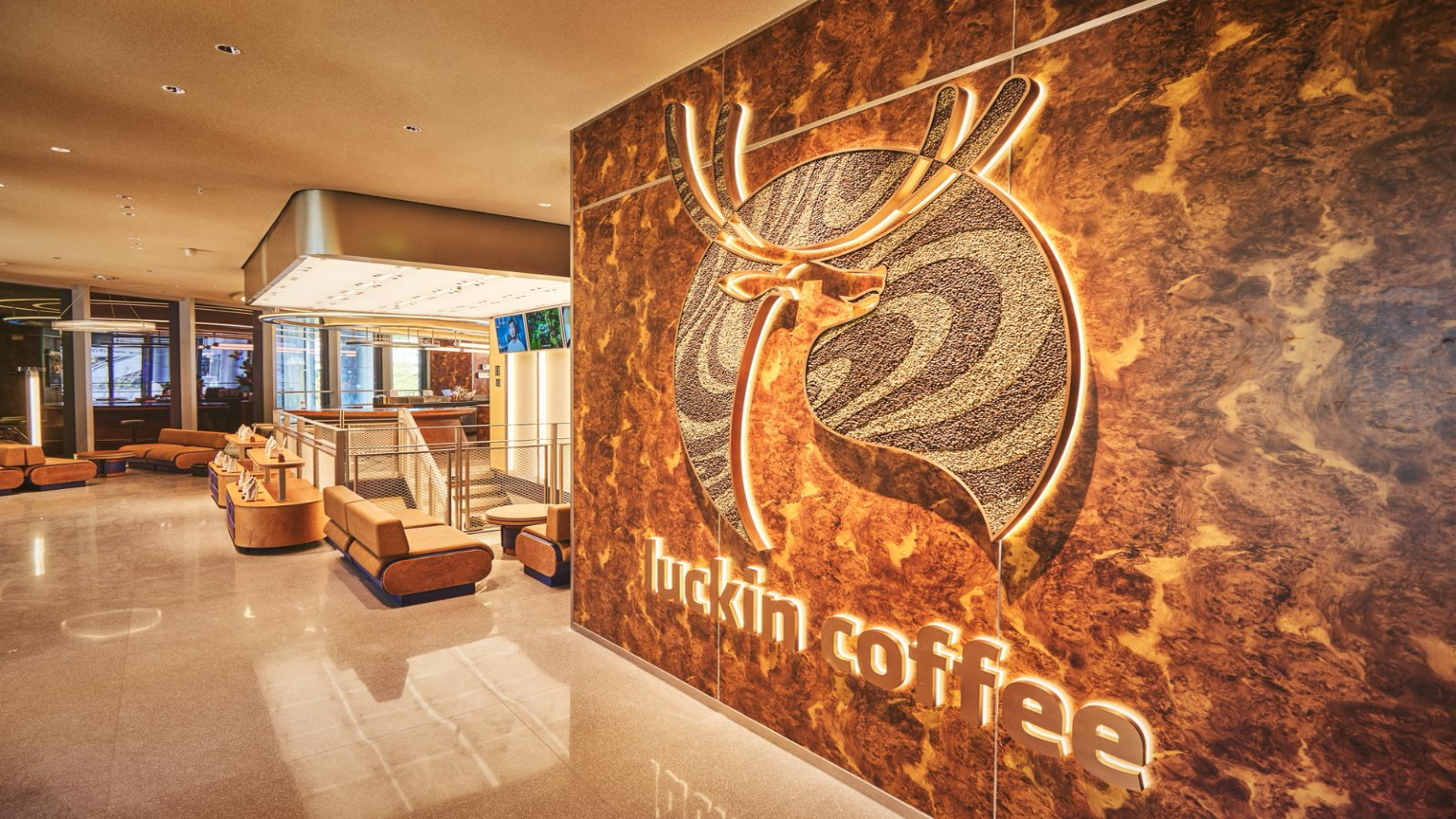
Another major name is Luckin Coffee, which operates tens of thousands of stores globally and continues to explore expansion beyond Asia.

Their approach is built on a simple formula:

Small stores in high-traffic areas
Ordering through mobile apps
Very fast service
Lower prices than traditional cafés

In some locations, espresso is offered for less than one euro, far below typical European prices.

Why Europe Is Ready

Europe has one of the strongest coffee cultures in the world. Coffee is part of everyday life, tied to routines and social moments. However, rising costs have made it more expensive in recent years.

This has created two distinct needs:

Coffee as an experience, where people sit and enjoy the atmosphere
Coffee as a daily necessity, where speed and price matter most

Chinese coffee chains are focused on the second need. They are not replacing traditional cafés but offering an alternative for quick and affordable consumption.

Tradition Still Holds

European cafés remain deeply rooted in culture and identity. Many people still value quality, ambiance, and human interaction.

Because of this, traditional and specialty cafés are expected to remain strong. They may even become more defined by focusing on craftsmanship and local character.

The market is moving toward coexistence rather than replacement.

Changing Expectations

Even without dominating the market, these new entrants are already influencing customer expectations.

They are pushing for:

Lower prices
Faster service
Greater reliance on mobile ordering
More frequent promotions

This is encouraging both independent cafés and large chains to rethink how they operate.

Two Different Approaches

For years, companies like Starbucks have focused on creating comfortable spaces where people can relax, work, or meet.

Chinese chains take a different approach. They prioritize speed, efficiency, and accessibility over atmosphere.

This creates a more diverse coffee landscape, where different models serve different needs.

A Market in Transition

Chinese coffee chains are unlikely to change the core of Europe’s coffee culture, which has developed over generations.

However, the market is clearly evolving. It is becoming more competitive, more flexible, and more responsive to changing consumer habits.

By the end of 2026, Europe’s coffee scene will likely be more diverse, offering both rich experiences and fast, affordable options.

Latte Art Takes Center Stage in San Diego

San Diego — Qahwa World

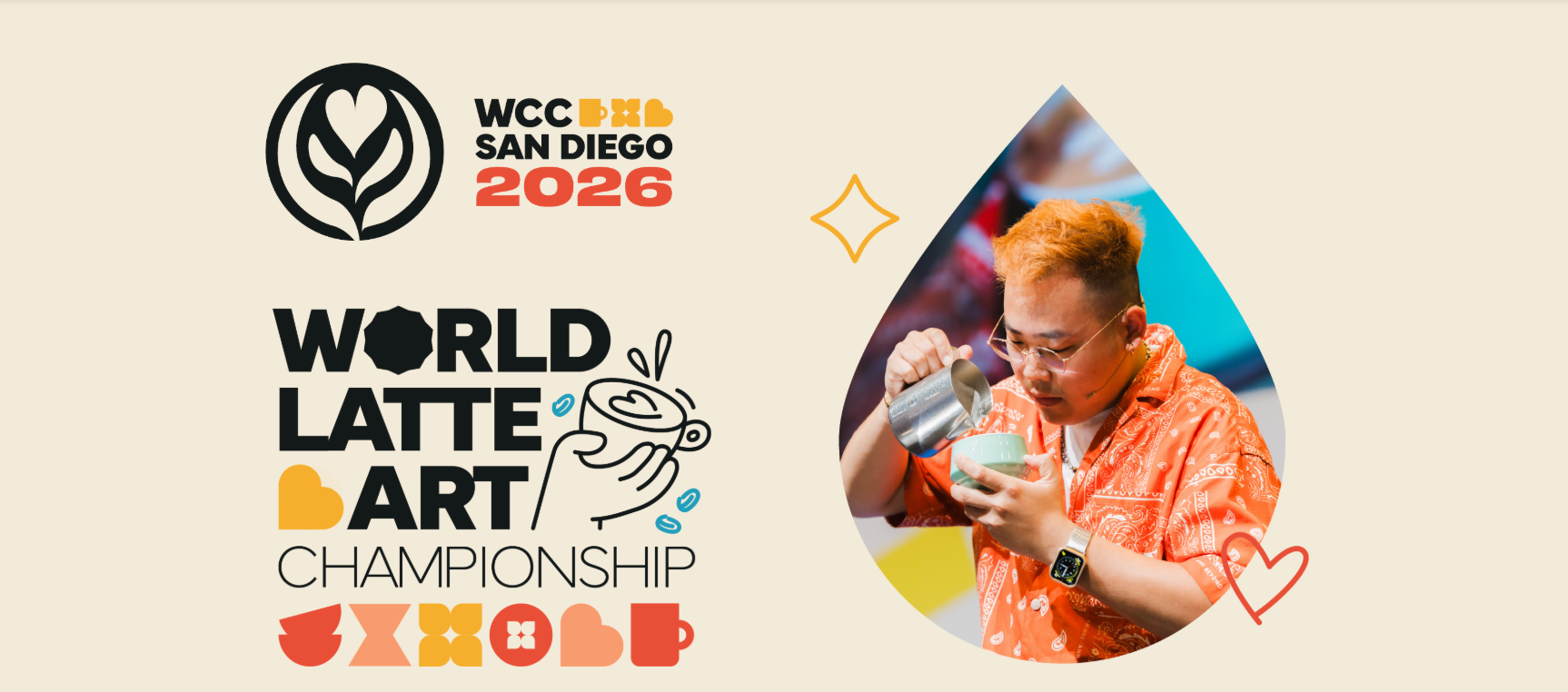
The global specialty coffee community is preparing for a vibrant mix of creativity, competition, and connection as World of Coffee San Diego returns to the San Diego Convention Center from April 10 to 12. This edition marks a new chapter for the event in North America after three decades under the name Specialty Coffee Expo.

At the center of attention is the 2026 World Latte Art Championship, one of the most respected stages for barista craftsmanship. Now in its twentieth year, the competition turns everyday lattes into detailed works of art, bringing together leading talents from across the world.

  • Where coffee meets creativity

The championship is known for its fast pace and demanding format. Baristas are judged not only on technical skill but also on creativity and composure under pressure. Every detail matters, from symmetry and contrast to originality and presentation.

The event unfolds across two main experiences:

  • The Art Bar

Here, visitors can watch baristas up close as they create intricate designs using free pouring, etching, and other techniques. The setting is informal and interactive, with standout drinks often chosen through audience voting.

You may Read: World of Coffee San Diego 2026: Last Chance for Early Bird Rates

  • The Main Stage

This is where the competition intensifies. In the preliminary round, each competitor has 11 minutes to prepare six drinks. These include two sets of matching free pour lattes and two matching designer patterns. The top six move on to the final, where they repeat the challenge at an even higher level. One barista will leave with the title of 2026 World Latte Art Champion.

This year’s lineup features national and regional champions, each bringing their own style and interpretation shaped by their local coffee culture.

  • More than a competition

While latte art draws large crowds, the event itself goes far beyond the championship. World of Coffee is the largest B2B specialty coffee gathering in North America, offering a wide look at the industry.

The exhibition hall will host hundreds of companies presenting equipment, green coffee, brewing tools, packaging solutions, and new technologies shaping the future of coffee.

Visitors can also expect:

A full education program with more than 60 lectures and over 30 workshops
Opportunities to connect with roasters, café owners, and suppliers
Features such as the Coffee Design Awards, public cuppings, brew bars, and the SCA Lecture Series

Access to the event requires registration, with trade badges needed for entry to the show floor and competitions. Organizers have also introduced early booking offers and hotel packages through official channels.

Set along San Diego’s waterfront, the event combines business with atmosphere. The city’s growing café culture adds another layer to the experience, giving visitors a taste of both global trends and local flavor.

As April approaches, San Diego is preparing to welcome the world of coffee. For a few days, every cup poured will carry a story, and every design will reflect the skill behind it.

Belarusian “Americano”: Lukashenko Proposes a National Version

Minsk – Qahwa World

In Belarus, an unusual initiative is under discussion: President Alexander Lukashenko has suggested creating a national version of the popular Americano coffee. The proposal could affect all fast-food establishments across the country.

The idea was announced during Lukashenko’s visit to the “Mak.by” chain, which positions itself as a Belarusian alternative to international fast-food brands. The president emphasized that it is important to build national traditions even in small details, such as the names of beverages. He proposed that, initially, the new name could be shown alongside the familiar one in parentheses, allowing customers to gradually adapt to the change.

You may read: “Candiano”: From a Simple Joke to a National Debate on Identity and More

Supporting domestic brands in the food service sector has become a priority for Belarusian authorities. Renaming the Americano could become part of a broader campaign to promote national products and strengthen Belarusian cultural identity. However, the initiative may spark debates among coffee lovers accustomed to international standards and names.

The exact name for the Belarusian version of the Americano has not yet been revealed. Nevertheless, the proposal has already prompted lively discussion among entrepreneurs and café visitors: some see it as a way to highlight Belarusian uniqueness, while others view it as an unnecessary formality.


The Coffee Preferences of 10 U.S. Presidents

Dubai – Qahwa World

Republished and adapted from Tasting Table – By Charlotte Pointing

Coffee has long been woven into the fabric of American life. From colonial coffeehouses to modern cafés, it has shaped conversations, politics, and daily rituals. According to data from the National Coffee Association, a clear majority of American adults drink coffee each day—a tradition that extends all the way to the White House.

Originally published by Tasting Table and written by Charlotte Pointing, the following professional adaptation explores how 10 American presidents preferred their coffee—from strong black brews to decaffeinated cups and even fast-food stops.

George Washington

In the late 18th century, coffee was still emerging as a staple in American households. Tea had dominated colonial tables, but political tensions with Britain transformed coffee into a patriotic alternative. George Washington embraced the drink, and while precise details of his preparation remain limited, historical accounts suggest that coffee was often served black with sugar in the morning and later with hot milk at breakfast. Over time, it became a regular feature of hospitality at Mount Vernon.

John Adams

John Adams spent considerable time in coffeehouses discussing revolutionary politics, where coffee symbolized independence from British customs. Though initially ambivalent about the beverage, he gradually developed a genuine appreciation for it. By the time he assumed office, coffee had become part of his routine, though specific details about milk or sugar remain unclear.

Thomas Jefferson

Thomas Jefferson viewed coffee as the “favorite beverage of the civilized world.” He favored imported beans from the Caribbean, Java, and Mocha rather than domestically prepared green beans. Jefferson typically drank his coffee black, often after dinner, and prepared it using a careful method of boiling finely ground coffee before straining. For him, coffee reflected refinement as much as patriotism.

Ulysses S. Grant

By the late 19th century, coffee quality in America had improved significantly. Ulysses S. Grant reportedly preferred strong black coffee, often paired with substantial breakfasts. During his presidency, coffee was also served at elaborate state dinners, marking its firm establishment as a central American beverage.

Theodore Roosevelt

For Theodore Roosevelt, coffee was more than a habit — it was practically a fuel source. Prescribed black coffee as a child for asthma, he developed a lifelong taste for it. Historical anecdotes suggest he consumed large quantities daily and preferred it sweetened generously with sugar.

Franklin D. Roosevelt

Franklin D. Roosevelt favored freshly roasted beans and a dark roast profile. He brewed coffee each morning and typically added thick cream. During wartime rationing in the early 1940s, however, coffee consumption was temporarily limited, prompting adjustments even in the White House.

John F. Kennedy

John F. Kennedy’s breakfast was famously simple. He often paired toast, eggs, and juice with coffee mixed with milk. Even on the morning of November 22, 1963, he reportedly requested hot milk with his coffee rather than cream, reflecting his consistent preference.

Ronald Reagan

Health-conscious during his presidency, Ronald Reagan opted for decaffeinated coffee. He typically drank it alongside skim milk, fruit, and cereal. His preference was so well known that it was carefully accommodated during official visits abroad.

George H. W. Bush

George H. W. Bush was known for drinking multiple cups of coffee daily. Though he briefly switched to decaffeinated coffee following medical advice, he later returned to regular coffee. He preferred it very hot, without sugar, and with light cream.

Bill Clinton

Bill Clinton enjoyed coffee as part of his daily routine, often picking up a cup while jogging or during public appearances. While he was known for his fondness for McDonald’s breakfasts earlier in life, he later adopted more health-conscious habits. Reports suggest that both he and Hillary Clinton enjoyed espresso-based drinks such as macchiato.

Coffee and the Presidency

Across centuries, coffee has accompanied American leadership through revolution, civil war, economic depression, and global conflict. From Washington’s early adoption of coffee as a patriotic gesture to Clinton’s espresso stops, each president’s cup reflects both personal taste and the evolving culture of American coffee.

University of Kentucky Launches Coffee Science and Culture Certificate

DUBAI – QAHWA WORLD

The University of Kentucky is set to introduce its first academic certificate dedicated entirely to coffee, marking a notable step in the growing recognition of coffee as both an agricultural system and a global cultural force.

The new Coffee, Science and Culture Certificate is led by David Gonthier, associate professor in the Department of Entomology at the Martin-Gatton College of Agriculture, Food and Environment. The program is designed for undergraduate students and aims to explore coffee from farm production and global trade to roasting, sensory evaluation and cultural history.

  • From Origin to Academia

Gonthier’s connection to coffee began through family ties in Honduras, one of the world’s leading coffee-producing countries. Time spent with relatives involved in coffee farming provided early insight into the realities of production and the economic pressures facing smallholder growers.

His academic path later focused on coffee systems in southern Mexico, alongside continued involvement in a small coffee operation in Honduras. He also earned certification as a Q Grader, a professional credential that qualifies specialists to assess and score coffee quality through standardized sensory evaluation.

Recognizing that few U.S. universities offer structured coffee education, Gonthier developed a program that integrates agriculture, economics, science and culture into a unified academic framework.

  • A Multidisciplinary Approach to Coffee Education

The Coffee, Science and Culture Certificate provides students with a comprehensive view of the coffee value chain. Coursework addresses:

The history and cultural significance of coffee

Global trade and smallholder production systems

Roasting science and brewing techniques

Sensory analysis and flavor evaluation

Two core undergraduate courses anchor the program:

Not Just Coffee, which examines coffee’s historical roots and cultural impact

Coffee Sensory Science, focused on flavor perception, tasting methodology and quality assessment

  • The UK Coffee Lab: Hands-On Training

Practical learning takes place at the UK Coffee Lab roastery, located at the university’s Horticulture Research Farm (South Farm). There, students observe roasting in action, study coffee varieties and analyze how roast profiles influence aroma, acidity, body and overall cup character.

The lab and curriculum were developed with the support of Briana Bazile, part-time instructor and graduate fellow in the Gonthier Agroecology Lab, and Viktor Halmos, research analyst at Martin-Gatton CAFE and alumnus of the Department of Natural Resources and Environmental Science.

  • Launch Timeline

Pending final approval, undergraduate students are expected to begin enrolling in the Coffee, Science and Culture Certificate in Fall 2026.

For more information about the certificate program or the UK Coffee Lab, inquiries can be directed to David Gonthier at [email protected]
.

Ahmed Alhabsi Reveals the Secrets of Specialty Coffee in Oman

Coffee’s Roots Are Arabic… and I Don’t Mind Modern History Blogs

Dubai – Ali Alzakary

Coffee is more than just a drink for Ahmed Alhabsi; it’s a cultural journey that connects Oman’s heritage with the global coffee scene. As the founder of Historia Roastery and a certified coffee assessor, Alhabsi has built a career bridging tradition and innovation. From founding the Omani Coffee Championships to judging national and international competitions in Aeropress, Barista, Latte Art, and Roasting, his work emphasizes coffee as knowledge before it is a commodity. In this engaging interview, Ahmed Alhabsi shares his journey, philosophy on judging, and the secrets behind combining expertise with passion, inviting readers to explore his world of coffee.

  • Who is Ahmed Alhabsi, and how did your journey with coffee begin?

I am Ahmed bin Amer bin Said Alhabsi, owner of Historia Roastery and a certified coffee assessor. I founded the Omani Coffee Championships and have served as a judge in Arab and international competitions in Aeropress, Barista, Latte Art, and Roasting. My interest extends to Omani coffee heritage, and I aim to elevate coffee as knowledge before it is merely a drink. My journey began with cultural curiosity: how did coffee move from social gatherings to become a global industry? That understanding led me to initiatives, assessment, and judging as tools to organize knowledge and maintain quality in coffee culture.

  • What are the key standards for evaluating coffee quality?

Evaluation is an integrated process starting from origin, environment, and processing, through roasting, and culminating in balance in the cup. Flavor is important, but it is not everything; good coffee honestly expresses its source, without exaggeration or masking flaws. This is the standard I apply in all my assessments, whether at the roastery or while judging competitions.

  • Does the Gulf palate tend toward fruity coffee?

Traditional tastes remain present, but they are part of a broader spectrum of flavors, reflecting greater consumer awareness. The problem only arises when this diversity is framed as a conflict between old and new, whereas it is truly a natural extension of earlier practices.

  • How important is the “Certified Assessor” credential for a roastery owner?

The certification moves the roastery owner from individual effort to a standardized approach, allowing precise decisions in purchasing and roasting, which reduces quality fluctuations and builds consumer trust. Experience alone is not enough; methodology is what ensures consistency over the long term.

  • What do judging panels look for?

Awareness is more important than skill. A person who knows their coffee and can clearly explain their choices delivers a complete experience. Technique is important, but without understanding, it becomes mere mechanical repetition without knowledge value.

  • Has your practical experience, certifications, and participation in coffee competitions helped you as a judge?

Absolutely. It gave me a deeper understanding of the competitor’s experience under pressure, making judging more balanced and focused on the full experience rather than just the result. This experience allows me to appreciate the small details that make the difference between ordinary and exceptional performance.

  • What are the most common mistakes among young coffee makers?

Relying on enthusiasm without solid knowledge. Enthusiasm is a positive factor, but it needs to be supported by continuous learning and precise practice, or decisions become unstable.

  • How do you balance quality and economic viability at Historia?

Quality must be clear and understandable to the customer, without complexity or elitism. When consumers understand what they are getting, supporting the project becomes natural and sustainable. This is the secret to balancing quality with economic feasibility.

  • What is your message through the media?

Coffee is a space for learning and dialogue, not a measure of superiority or a means of showing off. The goal is to raise consumer awareness and empower them to make independent and informed decisions.

  • How can local roasteries enhance Oman and the Gulf’s global presence?

By building authentic knowledge content that connects the product to local identity and culture, presented with confidence and honesty. The world values the true quality of the product more than marketing or appearance alone.

  • What is the golden rule for coffee lovers at home?

Focus on the quality of the beans and understand their characteristics before worrying about tools. This simple knowledge makes a big difference in the daily cup.

  • How do you see the future of specialty coffee in the region by 2030?

I expect a more mature and aware phase, with projects continuing that treat coffee as a knowledge endeavor before a business, and the disappearance of projects that rely on appearance rather than substance.