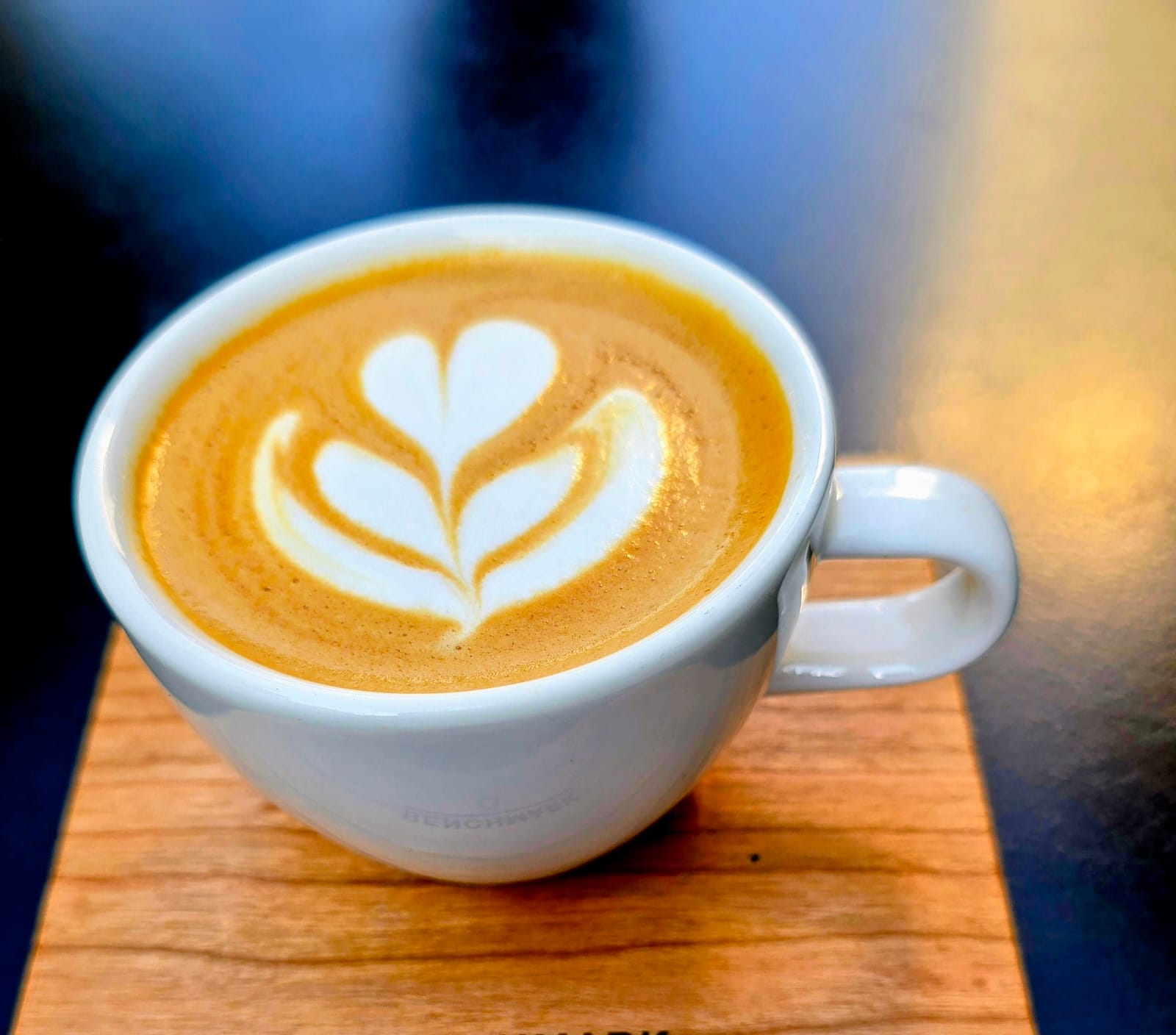
The Silent Cafe is Dying

By: Sonam Sherpa

We are living in a time where most of us know how to brew specialty coffee.

Great equipment, precise recipes, advanced processing methods everything is available. And yet, I’ve tasted many technically perfect brewed coffees that felt without lives.

What do I mean by coffee without life? As generations change, every industry evolves and coffee is no different. Brewing techniques are innovating faster than ever. But somewhere along this journey, we’ve started overlooking something far more important: the customer experience.

At the end of the day, the final goal isn’t the brew. It’s the person holding the cup.

Adding life to coffee doesn’t mean doing more complicated brewing. It means helping the customer feel that the coffee they’re paying for is worth it. Serving coffee alone isn’t enough anymore. Life is added when we share the story behind the cup,like

  1. Where the coffee comes from? 2.How it was processed ?

  2. What makes it unique? 4.Why it was roasted a certain way?

  3. How it’s meant to be experienced when brewed.

  4. And etc

Many of us already share this information. But what’s often missing is communication the ability to express it in a way that customer could connect. Not every customer wants technical details. What they want is something they can relate to. This is where storytelling becomes powerful. In the future, storytelling won’t just be a skill, it will be a necessity. The cafés that stand out will be the ones that communicate a beverage in a way that even a non-coffee drinker can understand and enjoy.

So here’s my encouragement to fellow coffee professionals and café owners:

Learn to tell stories. Learn to communicate. Because when a customer connects with the story, the coffee comes alive.
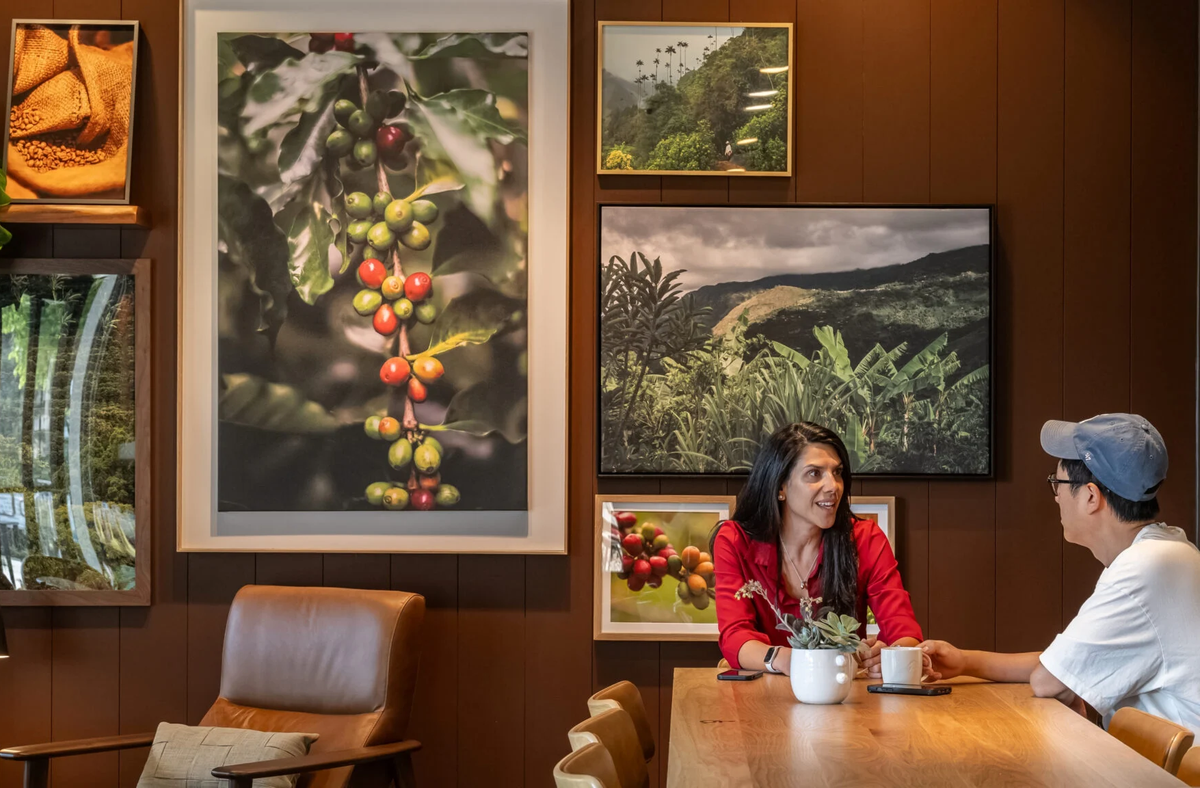
Starbucks Moves Ahead with Major U.S. Coffeehouse Revamp

Dubai, 5 September 2025 (Qahwa World) – Starbucks is reporting strong progress on its ambitious plan to refresh its U.S. coffeehouses, with redesigned stores in New York and Southern California already showing encouraging results.

The global coffee chain began remodeling select outlets in July 2025 as part of CEO Brian Niccol’s Back to Starbucks strategy, which aims to restore the brand’s traditional “coffeehouse atmosphere” and counter declining sales in its home market.

According to Starbucks, customers at the updated stores are spending more time in-store, visiting more frequently, and responding positively to the changes. The redesign includes:

  • Cozy seating and warmer lighting to create a more inviting environment

  • Vibrant artwork and ceramic mugs to highlight a café-style experience

  • A redesigned espresso bar that showcases coffee preparation and barista skills

  • Improved pickup zones that are streamlined and less disruptive

Starbucks intends to remodel more than 1,000 company-owned U.S. stores by the end of 2026 — nearly 10% of its U.S. network. The revamp is designed to strengthen connections with customers, replacing the “overly transactional” feel of some locations.

In addition, Starbucks announced it will phase out its 90 mobile order and pickup-only sites across the U.S. by the end of 2025. First introduced in 2019, these outlets will be closed to prioritize spaces that foster human interaction and community engagement.

Despite challenges in the U.S. market, Starbucks posted solid results in its latest financial report. For the quarter ending 29 June 2025, the company achieved 4% year-on-year revenue growth, reaching $9.5 billion globally. In the U.S., revenue increased by 1% to $6.45 billion, with Starbucks operating 17,230 outlets nationwide.

The coffee giant believes that its large-scale store refresh will play a crucial role in boosting customer loyalty, improving in-store experiences, and reinforcing its leadership in the U.S. coffee market.